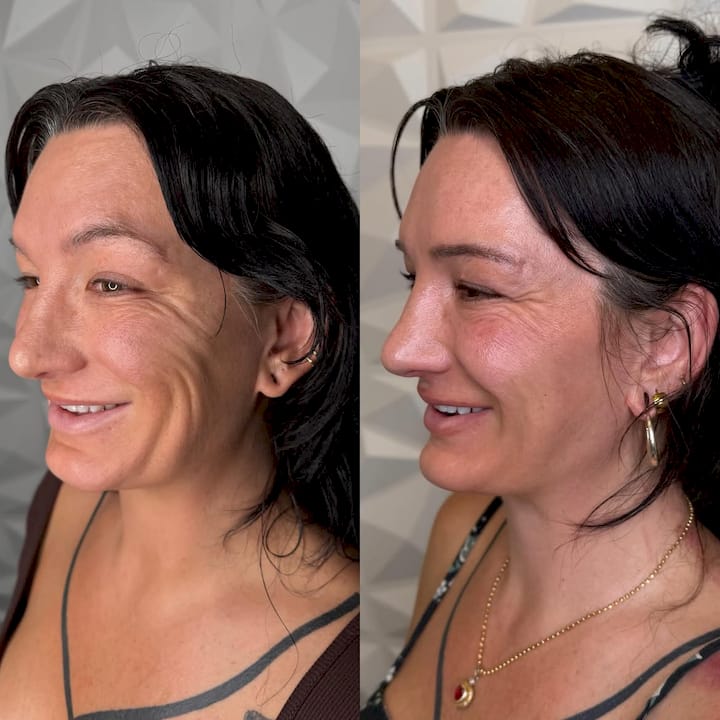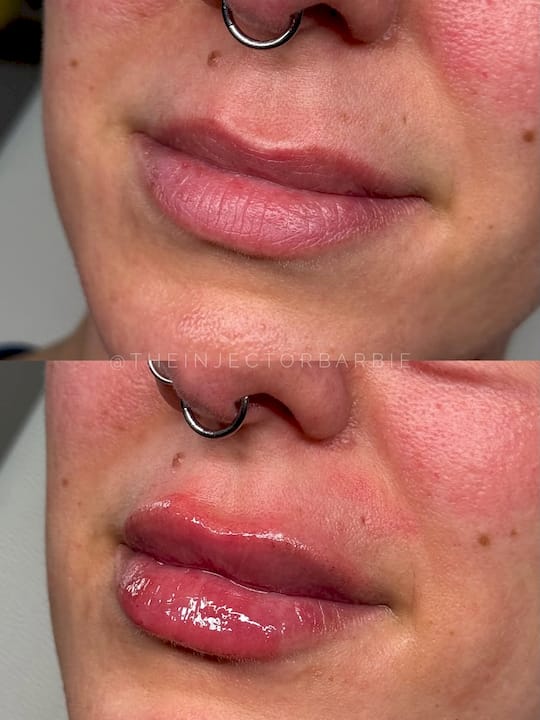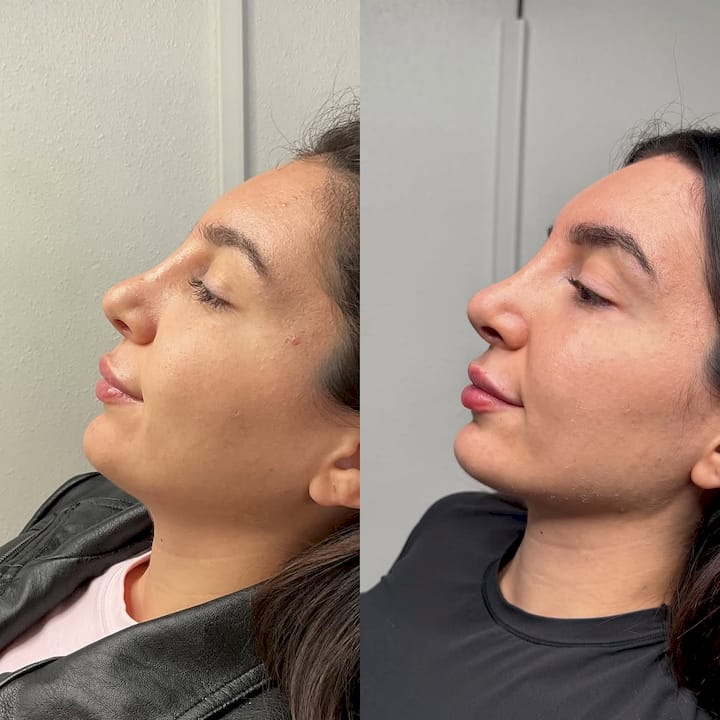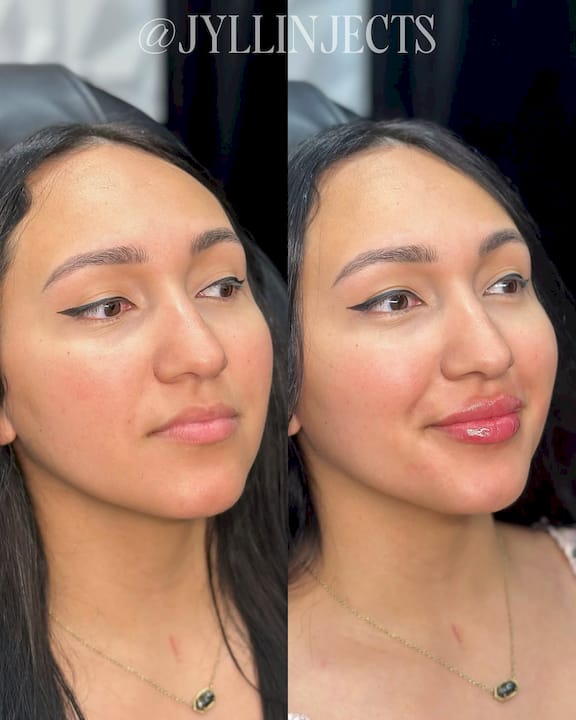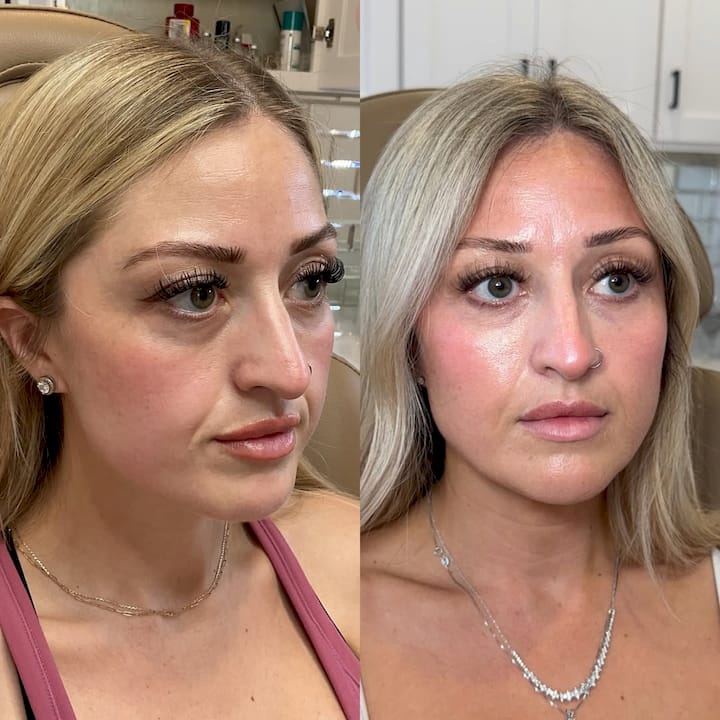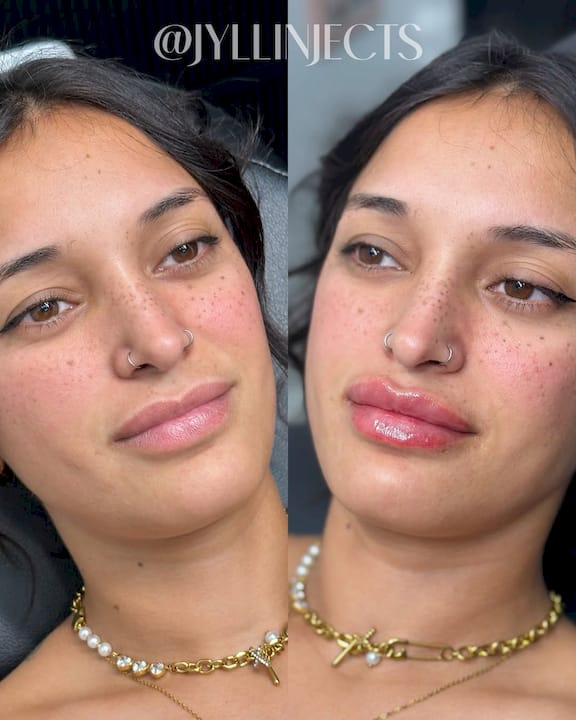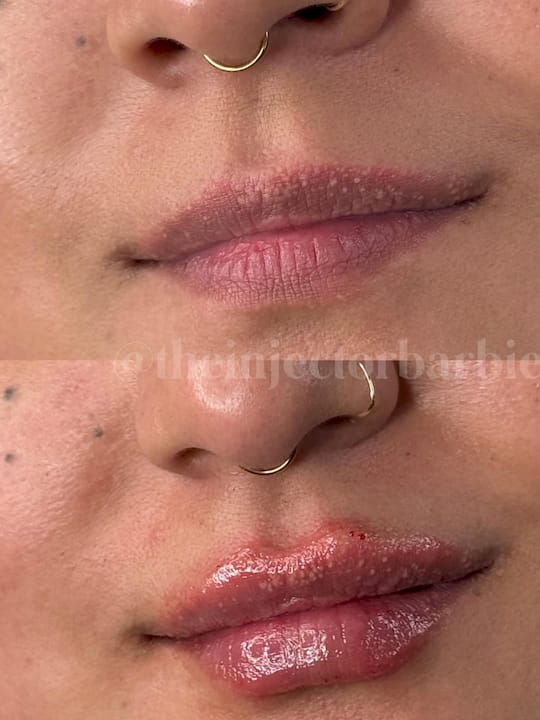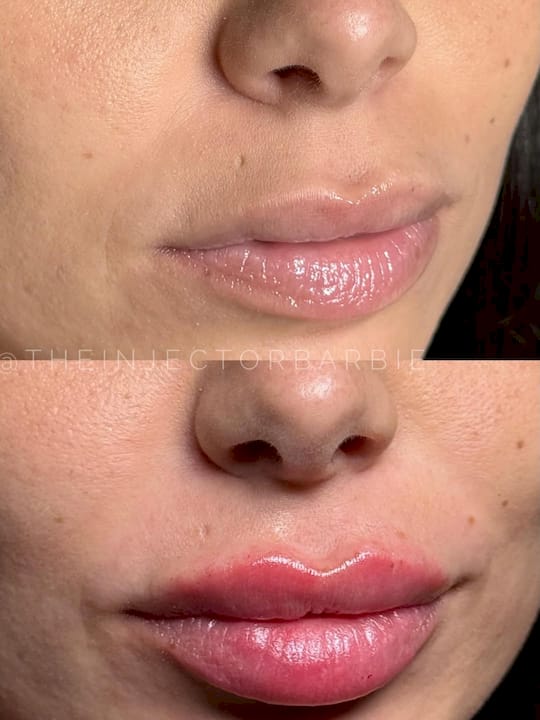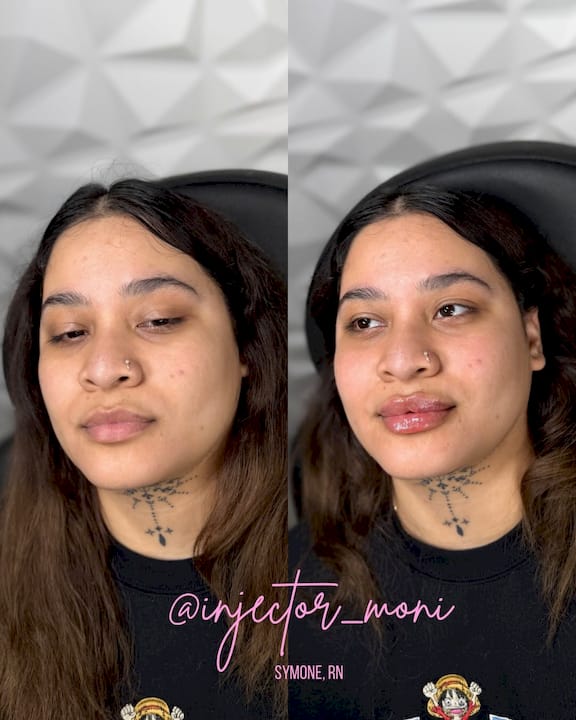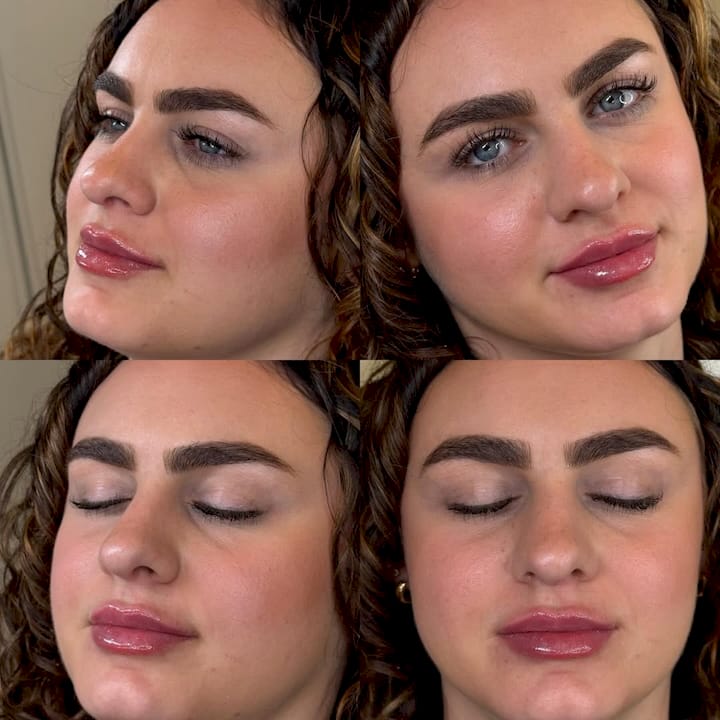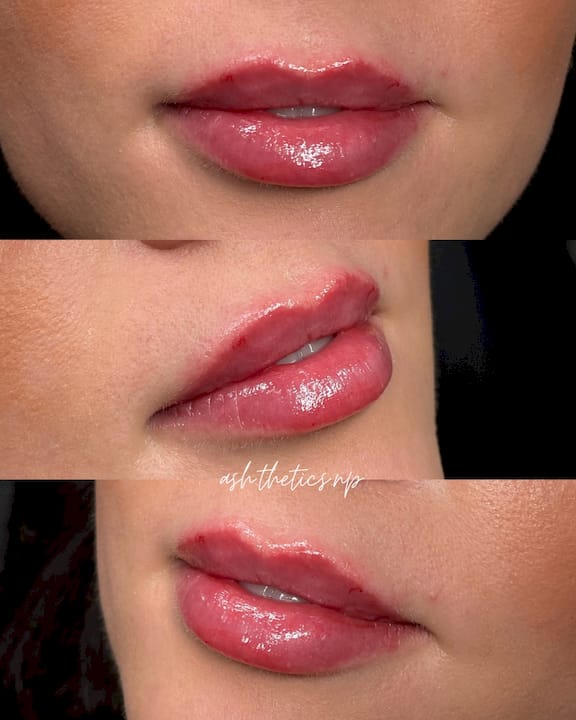
Fine lines across your forehead or around your eyes can make you feel like your reflection is changing faster than you expected. Many women in San Antonio are exploring modern solutions like Botox to address unwanted wrinkles and keep their skin looking smooth and youthful. Understanding the true science behind Botox’s wrinkle-smoothing power and separating fact from myth empowers you to make informed choices about your skin’s future.
Table of Contents
Key Takeaways
| Point | Details |
| Botox is Multifaceted | Botox is not just for cosmetic use; it has significant medical applications including migraine treatment and muscle spasticity management. |
| Temporary Effects | Botox results are not instant and typically develop over several days, with effects lasting about 3-4 months. |
| Professional Administration is Crucial | Proper injections by licensed professionals minimize risks and ensure natural-looking results. |
| Personalized Treatment Plans Recommended | Consult certified practitioners for tailored Botox strategies addressing individual aging concerns and facial dynamics. |
Botox Defined and Common Misconceptions
Botox represents a purified neurotoxin protein derived from the Clostridium botulinum bacterium, strategically used for aesthetic and medical treatments. This complex neurotoxin mechanism temporarily interrupts nerve signals to specific muscle groups, resulting in reduced muscle movement and minimized wrinkle appearance.
Contrary to popular misconceptions, Botox is not a permanent solution nor does it instantly erase all facial lines. The treatment works by relaxing targeted muscle groups, which smooths existing wrinkles and prevents new line formations. Specifically designed for dynamic wrinkles caused by repetitive facial movements like smiling or frowning, Botox provides a strategic approach to managing visible signs of aging.
Many individuals mistakenly believe Botox is exclusively a cosmetic treatment. However, the neurotoxin has extensive medical applications ranging from migraine management to treating muscle spasms and excessive sweating. Professional administration by licensed practitioners ensures precise targeting and minimal risks, dispelling myths about widespread muscle paralysis or unnatural facial appearances.
The following table highlights common misconceptions about Botox and the corresponding reality:
| Misconception | Reality | Why It Matters |
| Botox is only for cosmetic use | Has multiple medical applications | Broader healthcare impact |
| Results are instant | Effects develop over several days | Manages patient expectations |
| Botox causes permanent paralysis | Results are temporary and reversible | Ensures safety awareness |
| Treatments make faces look frozen | Skilled use preserves natural expressions | Reduces fear of “frozen” look |
| Only works on all wrinkles equally | Most effective for dynamic lines | Guides treatment selection |
Pro Tip: Always consult a certified aesthetic professional who can assess your specific facial structure and recommend personalized Botox treatment strategies tailored to your unique aging concerns.
Types of Botox and Treatment Areas
Botox treatments primarily utilize two primary serotypes: Type A and Type B, with distinct clinical applications. Type A remains the most commonly used formulation for aesthetic treatments, targeting specific facial muscle groups responsible for dynamic wrinkle formation.
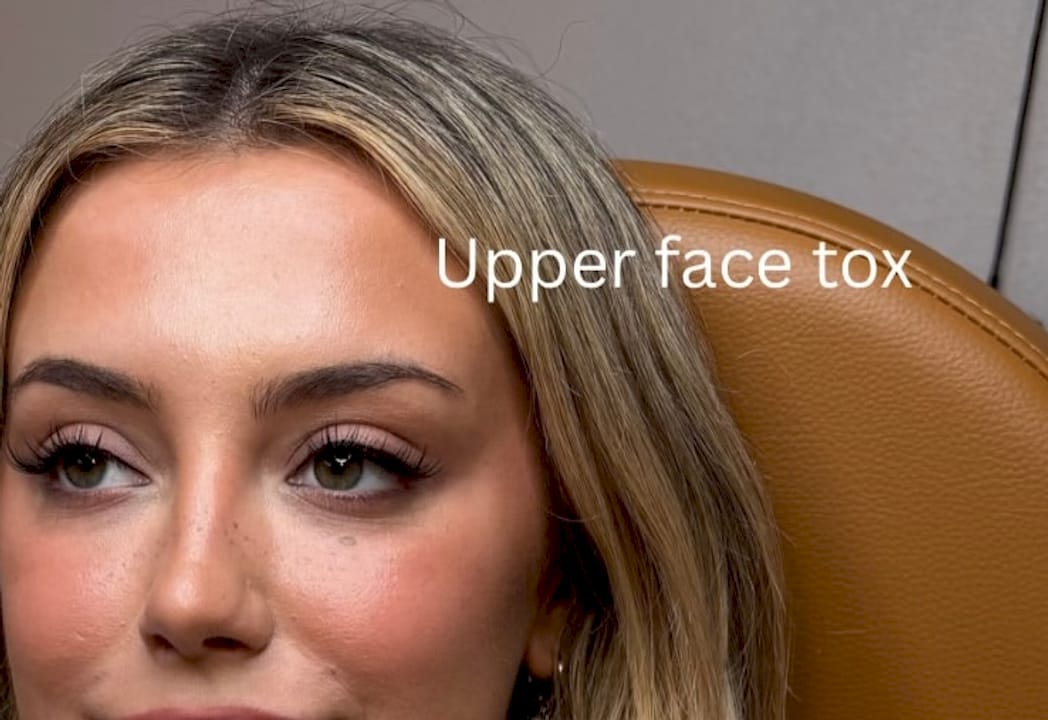
The most frequently treated areas for wrinkle reduction include the forehead, glabellar lines (located between the eyebrows), and periorbital regions known as crow’s feet. Each treatment area requires precise mapping and strategic injection techniques to achieve natural-looking results. Forehead treatments typically address horizontal lines, while glabellar injections target vertical frown lines that develop from repeated muscle contractions.
Botox Treatment Areas Include:
-
Forehead horizontal lines
-
Glabellar vertical lines
-
Crow’s feet around eye regions
-
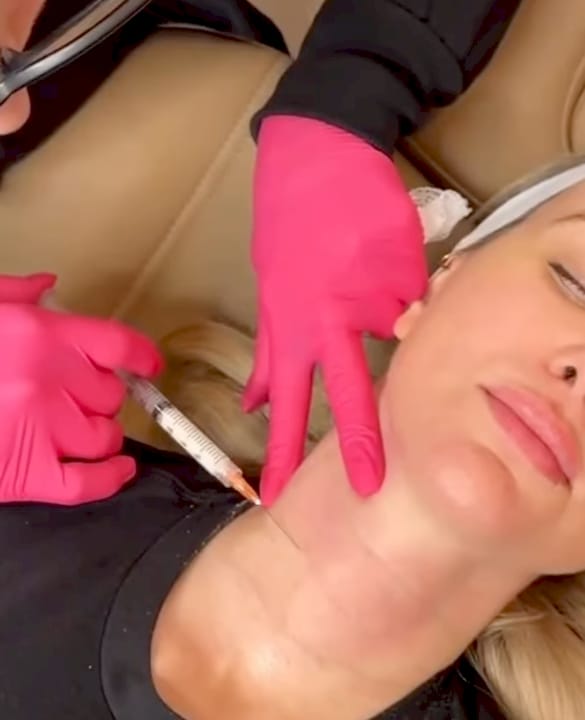
Neck bands
-
Perioral lines around the mouth
-
Chin dimpling
The scientific research on aesthetic applications demonstrates that individual treatment plans must account for unique facial muscle structures, skin elasticity, and aging patterns. Professional practitioners carefully assess each patient’s specific facial dynamics to determine the most effective injection strategy and dosage.
Pro Tip: Request a comprehensive facial assessment during your initial consultation to develop a personalized Botox treatment plan that addresses your specific aging concerns and aesthetic goals.
How Botox Works to Smooth Wrinkles
Botox operates through a sophisticated neurological mechanism that temporarily interrupts muscle movement, strategically addressing dynamic wrinkle formation. Biochemical processes at neuromuscular junctions reveal how the neurotoxin selectively blocks acetylcholine release, preventing nerve signals from triggering muscle contractions that create facial lines.
The injection process targets specific muscle groups responsible for repetitive movements that cause wrinkles. When Botox is introduced, it binds to nerve endings, effectively preventing the transmission of chemical signals that typically trigger muscle contractions. This precise intervention means that muscles in treated areas become temporarily relaxed, smoothing out existing wrinkles and preventing the formation of new dynamic lines.
Key Mechanisms of Botox Wrinkle Reduction:
-
Blocks neural signal transmission
-
Prevents muscle contraction
-
Reduces appearance of dynamic wrinkles
-
Provides temporary muscle relaxation
-
Targets specific facial muscle groups
The scientific analysis of cosmetic applications demonstrates that Botox’s effectiveness depends on precise dosage and strategic injection placement. Professional practitioners carefully map facial muscle structures to ensure natural-looking results, avoiding over-treatment that could create an unnaturally frozen appearance.
Pro Tip: Schedule a comprehensive consultation to understand how your unique facial muscle dynamics can be addressed through customized Botox treatment strategies.
Medical and Preventive Uses of Botox
Botox has emerged as a versatile treatment extending far beyond cosmetic wrinkle reduction, with comprehensive medical applications addressing multiple health conditions. The neurotoxin has been scientifically proven effective in treating chronic medical challenges, demonstrating its remarkable therapeutic potential across various physiological systems.
Medical conditions successfully managed with Botox include chronic migraines, excessive sweating (hyperhidrosis), muscle spasticity, and specific neurological disorders. By strategically blocking nerve signals, Botox helps patients manage painful muscle contractions, reduce involuntary movements, and alleviate symptoms associated with conditions like cervical dystonia, overactive bladder, and certain types of muscle rigidity.
Medical Uses of Botox Include:
-
Chronic migraine prevention
-
Hyperhidrosis treatment
-
Muscle spasticity management
-
Overactive bladder control
-
Cervical dystonia relief
-
Reducing involuntary muscle movements
The emerging therapeutic landscape of botulinum treatments continues to expand, with researchers exploring innovative applications in pain management, neurological rehabilitation, and preventive medicine. These advancements highlight Botox’s potential as a multifaceted medical intervention beyond traditional cosmetic applications.
Pro Tip: Consult a specialized healthcare professional to explore how Botox might address your specific medical concerns and potential treatment strategies.
Risks, Potential Side Effects, and Safety
Botox treatments, while generally safe, carry potential risks that patients must understand before proceeding. Safety profile research indicates that most side effects are mild and temporary, primarily occurring at the injection site and resolving quickly.
Common side effects include localized bruising, redness, mild swelling, and temporary muscle weakness. More rare but significant complications can involve unintended muscle paralysis, potential allergic reactions, or asymmetrical results. The scientific understanding of toxin diffusion reveals that precise injection technique dramatically reduces the likelihood of adverse outcomes.
Potential Botox Side Effects:
-
Temporary bruising
-
Localized swelling
-
Mild injection site pain
-
Potential muscle weakness
-
Rare allergic reactions
-
Potential asymmetrical results
Risk factors increase with inexperienced practitioners, underlying health conditions, and failure to disclose complete medical history. Patients with neuromuscular disorders, pregnancy, or specific medication interactions require extra caution. Professional screening and comprehensive consultation remain critical in minimizing potential complications and ensuring safe treatment outcomes.
Pro Tip: Always select a board-certified professional with extensive experience in Botox administration and provide a complete, transparent medical history during your initial consultation.
Comparing Botox to Other Aesthetic Options
Aesthetic treatments offer multiple approaches to wrinkle reduction, with comprehensive comparison research revealing distinct advantages for each method. Botox differentiates itself through its muscle-relaxing mechanism, targeting dynamic wrinkles caused by repetitive facial movements, unlike alternative treatments that focus on surface-level interventions.

Dermal fillers represent the primary alternative to Botox, utilizing hyaluronic acid to add volume and smooth static wrinkles. While fillers physically plump skin areas, Botox works by temporarily paralyzing specific muscle groups, preventing the formation of new lines. Chemical peels and laser treatments offer additional options, focusing on skin resurfacing and collagen stimulation rather than muscle relaxation.
Aesthetic Treatment Comparison:
Here is a comparison of popular aesthetic wrinkle treatments and their primary benefits:
| Treatment Method | Main Approach | Typical Duration | Best For |
| Botox | Muscle relaxation | 3-4 months | Dynamic wrinkles |
| Dermal Fillers | Volume restoration | 6-18 months | Deep folds, lost facial volume |
| Chemical Peels | Exfoliation | Several months | Uneven texture, pigmentation |
| Laser Therapies | Collagen stimulation | 6-12 months | Fine lines, sun damage |
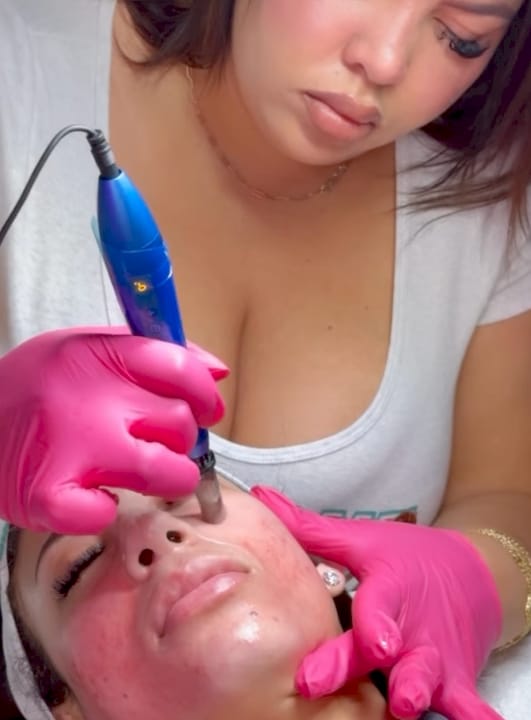
| Microneedling | Skin regeneration | Several months | Acne scars, skin texture |
| Dermabrasion | Surface removal | Variable | Superficial lines, rough skin |
-
Botox: Muscle-relaxing neurotoxin
-
Dermal Fillers: Volume-adding treatments
-
Chemical Peels: Skin resurfacing
-
Laser Therapies: Collagen stimulation
-
Microneedling: Skin regeneration
-
Dermabrasion: Surface skin removal
The emerging trends in aesthetic medicine suggest that combination approaches often yield the most comprehensive results. Professional practitioners increasingly recommend personalized treatment plans that may integrate multiple techniques to address individual skin aging concerns more effectively.
Pro Tip: Consult a board-certified aesthetic specialist who can evaluate your unique facial structure and recommend a tailored treatment strategy combining multiple approaches for optimal results.
Discover How Botox Can Transform Your Wrinkle Concerns Today
If you have been wondering exactly what Botox does for wrinkle reduction the answer lies in its ability to temporarily relax muscles and smooth dynamic lines caused by repeated facial movements. At The Injection Room, we understand your desire to reduce forehead lines, crow’s feet, and glabellar wrinkles while preserving your natural expressions. Our expert team offers customized neurotoxin treatments designed to target these specific areas with precision and care.
Take control of your aging journey with tailored solutions including Botox and other advanced aesthetic services like dermal fillers and microneedling. Explore our full range of options at The Injection Room to find the perfect approach for your unique skin concerns. Ready to achieve softer wrinkles and a refreshed look? Schedule your consultation today at Botox Treatments and let us help you reveal a more youthful, confident you.
Frequently Asked Questions
What is Botox and how does it work for wrinkle reduction?
Botox is a purified neurotoxin derived from the Clostridium botulinum bacterium. It works by temporarily interrupting nerve signals to specific muscle groups, resulting in reduced muscle movement, which smooths existing wrinkles and prevents new ones from forming.
How long do the effects of Botox last for wrinkle reduction?
The effects of Botox typically last between 3 to 4 months, after which repeat treatments are required to maintain the desired appearance.
Is Botox a permanent solution for wrinkles?
No, Botox is not a permanent solution. Its effects are temporary, and once the treatment wears off, muscle activity gradually resumes, leading to the return of wrinkles.
Can Botox be used for medical conditions as well as cosmetic purposes?
Yes, Botox has various medical applications beyond cosmetic use, including treating chronic migraines, excessive sweating, muscle spasms, and certain neurological disorders. Its versatility makes it a valuable therapeutic option.
%20Pictures%20are%204%20weeks%20apart..jpg)