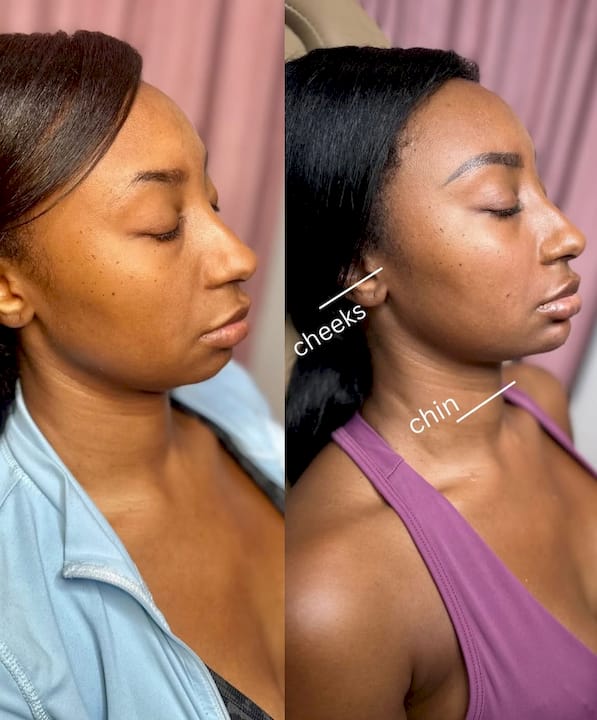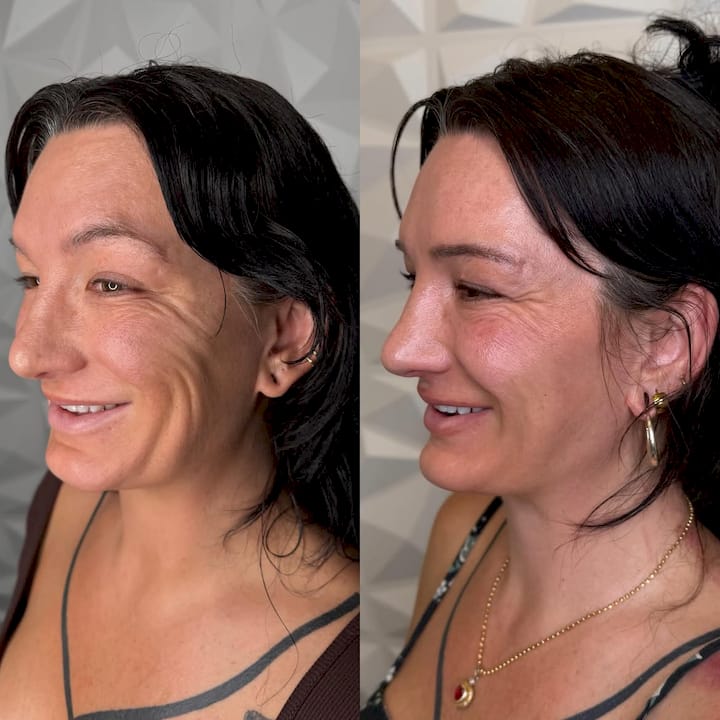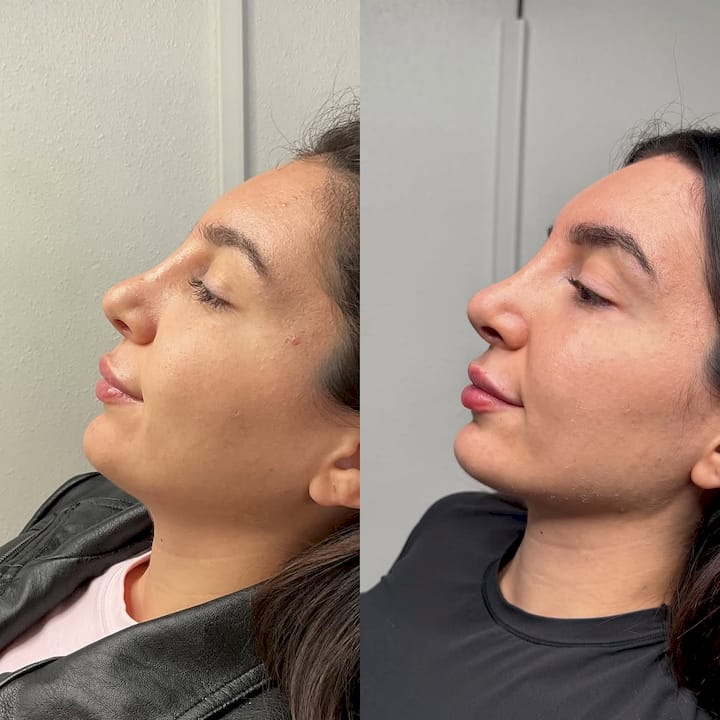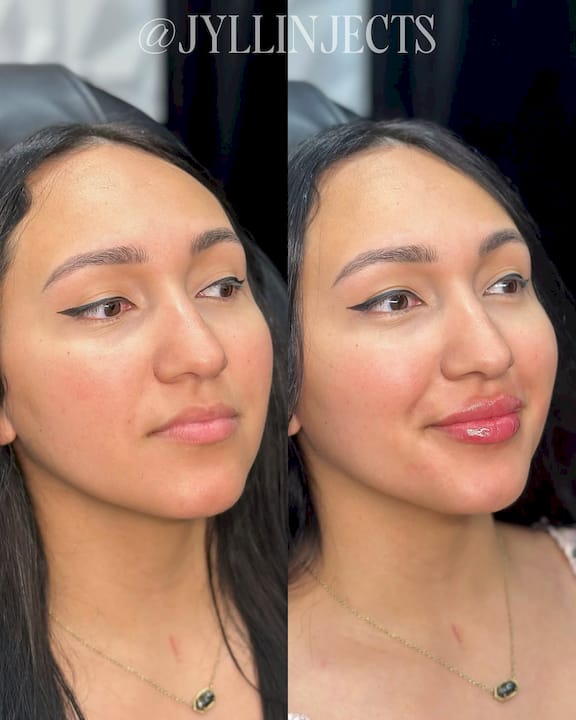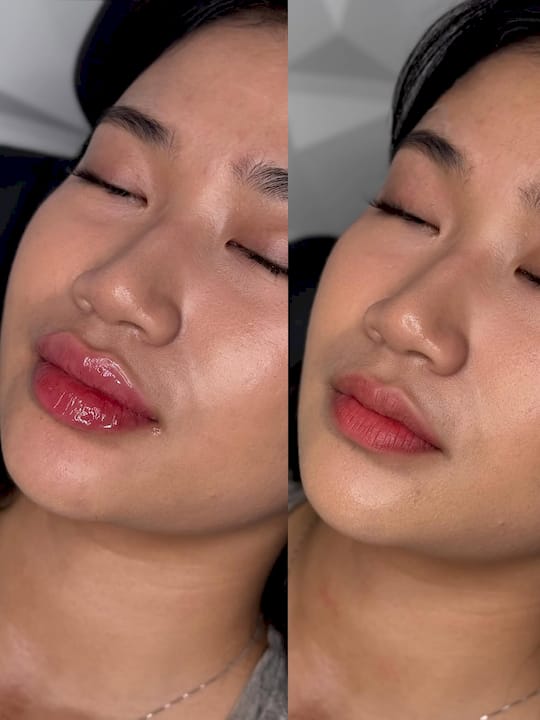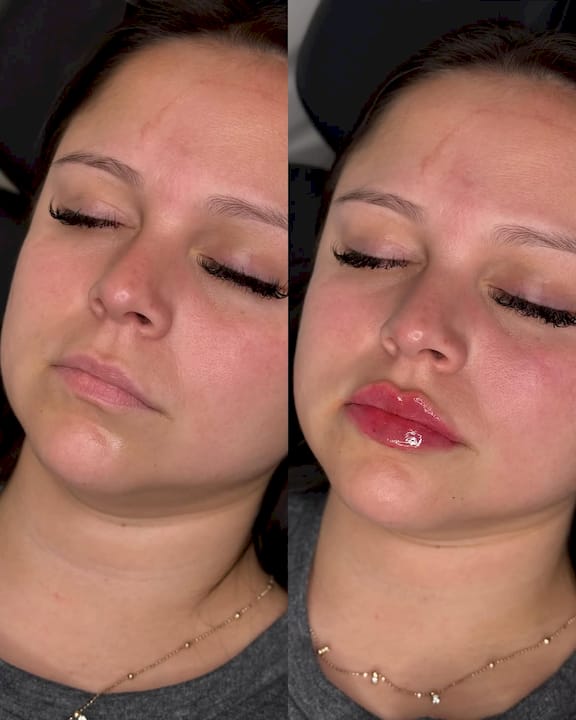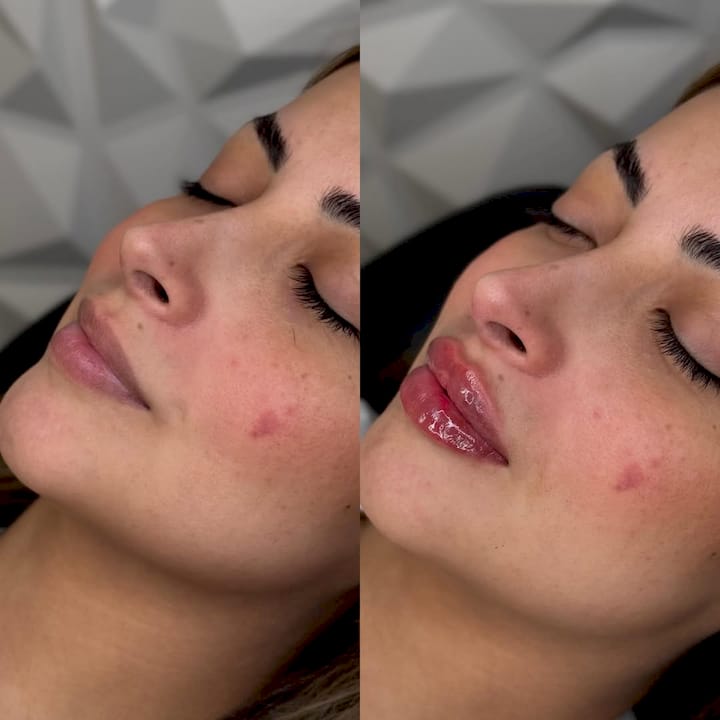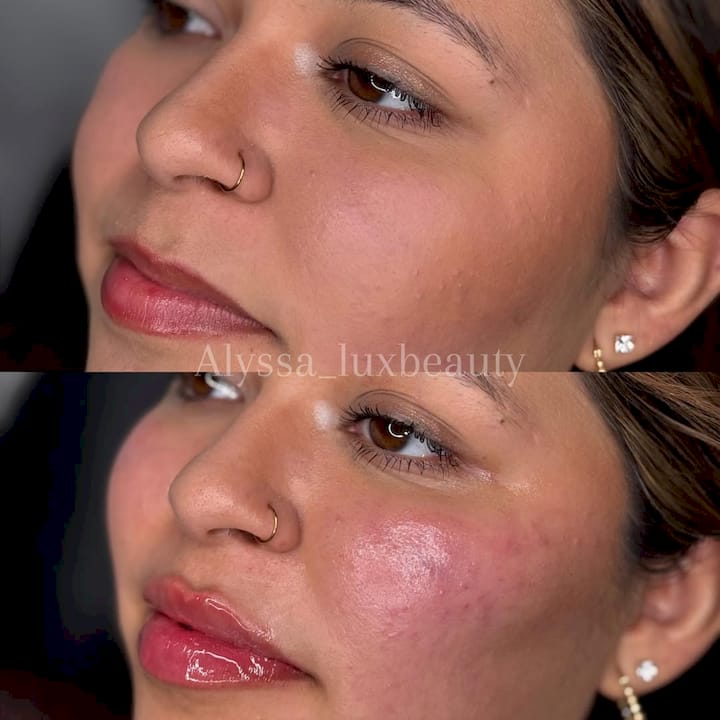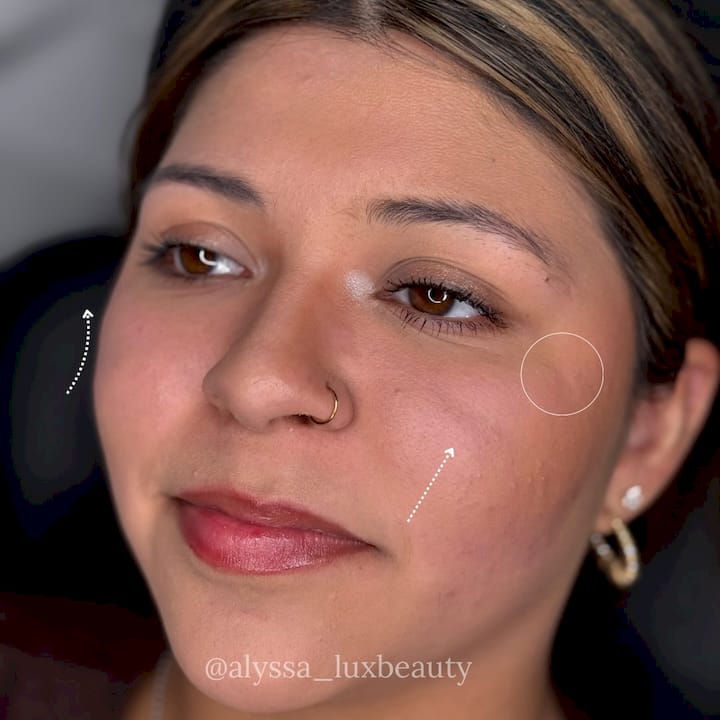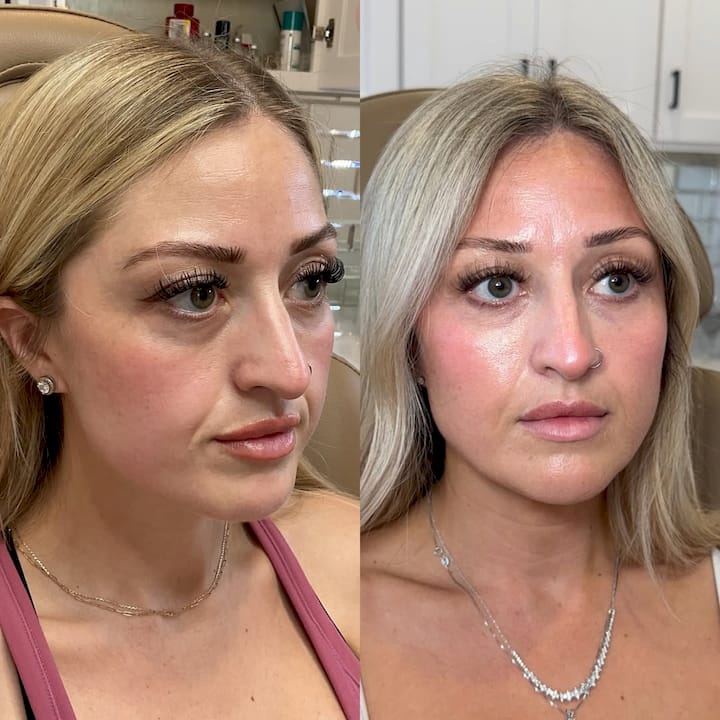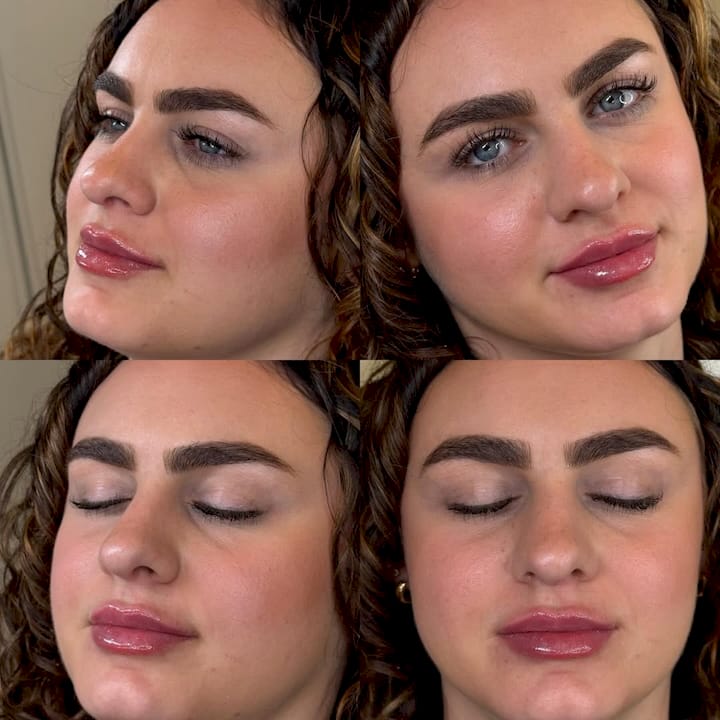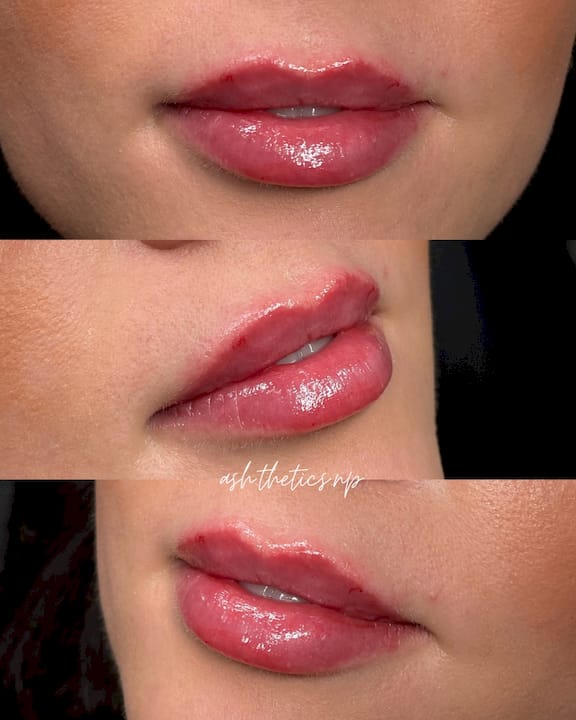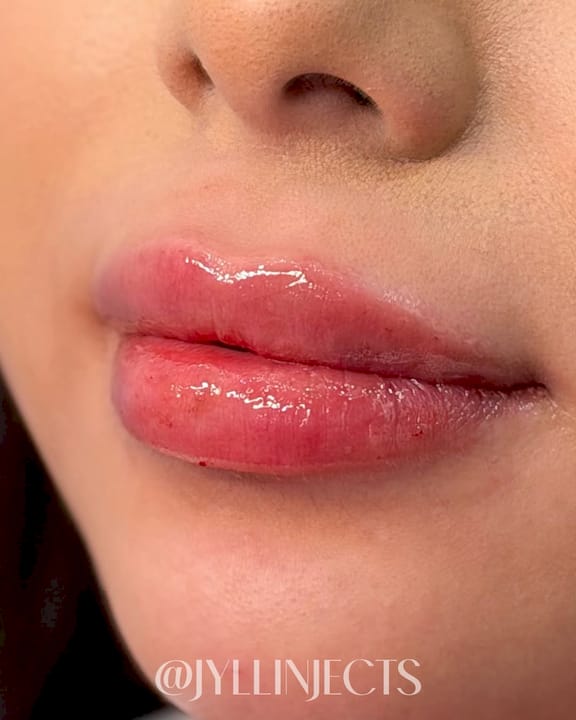
Most American women over 40 notice subtle changes that seem to age their face overnight. High cheekbones and bright eyes may fade, but the biggest difference often appears in the temples. Research shows that temple volume loss dramatically affects how old we look and how facial contours shift with age. If you are in San Antonio or Austin and want a sophisticated, low-downtime solution, discover how advanced dermal fillers can restore natural youthfulness—especially in an area most treatments miss.
Table of Contents
Key Takeaways
| Point | Details |
| Facial Aging Complexity | Volume loss in the temple region significantly affects appearance, often requiring strategic interventions like fillers to restore youthfulness. |
| Types of Fillers | Hyaluronic acid is the most popular filler for immediate results, while other options like calcium hydroxylapatite and autologous fat grafting offer varied benefits and longevity. |
| Procedure Safety | Proper technique and experienced practitioners are crucial for minimizing risks associated with temple fillers, including serious complications. |
| Results and Maintenance | Results generally last 12-24 months, and factors like skin quality and lifestyle impact longevity, necessitating potential follow-ups for optimal outcomes. |
Temple Filler Explained: Volume Loss and Aging
Facial aging isn’t just about wrinkles. It’s a complex process of structural changes that dramatically transform how we look. One of the most significant yet overlooked areas is the temple region, where volume loss can create a dramatically aged appearance. Volumetric changes in facial structures reveal how bone remodeling and soft tissue atrophy contribute to this aesthetic transformation.
The temple area experiences profound changes as we age. Fat pads diminish, bone structures remodel, and muscle volume decreases, resulting in a hollowed, skeletonized look that can add years to your appearance. This isn’t just cosmetic vanity - it’s a natural biological process that affects facial contours and symmetry. Advanced facial aging involves regional volumetric shifts that make the temples particularly susceptible to noticeable volume depletion.
Addressing temple volume requires strategic intervention. Injectable soft-tissue fillers can safely restore lost volume, providing a more youthful and balanced facial profile. By carefully replenishing tissue in different temple region layers, practitioners can create subtle yet transformative results. The goal isn’t to dramatically change your look, but to restore natural contours and bring back the soft, rounded appearance associated with youth.
Pro tip: When considering temple fillers, always choose a board-certified professional who specializes in facial aesthetics and understands the nuanced anatomy of this delicate region.
Types of Temple Fillers Used Today
Temple fillers represent a sophisticated approach to facial rejuvenation, with multiple options tailored to individual aesthetic needs. Hyaluronic acid fillers emerged as the most popular and versatile option, offering safe and predictable results for patients seeking temple volume restoration. These gel-like substances provide immediate volume and integrate smoothly with existing facial structures, creating natural-looking outcomes.
Beyond hyaluronic acid, several advanced filler types address temple volume loss. Calcium hydroxylapatite offers longer-lasting results by stimulating natural collagen production. Poly-L-lactic acid works gradually, encouraging the body’s own regenerative processes. Polymethylmethacrylate microspheres provide permanent volumization, while autologous fat grafting represents a natural tissue restoration technique with approximately 40% volume retention after one year.
Each filler type comes with unique characteristics and potential benefits. Practitioners consider factors like patient age, skin condition, desired longevity, and individual facial anatomy when recommending a specific temple filler. Some patients might require combination approaches or staged treatments to achieve optimal aesthetic outcomes. Understanding these nuanced differences helps patients make informed decisions about their facial rejuvenation journey.
Here’s a side-by-side comparison of popular temple filler materials and their distinctive attributes:
| Filler Type | Main Benefit | Estimated Longevity | Unique Consideration |
| Hyaluronic Acid | Immediate, natural look | 12-18 months | Easily reversible with enzyme |
| Calcium Hydroxylapatite | Collagen stimulation | 18-24 months | Firmer texture, gradual effect |
| Poly-L-lactic Acid | Progressive volume restoration | 18-24 months | Requires several sessions |
| Polymethylmethacrylate | Permanent volumization | Permanent | Not reversible |
| Autologous Fat Grafting | Natural tissue integration | Variable (40% at 1yr) | Involves minor surgery |
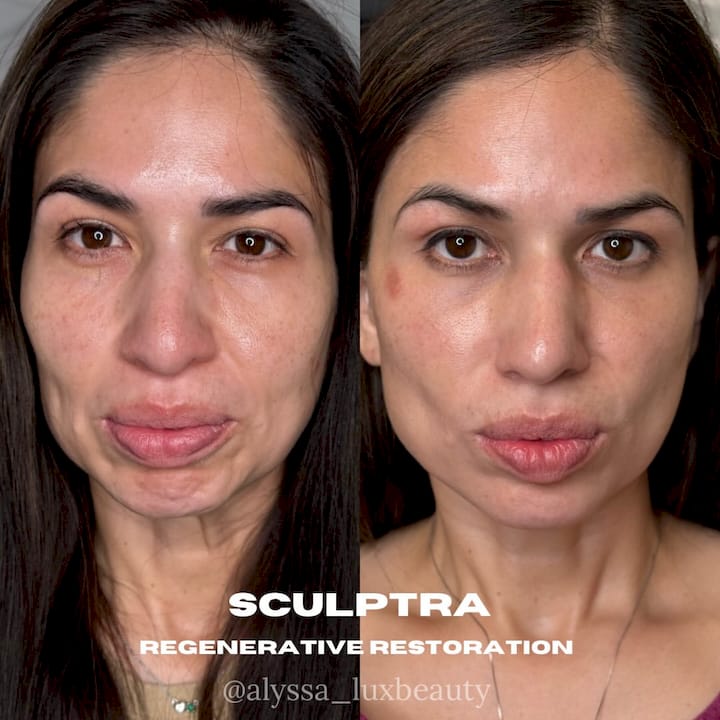
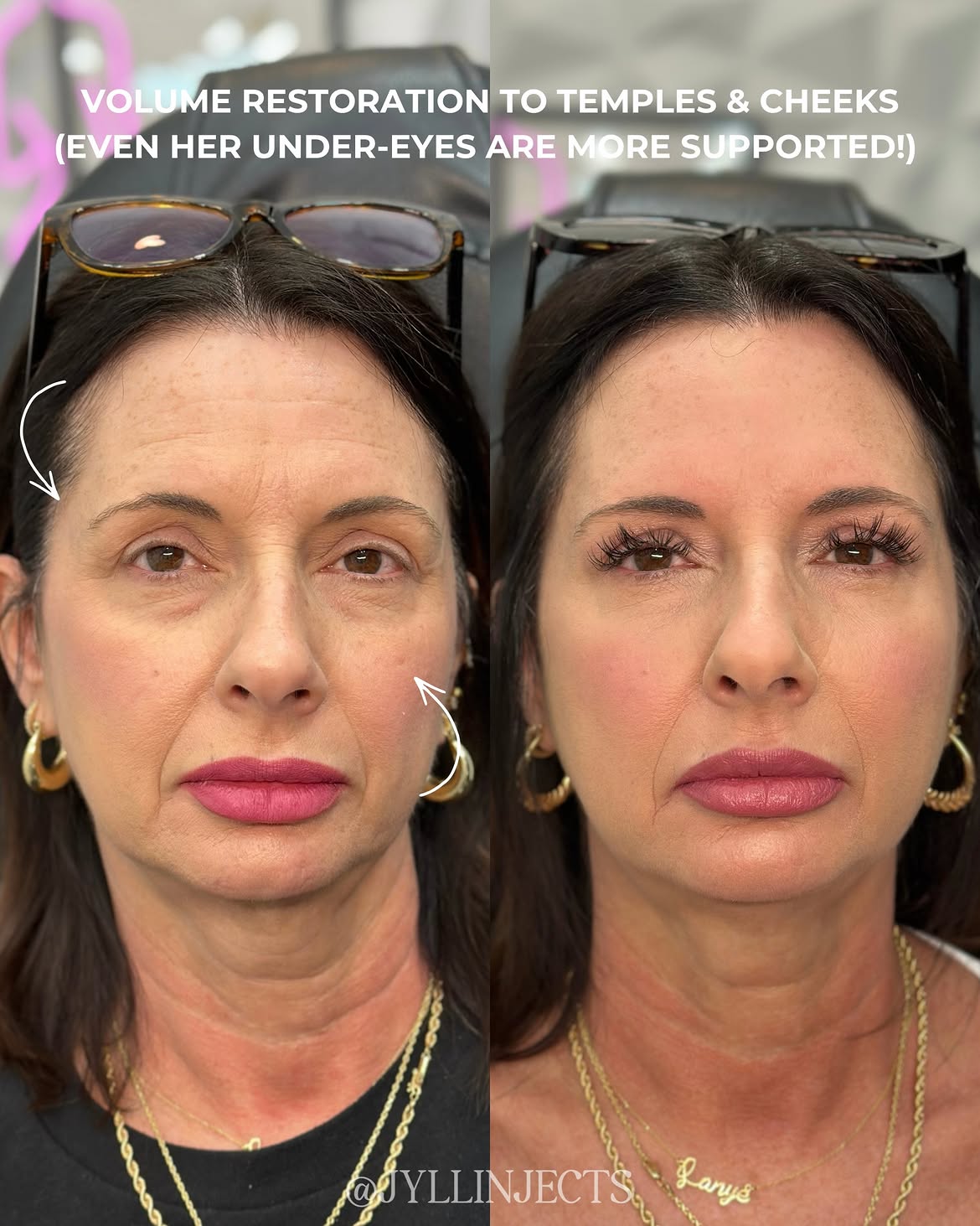
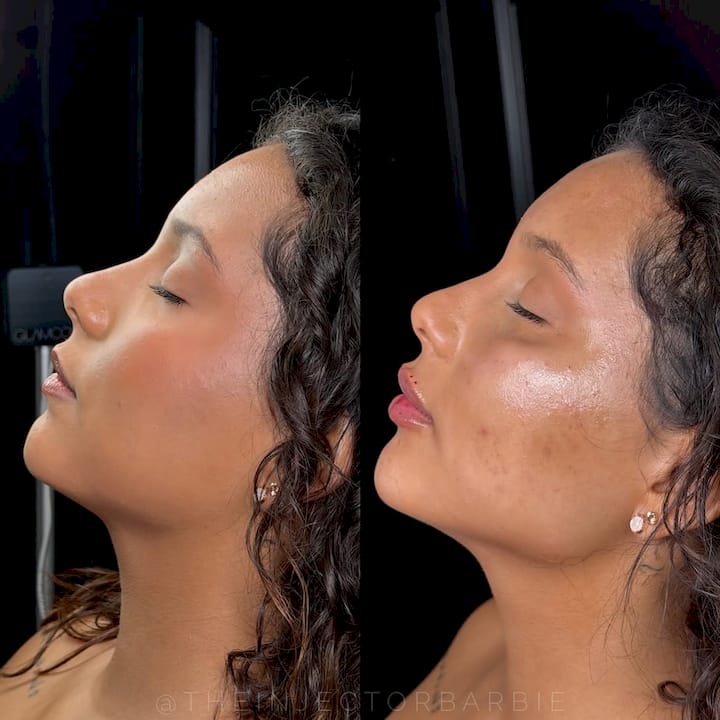
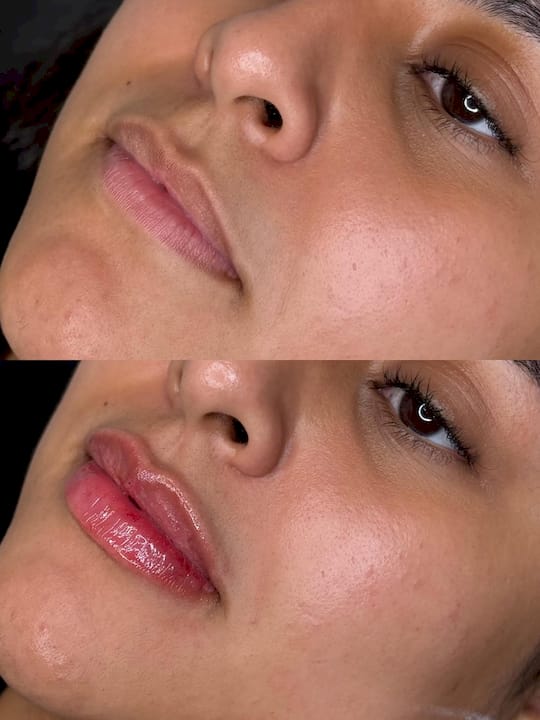
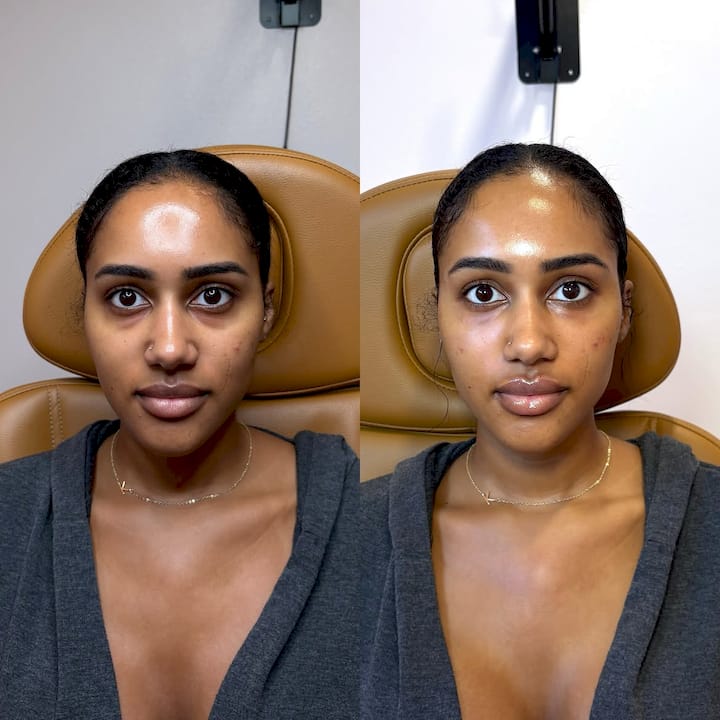
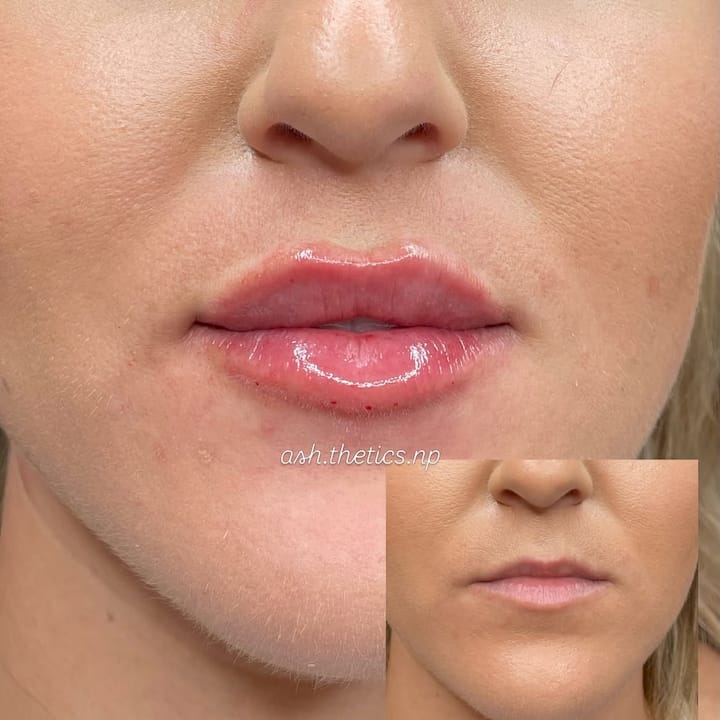
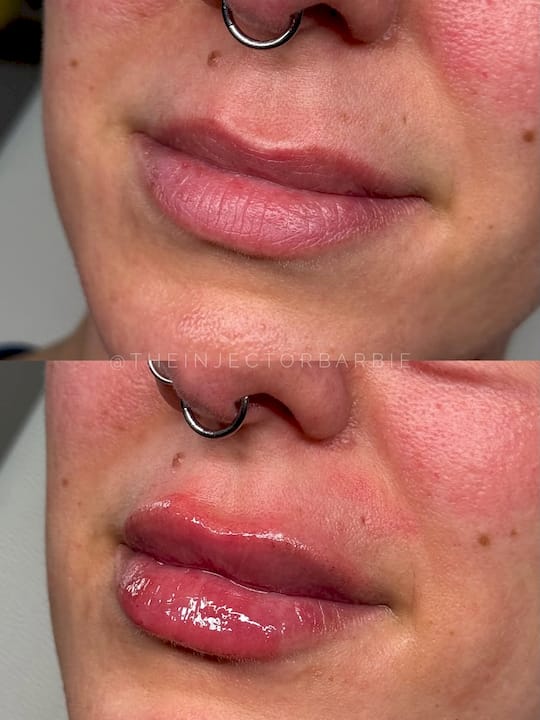
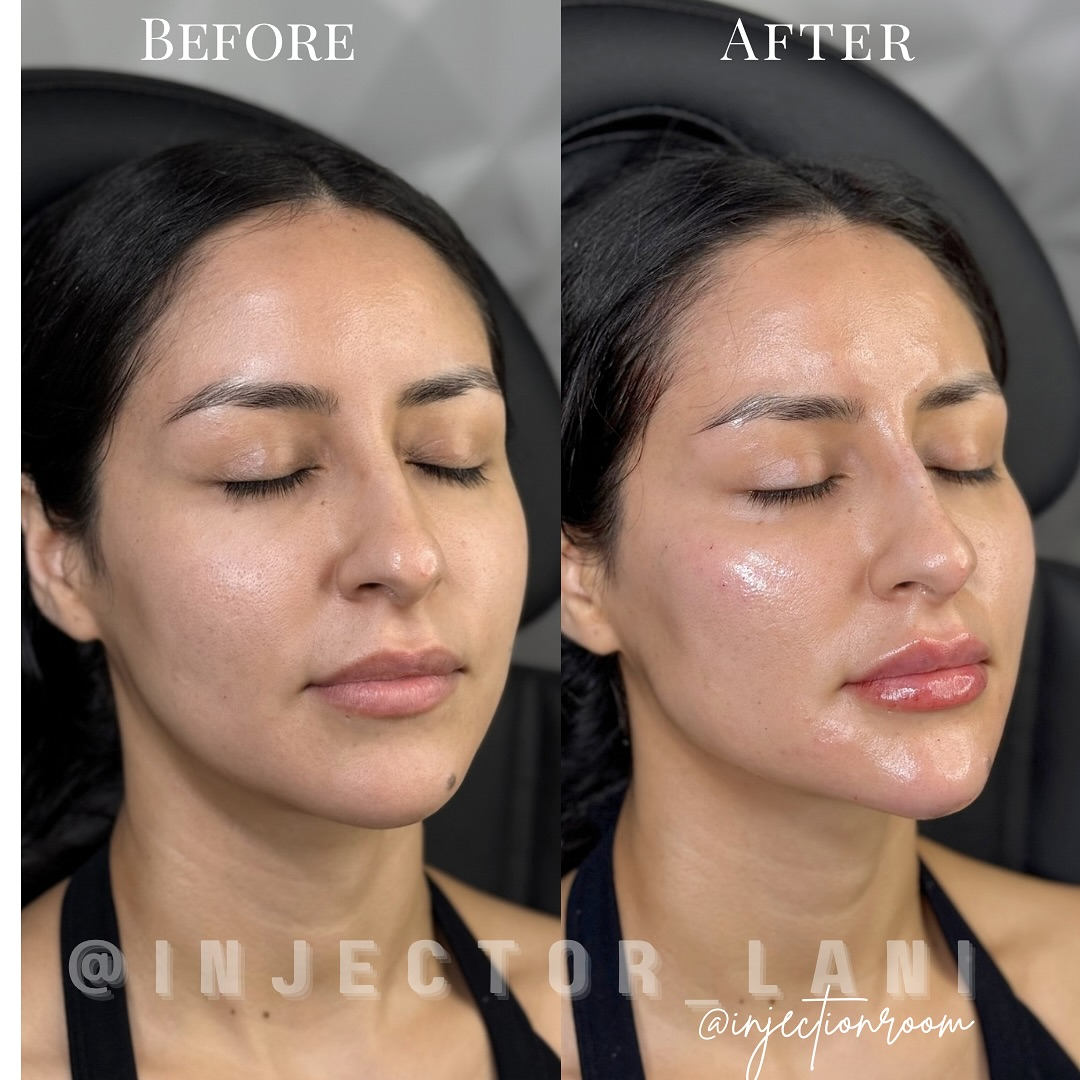
Pro tip: Request before and after photographs from your practitioner to visually understand how different filler types might transform your temple area.
How Temple Filler Procedures Work
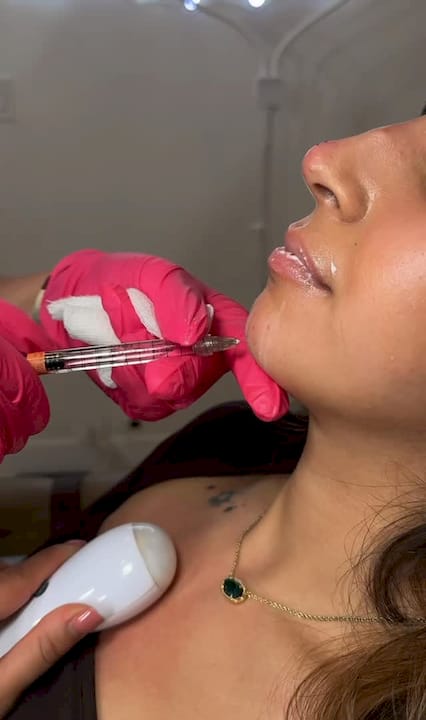
Temple filler procedures are precision treatments that require advanced aesthetic expertise. Specialized injection techniques target specific anatomical layers within the temporal region, carefully navigating complex facial structures to restore volume and youthful contours. Practitioners utilize either cannulas or fine needles to strategically place fillers in the interfascial plane and temporal fat pads, ensuring natural-looking results.
The procedure begins with a comprehensive facial assessment, where the practitioner evaluates volume loss, skin quality, and individual facial anatomy. Ultrasound guidance provides enhanced precision during the injection process, allowing for extremely accurate filler placement between the superficial and deep temporal fascia. This technique minimizes risks and maximizes the potential for optimal volumization and subtle lifting effects.
Most temple filler treatments take approximately 30-45 minutes, with minimal downtime. Patients can expect a progressive restoration of facial volume, with results that develop over several weeks as the filler integrates with existing facial tissues. The amount of filler used varies depending on individual volume loss, typically ranging from 1-2 syringes per temple area. Skilled practitioners focus on creating symmetry and maintaining the natural contours of the face, avoiding an overfilled or artificial appearance.
Pro tip: Ask your practitioner about combining temple fillers with complementary treatments like neurotoxins to achieve a more comprehensive facial rejuvenation approach.
Expected Results and Longevity
Temple filler treatments offer transformative results that extend beyond immediate visual improvements. Clinical studies demonstrate sustained volumization with most patients experiencing significant temporal region enhancement that lasts between 12-18 months. The majority of individuals report looking notably younger, with restored facial symmetry and a more refreshed appearance.
Autologous fat grafting shows promising volume retention around 42% at the one-year mark, providing a natural alternative to synthetic fillers. Patients can expect gradual improvements as the treatment settles, with peak results typically visible around 4-6 weeks post-procedure. Individual outcomes vary based on factors like age, skin quality, metabolism, and the specific filler type used. Some patients may require touch-up treatments to maintain optimal volume and aesthetic balance.
The longevity of temple fillers depends on multiple physiological factors. Metabolism, lifestyle, skincare routine, and overall health significantly impact how long results persist. Hyaluronic acid fillers tend to break down more quickly in patients with higher metabolic rates or those who exercise intensely. Calcium hydroxylapatite and poly-L-lactic acid fillers generally offer more extended results, potentially lasting up to 18-24 months. Patients can maximize their results through proper skincare, hydration, sun protection, and maintaining a consistent wellness routine.

Below is a quick reference for factors that impact the duration and results of temple fillers:
| Factor | Effect on Longevity | How to Optimize |
| Metabolism | Faster breakdown with high rate | Moderate exercise levels |
| Skin Quality | Better outcomes with healthy skin | Maintain hydration and care |
| Age | Older age may decrease duration | Use combination treatments |
| Lifestyle | Smoking/alcohol shortens results | Avoid tobacco and excess alcohol |
| Sun Exposure | UV accelerates filler breakdown | Use daily sun protection |
Pro tip: Schedule a follow-up consultation around 8-10 months post-treatment to assess filler longevity and discuss potential maintenance strategies.
Risks, Safety, and What to Avoid
Temple fillers require careful consideration and understanding of potential risks. Significant anatomical complications can occur due to the complex vascular structure of the temporal region. Practitioners must navigate proximity to major blood vessels, with potential serious risks including vascular occlusion, skin necrosis, and in rare cases, blindness or stroke. The delicate nature of this treatment demands exceptional skill and precise technique.
Potential complications include tissue damage and alopecia resulting from vascular compromise. Patients should be aware of warning signs such as immediate pain, skin discoloration, or unusual swelling. Emergency interventions like hyaluronidase injections and anticoagulant therapy can mitigate adverse events if addressed quickly. Choosing a board-certified professional with extensive experience in facial anatomy is crucial to minimize these risks.
Certain factors increase the likelihood of complications. Patients with autoimmune disorders, blood clotting issues, or active skin infections should avoid temple fillers. Smoking, excessive alcohol consumption, and certain medications can also impact healing and increase risk. Always disclose complete medical history and current medications to your practitioner. Ultrasound guidance has emerged as a critical safety measure, allowing practitioners to navigate complex anatomical structures with greater precision and reduced risk.
Pro tip: Request a comprehensive consultation that includes a detailed discussion of your specific risk factors and the practitioner’s emergency complication management protocol.
Restore Your Youthful Temple Contours With Expert Care
If volume loss in the temple area has left you looking tired or aged, you are not alone. As the article explains, temple filler treatments target this exact challenge by replenishing lost tissue and restoring natural, youthful contours. This process helps reduce hollowing and asymmetry while subtly lifting the face for a refreshed appearance. Understanding that temple filler requires precision and knowledge of complex facial anatomy is key to achieving safe and natural-looking results.
At The Injection Room, our skilled professionals specialize in facial rejuvenation techniques including expert dermal fillers designed to address temple volume loss. We combine advanced treatments like neurotoxin injections and microneedling with Korean skin boosters to maximize your facial harmony and youthful glow. Don’t wait until volume loss and aging deepen—explore personalized, safe solutions crafted just for you today. Visit The Injection Room now to schedule your consultation and take the first step toward restoring balanced and beautiful temple contours.
Frequently Asked Questions
What is temple filler and how does it work?
Temple filler is an injectable cosmetic treatment designed to restore lost volume in the temple region of the face, addressing the signs of aging. The procedure involves the use of various types of fillers, such as hyaluronic acid, calcium hydroxylapatite, and poly-L-lactic acid, which are strategically injected to replenish volume and enhance facial contours.
What types of fillers are commonly used for temple treatments?
Common fillers used for temple treatments include hyaluronic acid for immediate results, calcium hydroxylapatite for longer-lasting effects, poly-L-lactic acid for gradual volume restoration, and autologous fat grafting for a more natural approach. Each type offers distinct benefits based on individual needs and desired outcomes.
How long do the results of temple fillers last?
Results from temple fillers typically last between 12 to 24 months, depending on the type of filler used. Factors such as metabolism, age, skin quality, and lifestyle can also influence the longevity of results. Regular follow-up consultations can help manage maintenance treatments.
What are the potential risks of receiving temple fillers?
While generally safe, receiving temple fillers can involve risks such as vascular occlusion, skin necrosis, and potential complications linked to the anatomical structure of the area. Choosing a skilled, board-certified practitioner and disclosing your health history can help mitigate these risks.


%20Pictures%20are%204%20weeks%20apart..jpg)