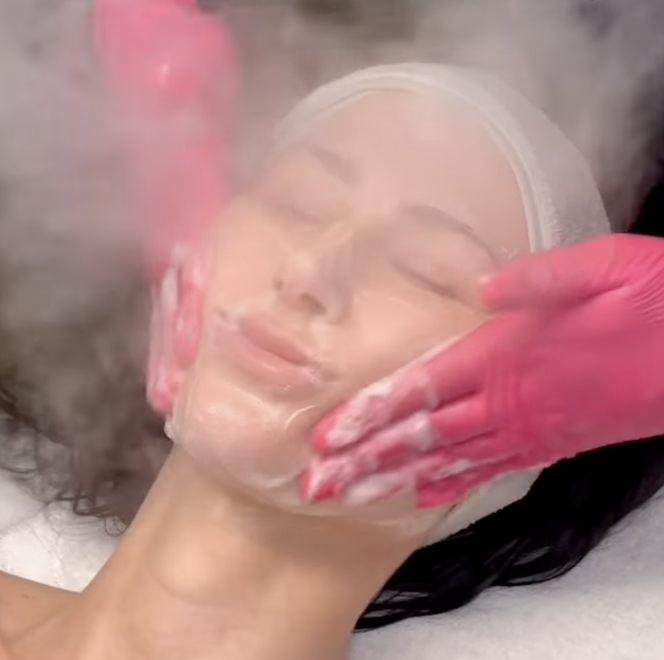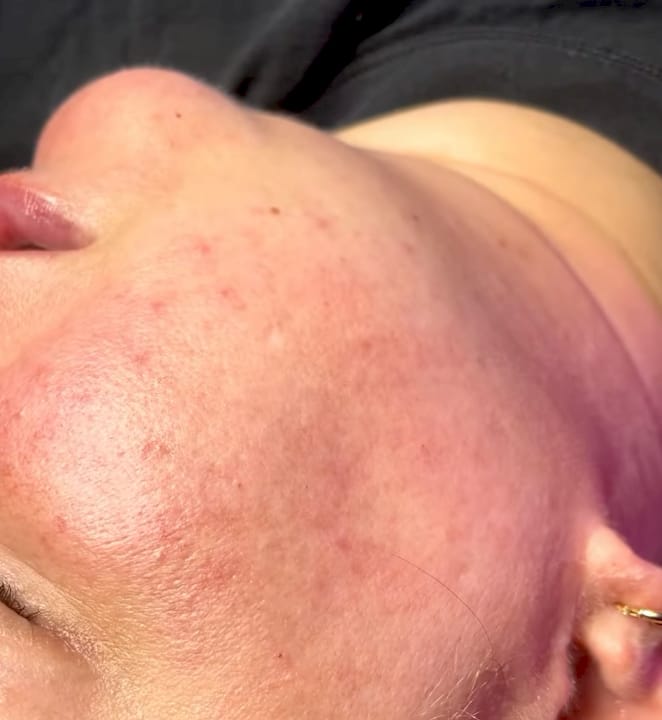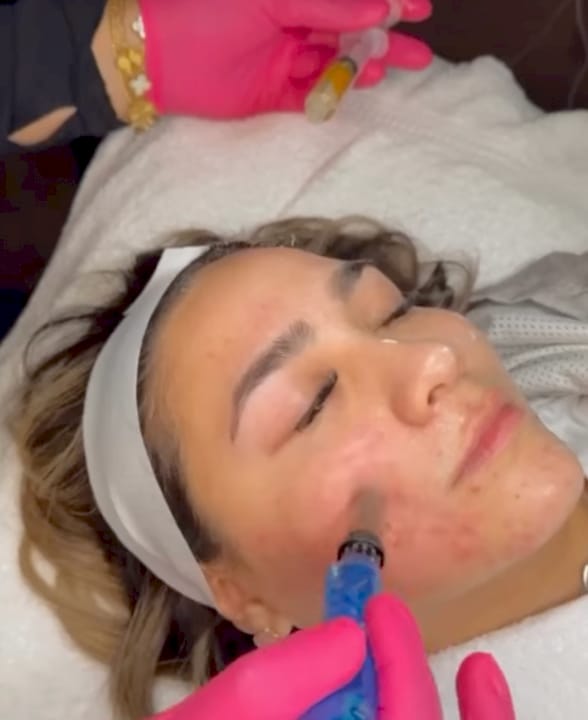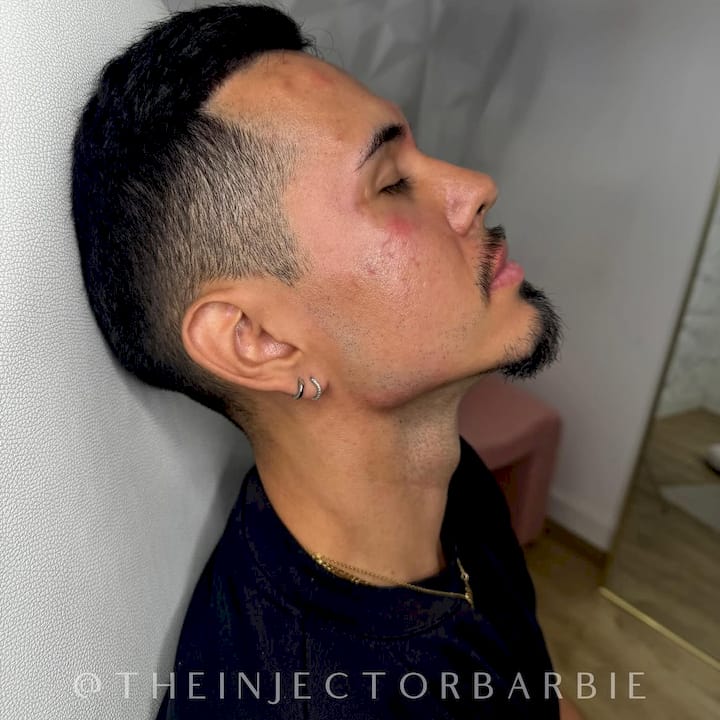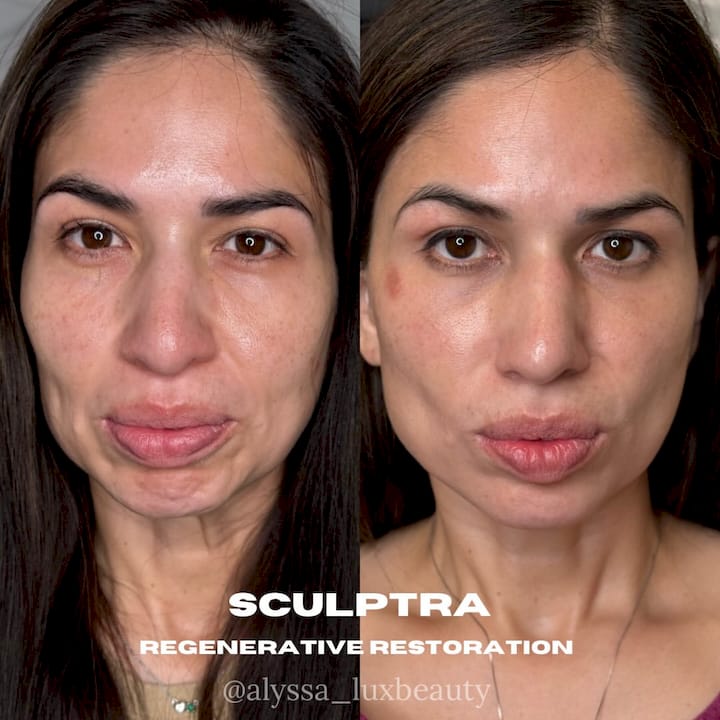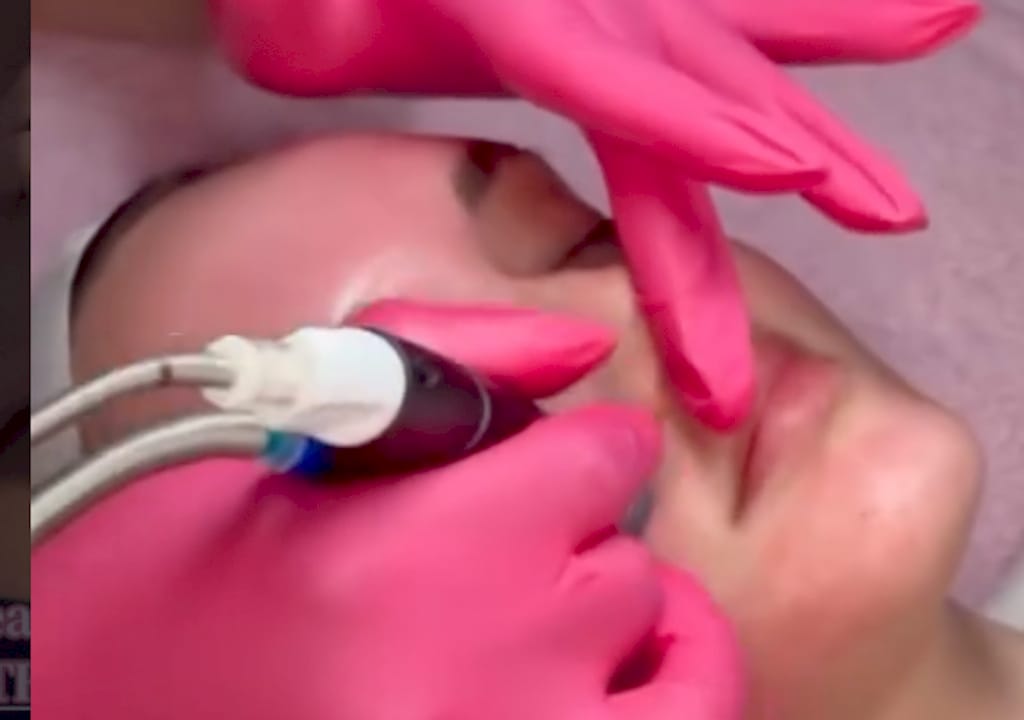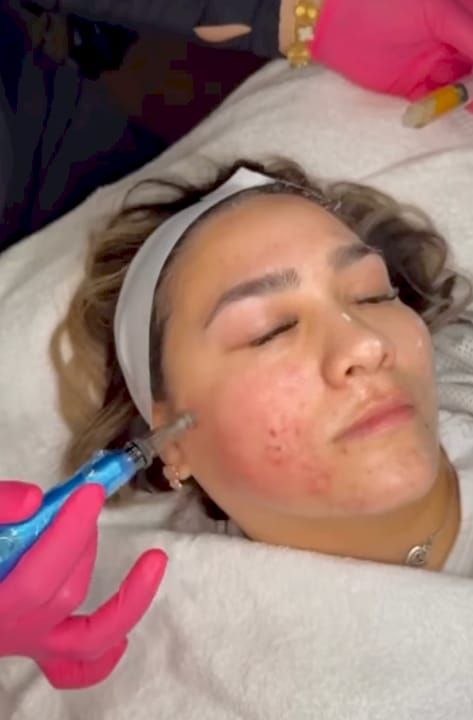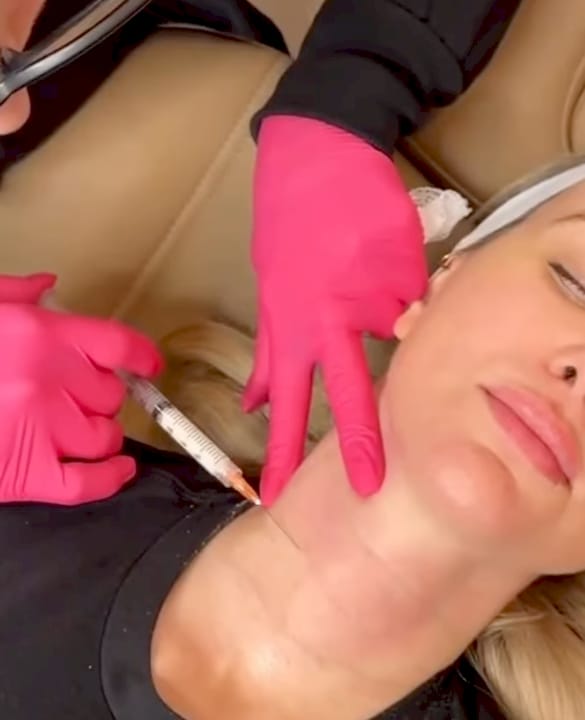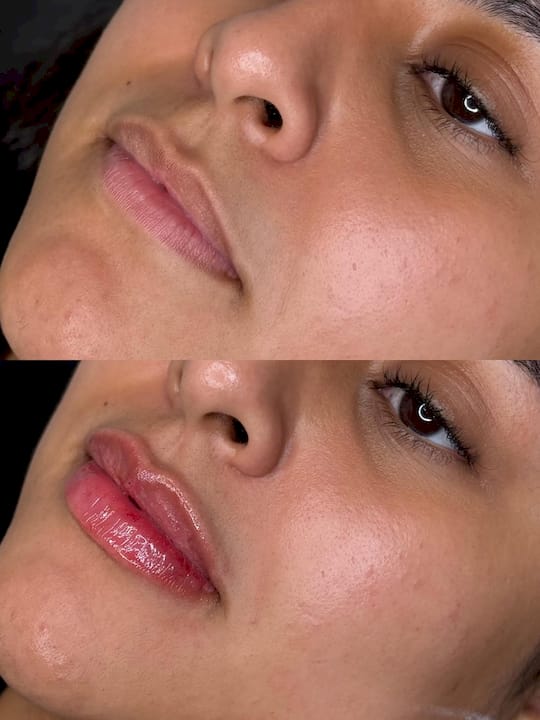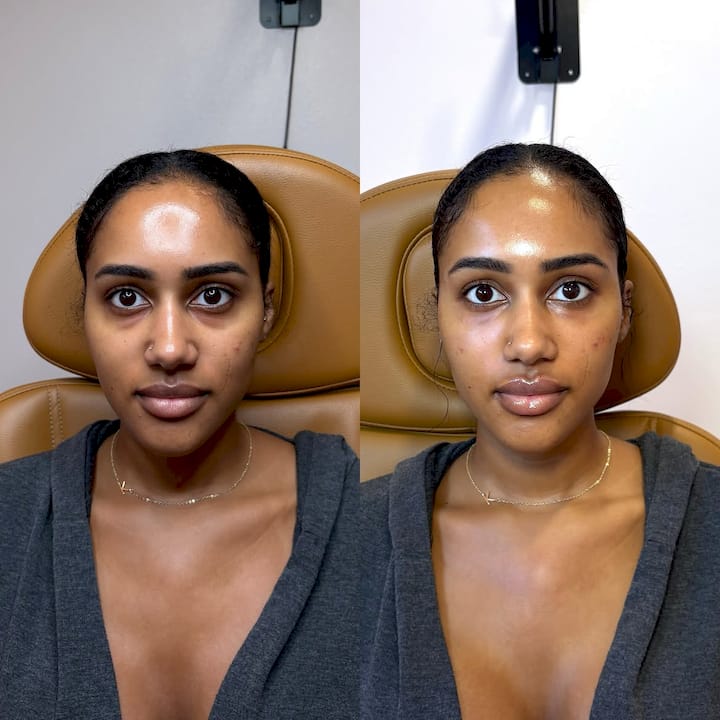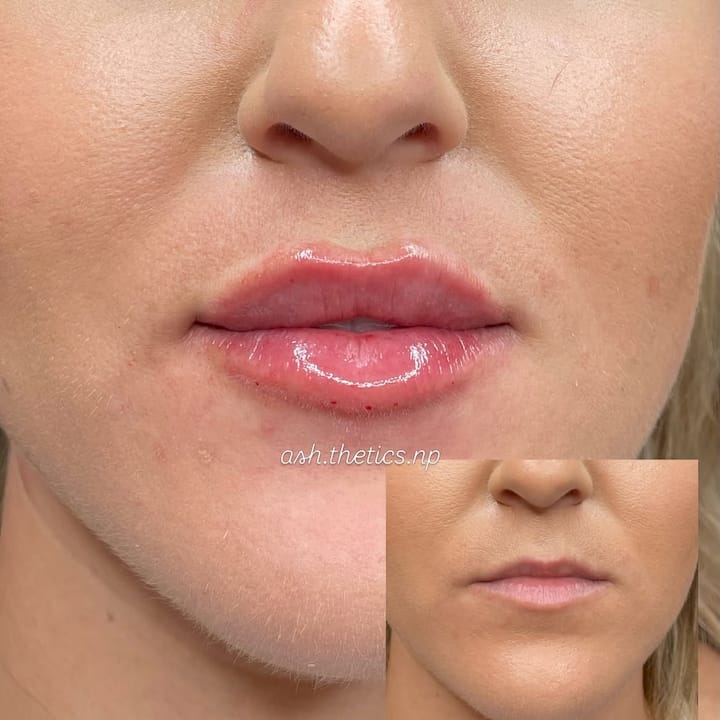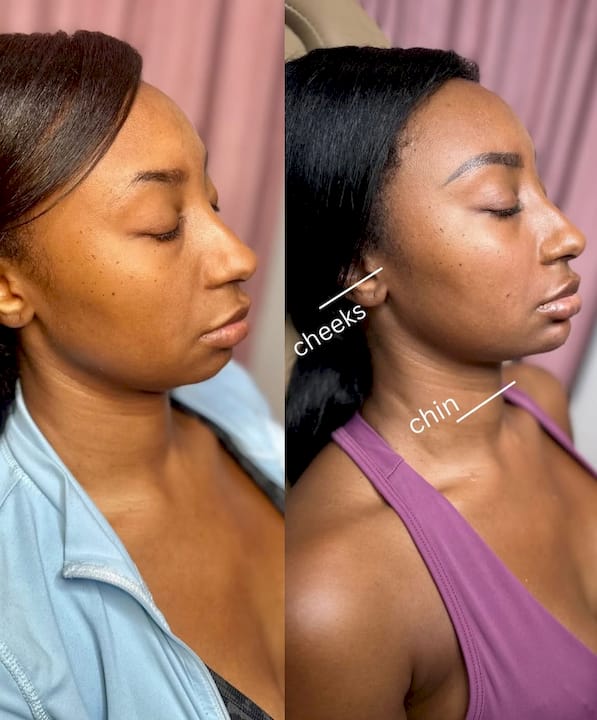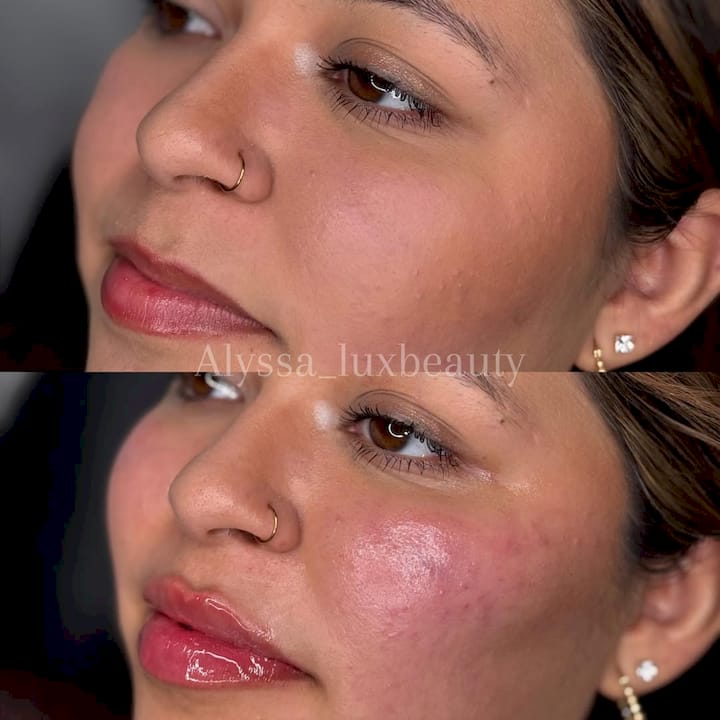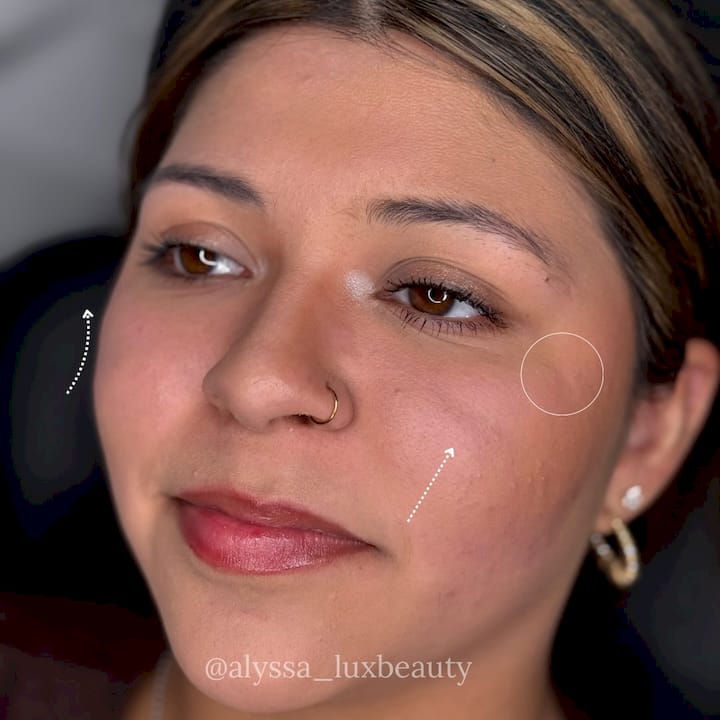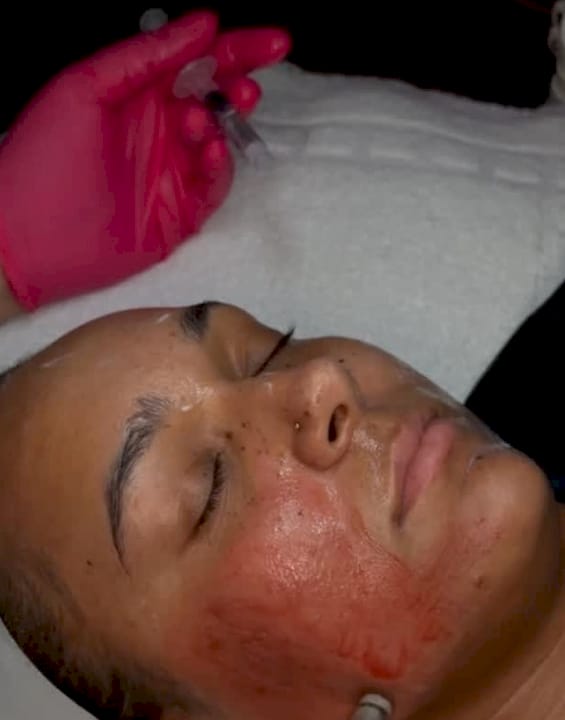
Microneedling works by creating controlled microscopic injuries in the skin that trigger the body’s wound-healing cascade, stimulating collagen and elastin production and remodeling the dermis over weeks to months. Here’s what that means in practice:
-
Immediate mechanism: Tiny needles puncture the skin to form microchannels, releasing growth factors (PDGF, TGF-β, FGF) and activating fibroblasts.
-
Main effect: Collagen induction and dermal remodeling lead to firmer, smoother skin with reduced scarring and fine lines.
-
Timeline: Early smoothing can appear within a few weeks; true structural remodeling, driven by collagen maturation, unfolds over 3–6 months.
Professional in-office devices produce more predictable results than at-home rollers, and the difference matters both for safety and outcomes.
Table of Contents
-
How does professional microneedling differ from at-home devices?
-
How does microneedling compare with other resurfacing options?
-
How many sessions do you need, and when will you see results?
-
What we’ve learned about microneedling and patient selection
-
Professional microneedling at Theinjectionroom in Austin and San Antonio
What is microneedling, and what devices are used?
Microneedling, formally called collagen induction therapy (CIT), is a minimally invasive procedure that uses fine needles to create controlled dermal micropunctures. Those micro-injuries set off a healing response that rebuilds the skin from within. The procedure is performed across a range of device types, each suited to different clinical goals and depth requirements.
| Device Type | Typical Needle Depth | Best Used For |
|---|---|---|
| Motorized pen (e.g., SkinPen, Dermapen) | 0.5–2.0 mm | Acne scars, wrinkles, general rejuvenation |
| Fixed-needle roller | 0.5–2.0 mm | Mild texture, superficial rejuvenation |
| RF microneedling (e.g., Morpheus8, Vivace) | — | Skin tightening, deeper remodeling |
| At-home derma-roller/stamp | 0.2–0.5 mm | Mild product absorption enhancement only |

Needle depth selection depends on the indication. Superficial rejuvenation typically calls for 0.5–2.0 mm depths, while deeper atrophic scars may require the upper end of that range. RF microneedling adds radiofrequency energy to the mechanical channel, producing additional thermal remodeling and tightening beyond what needles alone achieve.
How does microneedling work at the biological level?
The mechanism behind microneedling is the wound-healing cascade, a three-phase biological process that produces lasting dermal changes rather than just temporary surface smoothing.

Phase 1: Inflammation. The moment needles penetrate the dermis, platelets aggregate and release growth factors including platelet-derived growth factor (PDGF), transforming growth factor beta (TGF-β), and fibroblast growth factor (FGF). These signals recruit fibroblasts and kick off tissue repair. The acute inflammatory response typically lasts 2–5 days, with fibronectin matrix formation beginning around day 5.
Phase 2: Proliferation. Fibroblasts migrate into the wound site and begin synthesizing new collagen, initially Type III (soft, immature). Epidermal re-epithelialization proceeds in parallel, restoring the surface barrier within the first week.
Phase 3: Remodeling. Over months, Type III collagen matures into the stronger Type I collagen, increasing tensile strength and improving skin texture. Matrix metalloproteinases (MMPs) clear excess fibrotic tissue in scars under TGF-β3 signaling, which is why microneedling improves atrophic scars without generating new scar tissue.
At the molecular level, transcriptomic analysis has shown upregulation of COL3A1, COL8A1, TIMP3, KRT13, IGF-1, and HSPB6 within days of treatment. This means microneedling triggers an epigenetic stress response that actively directs tissue remodeling, not just a passive repair reaction.
Statistic to know: Histological examination after four microneedling sessions spaced one month apart showed a 400% increase in collagen and elastin deposition at 6 months post-treatment.
Microneedling also widens the follicular infundibulum by approximately 47%, creating microchannels that bypass the stratum corneum and deposit topical agents directly into the vascularized dermis. This is why clinicians often combine needling with PRP or prescription serums for additive benefit.
Pro Tip: Motorized pen devices deliver more uniform needle depth and consistent penetration speed than manual rollers. That uniformity is what makes remodeling predictable. If your provider is using a fixed roller for deep scar treatment, ask why.
What conditions does microneedling treat?
Microneedling is one of the more versatile resurfacing options available because it works across a wide range of skin concerns and most skin phototypes.
Primary indications include:
-
Atrophic acne scars: The most well-studied indication; MMP-mediated remodeling breaks down fibrotic scar tissue while new collagen fills the depression.
-
Fine lines and wrinkles: Neocollagenesis and elastin production improve skin laxity and surface texture.
-
Stretch marks (striae distensae): Dermal remodeling can reduce the depth and discoloration of striae, though results vary by age and severity of the marks.
-
Enlarged pores: Collagen deposition around follicles tightens pore appearance over time.
-
Hyperpigmentation and melasma: Microneedling can help, but requires careful management in darker skin types (Fitzpatrick IV–VI) due to post-inflammatory hyperpigmentation risk.
-
Surgical and traumatic scars: Similar mechanism to acne scar treatment; best results in mature, non-keloidal scars.
-
Hair loss (alopecia): Used adjunctively with minoxidil or PRP to enhance scalp absorption and stimulate follicular activity.
-
Transdermal drug delivery: The microchannels created allow prescription topicals, PRP, and growth factor serums to penetrate far more effectively than surface application alone.
Microneedling is generally considered safe across skin phototypes, which gives it an advantage over ablative lasers for patients with medium to darker skin tones. That said, pigmentation risk is real and should be discussed with your provider before treatment.
Who should not have microneedling?
Not everyone is a candidate, and knowing the contraindications before your consult protects you from preventable complications.
Direct contraindications:
-
Active skin infections, including herpes simplex (HSV), bacterial infections, or fungal conditions in the treatment area
-
Active acne cysts or pustular breakouts at the treatment site
-
Isotretinoin (Accutane) use within the prior 6–12 months (most providers require a full 6-month clearance minimum; some recommend 12 months)
-
Immunosuppression or active autoimmune flares affecting the skin
-
Bleeding disorders or current anticoagulant therapy
-
Personal or family history of keloid or hypertrophic scarring
Proceed with caution (physician consult required):
-
Recent sun exposure or active tan
-
Uncontrolled diabetes, which impairs wound healing
-
Certain autoimmune conditions such as lupus or scleroderma
-
Pregnancy
Infection and keloid formation are the two most serious preventable complications of microneedling. Both risks drop sharply when treatment is performed by a qualified clinician using sterile, single-use needle tips in a properly equipped facility. If a provider cannot confirm disposable tips and a sterile protocol, that is a reason to walk away.
What happens before, during, and after a session?
Before your appointment
Prepare your skin in the days leading up to treatment:
-
Stop retinoids, exfoliants (AHAs, BHAs), and vitamin C serums at least 3–5 days before.
-
Avoid sun exposure and tanning for at least one week prior.
-
Disclose all medications, especially isotretinoin history, blood thinners, and supplements that increase bleeding risk (fish oil, aspirin, vitamin E).
-
Arrive with clean, makeup-free skin.
During the procedure
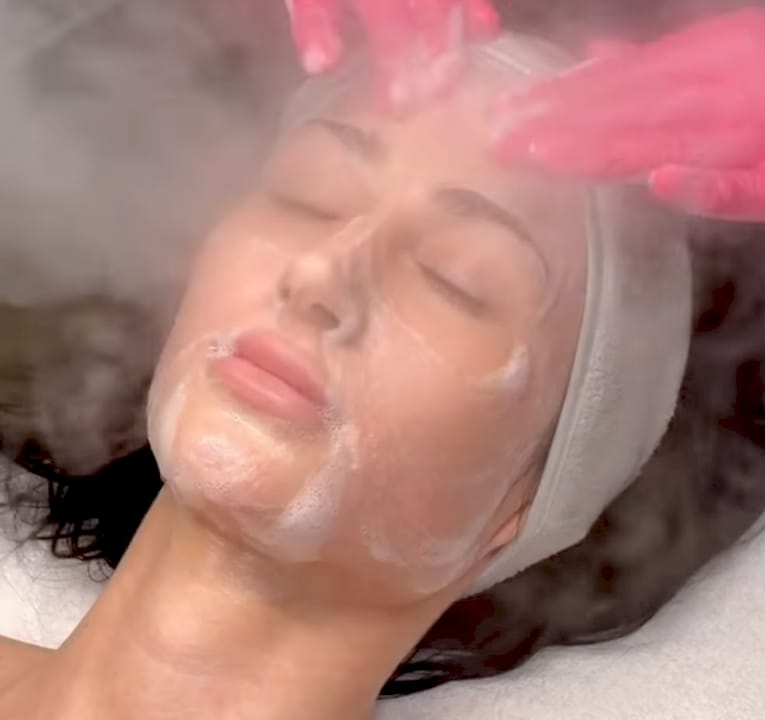
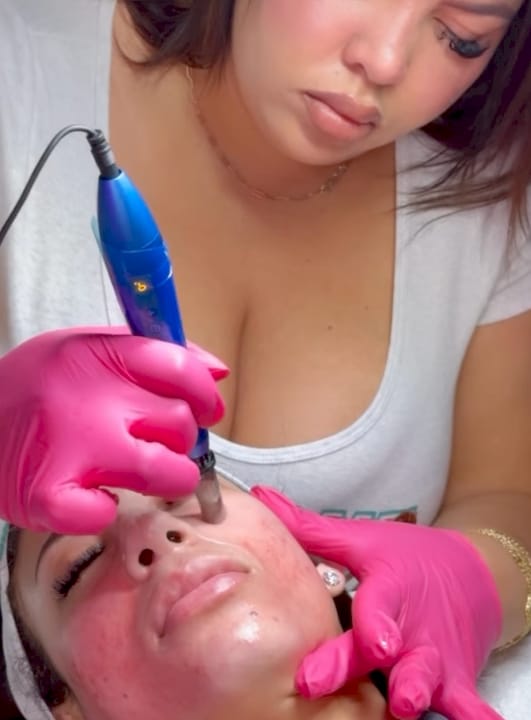
Your provider will apply a topical anesthetic, typically EMLA cream, and allow it to absorb for 15–45 minutes before beginning. The device is passed systematically across the treatment area, with depth and speed adjusted by zone. Pinpoint bleeding is a normal and expected endpoint for deeper passes. A full facial session typically takes 30–60 minutes including anesthesia time.
Post-procedure recovery timeline
| Timeframe | What to Expect |
|---|---|
| 0–72 hours | Redness, swelling, warmth; skin feels tight and sensitive |
| Days 3–7 | Redness fades; mild peeling or flaking as re-epithelialization completes |
| Weeks 4–12 | Visible texture improvement; collagen remodeling continues beneath the surface |
Immediate post-care checklist:
-
Use a gentle, fragrance-free cleanser only.
-
Apply a broad-spectrum SPF 30+ sunscreen every morning.
-
Avoid retinoids, acids, and active ingredients for at least 5–7 days.
-
Skip makeup for the first 24 hours.
Pro Tip: The best post-procedure topical is a simple, barrier-supporting serum: hyaluronic acid, ceramides, or a growth factor serum your provider recommends. Avoid niacinamide, vitamin C, and peptide complexes for the first week — the open microchannels make skin far more reactive than usual.
You can find a detailed walkthrough of the recovery process on Theinjectionroom’s blog.
What are the risks and side effects?
Most side effects from professional microneedling are mild and resolve within a week. Complications are rare when the procedure is performed correctly.
Common, transient effects:
-
Redness and swelling (typically resolves within 24–72 hours)
-
Pinpoint bleeding during the procedure
-
Skin sensitivity and tightness in the first few days
-
Mild peeling or flaking as the epidermis renews
Rare but serious complications:
-
Bacterial or viral infection (HSV reactivation is a known risk)
-
Post-inflammatory hyperpigmentation, particularly in darker skin types
-
Prolonged erythema lasting weeks
-
Scarring or keloid formation in predisposed individuals
Risk-reduction checklist:
-
Choose a licensed, medically supervised provider.
-
Confirm single-use, sterile needle cartridges are used for every session.
-
Complete a full contraindication screening, including isotretinoin history.
-
Follow all pre- and post-care instructions, especially sun avoidance.
-
Never combine microneedling with active topical acids or retinoids immediately before or after treatment without clinician guidance.
At-home derma-rollers carry a distinct risk profile. Systematic reviews warn that DIY devices lack the precision and sterility controls of professional equipment, making adverse reactions more likely, not less. Reusing roller heads, applying aggressive needle lengths at home, and skipping proper skin prep are the most common mistakes.
How does professional microneedling differ from at-home devices?
Professional in-office devices deliver controlled depth, uniform penetration, and sterile single-use tips. Those three factors are what produce predictable remodeling. At-home rollers can’t reliably match any of them.
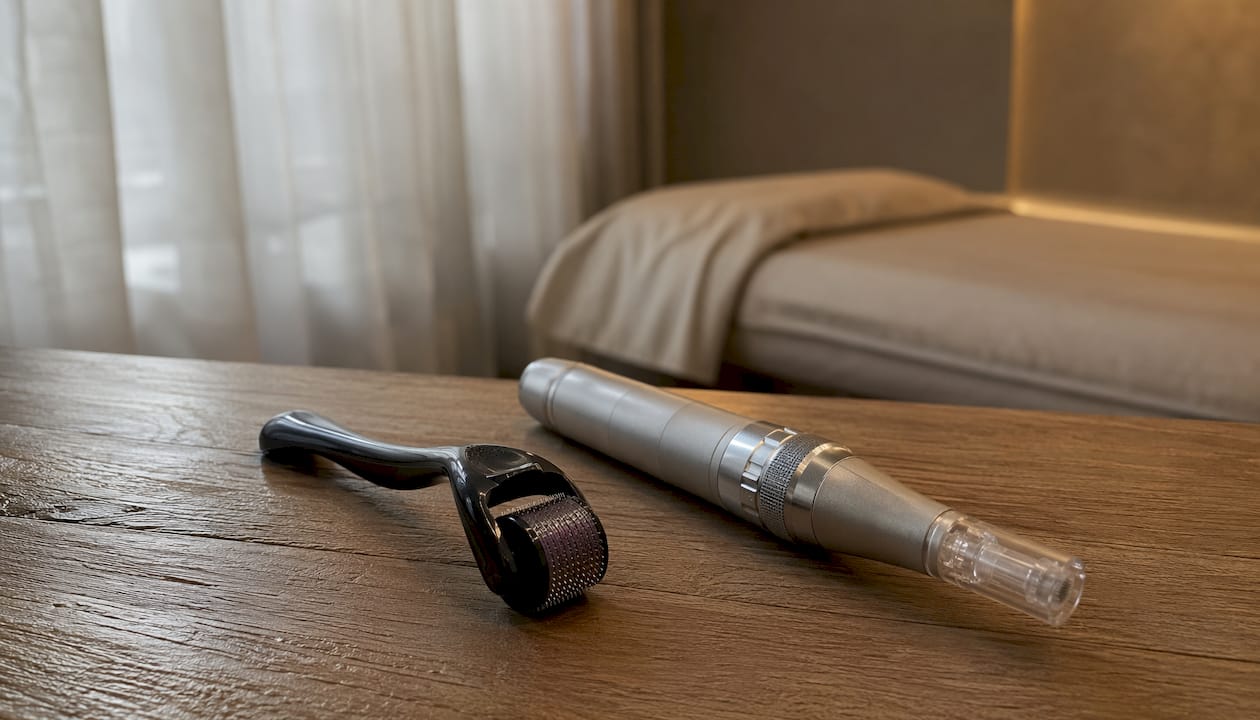
Motorized pen devices used in clinics adjust needle depth in real time and maintain consistent speed across the treatment area. RF microneedling devices go further, adding radiofrequency energy through the needle tips to generate thermal remodeling at precise dermal depths. That combination of mechanical and thermal injury produces tightening and collagen stimulation that purely mechanical at-home tools simply cannot replicate.
At-home derma-rollers are limited to shallow depths (typically 0.2–0.5 mm) and are appropriate only for mild product absorption enhancement. They are not a substitute for clinical treatment of acne scars, deep wrinkles, or stretch marks. The precision gap between devices is one of the most consistent findings in dermatology reviews on this topic.
Pro Tip: Red flags for DIY microneedling: non-disposable heads, needle lengths above 0.5 mm, and any roller used on active breakouts or irritated skin. If you have deep acne scarring, significant photoaging, or any of the contraindications listed above, an in-office consult is the right first step, not a home device.
How does microneedling compare with other resurfacing options?
-
Vs. chemical peels: Peels work through controlled chemical exfoliation and vary widely by depth (superficial to deep). Microneedling carries lower pigmentation risk across skin phototypes and is generally preferred for atrophic scars. Deep peels can address pigment more aggressively but require longer downtime and are riskier in darker skin tones.
-
Vs. microdermabrasion: Microdermabrasion is a purely superficial treatment that removes the outer epidermal layer. It does not reach the dermis and cannot stimulate meaningful collagen production. Microneedling goes deeper and produces structural change.
-
Vs. ablative lasers (CO2, Er:YAG): Ablative lasers vaporize tissue layers and can produce dramatic resurfacing, but carry significant downtime, thermal injury risk, and higher pigmentation risk in darker skin types. Microneedling uses mechanical micro-injury rather than heat, making it a better fit for patients who want meaningful results with less downtime and broader phototype safety.
-
Vs. non-ablative lasers (Fraxel, IPL): Non-ablative lasers target chromophores (pigment, water) with heat. They work well for pigment-specific concerns. Microneedling is preferable when the goal is scar remodeling, transdermal delivery, or treatment across mixed skin tones.
Microneedling is the stronger choice for atrophic scars, patients with Fitzpatrick types III–VI, and anyone who wants to combine needling with PRP or prescription topicals. Lasers and deeper peels may be more appropriate for targeted pigment removal or aggressive surface resurfacing in lighter skin types.
How many sessions do you need, and when will you see results?
| Indication | Typical Sessions | Spacing |
|---|---|---|
| Fine lines / general rejuvenation | 3–4 | 4–6 weeks apart |
| Atrophic acne scars | 4–6 | 4–6 weeks apart |
| Stretch marks | 4–6 | 4–8 weeks apart |
| Hyperpigmentation / melasma | 3–4 | 4–6 weeks apart |
What to expect at each stage:
-
Early smoothing (weeks 2–4) reflects edema resolution and epidermal renewal, not yet true collagen maturation.
-
Visible texture improvement typically becomes noticeable around weeks 4–8 after the first session.
-
Substantive collagen remodeling, including the 400% histologic increase in collagen and elastin documented at 6 months, reflects slow Type III to Type I collagen maturation.
-
Results continue improving for up to 6 months after a full treatment series.
For maintenance, most providers recommend one to two sessions per year after completing the initial series. Sun protection and a consistent skincare routine extend results considerably.
How do you choose a qualified microneedling provider?
Provider skill and sterile technique are the two variables that most directly determine whether your outcome is excellent or complicated. Device quality matters, but it is secondary to who is operating it.
What to look for in a provider:
-
Medical license or direct MD/DO supervision (nurse practitioners and PAs should work within a medically supervised practice)
-
Demonstrated experience with motorized pen or RF microneedling devices specifically
-
Single-use, sterile needle cartridges confirmed for every session
-
A before-and-after portfolio relevant to your concern (acne scars look different from rejuvenation results)
-
Clean, clinical facility with proper hygiene protocols
Before booking, ask your provider these five questions: What device and needle depth will you use for my concern? How many sessions do you recommend, and why? What does your post-care plan include? How do you sterilize your equipment and confirm single-use tips? What contraindications will you screen me for before we begin? A provider who answers these confidently and specifically is one worth trusting.
Pro Tip: Ask to see the needle cartridge packaging opened in front of you at the start of your appointment. Any reputable clinic will do this without hesitation. If a provider is evasive about their sterilization protocol, that is your answer.
Theinjectionroom’s microneedling service page outlines the clinical approach used at both the Austin and San Antonio locations, including device type and consultation process.
Key Takeaways
Microneedling produces lasting skin improvement because it triggers a genuine wound-healing cascade, stimulating collagen and elastin synthesis that matures over months, not days.
| Point | Details |
|---|---|
| Core mechanism | Controlled micro-injuries activate growth factors and fibroblasts, driving collagen remodeling across three healing phases. |
| Histologic evidence | Four sessions spaced one month apart produced a 400% increase in collagen and elastin at 6 months in histologic studies. |
| Professional vs. at-home | In-office motorized pens and RF devices deliver precision and sterility that at-home rollers cannot match; DIY devices increase adverse reaction risk. |
| Realistic timeline | Early smoothing appears in weeks; structural remodeling continues for up to 6 months after a full series of 3–6 sessions. |
| Theinjectionroom | Offers in-office microneedling in Austin and San Antonio with clinician supervision, sterile single-use tips, and personalized treatment planning. |
What we’ve learned about microneedling and patient selection
The most common misconception we see is that microneedling is a one-size-fits-all treatment. It is not. The biology is sound and the evidence is strong, but outcomes depend heavily on matching the right device depth, session count, and adjunctive agents to the specific concern being treated.
Patients with shallow, rolling acne scars respond differently than those with deep, boxcar scars. Someone with mild photoaging needs a different protocol than someone managing melasma on a Fitzpatrick V skin type. The collagen induction mechanism is the same, but the clinical decision-making around it is where the real skill lives.
We also think the “professional vs. at-home” conversation gets oversimplified. At-home rollers are not useless, but they are not a substitute for clinical treatment. They can enhance product absorption at shallow depths. They cannot remodel deep scar tissue. Knowing that distinction saves patients from months of frustration with a device that was never designed for their concern.
For patients weighing microneedling alone versus a combined approach, PRP adds measurable growth factor concentration to the microchannels created by needling, and RF microneedling adds thermal tightening for patients with skin laxity concerns. Neither combination is necessary for every patient, but both are worth discussing with your provider if your primary concern is deep scarring or significant laxity.
Pro Tip: If you are considering microneedling for acne scars, ask your provider specifically about combining it with PRP or a growth factor serum. The 47% widening of the follicular infundibulum that microneedling creates makes that combination significantly more effective than either treatment alone.
Professional microneedling at Theinjectionroom in Austin and San Antonio
Theinjectionroom offers in-office microneedling at both the Austin and San Antonio locations, performed under clinician supervision with sterile, single-use needle cartridges and motorized pen devices. Every session begins with a thorough consultation to assess your skin concerns, review contraindications, and build a treatment plan matched to your goals, whether that is acne scar remodeling, texture improvement, or collagen rejuvenation.
If you have been researching microneedling and want a clear, honest assessment of whether it is right for your skin, the team at Theinjectionroom is ready to walk you through it. Book your consultation at theinjectionroom.com/microneedling and get a treatment plan built around your actual skin, not a generic protocol.
Useful sources and further reading
-
Microneedling in Dermatology: A Comprehensive Review of Applications, Techniques, and Outcomes (PMC)
-
Microneedling: StatPearls, NCBI Bookshelf
-
Neocollagenesis and Neoelastinogenesis: From the Laboratory to the Clinic (PMC)
-
Comprehensive Molecular Characterization of Microneedling in a 3D Human Skin Model (PLOS One)
-
Microneedling: What It Is, Uses, Benefits & Results (Cleveland Clinic)
-
Theinjectionroom: Microneedling in San Antonio & Austin TX
This article is for general informational purposes only and does not constitute medical advice. Consult a qualified clinician to determine whether microneedling is appropriate for your individual skin concerns and health history.
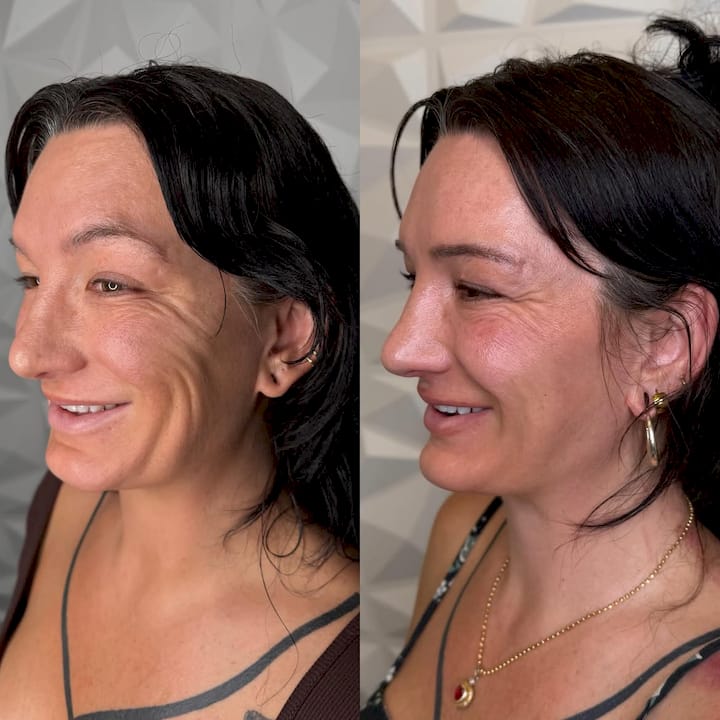
%20Pictures%20are%204%20weeks%20apart..jpg)