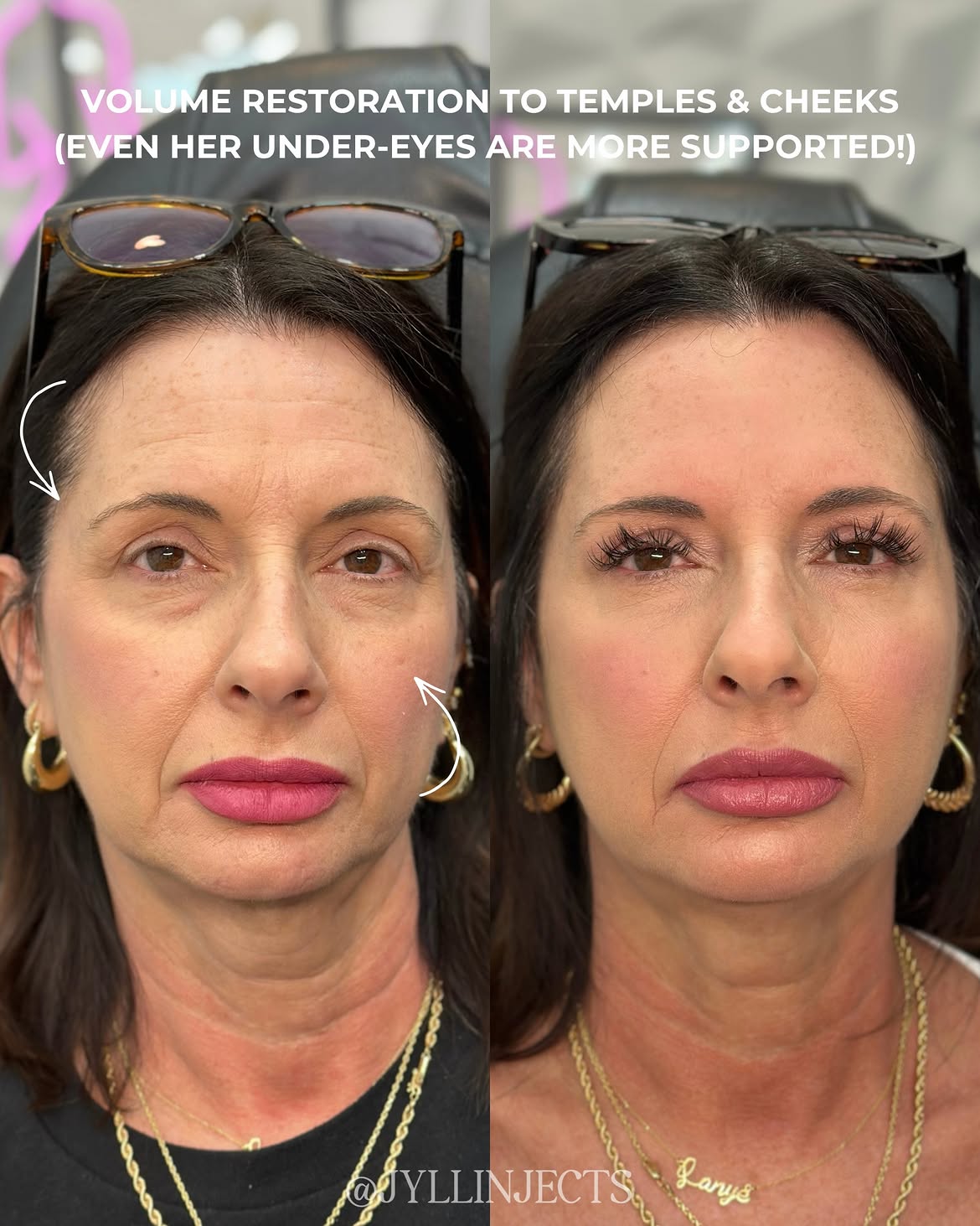
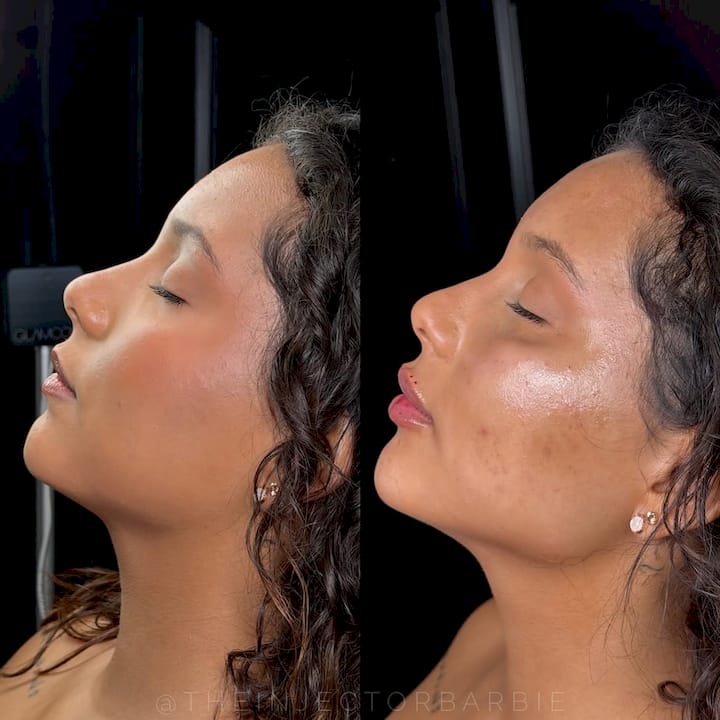
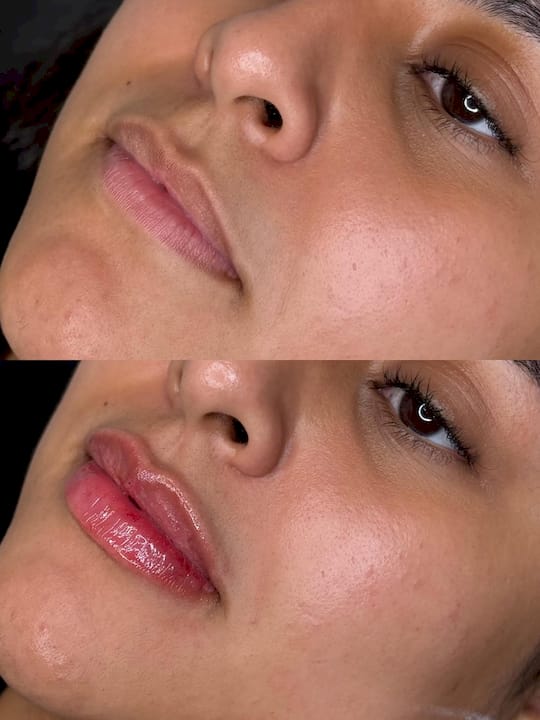
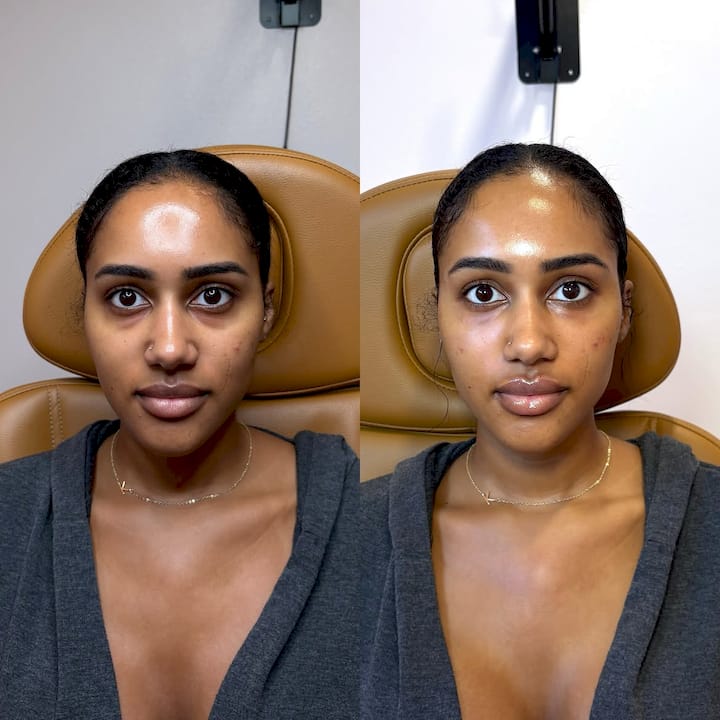
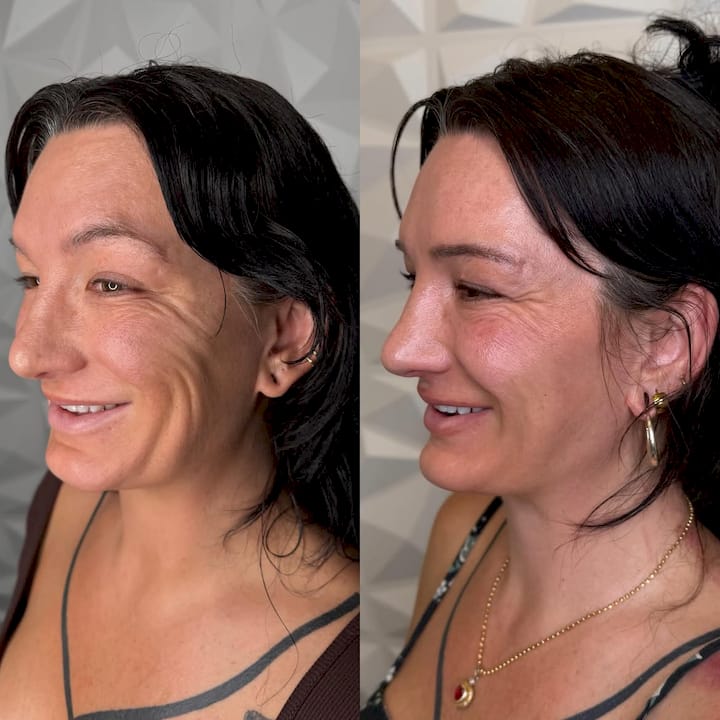
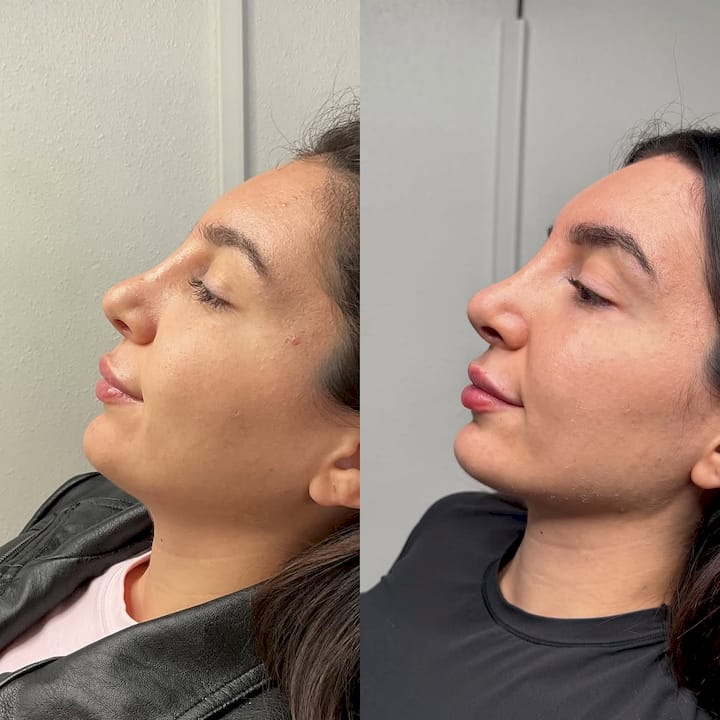
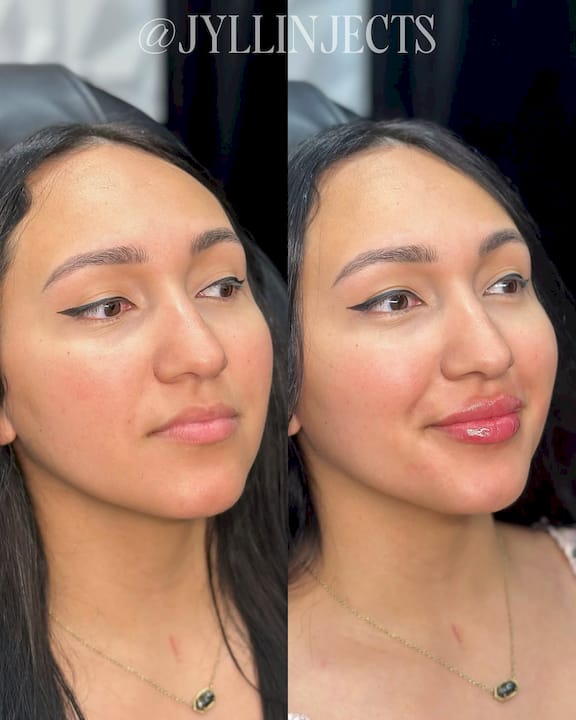
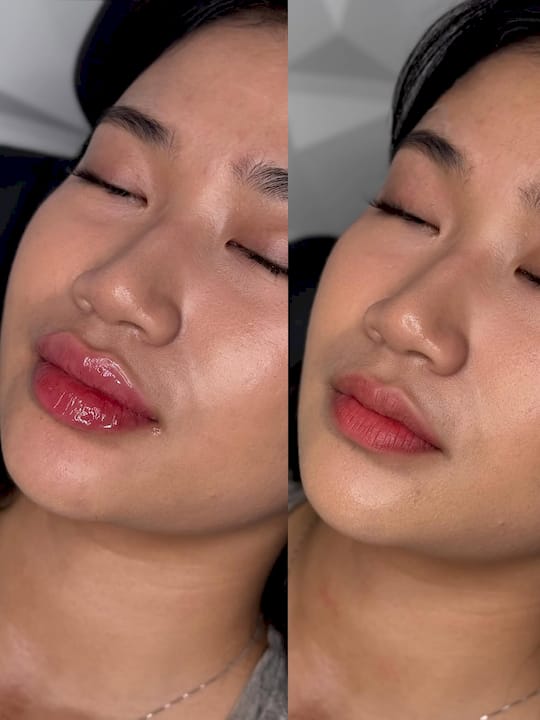
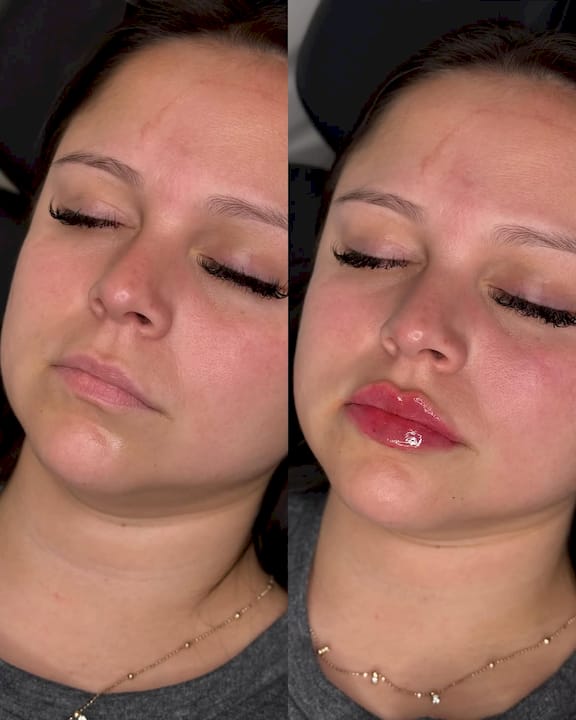
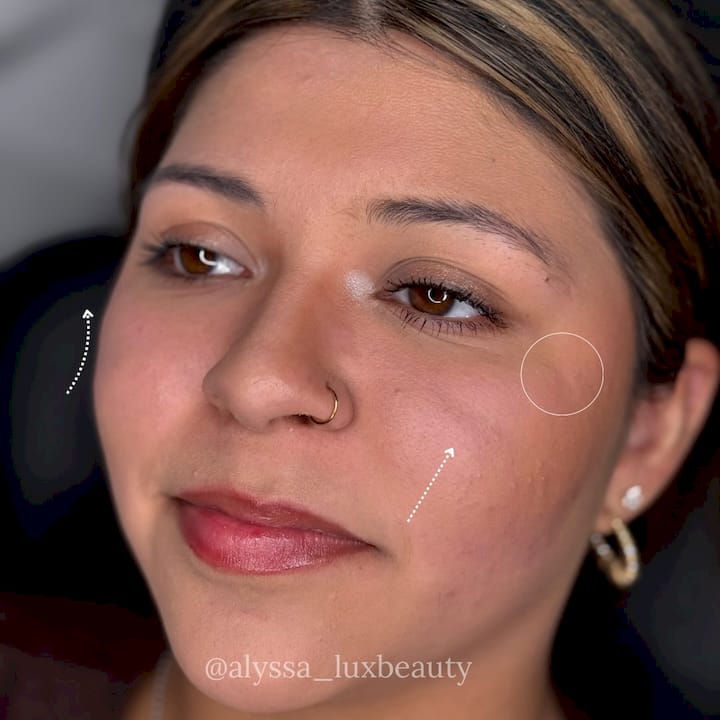
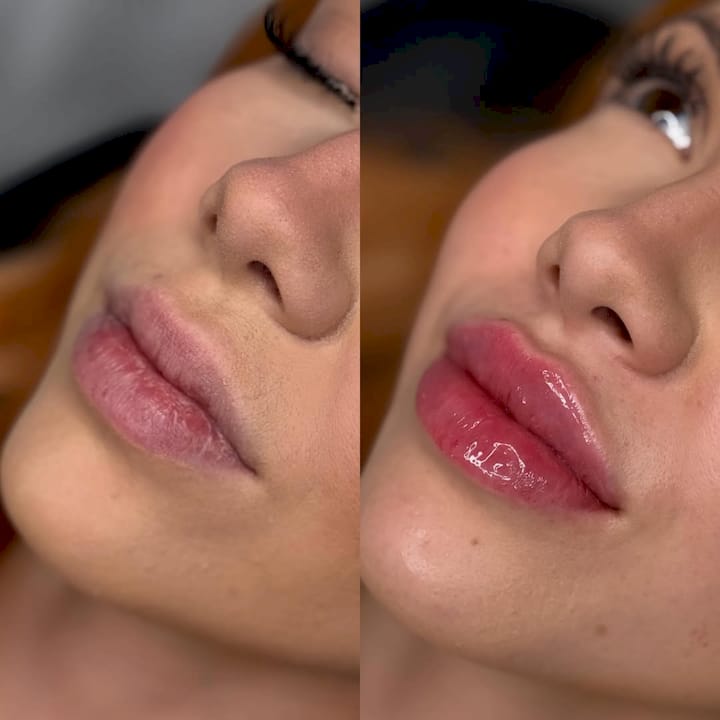
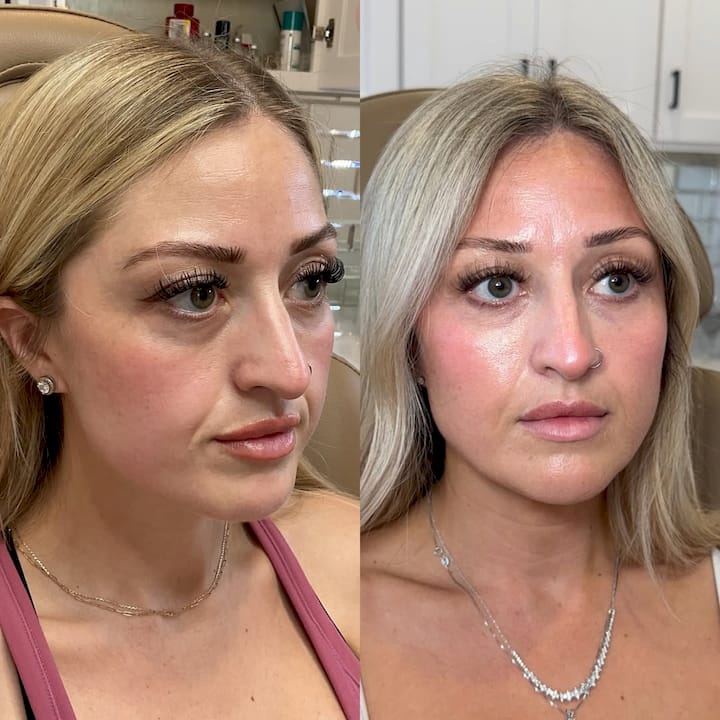
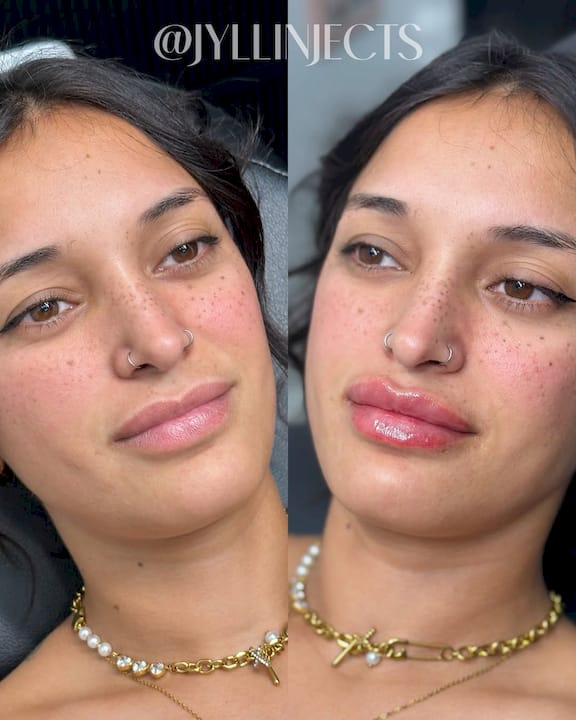
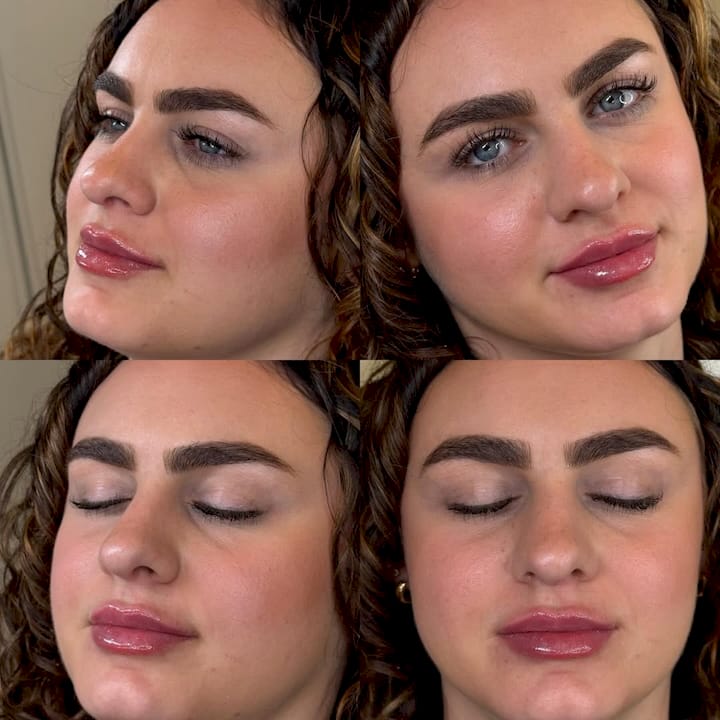
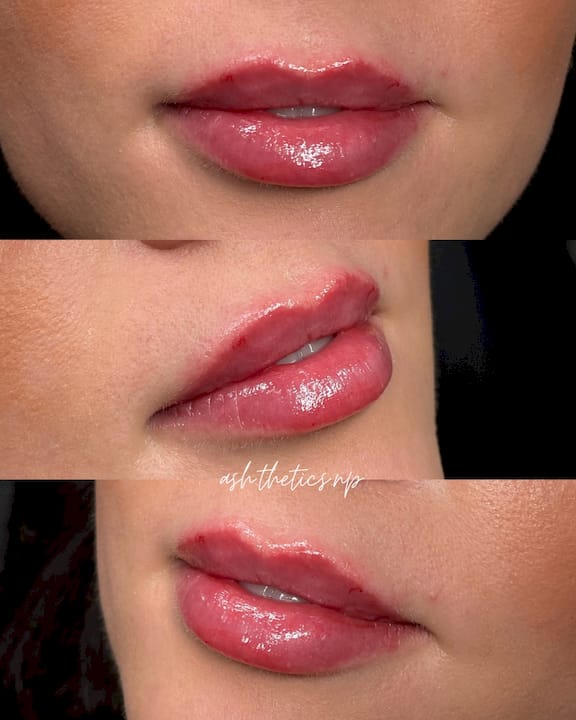
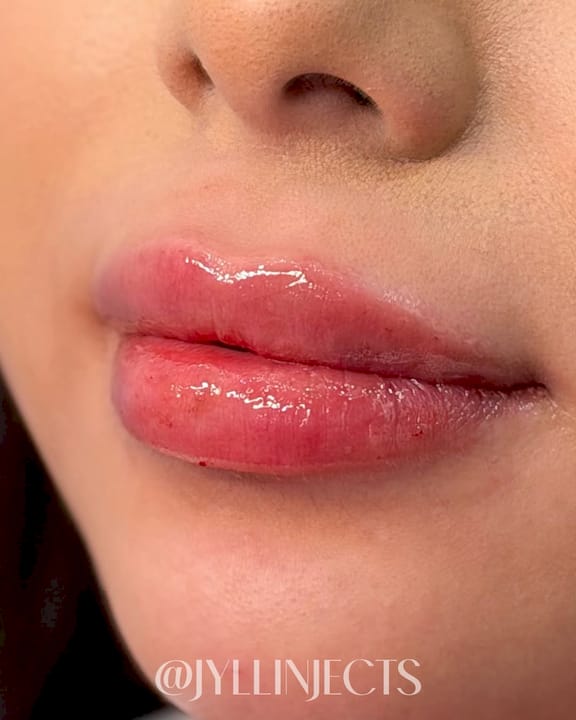
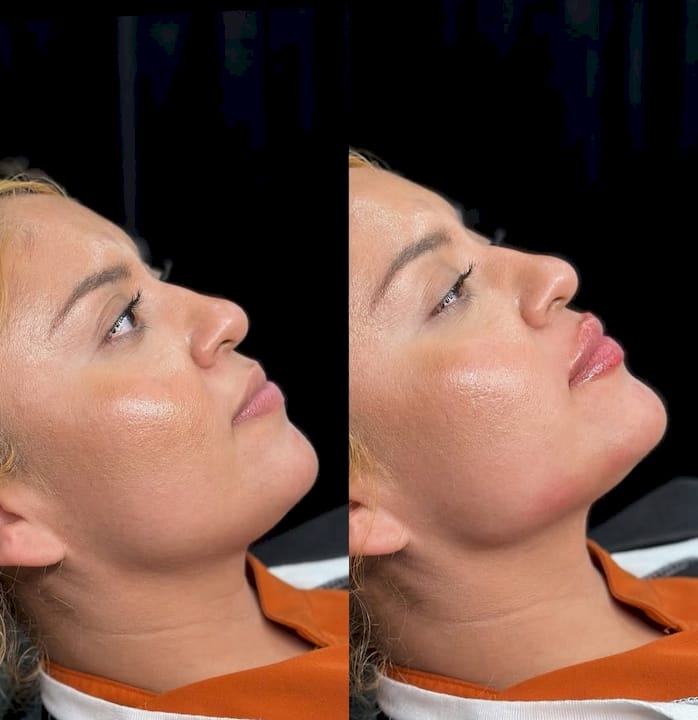
Juvederm is defined as an FDA-approved collection of injectable dermal fillers made with cross-linked hyaluronic acid, designed to restore facial volume, smooth wrinkles, and enhance facial contours. The Juvederm collection includes 6 distinct fillers, each formulated for adults 21 and over and approved for specific facial areas. Hyaluronic acid occurs naturally in the skin, where it holds moisture and supports tissue structure. As the body produces less of it with age, volume loss and wrinkles follow. Juvederm replenishes that lost hyaluronic acid directly at the treatment site, delivering results that look and feel natural.
What is Juvederm made of and how does it work?
Juvederm is built on high-molecular-weight hyaluronic acid at concentrations of 15–25 mg/mL, processed through two proprietary technologies: Vycross and Hylacross. These technologies cross-link the hyaluronic acid molecules into a smooth, cohesive gel. The result is a filler that holds its shape under the skin while still moving naturally with facial expressions.
Once injected, the gel binds water and acts as a scaffold to support the surrounding skin tissue. That water-binding action is what creates the plumping and volumizing effect you see immediately after treatment. Over time, the gel integrates with the tissue and continues to attract moisture, improving skin texture and hydration beyond the initial lift.
The two technologies serve different purposes. Vycross produces a firmer, more cohesive gel suited for deeper structural work like cheek augmentation. Hylacross creates a smoother, more flexible gel better suited for fine lines and delicate areas like the lips. Both degrade gradually and naturally through the body’s own enzymatic processes.
Pro Tip: Ask your injector which Juvederm technology is used in the specific product they recommend. Vycross-based fillers generally last longer, while Hylacross-based fillers offer a softer feel in areas with more movement.
What facial areas and concerns does Juvederm treat?
The Juvederm family addresses a wide range of facial concerns, from deep volume loss to fine surface lines. Each formulation is engineered for a specific tissue depth and facial zone. Matching filler type to facial anatomy is what separates a natural result from an overdone one.
The six main products and their primary uses are:
-
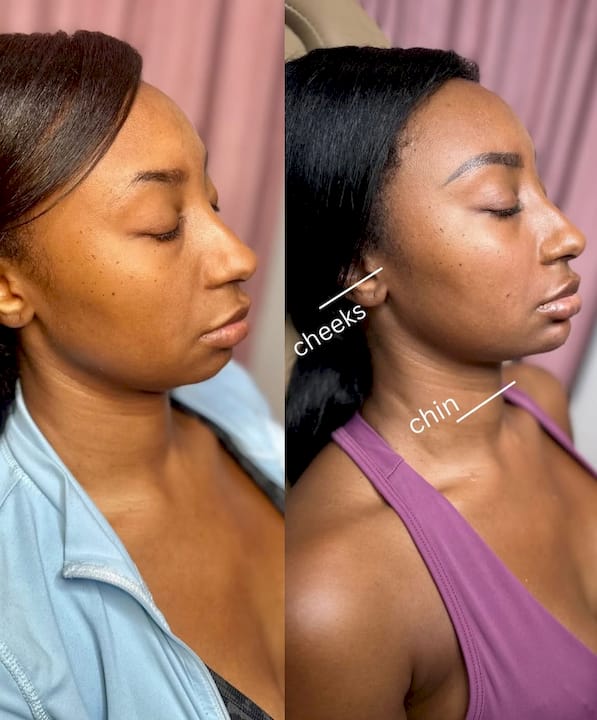
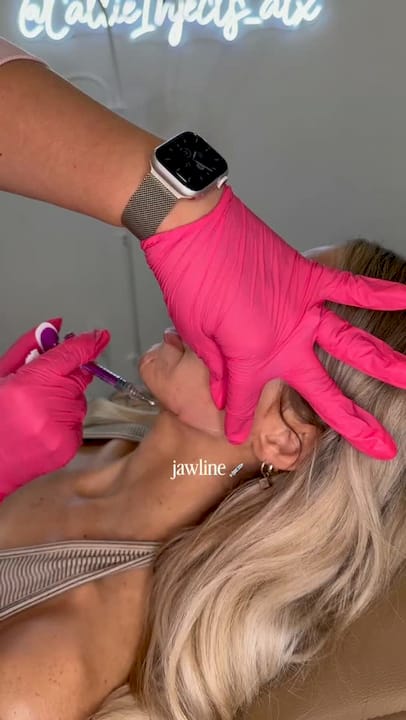
Juvederm Voluma XC: Restores midface and cheek volume, lifts sagging contours, and defines the jawline.
-
Juvederm Vollure XC: Smooths moderate to severe nasolabial folds and facial lines with a flexible gel that moves naturally.
-
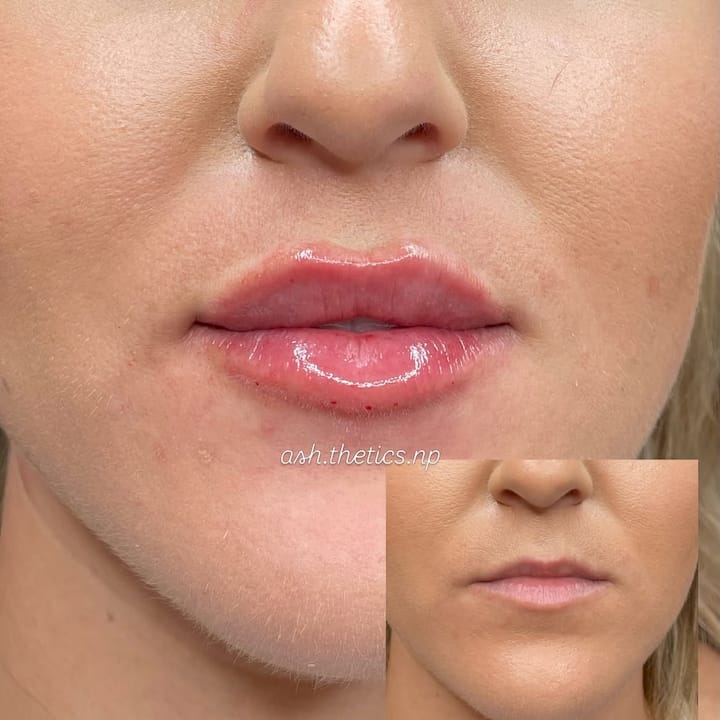
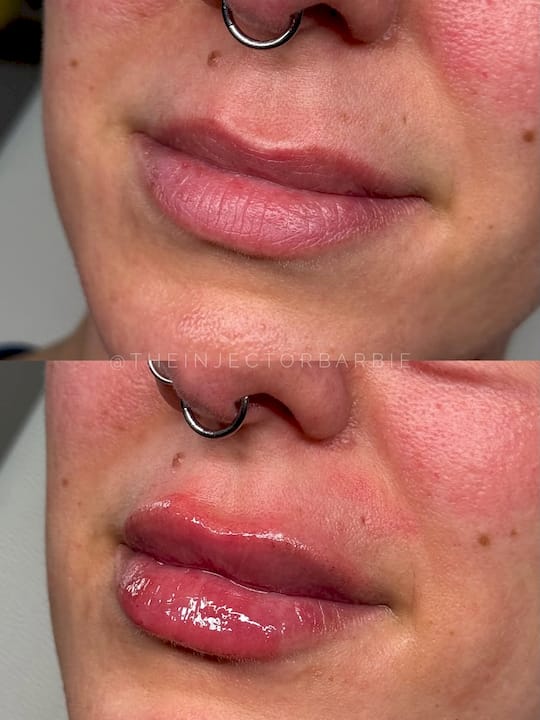
Juvederm Ultra XC and Volbella XC: Target the lips. Ultra XC adds volume and definition; Volbella XC softens perioral lines and adds subtle lip fullness.
-
Juvederm Ultra Plus XC: Treats deeper facial wrinkles and folds where more correction is needed.
-
Juvederm Volux XC: Defines the chin and jawline for structural contouring.
| Juvederm Product | Primary Target Area | Key Benefit |
|---|---|---|
| Voluma XC | Cheeks and midface | Restores deep volume and lift |
| Vollure XC | Nasolabial folds | Smooths lines with flexible gel |
| Volbella XC | Lips and perioral lines | Subtle fullness and line softening |
| Ultra XC | Lips | Adds volume and definition |
| Ultra Plus XC | Deep facial folds | Corrects severe wrinkles |
| Volux XC | Chin and jawline | Structural contouring |
Beyond these core areas, skilled injectors also use Juvederm formulations for temple hollowing, under-eye hollows, and non-surgical nose reshaping. The right formulation depends on individual anatomy and the specific movement patterns of each facial zone. A consultation that maps your facial structure is the starting point for any well-planned treatment.

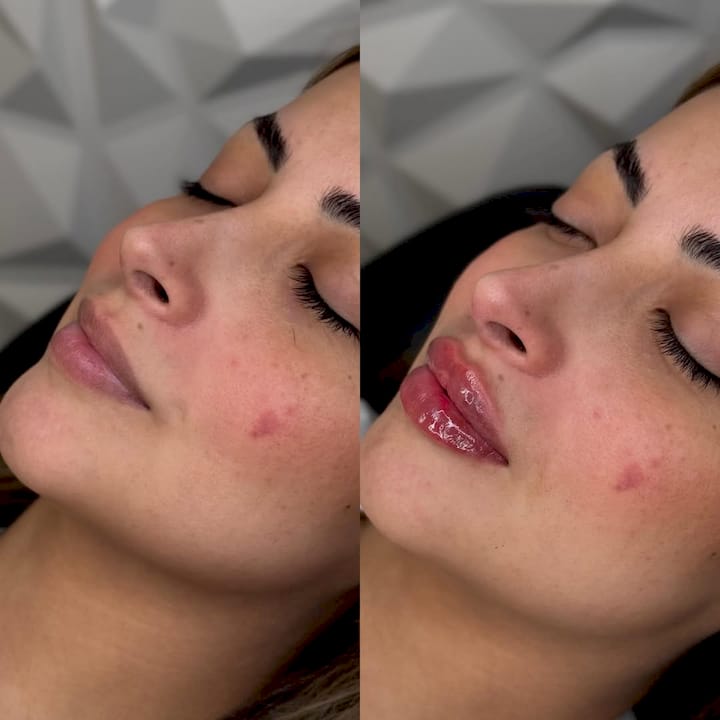
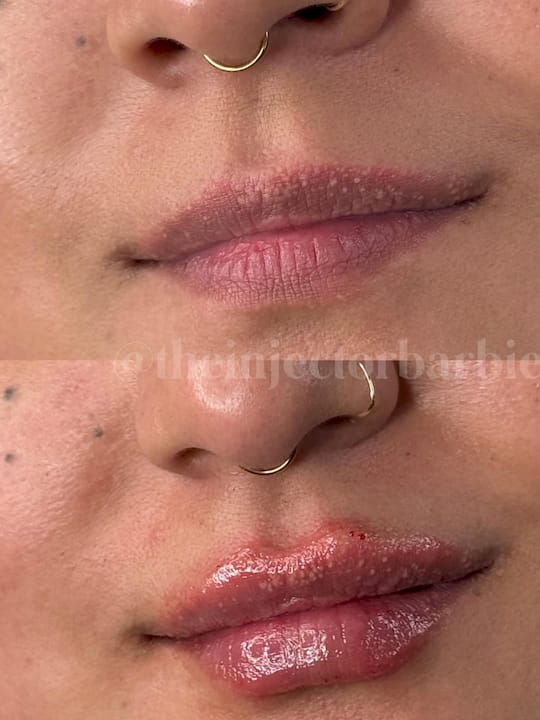
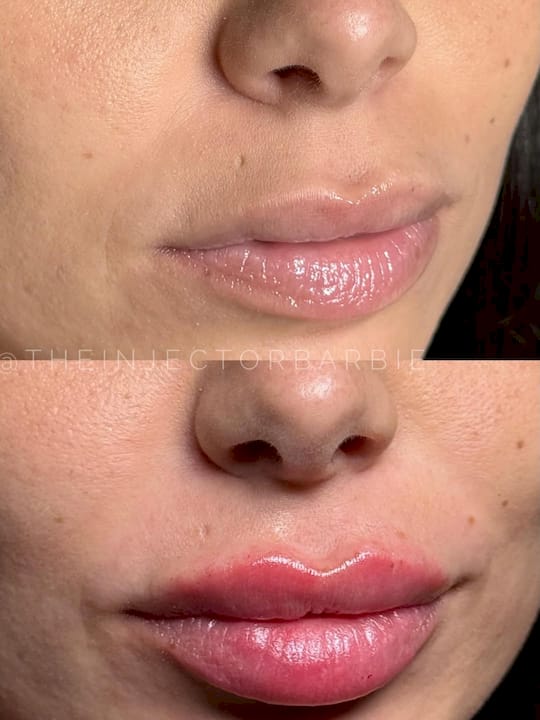
For patients specifically interested in lip enhancement, understanding the differences between formulations matters. The Juvederm lip filler options vary in thickness and longevity, which affects both the look and how long results hold.
What results can you expect from Juvederm treatment?
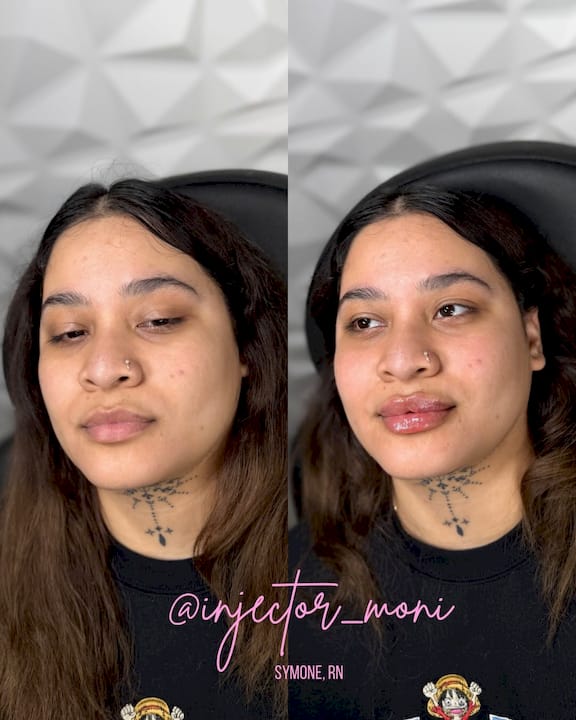
Juvederm delivers immediate volumizing results, but the final appearance takes a few days to settle. Post-injection swelling is common and subsides within days as the hyaluronic acid integrates into the tissue and attracts water. What you see on day one is not what you will see on day ten.
Here is what the typical result timeline looks like:
-
Day 1–3: Swelling and possible bruising at injection sites. The treated area may look overfilled.
-
Day 4–7: Swelling resolves. The filler settles and begins integrating with surrounding tissue.
-
Week 2 onward: Final results are visible. Volume looks natural and moves with facial expressions.
-
Months 1–3: Skin hydration and texture continue to improve as the gel retains moisture.
-
Months 9–12: Results begin to fade gradually as the body breaks down the hyaluronic acid.
Juvederm results typically last 9–12 months, though this varies by product and treatment area. Voluma, used in the cheeks, tends to last toward the longer end. Lip fillers, in a high-movement area, often require touch-ups sooner. Metabolism, lifestyle, and sun exposure also affect how quickly the body breaks down the filler.
The quality of the result depends heavily on the injector’s skill. Natural, aesthetically pleasing results come from matching the right product to the right depth and facial zone, not from simply injecting more filler. Overfilling is the most common cause of unnatural outcomes.
Pro Tip: Schedule your Juvederm appointment at least two weeks before any major event. This gives swelling time to resolve and lets you see your true results before the occasion.
What are the common Juvederm side effects and safety considerations?
Juvederm has a well-established safety profile, and most side effects are minor and temporary. Common reactions include redness, swelling, and bruising localized to the injection sites, and they typically resolve within a few days. These are expected responses to any injectable treatment, not signs of a problem.
Key safety points every patient should know:
-
Temporary side effects include tenderness, firmness, lumps, and discoloration at the injection site, all of which resolve on their own.
-
Rare but serious risks include vascular occlusion, where filler inadvertently enters a blood vessel. This requires immediate treatment and is why injector training matters.
-
Reversibility: Juvederm is not permanent. If results are unsatisfactory or a complication occurs, hyaluronidase can dissolve the filler enzymatically and quickly. This reversibility is one of the strongest safety advantages hyaluronic acid fillers hold over permanent alternatives.
-
Who should avoid it: Patients with severe allergies, a history of anaphylaxis, or bleeding disorders should discuss their history with a provider before treatment.
-
Aftercare basics: Avoid strenuous exercise, alcohol, and excessive heat for 24–48 hours after treatment to reduce swelling and bruising.
The injector’s qualifications are the single biggest factor in minimizing risk. A trained medical professional who understands facial anatomy can place filler accurately, recognize early signs of complications, and respond appropriately if one occurs.
How to prepare for and maintain your Juvederm results
A thorough consultation is the foundation of a good Juvederm outcome. Before any injection, a qualified provider should assess your facial structure, skin quality, and specific goals. That assessment determines which formulation to use, how much to inject, and where to place it.
Preparation steps that improve your experience:
-
Stop blood thinners such as aspirin, ibuprofen, and fish oil supplements at least one week before treatment, unless prescribed by a physician. These increase bruising risk.
-
Avoid alcohol for 24 hours before your appointment.
-
Come with a clean face. Skip makeup on treatment day so the provider can assess your skin clearly.
-
Be specific about your goals. Bring reference photos if helpful, but communicate what you want to achieve in your own words.
After treatment, the way you care for your skin affects how long results last. Stay out of direct sun and use SPF daily. Avoid facial massages or pressure on treated areas for at least two weeks. Staying well hydrated supports the hyaluronic acid’s water-binding function and can extend the life of your results.
Touch-up timing varies by individual. Some patients return every 9 months; others stretch to 18 months with Voluma. Reviewing what affects Juvederm longevity with your provider helps you plan a maintenance schedule that fits your lifestyle and budget.
Pro Tip: Starting with a conservative amount of filler is always smarter than going too far on the first visit. You can always add more at a follow-up; reversing overfilling takes extra steps.
Key takeaways
Juvederm is a collection of FDA-approved hyaluronic acid fillers that restore facial volume, smooth wrinkles, and enhance contours, with results lasting 9–12 months and full reversibility through hyaluronidase if needed.
| Point | Details |
|---|---|
| Hyaluronic acid base | Juvederm uses cross-linked HA at 15–25 mg/mL to volumize and hydrate skin tissue. |
| Six specialized formulations | Each product targets a specific facial zone, from cheeks to lips to the jawline. |
| Results last 9–12 months | Duration varies by product, treatment area, and individual metabolism. |
| Fully reversible | Hyaluronidase dissolves the filler quickly if results are unsatisfactory or a complication occurs. |
| Injector skill is decisive | The right product placed at the right depth by a trained provider determines natural-looking results. |
What I’ve learned from watching patients choose Juvederm
The patients who get the best results from Juvederm are not the ones who want the most dramatic change. They are the ones who come in with a clear, realistic picture of what they want to restore, not reinvent.
The biggest misconception I see is that more filler equals better results. It does not. The goal of a well-placed Juvederm treatment is to make someone look like a rested, refreshed version of themselves. When the result is obvious, something went wrong in the planning stage, not the injection itself.
What reassures first-time patients more than anything else is knowing the treatment is reversible. Hyaluronidase can dissolve hyaluronic acid filler quickly. That safety net changes the conversation entirely. People who were hesitant for years come in once they understand they are not committing to a permanent change.
If you are comparing formulations and unsure where to start, reading about Juvederm Ultra vs Voluma gives you a practical framework before your consultation. Walking in informed makes the conversation with your provider far more productive.
— Marina
Juvederm treatments at Theinjectionroom in Austin and San Antonio
Theinjectionroom offers Juvederm dermal filler treatments at its Austin and San Antonio, TX locations, administered by trained injectors who build individualized treatment plans based on your facial anatomy and goals. Whether you are addressing volume loss in the cheeks, defining the jawline, or enhancing the lips, the team selects the right formulation for your specific needs. Theinjectionroom also offers complementary aesthetic treatments in San Antonio that pair well with Juvederm for a complete facial rejuvenation approach. Book a consultation to discuss your goals and get a clear plan before committing to any treatment.
FAQ
What is Juvederm filler made of?
Juvederm is made of cross-linked hyaluronic acid, a substance that occurs naturally in the skin. The proprietary Vycross and Hylacross technologies create a smooth, cohesive gel at concentrations of 15–25 mg/mL.
How long does Juvederm last?
Juvederm results typically last 9–12 months, depending on the specific formulation and treatment area. High-movement areas like the lips tend to break down filler faster than structural areas like the cheeks.
Can Juvederm be reversed if I don’t like the results?
Yes. Juvederm can be dissolved with hyaluronidase, an enzyme that breaks down hyaluronic acid quickly. This makes it one of the safest categories of dermal filler available.
What are the most common Juvederm side effects?
The most common side effects are redness, swelling, bruising, and tenderness at the injection site. These are temporary and typically resolve within a few days after treatment.
Who is a good candidate for Juvederm?
Juvederm is FDA-approved for adults 21 and over who want to restore facial volume, smooth wrinkles, or enhance facial contours. A consultation with a qualified provider determines whether it is the right option for your anatomy and goals.

%20Pictures%20are%204%20weeks%20apart..jpg)