Not all beauty clinics are created equal. Some are medically supervised facilities with licensed physicians and FDA-compliant protocols. Others are little more than a spa with a syringe. When you’re considering treatments like Botox, dermal fillers, or microneedling, that distinction matters more than any Instagram aesthetic or glowing testimonial. This guide breaks down exactly what separates credible aesthetic clinics from risky ones, which treatments are worth your time, and how to make a decision you won’t regret.
Table of Contents
Key takeaways
| Point | Details |
|---|---|
| Med spas are medical facilities | Beauty clinics offering injectables operate under medical supervision, not spa rules. |
| FDA compliance is non-negotiable | Injectables must come from authorized sources with proper documentation and storage. |
| Credentials beat marketing | Evaluate clinic governance and licensing, not just treatment menus or social media presence. |
| Non-surgical options are extensive | Fillers, neurotoxins, microneedling, and combined protocols offer real results without surgery. |
| Consultations protect you | A thorough intake and personalized plan signal a clinic that prioritizes patient safety. |
What beauty clinics actually offer
The phrase “beauty clinic” gets used loosely. It covers everything from waxing studios to full-scale medical facilities under licensed supervision that perform treatments affecting living tissue beneath the skin. That second category, often called a med spa or cosmetic treatment center, is where most of the meaningful aesthetic work happens.
Here’s what you’ll typically find at a medically supervised beauty clinic or skin care clinic:
-
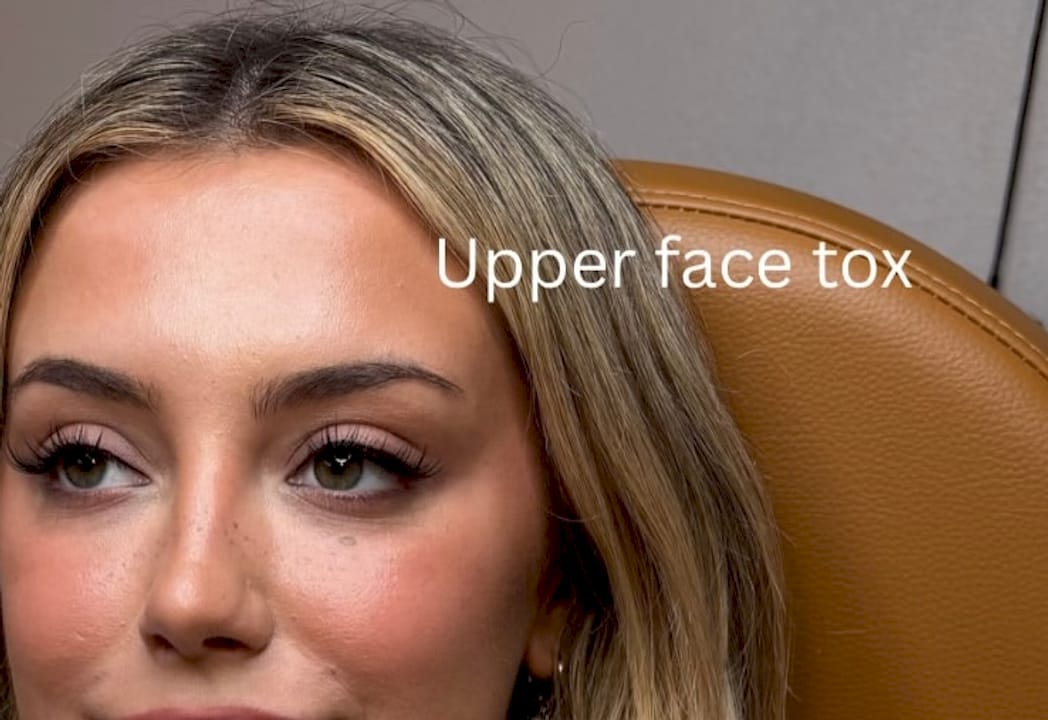
Neurotoxin injections like Botox or Dysport, which relax targeted facial muscles to smooth dynamic wrinkles around the eyes, forehead, and mouth
-
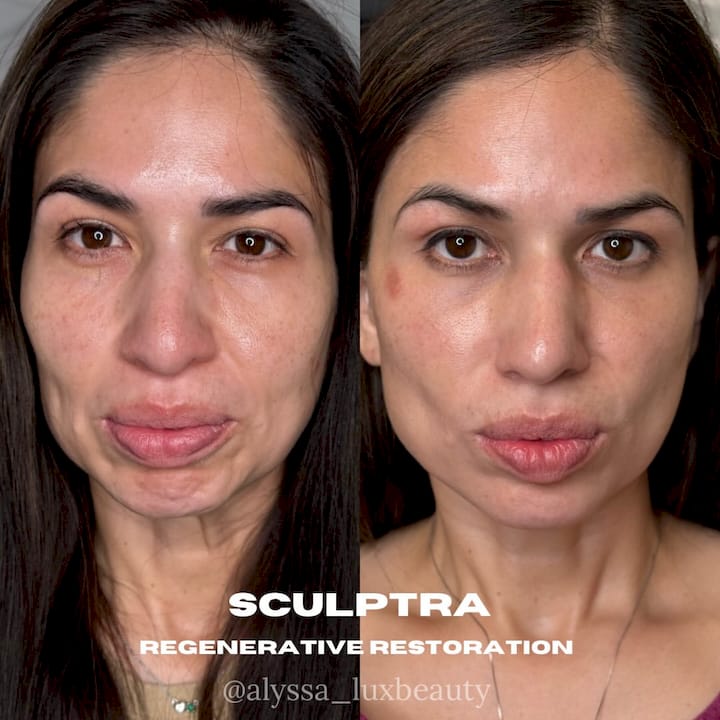
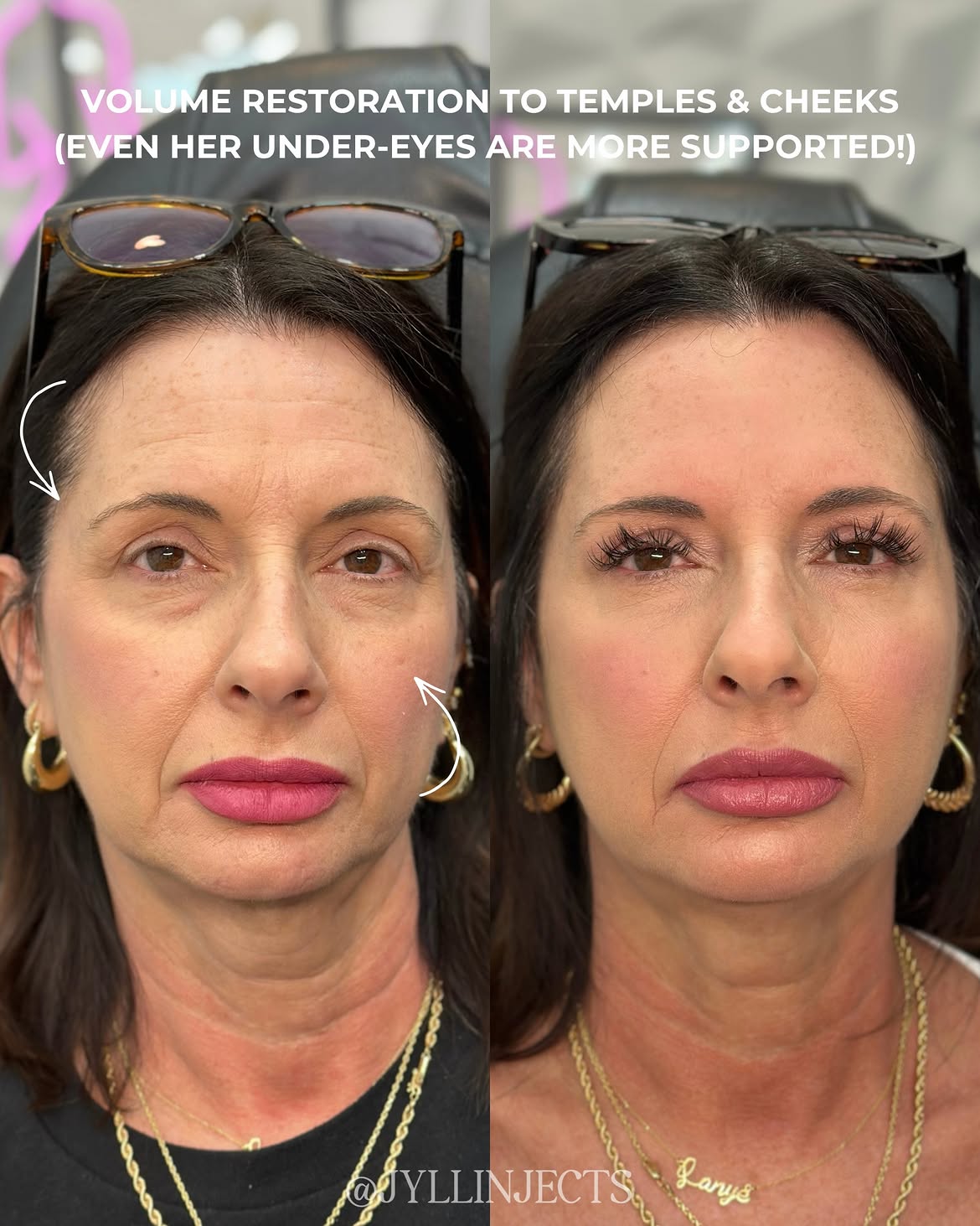
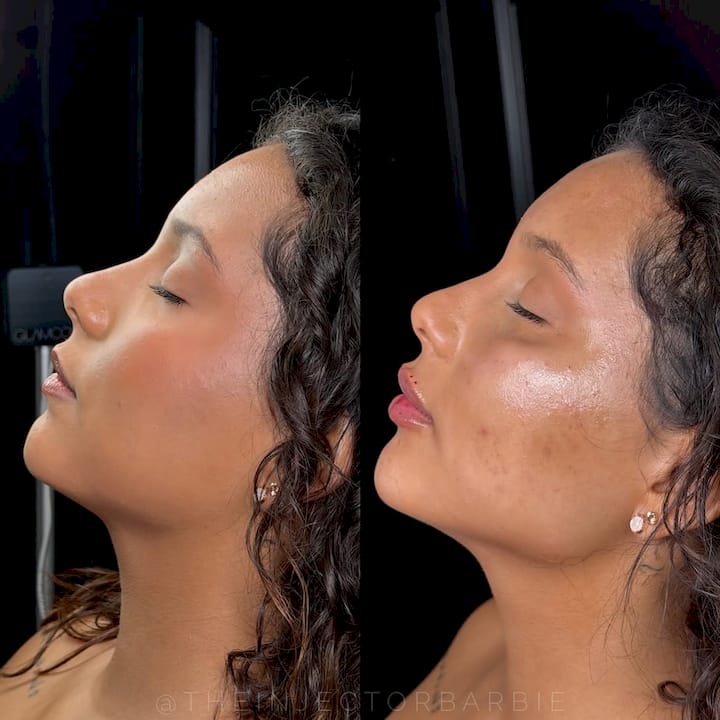
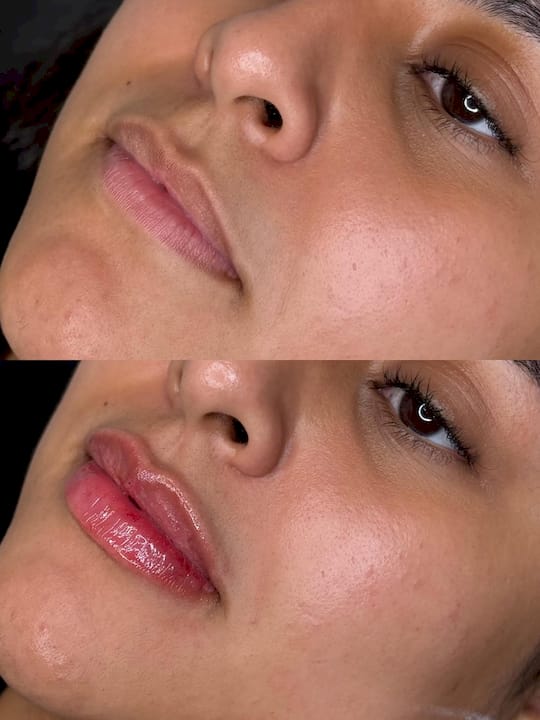
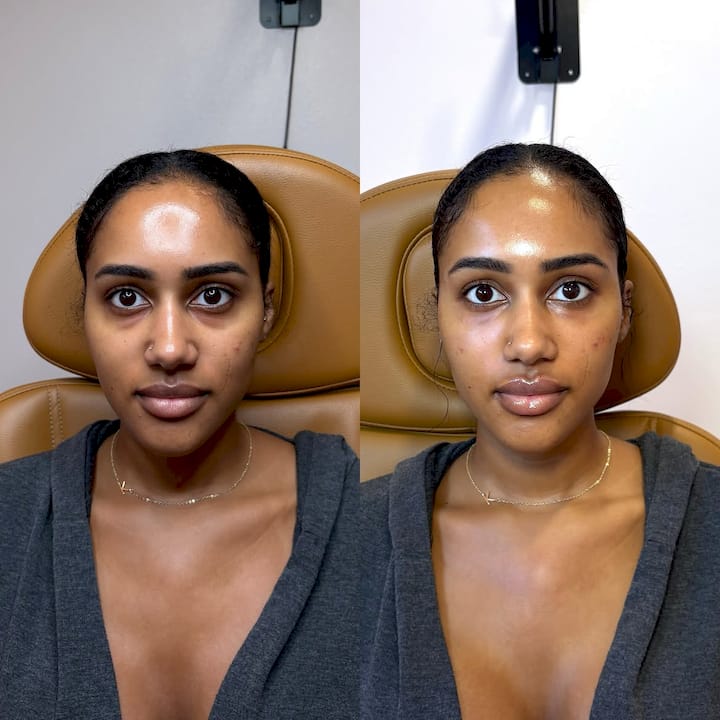
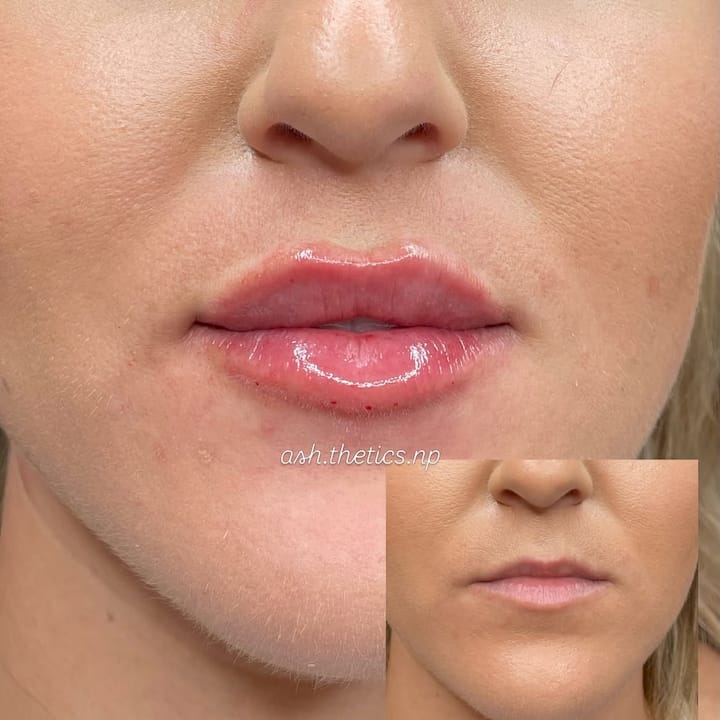
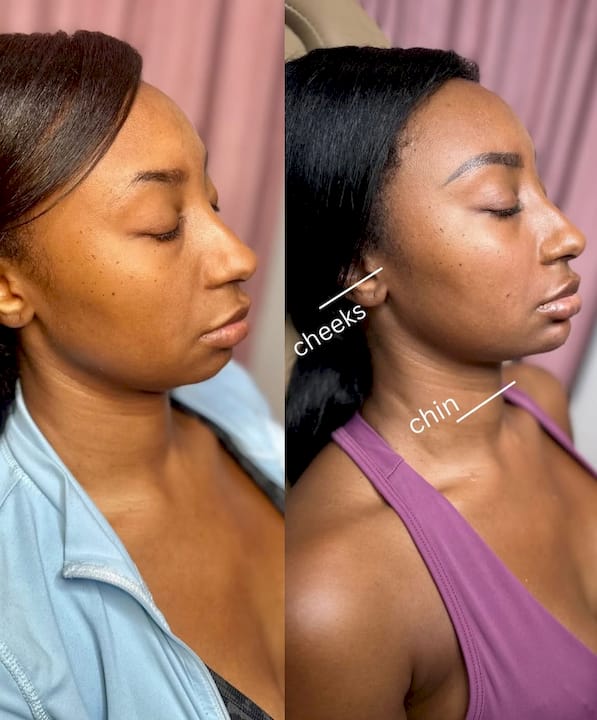
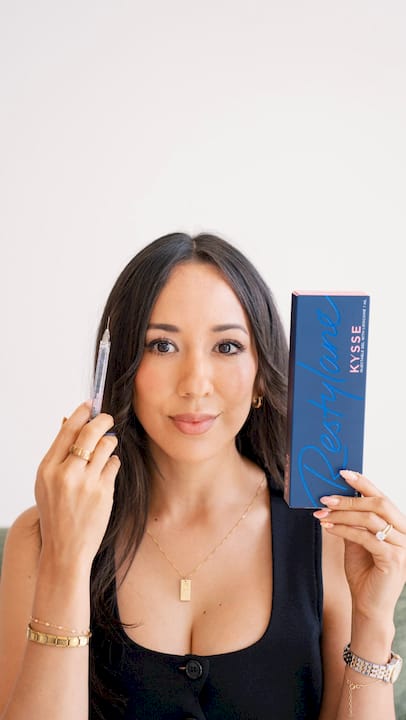
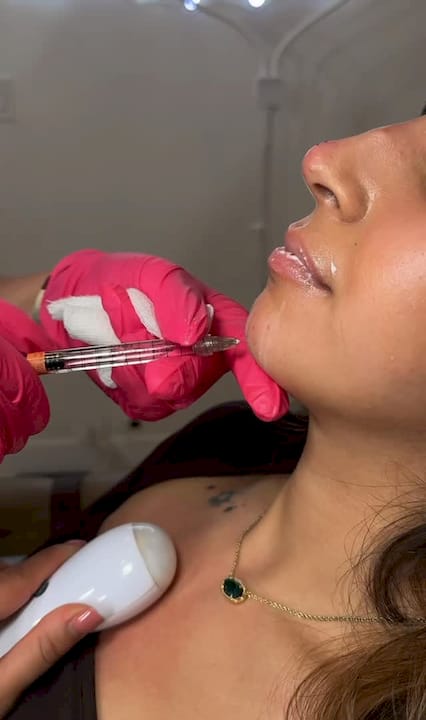
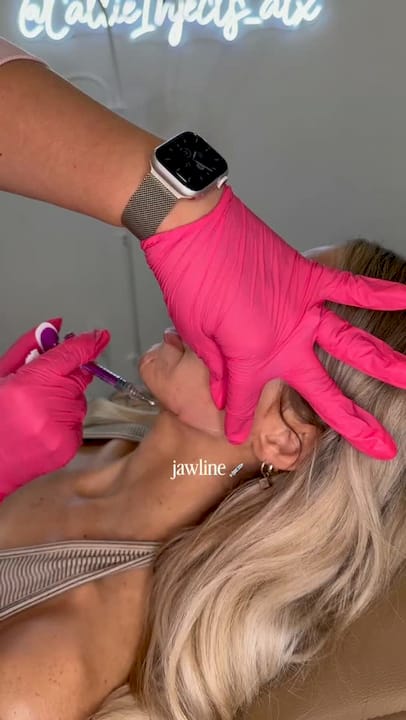
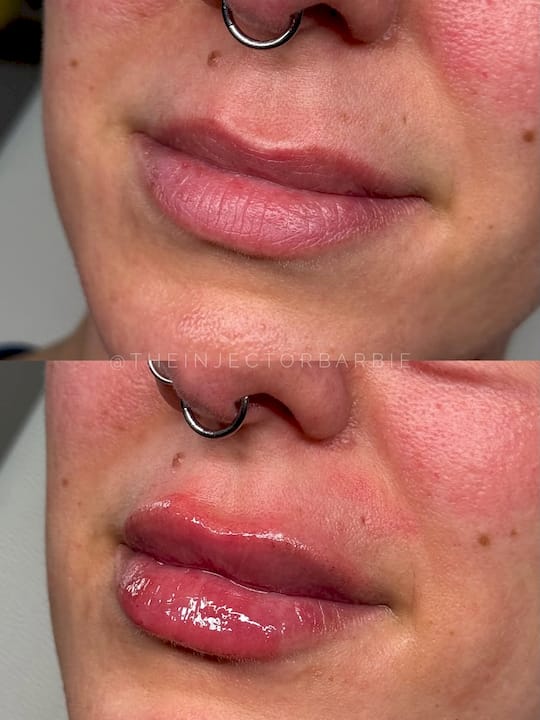
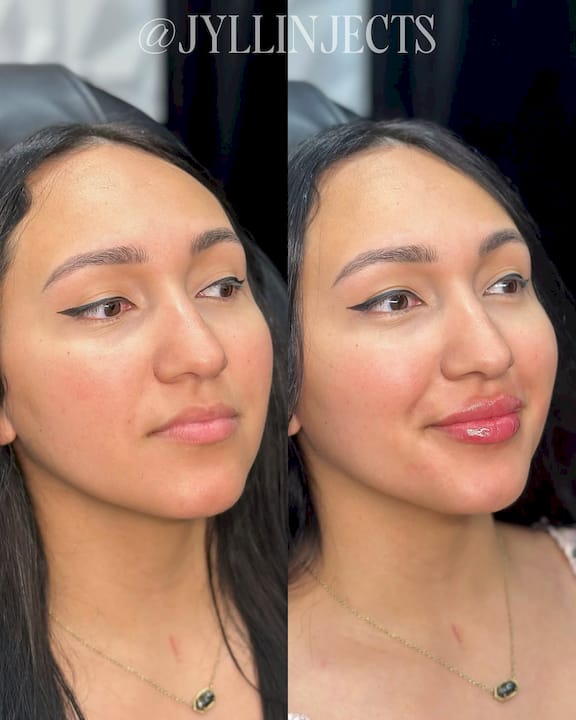
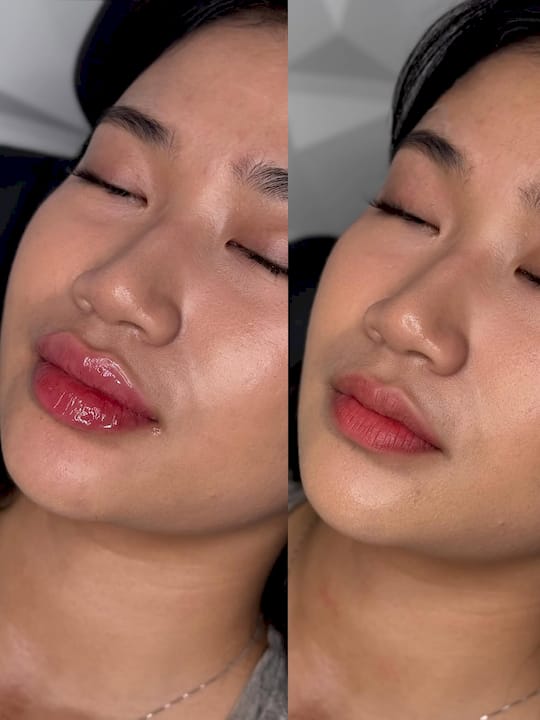
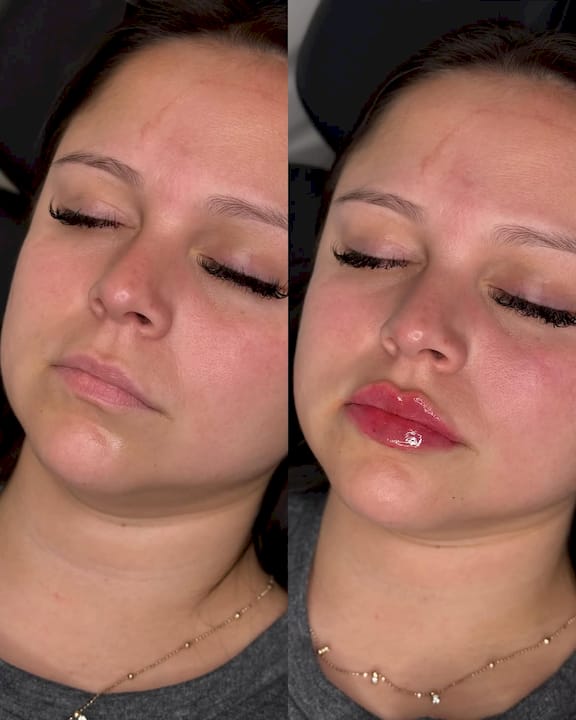
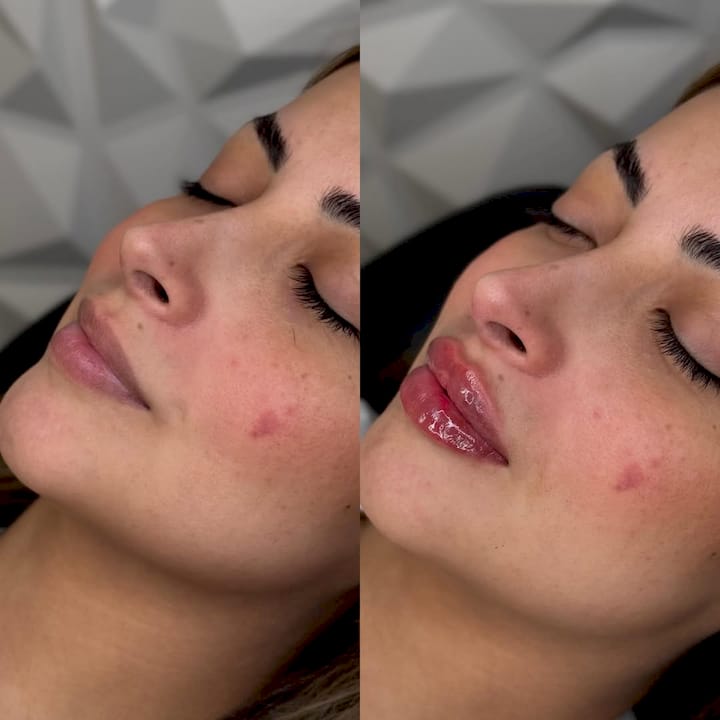
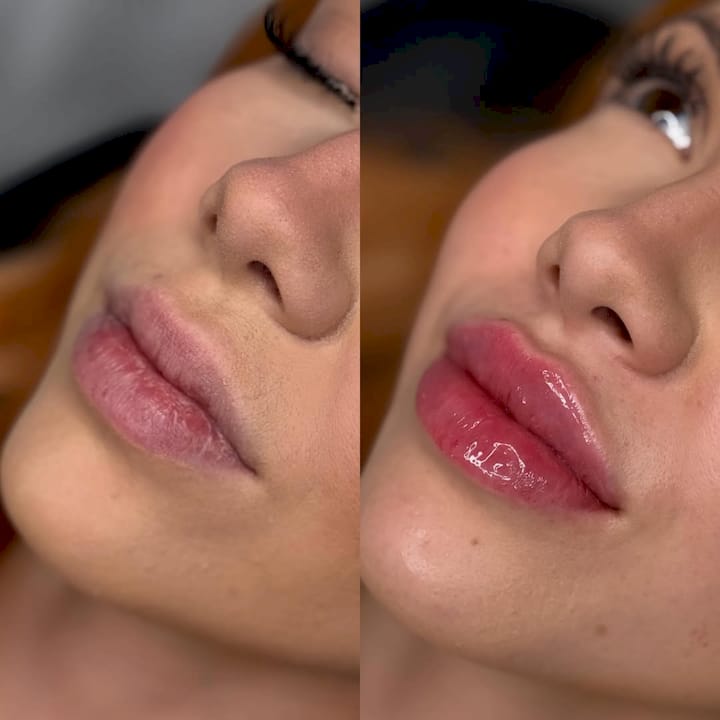
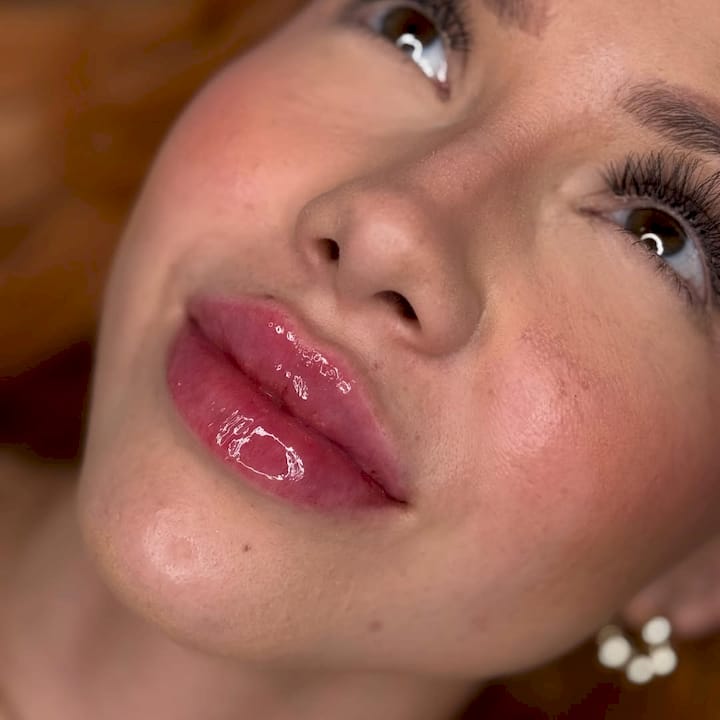
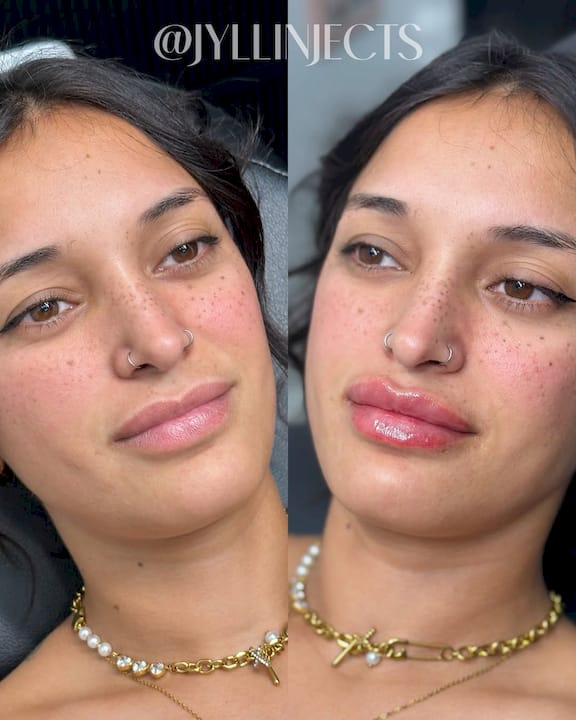
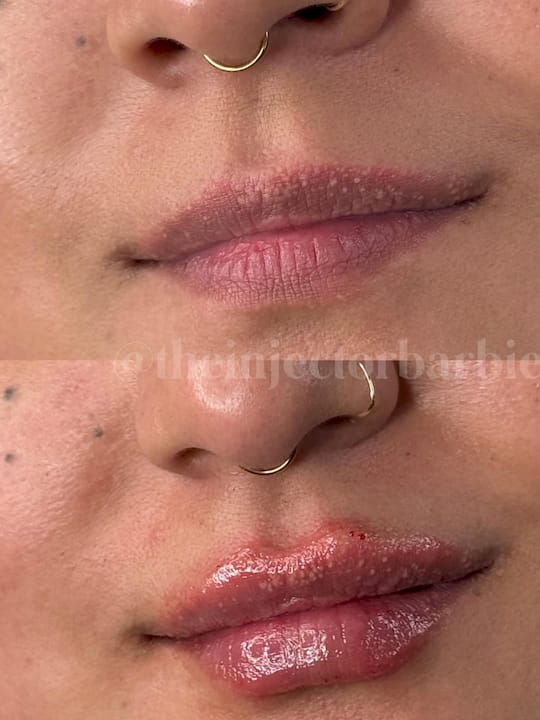
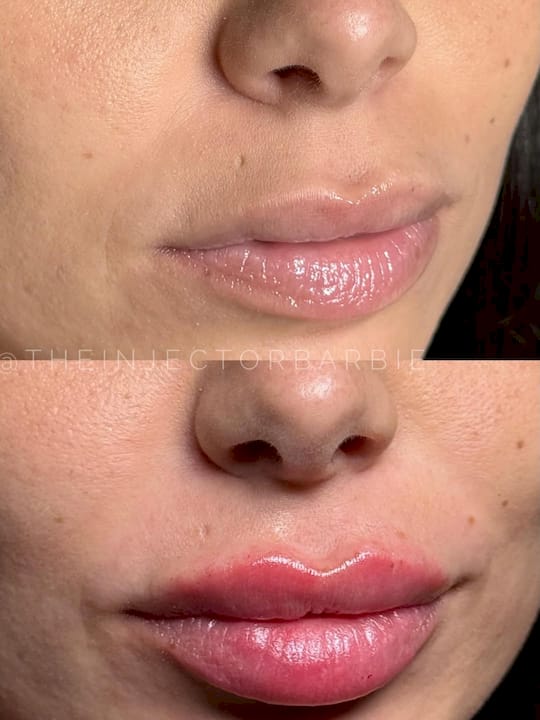
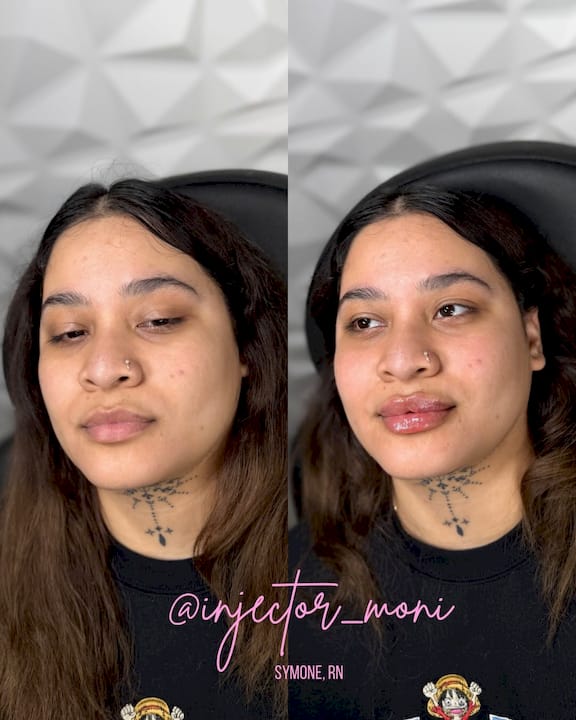
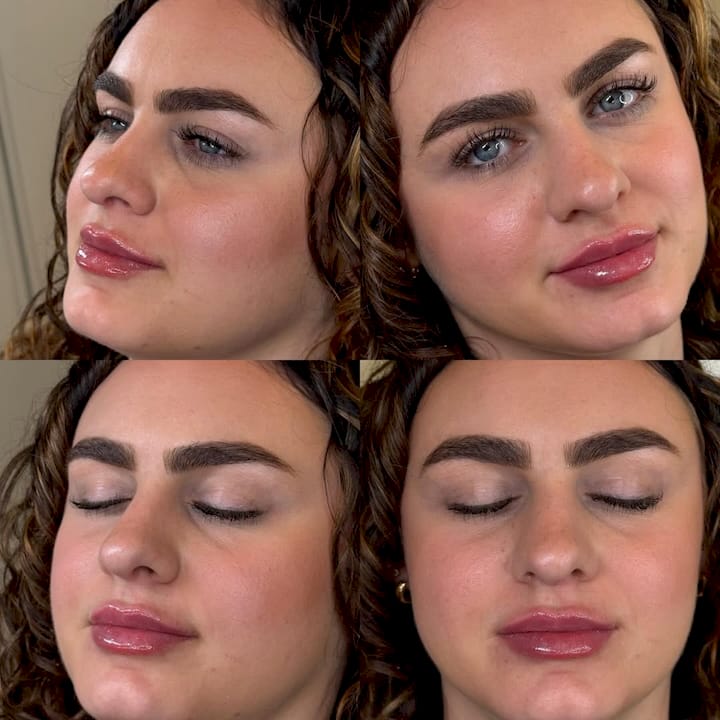
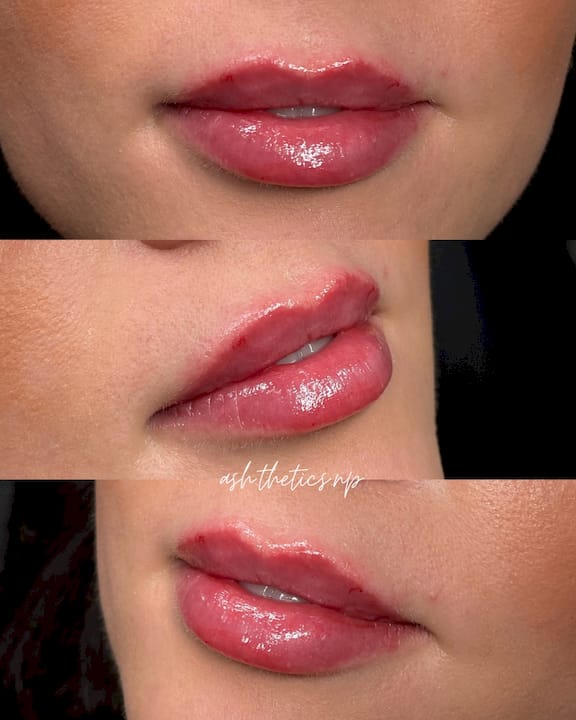
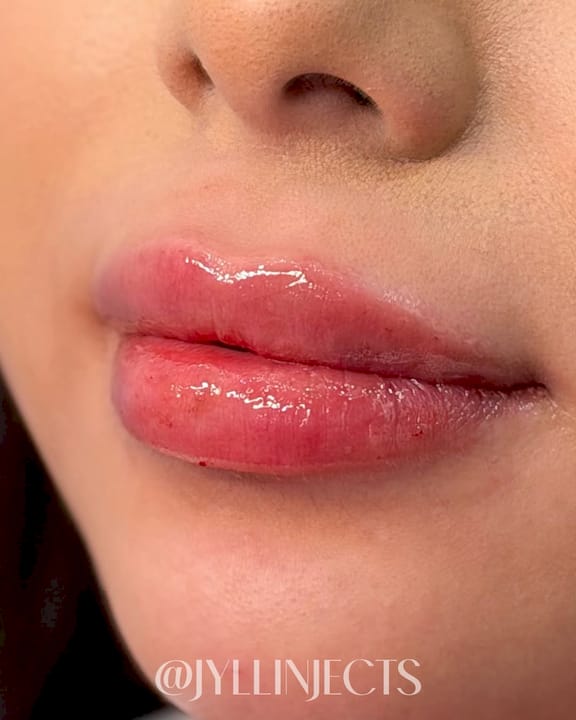
Dermal fillers made from hyaluronic acid or biostimulators like Sculptra, used to restore volume in the lips, cheeks, and chin or to reshape the nose without surgery
-
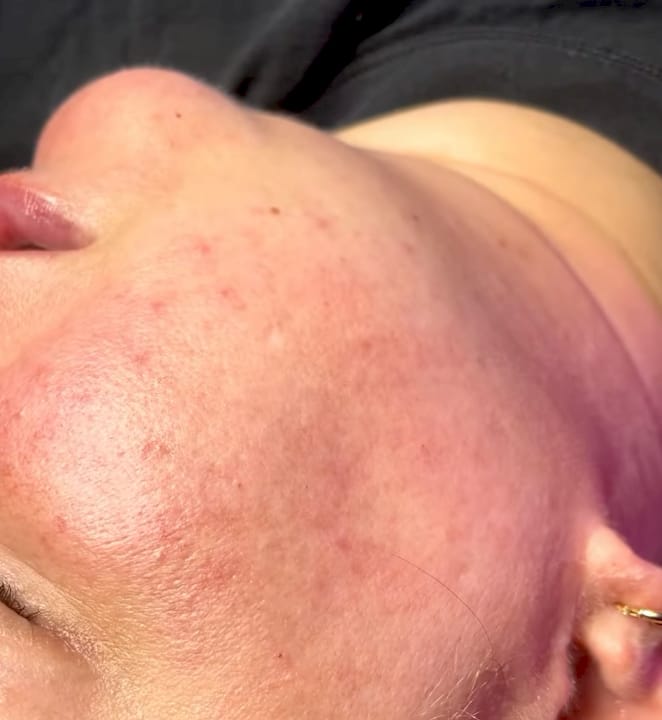
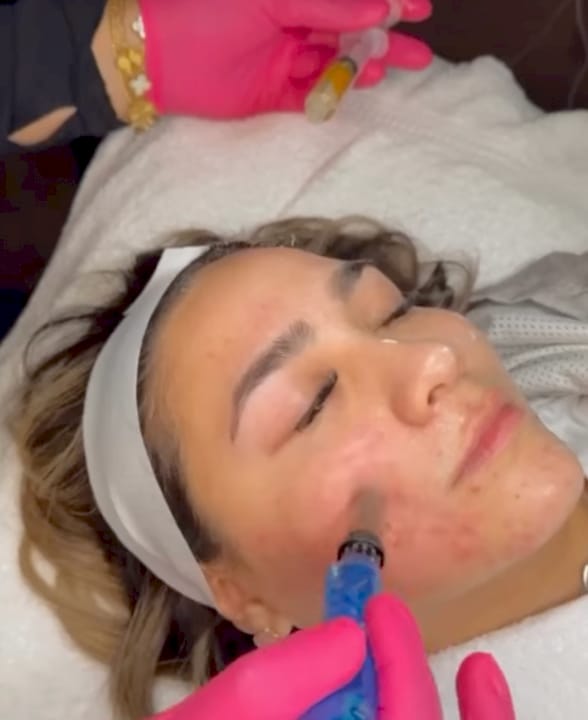
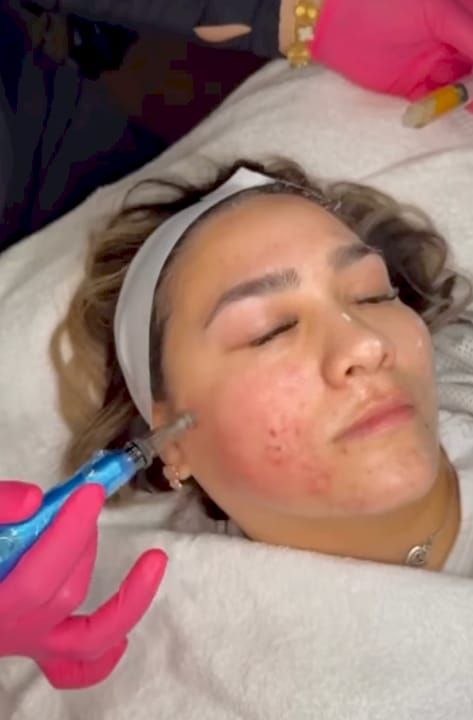
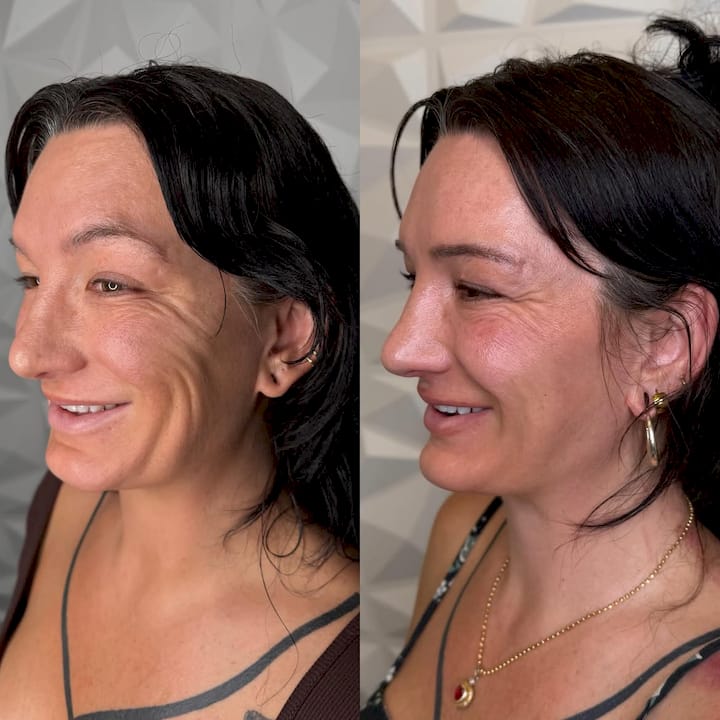
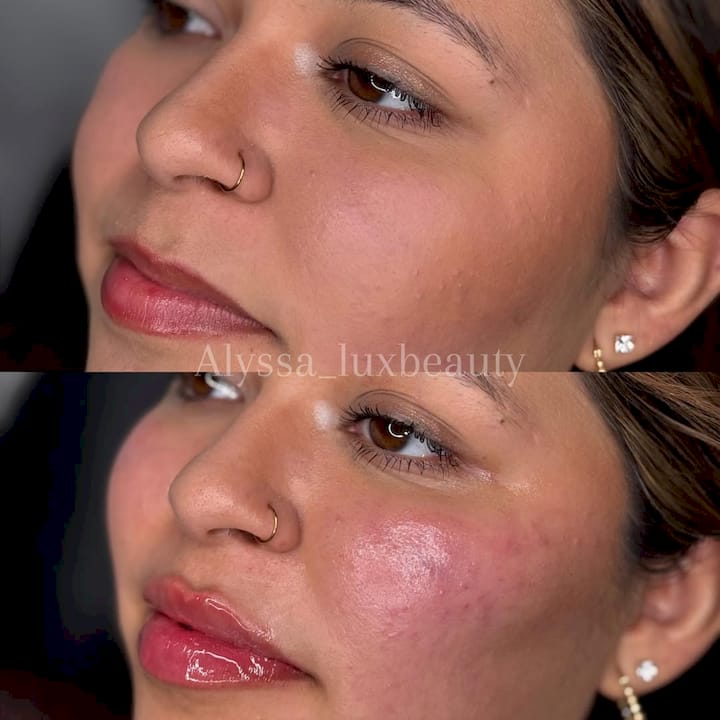
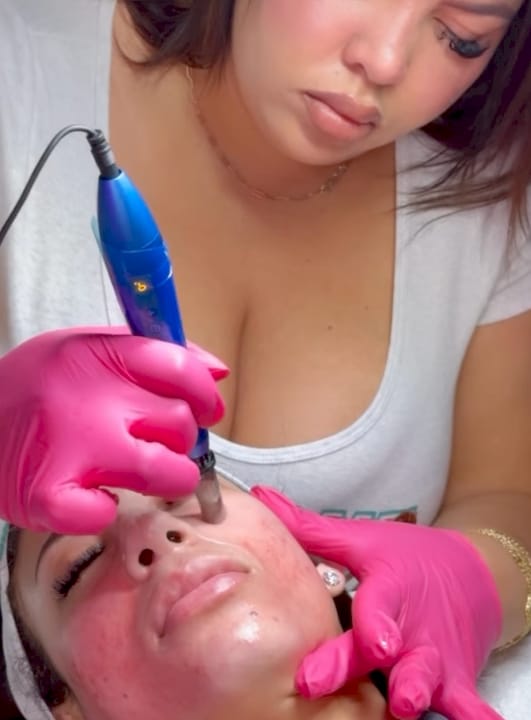
Microneedling, which creates controlled micro-injuries to stimulate collagen production and improve skin texture, tone, and scarring
-
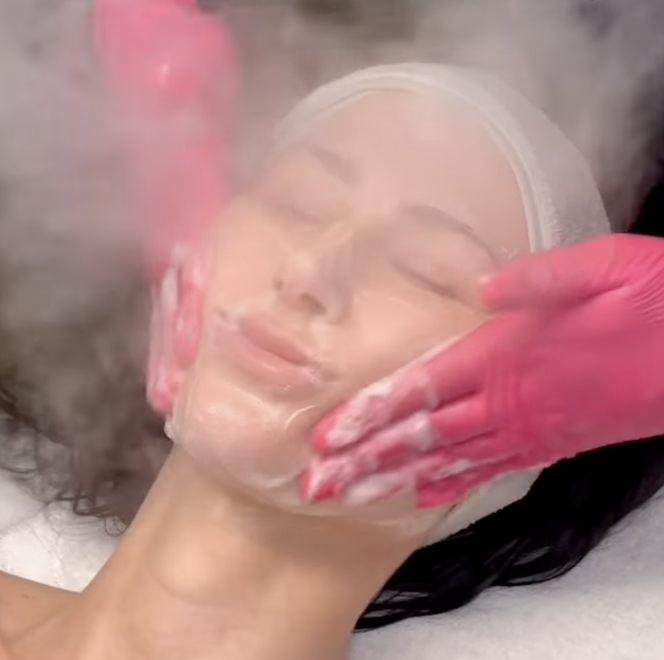
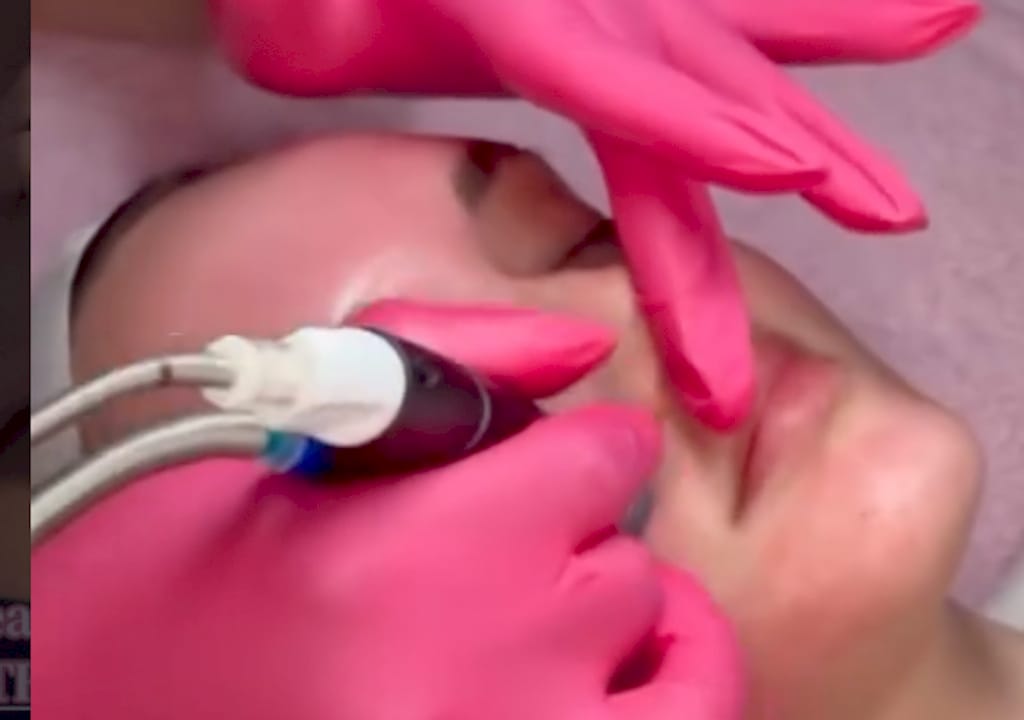
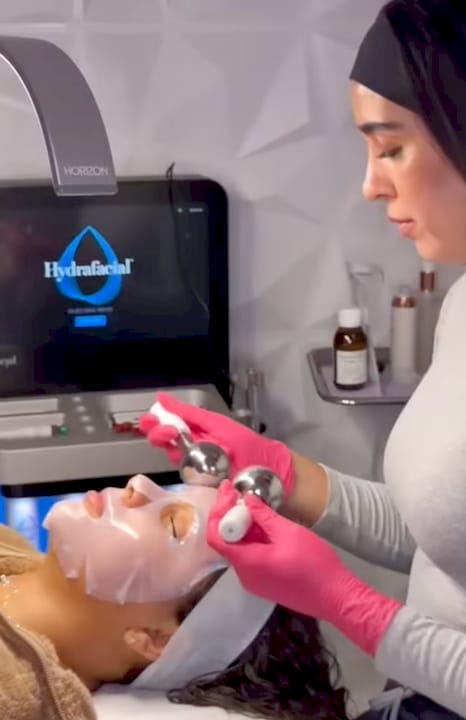
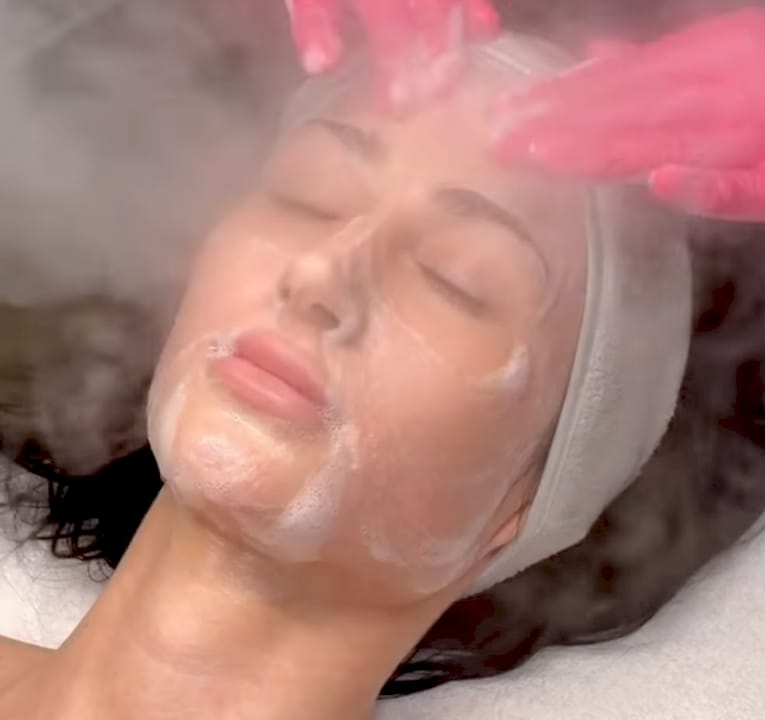
Dermaplaning and HydraFacials, which are non-invasive surface treatments that exfoliate and hydrate the skin without downtime
-
Advanced injectable protocols like PRF EZ Gel, fat dissolving injections, and PDO thread lifts that address volume loss and skin laxity
-
Laser therapies, used for pigmentation correction, skin tightening, and resurfacing
The difference between a med spa and a traditional spa is not just about the treatment list. It’s about who is responsible when something goes wrong. At a legitimate aesthetic clinic, there’s a physician or licensed medical director overseeing treatments and signing off on clinical protocols. At a standard spa, there is no such structure.
Multi-modal treatment approaches are growing quickly at the best-performing facial rejuvenation clinics. Rather than treating one concern at a time, skilled providers now often combine neurotoxins with fillers, collagen stimulators, and surface treatments in a single visit or sequential protocol. This gives patients more natural, balanced results than any single treatment can achieve on its own.
Pro Tip: Ask your provider whether they offer combined treatment protocols rather than isolated procedures. The best clinics build a treatment plan around your full facial anatomy, not just the specific concern you walked in mentioning.
Safety and regulation: what every patient needs to know
This is the part most patients skip, and it’s the part that protects you most. Understanding the regulatory side of aesthetic services is not about reading fine print. It’s about knowing which questions to ask before you let anyone inject anything into your face.
Here’s what compliant beauty clinics do differently:
-
Employ or contract a licensed medical director. Medical directors, typically licensed physicians, hold ultimate responsibility for clinical compliance and patient safety at a med spa. They’re not a formality. They set the clinical standards.
-
Source all injectables from FDA-authorized manufacturers. Injectable products must be FDA-approved and obtained through verified supply chains. Anything purchased through gray-market channels is a serious red flag.
-
Maintain accurate documentation. In April 2026, the FDA issued a warning letter to a Texas med spa after investigators found discrepancies in injectable botulinum toxin tracking and sourcing. That clinic faced enforcement action because their inventory documentation didn’t hold up.
-
Follow informed consent protocols for off-label use. Off-label injectable use is legal but requires explicit informed consent and a trained provider who understands the risks.
-
Adhere to honest advertising standards. Regulations prohibit guarantees of outcomes or claims that treatments are painless. Any clinic promising “guaranteed results” should raise your skepticism.
“Regulatory scrutiny increasingly extends beyond clinical technique to compliance infrastructure, including drug sourcing and inventory control.” — AmSpa analysis of FDA enforcement
It’s also worth knowing that regulations vary dramatically outside the United States. India’s CDSCO, for example, has issued a public notice prohibiting injectable cosmetic products from being used in beauty clinics, since cosmetics are legally defined as external-use products only. Knowing your local legal framework matters whether you’re in Austin, Texas, or abroad.
Pro Tip: Before booking any injectable treatment, ask the clinic directly: “Who is your medical director, and are they on-site or available for consultation during treatments?” A vague or defensive answer tells you everything.
How to choose the right beauty clinic
Choosing between clinics comes down to factors most patients overlook entirely. Comparing clinics solely on treatment lists misses the safety signals that actually matter. The right framework focuses on clinical governance first, then treatment fit.
What to compare across clinics
| Factor | What to look for | Red flag |
|---|---|---|
| Medical oversight | Named physician medical director with verifiable license | “Our staff is trained” with no physician mentioned |
| Product sourcing | FDA-authorized suppliers, documented protocols | Unusually low pricing on injectables |
| Provider credentials | Licensed injectors with documented training | No credential information available |
| Consultation process | Full intake, health history, personalized plan | Same-day booking with no consultation |
| Transparency | Clear pricing, realistic outcomes, detailed aftercare | Pressure tactics or vague recovery guidance |
Beyond the comparison table, here are specific behaviors to watch for when you visit a clinic in person:
-
A good provider will turn down a treatment request if it isn’t right for you. That’s not a sales loss. That’s a clinical judgment.
-
The facility should feel clinical, not just stylish. Clean treatment rooms, proper sharps disposal, and professional documentation are baseline expectations.
-
Your consultation should include a full review of your medical history, current medications, and any prior aesthetic treatments.
The safest mindset you can bring to this process is to prioritize licensed medical oversight over branding. A clinic with exceptional photography and a well-known name but no clear physician governance is a worse bet than a quieter practice with documented clinical protocols and real patient outcomes.
Local beauty specialists who have deep experience with specific treatments in your region often outperform chain-style clinics on personalization and follow-up care. Don’t discount the smaller, established practice.
Trending non-surgical beauty solutions worth knowing
Non-surgical beauty solutions have come a long way from basic Botox and lip filler. The most respected aesthetic services now blend multiple technologies into single treatment experiences that deliver genuinely impressive results.

One of the most discussed protocols in recent years is what Dr. Simon Ourian has called the “Invisible Facelift.” This multi-technology approach combines laser resurfacing, skin tightening, and stem cell-stimulating injections to create natural-looking facial rejuvenation with minimal downtime. It’s a useful example of where high-end facial rejuvenation clinics are headed: away from single-treatment visits and toward coordinated, layered protocols.
Other trending treatments gaining traction at skin care clinics include:
-
PRF EZ Gel, which uses your own platelet-rich fibrin to create a natural filler alternative that also stimulates collagen production
-
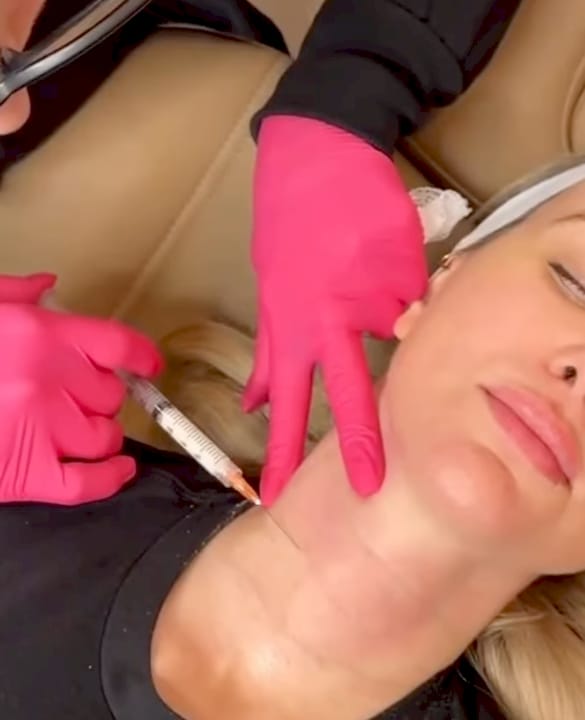
Tech neck line injections, addressing the horizontal bands on the neck caused by downward screen time
-
PDO threads, which lift and tighten sagging skin using dissolvable sutures placed under the skin
-
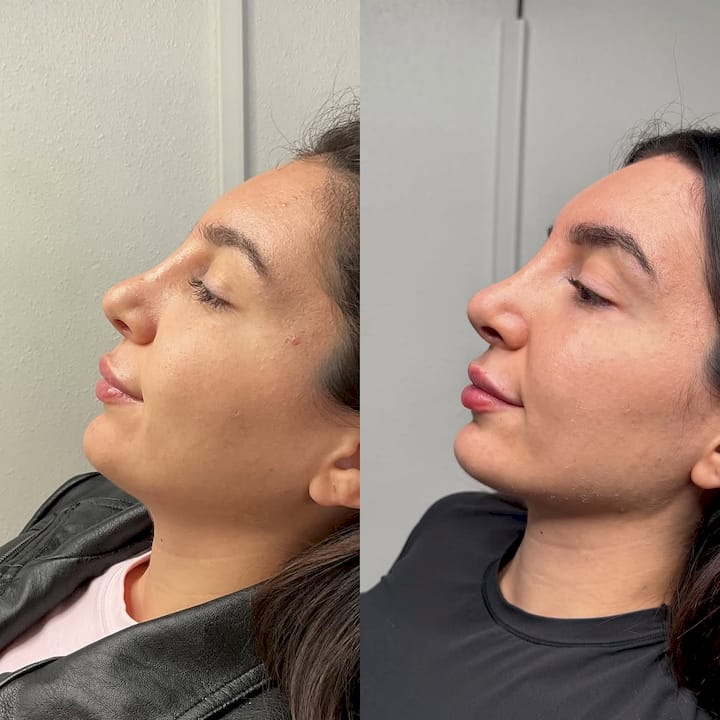
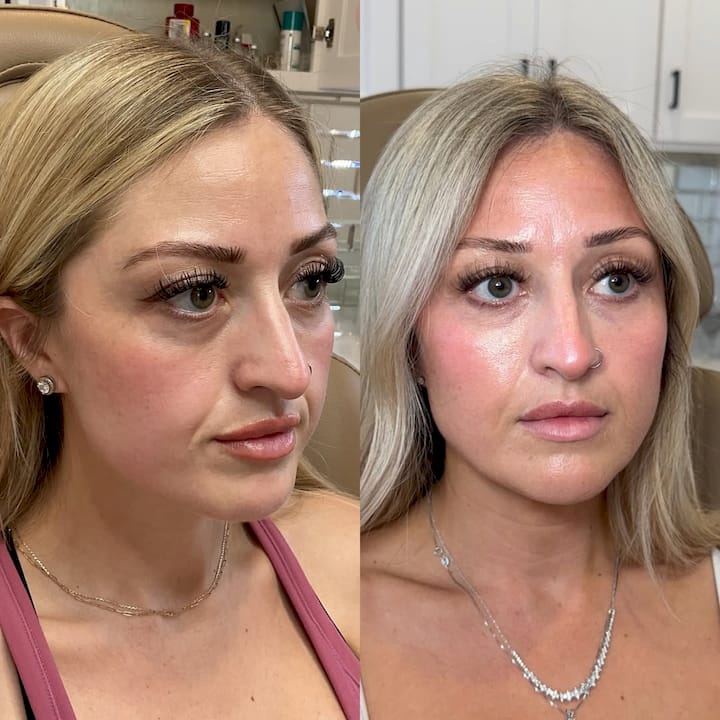
Non-surgical nose jobs, using filler to reshape the bridge or tip of the nose without rhinoplasty recovery
A key point with all of these: realistic expectations are part of the treatment. You can review the full process for dermal fillers to understand what results actually look like at different timeframes. No non-surgical treatment replicates surgery. But for the right candidate, results can be dramatic and long-lasting without the recovery, risk, or expense of going under the knife.
Pro Tip: If a clinic promotes a trending procedure without discussing candidacy requirements or possible side effects, treat that as a gap in their clinical practice. The best providers talk you through what won’t work as readily as what will.
My honest take on choosing a beauty clinic
I’ve watched patients make the same mistake repeatedly. They walk into a clinic impressed by the décor, the follower count, or the fact that a celebrity supposedly goes there. Then they’re surprised when results don’t match expectations or, worse, when complications arise.
What I’ve learned is that the single most predictive factor in a patient’s satisfaction and safety is whether the clinic has real, verifiable medical governance. Not a name on a certificate on the wall. An actual physician who is reachable, accountable, and actively involved in clinical decisions. The regulatory environment is tightening around this, and the 2026 FDA enforcement action in Texas is a signal that this isn’t optional anymore.
I’ve also noticed that patients who come in with one very specific request and no context tend to get worse outcomes. Not because providers are careless, but because good aesthetic work requires looking at the whole picture. Volume, proportion, skin quality, and the way movement affects appearance all interact. The clinics I respect most treat that complexity seriously rather than just fulfilling a checklist of treatments.
My advice: use the anti-aging injection types guide to get educated before your consultation. Walk in knowing what questions to ask. That one shift changes everything about the quality of care you receive.
— Marina
Explore treatments at Theinjectionroom
If you’re in Austin or San Antonio and ready to move from research to results, Theinjectionroom is a med spa built around exactly the kind of medical oversight and product compliance this article describes. Their team offers a full range of non-surgical treatments including Botox in San Antonio performed under physician guidance using only FDA-authorized neurotoxins, dermal fillers for volume and contouring, and collagen-stimulating microneedling for skin rejuvenation.
What sets them apart is the consultation-first approach. No same-day pressure, no generic treatment plans. Every visit starts with a review of your goals, anatomy, and health history before any recommendation is made. They also offer advanced protocols like PRF EZ Gel, PDO threads, fat dissolve, non-surgical nose jobs, and HydraFacials for patients who want a complete aesthetic plan in one place.
You can learn more about safe facial injectables or explore the full range of services directly on their website. Booking a consultation is the smartest first step.
FAQ
What is a beauty clinic vs. a med spa?
A beauty clinic is a broad term covering any facility offering cosmetic treatments, while a med spa is specifically a medical facility under licensed supervision that performs treatments affecting tissue beneath the skin. The key difference is medical oversight.
Are injectable treatments at beauty clinics safe?
Yes, when performed at a properly supervised clinic using FDA-approved products. Injectable treatments are prescription medical workflows requiring physician oversight, documented protocols, and authorized product sourcing to be performed safely.
How do I verify a beauty clinic’s credentials?
Ask for the name of the medical director and verify their license through your state’s medical board. Confirm that injectables are sourced from FDA-authorized suppliers. Clinics with nothing to hide will answer those questions without hesitation.
What non-surgical treatments are most popular right now?
Botox, hyaluronic acid fillers, microneedling, PRF EZ Gel, and PDO threads are among the most requested non-surgical beauty solutions at aesthetic clinics. Multi-treatment protocols combining these approaches are increasingly common for facial rejuvenation.
What should I expect at a first consultation?
A thorough consultation at a reputable beauty clinic includes a full medical history review, a discussion of your aesthetic goals, an explanation of realistic outcomes, and a personalized treatment recommendation. Regulations prohibit misleading outcome guarantees, so any clinic promising perfect results without caveats is not following best practices.


%20Pictures%20are%204%20weeks%20apart..jpg)