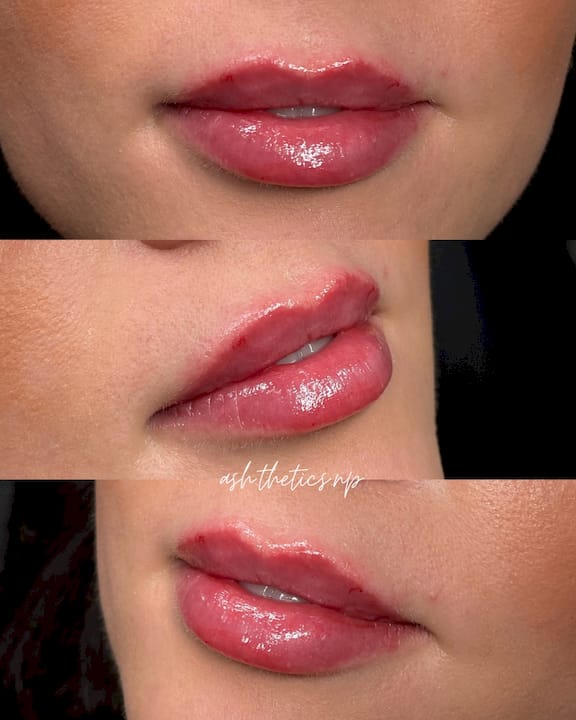
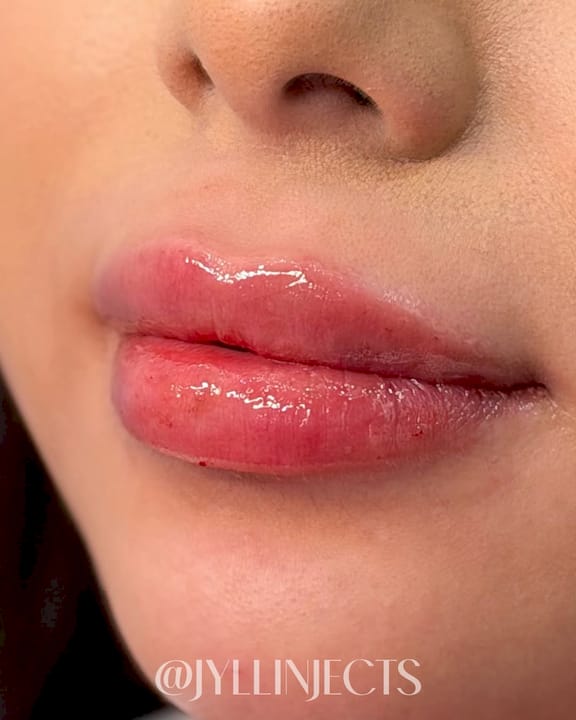
TL;DR:
Preventive use of neurotoxins and fillers maintains natural aging and reduces correction needs.
Qualified healthcare providers prioritize safety, personalized assessment, and natural results.
Most side effects are mild and temporary, with long-term risks being rare when properly administered.
You don’t have to wait until lines are carved into your face to do something about them. Many women in Texas assume aesthetic procedures are strictly for reversing visible aging, but the most effective use of neurotoxins and fillers is actually preventive. Starting earlier means less product, more natural results, and a face that ages on your terms. This guide breaks down exactly how these treatments work, who they’re right for, and what you should realistically expect, with evidence-backed explanations written for women 35 to 65 who want real answers, not vague promises.
Table of Contents
-
Who is an ideal candidate? Personalization and provider selection
-
A fresh perspective: Preventive aesthetics and long-term confidence
Key Takeaways
| Point | Details |
|---|---|
| Prevention matters | Starting aesthetic injectables before deep lines form leads to more natural and easy-to-maintain results. |
| Procedures are customizable | Neurotoxins and fillers can be personalized based on goals, age, and anatomy for subtle or advanced effects. |
| Safety depends on providers | Choose board-certified injectors to minimize risk and maximize safe, satisfying outcomes. |
| Understand side effects | Mild bleeding or bruising is common, while serious complications are very rare with proper care. |
Understanding aesthetic procedures: The basics explained
Before booking any treatment, it helps to understand the difference between the two main categories of injectables: neurotoxins and dermal fillers. They’re often mentioned together, but they do very different things.
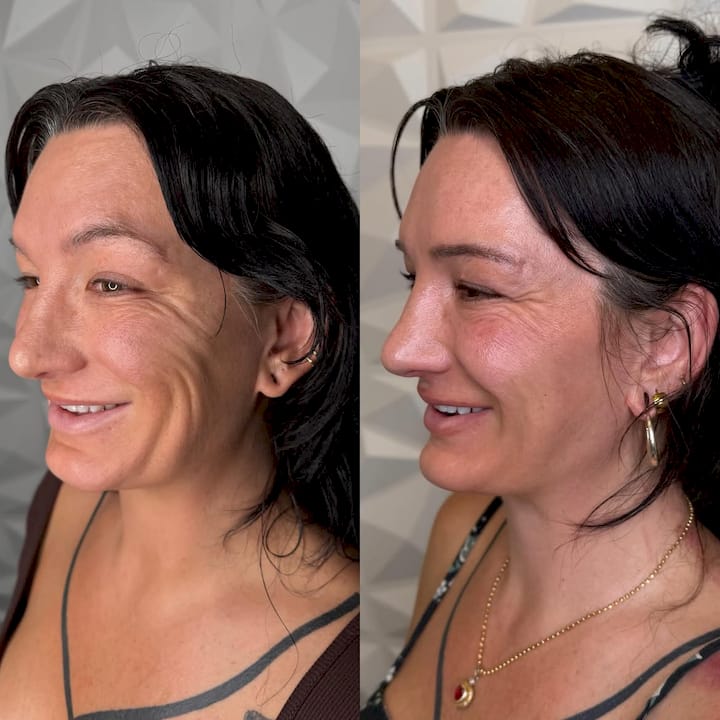
Neurotoxins like Botox, Dysport, and Xeomin work by relaxing muscles to smooth dynamic wrinkles, the kind that form from repeated facial expressions like squinting, smiling, or frowning. They don’t fill anything. They simply quiet the muscle movement that causes the crease.

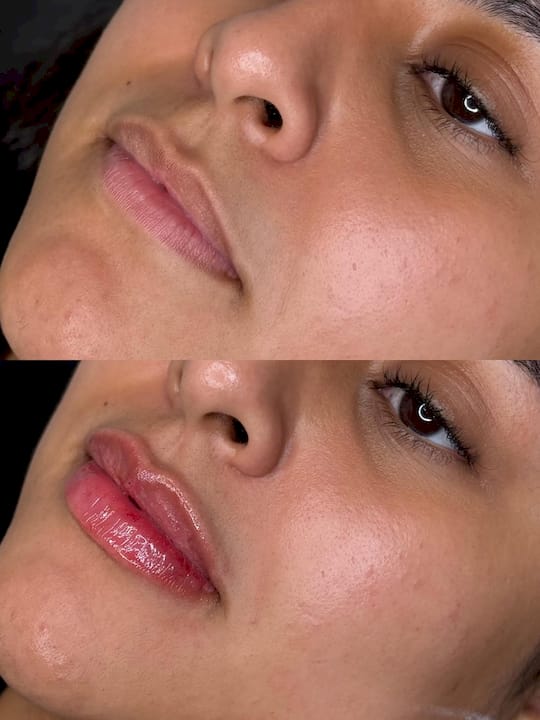
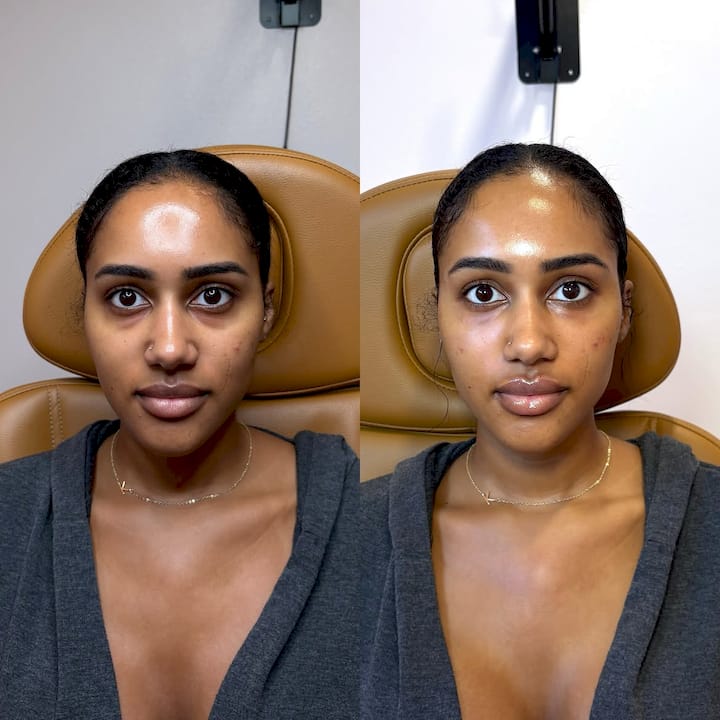
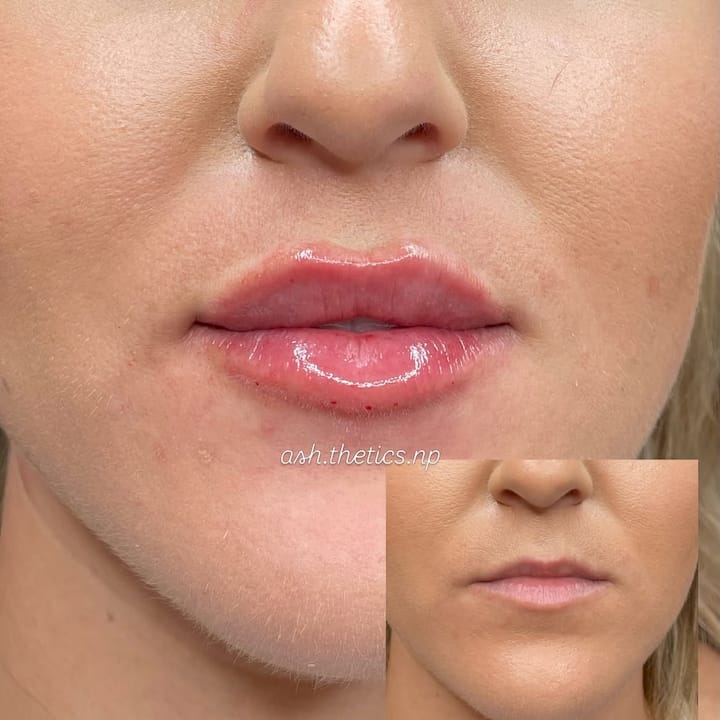
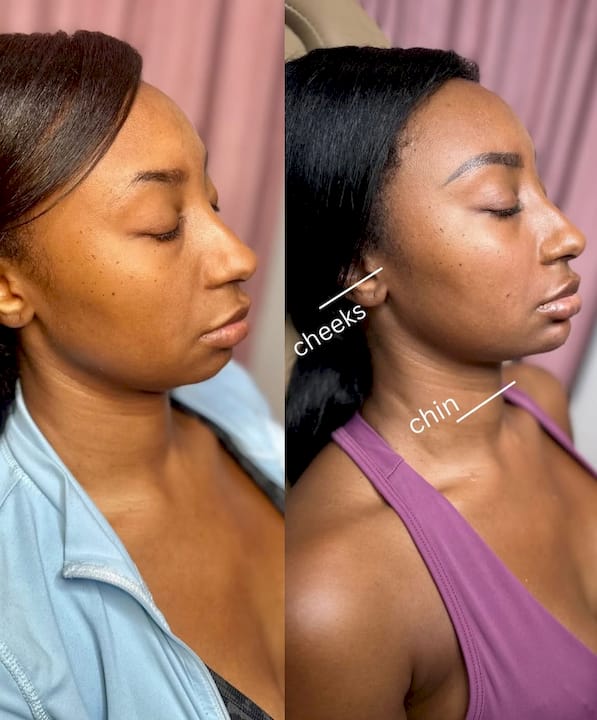
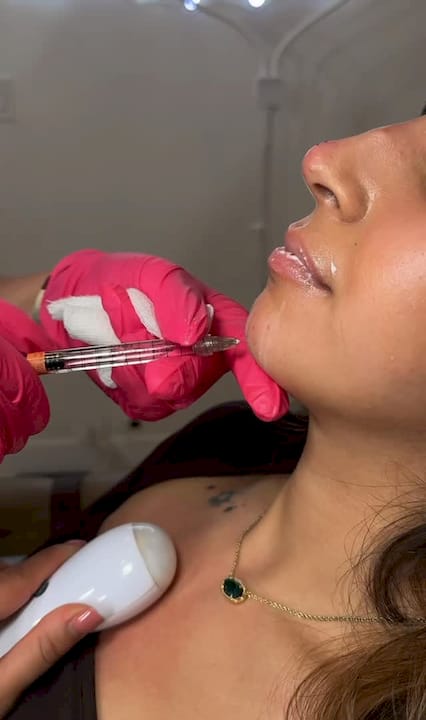
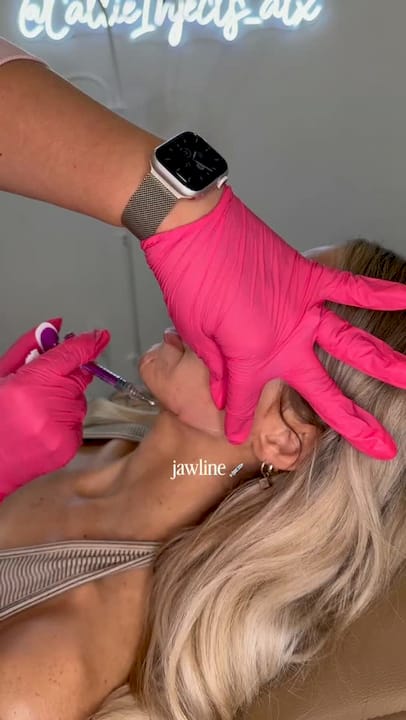
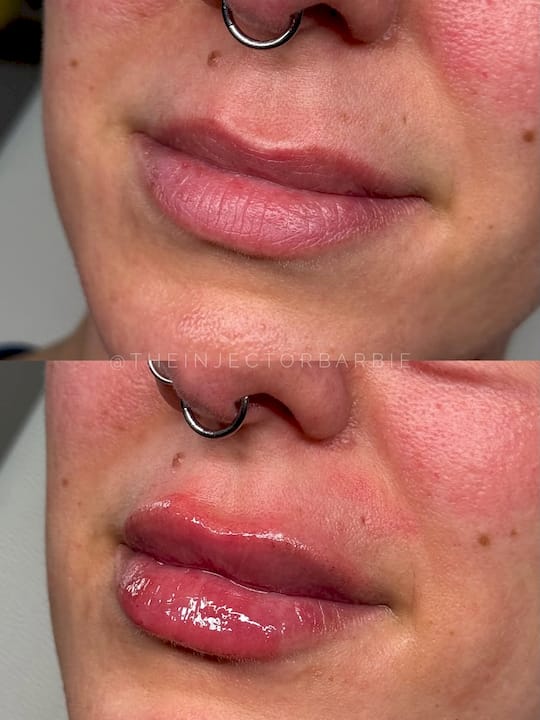
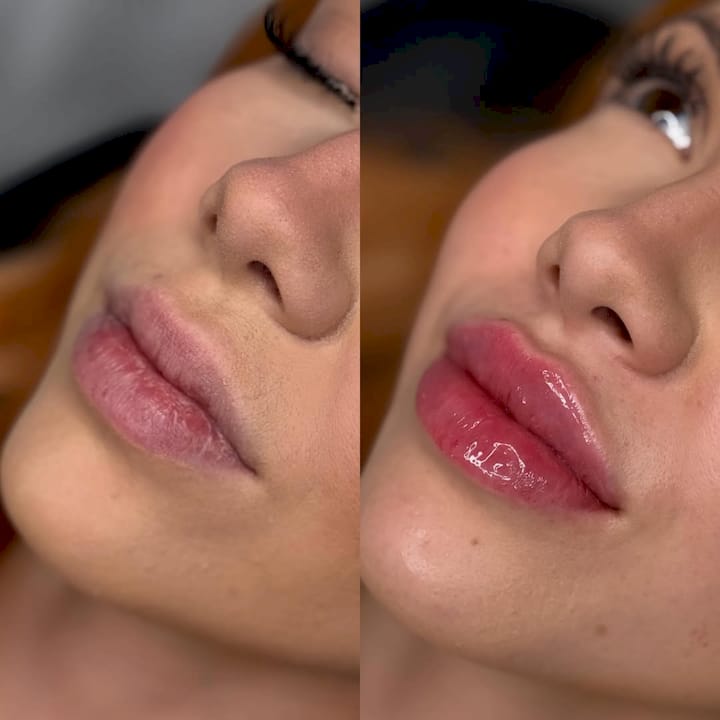
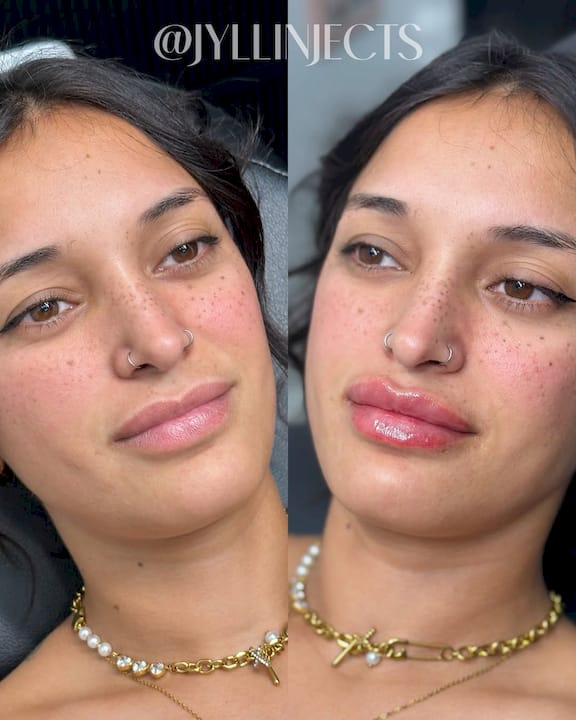
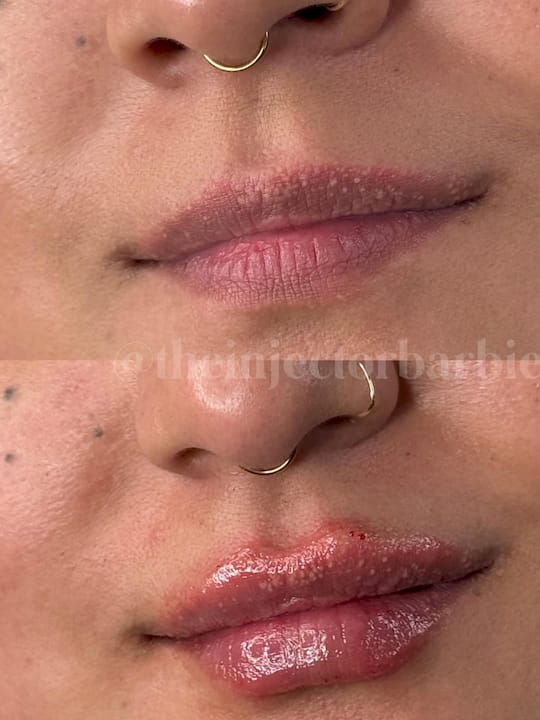
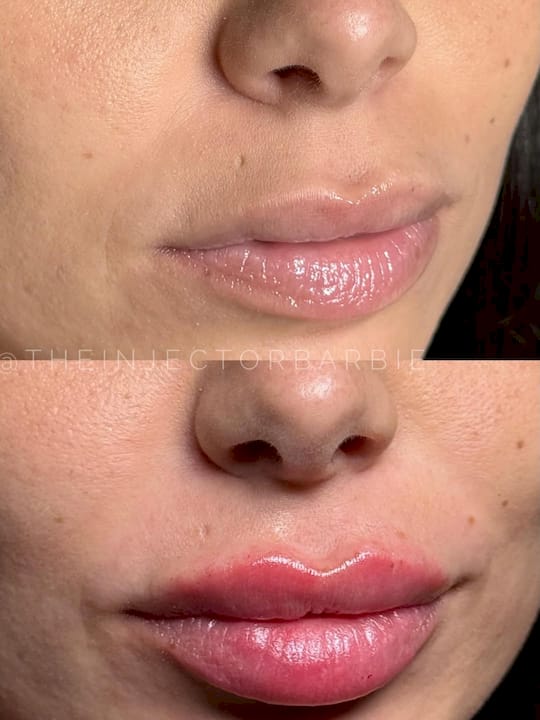
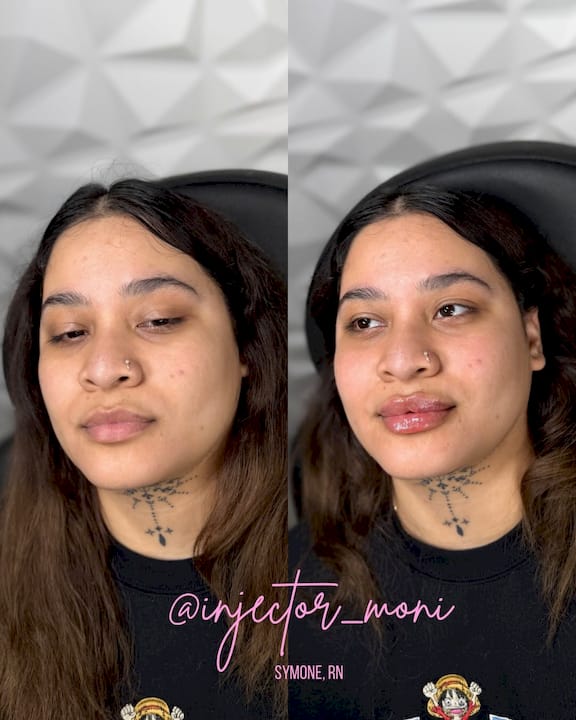
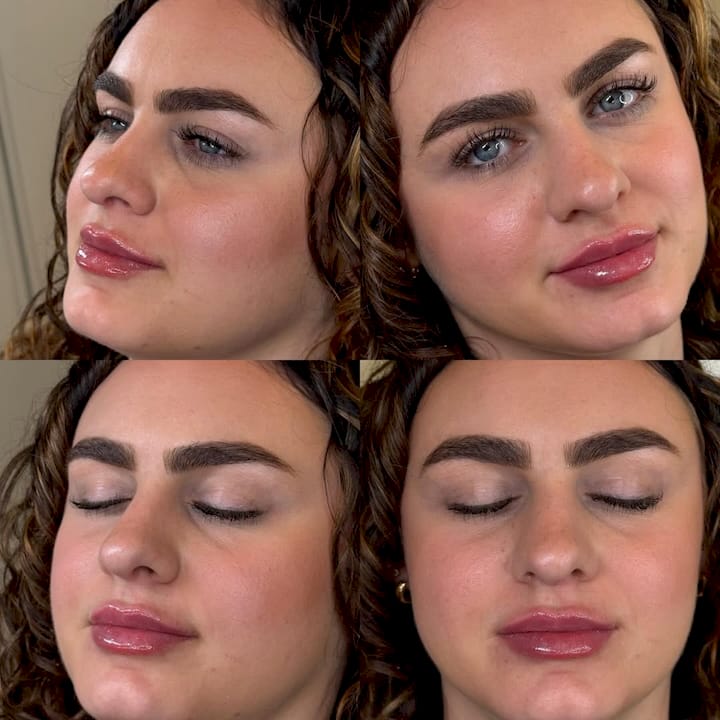
Dermal fillers, on the other hand, add volume. Hyaluronic acid (HA) fillers like Juvederm and Restylane are injected beneath the skin to restore fullness that naturally depletes with age. Think of them as replacing what time has taken away, whether that’s in your cheeks, lips, chin, or along the jawline.
For women between 35 and 65, the most common concerns involve both of these categories. You might have dynamic lines from expression and static lines that show up even at rest, plus volume loss in areas like the midface or temples. A good treatment plan often combines both. You can learn more about aesthetic injectables overview to see how they complement each other.
Here’s a quick comparison to clarify how each works:
| Feature | Neurotoxins | Dermal Fillers |
|---|---|---|
| Primary purpose | Relax muscles, soften wrinkles | Restore volume, define contours |
| Best for | Forehead lines, crow’s feet, frown lines | Cheeks, lips, chin, nasolabial folds |
| Duration | 3 to 6 months | 6 to 18 months depending on type |
| Reversible? | Wears off naturally | HA fillers can be dissolved |
| Onset of results | 3 to 7 days | Immediate |
Common myths worth clearing up:
-
Injectables make you look frozen. Not true when done well. Subtle dosing preserves natural movement.
-
You have to look old first. Early preventive use delivers natural results and reduces how much correction you’ll need later.
-
It’s only for celebrities or dramatic transformations. Most patients at The Injection Room want results their friends can’t quite put their finger on.
Understanding the neurotoxin benefits and how combining fillers and Botox can work together helps you walk into a consultation with confidence instead of confusion.
How neurotoxins and fillers work: Science and safety
Once you understand what these treatments are, it’s important to know exactly how they work and why they’re trusted by medical professionals.
Neurotoxins work at the neuromuscular junction, the point where a nerve signal tells a muscle to contract. They block acetylcholine release at that junction, temporarily preventing the muscle from receiving the signal to move. The result is a softened, relaxed appearance in treated areas. The effect isn’t permanent because the body gradually forms new nerve connections, which is why repeat treatments are needed every 3 to 6 months.
Fillers work differently. HA fillers attract and hold water molecules, creating a plumping effect that mimics natural tissue. Different thicknesses of filler are used in different areas. Thicker formulas go deeper for structural support, like cheekbones or chin. Lighter formulas work closer to the surface for fine lines or lip definition. The types of neurotoxins available today give providers more precision than ever before.
On the safety side, both treatments have strong track records when performed by qualified injectors. Research shows that BoNT-A significantly reduced lower face aging scores after three treatment cycles, which is meaningful clinical evidence that these aren’t just cosmetic trends. They produce measurable outcomes. For a deeper look at injectable safety, peer-reviewed research supports their use across a wide range of patients.
When choosing a neurotoxin, your provider will consider your anatomy, muscle strength, and goals. Not every product is right for every face. And when it comes to how long fillers last, the answer depends on the product, the area, and your metabolism.
Pro Tip: Starting neurotoxin treatments before deep lines form means your muscles never develop the habit of creasing deeply. Less correction later, and results that look more natural from the start.
Who is an ideal candidate? Personalization and provider selection
Knowing how these treatments work, your next question might be: are they appropriate for you personally, and how do you choose the right provider?
The ideal candidate for neurotoxins and fillers is a healthy woman 35 to 65 with realistic goals, whether that’s softening existing lines, preventing new ones, or restoring volume that’s gradually disappeared. You don’t need to have a dramatic concern to benefit. Many women in their late 30s start with small amounts of neurotoxin in the forehead or between the brows and build from there.
That said, not everyone is a candidate. You should postpone or avoid injectables if you:
-
Are pregnant or breastfeeding
-
Have a bleeding disorder or take blood thinners
-
Have a known allergy to any injectable ingredient
-
Recently had a major illness, surgery, or active skin infection in the treatment area
-
Have a neuromuscular condition like myasthenia gravis
Personalization matters enormously here. The same filler that works beautifully in one woman’s cheeks may not be appropriate for another’s anatomy. A skilled injector will assess your bone structure, skin quality, and facial proportions before recommending anything. This is where experience makes all the difference.
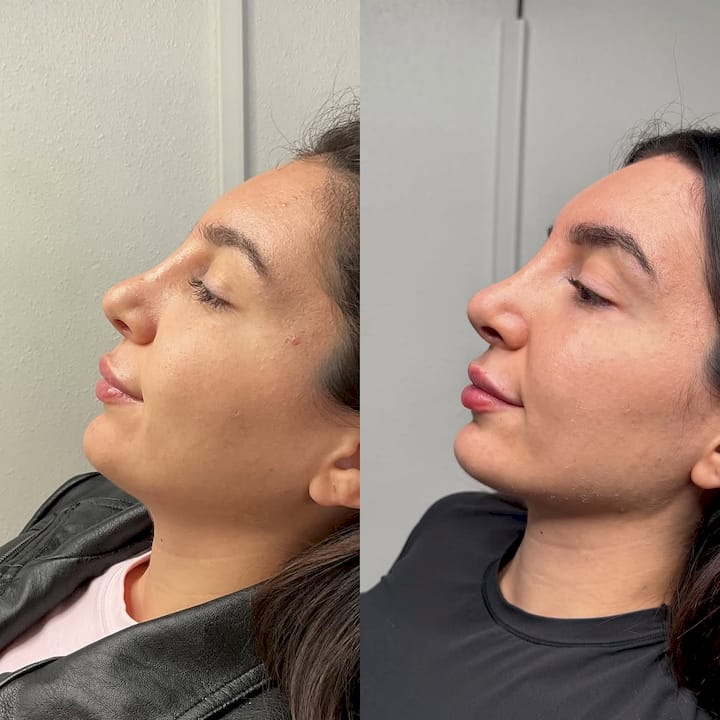
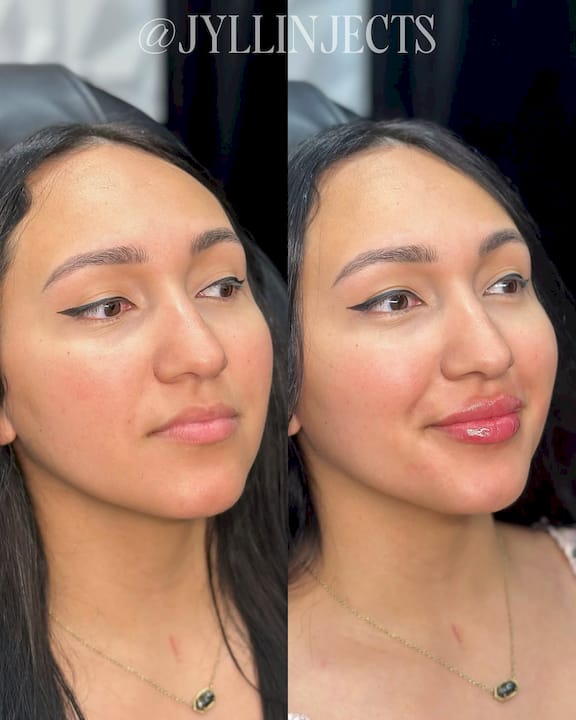
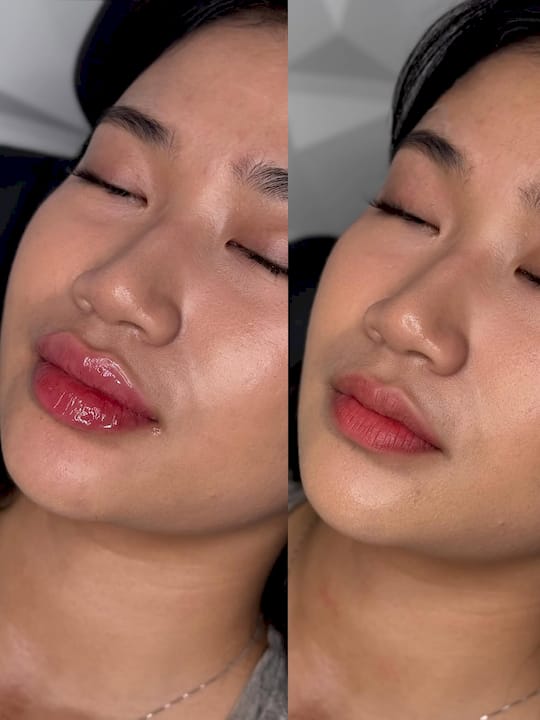
Choosing your provider should never come down to price alone. Unqualified injectors are the leading cause of poor outcomes, including overfilling, asymmetry, and in rare cases, serious complications. Look for board-certified providers with a documented history in facial aesthetics. Ask to see before-and-after photos. Ask about their complication management protocols.
For safe injectable therapy, the provider relationship matters as much as the product itself.
Pro Tip: Always disclose every medication and supplement you take before your appointment. Blood thinners, fish oil, vitamin E, and even aspirin can increase bruising risk significantly.
Risks, side effects, and what to expect after treatment
Even though these treatments are widely considered safe, it’s essential to have clear expectations about risks, side effects, and what recovery will involve.
Most women experience mild, temporary side effects after treatment. These are normal and typically resolve within a few days:
-
Bruising at the injection site
-
Swelling or puffiness, especially with lip or cheek filler
-
Tenderness or mild soreness when touching the area
-
Slight redness immediately after the appointment
-
Temporary unevenness as swelling settles
More serious risks are rare but worth knowing. Vascular occlusion is rare but severe, occurring when filler inadvertently enters a blood vessel. Warning signs include sudden intense pain, skin blanching, or a bluish discoloration. This is a medical emergency that requires immediate attention. Infection is also possible but uncommon when proper sterile technique is used.
The under-eye area deserves special mention. The skin there is thinner and more vascular, meaning bruising is more likely and the margin for error is smaller. Only highly experienced injectors should treat this zone.
For recovery, most women return to normal activities the same day. Avoid strenuous exercise, alcohol, and lying flat for the first 24 hours after neurotoxin treatment. Avoid touching or massaging filler areas unless your provider instructs otherwise.
One reassuring fact: HA fillers are reversible. If you’re unhappy with a result or experience a complication, hyaluronidase can dissolve the filler quickly. For neurotoxins, long-term use is generally safe, though some research notes the possibility of mild muscle atrophy in heavily treated areas over many years. The complete injectables guide covers what to watch for and when to call your provider.
A fresh perspective: Preventive aesthetics and long-term confidence
The conversation around aesthetic treatments has shifted. It’s no longer about chasing youth or fixing what’s broken. More women are approaching injectables the way they approach sunscreen: as a consistent, low-effort habit that pays off over time.
Here’s what most people overlook: maintaining subtle results over years is far more affordable and less disruptive than trying to correct deeply etched lines later. Small, regular treatments keep you in a range where less product achieves more. That’s not a sales pitch. It’s simple math.
Preventive use in your 40s is not too late and can actually improve your candidacy for future options down the road, including surgical ones, because your skin and tissue have been better maintained. The women who tend to be most satisfied with their results are those who start conservatively, build a relationship with a trusted provider, and treat aesthetics as ongoing care rather than a one-time event.
Consistency with well-chosen providers builds something that no single treatment can: long-term confidence in how you look and feel. The lasting neurotoxin results speak for themselves when you commit to the process.
Take the next step: Personalized consultations in Texas
If you’re ready to explore what neurotoxins, fillers, or a combination of treatments could do for you, The Injection Room offers personalized consultations in Austin and San Antonio. Our providers build treatment plans around your anatomy, your goals, and your timeline, not a one-size-fits-all menu.
Whether you’re curious about Botox and neurotoxin treatments for forehead lines, considering nose filler procedures for a subtle reshape, or exploring options at our Botox in San Antonio location, we’re here to guide you through every step with honesty and expertise. Book your consultation and start your preventive care journey today.
Frequently asked questions
Are fillers or neurotoxins painful?
Most patients describe only mild discomfort, and providers often use numbing or ice to minimize sensation during treatment.
How soon will I see results from neurotoxins and fillers?
Neurotoxin results appear within 3 to 7 days after treatment, while fillers provide immediate visible volume changes.
Can aesthetic treatments really prevent aging?
Early neurotoxin and filler use prevents etched-in lines and addresses volume loss before it becomes significant, leading to more natural aging over time.
What should I look for in an injector?
Choose a provider with board certification, documented expertise in facial injectables, and a clear protocol for managing complications. Board-certified injectors are essential for both safety and satisfying results.
Are there any long-term risks with repeated treatments?
When properly administered, long-term risks are low. Some patients may experience mild muscle atrophy or, rarely, immunoresistance with neurotoxins over many years of repeated use.


%20Pictures%20are%204%20weeks%20apart..jpg)