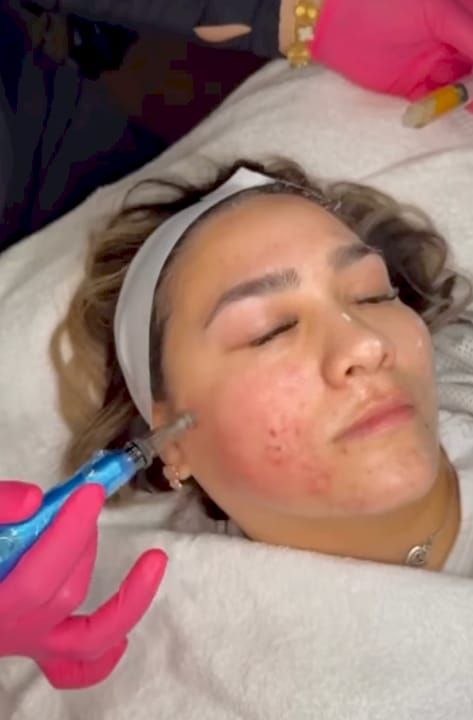
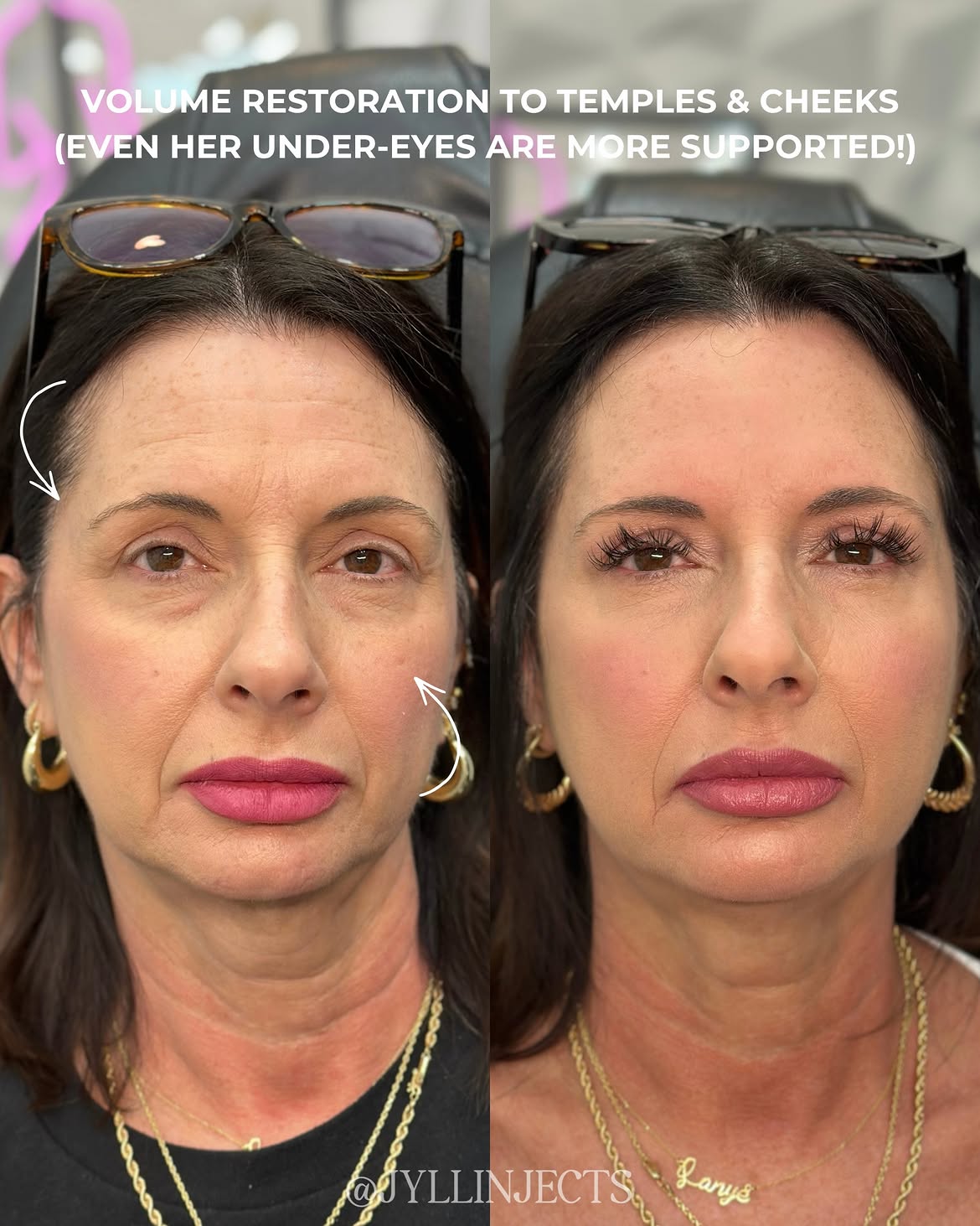
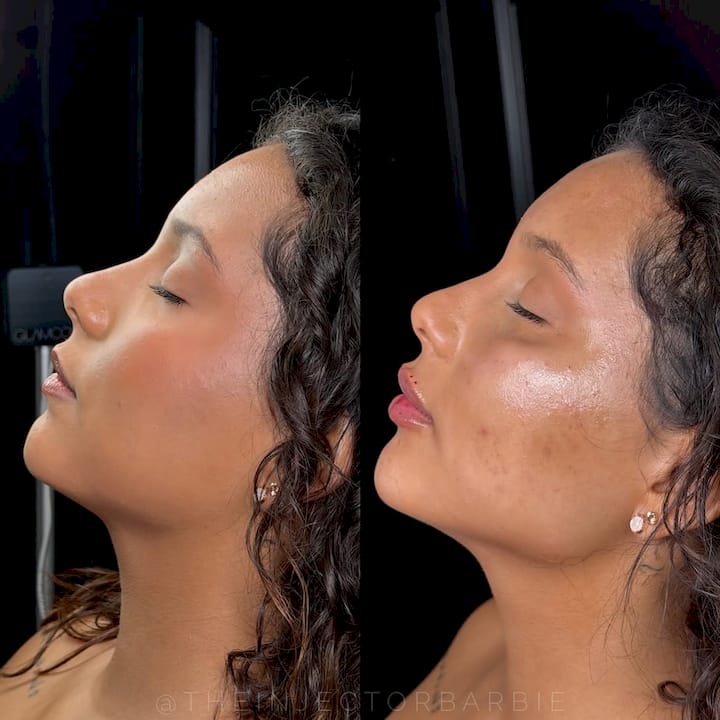
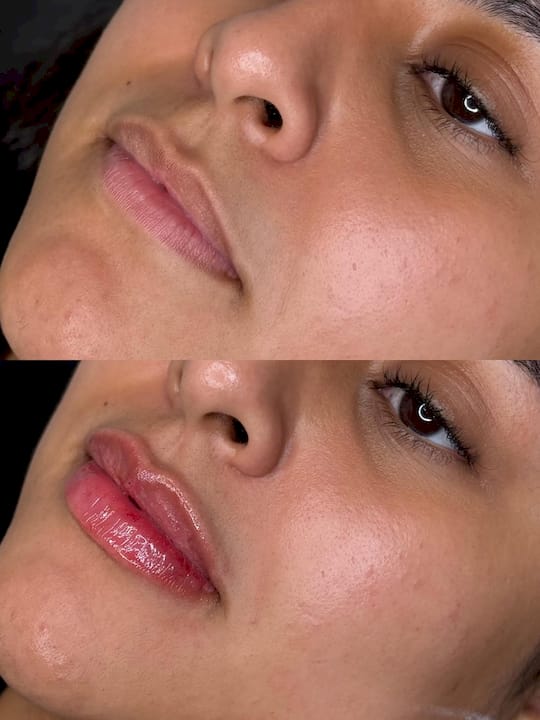
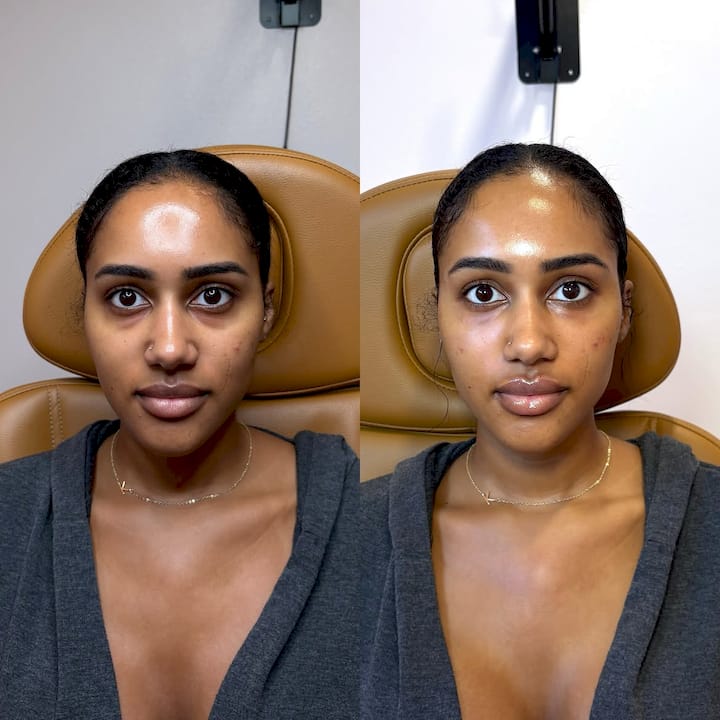
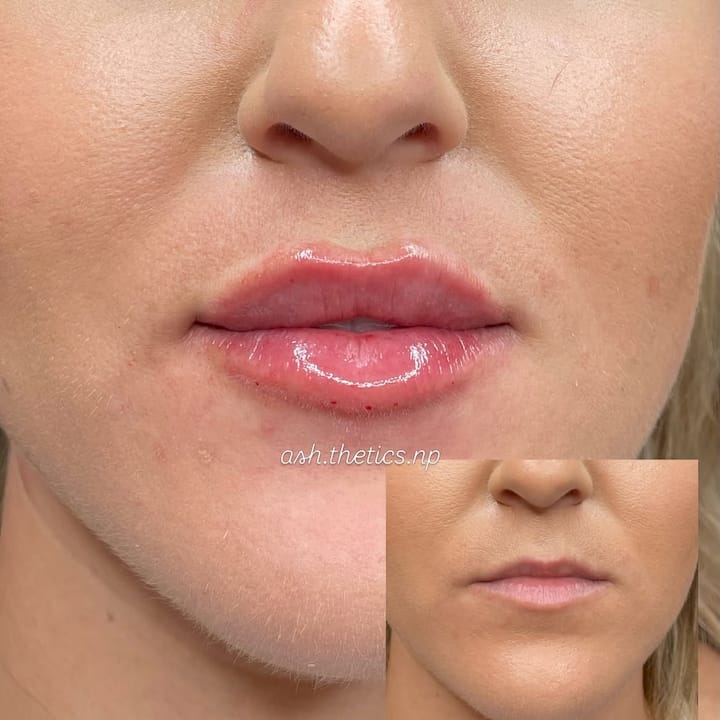
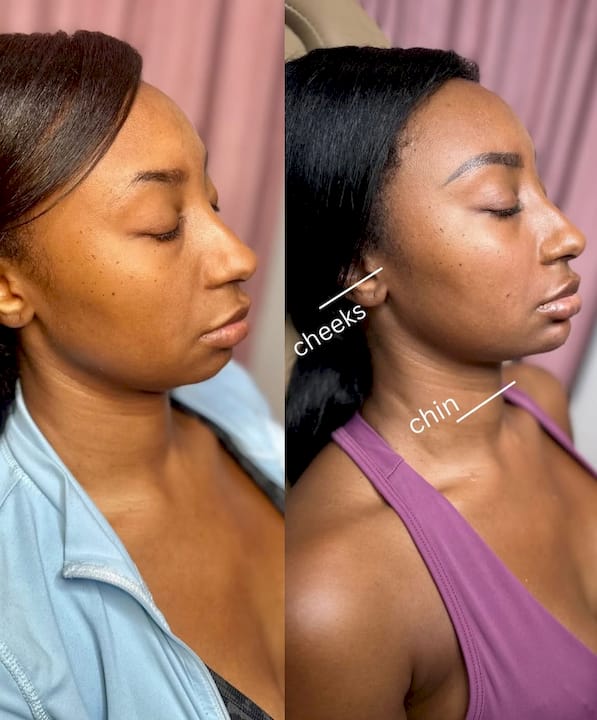
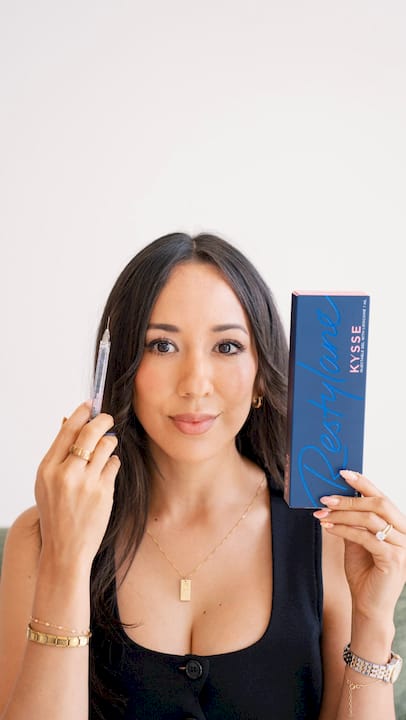
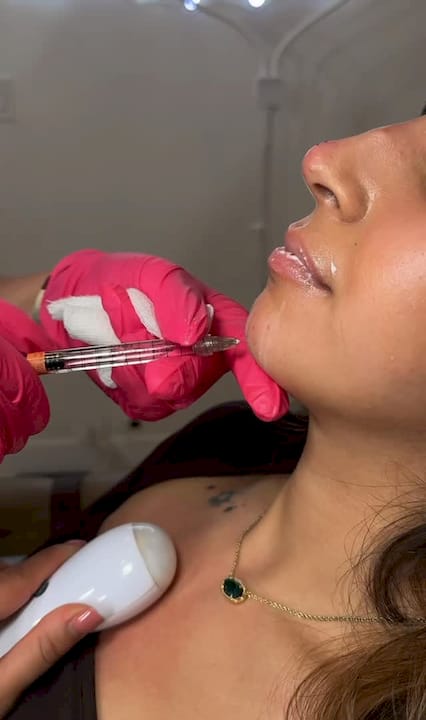
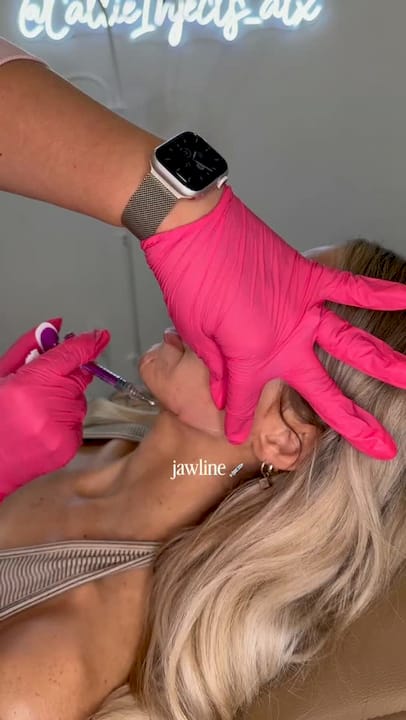
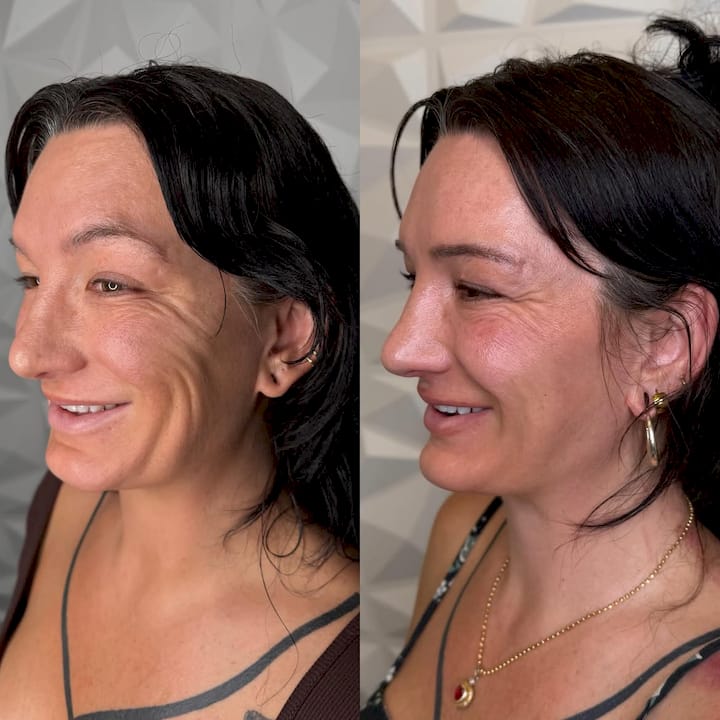
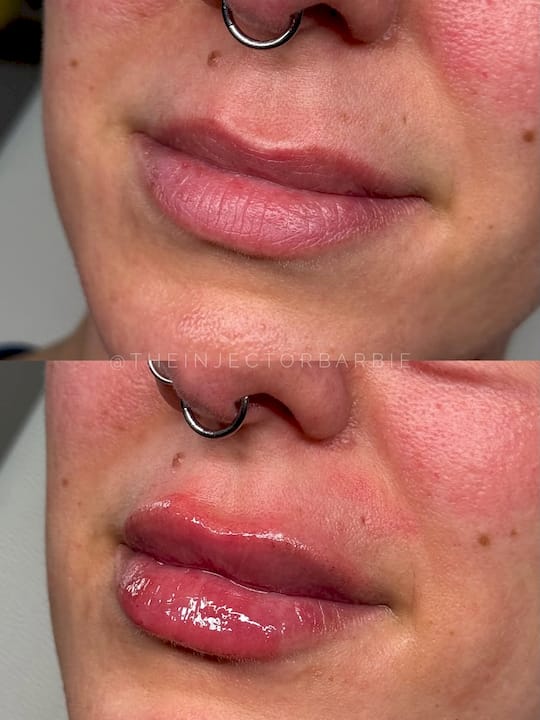
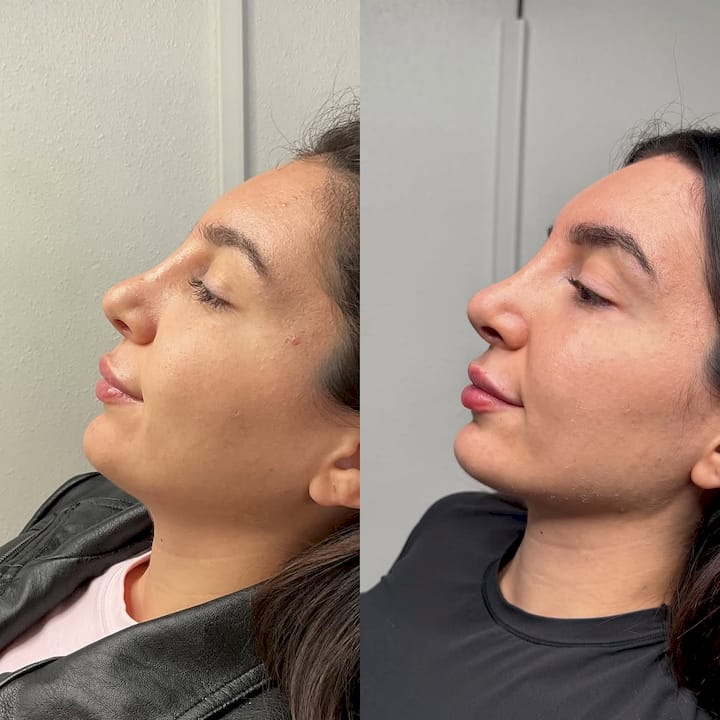
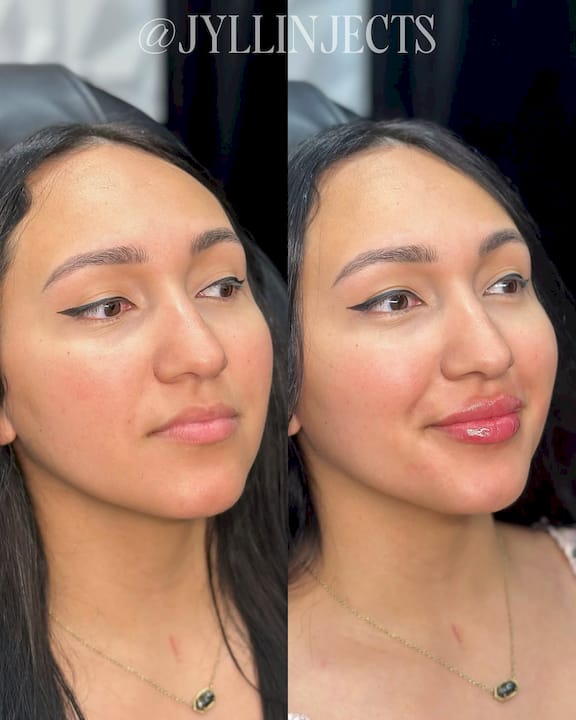
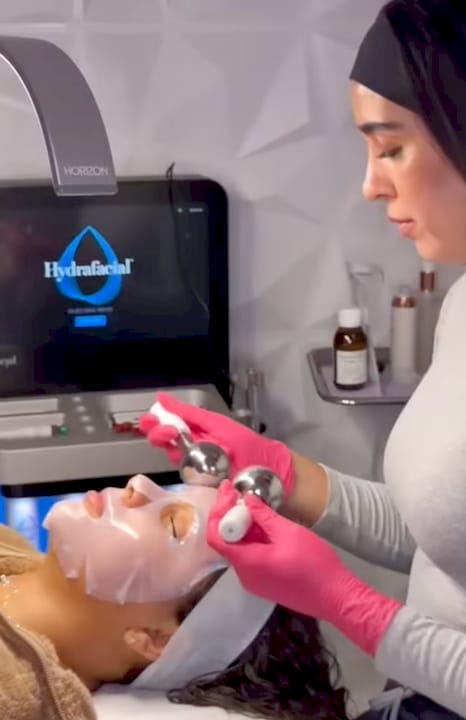
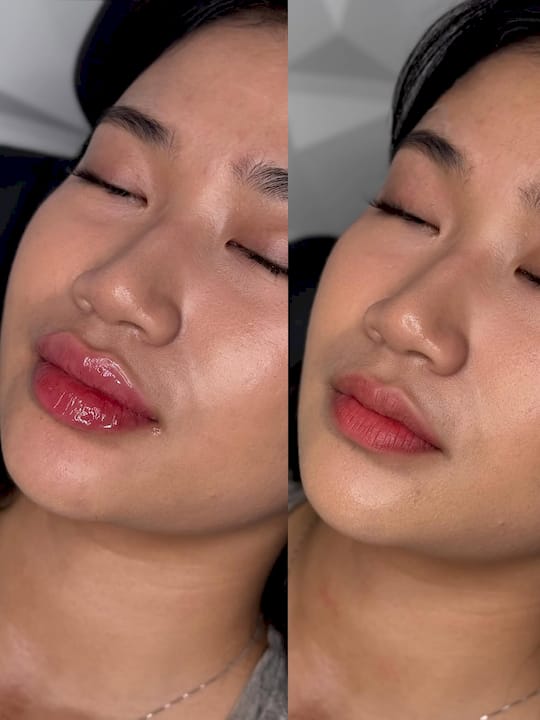
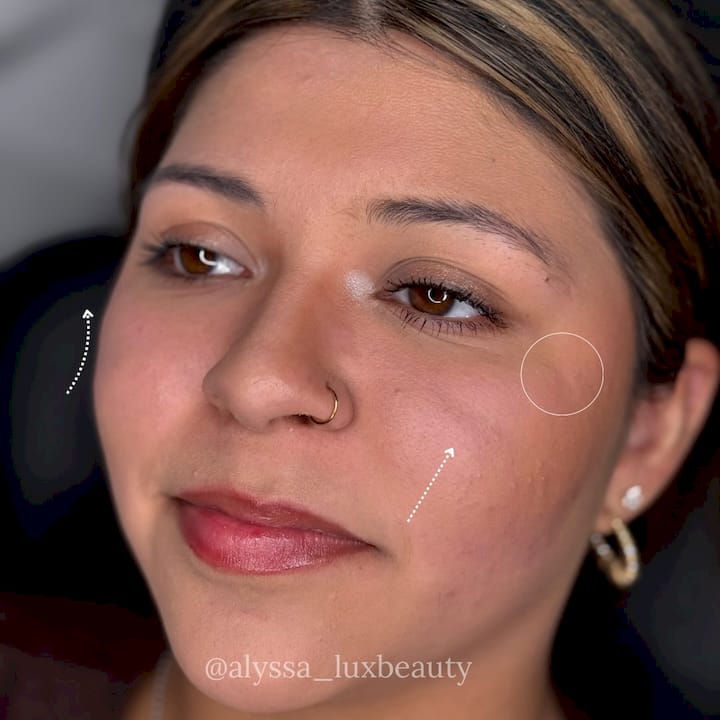
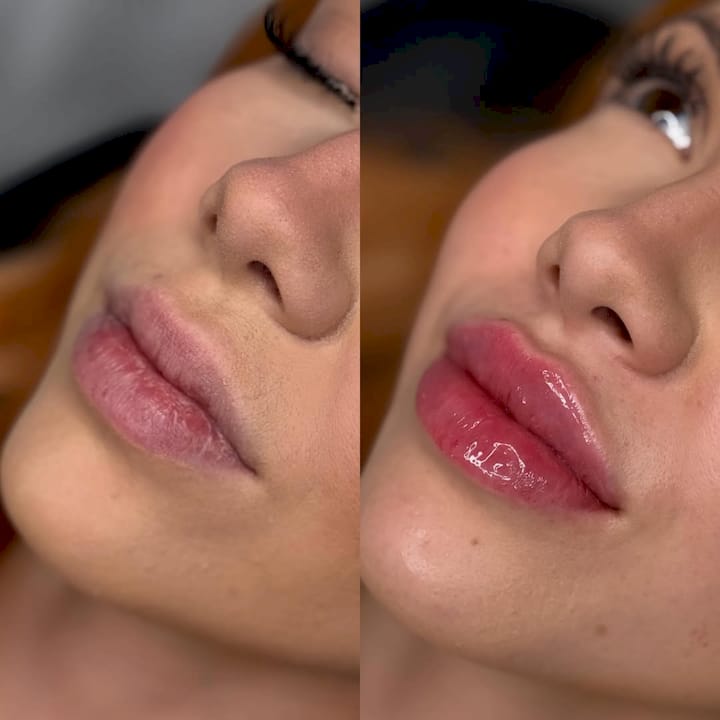
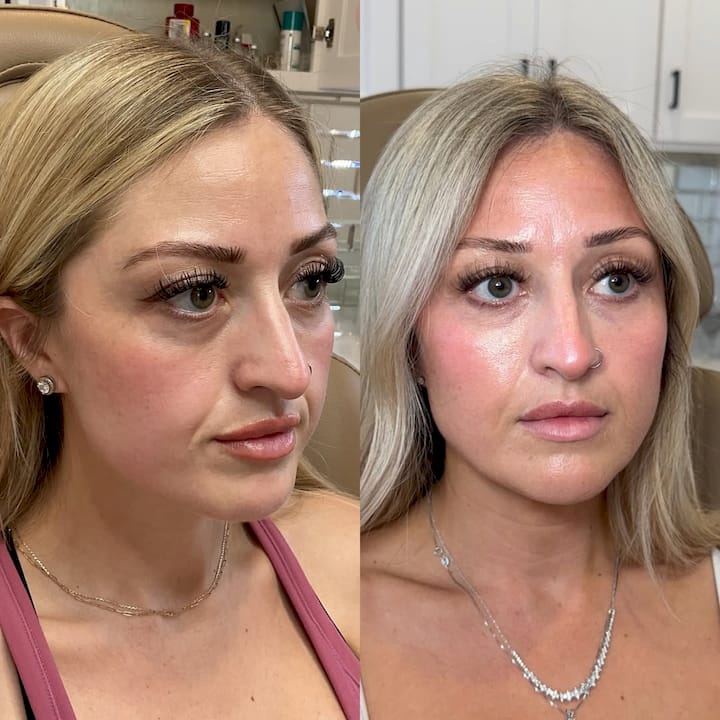
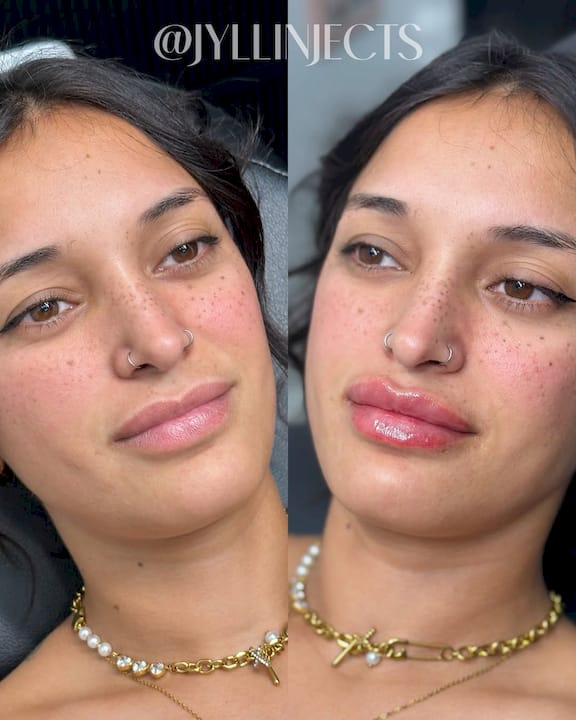
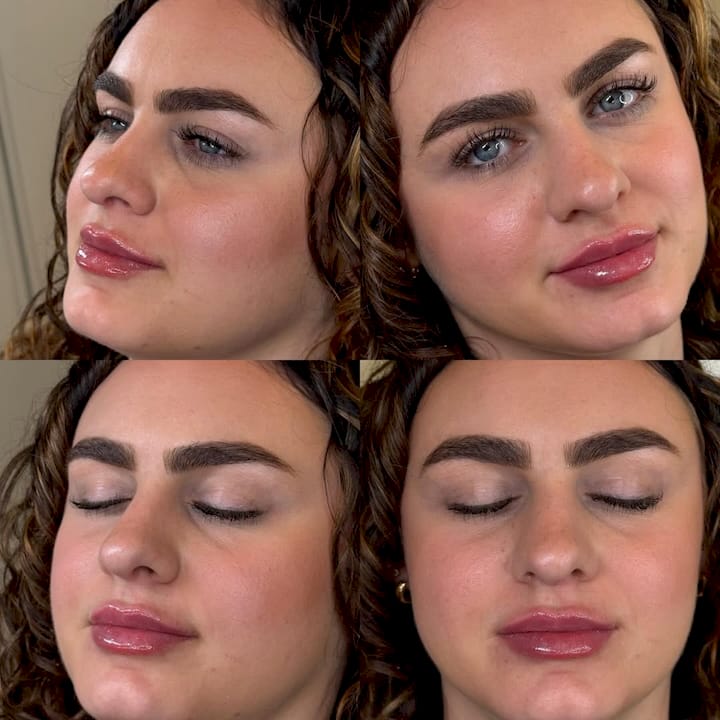
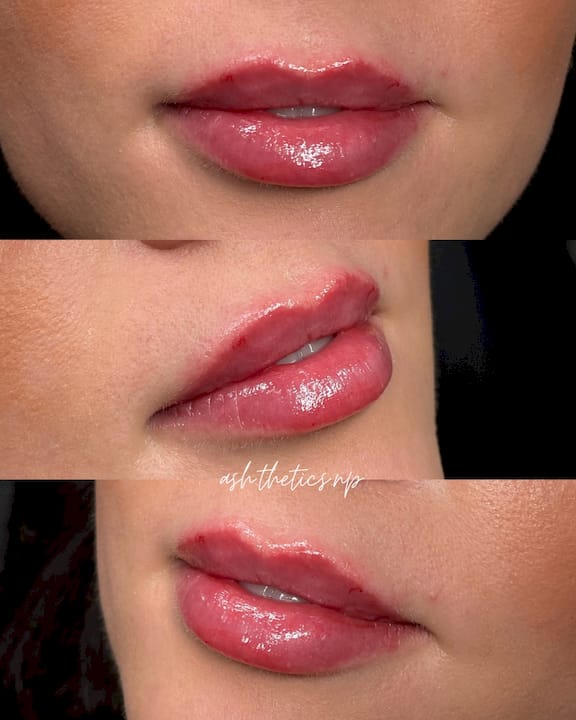
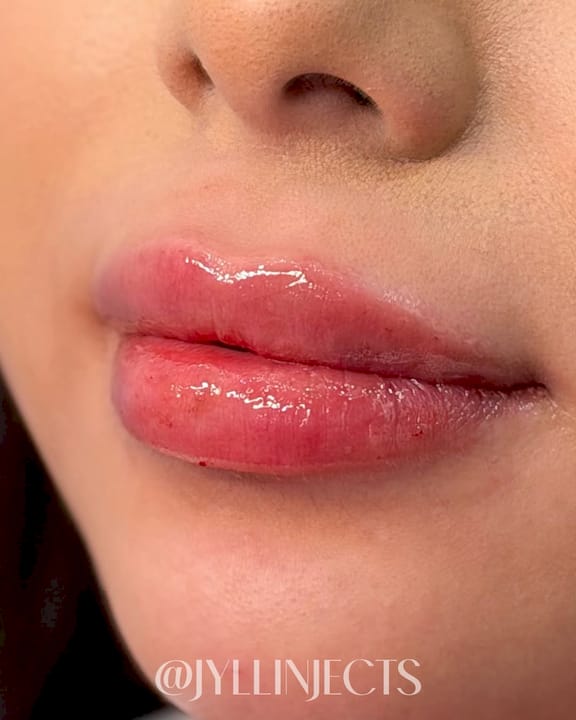
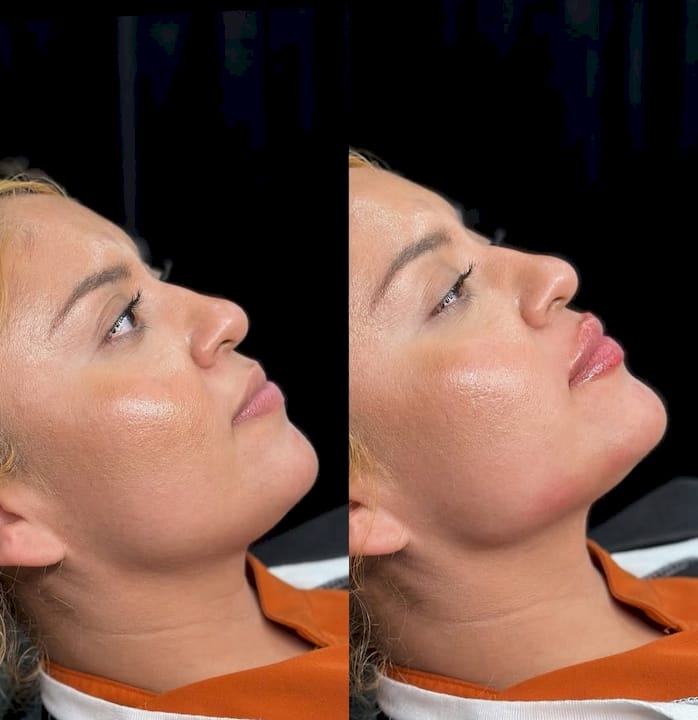
Over 3.6 million filler procedures are performed annually in the U.S., and the largest group of users is women between 40 and 55. That alone should tell you something: fillers are not a celebrity secret or a dramatic transformation tool. They are a practical, evidence-backed option for women who want to look refreshed without surgery. If you have been curious but unsure where to start, this guide walks you through everything, from what fillers actually are to how to find a trustworthy provider right here in Texas.
Table of Contents
Key Takeaways
| Point | Details |
|---|---|
| Fillers are customizable | Different types match different rejuvenation needs for women 35+. |
| Choose skillful providers | Your results and safety depend most on the injector’s training and experience. |
| Know your filler types | Hyaluronic acid is safest for first-timers and can be reversed if needed. |
| Follow aftercare | Simple post-procedure steps maximize your filler’s effectiveness and minimize side effects. |
| Combination treatments boost results | Pairing fillers with services like Botox or HydraFacial gives the most natural look. |
What are dermal fillers?
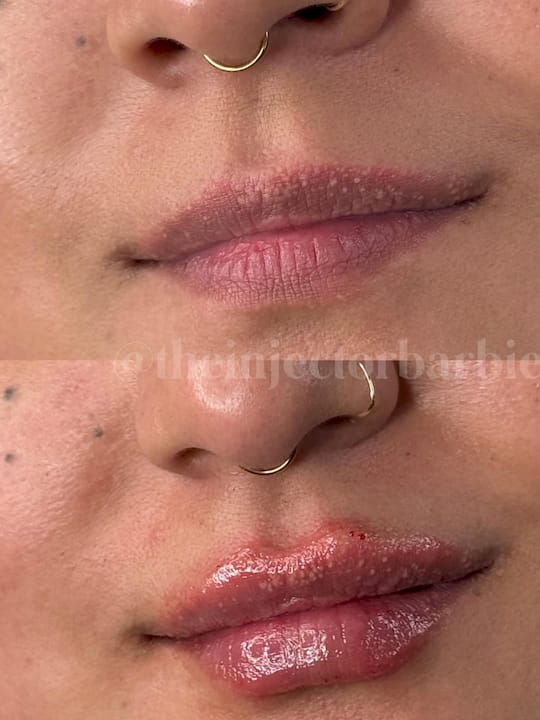
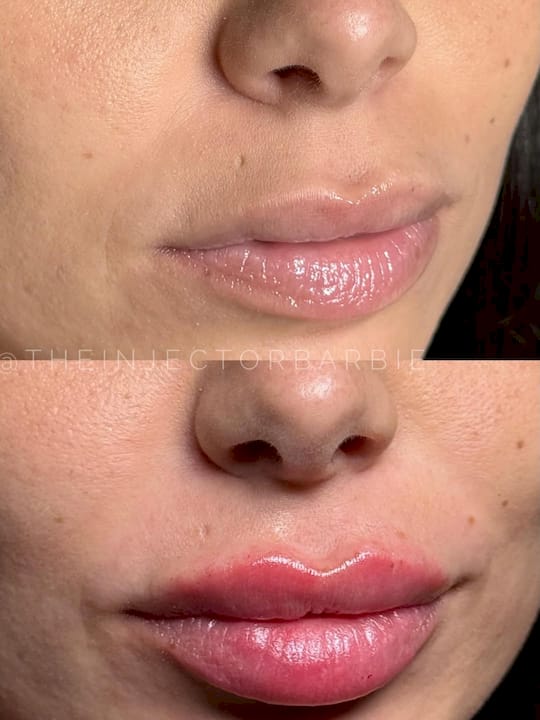
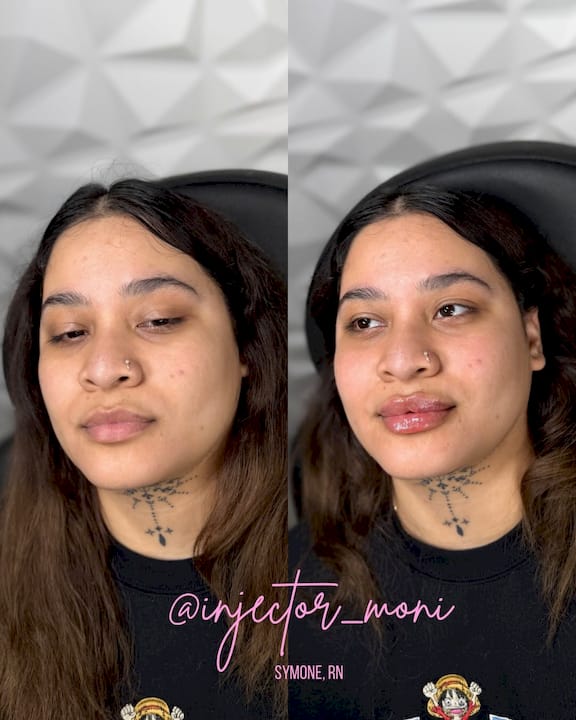
Fillers are not magic, and they are not mysterious. They are gel-like substances injected beneath the skin to restore lost volume, smooth lines, and soften creases. As we age, our faces naturally lose fat, collagen, and bone density. That is what creates the hollowed cheeks, deeper smile lines, and thinner lips that many women notice in their late 30s and beyond.
Fillers work by physically replacing that lost volume. They do not freeze your face or change your expressions. That is a common mix-up: fillers restore volume, while Botox relaxes muscles. Both have their place, but they do very different things. You can explore the full breakdown of types of facial fillers to get a clearer picture of your options.
Here is what fillers can address:
-
Volume loss in cheeks and temples
-
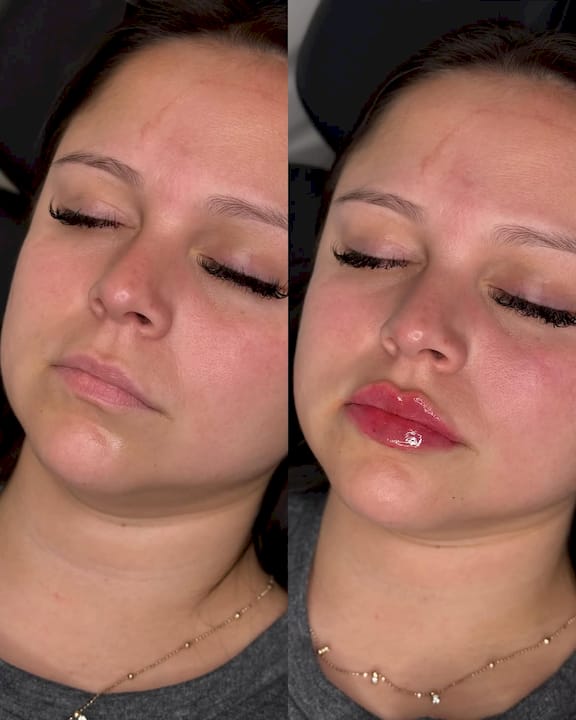
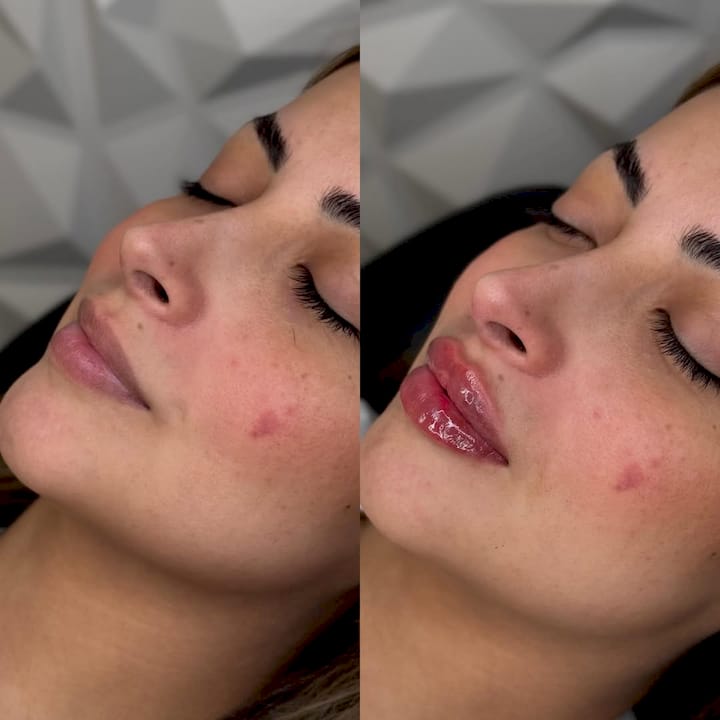
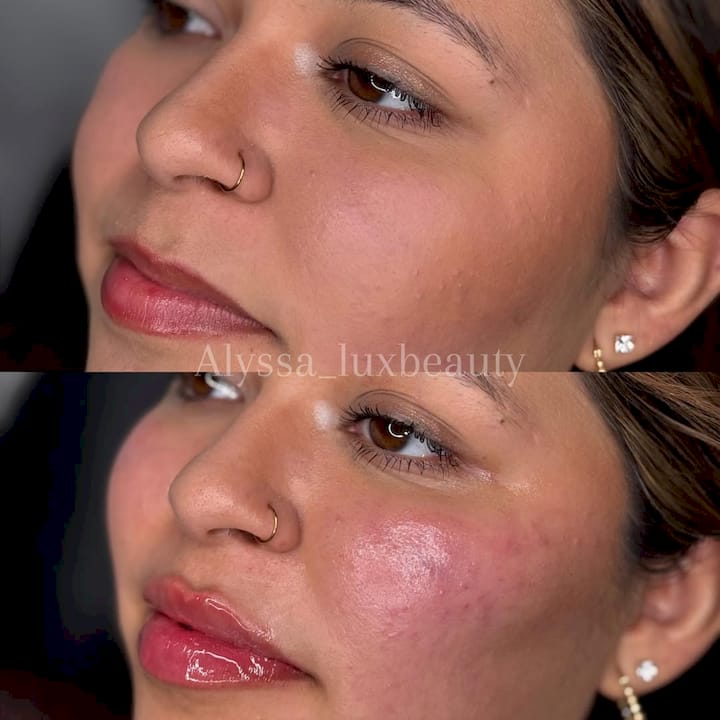
Thinning lips
-
Deep smile lines (nasolabial folds)
-
Hollow under-eye areas
-
Chin and jawline definition
-
Vertical lip lines
“Dermal fillers are one of the most versatile non-surgical tools available for facial rejuvenation, offering immediate results with minimal recovery time.” When used correctly by a skilled injector, they can take years off your appearance without anyone being able to pinpoint exactly why you look so good.
If you are still weighing your options, reading about choosing dermal fillers can help you narrow down what makes sense for your face and goals.
Types of fillers and how long they last
Not all fillers are the same. The right one depends on where you want to treat, how dramatic you want the result, and how long you want it to last. Here is a breakdown of the three main categories:
| Filler type | Key ingredient | Best for | Duration |
|---|---|---|---|
| HA fillers (Juvederm, Restylane) | Hyaluronic acid | Lips, smile lines, under-eyes | 6 to 18 months |
| CaHA fillers (Radiesse) | Calcium hydroxylapatite | Cheeks, deeper folds | Up to 12 months |
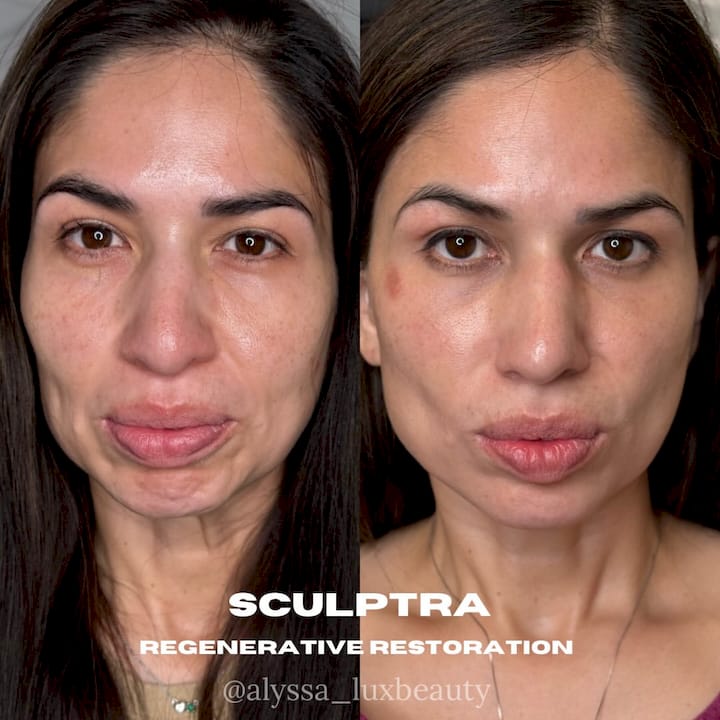
| PLLA (Sculptra) | Poly-L-lactic acid | Full-face volume, gradual results | 2 or more years |

Common filler types include HA fillers lasting 6 to 18 months, CaHA lasting up to 12 months, and Sculptra lasting over 2 years. A clinical study of 70 subjects showed significant wrinkle improvement lasting at least 12 months with a leading HA filler, which speaks to how reliable these products have become.
Here is how to think through your choice:
-
First-timers: Start with an HA filler. It is reversible, versatile, and beginner-friendly.
-
Cheek volume: CaHA or HA fillers work well here. Check out the guide on best cheek fillers for specifics.
-
Long-term investment: Sculptra builds collagen gradually and lasts the longest. It is ideal if you want subtle, progressive improvement.
-
Maintenance planning: Knowing how long fillers last helps you budget and schedule touch-ups realistically.
Pro Tip: If you are nervous about committing, ask your provider about starting with a smaller amount of HA filler. You can always add more at a follow-up, and it can be dissolved if needed. Less is almost always the smarter starting point.
For a deeper look at which products hold up the longest, the guide on longest-lasting fillers is worth reading before your consultation.
What to expect during a filler appointment
Walking into a filler appointment for the first time can feel intimidating. Knowing exactly what happens takes most of that anxiety away. The full procedure involves consultation, numbing, injection with fine needles, and takes 15 to 60 minutes with minimal downtime.
Here is the step-by-step breakdown:
-
Consultation: Your provider reviews your medical history, discusses your goals, and maps out a treatment plan.
-
Numbing: A topical numbing cream is applied to the treatment area. Most patients find the discomfort very manageable.
-
Injection: Fine needles or blunt-tipped cannulas deliver the filler precisely. The technique depends on the area and your provider’s preference.
-
Review: Your provider checks symmetry and results before you leave.
-
Aftercare instructions: You receive specific guidance on what to avoid in the next 24 to 48 hours.
| Step | Time needed | Discomfort level |
|---|---|---|
| Consultation | 10 to 20 minutes | None |
| Numbing | 10 to 15 minutes | None |
| Injection | 15 to 30 minutes | Mild |
| Recovery | Same day return | Minimal |
Most women leave the office looking refreshed and return to normal activities the same day. You can read more about the step-by-step filler process to feel fully prepared before your visit.
Risks, safety, and choosing a provider in Texas
Fillers are safe when performed by a skilled, qualified injector. But that last part matters enormously. 90% of complications are due to poor injector technique, which is why choosing the right provider is the single most important decision you will make.
Here is what you need to know about risks:
-
Common and temporary: Swelling, bruising, redness, and minor lumps. These typically resolve within a few days.
-
Rare but serious: Vascular occlusion occurs when filler accidentally enters a blood vessel. A trained injector knows how to recognize and treat this immediately.
-
Reversibility: HA fillers are reversible with an enzyme called hyaluronidase. This is one reason HA fillers are recommended for first-timers.
“The injector’s skill and anatomical knowledge are the most critical factors in filler safety. Credentials matter more than price.”
In Texas, only board-certified providers should be trusted for filler injections. Before booking, ask about their training, how many filler procedures they perform monthly, and whether they carry hyaluronidase on-site for emergencies.
Pro Tip: Do not let a low price be your deciding factor. A bargain filler appointment with an underqualified injector can cost far more to fix than a quality treatment done right the first time.
Before your appointment, it also helps to understand how to assess your skin for fillers so you can have a more informed conversation with your provider.
Who is and is not a good candidate for fillers?
Fillers work beautifully for a wide range of women, but they are not right for everyone. Knowing where you fall helps you plan realistically.
You are likely a strong candidate if you:
-
Are a healthy adult between 35 and 65
-
Want subtle, natural-looking rejuvenation
-
Have realistic expectations about what fillers can and cannot do
-
Are not currently pregnant or breastfeeding
You should avoid fillers if you are pregnant, breastfeeding, have active skin infections, or have bleeding disorders. Thin-skin areas like the tear trough (under-eye) carry higher risk and require an especially experienced injector.
One of the most common mistakes women make is requesting too much filler at once. Overfilling creates an unnatural, puffy look that is hard to reverse without dissolving the product entirely. A good provider will always recommend starting conservatively.
Pro Tip: Bring reference photos to your consultation, but be open to your provider’s guidance. What looks great on someone else may not suit your unique facial structure. The goal is to look like the best version of you, not someone else.
Maximizing results: Aftercare and combination treatments
Getting great filler results does not stop when you leave the office. What you do in the first 24 to 48 hours matters. You should avoid heat, exercise, alcohol, and NSAIDs for at least 24 to 48 hours after treatment. Do not massage the treated area unless your provider specifically tells you to.
Here is a simple aftercare checklist:
-
Skip the gym for 24 hours.
-
Avoid saunas, hot tubs, and direct sun exposure.
-
Stay away from alcohol and blood-thinning medications.
-
Sleep with your head slightly elevated the first night.
-
Contact your provider immediately if you notice unusual pain, skin color changes, or vision changes.
Many women get even better results by combining fillers with other treatments. Fillers combined with Botox address both static lines (the ones you see at rest) and dynamic lines (the ones caused by movement). Together, they create a more complete, natural-looking result than either treatment alone.
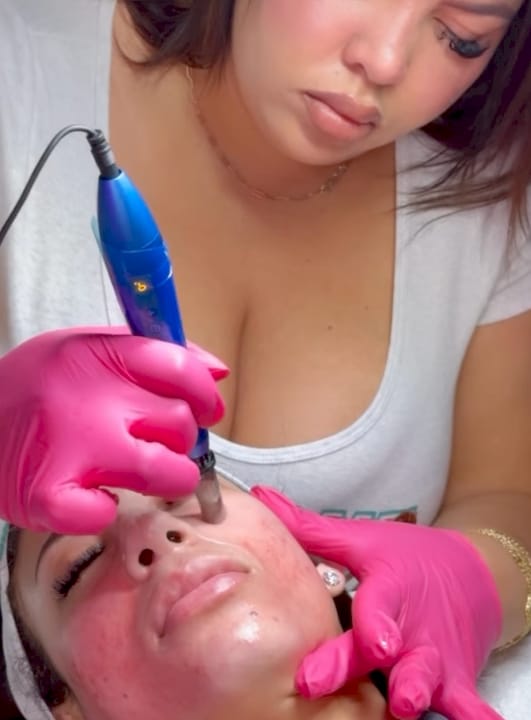
You can also explore combining fillers and Botox to understand how these treatments complement each other. Between filler appointments, treatments like microneedling and HydraFacial help maintain skin quality and extend your results. If swelling is a concern after your appointment, the guide on reducing swelling after fillers has practical tips that actually work.
Ready to explore fillers in Austin or San Antonio?
At The Injection Room, we specialize in natural-looking results for women who want to feel like themselves again, just refreshed. Our team in Austin and San Antonio offers a full range of dermal fillers including lip, cheek, chin, and jawline treatments, along with PRF EZ Gel, Sculptra, non-surgical nose jobs, and combination approaches with Botox and microneedling. Every treatment starts with a thorough consultation so we understand your goals before we ever pick up a needle. If you are ready to take the next step or just want to ask questions, we are here for it. Visit theinjectionroom.com to learn more or book your consultation today.
Frequently asked questions
How soon will I see results after fillers?
HA filler results are immediate, though swelling and minor bruising may temporarily obscure the final outcome for a few days. Most women see their true results within one to two weeks.
Can fillers be dissolved if I don’t like the outcome?
Yes, but only if you chose an HA filler. HA fillers are reversible with hyaluronidase, while other filler types like Sculptra or Radiesse cannot be dissolved the same way.
What’s the difference between fillers and Botox?
Fillers restore volume and smooth static lines, while Botox relaxes the muscles responsible for expression-related wrinkles. Many women benefit from both.
Which filler is best for first-timers?
HA fillers are beginner-friendly, reversible, and work well across multiple areas of the face, making them the safest starting point for most women.
How do I know if my provider is qualified?
Look for board-certified dermatologists or plastic surgeons, and confirm they carry hyaluronidase on-site. In Texas, only board-certified providers should be trusted for injectable treatments.

%20Pictures%20are%204%20weeks%20apart..jpg)