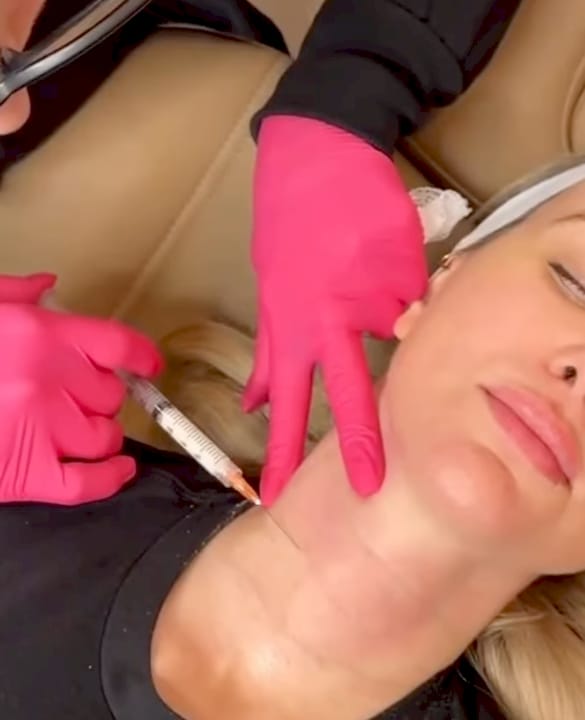
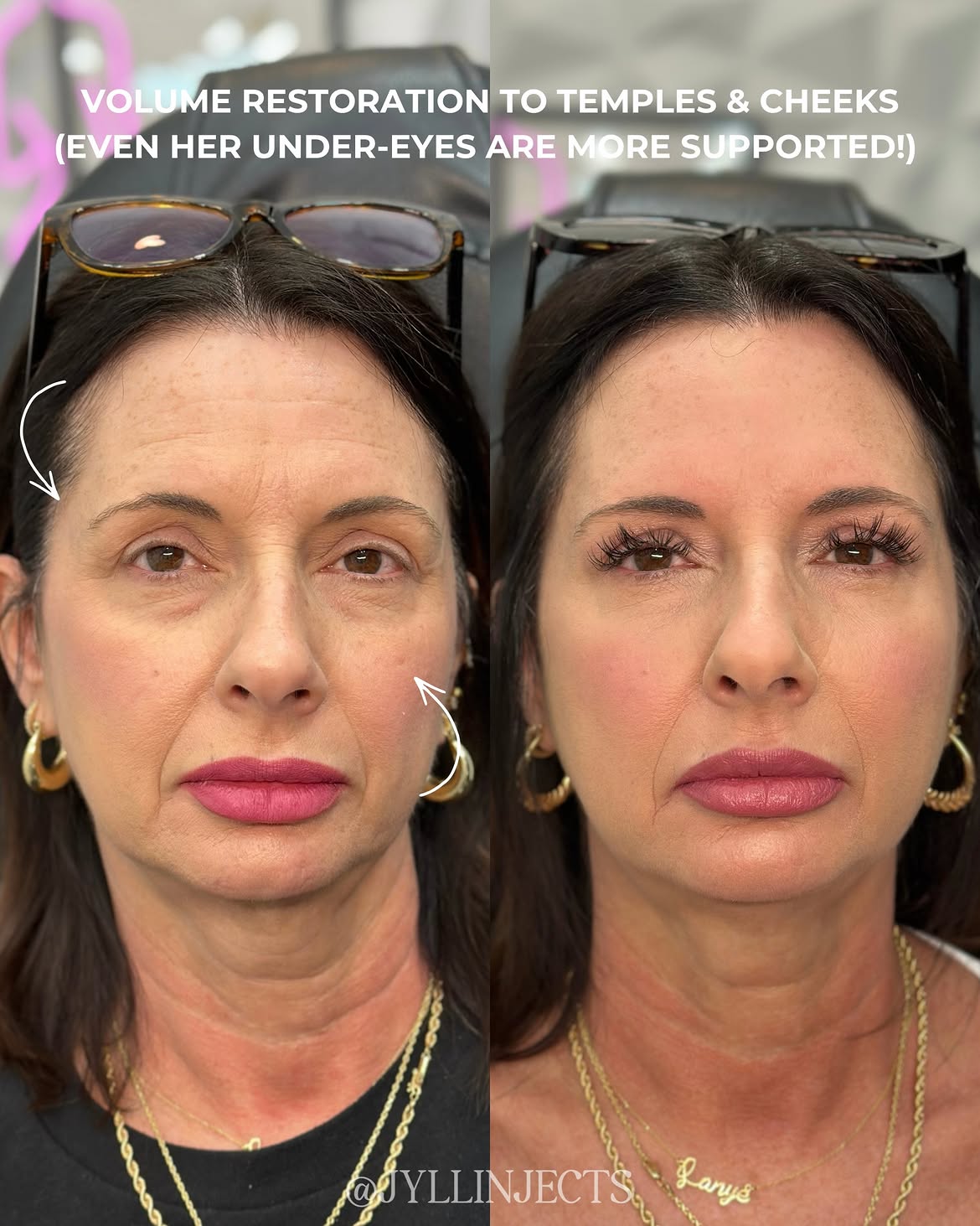
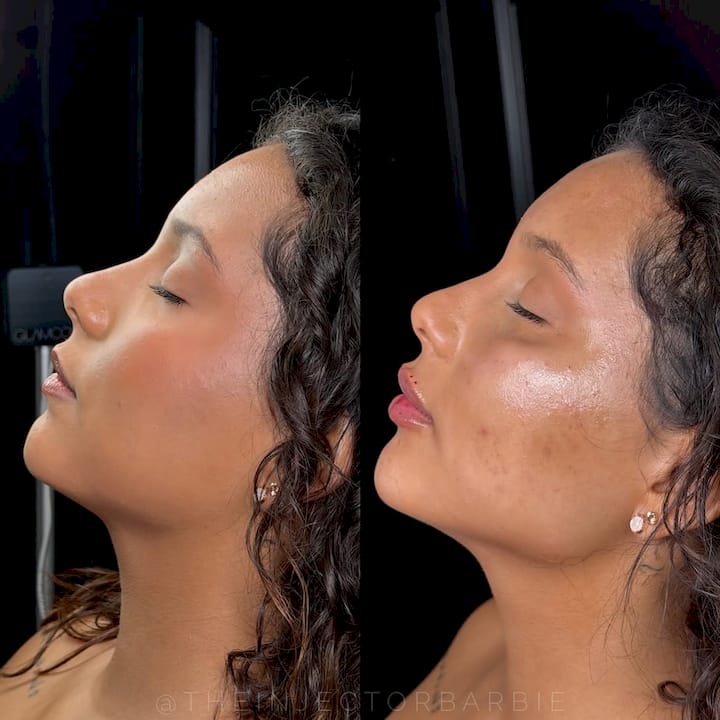
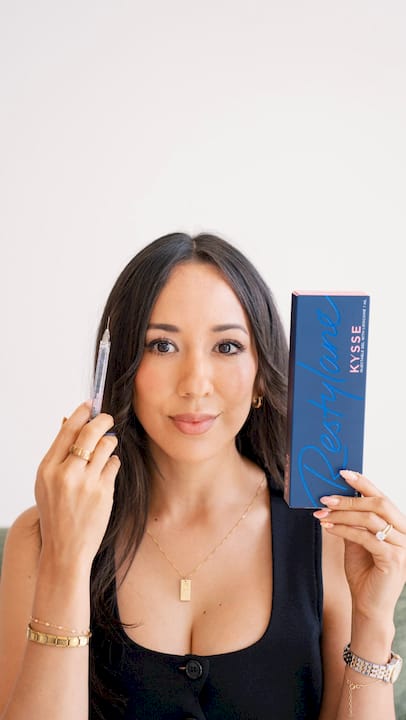
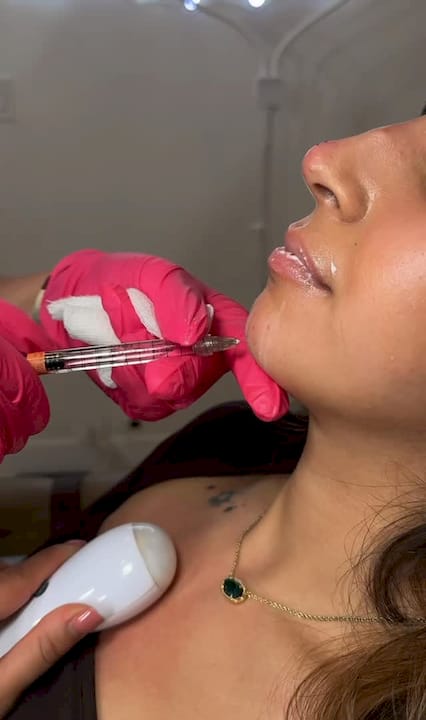
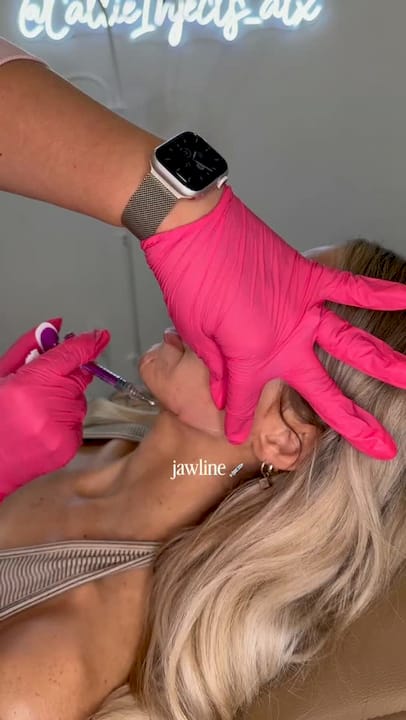
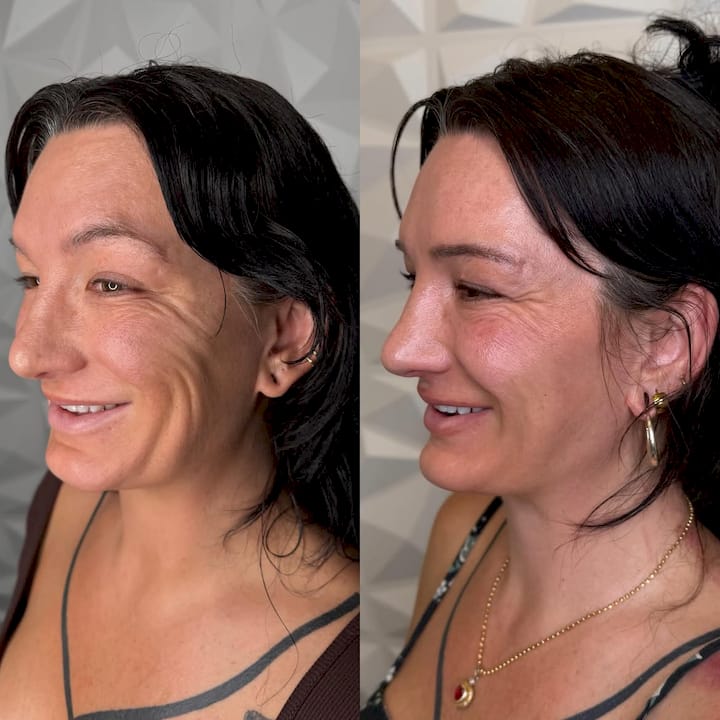
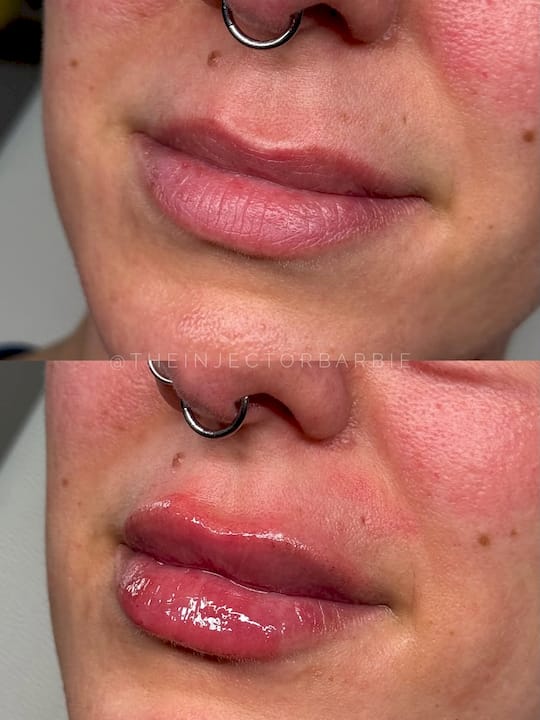
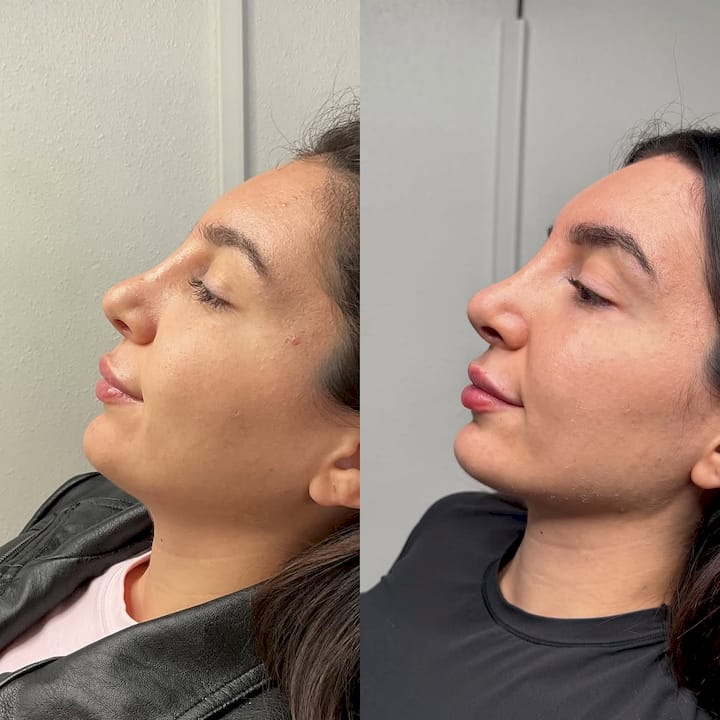
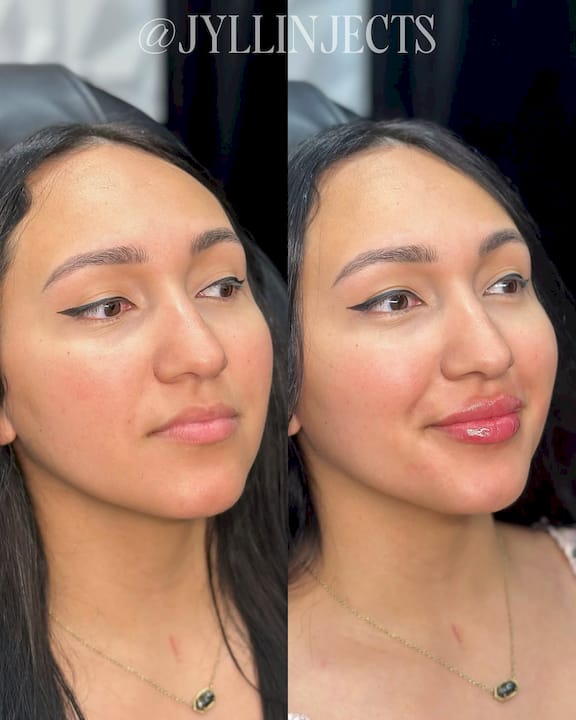
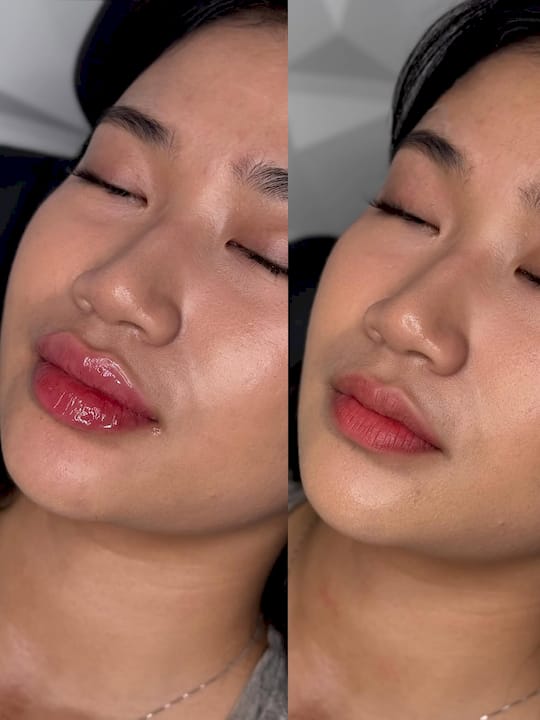
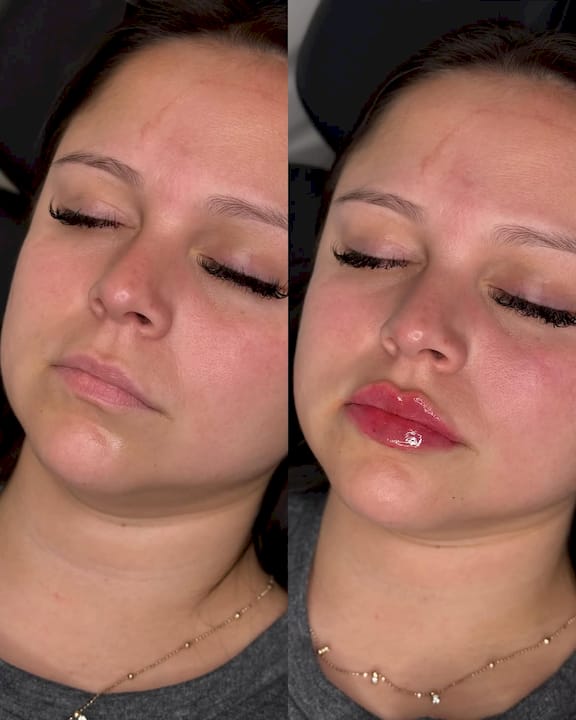
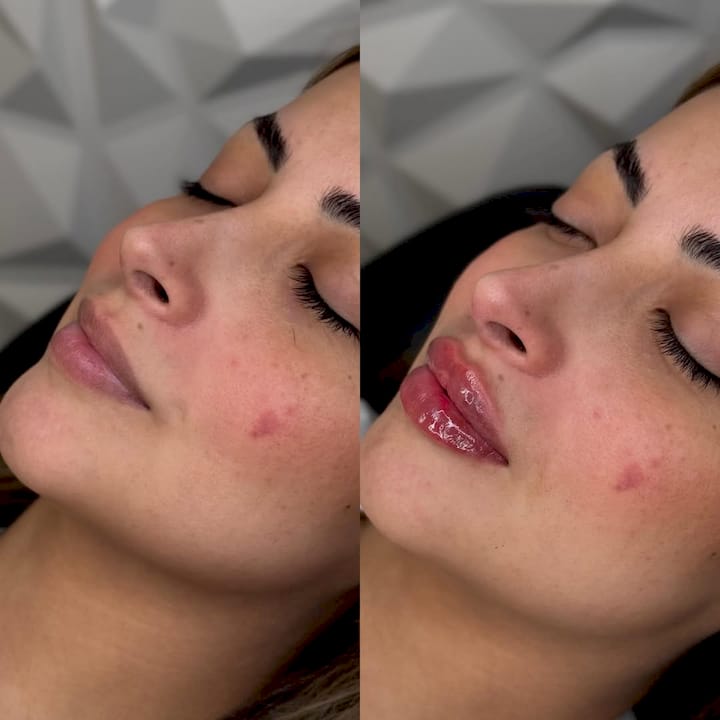
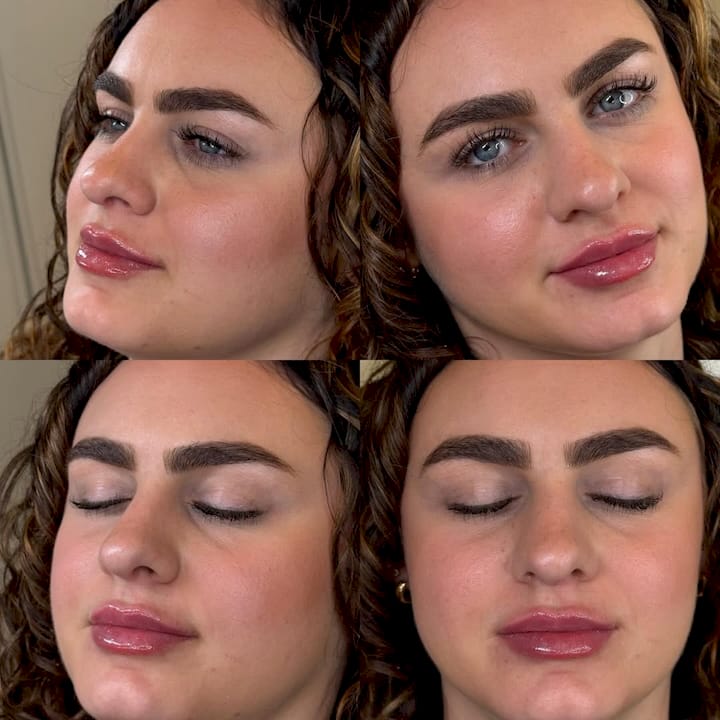
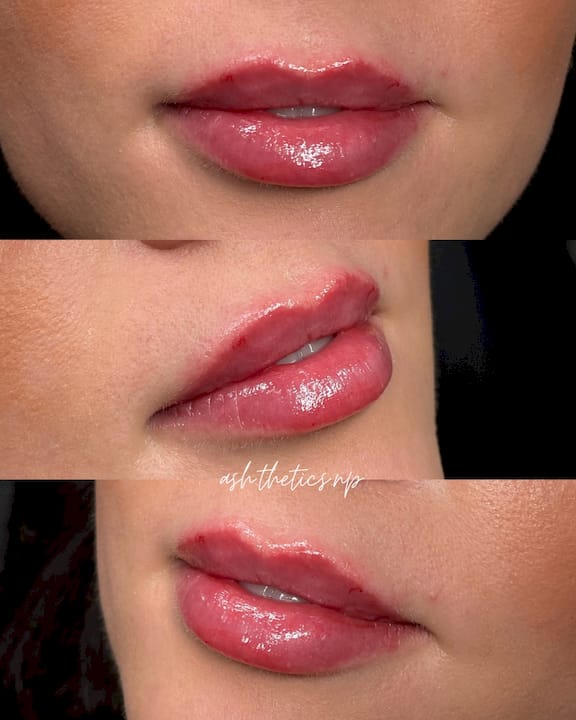
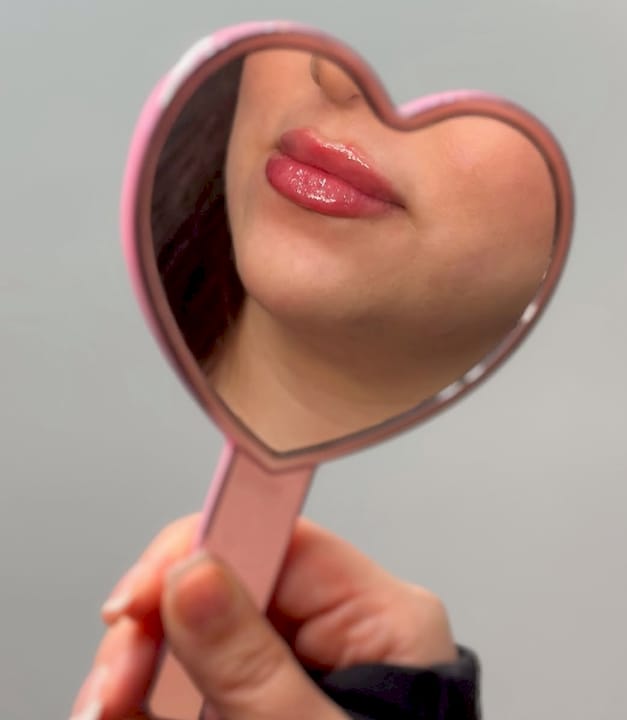
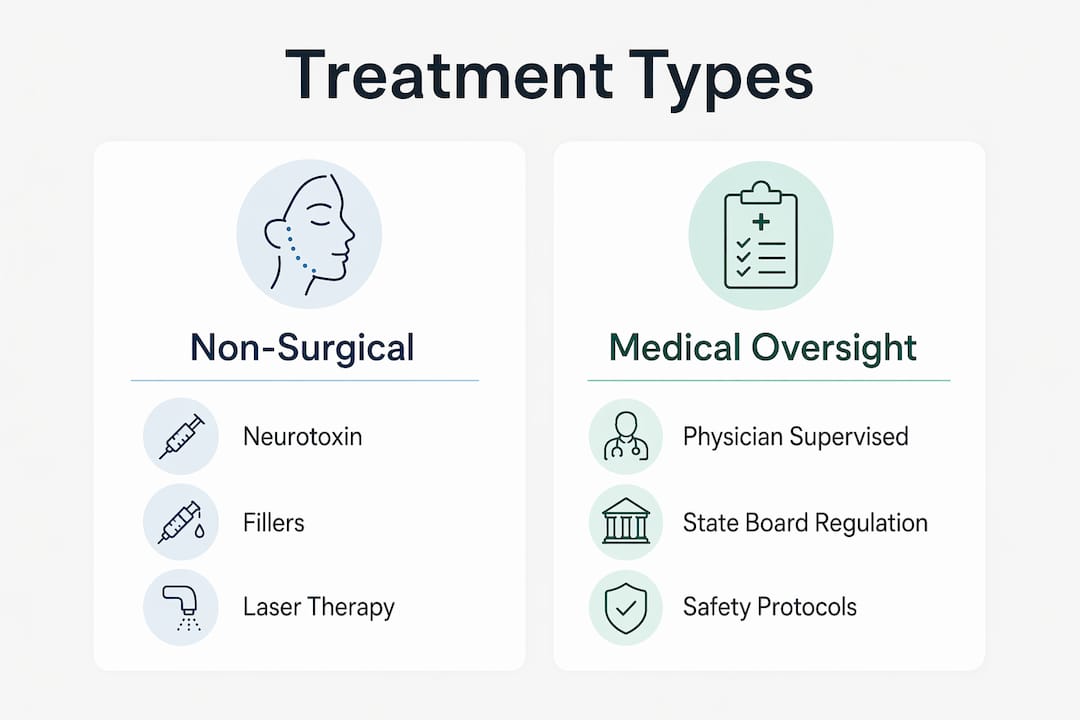
An aesthetic clinic is a physician-supervised medical facility that provides non-surgical cosmetic treatments designed to change or improve living tissue. The key differentiator from a day spa is not the décor or the menu of services — it is medical oversight. According to AmSpa practice guidelines, there is no legal distinction between a “medical spa” and an “aesthetic medical practice” when the services provided affect living tissue. That means Botox, dermal fillers, laser resurfacing, and similar procedures fall under state medical board regulation regardless of what the facility calls itself. At Theinjectionroom, every treatment plan is built around that standard: physician supervision, documented consent, and clinically trained providers.
Table of Contents
-
What a physician-led aesthetic clinic visit actually looks like
-
Ready to see what a supervised aesthetic consultation looks like?
What treatments does an aesthetic clinic offer?
The range of services at a medical aesthetic clinic is broader than most people expect. Clinical categories span injectables, energy-based devices, resurfacing, regenerative therapies, and minimally invasive contouring — all of which affect living tissue and require clinical judgment. The U.S. aesthetic medicine market is sizable and reflects how frequently patients seek these procedures, which reflects just how frequently patients seek these procedures.
Here is how the main service categories break down:
-
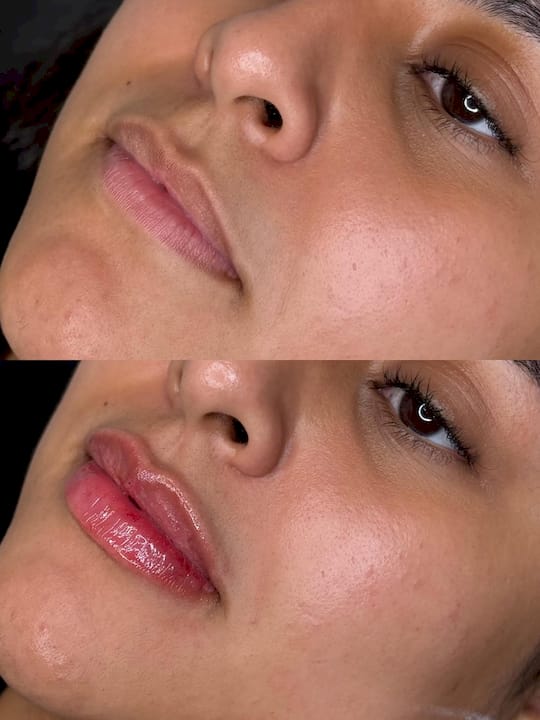
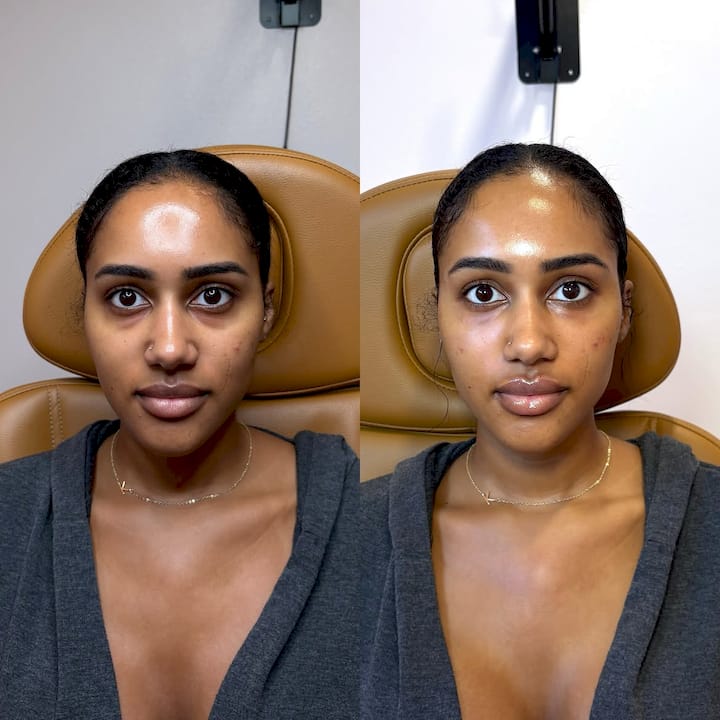
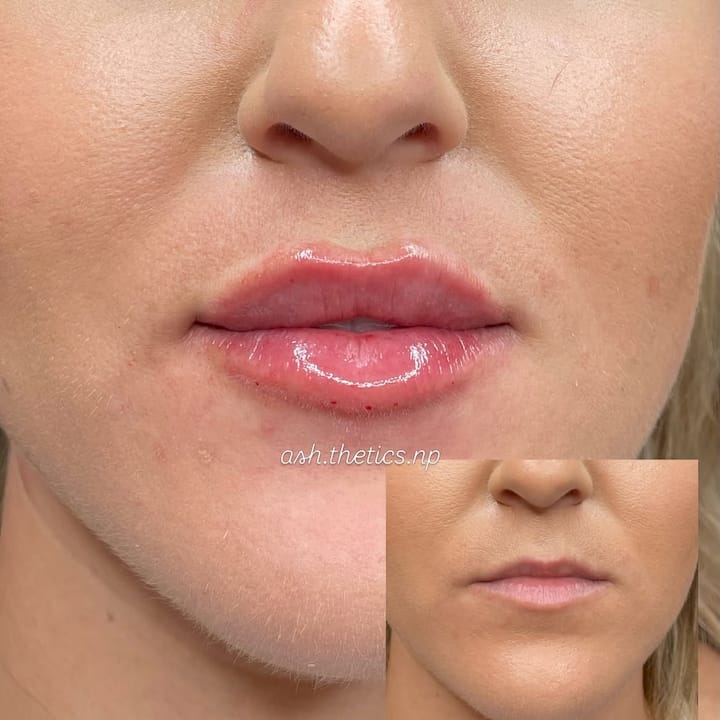
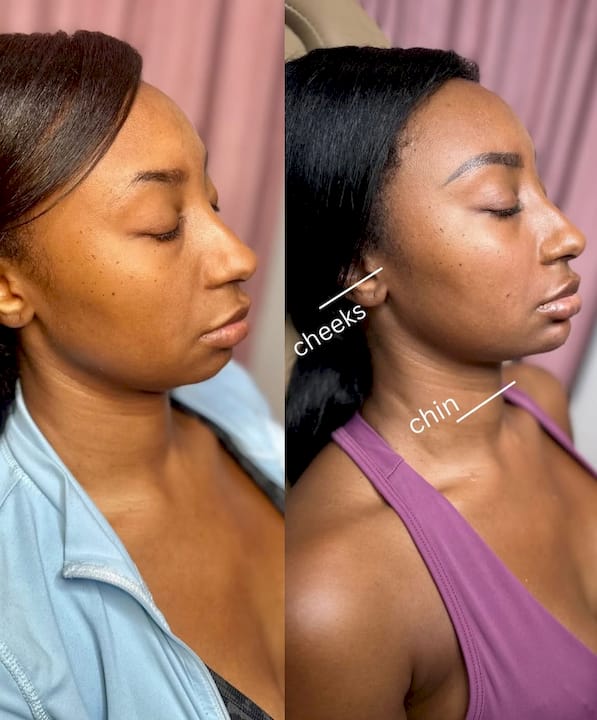
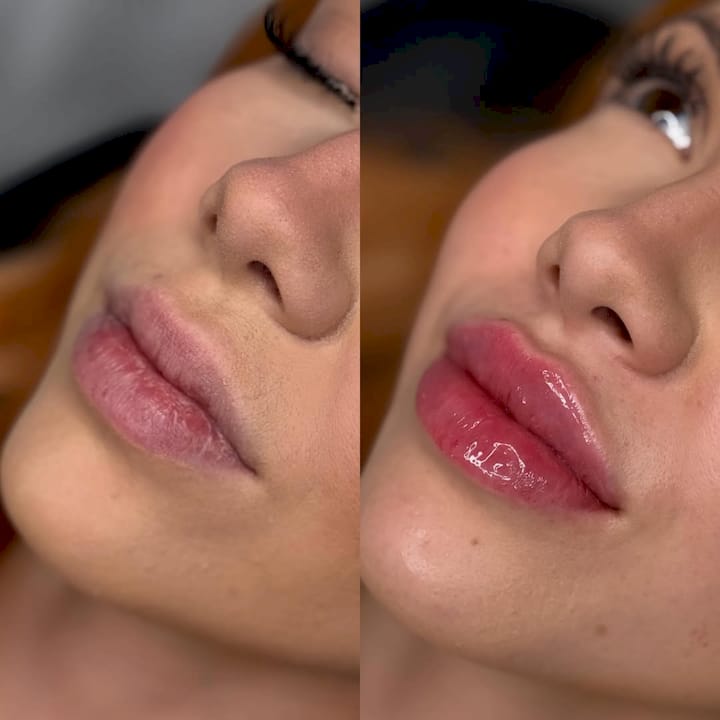
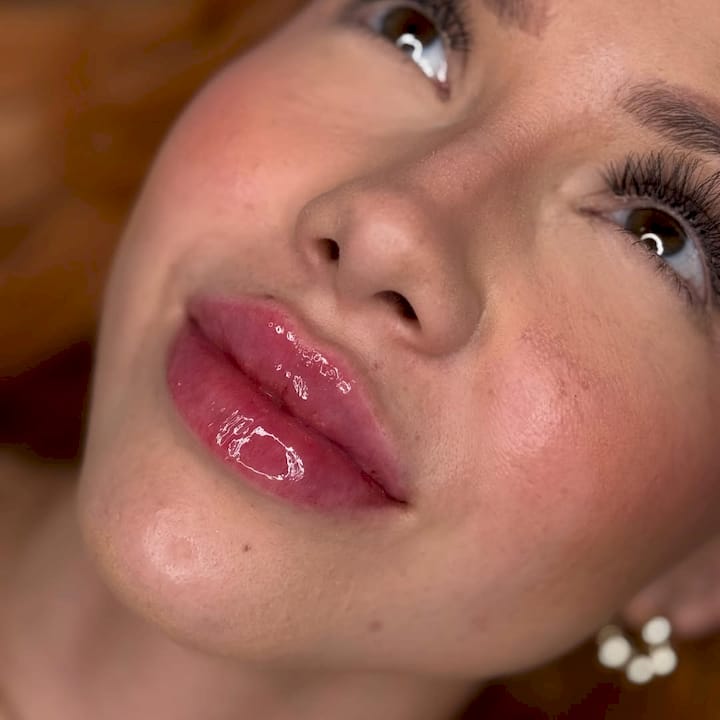
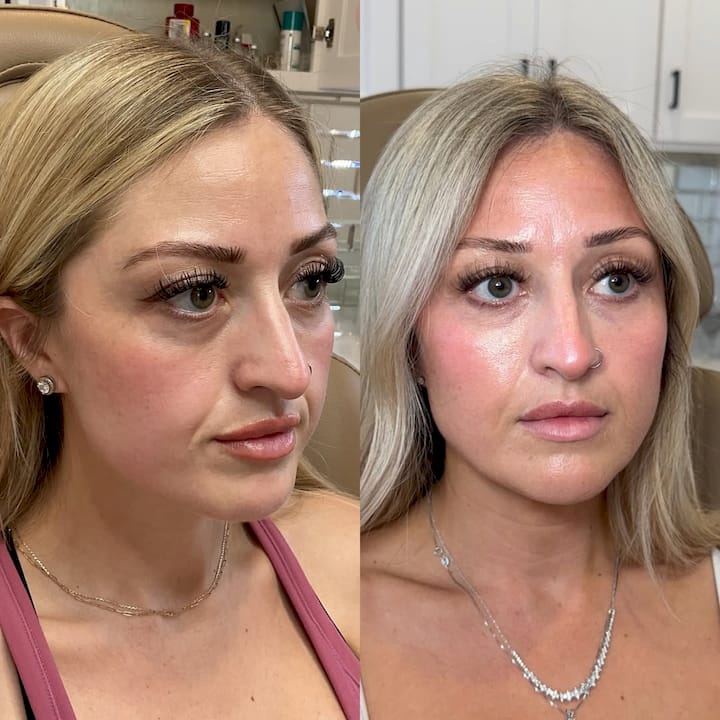
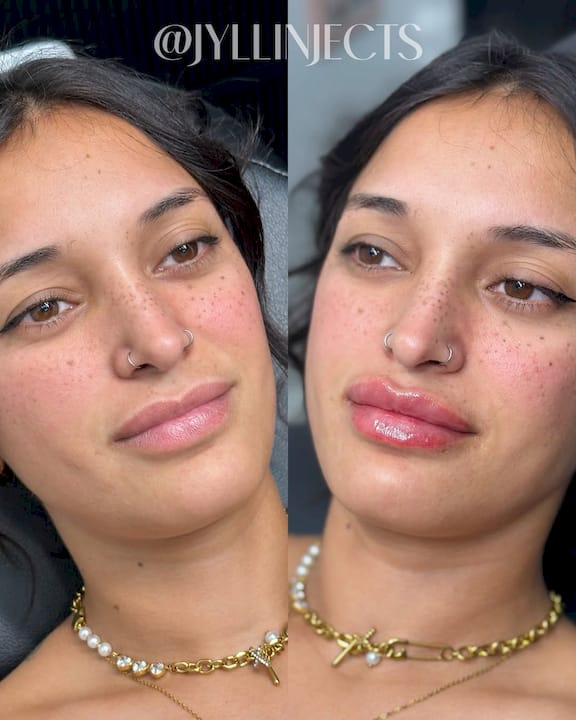
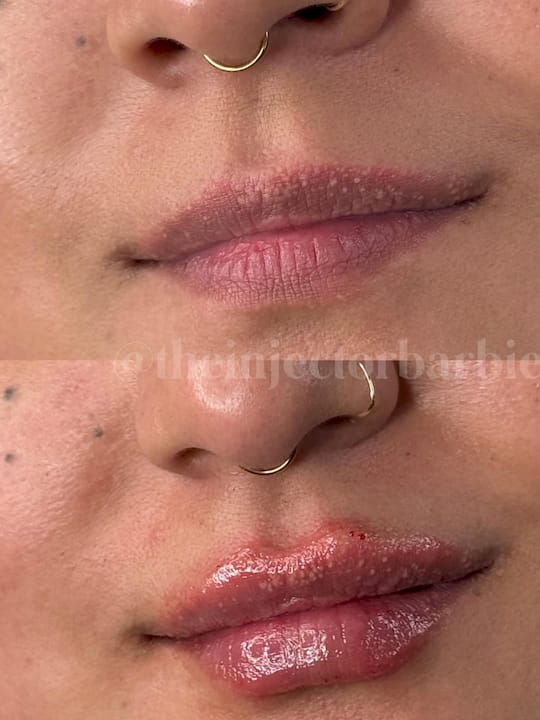
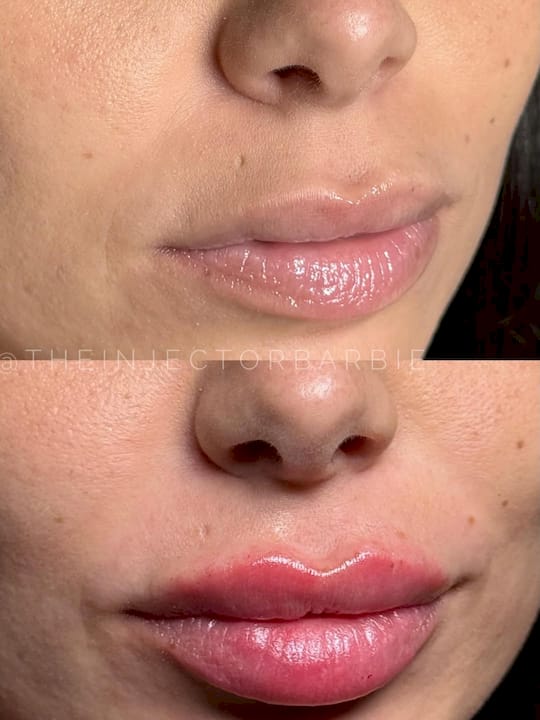
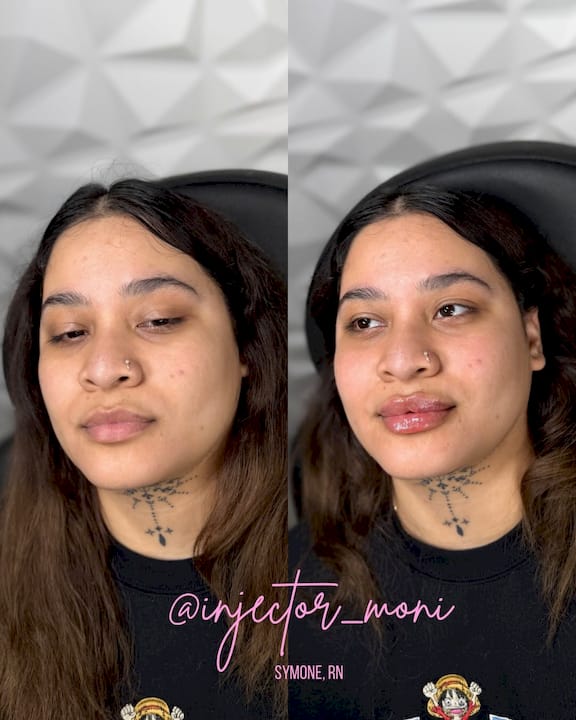
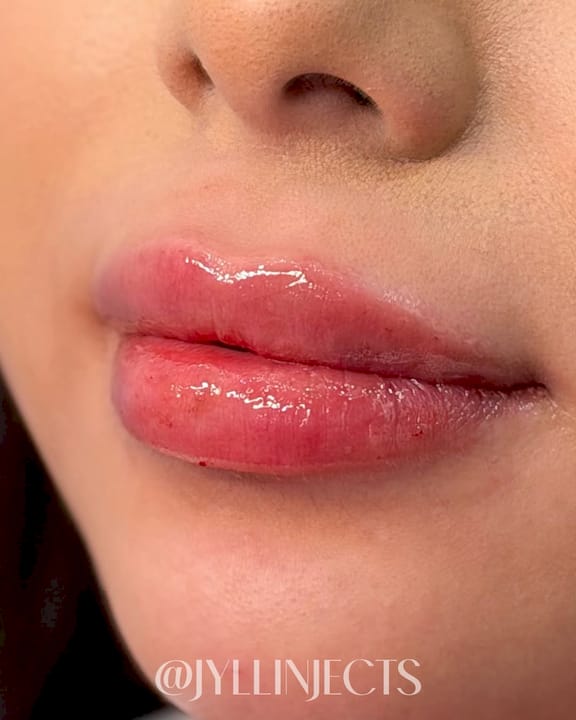
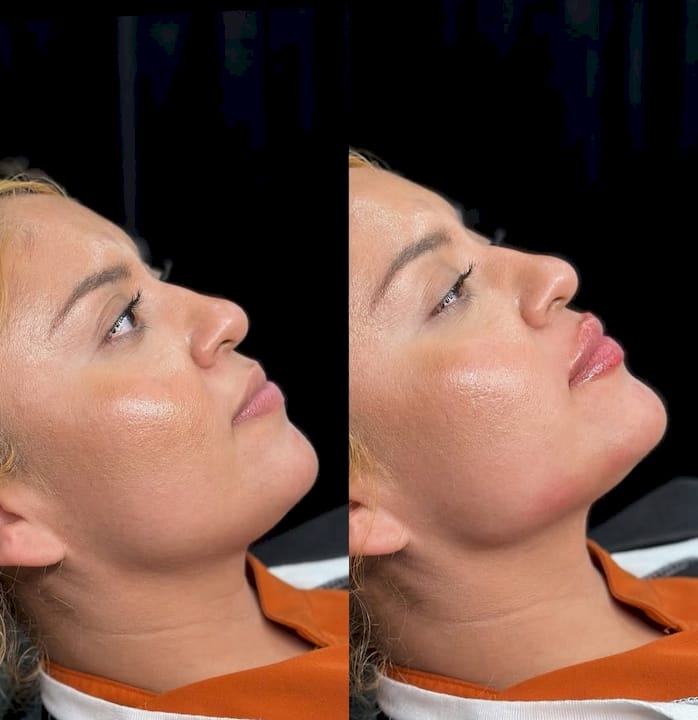
Injectables (neurotoxins and dermal fillers): Neurotoxins like Botox, Dysport, and Xeomin temporarily relax the muscles that cause dynamic wrinkles. Dermal fillers restore volume to areas like the lips, cheeks, chin, and under-eye hollows. Both require precise anatomical knowledge and are performed by licensed clinicians. Multiple sessions are common for fillers, while neurotoxins typically need refreshing every 3–4 months.
-
Energy-based devices (lasers, IPL, radiofrequency): These target pigmentation, vascular lesions, hair reduction, and skin laxity. Class IV medical lasers affect living tissue directly and, in most states, require physician oversight or direct clinician operation.
-
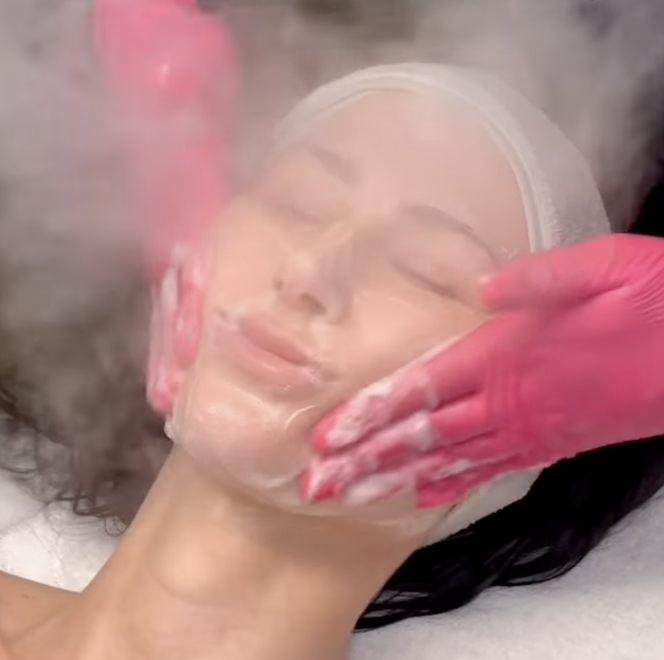
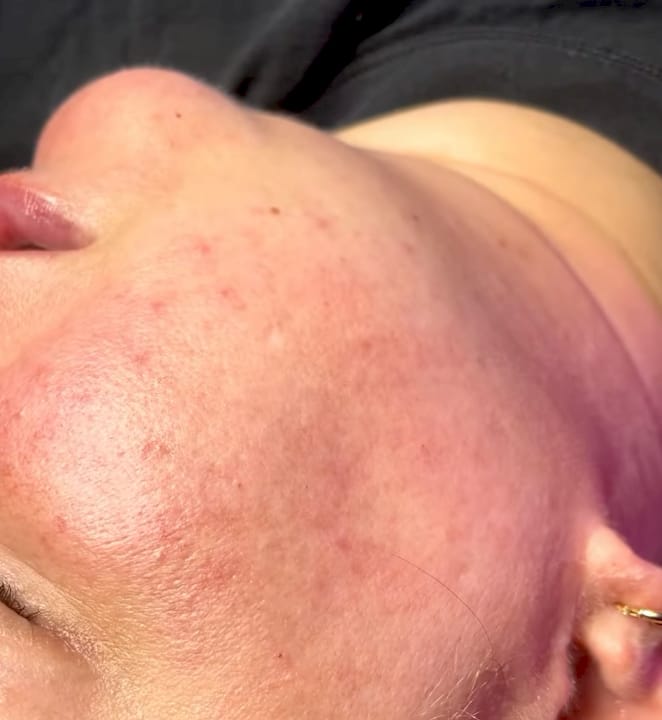
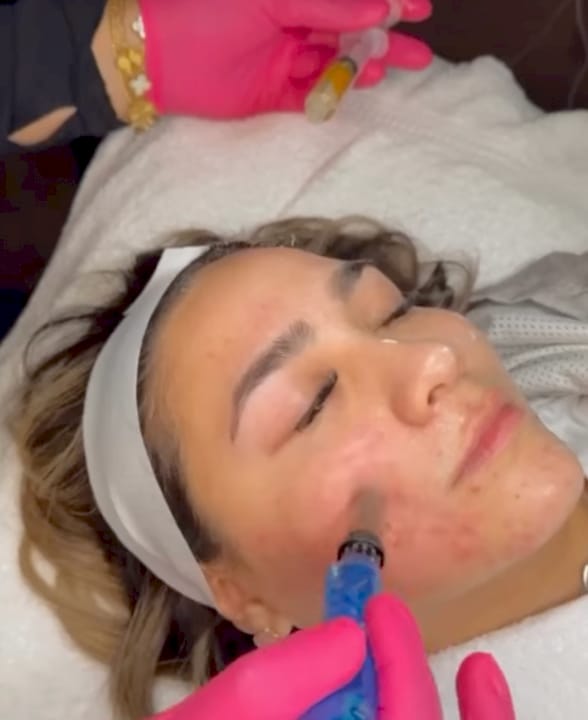
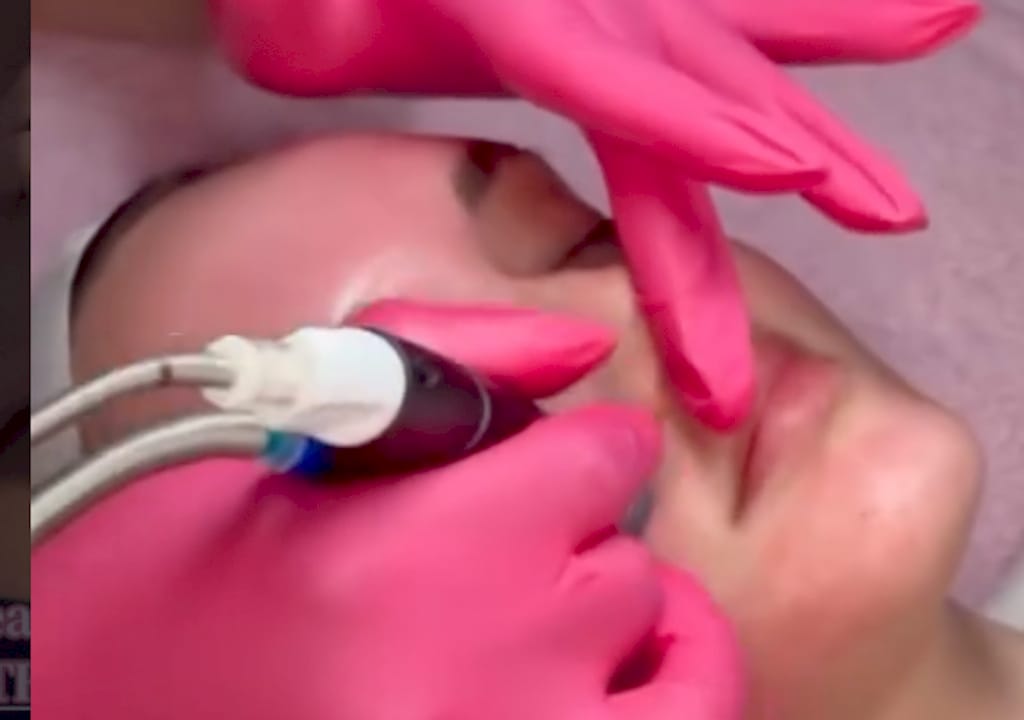
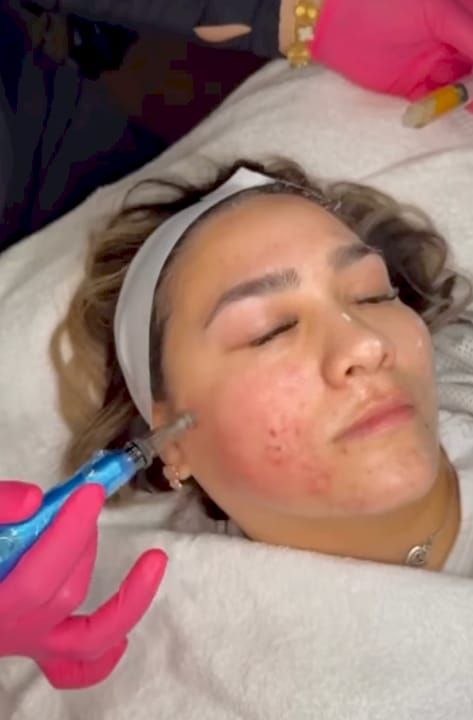
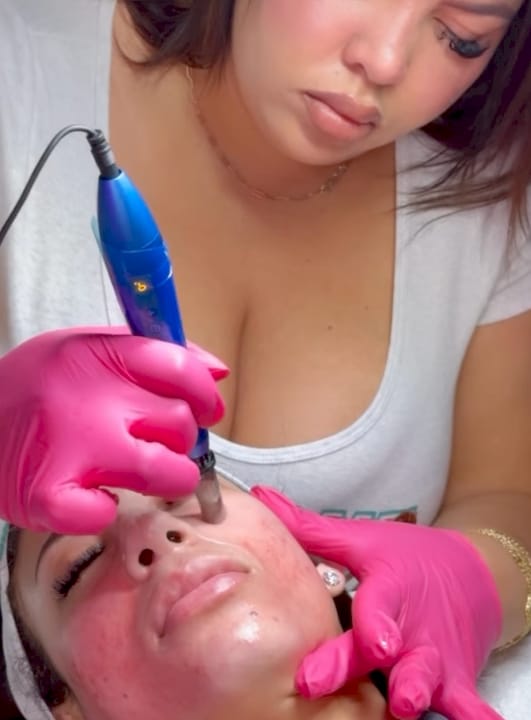
Resurfacing (chemical peels, microneedling): Chemical peels use controlled acids to remove damaged skin layers and stimulate collagen. Microneedling creates micro-injuries that trigger the skin’s natural repair process. Both improve texture, tone, and fine lines, and both require post-procedure care.
-
Regenerative therapies (PRP/PRF, exosome therapies): Platelet-rich plasma (PRP) and platelet-rich fibrin (PRF) use the patient’s own blood components to stimulate tissue repair. These are used for skin rejuvenation, hair restoration, and as an adjunct to fillers. Drawing blood and processing it is a clinical act — not a spa service.
-
Thread lifts and minimally invasive contouring: PDO (polydioxanone) threads are inserted under the skin to lift sagging tissue and stimulate collagen. Fat-dissolving injections like Kybella target submental fullness. Both are office-based procedures with real recovery windows.
-
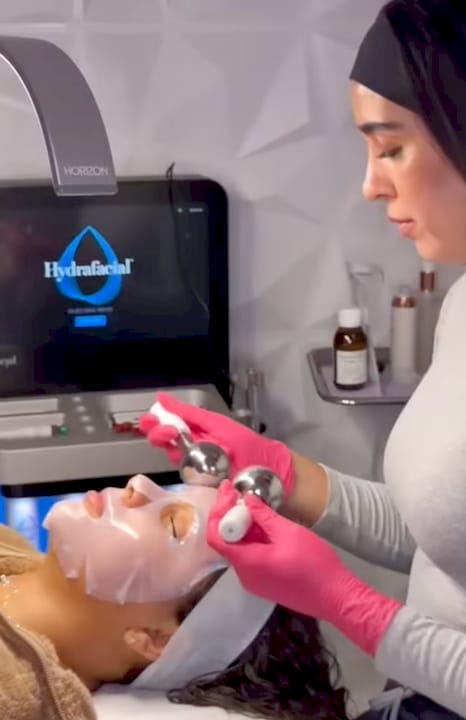
Complementary cosmetic maintenance: Services like dermaplaning and HydraFacials sit at the edge of the spectrum. They improve skin surface and hydration but do not alter living tissue the way injectables or lasers do. A well-run aesthetic clinic may offer these alongside medical treatments, but they are not what makes the facility medical.
A single consultation visit typically runs from a half hour to an hour. Procedure times vary: a neurotoxin treatment can take around 15 to 20 minutes, while a full filler session may last closer to 45 to 60 minutes. Resurfacing treatments are often done in multiple sessions spaced weeks apart for best results.
Who provides care and how are aesthetic clinics regulated?
Medical aesthetic services are governed by stricter regulatory standards than spa services and must be performed or supervised by licensed medical professionals. Understanding who is in the room — and who is legally responsible — is one of the most important things you can do before booking a procedure.
Typical clinical roles at an aesthetic clinic:
-
Supervising physician (MD/DO): Often a board-certified dermatologist, plastic surgeon, or family medicine physician. Responsible for the overall medical direction of the practice, treatment protocols, and oversight of delegated procedures. Physicians practicing aesthetic medicine may come from dermatology, plastic surgery, or other specialties; no single ABMS board covers aesthetic medicine, but specialty board certification contributes real procedural expertise.
-
Physician assistants (PA) and nurse practitioners (NP): Both are licensed to perform injectables and many energy-based treatments in most states, typically under a collaborative or supervisory agreement with a physician. Scope varies by state.
-
Registered nurses (RN): May perform injections and operate certain devices under physician delegation, depending on state law. Direct supervision requirements differ significantly from state to state.
-
Licensed estheticians: Provide skin-care services like facials and dermaplaning. In most U.S. states, estheticians are prohibited from performing injections, drawing blood, or operating Class IV medical lasers. Delegating providers retain legal responsibility for any unauthorized acts.
Regulatory framework:
State medical boards and health departments set the rules for who can perform what and under what supervision. Several states enforce the Corporate Practice of Medicine (CPOM) doctrine, which limits non-physician ownership of medical practices and requires valid supervisory or collaborative agreements. Failure to maintain those agreements can create uninsurable legal liability. The facility itself may also require a separate health department license depending on the state.
Pro Tip: Before booking, look up the clinic’s medical director by name on your state medical board’s license verification tool. Ask specifically whether the physician is on-site during procedures or available only remotely — the answer tells you a lot about the level of oversight you can expect.
What should you expect at your first consultation?
A well-run aesthetic clinic follows a consistent clinical sequence from the moment you walk in. The visit does not start with a treatment menu — it starts with a medical intake.
| Visit Step | Typical Duration |
|---|---|
| Intake form and medical history review | brief |
| Clinician consultation and facial assessment | brief |
| Treatment plan discussion and pricing review | brief |
| Informed consent documentation | brief |
| Procedure | varies widely by treatment |
| Immediate aftercare and post-procedure instructions | brief |
| Follow-up scheduling | brief |
At intake, you will typically be asked about current medications, especially blood thinners and supplements; prior cosmetic procedures and any complications; known allergies including anesthetic agents; medical conditions that may affect healing; and may be invited to share photos of your goals.
Documented informed consent is not a formality — it is a core safety measure. A reputable clinic will walk you through the risks, alternatives, and expected outcomes before you sign anything.
Post-procedure, here is what is normal in the first 24–72 hours:
-
Swelling, bruising, and redness at injection or treatment sites
-
Mild tenderness to the touch
-
Temporary asymmetry with fillers (swelling resolves unevenly)
Contact the clinic immediately if you experience blanching (white or pale skin) near an injection site, severe pain, vision changes, or signs of infection. These are rare but require prompt clinical attention.
How do you choose a safe aesthetic clinic?
The difference between a great outcome and a serious complication often comes down to the clinic you choose, not the treatment itself. Here is what to look for — and what to walk away from.
Safety signals to confirm before booking:
-
Named medical director with a verifiable state license
-
Written supervisory or collaborative agreement on file
-
Published treatment protocols and safety policies
-
Before-and-after photos with documented dates and patient consent
-
Clear pricing with no hidden fees or pressure to pre-purchase packages
-
Written aftercare instructions and a defined follow-up policy
-
Emergency preparedness plan (access to epinephrine, oxygen, and a transfer protocol)
Questions to ask at your consultation:
-
Who will perform my procedure, and what are their credentials?
-
Is the supervising physician on-site during treatments?
-
What is your complication management protocol?
-
Can I see your license and the medical director’s credentials?
-
What happens if I have a reaction after I leave?
Red flags that should give you pause:
-
Pricing significantly below the local market rate (quality injectables and devices are not cheap)
-
Pushy sales tactics or pressure to book on the spot
-
Inability or unwillingness to show credential verification
-
Procedures offered in non-clinical environments (hotel rooms, private homes)
-
No written consent form or aftercare instructions provided
On cost: neurotoxin treatments in the U.S. are typically priced per unit or per area, and a full facial treatment plan may involve multiple sessions over several months. Pricing varies by market, provider credentials, and product used. Unusually low prices often signal diluted product, undertrained staff, or both. Choosing a clinic based on safety criteria first — and price second — is the approach we always recommend.
What a physician-led aesthetic clinic visit actually looks like
Consider a patient who comes in for a combined neurotoxin and filler consultation. She is met by a licensed nurse practitioner who reviews her medical history, current medications, and prior filler history before the medical director joins for the treatment planning portion. Together, they assess facial symmetry, skin quality, and volume loss using standardized before-and-after photography. The treatment plan is documented in the patient’s chart, and she signs a detailed informed consent form that outlines the specific products being used, the injection sites, the risks, and the follow-up protocol.
The procedure itself takes about 45 minutes. Before she leaves, she receives written aftercare instructions and a direct contact number for the clinic in case of questions in the 48 hours following treatment. A follow-up call is scheduled for day three.
That workflow reflects what ABAM-trained physicians and AmSpa guidelines both describe as the standard of care: a documented clinical encounter with a named provider, written consent, and a clear follow-up plan.
Key Takeaways
An aesthetic clinic is a physician-supervised medical practice where non-surgical treatments that affect living tissue are performed under state medical board oversight and documented clinical protocols.
| Point | Details |
|---|---|
| Medical oversight is the defining feature | Procedures affecting living tissue require physician supervision, regardless of what the facility is called. |
| Treatments span multiple clinical categories | Injectables, lasers, resurfacing, regenerative therapies, and thread lifts all require licensed clinicians. |
| Regulation varies by state | State medical boards, CPOM doctrine, and health department licensing rules differ — always verify locally. |
| Safety signals are verifiable | Check the medical director’s license, ask about supervisory agreements, and confirm written consent and aftercare policies. |
| Theinjectionroom in Austin and San Antonio | Offers physician-supervised aesthetic services including neurotoxins, fillers, microneedling, and more — with documented clinical protocols. |
See the sections above for a full breakdown of what to ask at your consultation and which red flags to watch for.
The part most people skip — and why it matters
There is a tendency to treat aesthetic clinic visits the way you would a haircut: find the best price, book online, show up. That approach works fine for a blowout. It does not work for a procedure that involves needles, medical-grade devices, or substances injected into living tissue.
The most common regrets we hear about in aesthetic medicine are not about the treatments themselves — they are about the clinic selection. A patient who chose a provider based on a social media discount, skipped the consultation, or did not ask who the supervising physician was. The treatment categories at a reputable clinic are largely safe when performed correctly. The variable is the clinical environment, the training of the provider, and the oversight structure behind them.
Physician-led clinics that treat aging as a clinical condition — not just a cosmetic inconvenience — tend to produce better long-term outcomes. They build longitudinal treatment plans, track results with photography, and adjust protocols based on how your tissue responds. That is a fundamentally different model from episodic cosmetic maintenance, and it is worth seeking out.
Ready to see what a supervised aesthetic consultation looks like?
If you have done your research and you are ready to talk to a clinician about a personalized treatment plan, Theinjectionroom serves patients in Austin and San Antonio, Texas, with a full range of physician-supervised aesthetic services. Our providers offer neurotoxin treatments including Botox, Dysport, and Xeomin, along with dermal fillers, microneedling, PRF EZ Gel, PDO Threads, and more. Every visit starts with a medical intake and a treatment plan built around your goals — not a product menu.
Before you book anywhere, confirm the medical director’s name and license, ask who will perform your procedure, and request a written consent form. When you are ready to take that next step, you can view our services or reach out directly to schedule a consultation.
Authoritative sources for verifying clinics and clinicians
| Source | What it helps you verify |
|---|---|
| AmSpa Practice Guidelines | Whether a facility’s services legally qualify as medical; informed consent and protocol standards |
| Medical Aesthetics Association State Compliance Guide | CPOM rules, scope-of-practice limits by state, supervisory agreement requirements |
| ABAM (American Board of Aesthetic Medicine) | Physician certification in aesthetic medicine; training standards for injectables, lasers, and peels |
| ABMS (American Board of Medical Specialties) | Board certification verification for supervising physicians in dermatology, plastic surgery, and other specialties |
| Your state medical board | License status and disciplinary history for any MD, DO, NP, or PA at the clinic |
Use your state medical board’s online license lookup tool to confirm that the medical director and any treating clinician hold a current, unrestricted license. For NPs and PAs, check that their collaborative or supervisory agreement with the physician is current and on file. These are public records — any reputable clinic will encourage you to check.
%20Pictures%20are%204%20weeks%20apart..jpg)