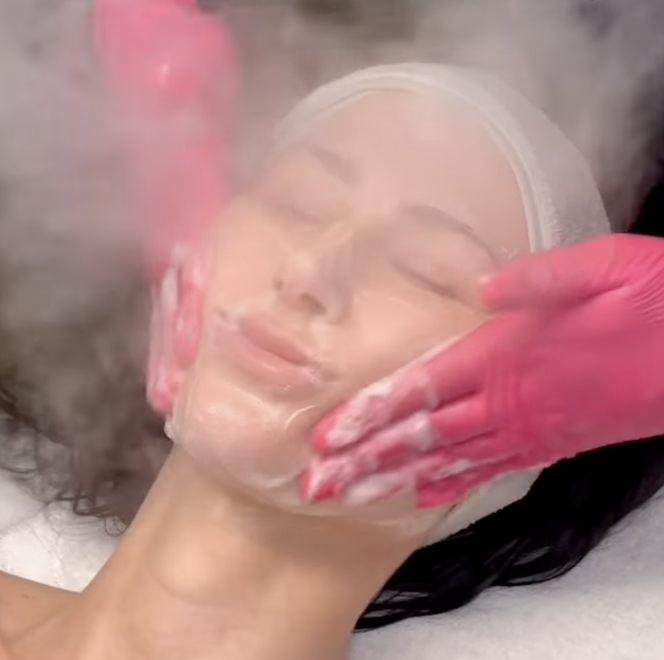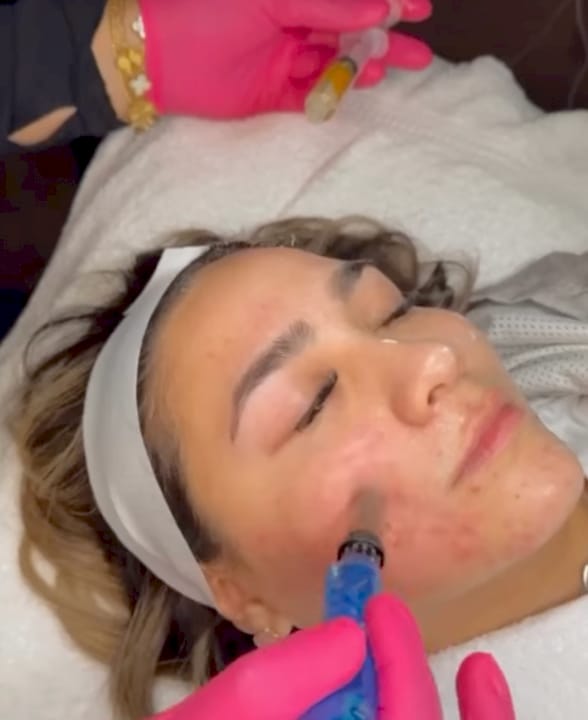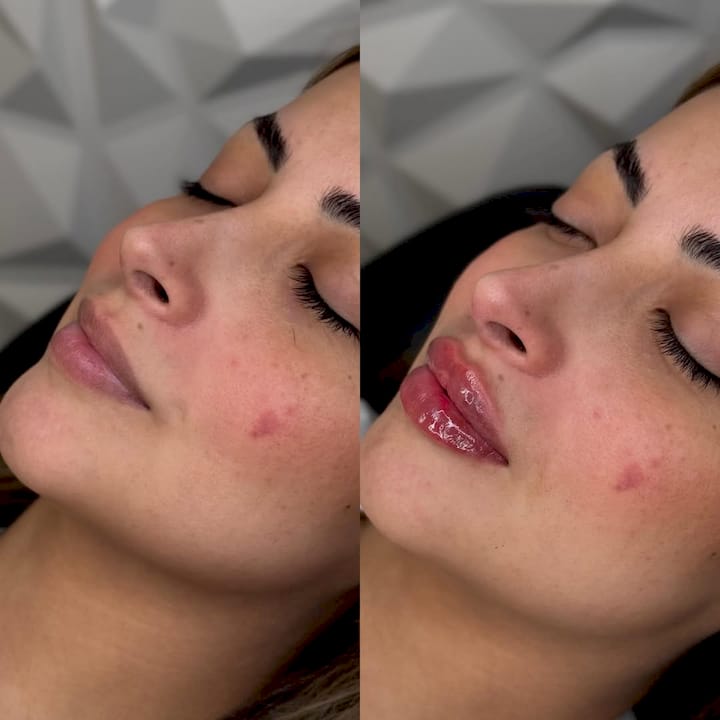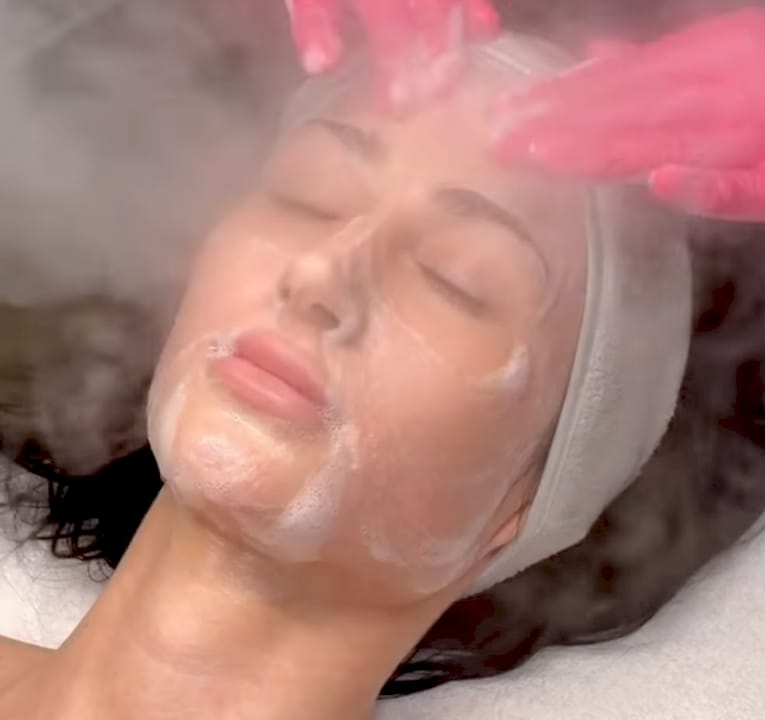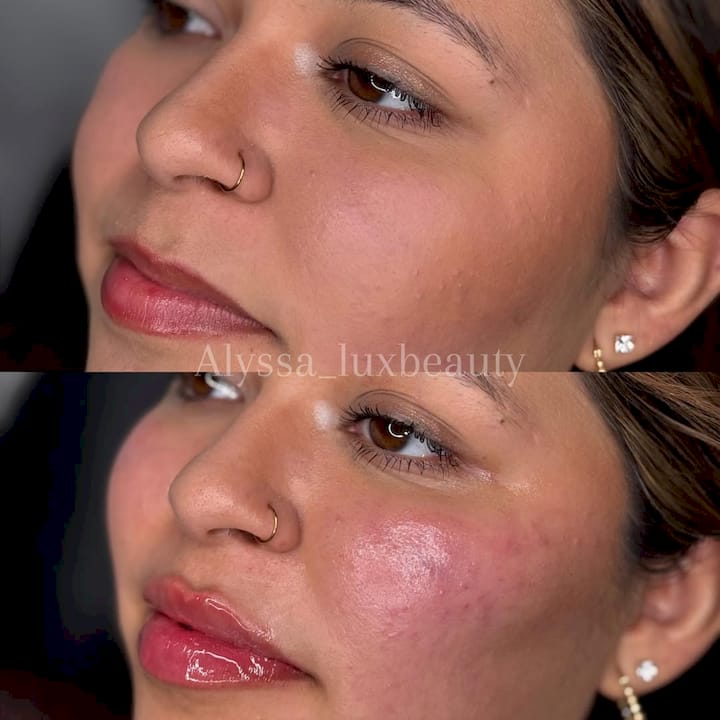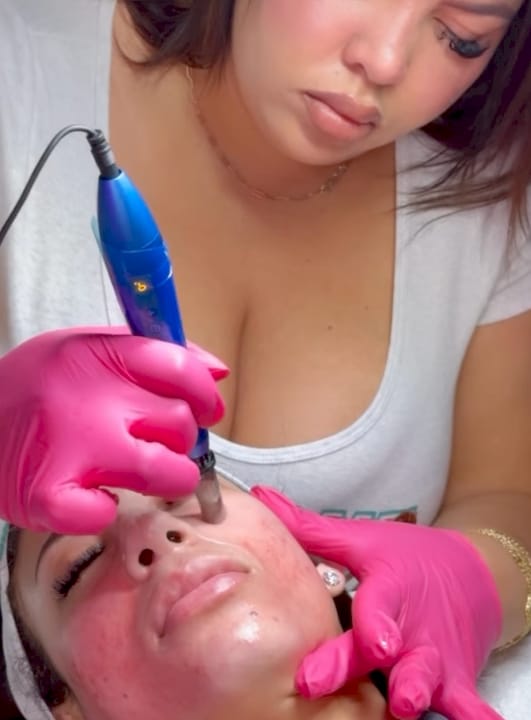
The three things that matter most after dermaplaning are sun protection, gentle hydration, and a break from active ingredients. Your skin has just lost its top layer of dead cells and fine vellus hair, which makes it more sensitive to UV rays and irritation for roughly 24 to 72 hours. Here’s what to do the moment you leave the treatment chair:
-
Wash your hands before touching your face, and skip makeup for the day.
-
Apply broad-spectrum SPF 30+ (your provider may have already applied it) and avoid direct sun.
-
Use a fragrance-free moisturizer, and press a cool compress on any spots that feel warm or look flushed. Don’t rub.
Key Takeaways
Dermaplaning aftercare works because protecting a temporarily compromised skin barrier with SPF, hydration, and a pause on actives prevents most common complications.
| Point | Details |
|---|---|
| Protect skin from UV | Apply broad-spectrum SPF 30+ and reapply every two hours if you’re outdoors. |
| Hydrate, don’t strip | Use hyaluronic acid and ceramide products; skip retinoids and acids for several days. |
| Limit heat and sweat | Avoid saunas, pools, and hot tubs for 48 to 72 hours to prevent irritation. |
| Watch for red flags | Spreading redness, pus, fever, or bleeding means it’s time to call your provider. |
| Work with a trained provider | The Injection Room’s dermaplaning treatments in Austin and San Antonio include aftercare guidance built into every visit. |
Table of Contents
Dermaplaning Aftercare for the First 0 to 24 Hours
Your skin can handle a gentle cleanse the same day, but wait two to three hours before your first wash so the surface has time to settle. When you do wash, use lukewarm water and your fingertips only, no washcloths, no scrubbing.
-
Cleanse with a mild, fragrance-free formula and pat dry with a clean towel.
-
Apply a fragrance-free moisturizer while skin is still slightly damp to lock in hydration.
-
If you notice any tiny nicks, dab on a thin layer of petrolatum. It protects the spot and supports faster healing, though it should never go over skin that looks infected.
-
Skip makeup for 24 hours. If you absolutely need coverage sooner, use clean brushes and a mineral formula, since mineral pigments sit on top of the skin rather than clogging freshly exposed pores.
Small habits matter more than people expect here. Change your pillowcase, wipe down your phone screen, and keep hair off your face. Freshly dermaplaned skin is more porous for a short window, and bacteria from a dirty pillow or a phone screen can trigger a breakout you’d otherwise avoid.
Pro Tip: Keep a travel-size fragrance-free moisturizer in your bag for the first day. Reapplying whenever your skin feels tight beats waiting until it looks dry.
Skin Care After Dermaplaning: The 24 to 72 Hour Window
This is the stretch where most post-dermaplaning mistakes happen. Removing the outer layer of skin increases how much UV light penetrates, so dermatologists recommend using broad-spectrum sunscreen with at least SPF 30 and reapplying regularly when outdoors during this window, not just a morning swipe. Mineral sunscreens tend to sit better on freshly exfoliated skin than chemical formulas, and pairing SPF with a hat and some shade cuts your exposure even further.
Stick to hydrating, barrier-supporting ingredients and leave the rest in the cabinet for now:
-
Use: hyaluronic acid, ceramides, gentle niacinamide.
-
Avoid: retinoids, AHAs, BHAs, and high-concentration vitamin C.
-
Skip: hot yoga, saunas, steam rooms, and pools for 48 to 72 hours. Heavy sweating and chlorine both aggravate skin that’s still stabilizing.
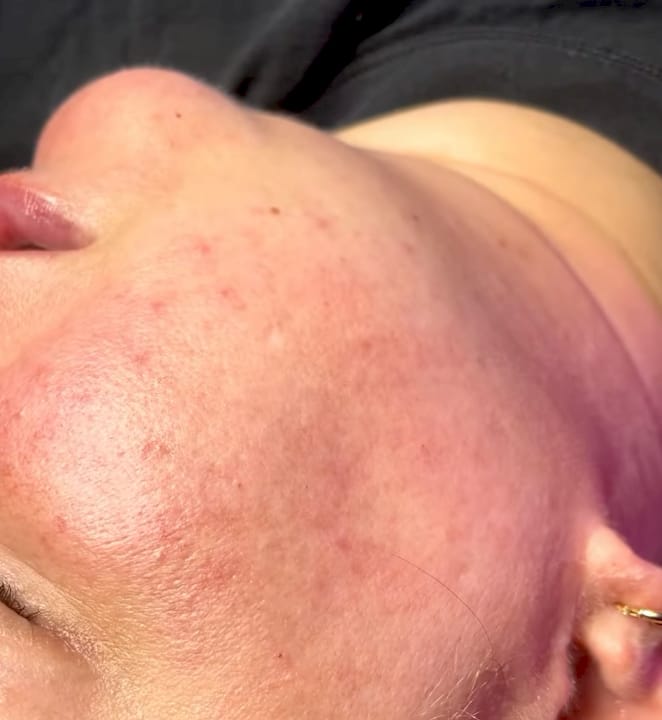
Mild pinkness, slight tightness, or faint sensitivity are normal in this window and typically fade within a couple of days. Redness that spreads, deepens, or comes with swelling past the 72 hour mark is not something to wait out.
When Can I Reintroduce Actives After Dermaplaning?
Most people can bring back gentle actives within three to seven days, while stronger resurfacing treatments need closer to two weeks of recovery first. The safest approach is a slow, staged return rather than jumping back into your full routine overnight.
-
Wait at least 72 hours before introducing anything besides hydrators.
-
Patch-test one product at a time on a small area, like your jawline, before applying it to your whole face.
-
Space new products out by 48 hours so you can identify what triggers irritation if it happens.
-
Hold off on retinoids and acids until day 5 to 7, and check with your provider before scheduling more aggressive treatments.
If you’re planning to pair dermaplaning with other procedures, timing matters. Combining it with microneedling too soon compounds the skin’s workload, so most providers recommend spacing sessions out and confirming timing during your consultation rather than guessing.
What Not to Do After Dermaplaning
A short list of avoidable mistakes prevents most of the complications people run into during dermaplaning downtime.
-
Don’t use retinoids, chemical exfoliants, or physical scrubs for at least several days.
-
Don’t take hot showers, sit in steam rooms, or swim in pools or hot tubs for 48 to 72 hours. Chlorine and heavy sweat both irritate freshly treated skin.
-
Don’t pick at flaking skin or try to speed up peeling.
-
Don’t attempt DIY dermaplaning with an untrained blade between clinic visits. It raises your risk of breakouts and infection, especially if you’re prone to active acne.
Building a Simple AM/PM Routine for Week One
You don’t need a complicated shelf of products to support your skin after dermaplaning. You need the right few, used consistently.
Morning: gentle cleanse, a lightweight hydrator with hyaluronic acid or ceramides, then SPF 30+ or higher. Reapply sunscreen if you’re outside for more than two hours.
Evening: cleanse again, apply a fragrance-free moisturizer, and use a thin layer of petrolatum over any nicks or dry patches.
-
Choose mineral SPF if your skin tends to sting easily with chemical sunscreens.
-
Look for ceramides and hyaluronic acid on ingredient labels. Both support the skin barrier without irritating it.
-
Avoid anything with added fragrance, high alcohol content, or exfoliating pads until your second week.
Pro Tip: If a product stings on application, that’s your skin telling you it’s too soon, not a sign to push through it.
When to Contact Your Provider
Most healing follows a predictable path: noticeable calm by 24 hours, near-normal texture by 72 hours, and full glow by two weeks. Contact your provider if you notice spreading redness, pus, fever, severe pain, or bleeding that won’t stop. They may prescribe a topical antibiotic or ask you to come in for a quick check.
Why Aftercare Protects Your Results
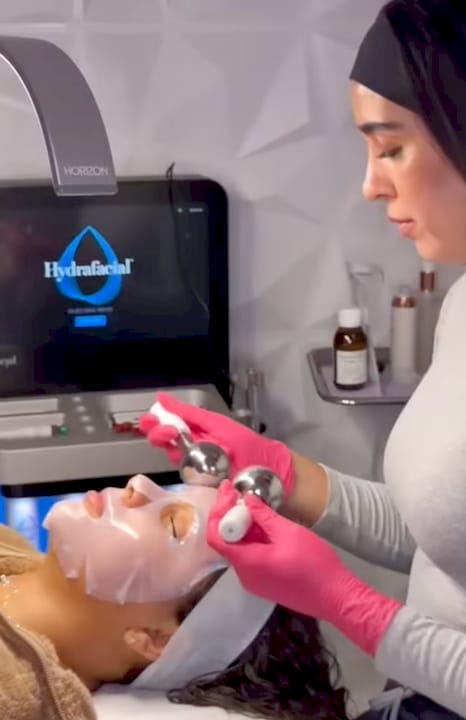
The Injection Room offers dermaplaning across its Austin and San Antonio locations, along with customized treatment pairings like jelly masks to support the skin barrier post-treatment.
The glow people notice right after dermaplaning comes from two things: dead skin is gone, and the barrier underneath is temporarily more exposed. Aftercare isn’t about maintaining the glow. It’s about protecting the barrier so the glow doesn’t turn into irritation.
Following your provider’s aftercare guidance is what determines whether your results last or fade into redness by day three.
Why Most Aftercare Advice Undersells the First 72 Hours
Most aftercare guides treat dermaplaning like a spa treatment with a light ingredient warning attached. That undersells what’s actually happening. You’ve removed a functional layer of skin, and the standard “avoid the sun and don’t wear makeup” advice floating around skips the part that matters most: timing.
The conventional wisdom treats the 72 hour window as one flat period. It isn’t. The first 24 hours call for near-total restraint, hydration and nothing else. Hours 24 to 72 is where SPF discipline and activity limits carry the most weight, because that’s when UV sensitivity peaks and heat exposure does the most damage. Treating those two windows the same is how people end up with irritation they didn’t expect.
What I’d prioritize first isn’t the product list. It’s the reintroduction schedule. Rushing retinoids or acids back in on day two, because the redness already faded, is the single most common way people undo a good result. Patience for another 48 hours costs nothing. Irritated, compromised skin costs you the next two weeks.
— Andee
Get Professional Dermaplaning Support in Austin and San Antonio
Following a clinical aftercare plan works best when the treatment itself was done by someone trained to minimize risk in the first place. The Injection Room offers dermaplaning at its Austin and San Antonio locations with aftercare guidance built into every appointment, so you’re not left guessing what to do once you get home. That means fewer surprises with irritation, breakouts, or unclear product timelines, and a clearer path to the smooth, even result you booked the treatment for.
If you’re also considering complementary treatments like microneedling or a HydraFacial, your provider can help you sequence them properly instead of stacking procedures too close together. Ready to book your next dermaplaning session or ask about pairing it with another service? Reach out to The Injection Room to schedule a consultation and get a personalized aftercare plan for your skin.
This article is general information, not a substitute for advice from a qualified doctor. Consult a qualified healthcare professional about your own circumstances before acting on anything here.
Sources
Referenced: Cleveland Clinic, AAD, Healthline, Dermaflash. See also microneedling aftercare and facial peel benefits.
FAQ
How Long Should I Wait to Wash My Face After Dermaplaning?
Wait two to three hours before your first cleanse, then use lukewarm water and a fragrance-free cleanser applied gently with your fingertips.
What Should I Avoid Doing After Dermaplaning?
Avoid retinoids, AHAs/BHAs, direct sun, makeup for 24 hours, and hot showers, saunas, or pools for 48 to 72 hours while your skin barrier stabilizes.
What’s the Best Product to Apply After Dermaplaning?
A fragrance-free, hydrating moisturizer with ceramides or hyaluronic acid works best, paired with broad-spectrum SPF 30+ during the day. A thin layer of petrolatum can protect any small nicks.
What Should I Put on My Face Before and After Dermaplaning?
Before treatment, arrive with clean, makeup-free skin. Afterward, stick to gentle hydrators and sunscreen, and skip active ingredients like retinoids or exfoliating acids for several days.
Can The Injection Room Guide Me Through Dermaplaning Aftercare?
Yes. The Injection Room provides aftercare instructions with every dermaplaning treatment at its Austin and San Antonio locations to help protect your results.


%20Pictures%20are%204%20weeks%20apart..jpg)