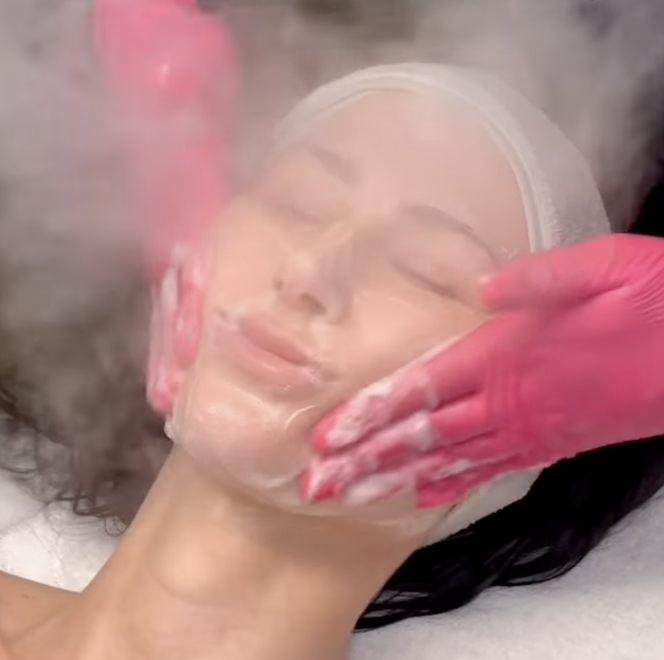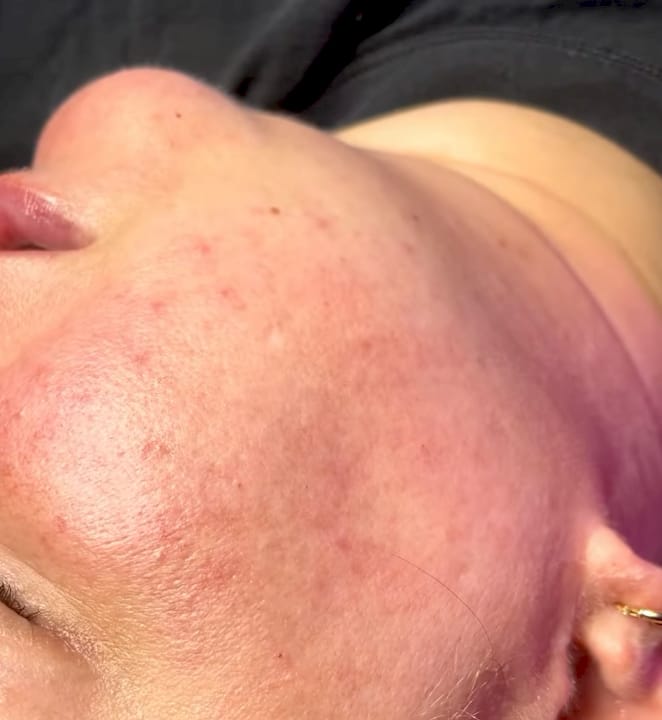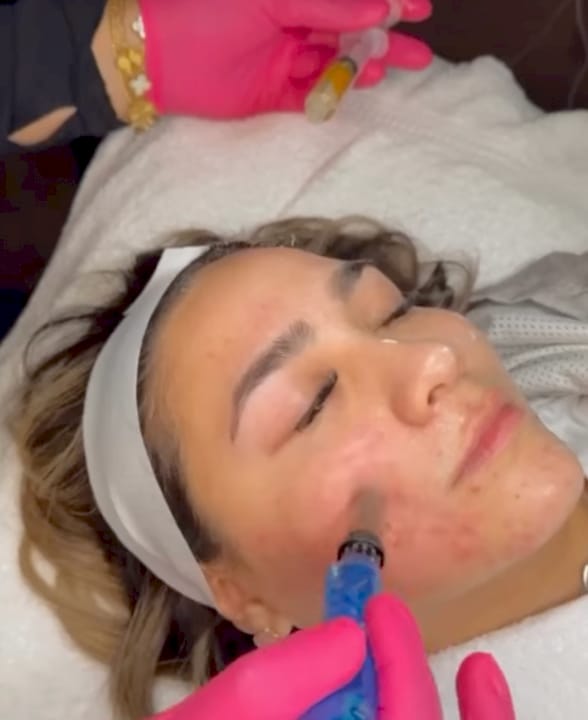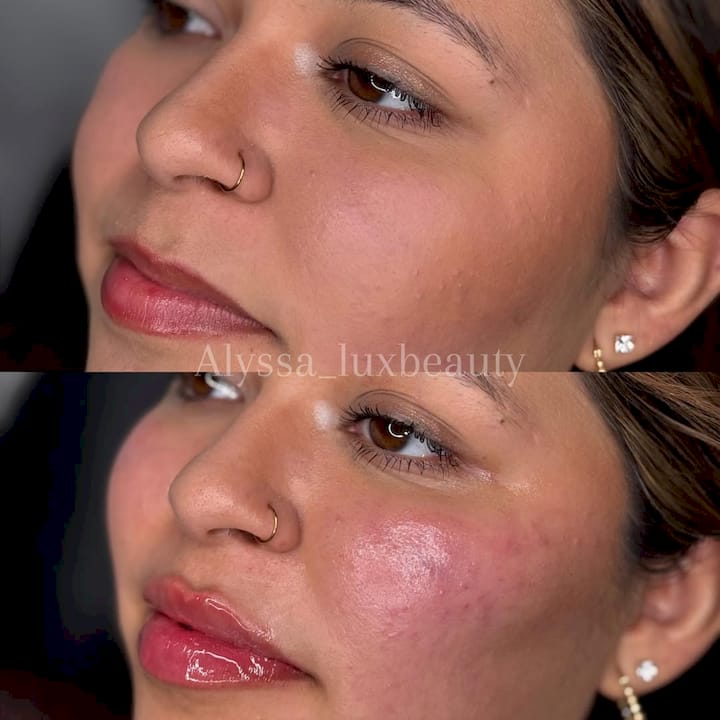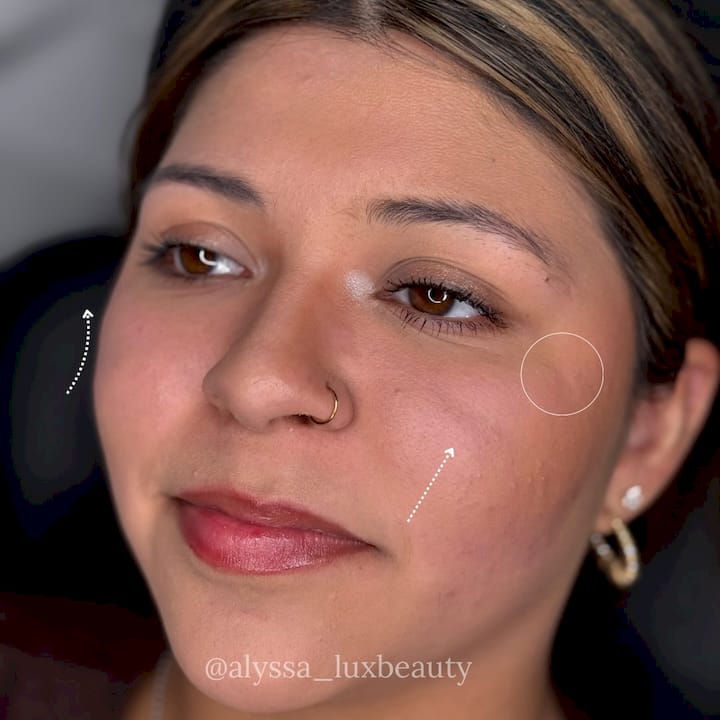
You should defer elective microneedling while pregnant. There simply isn’t enough pregnancy-specific safety data on the procedure, and the combination of skin penetration with the serums and numbing agents typically used raises risks that outweigh the benefit for most expecting patients. Before you book anything cosmetic and elective, loop in your obstetric provider and ask about pregnancy-safe alternatives instead.
Here’s what to do right now:
-
Skip the appointment. Postpone elective microneedling until after delivery (and often after breastfeeding).
-
Call your OB or midwife first. Get sign-off before scheduling any elective aesthetic treatment.
-
Ask about safer swaps. Pregnancy-friendly topicals and non-penetrative treatments can manage most concerns in the meantime.
Key Takeaways
Elective microneedling should be deferred during pregnancy because safety data is insufficient and skin penetration combined with common topical agents raises unresolved risk.
| Point | Details |
|---|---|
| Defer during pregnancy | Avoid elective microneedling, including RF and PRP-assisted variants, until after delivery. |
| Consult your OB first | Discuss any elective aesthetic procedure with your maternity provider before scheduling it. |
| Watch the topicals | Retinoids, growth factors, and unstudied numbing agents raise risk more than the needling itself. |
| Use safe alternatives now | Azelaic acid, niacinamide, and mineral sunscreen manage most pregnancy skin concerns in the meantime. |
| Plan postpartum with The Injection Room | The Injection Room resumes microneedling only after OB clearance, spacing sessions around realistic collagen timelines. |
This article is general information, not a substitute for advice from a qualified doctor. Consult a qualified healthcare professional about your own circumstances before acting on anything here.
Table of Contents
-
What Microneedling Is and Why It’s Different During Pregnancy
-
Why Clinicians Advise Against Microneedling During Pregnancy
-
How to Talk to Your Maternity Care Team About Elective Procedures
-
The Injection Room’s Approach to Pregnancy and Aesthetic Care
What Microneedling Is and Why It’s Different During Pregnancy
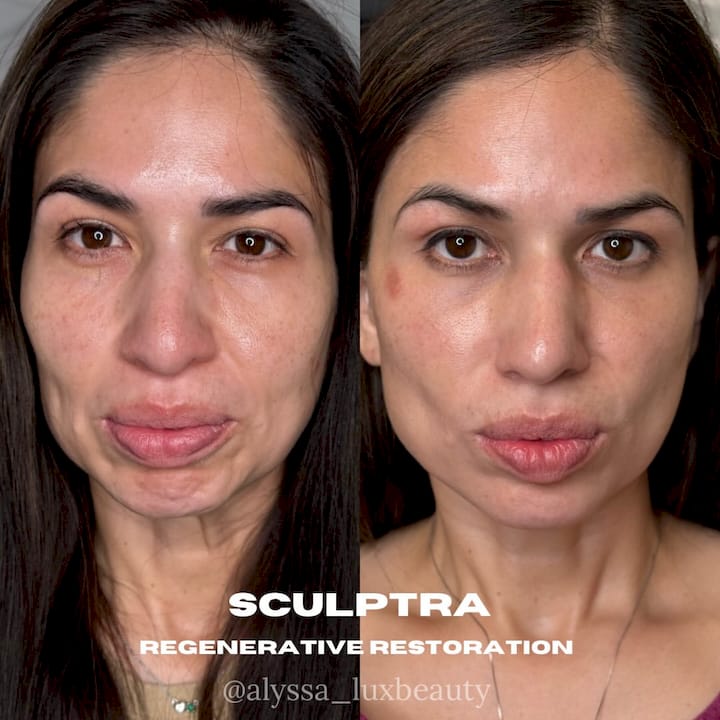
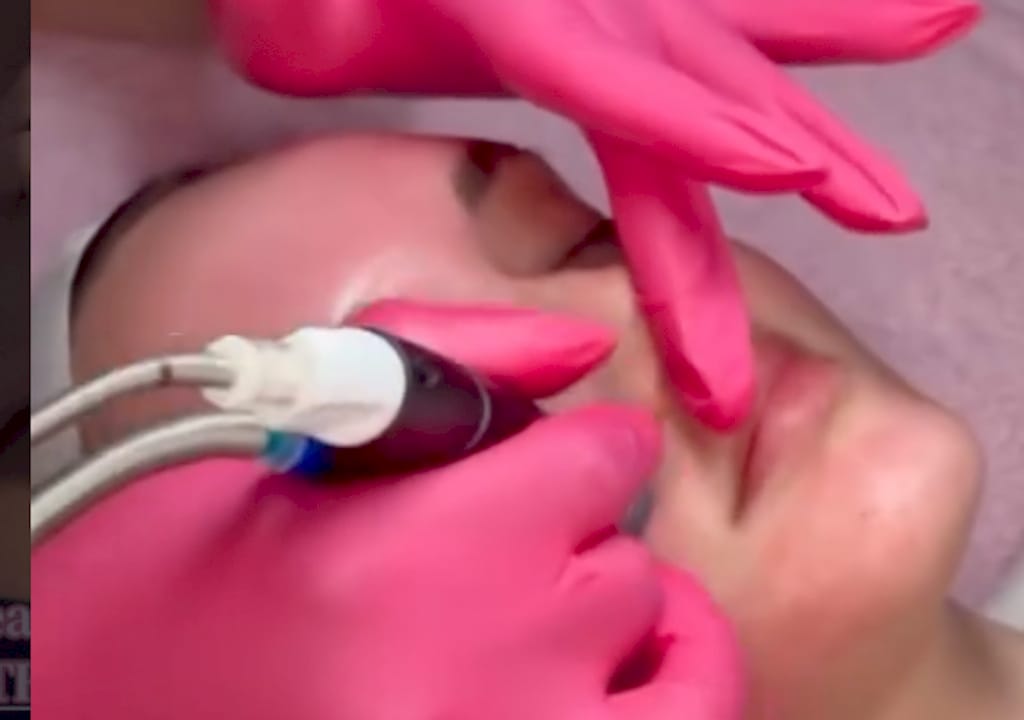
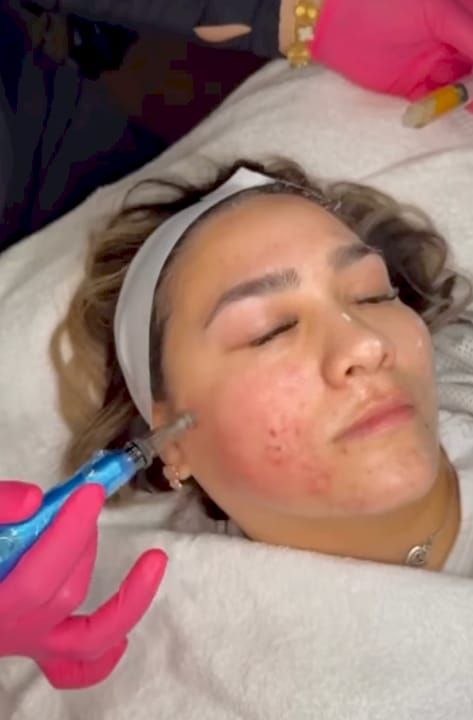
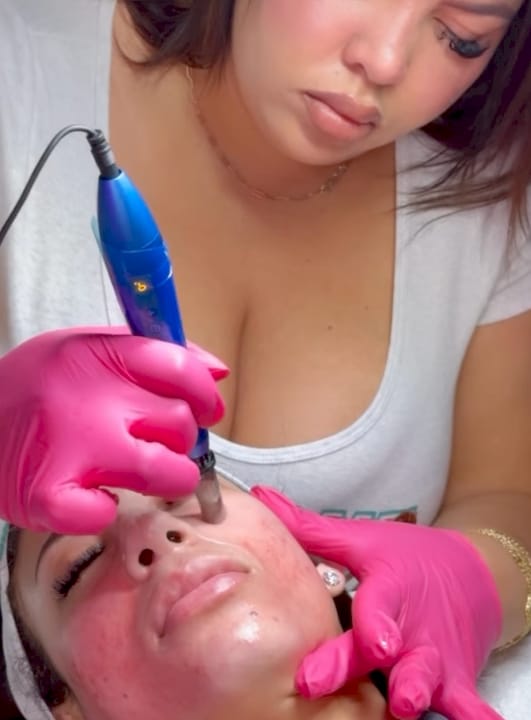
Microneedling uses fine needles to create controlled micro-injuries in the dermis, triggering the skin’s own collagen production. The procedure typically causes mild redness and swelling that resolve within days, though visible collagen remodeling continues for months afterward.
Providers use several variants:
-
Needle pens and dermarollers — the standard mechanical approach.
-
RF-assisted microneedling — adds radiofrequency energy to heat deeper tissue layers.
-
PRP-assisted protocols — pairs needling with platelet-rich plasma to boost healing.
Pregnancy changes how skin responds to injury. Hormonal shifts alter circulation, immune activity, and pigment production, which means a procedure that behaves predictably in a non-pregnant patient can produce less predictable results in one who’s expecting.
Why Clinicians Advise Against Microneedling During Pregnancy
The core issue isn’t that microneedling has been proven dangerous during pregnancy. It’s that it hasn’t been studied enough to prove it’s safe, and reputable clinical guidance leans on the principle of primum non nocere, first, do no harm, when data is thin. Absence of evidence isn’t evidence of safety, and that distinction shapes how most providers counsel pregnant patients.
Clinical reviews consistently recommend avoiding elective skin-penetrating procedures during pregnancy because safety data remains insufficient and pregnancy alters normal wound healing. That healing shift isn’t cosmetic trivia. It’s the reason a treatment considered routine outside of pregnancy carries more uncertainty within it.
Several specific risks come up in clinical discussions:
-
Infection risk. Any procedure that breaches the skin barrier introduces a pathway for bacteria, and immune function shifts during pregnancy in ways that can affect healing response.
-
Unpredictable pigmentation or scarring. Melasma and other pigment changes are already common in pregnancy due to hormonal fluctuation, and inflammatory responses to skin injury can be exaggerated, sometimes producing hyperpigmentation or textural changes that wouldn’t occur the same way outside pregnancy.
-
Systemic absorption concerns. Microneedling temporarily increases how much of a topical product penetrates into the bloodstream, which matters when the products involved haven’t been tested for pregnancy safety.
RF and PRP protocols add their own layer of theoretical concern. RF energy introduces localized heat exposure that hasn’t been evaluated in pregnant patients, and PRP and growth factor serums are biologically active compounds with no pregnancy safety research behind them. Most clinics take the conservative route here: defer the elective procedure, document informed consent when something is medically necessary rather than cosmetic, and coordinate directly with the patient’s OB before proceeding with anything borderline.
The Serums and Numbing Agents Matter as Much as the Needles
Microneedling rarely happens in isolation. It’s almost always paired with a topical, either a numbing cream before the session or an active serum applied during it, and that pairing is where a lot of the pregnancy risk actually concentrates.
-
Retinoids and prescription-strength acids are already contraindicated in pregnancy on their own, let alone when needling increases their absorption.
-
Growth factors, PRP, and exosome-based serums haven’t been studied in pregnant patients, so their systemic effects are unknown.
-
Topical anesthetics used to numb the skin before needling can be absorbed more readily once the skin barrier is disrupted, and concentration matters. Ask your provider exactly which agent they use before assuming it’s fine.
Pro Tip: If you’re ever unsure whether a specific serum or numbing agent is pregnancy-safe, ask your aesthetic provider for the exact product name and active ingredient list, then run it by your OB directly rather than relying on a verbal reassurance.
When to Wait: Timing and Breastfeeding Considerations
Most clinicians recommend waiting until after pregnancy to resume microneedling, and many extend that pause through breastfeeding as well, or at minimum until you’ve gotten clearance from your OB.
-
During pregnancy: Defer all elective microneedling, regardless of trimester.
-
While breastfeeding: Evaluate the specific topicals involved. Basic hyaluronic acid products are generally considered lower risk, but growth-factor serums and biologic concentrates are still discouraged.
-
Before restarting: Confirm clearance from your maternity care provider, especially if you had a complicated pregnancy or delivery.
In the meantime, you’re not stuck doing nothing. A consistent, gentle routine, cleanser, moisturizer, mineral SPF, can manage acne flares, melasma, and texture changes reasonably well until it’s safe to revisit in-clinic treatments.
Safer Alternatives for Pregnancy Skin Concerns
You have real options while you wait. Pregnancy hormones tend to trigger acne, melasma, and texture changes, and there are ways to address all three without needling.
Topical options considered pregnancy-safe:
-
Azelaic acid for acne and mild pigment irregularities
-
Niacinamide for redness and barrier support
-
Gentle, retinol-free moisturizers for hydration and texture
-
Mineral sunscreen (zinc oxide or titanium dioxide) to prevent melasma from worsening
In-clinic options to approach cautiously: Microdermabrasion is often regarded with more caution than a simple facial, since it still involves some level of physical exfoliation, and many providers prefer to defer it during pregnancy as well. Chemical peels and most laser treatments are typically paused entirely or reserved for very select cases with direct OB input, since public clinical guidance lists these alongside microneedling as procedures to pause during pregnancy.
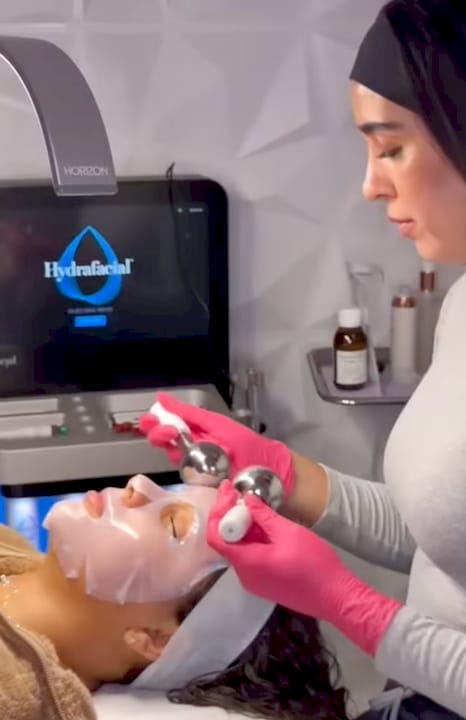
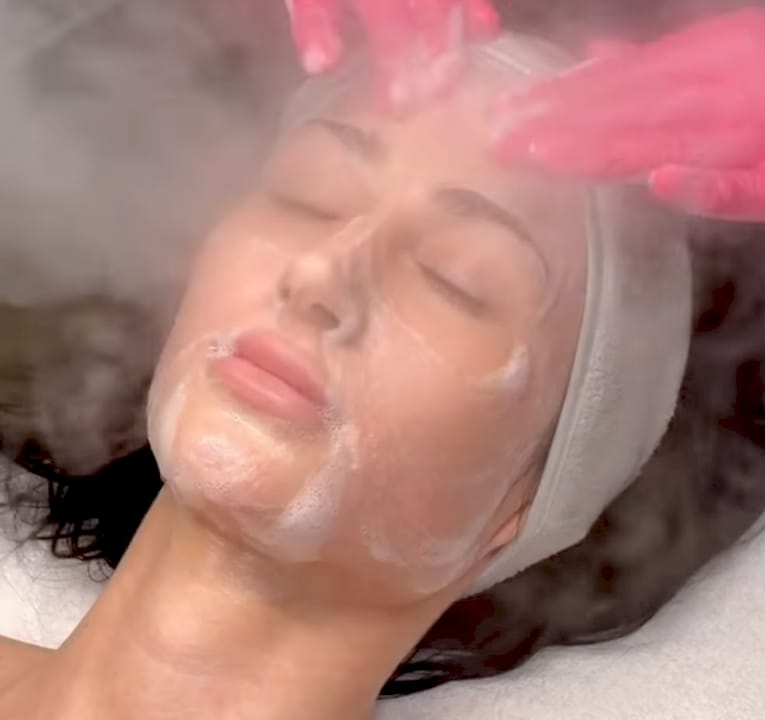
Pro Tip: A hydrating, non-penetrative facial focused on cleansing and hydration is a reasonable interim option for most pregnant patients, but confirm the specific products used beforehand rather than assuming “gentle” means “pregnancy-safe.”
If you develop severe cystic acne, rapidly spreading rash, or signs of infection, don’t wait for a cosmetic consult. That warrants urgent medical attention, not an aesthetic appointment.
How to Talk to Your Maternity Care Team About Elective Procedures
A short, documented conversation with your OB or midwife saves you from guessing later. Bring specifics, not just a general question.
-
List the procedure details. Name the treatment, the device type (needle pen, RF, PRP-assisted), and every topical product involved.
-
Clarify elective vs. medically necessary. Most aesthetic microneedling is elective, which changes the risk-benefit calculation compared to a medically necessary dermatologic procedure.
-
Ask direct questions. “Is there a pregnancy-specific reason to avoid this?” “Are any of these topical ingredients absorbed systemically?” “Should we wait until after delivery, or after breastfeeding ends?”
-
Request documentation if you proceed anyway. If a treatment is judged necessary rather than cosmetic, written informed consent and a documented risk discussion protects both you and your provider.
Planning Your Postpartum Microneedling Schedule
Once you have clearance, most providers space microneedling sessions several weeks apart, and full collagen remodeling takes months to become visible, so patience matters more than frequency.
-
Confirm OB clearance before your first postpartum session, particularly after a cesarean delivery or complicated healing.
-
Expect a series of treatments rather than a single visit for meaningful results.
-
Prioritize sun protection and infection prevention during the healing window between sessions.
The Injection Room’s Approach to Pregnancy and Aesthetic Care
The Injection Room does not perform elective microneedling on pregnant clients, and we tell patients this directly during consultations rather than leaving it ambiguous. Our postpartum approach starts once a client has OB clearance, typically building a treatment plan around microneedling sessions spaced to match realistic collagen timelines rather than rushed results.
What the Research Actually Tells You
Here’s the uncomfortable truth about pregnancy safety data in aesthetics: most guidance isn’t built on large randomized trials of pregnant patients getting microneedling, because running that trial would be ethically fraught. It’s built on caution, extrapolation from wound-healing physiology, and a professional culture that would rather say “wait” than gamble on an unknown.
That’s not a weakness in the guidance. It’s the entire point of it. A field that can’t ethically test a procedure on pregnant patients has to default to the conservative read, and I think patients sometimes misread that caution as evasiveness rather than what it actually is: a genuinely reasoned position built on how skin healing changes when you’re pregnant, not fear for its own sake.
What frustrates me more is how often the “just avoid everything” message gets stretched into “there’s nothing safe to do about your skin while pregnant.” That’s false, and it leaves people suffering through melasma or hormonal acne when azelaic acid, niacinamide, and a well-chosen mineral sunscreen could meaningfully help right now. The real skill here isn’t blanket avoidance. It’s knowing precisely which nine months to pause and which options remain open the entire time.
— Andee
The Injection Room’s Approach to Postpartum Skin Renewal
There are other routes to managing pregnancy-related skin changes, home skincare routines, over-the-counter treatments, waiting it out entirely. But once you’re cleared to resume elective treatments, The Injection Room offers something those routes can’t: a provider who already understands the timeline you’ve been on, not a fresh consultation starting from zero. Our team in Austin and San Antonio builds postpartum microneedling plans around realistic collagen timelines, rather than pushing a one-size schedule that ignores what your skin has been through. If you’re pregnant now, bookmark your questions for your OB visit; if you’re already cleared postpartum, you can explore microneedling options and schedule a consultation to map out a plan suited to where your skin actually is.
Sources
FAQ
Is microneedling safe during pregnancy?
No. Reputable clinical guidance recommends avoiding elective microneedling during pregnancy because safety data is limited and pregnancy changes how skin heals.
Is HydraFacial safe during pregnancy?
Basic hydrating facials without active serums or acids are generally considered lower risk, but you should still confirm the exact products used with your provider and get your OB’s input beforehand.
What facial treatments can you have while pregnant?
Gentle cleansing facials, mineral sunscreen application, and treatments using pregnancy-safe ingredients like azelaic acid or niacinamide are generally considered reasonable options, while microneedling, chemical peels, and most lasers are typically paused.
What can I do instead of Botox while pregnant?
Botox is not recommended during pregnancy, and most patients manage fine lines in the meantime with hydrating skincare, mineral sunscreen, and gentle topical retinol alternatives, then revisit injectable options postpartum with a provider like The Injection Room.
When can I resume microneedling after having a baby?
Most providers recommend waiting until you have clearance from your OB, and many extend that through the breastfeeding period depending on the topicals involved in your treatment plan.


%20Pictures%20are%204%20weeks%20apart..jpg)