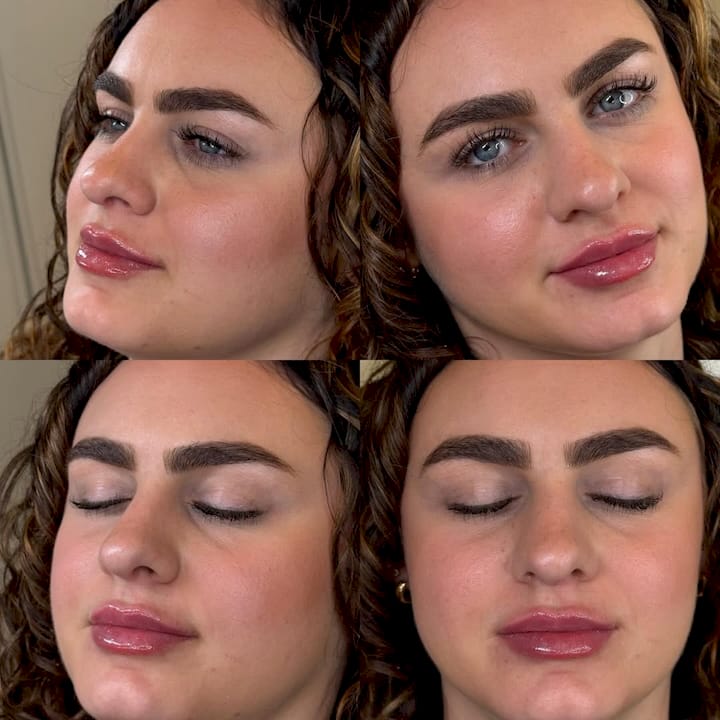
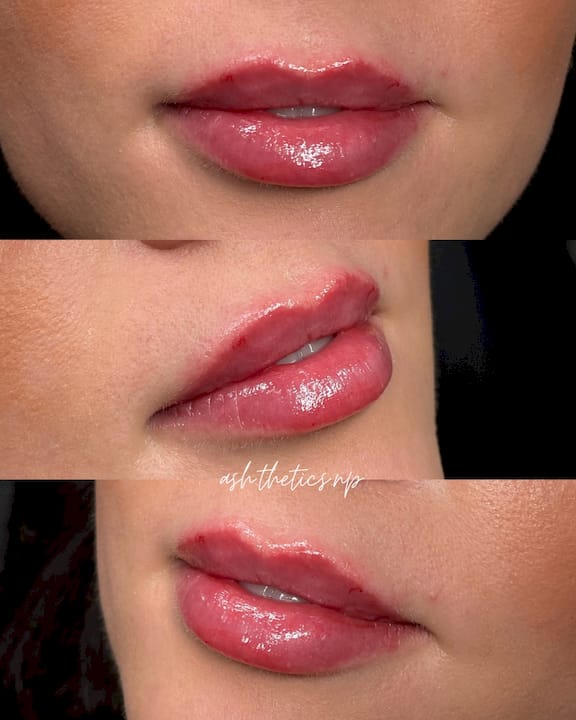
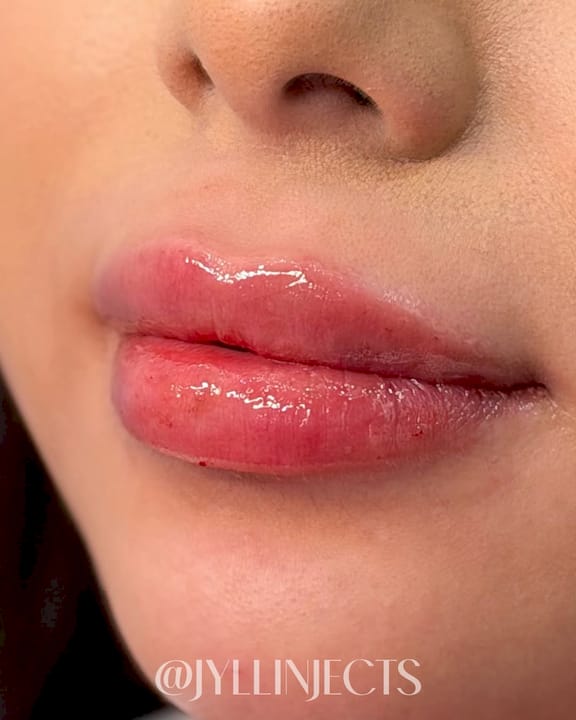
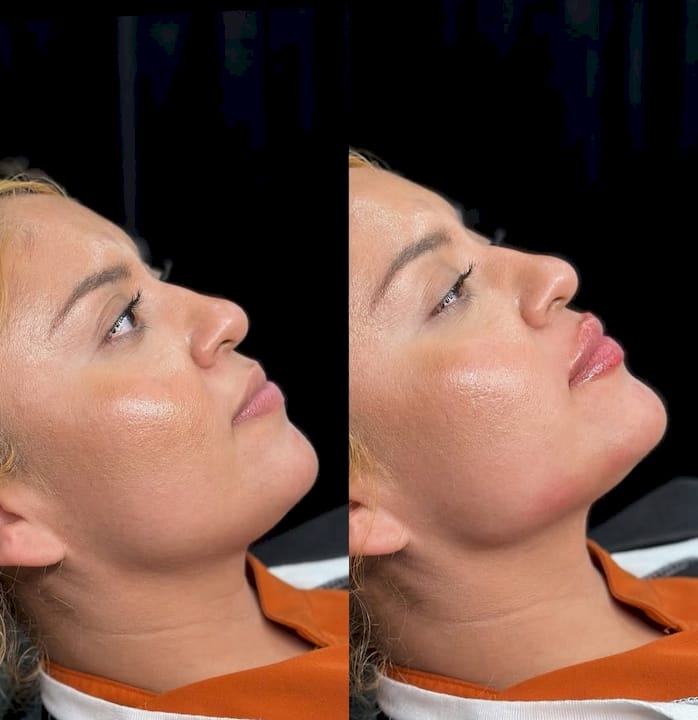
Restylane Lyft is defined as an FDA-approved injectable hyaluronic acid gel formulated at 20 mg/mL with 0.3% lidocaine, designed to restore volume in the midface, cheeks, nasolabial folds, chin, and hands. If you are between 30 and 55 and noticing flatter cheeks, deeper smile lines, or a face that looks more tired than it used to, Restylane Lyft is one of the most clinically validated tools available to address those changes. This guide covers what it is, how it works, what to expect during and after treatment, how long results last, and how it compares to other fillers on the market.
What is restylane lyft and how does it work?
Restylane Lyft works by injecting a stabilized hyaluronic acid gel deep into facial tissue to physically restore lost volume. Hyaluronic acid is a sugar molecule your body produces naturally. It holds water and gives skin its plump, supported appearance. As you age, your body produces less of it, and the structural fat pads in your face begin to shrink and shift downward.
The gel in Restylane Lyft is manufactured using NASHA technology, which stands for Non-Animal Stabilized Hyaluronic Acid. This process cross-links the HA molecules to make them more durable and resistant to breakdown. The result is a denser gel consistency than softer fillers like Restylane Silk or Restylane Refyne. That density is what gives Lyft its structural lift capability.
Key formulation facts worth knowing:
-
Hyaluronic acid concentration: 20 mg/mL
-
Lidocaine content: 0.3%, which reduces discomfort during injection
-
Particle size: Larger than most other Restylane products, designed for deep placement
-
G-prime (firmness): High, meaning the gel resists deformation and holds its shape after injection
-
Hydrophilic nature: The gel draws in moisture after injection, contributing to initial swelling before settling
The high G-prime is what separates Lyft from softer fillers. It stays exactly where injected, which enables precise cheekbone definition. That same firmness also means placement must be accurate. There is less room for error compared to softer, more forgiving formulas.
Pro Tip: Ask your injector specifically about their experience placing high-G-prime fillers in the midface. The technique required is different from lip or under-eye filler work, and the skill gap matters.
What areas can restylane lyft treat?
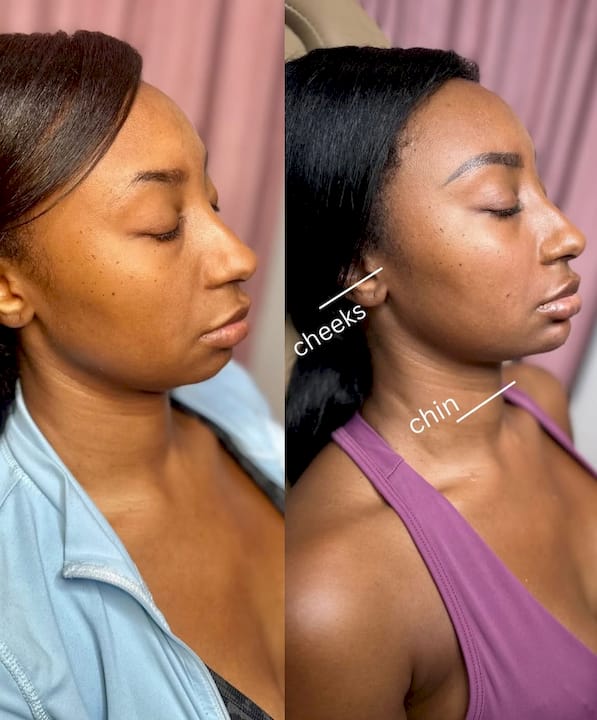
Restylane Lyft is FDA-approved for four distinct areas: cheek augmentation, moderate to severe facial folds and wrinkles (including nasolabial folds), chin retrusion correction, and dorsal hand volume restoration. Each of these areas benefits from the filler’s structural density.
Here is a breakdown of the primary treatment zones and what Lyft addresses in each:
| Treatment Area | What Restylane Lyft Corrects |
|---|---|
| Cheeks and midface | Flat or sunken cheeks, loss of cheekbone definition |
| Nasolabial folds | Deep smile lines running from nose to mouth corners |
| Chin | Mild to moderate chin retrusion, weak chin projection |
| Dorsal hands | Volume loss that makes tendons and veins more prominent |
Beyond these approved areas, experienced injectors also use Restylane Lyft off-label in the temples and along the jawline. Both areas experience significant volume loss with age, and Lyft’s firmness makes it well-suited for structural support in those zones. You can explore how it compares to other options in this cheek filler guide from Theinjectionroom.
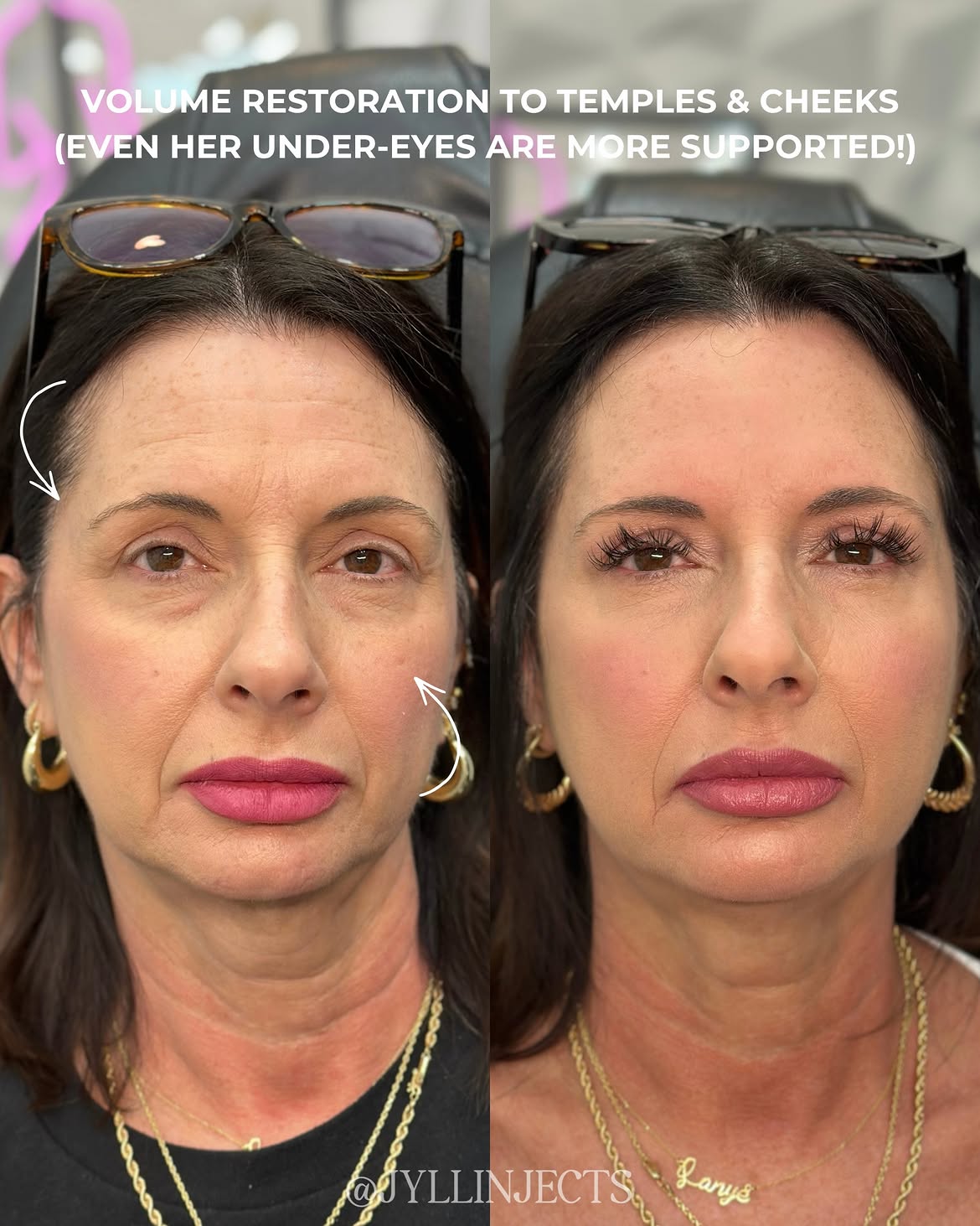
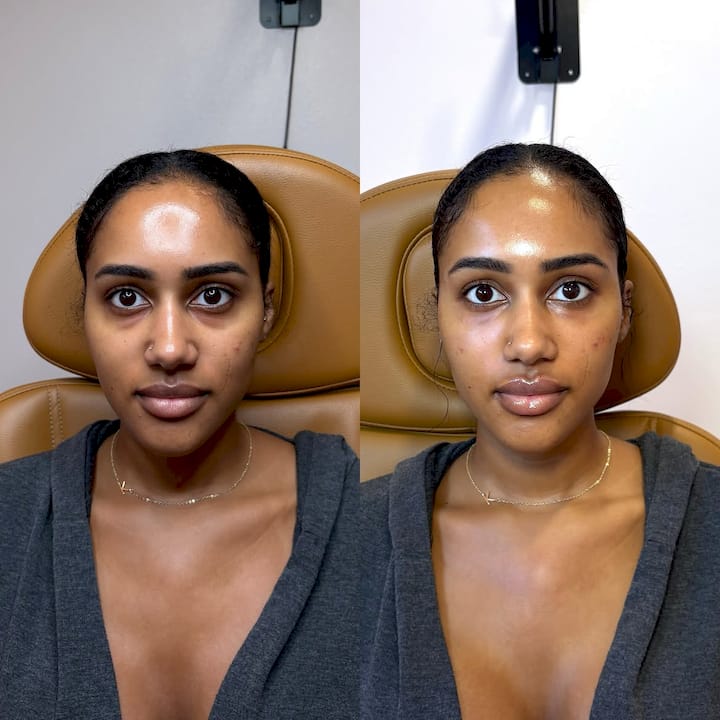
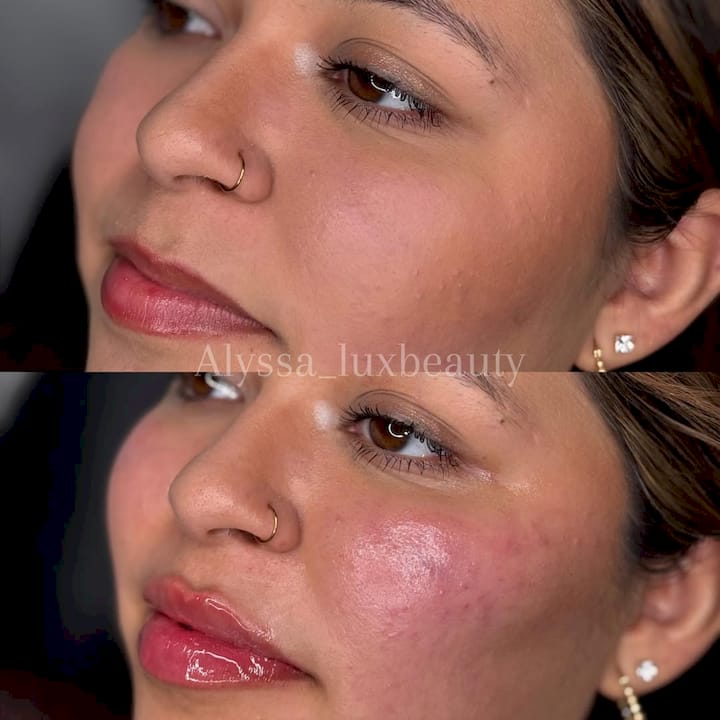
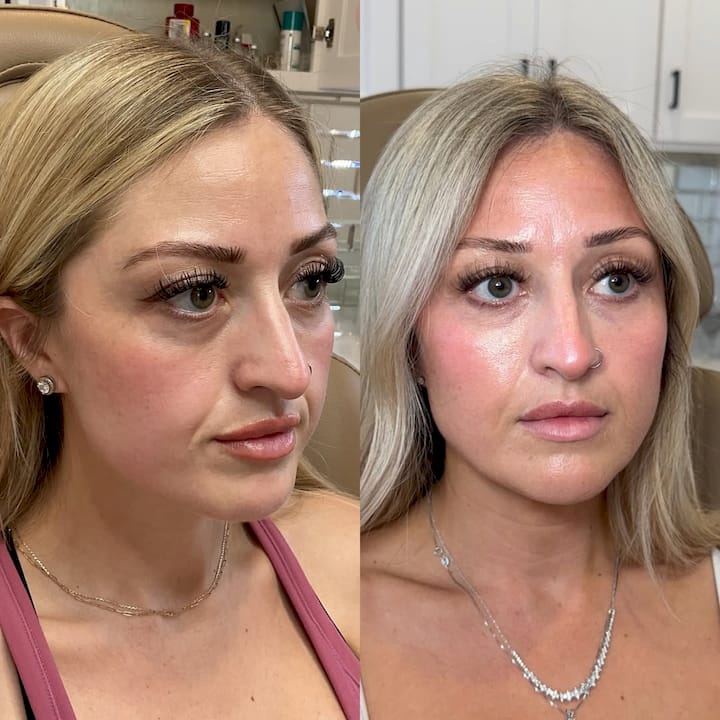
The cheek and midface application is where Lyft earns its reputation as a workhorse filler. Restoring volume here lifts the entire middle third of the face, which can soften nasolabial folds and reduce under-eye hollowing without touching those areas directly.
What happens during a restylane lyft treatment?
A Restylane Lyft session typically runs 30–60 minutes from start to finish. The process is straightforward, but the technique involved is more demanding than many patients realize.
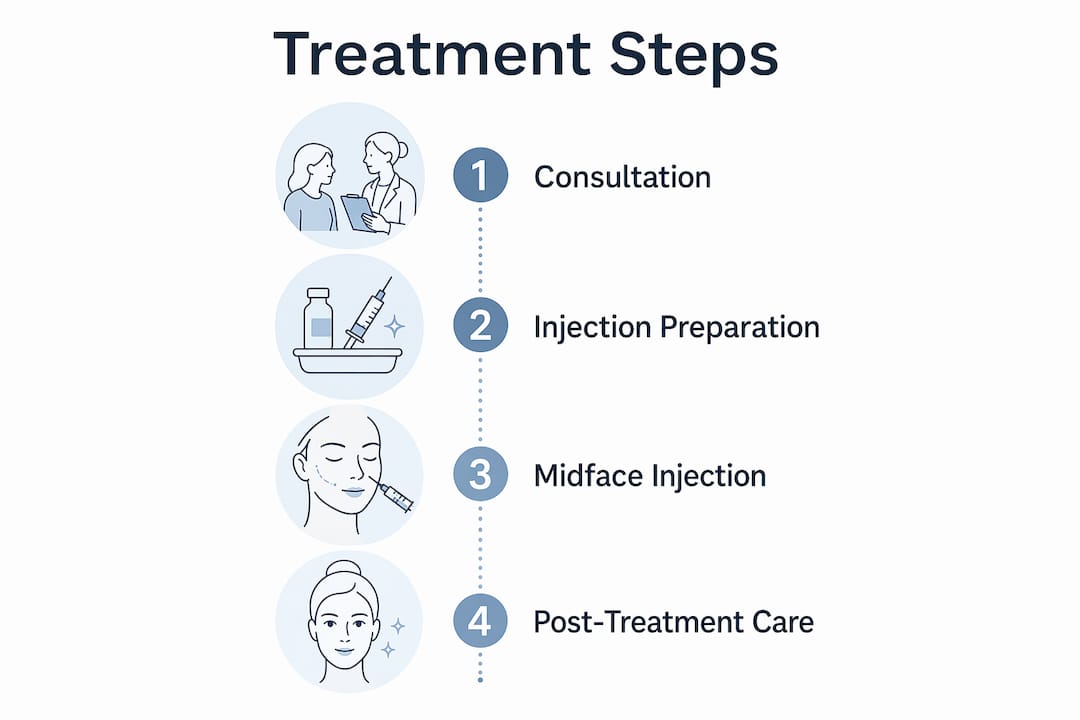
Here is what a standard treatment looks like step by step:
-
Consultation and mapping. Your injector assesses your facial anatomy, identifies volume deficits, and marks injection points. This step determines whether a needle or cannula is used.
-
Topical numbing. A topical anesthetic is applied to the skin for 15–20 minutes before injection. The 0.3% lidocaine in the formula itself also reduces discomfort during the procedure.
-
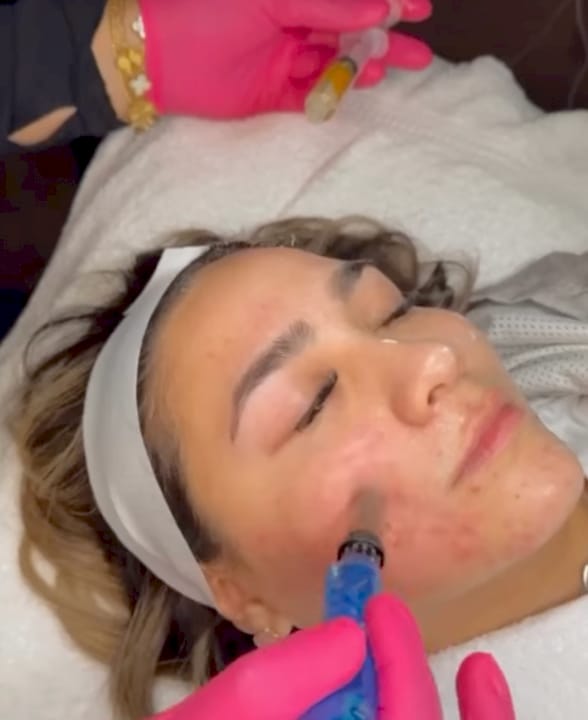
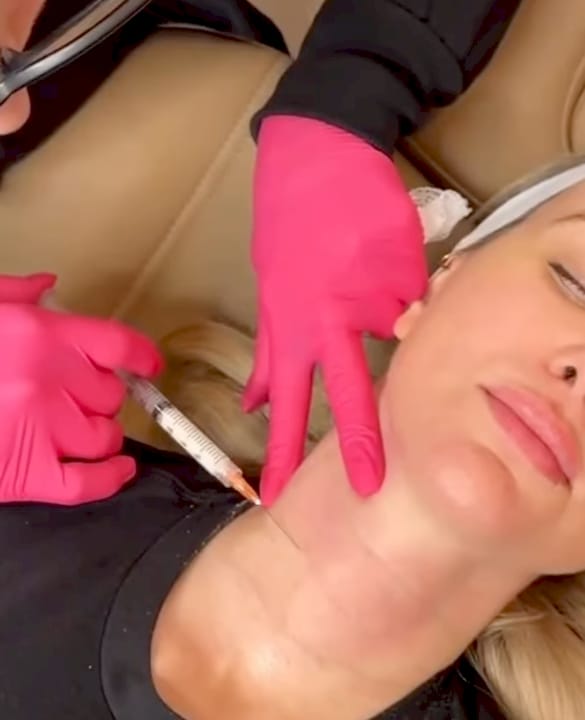
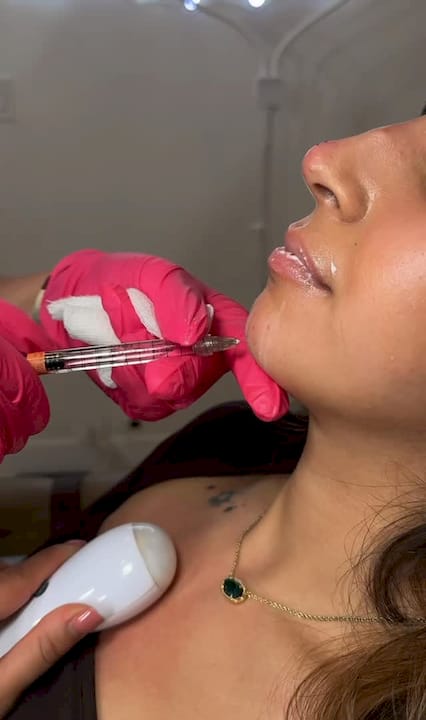
Injection. Lyft is placed in the deep dermis to supraperiosteal plane, meaning close to or directly above the bone. This depth is what creates structural lift rather than surface-level filling.
-
Massage and assessment. The injector shapes the product and checks symmetry before you leave.
-
Aftercare instructions. You receive guidance on avoiding pressure, heat, and strenuous activity for 24–48 hours.
Common side effects after treatment include swelling, redness, and mild bruising at injection sites. These typically resolve within 24–48 hours. The hydrophilic nature of the gel means it draws moisture into the treated area, so the face may look slightly larger than the intended final result for the first week or two. Final results settle at approximately two weeks post-treatment.
Pro Tip: Do not judge your results in the first 48 hours. The swelling phase is real, and patients who panic during this window sometimes request unnecessary corrections. Wait the full two weeks before evaluating.
For more on managing post-treatment swelling, Theinjectionroom has a practical guide on reducing swelling after fillers that covers the most effective aftercare steps.
How long does restylane lyft last?
Clinical studies show that Restylane Lyft results for midface projection last up to 12 months, with 89% of patients showing noticeable improvement. Hand rejuvenation results typically last 6–9 months. That difference matters when you are planning your treatment budget and scheduling.
| Treatment Area | Average Duration |
|---|---|
| Cheeks and midface | 9–12 months |
| Nasolabial folds | 6–12 months |
| Chin | 9–12 months |
| Dorsal hands | 6–9 months |
Several factors influence how long your results last:
-
Metabolism. Faster metabolisms break down HA gel more quickly.
-
Treatment area. High-movement areas like the hands see faster breakdown than the relatively static midface.
-
Volume injected. Larger correction volumes tend to last longer than minimal touch-ups.
-
Lifestyle. Sun exposure, smoking, and high-intensity exercise can accelerate breakdown.
Most patients schedule a maintenance appointment at the 9-month mark to top off volume before it fully dissipates. Treating before complete resorption means you need less product each time, which keeps costs lower over the long term. For context on how Restylane filler longevity compares across product lines, this overview of Restylane filler types is worth reading before your consultation.
Restylane lyft vs. other dermal fillers: what makes it different?
Restylane Lyft is the structural filler in the Restylane family. Its larger particle size and denser gel make it ideal for deep volume restoration in patients aged 30–55 with age-related midface volume loss. Softer Restylane products like Restylane Defyne or Restylane Kysse are designed for surface-level wrinkles and lips, where flexibility matters more than firmness.
Here is how Restylane Lyft compares to other common filler options:
| Filler | Best For | Firmness | Typical Duration |
|---|---|---|---|
| Restylane Lyft | Cheeks, midface, hands | High | 9–12 months |
| Restylane Defyne | Nasolabial folds, chin | Medium | 9–12 months |
| Restylane Kysse | Lips | Low | 6–9 months |
| Juvederm Voluma | Cheeks, midface | High | 12–18 months |
Juvederm Voluma is the most direct competitor to Lyft for cheek augmentation. Voluma uses Vycross technology and tends to last longer, but some injectors prefer Lyft for patients who want more precise structural definition rather than a softer, rounder lift. The choice between them often comes down to your anatomy and your injector’s preference.
One significant advantage Restylane Lyft shares with all hyaluronic acid fillers is reversibility with hyaluronidase. Hyaluronidase is an enzyme that dissolves HA gel quickly if a result is unsatisfactory or if a complication occurs. This is a genuine safety advantage over non-HA fillers like Sculptra or Radiesse, which cannot be dissolved.
“Expert use of Lyft restores youthfulness by replacing lost bone and fat volume, not adding unnatural volume.” Cosmetic Injectables
The concern most patients voice is looking “done” or overfilled. That outcome is almost always a technique problem, not a product problem. Lyft placed correctly in the right anatomical plane creates results that look like a well-rested, younger version of you. For more on achieving subtle outcomes, Theinjectionroom’s guide to natural-looking fillers explains exactly what separates a skilled injector from an average one.
Key takeaways
Restylane Lyft is the most clinically validated structural filler for midface volume loss, with 89% patient improvement rates and results lasting up to 12 months in the cheeks.
| Point | Details |
|---|---|
| FDA-approved structural filler | Restylane Lyft is approved for cheeks, nasolabial folds, chin, and hands in patients over 21. |
| High-G-prime formulation | Its dense gel holds shape after injection, making it ideal for cheekbone definition and deep volume restoration. |
| Results last 9–12 months | Midface results last up to 12 months; hand rejuvenation lasts 6–9 months before a touch-up is needed. |
| Reversible with hyaluronidase | Unlike non-HA fillers, Restylane Lyft can be dissolved quickly if results are unsatisfactory. |
| Injector skill is critical | High firmness means precise placement is required; choose an experienced provider to avoid overfilled outcomes. |
What i have learned after seeing hundreds of lyft treatments
Restylane Lyft is genuinely one of the most effective tools in aesthetic medicine for patients in their 30s, 40s, and 50s. But I want to be direct about something most articles skip: the filler does not do the work. The injector does.
I have seen patients come in after getting Lyft elsewhere, unhappy with results that looked stiff or unnatural. In almost every case, the product was placed too superficially or in the wrong anatomical plane. Lyft’s high G-prime is a feature, not a flaw. It means the gel stays put. If it is placed incorrectly, it stays put incorrectly.
The patients who get the best results are the ones who ask hard questions before treatment. Where exactly will you place the product? What injection depth? Will you use a needle or a cannula for this area? A provider who answers those questions confidently and specifically is one worth trusting.
The reversibility factor also matters more than people give it credit for. Knowing that hyaluronidase can dissolve the product if something goes wrong removes a significant psychological barrier for first-time filler patients. It is not a guarantee of perfection, but it is a real safety net.
My honest recommendation: do not choose a provider based on price. Restylane Lyft cost varies widely, and the cheapest option rarely reflects the skill level required to place a high-G-prime filler correctly. Invest in the injector first. The product is the easy part.
— Marina
Ready to explore restylane lyft in austin or san antonio?
Theinjectionroom offers dermal filler treatments in both Austin and San Antonio, Texas, with experienced injectors who specialize in structural volume restoration and natural-looking outcomes. Whether you are considering Restylane Lyft for cheek augmentation, nasolabial fold correction, or hand rejuvenation, the team at Theinjectionroom can assess your anatomy and recommend the right approach. Filler treatments are often combined with neurotoxin services in San Antonio for a complete facial refresh. Book a consultation to discuss your goals and get a personalized treatment plan.
FAQ
What is restylane lyft used for?
Restylane Lyft is used for cheek augmentation, correction of moderate to severe nasolabial folds, chin retrusion, and dorsal hand volume restoration in adults over 21. It is specifically designed for deep structural volume, not surface-level fine lines.
How long does restylane lyft last in the cheeks?
Clinical studies show midface results last up to 12 months, with 89% of patients showing noticeable improvement at that mark. Most patients schedule a maintenance appointment around 9 months to preserve volume before full resorption.
What are the most common restylane lyft side effects?
The most common side effects are swelling, redness, and mild bruising at injection sites, which typically resolve within 24–48 hours. The filler’s hydrophilic nature causes initial swelling that settles to the final result at approximately two weeks.
Is restylane lyft safe and reversible?
Restylane Lyft is FDA-approved and reversible with hyaluronidase enzyme, which dissolves the gel quickly if results are unwanted or a complication occurs. This reversibility makes it one of the safer structural filler options available.
How much does restylane lyft cost?
Restylane Lyft cost varies by provider, geographic location, and the number of syringes used. Pricing typically ranges by syringe, and cheek augmentation often requires 1–2 syringes per side. A consultation with a qualified injector is the most accurate way to get a personalized cost estimate.

%20Pictures%20are%204%20weeks%20apart..jpg)