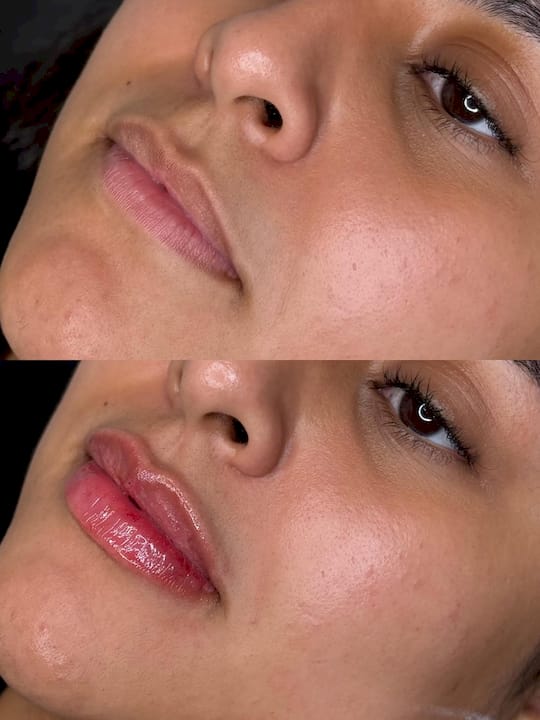
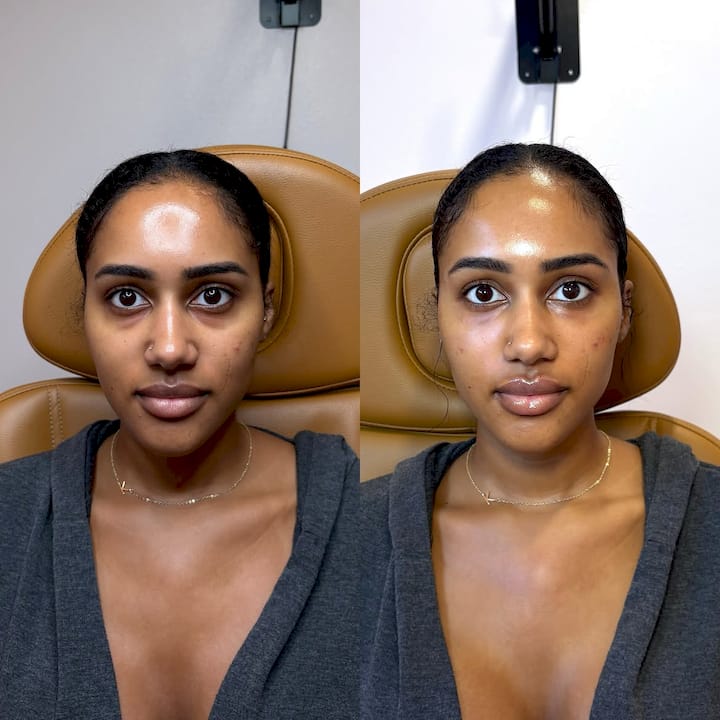
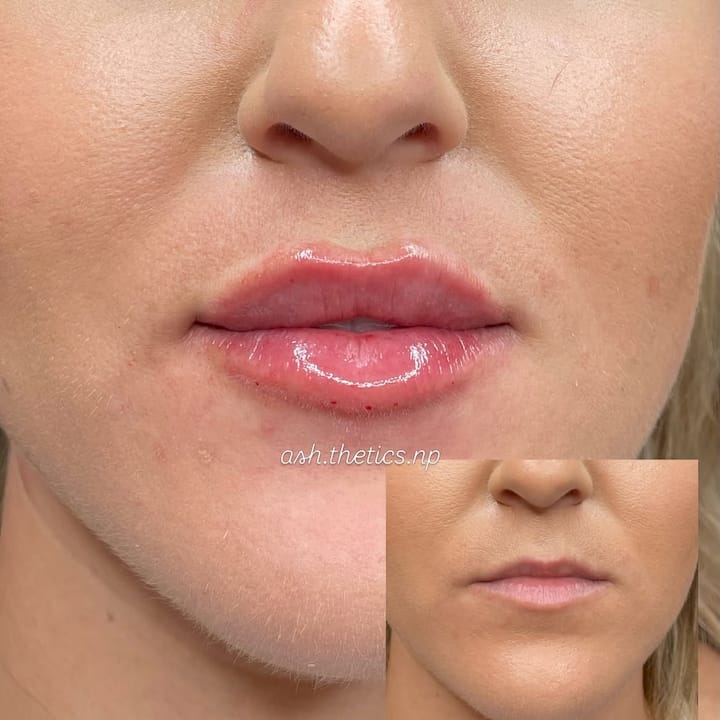
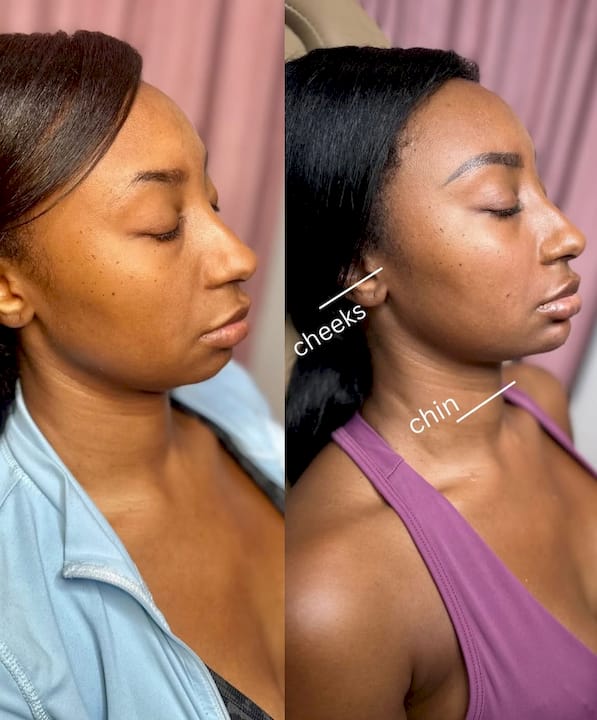
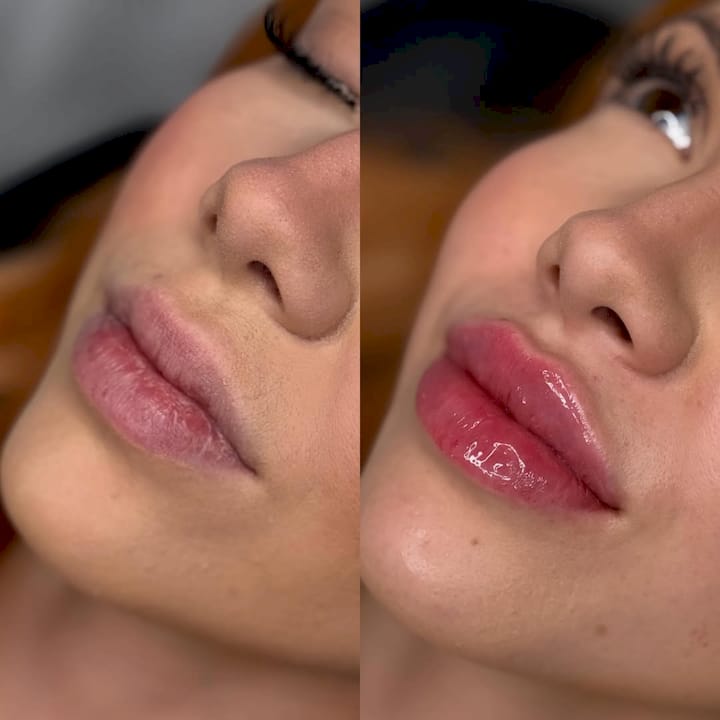
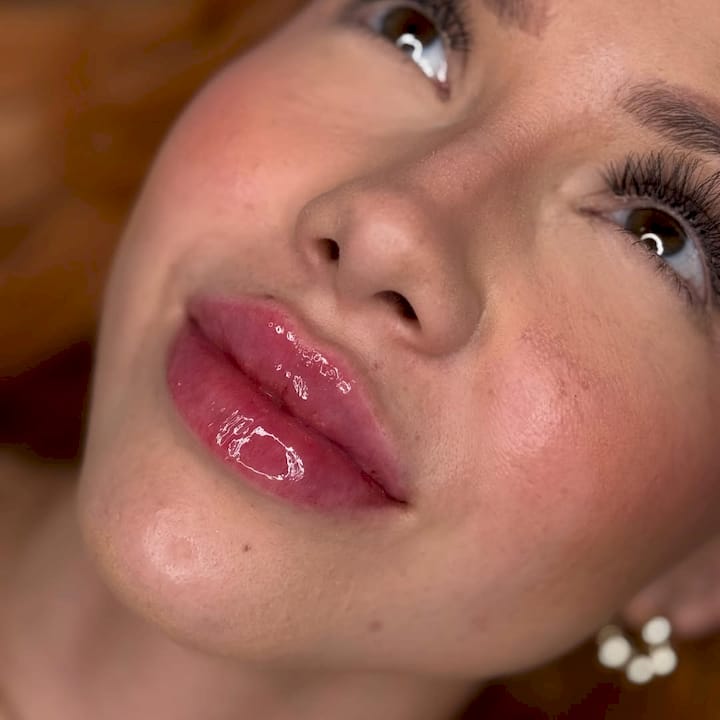
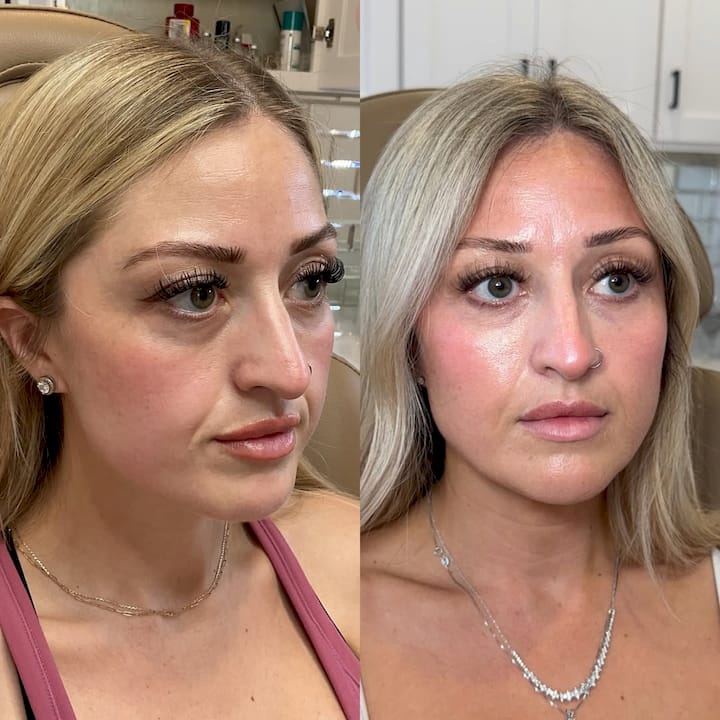
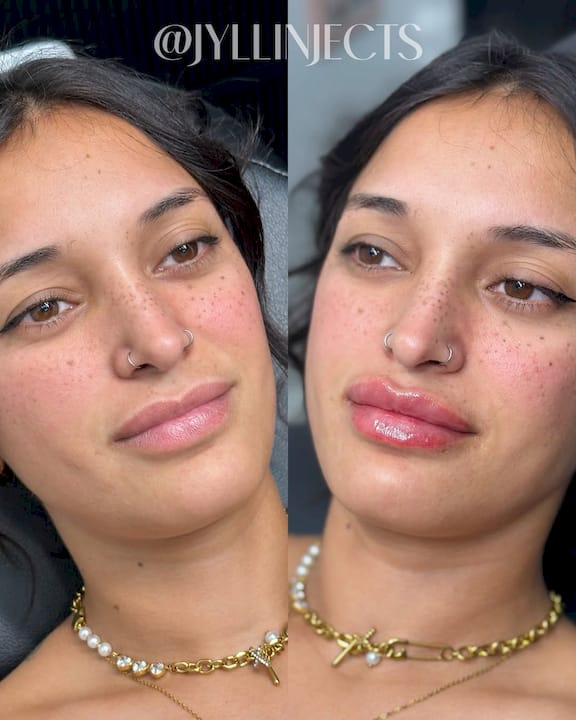
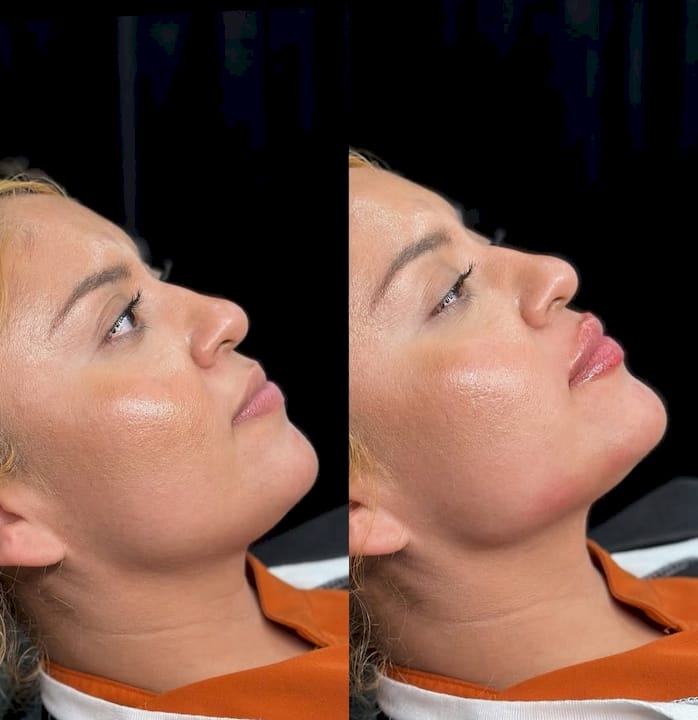
Fuller, more defined lips are one of the most requested aesthetic goals among women in Austin and San Antonio right now. But not everyone wants to sit in a treatment chair and walk out with syringes involved. The good news is that science-backed topical products, precise makeup techniques, and consistent skincare routines can genuinely move the needle on lip volume and definition. This guide covers every practical strategy, what ingredients to trust, which tools to stock, and how to set realistic expectations so you get results you’ll actually love.
Table of Contents
Key Takeaways
| Point | Details |
|---|---|
| Safe plumping starts with prep | Choose ingredients carefully, and always patch test to avoid irritation. |
| Makeup transforms lip fullness | Using cloud lips and micro-liner techniques can deliver dramatic visual volume without risk. |
| Hydration is essential | Regular moisturizing and barrier repair makes lips look smoother and naturally plumper. |
| Expect temporary volume | Non-surgical methods create short-term enhancement; true permanent results require fillers. |
| Local services offer expert help | Professional treatments in Austin and San Antonio can complement at-home strategies for lasting results. |
What you need for plump lips without fillers
Before you start layering products or experimenting with liner angles, you need to understand the tools and ingredients available to you. Not every “plumping” product works the same way, and knowing the difference saves you money and prevents unnecessary irritation.
Understanding ingredient types
Lip plumping products generally rely on one of three mechanisms. Vasodilators (ingredients like capsaicin, ginger, and cinnamon) increase blood flow to the lip tissue, creating a subtle swell and a rosy flush. Humectants (like hyaluronic acid and glycerin) draw moisture into the skin, making lips look smoother and more cushioned. Occlusives (like petrolatum, beeswax, and shea butter) lock that moisture in and prevent evaporation. Topical lip plumpers create a temporarily fuller look through blood flow or moisture-binding components, and many good formulas combine two or three of these mechanisms for better results.
Choosing the right formula for your lips
If your lips tend to be reactive or dry, vasodilator-heavy formulas may feel uncomfortably tingly or even burn. Sensitive lips may react with irritation to vasodilatory plumpers, which is why patch testing matters every single time you try something new. Apply a small amount inside your lower lip and wait 15 minutes before committing to full application.
For broader guidance on which approaches are safest for different skin types, safe lip plumping methods are worth exploring before you buy. You can also get a solid primer on how these products behave day-to-day through lip plumper basics.
Essential tools and supporting products
| Tool/Product | Purpose | Best For |
|---|---|---|
| Lip liner | Define and extend shape | Overlining, cloud lip technique |
| Hydrating lip balm | Base moisture layer | Prepping lips before plumper |
| Plumping gloss | Temporary volume boost | Quick enhancement |
| Lip brush | Precise product application | Micro-lining, blending |
| Peptide lip treatment | Long-term hydration and support | Overnight routines |
Here is a quick checklist of what to have on hand before you start:
-
A creamy, well-pigmented lip liner that matches your natural lip tone or goes one shade deeper
-
A clear or lightly tinted plumping gloss with hyaluronic acid or peptides
-
A rich occlusive balm for nighttime barrier support
-
A fine lip brush for precision work
-
Gentle exfoliating lip scrub for use once or twice a week
Pro Tip: Always patch test new lip plumping products inside your lower lip or on the inner wrist before applying them fully. Vasodilator formulas in particular can cause unexpected reactions, especially if your lips are chapped or broken.
Step-by-step makeup techniques for fuller lips
Once you have your tools and products, it’s time to apply proven makeup techniques for a fuller-looking pout. The right technique can make just as much visual difference as any product, and in some cases more.
Makeup-based methods can make lips look fuller without adding any physical volume. That means zero downtime, no tingling, and results you can adjust or remove whenever you want.
The cloud lip method
The cloud lip (also called “blurred lip”) technique focuses on softening and slightly extending the lip border in all directions for a naturally plump, almost three-dimensional look. Here’s how to do it:
-
Start with clean, moisturized lips. Apply a thin layer of hydrating balm and blot gently.
-
Choose a lip liner that matches your natural lip color or is one shade deeper. Avoid anything too dark or sharply contrasting.
-
Line just outside your natural lip line, concentrating extra definition on the cupid’s bow and the center of the lower lip.
-
Use a small brush or your fingertip to lightly blur the outer edge of the liner upward and outward.
-
Fill in your lips fully with the liner to create a base.
-
Apply a matte or satin lipstick in a nude or pink that suits your skin tone, pressing it into the liner base.
-
Add a small dot of highlighter or a lighter shade of gloss to the center of both lips. This catches light and creates the illusion of dimension.
Classic overlining and micro-lining
Classic overlining follows the same principle but stays more precise. You line just outside your natural border without blurring, creating a clean, defined edge. Micro-lining is an even subtler version where you only extend in the most strategic spots: the peaks of the cupid’s bow and the very center of the lower lip. These targeted additions create the illusion of a naturally fuller shape without looking overdone.
For more detailed guidance on lining lips for fullness using both techniques, step-by-step visual examples can be very helpful.
Color and formula choices that maximize fullness
Medium nudes and warm pinks consistently read as fuller than very dark or very light shades. Matte formulas flatten the lip surface, which paradoxically makes them look more substantial in shape, while glossy finishes add reflective plumpness. Layering a small amount of clear gloss over a matte base gives you the benefits of both. Avoid matte formulas alone if your lips are thin on hydration, as they can emphasize fine lines.
“Cloud lips and micro-lining can transform lip shape naturally, but precision matters.”
Pro Tip: Avoid harsh, visible overlining. If someone can clearly see that your liner extends beyond your real lip edge, the effect reads as “drawn on” rather than naturally full. Natural gradients and blurred edges always look more convincing and more youthful.
You can also explore makeup methods for fuller lips beyond the basics covered here, and if you eventually want to compare these results against more lasting approaches, checking out permanent lip enhancement options gives helpful context.
Hydrating and barrier-repair routines for healthier, plumper lips
Beyond makeup, supporting your lips’ health with routine hydration is crucial for sustained fullness and comfort. Dehydrated lips look thin, creased, and flat no matter how much product you layer on top.
Why barrier health matters for lip volume
The lip barrier is thinner and more fragile than the rest of your facial skin. It has no oil glands, which means it relies entirely on what you apply and on the moisture already held in the tissue. At-home skin barrier support through hydration and occlusion can make lips appear smoother and less deflated, which translates directly into a plumper visual effect. This is not a temporary fix: consistent routine care builds on itself over weeks and months.
The best ingredients for hydration and barrier repair
-
Hyaluronic acid: Draws water into lip tissue, temporarily increasing volume and smoothness
-
Glycerin: A powerful humectant that keeps moisture levels stable throughout the day
-
Shea butter: Rich in fatty acids, excellent for sealing moisture and softening the lip surface
-
Ceramides: Support the lipid barrier and help lips retain moisture longer
-
Petrolatum: The gold standard occlusive, clinically proven to prevent transepidermal water loss
-
Peptides: Signal the skin to support collagen structure; peptide lip treatments may show measurable improvements in lip volume and hydration over time
| Ingredient | Type | Best Used | Result Timeline |
|---|---|---|---|
| Hyaluronic acid | Humectant | Day and night | Immediate to 2 weeks |
| Glycerin | Humectant | Day and night | Immediate |
| Shea butter | Occlusive/emollient | Night preferred | 1 to 4 weeks |
| Petrolatum | Occlusive | Night preferred | Immediate barrier effect |
| Peptides | Active | Night preferred | 4 to 8 weeks |
| Ceramides | Barrier repair | Day and night | 2 to 6 weeks |
A practical nighttime routine
Apply a thin layer of a peptide or hyaluronic acid serum or treatment to clean lips. Let it absorb for 60 seconds. Then seal it with a generous layer of petrolatum-based balm or thick shea butter formula. This “sandwich” approach (active hydrator under an occlusive) keeps moisture from evaporating overnight while the actives do their work. You can also explore the benefits of organic plumper benefits for natural formula alternatives.
During the day, reapply a lightweight hyaluronic acid balm every two to three hours, especially in Austin or San Antonio’s hot, dry conditions, which accelerate moisture loss from the lips. Always apply before sun exposure, as UV damage breaks down the lip’s collagen structure over time.
Pro Tip: Layer occlusives over active hydrating products, not the other way around. Applying petrolatum first and then hyaluronic acid on top actually blocks the humectant from pulling water into the tissue. Order matters.
For more on how to maintain these results and build toward permanent plumping routines, a consistent schedule is the most important variable.
Comparing non-surgical lip plumping methods: what to expect
Before choosing your routine, it helps to understand the relative pros and cons of each plumping method. Knowing what to realistically expect saves frustration and helps you invest your time and money wisely.
Non-surgical topical options generally have limited ability to permanently add volume compared with injectable approaches. That’s an honest fact worth understanding, not a reason to dismiss non-surgical methods entirely.

Realistic expectations by method
| Method | Speed of Results | Duration of Effect | Volume Change | Side Effect Risk |
|---|---|---|---|---|
| Vasodilator plumper | Minutes | 30 min to 2 hours | Subtle (5 to 15%) | Tingling, irritation |
| Hyaluronic acid gloss | Minutes | 1 to 4 hours | Moderate (10 to 25%) | Low |
| Peptide treatment | 4 to 8 weeks | Ongoing with use | Gradual (up to 40%) | Very low |
| Makeup techniques | Minutes | Hours | Visual only | None (product dependent) |
| Overnight barrier repair | 2 to 4 weeks | Ongoing with routine | Smoothness and shape | Very low |
Some peptide and hyaluronic acid formulas have been associated with up to 40% increased visible volume and hydration in clinical product testing, though results vary significantly by individual. Compare this against the cost and expectations of injectable options by reviewing lip enhancement options and understanding costs and expectations in the Texas market.
How to track your results and adjust
-
Take a well-lit photo of your lips in natural light before starting any new routine.
-
Repeat the photo at two weeks and four weeks using the same lighting and angle.
-
Note any irritation, dryness, or sensitivity in a simple notes app or journal.
-
If a vasodilator product causes persistent burning beyond 10 minutes, discontinue and switch to a peptide or hyaluronic acid formula.
-
Reassess your full routine every 30 days and adjust based on what the photos and your comfort level show.
For a side-by-side review of specific product categories, plumping product comparison resources can help narrow down what suits your lifestyle best.
What most guides miss about “no-fillers” lip plumping
Here’s what we see consistently in conversations with clients at The Injection Room: most people buy a plumping gloss, feel the tingle, and expect transformation. When the results are subtle, they conclude that non-surgical methods simply don’t work. That conclusion skips the most powerful tools entirely.
Optical techniques, meaning smart liner placement, light manipulation, and color strategy, often outperform topical plumpers for immediately visible and natural-looking fullness. A well-applied cloud lip can look more convincing than a plumping gloss on most people. Yet makeup gets dismissed as “just makeup” while products with bold marketing claims get all the credit.
The other underrated factor is consistency in barrier care. Lips that are consistently well-hydrated, protected overnight, and gently exfoliated weekly look structurally fuller and healthier. This is not a one-time fix. It’s the kind of sustainable lip plumping that compounds over months. A woman who builds a solid nighttime lip routine for six months often sees more cumulative improvement than someone who buys a new plumping product every week.
“The best results are rooted in consistency and safe ingredient choice, not shortcuts.”
Pro Tip: Invest in a $20 to $30 overnight peptide or barrier-repair lip mask used nightly before you spend $60 on an instant plumping gloss. The mask will deliver more meaningful improvement across a month of use. Save the gloss for the nights you want a quick visual boost.
The honest truth is that non-surgical and injectable methods serve different purposes. Non-surgical routines optimize what you have naturally. Injectable treatments change structural volume. Understanding that distinction helps you choose the right tool for your actual goal rather than chasing results that require a different approach.
Explore advanced lip enhancement without commitment
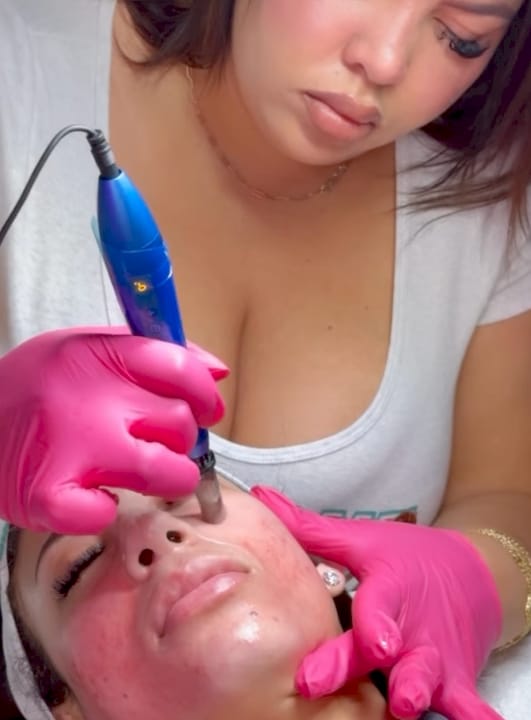
At-home strategies are a great starting point, but sometimes you want the reassurance of expert guidance tailored specifically to your facial structure and aesthetic goals. The Injection Room serves clients across Austin and San Antonio with a full range of non-surgical aesthetic services designed to complement, not replace, what you’re already doing at home. If you’ve maxed out your topical routine and want to explore professional options, San Antonio Botox options for the lip area can address fine lines around the mouth that no gloss can touch. For skin texture and barrier improvement around the lip area, microneedling for lip area stimulates collagen at a level that topical products simply cannot reach. Book a consultation and get a personalized plan built around your specific lips, your goals, and your comfort level.
Frequently asked questions
Are lip plumpers safe for sensitive lips?
Some lip plumpers can irritate sensitive lips, especially formulas with vasodilators like capsaicin or cinnamon. Look for sensitive lip-safe formulas and always patch test before full application.
How long do plumping gloss results last?
Temporary plumping effects from topical formulas typically last 30 minutes to a few hours, depending on the formula strength and whether you eat or drink after application.
Will hydration alone make lips look fuller?
Yes, consistently hydrated lips appear smoother, more cushioned, and less deflated, which reads as natural fullness even without any additional products.
Can any lip product permanently increase lip volume without fillers?
No topical product can create permanent structural volume. Topical options are limited in their ability to match the lasting augmentation that injectable fillers provide.
Which lip plumping ingredients are best for mature lips?
Hyaluronic acid, peptides, and ceramides are excellent choices because they support lip hydration and volume while being gentle enough for aging or more reactive lip tissue.

%20Pictures%20are%204%20weeks%20apart..jpg)