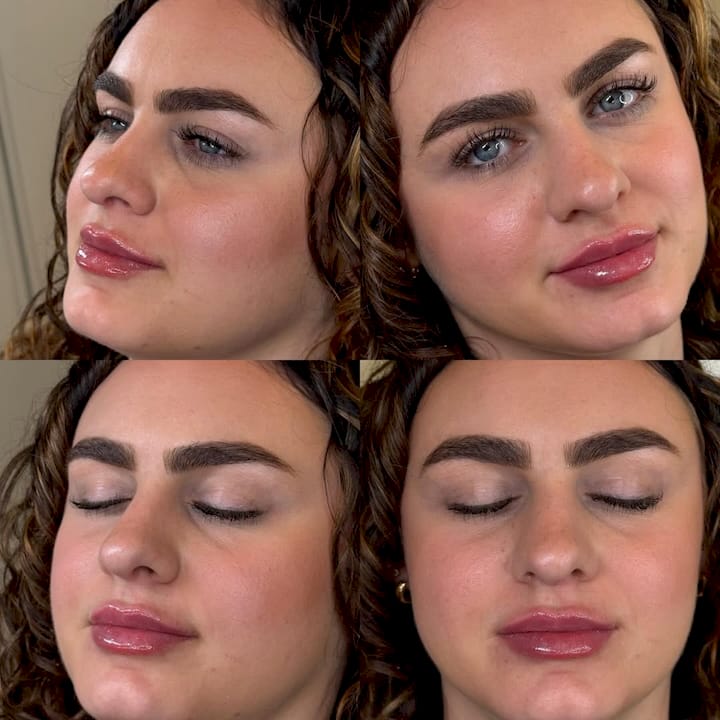
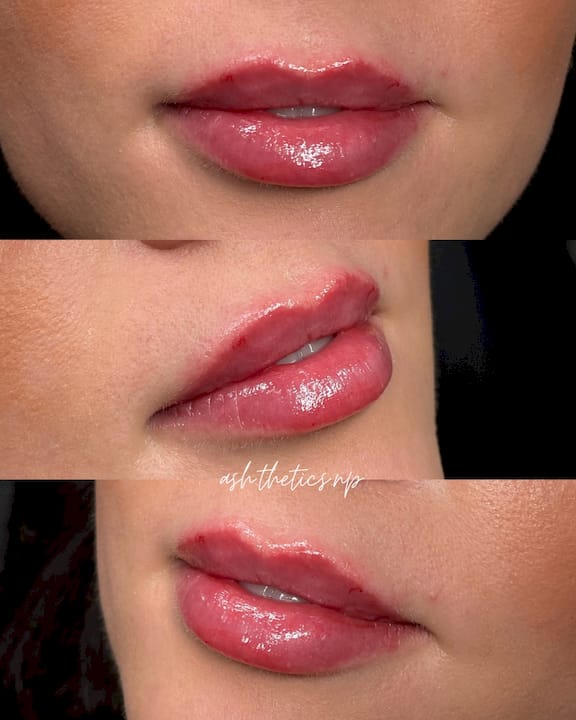
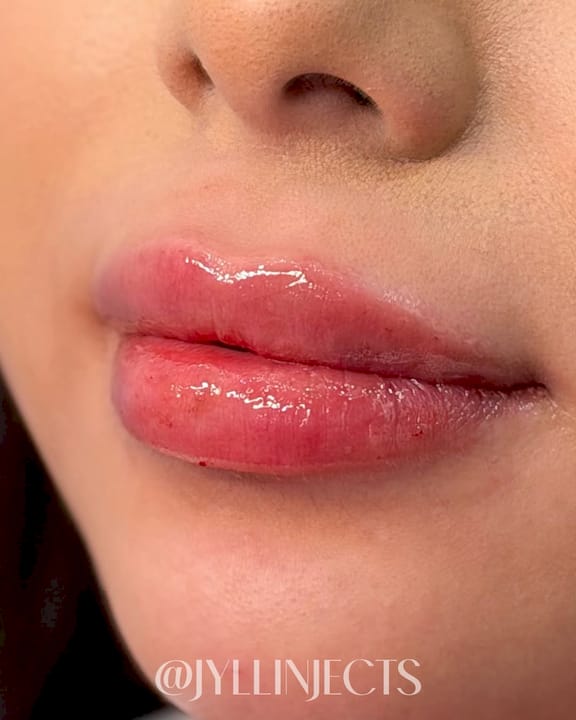
Smile lines, clinically known as nasolabial folds, are the creases that run from the sides of your nose to the corners of your mouth. Knowing what to do for smile lines means understanding that these folds are structural, not just surface wrinkles, and that the most effective approach combines daily skincare, volume restoration, and professional treatments. The goal is softening, not erasing. Natural expression is worth keeping. This guide covers every evidence-based option, from retinoids and oral supplements to dermal fillers and biostimulatory injectables, so you can make an informed choice.
What causes smile lines and why it matters for treatment
Smile lines form because of structural changes in the face, not just from smiling too much. That distinction changes everything about how you treat them.
Three primary factors drive nasolabial fold depth:
-
Midface volume loss. Fat pads in the cheek descend with age, pulling the skin downward and deepening the fold.
-
Bone resorption. The underlying facial skeleton gradually loses density, reducing the scaffold that holds soft tissue in place.
-
Skin laxity. Collagen and elastin production slow after your 30s, thinning the skin and reducing its ability to spring back.
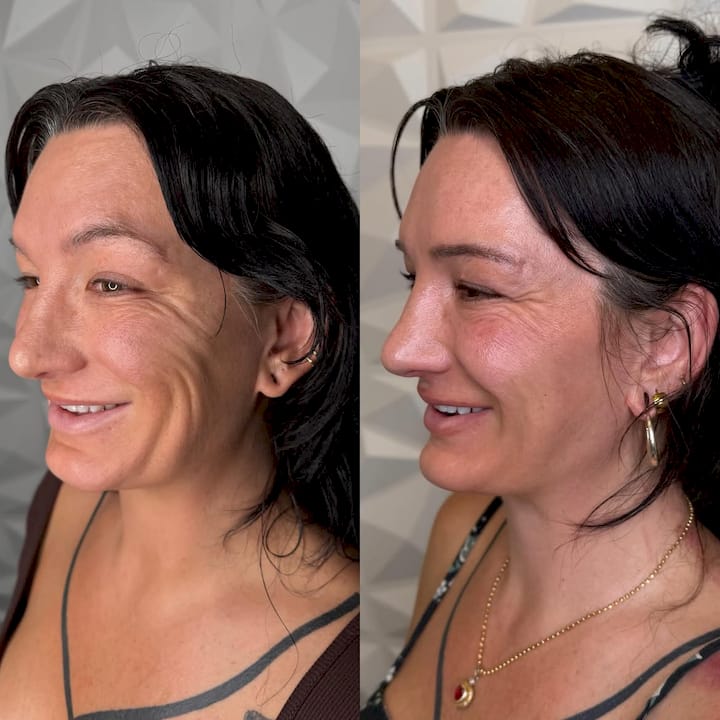
Dynamic lines appear only during movement, like smiling or laughing. Static lines stay visible at rest. By the time a fold is static and deep, topical products alone cannot lift it. That is why midface volume restoration before targeting the fold directly produces more natural, harmonious results than filling the line itself.
A common misconception is that facial exercises will reverse deep folds. Facial exercises and home massage lack rigorous evidence for reducing static nasolabial folds. Structural volume loss requires professional approaches. Understanding the cause of your specific fold guides you toward the right solution instead of wasting time and money on fixes that cannot reach the root problem.
Which skincare ingredients and supplements help with smile lines
Topical skincare cannot reverse deep folds, but it does slow their progression and improve overall skin quality. Consistency matters more than any single product.
The foundational ingredients for reducing smile line severity are:
-
Retinoids. Prescription tretinoin and over-the-counter retinol both stimulate collagen production and increase skin thickness. Retinoids are the most studied topical anti-aging ingredient available.
-
Vitamin C. A stable L-ascorbic acid serum protects existing collagen from oxidative damage and brightens the skin around the fold, making lines appear less pronounced.
-
Broad-spectrum SPF 30+. Daily sun protection is non-negotiable. UV exposure breaks down collagen faster than almost any other environmental factor. Retinoids and vitamin C with SPF 30+ form a foundational anti-aging routine that builds skin resilience over time.
Oral supplements offer a meaningful supporting role. Piceatannol taken for 8 weeks and Centella asiatica taken for 12 weeks both show statistically significant improvements in skin hydration and wrinkle severity. That means supplements can complement your topical routine, but they are not a replacement for professional treatment when folds are deep.
Pro Tip: Apply your retinoid at night and your vitamin C serum in the morning, followed by SPF. This pairing maximizes collagen support around the clock without ingredient conflict.
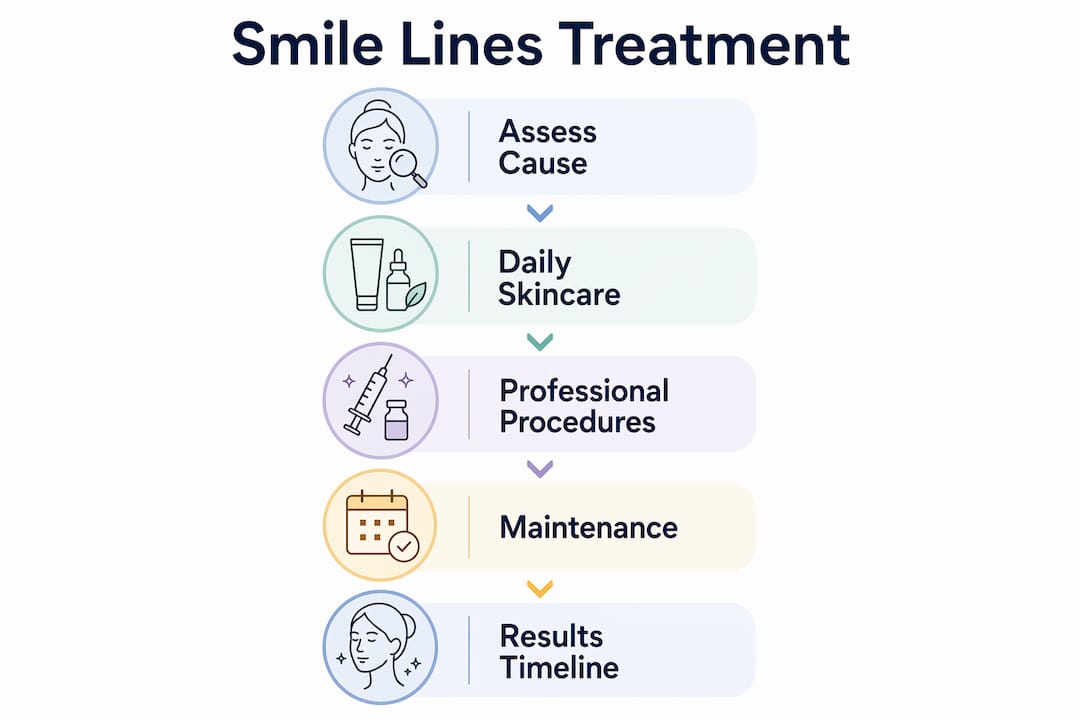
Consistent retinoid and vitamin C use with SPF forms what practitioners call a “pre-juvenation” baseline. It supports skin resilience and slows the rate at which folds deepen, making professional treatments more effective when you choose to add them. For a deeper look at topical treatment options, the combination approach consistently outperforms any single product.
What professional treatments get rid of smile lines?
Professional treatments address the structural causes that skincare cannot reach. The right procedure depends on the depth of your fold, your anatomy, and how long you want results to last.
Hyaluronic acid fillers
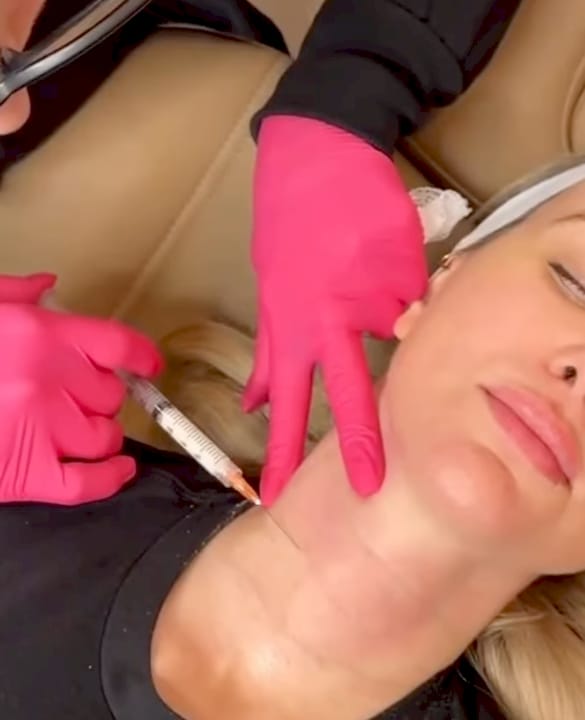
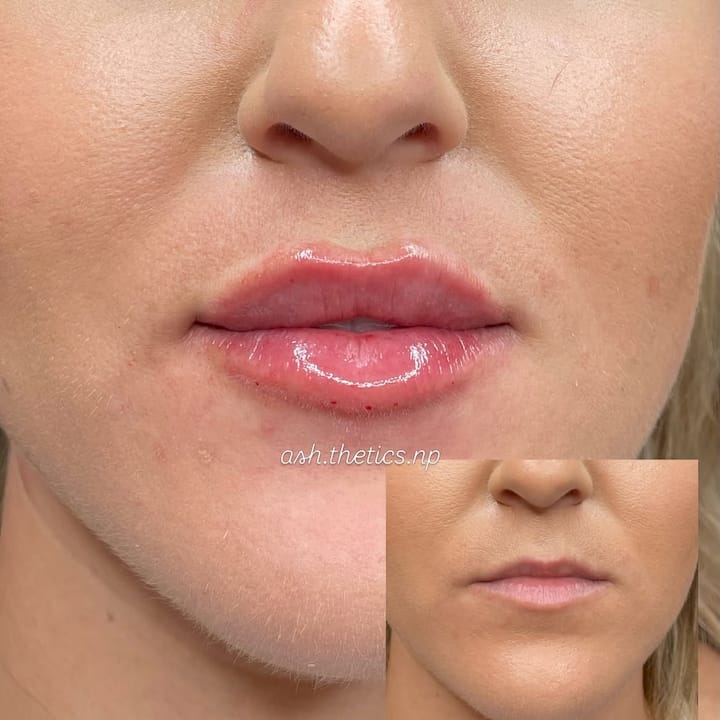
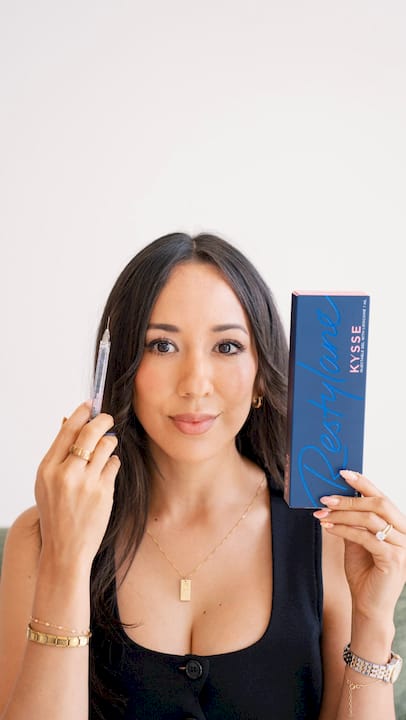
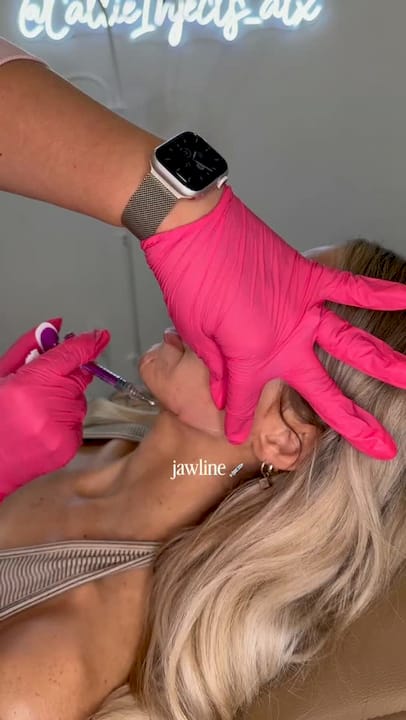
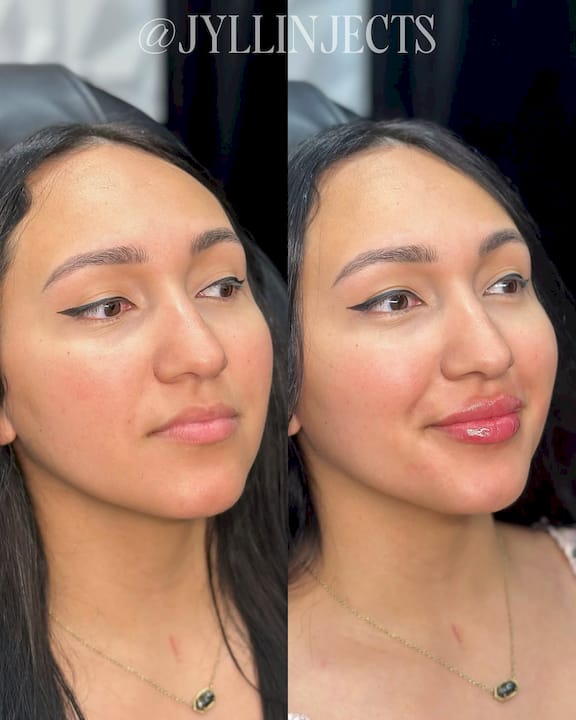
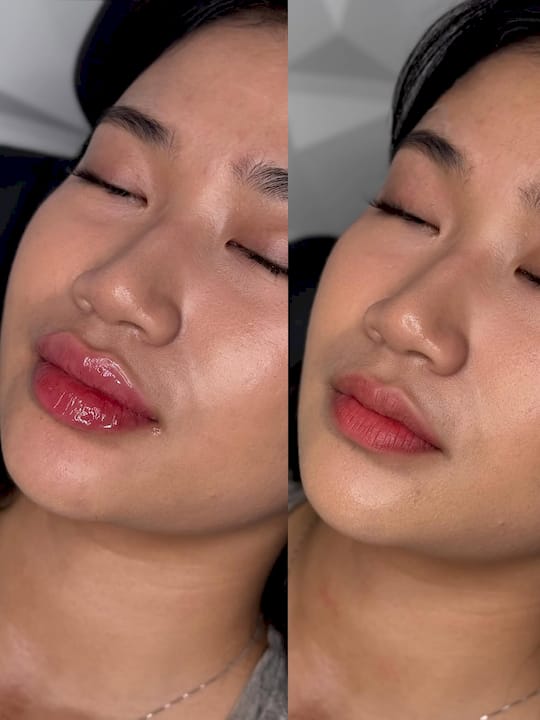
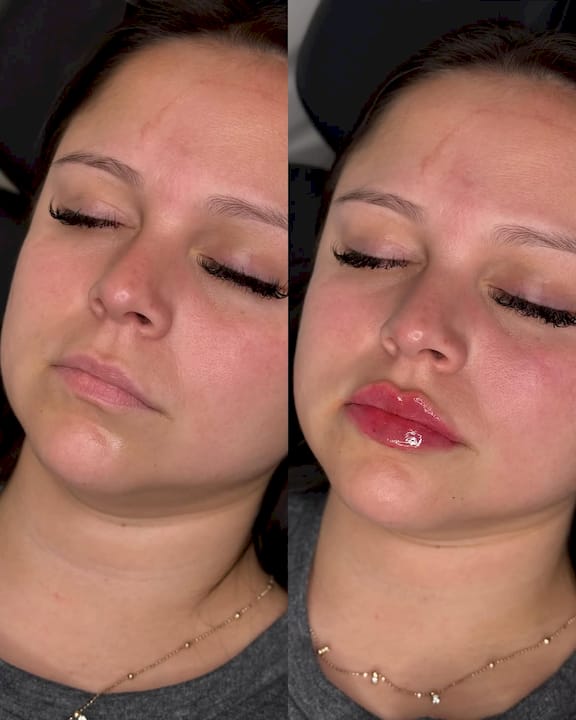
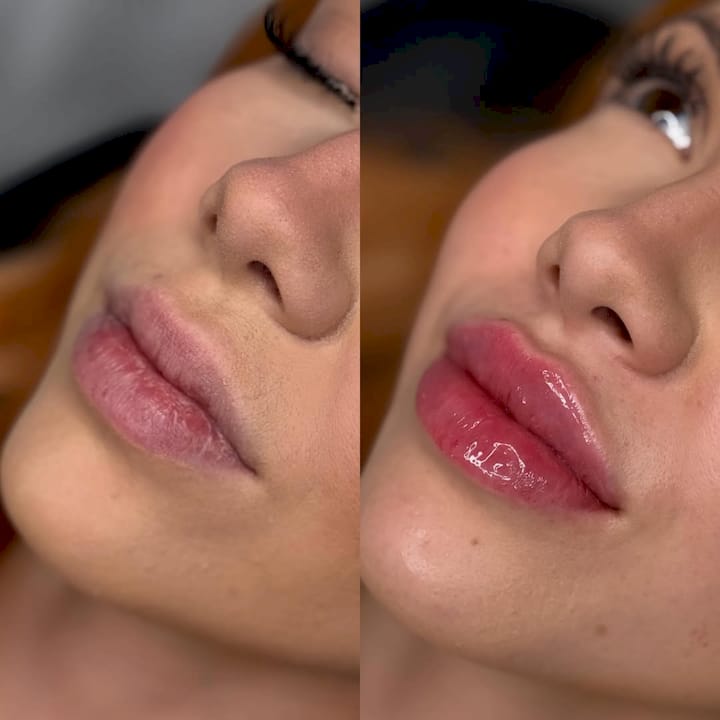
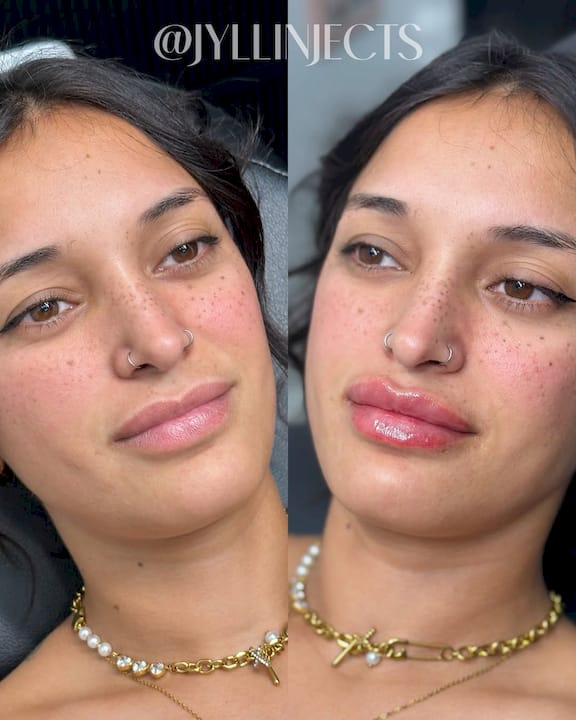
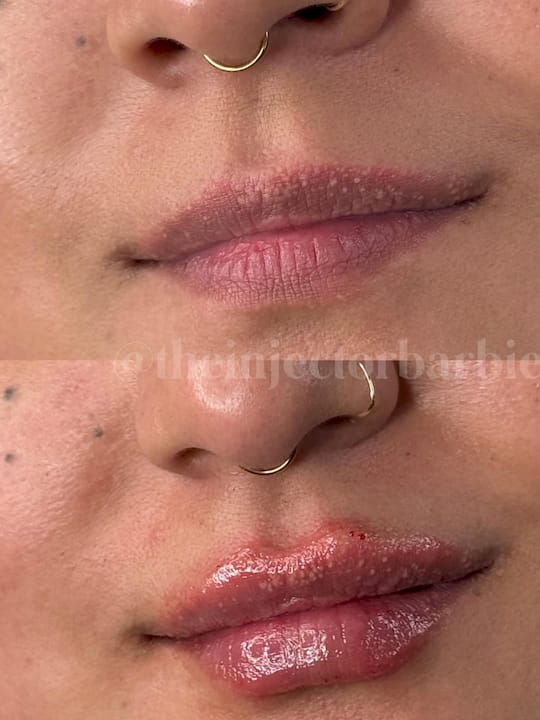
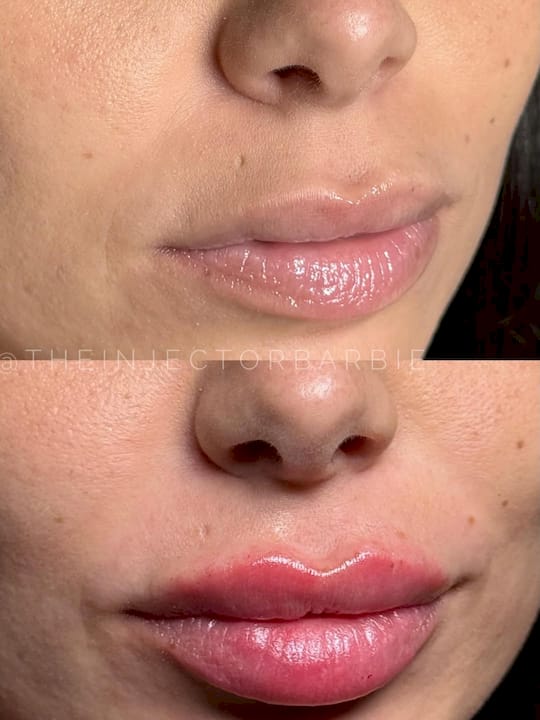
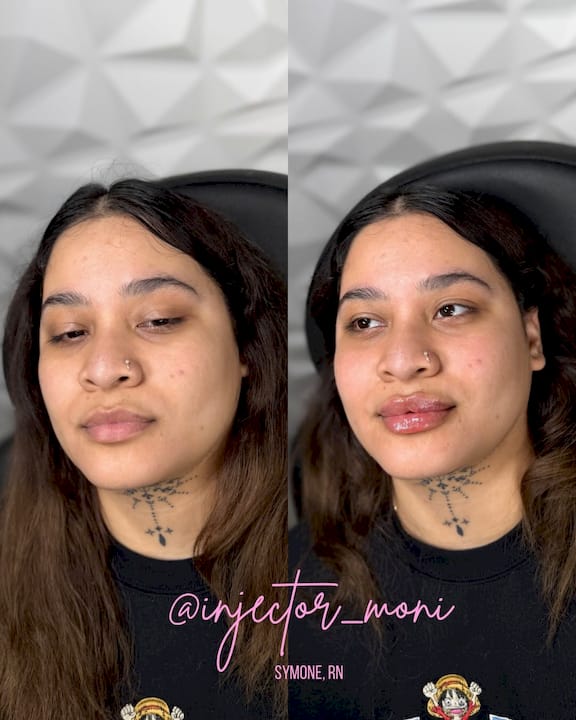
Hyaluronic acid (HA) fillers are the most common professional treatment for nasolabial folds. They restore lost volume and lift the fold from below. HA fillers typically last 6–12 months, and results are reversible with hyaluronidase if needed. That reversibility makes them a lower-risk starting point for first-time patients.
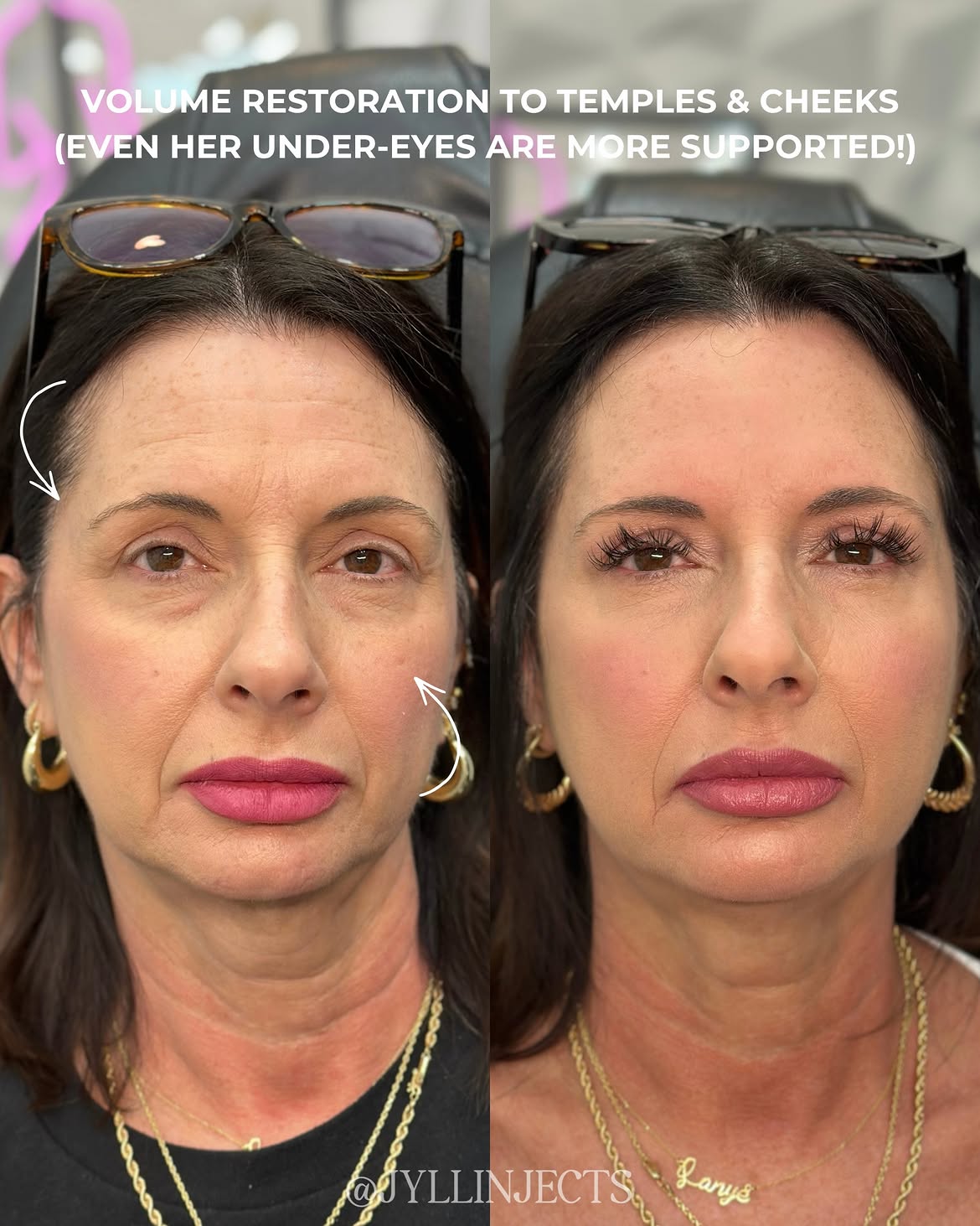
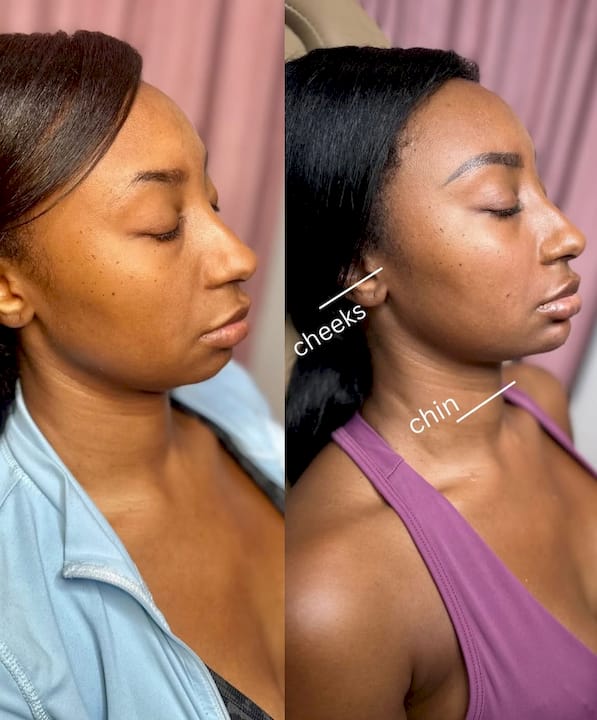
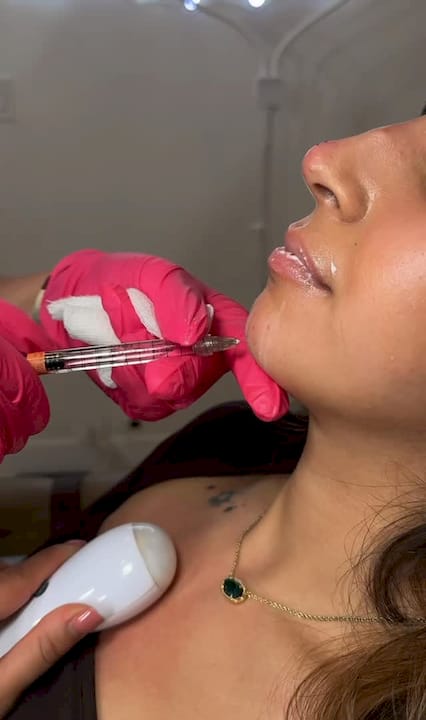
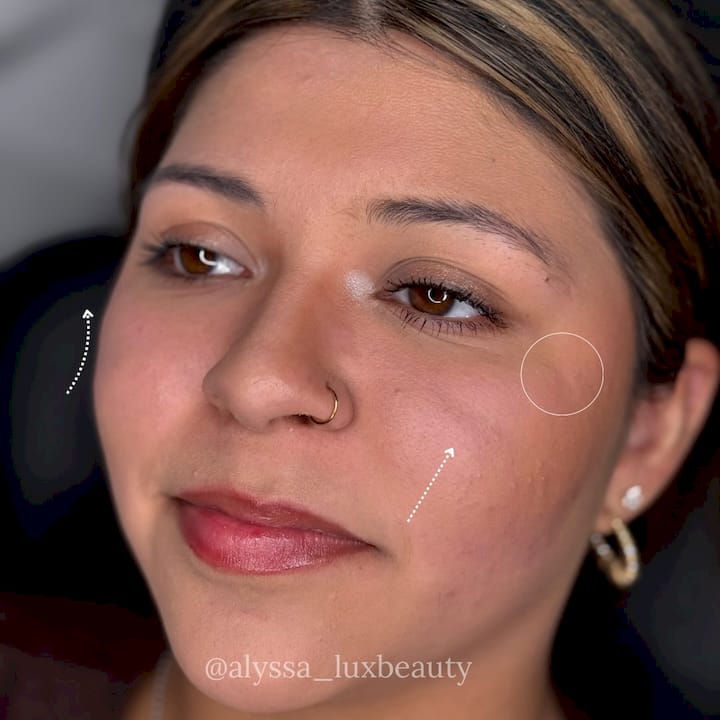
The key technique detail: skilled injectors place filler in the midface and pyriform space first, not directly into the fold. Direct fold injection without midface support risks an unnatural “perioral fullness” look that makes the face appear heavy rather than lifted. Deep pyriform space augmentation with high G-prime HA filler yields high patient satisfaction at 6 months with only mild, transient side effects.
Biostimulatory fillers
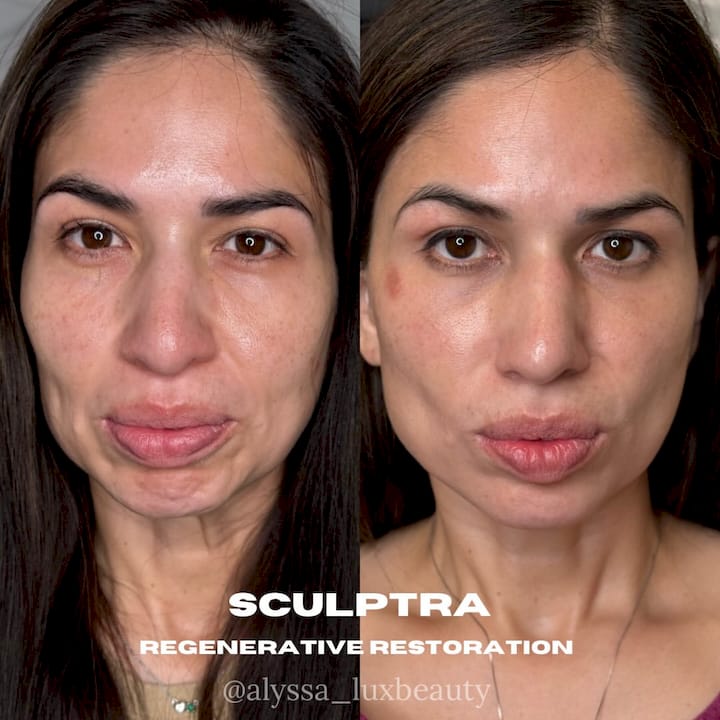
Sculptra is the leading biostimulatory injectable. It works by triggering your own collagen production rather than adding immediate volume. Results build gradually over several months and last up to 24 months after a series of 2–3 sessions. Sculptra is not reversible, which makes injector experience critical. For a detailed breakdown of how Sculptra restores facial volume, the collagen-stimulation mechanism sets it apart from standard fillers.
Skin-tightening procedures
Laser resurfacing, radiofrequency, and ultrasound devices stimulate collagen without injections. These work best for mild to moderate laxity and complement filler treatments rather than replacing them. They improve skin texture and tighten the tissue around the fold.
Here is a quick comparison of the main professional options:
| Treatment | Duration | Sessions needed | Reversible |
|---|---|---|---|
| Hyaluronic acid filler | 6–12 months | 1 | Yes |
| Sculptra (biostimulator) | 12–24 months | 2–3 | No |
| Laser/radiofrequency | Variable | 3–6 | N/A |
Professional filler sessions in the US cost $600–$1,200 on average, depending on volume, product, and provider experience. That range reflects significant variation in technique and product quality, so choosing an experienced injector matters as much as the product itself.
Pro Tip: Schedule your filler appointment at least 4–6 weeks before any major event. There is a 4–6 week settling period post-injection before final results are visible. What you see immediately after treatment is not the final outcome.
Current aesthetic practice favors softening smile lines to preserve natural movement rather than erasing them completely. Overfilling produces an unnatural result that most people find worse than the original fold.
Daily habits that slow smile line progression
Professional treatments work best when supported by consistent daily habits. These behaviors do not reverse deep folds, but they protect your results and slow future progression.
-
Moisturize daily. Well-hydrated skin looks plumper and more resilient. A moisturizer with ceramides or hyaluronic acid helps maintain the skin barrier, which weakens with age.
-
Wear SPF every day. UV damage is the single largest external driver of collagen breakdown. SPF 30 or higher applied every morning protects the collagen your treatments help build.
-
Avoid smoking. Smoking accelerates collagen degradation and reduces blood flow to the skin. The effect on fold depth is measurable and cumulative.
-
Sleep on your back when possible. Side sleeping compresses the face for hours each night, which can deepen folds over years.
-
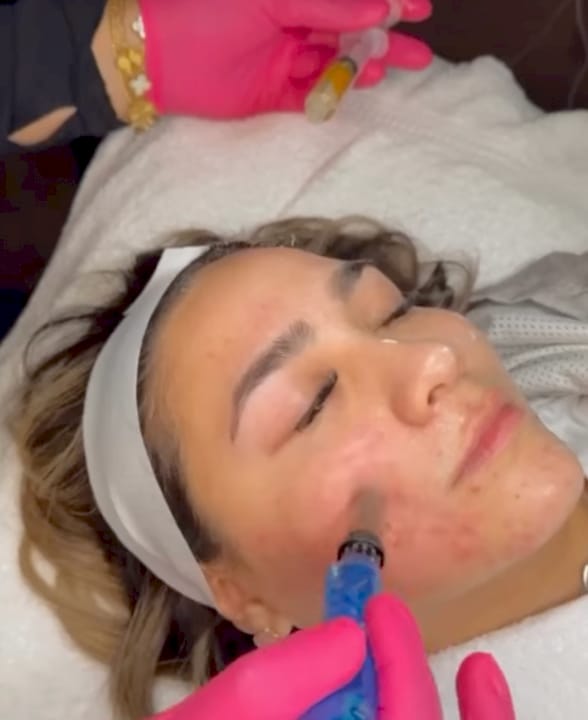
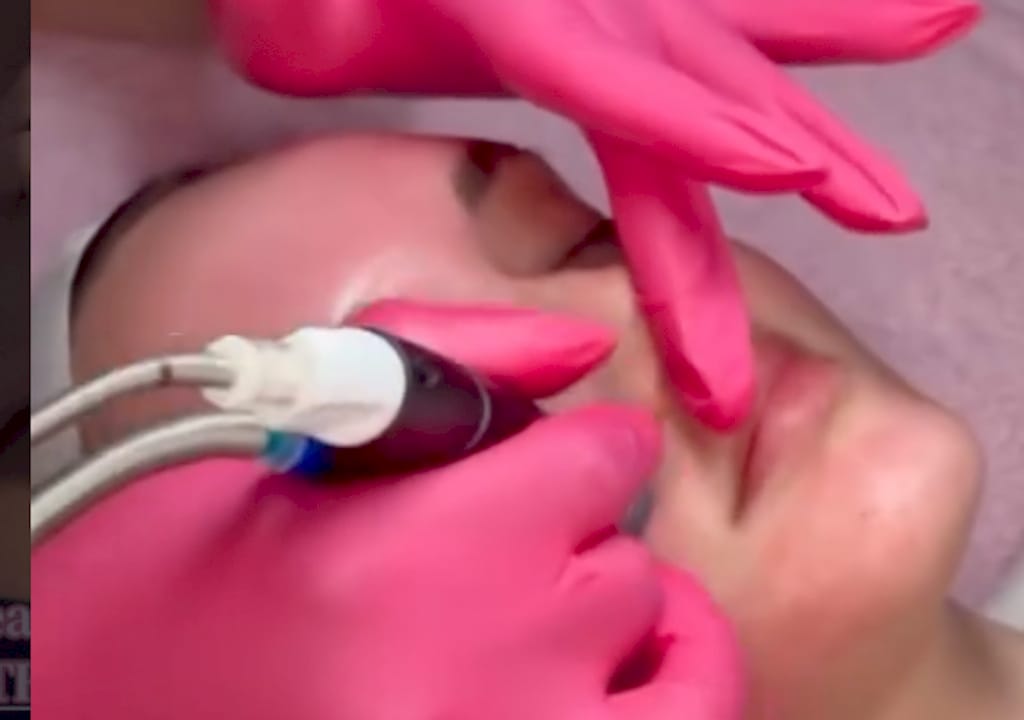
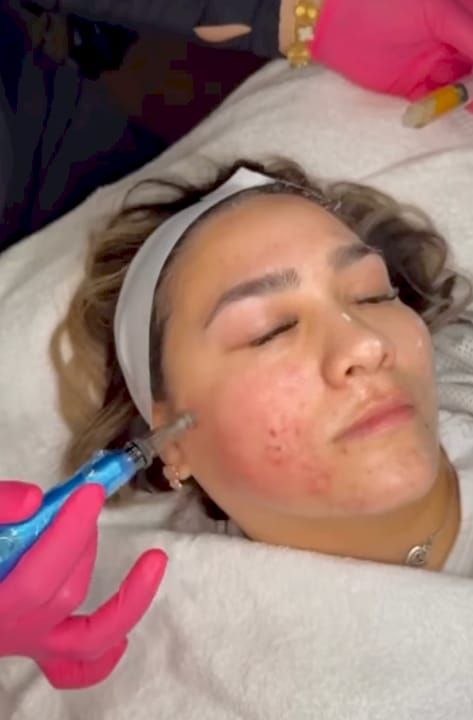
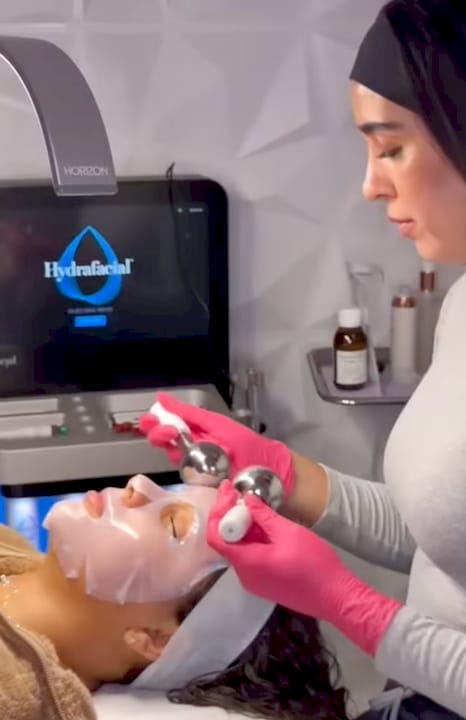
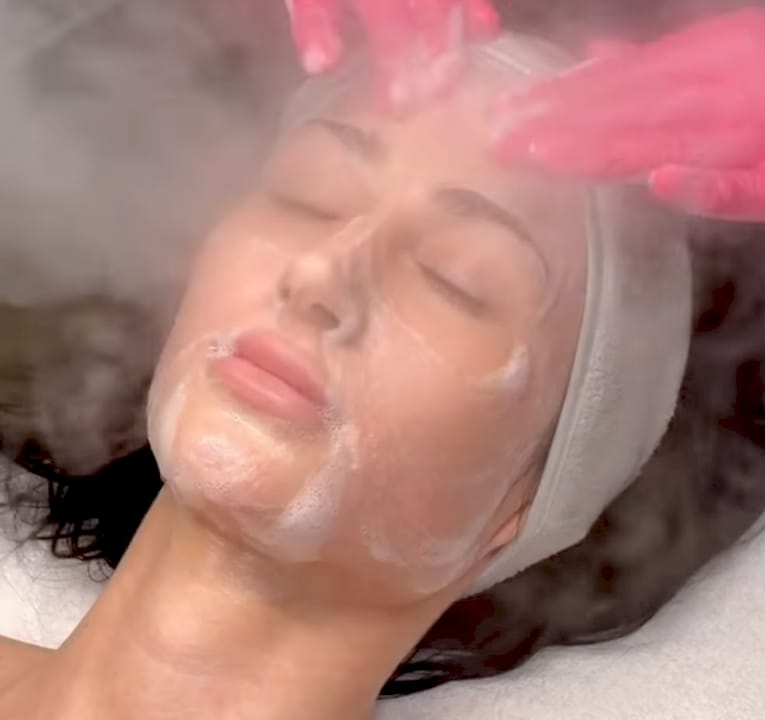
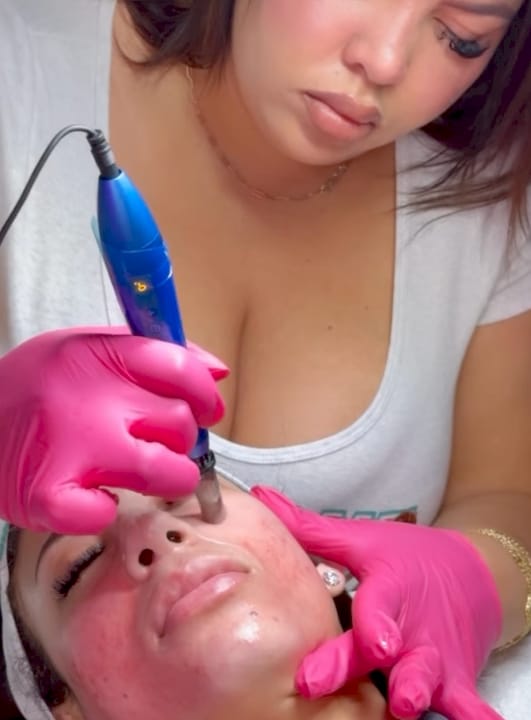
Add professional maintenance treatments. Microneedling stimulates collagen and improves skin texture as an adjunct to injectables. Regular HydraFacials keep the skin hydrated and clear, supporting the surface results of deeper treatments.
Gentle facial massage has a limited role. It can improve circulation and reduce temporary puffiness, but it does not address the structural volume loss that creates deep static folds. Use it as a relaxation tool, not a treatment.
Common mistakes when treating smile lines
Most people make at least one of these errors when addressing nasolabial folds. Knowing them in advance saves time, money, and disappointment.
-
Expecting filler to last the same for everyone. Filler longevity varies by metabolism, product type, and injection technique. One person’s 12-month result may be another person’s 6-month result. Plan for variability.
-
Filling the fold directly without midface support. This is the most common technical mistake. It creates fullness in the wrong place and an unnatural appearance.
-
Judging results immediately after treatment. Swelling and product displacement in the first days after injection do not represent the final outcome. Allow the full settling period before evaluating.
-
Choosing biostimulators without understanding the commitment. Sculptra requires multiple sessions and is not reversible. It rewards patience but punishes rushed decisions.
-
Waiting too long to start prevention. Topical retinoids and SPF are most effective when started before folds become deep and static. Prevention is always easier than correction.
The less-is-more approach emphasized in current aesthetic practice exists for a reason. Overfilling to chase complete erasure consistently produces worse outcomes than targeted softening.
Key Takeaways
Effective smile line treatment combines daily skincare, structural volume restoration, and professional procedures chosen to match the depth and cause of each individual fold.
| Point | Details |
|---|---|
| Understand the cause first | Midface volume loss and bone resorption drive most deep folds, not surface skin changes. |
| Build a skincare baseline | Retinoids, vitamin C, and daily SPF 30+ slow progression and support professional results. |
| Choose fillers strategically | HA fillers last 6–12 months; biostimulators like Sculptra last up to 24 months with multiple sessions. |
| Plan treatment timing | Allow 4–6 weeks post-filler for settling before judging final results or attending events. |
| Prioritize natural results | Softening folds preserves expression; overfilling creates an unnatural appearance. |
What I have learned treating smile lines in practice
A note from Marina, aesthetic injector at Theinjectionroom.
The single biggest shift I have seen in how we approach nasolabial folds is the move away from filling the line itself. When I first started, direct fold injection was standard. Patients would leave looking fuller in the lower face but somehow older, not younger. The fold was gone, but the face looked heavy and strange.
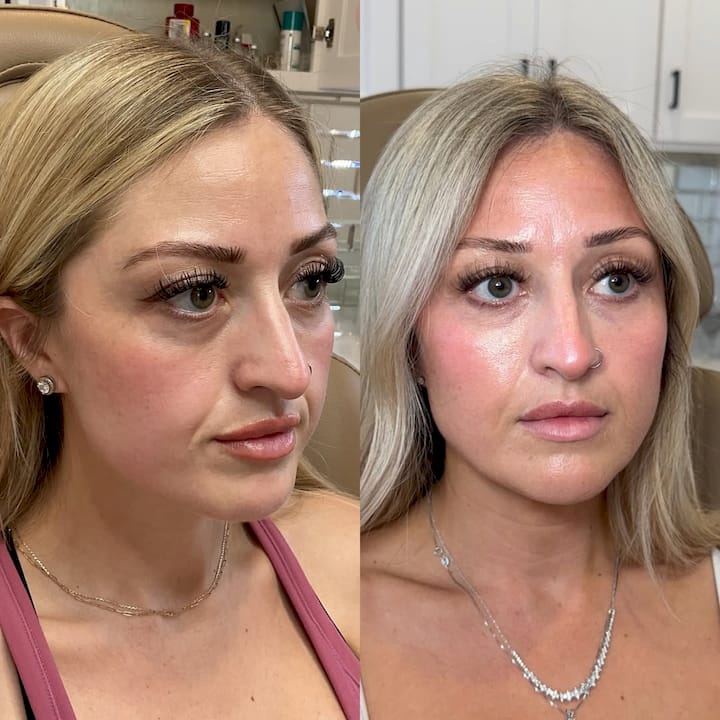
What actually works is assessing the midface first. Almost every patient who comes in asking about smile lines has lost volume in the cheeks and pyriform area. When you restore that volume, the fold softens on its own. You often need far less product than you would if you targeted the fold directly, and the result looks like the person just looks well-rested.
The “less is more” philosophy is not a trend. It reflects a genuine understanding of facial anatomy. I would rather treat a patient conservatively and have them return in three months for a small touch-up than overfill and spend the next year managing an unnatural result. Reversibility matters, which is why I always discuss the difference between HA fillers and biostimulators before any treatment plan.
My honest recommendation for most adults in their 30s and 40s: start with a solid skincare routine using retinoids and SPF, then add professional treatment when the fold becomes static. Combining smile line filler with a biostimulator like Sculptra gives the best long-term outcome I have seen. Patience and consistency outperform any single dramatic intervention.
— Marina
Professional smile line treatments at Theinjectionroom
Theinjectionroom offers dermal filler treatments in Austin and San Antonio, Texas, including hyaluronic acid fillers for midface volume restoration and Sculptra for long-term collagen stimulation. Both approaches address the structural causes of nasolabial folds rather than masking surface lines. For patients who want to improve skin texture alongside volume work, microneedling in Austin and San Antonio provides collagen-stimulating results that complement injectable treatments. A personalized consultation with the Theinjectionroom team identifies which combination of treatments fits your anatomy, timeline, and goals.
FAQ
What is the fastest way to reduce smile lines?
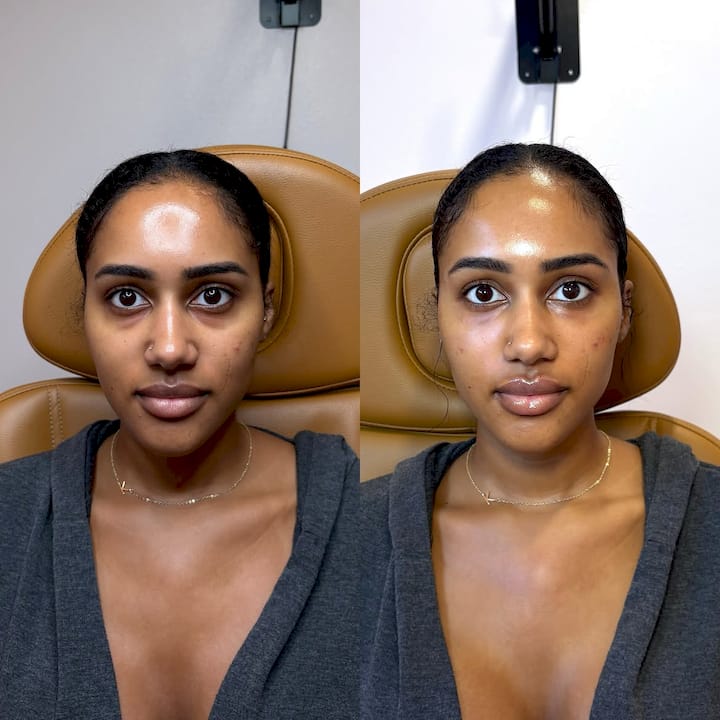
Hyaluronic acid filler placed in the midface and pyriform area produces visible improvement within days, though final results settle over 4–6 weeks. It is the fastest professional option available.
Do retinoids actually help with smile lines?
Retinoids stimulate collagen production and increase skin thickness, which slows the deepening of nasolabial folds over time. They do not lift deep static folds but are the most evidence-backed topical option for prevention.
How long do smile line fillers last?
Hyaluronic acid fillers typically last 6–12 months. Biostimulatory fillers like Sculptra last up to 24 months after a series of 2–3 sessions, depending on individual metabolism and product type.
Can smile lines go away without professional treatment?
Mild, dynamic smile lines can appear less pronounced with consistent retinoid use, hydration, and sun protection. Deep, static folds require professional volume restoration to soften meaningfully.
Is it safe to fill smile lines directly?
Direct fold injection without midface support carries a higher risk of an unnatural, heavy appearance. Experienced injectors address the midface first, which reduces fold severity more safely and naturally.


%20Pictures%20are%204%20weeks%20apart..jpg)