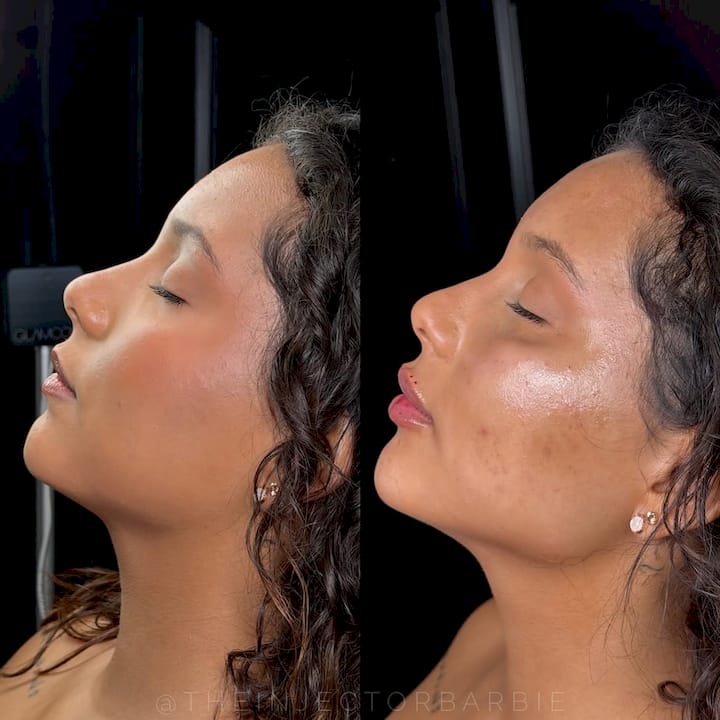
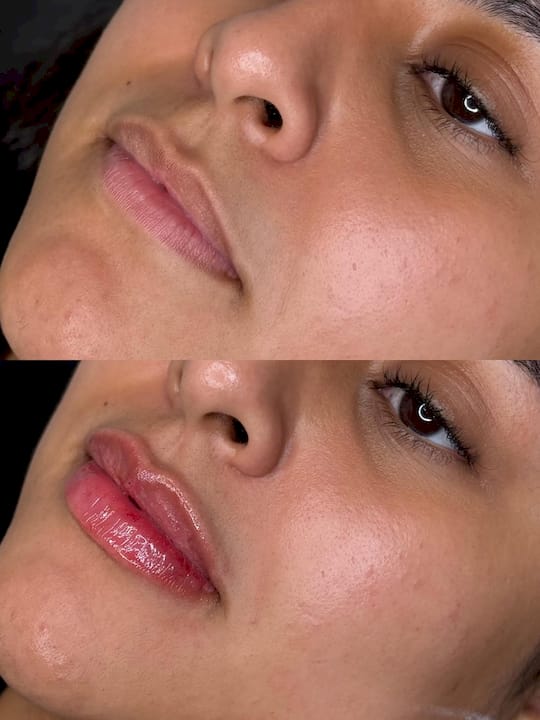
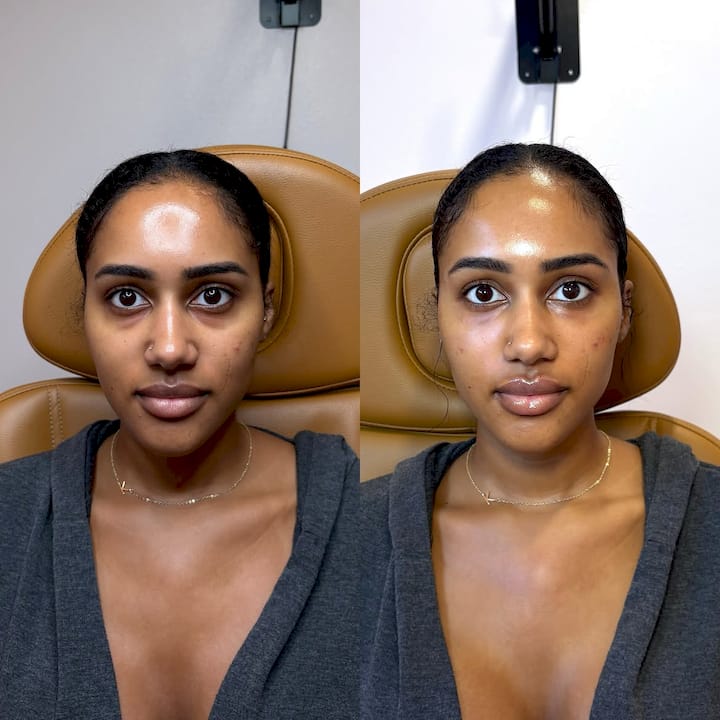
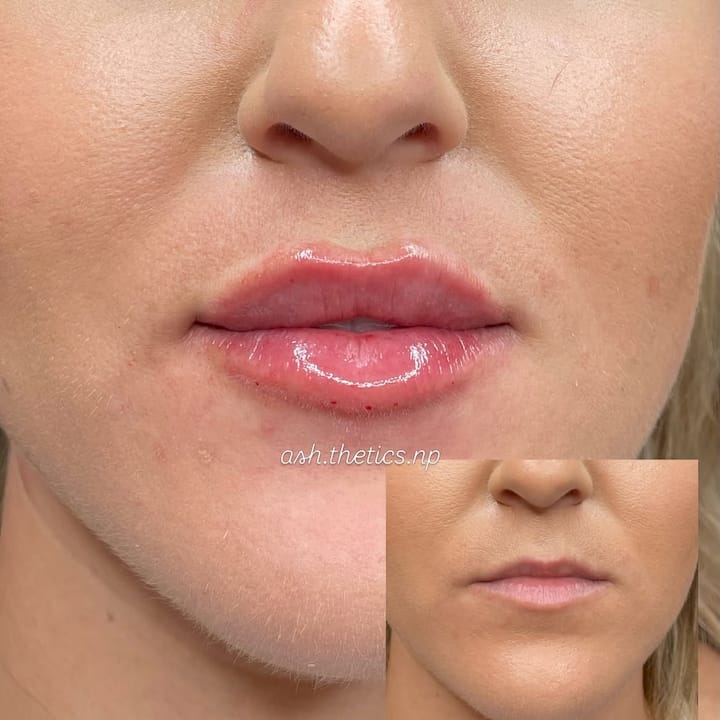
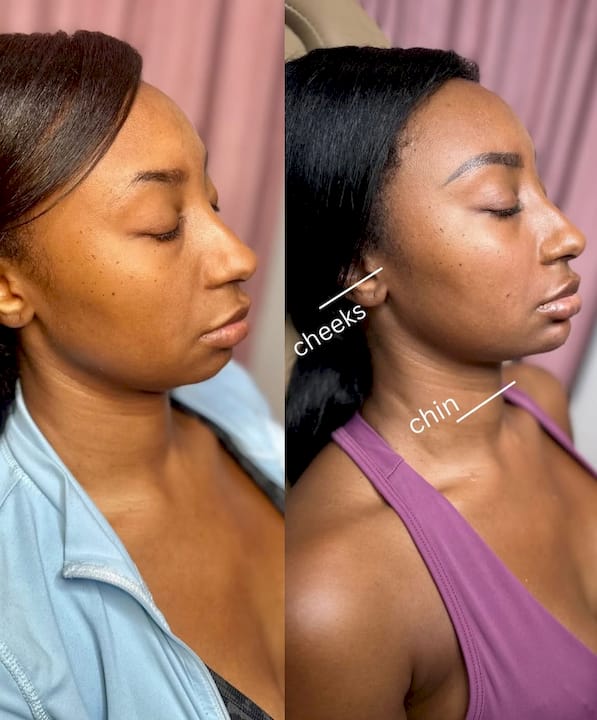
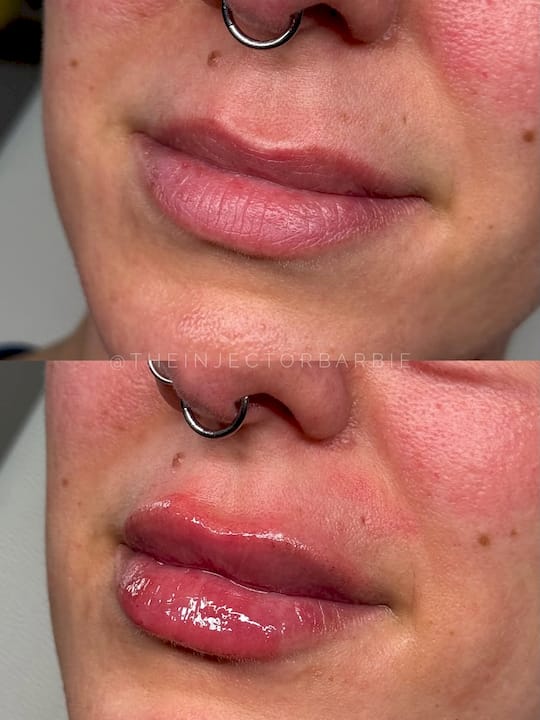
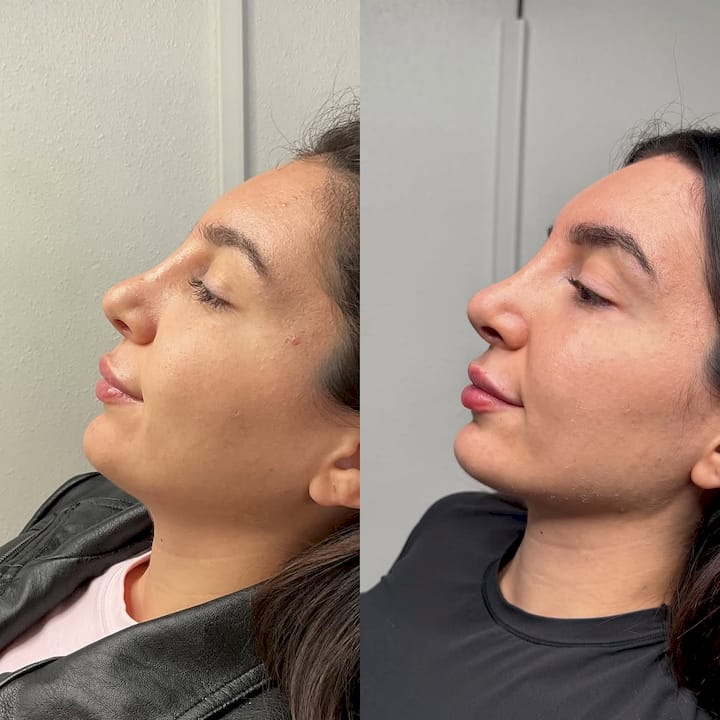
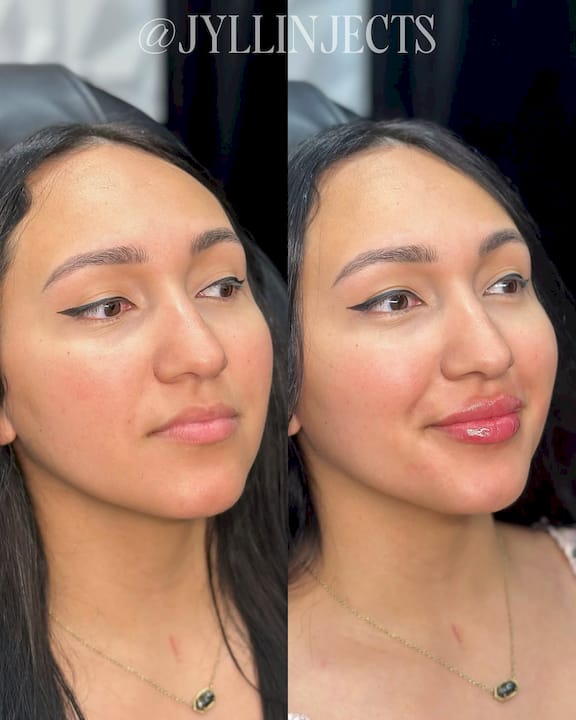
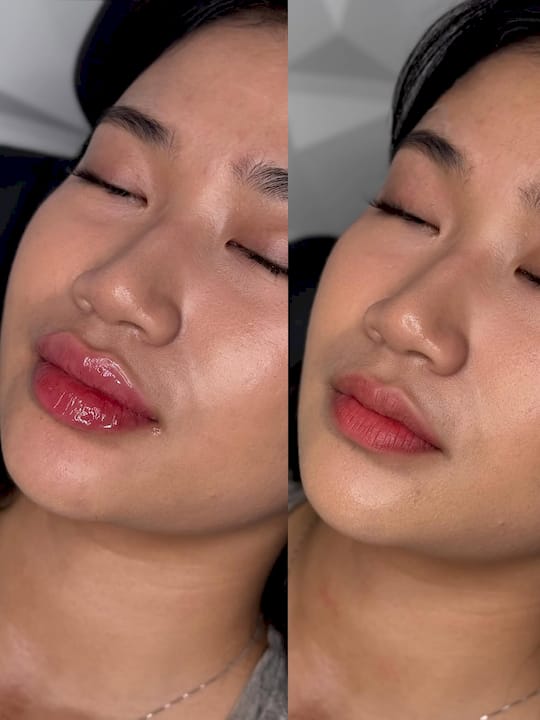
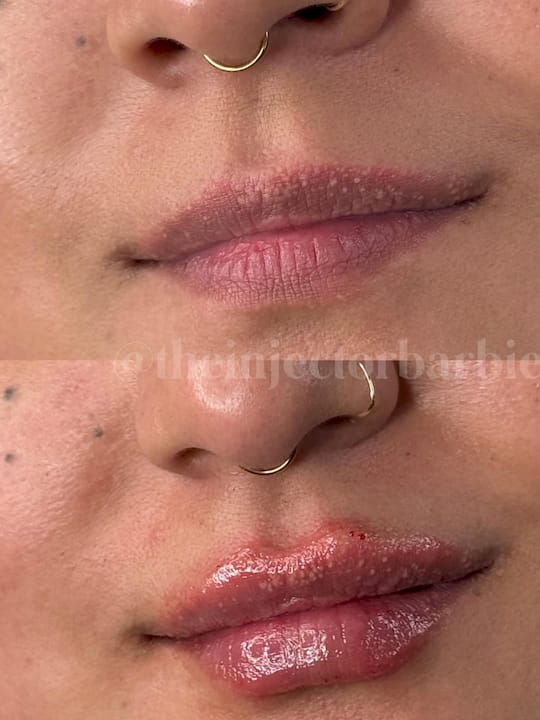
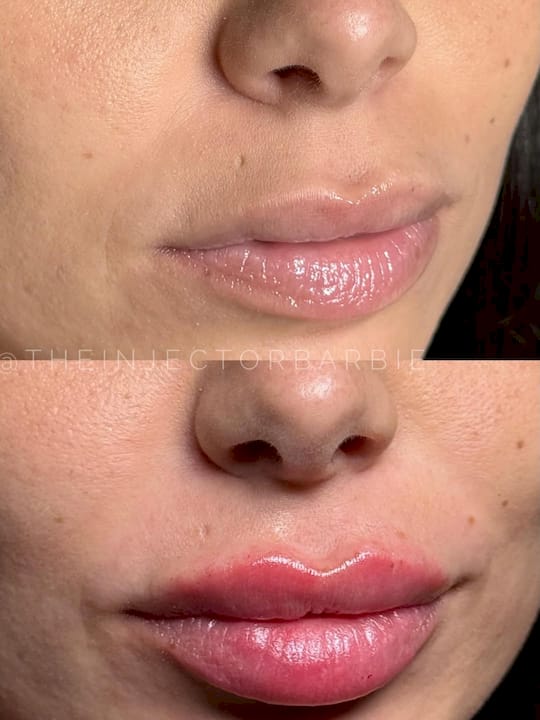
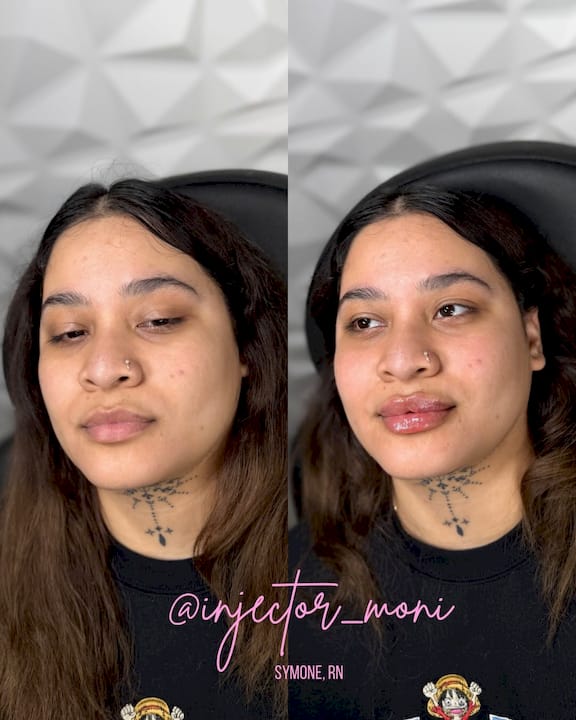
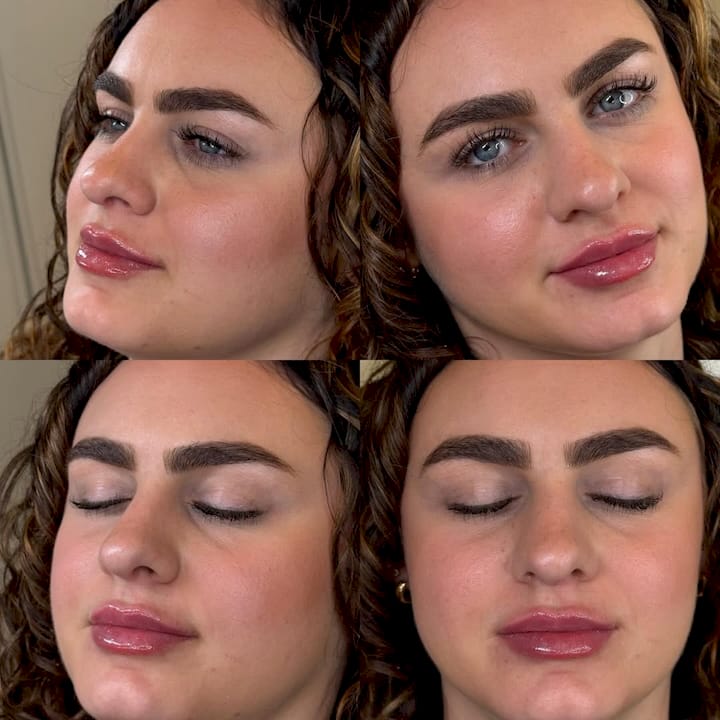
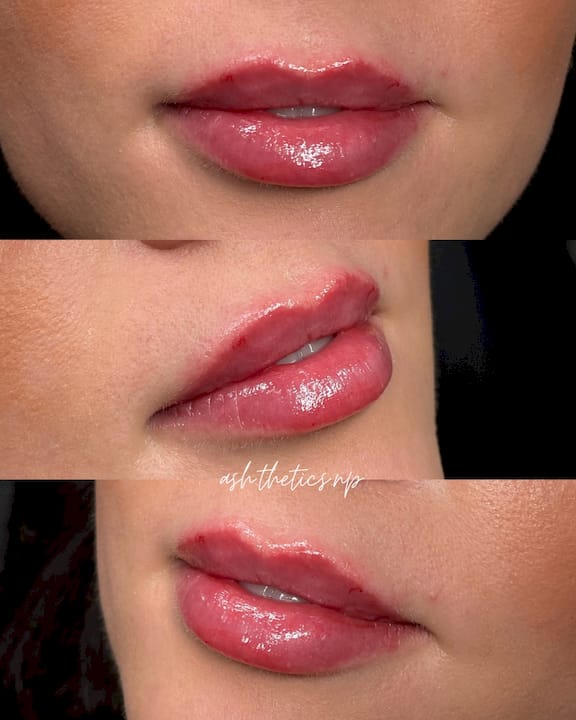
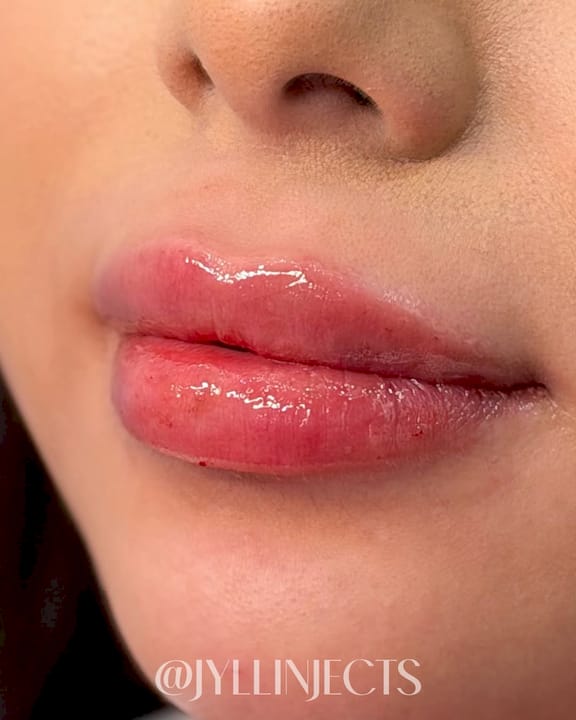
Lip fillers are temporary cosmetic injections that add volume and definition to the lips, and most FDA-approved hyaluronic acid fillers last between 6 and 12 months, with some advanced formulations extending results to 18 months. Hyaluronic acid, or HA, is the industry-standard material used in lip augmentation today. Your body naturally breaks it down over time, which is why results are not permanent. How long your specific results last depends on the product used, your injector’s technique, your metabolism, and how well you care for your lips afterward. Understanding these variables helps you plan smarter and spend more wisely.
How long do lip fillers last, and what affects the range?
Most people see visible lip fullness for 6–12 months after a standard treatment. That range is wide because several biological and lifestyle factors pull the timeline in different directions.
Metabolism is the biggest variable. People with faster metabolisms break down hyaluronic acid more quickly. High-intensity athletes and people who exercise frequently often notice their filler fading sooner than average.
Injection technique and depth also matter significantly. Deeper submucosal injections last longer because the filler sits farther from hyaluronidase enzymes and mechanical stress at the surface. An experienced injector who places product at the correct depth will consistently deliver longer-lasting results than one who works superficially.
Syringe volume plays a role that most people overlook. A 0.5 mL syringe dissolves noticeably faster than a 1.0 mL syringe placed at the same site. If you are starting with a conservative volume, plan for a shorter initial duration.
Lifestyle factors that shorten filler life include:
-
Smoking: Smoking can reduce filler longevity by up to 25% by accelerating HA breakdown and reducing skin hydration.
-
UV exposure: Sun damage degrades hyaluronic acid faster, so unprotected outdoor time works against your results.
-
Frequent lip movement: Talking, singing, and eating all create mechanical stress. Active lifestyles with frequent lip movement can shorten duration by 25–40%.
-
Dehydration: HA binds water to create volume. When you are chronically dehydrated, the filler loses its plumping effect sooner.
Pro Tip: If you are a runner or gym regular, tell your injector before your appointment. They can recommend a denser product formulation or a slightly larger volume to compensate for your faster metabolism.
How do different lip filler products compare in longevity?
Not all HA fillers are equal. Product technology, cross-linking density, and HA concentration all determine how long a filler holds up in the lips.

| Product | Technology | Typical Duration | Best For |
|---|---|---|---|
| Juvéderm Ultra XC | Hylacross | 6–9 months | First-time volume, soft look |
| Volbella XC | Vycross | 9–12 months | Subtle definition, fine lines |
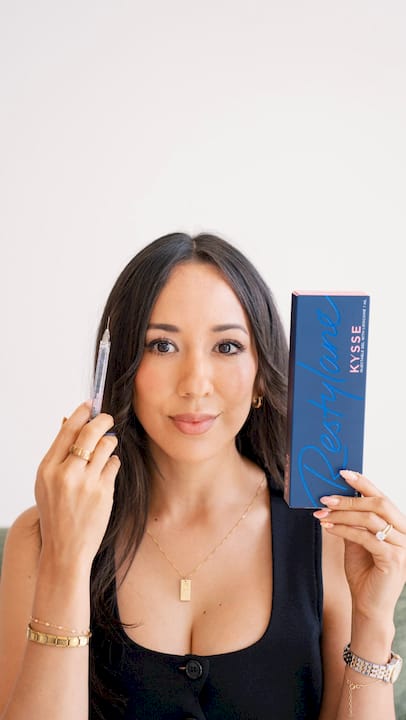
| Restylane Kysse | XpresHAn | 6–12 months | Natural movement, color boost |
| Stylage | IPN-Like | Up to 14 months | Structured volume |
| RHA 3 | RHA (Revance) | Up to 15 months | Dynamic movement, durability |
Product-specific clinical data shows that technologies like Vycross, XpresHAn, and RHA increase durability while preserving natural lip movement. That matters because the lips move constantly, and a filler that cannot flex with them breaks down faster.
Juvéderm Ultra XC uses Hylacross technology, which creates a soft, pliable gel. It is a popular first-time choice, but it dissolves more quickly than newer formulations. Volbella XC uses Vycross, a tighter cross-linking process that produces a thinner gel suited for subtle definition and fine lines around the mouth. Restylane Kysse uses XpresHAn technology, which is engineered specifically for lip flexibility and natural expression. For people who want longer-lasting lip filler options, Stylage and the RHA series from Revance represent the current ceiling for HA duration.
Pro Tip: Longevity and natural appearance do not always go together. A denser, longer-lasting filler can feel stiffer. Discuss your priorities with your injector before choosing a product.
What is the healing timeline after lip fillers?
Knowing what to expect week by week prevents unnecessary worry and helps you judge your results accurately.
-
Days 1–3: Swelling peaks. Your lips will look larger than the intended final result. Bruising is common, especially along the border.
-
Days 4–7: Swelling begins to reduce. The filler starts to integrate with surrounding tissue. Tenderness fades.
-
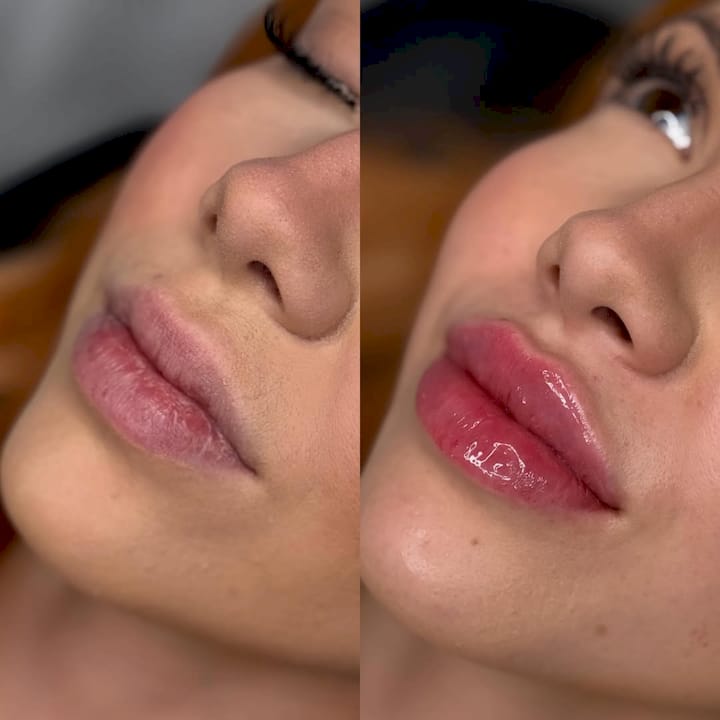
Weeks 2–4: Swelling fully subsides and the true cosmetic result becomes visible. This is the right time to assess whether you want more volume.
-
Months 1–6: The plateau phase. Fullness is consistent and the filler feels natural. Most people are happiest with their results during this window.
-
Months 6–9: Gradual softening begins. Volume decreases slowly rather than disappearing all at once. You may notice your lips feel slightly less defined.
-
Months 9–12+: Visible decline in fullness for most standard products. Aesthetic improvement peaks around 9 months before gradual decline, even though MRI studies show filler physically present for up to 24 months.
The key insight here is that filler does not vanish overnight. The transition is gradual, which gives you time to plan a touch-up before you lose significant volume. For a detailed look at lip filler swelling recovery, the timeline varies slightly by individual but follows this general pattern.
How can you make lip fillers last longer?
The right aftercare habits extend your results by weeks or even months. These are the habits that consistently make a difference.
-
Stay hydrated. Hyaluronic acid binds water to create volume. Drinking enough water daily keeps the filler performing at its best.
-
Use SPF lip balm daily. UV exposure degrades HA faster. A broad-spectrum SPF lip product protects your investment every time you step outside.
-
Avoid smoking and limit alcohol. Both dehydrate tissue and accelerate HA breakdown. Quitting or reducing smoking alone can meaningfully extend your results.
-
Schedule touch-ups before full dissolution. Topping up when 50–70% of volume remains produces smoother results and costs less than starting from scratch.
-
Choose an experienced injector. Proper placement depth and technique are the single biggest controllable factors in how long your filler lasts.
-
Avoid excessive heat immediately after treatment. Saunas, hot yoga, and steam rooms in the first 48 hours increase swelling and may affect how the filler settles.
A less-discussed benefit of consistent maintenance is cumulative longevity. Subsequent treatments last 20–40% longer than the first because residual product creates a scaffold that new filler integrates with more efficiently. This means the longer you maintain a regular schedule, the more value you get per session.
For first-time patients, reading about what to expect the first time sets realistic expectations before your appointment.
Pro Tip: Book your touch-up appointment before you feel like you need it. Waiting until your lips look completely flat means starting the process over, which costs more and takes longer to achieve your preferred look.
Key Takeaways
Lip fillers last 6–12 months for most people, with product choice, injection technique, metabolism, and consistent maintenance being the four factors that determine where you fall in that range.
| Point | Details |
|---|---|
| Standard duration | Most HA lip fillers last 6–12 months; advanced products like RHA 3 reach up to 15 months. |
| Biggest longevity factors | Metabolism, injection depth, product technology, and lifestyle habits like smoking and hydration. |
| Healing timeline | Swelling resolves in 2–4 weeks; the true result is visible and stable from weeks 2 through 6. |
| Maintenance timing | Top up when 50–70% of volume remains, typically at 6–9 months, for smoother and longer-lasting results. |
| Cumulative benefit | Repeat treatments last 20–40% longer than the first due to residual filler scaffolding. |
What I have learned from watching patients manage their lip filler over time
The question I hear most often is not “how long will this last?” It is “why did mine fade so fast?” The honest answer is almost always one of two things: the patient has a fast metabolism they did not account for, or they waited too long between sessions and lost the scaffolding benefit.
What I find most telling is the gap between what clinical studies measure and what patients actually care about. MRI data shows filler present in tissue for up to 24 months. But patients stop feeling satisfied around month 9, sometimes earlier. That disconnect matters. You are not paying for filler that exists in your tissue. You are paying for visible fullness. Plan your schedule around that reality, not around a lab result.
The other thing I advocate strongly is a gradual approach, especially for new patients. A conservative, gradual buildup prevents migration, overfilling, and the kind of results that look obvious rather than natural. Patients who start with 0.5 mL and build over two or three sessions consistently report higher satisfaction than those who go straight to 1.5 mL on the first visit.
Price shopping for lip fillers is a mistake I see people regret. The injector’s skill and the product quality determine how long your results last and how natural they look. Saving $100 on a session that fades in four months instead of nine is not a bargain.
— Marina
Lip filler treatments at Theinjectionroom in Austin and San Antonio
Theinjectionroom offers lip filler consultations at locations in both Austin and San Antonio, TX, with licensed practitioners who build personalized treatment plans around your anatomy, lifestyle, and longevity goals. The team selects products based on what will perform best for your specific metabolism and desired look, not a one-size-fits-all protocol. Whether you are considering your first syringe or looking to maintain results you already love, the focus is on natural volume that holds up over time. Scheduling a consultation is the first step toward a plan that actually fits your life.
FAQ
How long do lip fillers last on average?
Most hyaluronic acid lip fillers last 6–12 months, with some advanced products like RHA 3 or Stylage lasting up to 14–15 months. Individual metabolism, product choice, and injection technique all influence where you fall in that range.
How long does Juvéderm lip filler last?
Juvéderm Ultra XC typically lasts 6–9 months, while Volbella XC lasts 9–12 months due to its denser Vycross cross-linking technology. First-time patients using Juvéderm should plan for the shorter end of that range.
How long do lip fillers take to heal?
Swelling and bruising resolve within 1–2 weeks for most people, and the final settled result is visible by weeks 2–4. Avoid assessing your results before the swelling fully subsides.
Do lip fillers last longer with repeat treatments?
Yes. Subsequent treatments last 20–40% longer than the first because residual filler creates a scaffold that new product integrates with more efficiently. Maintaining a regular schedule before full dissolution maximizes this benefit.
Is lip filler a one-time treatment or ongoing maintenance?
Lip filler requires ongoing maintenance to preserve results, typically every 6–12 months. Most practitioners recommend scheduling a touch-up when 50–70% of the original volume remains rather than waiting for complete fading.


%20Pictures%20are%204%20weeks%20apart..jpg)