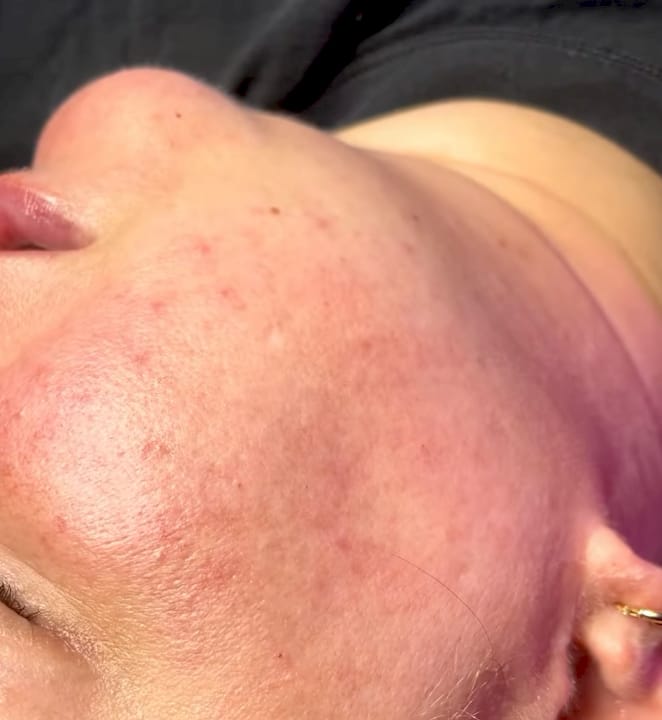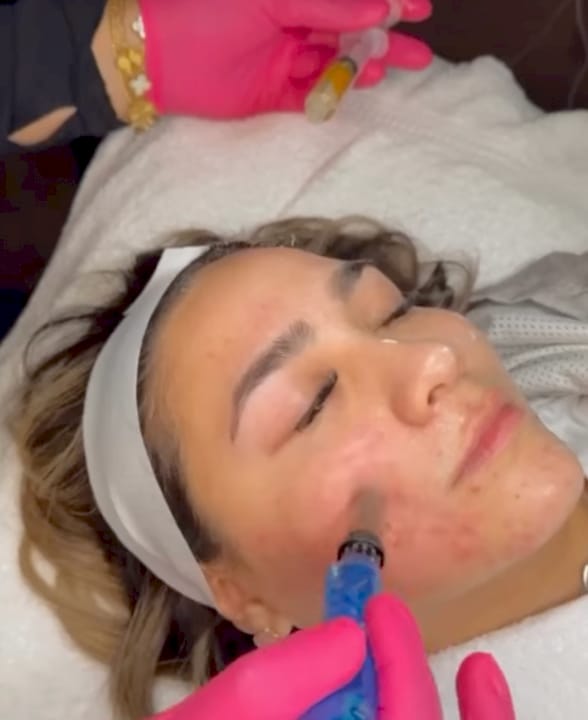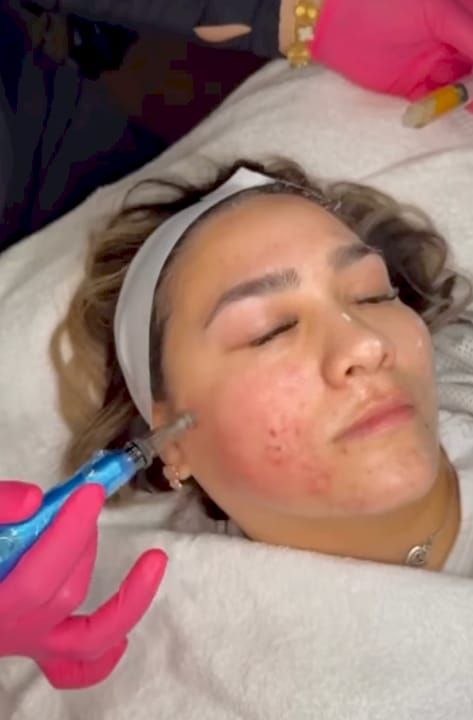
Kabelline fat dissolve is not FDA-approved for use in the United States, and the FDA explicitly warns consumers that unapproved fat-dissolving injections can cause serious harm. If you are considering this treatment, the single most important step you can take right now is to consult a licensed clinician, not a seller’s website. The American Society of Plastic Surgeons (ASPS) has made clear that only one deoxycholic acid product, Kybella, carries the clinical trial evidence and FDA approval needed for safe submental fat reduction in the U.S. At Theinjectionroom, we see patients regularly who come in after researching products like Kabelline online, and our job is to give you the honest picture before you make any decisions.
Table of Contents
-
What does Kabelline claim to contain, and how is it supposed to work?
-
What are the real risks of unregulated fat-dissolving injections?
-
How is Kabelline reportedly administered, and what do sellers recommend?
-
Kabelline versus FDA-approved deoxycholic acid treatment: how do they compare?
-
Where is Kabelline sold, and why does online sourcing put you at risk?
-
Why clinic-administered treatment is a different category of safety
-
A med-spa perspective on fat-dissolving treatments and patient safety
-
Safe fat-dissolving treatments at Theinjectionroom in Austin and San Antonio
What does Kabelline claim to contain, and how is it supposed to work?
Kabelline is manufactured by Dexlevo Inc. and is marketed primarily as a contouring serum or injectable solution. Seller listings describe it as a multi-ingredient formulation designed to break down localized fat deposits through a process called chemical lipolysis. Here is what those listings commonly state as the active components:
-
Deoxycholic acid (DCA): A bile acid that disrupts fat cell membranes, causing them to rupture and be cleared by the body’s lymphatic system.
-
L-carnitine: An amino acid derivative marketed as supporting fat metabolism and cellular energy transfer.
-
Peptides: Short amino acid chains included in some formulations, with claims around tissue repair and contouring.
-
Water (aqueous base): The carrier solution for the other ingredients.
The proposed mechanism follows the same basic logic as FDA-approved DCA products: deoxycholic acid physically destroys the membrane of adipocytes (fat cells), triggering an inflammatory response that leads to cell death and gradual reabsorption. On paper, that mechanism is real. The problem is that concentration, purity, and sterility in seller vials are not verified by the FDA, which means you cannot confirm from the label alone that what is in the vial matches what is on it.
One distinction worth understanding: Kabelline is sometimes sold as a “serum” or “essence” in certain markets, which creates label ambiguity. A topical serum and an injectable solution are entirely different products with different safety requirements. When a product is marketed under both descriptions depending on the platform, that inconsistency alone is a reason to pause.
Does Kabelline actually work? What the evidence shows
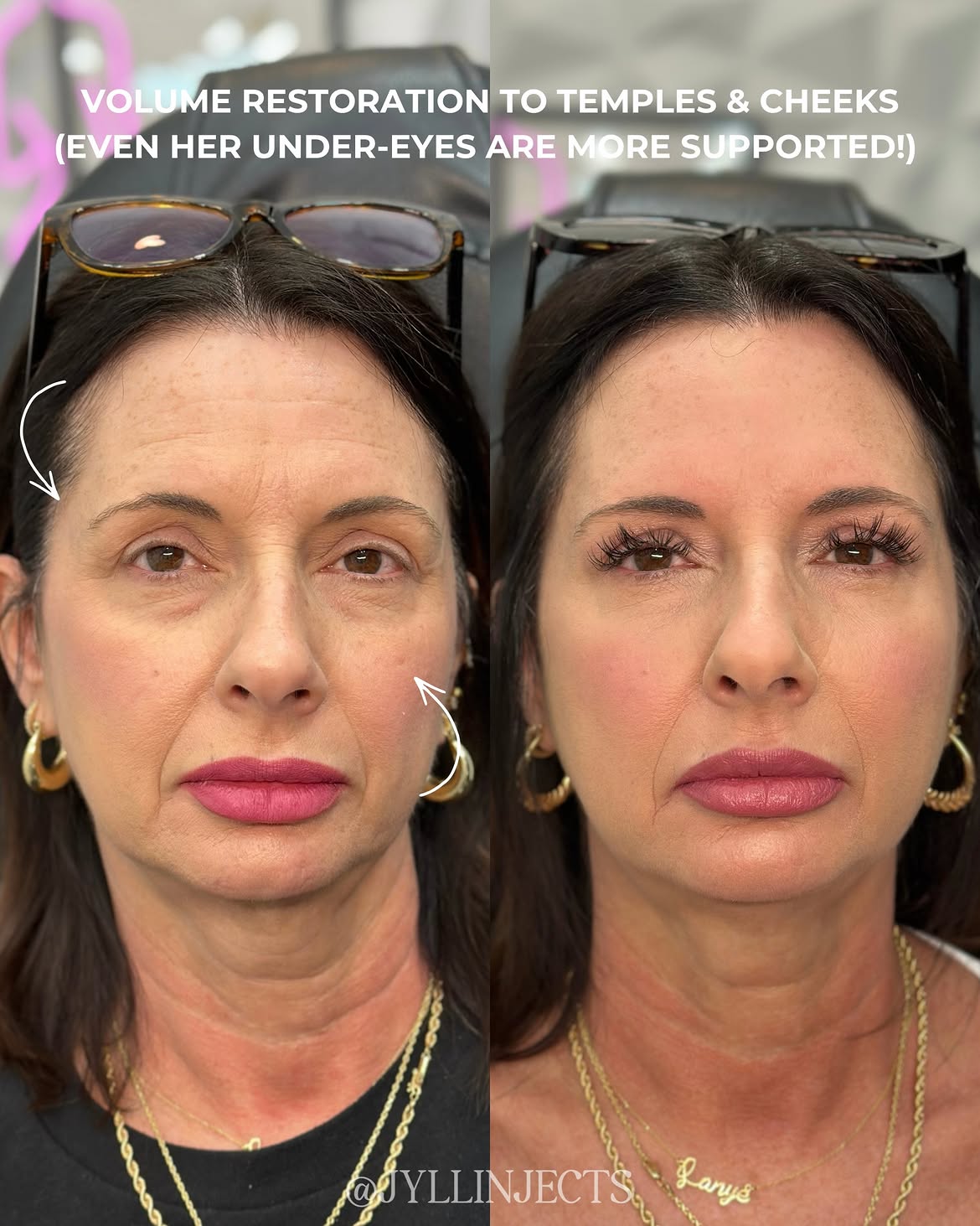
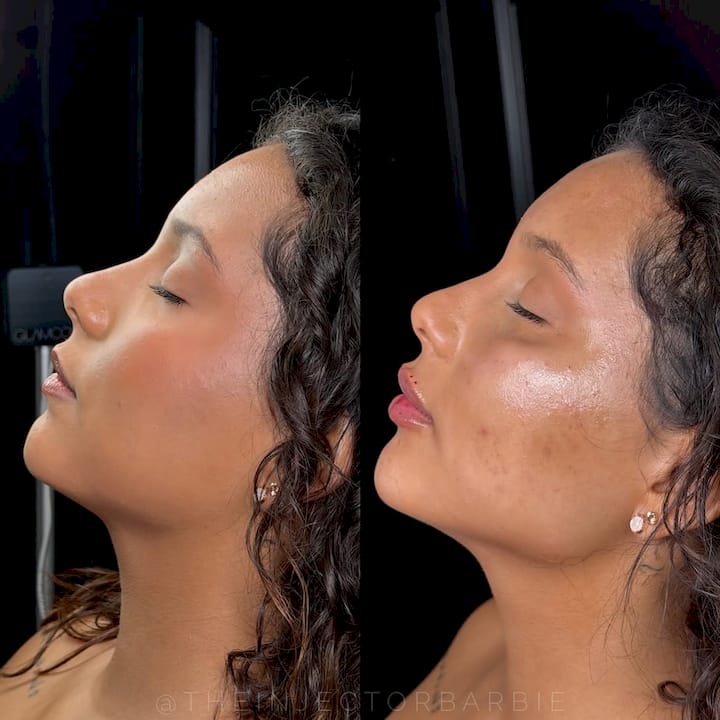
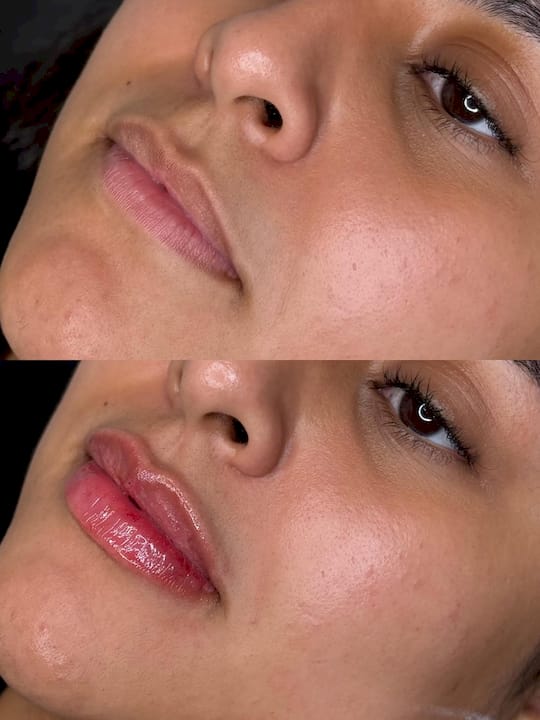
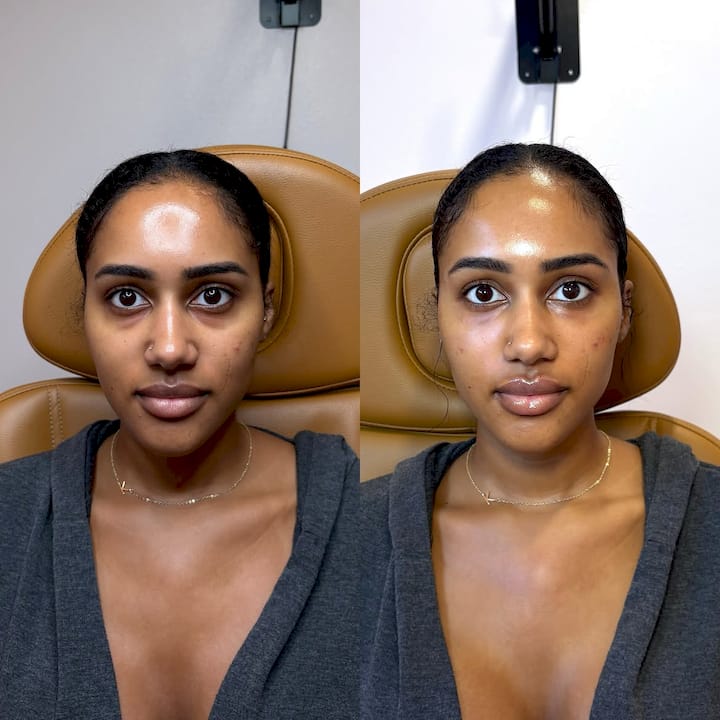
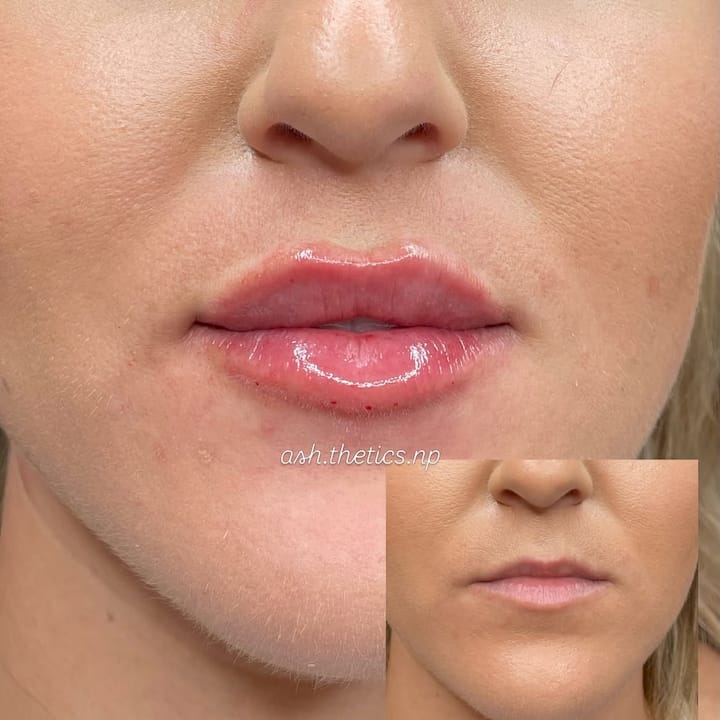
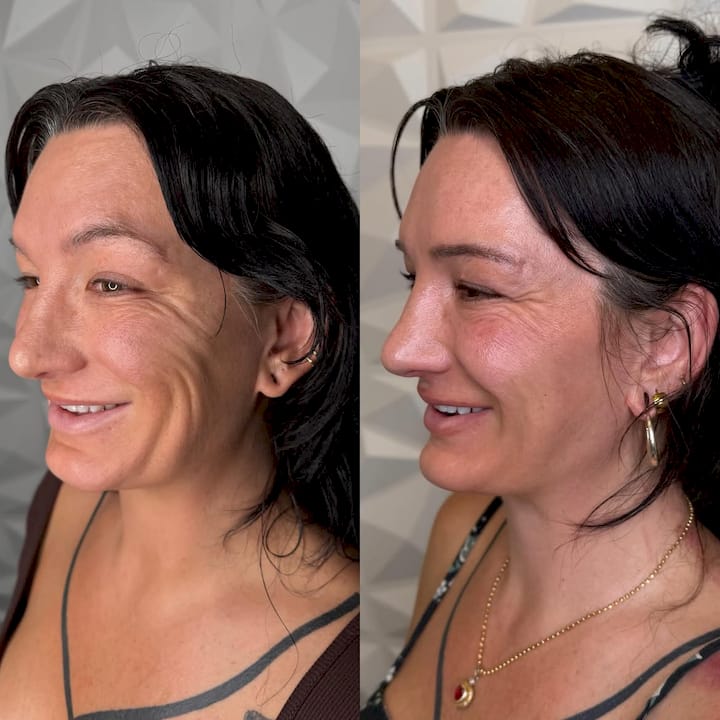
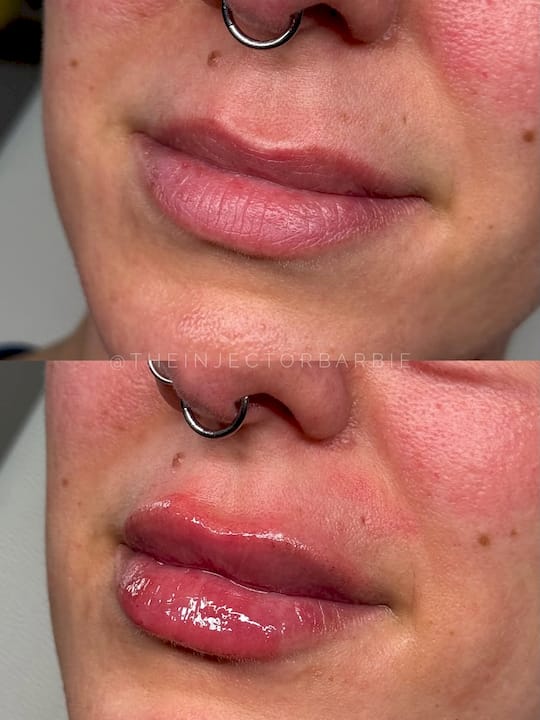
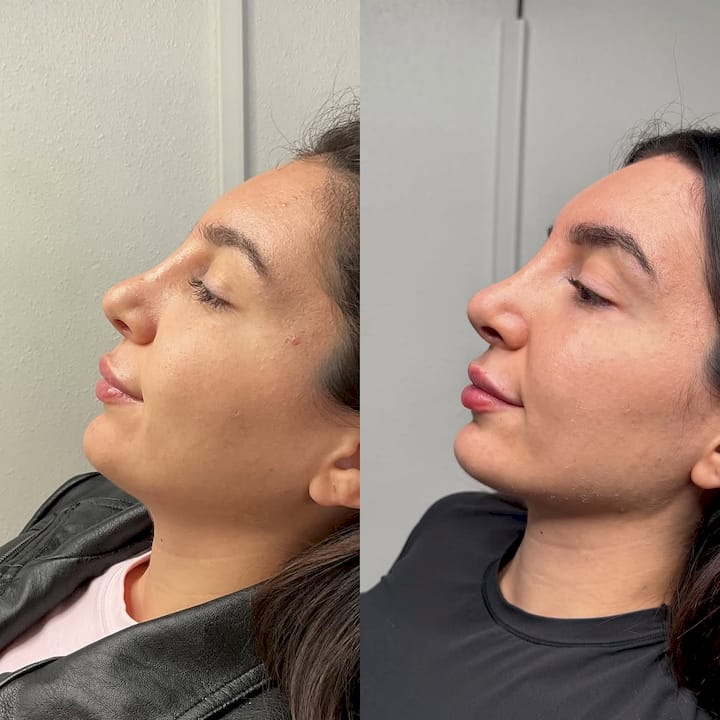
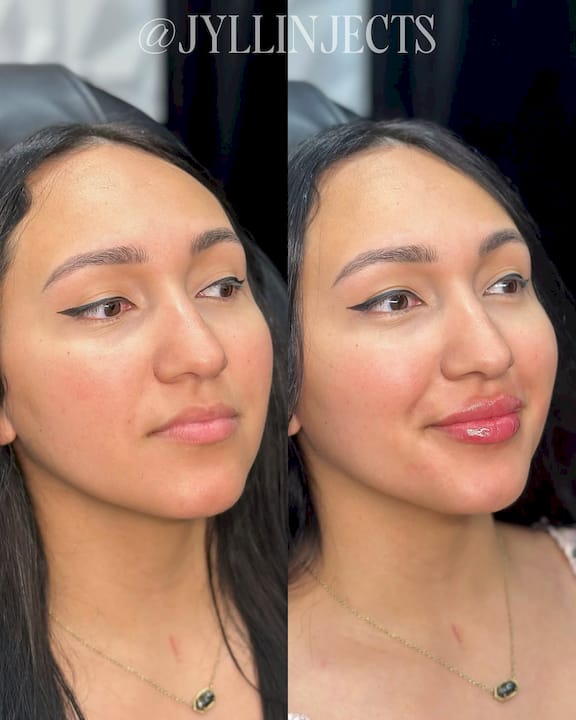
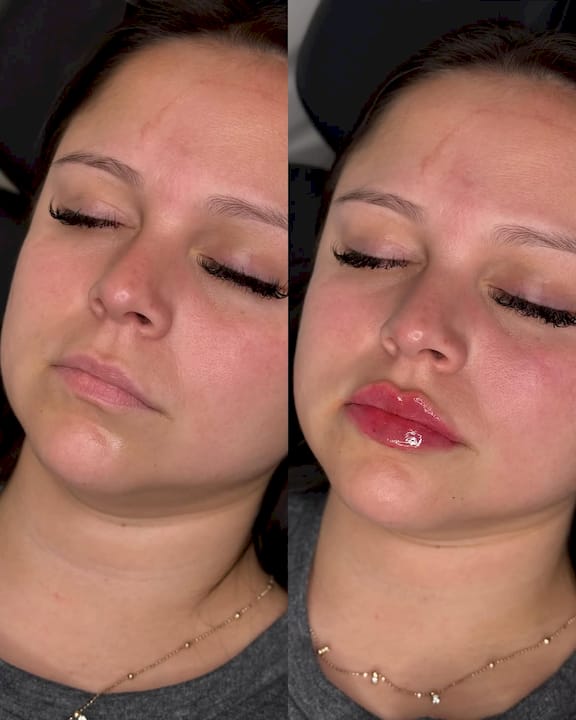
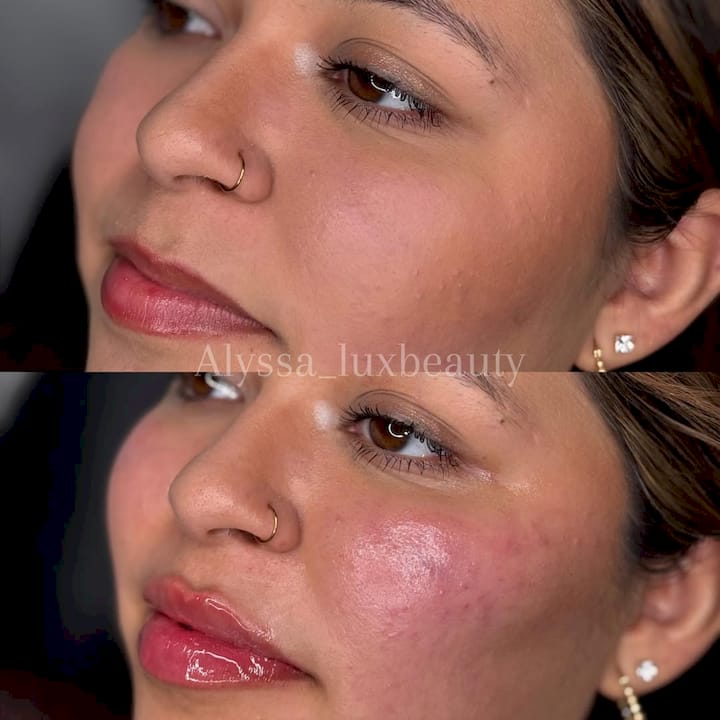
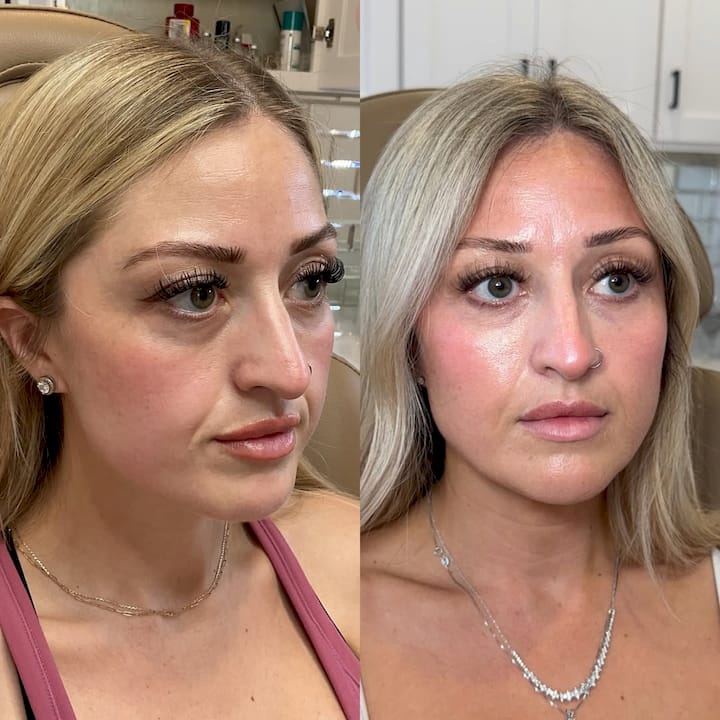
The honest answer is that there are no peer-reviewed clinical trials specifically evaluating Kabelline’s safety or efficacy. Before-and-after photos on seller pages and social media are not clinical evidence. They are marketing assets, and without knowing the patient’s baseline, the number of sessions, the injector’s technique, or whether other treatments were used simultaneously, those images tell you very little about what the product itself is doing.
Contrast that with the evidence base for Kybella (ATX-101), the only FDA-approved injectable DCA product for submental fat. Kybella’s approval followed multiple randomized controlled trials demonstrating statistically significant fat reduction in the submental area compared to placebo. The ASPS policy review on mesotherapy and injection lipolysis confirms that DCA (ATX-101) has high-level clinical trial support, while most other injection lipolysis agents, including multi-ingredient formulations like Kabelline, lack that same quality of evidence.
That gap matters. A product can contain a real active ingredient and still be unsafe or ineffective if the concentration is wrong, the formulation is unstable, or the administration protocol is not standardized.
Pro Tip: When evaluating before-and-after photos for any fat-dissolving treatment, look for consistent lighting, the same camera angle, and a stated time interval between photos. Photos taken from different angles or with different lighting can make results appear more dramatic than they are. Theinjectionroom’s documented before-and-after examples show what realistic, clinician-administered results actually look like.
Is Kabelline FDA-approved in the United States?
No. Kabelline is not FDA-approved for fat dissolution or any other indication in the United States. The FDA has issued a direct consumer warning stating that unapproved fat-dissolving injections are not FDA-approved and can be harmful. NBC News reporting confirmed that only one injectable DCA product, Kybella, holds FDA approval for reducing submental fat in adults.
Regulatory distinction: Kybella (ATX-101) is the only FDA-approved injectable deoxycholic acid treatment for submental fat in the United States. All other injectable DCA formulations, including Kabelline, are unapproved drugs under U.S. law, regardless of their approval status in other countries.
A common source of confusion is foreign regulatory approval. Kabelline may carry marketing authorization from South Korea’s Ministry of Food and Drug Safety (MFDS, formerly KFDA), but that approval does not transfer to the United States. The FDA evaluates products independently, and a foreign clearance carries no legal weight for U.S. use.
If you or someone you know experiences an adverse event after receiving an unapproved fat-dissolving injection, report it to the FDA through MedWatch. Here is how:
- Select “Report a Problem” and choose the appropriate form (Form FDA 3500B for consumers)
Reporting matters. It helps the FDA track patterns of harm and take enforcement action against unsafe products.
What are the real risks of unregulated fat-dissolving injections?
Fat-dissolving injections, even when administered correctly with an approved product, carry a defined set of expected side effects. With unapproved products like Kabelline, those risks are compounded by unknown formulation variables. Here is how to separate the expected from the serious:
Common, expected local reactions (typically resolve within days to weeks):
-
Swelling and edema at the injection site
-
Bruising and erythema (redness)
-
Temporary numbness or tingling
-
Tenderness and firmness under the skin
Serious adverse events linked to unapproved products:
-
Infection and abscess formation
-
Skin necrosis (tissue death)
-
Nerve injury, including marginal mandibular nerve damage when injected near the jaw
-
Permanent scarring or deformity
-
Systemic reactions from unknown or contaminated ingredients
Medical reporting has documented cases of patients being left with lasting disfigurement after receiving unapproved fat-dissolving injections at clinics and med spas. These are not rare edge cases. They are the reason the FDA issued its consumer warning in the first place.
Sterility is a separate, serious concern. Purchasing “professional-grade” injectables online introduces contamination and traceability risks that are impossible to verify after the fact. A vial that looks sealed can still be improperly stored, mislabeled, or diluted.
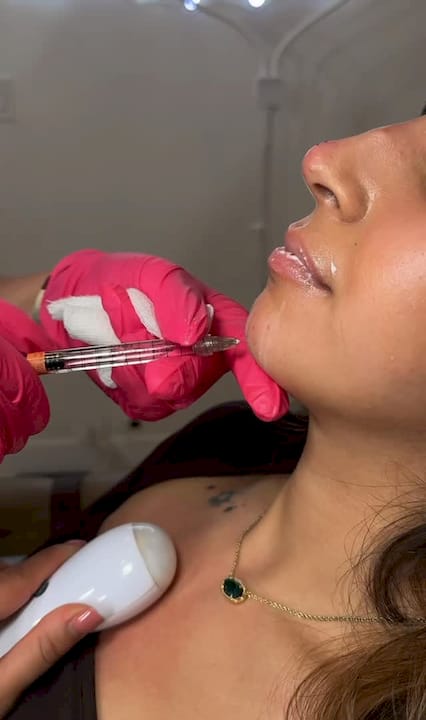
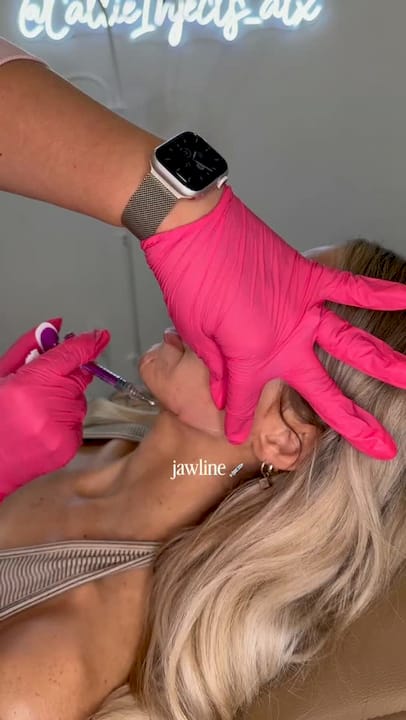
Do not self-inject fat-dissolving solutions under any circumstances. Injection depth, anatomical placement, and volume per site require clinical training to execute safely. Errors in placement can cause nerve damage or necrosis that no follow-up treatment can fully reverse. Any fat-dissolving injection should be performed by a licensed medical professional in a sterile clinical setting.
How is Kabelline reportedly administered, and what do sellers recommend?
Seller pages and online retailers describe Kabelline as an injectable to be delivered in small volumes across multiple sites per session, with sessions spaced roughly one to two weeks apart. Most listings suggest a series of two to four sessions depending on the treatment area and the amount of fat being targeted. Commonly cited treatment areas include the submental region (under the chin), jowls, abdomen, inner thighs, and arms.
What those pages do not provide is a standardized clinical protocol. There is no peer-reviewed dosing guidance for Kabelline the way there is for Kybella, where the FDA-approved label specifies the maximum dose per session (up to 10 mL, with a maximum of 0.2 mL per injection site) and the minimum interval between treatments (at least one month). With Kabelline, sellers set their own volume recommendations, and those recommendations vary from one retailer to the next.
That variability is a clinical problem. Too much DCA delivered too close together can overwhelm the tissue’s ability to clear dead cells, increasing the risk of prolonged inflammation, fibrosis, and uneven contour. Our injectors at Theinjectionroom follow evidence-based protocols and carefully structured treatment timelines that account for individual anatomy, not a seller’s suggested schedule.
Pro Tip: Before consenting to any fat-dissolving injection, ask your clinician these specific questions: What is the concentration of deoxycholic acid in this product? How many milliliters will you inject per site and per session? What is the maximum cumulative dose across my treatment plan? What is your protocol if I develop a complication? A clinician who cannot answer these questions clearly is a red flag.
-
What product are you using, and is it FDA-approved?
-
What is your training in injection lipolysis?
-
How will you monitor me during and after the session?
-
What is your emergency protocol if I have an adverse reaction?
Kabelline versus FDA-approved deoxycholic acid treatment: how do they compare?
The table below compares Kabelline to Kybella across the dimensions that matter most for a safety-first decision. Note that Kabelline’s formulation data comes from seller descriptions, not independent laboratory analysis.
| Dimension | Kabelline | Kybella (ATX-101) |
|---|---|---|
| FDA approval / regulatory status | Not FDA-approved; unapproved drug under U.S. law | FDA-approved for submental fat in adults |
| Active ingredient & concentration | Deoxycholic acid, L-carnitine, peptides; concentration not independently verified | Deoxycholic acid 10 mg/mL; concentration standardized and verified |
| Indicated treatment areas | Marketed for chin, jowls, abdomen, thighs, arms (per sellers) | FDA-indicated for submental fat only |
| Clinical evidence | No peer-reviewed trials; seller before-and-after photos only | Multiple randomized controlled trials; FDA-reviewed safety and efficacy data |
| Safety profile | Unknown; adverse events linked to unapproved DCA products documented by FDA | Defined adverse event profile; nerve injury risk documented and labeled |
| Availability in the U.S. | Available via online marketplaces and grey-market importers; not legally sold as a drug | Available through licensed medical providers with a prescription |
The ASPS has stated plainly that DCA (ATX-101/Kybella) is the only injection lipolysis agent with high-level clinical trial support for submental fat. For every other area Kabelline is marketed toward, including the abdomen and thighs, there is no FDA-approved injectable DCA option at all, which means those applications carry even less regulatory and clinical backing. You can read more about the range of fat-dissolving injection types to understand where each sits on the evidence spectrum.
Where is Kabelline sold, and why does online sourcing put you at risk?
Kabelline is available through online marketplaces, foreign wholesale distributors, and some clinic resellers. The ease of purchase is part of what makes it appealing, and part of what makes it dangerous. A product that can be ordered from an overseas supplier and delivered to your door has bypassed every quality control checkpoint the U.S. pharmaceutical system requires.
Red flags to watch for when evaluating a Kabelline seller or injector:
-
No lot number or sterility documentation included with the product
-
No manufacturer contact information or verifiable company address
-
Price significantly below what licensed medical suppliers charge
-
Seller claims the product is “professional only” but sells it without credential verification
-
No certificate of analysis (COA) from an independent laboratory
-
Vials with labels in a language other than English and no translated documentation
Before accepting any injection or purchasing a vial, work through this verification checklist:
-
Confirm the product has a visible lot number and expiration date on the vial itself, not just the outer packaging.
-
Request a certificate of analysis from the seller showing independent testing for sterility, concentration, and purity.
-
Verify the injector holds a current medical license in your state (check your state’s medical board website).
-
Ask about onsite storage conditions: DCA products require refrigeration at specific temperatures.
-
Confirm the clinic carries liability insurance and has a documented adverse event protocol.
If a seller or injector cannot satisfy all five points, that is a clear signal to walk away.
Why clinic-administered treatment is a different category of safety
The difference between a regulated clinic and an informal injection setting is not just paperwork. It is the difference between a controlled procedure and an uncontrolled one. Here is what a proper clinical protocol for fat-dissolving injections looks like, and why each step reduces your risk:
-
Consultation and medical history review: The clinician documents your health history, current medications, allergies, and prior treatments. Contraindications like pregnancy, active infection, or bleeding disorders are identified before any product is ordered.
-
Baseline photography: Standardized photos are taken from consistent angles under consistent lighting. These are your objective record, not a marketing asset.
-
Informed consent: You receive a written explanation of the procedure, the product being used, its regulatory status, expected side effects, and the plan if something goes wrong. You sign before anything is injected.
-
Clinical mapping: The injector marks the treatment area using anatomical landmarks to avoid nerves and vessels. For submental treatments, the marginal mandibular nerve is the primary structure to protect.
-
Aseptic technique: Single-use, sterile needles and vials are used. The skin is prepped with an antiseptic. Nothing is reused between patients.
-
Injection and observation: The procedure is performed in a controlled environment with monitoring. The patient remains on-site for a defined observation period.
-
Documented follow-up: A follow-up appointment is scheduled, and the patient receives written aftercare instructions and a direct contact number for concerns.
The primary risk for severe adverse outcomes is not only the product itself, but the absence of formal aseptic technique and anatomical training when injectables are administered outside regulated clinical settings. Precise placement, not just product choice, determines whether a fat-dissolving injection is safe.
The ASPS emphasizes that clinical safety for injection lipolysis depends heavily on anatomical knowledge and sterile technique. A licensed injector who knows where the marginal mandibular nerve runs can avoid it. Someone working from a seller’s instruction sheet cannot.
Key Takeaways
Kabelline is not FDA-approved in the United States, carries no peer-reviewed clinical trial evidence, and poses documented risks when sourced online or administered outside a regulated clinical setting.
| Point | Details |
|---|---|
| Kabelline’s U.S. legal status | Kabelline is an unapproved drug under U.S. law; using or selling it as an injectable is not FDA-sanctioned. |
| Only one FDA-approved option | Kybella (ATX-101) is the sole FDA-approved injectable DCA treatment, indicated for submental fat only. |
| Evidence gap is significant | Kabelline has no peer-reviewed clinical trials; Kybella’s approval followed multiple randomized controlled trials. |
| Report harm to FDA MedWatch | If you experience an adverse event from any unapproved injection, file a report at fda.gov/safety/medwatch. |
| Theinjectionroom’s approach | Theinjectionroom in Austin and San Antonio administers fat-dissolving treatments using documented clinical protocols and licensed injectors. |
A med-spa perspective on fat-dissolving treatments and patient safety
At Theinjectionroom, we have seen the full spectrum of patients who come to us after researching fat-dissolving options online. Some arrive having already received an unapproved product elsewhere, sometimes with complications. Others come in asking specifically about Kabelline because they saw it on social media and it looked affordable and accessible.
Our position is straightforward: we will not administer a product that lacks FDA approval and independent safety verification, regardless of how it is marketed or where it is sourced. That is not a business decision. It is a clinical one.
What we can offer is a proper consultation, an honest conversation about what fat-dissolving injections can and cannot do, and a treatment plan built around your anatomy and realistic goals. Fat reduction through injectables takes time, multiple sessions, and a clinician who knows when to stop as much as when to proceed.
The patients who get the best results are the ones who come in with realistic expectations and a willingness to follow the protocol. Trust the process, but make sure the process is a real one.
Safe fat-dissolving treatments at Theinjectionroom in Austin and San Antonio
If you are in Texas and want to explore fat-dissolving injections with a team that prioritizes your safety above all else, Theinjectionroom offers clinic-administered fat dissolve in Austin with a full consultation, documented protocol, and licensed injectors who know the anatomy. We do not use unapproved products, and we do not cut corners on sterile technique.
Every patient starts with a consultation where we review your goals, your health history, and whether you are a good candidate. We set realistic expectations upfront, because a treatment that is right for one patient may not be right for another. Our injectable fat dissolve steps follow a structured clinical workflow from mapping to follow-up.
Book a consultation at Theinjectionroom to discuss your options with a licensed clinician before making any decisions about fat-dissolving treatment. Please consult a licensed clinician before receiving any injectable treatment.
Useful sources
These are the primary references used in this article. Each one is worth reading directly if you want to verify the claims made here or go deeper on any specific topic.
| Source | Why it matters |
|---|---|
| FDA: Using fat-dissolving injections — not FDA-approved, can be harmful | Primary FDA consumer warning; the authoritative U.S. regulatory statement on unapproved fat-dissolving products. |
| ASPS Policy Statement on Mesotherapy/Injection Lipolysis | Plastic surgery society’s clinical review of injection lipolysis evidence; confirms Kybella as the only high-evidence option. |
| NBC News: FDA warns unauthorized fat-melting injection treatments | Major U.S. news coverage of FDA enforcement actions and patient harm cases. |
| Medical Xpress: Unapproved fat-dissolving injections leaving patients maimed | Documented case reporting on serious adverse outcomes from unapproved products. |
| PubMed: Clinical trial evidence for deoxycholic acid | Peer-reviewed clinical trial data supporting Kybella’s FDA approval. |
| Plastic Surgery Practice: FDA warns against unapproved fat-dissolving injections | Industry-facing clinical warning about unknown formulations and practitioner risk. |
| Theinjectionroom: Fat dissolve in Austin, TX | Theinjectionroom’s Austin service page; clinic proof point for regulated, in-office fat dissolve. |
| Theinjectionroom: Aqualyx fat dissolve — what you need to know | Educational resource on a marketed fat-dissolve product; useful for setting realistic expectations. |
This article is general information, not medical advice. Confirm current FDA guidance and your eligibility for any injectable treatment with a licensed medical professional before proceeding.


%20Pictures%20are%204%20weeks%20apart..jpg)