TL;DR:
Proper technique and conservative volume are key for natural, subtle filler results.
Hyaluronic acid fillers are reversible and ideal for first-timers seeking natural enhancement.
Choosing an experienced, credentialed provider prevents overfilling and ensures personalized treatment.
The fear of walking out of a med spa looking puffy, frozen, or unrecognizable keeps many women from ever trying fillers at all. That fear is understandable, but it’s also largely outdated. When fillers are chosen carefully and placed by a skilled injector, 95% of patients maintain completely natural facial expressions afterward. This article walks you through what actually creates a natural filler result, how to choose the right provider in Austin or San Antonio, which filler types work best for subtle anti-aging, how to avoid overfilling, and how to build fillers into a broader skincare and beauty plan.
Table of Contents
Key Takeaways
| Point | Details |
|---|---|
| Skill matters most | Natural filler results rely more on provider technique than product choice. |
| Start subtle, assess | Layer treatments over time and review progress for the best and safest outcome. |
| HA and biostimulators | Hyaluronic acid and biostimulatory fillers offer the most natural, lasting effects. |
| Correction is possible | HA fillers can be dissolved if needed, offering reassurance and flexibility. |
| Beauty is holistic | Combine skincare, healthy habits, and expert filler use for lasting, natural beauty. |
What makes a filler look natural?
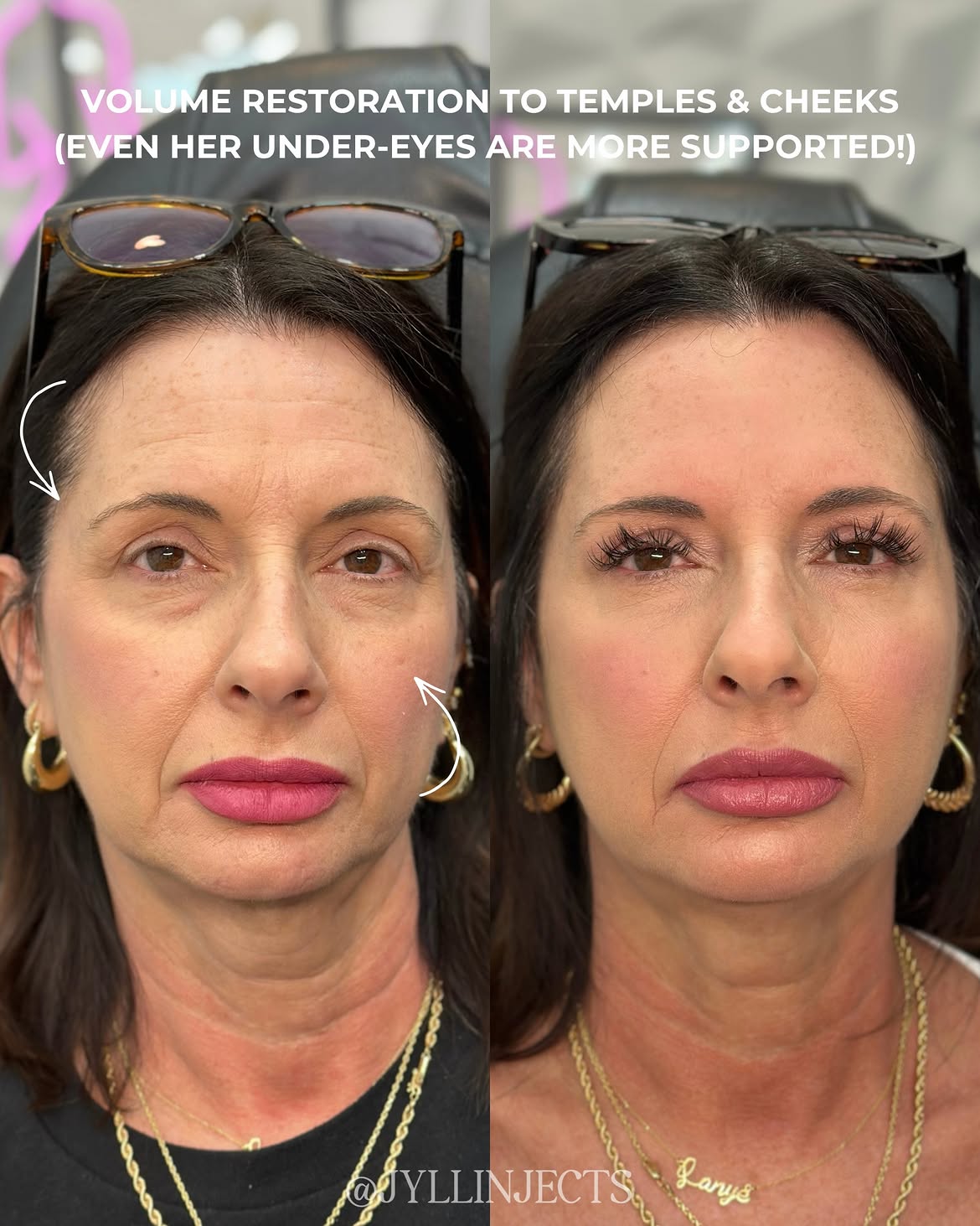
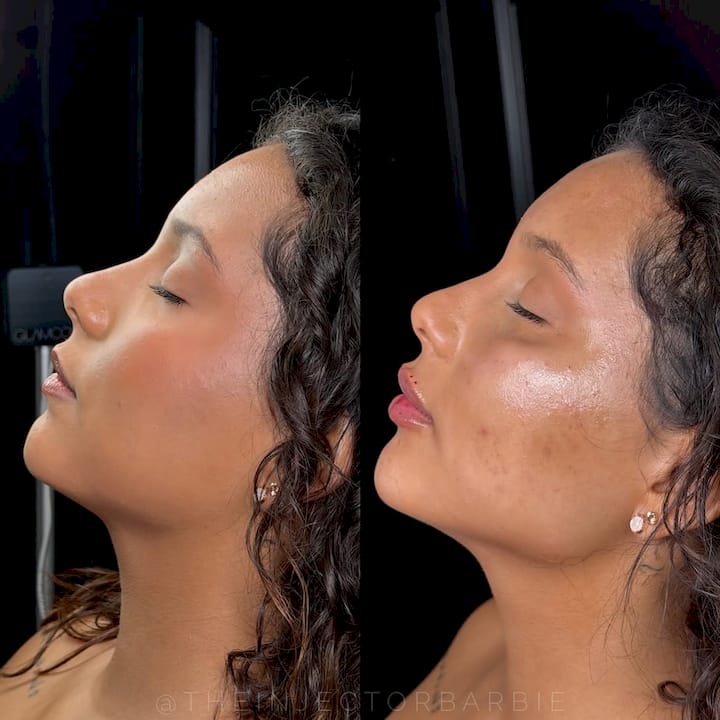
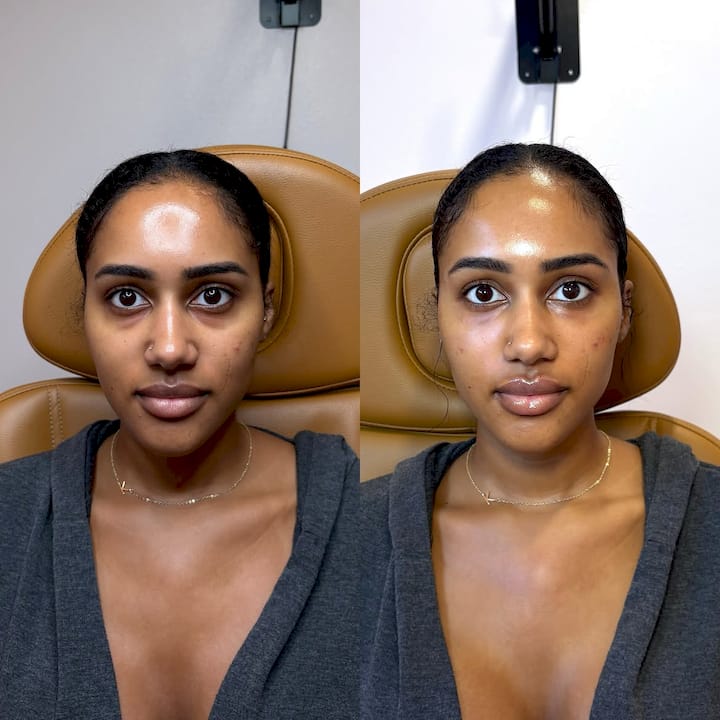
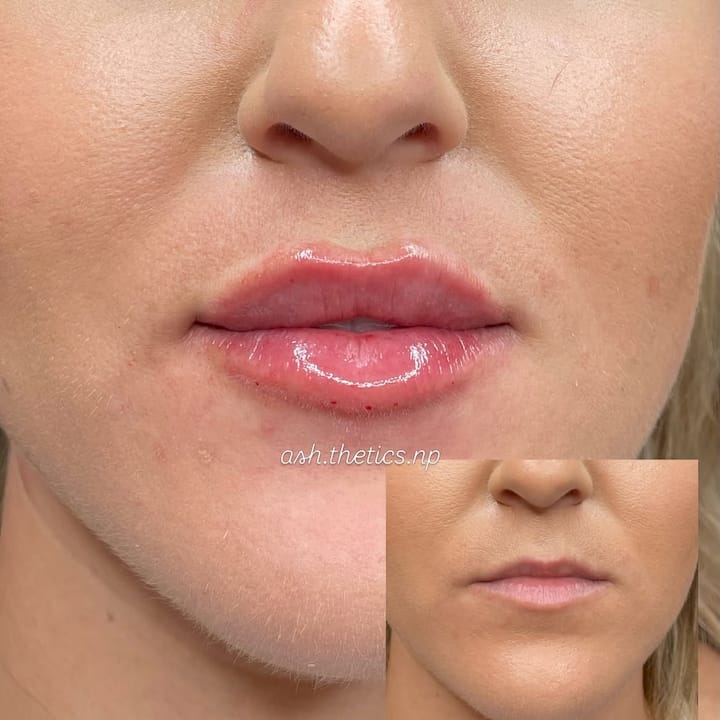
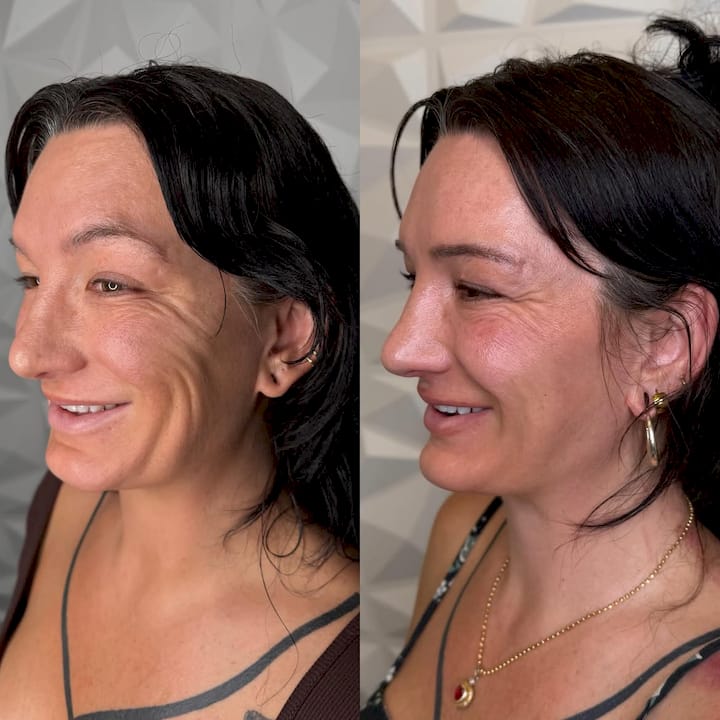
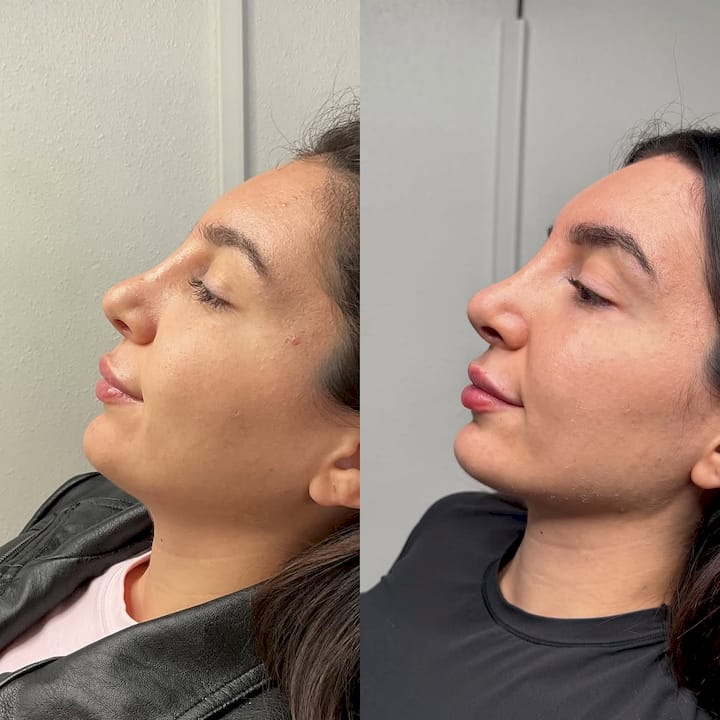
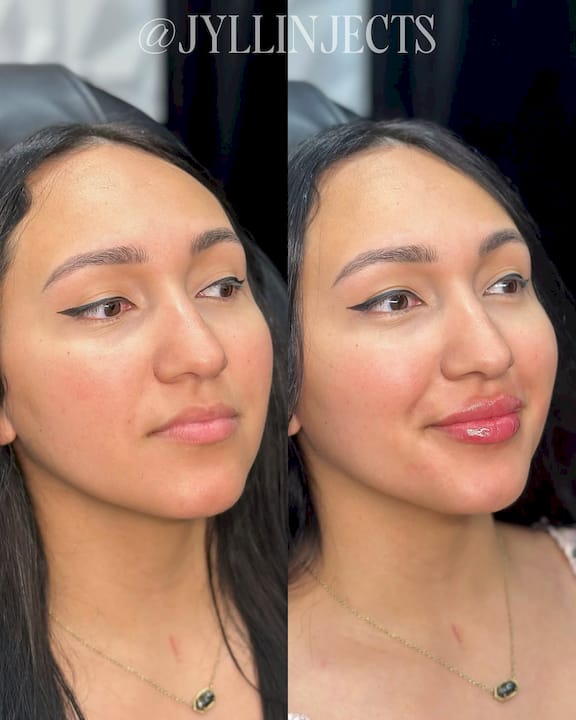
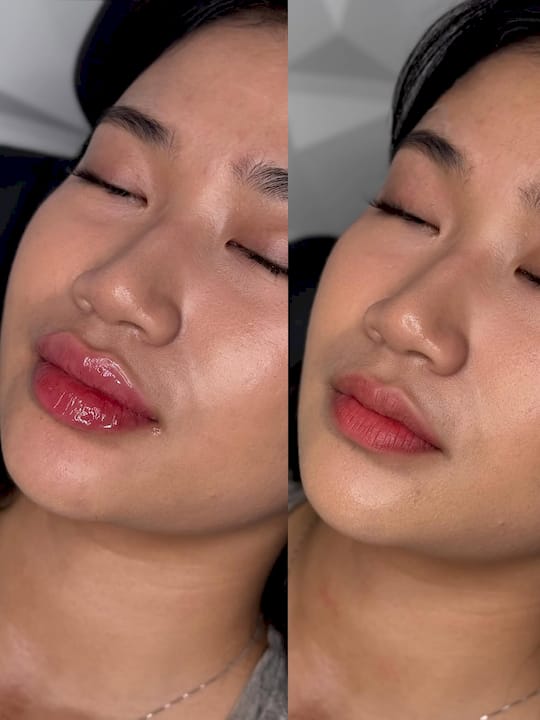
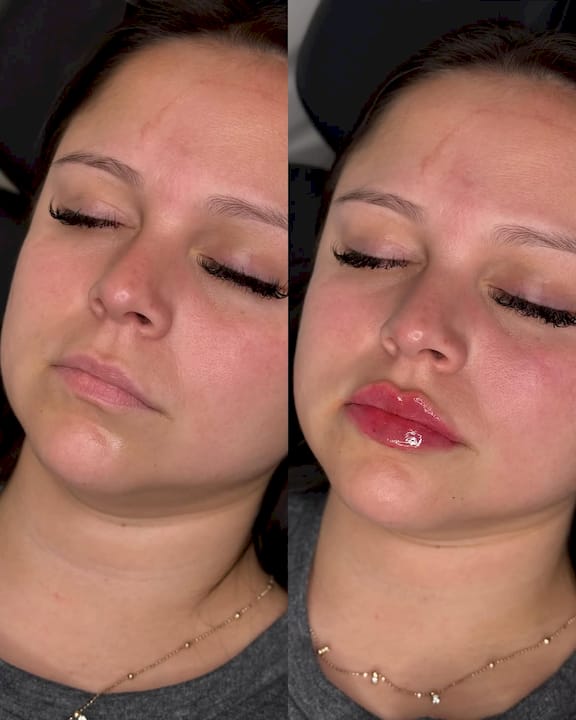
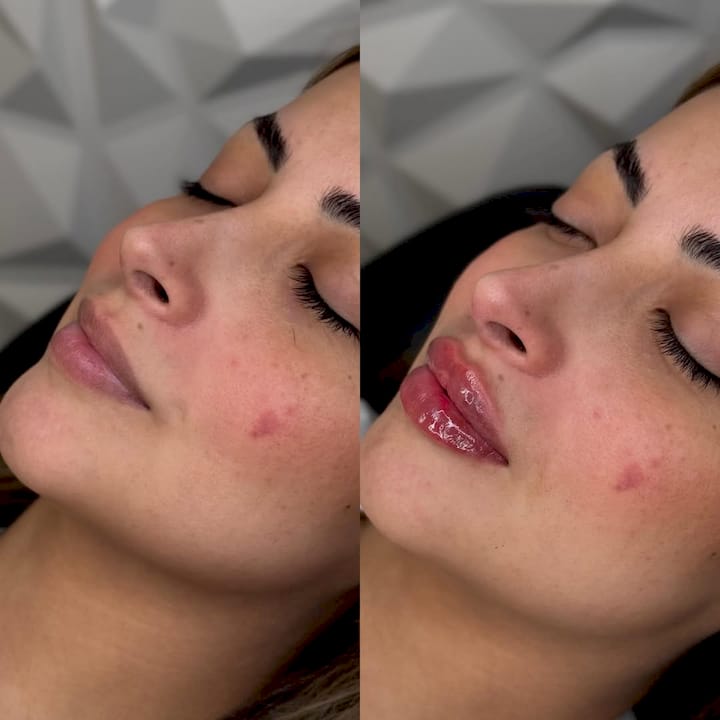
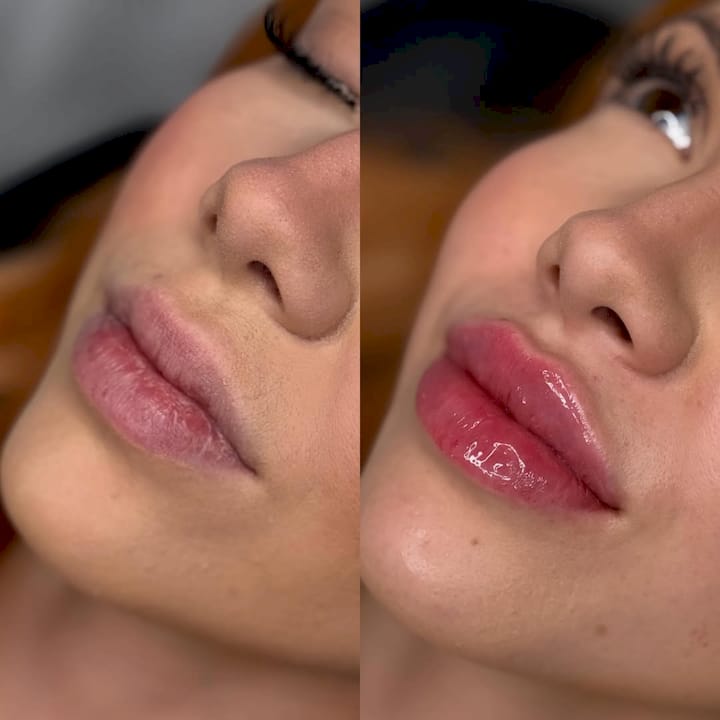
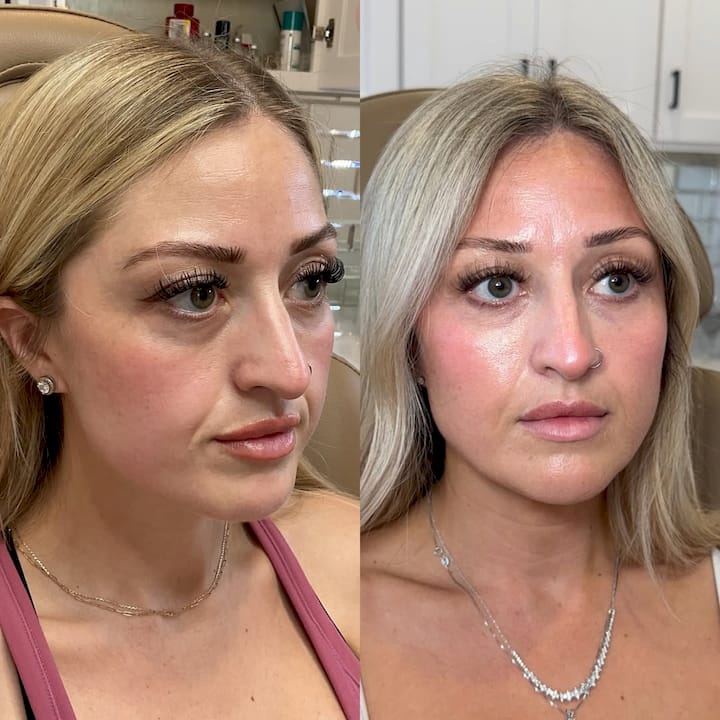
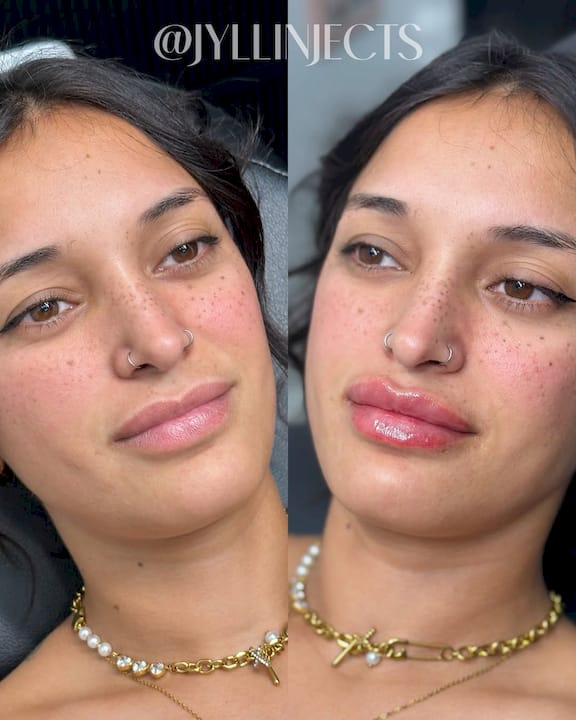
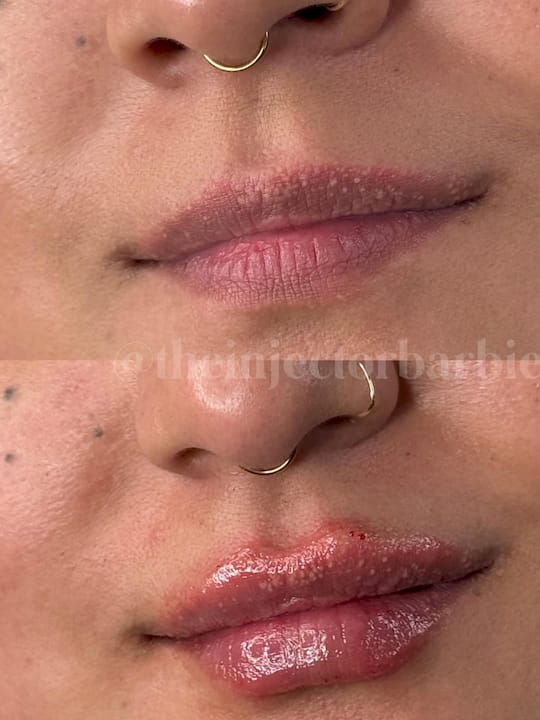
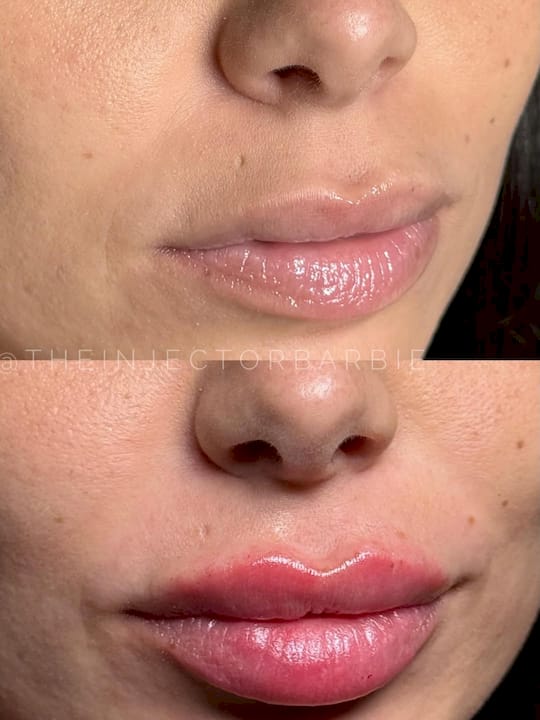
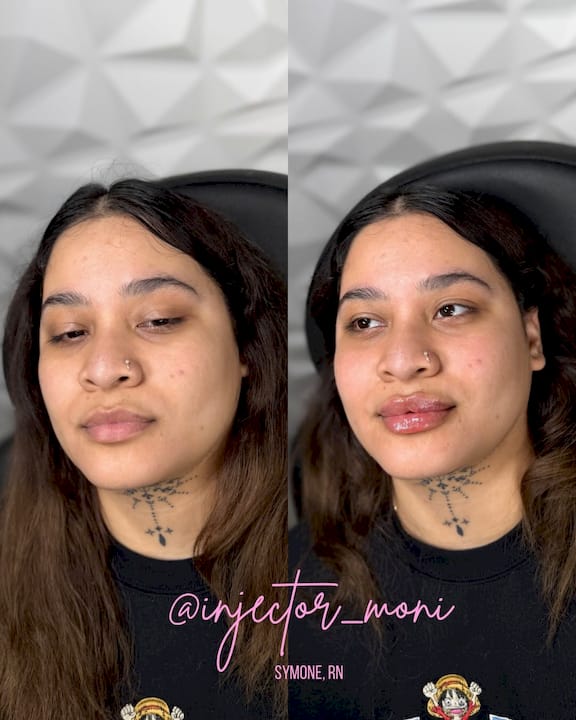
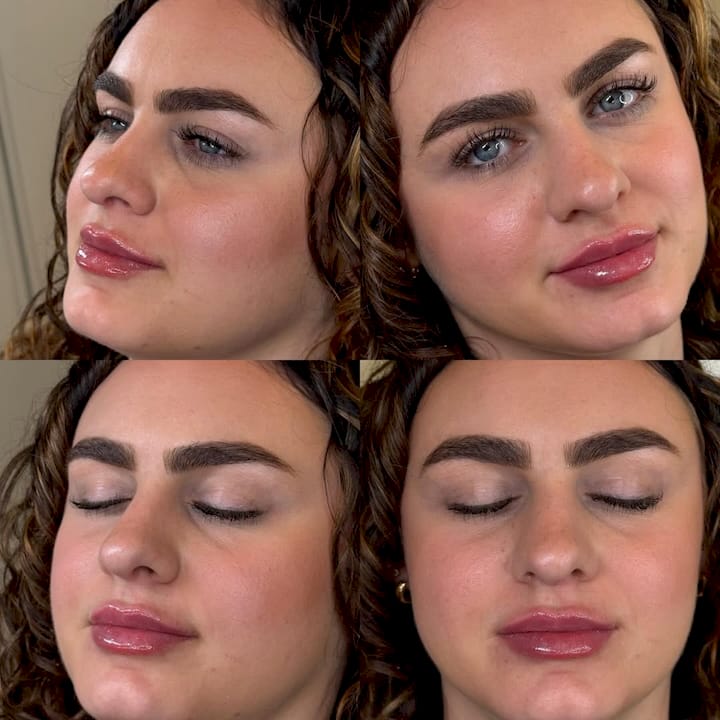
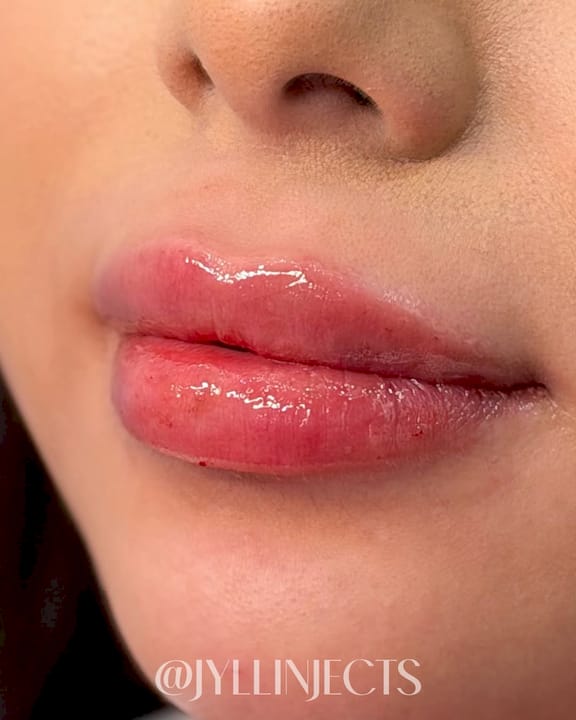
A natural filler result is one where nobody notices the filler itself. Your expressions move freely, your face looks refreshed and rested, and your unique features stay intact. You look like yourself, just a little more vibrant.
What goes wrong when results look unnatural? Usually it comes down to overfilling, wrong placement, or using a product that doesn’t match the treatment area. “Pillow face” is the most talked-about outcome, where the cheeks look swollen and round rather than lifted and defined. Loss of the face’s natural contours is another warning sign. These outcomes are not inevitable. They are preventable.
Several factors determine whether your result looks real or overdone:
-
Filler material: Different products behave differently under the skin.
-
Placement depth: The same filler placed too shallow or too deep gives completely different results.
-
Volume used: Less is almost always more, especially on a first visit.
-
Provider expertise: An injector who understands facial anatomy can work with your natural structure rather than against it.
-
Personalized approach: A plan built around your specific face, not a generic template.
Here’s a quick comparison of the three main filler categories:
| Filler type | Main ingredient | Best for | Reversible? |
|---|---|---|---|
| Hyaluronic acid (HA) | Hyaluronic acid | Lips, under eyes, fine lines | Yes, with hyaluronidase |
| Calcium hydroxylapatite (CaHA) | Calcium microspheres | Deep folds, cheeks, jawline | No |
| Biostimulators | Poly-L-lactic acid or CaHA | Full-face volume, gradual collagen | No |
“The goal is never to fill a face. The goal is to restore what time has taken, in a way that looks like it was always there.”
Research confirms this is achievable. 95% of patients who received HA filler in the nasolabial folds and lower face maintained completely natural expressiveness. When you’re choosing dermal fillers, understanding these categories is your first step. For a full picture of what the step-by-step filler process looks like, it helps to know what to expect before you ever sit in the chair. If cheeks are your focus, exploring best cheek fillers can help you narrow down the right option.
The role of provider skill and technique
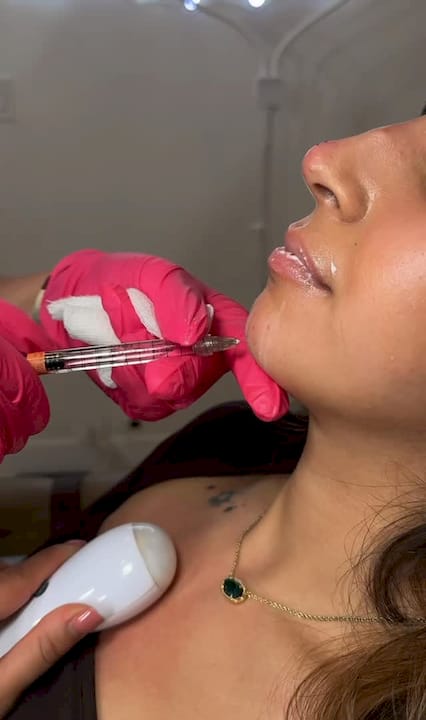
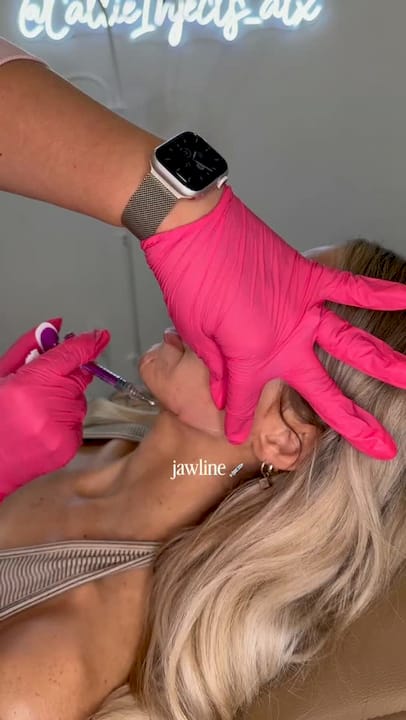
With the fundamental factors covered, it’s essential to recognize that the hand behind the syringe matters most. You can have the best filler on the market, but if it’s placed by someone who doesn’t understand facial anatomy, the result will show it.
Technique outweighs product selection every time. Overfilling is considered an iatrogenic complication, meaning it’s caused by the treatment itself and is entirely preventable with the right provider. A skilled injector knows how to balance volume across the whole face, not just treat one isolated area.
Here’s what to look for and ask when you meet with a potential provider:
-
Ask about credentials: Are they a licensed medical professional with specific training in facial injectables?
-
Ask about their approach: Do they favor conservative doses and gradual improvement, or do they push for dramatic changes in one session?
-
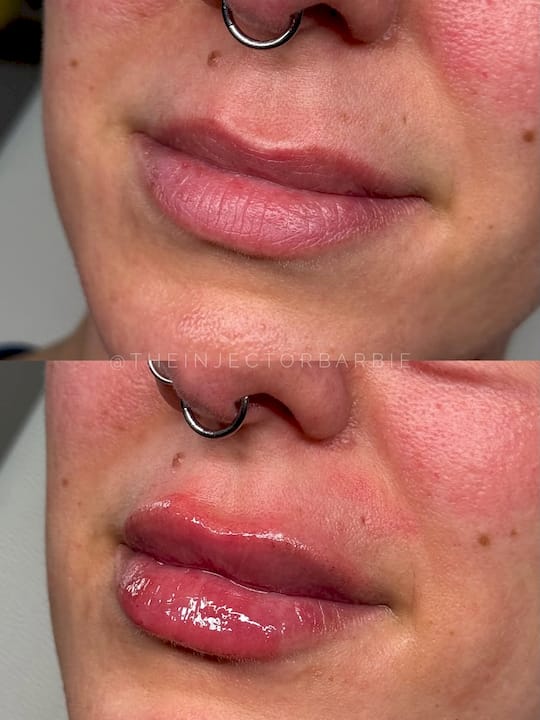
Ask to see real patient photos: Before-and-after images from their actual patients, not stock photos or brand materials.
-
Ask how they handle corrections: A confident provider will have a clear answer about what happens if you’re not satisfied.
-
Notice how they assess your face: A thorough provider will study your anatomy, symmetry, and facial movement before recommending anything.
A provider who pressures you into large packages or multiple syringes on a first visit is a red flag, not a deal.
Warning signs to walk away from: clinics offering deep discounts on filler packages, providers who don’t ask about your medical history, and anyone who doesn’t discuss your specific goals before recommending a volume.
Pro Tip: Always request before-and-after photos from the provider’s real patients before booking. Look specifically for patients who have a similar face shape and age to yours.
The filler step-by-step guide can help you understand what a proper consultation and treatment should look like. If cheeks are part of your plan, reviewing cheek filler types gives you a better foundation for that conversation.
Types of fillers for subtle, natural results
The choice of filler is also crucial. Let’s compare the most effective types for women aiming for subtle anti-aging.
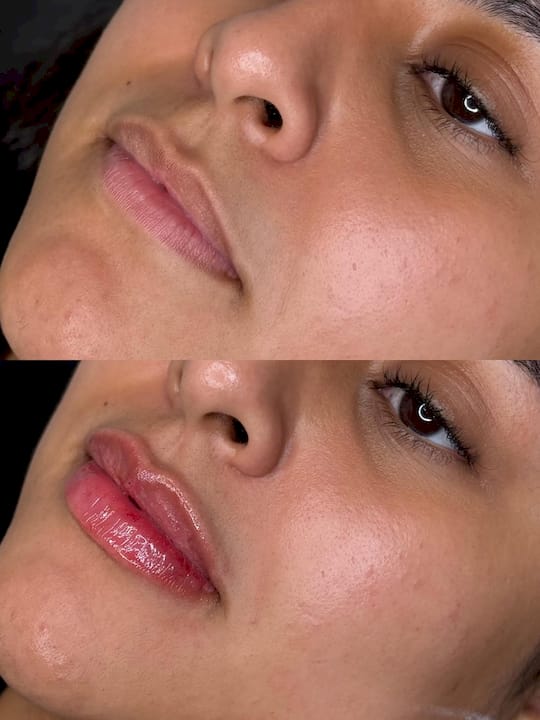
Hyaluronic acid (HA) fillers are the most popular option for good reason. They deliver immediate volume, integrate naturally with your tissue, and can be dissolved if you’re unhappy with the result. HA fillers provide immediate volume while biostimulators work gradually to stimulate collagen for longer-lasting, natural improvement. HA is ideal for lips, under-eye hollows, and fine lines around the mouth.

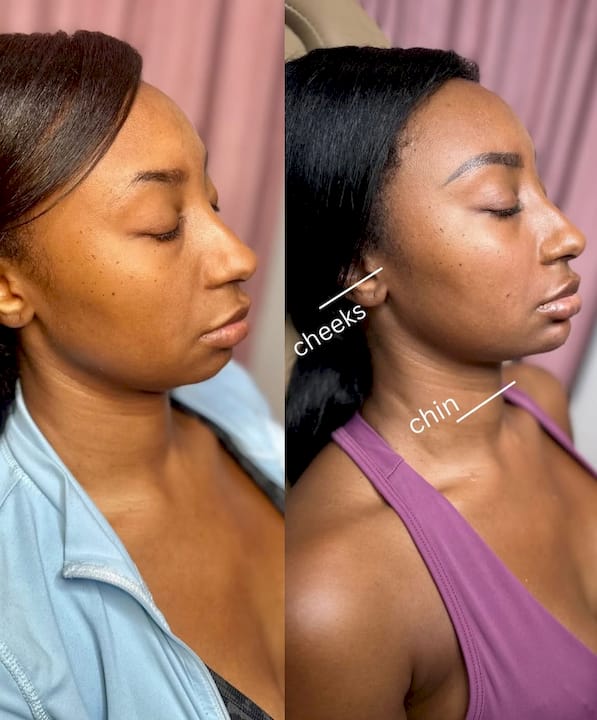
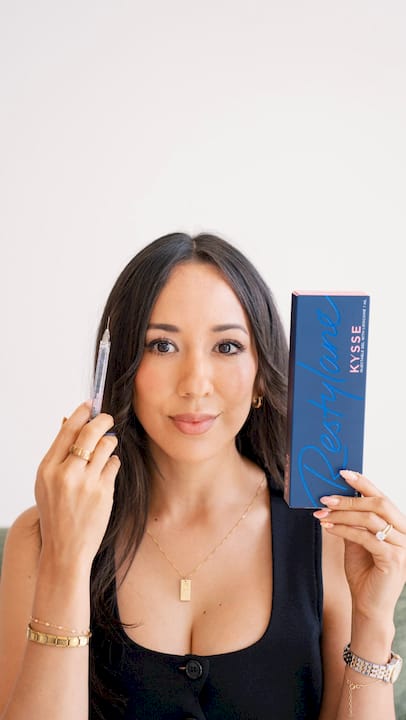
Calcium hydroxylapatite (CaHA) works deeper in the tissue and is better suited for structural areas like the cheeks, jawline, and deep nasolabial folds. Studies show CaHA outperforms HA for nasolabial fold correction at six to nine months, making it a strong choice for longer-lasting midface improvement.
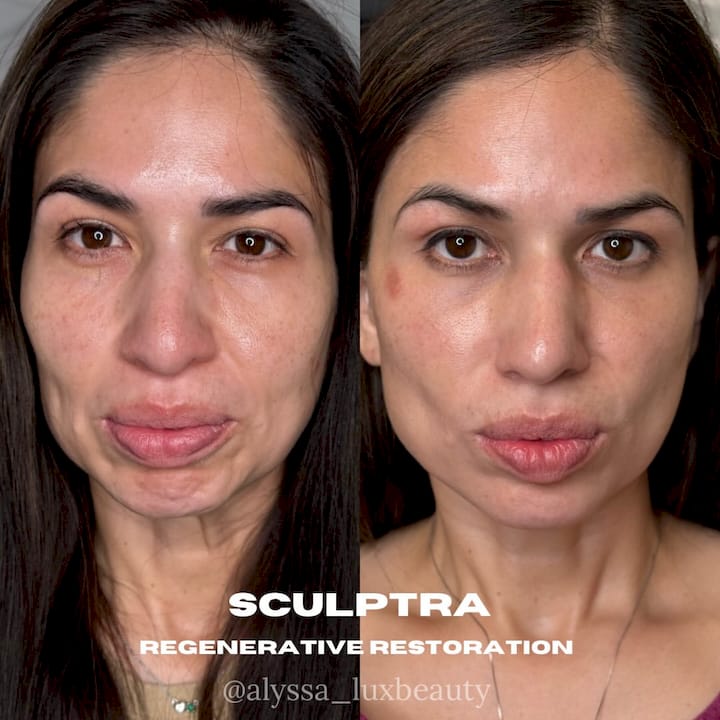
Biostimulatory fillers like Sculptra work differently. They don’t add volume directly. Instead, they trigger your body to produce new collagen over several months. The result is gradual, natural, and can last two or more years.
| Filler type | Onset | Duration | Reversible | Best areas |
|---|---|---|---|---|
| Hyaluronic acid | Immediate | 6 to 18 months | Yes | Lips, under eyes, fine lines |
| CaHA (Radiesse) | Immediate | 12 to 18 months | No | Cheeks, jawline, deep folds |
| Sculptra (PLLA) | Gradual (months) | 2 or more years | No | Full face, temples, cheeks |
Key considerations when choosing:
-
If you want to try fillers for the first time, HA is the safest starting point because it’s reversible.
-
If you want longer-lasting structural improvement, CaHA or biostimulators may be better suited.
-
If you prefer gradual, subtle change over time, natural volume restoration with Sculptra is worth exploring.
For more on Sculptra injections and how they work, or to read a full Sculptra guide, both resources offer a thorough look at what to expect.
Avoiding the risk of ‘overfilled’ or unnatural results
Even with the best fillers and providers, risks exist. Here’s how to safeguard your results.
The most common causes of overfilled or unnatural-looking results are: using too much product in one session, placing filler in the wrong tissue layer, choosing a filler that’s too thick for the area, and returning for touch-ups too soon before the previous filler has fully settled.
“Pillow face” develops from excessive HA filler, wrong placement, or cumulative buildup over time. The good news is that HA filler is reversible. Hyaluronidase is an enzyme that dissolves HA filler, though the dose required varies depending on the specific filler brand and how resistant it is. Biostimulatory fillers carry less risk of this kind of overfill because results build slowly and naturally.
Here’s how to protect yourself:
-
Start with less: Ask your provider to use a conservative amount on the first session. You can always add more.
-
Wait two weeks: Give your filler time to fully settle before evaluating whether you want more volume.
-
Space your appointments: Avoid returning for touch-ups more frequently than your provider recommends.
-
Work with a board-certified provider: This is not the place to cut corners on credentials.
-
Know your options: If you’re unhappy with HA filler results, dissolution with hyaluronidase is a real and effective option.
Pro Tip: Bring reference photos to your consultation. Show your provider faces you find naturally beautiful and faces that look overdone. This gives them a clear picture of your aesthetic goals and your limits.
Reviewing the filler safety steps before your appointment helps you walk in prepared and confident.
Integrating fillers into your overall beauty and skincare routine
Filler is just one part of natural beauty. Integrating the right routines and treatments maximizes your outcome and keeps results looking fresh longer.
Fillers work best when they’re part of a broader plan. Relying on filler alone to address skin texture, tone, and laxity will only get you so far. Combining biostimulators with skincare creates sustained anti-aging results for women in midlife, and that combination approach is worth building into your routine from the start.
Here’s how to integrate fillers with your overall beauty plan:
-
Before filler: Establish a solid skincare routine with SPF, retinol, and hydration. Healthy skin holds filler better and longer.
-
After filler: Avoid intense exercise, heat, and alcohol for 24 to 48 hours. Keep up with SPF daily.
-
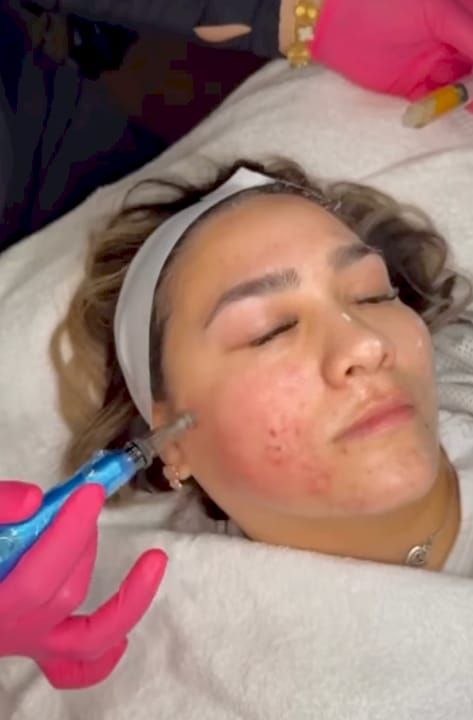
Combine with microneedling: This improves skin texture and collagen production without affecting your filler placement, as long as treatments are properly spaced.
-
Add neurotoxins strategically: Botox addresses dynamic wrinkles that fillers can’t fix. The two work well together.
-
Schedule wisely: Don’t layer multiple treatments in the same week. Space them out for better healing and cleaner results.
Exploring types of facial fillers helps you understand which products fit where in your overall plan. For a broader view, top facial filler options covers the leading choices available today. If you’re considering both fillers and Botox, the guide on combining fillers and Botox is a smart read before your consultation.
What most women get wrong about ‘natural’ filler
Having explored all the steps and safeguards, here’s a truth from inside the industry: most women who end up unhappy with their filler results didn’t choose the wrong product. They chose the wrong provider, rushed the process, or expected dramatic change from a single session.
The most invisible, believable filler outcomes are almost never the result of one appointment. They come from a slow, layered approach built over months with a provider who knows your face. In Austin and San Antonio, the women who look the most naturally refreshed are usually the ones who have been seeing the same injector for years, not the ones who chased a deal.
Quick, dramatic transformations are a red flag. Subtlety wins every time. When you’re choosing how to approach fillers, patience and provider trust matter far more than the brand name on the syringe.
Next steps: discover your most natural look
Ready to explore a natural, age-defying look with expert guidance? At The Injection Room, we specialize in individualized, subtle enhancements that work with your face, not against it. Whether you’re curious about Sculptra in Austin and San Antonio for gradual volume restoration or want to explore neurotoxin options like Botox in San Antonio to complement your filler plan, our team is here to build a custom strategy around your goals. Book a consultation and let’s create a plan that leaves you looking like the best version of yourself.
Frequently asked questions
What is a natural looking filler result?
It’s a subtle enhancement where your expressions and facial contours stay intact, with no puffiness or visible signs of treatment. 95% of patients who receive HA filler maintain completely natural expressiveness post-treatment.
How do I avoid looking overfilled with fillers?
Start with a conservative amount, wait two weeks before adding more, and always work with an experienced injector. Overfilling is preventable when your provider prioritizes anatomy knowledge and balance over volume.
Can natural looking fillers be undone if I don’t like the outcome?
Yes, most HA fillers can be dissolved with hyaluronidase if you’re unhappy with the result. HA filler reversal is a well-established option, though the dose needed varies by filler type.
What types of filler are best for subtle, natural results?
Hyaluronic acid fillers are ideal for first-timers because they’re reversible, while biostimulatory fillers like Sculptra offer gradual collagen stimulation for longer-lasting, natural improvement.
How long do natural looking filler results last?
Results typically last 6 months to 2 or more years depending on the filler type and area treated. HA fillers last 6 to 24 months, while biostimulators like Sculptra and Radiesse tend to last longer with gradual, natural-looking outcomes.


%20Pictures%20are%204%20weeks%20apart..jpg)