Many people think mesotherapy is mainly for melting fat. Actually, this minimally invasive treatment revitalizes aging skin by delivering vitamins and nutrients directly into the dermis. You will learn what mesotherapy is, how it works biologically, its clinical benefits, safety considerations, and how it compares to other treatments. Our goal is helping you decide if mesotherapy fits your skin rejuvenation goals.
Table of Contents
Key Takeaways
| Point | Details |
| Mesotherapy injects vitamins into dermis | Promotes collagen production and hydration at cellular level |
| Clinical results are measurable | Studies show 25% hydration increase and 15% wrinkle reduction after sessions |
| Minimally invasive and safe | Licensed practitioners report less than 2% adverse event rate |
| Focuses on skin quality | Differs from Botox and fillers by nourishing cells, not paralyzing muscles |
| Requires multiple sessions | Sustained results need maintenance treatments every few months |
What is Mesotherapy and How It Works
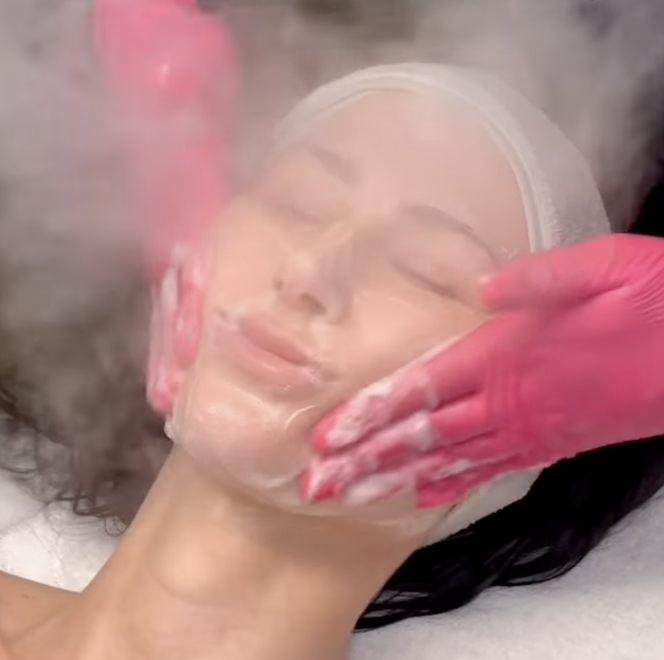
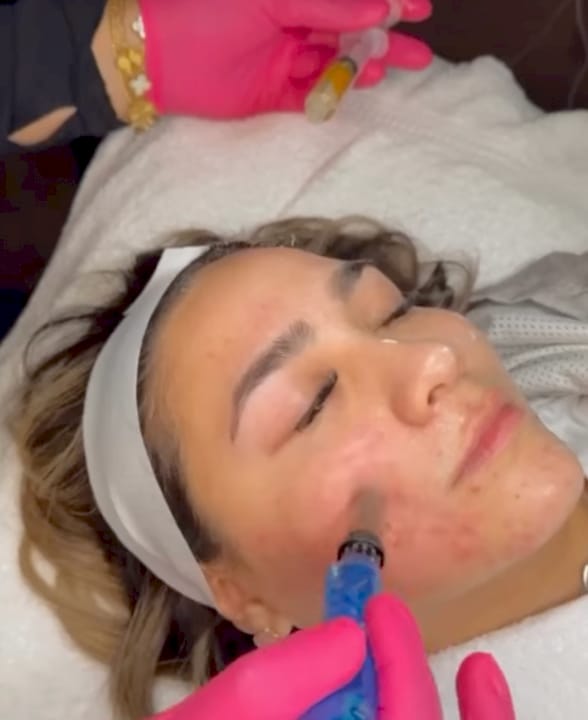
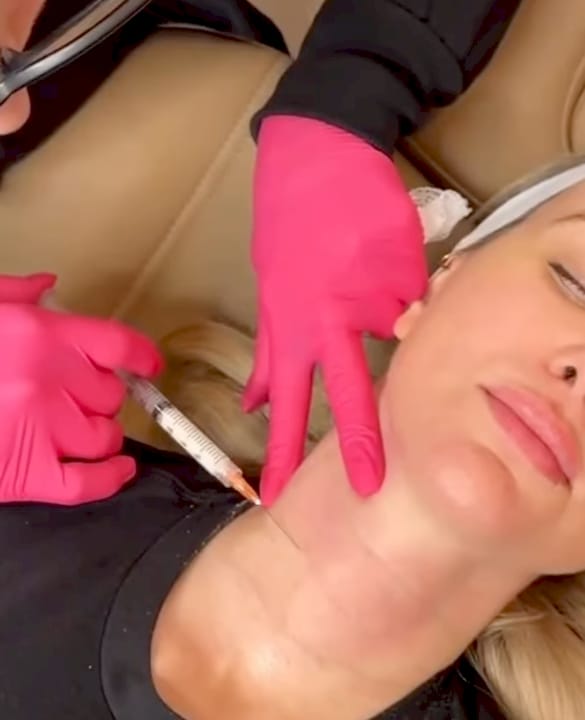
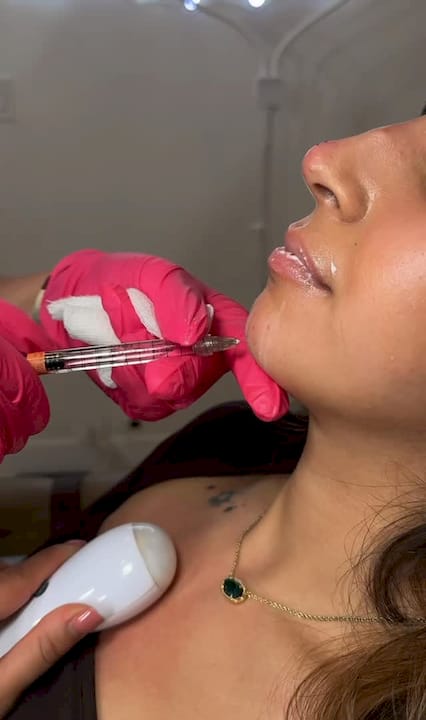
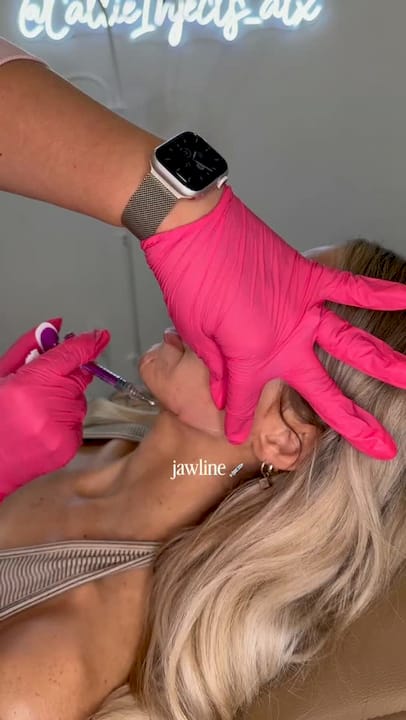
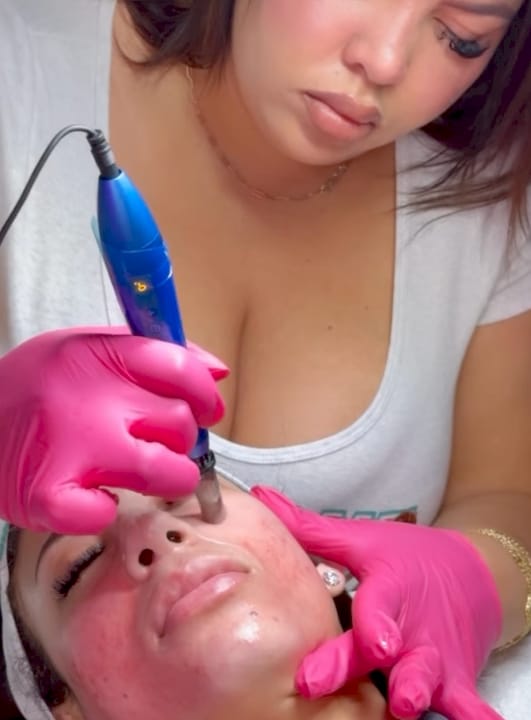
Mesotherapy involves multiple microinjections that deliver bioactive vitamins and nutrients into the skin’s middle layer, called the mesoderm. The injection depth ranges from 1 to 4 millimeters, targeting fibroblast cells responsible for skin regeneration. This procedure nourishes and hydrates skin cells to improve texture, tone, and elasticity.
The treatment is minimally invasive with mild discomfort. Each session uses customized cocktails tailored to your individual skin needs.
Key aspects of the microneedling process share similar principles with mesotherapy:
-
Both treatments target the dermis to stimulate natural healing
-
Both create controlled micro injuries to trigger collagen production
-
Both require multiple sessions for optimal results
-
Both offer gradual improvements in skin quality
Understanding microneedling benefits helps contextualize mesotherapy’s complementary approach to skin rejuvenation. While mesotherapy delivers nutrients through injections, treatments often work together for enhanced outcomes. The restorative face cream can support post-treatment recovery by providing additional nourishment to treated skin.
Biological Mechanisms Behind Mesotherapy Benefits
After defining the mesotherapy procedure, understanding the biological effects behind its rejuvenating power becomes essential. The treatment stimulates fibroblasts, the skin cells that produce collagen and elastin. These structural proteins form the foundation of firm, youthful skin.
Collagen synthesis can increase by approximately 30 to 40% within weeks of mesotherapy treatment. This dramatic boost restores skin elasticity and reduces wrinkles at a cellular level. Nutrient delivery enhances skin hydration and cellular repair processes simultaneously.
The procedure promotes gradual cellular regeneration for long lasting improvement. Here’s how the biological cascade unfolds:
-
Microinjections trigger controlled inflammatory response in dermis
-
Fibroblasts activate and multiply in treated areas
-
Increased collagen and elastin production strengthens skin matrix
-
Enhanced hydration plumps skin cells and smooths surface texture
-
Cellular turnover accelerates, revealing fresher skin layers
Pro Tip: Consistent treatment sessions and proper post-care maximize collagen building effects. Avoid sun exposure and use gentle skincare products between sessions.
Exploring mesotherapy benefits and safety provides additional context about how these biological mechanisms translate into visible improvements. The clinical evidence on collagen increase confirms that nutrient delivery through mesotherapy creates measurable structural changes in aging skin.
Efficacy and Quantifiable Benefits of Mesotherapy
From understanding biological mechanisms, clinical proof quantifying mesotherapy’s skin rejuvenation benefits becomes crucial. Multiple studies report hydration improved by up to 25%, elasticity by 20%, and wrinkles reduced by 15% after multiple mesotherapy sessions.
These improvements appear gradually. Most patients notice visible changes after their third session.
| Metric | Improvement | Timeline |
| Skin Hydration | Up to 25% increase | After 3-5 sessions |
| Elasticity | Approximately 20% improvement | After 4-6 sessions |
| Wrinkle Depth | Around 15% reduction | After 3-5 sessions |
| Result Duration | 3-6 months | Maintenance needed |
Key benefits you can expect:
-
Skin becomes firmer and more supple as elasticity improves
-
Fine lines visibly soften with reduced wrinkle depth
-
Surface texture smooths as hydration increases
-
Natural glow returns as cellular function improves
Treatment sessions are typically spaced one to two weeks apart. Benefits generally appear after three to five sessions. Results typically last three to six months, requiring maintenance treatments to sustain improvements.
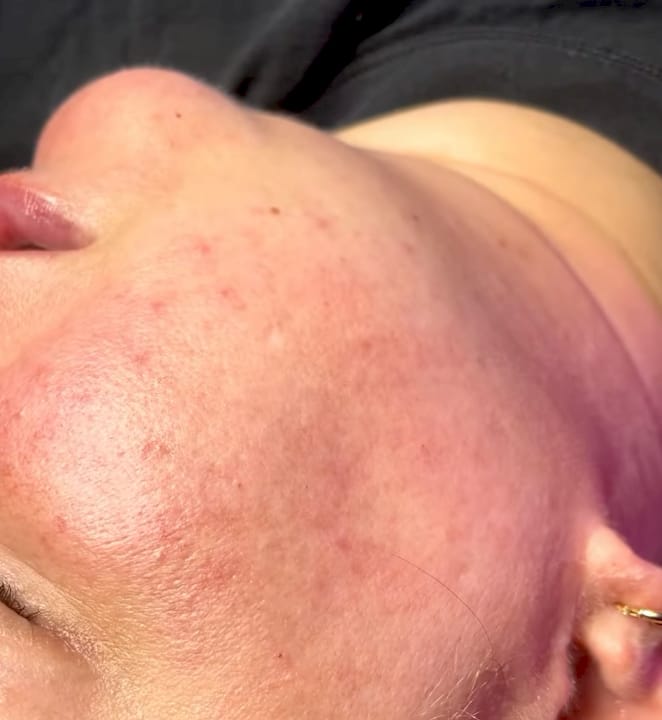
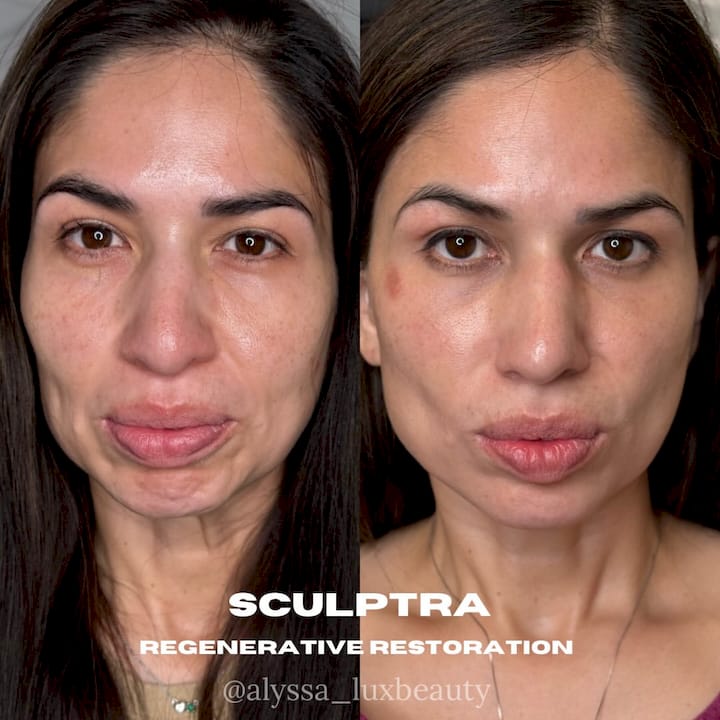
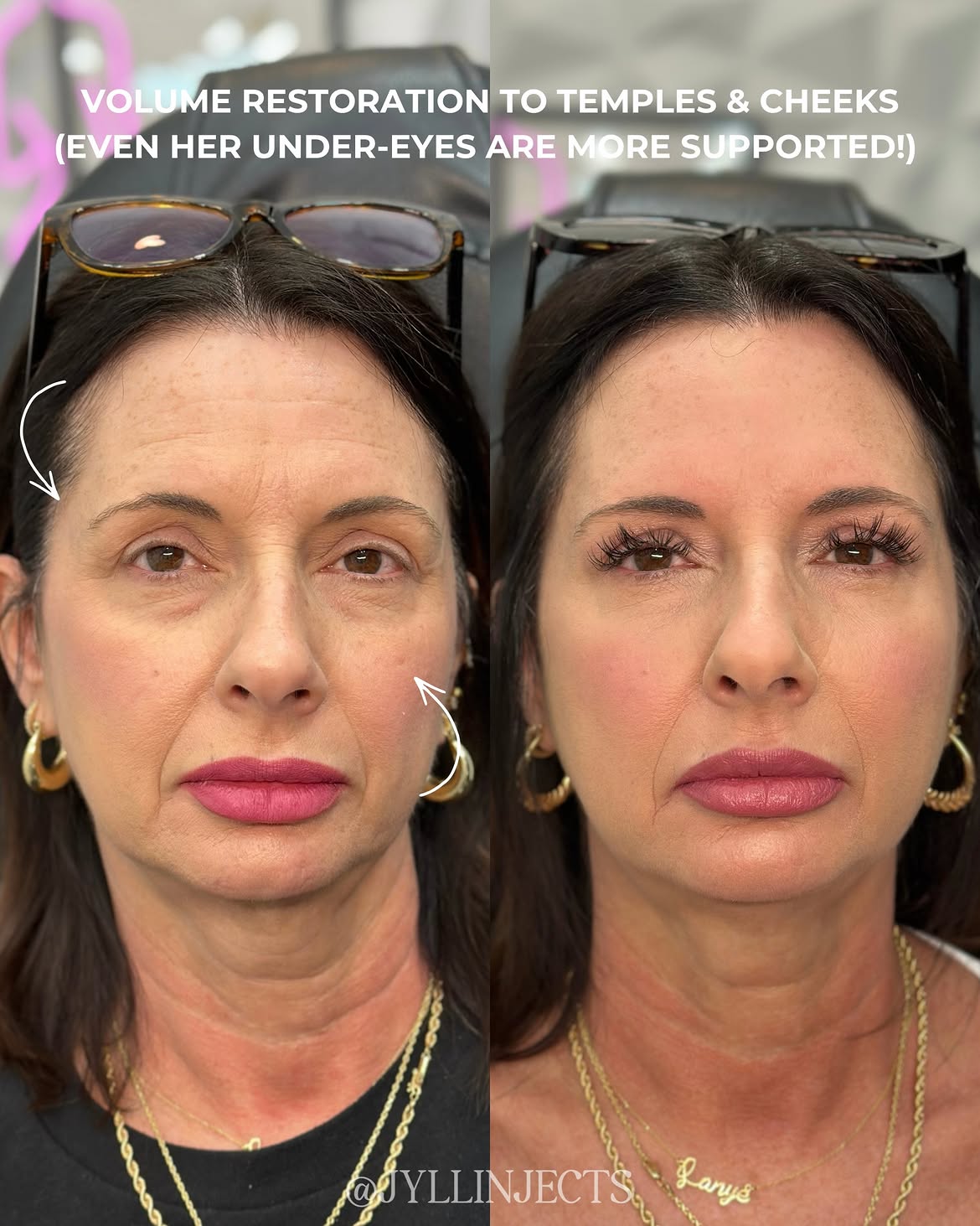
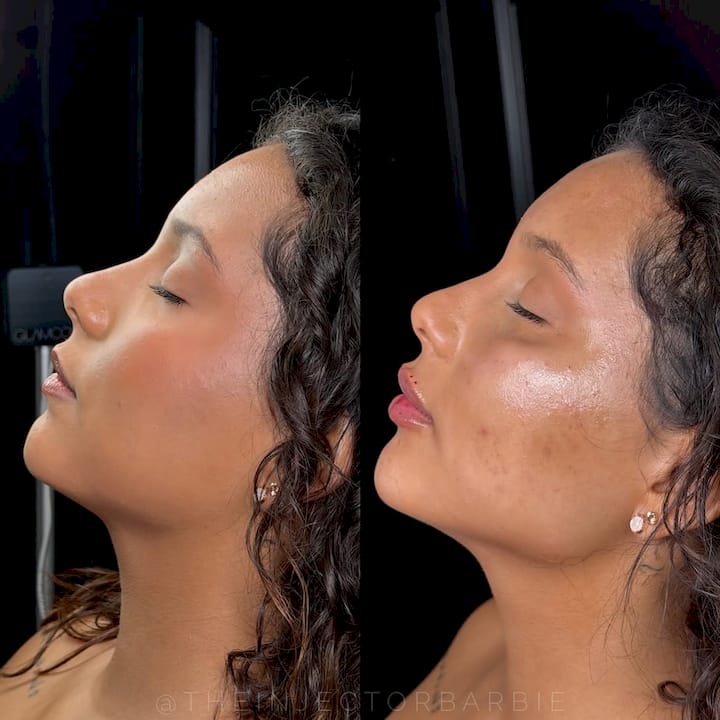
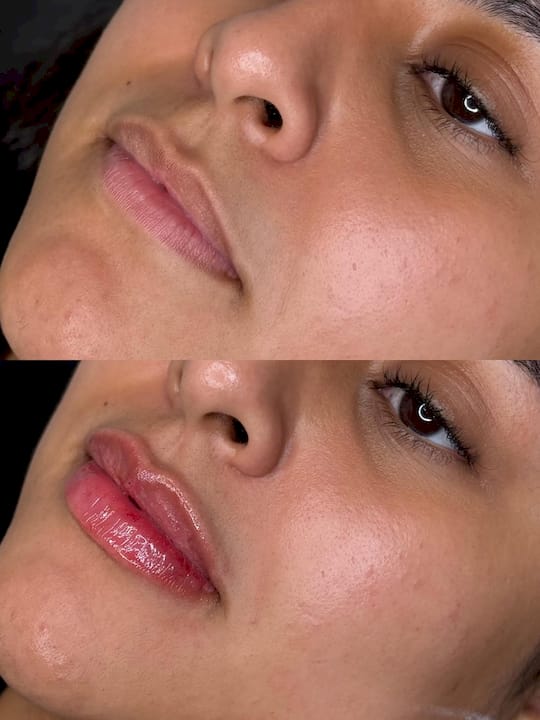
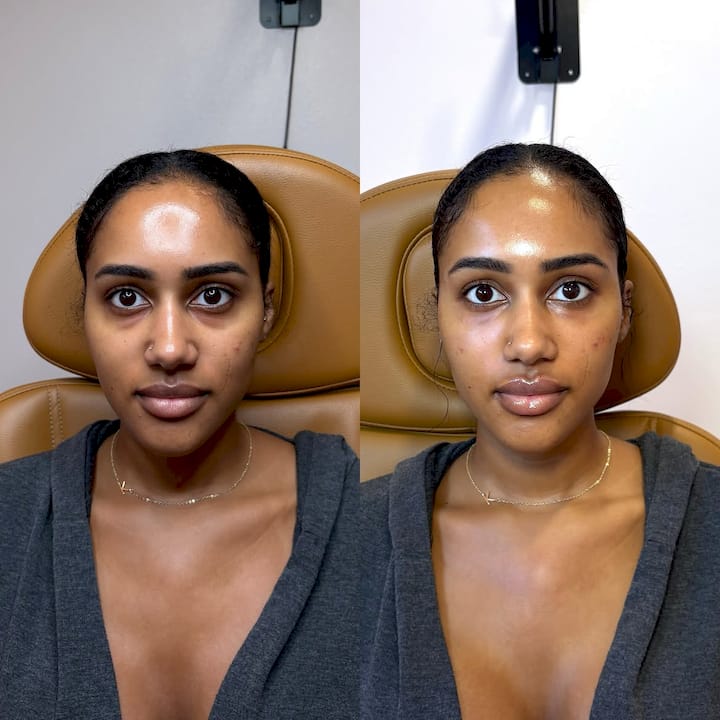
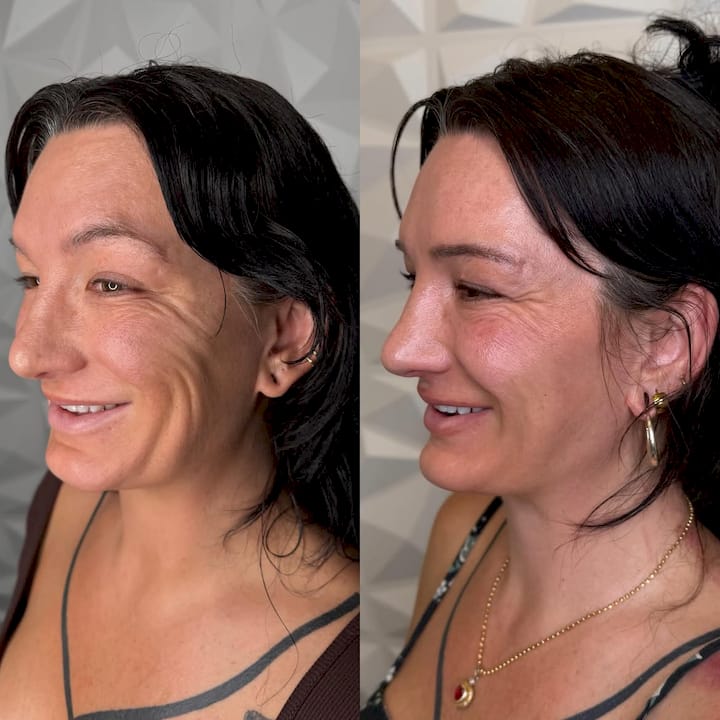
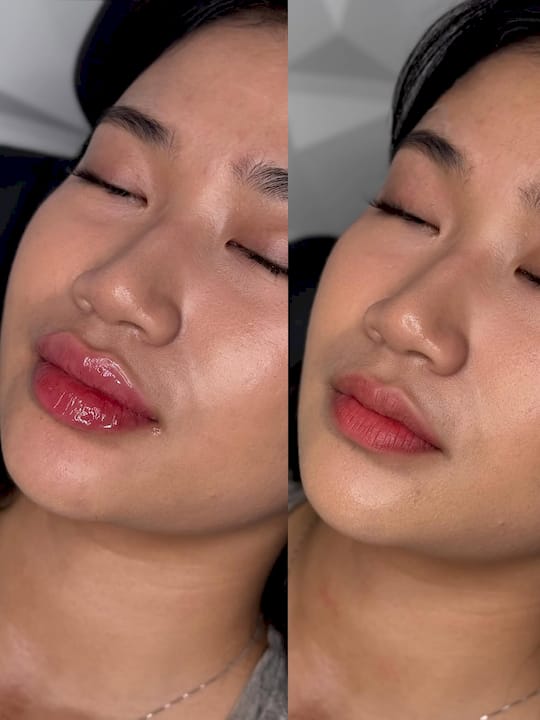
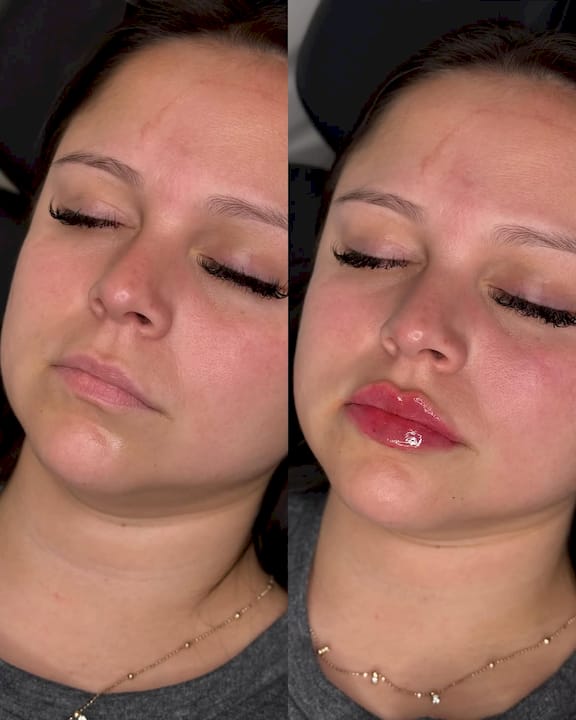
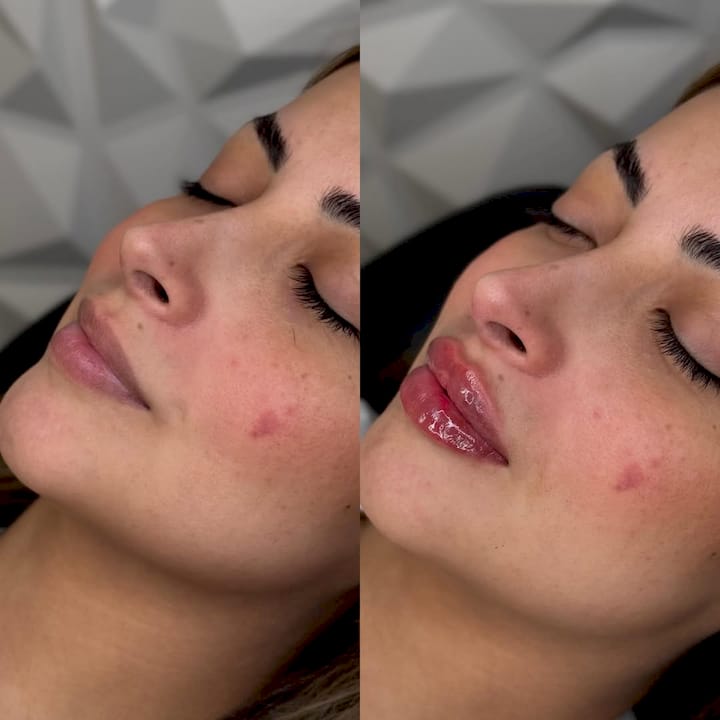
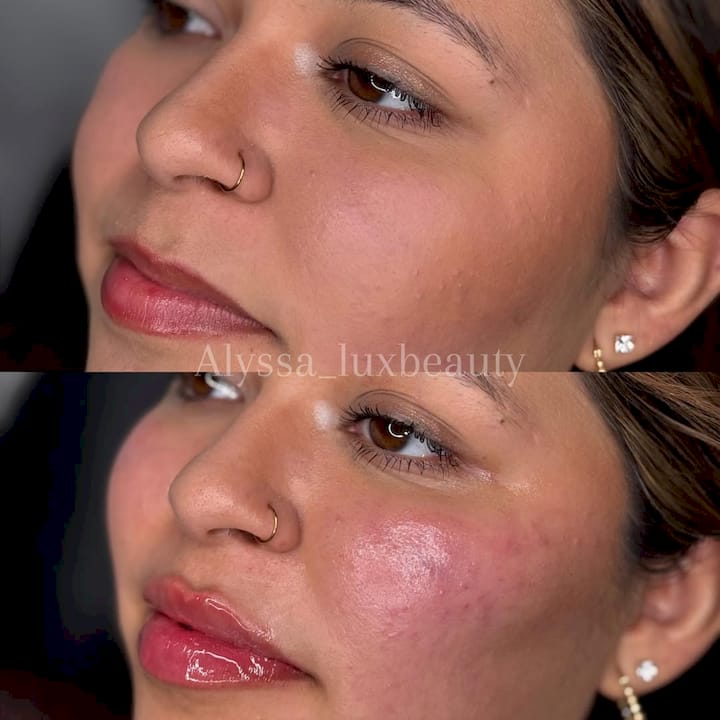
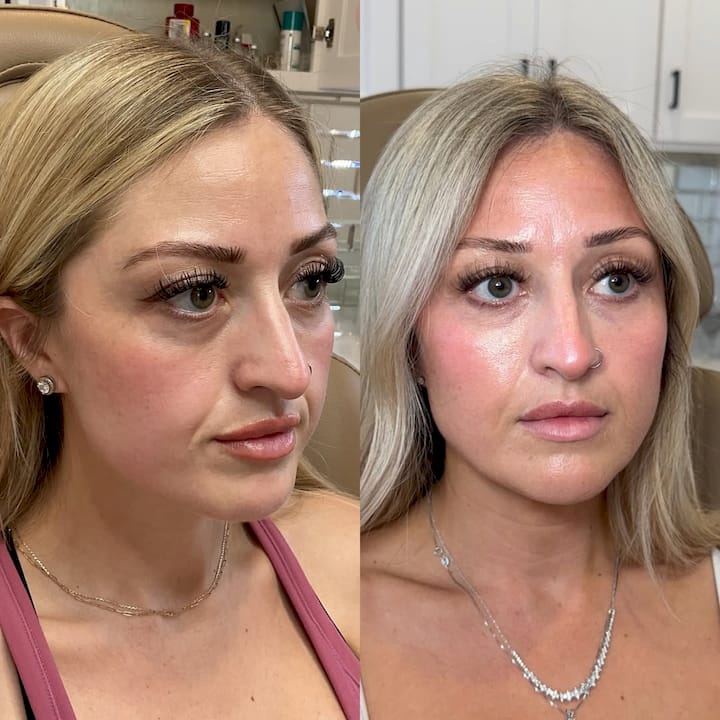
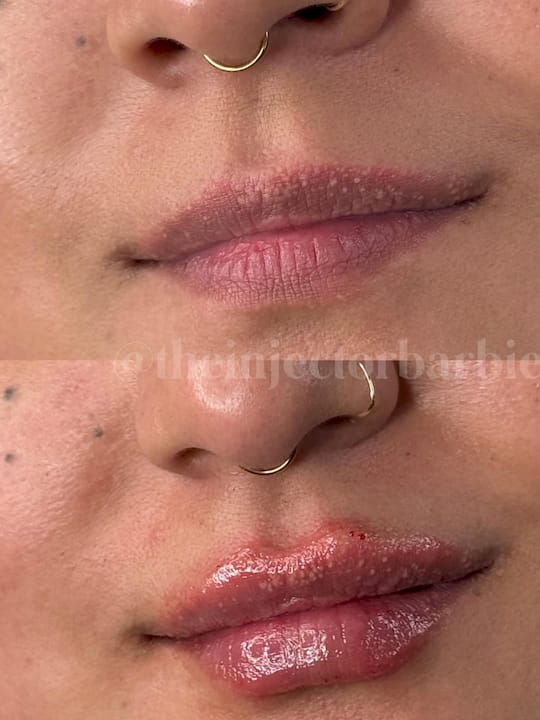
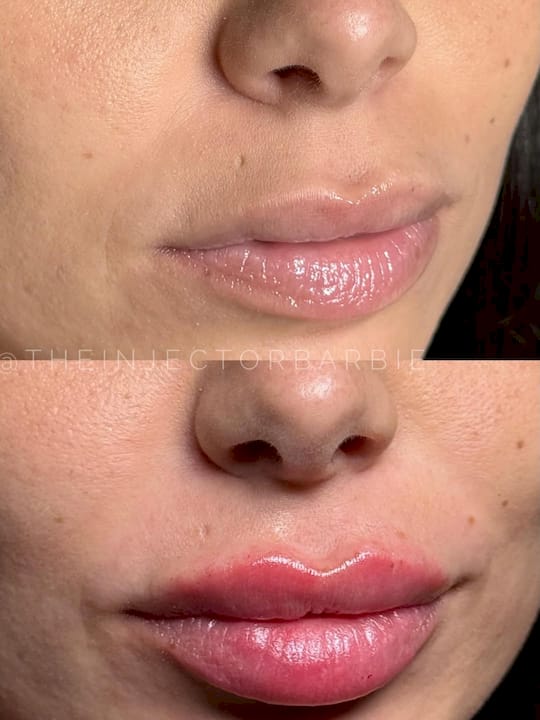
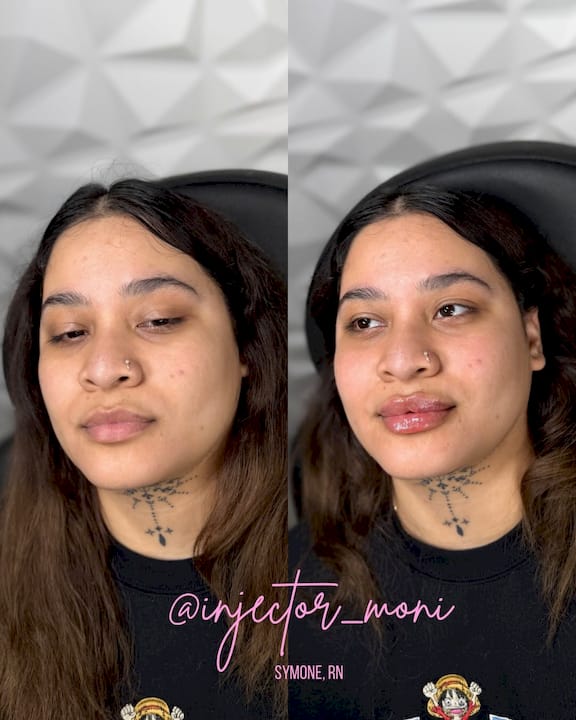
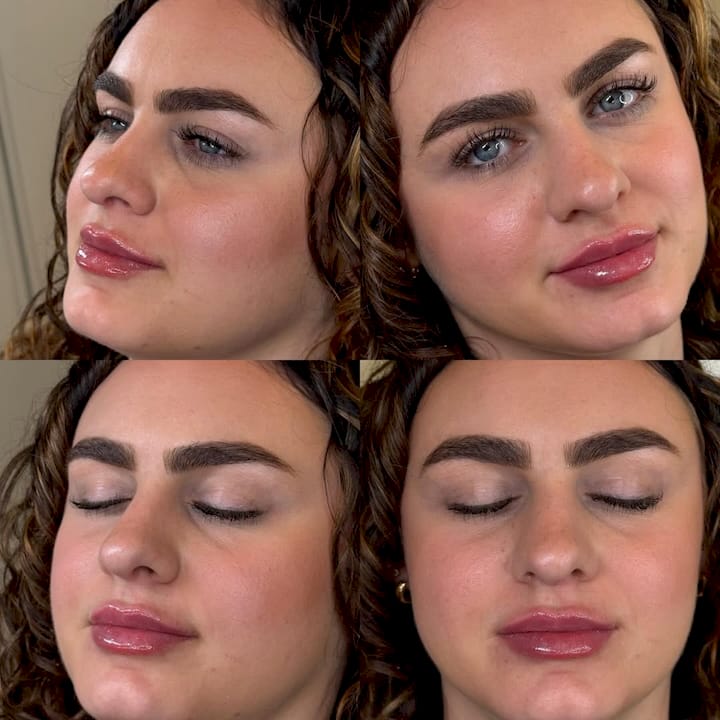
The before and after mesotherapy benefits demonstrate real patient outcomes. Reviewing clinical mesotherapy data confirms these quantifiable improvements are reproducible across diverse patient populations.
Comparison with Other Anti-Aging Treatments
After establishing efficacy, positioning mesotherapy relative to popular injectable alternatives clarifies decision making. Mesotherapy delivers nutritional compounds to improve skin texture and hydration from within. This fundamental difference shapes treatment selection.
Botox works by paralyzing muscles to smooth dynamic wrinkles, without improving skin quality directly. Dermal fillers add volume and structure, instantly altering facial contours. Mesotherapy is minimally invasive, with no muscle paralysis or volume addition.

| Treatment | Mechanism | Primary Benefit | Duration |
| Mesotherapy | Nutrient delivery to dermis | Improved skin quality and hydration | 3-6 months |
| Botox | Muscle paralysis | Smooths dynamic wrinkles | 3-4 months |
| Dermal Fillers | Volume addition | Restores facial contours | 6-18 months |
| Microneedling | Collagen induction | Texture and tone improvement | 3-6 months |
Key distinctions to consider:
-
Mesotherapy nourishes existing skin cells rather than adding external substances
-
Results appear gradually versus immediate changes from fillers
-
No risk of frozen expression that sometimes occurs with Botox
-
Can be combined with other treatments for comprehensive rejuvenation
Pro Tip: Selecting the right treatment depends on your specific aging concerns and desired outcomes. Consult with a licensed provider to assess which approach addresses your priorities.
Understanding why combine fillers and Botox reveals how layered treatment strategies work. Our Botox anti-aging guide and face fillers guide provide detailed comparisons to help you choose the best path forward.
Common Misconceptions About Mesotherapy
Having compared treatments, dispelling common myths ensures realistic expectations. Many misunderstandings surround mesotherapy, potentially misleading patients considering this treatment option.
Mesotherapy is not primarily for fat reduction. While some formulations target localized fat deposits, skin rejuvenation mesotherapy focuses on nutrient delivery to improve texture and tone. Results are gradual and require multiple sessions with maintenance for lasting effects.
Key misconceptions to avoid:
-
Mesotherapy does not work like Botox by paralyzing muscles
-
One session will not produce dramatic, permanent changes
-
Not all mesotherapy cocktails are identical or interchangeable
-
The treatment requires proper technique and quality ingredients
-
Side effects are temporary but should not be dismissed
Expect mild temporary reactions such as redness or bruising. These typically resolve within a few days. Avoid unlicensed providers to ensure safety and proper results. Unqualified practitioners may use inferior products or incorrect injection techniques.
Reviewing comprehensive mesotherapy benefits and costs clarifies realistic outcomes. Understanding what mesotherapy can and cannot achieve helps you make informed decisions about whether this treatment aligns with your skin goals.
Safety and Side Effects of Mesotherapy
With misconceptions cleared, discussing safety reassures and educates readers about potential risks and prevention. Common mild side effects include redness, swelling, and bruising lasting a few days. These reactions indicate normal inflammatory response to microinjections.
Significant adverse events occur in less than 2% of cases when treatment is done by licensed professionals. Proper aftercare and hygiene minimize risks substantially.
Typical temporary reactions:
-
Redness at injection sites for 24 to 48 hours
-
Minor swelling that resolves within three days
-
Small bruises that fade within one week
-
Mild tenderness when touching treated areas
Pro Tip: Always verify practitioner credentials and facility licenses before scheduling treatment. Ask about their training, experience with mesotherapy, and the specific products they use.
Serious complications are extremely rare but can include infection, allergic reactions, or scarring. Choosing a qualified provider dramatically reduces these risks. Detailed mesotherapy safety information outlines precautions and provider qualifications to look for when selecting where to receive treatment.
Treatment Protocol and Result Timeline
Following safety guidelines, explaining the treatment process and expected outcome timeline sets clear patient expectations. Typically three to five sessions spaced one to two weeks apart are recommended. Each session uses a customized cocktail of vitamins and nutrients based on initial skin assessment.
Visible improvements usually appear after the second or third session. Results last about three to six months, so maintenance treatments are advised for sustained benefits. Post treatment care maximizes results and reduces side effects.
Standard treatment progression:
-
Initial consultation and skin assessment to customize formula
-
First session establishes baseline and begins cellular stimulation
-
Second session builds on initial response, improvements start showing
-
Third through fifth sessions optimize results and maximize benefits
-
Maintenance sessions every three to six months preserve outcomes
The customization process considers your skin type, specific concerns, and desired outcomes. Practitioners adjust vitamin concentrations, nutrient combinations, and injection depths based on your unique needs. Some patients require fewer sessions, while others benefit from additional treatments.

Post treatment care includes avoiding sun exposure, using gentle cleansers, and staying hydrated. These simple steps support the skin’s natural healing process and enhance nutrient absorption. Most patients return to normal activities immediately after sessions.
Discover Expert Mesotherapy and Anti-Aging Treatments Near You
Professional administration ensures safe, effective mesotherapy treatments that deliver the results discussed throughout this article. Complementary options like Botox treatments in San Antonio, microneedling in Austin, and dermal fillers are available to tailor your anti-aging plan. Combining treatments often produces more comprehensive rejuvenation than single modality approaches. Understanding how to choose dermal fillers naturally helps you build an effective treatment strategy. Schedule a consultation to get personalized skin rejuvenation recommendations based on your unique aging concerns and aesthetic goals.
Frequently Asked Questions About Mesotherapy
What is the typical downtime after a mesotherapy session?
Most patients experience no significant downtime and return to normal activities immediately. Minor redness and swelling typically resolve within 24 to 48 hours.
Can mesotherapy be combined with other treatments like Botox or fillers?
Yes, mesotherapy works well alongside Botox and dermal fillers for comprehensive anti-aging results. Many practitioners recommend combination approaches to address multiple concerns simultaneously.
How long do mesotherapy results last before needing maintenance?
Results typically last three to six months depending on individual factors like age, skin condition, and lifestyle. Most patients schedule maintenance sessions quarterly to preserve improvements.
Is mesotherapy suitable for all skin types?
Mesotherapy can be customized for various skin types and concerns. However, pregnant women, people with active skin infections, and those with certain medical conditions should avoid treatment.
What should I ask my provider before starting mesotherapy?
Ask about their training and experience, the specific vitamins and nutrients they use, expected number of sessions, realistic outcomes for your skin concerns, and their protocol for managing side effects. Verify their license and facility credentials.


%20Pictures%20are%204%20weeks%20apart..jpg)