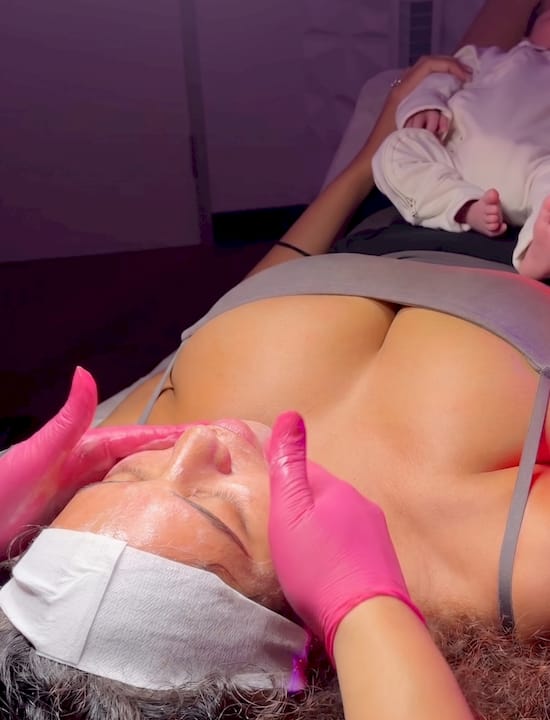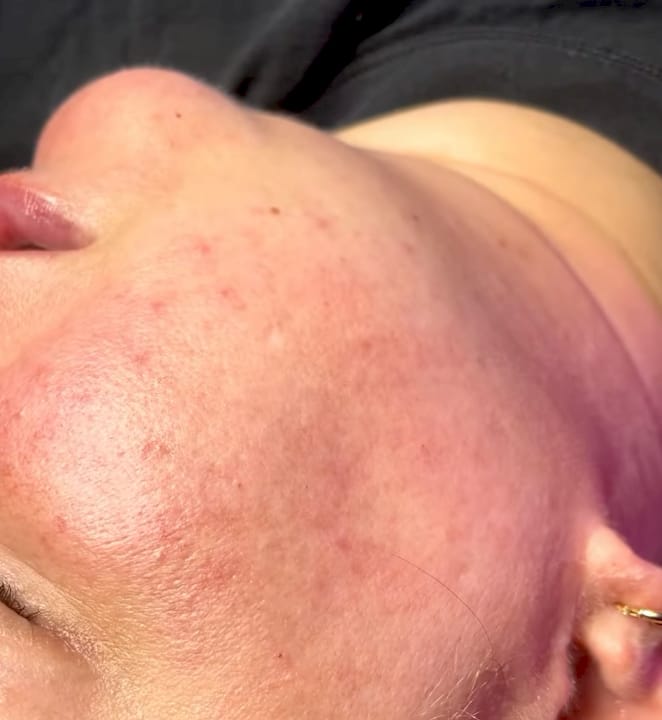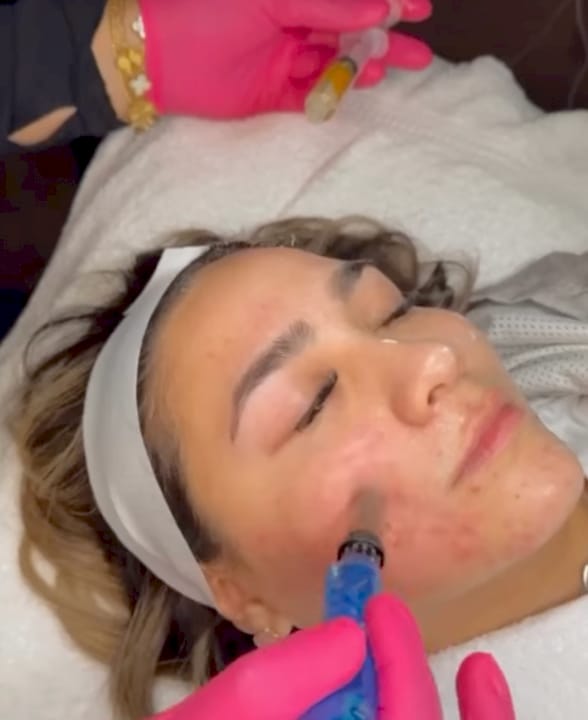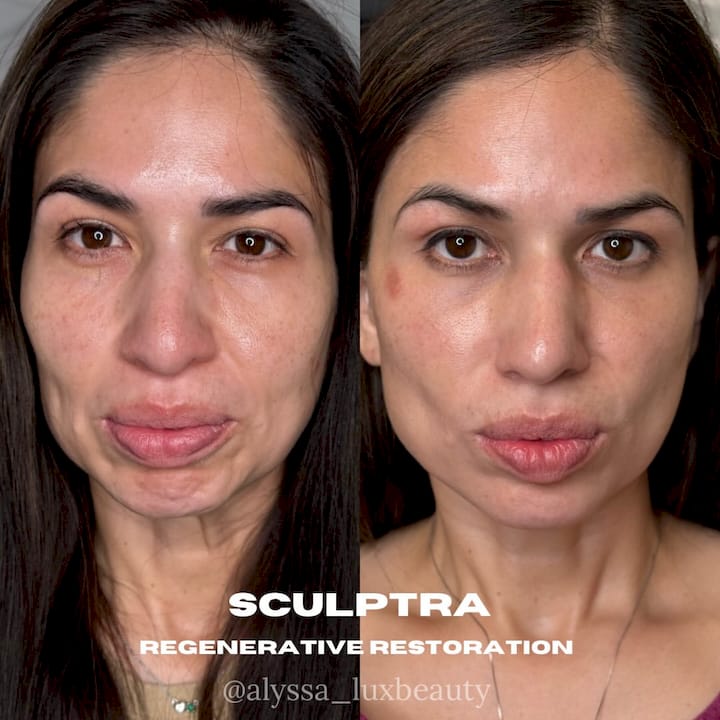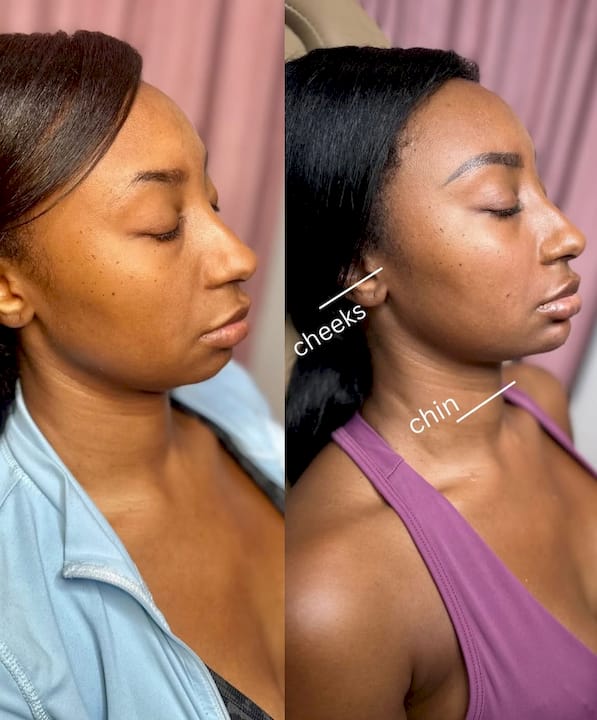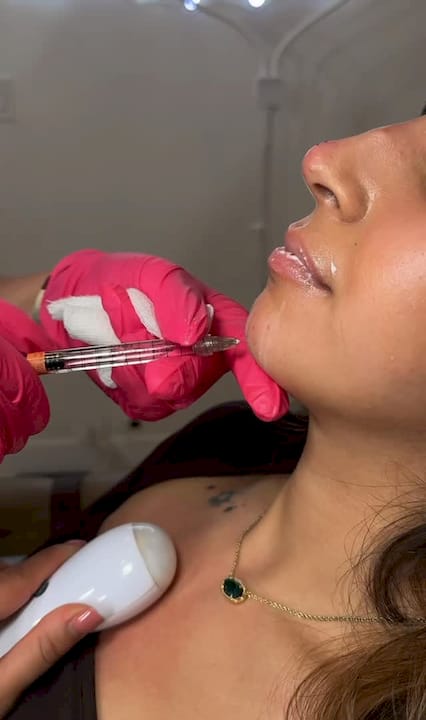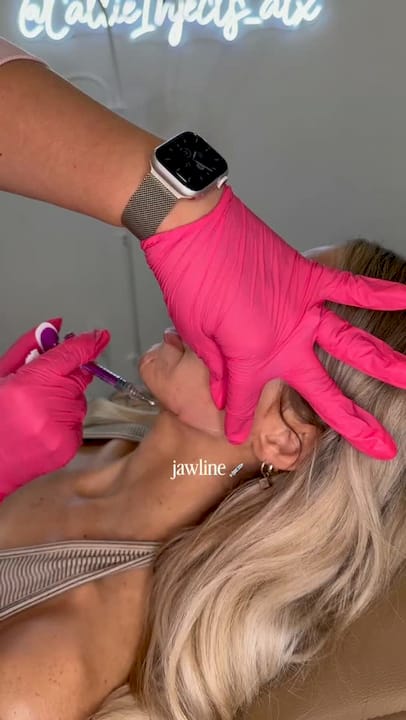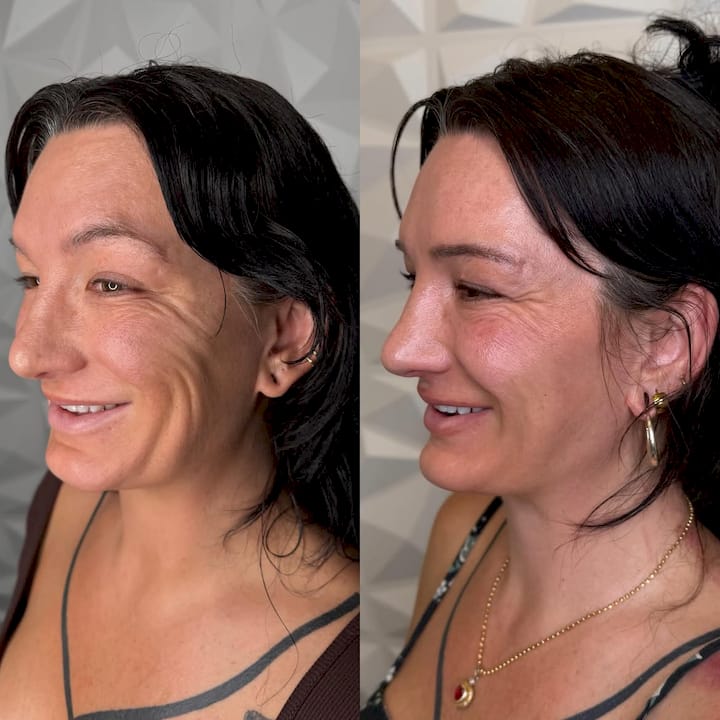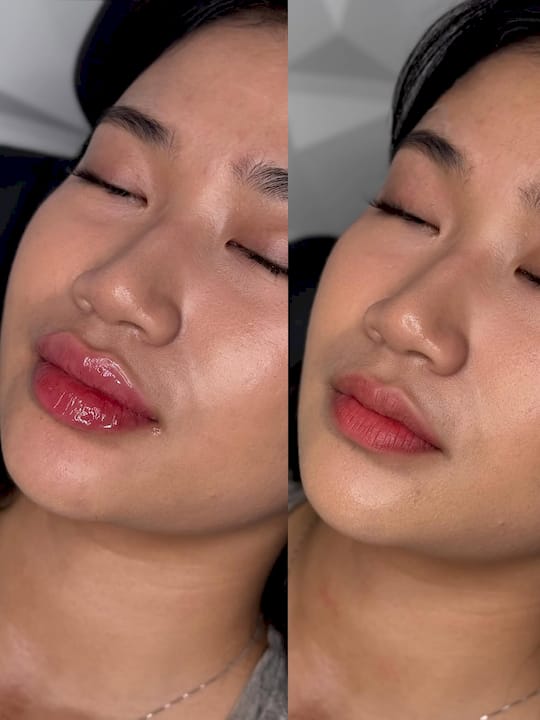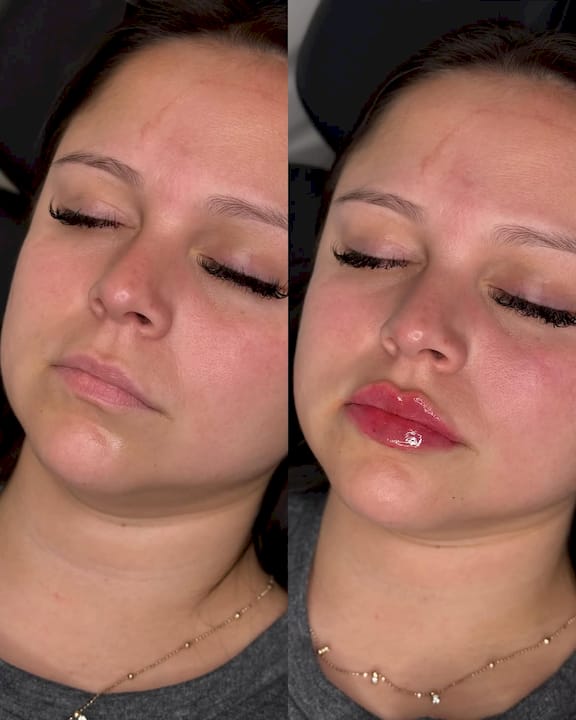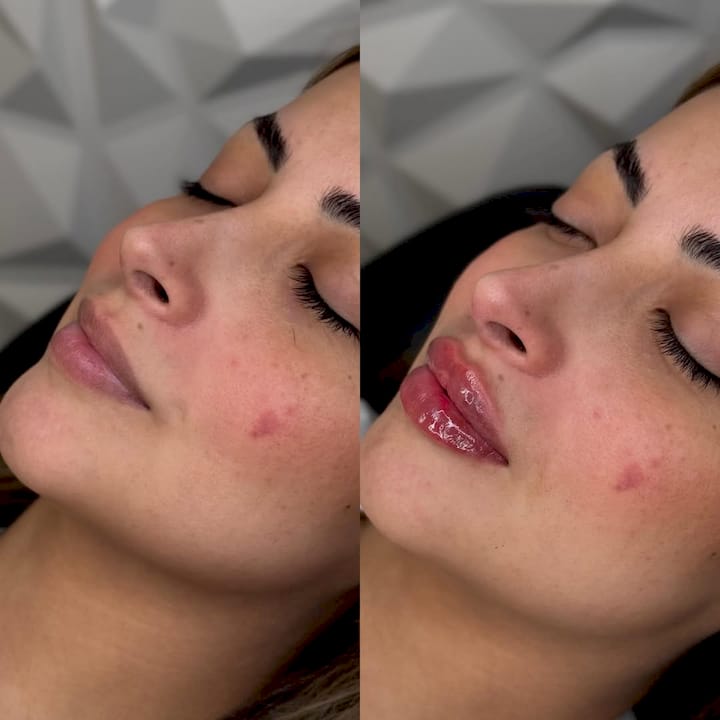
For most people, a combination of neurotoxin injections for dynamic lines plus daily retinoids and broad-spectrum sunscreen gives the fastest, most lasting improvement in forehead wrinkles. If your lines only appear when you raise your brows, a neurotoxin like Botox, Dysport, Xeomin, or Jeuveau is your most direct path. If they’re visible at rest, you’ll need a broader plan that adds resurfacing or fillers. Here’s how to decide quickly:
-
Dynamic lines only (appear with expression, disappear at rest): Neurotoxin is the first-line treatment, often combined with a topical retinoid for long-term skin quality.
-
Static lines (visible even when your face is relaxed): Resurfacing (laser, chemical peel, or microneedling) and/or hyaluronic acid fillers address the collagen loss and texture changes driving those lines.
-
Mixed presentation: A staged combination approach, neurotoxin first, then resurfacing or fillers at a follow-up visit, typically delivers the most natural result.
Any injection-based treatment should be performed by a licensed, experienced injector. The anatomy of your forehead matters more than most people realize, and dosing errors can cause brow heaviness or drooping.
Table of Contents
-
Daily habits that slow forehead lines from forming or worsening
-
How do you pick the right treatment and a qualified provider?
-
What does forehead wrinkle treatment cost, and when will you see results?
-
Why individualized treatment planning matters more than people think
-
Ready to book a forehead wrinkle consultation at Theinjectionroom?
Why do forehead wrinkles form in the first place?
Forehead lines fall into two clinical categories, and knowing which type you have changes everything about how you treat them.
Dynamic wrinkles are caused by the frontalis muscle, the broad muscle that runs across your forehead and lifts your brows. Every time you raise your eyebrows, squint, or look surprised, that muscle contracts and folds the overlying skin. Early on, those folds spring back. Over time, the skin loses enough collagen and elastin that the creases stay even after the muscle relaxes, which is when dynamic lines start becoming static ones.
Static wrinkles are visible at rest. They reflect cumulative collagen loss, chronic sun damage, and volume depletion rather than muscle activity alone. Collagen and elastin loss are the primary structural drivers, accelerated by UV exposure, smoking, and hormonal changes.
Contributing factors include sun exposure (the single biggest external accelerant), repetitive facial expressions, smoking, poor sleep quality, face-down sleep positions, and genetics. A quick self-check: relax your face completely and look in a mirror. If the lines disappear, they’re primarily dynamic. If they remain, static changes are present and your treatment plan needs to address skin structure, not just muscle movement.

Daily habits that slow forehead lines from forming or worsening
Prevention isn’t glamorous, but it’s the most cost-effective step in any anti-aging plan. These habits work whether you’re starting fresh or supporting a clinical treatment.
Sun protection is non-negotiable. A broad-spectrum SPF 30+ applied every morning, reapplied every two hours outdoors, and paired with a wide-brimmed hat is the single most evidence-backed step you can take. UV radiation breaks down collagen faster than almost any other external factor.
Behavioral fixes make a real difference:
-
Wear sunglasses consistently to reduce squinting, which deepens the lines between and above the brows.
-
Raise your monitor to eye level so you’re not constantly looking down, which engages the frontalis repeatedly throughout the day.
-
Sleep on your back when possible. Face-down sleep positions mechanically compress and crease the forehead skin night after night.
-
Stay aware of habitual expressions like brow-raising during conversation. You don’t need to suppress them entirely, but awareness reduces unnecessary repetition.
Lifestyle factors: Smoking accelerates collagen breakdown and reduces skin circulation. Excess sugar and refined carbohydrates contribute to glycation, a process that stiffens collagen fibers. Staying well-hydrated and prioritizing sleep quality both support skin repair.
Pro Tip: The combination of downward screen gaze and face-down sleep is one of the most underestimated mechanical contributors to forehead lines. Correcting both before starting any treatment gives your skin a better baseline to work from, and it costs nothing.
For readers interested in how lifestyle and topical habits intersect with skin aging, beauty practices for mature skin offer useful context on daily routines that support smoother-looking skin over time.
What topical treatments actually work on forehead lines?
Topicals won’t erase deep lines, but the right ones genuinely slow progression and improve texture over weeks to months.
Retinoids: the gold standard
Retinoids are vitamin A derivatives and the most clinically supported topical option for fine lines. Prescription tretinoin and tazarotene boost collagen production, improve skin thickness, and smooth the outer skin layer. Over-the-counter retinol works through the same mechanism but converts to active retinoic acid more slowly, making it gentler and less irritating. Expect to wait several weeks to a few months before seeing meaningful texture improvement, with fuller results developing over time.
Both forms increase sun sensitivity, so daily sunscreen is required. Start with two to three nights per week and build up as your skin adjusts. Tretinoin and tazarotene are not safe during pregnancy or breastfeeding; consult your provider before starting.
Supporting ingredients
Vitamin C (L-ascorbic acid) applied in the morning protects against UV-induced collagen breakdown and brightens uneven tone. Peptides signal the skin to produce more collagen and work well layered under moisturizer. Niacinamide reduces redness, strengthens the skin barrier, and pairs well with retinoids on sensitive skin.
AHAs like glycolic acid improve surface texture and help retinoids penetrate more effectively, but avoid them in the week before any in-office resurfacing procedure. If you’re planning a chemical peel or laser treatment, pause all exfoliating acids at least five to seven days prior.
Layering order: Vitamin C serum in the morning (under SPF), retinoid at night (on clean, dry skin), peptides and moisturizer after. Keep it simple until your skin tolerates the retinoid well.
For a closer look at topical anti-wrinkle formulations and active ingredients, anti-wrinkle topical options provide a useful consumer-facing overview.
How do in-office forehead wrinkle treatments compare?
Neurotoxins target muscle activity while fillers and resurfacing correct static lines and lost volume. Understanding that distinction is what separates a treatment plan that works from one that misses the mark.
How each method works
Neurotoxins (Botox, Dysport, Xeomin, Jeuveau) block nerve signals to the frontalis muscle, reducing contraction and allowing the overlying skin to smooth out. They’re highly effective for dynamic lines and have no meaningful effect on static wrinkles caused by collagen loss.
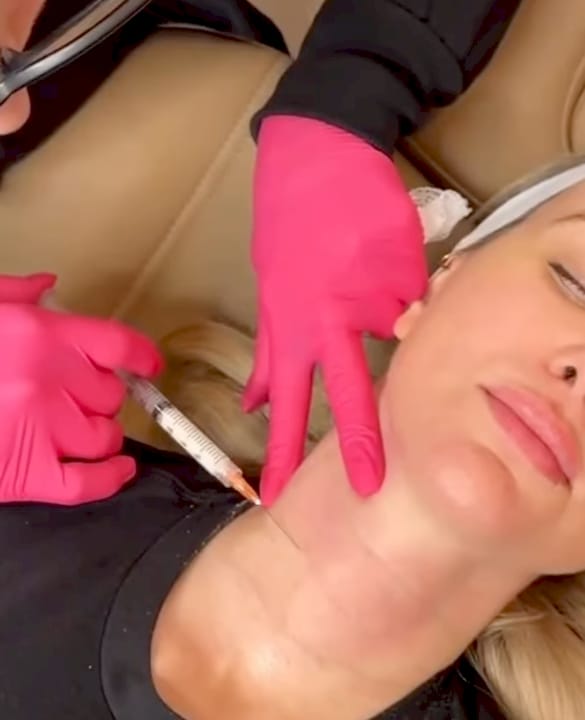
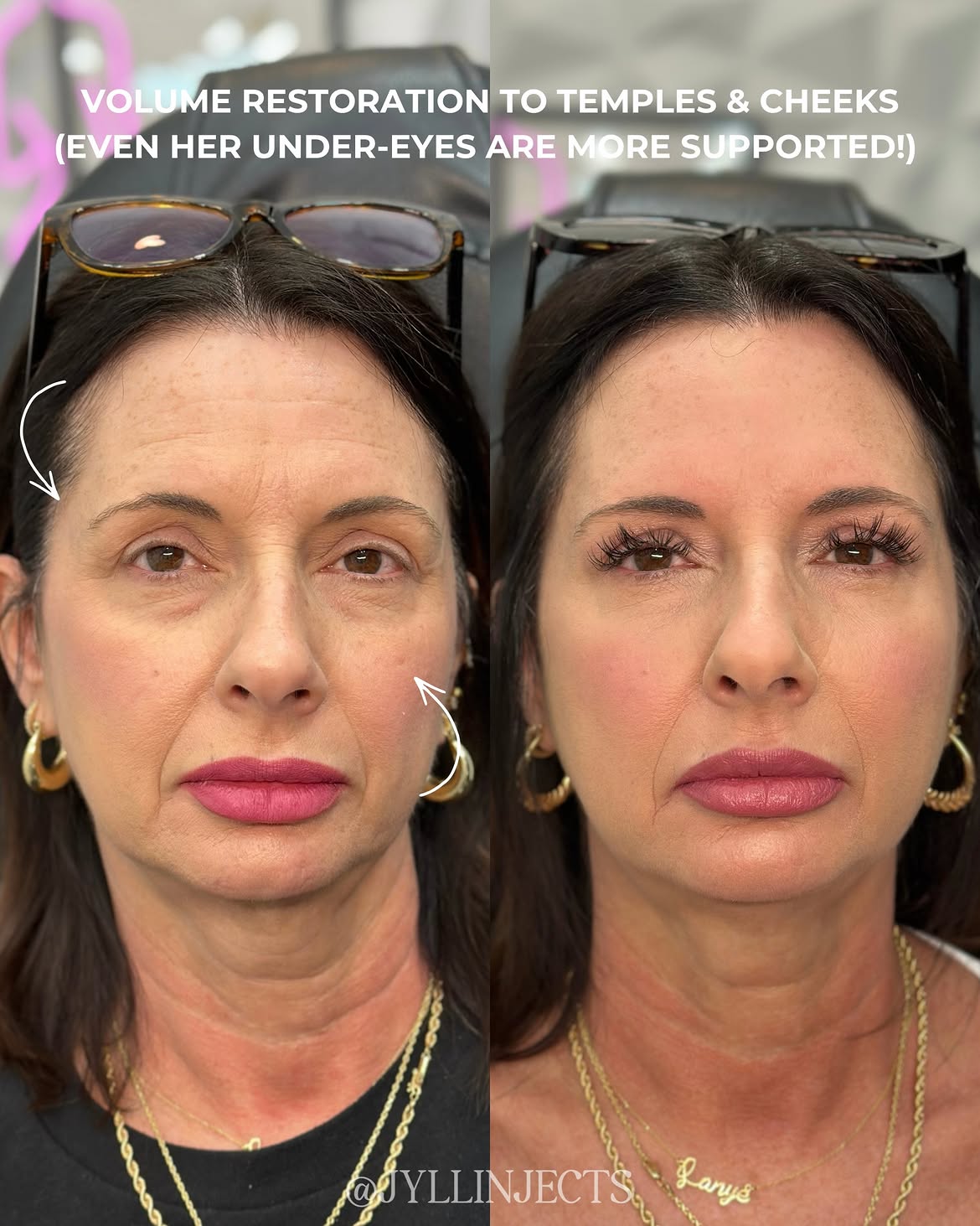
Hyaluronic acid fillers (Juvederm-type products) restore volume and physically fill in static creases. Results are immediate and typically last six months to two years depending on the product and placement.
Chemical peels remove damaged outer skin layers using acids (glycolic, trichloroacetic, or phenol), stimulating new collagen and improving texture. Depth of peel determines both results and downtime.
Laser skin resurfacing uses targeted light energy to remove or remodel damaged skin. Ablative lasers (like CO2 or Er:YAG) deliver more dramatic results with longer recovery; non-ablative options have less downtime but require more sessions.
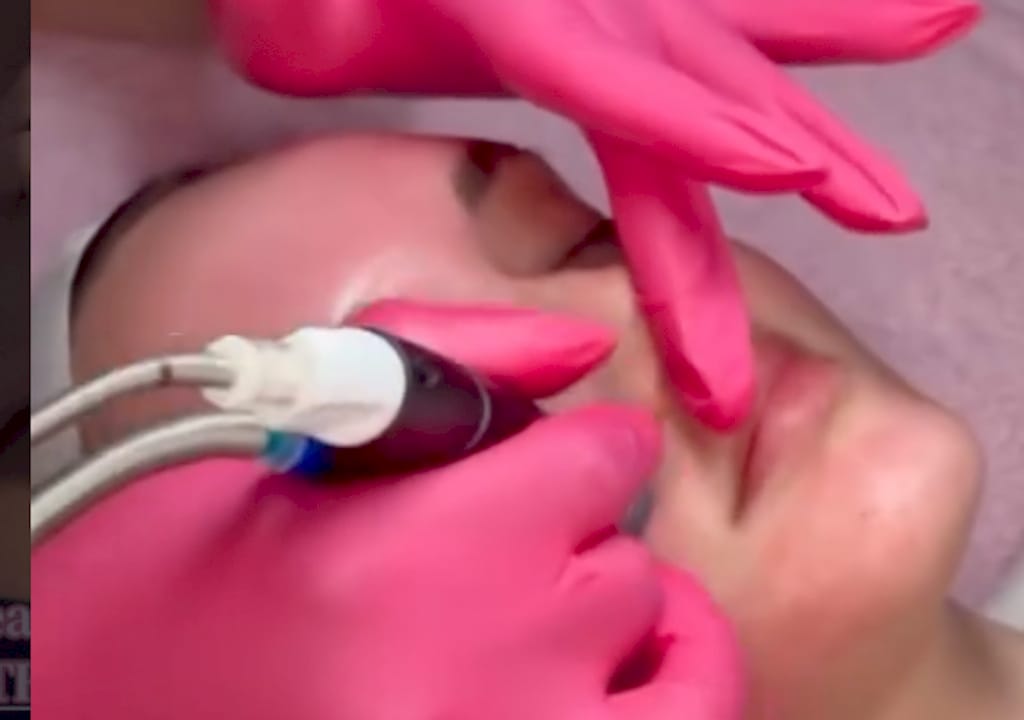
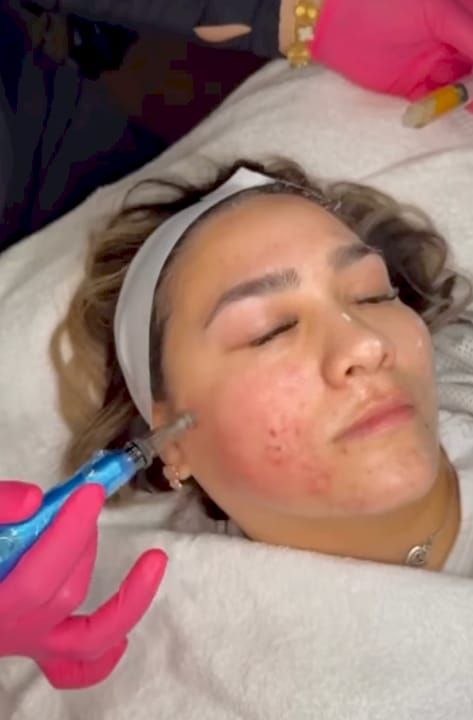
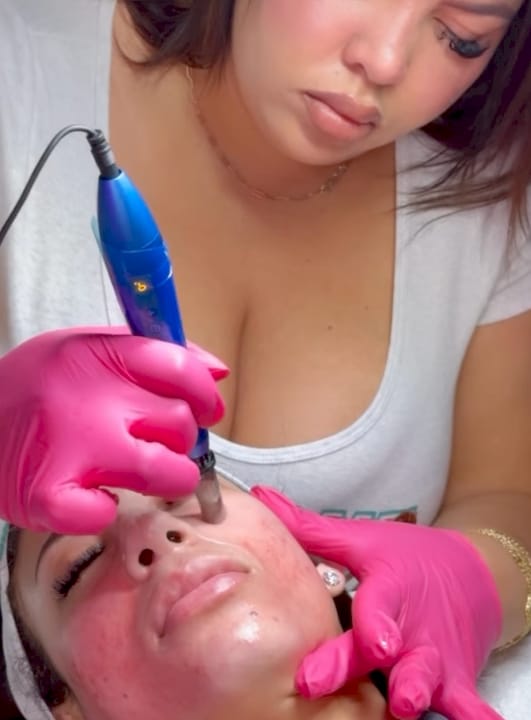
Microneedling creates controlled micro-injuries that trigger collagen production. It’s well-suited for fine lines and overall texture improvement, with minimal downtime.
Microdermabrasion/dermabrasion physically exfoliates the skin surface. Microdermabrasion is superficial and maintenance-focused; dermabrasion is more aggressive and used for deeper lines.
Side-by-side comparison
| Treatment | Best for | Procedure time | Downtime | Results last | Typical US cost | Main risks |
|---|---|---|---|---|---|---|
| Neurotoxin (Botox/Dysport/Xeomin/Jeuveau) | Dynamic lines | 15 min | Minimal (1–2 days bruising possible) | 3–4 months | $10–$25+/unit or $300–$600/area | Brow ptosis, bruising, headache |
| Hyaluronic acid fillers | Static lines, volume loss | 15 min | 1–3 days swelling | six months to two years | $600–$1,200 per syringe | Bruising, vascular occlusion (rare) |
| Chemical peel | Static lines, texture | 30 min | 3 to 14 days | 1–3 years | $150–$800 | Redness, peeling, pigment change |
| Laser resurfacing | Static lines, texture, tone | 30 minutes | 3–7 days | 1–5 years | $1,000–$2,500 | Burns, pigment change, scarring (rare) |
| Microneedling | Fine lines, texture, collagen | 30 min | 1–3 days redness | 3 months per session | $200–$700 per session | Redness, infection (rare) |
| Microdermabrasion | Surface texture, mild lines | 30 min | Minimal | Weeks (maintenance) | $75–$200 per session | Redness, sensitivity |
A note on combining treatments: Deeply etched static lines often respond best to resurfacing plus filler, while dynamic lines respond best to neurotoxin. Treating forehead lines alongside glabellar lines is clinically recommended to reduce the risk of brow ptosis, a key safety consideration your injector should raise at consultation.
For a deeper look at how neurotoxins address dynamic lines specifically, our guide on smoothing frown lines with neurotoxins covers the clinical approach in detail.
How do you pick the right treatment and a qualified provider?
The treatment matters, but the person performing it matters just as much. Forehead anatomy varies significantly between individuals, and individualized dosing and injection patterns are what separate natural-looking results from the frozen or heavy-brow outcomes people want to avoid.
Credentials to verify:
-
Licensed injector (RN, NP, PA, MD, or DO with aesthetic training)
-
Board certification in dermatology, plastic surgery, or a related specialty for surgical or advanced procedures
-
Documented before-and-after cases for the specific treatment you’re considering
-
High volume of the procedure you want, not just general aesthetics experience
Questions to ask at your consultation:
-
How many units do you recommend, and why? (For neurotoxins, this matters.)
-
Do you treat the forehead and glabellar area together?
-
What’s your protocol if I experience brow heaviness or asymmetry?
-
Is a follow-up or touch-up included in the price?
-
Can I see before-and-after photos of patients with similar anatomy?
Red flags to watch for: Unusually low pricing with no explanation of unit counts, refusal to discuss informed consent, pressure to add on multiple treatments at the first visit, or an unwillingness to show real patient photos. Per-unit neurotoxin pricing is generally more transparent than per-area pricing, which can obscure how much product you’re actually receiving.
Injection patterns and dosing are not one-size-fits-all. A manual assessment of your frontalis at rest and in animation is standard practice at a reputable clinic.
What does forehead wrinkle treatment cost, and when will you see results?
Costs vary by treatment type, provider experience, and geography. Here’s a practical breakdown for the US market.
| Treatment | Typical US cost | First effects | Peak effect | How long results last | Maintenance interval |
|---|---|---|---|---|---|
| Neurotoxin | $10–$25+/unit or $300–$600/area | 1–2 days | 2–4 weeks | 3–4 months | Every 3–4 months |
| Hyaluronic acid filler | $600–$1,200 per syringe | Immediate | 2–4 weeks (settling) | six months to two years | As needed |
| Chemical peel | $150–$800 | 1–2 weeks post-peel | 4 weeks | 1–3 years | 1–4 sessions |
| Laser resurfacing | $1,000–$2,500 | 2–4 weeks | 3 months | 1–5 years | As needed |
| Microneedling | $200–$700 per session | 2–4 weeks | 4 weeks | 3 months | several sessions initially |
A few cost-structure notes worth knowing:
-
Neurotoxin pricing comes in two shapes: per-unit (transparent, you know exactly what you’re getting) and per-area (convenient but ask how many units are included). Always clarify whether touch-ups are included.
-
With consistent neurotoxin treatment, initial effects typically appear within 1–2 days and peak around 2–4 weeks. Many patients find that with regular maintenance every 3–4 months, the muscle gradually weakens and may require fewer units over time.
-
Microneedling and chemical peels usually require a series of sessions for optimal results, so factor in the full course cost, not just the per-session price.
-
Laser resurfacing has the highest upfront cost but can deliver results that last several years with a single treatment.
What side effects and risks should you know about?
Every treatment carries some level of risk. Knowing what’s normal versus what needs attention keeps you safe and confident after your appointment.
Common, short-lived effects by treatment:
-
Neurotoxins: Mild bruising or redness at injection sites, occasional headache in the first 24 hours, temporary tightness.
-
Fillers: Swelling, bruising, and tenderness for 1–3 days; lumps that resolve within 1–2 weeks as the product settles.
-
Chemical peels: Redness, peeling, and sensitivity for several days to two weeks depending on peel depth.
-
Laser resurfacing: Redness, swelling, and crusting during healing; deeper treatments require more recovery time.
-
Microneedling: Redness and mild swelling for 24–72 hours, similar to a mild sunburn.
Serious but rare complications to watch for:
Vascular occlusion with fillers (when filler inadvertently enters a blood vessel) is rare but serious. Signs include sudden blanching, mottling, or severe pain at the injection site. Seek immediate care if this occurs. Visual changes after any facial injection also require emergency evaluation.
Brow ptosis (drooping) after neurotoxin is the most common significant complication in forehead treatment. It’s usually temporary and resolves as the product wears off, but it underscores why treating the forehead and glabellar area together matters.
When to call your provider: Any asymmetry, persistent drooping, signs of infection (increasing redness, warmth, pus), or visual disturbance after treatment warrants a same-day call. Have photos of the treated area and the timing of your procedure ready when you call.
Choosing an experienced injector and following all post-procedure care instructions are the most effective ways to minimize these risks. A scheduled follow-up at two weeks is standard practice for neurotoxin patients.
How Theinjectionroom approaches forehead wrinkle treatment
At Theinjectionroom, we take a clinician-led approach to every forehead consultation. We serve patients across Austin and San Antonio, Texas, and our team works with each person individually rather than applying a standard protocol.
What we offer for forehead lines:
-
Neurotoxin treatments using Botox, Dysport, Xeomin, and Jeuveau, with dosing tailored to your frontalis anatomy and movement patterns
-
Hyaluronic acid dermal fillers for static lines and volume restoration
-
Microneedling for collagen stimulation and texture improvement
-
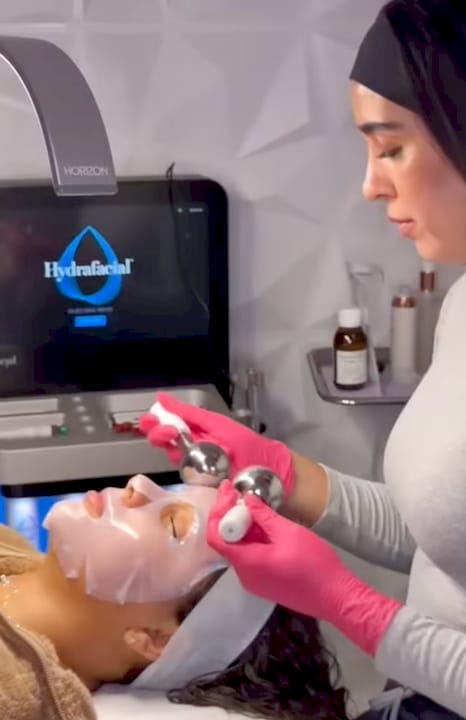
HydraFacial for skin health maintenance and hydration support
At your consultation, we assess your frontalis muscle at rest and in animation, discuss whether your lines are dynamic, static, or mixed, and walk you through a proposed treatment plan with realistic expectations. Informed consent is part of every appointment, not an afterthought. We also discuss whether a staged combination approach makes sense for your goals, and we schedule a follow-up to assess results and make any adjustments.
This article is for general informational purposes only and does not constitute medical advice. Please consult a qualified provider for guidance specific to your situation.
Key Takeaways
The most effective approach to forehead wrinkles combines identifying your line type first, then matching treatment to that type, with neurotoxin for dynamic lines and resurfacing or fillers for static ones.
| Point | Details |
|---|---|
| Identify your line type first | Dynamic lines disappear at rest; static lines don’t. Your treatment path depends on this distinction. |
| Start prevention today | Daily SPF 30+, retinoid use, and behavioral fixes (sunglasses, screen posture, sleep position) slow progression at any stage. |
| Neurotoxin for dynamic lines | Botox, Dysport, Xeomin, or Jeuveau typically show effects in 1–2 days, peak at 2–4 weeks, and last 3–4 months. |
| Resurfacing or fillers for static lines | Microneedling, chemical peels, laser, and hyaluronic acid fillers address collagen loss and texture that neurotoxins cannot correct. |
| Theinjectionroom | Offers individualized neurotoxin, filler, and microneedling consultations in Austin and San Antonio, TX. |
Why individualized treatment planning matters more than people think
The most common mistake I see in forehead treatment isn’t choosing the wrong product. It’s applying a standard dose to a face that doesn’t fit the standard.
The frontalis muscle varies considerably between patients. It’s wider in some people, shorter in others, and its lower border sits at different heights relative to the brow. In patients with a naturally low brow position or a short forehead, injecting the lower frontalis rows can cause noticeable brow heaviness, even at doses that would be perfectly appropriate for someone else. This is why a manual assessment of your frontalis at rest and in animation isn’t optional. It’s the foundation of a safe injection plan.
I’d also push back on the idea that more units equals better results. Conservative, staged dosing almost always looks more natural than a single heavy treatment. Patients who start with a moderate dose, assess the result at two weeks, and adjust from there tend to be far happier than those who go all-in at the first appointment. The goal is to soften movement, not eliminate it entirely. Faces that move naturally are faces that look healthy.
The same principle applies to combination treatments. Layering neurotoxin with microneedling or a light peel over several months gives the skin time to respond and lets you course-correct at each stage. That patience pays off in results that look like you, just refreshed.
Ready to book a forehead wrinkle consultation at Theinjectionroom?
If you’re ready to move from research to results, Theinjectionroom makes it straightforward. At your first appointment, we’ll assess your forehead anatomy, identify whether your lines are dynamic, static, or a mix of both, and walk you through the options that fit your goals and budget. Most first-time neurotoxin patients leave with a treatment plan and same-day injections if they choose.
For readers in San Antonio or Austin, our neurotoxin treatments page covers available brands, pricing structure, and what to expect at your visit. If you’re also considering microneedling for texture and collagen support, our microneedling service page has the details on what each session involves.
Bring a brief medical history and any example photos of results you like to your first appointment. It helps us understand your aesthetic goals and plan accordingly. Book your consultation at Theinjectionroom in Austin or San Antonio and get a clear, personalized plan for your forehead.
Useful sources and further reading
The claims in this article are supported by the following authoritative references. We encourage you to review them directly for clinical detail, FDA labeling, and evidence summaries.
-
OnabotulinumtoxinA overview, NCBI Bookshelf — mechanism of action, clinical indications, and safety profile for neurotoxin treatments.
-
BOTOX Cosmetic prescribing information, DailyMed — FDA-approved labeling including dosing guidance and safety notes for forehead and glabellar treatment.
-
OnabotulinumtoxinA treatment review, PMC — clinical review of injection patterns, individualized dosing, and anatomical considerations.
-
Wrinkles: Diagnosis and treatment, Mayo Clinic — overview of topical and procedural options including retinoids, fillers, and resurfacing.
-
Skin care and aging, National Institute on Aging — evidence on UV protection, collagen loss, and safe product selection for aging skin.
-
Skin care for aging skin, Harvard Health — clinical overview of neuromodulators, fillers, microneedling, and topical retinoids.
-
Practitioner guidance on individualized neurotoxin dosing, MDPI — evidence for anatomy-based injection planning and the risks of standardized protocols.
-
Forehead wrinkles, North Biomedical — behavioral contributors and the rationale for combination treatment strategies.
-
Botox cost guide, Anti-Aging Care — US pricing structures, per-unit vs. per-area models, and questions to ask at consultation.
%20Pictures%20are%204%20weeks%20apart..jpg)