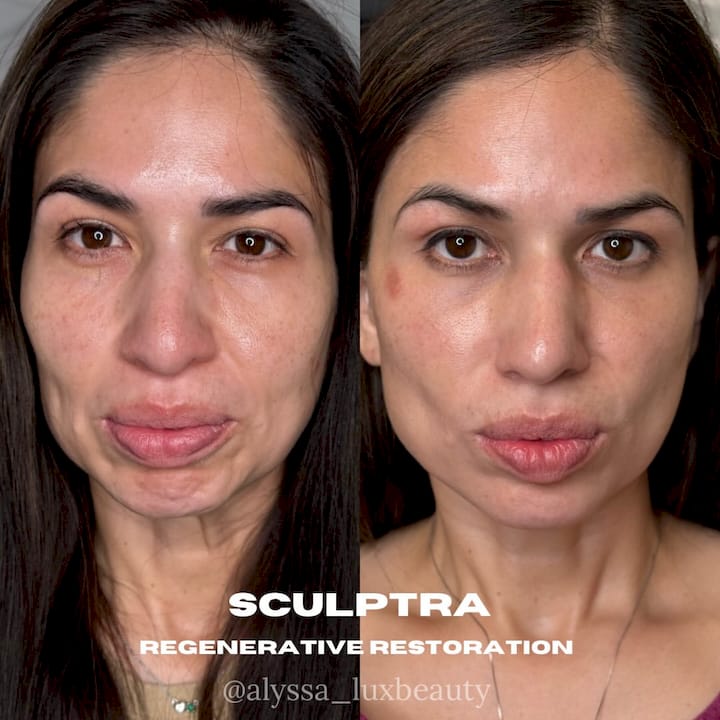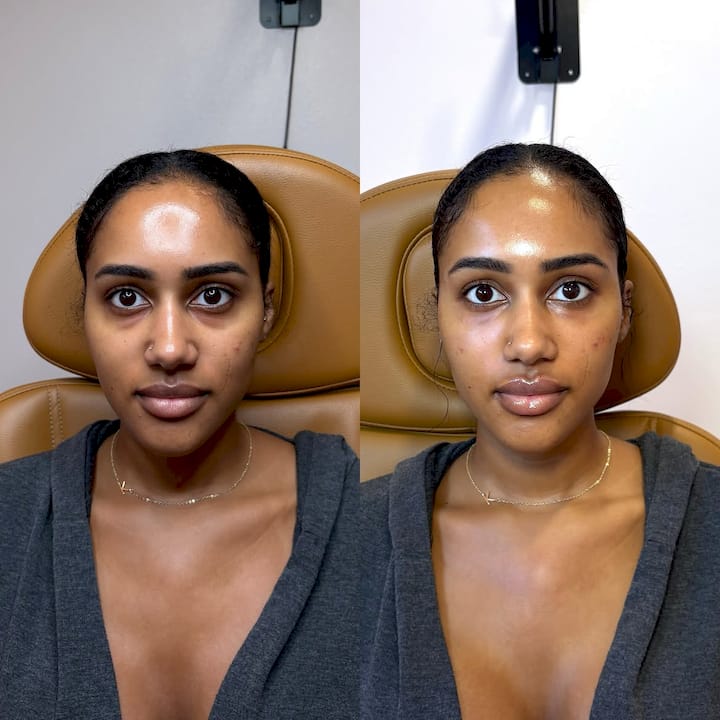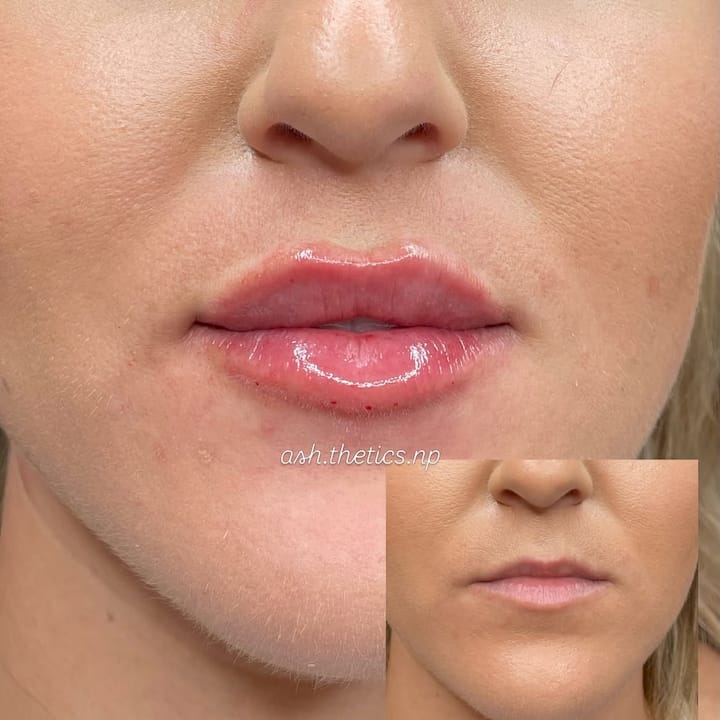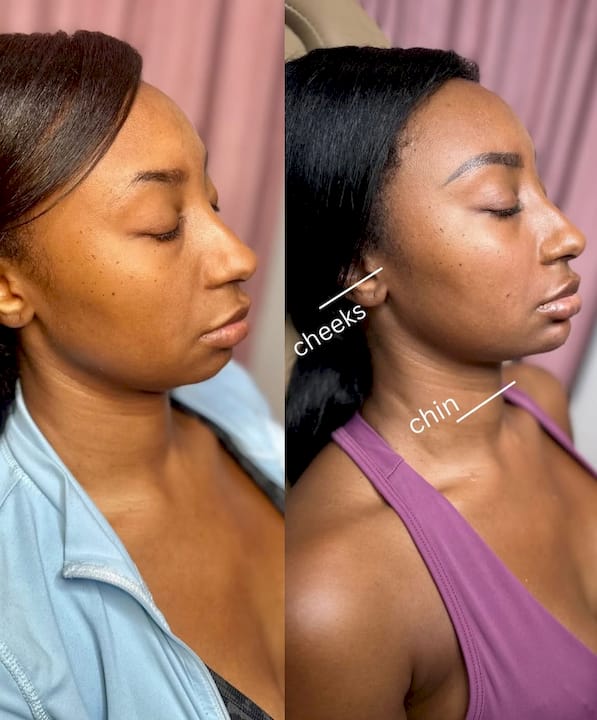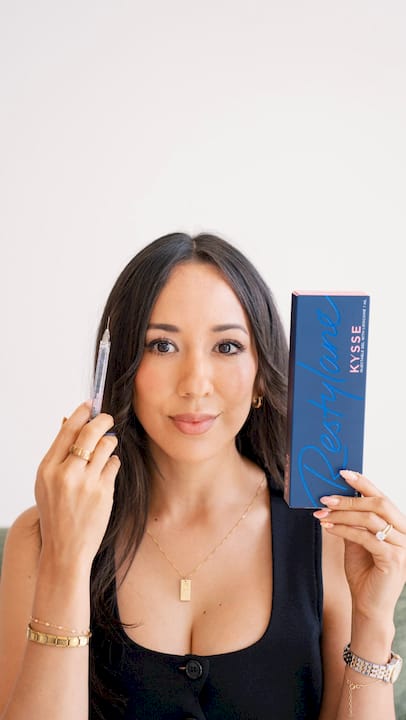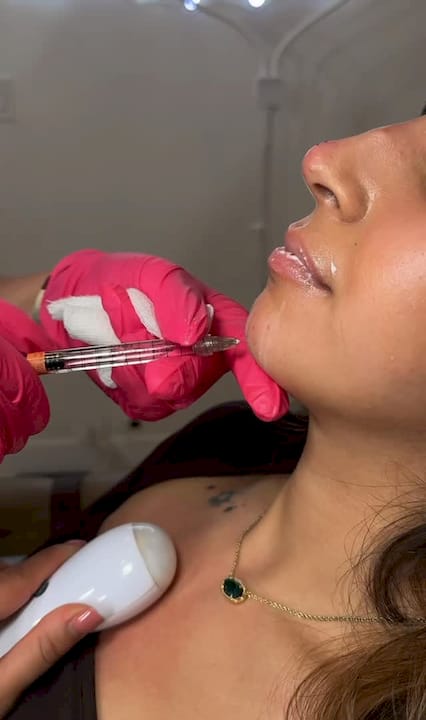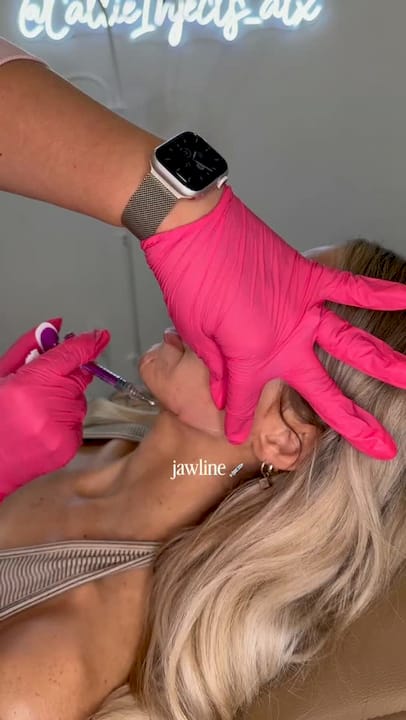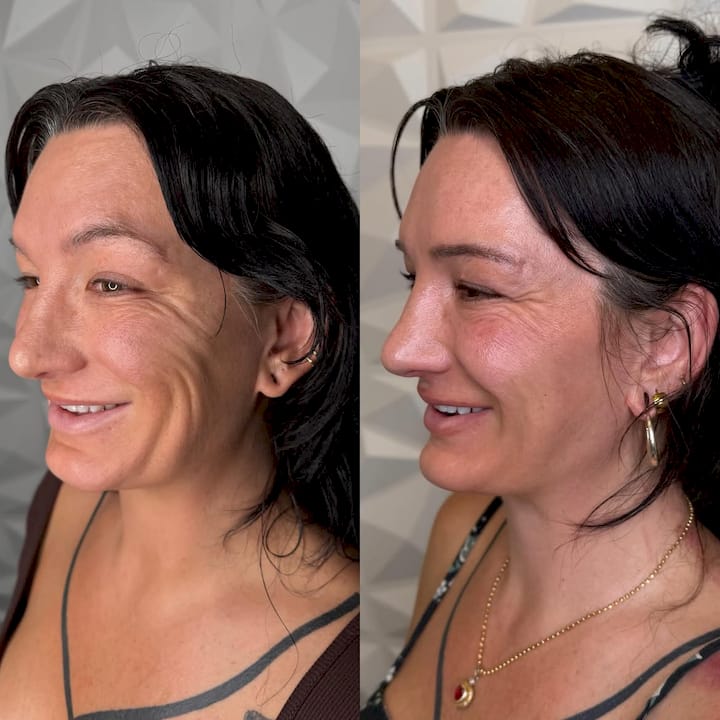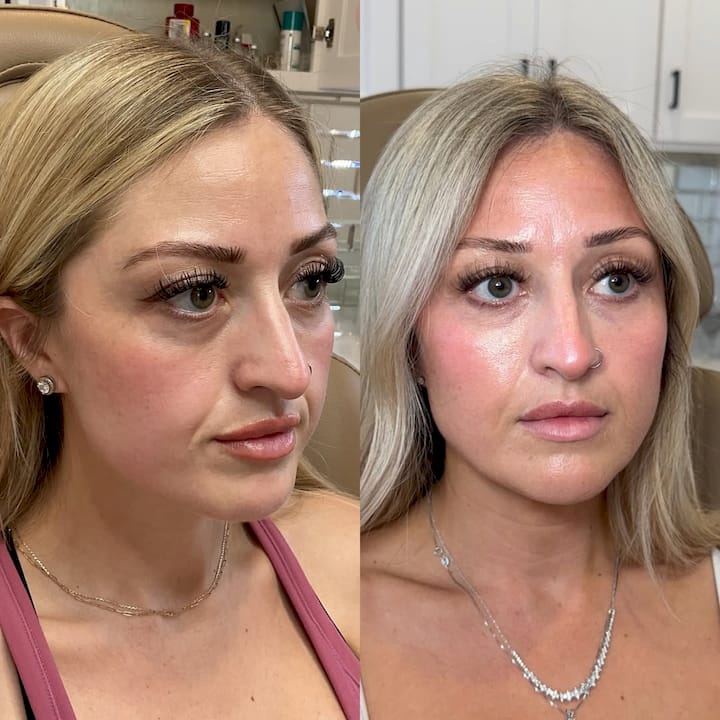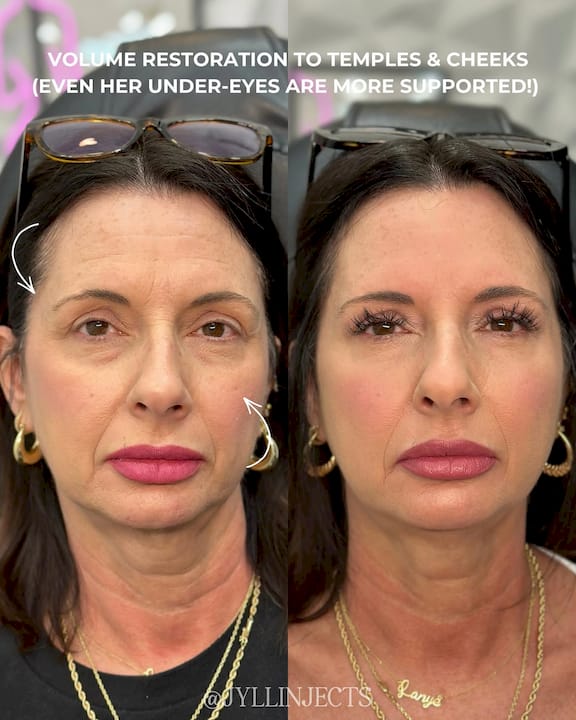
Sculptra (poly-L-lactic acid, or PLLA) is one of the most effective options for reducing nasolabial folds, and it works differently from anything else in the injectable category. Rather than filling the crease directly, it stimulates your own collagen production over weeks and months, producing gradual, natural-looking improvement that clinical trial data shows can last up to 25 months. Sculptra Aesthetic carries FDA approval specifically for the correction of nasolabial fold contour deficiencies, which puts it in a different regulatory class than many off-label volumizers.
-
Who should read on: Adults with moderate to deep smile lines who want durable, structural correction and are comfortable with a staged treatment plan rather than an immediate result.
-
Who might prefer an alternative: Patients who need visible improvement before a specific event in the next few weeks, or those who want a single-session fix, may be better served by a hyaluronic acid (HA) filler first.
Key Takeaways
Sculptra (PLLA) is a clinically supported, FDA-approved option for nasolabial fold correction that builds collagen gradually, with results lasting up to 25 months in randomized trial data.
| Point | Details |
|---|---|
| Gradual, not immediate | Results develop over 3–6 months; temporary fluid fullness after injection is not the final outcome. |
| Up to 4 sessions needed | Sessions are spaced several weeks apart; conservative dosing at each visit reduces nodule risk. |
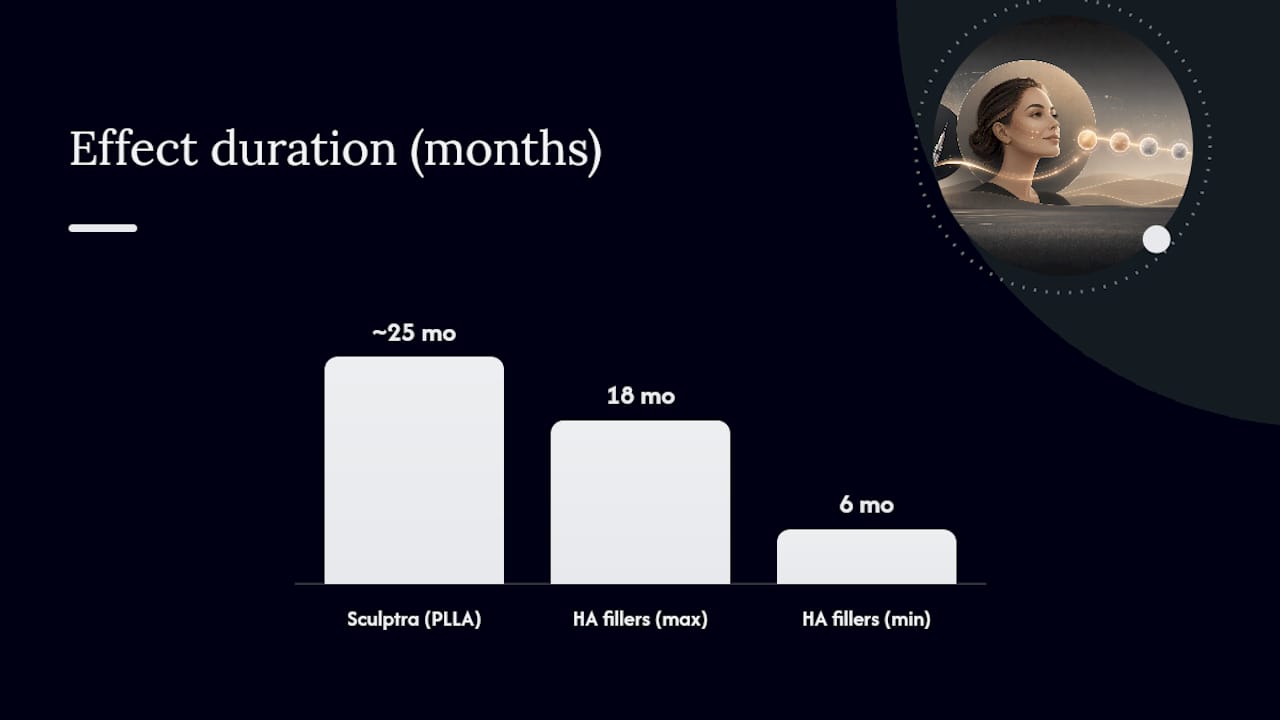
| Lasts up to 25 months | Clinical trial data supports durability well beyond the 6–18 month window typical of HA fillers. |
| Nodule risk is manageable | Staged injections, proper technique, and the 5-5-5 massage protocol significantly reduce complication risk. |
| The Injection Room | Sculptra consultations and staged treatment plans are available at Austin and San Antonio locations. |
Table of Contents
Why smile lines form and why they keep coming back
Nasolabial folds are not just a skin problem. They develop because of structural changes happening beneath the surface, and that distinction matters when you are choosing a treatment.
The primary drivers include:
-
Bone resorption: The midface skeleton gradually recedes with age, reducing the scaffold that supports overlying tissue.
-
Fat compartment descent and lipoatrophy: Facial fat pads shift downward and thin out, removing the cushion that once kept the cheek elevated.
-
Soft-tissue volume loss: Collagen and elastin in the dermis break down, reducing skin thickness and resilience.
-
Repeated muscle movement: Smiling, laughing, and talking crease the skin thousands of times a day, etching the fold deeper over years.
-
Skin collagen loss: Dermal collagen declines with age and UV exposure, leaving skin less able to spring back after movement.
Because the fold is driven by structural loss underneath the skin, surface-level smoothing alone rarely gives lasting results. Treatments that restore deep support or stimulate connective tissue address a root cause. That is exactly the rationale behind using a collagen stimulator like Sculptra rather than relying solely on an HA filler, which replaces volume temporarily but does not rebuild the tissue framework.
How Sculptra treats smile lines at the cellular level
Sculptra is a suspension of PLLA microparticles reconstituted in sterile water before injection. Once placed in the deep dermis or subcutaneous tissue, the particles trigger a controlled tissue response that unfolds in stages.
According to StatPearls, PLLA is an absorbable, semi-permanent injectable that gradually restores volume by stimulating collagen, with FDA approval covering nasolabial fold correction among other facial uses. The biological sequence works roughly like this:
-
Acute phase: The body recognizes the PLLA particles as a foreign material and initiates a mild inflammatory response.
-
M2 macrophage polarization: Rather than driving scar-forming inflammation, PLLA shifts macrophages toward an M2 tissue-regenerating state. A 2026 peer-reviewed review describes this shift as a key mechanism behind PLLA’s regenerative effects, including fibroblast activation and the induction of collagen types I and VIα1.
-
Fibroblast activation and collagen deposition: Activated fibroblasts lay down new collagen over weeks to months, progressively adding volume and firmness to the treated area.
-
Possible adipogenic signaling: Emerging research suggests PLLA may also support adipocyte activity, contributing to a softer, more natural-looking result than a purely fibrotic response would produce.
The randomized, evaluator-blinded multicenter study NCT03780244 evaluated safety and effectiveness of Sculptra specifically for nasolabial folds and compared different reconstitution and injection approaches, providing the clinical backbone for current practice guidelines.
Key clinical fact: Sculptra Aesthetic is FDA-approved for correction of shallow to deep nasolabial fold contour deficiencies using a deep dermal grid (cross-hatch) injection technique, per the FDA PMA summary.
Learn more about the mechanism and updated clinical practice notes in this explainer on how Sculptra restores facial volume.
What to expect during your Sculptra treatment
Pre-treatment consultation
A thorough consult is the foundation of a good outcome. Your provider should review your medical history, photograph your face, and discuss your goals using a standardized tool like the Wrinkle Assessment Scale (WAS) to document baseline severity. Prior filler history matters too, since existing product in the nasolabial area can affect placement decisions.
Session cadence
Galderma’s patient materials and IFU recommend a staged regimen of up to four sessions, typically spaced 3–4 weeks apart. Each session uses a conservative volume, and the plan is intentional undercorrection at every visit. This is not a limitation; it is the strategy. Because PLLA’s collagen-building effect peaks weeks after injection, placing too much product in one session risks late-onset fullness that is difficult to reverse.
Injection technique
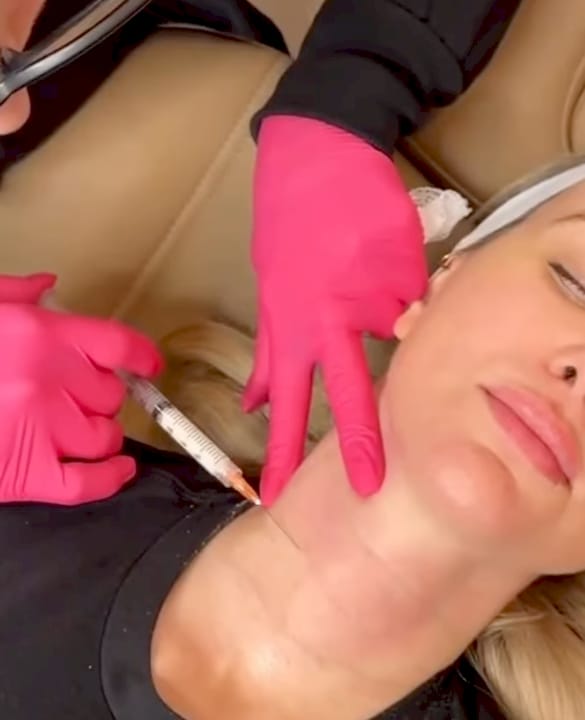
Medscape’s drug reference outlines the recommended approach: threading, tunneling, and grid (cross-hatch) patterns in the deep dermis or subcutaneous plane, using a sterile 26G needle or cannula per the instructions for use. The grid pattern distributes product evenly across the nasolabial area rather than concentrating it in one spot.
Immediately after treatment
-
Expect temporary fullness right after the session. This comes from the reconstitution fluid, not the PLLA itself, and it typically subsides within a few days.
-
Bruising and swelling are common and usually resolve within one to two weeks.
-
Your provider will instruct you to massage the treated area five times a day for five minutes, for five days (the “5-5-5 rule”), which helps distribute the product evenly and reduces nodule risk.
-
Avoid strenuous exercise, excessive sun, and extreme heat for 24 hours post-treatment.
Pro Tip: Ask your provider to photograph you at each session using the same lighting and angle. Comparing images across visits is the clearest way to track gradual collagen improvement that can be easy to miss day-to-day.
When you will see results and how long they last
The Sculptra results timeline is one of the most common questions patients ask, and it is worth setting expectations clearly from the start.
-
Immediately to 2–3 days: Temporary fullness from the carrier fluid. This is not your final result. It will subside, and you may briefly feel like nothing happened.
-
Weeks 3–6: Early collagen stimulation begins. Some patients notice a subtle softening of the fold during this window.
-
Months 2–6: Progressive improvement becomes visible as new collagen accumulates. Most patients see their best results in this range, with continued refinement possible beyond six months.
-
Longevity: Trial data from a multicenter randomized study (n=233) showed maintained nasolabial fold correction for up to 25 months, a durability advantage over early collagen-based fillers.
Sculptra results timeline at a glance: Gradual improvement from weeks 3–6, peak results at months 2–6, and durability supported by clinical data up to 25 months.
Longevity varies based on the number of sessions completed, patient age, skin quality, lifestyle factors like sun exposure and smoking, and the specific anatomy of the treated area. Patients who complete a full series of sessions generally see longer-lasting results than those who stop after one or two.
Sculptra vs. HA fillers for nasolabial folds: how to choose
Both Sculptra and hyaluronic acid fillers like Juvederm and Restylane are legitimate options for smile lines. They work differently, and the right choice depends on your goals, timeline, and anatomy.
| Feature | Sculptra (PLLA) | HA Fillers (e.g., Juvederm, Restylane) |
|---|---|---|
| Effectiveness for smile lines | Gradual structural improvement via collagen stimulation | Immediate volume replacement in the fold |
| Onset of results | 3–6 weeks for early change; peak at 2–6 months | Visible immediately after injection |
| Longevity | Up to ~25 months (clinical data) | Typically 6–18 months depending on product |
| Sessions required | Up to 4 sessions, 3–4 weeks apart | Often 1 session; touch-ups as needed |
| Downtime | Minimal; bruising and swelling 1–2 weeks | Minimal; similar bruising and swelling |
| Common side effects | Bruising, swelling, nodules/papules (see safety section) | Bruising, swelling, Tyndall effect, rare vascular events |
| Typical cost | Higher upfront (multiple sessions/vials); lower per-year cost over time | Lower per session; repeated sessions add up |
For more context on treatment approaches for smile lines, including when to layer treatments, that resource covers the comparison in detail.
When to choose Sculptra: You have midface volume loss, want results that last, and can commit to a multi-session plan. You are not in a rush.
When to choose HA fillers first: You need visible improvement quickly, or you want to preview the look of correction before committing to a longer program.
Combination approach: Many patients benefit from both. Sculptra builds the structural foundation over several months; a targeted HA filler touch-up at 6–12 weeks can address any remaining focal lines that need immediate surface correction.
Safety, side effects, and how to avoid nodules
Sculptra has a well-characterized safety profile, and most side effects are mild and temporary. Knowing what to expect helps you manage recovery and recognize anything that needs attention.
Common side effects:
-
Bruising, redness, and swelling at injection sites (typically resolves within 1–2 weeks)
-
Tenderness or mild discomfort during and after injection
-
Transient firmness or lumpiness in the first few days, often from the reconstitution fluid
Nodules and papules: This is the complication patients and providers watch most closely. Galderma’s IFU data reports nodule and papule incidence in clinical data, with a notable incidence of nodules and papules reported in clinical data for nasolabial fold treatment. Risk factors include large-volume placement in a single session, superficial injection depth, inadequate product distribution, and skipping post-injection massage.
Overcorrection is the most avoidable cause of late aesthetic problems in the nasolabial area. Because PLLA’s collagen response peaks weeks after injection, placing too much product at once can produce undesirable fullness that is difficult to correct. Staged sessions with conservative volumes are not just a preference; they are the clinical standard for a reason.
If nodules develop: Small, subclinical nodules often resolve on their own over weeks to months. Persistent or visible nodules may be managed with intralesional corticosteroid injections. Unlike HA filler complications, hyaluronidase is not applicable for PLLA. Rarely, surgical intervention is needed for large or persistent nodules.
Provider best practices to reduce risk:
-
Undercorrect at every session and reassess at follow-up
-
Use proper reconstitution volume and allow adequate hydration time before injection
-
Inject at the correct depth (deep dermis to subcutaneous plane)
-
Distribute product evenly using a grid or threading technique
-
Reinforce the 5-5-5 massage protocol with every patient
Combining Sculptra with other treatments
Sculptra works well as part of a broader treatment plan. The key is sequencing correctly so treatments complement rather than interfere with each other.
Common and effective combinations:
-
Sculptra + HA fillers: Sculptra addresses structural volume loss; HA fillers handle focal surface lines. These can be done on the same day or staged, with many providers preferring to complete the Sculptra series first and add HA touch-ups at 6–12 weeks.
-
Sculptra + neurotoxin (Botox, Dysport): Neurotoxins reduce dynamic muscle movement that deepens folds over time. These can typically be done on the same day as Sculptra or at a separate visit with no required waiting period between them.
-
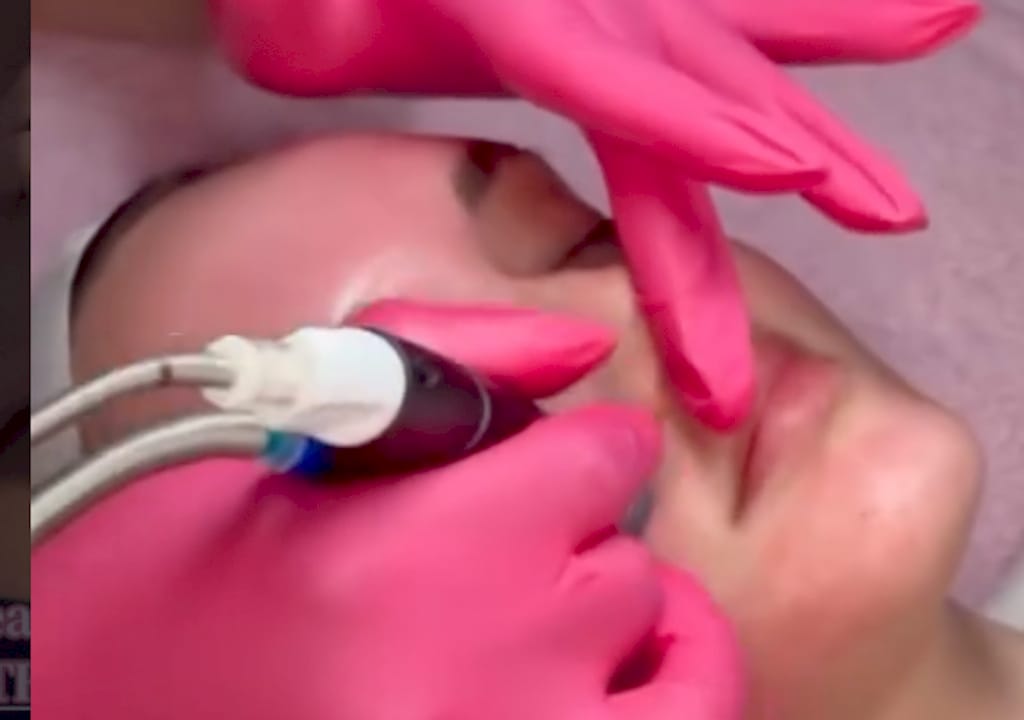
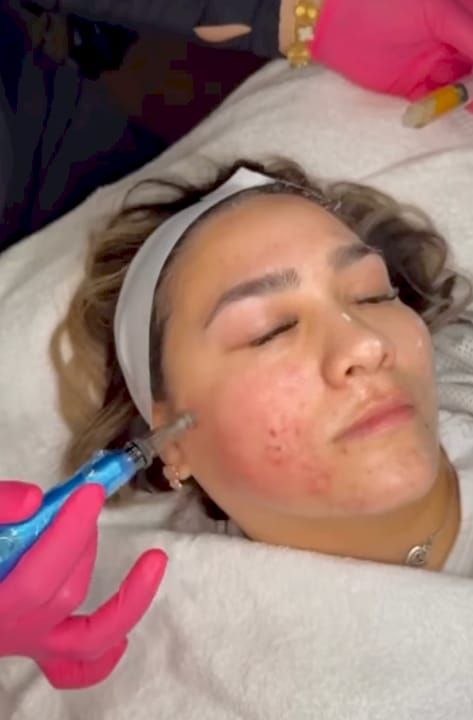
Sculptra + microneedling or PRF: Microneedling and platelet-rich fibrin (PRF) improve skin texture and quality at the surface level, complementing Sculptra’s deeper volumizing effect. Wait at least 2–4 weeks after a Sculptra session before scheduling aggressive energy-based or needling treatments to avoid disrupting product distribution.
-
Sculptra + PDO threads: Threads provide mechanical lifting while Sculptra builds collagen support. Sequence threads after completing the Sculptra series for best structural results.
A practical sequencing protocol:
-
Complete the Sculptra series (up to 4 sessions, 3–4 weeks apart) to establish midface structure.
-
At 6–12 weeks after the final Sculptra session, assess residual focal lines and add targeted HA filler if needed.
-
Schedule neurotoxin maintenance every 3–4 months as part of ongoing care.
-
Add microneedling or PRF sessions between Sculptra visits to address skin quality, spacing them at least 2–4 weeks from any Sculptra injection.
What Sculptra costs in the United States
Sculptra is priced per vial, and most patients need multiple vials across multiple sessions. The total investment depends on the number of vials used, the number of sessions in your plan, your provider’s experience and location, and the geographic market.
-
Per-vial pricing varies by market and provider. Urban markets and highly experienced injectors typically charge more per vial than suburban or mid-market practices.
-
Typical regimen: A full nasolabial fold treatment plan often involves 2–4 sessions with 1–2 vials per session, meaning the total cost across a complete series is higher than a single HA filler appointment.
-
Long-term value: When you factor in that Sculptra’s results can last up to 25 months, the per-month cost often compares favorably to HA fillers that require touch-ups every 6–12 months.
Budgeting tip: Think of Sculptra as a multi-session investment rather than a single procedure. The upfront cost is higher, but the durability means fewer total appointments and less product over a two-year period for many patients.
Factors that increase total cost include treating a larger area, needing more vials due to significant volume loss, and choosing a provider with specialized training in PLLA technique. Financing options are available at many med spas, including The Injection Room, making the total investment more manageable.
Who is a good candidate for Sculptra smile line treatment?
Sculptra is not the right fit for everyone, and a thorough consultation is the only way to know for certain. That said, there is a clear profile of patients who tend to get the most out of it.
Ideal candidates:
-
Adults with moderate to significant midface volume loss or structural deflation
-
Patients with skin laxity or early jowling who want gradual, natural correction
-
Those who have realistic expectations and understand results develop over months, not days
-
Patients willing to commit to a staged treatment plan and follow aftercare instructions (including massage)
-
Adults who want long-lasting results and prefer fewer repeat treatments over time
Contraindications and cautions:
-
Active skin infection or inflammation at or near the injection site
-
Known allergy to any component of Sculptra (PLLA, carboxymethylcellulose, or mannitol)
-
Immune-compromised patients (increased infection risk and unpredictable healing)
-
Pregnancy or breastfeeding (insufficient safety data)
-
History of keloid formation or hypertrophic scarring (may indicate elevated nodule risk)
Before your consult, gather:
-
Photos showing your face at rest and smiling (front and both sides)
-
A list of all current medications, supplements, and prior injectable treatments
-
Your aesthetic goals written out, including what you like about your current appearance and what you want to change
Pro Tip: If you have had HA filler in the nasolabial area recently, tell your provider before your Sculptra consult. Existing product can affect placement decisions and may need to be dissolved first for optimal results.
Why Sculptra results look natural: the science behind it
The natural appearance of Sculptra results is not accidental. It is a direct consequence of the biological mechanism driving the outcome.
Most injectable fillers add volume by physically occupying space. Sculptra works by instructing your body to build its own tissue. The 2026 peer-reviewed review confirms that PLLA drives macrophage polarization toward the M2 regenerative state, which produces a controlled remodeling cascade rather than a fibrotic or scar-forming response. The result is new collagen, specifically types I and VIα1, laid down gradually in a pattern that mirrors natural tissue architecture.
“PLLA’s ability to shift macrophages toward an M2 tissue-regenerating state produces a controlled remodeling cascade that looks more natural than an immediately volumizing HA filler.” Ovid/Dermatologic Surgery
The randomized, evaluator-blinded multicenter trial NCT03780244 provides the clinical design underpinning regulatory approval and current practice standards. Evaluator-blinded methodology means the people assessing outcomes did not know which treatment patients received, reducing bias and strengthening the validity of durability findings.
For patients, the practical takeaway is straightforward: gradual correction avoids the “overfilled” look that can occur with large-volume HA filler placement. For providers, the evidence supports conservative session dosing and staged treatment as the approach most likely to produce results that look like you, only refreshed.
Our perspective on Sculptra for smile lines at The Injection Room
What I find most compelling about Sculptra is that it asks patients to trust a process rather than a single moment. That is a harder sell than an immediate result, but it is also a more honest one.
At The Injection Room, our approach to Sculptra for nasolabial folds starts with structure. Before we place a single vial, we assess the full midface: bone support, fat pad position, skin quality, and existing volume. Smile lines rarely exist in isolation. They are usually part of a broader pattern of midface descent, and treating only the fold without addressing the surrounding structure often produces a result that looks corrected but not quite right.
We use standardized photography and WAS scoring at every visit so patients can see their own progress objectively. Many patients are surprised by how much improvement has accumulated by their third session, precisely because the change is gradual enough to miss day-to-day. The photos make it real.
Our staged treatment plans are conservative by design. We would rather bring a patient back for a fourth session than overcorrect at session two and spend the next six months managing the outcome. That philosophy is backed by the clinical evidence, and it is also just good practice.
We offer Sculptra in both Austin and San Antonio, and we are happy to walk you through whether it is the right fit for your goals before you commit to anything.
Ready to explore Sculptra for your smile lines?
The Injection Room offers Sculptra treatments at our Austin and San Antonio locations, with a consult process designed to give you a clear, honest picture of what to expect before you book a single session. We review your full facial anatomy, discuss your timeline and goals, and build a staged plan that fits your life.
To get started, visit our Sculptra service page to learn about the treatment and book a consultation. If you are also curious about combining Sculptra with neurotoxin treatments like Botox or Dysport, our team can walk you through combination options at our San Antonio location during the same visit.
Bring photos, a list of any prior injectables, and your questions. We will take it from there.
Sources
This article is general information, not a substitute for advice from a qualified doctor. Consult a qualified healthcare professional about your own circumstances before acting on anything here.
FAQ
Why do some plastic surgeons caution against Sculptra?
Some providers are cautious about Sculptra because of the nodule and papule risk, particularly when the product is placed too superficially, in too large a volume per session, or without adequate post-injection massage. These complications are largely technique-dependent and are significantly reduced with staged dosing, proper depth, and patient compliance with aftercare.
What is the most effective treatment for smile lines?
There is no single answer, since effectiveness depends on the severity of volume loss and the patient’s goals. Sculptra is among the most durable options for structural nasolabial fold correction, with clinical data supporting results up to 25 months. HA fillers like Juvederm and Restylane offer immediate correction and are often used alongside Sculptra for targeted surface smoothing.
How much does Sculptra cost to treat smile lines?
Sculptra is priced per vial, and a full nasolabial fold treatment plan typically involves multiple vials across up to four sessions. Total cost varies by market, provider experience, and the number of vials needed. While the upfront investment is higher than a single HA filler session, the longer durability often makes it cost-competitive over a two-year period.
How long does it take for Sculptra to work on smile lines?
Early collagen stimulation begins around weeks 3–6, with progressive improvement through months 2–6. Most patients see their clearest results between two and six months after starting treatment. The temporary fullness visible immediately after injection is from the carrier fluid and is not the final result.
Can Sculptra be combined with Botox for smile lines?
Yes. Sculptra and neurotoxins like Botox or Dysport address different aspects of facial aging and can be done on the same day or at separate visits. Sculptra restores structural volume; neurotoxins reduce the dynamic muscle movement that deepens lines over time. The Injection Room offers both treatments at its Austin and San Antonio locations.

%20Pictures%20are%204%20weeks%20apart..jpg)