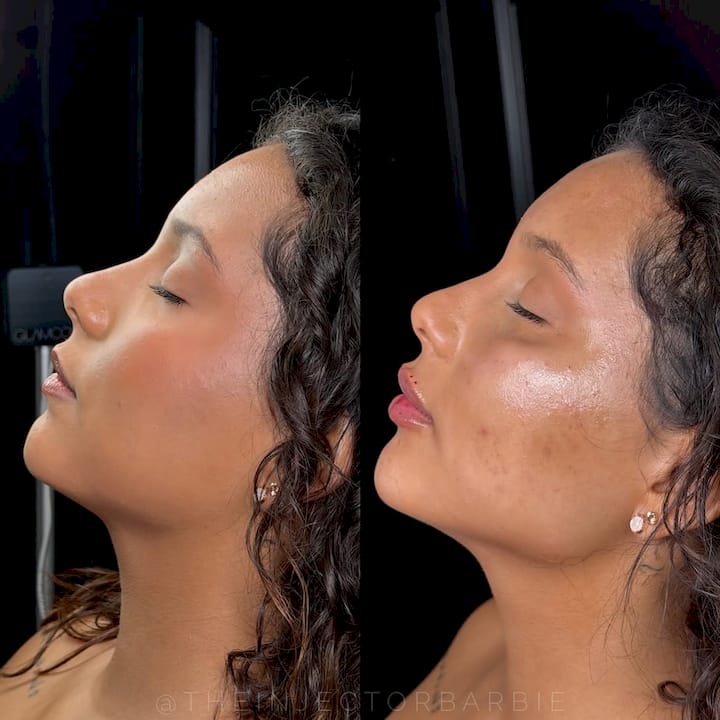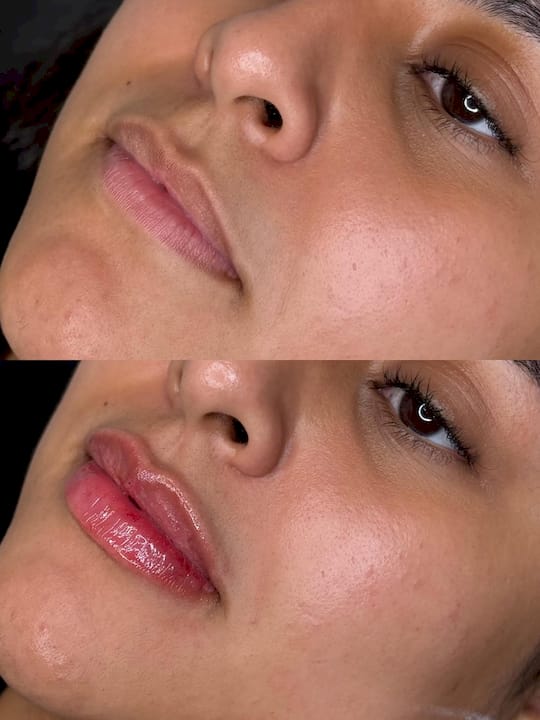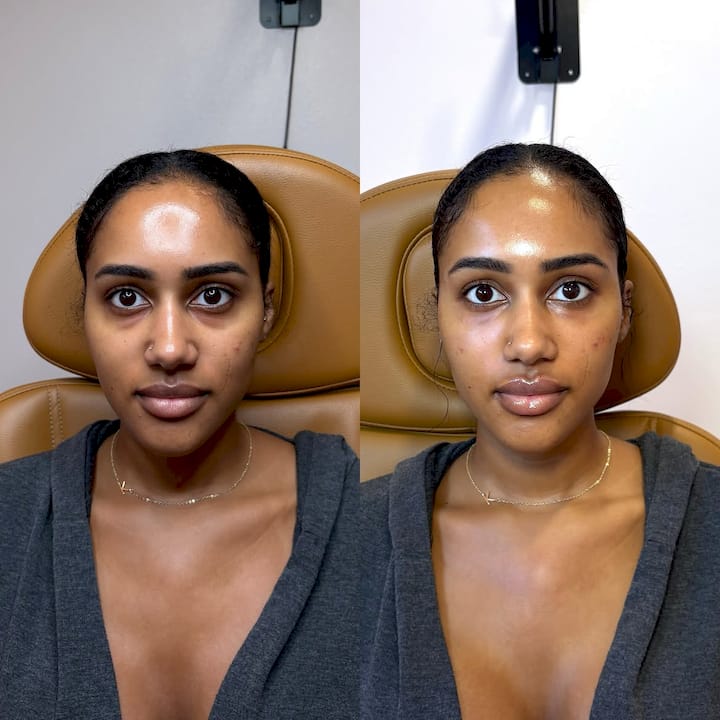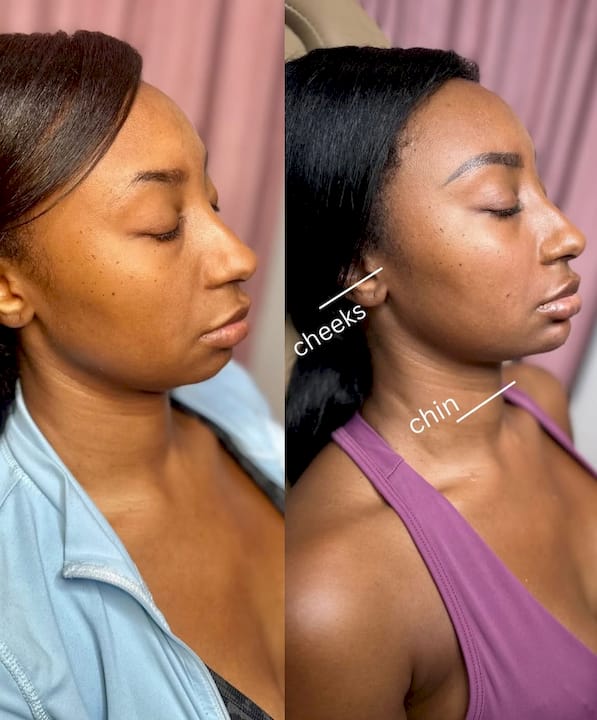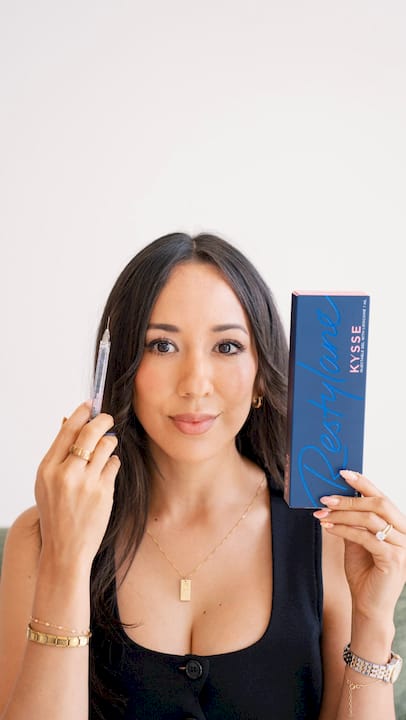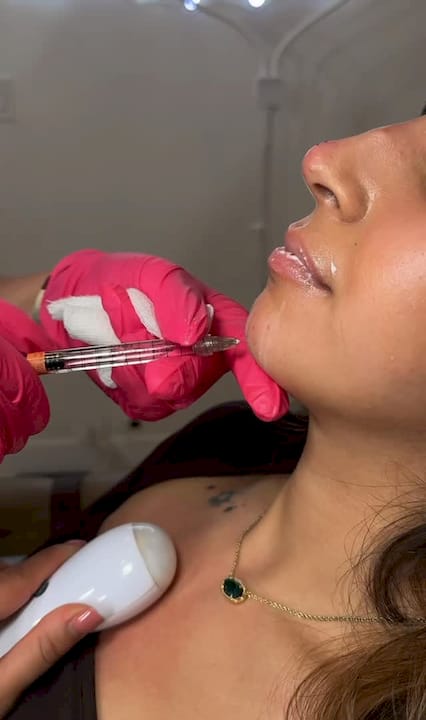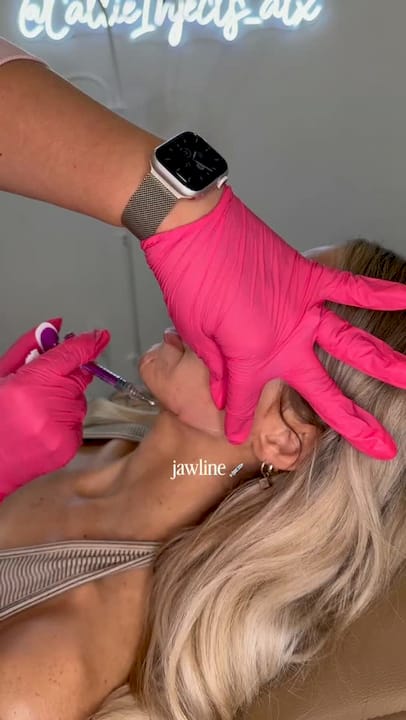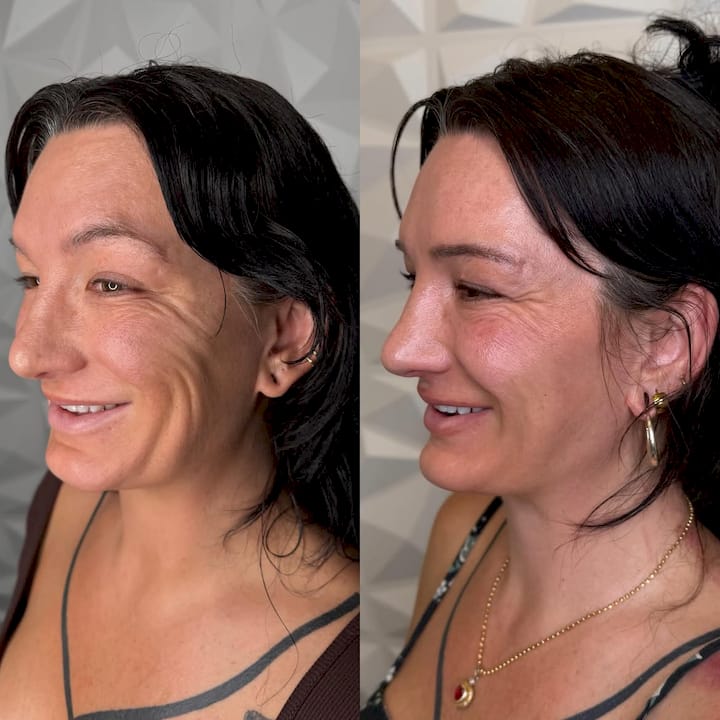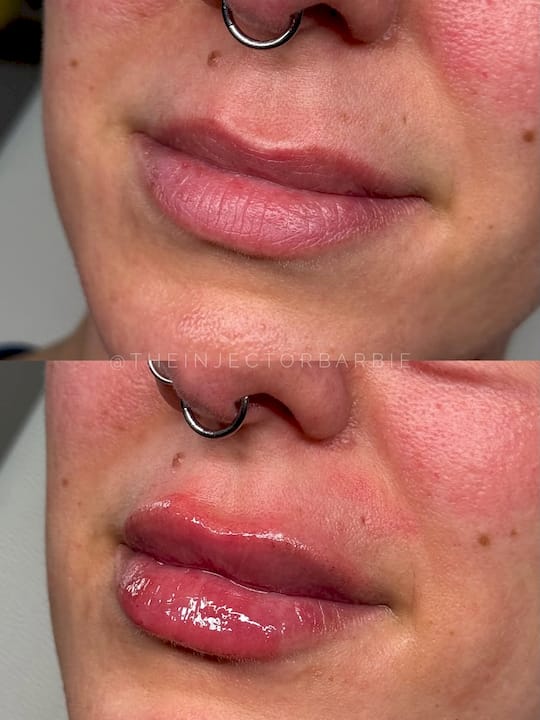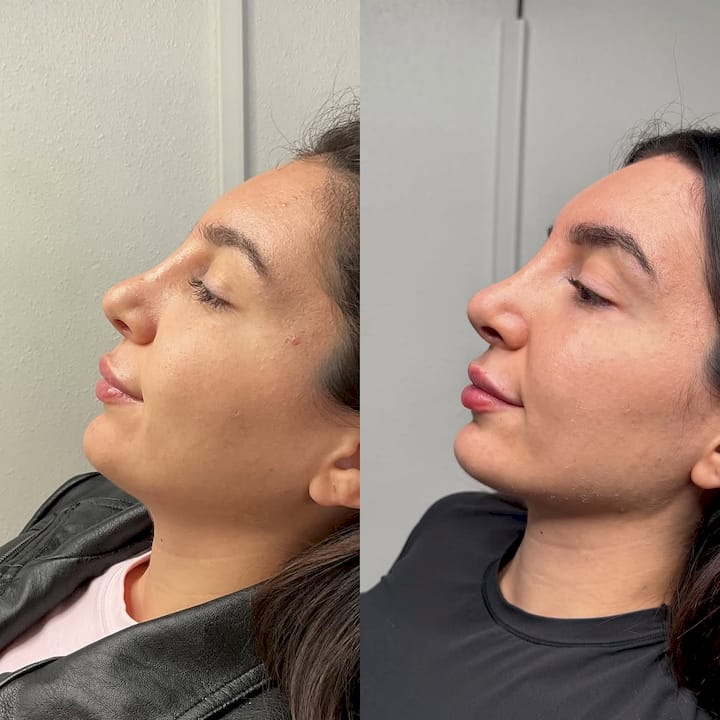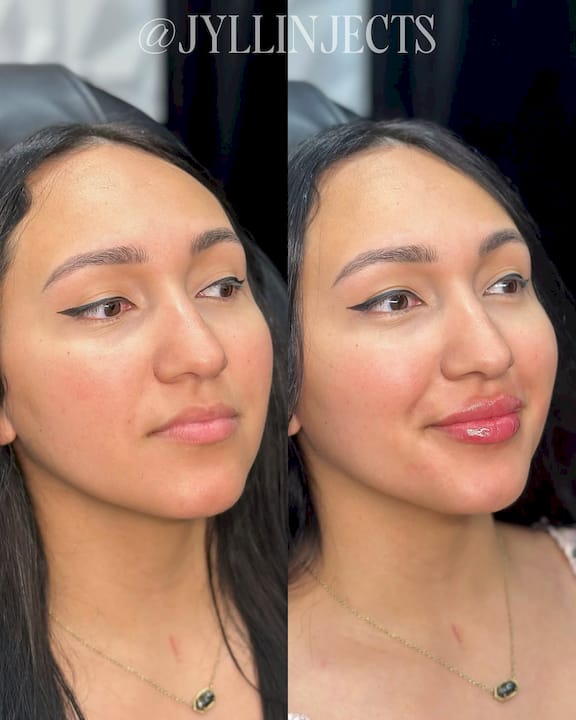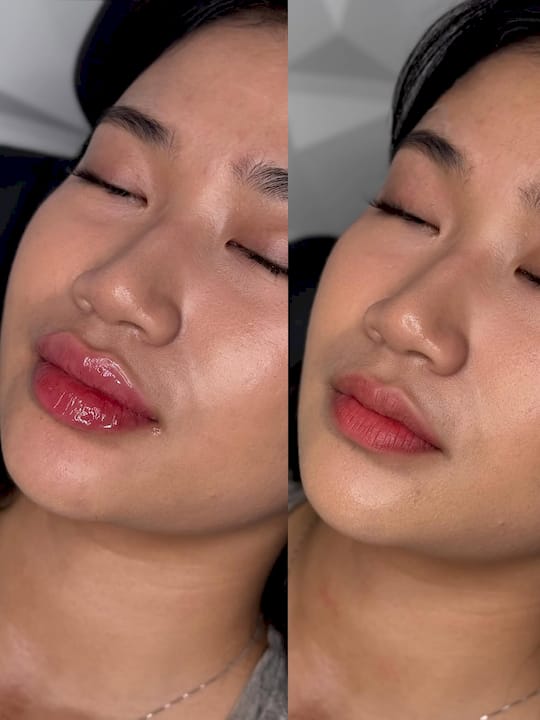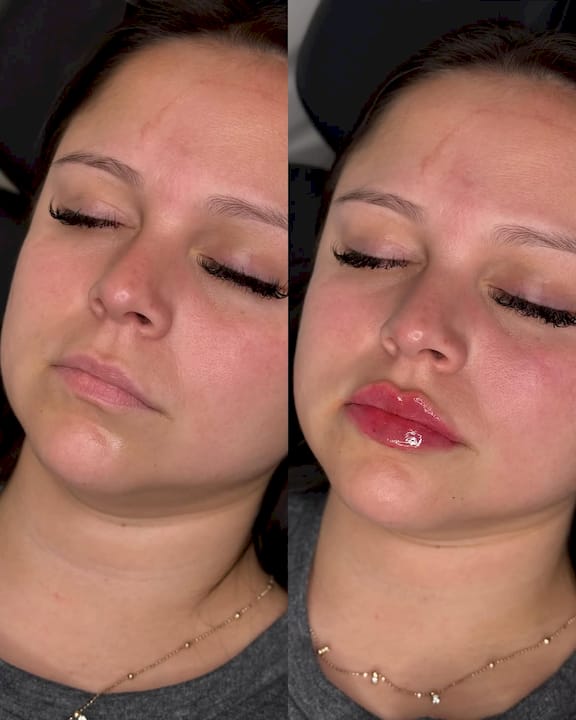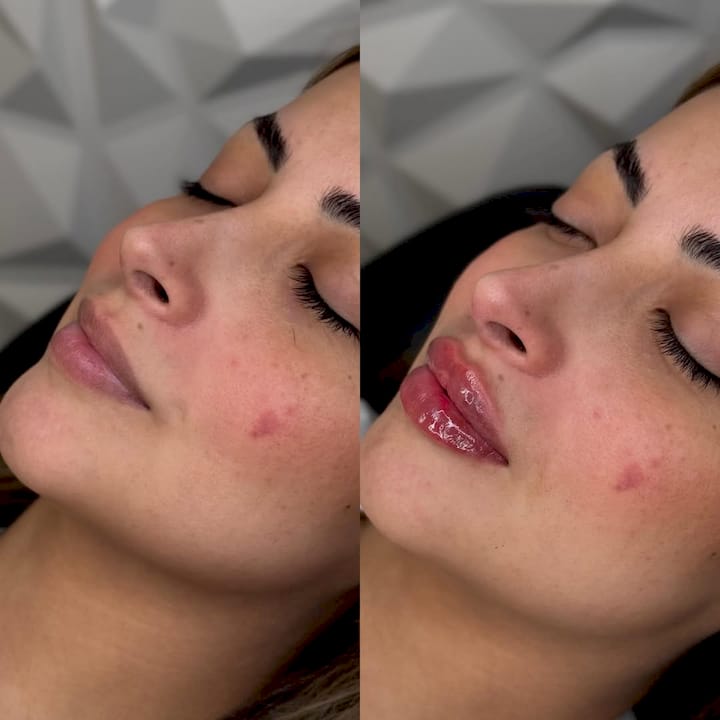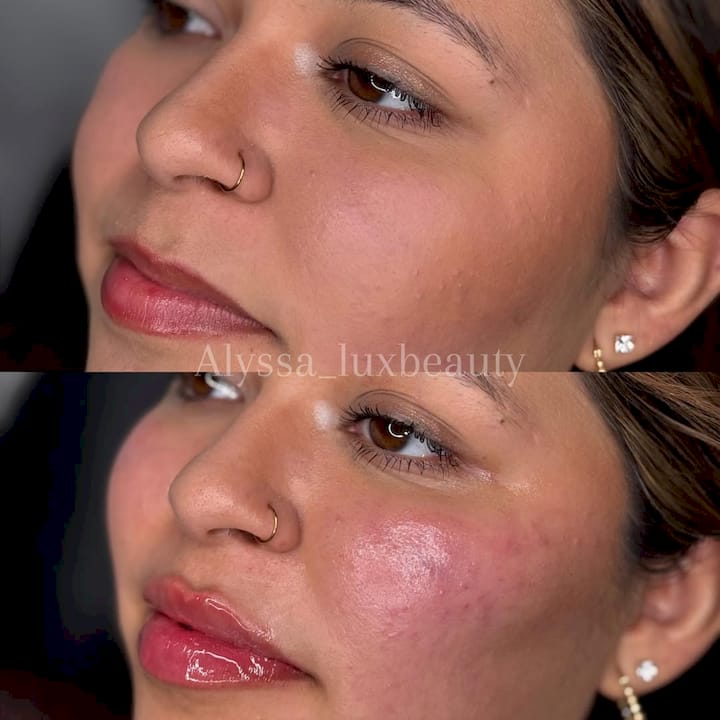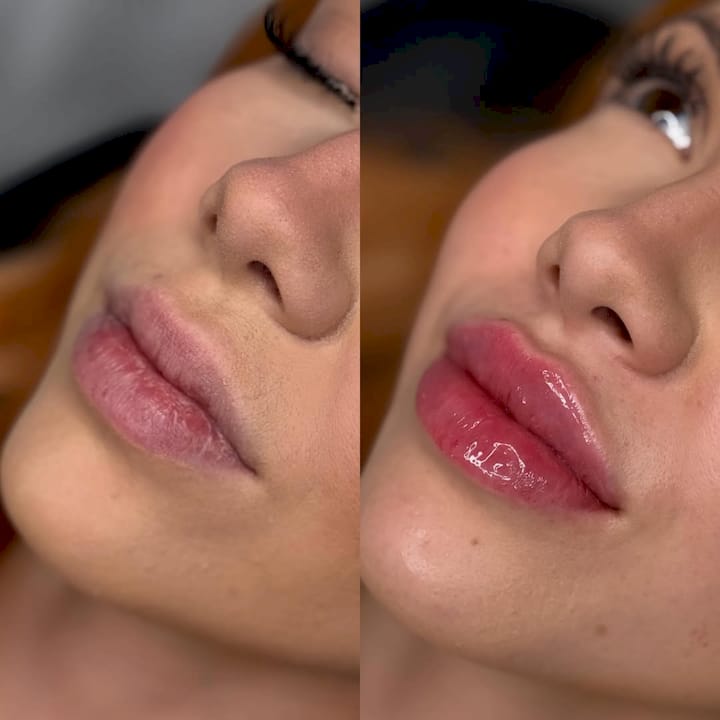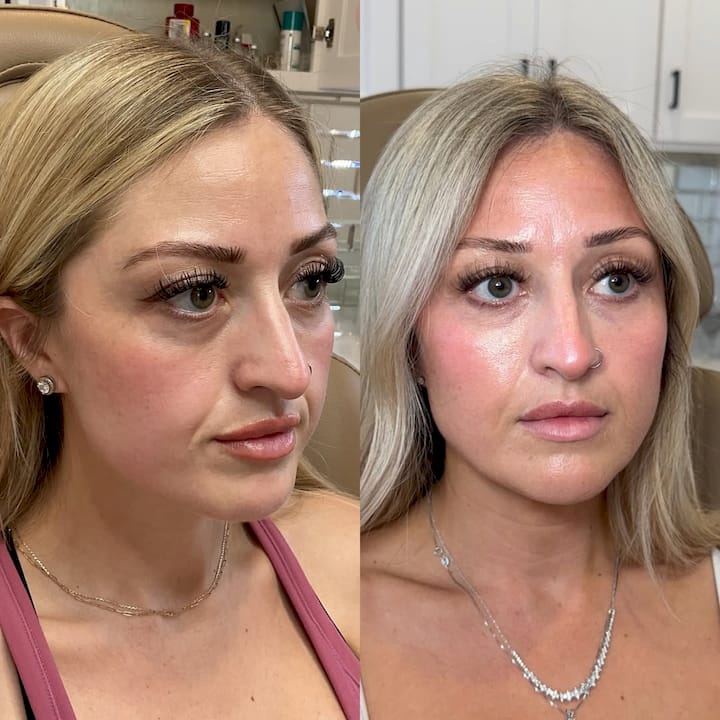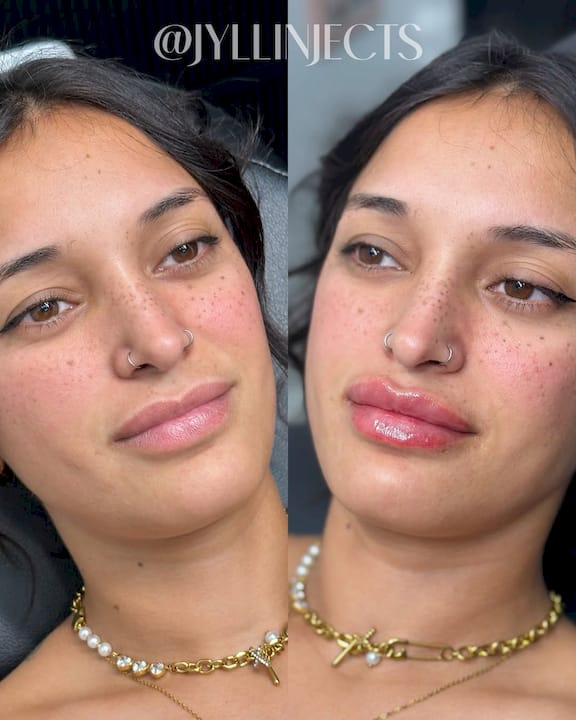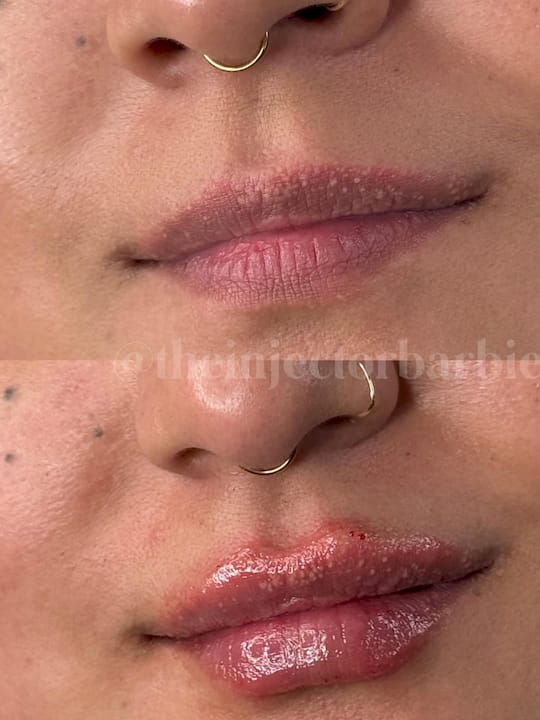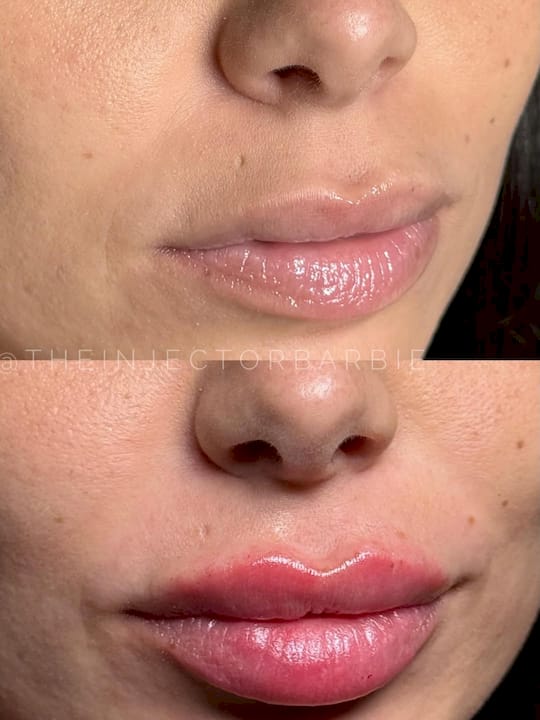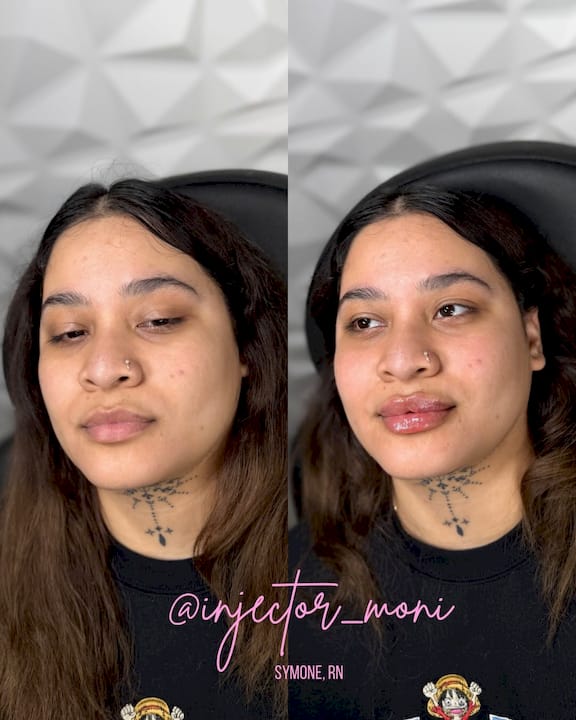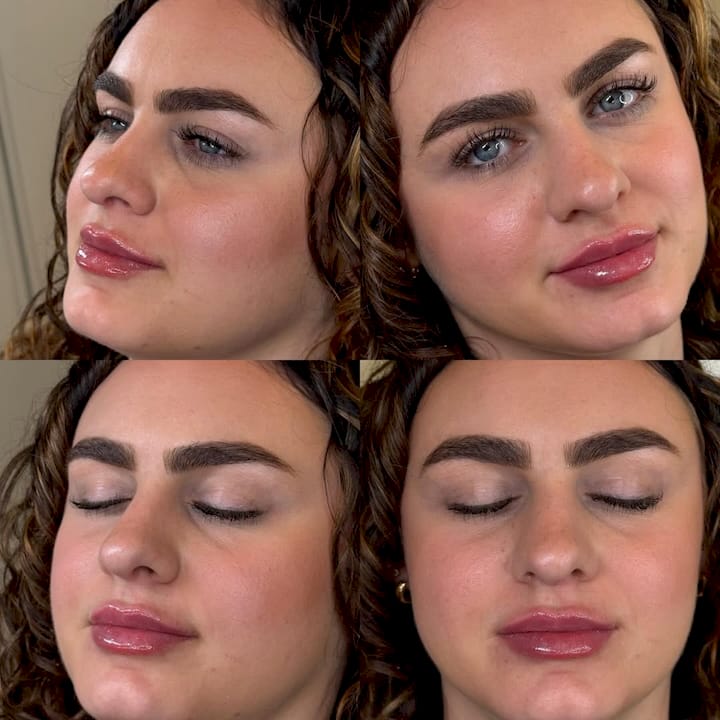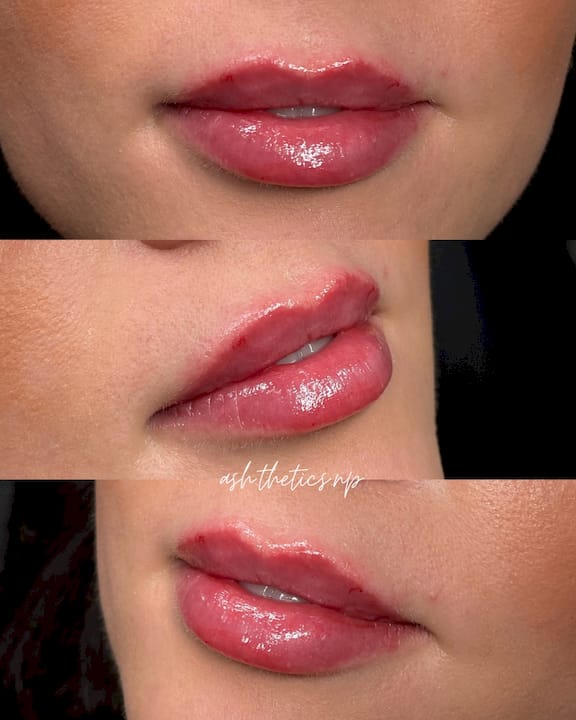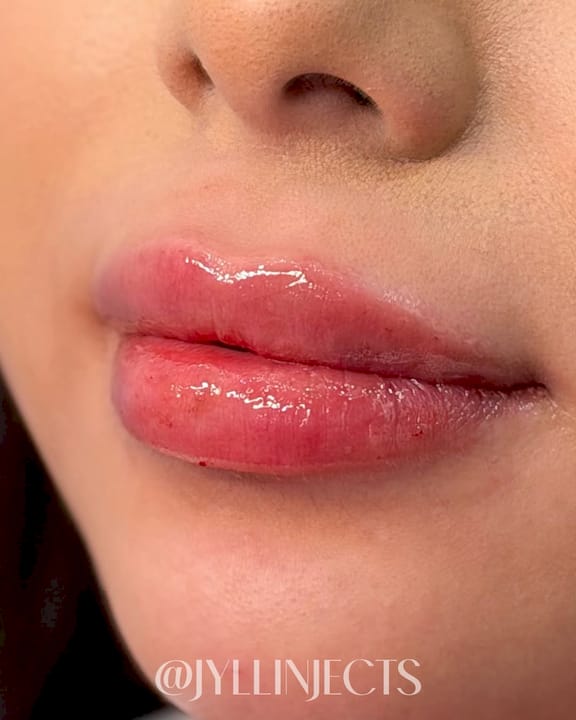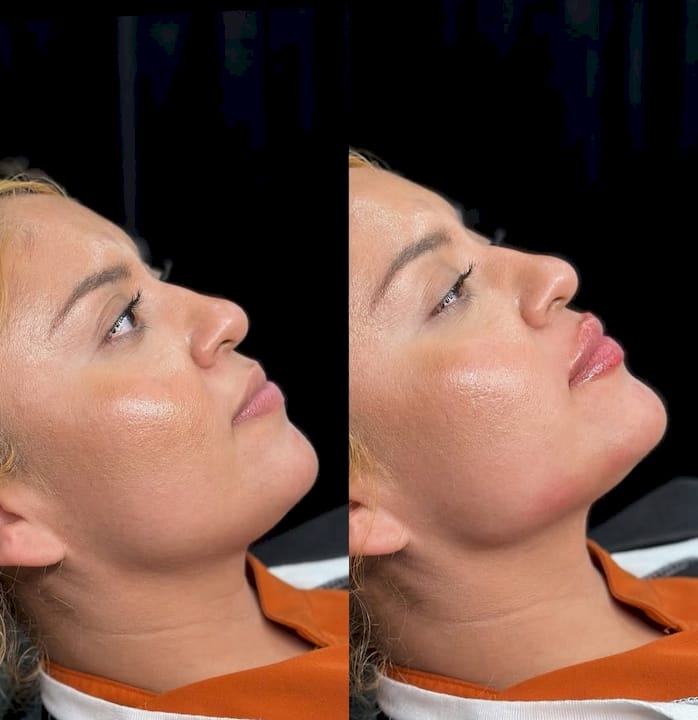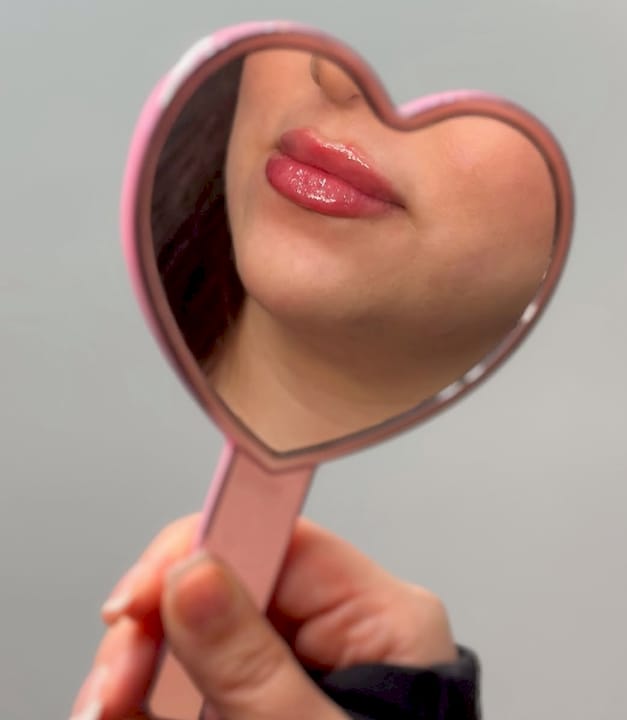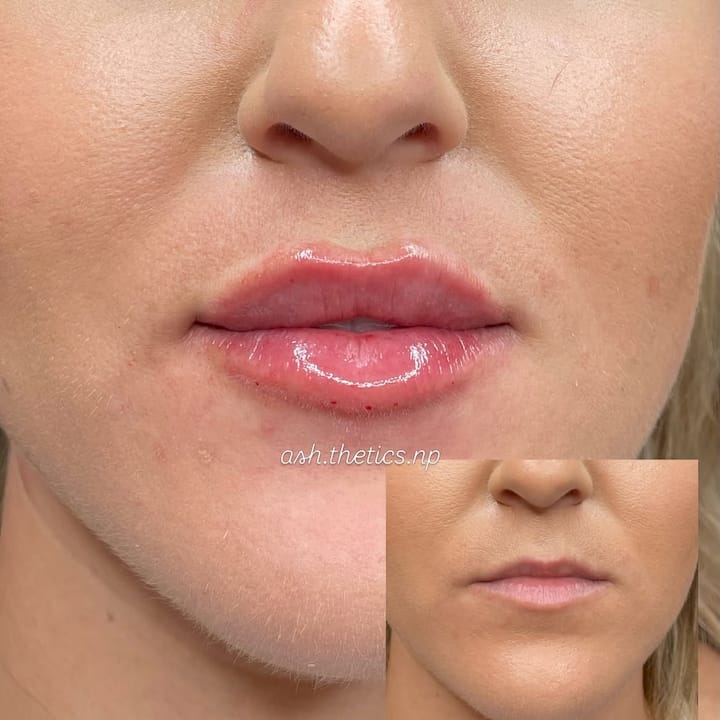
JUVÉDERM® Ultra XC is used primarily for natural-feeling lip enhancement, smoothing vertical perioral lines (sometimes called smoker’s lines), and soft correction of mild-to-moderate nasolabial folds. It belongs to the JUVÉDERM® Collection of hyaluronic acid fillers and carries FDA clearance for lip augmentation in adults 21 and older, as well as for moderate-to-severe facial wrinkles and folds. The formula includes 0.3% lidocaine, which reduces injection discomfort without affecting how long results last.
The three core uses at a glance:
-
Lip augmentation: adding volume, shaping the vermilion border, and defining the cupid’s bow
-
Perioral lines: softening vertical lip lines that form above and below the lip
-
Nasolabial folds: mild-to-moderate correction of the creases running from the nose to the corners of the mouth
Results typically last 6–12 months, though individual factors like metabolism, the amount injected, and the area treated all play a role in how quickly the gel is absorbed.
Table of Contents
-
How does Ultra XC compare with Volbella XC and Ultra Plus XC?
-
What is Ultra XC made of, and why does it work the way it does?
-
Who is a good candidate for Ultra XC, and where can it be injected?
-
What happens during the appointment and what should you expect afterward?
-
How long do Ultra XC results last, and what affects longevity?
How does Ultra XC compare with Volbella XC and Ultra Plus XC?
All three products sit within the JUVÉDERM® Collection, but they are not interchangeable. Each gel has a different firmness and water affinity, which determines where it performs best and what kind of result you can expect.
| Dimension | JUVÉDERM® Ultra XC | JUVÉDERM® Volbella® XC | JUVÉDERM® Ultra Plus XC |
|---|---|---|---|
| Best for | Lip volume, shape, perioral lines, mild nasolabial folds | Very subtle lip enhancement, fine perioral lines | Deeper nasolabial folds, structural volume |
| Gel consistency | Soft, supple, moderate firmness | Lightest, thinnest gel | Thickest, firmest gel |
| Lidocaine | Yes (0.3%) | Yes (0.3%) | Yes (0.3%) |
| Typical duration | 6–12 months | Up to 12 months | Up to 12 months |
| Natural movement | High — moves well with lips | Very high — barely perceptible | Moderate — designed for lift, not movement |
| Common side effects | Swelling, bruising, tenderness | Minimal swelling, bruising | Swelling, bruising, firmness at site |
A few practical pointers on when each formula makes sense:
-
Choose Ultra XC when you want noticeable lip fullness with natural movement, or when you need mild softening of nasolabial folds without heavy structural lift.
-
Choose Volbella XC when the goal is ultra-subtle enhancement, very fine line smoothing, or if you have thin lips and want the lightest possible result.
-
Choose Ultra Plus XC when nasolabial folds are deep, or when you need more structural volume than a softer gel can provide.
Pro Tip: Many providers use a layered approach — a softer gel like Ultra XC for the lips themselves and a firmer gel like Ultra Plus XC for deeper folds in the same appointment. Ask your injector whether a combination plan fits your goals, since product choice is always consultation-based.
For a broader look at how JUVÉDERM® formulas differ by facial goal, this comparison of Juvederm Ultra vs Voluma walks through the key decision points.
What is Ultra XC made of, and why does it work the way it does?
Ultra XC is a hyaluronic acid (HA) injectable gel with 0.3% lidocaine, manufactured using Allergan’s VYCROSS or proprietary cross-linking technology to create a smooth, cohesive gel. HA is a naturally occurring sugar molecule found in skin and connective tissue. It binds water at the injection site, which is what creates the soft, plumping effect you see and feel after treatment.
What separates Ultra XC from thicker fillers comes down to a property called G prime (G’). G’ measures a gel’s resistance to deformation — essentially, how firm it is. Ultra XC has a lower G’ and higher water affinity compared with denser JUVÉDERM® formulations, which means it moves naturally with your lips and facial expressions rather than sitting stiff.
The practical takeaway: A soft gel with high water affinity delivers a plump, natural feel in mobile tissue like lips. A firmer, higher-G’ gel resists movement and provides structural lift — the right tool for deeper folds, but too rigid for delicate lip tissue.
The lidocaine in the formula is absorbed locally during injection, reducing the sharp sensation most patients associate with needle-based treatments. Clinical analyses of lidocaine-containing HA fillers consistently show that patients rate these formulations as less painful than non-lidocaine versions, without any change in adverse-event rates or how long results last.
Who is a good candidate for Ultra XC, and where can it be injected?
Ultra XC works across several facial areas, and knowing which ones helps you walk into a consultation with realistic expectations.
Common treatment areas:
-
Upper and lower lip body (adding volume and soft definition)
-
Vermilion border (the edge that defines the lip’s outline)
-
Cupid’s bow (sharpening the natural peak of the upper lip)
-
Vertical perioral lines (the fine lines above and below the lip)
-
Mild-to-moderate nasolabial folds
-
Light cheek hollowing when only subtle volume is needed
Ideal candidate traits:
-
Mild-to-moderate volume loss in the lips or perioral area
-
Preference for natural movement and a subtle enhancement
-
First-time filler patients who want to start conservatively
-
Adults 21 and older with no active infection at the treatment site
Provider guidance consistently points to Ultra XC as the right starting point for patients seeking mild volume restoration, with a move to firmer gels only when more advanced volume loss is present.
When Ultra XC may not be the best fit:
-
Deep nasolabial folds or significant structural volume loss — Ultra Plus XC is typically more effective.
-
Ultra-fine line smoothing with minimal volume change — Volbella XC’s lighter gel is often preferred.
-
Active skin infection, cold sore outbreak, or open wound near the treatment area.
-
Pregnancy or breastfeeding (standard contraindication for all injectable fillers).
-
Certain autoimmune conditions or a known allergy to HA or lidocaine.
What happens during the appointment and what should you expect afterward?
A typical Ultra XC appointment moves through a few predictable stages, and the whole session usually takes under 60 minutes from consultation to walking out the door.
Appointment timeline:
-
Consultation and consent: Your injector reviews your goals, medical history, and photos; you sign informed consent.
-
Marking: The injector maps injection points on the lip and perioral area.
-
Topical numbing (optional): A topical anesthetic cream may be applied 15–20 minutes before injection, though the lidocaine in Ultra XC itself handles most of the discomfort.
-
Injection session: The filler is placed using a fine needle or cannula, typically in multiple small deposits.
-
Immediate aftercare: Ice packs, gentle pressure, and post-care instructions.
Clinical outcomes at 12 weeks (from a multicenter lip enhancement study):
| Measure | Result |
|---|---|
| Subjects improving ≥1 point on Lip Fullness Scale | 71% |
| Overall patient satisfaction | 82% |
Common side effects in the first few days include swelling, bruising, tenderness, and mild redness at the injection sites. These typically resolve within 7–14 days.
Aftercare checklist:
-
Avoid strenuous exercise for 24–48 hours
-
Skip alcohol and blood thinners for 24 hours post-treatment
-
Do not apply pressure or massage the area unless your injector instructs you to
-
Stay out of extreme heat (saunas, hot yoga) for 48 hours
-
Sleep with your head slightly elevated the first night
Red flags that need prompt follow-up:
-
Increasing pain or pressure after the first 48 hours
-
Severe blanching or skin color changes (possible vascular compromise)
-
Persistent lumps or firmness beyond two weeks
-
Signs of infection: warmth, spreading redness, fever
How long do Ultra XC results last, and what affects longevity?
Results from Ultra XC commonly last several months, with lips tending to last a shorter duration because the area moves constantly with talking, eating, and expression. Individual variability is real, and a consultation should set expectations tied to your specific situation rather than a blanket timeline.
Factors that tend to shorten duration:
-
High metabolic rate
-
Smoking (accelerates HA breakdown and affects skin quality)
-
Smaller initial volume injected
-
Superficial injection plane
-
High-movement areas like the lip body
Factors that can extend results:
-
Repeat treatments over time (HA fillers may last longer with consistent maintenance)
-
Deeper injection planes for appropriate areas
-
Larger initial volume (within safe limits)
-
Healthy skin and good hydration
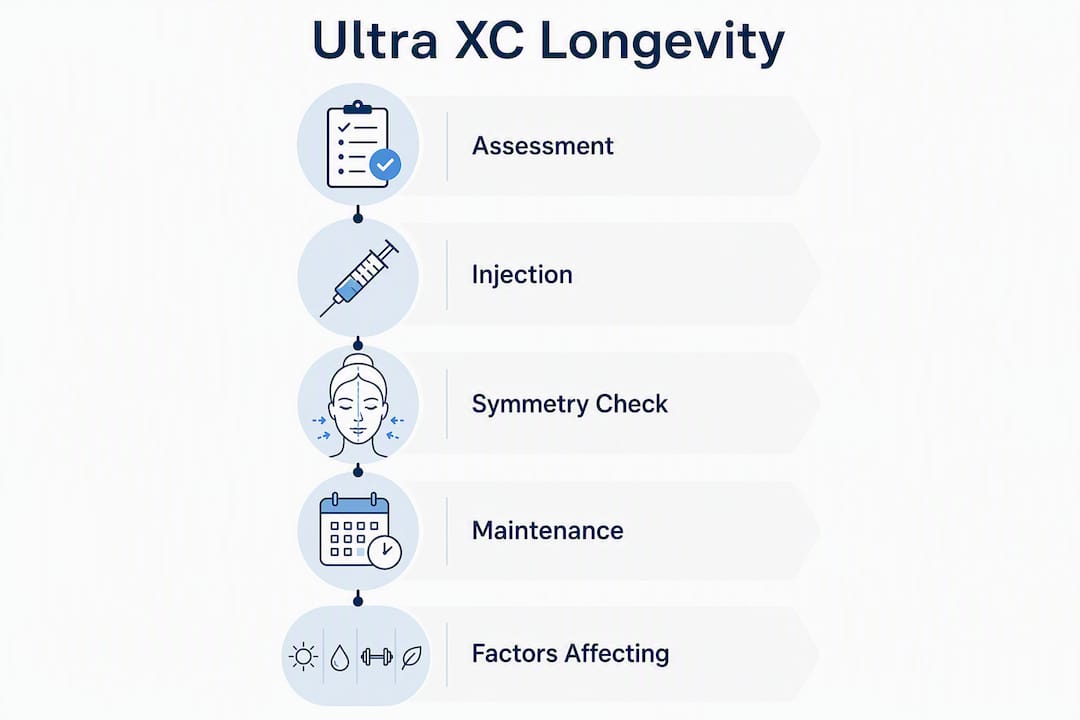
A simple maintenance schedule most providers follow: an initial assessment at 2–4 weeks post-treatment to check symmetry and address any asymmetry, then a touch-up or full retreat at 6–12 months depending on how the gel has metabolized. For a deeper look at what drives longevity across JUVÉDERM® formulas, this guide on Juvederm lasting results covers the key variables.
What does Juvederm Ultra XC typically cost?
Pricing for Ultra XC varies by provider experience, clinic location, and how many syringes your treatment plan requires. In most U.S. markets, the cost of a single syringe varies, often depending on location and provider expertise.
Common treatment scenarios:
-
Subtle lip enhancement: 0.5–1.0 mL (one syringe or less) for a natural, first-time result
-
Fuller lips or combined perioral work: 1–2 syringes, sometimes more depending on baseline volume
-
Nasolabial fold correction: Often 1–2 syringes per side for moderate folds; deeper folds may need Ultra Plus XC instead
Additional cost factors to ask about:
-
Touch-up visits (some clinics include a 2-week follow-up; others charge separately)
-
Combination treatments — pairing fillers with neurotoxins for perioral lines adds to the total
-
Whether the clinic bundles a topical numbing fee or consultation fee into the syringe price
Pricing is rarely a flat number, so ask for a written estimate at your consultation that breaks down product, injection fees, and any follow-up costs.
How do you choose a safe, qualified injector?
The product matters, but the person holding the syringe matters more. Choosing a qualified injector is the single most important decision you make in this process.
At your consultation, ask:
-
What is your training and credential? (Board-certified physician, licensed nurse practitioner, or PA under physician oversight are the standard benchmarks.)
-
How many lip filler treatments do you perform per month?
-
Can I see before-and-after photos of patients with similar goals?
-
How do you manage complications, including vascular occlusion?
-
Do you have hyaluronidase on hand to dissolve filler if needed?
Technique questions worth raising:
-
Do you use a needle, a cannula, or both? (Cannulas reduce bruising risk in some areas.)
-
At what depth will you place the product for my specific goals?
-
How do you assess symmetry during the session?
Red flags to watch for:
-
Providers who guarantee specific results or promise permanent outcomes
-
Unusually low pricing with no clear explanation
-
Refusal to share credentials or before-and-after photos
-
Non-medical settings without sterile protocols
-
No discussion of emergency protocols or reversal options
Practitioner insights that make results look natural
The most common mistake patients make is requesting too much volume at once. A staged approach — starting with 0.5 mL and assessing at two weeks before adding more — almost always produces a more balanced, natural result than going straight to a full syringe on the first visit.
Pro Tip: Document your baseline with photos before every treatment. Validated tools like the 5-point Lip Fullness Scale help both you and your injector track real change rather than relying on memory, which tends to underestimate how much improvement has already occurred.
Injection depth also changes how the product behaves. Placing Ultra XC in a superficial plane creates a more defined border effect; deeper placement in the lip body produces volume and projection. Your injector should explain their depth strategy before the needle touches skin, and you should feel comfortable asking how your smile and natural movement will look once the product settles.
A practical example: A patient with a naturally thin upper lip and good lower lip volume often does well with 0.5 mL of Ultra XC placed along the vermilion border and upper lip body. The result looks balanced rather than overdone, and a planned touch-up at 6–9 months keeps the enhancement consistent without requiring a full retreat every time.
The same product behaves differently in different hands and different planes. That is why provider selection and an honest conversation about your goals matter as much as which formula ends up in the syringe.
Key Takeaways
JUVÉDERM® Ultra XC is the most versatile entry point in the JUVÉDERM® Collection for lip enhancement and perioral correction, with FDA-cleared indications, built-in lidocaine for comfort, and results that typically last 6–12 months.
| Point | Details |
|---|---|
| Primary uses | Lip augmentation, perioral line smoothing, and mild-to-moderate nasolabial fold correction. |
| Duration expectation | Results typically last 6–12 months; lips tend to metabolize filler faster than other areas. |
| Ultra XC vs. other formulas | Softer than Ultra Plus XC (better for lips); more voluminizing than Volbella XC (better for subtle lines). |
| Provider credentials matter | Ask about board certification, complication management, and hyaluronidase availability before booking. |
| Theinjectionroom | Offers JUVÉDERM® filler treatments in Austin and San Antonio, TX, with a consultation-first approach to personalized lip and perioral plans. |
The case for starting smaller than you think
There is a persistent myth in aesthetic medicine that more product equals better results. For lip fillers specifically, the opposite is usually true. The patients who end up happiest with their outcomes are almost always the ones who started conservatively, assessed at two weeks, and added volume incrementally over one or two sessions rather than loading a full syringe on day one.
Ultra XC’s softer gel is genuinely well-suited to first-time patients and to anyone who wants enhancement that reads as “you, but refreshed” rather than obviously done. The product’s natural movement is one of its real strengths — but that strength only shows when the volume is proportionate to the face. Overfilling a soft gel creates a different problem than overfilling a firm one: instead of looking stiff, it looks swollen, and that is harder to walk back without dissolving the product entirely.
The other thing worth saying plainly: perioral lines and nasolabial folds often respond better to a combination of filler and neurotoxin than to filler alone. A small amount of neurotoxin above the lip relaxes the muscle activity that deepens those vertical lines, which means the filler lasts longer and looks smoother. That combination approach is something to raise at your consultation, not something to assume every provider will suggest unprompted.
Ready to see if Ultra XC is right for you?
Theinjectionroom serves patients in Austin and San Antonio, TX, with a full menu of JUVÉDERM® Collection fillers, including Ultra XC for lip enhancement and perioral correction. Our approach starts with a thorough consultation — no pressure, no predetermined treatment plans — so you leave with a clear picture of what is possible, what it costs, and what the realistic timeline looks like for your goals.
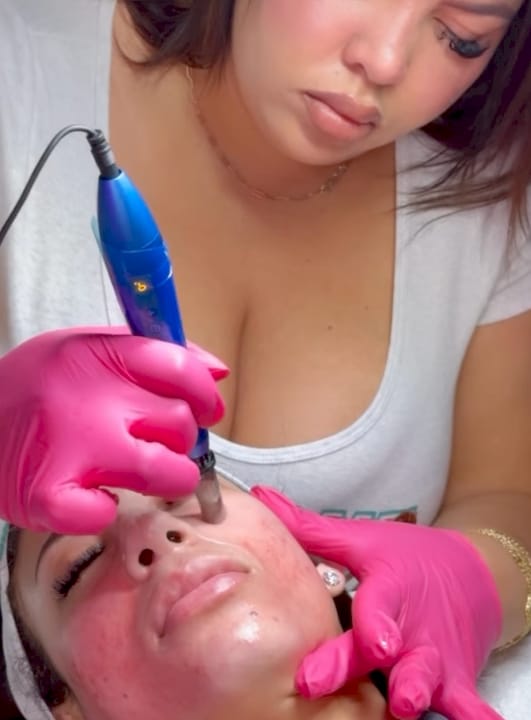
If you are also curious about combining fillers with neurotoxin treatments for perioral lines or tech neck, we can walk you through how those treatments work together. Or, if skin texture around the treated area is a concern, our microneedling services in San Antonio and Austin complement filler results by improving overall skin quality.
Book a consultation at Theinjectionroom and get a personalized plan built around your face, your goals, and your timeline.
Useful sources and further reading
-
Drugs.com: Juvederm FDA Approval History
-
ClinicalTrials.gov: JUVÉDERM® Ultra XC Clinical Research Protocol
-
Theinjectionroom: Juvederm Benefits — What Adults 30–55 Need to Know
-
Theinjectionroom: Understanding What Juvederm Is Best for Lips
%20Pictures%20are%204%20weeks%20apart..jpg)