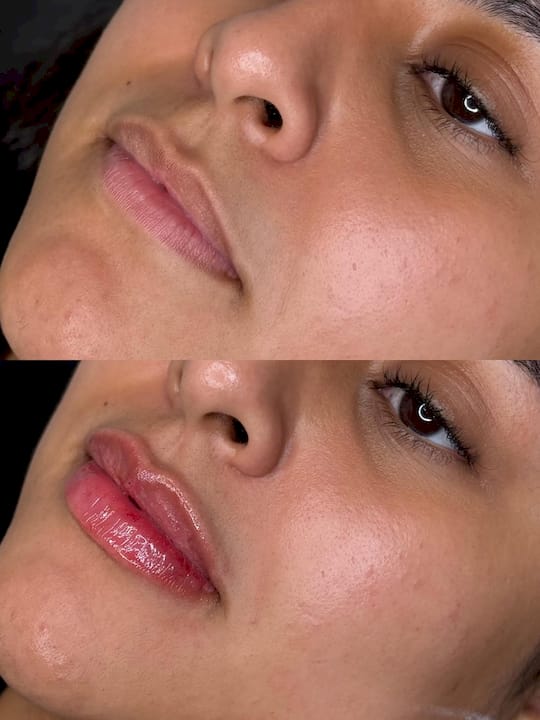
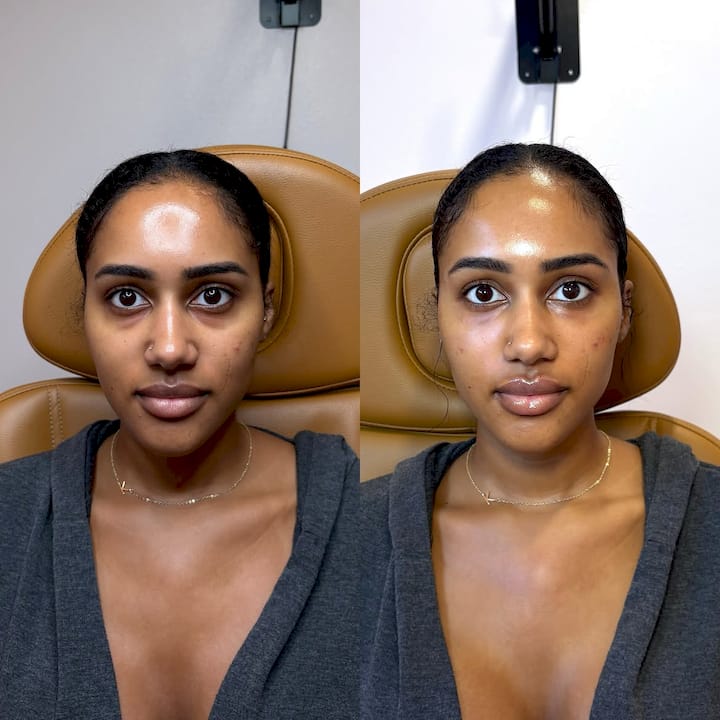
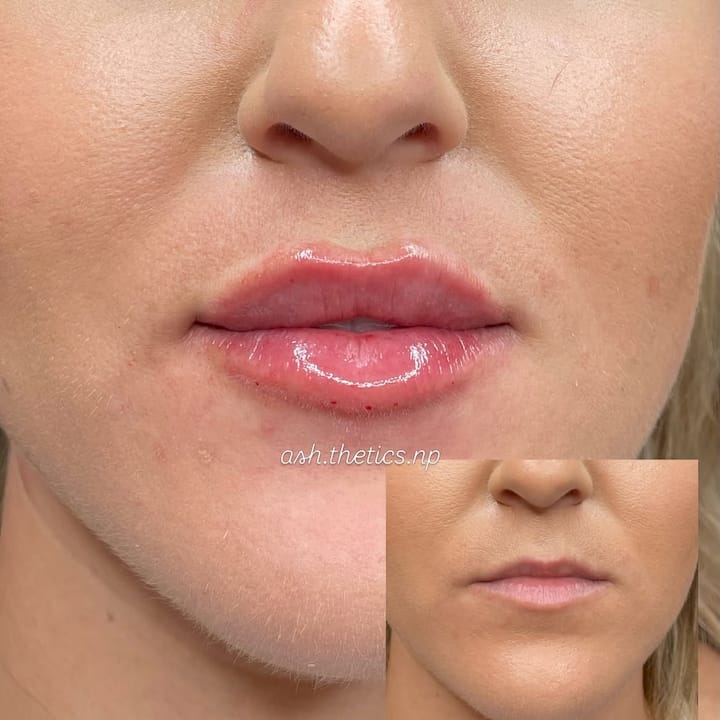
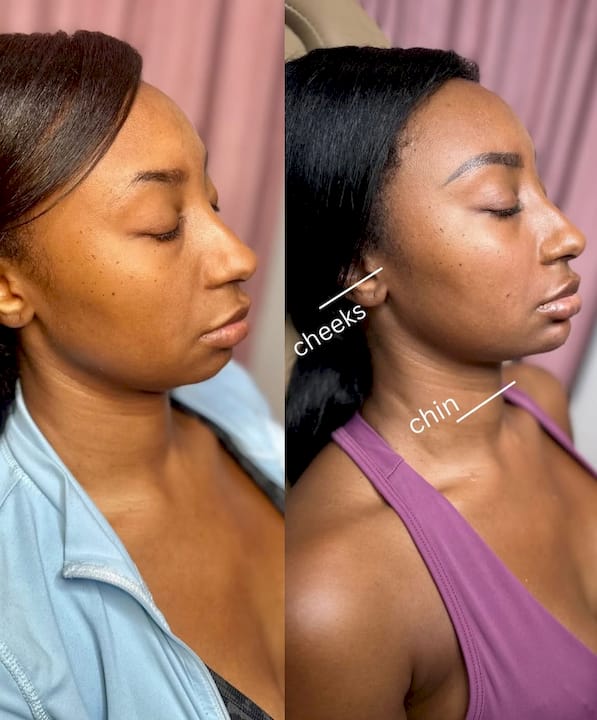
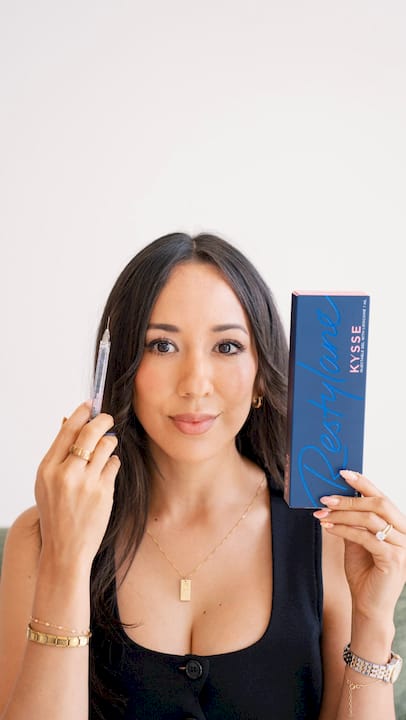
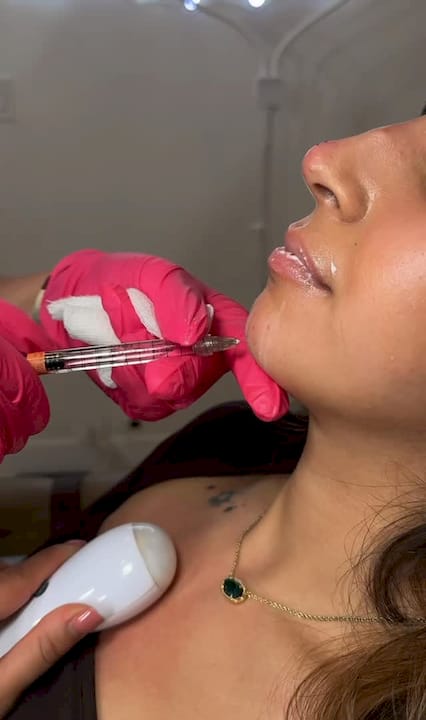
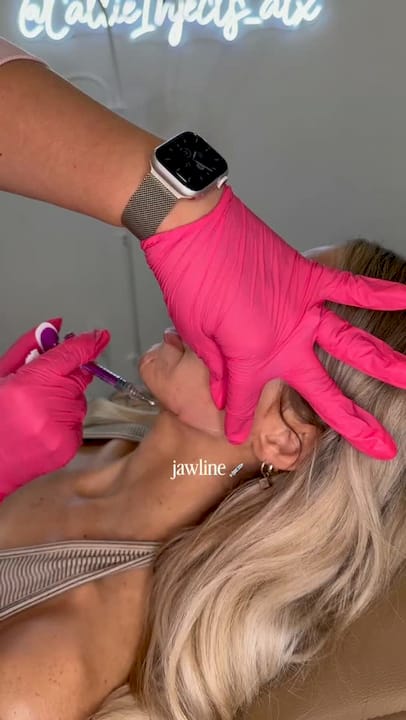
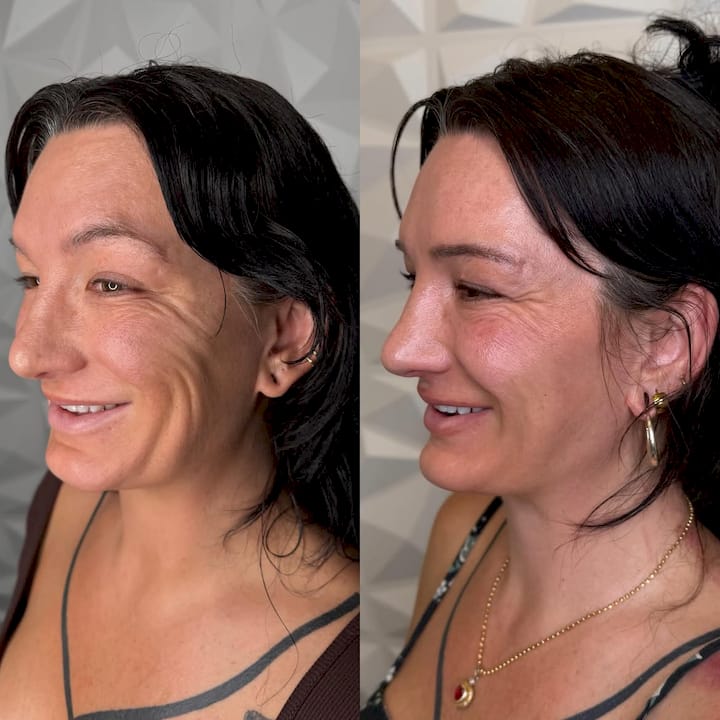
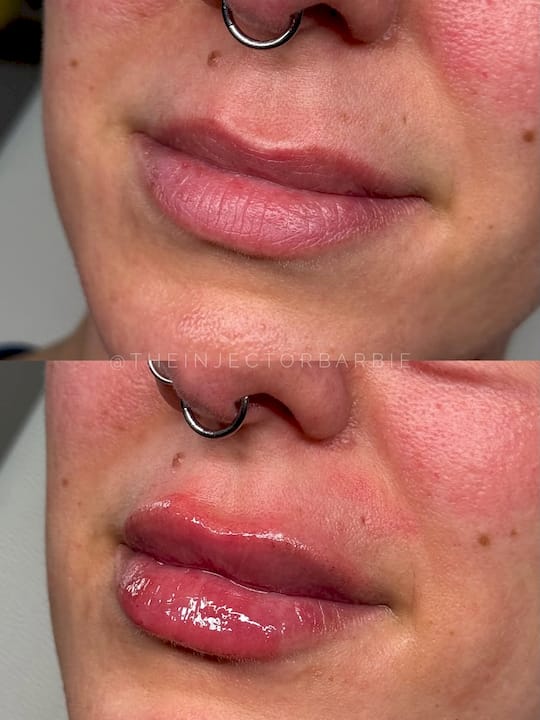
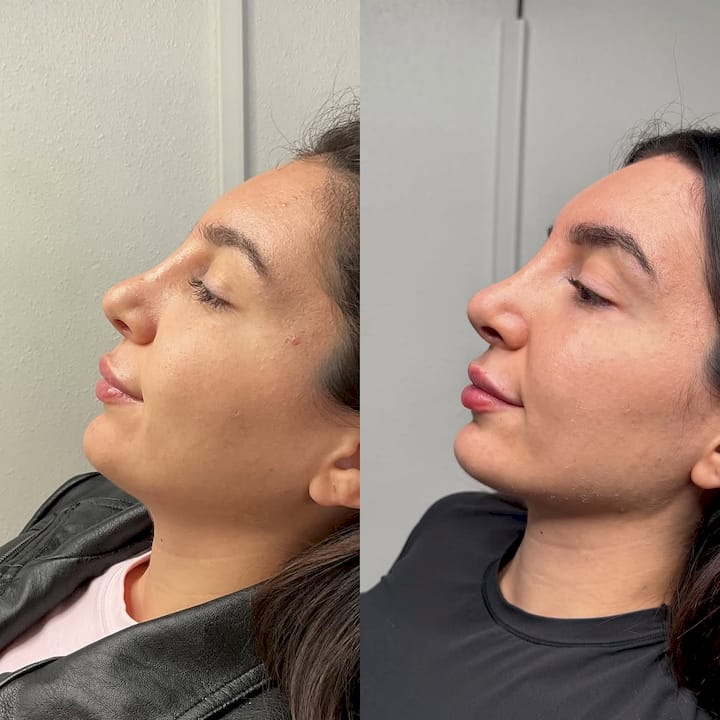
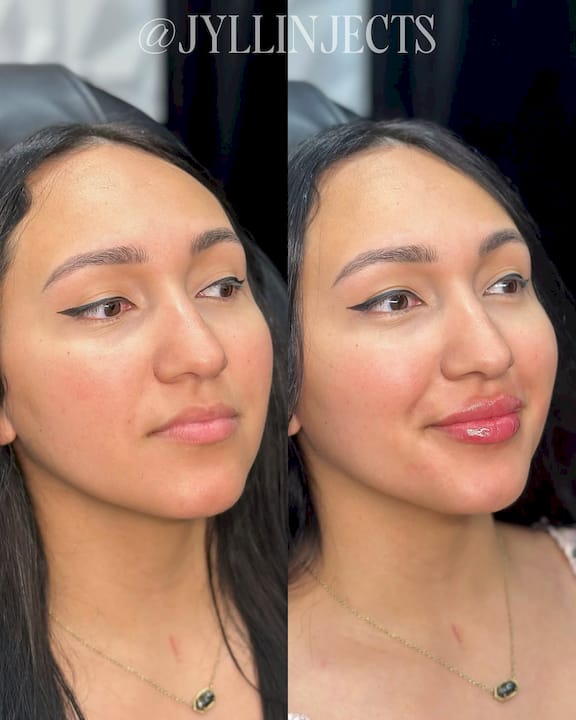
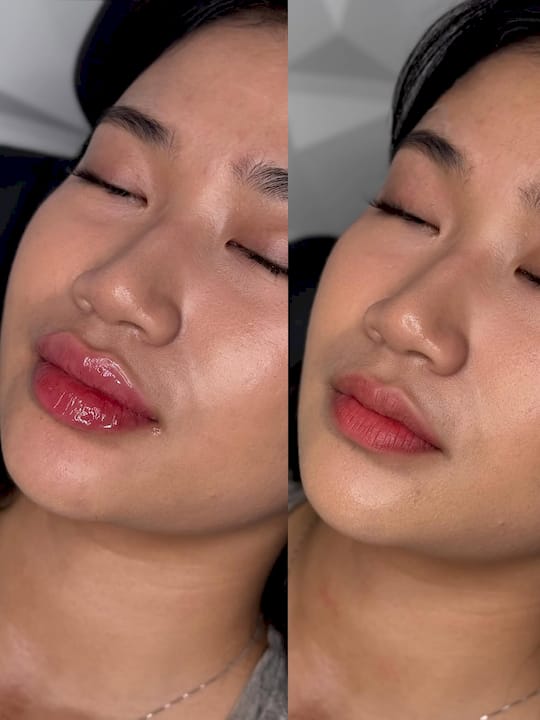
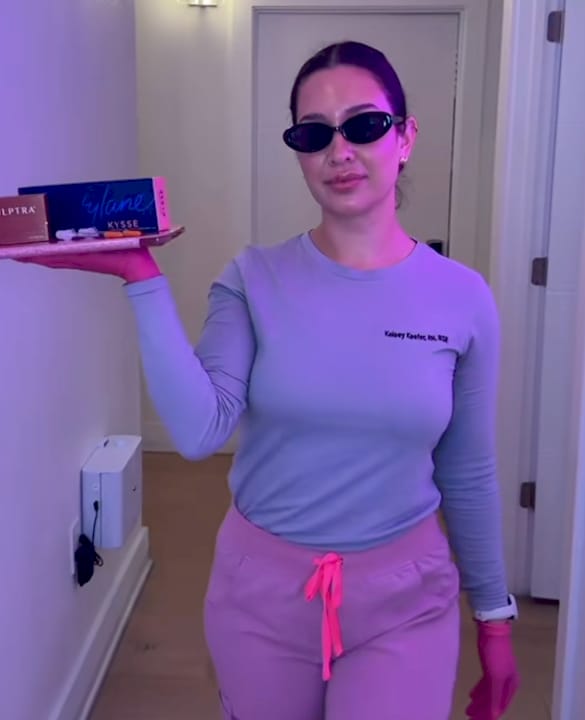
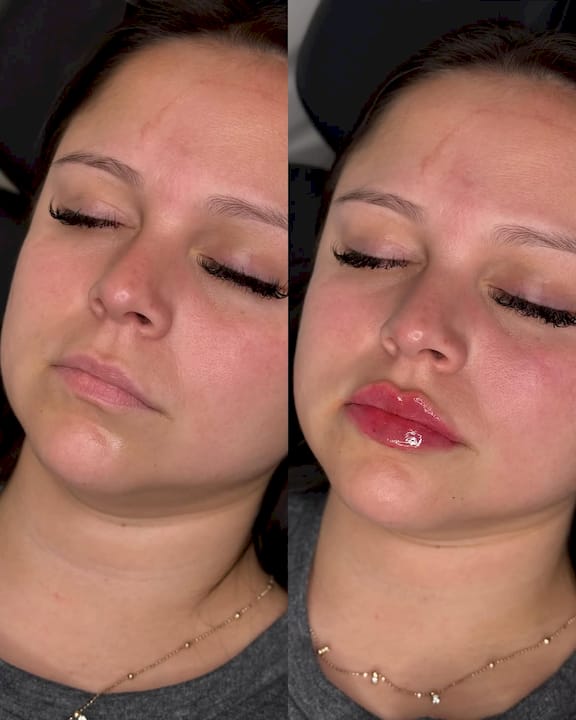
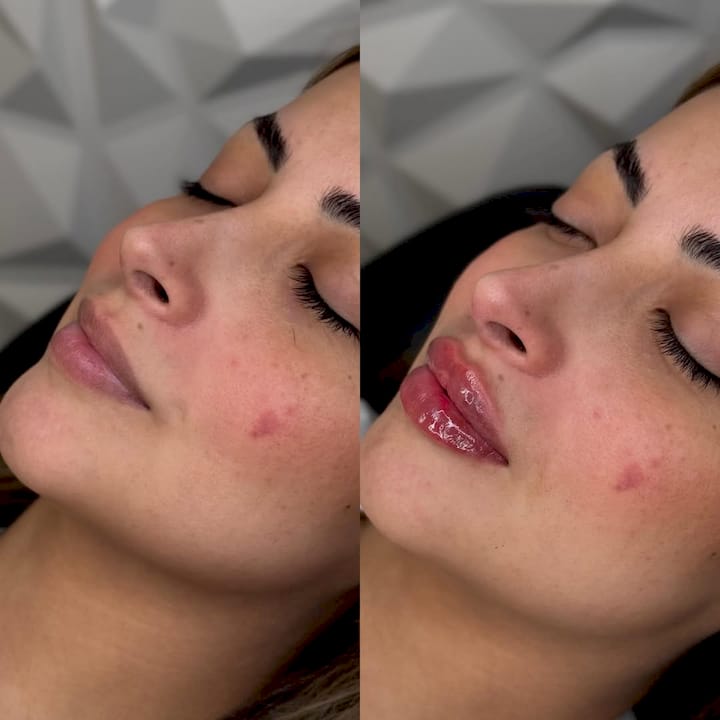
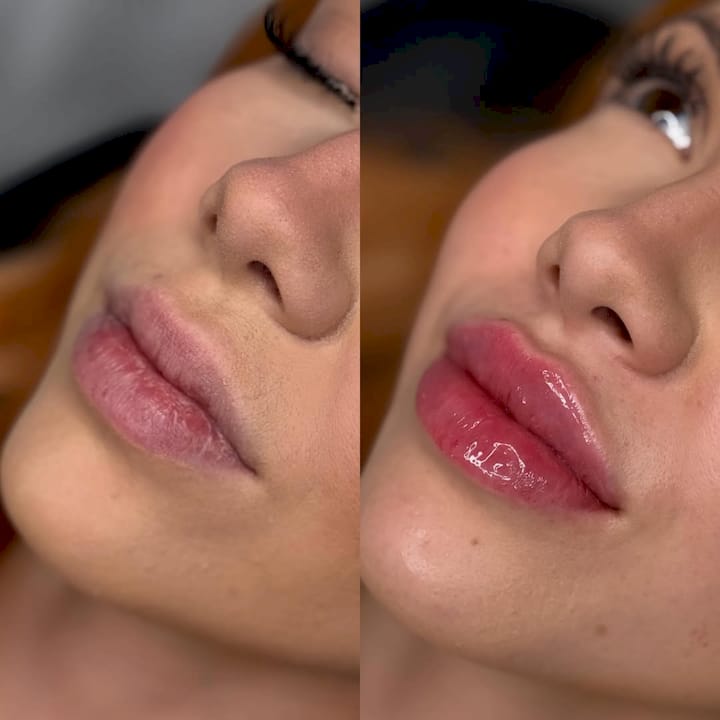
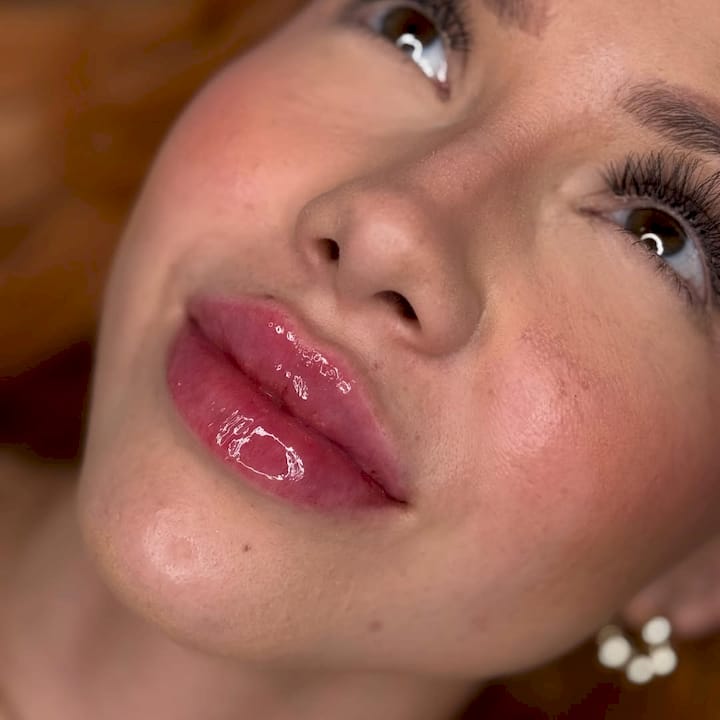
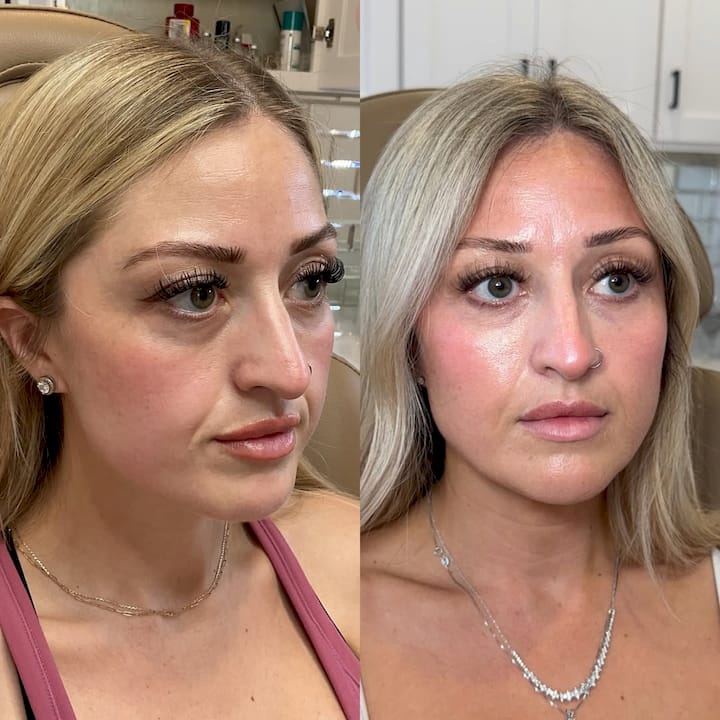
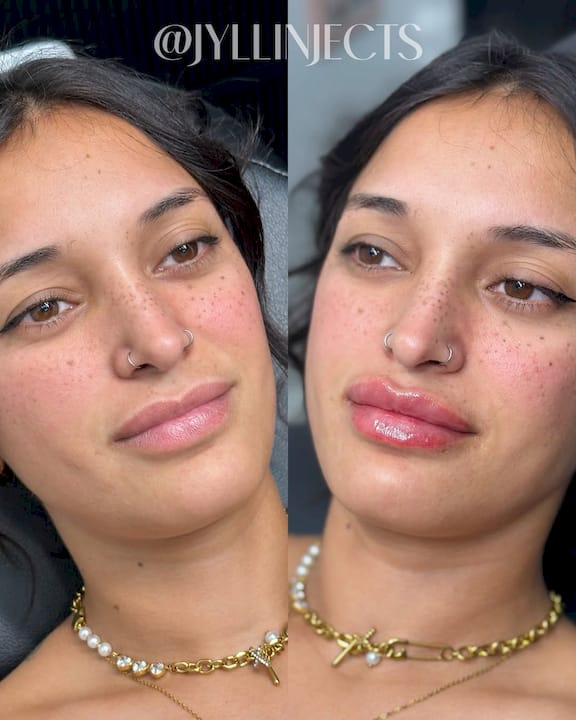
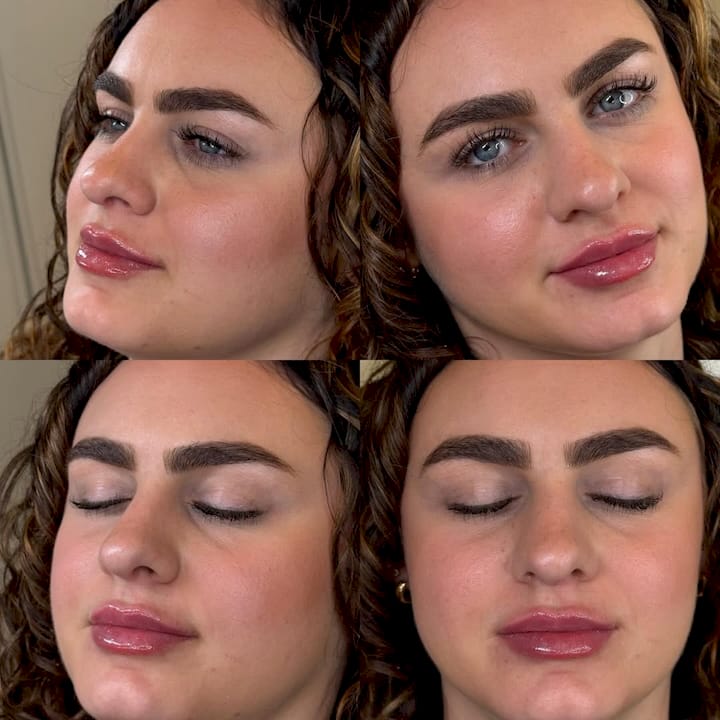
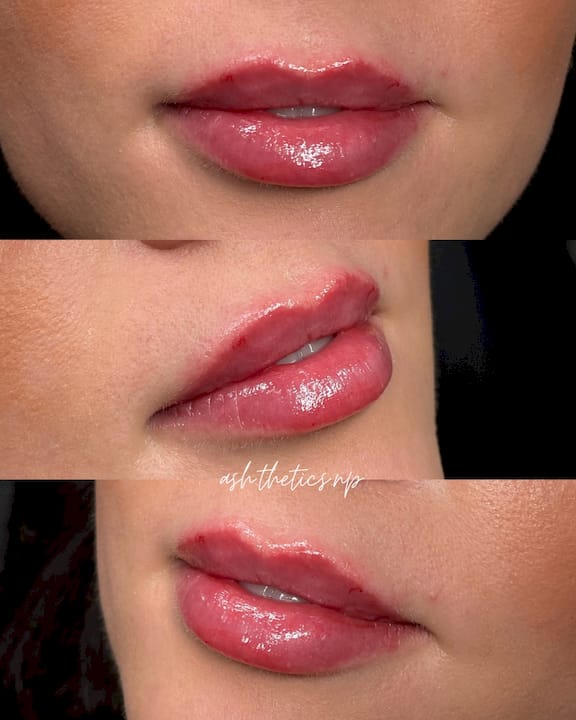
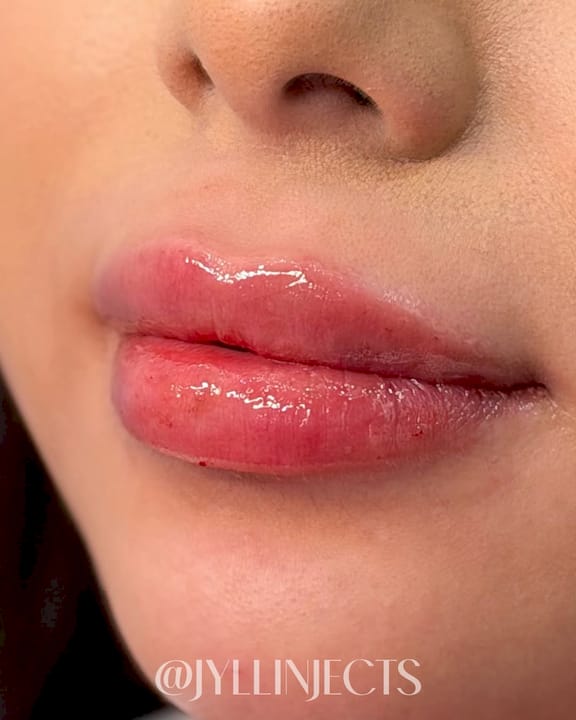
Restylane lip filler is defined as a hyaluronic acid-based injectable that typically lasts between 6 and 12 months, with the exact duration shaped by your metabolism, the specific formulation used, and how well you follow aftercare. How long does Restylane lip filler last in practice? The answer depends on several variables that are entirely within your control. Formulations like Restylane Kysse can reach the 12-month mark, while Restylane Silk tends to fall in the 6 to 10 month range. Understanding these differences before your appointment puts you in a far stronger position to get results that actually meet your expectations.
How long does Restylane lip filler last for most patients?
Restylane lip filler duration ranges from 6 to 12 months for most patients, with Restylane Kysse lasting up to 12 months based on clinical trial data and practitioner reports. That range is not vague. It reflects genuine biological differences between patients. Two people can receive the same volume of the same product on the same day and see noticeably different results at the six-month mark.
The reason comes down to how your body processes hyaluronic acid. Hyaluronic acid is a substance your body already produces naturally, which means your immune system recognizes it and gradually breaks it down over time. Faster metabolizers, particularly those who exercise intensely or have higher baseline activity levels, tend to see filler dissolve more quickly. This is not a flaw in the product. It is simply how the biology works.
Lip movement also accelerates breakdown. The lips are one of the most active areas of the face, used constantly for speaking, eating, and expressing emotion. That constant motion means filler in the lips generally dissolves faster than filler placed in less mobile areas like the cheeks or chin. Patients who are aware of this going in tend to have more realistic expectations and better satisfaction with their results.
What factors influence how long lip filler lasts?
Several specific variables determine whether your results land closer to the 6-month or 12-month end of the spectrum. Individual metabolism and lifestyle are the two most significant, but they are far from the only ones.
The key factors include:
-
Metabolism and activity level. High-intensity athletes and people with fast metabolisms typically need touch-ups sooner, often around the 6 to 9 month mark rather than at 12 months.
-
Sun exposure. Chronic UV exposure degrades hyaluronic acid faster. Patients who spend significant time outdoors without SPF protection on their lips tend to see shorter-lasting results.
-
Injection technique and depth. Optimal injection depth is deep dermal or immediate subdermal. Incorrect placement can cause faster softening or migration, which shortens the perceived lifespan of the filler.
-
Volume injected. Larger volumes tend to last slightly longer than micro-doses, though this varies by individual.
-
Product formulation. Different Restylane products are engineered with different cross-linking densities, which directly affects how long they hold their structure in tissue.
-
Aftercare compliance. Patients who follow post-treatment instructions consistently tend to see better-looking results for longer.
Pro Tip: If you exercise regularly, let your injector know before your appointment. They may recommend scheduling your treatment a few days before a rest period so swelling resolves without the added circulation from intense workouts.
How do Restylane formulations compare in duration and effect?
Not all Restylane products are the same, and the differences matter significantly for lip filler longevity. Different Restylane formulations carry distinct longevity profiles: Kysse lasts up to 12 months, Silk runs 6 to 10 months, and Defyne approaches the 1-year mark for more voluminous results.
Restylane Kysse is the most widely used formulation for lip enhancement. It uses XpresHAn technology, a cross-linking method that allows the gel to flex naturally with lip movement rather than feeling stiff or unnatural. This flexibility is part of why Kysse tends to last longer. The product moves with the tissue rather than resisting it, which reduces the mechanical stress that accelerates breakdown.

Restylane Silk is designed specifically for lip definition and fine lines around the mouth. Its softer consistency makes it ideal for subtle enhancement and smoothing vertical lip lines, but that same softness means it metabolizes slightly faster than Kysse. Patients seeking a natural, understated result often prefer Silk for its texture, accepting the slightly shorter duration as a reasonable trade-off.
Restylane Defyne uses a different cross-linking technology optimized for structure and volume. It is better suited to patients who want more pronounced fullness and can maintain results close to the 12-month mark.
| Formulation | Typical duration | Best for | Texture |
|---|---|---|---|
| Restylane Kysse | Up to 12 months | Natural volume and movement | Flexible, medium |
| Restylane Silk | 6 to 10 months | Subtle definition, fine lines | Soft, lightweight |
| Restylane Defyne | Up to 12 months | Pronounced volume and structure | Firmer, structured |
Pro Tip: Ask your injector specifically which Restylane formulation they plan to use and why. A practitioner who can explain the reasoning behind their product choice is one who understands your anatomy, not just the procedure.
What to expect after treatment and how aftercare affects results
Swelling peaks in the first 24 to 48 hours after lip filler treatment and typically subsides over 3 to 5 days. This is the phase where most patients panic unnecessarily. Lips look larger, feel tender, and may appear uneven. None of that reflects your final result.
Here is a practical aftercare sequence for the first two weeks:
-
Apply a cold compress for 10 to 15 minutes at a time during the first 24 hours. This reduces swelling and limits bruising without disrupting the filler placement.
-
Stay hydrated. Hyaluronic acid binds to water, so adequate hydration supports the filler’s structure as it settles.
-
Avoid alcohol for at least 24 hours. Alcohol dilates blood vessels and increases bruising risk, which can make the healing period longer and more uncomfortable.
-
Skip intense exercise for 48 hours. Elevated heart rate and body temperature accelerate swelling and can shift filler before it has fully integrated into the tissue.
-
Sleep with your head slightly elevated the first night to reduce fluid pooling in the lips.
-
Avoid extreme heat including saunas, steam rooms, and direct sun exposure for the first week.
Proper aftercare directly influences how the filler settles and how aesthetically pleasing the final result looks once swelling resolves. Patients who skip these steps do not necessarily ruin their results, but they do increase the likelihood of uneven settling and prolonged bruising.
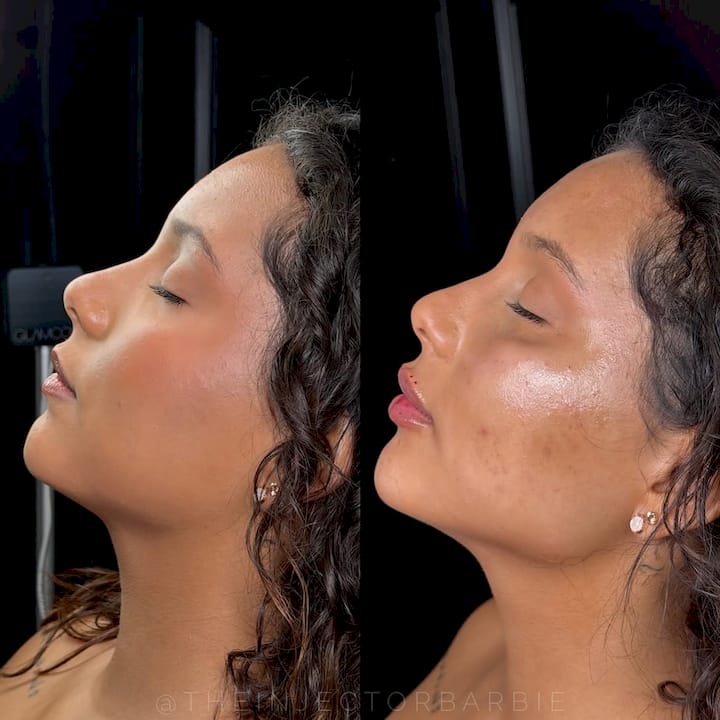
Wait approximately two weeks before making any judgment about your results. Assessments made before the two-week mark are almost always premature due to residual swelling and asymmetry that resolves on its own. This is one of the most common sources of unnecessary anxiety after lip filler treatment.
Pro Tip: Take a photo immediately before your appointment and another at the two-week mark. The comparison gives you an accurate baseline and prevents the distorted perception that comes from watching your lips change day by day during healing.
How to maintain results and plan for touch-ups
Retreatment intervals typically fall between 6 and 12 months, adjusted based on individual metabolism and the look you want to maintain. Understanding when to schedule a touch-up is as important as the initial treatment itself.
Signs that your filler is wearing off include:
-
Reduced volume. The lips begin to look thinner or flatter than they did at the two-week post-treatment mark.
-
Loss of definition. The cupid’s bow and lip border become less distinct.
-
Return of asymmetry. If your injector corrected natural asymmetry, you may notice it returning as the filler breaks down unevenly.
-
Texture change. The lips may feel less smooth or plump to the touch.
Repeat patients often notice that their second and subsequent treatments last slightly longer than the first. This happens because residual hyaluronic acid from previous sessions creates a foundation that new filler integrates with more efficiently. It is not a dramatic difference, but it is a real one that experienced injectors consistently observe.
Lifestyle adjustments that extend results include daily SPF application to the lips, consistent hydration, and reducing high-intensity cardio in the weeks immediately following treatment. Learning how to avoid filler migration is also worth reviewing before your appointment, since migration can affect both the appearance and perceived longevity of your results.
For patients who want to maintain a specific look year-round, scheduling touch-ups proactively at the 9-month mark rather than waiting until the filler is fully dissolved tends to produce more consistent results. Topping up before complete dissolution means your injector is working with existing structure rather than starting from scratch.
Key takeaways
Restylane lip filler lasts 6 to 12 months, with Restylane Kysse reaching the upper end and formulation choice, metabolism, and aftercare compliance determining where your results fall in that range.
| Point | Details |
|---|---|
| Typical duration | Restylane lip filler lasts 6 to 12 months depending on product and patient factors. |
| Formulation matters | Kysse and Defyne last up to 12 months; Silk runs 6 to 10 months due to softer consistency. |
| Aftercare is not optional | Avoiding alcohol, heat, and exercise for 48 hours directly affects how filler settles. |
| Two-week rule | Wait two weeks before assessing results. Early swelling creates a misleading picture. |
| Maintenance planning | Scheduling touch-ups at 9 months rather than waiting for full dissolution produces more consistent results. |
What I’ve learned from watching patients judge their results too soon
The single most common mistake I see is patients forming a verdict on their lip filler before the two-week mark has passed. They come in at day three, lips still swollen and slightly uneven, convinced something went wrong. Almost every time, the two-week photo tells a completely different story.
The second mistake is treating longevity as a fixed number. Patients sometimes read “12 months” and hold their injector accountable when results start fading at eight. Lip filler longevity is not a guarantee. It is a range shaped by your biology, your habits, and the choices you make in the days after treatment. Patients who understand this going in are consistently more satisfied with their outcomes.
What I find genuinely underappreciated is the role of injection technique in duration. The same product placed at slightly different depths by two different injectors can produce results that feel and last noticeably differently. This is why choosing a provider based on their technical knowledge of lip anatomy matters far more than choosing based on price or proximity. A well-placed 1 mL of Restylane Kysse will outlast a poorly placed 1.5 mL every time.
My honest recommendation: go into your first appointment with a clear photo of the look you want, ask your injector to explain their product choice and technique, and commit to the aftercare instructions for the full two weeks. The patients who do all three consistently get the best results and the longest-lasting ones.
— Marina
Explore lip filler treatments at Theinjectionroom
Theinjectionroom offers Restylane lip filler treatments at locations in Austin and San Antonio, Texas, with access to multiple formulations including Restylane Kysse, Silk, and Defyne. Every treatment begins with a personalized consultation where your injector reviews your anatomy, discusses your goals, and recommends the right product for your lip structure and lifestyle. If you are ready to understand exactly what your results could look like and how long they will last for you specifically, book a lip filler consultation with the team at Theinjectionroom. You can also explore their neurotoxin and filler services to see how lip enhancement fits into a broader aesthetic plan.
FAQ
How long does Restylane lip filler last on average?
Restylane lip filler lasts between 6 and 12 months for most patients, with Restylane Kysse reaching up to 12 months and Restylane Silk typically lasting 6 to 10 months. Individual metabolism and aftercare compliance are the two biggest variables.
How often should you get Restylane lip filler touch-ups?
Most patients schedule retreatment every 6 to 12 months, with faster metabolizers returning closer to the 6 to 9 month mark. Proactive touch-ups at 9 months tend to produce more consistent results than waiting for full dissolution.
Does aftercare affect how long lip filler lasts?
Yes. Avoiding alcohol, intense exercise, and heat exposure for the first 48 hours reduces swelling and supports proper filler integration. Patients who follow post-injection aftercare consistently report better-looking and longer-lasting results.
When do Restylane lip filler results look their best?
Results stabilize at approximately two weeks post-treatment once swelling fully resolves. Assessments made before this point are unreliable because residual swelling creates asymmetry and exaggerated volume that does not reflect the final outcome.
Does Restylane lip filler dissolve completely on its own?
Yes. Restylane is hyaluronic acid-based, meaning your body naturally metabolizes it over time without any intervention. If you are unhappy with results, an injector can also dissolve the filler faster using hyaluronidase, an enzyme that breaks down hyaluronic acid within 24 to 48 hours.


%20Pictures%20are%204%20weeks%20apart..jpg)