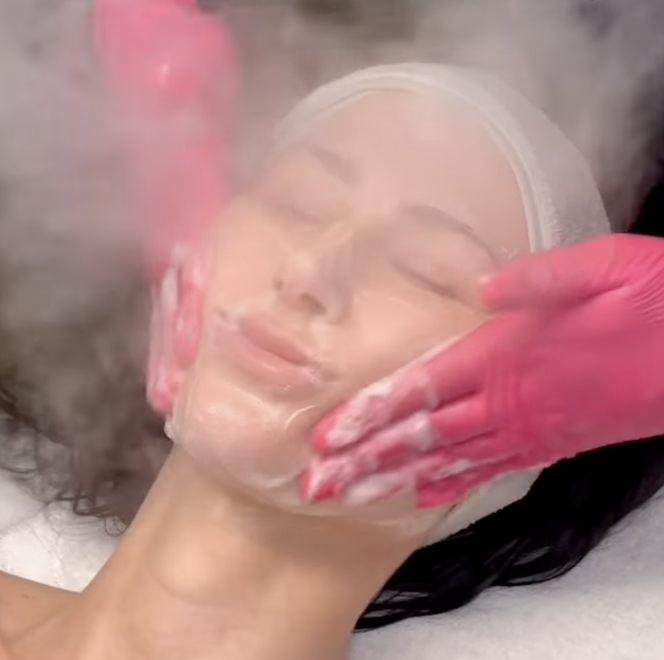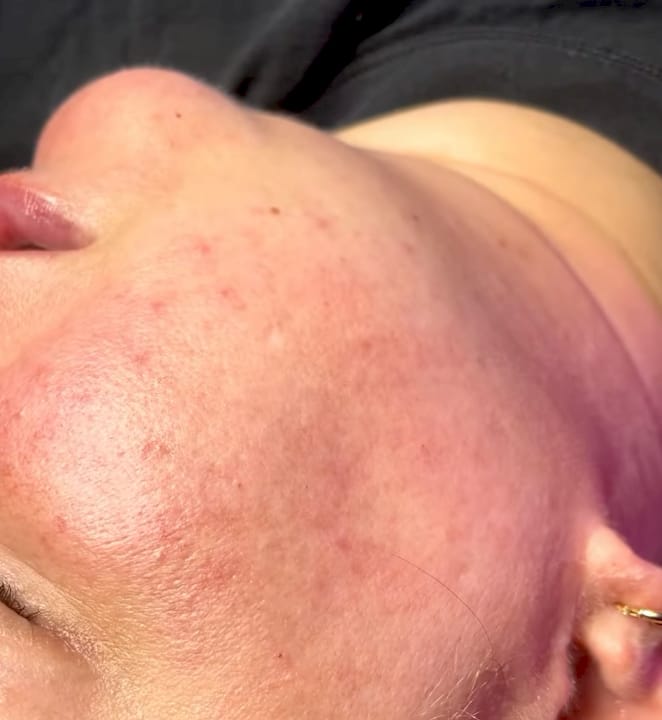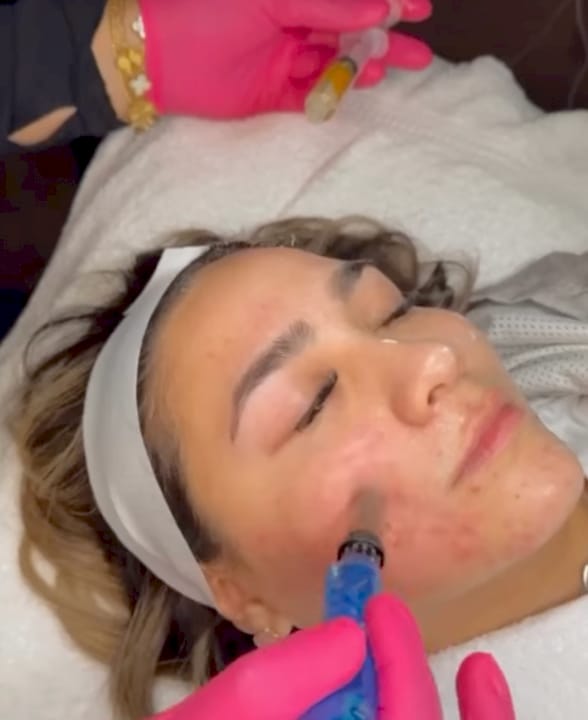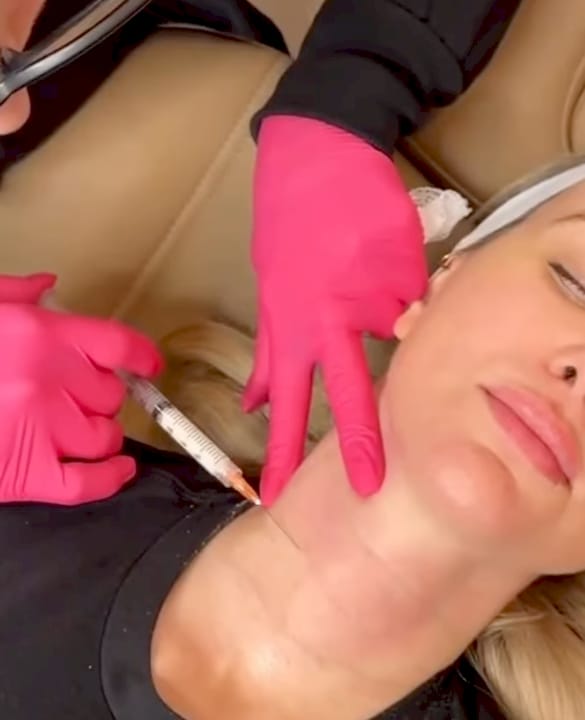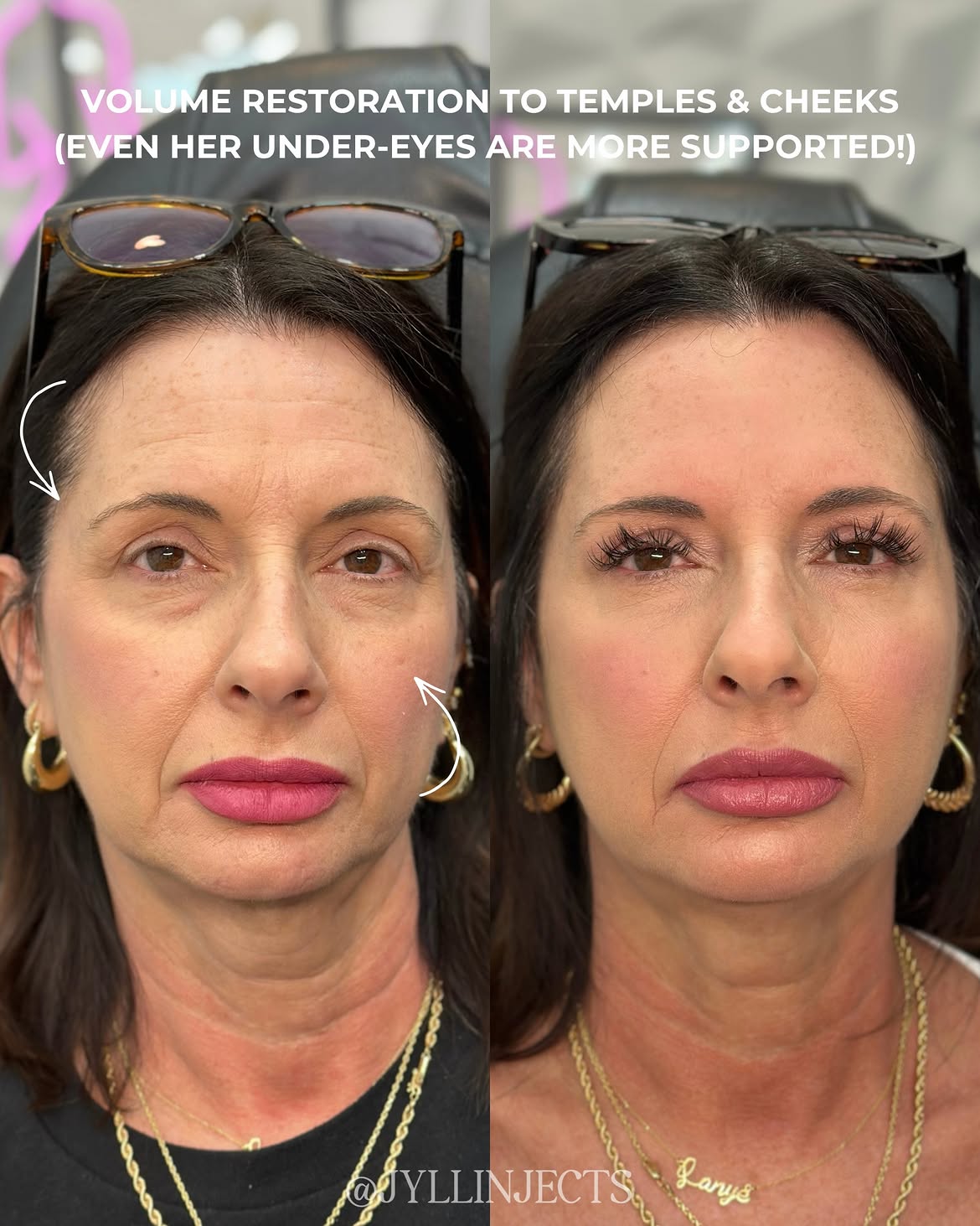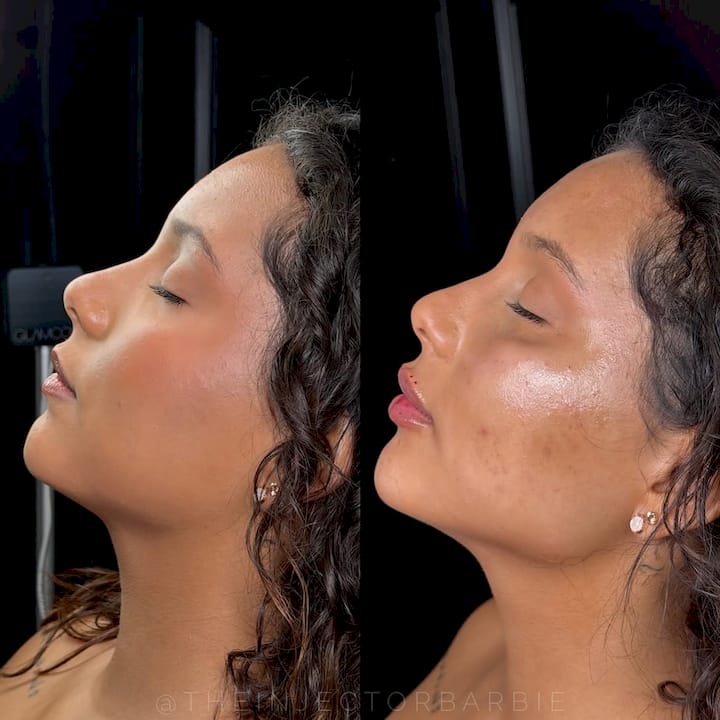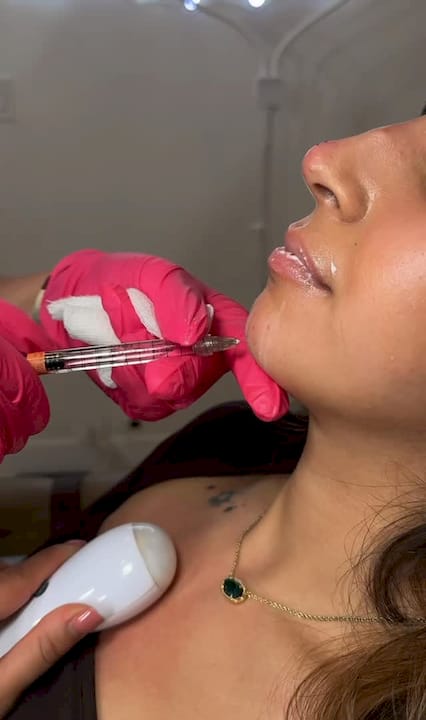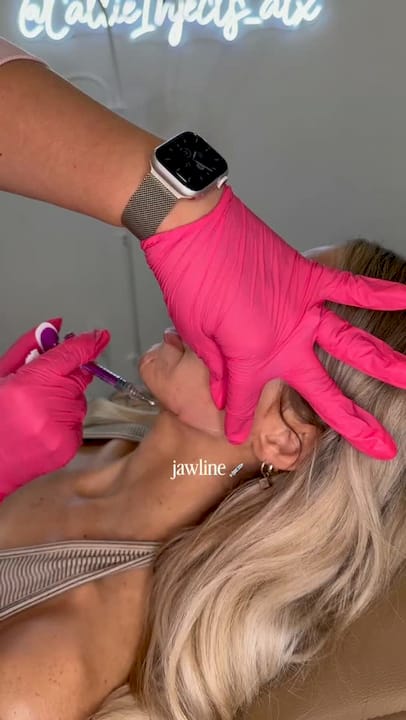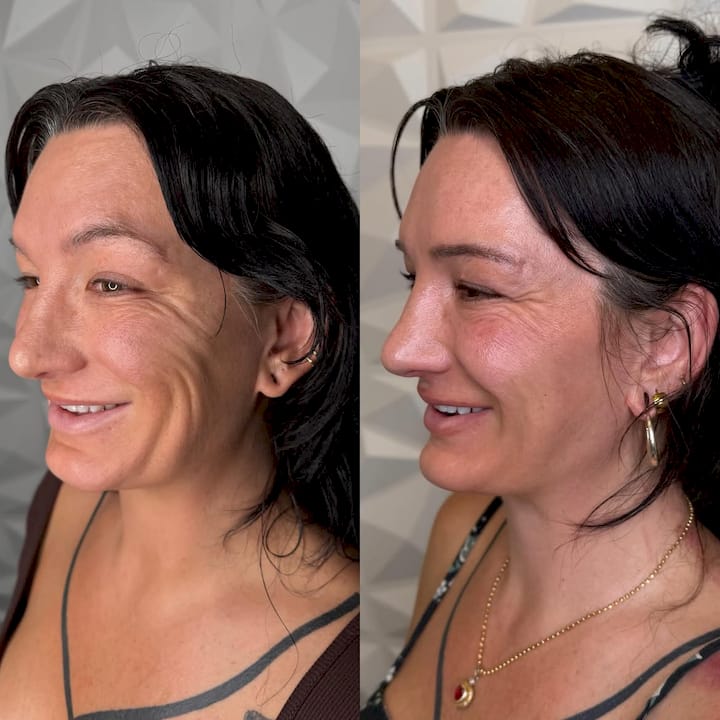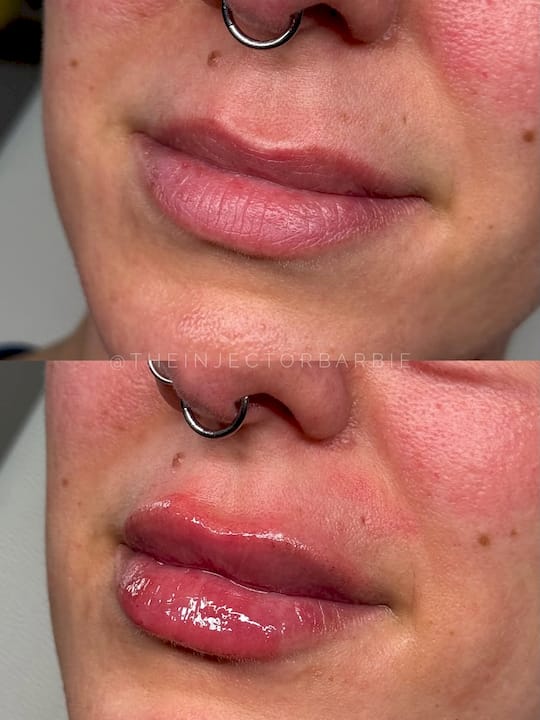
Facial wrinkles fall into five clinical categories: expressional (dynamic), static, atrophic (volume loss), elastotic (photoaging-driven), and gravitational (tissue descent). Each category responds best to a different treatment family. Neurotoxins like Botox address dynamic lines by relaxing the muscles that create them. Hyaluronic acid fillers and biostimulatory agents like Sculptra restore volume in atrophic areas. Laser resurfacing and microneedling target elastotic, sun-damaged skin. Threads and surgical lifting work best when gravitational descent is the primary driver. Many wrinkles involve more than one mechanism, so a clinician consultation is the most reliable way to identify what you’re actually dealing with before choosing a path.
-
Dynamic/expressional wrinkles: neurotoxins (Botox, Dysport, Xeomin, Letybo)
-
Static wrinkles: combination of neurotoxins + resurfacing or collagen stimulators
-
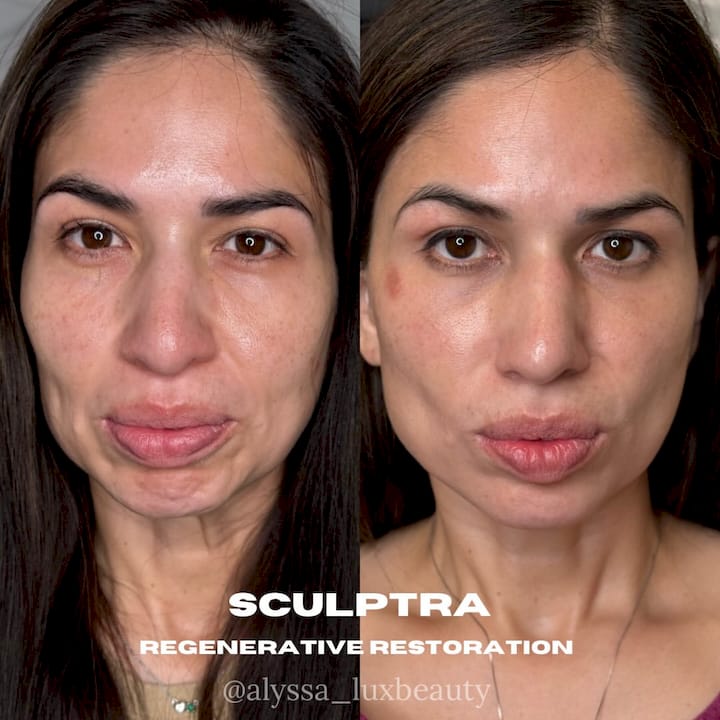
Atrophic/volume-loss wrinkles: hyaluronic acid fillers, Sculptra, PRF EZ Gel
-
Elastotic/photoaging wrinkles: laser resurfacing, fractional lasers, microneedling, chemical peels
-
Gravitational/sagging folds: PDO threads, energy-based tightening, surgical lifting
Table of Contents
-
What are the main types of facial wrinkles, clinically speaking?
-
What actually causes wrinkles, and why does it matter for treatment?
-
When should you see a clinician, and what can you realistically expect?
-
Theinjectionroom: wrinkle consultations in Austin and San Antonio
What are the main types of facial wrinkles, clinically speaking?
Dermatology literature, including BMJ Best Practice, groups facial wrinkles into four primary pathological types, with a fifth (gravitational) widely recognized in aesthetic practice. Understanding the mechanism behind each type is what separates effective treatment from guesswork.
Expressional (dynamic) wrinkles form from repeated muscle contractions. Every time you squint, smile, or raise your eyebrows, the overlying skin folds. Early on, these lines disappear when your face is at rest. Over time, the repeated folding etches a permanent crease into the dermis, and the line becomes static.
Static wrinkles are present even when your face is completely relaxed. They represent the end stage of dynamic lines combined with dermal breakdown: collagen and elastin have degraded enough that the skin no longer springs back. Recognizing this conversion matters because static lines need more than a neurotoxin alone.
Atrophic wrinkles result from volume loss and dermal thinning rather than muscle activity. The skin becomes thinner, loses fat compartment support, and develops fine crepey lines or deeper hollows. Fillers and biostimulatory agents address this mechanism directly.
Elastotic wrinkles stem from chronic UV exposure. Photoaging degrades elastin fibers and fragments collagen, leaving skin with a coarse, leathery texture and deep creases that don’t respond well to muscle relaxation alone. Resurfacing and collagen-stimulating treatments are the primary tools here.
Gravitational wrinkles and folds develop as the superficial musculoaponeurotic system (SMAS) and overlying soft tissue descend with age. Nasolabial folds and jowls deepen partly because tissue has shifted downward, not just thinned. Lifting approaches, whether PDO threads or surgical, address this driver specifically.
Key clinical insight: Categories overlap in a single line. A nasolabial fold can be simultaneously atrophic (volume loss), gravitational (tissue descent), and elastotic (UV damage). Treating only one mechanism rarely gives a complete result.
Pro Tip: Try this quick self-test at home. Gently stretch the skin around a line with two fingers. If the line disappears with traction, volume loss or laxity is a major driver. If it persists, elastotic or static changes are likely dominant. Relax your face completely and check whether the line vanishes — if it does, it’s still primarily dynamic.
Where do different wrinkle types appear on your face?
Location tells you a lot about likely mechanism. Here’s how the most common facial lines map to their underlying drivers:
-
Forehead lines: Horizontal creases from frontalis muscle contraction. Primarily dynamic early on, converting to static with age. Neurotoxins are the standard first-line treatment.
-
Glabellar lines (frown lines / “11s”): Vertical lines between the brows from corrugator and procerus muscle activity. Among the earliest dynamic lines to appear and among the first to convert to static. Early neurotoxin intervention can delay permanent etching, as clinical practice guidance supports.
-
Crow’s feet: Lateral periocular lines from orbicularis oculi contraction. Both static and dynamic components develop over time. Eyelid wrinkle causes also include UV exposure and thin periorbital skin, making this area prone to elastotic changes alongside the expressional ones.
-
Nasolabial folds (smile lines): The creases running from the nose to the corners of the mouth. These involve atrophic volume loss, gravitational descent, and often elastotic damage. Smile line treatment typically requires a combination approach.
-
Marionette lines: Lines running from the mouth corners downward. Primarily gravitational and atrophic. Fillers restore volume; threads or lifting address descent.
-
Perioral lines (smoker’s lines / fine lines around the mouth): Fine vertical lines above the upper lip. Driven by orbicularis oris muscle activity, UV damage, and smoking-related collagen breakdown. Atrophic and elastotic mechanisms dominate.
-
Neck bands (platysmal bands): Vertical cords from platysma muscle laxity and skin thinning. Dynamic and gravitational components both contribute.
Cheek wrinkles deserve their own map
A published classification in the Journal of Cosmetic Dermatology describes five distinct cheek wrinkle types: atrophic, dynamic expressional, static expressional, laxity, and sleep wrinkles. Sleep wrinkles are mechanically induced by repeated lateral or prone sleeping postures and often respond to positional changes and targeted resurfacing rather than neurotoxins. This is a useful reminder that not every line on your face has a muscle behind it.
Skin type and ethnicity affect timing, not mechanism
Melanin offers partial photoprotection, so people with deeper skin tones often develop elastotic wrinkles later than lighter-skinned individuals. However, the underlying mechanisms are the same across populations. Ethnic differences in facial fat distribution and bone structure also influence where gravitational folds appear first and how pronounced they become.
Pro Tip: Check your lines in natural daylight with a relaxed face, then animate fully. Lines that appear only during expression are still primarily dynamic. Lines visible at rest that deepen with expression are mixed-mechanism and usually benefit from a combination plan.
What actually causes wrinkles, and why does it matter for treatment?
Wrinkle causes split cleanly into two categories: intrinsic (unavoidable) and extrinsic (modifiable). The split matters because modifiable drivers are where prevention and early treatment have the most leverage.
Intrinsic aging is driven by genetics, hormonal changes, and the passage of time. Heritability of skin wrinkles is estimated at roughly 50%, meaning your genes set a baseline but don’t write the whole story. Hormonal shifts, particularly menopause, cause skin thinning and dryness that accelerate wrinkle development. Epigenetic markers like GrimAge and FitAge correlate with larger facial wrinkle area and perceived age in cohort studies, suggesting that lifestyle changes can measurably shift the trajectory even when genetics are unfavorable.
Extrinsic aging is where the biggest gains are possible. Photoaging from chronic UV exposure is the most important external driver of premature facial aging and deep elastotic wrinkles. Smoking breaks down collagen through oxidative stress and reduces blood flow to skin. Pollution generates free radicals that degrade the dermal matrix. Repetitive mechanical forces, including muscle use and sleep compression, etch lines over years of repetition.
Why this matters for treatment: UV damage produces elastotic changes that require resurfacing or collagen stimulation to address. Muscle-driven lines respond to neurotoxins. Volume loss from intrinsic thinning needs filler or biostimulatory agents. Treating the wrong mechanism produces disappointing results.
How clinicians grade wrinkle severity
Two scales guide clinical decision-making. The Glogau scale categorizes photoaging from Type I (no wrinkles, early photoaging) to Type IV (only wrinkles, severe photoaging). The Fitzpatrick scale assesses skin type and informs which resurfacing treatments are safe and appropriate. A systematic review and meta-analysis confirms that sun exposure and smoking show consistent dose-response relationships with wrinkling severity, which is exactly what these grading tools help clinicians quantify. Both scales, as DermNet NZ notes, are standard tools for staging severity and selecting treatments.
How can you slow wrinkle formation before it starts?
Prevention is not glamorous, but it’s the highest-return investment in skin aging. A few evidence-backed steps do most of the work.
-
Daily broad-spectrum sunscreen (SPF 30 or higher): The single most impactful step against photoaging and elastotic wrinkle formation. Apply every morning, reapply if outdoors.
-
Topical retinoids: Prescription tretinoin has the strongest clinical evidence for increasing collagen synthesis and accelerating cell turnover. Over-the-counter retinol works but at a slower pace.
-
Topical antioxidants (vitamin C serum): Neutralize free radicals from UV and pollution before they degrade collagen. Most effective when layered under sunscreen in the morning.
-
Moisturizers with ceramides: Reinforce the skin barrier, reduce transepidermal water loss, and keep skin plump enough to minimize fine line appearance.
-
Smoking cessation: Smoking accelerates collagen breakdown through multiple pathways. Stopping is one of the few interventions that slows intrinsic-plus-extrinsic aging simultaneously.
-
Sleep position: Sleeping on your back reduces compression wrinkles. Silk or satin pillowcases reduce friction for side sleepers. Sleep wrinkles are mechanically induced and respond to behavioral changes before they become permanent.
-
Nutrition and sleep hygiene: Adequate protein supports collagen synthesis. Poor sleep elevates cortisol, which degrades collagen over time.
Pro Tip: If you’re new to retinoids, start with an over-the-counter retinol two nights per week and build up over 8–12 weeks. Prescription tretinoin is significantly more potent and produces visible results faster, but it requires a clinician visit and causes initial dryness and peeling. Don’t abandon it in the first month — that adjustment period is normal and temporary.
Which treatments work best for each wrinkle type?
Matching treatment to mechanism is the core principle of effective wrinkle care. Here’s how the major treatment families map to wrinkle types, along with practical trade-offs.
| Treatment | Best for | Invasiveness / downtime | Typical longevity | Typical US cost range | Key contraindications |
|---|---|---|---|---|---|
| Neurotoxins (Botox, Dysport, Xeomin, Letybo) | Dynamic/expressional wrinkles | Minimal; no downtime | 3–4 months | $200–$600 per area | Pregnancy, neuromuscular disorders |
| Hyaluronic acid fillers | Atrophic/volume-loss wrinkles, deep static folds | Minimal; 1–3 days mild swelling | 6–18 months | $600–$1,200 per syringe | Active infection at site, certain autoimmune conditions |
| Sculptra / biostimulatory fillers | Atrophic, diffuse volume loss | Minimal; mild swelling | 2+ years | $800 per vial | Pregnancy, active skin infection |
| Prescription retinoids (tretinoin) | Elastotic, fine lines, early static | None (topical) | Ongoing with use | $30 per month (Rx) | Pregnancy, active eczema/rosacea flare |
| Laser resurfacing / fractional lasers | Elastotic, photoaging, texture | Moderate to high; 5–14 days | 1–3+ years | $1,000–$3,500 per session | Darker skin tones (ablative), active infection |
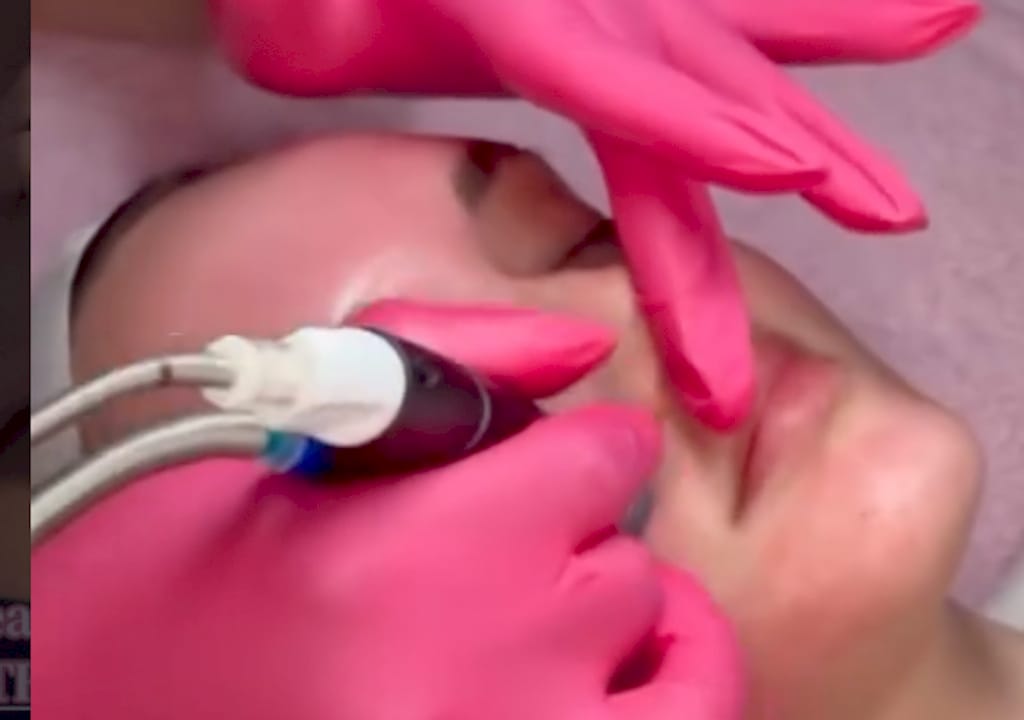
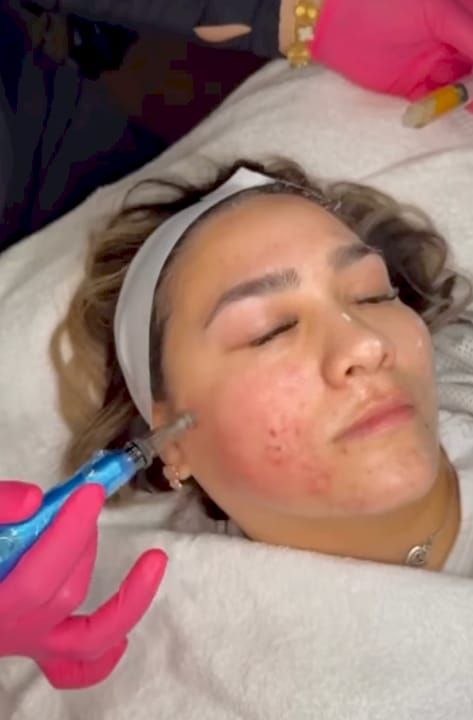
| Microneedling / RF microneedling | Elastotic, early static, skin texture | Low; 1–3 days redness | 6–12 months (series) | $300–$800 per session | Active acne, blood thinners |
| Chemical peels | Elastotic, fine lines, pigment | Low to moderate; 3–10 days | 6–12 months | $150 per peel | Fitzpatrick V–VI (deep peels), recent isotretinoin |
| PDO threads | Gravitational, mild-moderate laxity | Moderate; 3–7 days | 12–18 months | — | Active infection, blood thinners, significant laxity |
| Surgical lifting (facelift) | Severe gravitational descent | High; 2–4 weeks | 5–10 years | — | General anesthesia risks, active medical conditions |
Treatment-to-mechanism match
Photoaging histology shows that elastotic skin develops amorphous elastin and fragmented collagen, which is precisely why laser resurfacing and microneedling work: they trigger controlled injury and collagen remodeling. Neurotoxins work on a different principle, blocking acetylcholine release at the neuromuscular junction to reduce muscle contraction. Fillers physically restore lost volume. No single treatment addresses all three mechanisms at once.
Combination approaches are standard for mixed-mechanism wrinkles:
-
Neurotoxin + filler: addresses both muscle activity and volume loss in the same area (common for glabellar lines with hollowing)
-
Neurotoxin + resurfacing: reduces movement while improving skin quality (crow’s feet with elastotic changes)
-
Filler + PDO threads: restores volume and lifts descended tissue (nasolabial folds with gravitational component)
-
Microneedling series + topical retinoids: collagen stimulation plus ongoing maintenance for elastotic skin
We recommend exploring anti-wrinkle injection options if you’re weighing injectable approaches and want a clearer picture of what each type involves before your consultation.
How do you choose the right treatment path?
A stepwise approach keeps you from jumping to high-cost or high-downtime procedures before simpler options have been tried.
-
Start with home prevention. Daily SPF, a retinoid, and a vitamin C serum address photoaging and slow dynamic-to-static conversion. Give this 12 weeks before evaluating results.
-
Add noninvasive clinic options. A microneedling series or a superficial chemical peel improves skin texture and early elastotic changes with minimal downtime. Typical cost: $300–$800 per session; a series of 3–6 is standard.
-
Consider injectables when lines persist at rest. Neurotoxins for dynamic lines ($200–$600 per area, every 3–4 months) and fillers for volume loss ($600–$1,200 per syringe, lasting 6–18 months) are the workhorses of aesthetic practice. Neurotoxin benefits extend beyond cosmetic improvement — early use can delay permanent line formation.
-
Escalate to resurfacing or energy-based devices when elastotic changes, texture, or pigment are the primary concern. Fractional laser sessions run $1,000–$3,500 and may require a series.
-
Reserve surgical options for significant structural descent. When gravitational changes predominate and non-surgical options have reached their ceiling, a board-certified plastic surgeon or facial plastic surgeon referral is appropriate.
Questions to ask at your consultation
-
What wrinkle mechanism are you treating, and how did you determine that?
-
What is the realistic outcome for my skin type and Fitzpatrick score?
-
How many sessions will I need, and what is the maintenance interval?
-
What is the downtime, and what should I avoid afterward?
-
Can I see before-and-after photos for patients with comparable concerns?
Red flags that need medical evaluation
Sudden-onset facial asymmetry with neurologic symptoms, rapidly changing pigmented lesions, or new skin changes that don’t fit the expected aging pattern should be evaluated by a physician before any cosmetic treatment proceeds.
This article is general information, not medical advice. Confirm treatment suitability with a board-certified dermatologist or licensed medical professional for your specific situation.
When should you see a clinician, and what can you realistically expect?
Realistic expectations are the foundation of a good treatment experience. Here’s what each major treatment family can and cannot do.
Neurotoxins reduce dynamic lines visibly within 7–14 days and can soften early static lines. They will not replace lost volume or lift descended tissue. Results last 3–4 months, and consistent use over time can prevent deeper etching of expressional lines.
Fillers restore volume and smooth atrophic folds. Hyaluronic acid fillers are reversible with hyaluronidase, which is a meaningful safety advantage. They do not address muscle activity or elastotic skin quality. Longevity ranges from 6 months (lips) to 18+ months (cheeks, jawline).
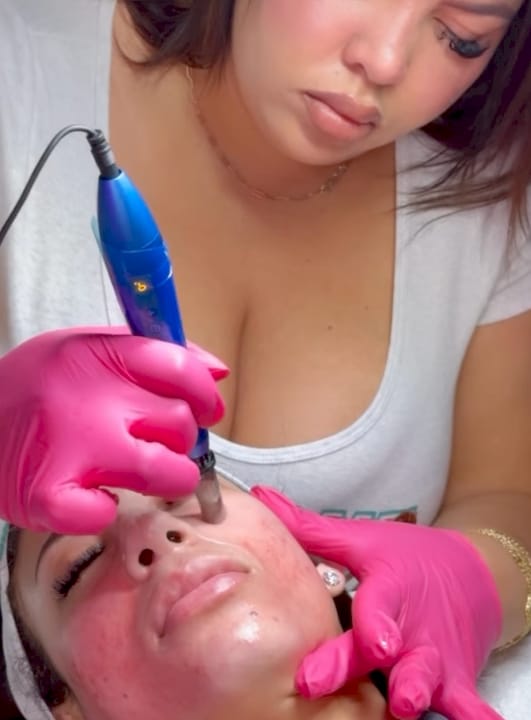
Laser resurfacing and microneedling improve skin texture, tone, and elastotic changes by stimulating collagen remodeling. Results build over 3–6 months as new collagen matures. A single session rarely produces the full result; a series is standard.
Clinical reality check: Patients who expect a single treatment to address all their concerns are often disappointed. The most satisfying outcomes come from staged plans that address each mechanism in sequence, starting with the most impactful driver and adding modalities as needed.
Heritability of wrinkle formation is estimated at roughly 50%, which means lifestyle and treatment choices genuinely move the needle for most people. Epigenetic markers show that consistent prevention and treatment can measurably shift perceived facial age, not just mask it temporarily.
Safety and follow-up after common procedures
-
Injectables: Avoid strenuous exercise, alcohol, and lying flat for 4 hours post-treatment. Follow up at 2 weeks to assess results and address any asymmetry.
-
Laser resurfacing: Strict sun avoidance for 4–6 weeks. Healing support (gentle cleanser, barrier cream) is non-negotiable during the recovery window.
-
Microneedling: Avoid active skincare ingredients (retinoids, acids) for 48–72 hours post-session. SPF is mandatory the next morning.
For higher-risk procedures, seek a board-certified dermatologist or a licensed medical aesthetician working under physician supervision. Staged combination plans, rather than single-session fixes, consistently produce better long-term outcomes.
Key Takeaways
Matching the right treatment to the right wrinkle mechanism, rather than treating every line the same way, is what separates effective aesthetic care from disappointing results.
| Point | Details |
|---|---|
| Five clinical categories | Atrophic, elastotic, expressional/dynamic, static, and gravitational wrinkles each need a different treatment approach. |
| UV exposure is the top modifiable driver | Photoaging is the leading external cause of premature wrinkles; daily SPF is the highest-return prevention step. |
| Early neurotoxin use pays off | Dynamic lines convert to static over time; early neurotoxin treatment can delay permanent etching. |
| Combination plans are standard | Mixed-mechanism wrinkles (most nasolabial folds, marionette lines) respond best to two or more treatment modalities. |
| Theinjectionroom for in-person planning | Theinjectionroom offers wrinkle classification consultations, neurotoxin treatments, fillers, and microneedling in Austin and San Antonio. |
What clinicians actually see in practice
The most common misconception we encounter is that every wrinkle needs a filler. Patients come in pointing to forehead lines and asking for volume, when what those lines actually need is muscle relaxation with a neurotoxin. The reverse happens too: someone wants Botox for nasolabial folds that are primarily driven by volume loss and tissue descent, where a filler or a biostimulatory agent would do far more.
The second thing that surprises people is how much prevention still matters after treatment starts. A patient who gets neurotoxin every four months but skips sunscreen is working against themselves. UV damage continues to degrade collagen between appointments, which means treatments have to work harder just to maintain the baseline.
What we find most rewarding in practice is the staged combination plan. Start with the highest-yield, lowest-risk intervention for the dominant mechanism. Reassess at 4–6 weeks. Add the next modality when the first has settled. Patients who trust this process see compounding improvements over 6–12 months that a single aggressive session rarely delivers. The timeline feels slower, but the results hold longer and look more natural.
One thing that often gets overlooked: sleep wrinkles. A patient spending $800 on microneedling while sleeping face-down on a cotton pillowcase every night is partially undoing the work. A simple positional change and a silk pillowcase cost almost nothing and protect the investment.
Theinjectionroom: wrinkle consultations in Austin and San Antonio
If you’re ready to move from research to a real plan, Theinjectionroom offers in-person wrinkle classification consultations at locations in Austin and San Antonio, Texas. Our team works through the mechanism behind your specific lines before recommending any treatment, whether that’s neurotoxin treatment for expressional lines, fillers for volume loss, or a microneedling series for elastotic skin texture. Every plan is built around your skin type, your Fitzpatrick score, and what you actually want to achieve. Book a consultation and come in with your questions. We’ll help you figure out exactly what you’re dealing with and what will realistically move the needle.
Useful sources and further reading
-
BMJ Best Practice — Wrinkles: authoritative clinical summary of wrinkle pathology and treatment categories; the source for the four-type clinical classification used throughout this article.
-
Cheek wrinkles revisited: etiological classifications and nonsurgical treatment options (Journal of Cosmetic Dermatology): the five-type cheek wrinkle classification with treatment algorithms; directly relevant to location-specific treatment matching.
-
Photoaging and skin aging review (PMC): evidence base for UV exposure as the primary extrinsic driver of premature wrinkles.
-
Skin ageing: multi-factorial condition and integrated remedies (PMC): histological basis for elastotic changes and the rationale for resurfacing and collagen-stimulating treatments.
-
Defining skin aging and its risk factors: systematic review and meta-analysis (PMC): meta-analytic evidence for UV and smoking as dose-response risk factors for wrinkling.
-
Facial skin aging: genetics, epigenetics, and lifestyle factors (GeroScience): heritability estimates and epigenetic clock data; supports the case for lifestyle-based prevention.
-
National Institute on Aging — Skin care and aging: accessible overview of intrinsic aging drivers including hormonal changes.
-
DermNet NZ — Facial lines and wrinkles: clinical reference for Glogau and Fitzpatrick scale descriptions and their use in treatment planning.
-
Classification of facial wrinkles among Chinese women (PMC): photographic grading scale study illustrating ethnic variation in wrinkle presentation and the value of standardized assessment tools.
The Glogau and Fitzpatrick scales are described in both the DermNet NZ entry and the BMJ Best Practice summary above. If you want to discuss your own grading with a clinician, bring the DermNet NZ or BMJ reference to your appointment as a starting point for the conversation.
%20Pictures%20are%204%20weeks%20apart..jpg)