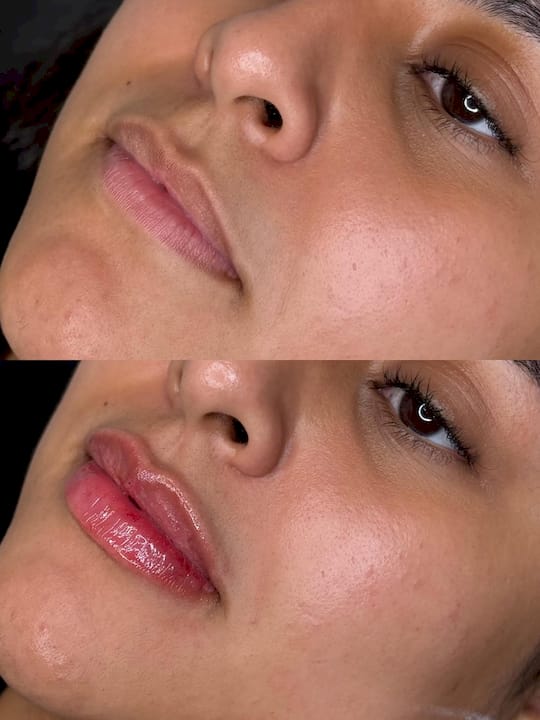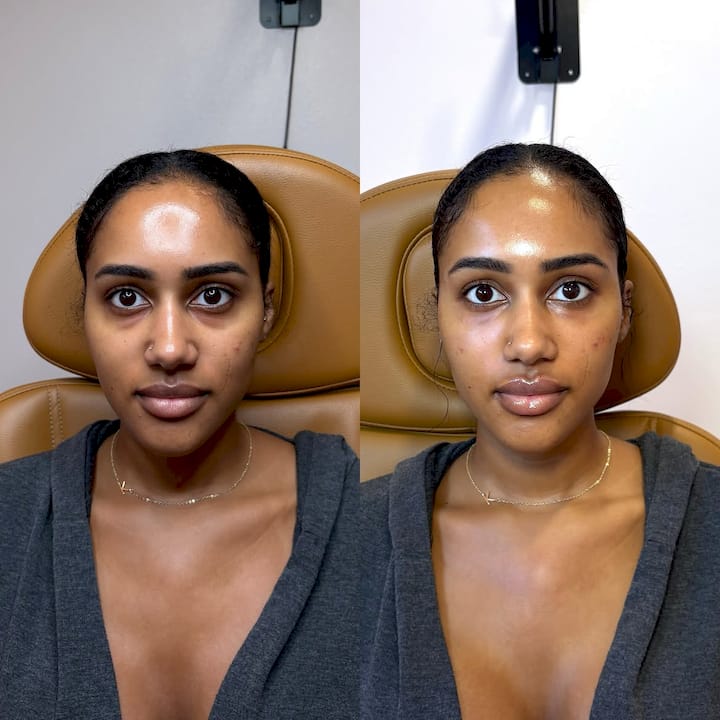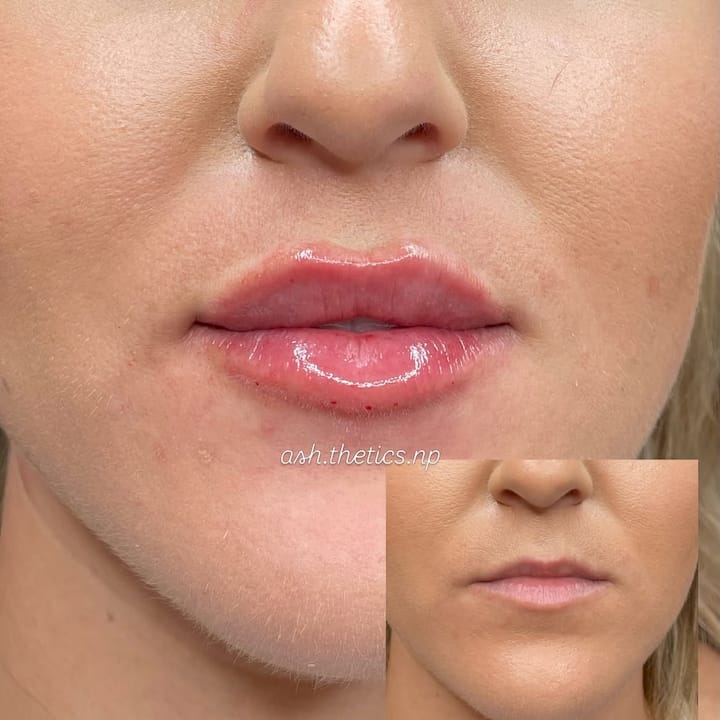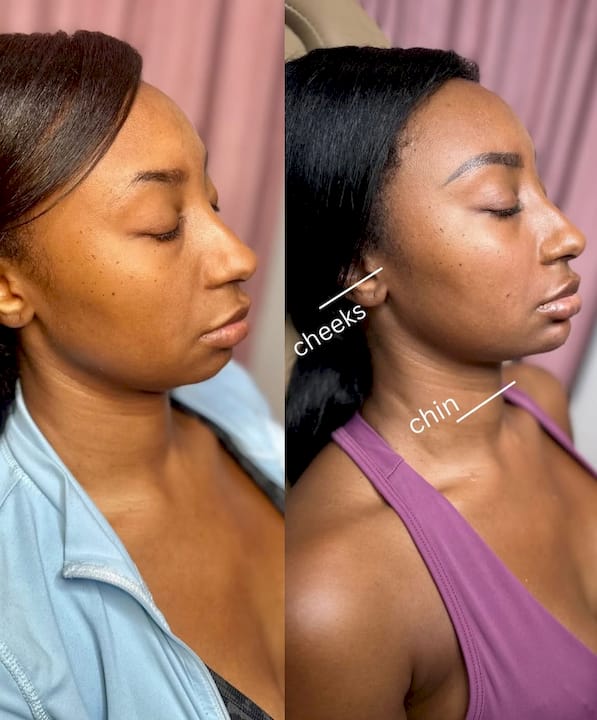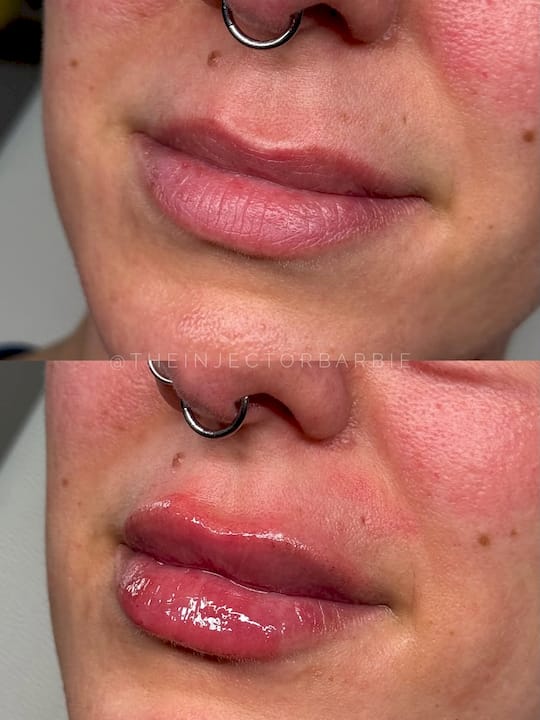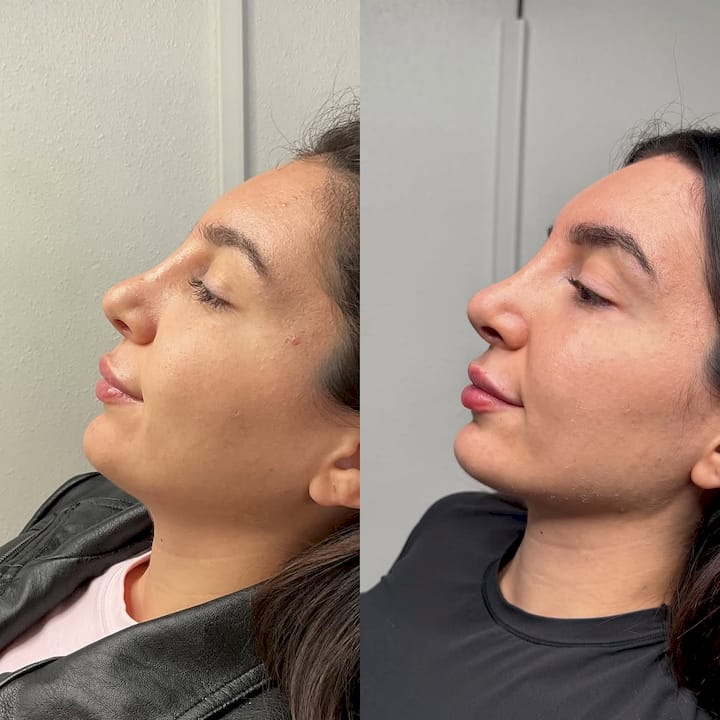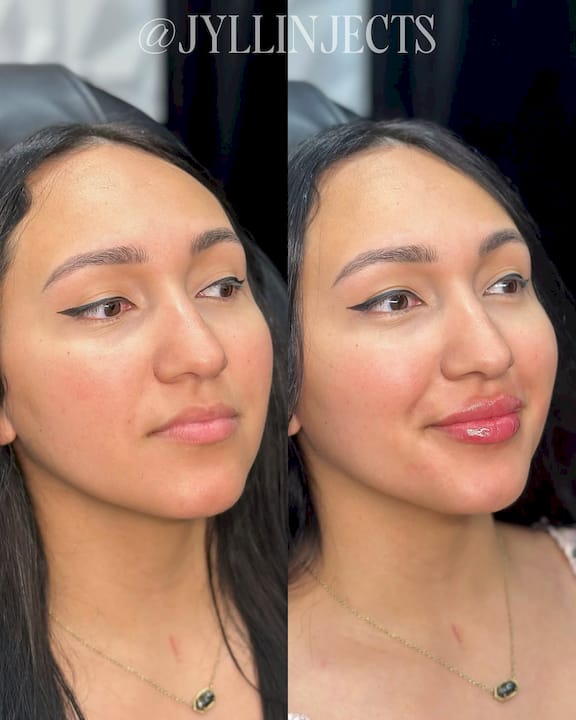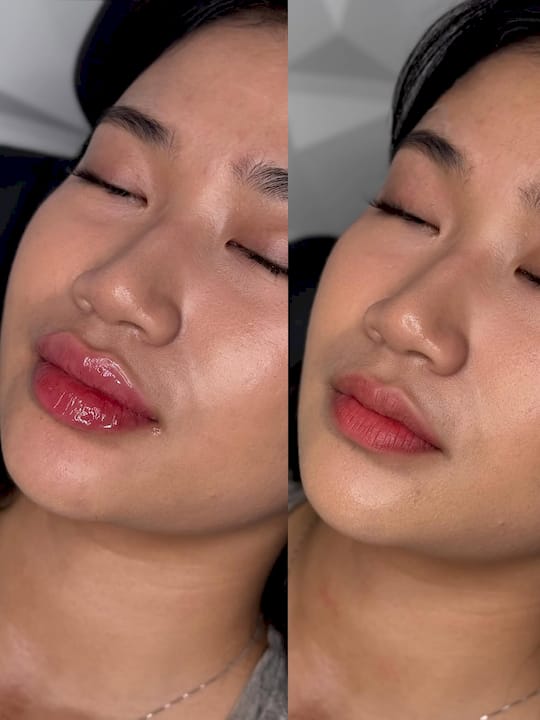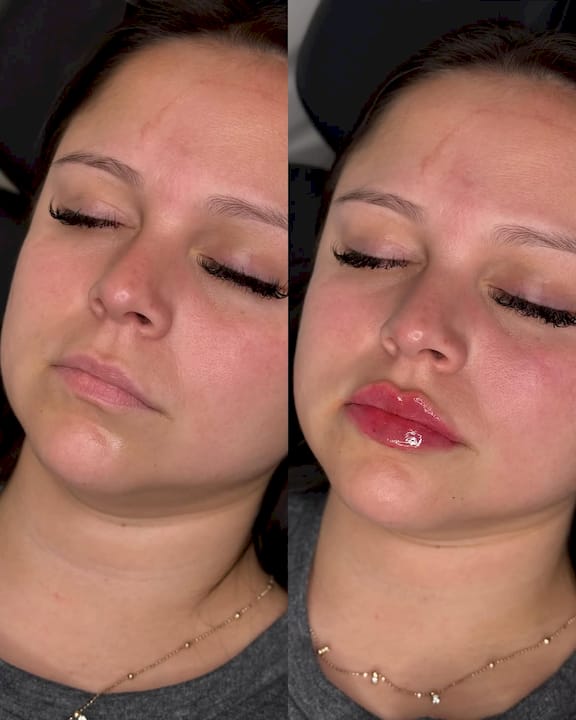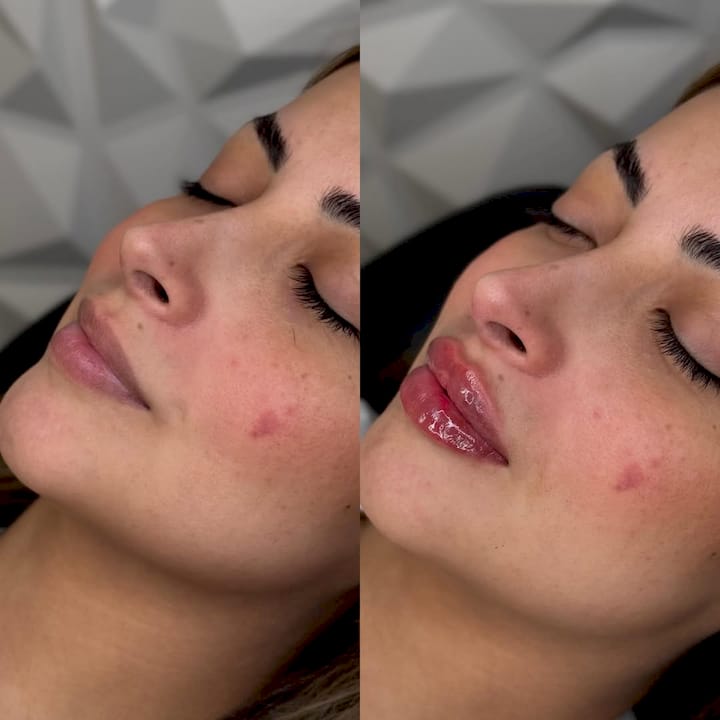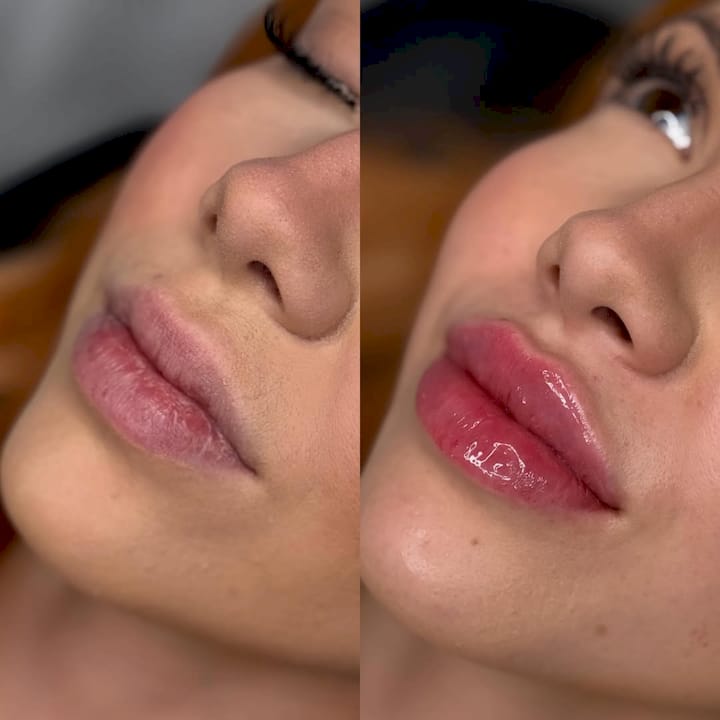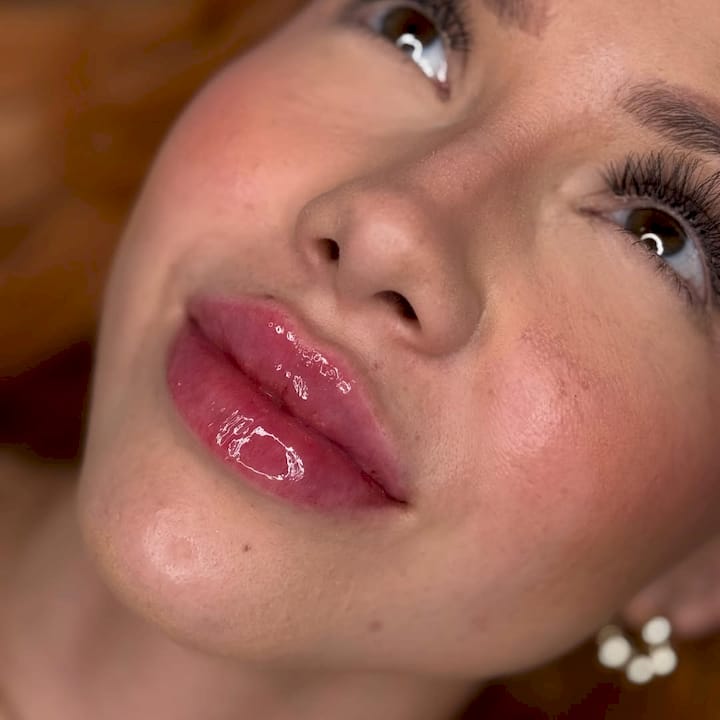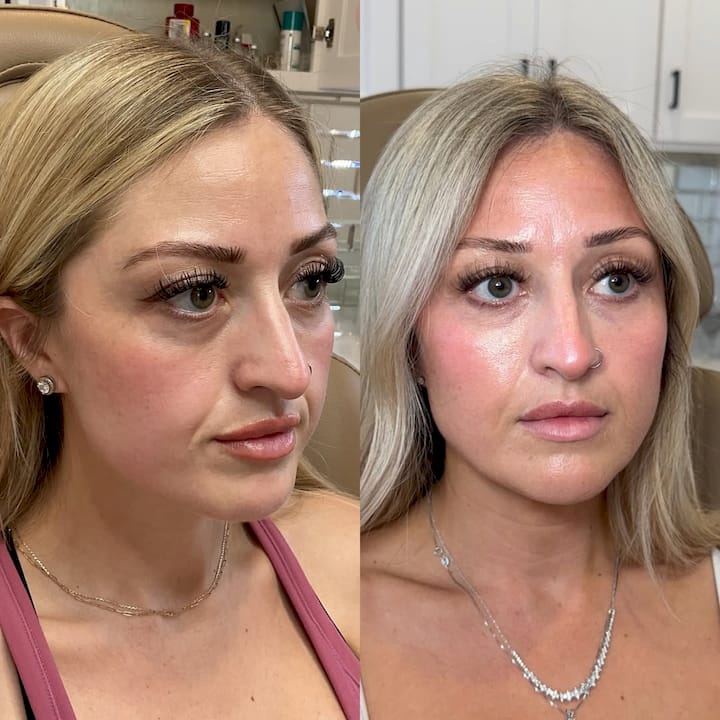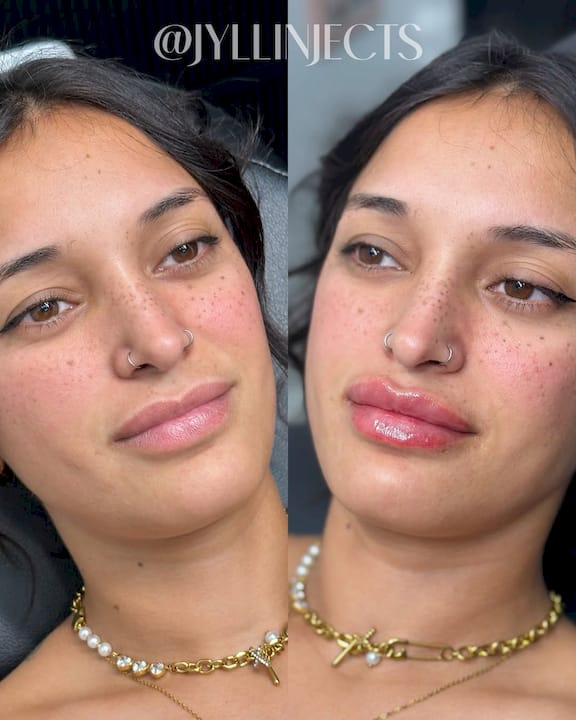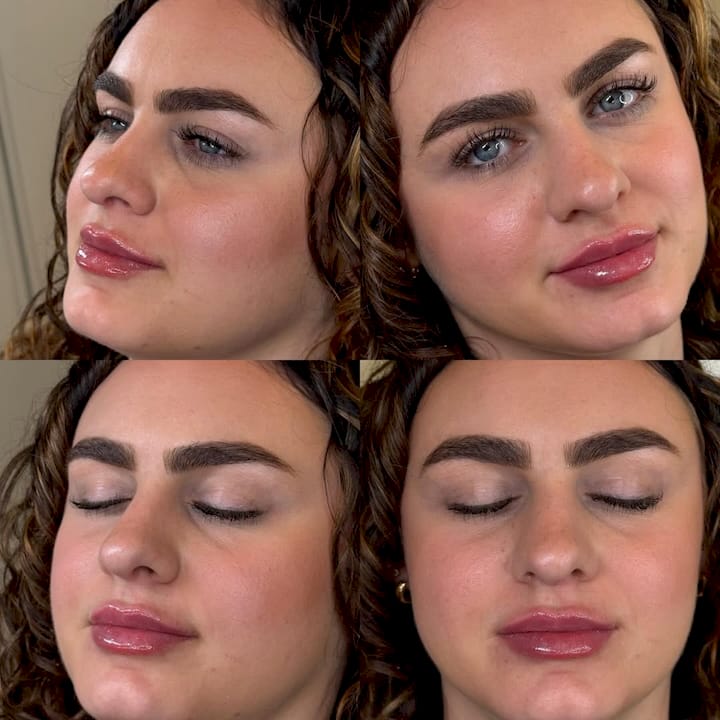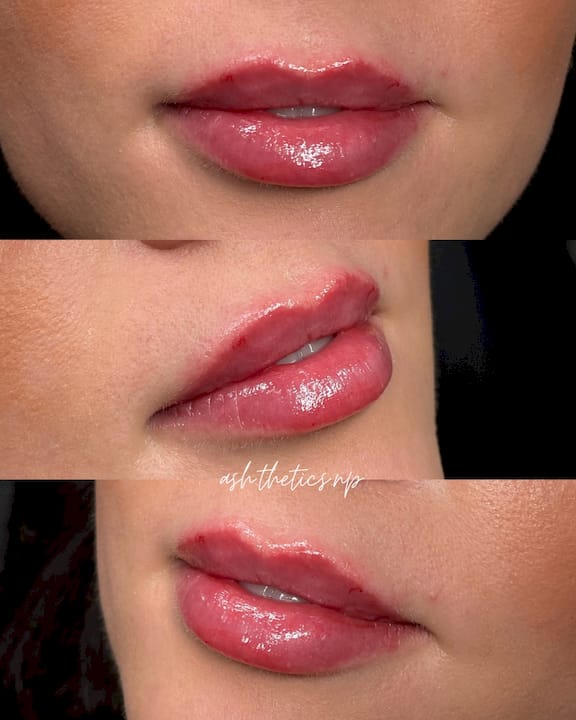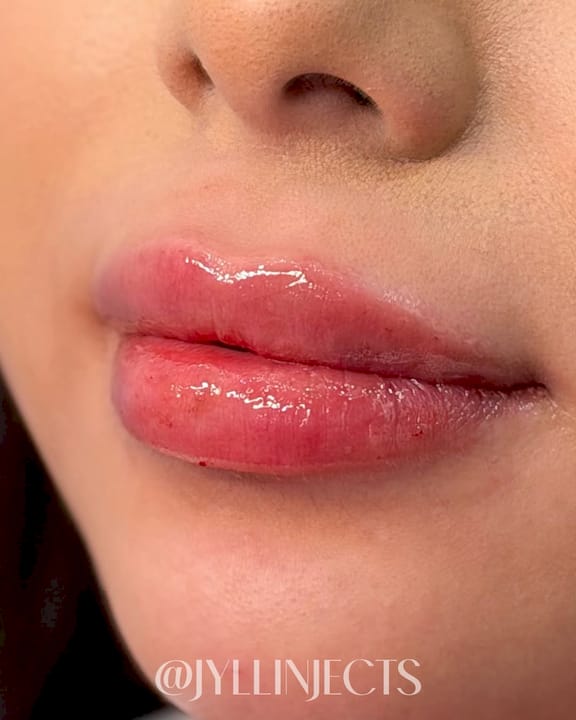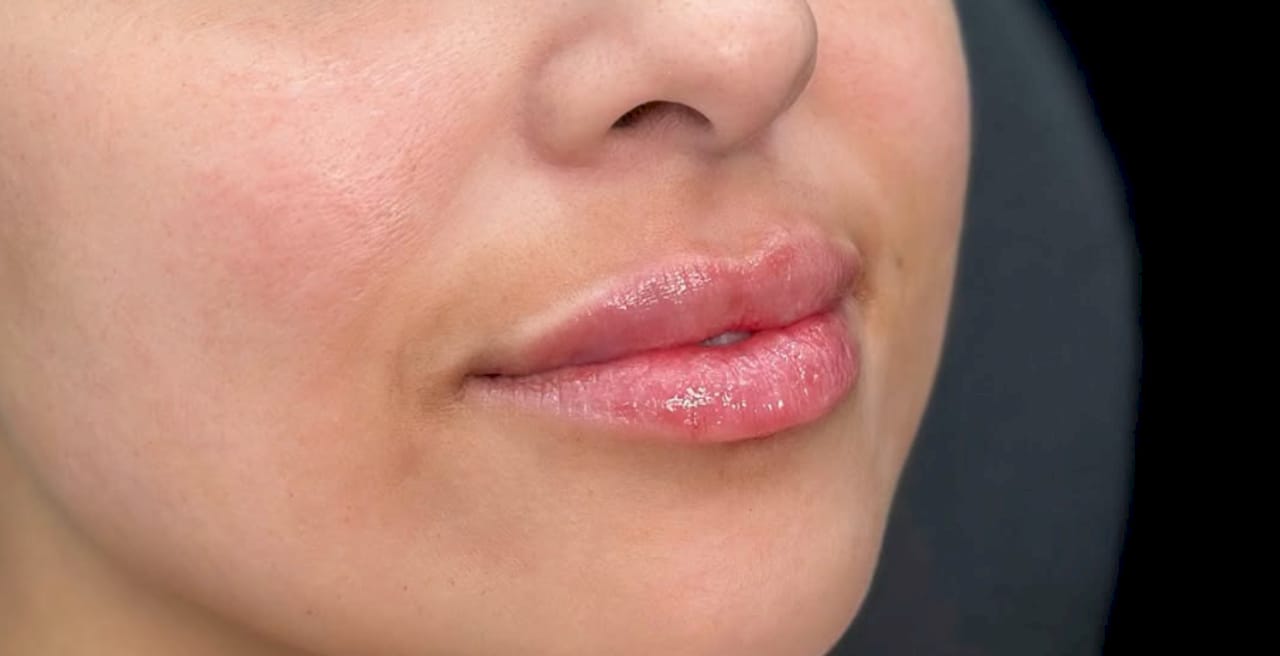
A lip flip is the popular name for a botulinum toxin type A (BoNT-A) injection procedure that relaxes the orbicularis oris muscle to create the appearance of fuller lips without adding volume. Clinicians refer to it formally as a “supralabial BoNT-A injection,” though “lip flip” is the term you will hear in every med spa and cosmetic clinic. The procedure results last approximately 2–5 months, making it one of the most accessible non-surgical lip enhancement options available. If you have been searching for what a lip flip is called, you now have both the casual name and the clinical one.
What is a lip flip called in clinical terms?
The lip flip procedure is formally classified as a supralabial botulinum toxin injection. The casual name “lip flip” describes exactly what happens physically: botulinum toxin blocks nerve signals to the upper lip muscles, causing them to relax and the lip edge to roll slightly upward and outward. That outward roll is the “flip.”
The procedure was introduced in 2017 and gained massive popularity on social media, accumulating over 64 million views by 2021. That viral reach is why most people know the casual term far better than the clinical one. Understanding both names helps you ask the right questions when consulting a provider.
The neurotoxins used include Botox, Dysport, Xeomin, and Letybo. All four are FDA-approved botulinum toxin type A formulations, though their use specifically for lip enhancement is considered off-label. That distinction matters when setting expectations, which is covered in the perspective section below.
How does the lip flip procedure work?
The orbicularis oris is a circular muscle that surrounds the mouth and controls lip movement. When a provider injects BoNT-A into specific points along this muscle, the targeted fibers temporarily stop contracting. The result is that the upper lip relaxes and rolls outward, exposing more of the vermilion border and creating the visual impression of a fuller lip.
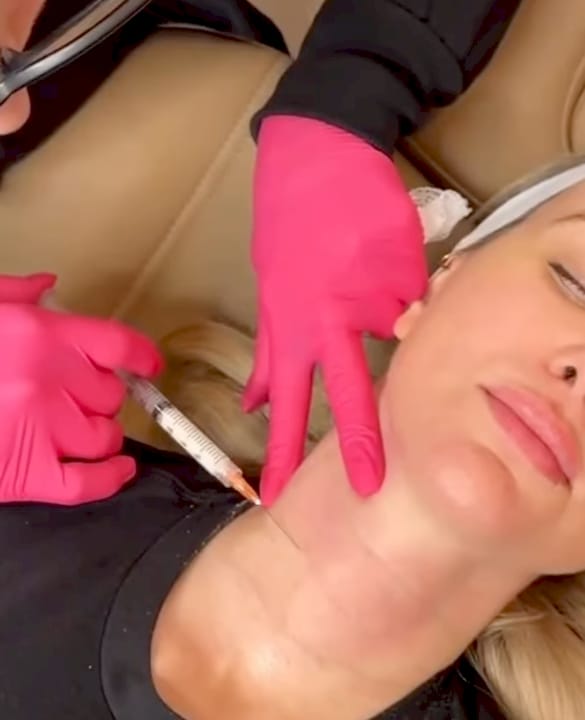
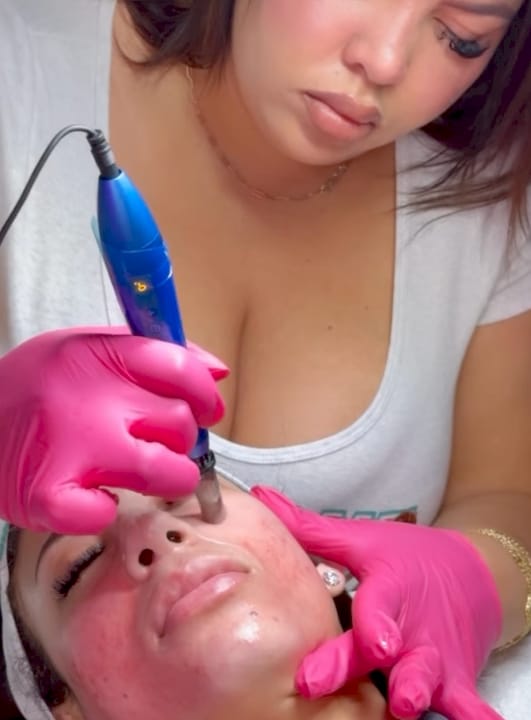
Injection sites typically include the center of the upper lip and both corners of the mouth. The entire appointment takes roughly 10–15 minutes. No anesthesia is required, though a topical numbing cream is often applied beforehand.
Here is what the lip flip does and does not do:
-
Exposes more lip surface: The vermilion (the pink part of your lip) becomes more visible without any added material.
-
Smooths vertical lip lines: Relaxing the orbicularis oris also softens the fine lines above the upper lip.
-
Corrects a gummy smile: Relaxing the muscle reduces how much the upper lip rises when you smile.
-
Does not add volume: No filler is injected. The lip is not physically larger.
-
Does not change lip shape permanently: Effects are fully reversible as the toxin wears off.
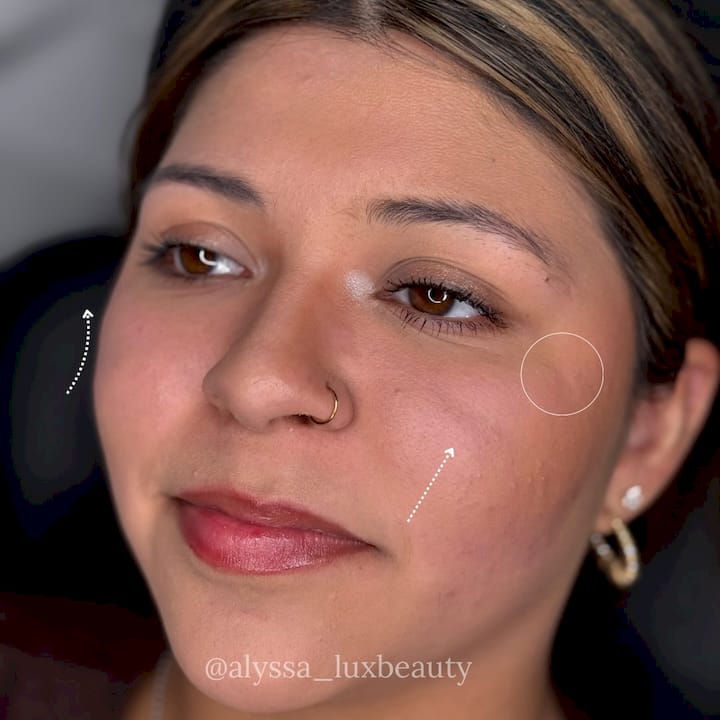
Pro Tip: Ask your provider to mark the injection sites before treatment. Seeing the planned points helps you understand the asymmetry corrections being made and sets realistic expectations for the outcome.
What are the differences between lip flips and lip fillers?
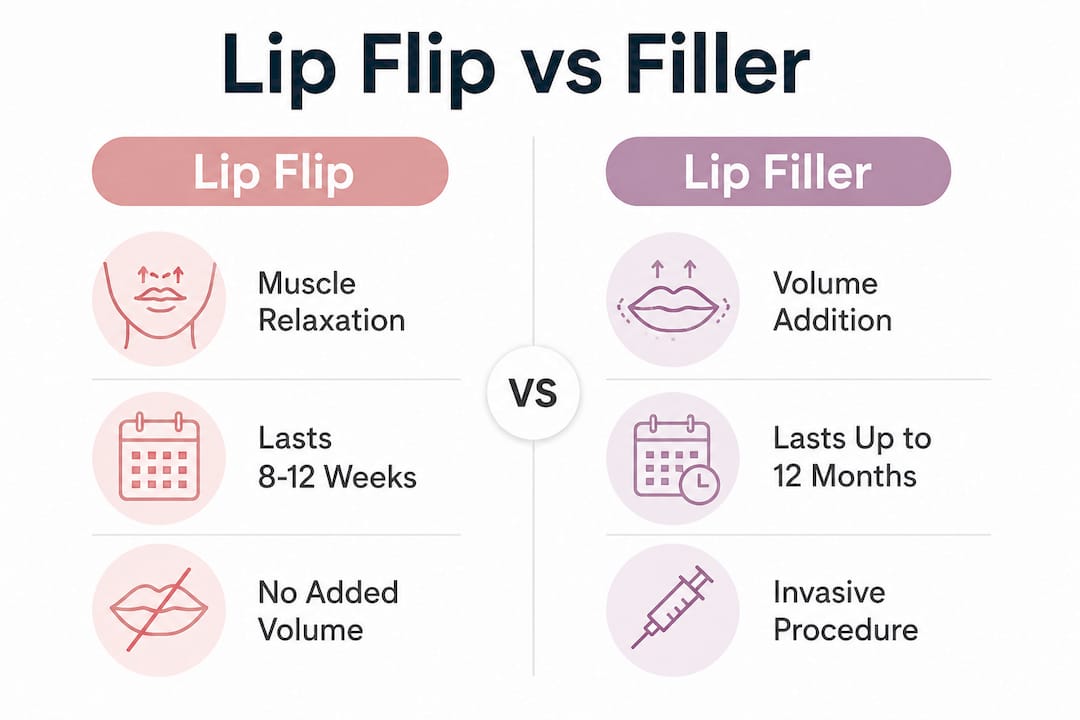
The lip flip and lip filler are both lip augmentation techniques, but they work through completely different mechanisms. Confusing the two leads to mismatched expectations and, sometimes, disappointment after a procedure.
The core difference is this: a lip flip changes muscle behavior, while a lip filler adds physical volume. A filler injection places hyaluronic acid or another dermal filler material directly into the lip tissue, physically expanding it. A lip flip injects nothing into the lip itself. It targets the muscle above the lip border.
| Feature | Lip flip | Lip filler |
|---|---|---|
| Mechanism | Muscle relaxation via BoNT-A | Volume addition via dermal filler |
| Results duration | 8–12 weeks | Up to 12 months |
| Downtime | None | Minimal (1–2 days of swelling) |
| Volume added | None | Yes, measurable increase |
| Best for | Subtle enhancement, gummy smile | Visible fullness, shape change |
| Reversible | Yes, naturally | Yes, with hyaluronidase enzyme |
The duration gap is significant. Lip fillers last up to 12 months, while a lip flip fades in 8–12 weeks. That shorter window is actually an advantage for first-time patients who want to test the look before committing to something longer lasting.
Side effects also differ. Lip flips carry a risk of temporary muscle weakness that can affect drinking through a straw, whistling, or using a spoon. Lip fillers carry a higher risk of bruising, swelling, and, in rare cases, vascular complications. Neither procedure requires significant recovery time, but the nature of the risks is distinct.
Combining both procedures is a recognized clinical approach. Supralabial BoNT-A injections can accentuate dermal filler outcomes, giving patients both shape and subtle lift in a single appointment.
Who is an ideal candidate for a lip flip procedure?
The lip flip suits a specific type of patient. Understanding whether you fit that profile saves time and prevents the frustration of choosing the wrong procedure.
Good candidates include:
-
People who want a subtle, natural-looking enhancement rather than a dramatic volume increase.
-
Those correcting a gummy smile, where the upper lip rises too high during smiling.
-
Patients who are nervous about fillers and want a lower-commitment introduction to lip treatments.
-
People with thin upper lips who want more vermilion visibility without added bulk.
-
Those who have existing lip filler and want to enhance the result with a complementary treatment.
Poor candidates include:
-
Singers, wind instrument players, and actors who rely on precise lip muscle control for their profession. Temporary muscle function impairment can directly affect performance.
-
People expecting a dramatic size increase. The lip flip creates an illusion, not a structural change.
-
Patients with certain neuromuscular conditions, which can be contraindicated with botulinum toxin treatments.
-
Those who cannot tolerate any temporary change in lip function, such as difficulty using a straw.
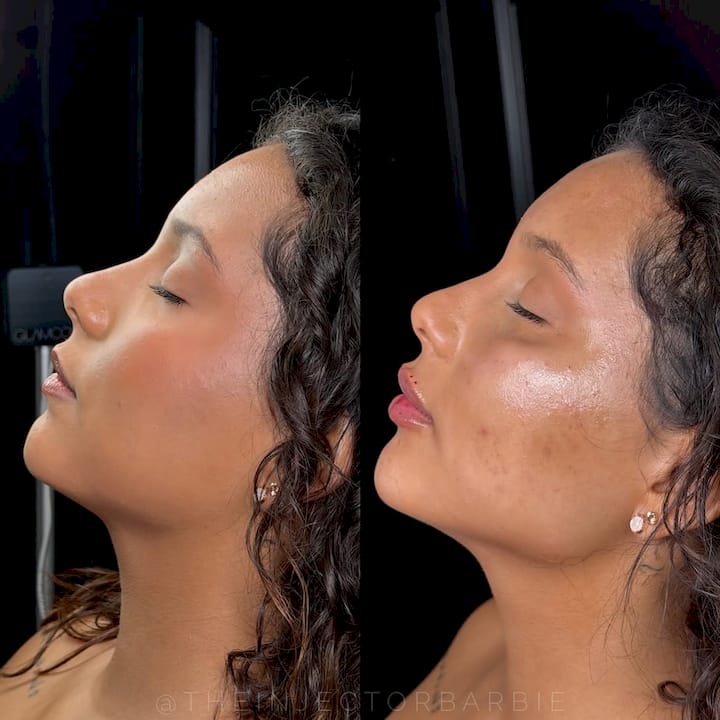
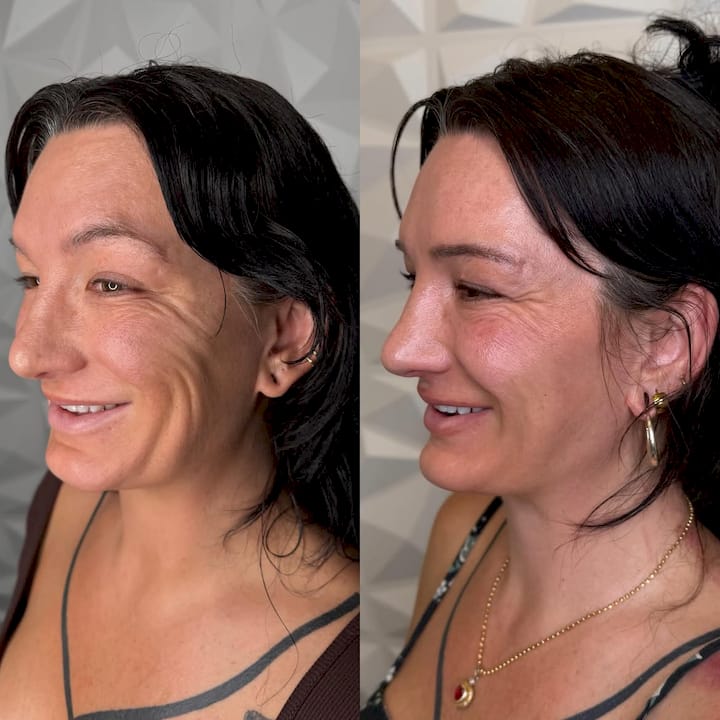
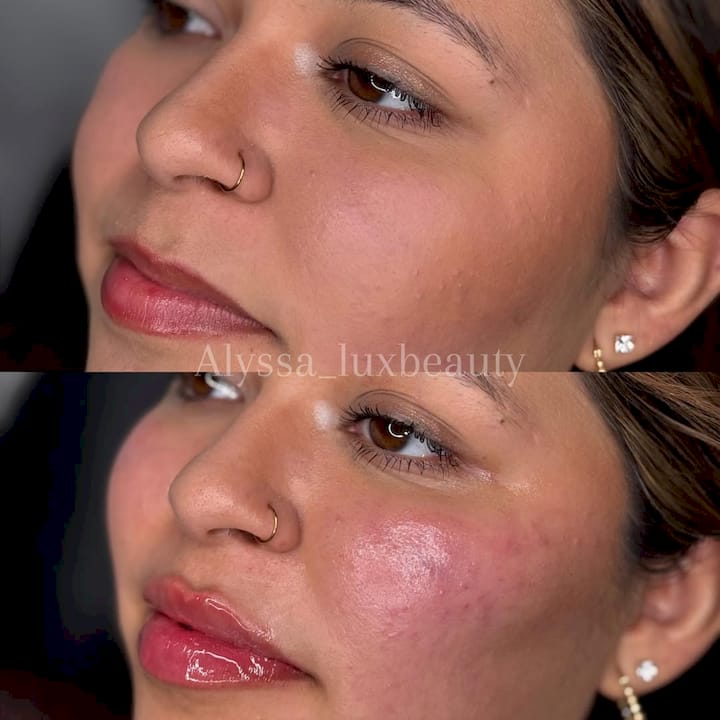
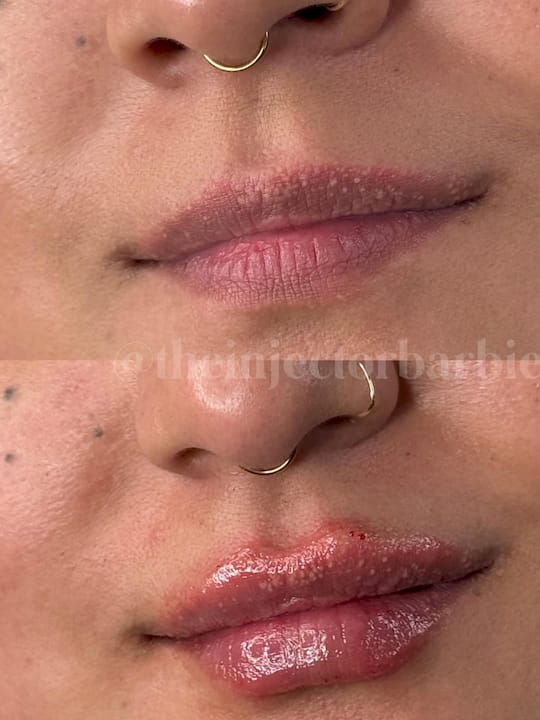
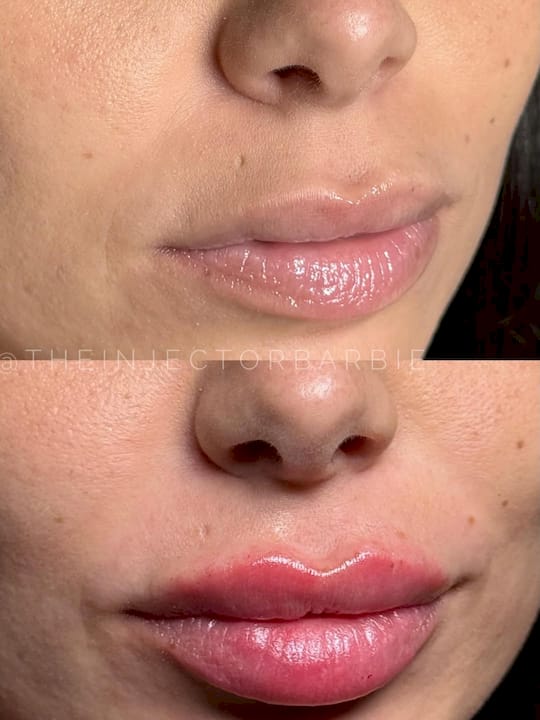
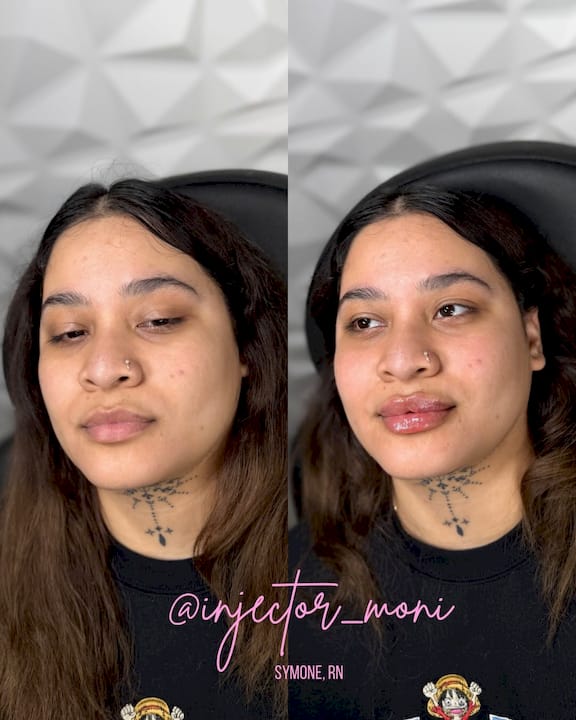
Pro Tip: If you are unsure whether a lip flip or filler suits your goals better, look at before and after results from real patients. Visual references communicate outcome differences far more clearly than written descriptions.
The lip flip is also not a permanent solution. Patients who want lasting results will need retreatment every 2–3 months. That frequency is manageable for most people but worth factoring into the annual cost and time commitment.
What can you expect during and after a lip flip?
The procedure itself is brief and straightforward. A provider cleans the treatment area, applies a topical numbing cream if requested, and injects small amounts of BoNT-A into 4–6 points along the upper lip border. The entire process takes under 15 minutes.
Results do not appear immediately. The neurotoxin takes 3–5 days to begin working and reaches full effect around day 10–14. Patients who judge results too early often think the procedure did not work. Waiting the full two weeks before evaluating the outcome is the standard clinical recommendation.
Post-procedure care is minimal:
-
Avoid rubbing or massaging the injection area for 24 hours.
-
Skip intense exercise for the rest of the day to reduce swelling risk.
-
Stay upright for at least 4 hours after treatment.
-
Avoid extreme heat, including saunas and hot yoga, for 24–48 hours.
-
Contact your provider if you notice spreading weakness, difficulty swallowing, or asymmetry beyond the first week.
Common side effects include swelling and bruising at the injection sites, but these are generally minimal compared to lip filler aftercare. Most patients return to normal activities the same day. The lip flip requires no downtime, which is one of its clearest practical advantages over more invasive lip augmentation techniques.
The lip flip may temporarily impair functions like drinking through a straw or whistling. This effect is not a complication. It is a direct result of the muscle relaxation and resolves as the toxin wears off. Knowing this in advance prevents unnecessary concern.
Key Takeaways
The lip flip is a supralabial BoNT-A injection that creates the appearance of fuller lips by relaxing the orbicularis oris muscle, not by adding volume.
| Point | Details |
|---|---|
| Clinical name | The lip flip is formally called a supralabial botulinum toxin type A injection. |
| How it works | BoNT-A relaxes the orbicularis oris, causing the upper lip to roll outward and appear fuller. |
| Duration vs. fillers | Lip flip results last 8–12 weeks; lip fillers last up to 12 months. |
| Ideal candidate | Best for subtle enhancement, gummy smile correction, or filler-averse patients. |
| Key limitation | Temporary muscle weakness may affect lip-dependent activities like using a straw or whistling. |
Why the lip flip is misunderstood more than any other cosmetic treatment
The lip flip has a clarity problem. Social media made it famous, but the same viral content that drove 64 million views also created a wave of patients expecting volume they were never going to get. I have seen this pattern repeatedly: someone books a lip flip expecting the look they saw on a before-and-after reel, and what they actually got was a subtle roll that their friends barely noticed. Neither outcome is wrong. The expectation was simply misaligned.
The off-label status of the procedure adds another layer of complexity. The lip flip is not FDA-approved specifically for lip enhancement. Providers use botulinum toxin in this application based on clinical experience and published literature, not a dedicated approval pathway. That is not unusual in aesthetic medicine, but patients deserve to know it upfront. A provider who skips that conversation is cutting corners on informed consent.
What I find genuinely underappreciated is the combination approach. Pairing a lip flip with a conservative amount of filler gives you both the outward roll and the volume, producing a result that neither treatment achieves alone. Patients who come in saying “I want natural but noticeable” are almost always better served by this combination than by either procedure in isolation. The key is working with a provider who will tell you that honestly rather than just booking the appointment you asked for.
— Marina
Lip flip treatments at Theinjectionroom
Theinjectionroom offers expert neurotoxin treatments in Austin and San Antonio, Texas, including lip flip procedures performed by experienced injectors. Every appointment starts with a personalized consultation to assess your lip anatomy, discuss your cosmetic goals, and determine whether a lip flip, filler, or a combination approach fits your needs. Theinjectionroom uses FDA-approved botulinum toxin formulations including Botox, Dysport, Xeomin, and Letybo. If you are curious about what a lip flip can do for your specific features, scheduling a Botox consultation with a certified provider is the clearest next step toward a result you will actually be happy with.
FAQ
What is a lip flip called by doctors?
Clinicians call it a supralabial botulinum toxin type A injection. The casual term “lip flip” describes the physical effect of the upper lip rolling outward after muscle relaxation.
How long does a lip flip last?
A lip flip typically lasts 8–12 weeks, which is shorter than lip fillers that can last up to 12 months. Most patients schedule retreatment every 2–3 months to maintain results.
Is a lip flip the same as Botox?
A lip flip uses botulinum toxin type A, the same class of neurotoxin as Botox. It is an off-label application, meaning the FDA has not specifically approved it for lip enhancement.
Can a lip flip replace lip fillers?
A lip flip does not add volume, so it cannot replicate the results of lip fillers for patients seeking visible fullness. The two procedures work well together for patients who want both lift and volume.
What activities should I avoid after a lip flip?
Avoid rubbing the injection area, intense exercise, and extreme heat for 24–48 hours after treatment. Temporary difficulty using a straw or whistling is normal and resolves as the toxin wears off.


%20Pictures%20are%204%20weeks%20apart..jpg)