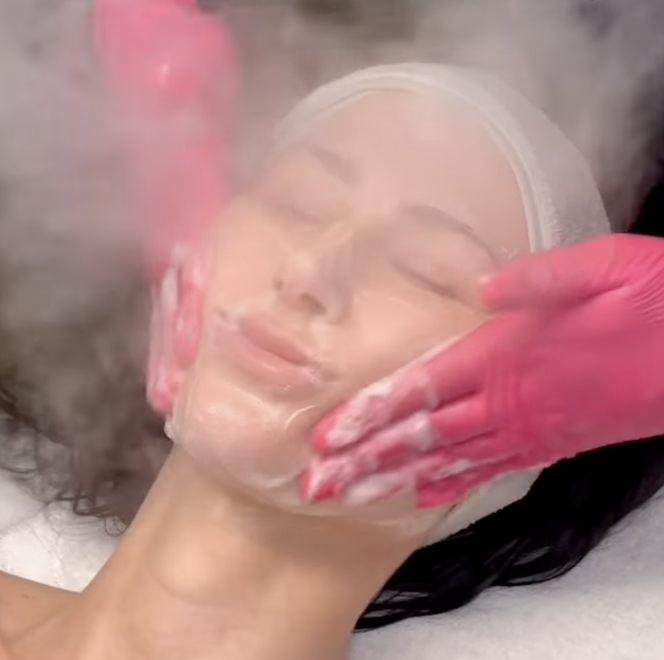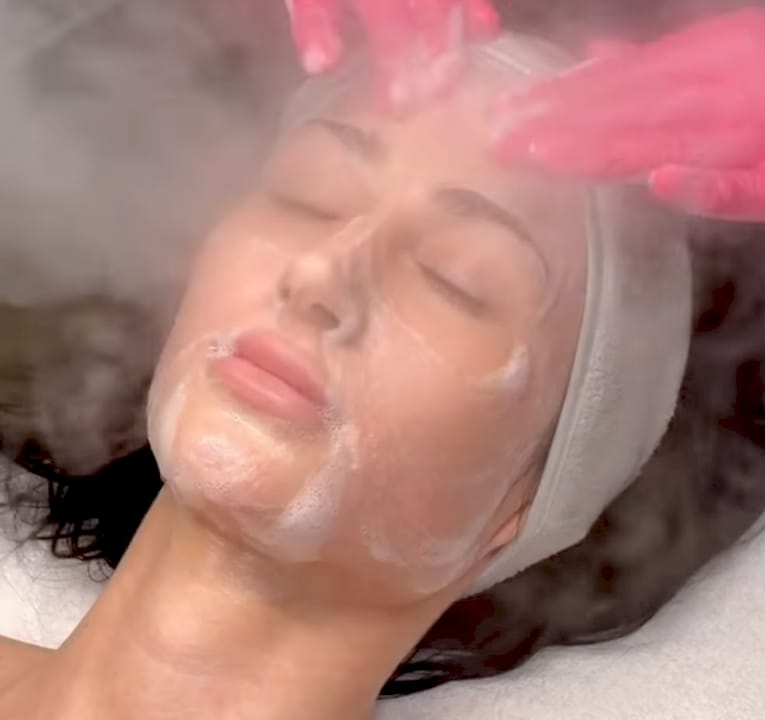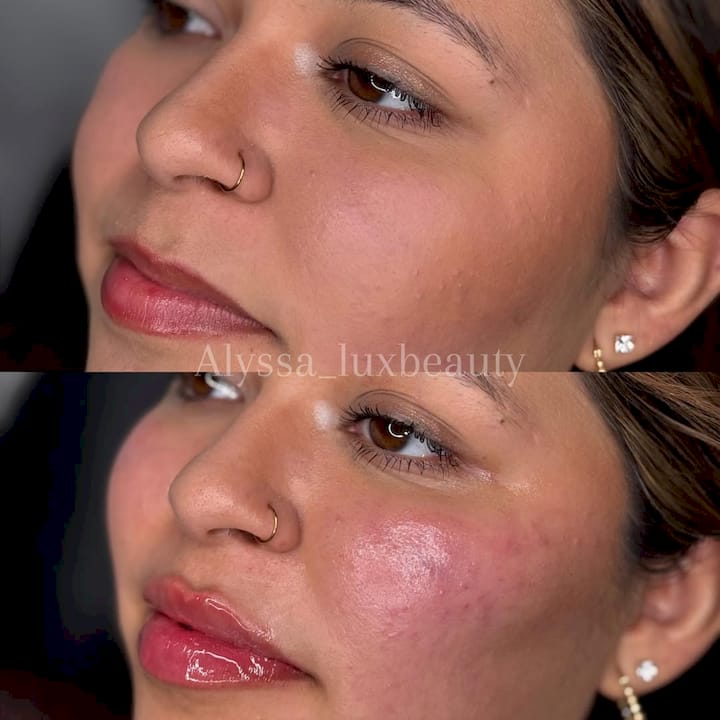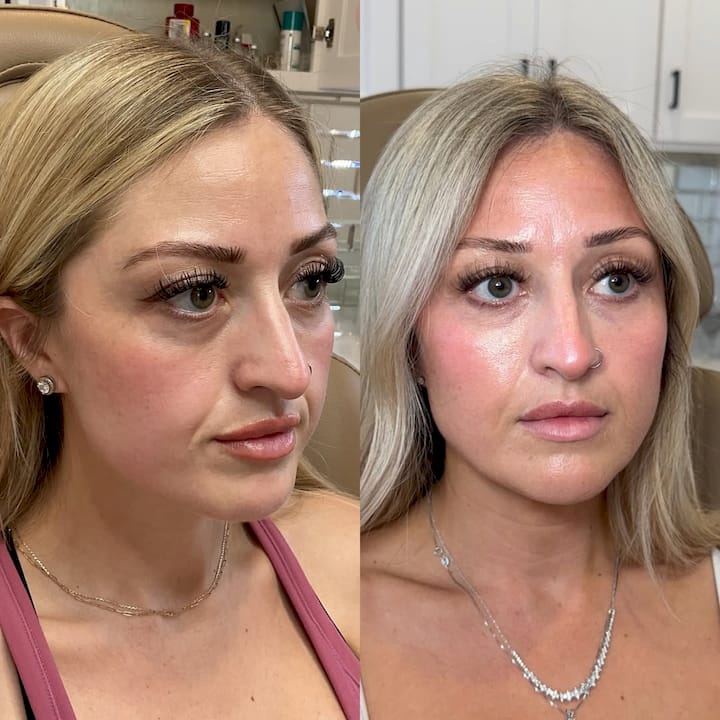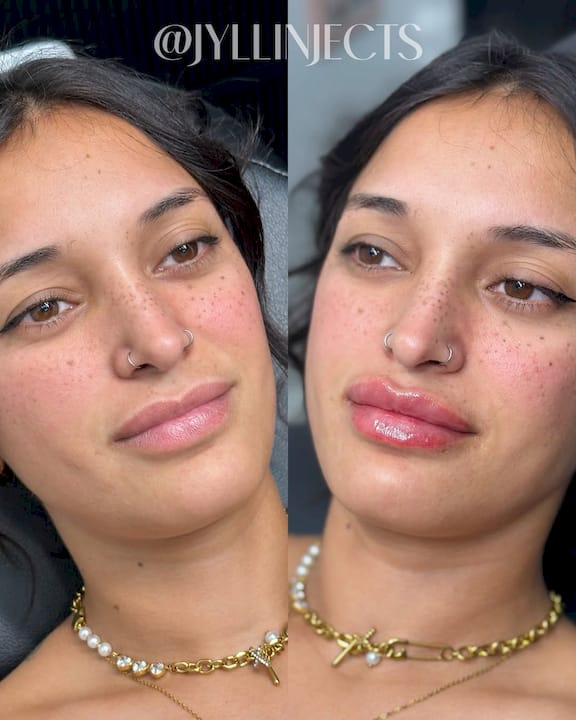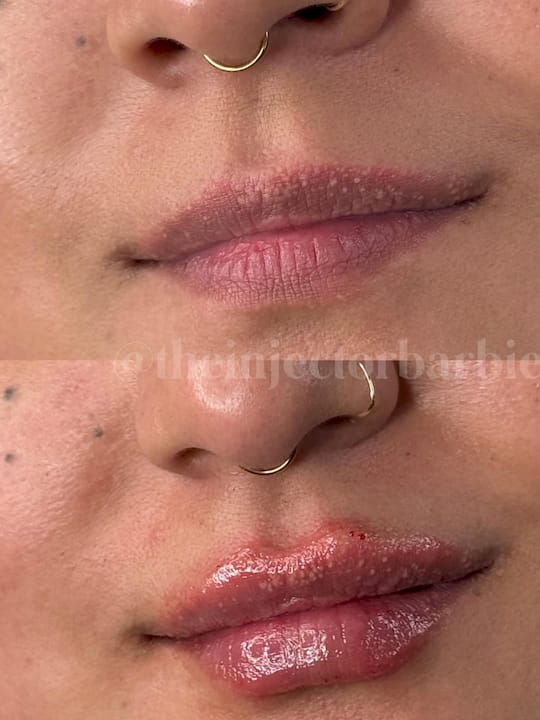
Facial steaming is defined as the practice of exposing skin to warm, controlled steam to boost hydration, increase blood circulation, and improve the absorption of skincare products. The result is temporarily softer, more radiant skin with a better foundation for the serums and creams you apply afterward. Dermatologists recognize steaming as a useful preparatory step rather than a standalone treatment, and that distinction matters. Used correctly, with the right frequency and distance from the steam source, it delivers real, measurable improvements. Used carelessly, it can damage your skin barrier and accelerate aging.
1. Facial steamer benefits for skin hydration
Steam hydrates the outer layer of skin, called the stratum corneum, by saturating it with moisture. This temporarily plumps fine lines and gives skin a smoother, more even texture. The effect is real but short-lived, which is why what you do immediately after steaming determines whether the hydration actually stays.
Warm steam raises the skin’s surface temperature and softens the lipid barrier just enough to let water in. That increased moisture content makes skin look fuller and feel more supple. Skin that is well-hydrated also reflects light more evenly, which is why people often describe a post-steam “glow.”
The catch is that trans-epidermal water loss after steaming is a real risk. If you do not apply a moisturizer immediately after your session, the water drawn into the skin evaporates quickly, leaving skin drier than before. Think of your skin after steaming as a damp sponge: it absorbs whatever you put on it, but it also dries out fast if left exposed.
Pro Tip: Apply a hyaluronic acid serum followed by a lipid-rich moisturizer within 60 seconds of finishing your steam session. This seals the moisture in and prevents the rebound dryness that makes steaming feel counterproductive.
Key hydration practices to follow:
-
Steam for no longer than 10 minutes per session
-
Keep your face 6–12 inches from the steam source
-
Pat skin dry gently before applying products
-
Use a ceramide or squalane moisturizer to lock in hydration
2. Increased blood circulation and collagen support
Facial steaming induces vasodilation, the widening of blood vessels near the skin’s surface. This increases blood flow to the face, delivering oxygen and nutrients to skin cells. Maintaining skin temperature at around 40°C for 15 minutes can triple local blood flow, and moist heat achieves this more effectively than dry heat.
That surge in circulation matters because fibroblasts, the cells responsible for producing collagen and elastin, depend on a steady supply of nutrients. Better blood flow means fibroblasts work more efficiently. Over time, regular steaming can support the kind of collagen activity that keeps skin firm and resilient. For anyone in the 25–50 age range, when collagen production naturally begins to slow, this is a meaningful advantage.
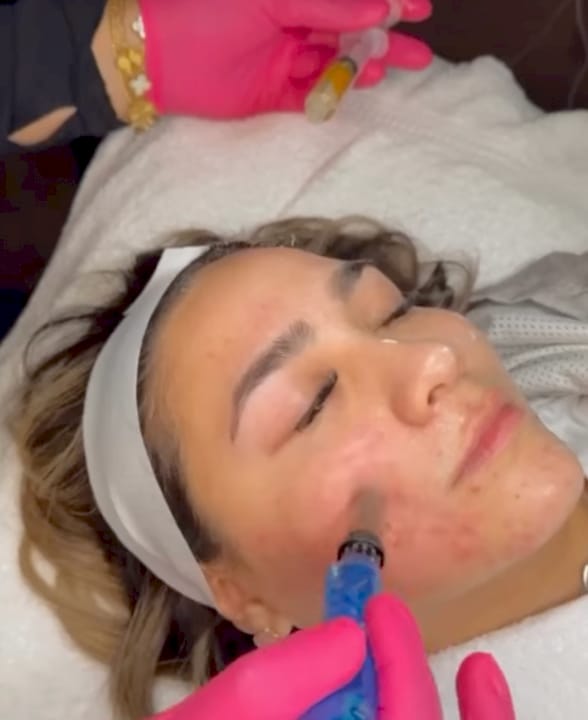
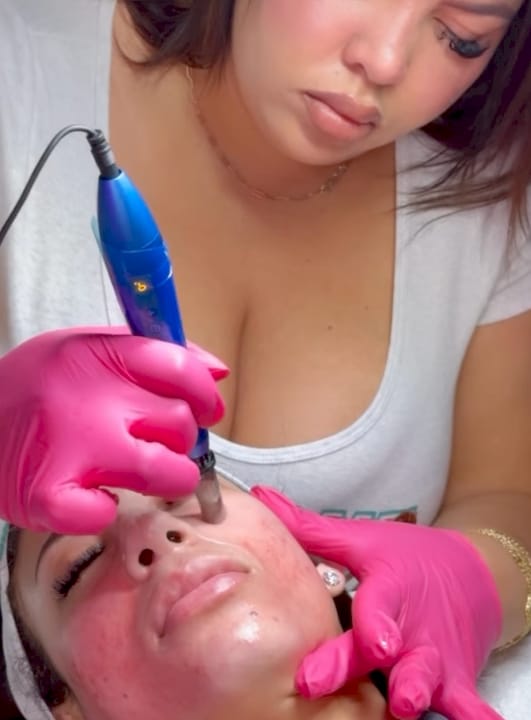
The circulation boost is temporary, lasting roughly 20–30 minutes after a session. But consistent, moderate steaming builds a cumulative effect on skin tone and texture. Microneedling for collagen stimulation goes further than steaming alone, but steaming is a low-cost way to support circulation between professional treatments.
People with rosacea or sensitive skin should skip steaming entirely. Heat-induced vasodilation can trigger flushing and worsen inflammation in these conditions. The same applies to anyone with eczema or active skin irritation.
3. Better absorption of skincare products
Steam temporarily increases skin permeability by softening the stratum corneum and dilating capillaries. Active ingredients absorb 20–30% more effectively immediately after steaming compared to application on dry, unprepped skin. That number makes steaming one of the most practical ways to get more out of expensive serums and creams.
The mechanism is straightforward. Steam softens the compacted dead skin cells on the surface and loosens sebum in the follicle. This creates a more permeable surface for ingredients like hyaluronic acid, vitamin C, and peptides to penetrate. The window is short, roughly 15–20 minutes, so timing matters.
Pro Tip: Apply your most active, hydrating serum within the first minute after steaming. Save retinoids and strong acids for non-steam days. The increased permeability that helps beneficial ingredients penetrate deeper also makes irritating ones more likely to cause a reaction.
Best products to apply post-steam:
-
Hyaluronic acid serums for deep hydration
-
Niacinamide for pore appearance and tone
-
Peptide creams for collagen support
-
Vitamin C serums for brightening and antioxidant protection
Products to avoid immediately after steaming:
-
Retinoids (tretinoin, retinol)
-
AHAs and BHAs at high concentrations
-
Benzoyl peroxide
4. Softening sebum for easier cleansing
Steam softens hardened sebum inside follicles, making it easier to remove blackheads and surface debris during cleansing. This is one of the most practical and immediate facial steaming advantages. Skin that has been steamed responds better to gentle exfoliation and cleansing because the surface is more pliable.
The important clarification is that pores do not open or close like doors. Pores are fixed anatomical structures with no muscles. What steam actually does is soften the sebum and dead skin cells that clog them, making extraction or cleansing more effective. The pore itself does not change size.
This distinction matters because people who believe steaming permanently shrinks pores often overuse it, chasing a result that is not physiologically possible. Steaming makes cleansing easier. It does not restructure your skin.
5. Temporary improvement in fine lines and skin texture
Facial steaming improves the appearance of fine lines through two mechanisms: hydration and circulation. Steam supports anti-aging treatments by enhancing product absorption and temporarily plumping dehydrated lines, but it does not eliminate wrinkles permanently. That distinction keeps expectations realistic and prevents overreliance on steaming as an anti-aging solution.
The temporary plumping effect comes from water binding in the stratum corneum. When skin is well-hydrated, fine lines caused by dehydration become less visible. This is the same reason a good moisturizer can make skin look smoother within hours. Steam accelerates and amplifies that effect.
For lasting anti-aging results, steaming works best as a prep step before applying anti-aging treatments or professional procedures. It enhances what comes after it, not what it does on its own.
6. Relaxation and stress reduction as a skin benefit
Stress raises cortisol levels, and elevated cortisol accelerates collagen breakdown and triggers inflammatory skin conditions like acne and eczema. Facial steaming, particularly with added botanicals like chamomile or lavender, activates the parasympathetic nervous system. The result is a measurable reduction in physical tension.
This is not a soft benefit. Chronic stress is a documented driver of premature skin aging. Any practice that consistently lowers stress has a direct, physiological impact on skin health. A 10-minute steam session before bed can function as both a skincare step and a stress management tool.
The sensory experience of warm steam also encourages mindful breathing, which further supports relaxation. Skin benefits from reduced cortisol include lower inflammation, slower collagen degradation, and fewer stress-triggered breakouts.
7. Common misconceptions and risks of facial steaming
The biggest risk with facial steaming is overuse. Repeated or prolonged steaming activates enzymes called matrix metalloproteinases (MMPs) that degrade collagen. The very treatment people use to look younger can accelerate aging when done too frequently or at too high a temperature.
“Steam should be viewed as a preparatory step that enhances skincare product effectiveness, not as a stand-alone treatment for acne or aging. Moderation is the defining factor between benefit and harm.”
Who should avoid facial steaming entirely:
-
People with rosacea or persistent facial redness
-
Anyone with active eczema or psoriasis
-
People with inflamed or cystic acne, as heat worsens inflammation
-
Anyone with extremely sensitive or compromised skin barrier
Safe steaming guidelines:
-
Limit sessions to 5–15 minutes
-
Keep a 6–12 inch distance from the steam source
-
Steam no more than once or twice per week
-
Always moisturize immediately after
8. How to maximize steaming results safely
Safe steaming follows a clear protocol. Industry standards recommend sessions of 5–15 minutes, once or twice weekly, with your face 6–12 inches from the steam source. These guidelines exist to protect the skin barrier while still delivering the circulation and hydration benefits.
Pro Tip: Use steamed skin as a “damp sponge” for masks. Apply a hydrating sheet mask or a clay mask immediately after steaming for dramatically better ingredient penetration and more effective results.
Frequency by skin type:
-
Normal skin: Once or twice per week, 10 minutes per session
-
Oily or combination skin: Once per week, 8–10 minutes per session
-
Dry skin: Once per week, 5–8 minutes, followed immediately by a rich moisturizer
-
Sensitive skin: Avoid steaming or consult a dermatologist first
-
Acne-prone skin: Avoid steaming over active breakouts; use only on clear areas
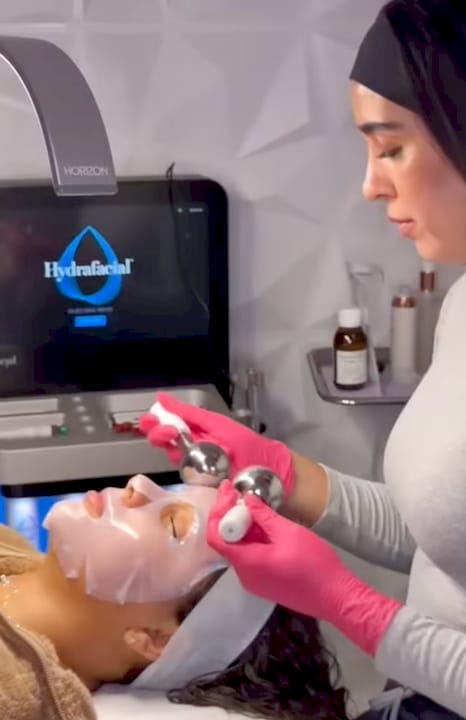
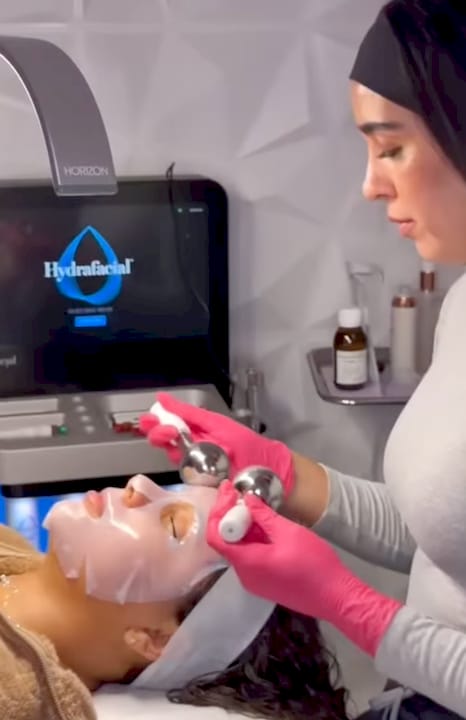
For people who want results beyond what steaming can deliver, professional treatments fill the gap. HydraFacials combine deep cleansing, exfoliation, and hydration infusion in a single session, producing results that steaming cannot replicate at home. Microneedling goes further by physically stimulating collagen production at a cellular level.
| Approach | Mechanism | Frequency | Best for |
|---|---|---|---|
| Facial steaming | Hydration, circulation, permeability | 1–2x per week | Prep, maintenance |
| HydraFacial | Cleansing, exfoliation, hydration infusion | Monthly | Deep hydration, texture |
| Microneedling | Collagen induction via micro-injuries | Every 4–6 weeks | Firmness, fine lines |
| Botox | Muscle relaxation to reduce dynamic lines | Every 3–4 months | Expression lines |
Key Takeaways
Facial steaming delivers real skin benefits, but only when used at the right frequency, duration, and temperature, with immediate post-steam moisturizing to prevent dehydration.
| Point | Details |
|---|---|
| Hydration requires follow-through | Apply a lipid-rich moisturizer within 60 seconds of steaming to prevent trans-epidermal water loss. |
| Circulation triples with moist heat | Skin temperature at 40°C for 15 minutes can triple local blood flow, supporting collagen production. |
| Pores do not open or close | Steam softens sebum for easier cleansing but does not alter pore size, which is fixed anatomy. |
| Overuse degrades collagen | Steaming more than twice weekly activates MMPs that break down collagen and accelerate aging. |
| Steam is a prep step, not a treatment | Active ingredients absorb up to 30% better post-steam, making it most valuable before serums and masks. |
Steam is useful, but it is not the whole story
Marina here. After years of working in aesthetics and watching clients build their skincare routines, I have one consistent observation about facial steaming: people either underuse it or overuse it. Almost no one gets the frequency right on the first try.
The clients who benefit most treat steaming as a prep ritual, not a treatment. They steam for 8–10 minutes, apply their best serum immediately after, and do it once a week. That is it. They are not chasing a “detox” or trying to shrink their pores. They understand that steam makes everything that comes after it work better.
What I find most underappreciated is the stress-reduction angle. Skin that is chronically stressed ages faster. A consistent, calming steam routine lowers cortisol, and that has a real impact on inflammation and collagen integrity over time. The relaxation benefit is not a bonus. It is part of the mechanism.
My honest recommendation: use steaming to prepare your skin for professional facial treatments or high-quality serums. Do not expect it to replace either. The people with the best skin I have seen combine smart home habits with periodic professional care, not one or the other.
— Marina
Professional skin treatments that go further than steam
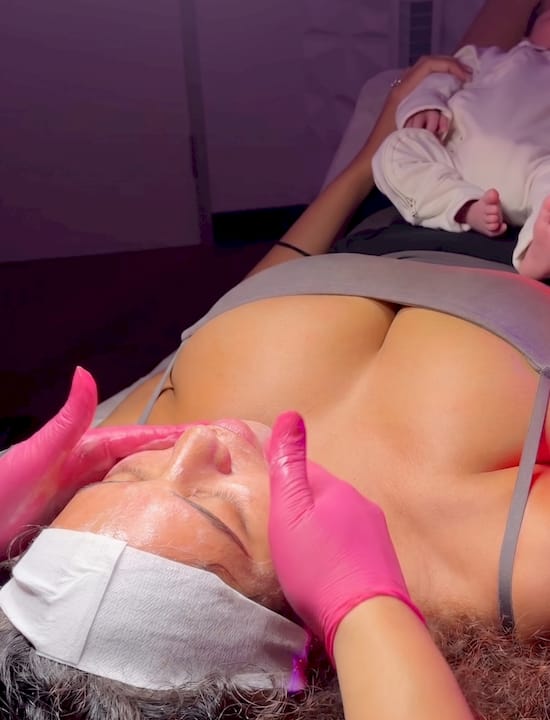
Facial steaming is a strong foundation for a home skincare routine. For people in their 30s and 40s who want results that steaming cannot deliver, professional treatments make the difference. At Theinjectionroom, serving Austin and San Antonio, TX, the team offers microneedling for collagen stimulation, HydraFacials for clinical-grade hydration, and Botox in San Antonio for dynamic wrinkle reduction. These treatments work on the same skin systems that steaming supports, but at a depth and precision that no home device can match. If you have mastered your steaming routine and want the next level of skin health, Theinjectionroom is the natural next step.
FAQ
What are the main facial steamer benefits?
Facial steaming improves skin hydration, increases blood circulation, and enhances absorption of skincare products by up to 30%. It also softens sebum, making cleansing more effective.
How often should you use a facial steamer?
Steam once or twice per week for 5–15 minutes, keeping your face 6–12 inches from the source. Steaming more frequently risks collagen breakdown and skin barrier damage.
Is a facial steamer effective for acne?
Steaming can help prevent clogged pores by softening sebum, but it worsens inflamed or cystic acne by increasing heat and inflammation. Avoid steaming directly over active breakouts.
Does facial steaming reduce wrinkles?
Steaming temporarily reduces the appearance of fine lines by hydrating and plumping the skin, but it does not eliminate wrinkles permanently. It works best as a prep step before anti-aging serums or professional treatments.
Who should avoid using a facial steamer?
People with rosacea, eczema, extremely sensitive skin, or active inflamed acne should avoid facial steaming. Heat-induced vasodilation can worsen these conditions significantly.


%20Pictures%20are%204%20weeks%20apart..jpg)