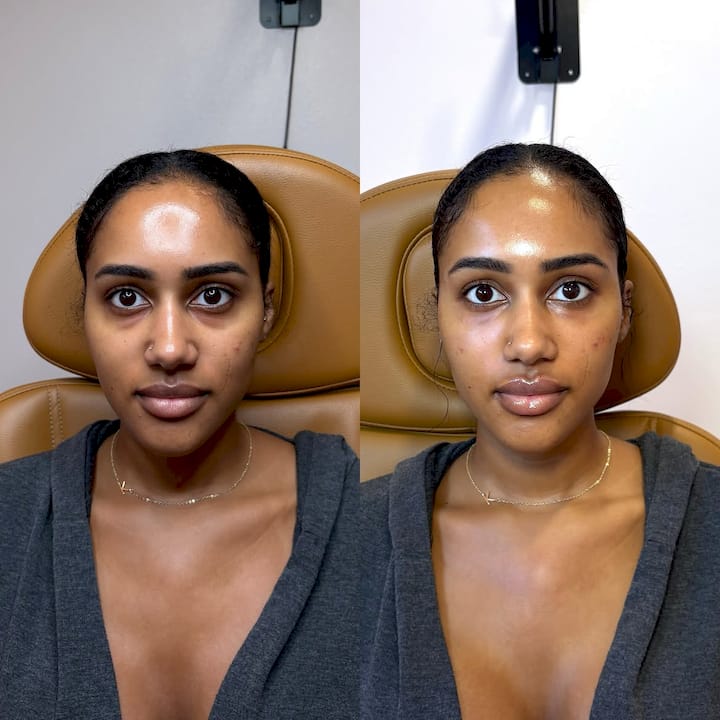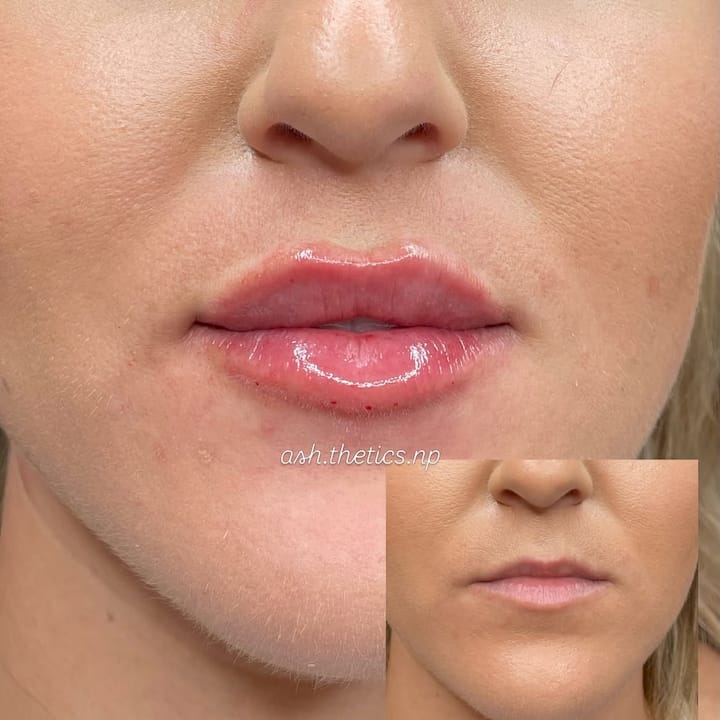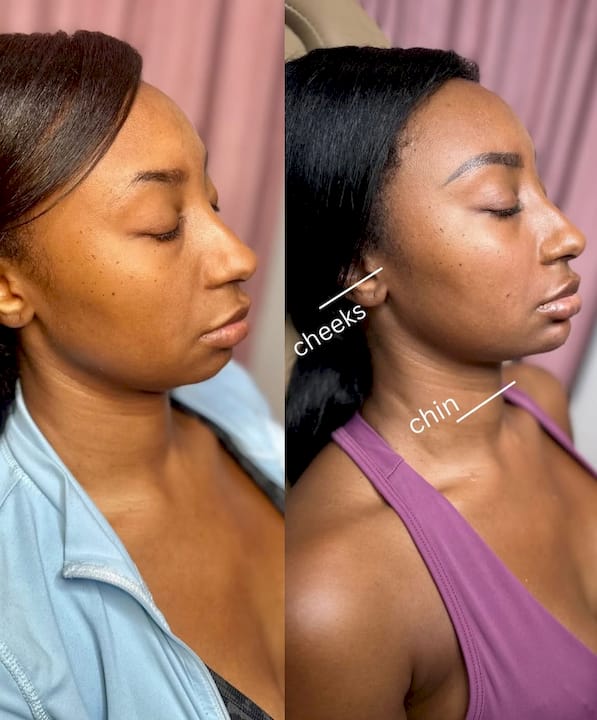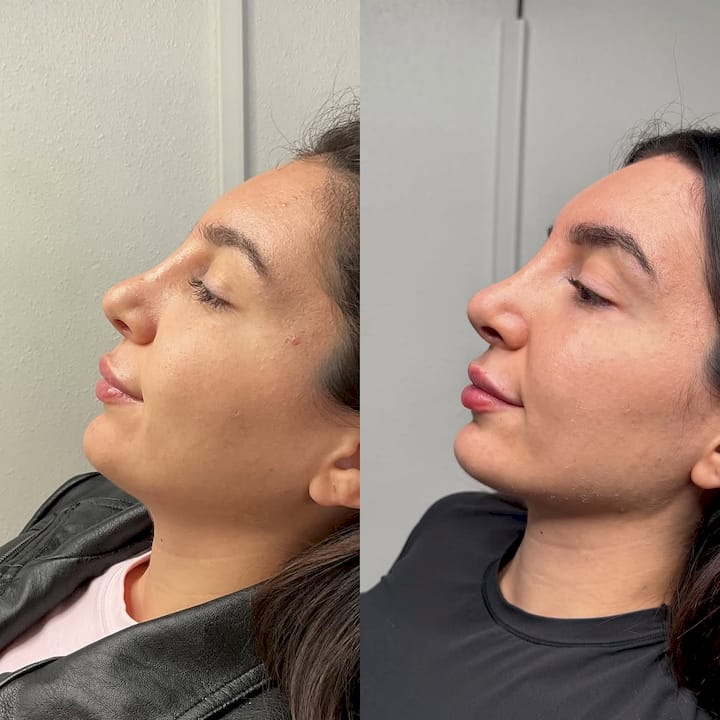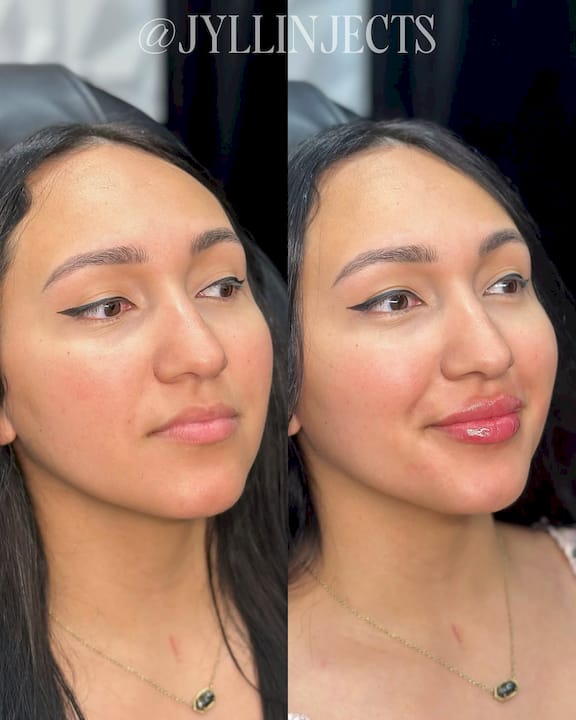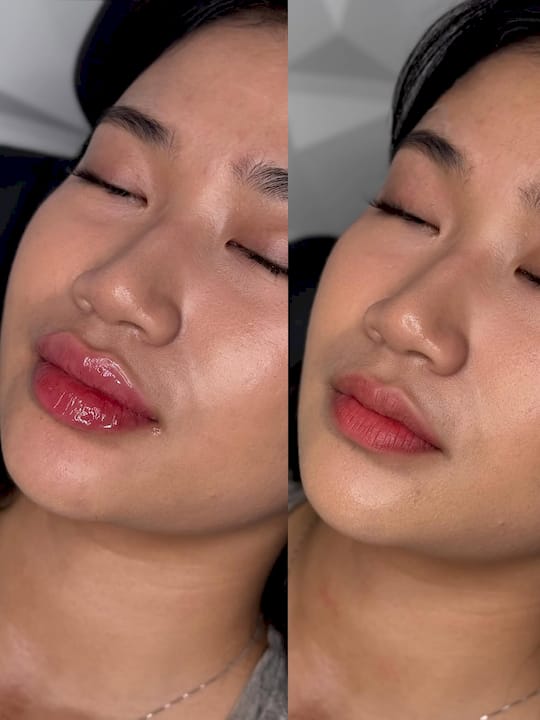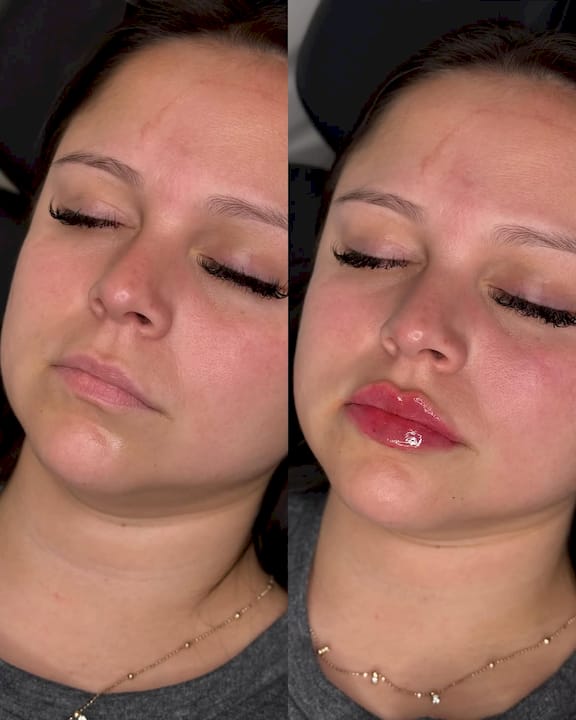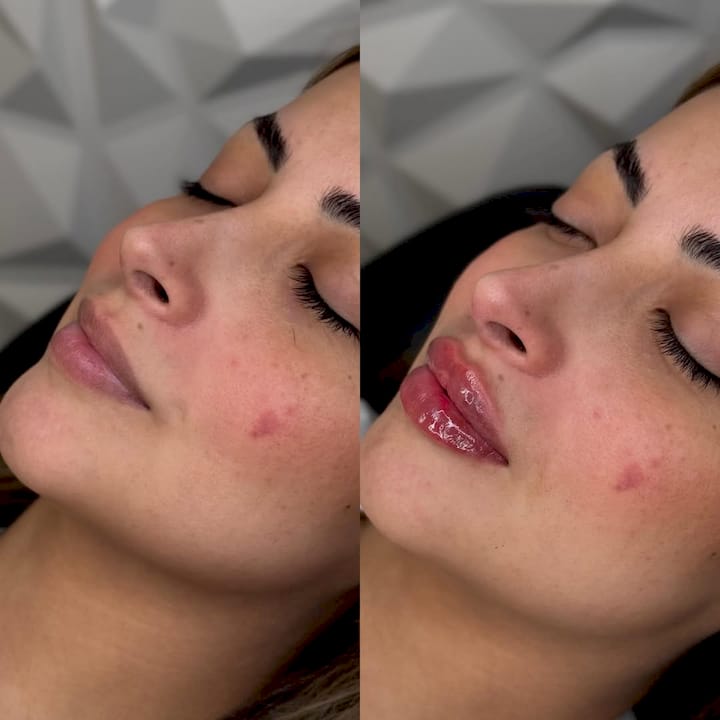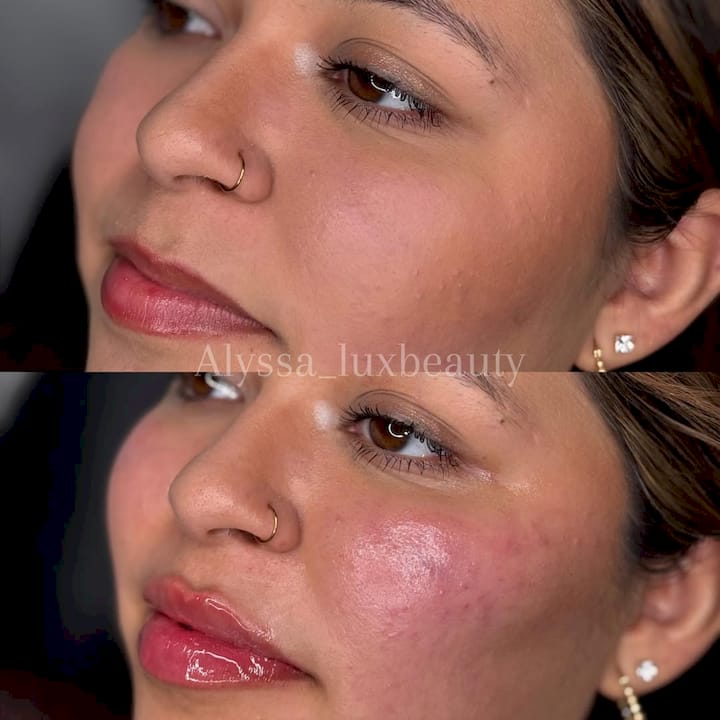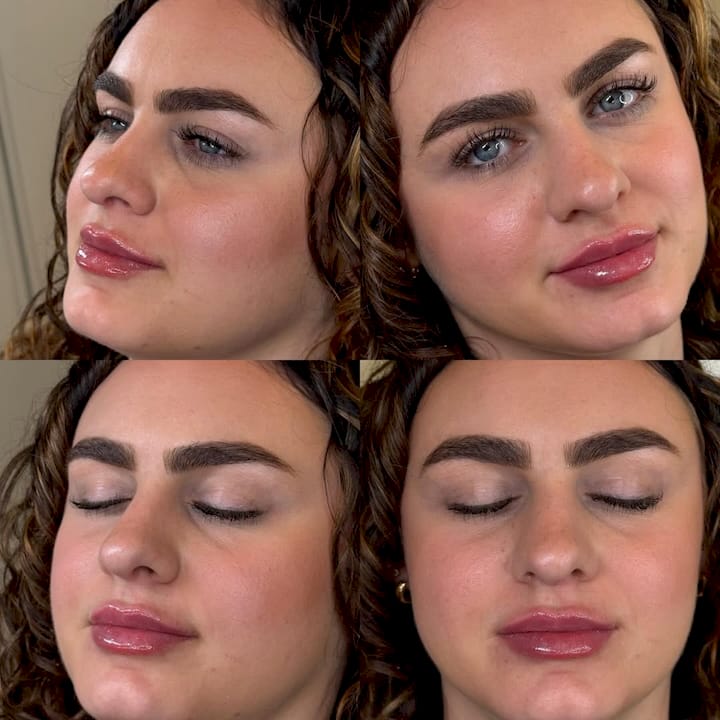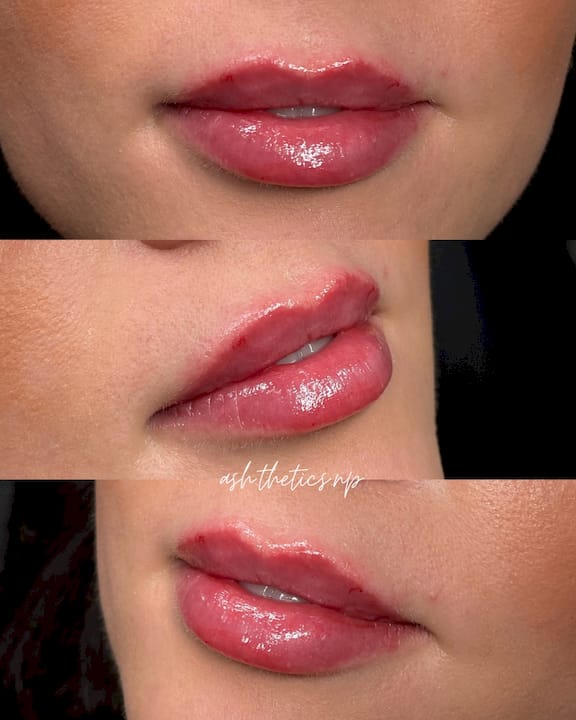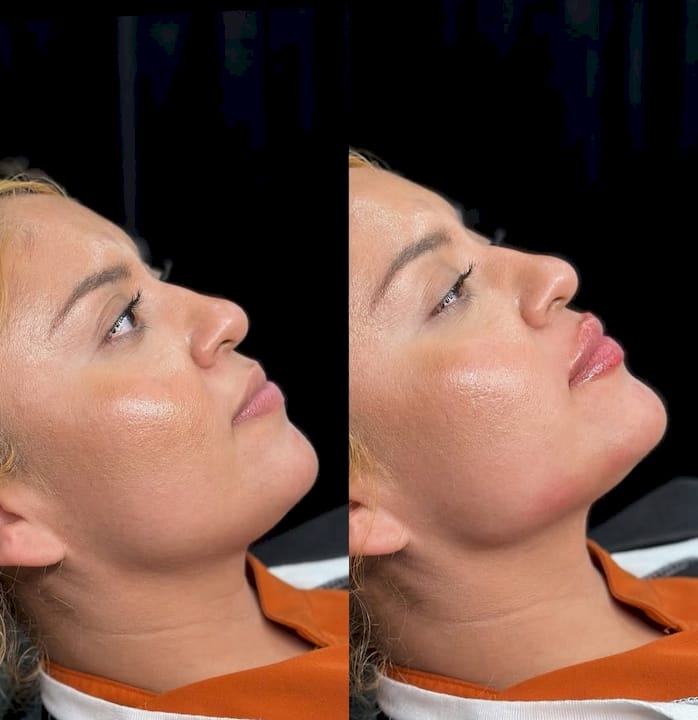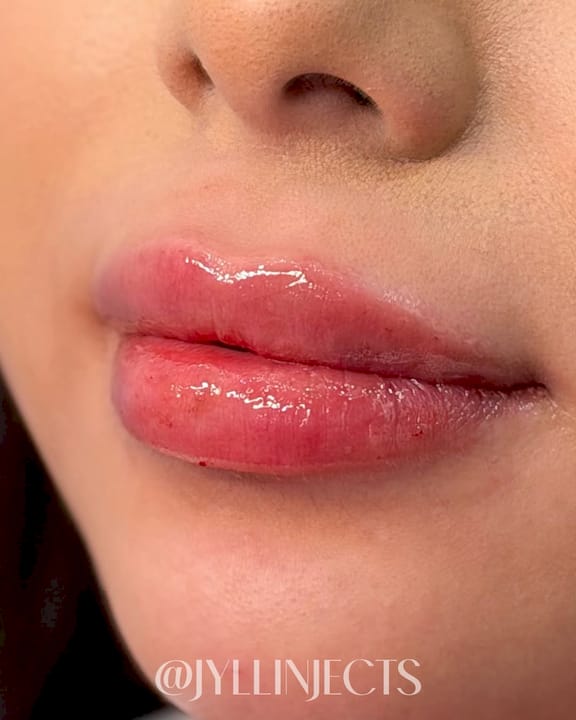
Many women in Austin and San Antonio feel uncertain about achieving fuller, youthful lips through augmentation. Common concerns include pain, safety, and whether results will look natural. This comprehensive guide walks you through every stage of the lip augmentation process, from selecting the right provider to maintaining your enhanced appearance. You’ll learn exactly what happens during the procedure, how to prepare properly, and how to avoid common mistakes that affect results. Whether you’re considering your first treatment or seeking better outcomes, this step-by-step approach helps you make informed decisions and achieve the beautiful, confident smile you deserve.
Table of Contents
-
Common mistakes to avoid and troubleshooting post-augmentation
-
Explore expert lip augmentation services in Austin and San Antonio
Key Takeaways
| Point | Details |
|---|---|
| Choose an experienced provider | Select a board certified aesthetic professional in Austin or San Antonio with extensive lip augmentation experience and strong patient reviews. |
| Proper preparation matters | Review your medical history and avoid blood thinners for 7 to 10 days prior to treatment to reduce bruising risk. |
| Know filler options | Learn about hyaluronic acid fillers and other options, including their viscosity and duration, to choose the best fit for your lips. |
| Schedule around events | Plan your appointment at least two weeks before important events to allow swelling and bruising to resolve. |
Preparing for your lip augmentation
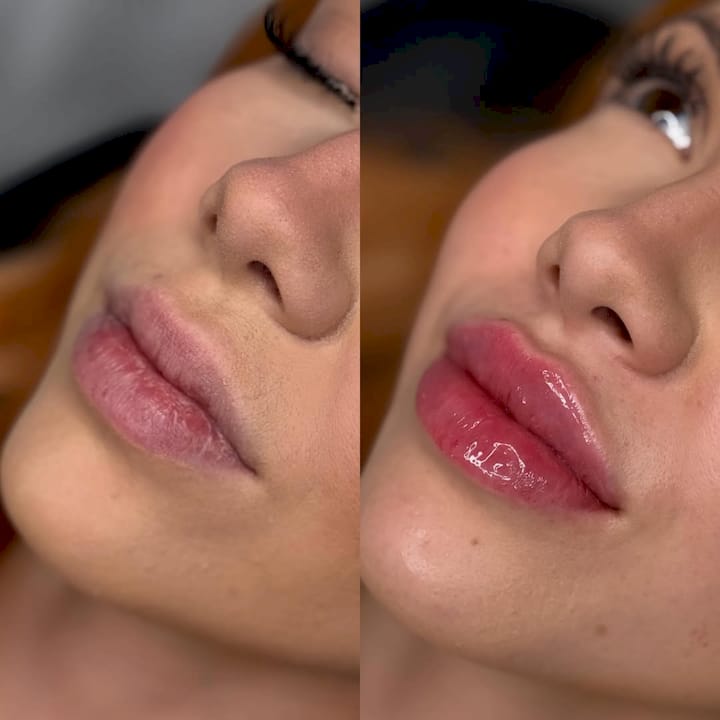
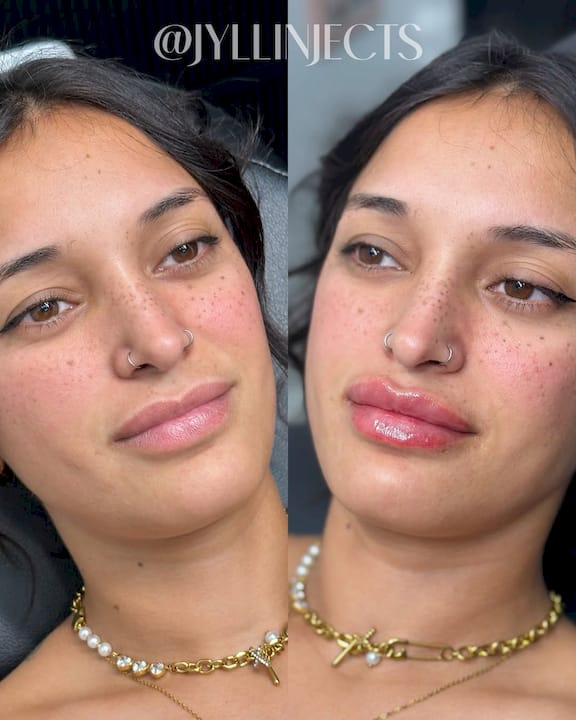
Proper preparation sets the foundation for safe, satisfying results. Start by researching licensed providers who specialize in facial aesthetics and have extensive experience with lip augmentation. Look for board-certified professionals in Austin or San Antonio with strong patient reviews and before-and-after galleries that match your aesthetic goals. During your consultation, discuss your desired outcome clearly and ask about the provider’s technique, preferred filler types, and complication management protocols.
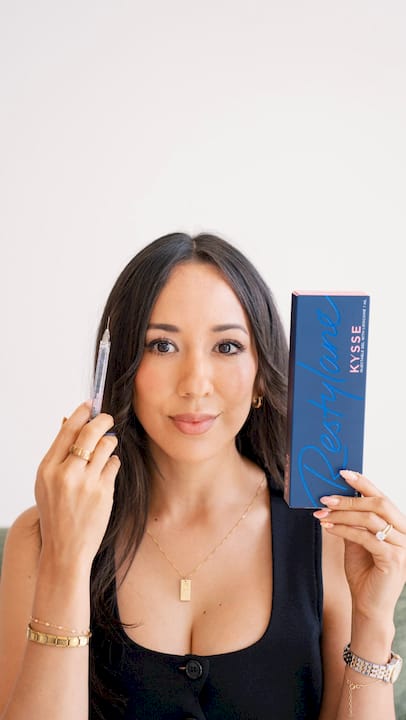
Understanding best lip filler options helps you make informed choices about hyaluronic acid fillers versus other types. Hyaluronic acid fillers remain the gold standard because they’re reversible, biocompatible, and produce natural-looking volume. Different brands offer varying viscosities and longevity, so your provider will recommend options based on your lip anatomy and goals. Ask about the filler’s particle size, cross-linking density, and expected duration to understand what you’re receiving.
Before your appointment, review your complete medical history with your provider. Certain conditions like active cold sores, autoimmune disorders, or bleeding disorders may require postponing treatment or special precautions. Disclose all medications and supplements, particularly blood thinners like aspirin, ibuprofen, fish oil, vitamin E, and ginkgo biloba. These substances increase bruising risk and should typically be avoided for 7-10 days before your procedure. Proper consultation and provider choice improve safety and satisfaction in lip augmentation.
Pro Tip: Schedule your appointment at least two weeks before any important events. This allows sufficient time for swelling and bruising to resolve completely, ensuring you look your best when it matters most.
Set realistic expectations by reviewing your provider’s portfolio and discussing achievable outcomes for your unique lip structure. Factors like natural lip size, symmetry, and skin elasticity influence final results. Your provider should explain how much volume is appropriate for your facial proportions and what to expect during the healing process. Understanding lip filler after care requirements before treatment helps you plan accordingly and prepare necessary supplies at home.
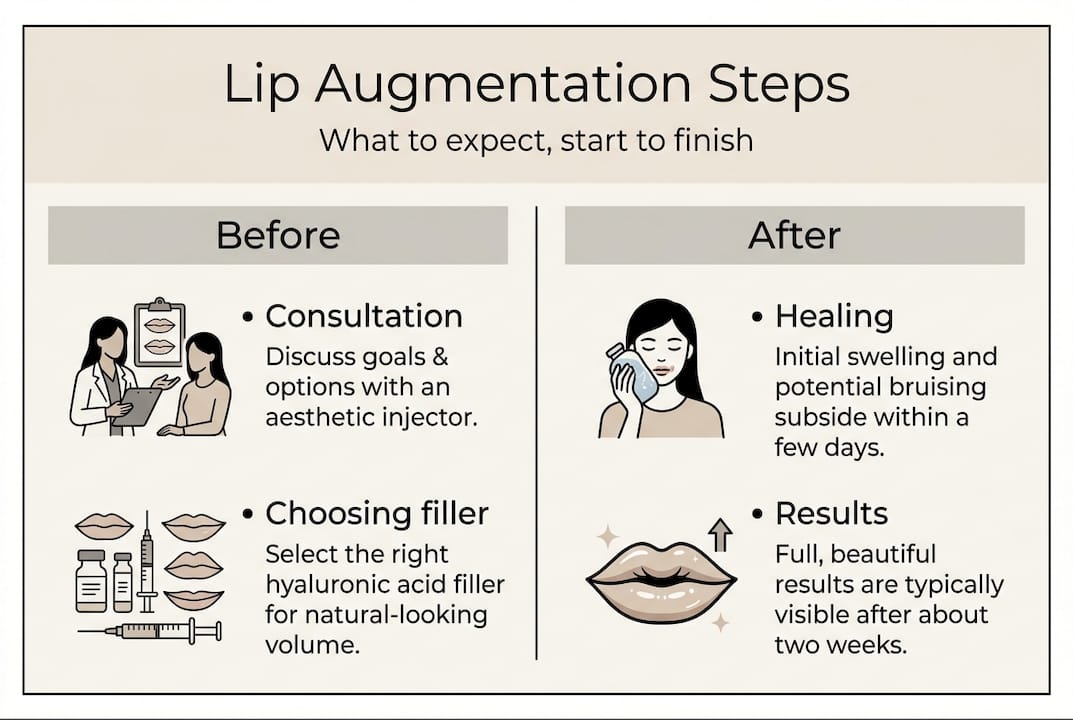
Step-by-step execution of lip augmentation
The actual procedure follows a systematic approach designed to maximize comfort and precision. Here’s exactly what happens from the moment you arrive until you leave the treatment room:
-
Consultation confirmation: Your provider reviews your goals, confirms the treatment plan, and answers any last-minute questions. You’ll sign consent forms acknowledging you understand the procedure, risks, and aftercare requirements.
-
Preparation and numbing: The provider cleanses your lips and applies topical numbing cream for 15-20 minutes. Some practitioners also use ice or dental blocks for additional comfort. This step ensures you experience minimal discomfort during injections.
-
Marking and planning: Using a sterile marker, your provider maps injection points based on your anatomy and desired outcome. This strategic planning ensures symmetrical, balanced results that complement your facial features.
-
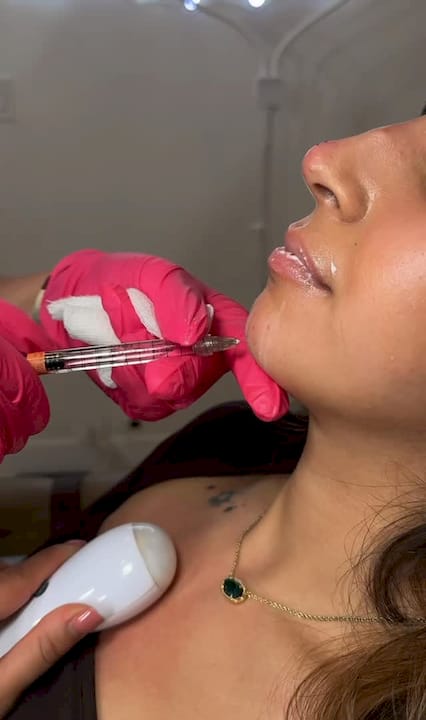
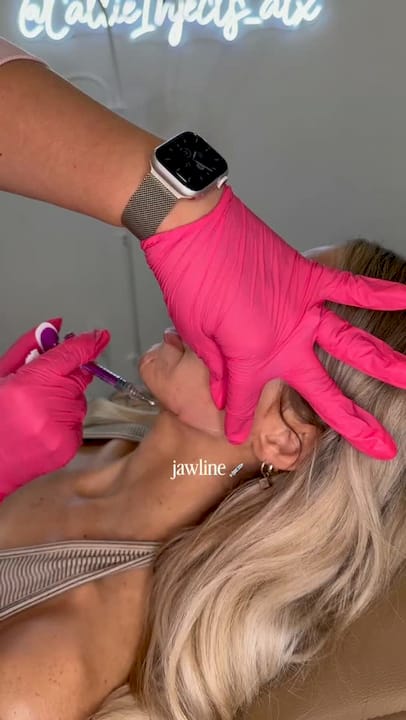
Precise injection technique: Small amounts of filler are injected at multiple points along the lip border and body using ultra-fine needles or cannulas. The provider works slowly, depositing product in layers while assessing volume and shape continuously.
-
Massage and shaping: After each injection series, gentle massage distributes the filler evenly and prevents lumps. Your provider sculpts the product to create smooth, natural contours that enhance your lip shape.
-
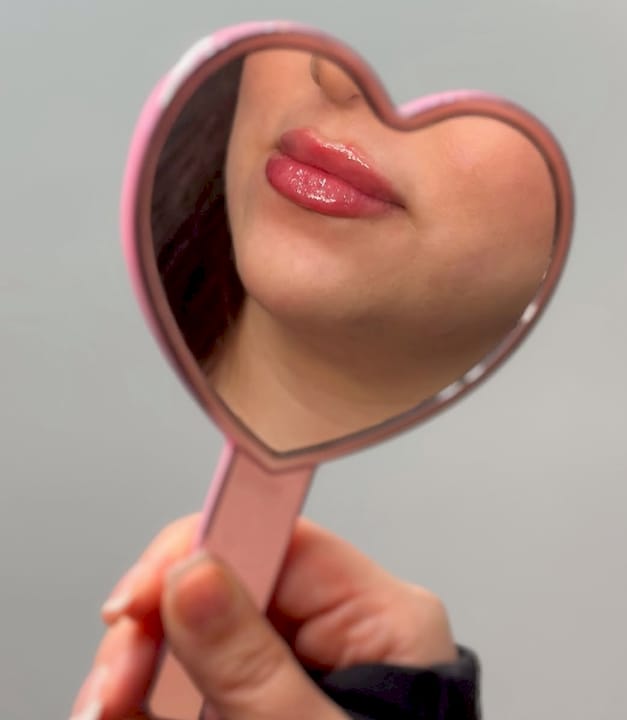
Final assessment: You review results in a mirror while your provider checks for symmetry and makes any minor adjustments. This collaborative approach ensures you’re satisfied before leaving.
Most patients describe the sensation as mild pressure or pinching rather than sharp pain. A step-by-step approach helps patients understand the procedure and promotes better outcomes. The entire process typically takes 15-30 minutes, making it convenient for busy schedules.
| Procedure phase | Duration | What you’ll feel |
|---|---|---|
| Numbing | 15-20 min | Cool sensation from cream |
| Injection | 10-15 min | Mild pressure, occasional pinching |
| Shaping | 3-5 min | Gentle massage pressure |
| Assessment | 2-3 min | No discomfort |
Pro Tip: Breathe deeply and steadily during injections. Controlled breathing reduces tension, helps you stay relaxed, and makes the experience more comfortable overall.
Understanding how lip filler works at the molecular level can ease anxiety. Hyaluronic acid attracts and binds water molecules, creating volume while maintaining soft, natural texture. Unlike permanent implants, fillers integrate with your tissue temporarily and metabolize gradually over months. If you’re considering other enhancement options, learning about lip flip vs. lip filler helps you choose the right treatment for your specific goals.
Common mistakes to avoid and troubleshooting post-augmentation
Avoiding common pitfalls ensures optimal healing and beautiful results. Many complications arise from poor communication or inadequate aftercare rather than technical errors. Here’s what to watch for and how to handle potential issues:
-
Overfilling: Requesting too much volume at once creates unnatural, disproportionate results. Start conservatively and add more filler in follow-up sessions if desired. Your provider should resist pressure to over-inject and prioritize balanced aesthetics.
-
Ignoring asymmetry: Minor asymmetry is normal immediately after treatment due to swelling, but persistent unevenness after two weeks requires correction. Contact your provider promptly for assessment and potential adjustment.
-
Aggressive touching: Constantly feeling or massaging your lips disrupts filler placement and increases infection risk. Resist the urge to touch treated areas except when applying prescribed ointments with clean hands.
-
Premature exercise: Strenuous activity within 24-48 hours elevates blood pressure and worsens swelling and bruising. Postpone intense workouts, hot yoga, and heavy lifting until initial healing completes.
-
Heat exposure: Saunas, steam rooms, and prolonged sun exposure increase inflammation and can affect filler distribution. Avoid extreme heat for at least one week post-treatment.
Awareness of common errors and prompt correction improves satisfaction and safety. Normal post-procedure effects include mild swelling, tenderness, and occasional bruising that resolve within a week. However, certain symptoms require immediate professional attention. Severe pain, extreme asymmetry, skin color changes, or signs of vascular compromise demand urgent evaluation.
Pro Tip: Take photos immediately after treatment and daily for two weeks. This documentation helps you track healing progress objectively and provides valuable reference if you have concerns to discuss with your provider.
Managing minor side effects effectively promotes faster healing. Apply ice packs for 10-15 minutes several times daily during the first 48 hours to reduce swelling. Sleep with your head elevated on extra pillows to minimize fluid accumulation. Avoid blood-thinning medications and alcohol for at least 24 hours post-treatment. If small lumps develop, gentle massage as instructed by your provider usually resolves them. For detailed guidance, review lip filler after care tips to ensure you’re following best practices throughout recovery.
What to expect: results and maintenance of lip augmentation
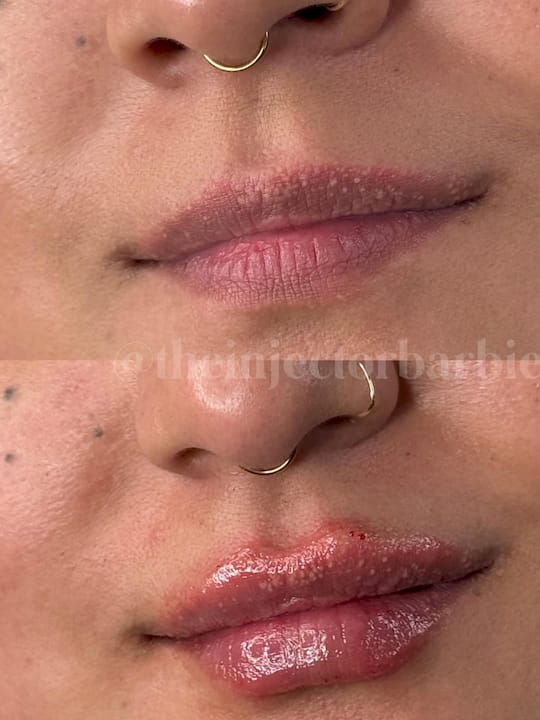
Understanding the healing timeline helps you manage expectations and plan accordingly. Immediately after treatment, your lips will appear swollen and possibly uneven. This initial appearance doesn’t reflect your final results. Most swelling peaks within 24-48 hours and subsides significantly by day three. Bruising, if present, typically fades within 5-7 days with proper care.
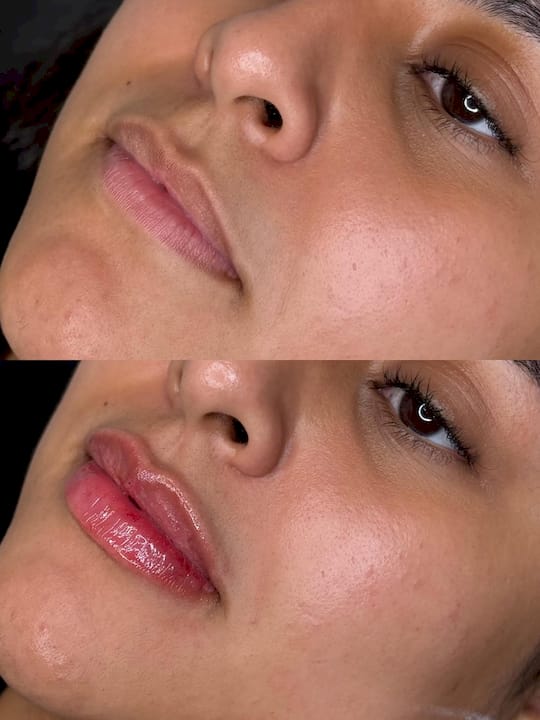
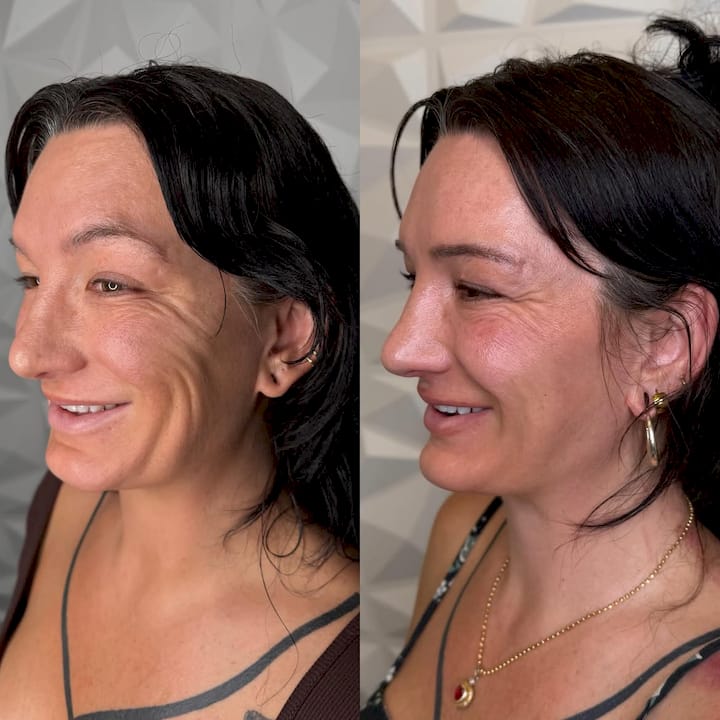
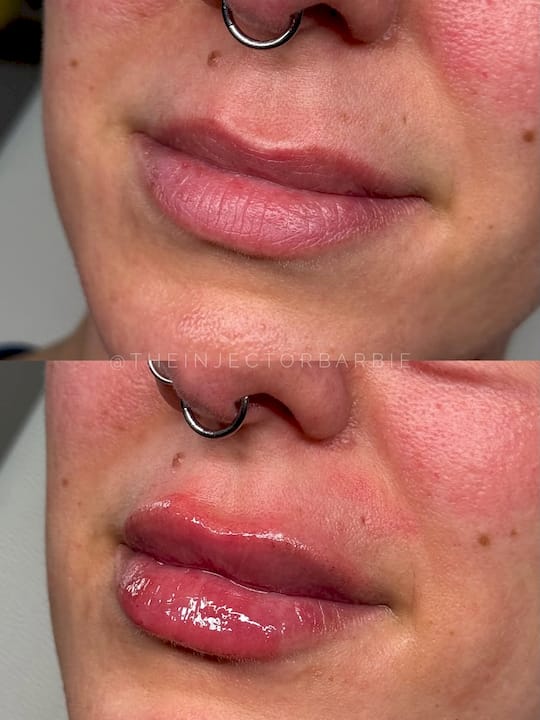
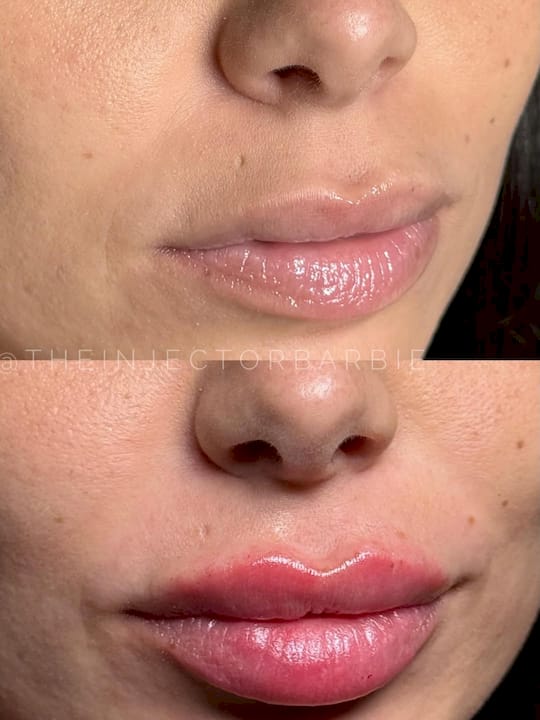
By week two, you’ll see your true results as residual swelling resolves and filler settles into its final position. The enhanced shape and volume should look natural and proportionate to your facial features. Colors return to normal, and texture feels soft and supple. At this point, you can accurately assess whether you’re satisfied or desire additional refinement during a follow-up appointment.
| Timeline | What to expect | Care focus |
|---|---|---|
| Days 1-2 | Peak swelling, tenderness | Ice application, rest, elevation |
| Days 3-7 | Swelling decreases, possible bruising | Gentle care, avoid irritants |
| Week 2 | Near-final results visible | Normal activities resume |
| Months 1-3 | Optimal appearance | Sun protection, hydration |
| Months 6-12 | Gradual filler metabolism | Consider touch-up timing |
Proper aftercare and maintenance extend results and keep lips looking natural. Most hyaluronic acid fillers last 6-12 months depending on the specific product, your metabolism, and lifestyle factors. Individuals with faster metabolisms or very active lifestyles may notice fading sooner. Conversely, those who protect their lips from sun damage and stay well-hydrated often enjoy longer-lasting results.
Maintenance strategies help you preserve your enhanced appearance:
-
Schedule touch-up appointments before complete filler dissolution to maintain consistent volume
-
Apply SPF lip balm daily to prevent sun damage and premature aging
-
Stay hydrated by drinking adequate water to support hyaluronic acid’s moisture-binding properties
-
Avoid smoking, which accelerates filler breakdown and causes premature lip lines
-
Use gentle, non-irritating lip products that won’t cause inflammation
Signs you may need a touch-up include gradual volume loss, return of fine lines, or asymmetry that wasn’t present initially. Most patients return every 6-9 months to maintain optimal results. Some choose to let fillers fade completely between treatments, while others prefer consistent enhancement through regular maintenance. Discuss your preferences with your provider to create a personalized treatment schedule. For ongoing care guidance, reference lip filler maintenance and aftercare resources that detail long-term best practices.
Explore expert lip augmentation services in Austin and San Antonio
Ready to achieve the fuller, youthful lips you’ve been envisioning? The Injection Room offers expert lip augmentation services tailored specifically for women in Austin and San Antonio. Our experienced practitioners specialize in creating natural-looking results that enhance your unique beauty without appearing overdone. During your comprehensive consultation, we’ll discuss your goals, assess your facial anatomy, and develop a customized treatment plan that delivers the confidence-boosting results you deserve.
Many clients combine lip augmentation with complementary treatments for comprehensive facial rejuvenation. Explore botox treatments in Austin or discover the best Botox in San Antonio to address fine lines and wrinkles while enhancing your lips. Our team provides detailed lip filler after care guidance to ensure optimal healing and long-lasting satisfaction. Schedule your consultation today to take the first step toward the beautiful, natural-looking lips that reflect your inner confidence.
FAQ
Is lip augmentation painful?
Most patients experience minimal discomfort during lip augmentation thanks to topical numbing cream applied before injections. Many modern fillers also contain lidocaine, which provides additional numbing from within. You may feel mild pressure or brief pinching sensations, but these are typically well-tolerated. The procedure is quick, usually completed within 15-30 minutes, minimizing any temporary discomfort.
How long do lip fillers last?
Most hyaluronic acid lip fillers last approximately 6-12 months depending on the specific product used and your individual metabolism. Factors like activity level, sun exposure, and natural metabolic rate influence longevity. Some patients notice gradual fading around the six-month mark, while others maintain results closer to a year. Following proper aftercare protocols and protecting your lips from excessive sun exposure can help extend filler duration. For detailed guidance on maximizing results, review lip filler longevity tips that outline best practices for maintenance.
Can I combine lip augmentation with other treatments?
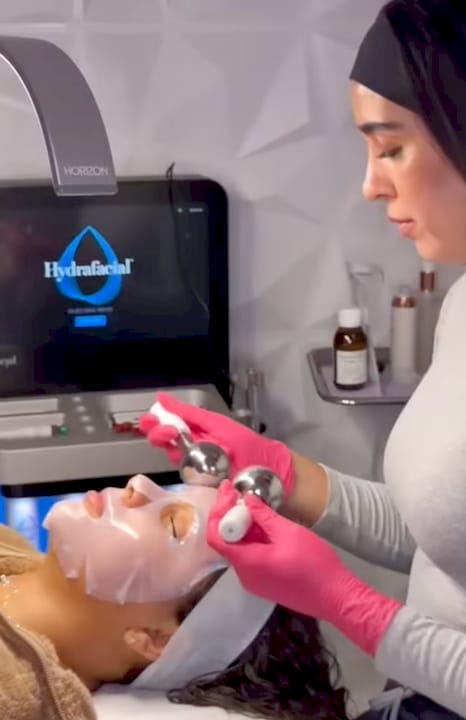
Lip augmentation combines safely and effectively with many other aesthetic treatments for comprehensive facial rejuvenation. Many women pair lip fillers with Botox to address both volume loss and dynamic wrinkles, creating balanced, youthful results. Treatments like microneedling, dermaplaning, and hydrafacials can be scheduled strategically around your lip augmentation to enhance overall skin quality. During your consultation, discuss your complete aesthetic goals so your provider can create a tailored treatment plan. Learn more about combining lip filler with Botox to maximize your rejuvenation results.
What are the risks of lip augmentation?
Lip augmentation carries minimal risks when performed by qualified professionals, but potential complications include temporary bruising, swelling, tenderness, and asymmetry. Rare but serious risks involve allergic reactions, infection, or vascular complications if filler is accidentally injected into a blood vessel. Choosing an experienced, licensed provider who understands facial anatomy significantly reduces these risks. Most side effects resolve within days to weeks without intervention. Always disclose your complete medical history and follow pre- and post-treatment instructions carefully to minimize complications and ensure optimal safety.
%20Pictures%20are%204%20weeks%20apart..jpg)