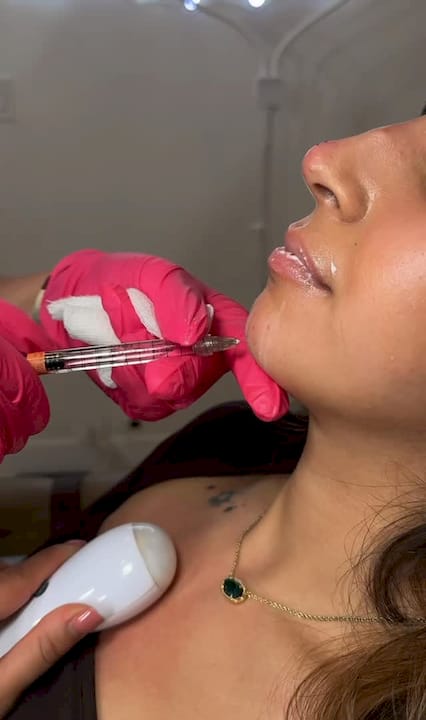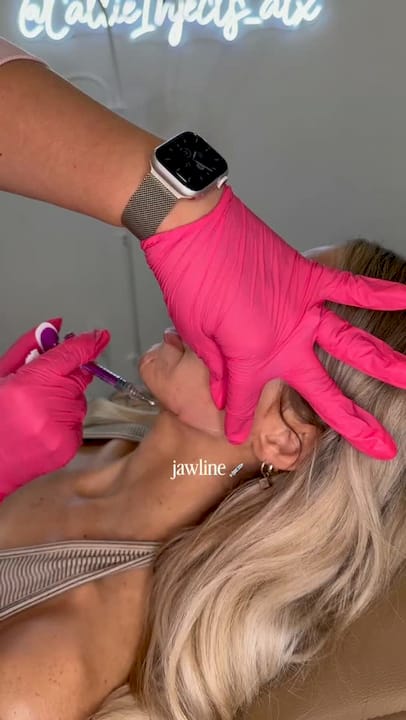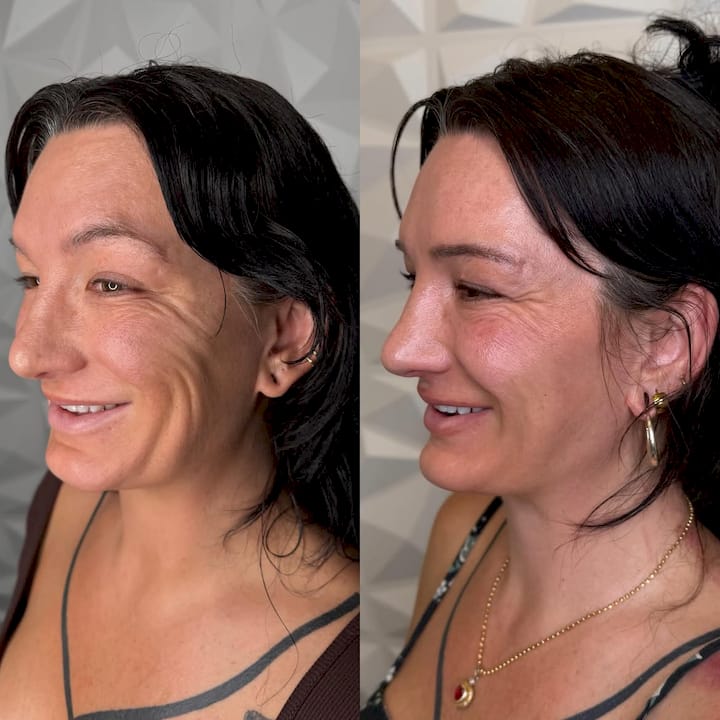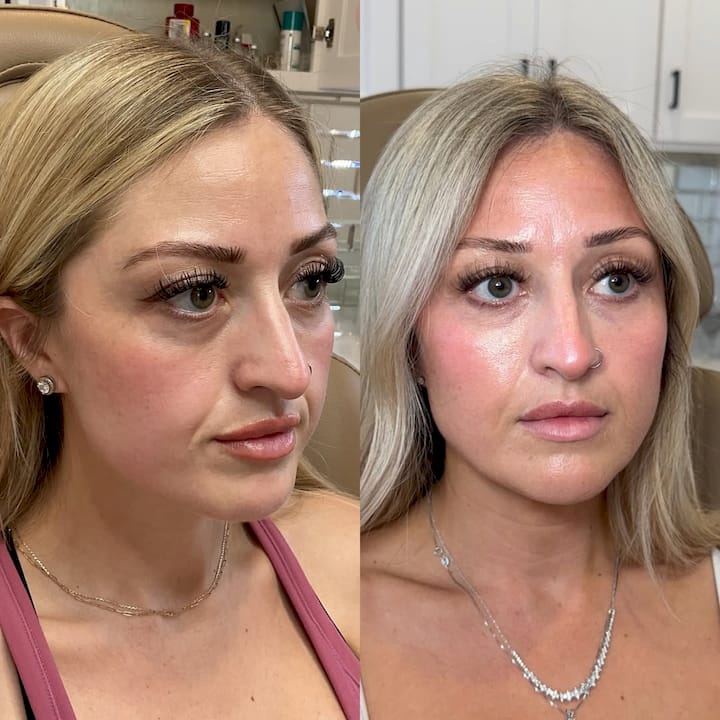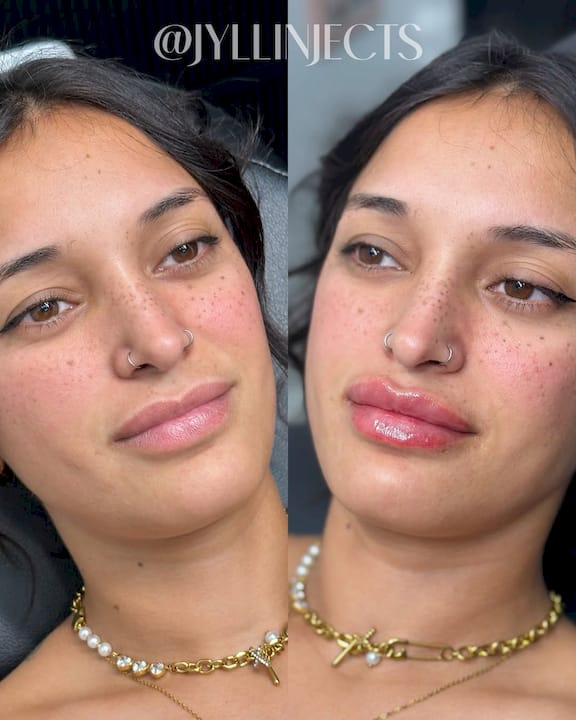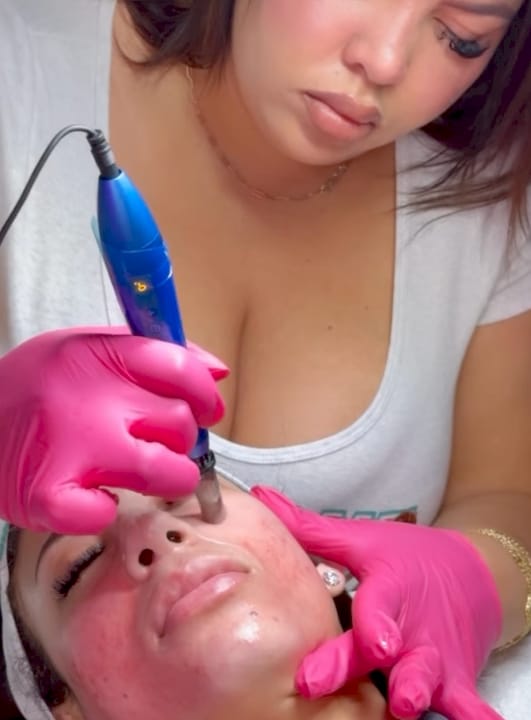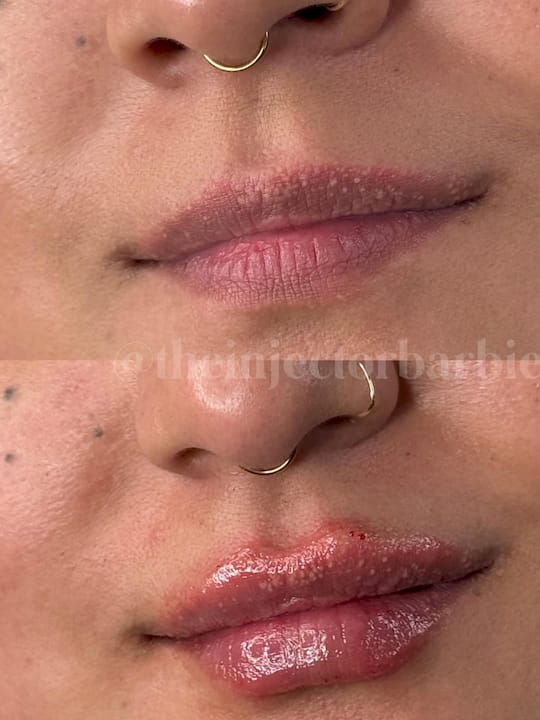
Face lines treatment is the clinical and cosmetic practice of reducing dynamic and static wrinkles through targeted procedures, topical agents, and lifestyle strategies tailored to your skin’s anatomy. The most effective approach combines professional neuromodulator injections, energy-based skin remodeling, and a consistent at-home routine built around retinoids and broad-spectrum sunscreen. Understanding which type of line you’re dealing with determines everything: muscle-driven dynamic wrinkles respond to botulinum toxin, while static lines and laxity require collagen-stimulating therapies. Explore injectable treatment options to see how personalization drives results.
How do botulinum toxin injections treat face lines?
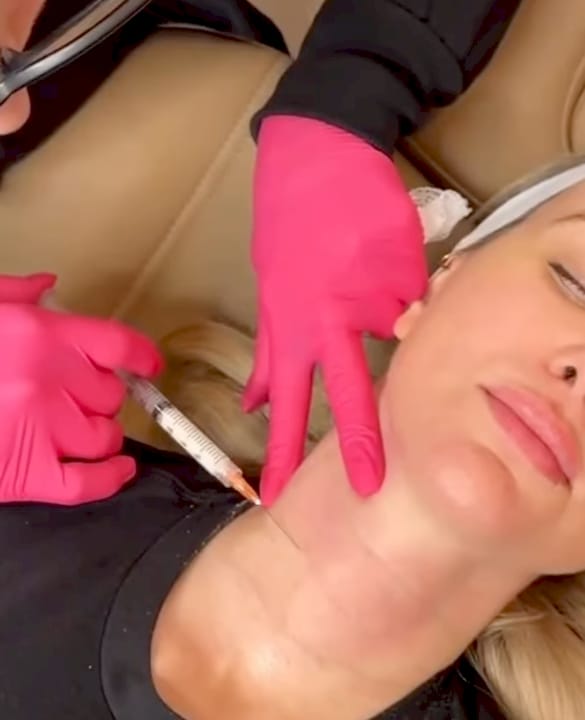
Botulinum toxin injections, commonly known by brand names like Botox, Dysport, Xeomin, and Letybo, work by temporarily blocking the nerve signals that trigger muscle contractions. Those contractions are what create dynamic wrinkles: forehead lines, crow’s feet, and frown lines between the brows. When the muscle relaxes, the overlying skin smooths out. This is the most widely used and clinically validated face lines treatment for expression-driven wrinkles.
Dosing is not one-size-fits-all. Customized botulinum toxin dosing for forehead lines ranges from 8 to 30 units of onabotulinumtoxinA or incobotulinumtoxinA, classified by muscle strength as 0.5 units (weak), 1 unit (moderate), or 2 units (intense) per injection point. That range reflects real anatomical differences between patients. A skilled injector assesses your muscle strength during contraction before placing a single needle.
The ONE21 technique, developed for personalized forehead treatment, maps injection points to individual muscle anatomy rather than applying a fixed grid. This approach reduces the risk of complications like eyebrow drooping, which occurs when injections are placed too close to the orbital rim. The rule of thumb: avoid injecting within 2 cm of the orbital rim, and always assess contraction patterns before committing to a dosing plan.
What should you realistically expect?
-
Full cosmetic effects develop over about 2 weeks after treatment, not immediately after the appointment.
-
Results typically last 3 to 4 months before muscle activity gradually returns.
-
Dynamic wrinkles respond faster and more dramatically than static ones.
-
Static wrinkles may require multiple sessions or combination therapies for visible improvement.
-
Side effects are rare when performed by a trained provider and include temporary bruising, mild swelling, or asymmetry.
“The goal isn’t a frozen face. It’s a face that moves naturally but doesn’t etch lines into the skin over time.” This is the standard every skilled injector works toward.
Pro Tip: Schedule your botulinum toxin appointment at least two weeks before any major event. The full effect won’t be visible at your follow-up the next day.
For deeper guidance on smoothing frown lines with neurotoxins, the anatomy-based approach consistently outperforms generic dosing protocols.
What non-surgical energy-based treatments improve skin laxity and wrinkles?
Not every line on your face comes from muscle movement. Static wrinkles, skin laxity, and textural changes result from collagen loss, sun damage, and the gradual thinning of the dermis. These require a different category of non-surgical face treatments: energy-based devices that stimulate the skin from within.
Monopolar radiofrequency (RF) is one of the most studied options for adults with mild to moderate laxity. A ligament-focused RF protocol applies 1,000 shots at up to 140 watts of energy, targeting facial retaining ligaments with 50% overlap between shots. This promotes collagen remodeling and fibrous septa contraction, producing a measurable tightening effect in adults aged 35 and older. Reapplication is recommended after 6 months for maintenance. Pain is minimal, and there is no downtime.
Red LED light therapy works differently. It penetrates the skin at specific wavelengths to stimulate fibroblasts, the cells responsible for producing collagen and elastin. Consistent red LED use reduces fine lines and improves skin texture over weeks of regular sessions. The recommended regimen is 3 to 5 sessions per week, 10 minutes per session, for 4 to 6 weeks. Not all at-home LED devices deliver clinically meaningful results. Look for FDA-cleared devices specifically.
Here is a side-by-side comparison of the two primary energy-based options:
| Treatment | Mechanism | Best for | Session frequency | Downtime |
|---|---|---|---|---|
| Monopolar radiofrequency | Collagen remodeling via ligament targeting | Mild to moderate laxity, static lines | Single session, repeat at 6 months | None |
| Red LED light therapy | Fibroblast stimulation at skin surface | Fine lines, texture, early aging | 3 to 5 times weekly for 4 to 6 weeks | None |
Combination treatments addressing multiple aging mechanisms yield better aesthetic outcomes than any single modality. Pairing botulinum toxin for dynamic lines with RF for laxity covers both categories of aging simultaneously. For a broader look at skin tightening protocols, the evidence consistently favors layered approaches over single-device treatments.
Pro Tip: If you’re considering at-home LED therapy, verify the device is FDA-cleared before purchasing. Consumer-grade devices vary widely in output, and underpowered units produce no measurable collagen response.
How to build an effective at-home skincare routine for face lines
Professional treatments produce the most dramatic results, but they work best when supported by a disciplined daily skincare routine. The right at-home regimen slows new wrinkle formation, extends the results of clinical procedures, and improves overall skin quality between appointments.
Retinoids are the most evidence-backed topical ingredient for anti-aging skincare. Topical retinoids reduce wrinkles by accelerating cellular turnover and reversing sun-induced damage at the dermal level. Prescription-strength tretinoin produces the strongest results, but over-the-counter retinol formulations from brands like RoC, Neutrogena, and Olay Regenerist are effective starting points for those new to retinoids. Start with a low concentration two to three nights per week to minimize irritation, then increase frequency as your skin adapts.
Sunscreen is non-negotiable. Daily broad-spectrum sunscreen protects against both UVA and UVB radiation, the primary drivers of photoaging and collagen breakdown. SPF 30 is the clinical minimum; SPF 50 is preferred for daily outdoor exposure. Applying sunscreen after botulinum toxin or RF treatments is especially critical, since treated skin is more vulnerable to UV damage during the recovery window.
Beyond retinoids and sunscreen, these ingredients have meaningful supporting evidence:
-
Peptides signal fibroblasts to produce more collagen, complementing the structural work of retinoids.
-
Vitamin C (L-ascorbic acid, 10 to 20% concentration) neutralizes free radicals and brightens uneven skin tone caused by sun exposure.
-
Hyaluronic acid draws moisture into the skin, temporarily plumping fine lines and supporting the skin barrier.
-
Antioxidants like niacinamide and resveratrol reduce oxidative stress that accelerates visible aging.
For natural remedies, facial massage with tools like a gua sha stone or jade roller improves lymphatic drainage and temporarily reduces puffiness, which makes lines appear less pronounced. The evidence for permanent wrinkle reduction from massage alone is limited, but as a complement to topical products, it improves absorption and circulation. Skincare lines like M3 Naturals offer formulations designed to support this kind of daily care routine.
Which face lines treatment suits your skin type, age, and wrinkle type?
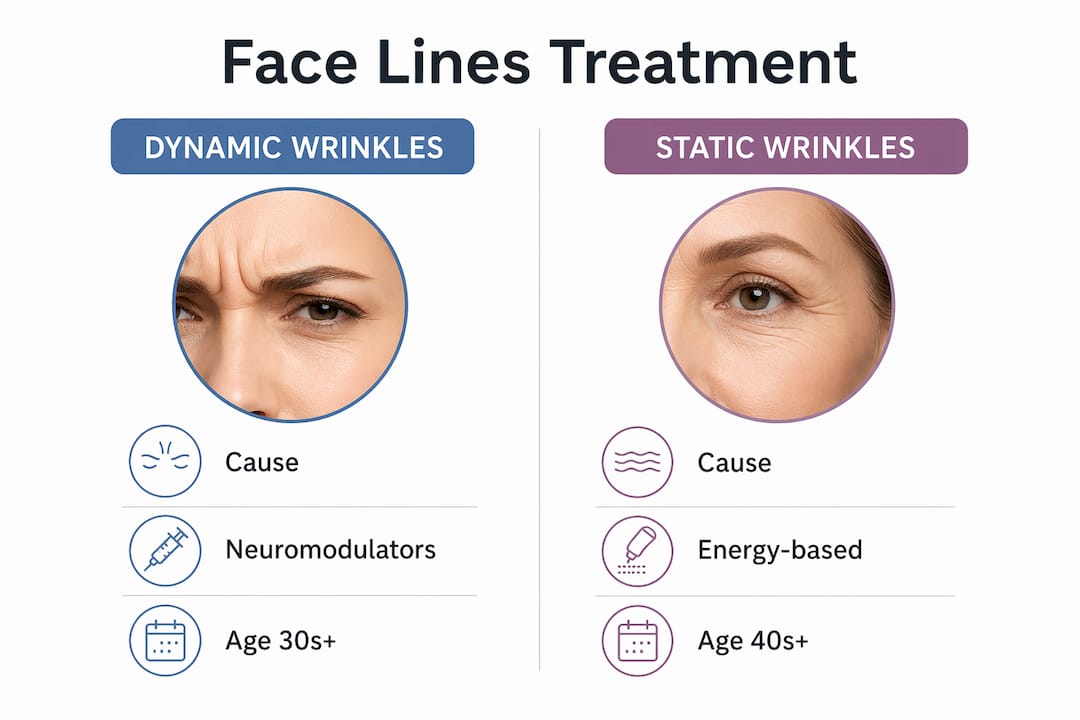
Choosing the right treatment starts with correctly identifying what you are treating. The two categories of facial wrinkles require fundamentally different approaches, and mixing them up wastes both time and money.
| Wrinkle type | Cause | Best treatment options | Typical age of onset |
|---|---|---|---|
| Dynamic wrinkles | Repeated muscle contractions | Botulinum toxin (Botox, Dysport, Xeomin) | Mid-30s to 40s |
| Static wrinkles | Collagen loss, sun damage, gravity | RF, microneedling, retinoids, fillers | Late 30s to 50s+ |
| Mixed presentation | Both muscle activity and volume loss | Combination: neuromodulators plus energy devices | 45 to 65 |
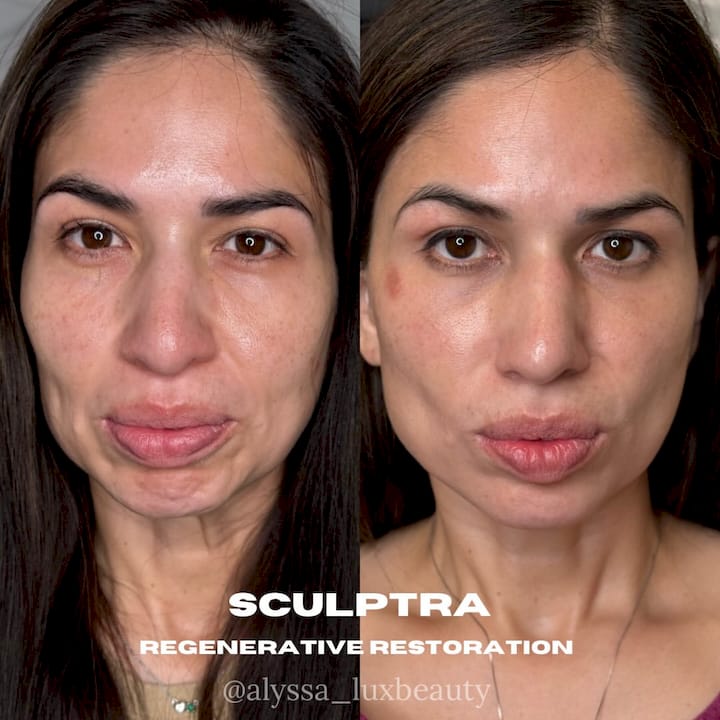
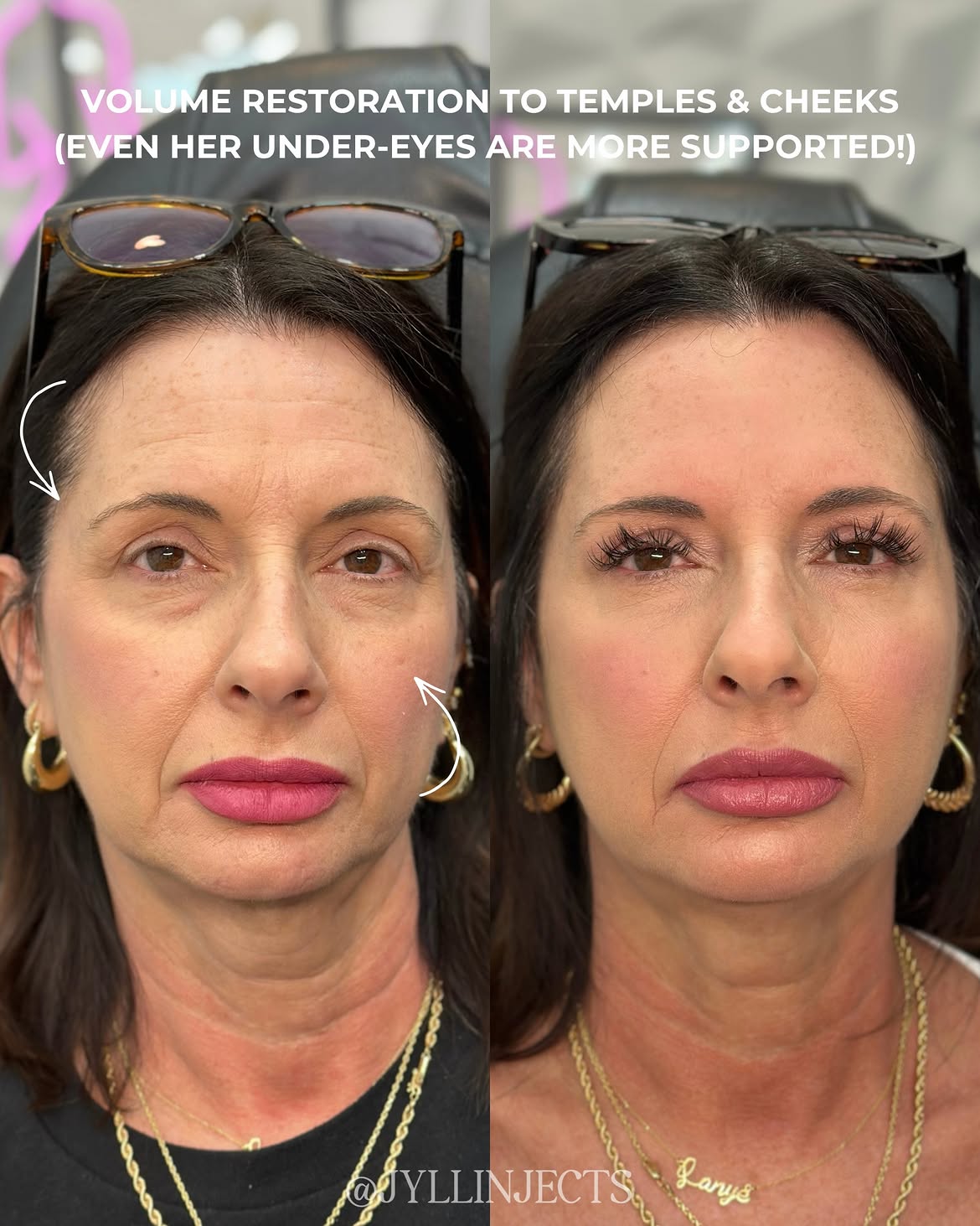
Age and skin laxity also shape the treatment decision. Adults in their 30s with early dynamic lines typically respond well to low-dose botulinum toxin alone. Adults in their 40s and 50s often present with a mixed picture: active muscle-driven lines plus early laxity and static creasing. This group benefits most from combination therapy. Adults 55 and older may also benefit from dermal fillers, PDO threads, or Sculptra to address volume loss alongside wrinkle reduction.
Personalizing botulinum toxin based on muscle anatomy and contraction patterns improves both safety and aesthetic outcomes. The same principle applies to every treatment category: a plan built around your specific anatomy, skin condition, and goals will always outperform a generic protocol. Professional consultation is not optional for injection and energy-based treatments. It is the step that separates a result you love from one you regret.
For those dealing specifically with smile lines, the treatment logic follows the same framework. Explore what works for smile lines to understand how injectable and topical options apply to that area specifically.
Key takeaways
The most effective face lines treatment combines personalized botulinum toxin injections for dynamic wrinkles with energy-based therapies for laxity, supported by daily retinoid use and broad-spectrum sunscreen.
| Point | Details |
|---|---|
| Match treatment to wrinkle type | Dynamic lines need neuromodulators; static lines and laxity need RF, microneedling, or fillers. |
| Botulinum toxin requires patience | Full results develop over 2 weeks and last 3 to 4 months; dosing must be customized per anatomy. |
| Energy devices target collagen loss | Monopolar RF and red LED therapy rebuild collagen and tighten skin without surgery or downtime. |
| Retinoids and sunscreen are foundational | Daily use of both prevents new wrinkle formation and extends the results of clinical treatments. |
| Combination approaches win | Treating multiple aging mechanisms simultaneously produces better, longer-lasting outcomes. |
What I’ve learned from watching patients skip the fundamentals
I have seen patients invest in premium botulinum toxin sessions and walk out looking genuinely refreshed, only to return six months later with lines that look deeper than before their first appointment. The culprit is almost always the same: no sunscreen, no retinoid, no consistent home routine. Professional treatments are not a substitute for daily skin maintenance. They are an accelerant on top of it.
The other pattern I see constantly is patients chasing a single solution. Someone reads about monopolar RF and decides that is the answer to everything. Or they commit to botulinum toxin but ignore the static lines forming around their mouth. The reality is that faces age through multiple mechanisms at once, and the best outcomes come from addressing more than one of them. A neuromodulator handles the muscle-driven lines. An energy device handles the laxity. A retinoid handles the slow cellular turnover that makes skin look dull and creased even at rest.
What I tell every patient: the consultation is where the real work happens. Not the injection. Not the device session. The conversation where a skilled provider looks at your face, assesses your muscle strength, identifies your wrinkle types, and builds a plan specific to your anatomy. Cookie-cutter protocols produce cookie-cutter results. Anatomy-based treatment produces results that look like you, only rested and refreshed.
Sun protection is the one thing I would never compromise on, regardless of budget or treatment schedule. UV radiation is the single largest accelerant of facial aging outside of genetics. Every treatment you invest in gets undermined by unprotected sun exposure. SPF 50, every morning, rain or shine.
— Marina
Discover personalized face lines treatments at Theinjectionroom
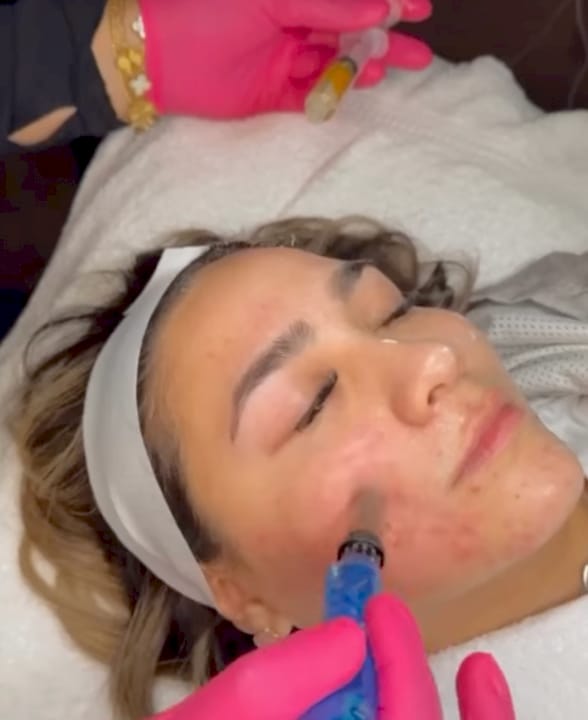
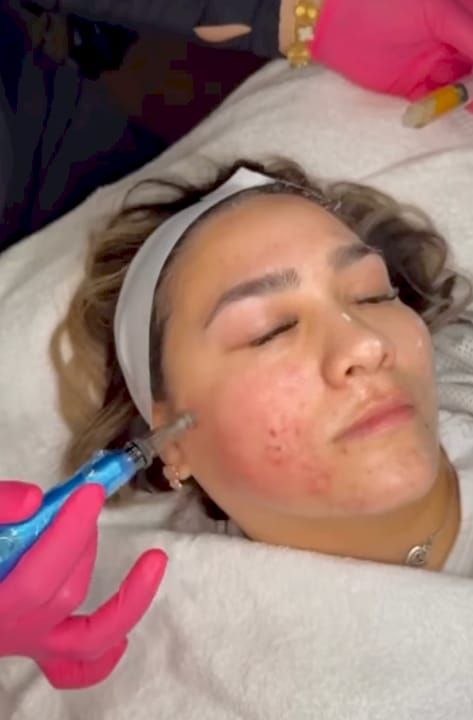
Theinjectionroom offers expert botulinum toxin treatments in San Antonio and Austin, TX, with dosing and injection points tailored to your muscle anatomy and wrinkle type. Whether you’re addressing early forehead lines or a more complex mixed presentation, the team builds individualized plans that combine neuromodulators with complementary services like microneedling for collagen rejuvenation. Every consultation focuses on your specific anatomy, not a standard protocol. If you’re ready to address face lines with treatments backed by clinical evidence and delivered by skilled providers, visit Theinjectionroom to schedule your consultation in San Antonio or Austin.
FAQ
What is the difference between dynamic and static face lines?
Dynamic lines form from repeated muscle contractions, like squinting or frowning, and respond well to botulinum toxin. Static lines are present even at rest and result from collagen loss and sun damage, requiring energy-based or topical treatments.
How long does botulinum toxin last for face lines?
Botulinum toxin effects fully develop in about 2 weeks and typically last 3 to 4 months. Regular maintenance appointments sustain results over time.
Can at-home skincare actually reduce face lines?
Yes, but within limits. Retinoids and broad-spectrum sunscreen are clinically proven to reduce wrinkle depth and prevent new lines. They work best as a complement to professional treatments, not a replacement.
Is radiofrequency safe for all skin types?
Monopolar radiofrequency is generally safe for adults with mild to moderate laxity, with minimal pain and no downtime. A professional assessment is required to confirm suitability, particularly for those with certain skin conditions or implanted devices.
How do I know which face lines treatment is right for me?
A consultation with a qualified provider is the only reliable way to match treatment to your wrinkle type, skin condition, and anatomy. Self-diagnosing wrinkle type and selecting treatments without professional input is the most common reason people are disappointed with their results.


%20Pictures%20are%204%20weeks%20apart..jpg)