TL;DR:
Botox relaxes muscles to treat dynamic wrinkles, while fillers restore volume and shape static lines.
Fillers last longer (6-24 months) and are reversible with hyaluronidase, unlike Botox which fades naturally.
Success depends on skilled providers, clear communication, and matching treatments to individual goals.
Most women have heard of Botox and fillers, yet a surprising number use the terms interchangeably, as if they were the same thing in different packaging. They are not. One relaxes muscles to smooth motion-related lines, the other restores lost volume to reshape and lift. Getting this distinction wrong can mean spending money on the wrong treatment, feeling disappointed with results, or missing out on something that could genuinely transform how you look and feel. This guide breaks down exactly how each works, who benefits most, and what every woman in San Antonio and Austin should know before booking an appointment.
Table of Contents
-
Understanding Botox and fillers: What they are and how they work
-
Key differences: Comparing effectiveness, longevity, and safety
-
Who should choose Botox or fillers? Age, goals, and customization
-
Reversibility, risks, and expert myths: What most people miss
-
Our perspective: What actually matters when choosing Botox or fillers
-
Explore advanced Botox and filler treatments in San Antonio & Austin
Key Takeaways
| Point | Details |
|---|---|
| Botox vs fillers | Botox relaxes muscles to smooth dynamic wrinkles, while fillers restore lost volume and contour the face. |
| Safety first | Both treatments are safe when performed by experienced professionals, with most side effects being mild and temporary. |
| Matching treatment to needs | Choosing the right solution depends on your age, skin goals, and whether you have dynamic lines or volume loss. |
| Reversibility differences | Fillers (hyaluronic acid) can be reversed; Botox fades on its own but cannot be dissolved. |
Understanding Botox and fillers: What they are and how they work
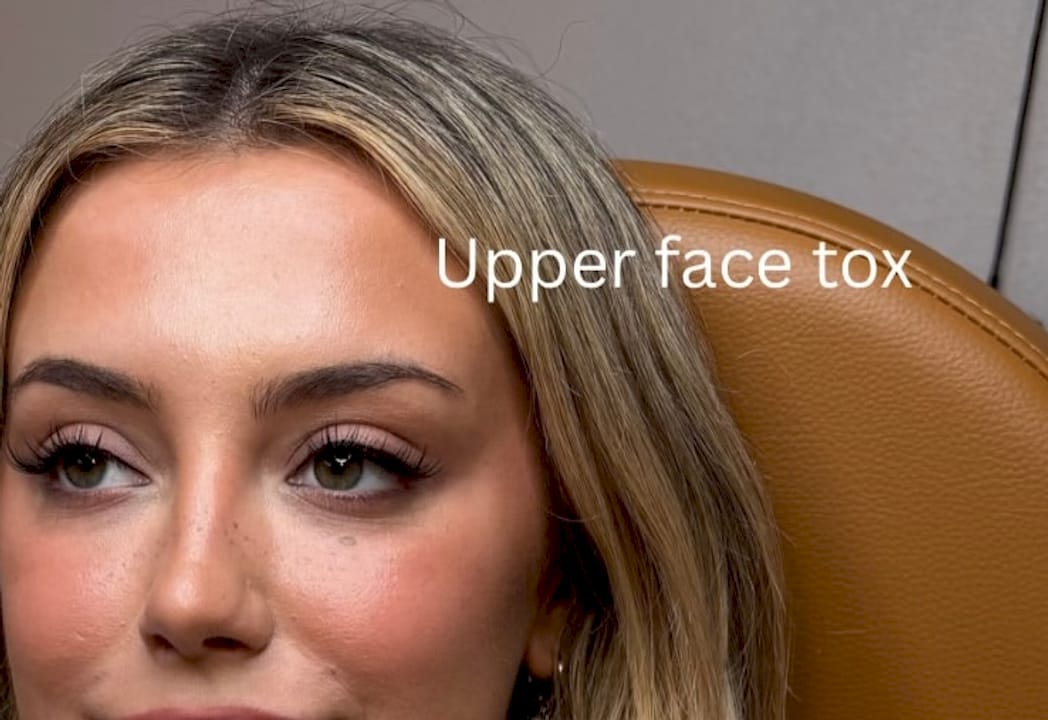
Botox is a purified form of botulinum toxin type A, commonly called BoNT-A. When injected into a specific muscle, it temporarily blocks the nerve signal that tells that muscle to contract. The result? The overlying skin stops creasing with every smile, squint, or frown. This makes Botox ideal for what are called dynamic wrinkles, the lines that appear only when your face is moving, like crow’s feet around the eyes, forehead lines, and the “11s” between your brows.
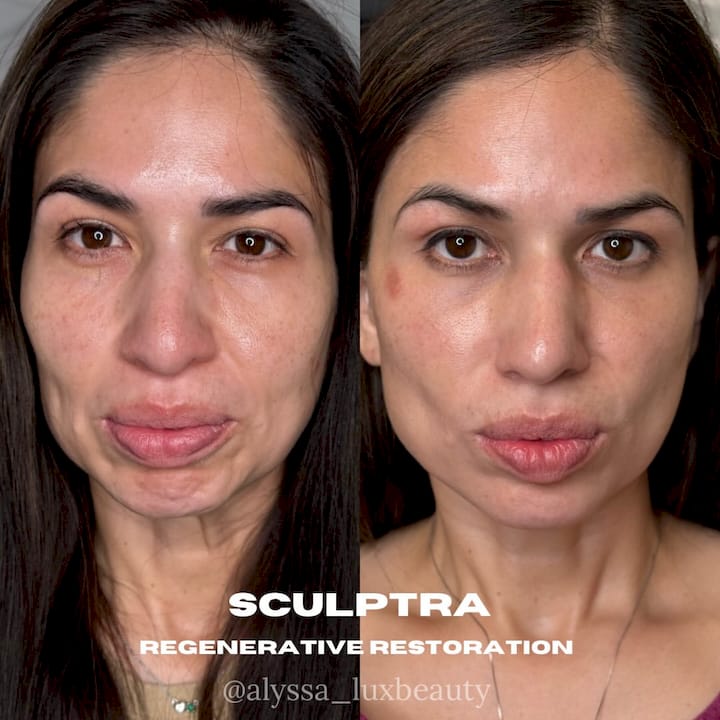
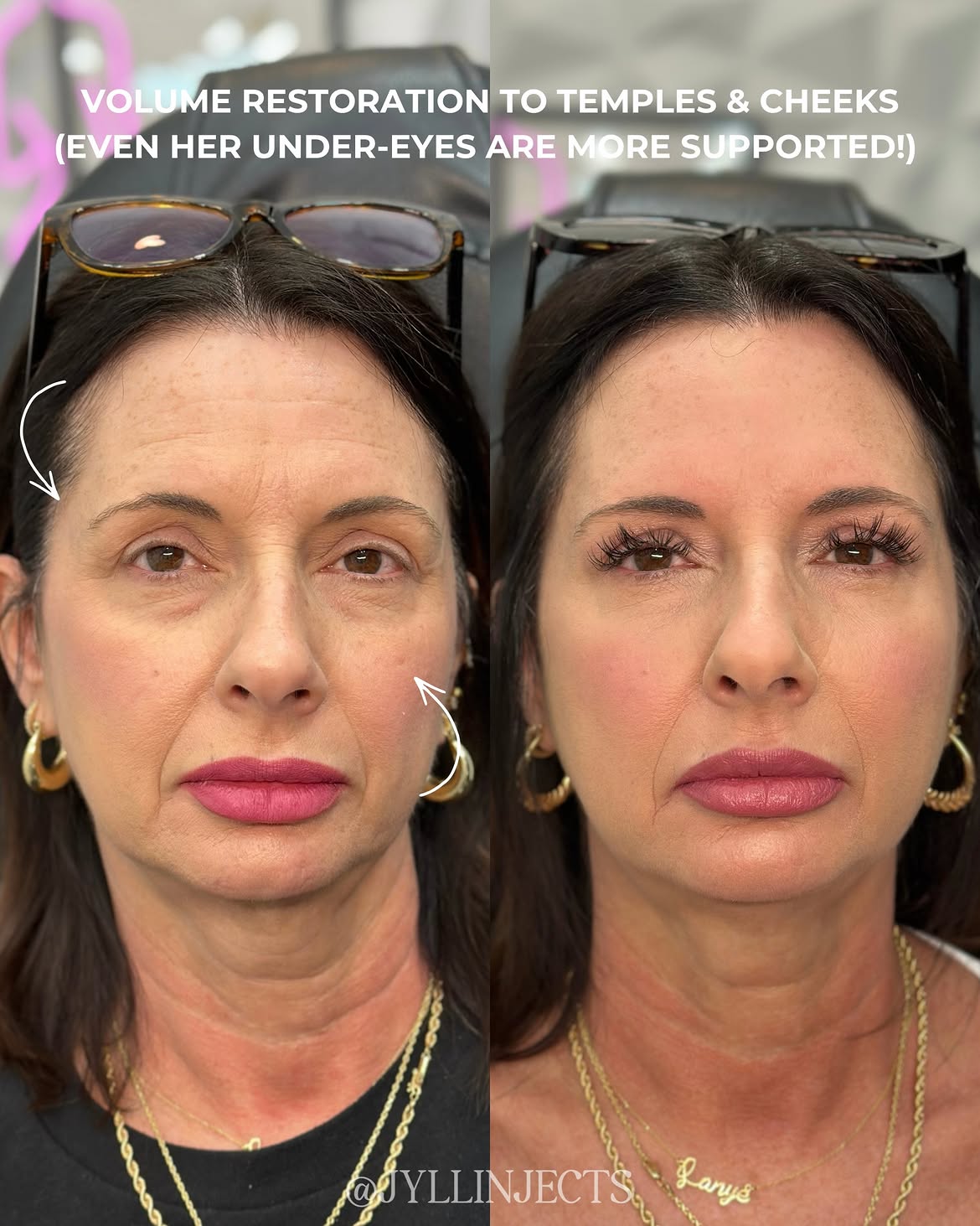
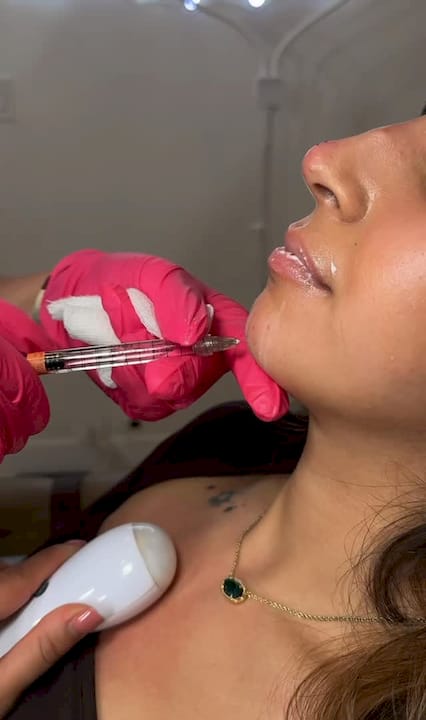
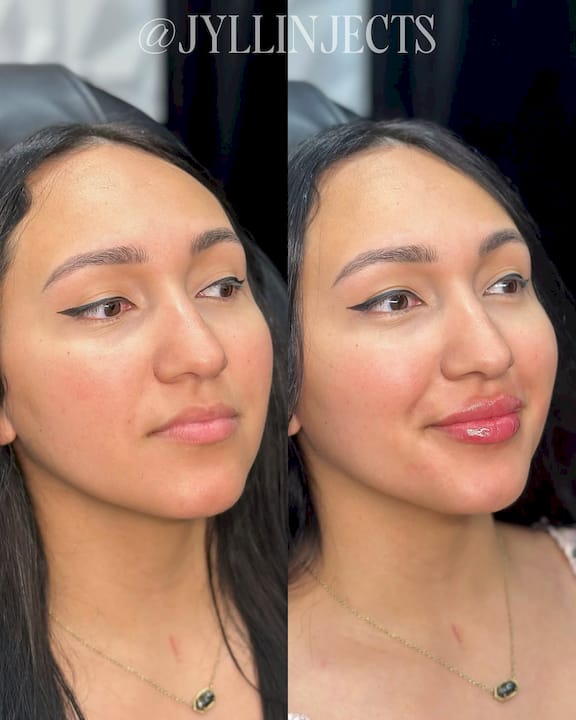
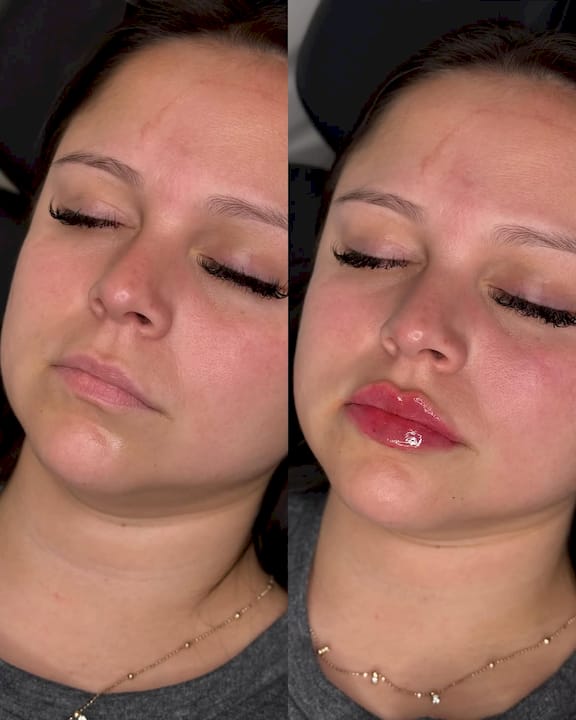
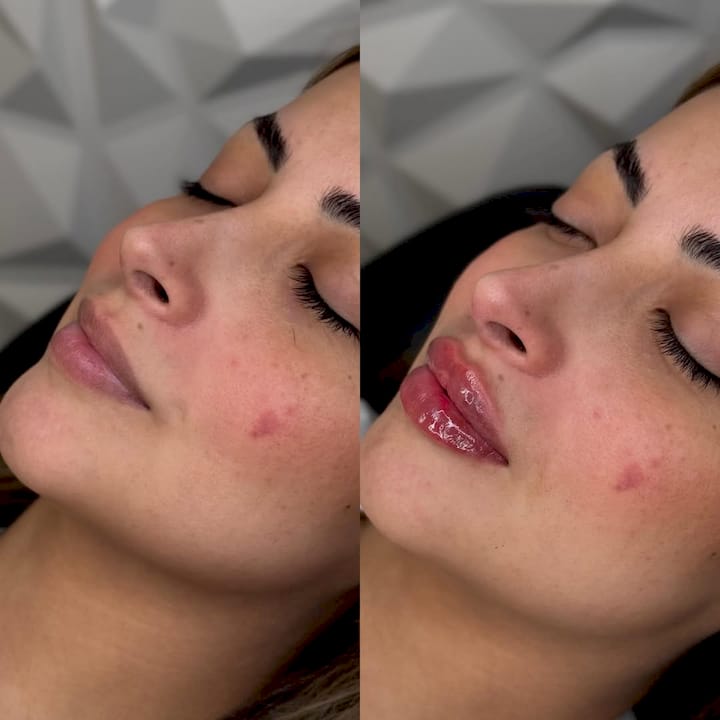
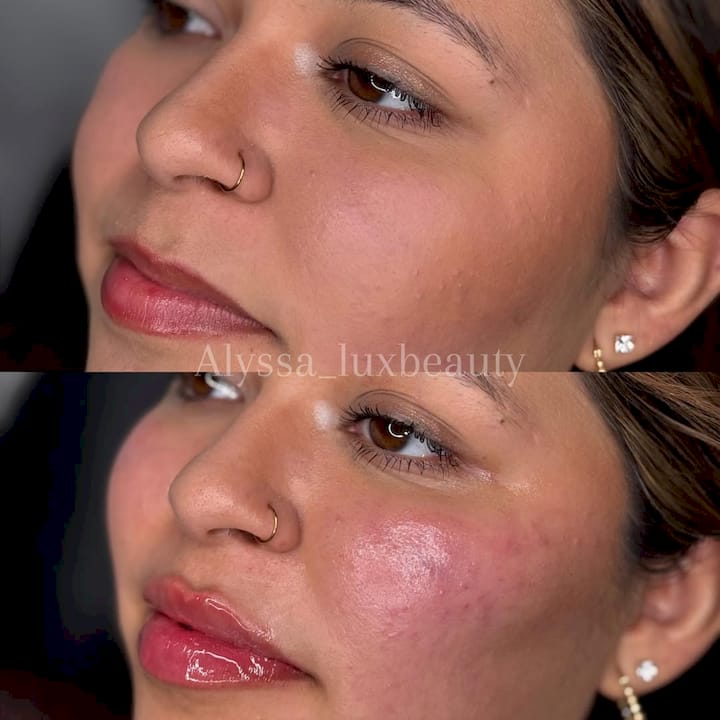
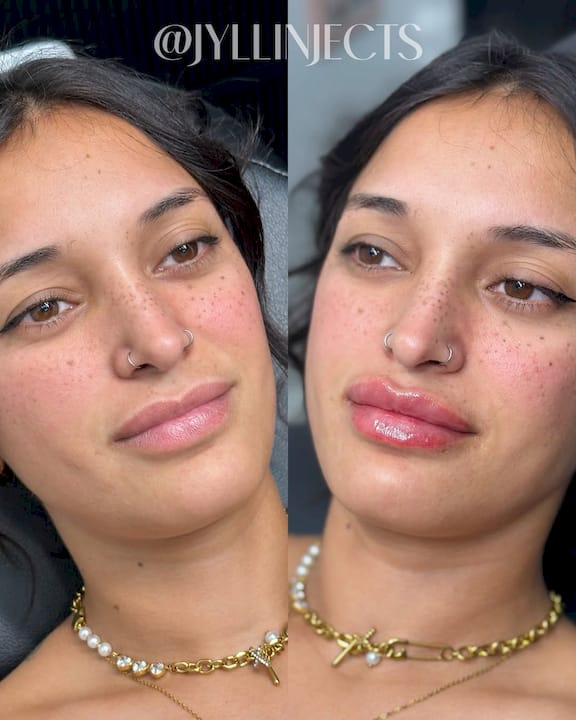
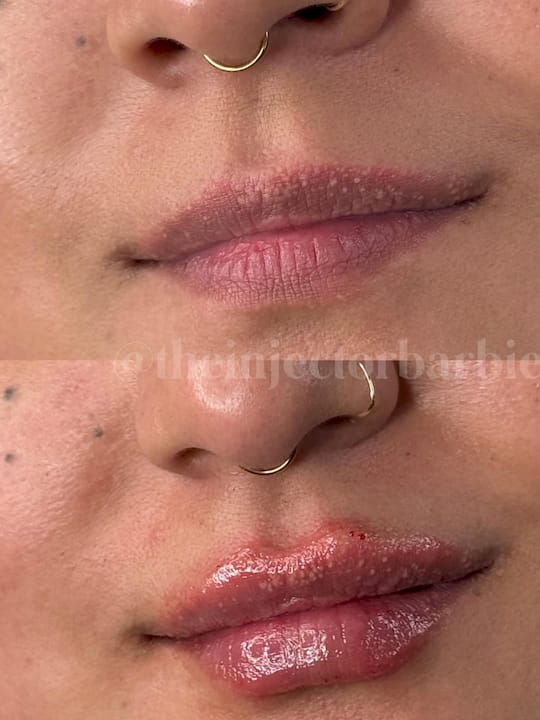
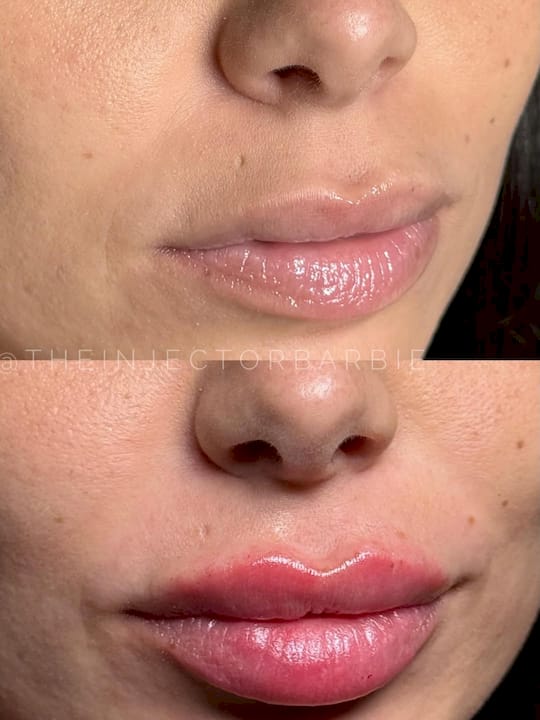
Dermal fillers work on a completely different principle. Most are made from hyaluronic acid (HA), a sugar molecule your body naturally produces that holds water and keeps skin plump. When injected, HA fillers physically fill in space beneath the skin, adding volume, lifting contours, and smoothing static lines, the ones you see even when your face is completely at rest. Beyond HA, options like Sculptra stimulate your own collagen over time for a gradual, natural-looking result.
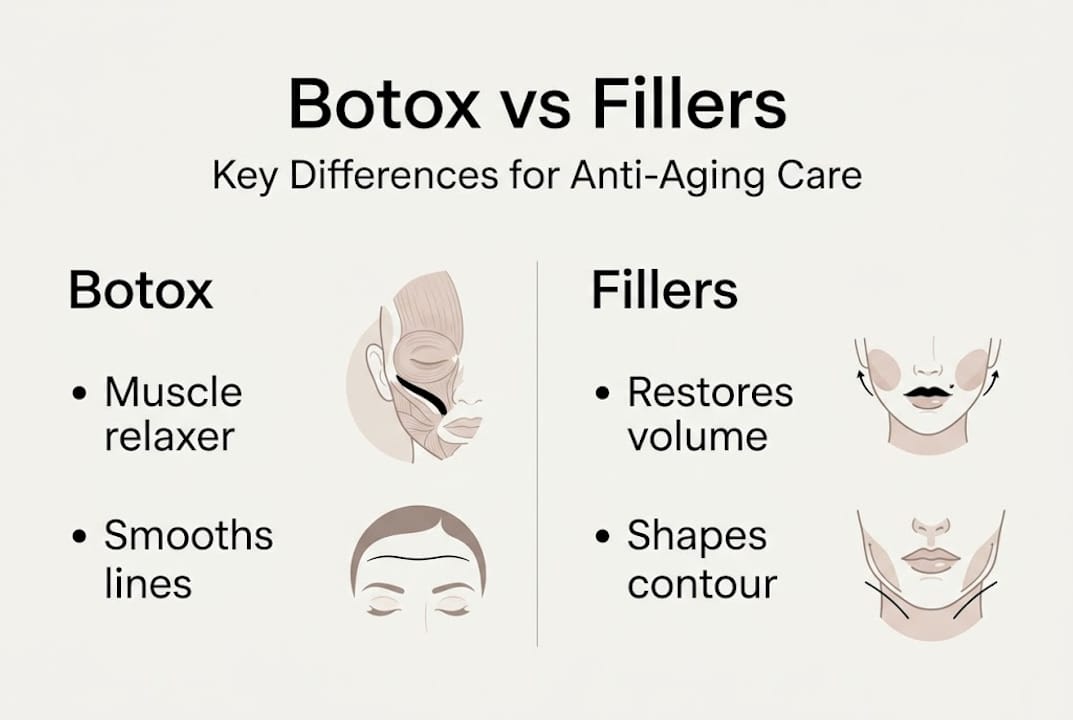
Here is a quick look at how the two treatments compare at a glance:
| Feature | Botox (BoNT-A) | Dermal fillers |
|---|---|---|
| Mechanism | Relaxes muscles | Restores volume |
| Best for | Dynamic wrinkles | Static lines, volume loss |
| Common areas | Forehead, crow’s feet, frown lines | Lips, cheeks, nasolabial folds, chin |
| Onset | 3-7 days | Immediate |
| Duration | 3-6 months | 6-24 months |
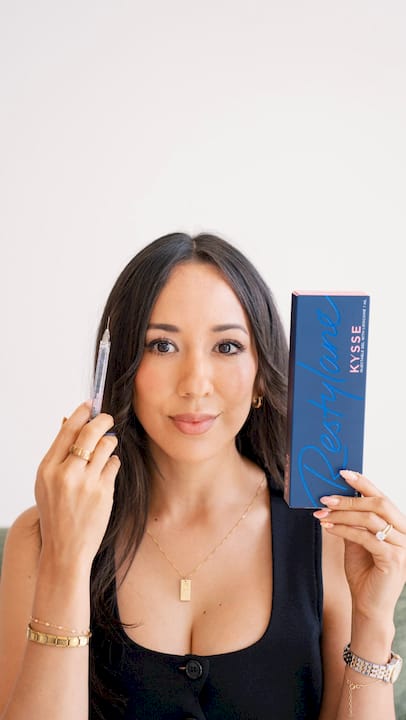
As the injectables overview on our site explains, understanding which product targets which concern is the foundation of every successful treatment plan. For a deeper look at specific filler products, Restylane fillers offer a great example of how different formulations target different areas.
Common uses at a glance:
-
Botox: Forehead lines, crow’s feet, frown lines (glabellar lines), brow lift, lip flip, tech neck lines
-
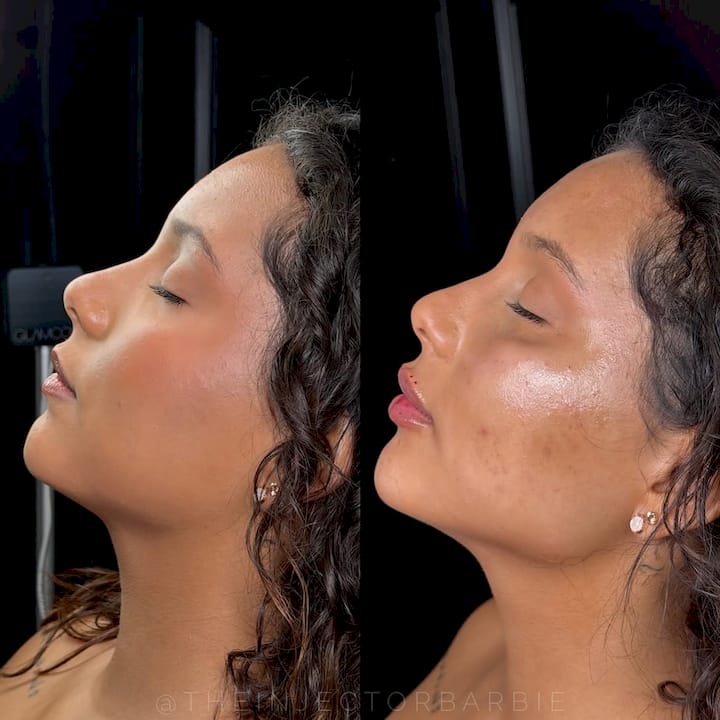
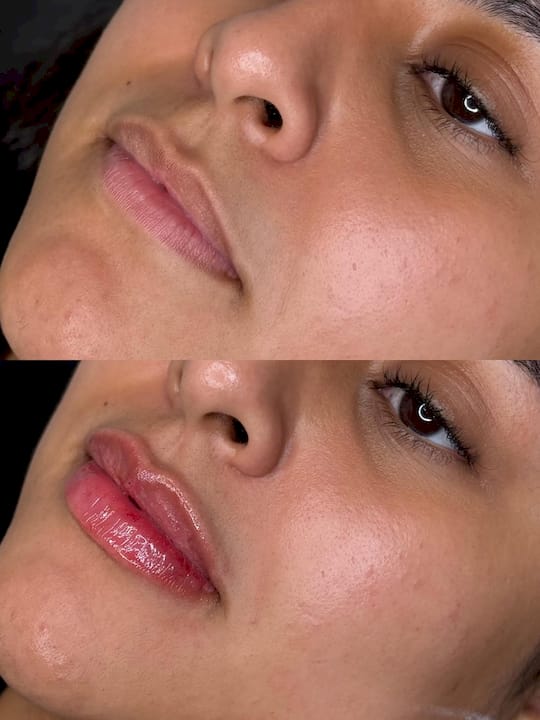
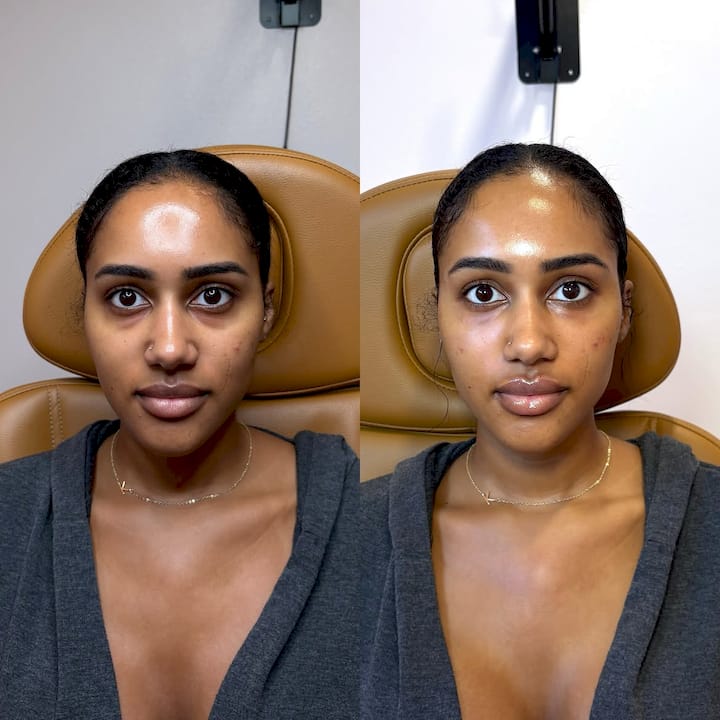
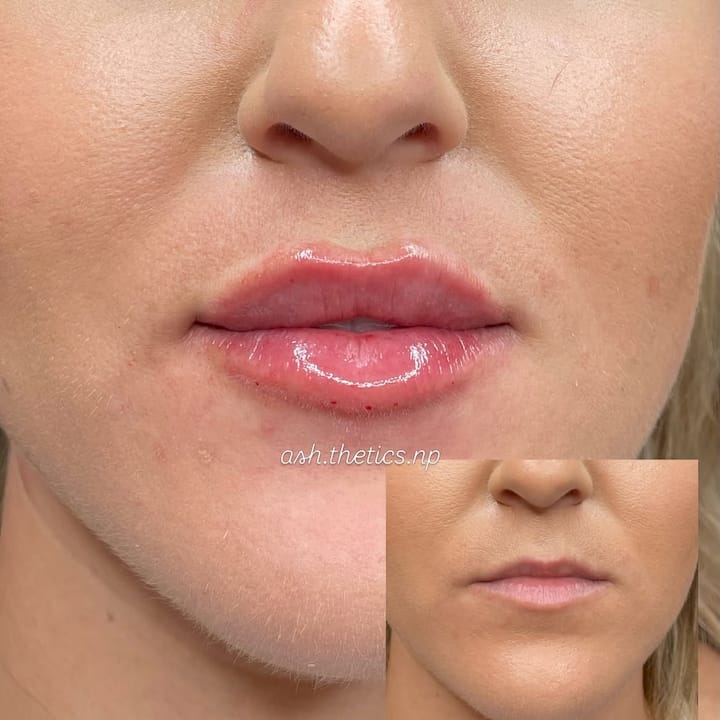
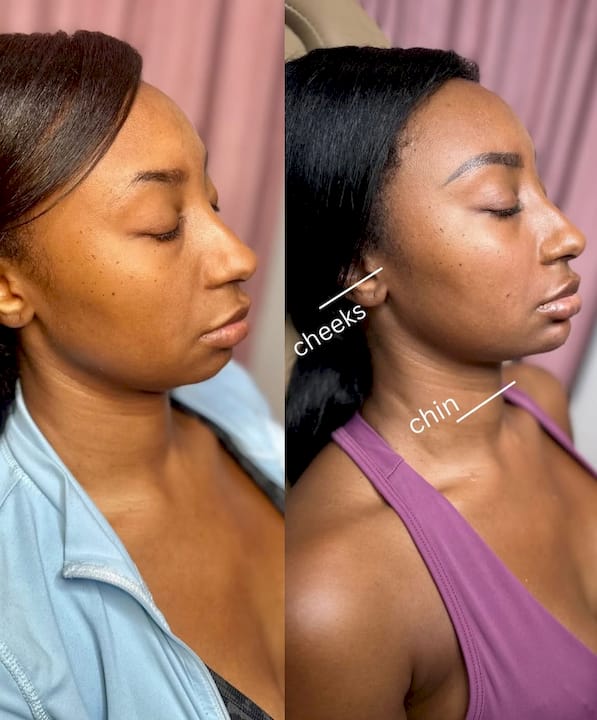
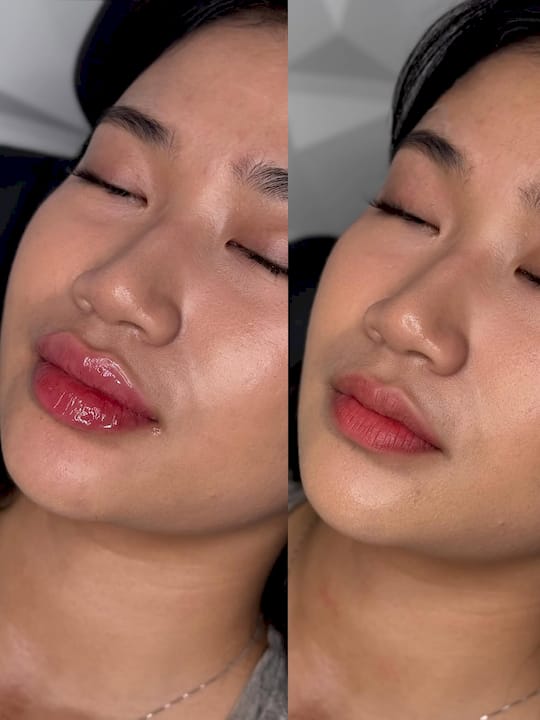
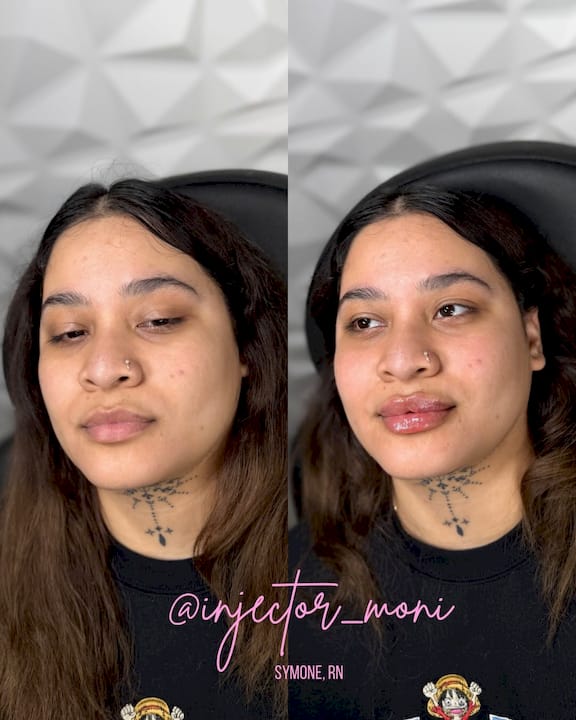
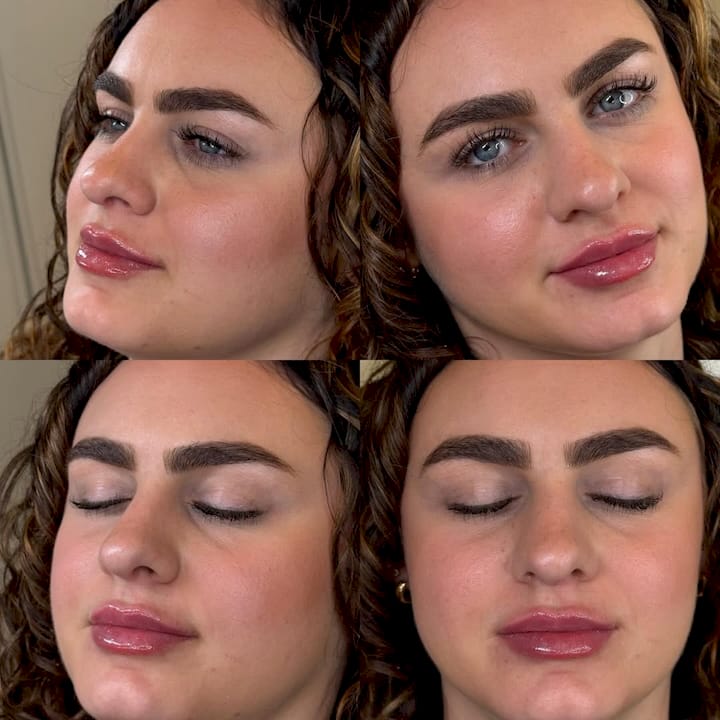
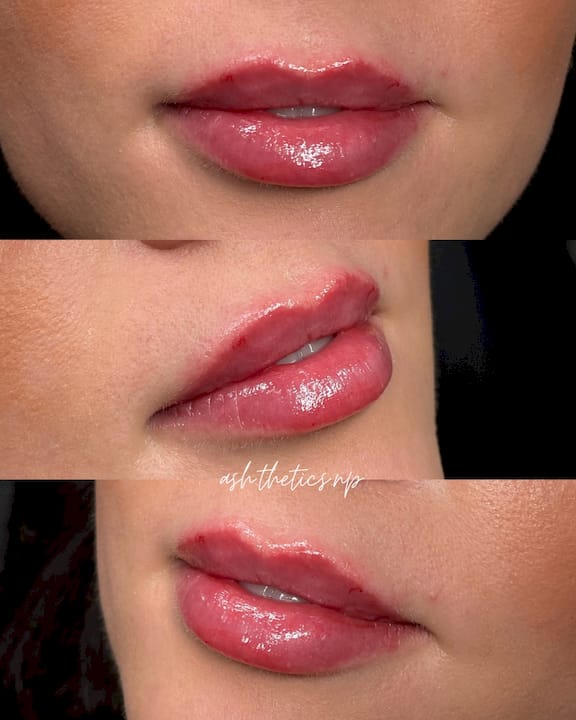
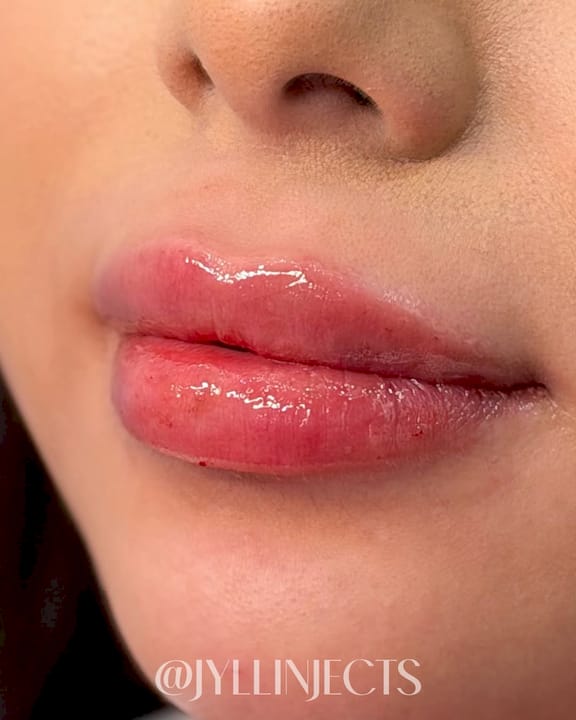
Fillers: Lip augmentation, cheek volume, nasolabial folds, chin projection, non-surgical nose job, under-eye hollows
Pro Tip: Start Botox in your early 30s to prevent dynamic lines from becoming permanent. Use fillers later to address volume loss that naturally accelerates in your 40s and 50s. As Botox targets dynamic wrinkles while fillers correct volume loss, matching the right tool to the right problem is everything.
Key differences: Comparing effectiveness, longevity, and safety
With the basics clear, let’s highlight what truly sets Botox and fillers apart in real-world results and safety.
Botox is precise and predictable for the right candidate. If your main concern is a forehead that looks lined even in photos, or eyes surrounded by fine crinkles, Botox delivers visible smoothing within a week. Fillers, on the other hand, create an immediate visual change. You leave the appointment with fuller lips or lifted cheeks the same day.
“Both Botox and fillers are considered safe if provided by experienced injectors.”
Longevity is one of the biggest practical differences. Botox typically lasts 3 to 6 months before the muscle gradually regains movement. Fillers last considerably longer, anywhere from 6 to 18 months for most HA products, and some formulations in areas with less movement can last up to 24 months. Fillers outlast Botox in duration, which affects how you plan your maintenance schedule and budget.
| Factor | Botox | Fillers |
|---|---|---|
| Duration | 3-6 months | 6-24 months |
| Reversible? | No (fades naturally) | Yes (HA types) |
| Main risk | Ptosis (drooping) | Bruising, vascular occlusion |
| Downtime | Minimal | Minimal to mild swelling |
| Results timing | 3-7 days | Immediate |
Safety is a shared strength of both treatments when performed correctly. Common side effects for Botox include temporary bruising and occasional headache, while fillers may cause swelling and bruising at the injection site. Serious complications like vascular occlusion (where filler blocks a blood vessel) are rare but real, which is exactly why provider skill matters so much.
Key considerations before choosing:
-
If your concern is movement-related lines, Botox is your primary tool
-
If you have lost facial volume or want structural enhancement, fillers are the answer
-
If you want to address both, combining treatments is a well-established, effective strategy
-
For personalized guidance, choosing Botox or fillers depends on your specific anatomy and goals
Who should choose Botox or fillers? Age, goals, and customization
Having seen how Botox and fillers compare, it’s important to understand who benefits most from each solution.
Age plays a significant role in treatment planning, though it is not a rigid rule. Women in their 30s and early 40s tend to benefit most from Botox as a preventive measure. The idea is simple: if the muscle never fully contracts, the crease never deepens into a permanent line. Once you reach your mid-40s through your 60s, volume loss becomes the dominant concern. Cheeks flatten, lips thin, and the jawline softens. This is where fillers do their most meaningful work.
Clinical data reinforces this pattern. Older patients over 50 tend to need higher doses of BoNT-A and prefer fillers for restoring lips and cheeks. In fact, the average BoNT-A dose used in women is approximately 55.3 units, and this number increases with age as muscle activity patterns shift.
Here is a simple three-step framework to help you self-assess:
-
Identify your main concern. Are you bothered by lines that appear when you move your face, or by areas that look flat, hollow, or deflated at rest?
-
Consider your age and skin quality. Thinner, more mature skin responds differently to fillers than younger skin. Your provider should assess skin laxity, bone structure, and fat pad position.
-
Discuss your goals with your provider. Be specific. Bring photos of results you admire. The more clearly you communicate, the more precisely your treatment can be customized.
Pro Tip: Less is genuinely more with fillers, especially in the lips and cheeks. Overfilling creates the “pillow face” look that most women are trying to avoid. A skilled injector will often recommend starting conservatively and building gradually. For natural-looking results, lip fillers guidance and step-by-step filler tips are excellent resources to review before your appointment.
Reversibility, risks, and expert myths: What most people miss
Lastly, let’s address the most misunderstood aspects of these treatments with expert-backed insights.
One of the most reassuring facts about HA fillers is that they can be dissolved. An enzyme called hyaluronidase breaks down hyaluronic acid quickly, meaning if you dislike your results or a complication arises, there is a real solution. HA fillers are reversible while Botox fades naturally over months but cannot be reversed on demand. Knowing this changes how you think about risk.
Another common concern is whether prior filler treatments complicate future surgical options. The good news: prior fillers rarely interfere with later surgical procedures, and most surgeons simply dissolve any remaining product beforehand if needed.
Let’s clear up the most persistent myths:
-
Myth: Botox is toxic and dangerous. Fact: The doses used in cosmetic treatments are tiny and well within established safety margins.
-
Myth: Fillers always look fake. Fact: Natural results come from skilled injectors who match product choice to anatomy.
-
Myth: You will get addicted. Fact: There is no physical dependency. Many women simply enjoy the results and choose to maintain them.
-
Myth: Botox freezes your face completely. Fact: Properly dosed Botox softens movement without eliminating natural expression.
Pro Tip: Before any treatment, ask your injector two specific questions: “What will you do if I have a reaction?” and “Is this filler reversible?” A confident, experienced provider will answer both without hesitation. For more on facial contouring tips using injectables, our resource library has you covered.
Our perspective: What actually matters when choosing Botox or fillers
Here is something most articles will not tell you: the product itself is almost never the deciding factor in whether you love your results. The real difference is made by clear communication, honest assessment, and a provider who knows when to hold back.
We see women come in convinced they need one thing, and after a genuine conversation about their goals and anatomy, they leave with something entirely different and far more satisfied. The fear of looking overdone is the most common concern we hear. And it is valid. But that outcome is almost always the result of poor technique or mismatched product, not the treatment category itself.
Our experience at The Injection Room has shown us that the most predictable, satisfying results come from frank conversations, customized product selection, and a shared commitment to subtle, elegant improvement. As we always say: “Trust your provider, results are made by skill, not just the syringe.” When you are combining treatments, that trust becomes even more important because the interplay between relaxed muscles and restored volume requires real expertise to balance well.
Explore advanced Botox and filler treatments in San Antonio & Austin
If you are ready to explore your options, here is where to start your personal anti-aging journey. At The Injection Room, our providers in both San Antonio and Austin specialize in creating results that look like you on your best day, not like someone else entirely. Whether you are curious about San Antonio Botox for smoothing forehead lines, exploring Austin Botox for crow’s feet, or considering nose filler options for a subtle reshape without surgery, we offer a full range of customized treatments. Book a consultation and let’s build a plan around your goals, your anatomy, and your timeline.
Frequently asked questions
Is Botox better than fillers for wrinkles?
Choose based on wrinkle type: Botox works best for dynamic wrinkles caused by muscle movement, while fillers address deeper static lines and volume loss. Neither is universally better; the right choice depends on your specific concern.
How long do the results from Botox and fillers last?
Botox typically lasts 3 to 6 months, while fillers last longer than Botox, ranging from 6 to 24 months depending on the product type and treatment area.
Are fillers reversible if I change my mind?
Yes, most HA fillers are reversible using an enzyme called hyaluronidase that dissolves the product quickly. Botox cannot be reversed but fades naturally over several months.
Are Botox and fillers safe for women over 50?
Both are safe in experienced hands, and older women may require higher BoNT-A doses or more frequent treatment sessions to maintain their results.


%20Pictures%20are%204%20weeks%20apart..jpg)