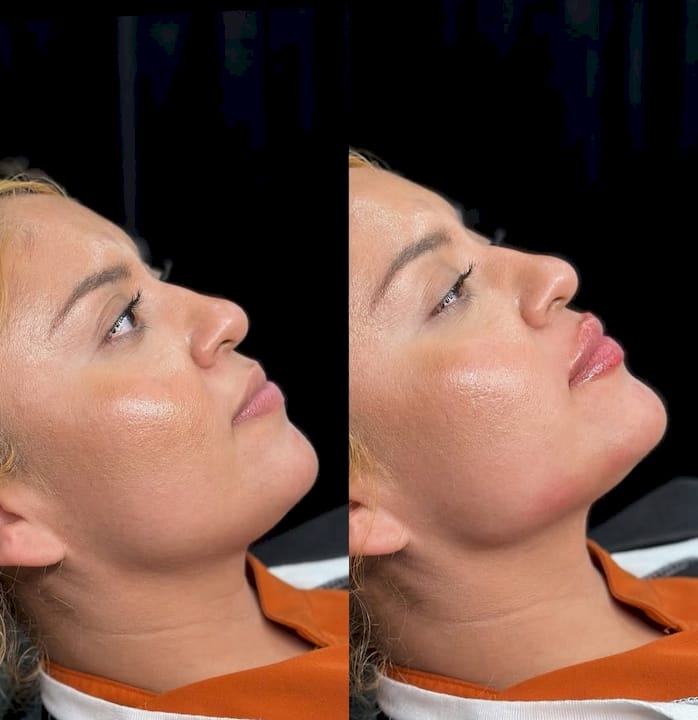
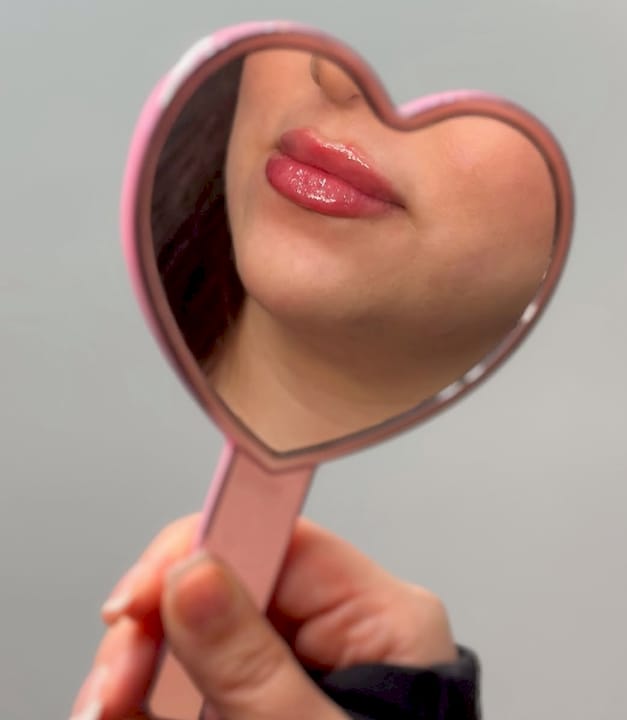
Most American adults have heard claims that mesotherapy can melt away fat or erase wrinkles in a matter of days, yet only a small fraction know how this trending cosmetic treatment really works. With clinics across the United States offering everything from skin rejuvenation to hair restoration, understanding what mesotherapy does—and what common misconceptions surround it—has become crucial. This guide sheds light on the facts, risks, benefits, and the real expectations for those curious about the procedure.
Table of Contents
Key Takeaways
| Point | Details |
| Mesotherapy Definition | Mesotherapy is a minimally invasive cosmetic treatment using micro-injections to address aesthetic concerns like fat reduction and skin rejuvenation. |
| Consult Qualified Practitioners | Patients should consult board-certified professionals specializing in mesotherapy for personalized treatments and safety. |
| Realistic Expectations | Results can vary; multiple sessions are often necessary, and mesotherapy should complement other treatments rather than serve as a stand-alone solution. |
| Consider Risks and Costs | Potential side effects exist, and treatment costs can vary significantly based on practitioner and geographical location. |
Mesotherapy Explained and Common Misconceptions
Mesotherapy is a minimally invasive cosmetic treatment that involves injecting small amounts of customized substance cocktails directly into the middle layer of skin. The American Board of Aesthetic Mesotherapy defines this technique as a targeted approach designed to address specific aesthetic concerns such as fat reduction, cellulite treatment, and skin rejuvenation.
While mesotherapy sounds promising, medical professionals caution that the procedure lacks standardized protocols. The International Academy of Cosmetic Dermatology emphasizes that treatment formulations can vary significantly between practitioners, which means results are not guaranteed and potential risks exist. Typical mesotherapy cocktails might include vitamins, enzymes, hormones, and other compounds intended to target specific tissue concerns.
Common misconceptions about mesotherapy often stem from unrealistic expectations. Many patients believe it’s a magical weight loss solution or instant skin transformation technique. In reality, mesotherapy works best as a complementary treatment that requires multiple sessions and individual customization. Potential benefits include localized fat reduction, improved skin texture, and minimal recovery time compared to more invasive procedures. However, patients should always consult qualified medical professionals to understand whether mesotherapy matches their specific aesthetic goals.
Key considerations for potential mesotherapy candidates include:
-
Realistic expectations about treatment outcomes
-
Understanding potential side effects
-
Selecting a board-certified practitioner with specific mesotherapy expertise
-
Willingness to undergo multiple treatment sessions
-
Good overall health and stable body weight
Types of Mesotherapy and Key Applications
Mesotherapy offers diverse treatment options across multiple aesthetic and medical domains. The Society of Mesotherapy of Korea highlights several key applications, including skin rejuvenation, hair restoration, cellulite treatment, and addressing stretch marks. These targeted interventions allow practitioners to customize treatments for individual patient needs.
Specifically in hair restoration, the German Society of Mesotherapy notes significant effectiveness for both men and women experiencing hair loss. The treatment involves micro-injections of specialized nutrient cocktails directly into the scalp, which can stimulate hair follicles and potentially slow down or reverse certain types of hair thinning.
The primary types of mesotherapy can be categorized into several specialized approaches:
-
Aesthetic Rejuvenation: Targeting skin texture, reducing fine lines, and improving overall skin appearance
-
Body Contouring: Focused on localized fat reduction and cellulite management
-
Hair Restoration: Stimulating hair growth and preventing further hair loss
-
Therapeutic Treatment: Addressing specific dermatological conditions
Patients considering mesotherapy should understand that results vary based on individual physiology, treatment protocol, and the specific condition being addressed. Consulting with a board-certified professional who specializes in mesotherapy is crucial to determining the most appropriate treatment approach for individual aesthetic or medical goals.
How the Mesotherapy Procedure Works
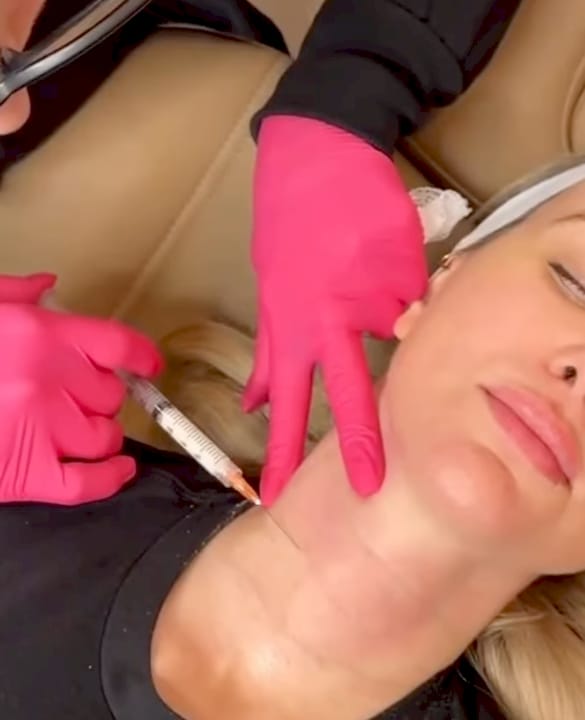
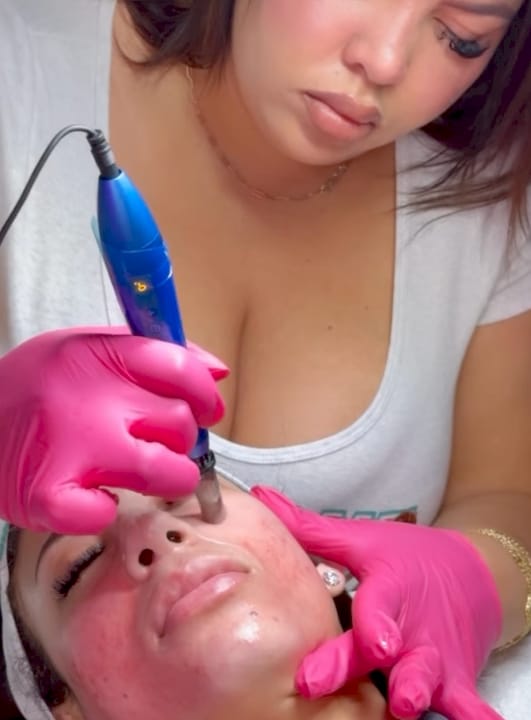
Mesotherapy is a precision-driven cosmetic technique that involves carefully administered micro-injections directly into the skin’s middle layer. The Society of Mesotherapy of Korea explains the procedure involves delivering specialized substances like hyaluronic acid, peptides, vitamins, and minerals to nourish and rejuvenate targeted tissues.
The German Society of Mesotherapy details the intricate process of multiple small injections designed to address specific aesthetic concerns. The treatment typically follows a structured approach that includes:
-
Consultation and Assessment: Determining patient goals and identifying optimal treatment areas
-
Customized Cocktail Preparation: Creating a personalized mixture of active ingredients
-
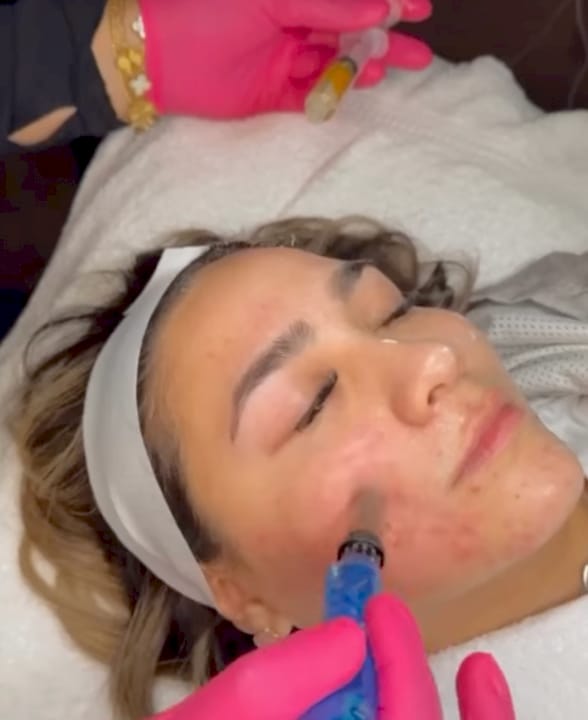
Precise Injection Technique: Administering micro-injections using specialized equipment
-
Multiple Session Planning: Developing a comprehensive treatment schedule
The injection process is meticulously controlled, with practitioners using extremely fine needles to minimize discomfort and maximize ingredient absorption. Each micro-injection delivers a targeted combination of nutrients directly into the mesoderm, stimulating natural regenerative processes like collagen production and cellular repair. Patients can expect minimal downtime, with most treatments taking between 30 to 45 minutes and requiring minimal recovery period.
Expected Results and Recovery Timeline
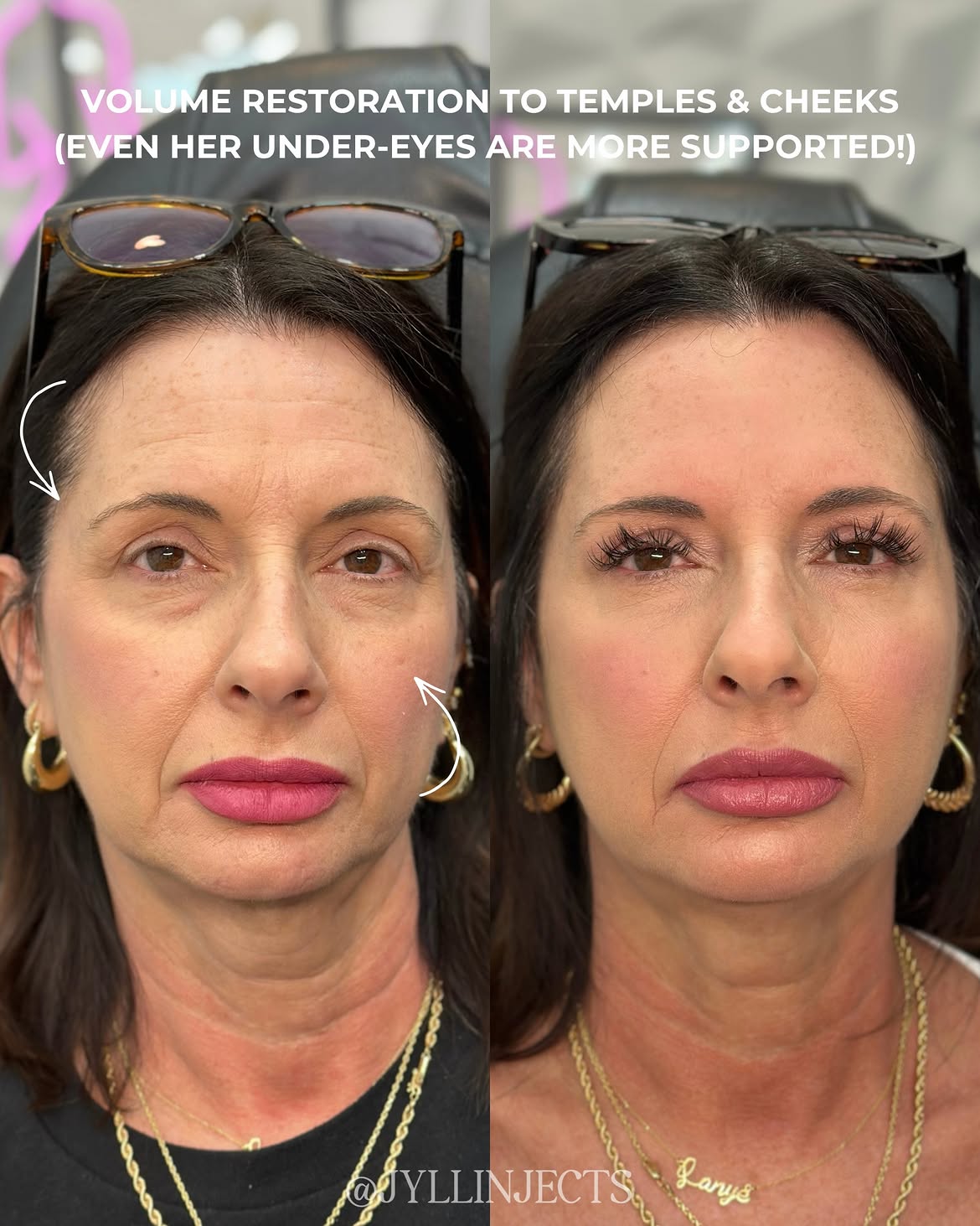
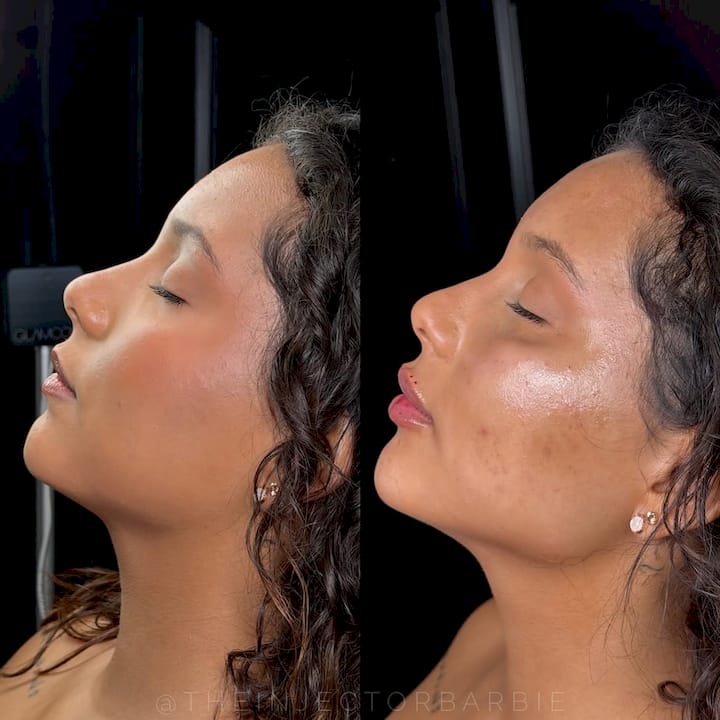
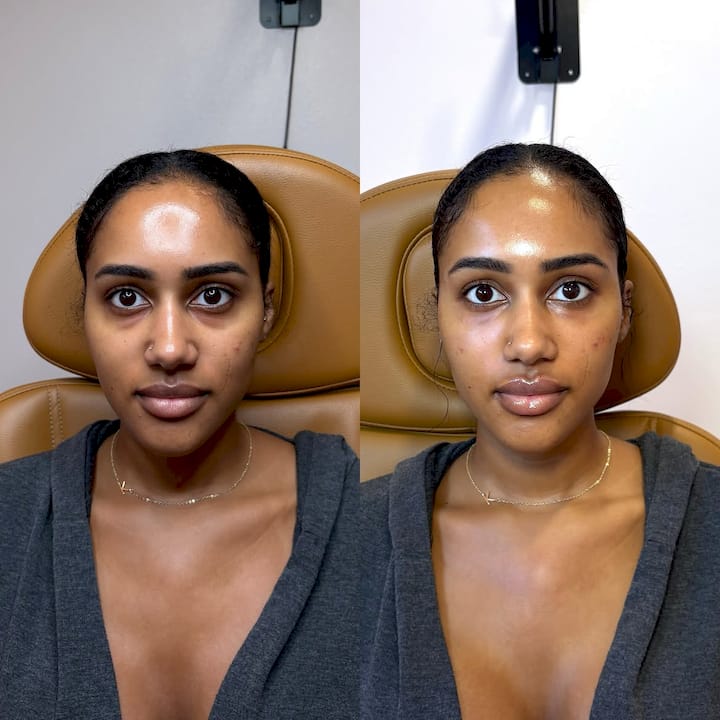
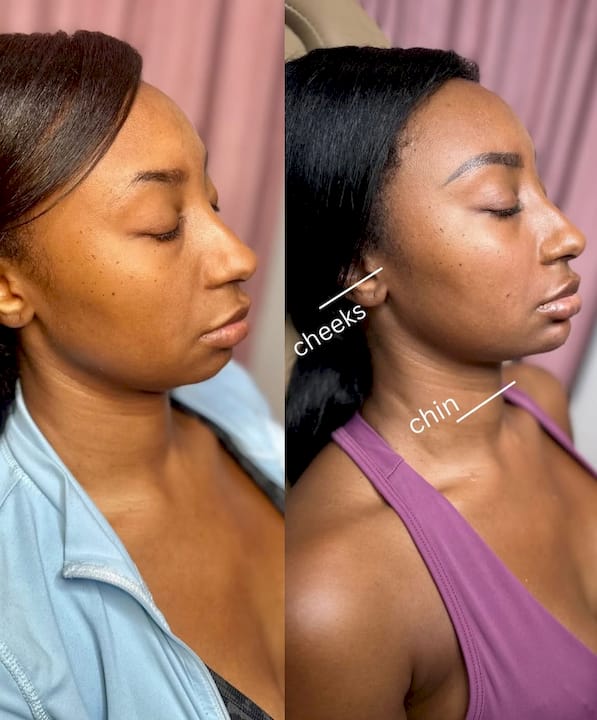
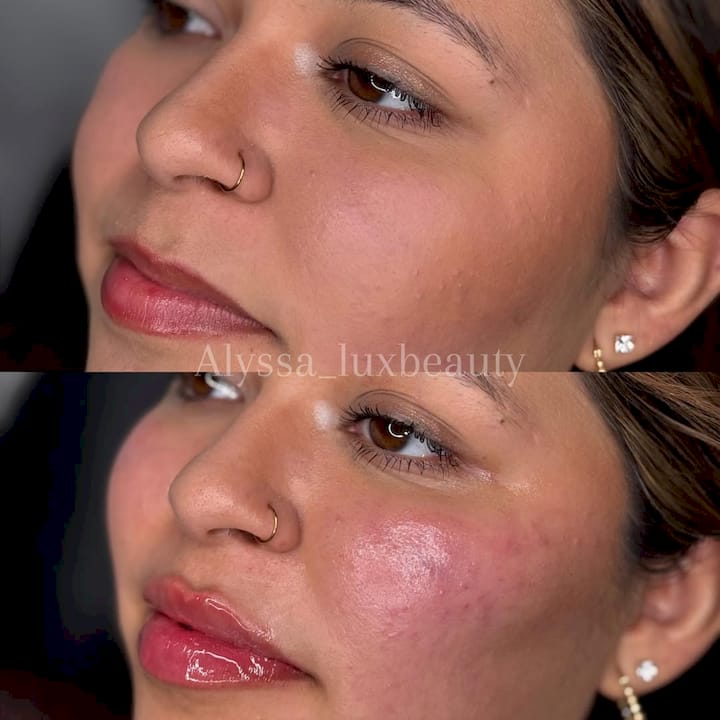
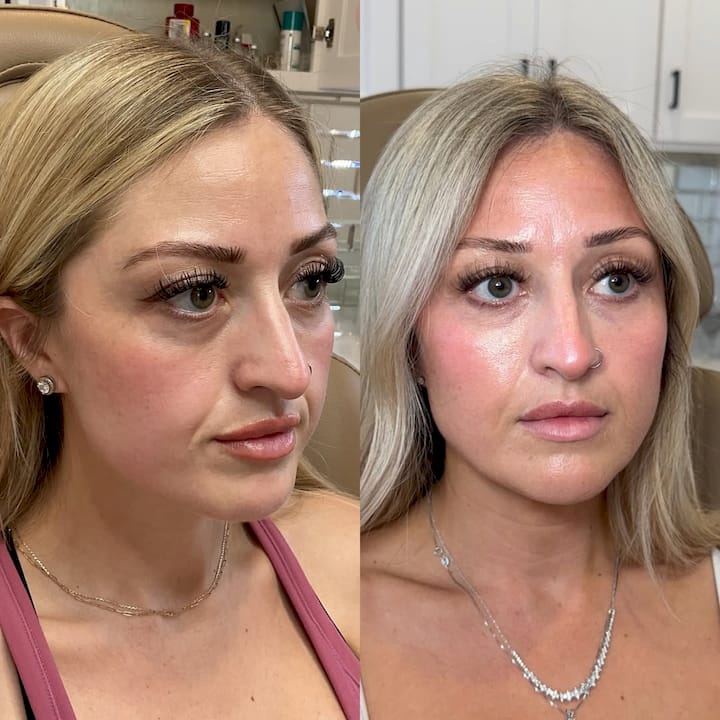
The Society of Mesotherapy of Korea highlights that patients can expect noticeable skin improvements following mesotherapy treatments, with the skin appearing more hydrated, radiant, and visibly firmer. Typical results include enhanced skin texture, reduced fine lines, and a more youthful overall appearance that develops progressively over multiple treatment sessions.
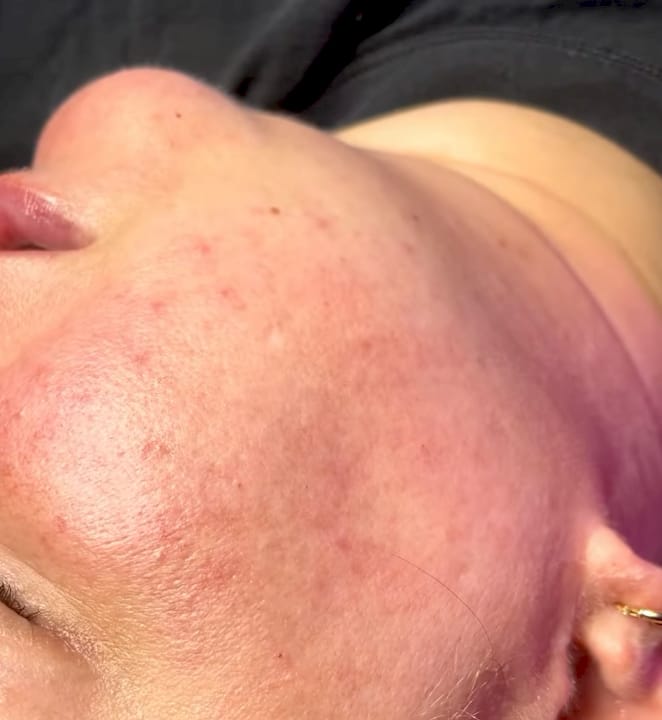
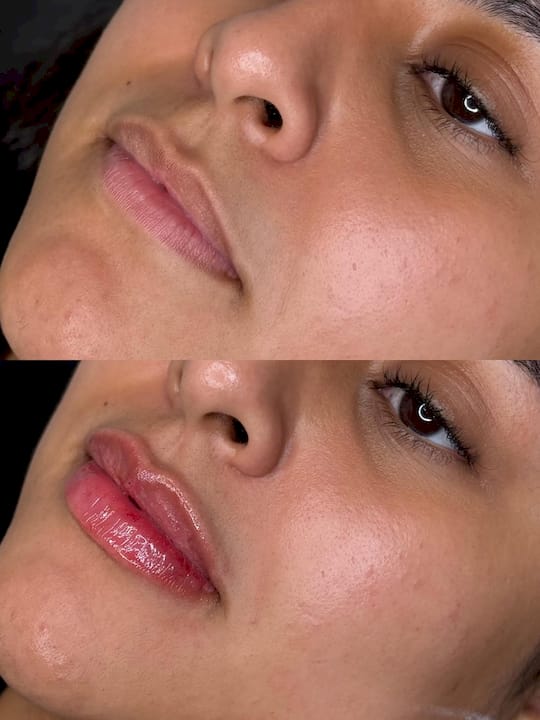
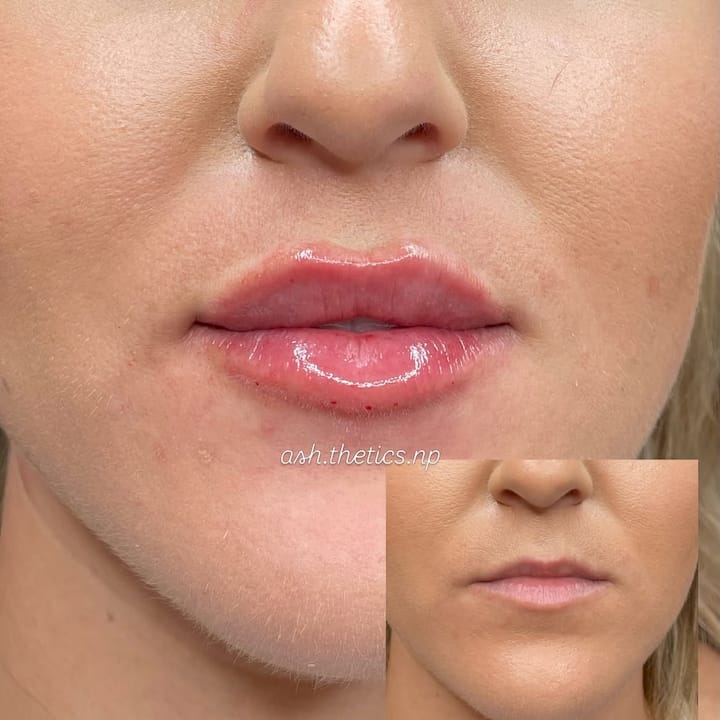
The German Society of Mesotherapy confirms that immediate post-treatment effects may include minor physical signs such as small wheals or subtle bleeding spots, which typically resolve quickly. The recovery timeline generally follows this progression:
-
Immediate Post-Treatment (0-48 Hours)
-
Potential mild swelling
-
Temporary needle marks
-
Slight skin sensitivity
-
-
Initial Results (1-2 Weeks)
-
Improved skin hydration
-
Enhanced skin luminosity
-
Reduced appearance of fine lines
-
-
Optimal Results (4-6 Weeks)
-
Increased collagen production
-
More significant skin rejuvenation
-
Sustained improvements in skin texture
-
Patients should anticipate a cumulative effect, with multiple treatments typically recommended to achieve and maintain optimal aesthetic outcomes. Individual results can vary based on factors like age, skin condition, lifestyle, and overall health. Consulting with a qualified mesotherapy professional helps set realistic expectations and develop a personalized treatment strategy tailored to specific skincare goals.
Risks, Side Effects, and Safety Guidelines
A comprehensive review published in PubMed indicates that mesotherapy remains a controversial cosmetic procedure with limited scientific evidence supporting its comprehensive safety profile. Potential risks and side effects can vary depending on the specific treatment protocol, practitioner expertise, and individual patient characteristics.
Research examining cosmetic injection procedures highlights potential complications that patients should carefully consider before undergoing mesotherapy. The most common side effects and risks include:
-
Immediate Risks
-
Temporary skin inflammation
-
Minor bruising at injection sites
-
Localized swelling
-
Mild skin sensitivity
-
-
Potential Complications
-
Allergic reactions to injection substances
-
Uneven skin texture or pigmentation
-
Rare instances of infection
-
Potential nerve or tissue damage
-
Safety guidelines for minimizing risks during mesotherapy involve several critical steps. Patients should exclusively work with board-certified professionals who specialize in aesthetic medicine, maintain full transparency about their medical history, and undergo comprehensive pre-treatment consultations. Additionally, individuals with certain medical conditions such as autoimmune disorders, active skin infections, or pregnancy should avoid mesotherapy treatments. Selecting a qualified practitioner who follows strict sterilization protocols and uses pharmaceutical-grade ingredients significantly reduces the potential for adverse outcomes.
Cost Factors and Comparison With Alternatives
The Medical Tourism Review Board indicates that mesotherapy costs vary significantly based on multiple factors, including practitioner expertise, geographic location, and specific treatment goals. Patients can expect pricing to fluctuate depending on the complexity of their individual aesthetic requirements and the number of recommended treatment sessions.
The German Society of Mesotherapy provides detailed pricing insights across different treatment types:
-
Facial Rejuvenation
-
Price Range: $75 - $675 per session
-
Average: $250-$450
-
Typically requires 3-6 sessions
-
-
Hair Loss Treatment
-
Price Range: $60 - $90 per session
-
Average: $75
-
Usually requires 4-8 sessions
-
-
Body Contouring
-
Price Range: $225 - $450 per session
-
Average: $350
-
Typically requires 4-6 sessions
-
Compared to alternative treatments like surgical procedures or more invasive interventions, mesotherapy offers a more cost-effective and minimally invasive option. Patients should consider not just the upfront costs, but also the potential long-term benefits and reduced recovery time. Consulting with a qualified aesthetic professional can help develop a personalized treatment plan that balances effectiveness and budget constraints.
Discover Personalized Skin Rejuvenation Solutions at The Injection Room
If you have been exploring mesotherapy to improve your skin texture or address aesthetic concerns like localized fat or fine lines, understanding the right treatment plan is essential. Mesotherapy requires realistic expectations and expert customization to deliver safe and effective results. At The Injection Room, we specialize in advanced aesthetic treatments, including neurotoxin therapies, dermal fillers, and microneedling with Korean skin boosters, designed to complement or offer alternatives to mesotherapy.
Take control of your skin health and beauty with tailored solutions from trusted professionals. Explore our Skincare Services to find treatments that match your goals. Ready to start your personalized journey? Visit The Injection Room today and schedule a consultation to discover the best approach for lasting skin rejuvenation and confidence.
Frequently Asked Questions
What is mesotherapy?
Mesotherapy is a cosmetic treatment that involves injecting customized substances directly into the middle layer of skin to target specific aesthetic concerns such as fat reduction, cellulite, and skin rejuvenation.
What are the benefits of mesotherapy?
The benefits of mesotherapy include localized fat reduction, improved skin texture, reduced appearance of fine lines, and minimal recovery time compared to more invasive procedures, making it a complementary option for various aesthetic goals.
What are the potential risks and side effects of mesotherapy?
Common risks and side effects of mesotherapy include temporary skin inflammation, minor bruising, localized swelling, and allergic reactions. It’s important to consult a qualified practitioner to minimize risks.
How much does mesotherapy cost?
The cost of mesotherapy can vary significantly, generally ranging from $75 to $675 per session, depending on the specific treatment type and the number of sessions required to achieve optimal results.
%20Pictures%20are%204%20weeks%20apart..jpg)