Not every filler is created equal, and when it comes to restylane filler types, that distinction matters more than most people realize. The wrong product in the wrong spot can leave you looking stiff, overfilled, or just “done” in a way that feels off. The right one? You walk out looking like a well-rested, lifted version of yourself. Whether you’re dealing with hollowing cheeks, thinning lips, or the deepening lines that seem to appear overnight, understanding the difference between these products is the first step toward results you’ll actually love.
Table of Contents
-
Restylane Refyne and Defyne: smoothing smile lines and deep wrinkles
-
Comparison of Restylane filler types: key features and benefits
-
Why understanding Restylane filler nuances leads to better, natural results
-
Explore Restylane treatments at The Injection Room in Austin and San Antonio
Key Takeaways
| Point | Details |
|---|---|
| Targeted fillers matter | Different Restylane types are formulated for specific areas like lips, cheeks, or wrinkles for best results. |
| Gel technology differs | NASHA gels are firmer and stable, XpresHAn gels are flexible for natural movement in dynamic areas. |
| Longevity varies | Restylane fillers last from 6 to 18 months depending on the product and treatment site. |
| Natural movement is key | Choosing fillers that move with your face ensures authentic, age-appropriate enhancement. |
| Professional consultation essential | An expert can match your facial needs with the right Restylane filler for balanced, youthful outcomes. |
How to choose the best Restylane filler for your needs
The single biggest mistake women make when considering fillers is treating all products as interchangeable. They are not. Each Restylane filler has a specific gel density, flexibility level, and intended treatment zone. Choosing by name alone without understanding what each product does is like buying running shoes for a hiking trail. You might get away with it, but you probably won’t love the outcome.
Here’s what to think through before your consultation:
-
Target treatment area: Lips require a soft, flexible gel that moves. Cheeks and midface need something denser for structural lift. Under-eye hollows demand a product with low water-binding to prevent puffiness.
-
Gel firmness: Firmer gels (like Restylane Lyft) anchor well in deeper tissue. Softer gels (like Restylane Silk) settle into fine lines and delicate areas without creating a stiff or bumpy texture.
-
Facial movement: If the area you’re treating moves constantly, like your mouth when you talk and smile, you need a filler engineered for flexibility. Placing a rigid filler in a dynamic zone creates an unnatural look fast.
-
Longevity expectations: Restylane products range from roughly 6 months to 18 months depending on the product and where it’s placed. Lips metabolize filler faster than cheeks. That’s worth factoring in when budgeting.
-
Your facial structure: A square face with strong cheekbones needs a different approach than a round face with softer features. Your natural bone structure determines where volume loss shows first and how much correction creates balance rather than excess.
Now that you understand why choosing the right filler matters, let’s explore each popular Restylane type and what it offers.
Restylane Lyft: cheek volume and natural lift
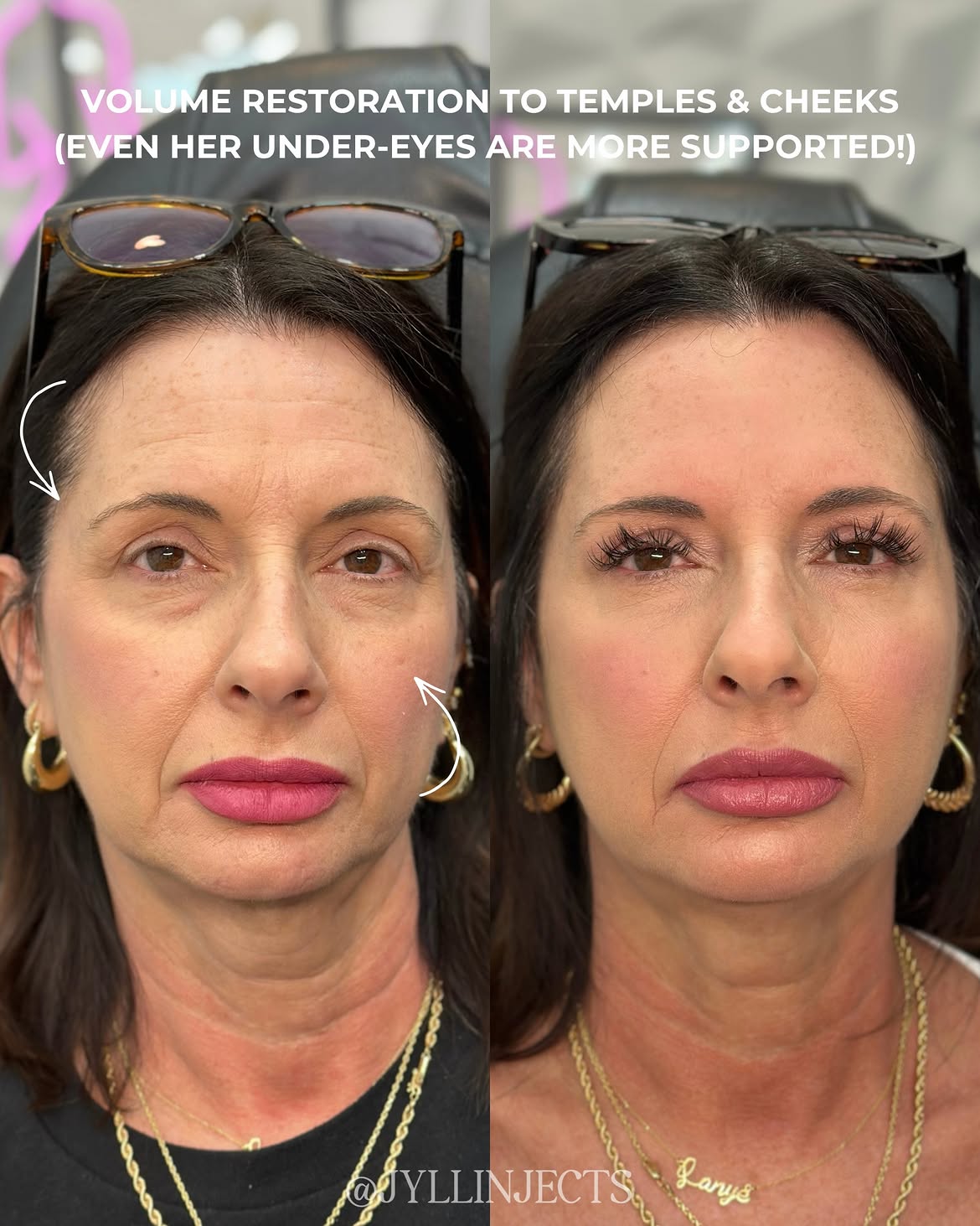
Restylane Lyft is the workhorse of midface restoration. If your cheeks have lost their fullness and your face is starting to look flat or tired from the mid-section down, this is the product most likely to change that.
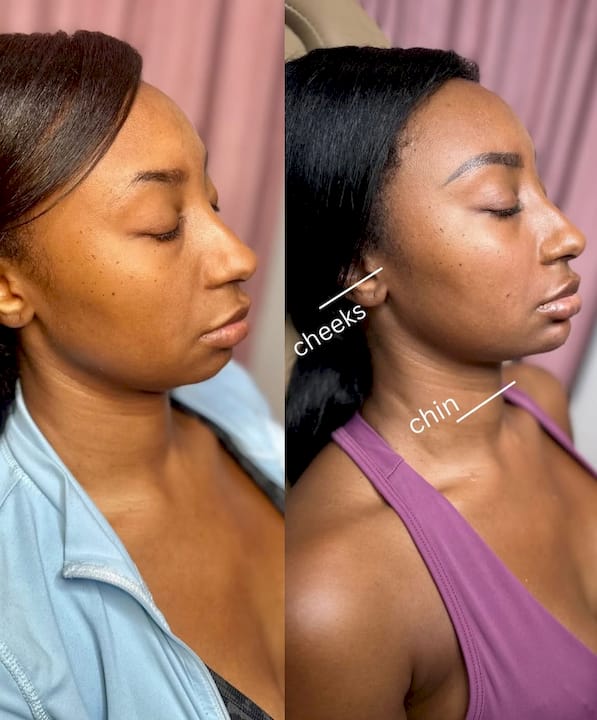
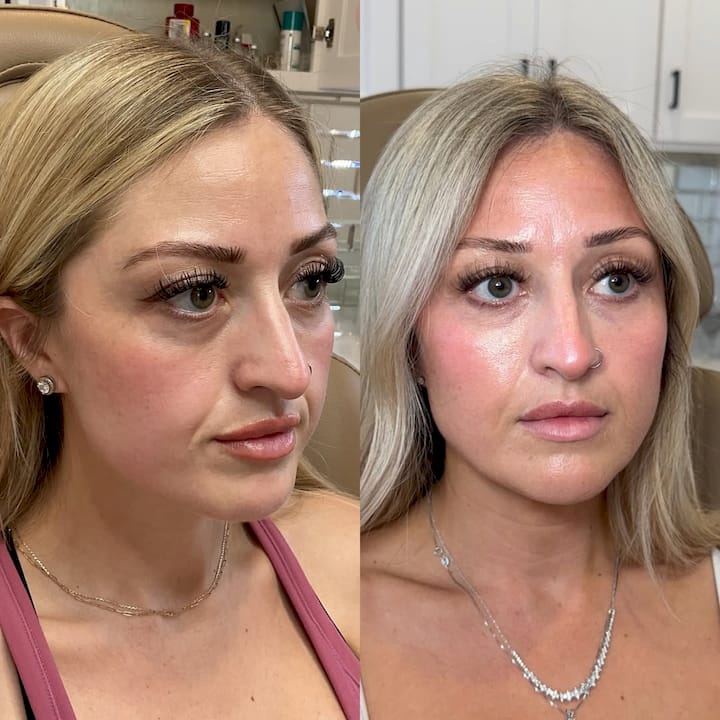
What makes it effective is its gel density. Restylane Lyft is a dense, structural filler excellent for projection and contouring, designed for cheek and midface volume restoration lasting 12 to 18 months. That firmness is what allows it to lift tissue rather than simply fill it, which creates a noticeably more youthful contour without looking overdone.
Key reasons women in Austin and San Antonio choose Restylane Lyft:
-
Restores the natural apple of the cheek that deflates with age
-
Provides structural lift to the midface, which indirectly softens nasolabial folds
-
Integrates smoothly with facial movement despite its density
-
Results last longer than softer fillers, making it one of the more cost-effective options per treatment cycle
If you’re curious about how Lyft compares to other cheek filler options, it generally wins when the goal is genuine lift rather than subtle softening.
Pro Tip: Restylane Lyft placed too superficially can create a visible lump. Always confirm your injector places this product in the deep tissue layer where it performs best.
Restylane Kysse and Silk: natural lip enhancement
Moving from cheeks to lips, let’s compare Restylane Kysse and Silk, two leaders in natural lip enhancement that serve different patient needs despite targeting the same area.
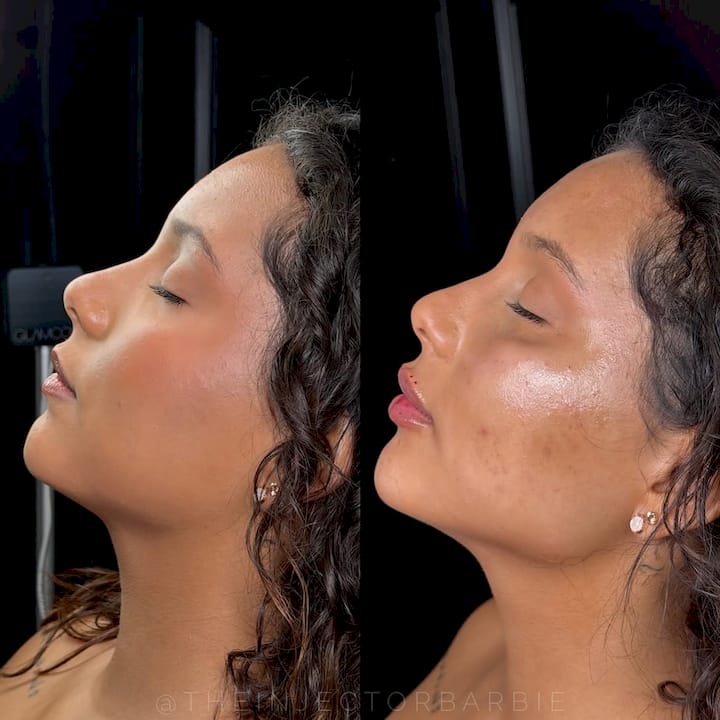
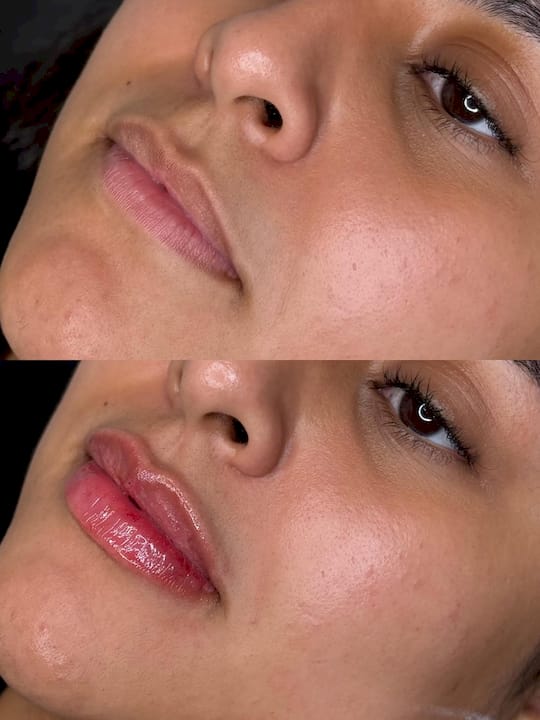
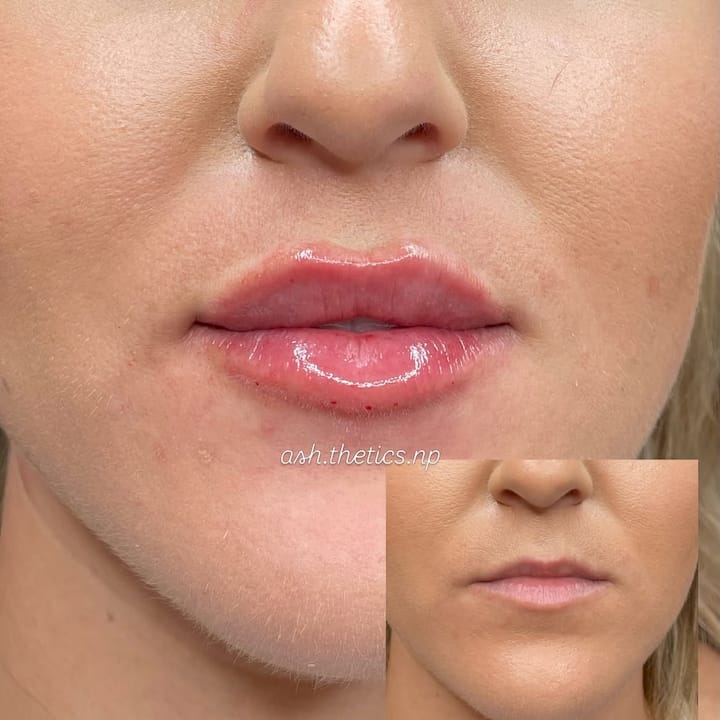
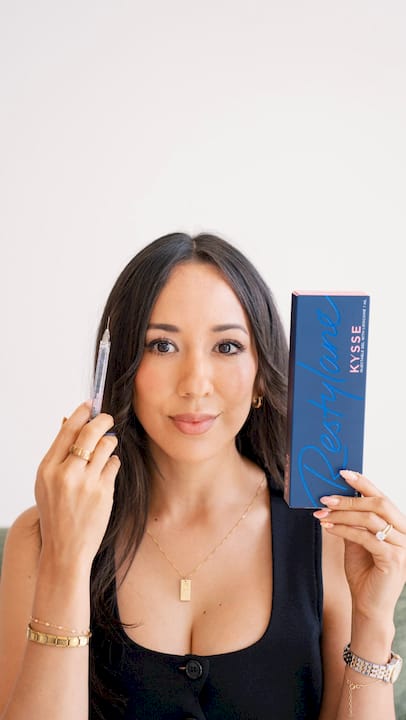
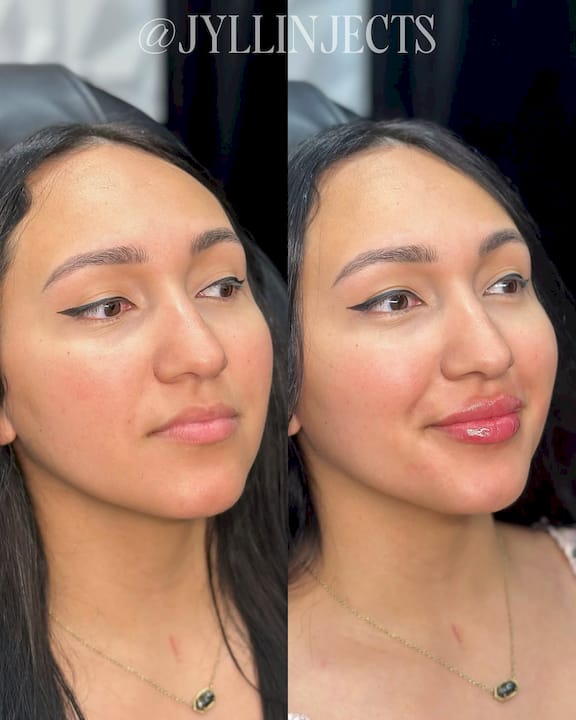
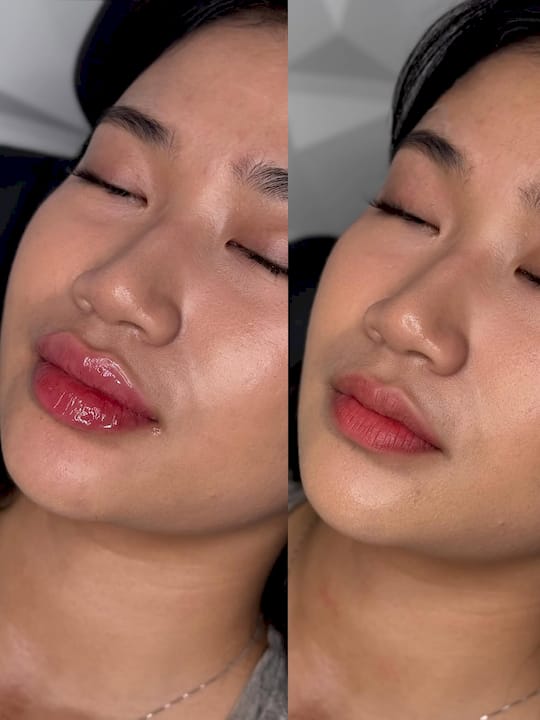
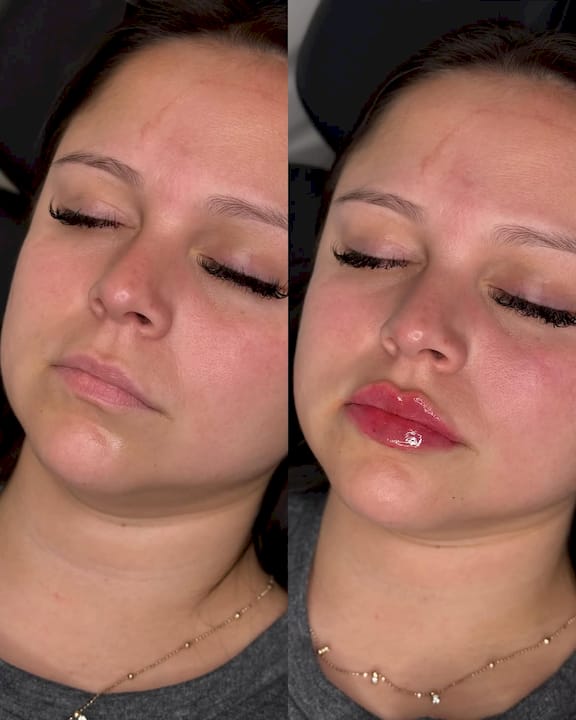
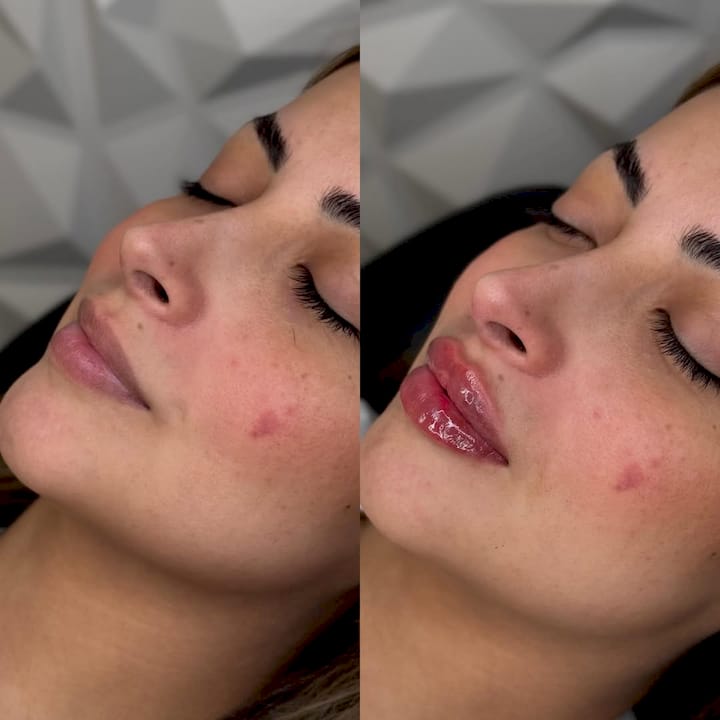
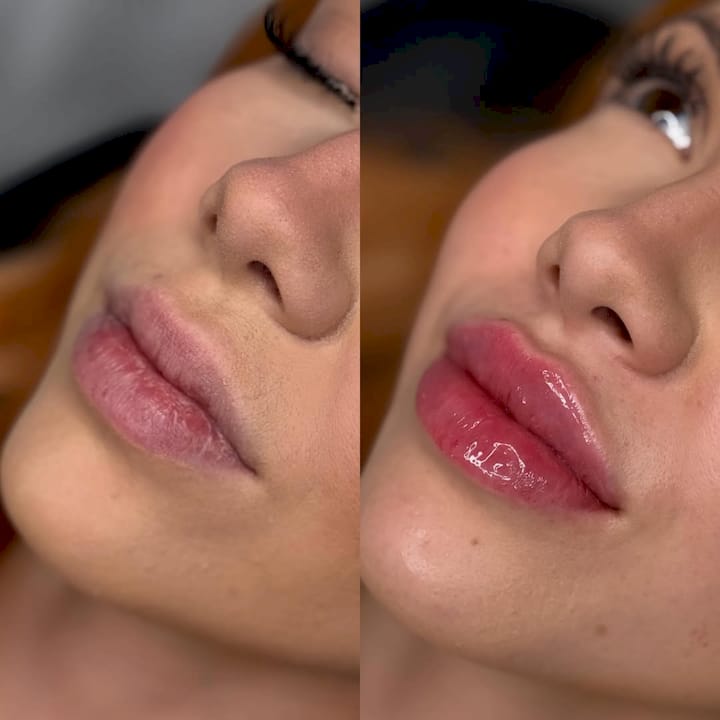
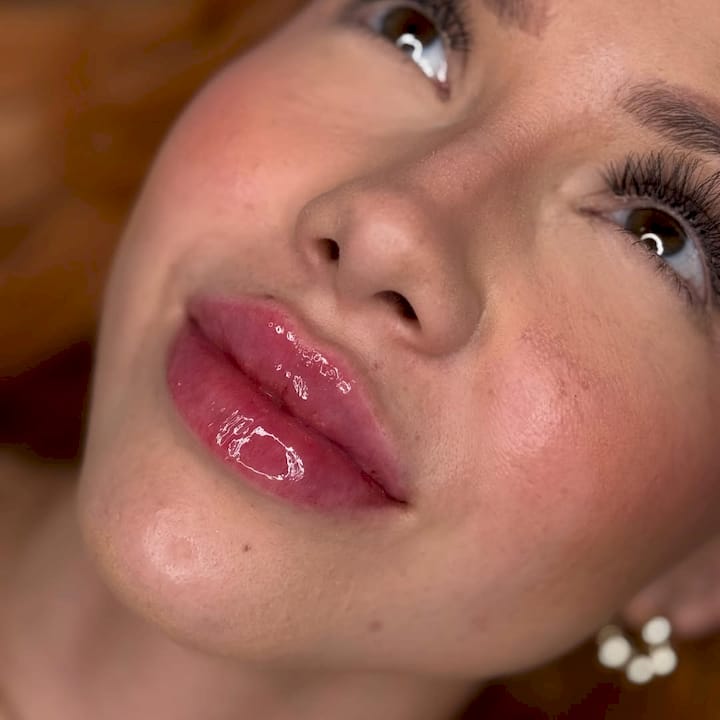
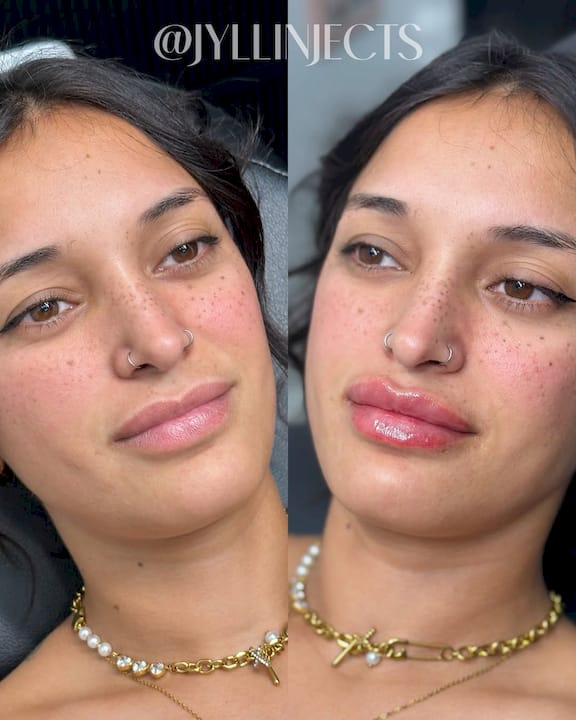
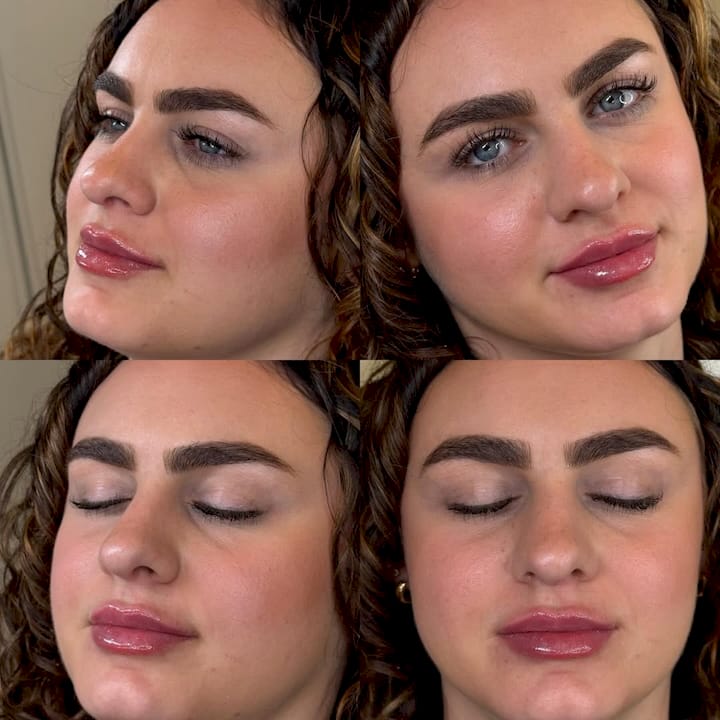
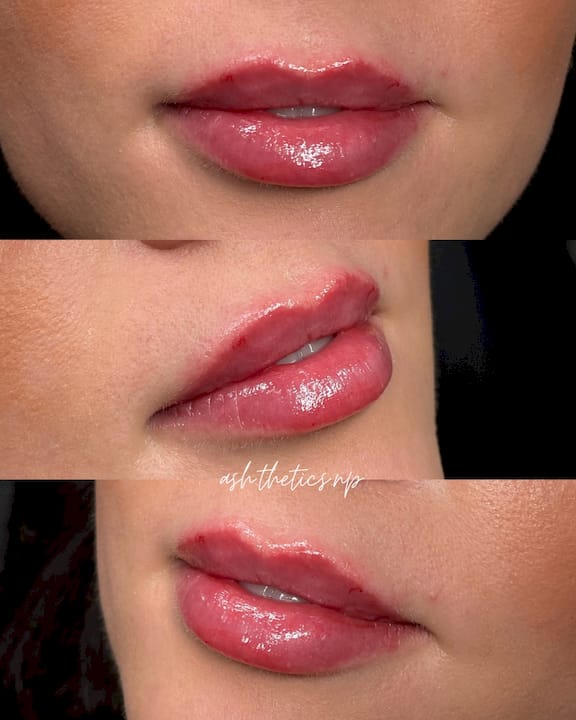
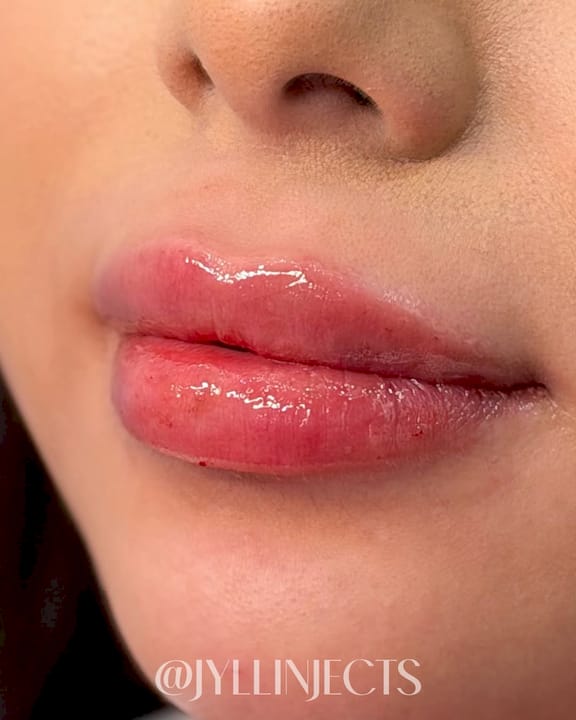
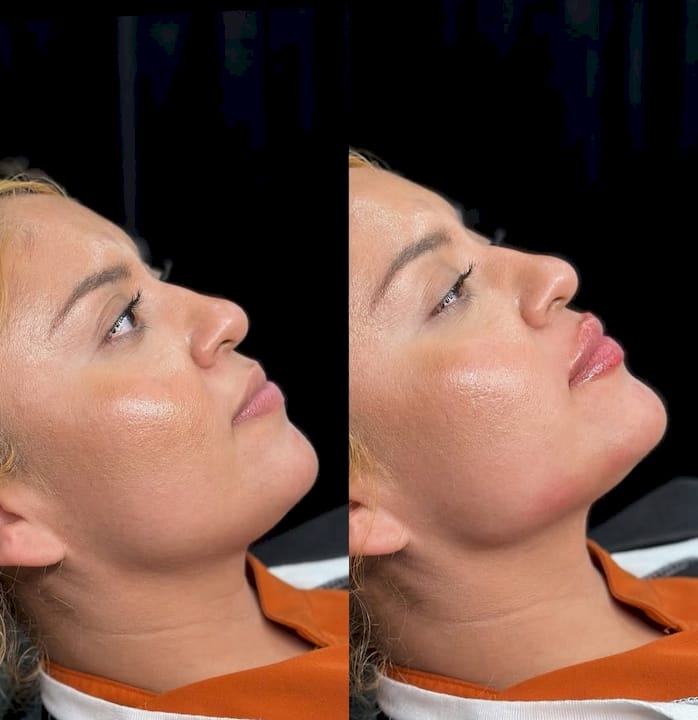
Restylane Kysse was built specifically for lips, and it shows. Kysse uses XpresHAn Technology for a soft, flexible gel that moves naturally with lips, providing subtle volume without swelling, and is FDA-approved for lip augmentation in adults over 21. That flexibility is the key difference between lips that look soft and kissable versus lips that look firm and plastic. In a city like Austin where the aesthetic leans toward natural beauty, Kysse tends to be the go-to.
Restylane Silk takes a different approach. Restylane Silk is a thinner, softer gel suited for subtle lip enhancement and fine superficial lines with a natural, smooth outcome. Think of it as a refinement tool rather than a volume builder. If your lips are already close to where you want them and you’re focused on sharpening the border or softening the vertical lines above the upper lip, Silk does that work precisely.
Here’s how they compare side by side:
-
Restylane Kysse: Best for adding noticeable but natural-looking volume, ideal for patients wanting fuller lips with movement
-
Restylane Silk: Best for subtle contouring, lip border definition, and treating perioral lines without changing overall shape
-
Both fillers: Carry a low risk of migration and excessive swelling when placed by an experienced injector
If you’re still weighing best lip filler options and feeling unsure, the choice often comes down to how much change you want. Subtle refresh? Silk. Genuine volume enhancement? Kysse. A good injector will help you figure out which side of that line you fall on when you’re choosing lip filler.
Pro Tip: First-time lip filler patients often do better starting with Restylane Silk. It’s easier to assess how your lips respond before committing to more volume with Kysse at a follow-up appointment.
Restylane Refyne and Defyne: smoothing smile lines and deep wrinkles
Now let’s examine Restylane Refyne and Defyne, two products designed specifically to smooth lines and wrinkles while keeping natural facial movement intact. If you’ve noticed that nasolabial folds (the lines from your nose to the corners of your mouth) or marionette lines are becoming more visible, these two are worth knowing well.
Restylane Refyne is softer with XpresHAn technology, allowing natural facial expressions while softening moderate smile lines. It’s built for the patient whose lines are present but not deep, someone who wants correction without looking like the movement has been erased from their face.
Restylane Defyne offers more structural support to correct deeper facial wrinkles without compromising dynamic movement. If your folds are more pronounced or have been developing for years, Defyne provides the correction depth that Refyne simply can’t match.
Important distinctions for facial wrinkle fillers:
-
Refyne: Moderate folds, patients who want softening while keeping expressiveness fully intact
-
Defyne: Deep folds, more volume-depleted areas, patients ready for visible correction
-
Both: Use XpresHAn technology, meaning neither will leave you looking stiff when you laugh or talk
-
Both: Work well in highly mobile zones around the mouth and lower cheeks, which is exactly where older, stiffer filler technologies tend to fail
Restylane Contour and Classic: versatile facial sculpting
Completing the list, Restylane Contour and Classic provide versatile options for sculpting and rejuvenation across the face.
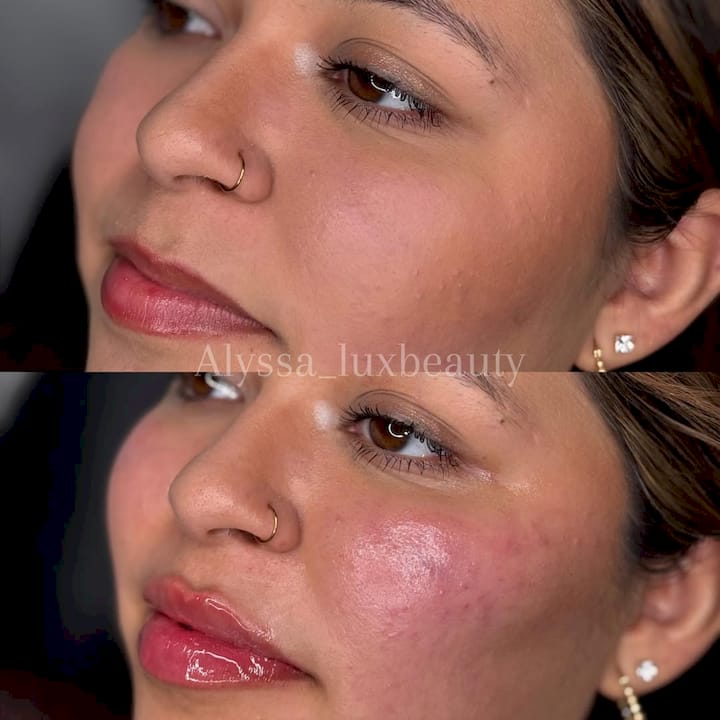
Contour is the newer of the two and was designed with a specific outcome in mind: sculpting the cheeks for balance without the dramatic lift that Lyft provides. Restylane Contour sculpts cheeks naturally for balanced facial proportions. It’s a subtler option for women who haven’t lost significant volume but want more definition or a more structured look in the midface.
Classic, on the other hand, has been around since the early days of hyaluronic acid fillers and remains effective precisely because it’s predictable. Restylane Classic addresses multiple aging concerns, including wrinkle reduction and facial contouring, with natural results. Its firmer gel makes it particularly useful for areas where you want long-lasting definition rather than soft movement.
Key points about each:
-
Contour: Subtle cheek sculpting, restores facial proportions, flexible enough for natural movement
-
Classic: Multi-purpose workhorse, firm gel, strong longevity, suited for stable areas like nasolabial folds and general contouring
-
Both: Deliver natural-looking outcomes with good longevity when placed correctly
For a full picture, you can review the full Restylane product range to see how these fit within the broader family.
Comparison of Restylane filler types: key features and benefits
To help you easily compare, here’s a detailed table outlining the main Restylane filler types and their features. This Restylane filler comparison covers the seven key products across description, best use areas, and typical duration.
| Filler | Gel type | Best treatment area | Longevity |
|---|---|---|---|
| Restylane Lyft | Dense, structural | Cheeks, midface | 12 to 18 months |
| Restylane Kysse | Flexible, XpresHAn | Lip volume | 6 to 12 months |
| Restylane Silk | Thin, soft | Lip contouring, fine lines | 6 to 12 months |
| Restylane Refyne | Soft, XpresHAn | Moderate nasolabial folds | 12 months |
| Restylane Defyne | Firm, XpresHAn | Deep folds, wrinkles | 12 to 18 months |
| Restylane Contour | Flexible, structured | Cheek sculpting | 12 months |
| Restylane Classic | Firm, NASHA | Wrinkles, general contouring | 6 to 12 months |
The range in longevity comes down to both the product density and how much movement the treated area experiences. Lips break down filler faster simply because of how often they move. Cheeks, where there’s less repetitive motion, preserve results longer.
Why understanding Restylane filler nuances leads to better, natural results
Here’s what doesn’t get said enough in the filler conversation: the technology inside the product matters as much as where you place it.
Restylane uses both NASHA and XpresHAn technologies, which provide distinct gel behaviors that influence treatment precision and natural motion. NASHA technology creates a firm, uniform gel that holds its shape well, making it ideal for areas where structural integrity matters more than flexibility. XpresHAn technology creates a cross-linked gel that bends and moves with your face, which is exactly why it transformed lip and smile line treatments when it launched.
Most people assume that all hyaluronic acid fillers feel and behave the same once injected. They don’t. Put a NASHA-based filler in a high-movement zone and you’ll feel it when you smile. It can create an almost rubbery resistance. Put an XpresHAn-based filler in an area that needs real structural support and it may not hold the lift you’re after.
This is why a consultation isn’t just a formality. It’s where an experienced injector maps your facial dynamics against the Restylane technologies explained and matches the right product to the right place. The women who leave feeling the most satisfied aren’t necessarily those who got the most filler. They’re the ones whose injector understood the nuance of each product and used it accordingly.
The pressure to just “pick one and try it” is real, especially when you’re excited about results. But the difference between Kysse and Classic in your lips, for example, is the difference between lips that look like yours (just better) and lips that look filled. Trust the technology match as much as you trust the injector’s hands.
Explore Restylane treatments at The Injection Room in Austin and San Antonio
Ready to experience personalized care and expertly applied Restylane treatments? Here’s how The Injection Room can help you look and feel your best.
At The Injection Room, the focus is on results that look like you on your best day, not results that announce themselves to the room. With locations in both Austin and San Antonio, our team assesses your unique facial structure, aging patterns, and goals before recommending any product. Whether you’re interested in cheek lifting with Lyft, natural lip volume with Kysse, or smoothing deep smile lines with Defyne, we build a plan around you. We also offer Botox treatments in Austin, a non-surgical nose job using filler, and skin-enhancing treatments like microneedling in San Antonio that complement your filler results beautifully. Book a consultation and let’s talk about what’s possible.
Frequently asked questions
What Restylane filler is best for lip enhancement?
Restylane Kysse is preferred for natural, flexible lip volume and movement because it uses XpresHAn Technology for a soft gel that moves naturally with lips. Restylane Silk suits subtle lip contouring and fine lines rather than volume building.
How long do Restylane fillers typically last?
Most Restylane fillers last between 6 and 18 months depending on product and placement, with Restylane Lyft lasting up to 18 months and softer options like Silk lasting closer to 6 to 12 months.
Are Restylane fillers safe for under-eye treatments?
Yes, Restylane-L is one of the most predictable choices for under-eye tear trough corrections because its firmness and low hydrophilicity make it safe and precise in delicate tissue. Choosing the wrong filler for this area, particularly one that binds a lot of water, can cause persistent puffiness.
What makes XpresHAn technology unique in Restylane fillers?
XpresHAn technology produces a flexible gel that bends with your facial expressions rather than resisting them, which is why NASHA and XpresHAn behave differently in dynamic versus structural zones. It’s the technology behind Kysse, Refyne, Defyne, and Contour.

%20Pictures%20are%204%20weeks%20apart..jpg)