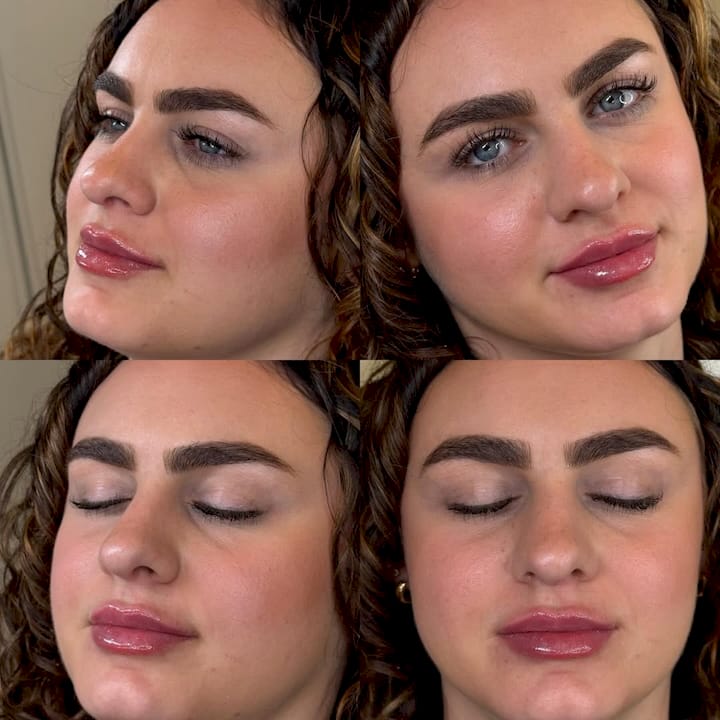
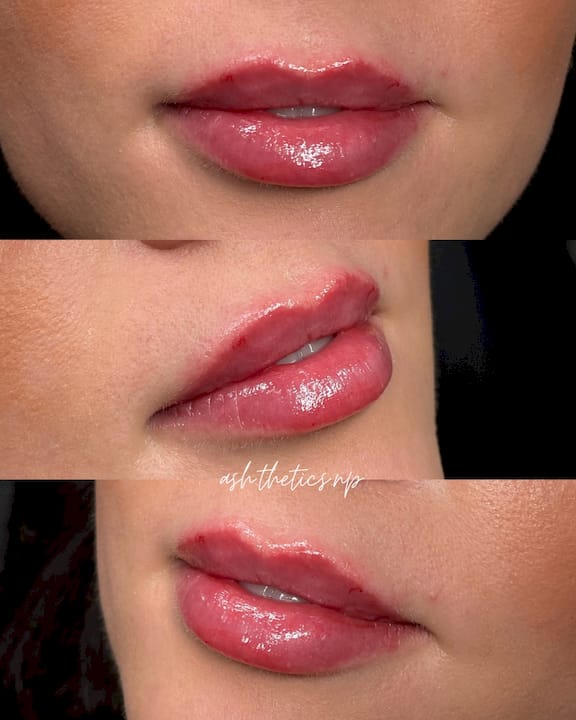
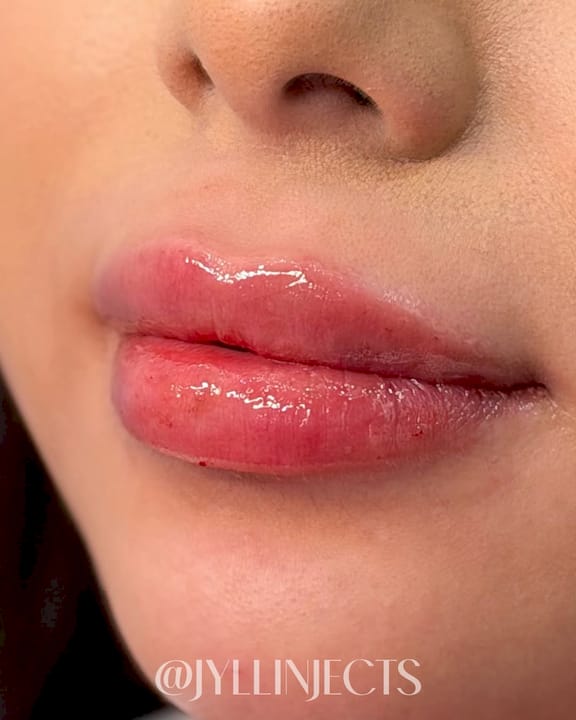
You’ve heard both terms a hundred times, yet when it comes to actually booking a treatment, most people aren’t sure what’s the difference between fillers and Botox. They’re both injections, both popular, and both promise younger-looking skin. But they work in completely different ways, they target different problems, and choosing the wrong one for your concern won’t get you the results you want. Here’s exactly what you need to know before you sit down in an injector’s chair.
Table of Contents
Key takeaways
| Point | Details |
|---|---|
| Different mechanisms | Botox relaxes facial muscles; fillers add volume beneath the skin. |
| Different wrinkle targets | Botox treats dynamic wrinkles from movement; fillers treat static wrinkles at rest. |
| Duration varies | Botox lasts 3 to 5 months; fillers last 6 months to 2 years depending on type. |
| Combination is common | Using both together treats the full face more effectively than either alone. |
| Consult before you commit | A qualified injector should assess your skin before any treatment plan is set. |
What’s the difference between fillers and Botox
The short answer: they are not the same thing. Not even close.
Botox and fillers differ at the most fundamental level. Botox is a neuromodulator. It works by blocking the nerve signals that tell your facial muscles to contract. When a muscle cannot contract, the overlying skin stops folding and creasing. No movement, no wrinkle. That is the entire mechanism in one sentence.
Dermal fillers work in the opposite direction. Instead of stopping movement, they physically add material beneath the skin to restore structure, volume, and contour that time has taken away.
So no, Botox and fillers are not the same thing. They are two separate tools that happen to be delivered by the same method: a needle.
How Botox works and what it treats
Botox is made from botulinum toxin type A, a purified protein that temporarily interrupts the communication between a nerve and a muscle. When injected into a targeted facial muscle, it prevents that muscle from contracting fully, which softens or eliminates the wrinkles that movement creates.
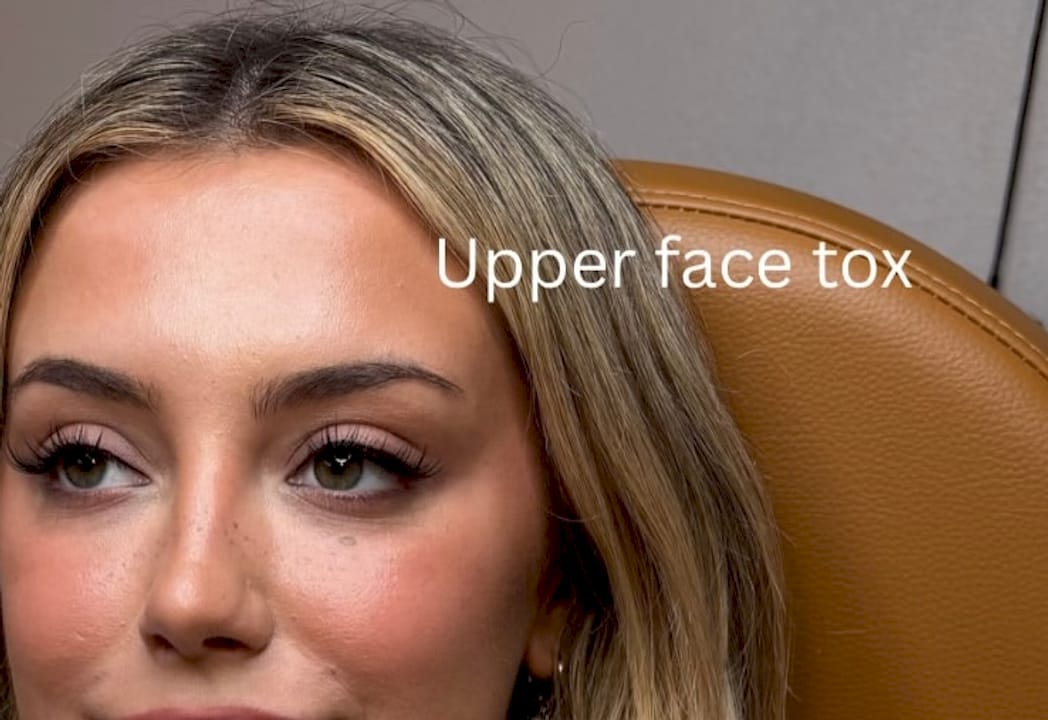
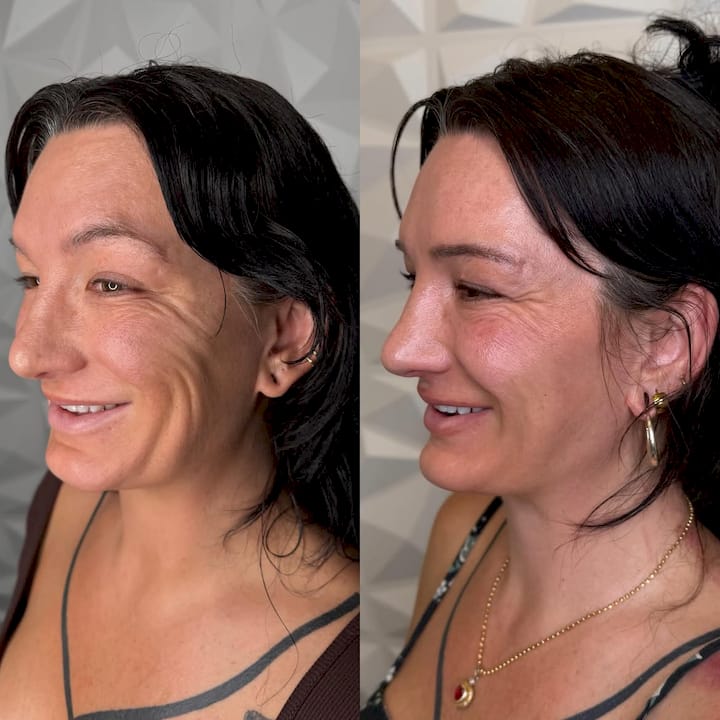
These are called dynamic wrinkles, lines that only appear when your face is in motion. Think about the creases across your forehead when you raise your eyebrows, the “11” lines between your brows when you frown, and the crow’s feet that fan out at your eye corners when you smile. Common Botox treatment areas include all three of those zones.
The results are not immediate. Most people start to see the effects within 3 to 7 days, with full results visible by day 14. From there, Botox lasts roughly 3 to 5 months before the muscle gradually regains its movement and wrinkles reappear. There is also a compounding benefit: patients who get consistent treatments over time often find that results last longer, because the muscles become progressively weaker with regular use.
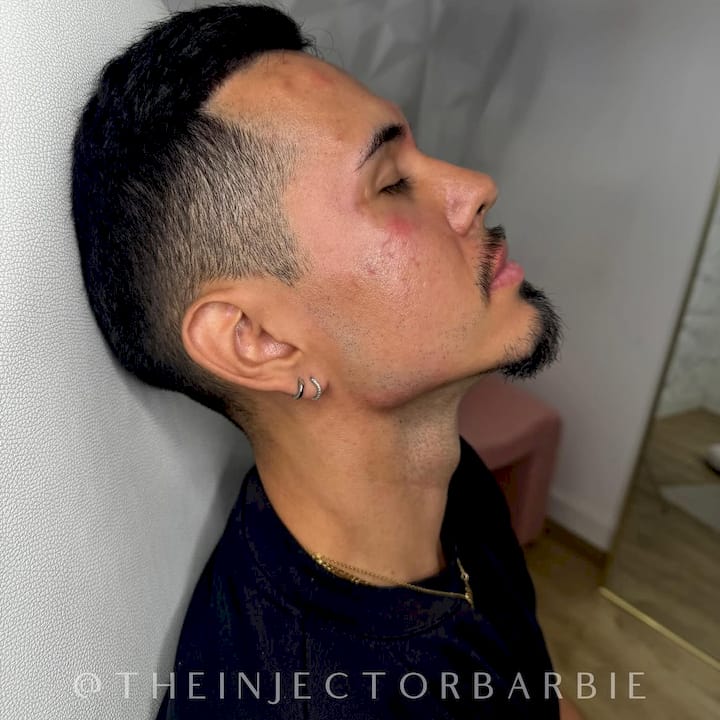
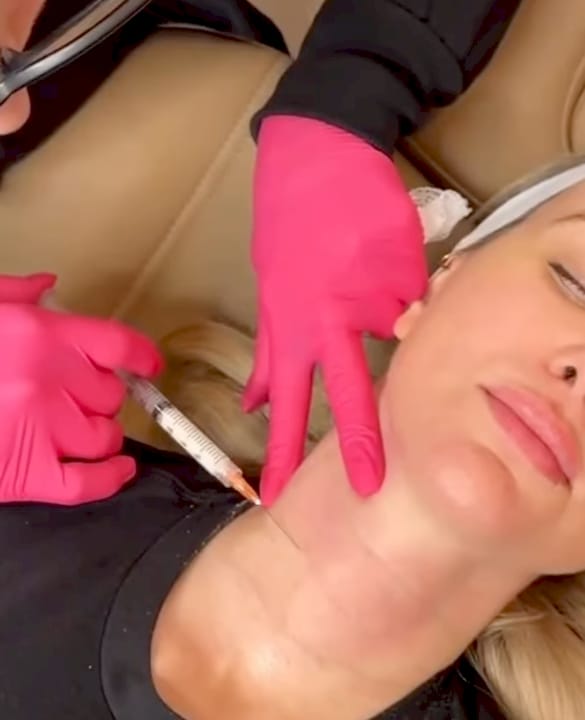
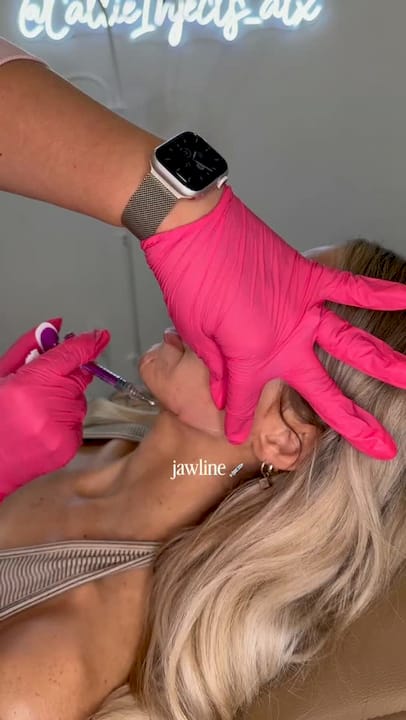
One thing worth knowing: Botox can also treat concerns beyond wrinkles. Masseter Botox, injected into the jaw muscle, is a popular treatment for jaw slimming and contouring, and it’s often combined with fillers for a sculpted jawline effect.
-
Forehead lines
-
Glabellar lines (frown lines between the brows)
-
Crow’s feet around the eyes
-
Brow lifting
-
Lip flip (a small amount above the upper lip)
-
Masseter reduction for jaw slimming
-
Tech neck lines
Pro Tip: If you want very subtle, natural-looking results, talk to your injector about starting with a conservative dose. It is much easier to add units at a follow-up than to reverse overcorrection.
How dermal fillers work and what they treat
Fillers do not touch your muscles at all. They are gel-like substances injected beneath the skin’s surface to physically fill in areas that have lost volume, become hollow, or developed deep creasing that resting tissue no longer supports.
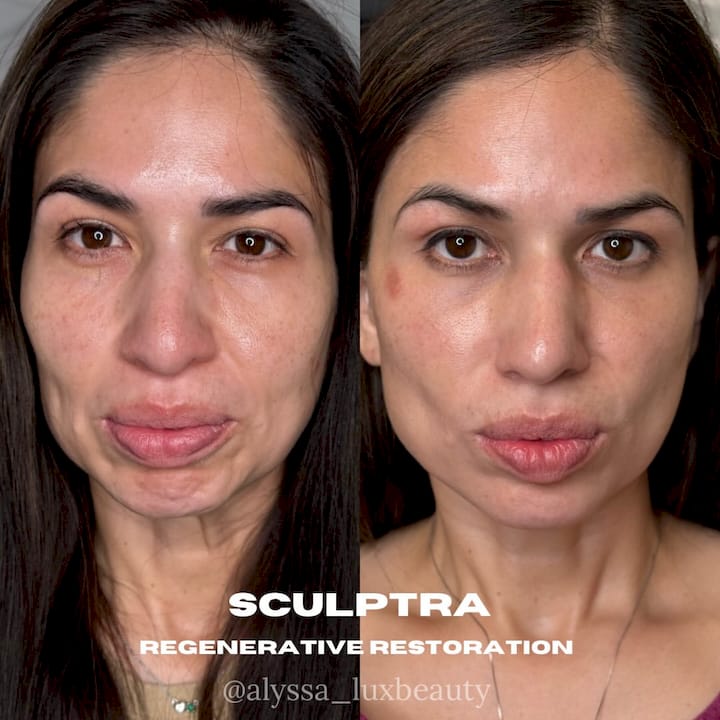
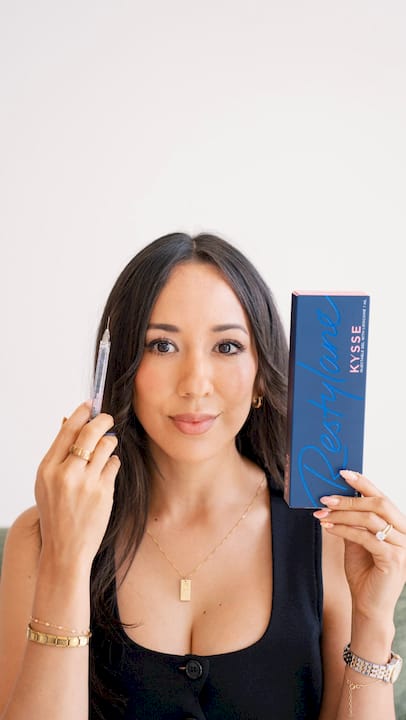
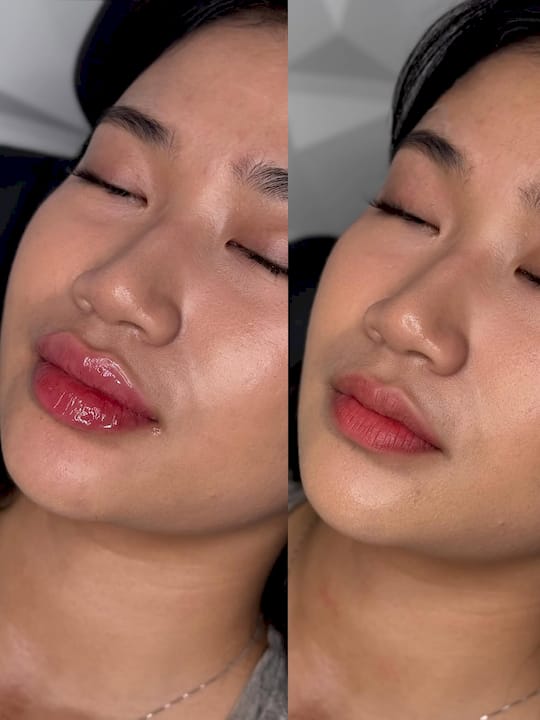
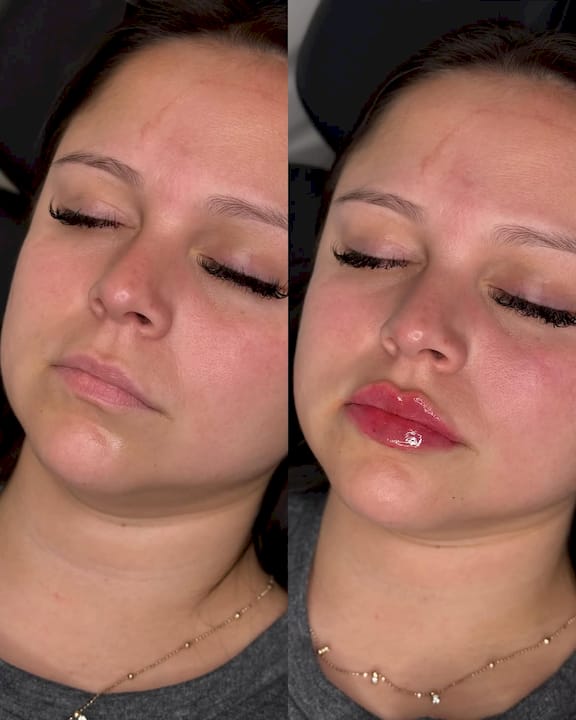
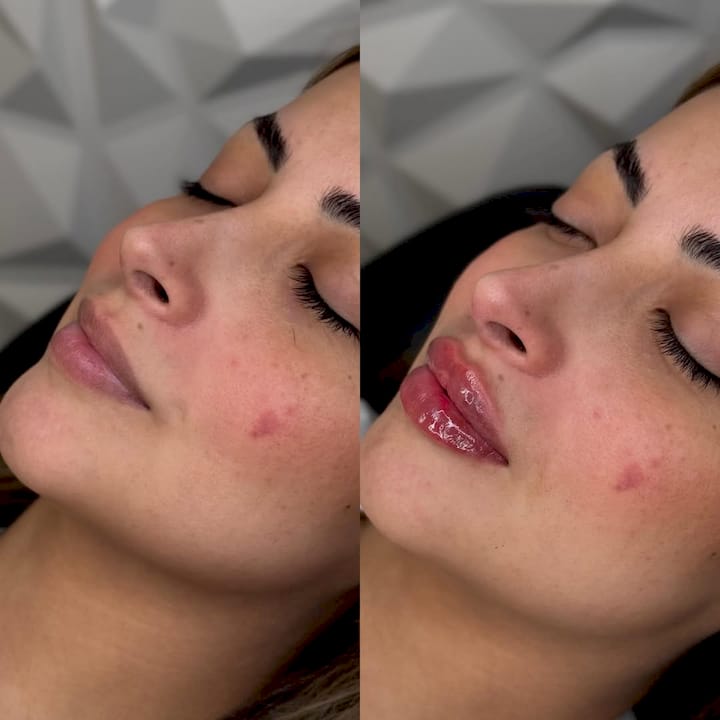
The most commonly used filler material is hyaluronic acid (HA), a substance your body already produces naturally. HA attracts and holds water, making it ideal for creating soft, natural-looking volume. Brands like Juvederm and Restylane are HA-based. There are also longer-lasting options like Sculptra (poly-L-lactic acid), which works gradually by stimulating your body’s own collagen production over several months.
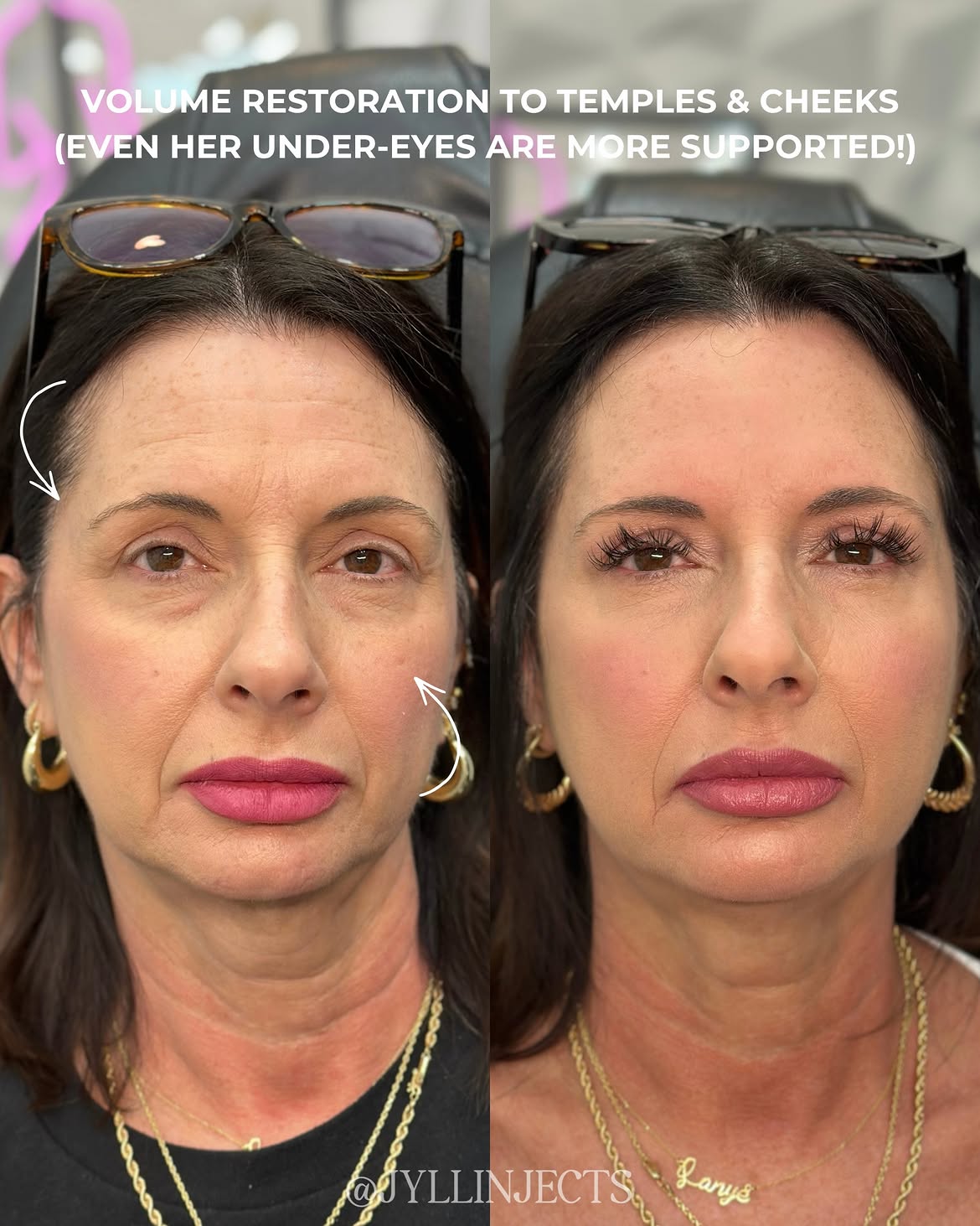
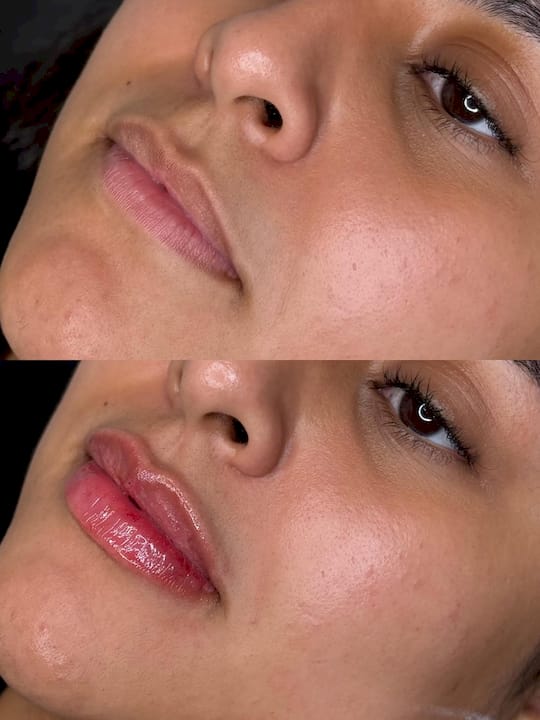
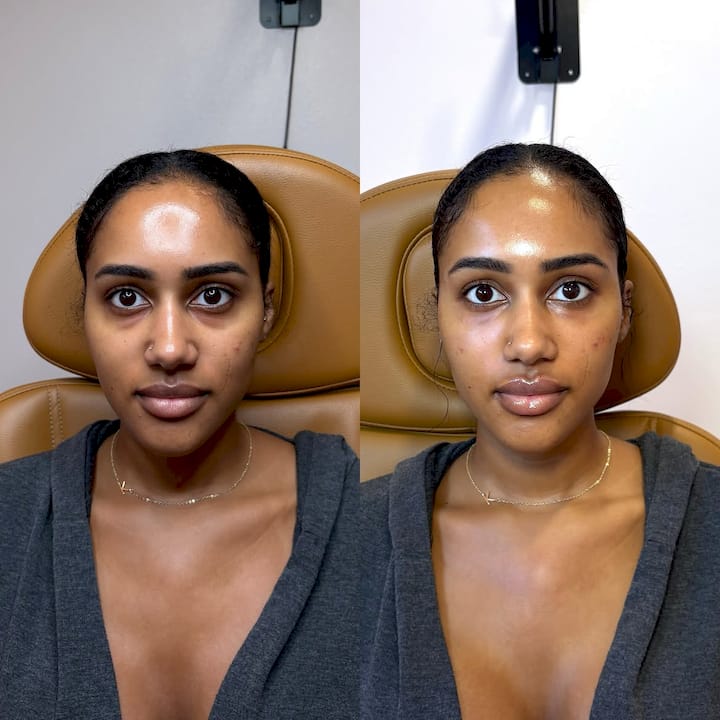
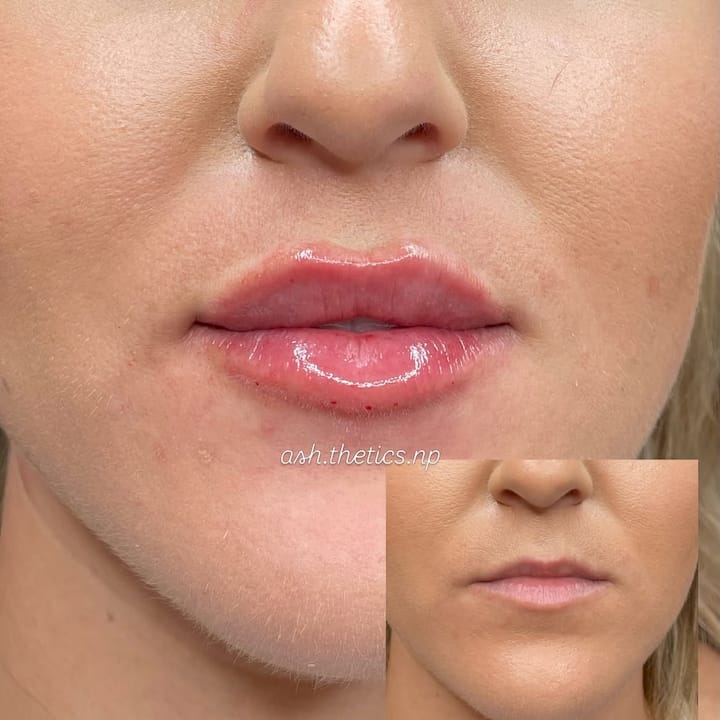
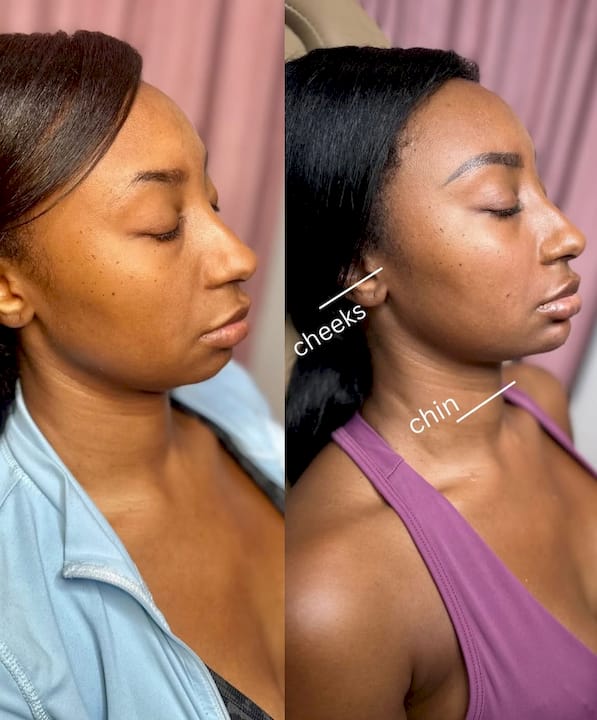
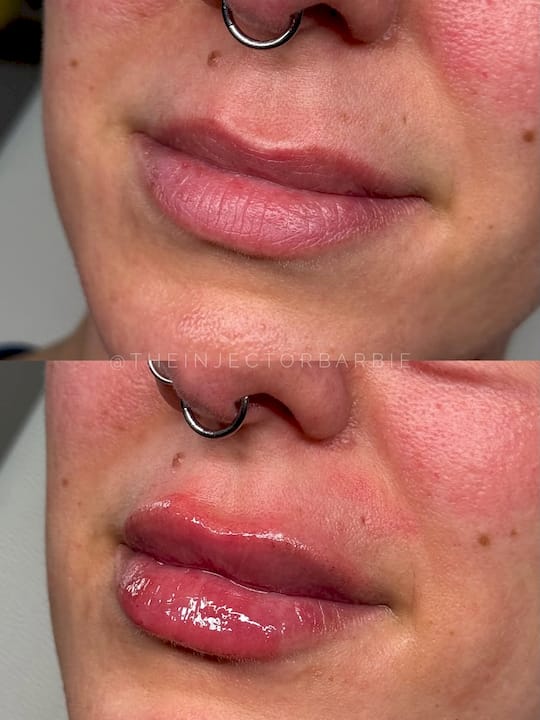
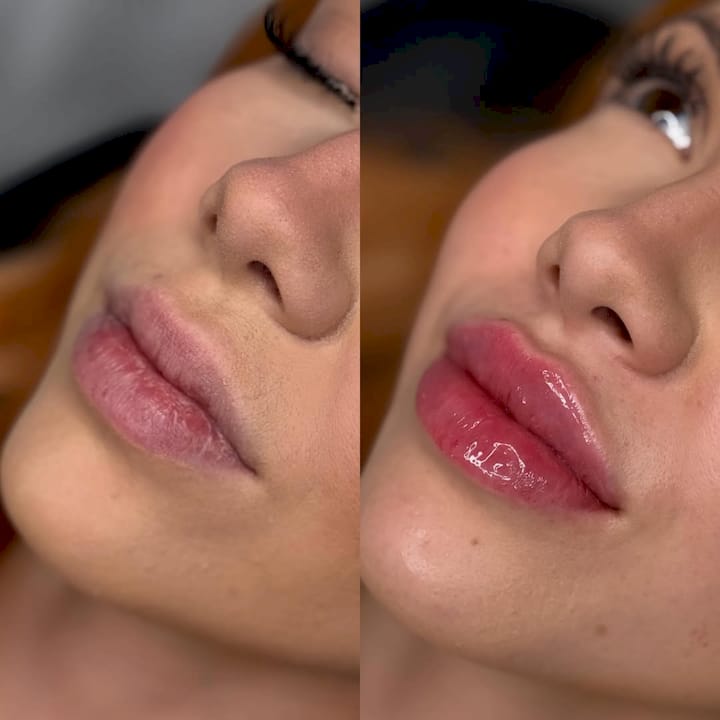
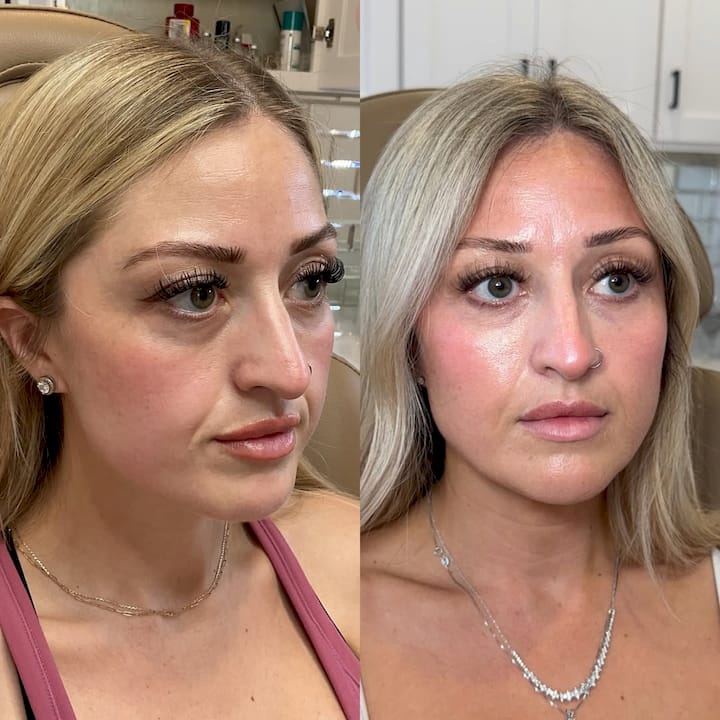
Fillers target static wrinkles, meaning wrinkles that are visible even when your face is completely at rest. They also address volume loss in the cheeks, temples, and under-eye hollows, as well as structural definition in areas like the chin and jawline.
Common treatment areas for fillers include:
-
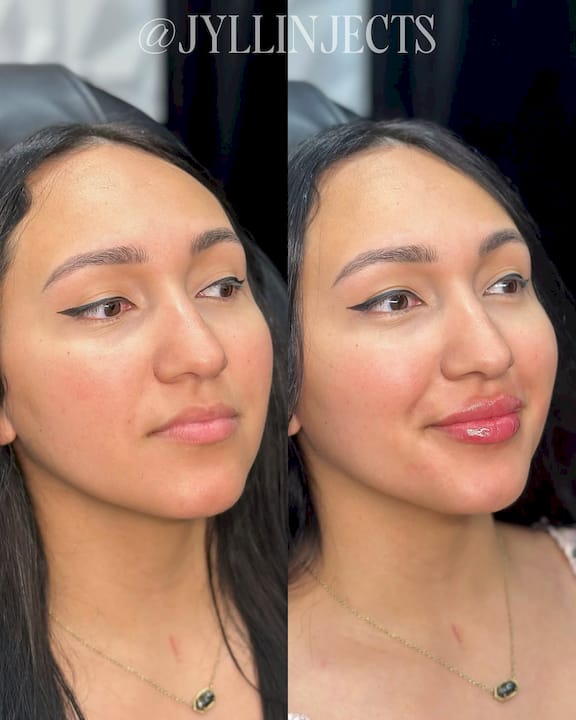
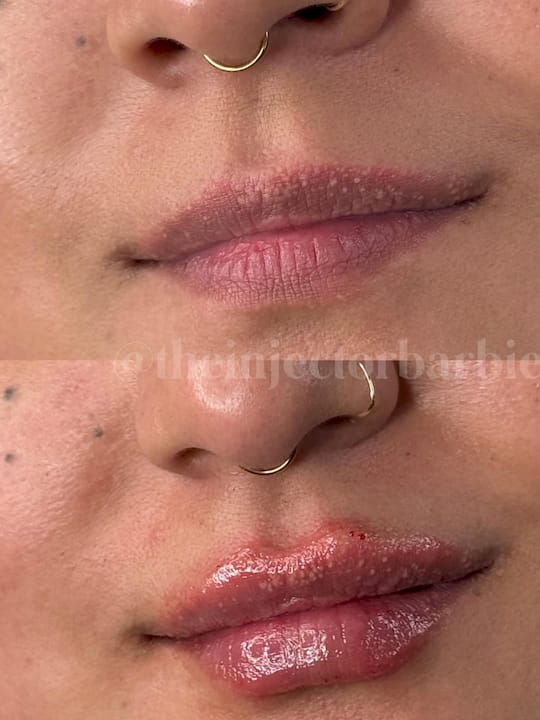
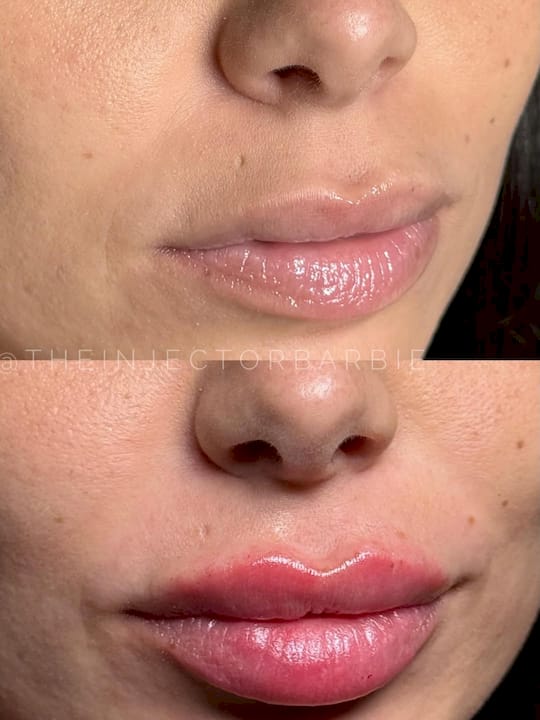
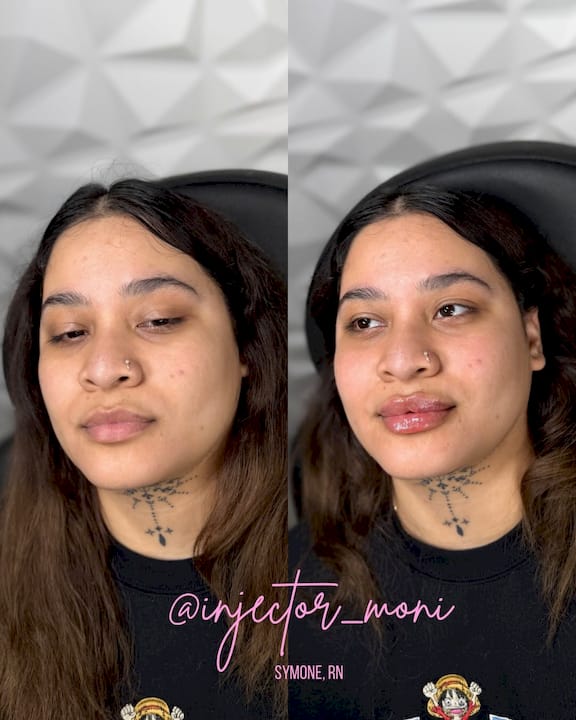
Lips (for volume and definition)
-
Cheeks (to restore midface fullness)
-
Nasolabial folds (the lines from nose to mouth)
-
Under-eye hollows (tear troughs)
-
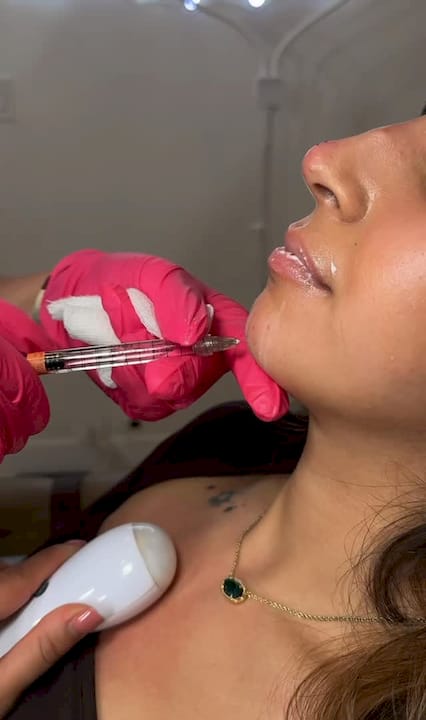
Chin and jawline contouring
-
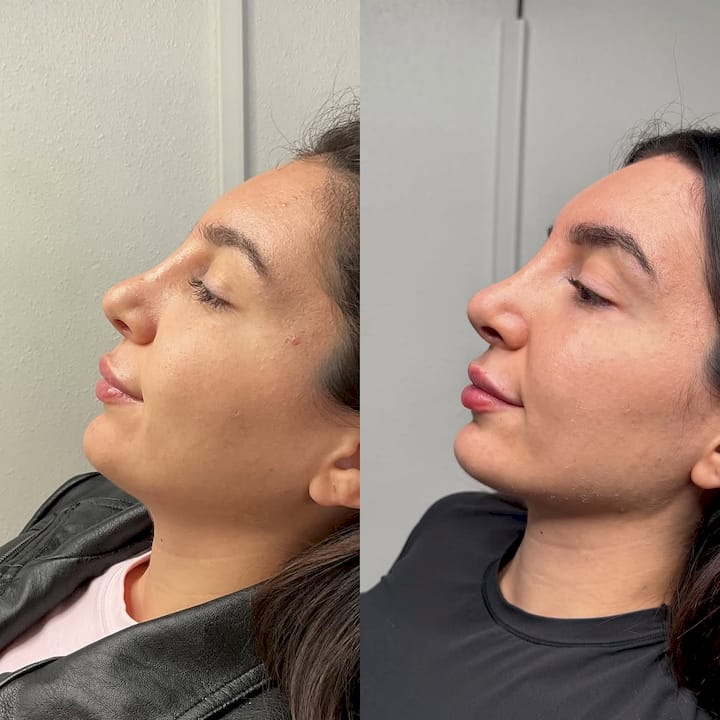
Non-surgical nose reshaping
-
Temples
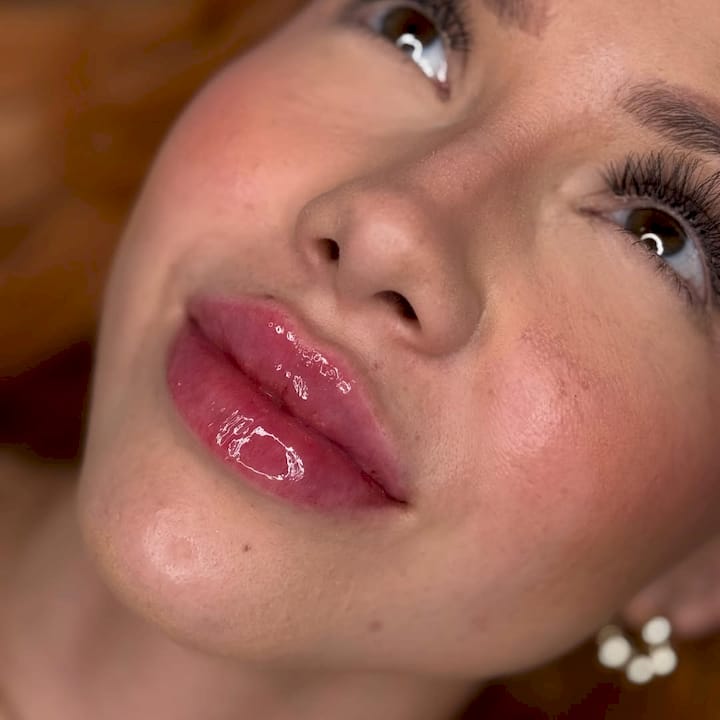
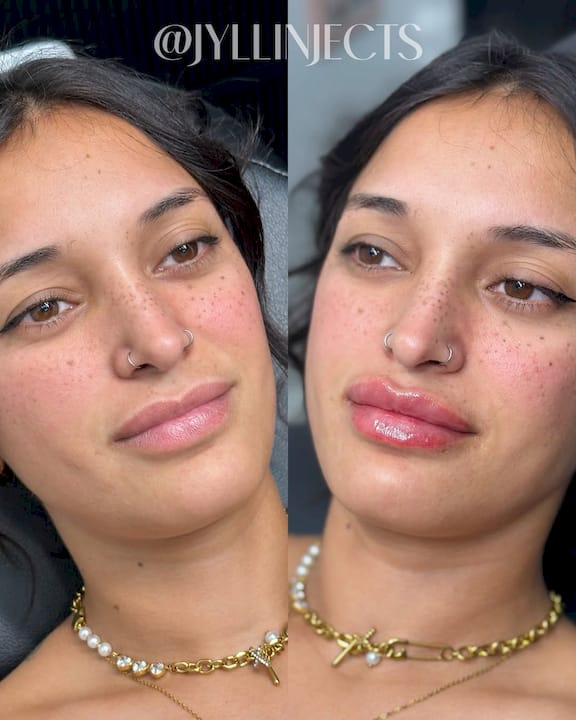
Results from HA fillers are visible almost immediately, though some swelling in the first 48 hours can make results appear slightly exaggerated at first. Filler longevity ranges from 6 months to 2 years depending on the product used and the area treated. Lips tend to metabolize filler faster than cheeks because of the constant movement in that area.
Botox vs fillers: a side-by-side comparison
If you want a clean look at the botox and filler difference, this table makes it plain:
| Feature | Botox | Dermal fillers |
|---|---|---|
| Mechanism | Relaxes muscles | Adds volume below the skin |
| Wrinkle type | Dynamic (caused by movement) | Static (visible at rest) |
| Onset of results | 3 to 14 days | Immediate (HA fillers) |
| Duration | 3 to 5 months | 6 months to 2 years |
| Common areas | Forehead, crow’s feet, brow, jaw | Lips, cheeks, chin, under-eyes |
| Pricing | Per unit | Per syringe, $500 to $1200 |
| Reversibility | Wears off naturally | HA fillers can be dissolved |
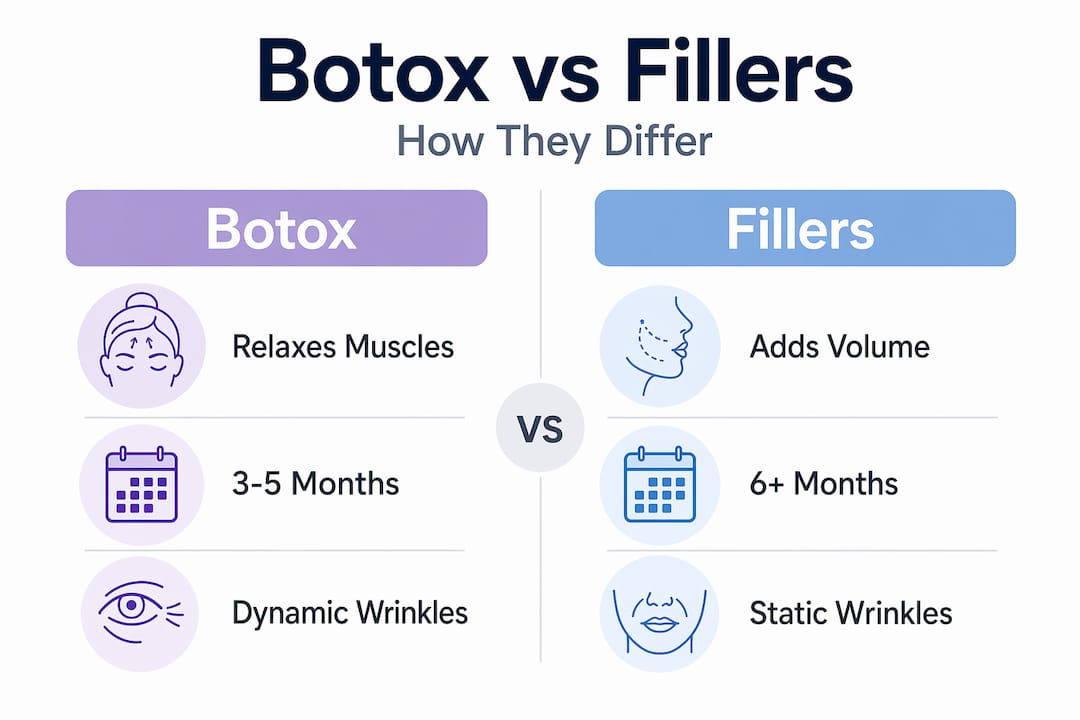
The cost difference matters for planning. Botox is priced per unit, and the number of units varies by treatment area and muscle strength. Fillers are priced per syringe, and multiple syringes are often needed to achieve noticeable results in larger areas like the cheeks or jawline.
Using Botox and fillers together
Here is where treatment really gets interesting. Most people who are serious about facial rejuvenation use both. Not because one is not enough, but because they treat completely different things, and a face has both kinds of concerns at the same time.
Combining Botox and fillers is a standard approach for full-face treatment. A typical combination protocol looks like this: Botox handles the upper third of the face where dynamic wrinkles dominate (forehead, brow area, eye corners), while fillers address the middle and lower face where volume loss and static lines are more prominent (cheeks, nasolabial folds, lips, chin).
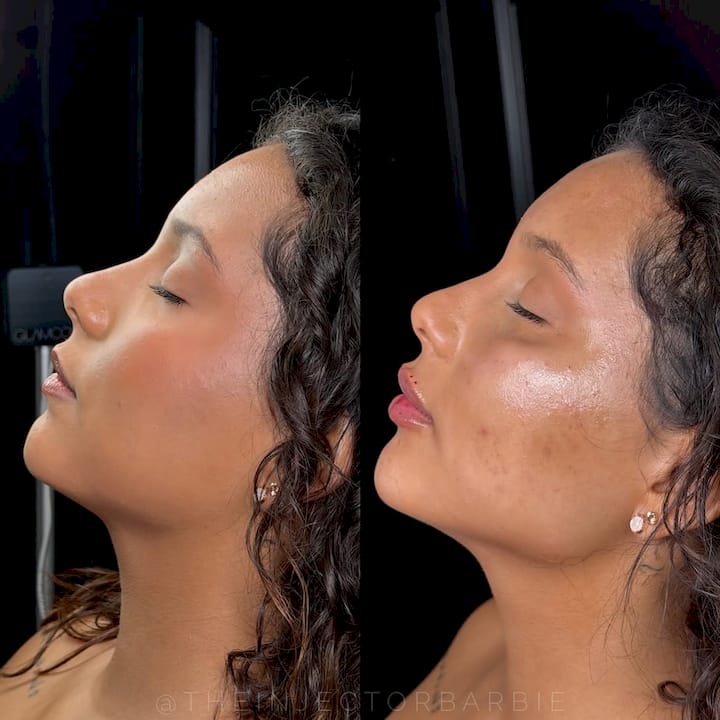
There are some standout combination examples worth knowing about. Masseter Botox reduces the bulk of the jaw muscle while a small amount of filler in the chin and angle of the jaw refines the overall contour. The result is a more defined jawline that neither treatment could achieve on its own. This kind of combined jawline contouring is one of the most requested procedures at quality med spas right now.
Key principles for combination treatment:
-
Start with smaller amounts than you think you need
-
Give each treatment time to settle before assessing results
-
Schedule maintenance appointments before effects fully wear off
-
Let your treatment plan evolve as your face changes with age
Pro Tip: Maintenance timing matters more than most people realize. Coming in just before your Botox wears off completely helps re-educate the muscle, so your results tend to last longer over time and you often need fewer units.
“The goal of any good injectable plan is not to look done. It is to look like a well-rested, refreshed version of yourself at every age.” This is the standard every experienced injector should be working toward.
How to choose between Botox and fillers
The most honest answer to “how to choose between Botox and fillers” is: look in the mirror and identify your actual concern. The treatment follows the problem, not the trend.
Here is a practical way to think through it:
-
Look at your face while it is relaxed. If you see creases that are just there, with no muscle movement involved, those are static wrinkles. Fillers address those.
-
Make expressions. Raise your brows, squint, frown. The lines that form with those movements are dynamic wrinkles. Botox is the right tool.
-
Check for volume loss. Flat cheeks, hollowed temples, a thinner lip line, and under-eye shadows are not wrinkle problems. They are structural problems. Fillers restore that structure.
-
Consider your goals. If you want to smooth and prevent, Botox. If you want to restore, contour, or add, fillers. If you want both, you probably need both.
-
Book a consultation, not a treatment. An experienced injector for your skin concerns will assess your face specifically and recommend a plan rather than a menu item.
One myth worth addressing directly: many people assume fillers are riskier or more unnatural-looking than Botox. The reality is that both carry risks when performed by undertrained injectors, and both can produce completely natural results in skilled hands. The path to natural-looking results with any injectable is conservative dosing, the right product for the area, and a provider who understands facial anatomy deeply.
Budget and maintenance commitment also matter. Botox requires touch-ups every 3 to 5 months. Fillers are less frequent but cost more per session. A realistic plan accounts for both.
My honest take on Botox, fillers, and the “less is more” truth
I’ve watched the “baby Botox” conversation play out across the aesthetics world for years, and it is worth setting the record straight. Baby Botox is just a lower dose of the same product, same technique, same risks. The term is largely marketing. What actually matters is whether the dose is right for your specific muscles, and that requires a skilled injector who is looking at your face, not following a formula.
What I have found is that the people who get the best results are the ones who come in with realistic expectations and commit to maintenance. Starting conservatively, building results gradually, and letting the treatment plan adapt as your face changes with age. That last part is what most providers skip: your face at 35 is not the same as your face at 45, and your filler and Botox plan should not be identical at both ages either.
The biggest mistake I see? People waiting until concerns are severe before they start, then wanting dramatic correction all at once. That is how you end up looking “done.” Prevention and gradual maintenance will always look better than correction.
— Marina
Explore Botox and filler treatments at Theinjectionroom
At Theinjectionroom, the team in Austin and San Antonio takes a personalized approach to every injectable treatment. Whether you are exploring Botox in Austin or San Antonio for the first time, or ready to add fillers to your plan, every consultation starts with your specific face and goals, not a one-size-fits-all menu. The focus is on balanced, natural results through conservative dosing and a treatment plan that evolves with you. Theinjectionroom also offers combination treatments, non-surgical options like rhinoplasty with filler, Sculptra, PDO Threads, and more. Book a consultation at any Texas location and get a plan built around what your face actually needs.
FAQ
Are Botox and fillers the same thing?
No. Botox is a neuromodulator that relaxes facial muscles to reduce dynamic wrinkles, while fillers are gel substances that add volume to address static wrinkles and areas of volume loss.
How long do Botox and fillers last?
Botox typically lasts 3 to 5 months. Dermal fillers last anywhere from 6 months to 2 years depending on the type of filler used and the area treated.
Can you get Botox and fillers at the same appointment?
Yes. Combining both treatments in one session is common and safe, and many providers recommend it for a more complete facial rejuvenation result.
What’s the difference between botox and dermal fillers for wrinkles?
Botox targets wrinkles caused by muscle movement (dynamic wrinkles), while dermal fillers address wrinkles that are visible when the face is at rest (static wrinkles) due to volume loss beneath the skin.
How do I know which treatment is right for me?
If your concern is expression lines that form when you move your face, Botox is likely the right choice. If you have flat cheeks, lip thinning, deep folds at rest, or hollowing, fillers address those. Many patients benefit from both, and a consultation with a qualified injector is the best way to determine your specific plan.


%20Pictures%20are%204%20weeks%20apart..jpg)