Finding the right approach to your first Botox appointment can feel overwhelming, especially with so many details to consider for safe and beautiful results. Preparing carefully matters because your choices in the days before treatment directly influence healing, comfort, and whether your Austin or San Antonio experience meets your goals. This guide covers everything you need to know about scheduling consultations, skincare, medication adjustments, and ensuring you are truly ready for Botox, helping you feel confident and supported every step of the way.
Table of Contents
Quick Summary
| Important Insight | Detailed Explanation |
| 1. Schedule a consultation with a specialist | Find a board-certified provider to discuss your goals and assess their experience in Botox. |
| 2. Adjust your skincare and medication routine | Stop blood thinners and Retin-A two days prior, using gentle products to prepare your skin. |
| 3. Stay hydrated and avoid alcohol | Increase water intake and avoid alcohol at least 24 hours before to reduce bruising and aid healing. |
| 4. Confirm treatment readiness | Check in with your provider 24 hours before to verify health status and adherence to pre-procedure guidelines. |
Step 1: Schedule your consultation with a specialist
Scheduling a consultation with a qualified Botox provider is your foundation for successful treatment. This appointment allows you to discuss your goals, understand what’s realistic for your face, and build trust with the professional who’ll be administering your injections.
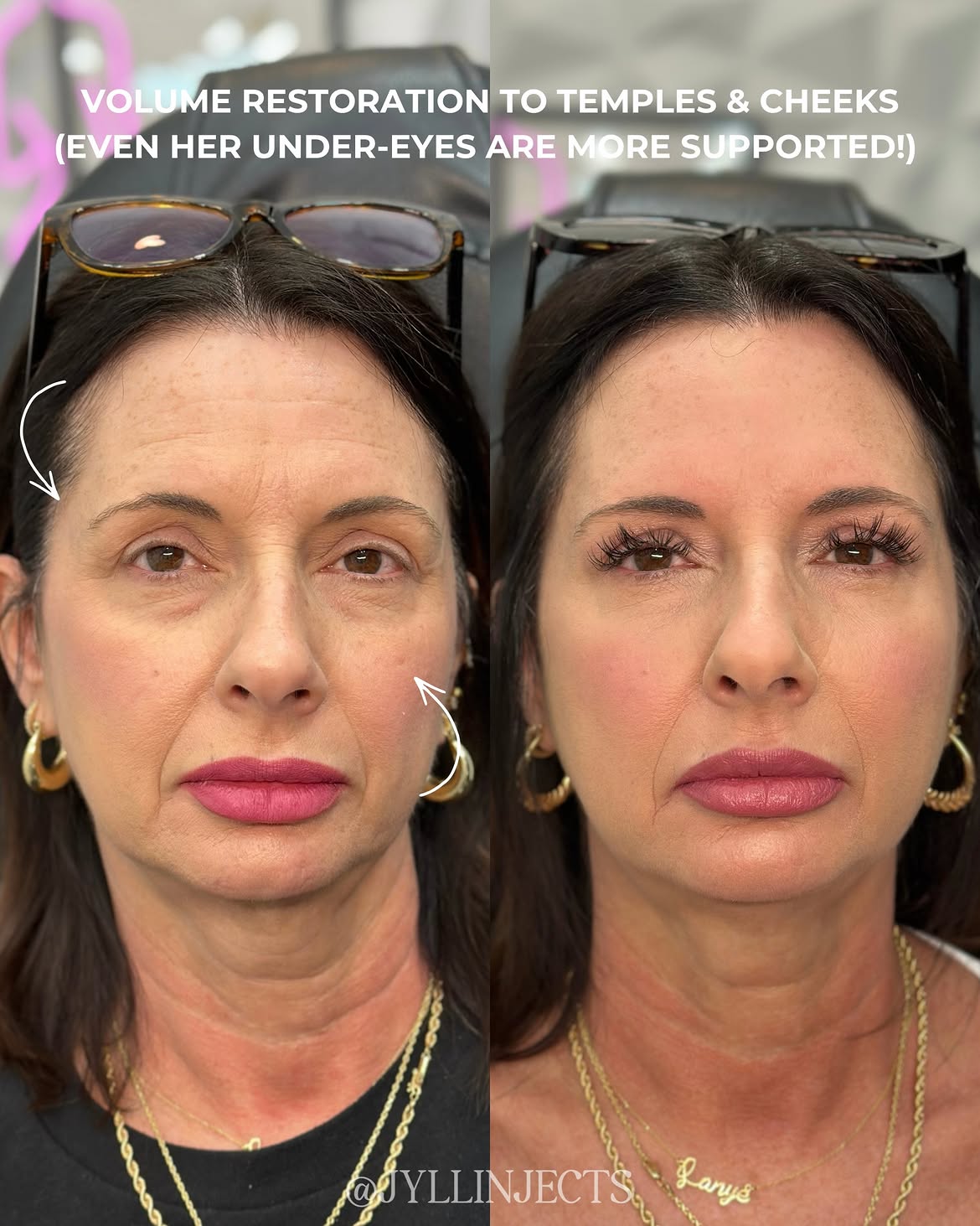
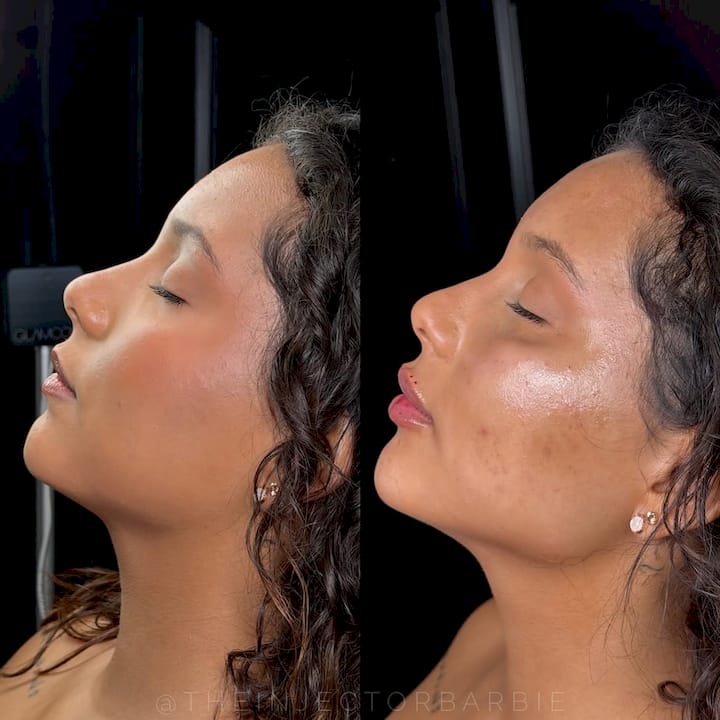
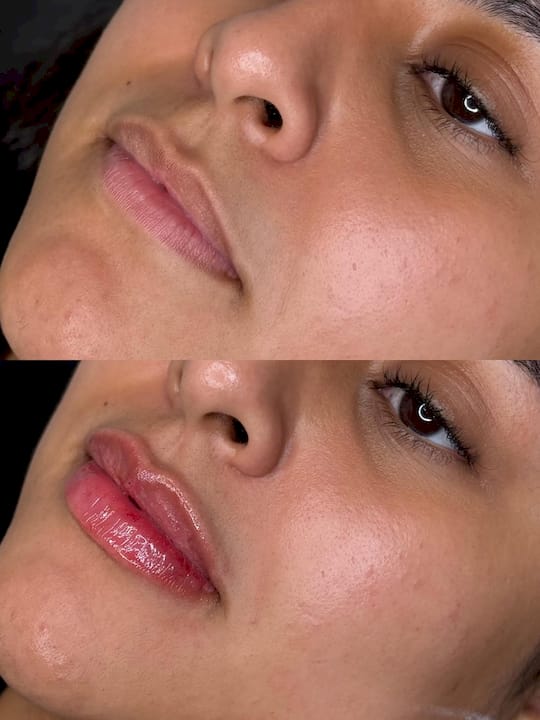
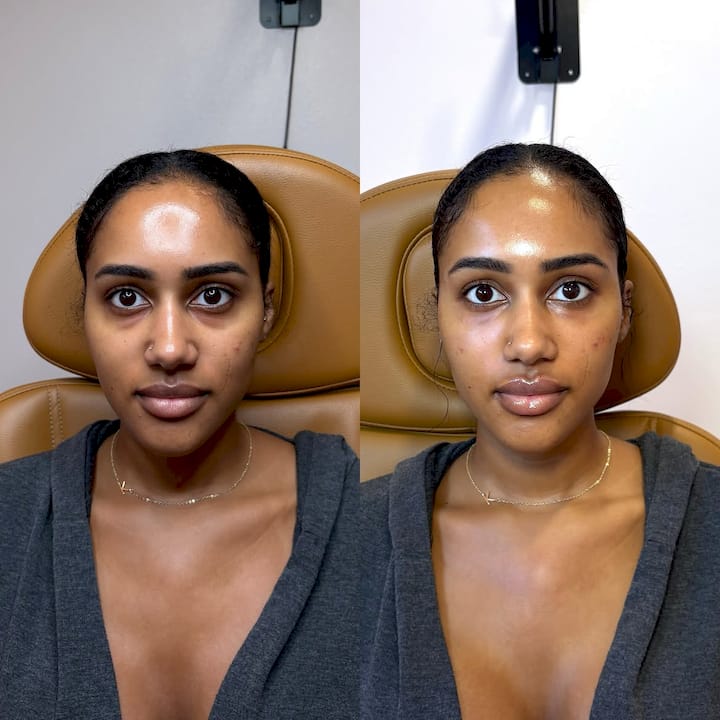
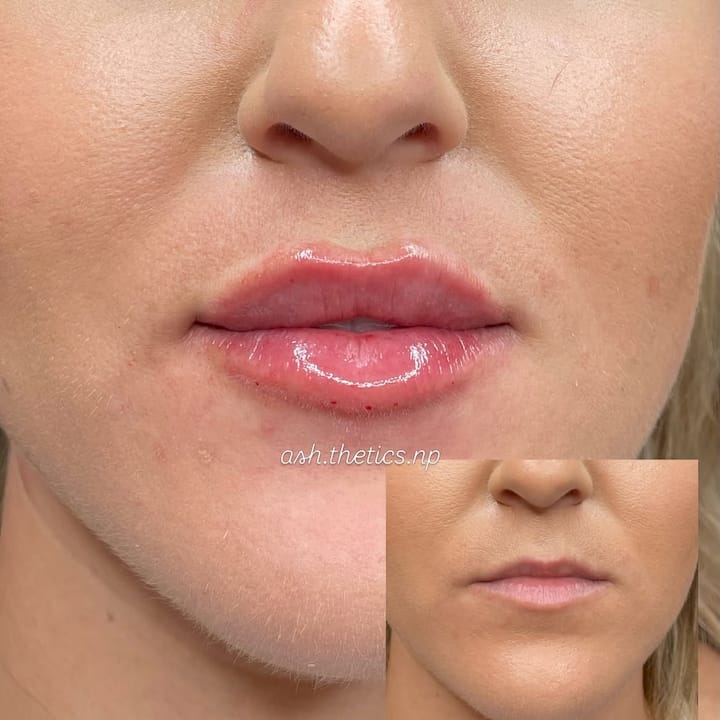
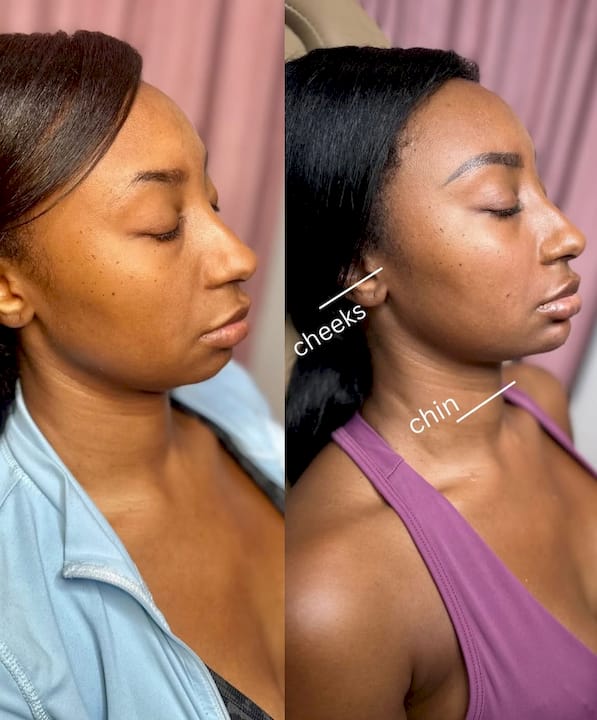
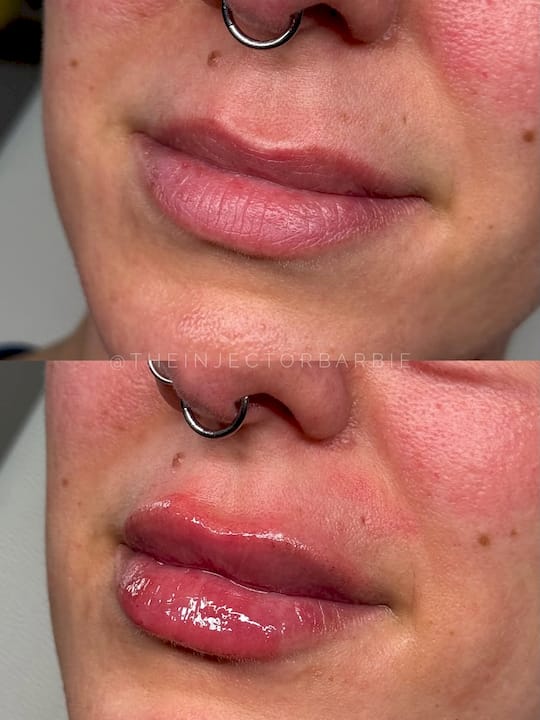
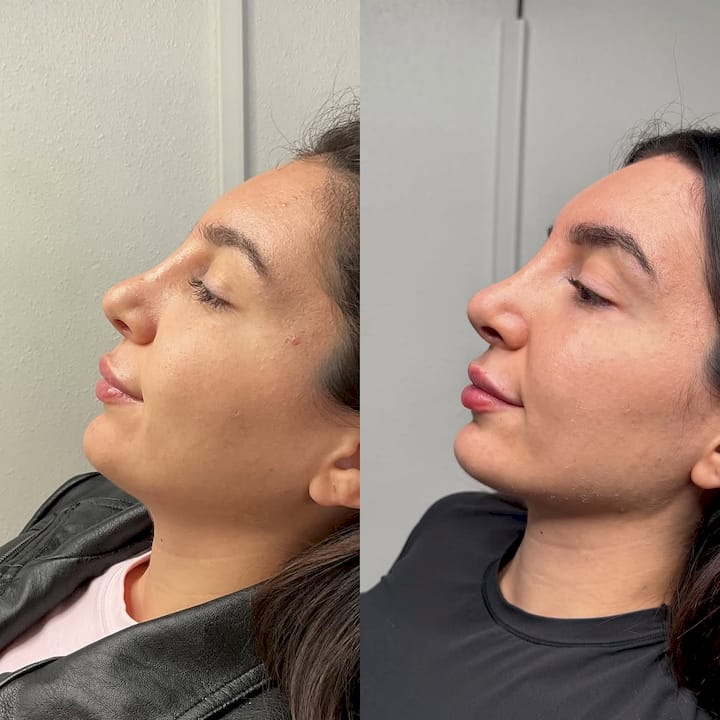
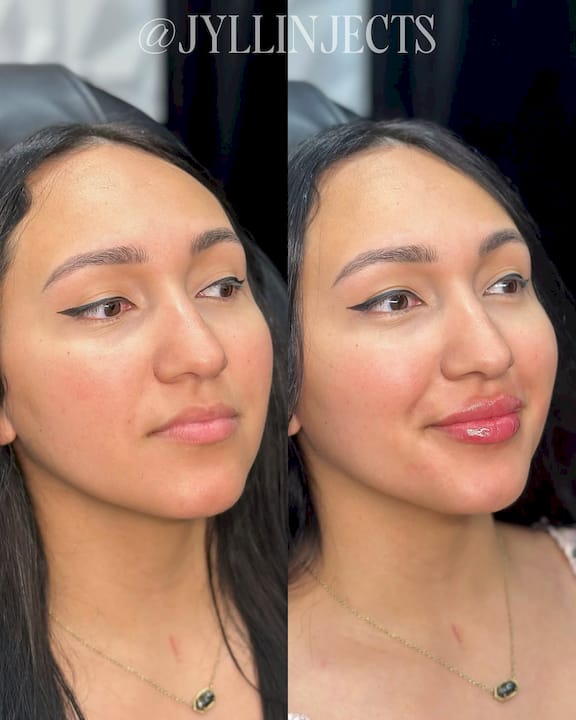
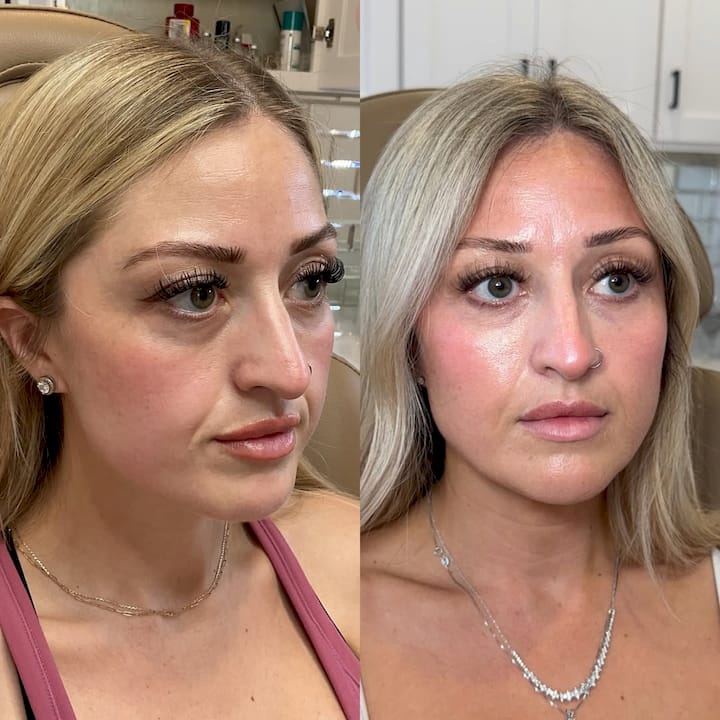
When searching for a provider, prioritize finding a board-certified physician with proven experience in Botox treatments. Look for someone who can show you before-and-after photos of previous patients to assess their aesthetic style and whether it aligns with your vision. Ask about their specific training in neurotoxin injections and how many procedures they perform monthly.
During the consultation itself, come prepared with honest information about your medical history. You’ll need to discuss any allergies, current medications, supplements, and health conditions that might affect treatment safety. Your provider will also ask about alcohol use and tobacco habits, as these can influence bruising and healing. Being transparent here ensures your specialist can tailor the treatment specifically to you.
What to expect at your appointment:
-
A thorough facial analysis to identify your primary concern areas
-
Discussion of your goals and realistic outcomes for your specific face shape
-
Evaluation of your medical history and any risk factors
-
Clear explanation of how Botox works and what to expect during and after treatment
-
Answers to all your questions about the procedure
Use this time to assess whether you feel comfortable with this provider. A good specialist will listen more than they talk and never pressure you into immediate treatment. Trust your instincts about whether this person understands your vision and treats you with respect.
A quality consultation takes time and should never feel rushed. If a provider schedules you for only 10 minutes, consider looking elsewhere.
Pro tip: Bring a list of questions written beforehand and don’t hesitate to ask about their complication rates, touch-up policies, and how they handle concerns post-treatment. This information reveals how experienced and confident they truly are.
Step 2: Adjust your daily skincare and medication routine
Your skincare and medication choices in the days leading up to your Botox appointment directly impact how well your body tolerates the injections and heals afterward. Making strategic adjustments now sets you up for smoother results and fewer side effects.
Start by identifying any blood thinners or NSAIDs you’re currently taking. Medications like ibuprofen, aspirin, and prescription blood thinners increase your risk of bruising significantly. Stop taking these at least 24 hours before your appointment, but check with your provider first if you’re on prescription medications. Some people also don’t realize that Retin-A and retinol products can sensitize your skin, so discontinue these two days before treatment and wait two days after to resume.
If you have a history of cold sores, talk to your provider about getting antiviral medication prescribed beforehand. This prevents potential complications during treatment.
Consider adding these supportive supplements starting 3-5 days before your appointment:
-
Arnica Montana to reduce bruising and swelling
-
Bromelain for its anti-inflammatory properties
-
High-quality multivitamins to support skin health
-
Plenty of water to keep your skin hydrated
Avoid alcohol for at least 24 hours before your injection appointment since it thins your blood and dehydrates your skin. On the morning of your appointment, thoroughly cleanse your face to remove any makeup, sunscreen, or lotions that could interfere with the injection sites.
Skip any harsh skincare products or exfoliants for 48 hours before treatment. Your skin should be calm and neutral when you arrive.
Here’s a quick comparison of actions to take—and to avoid—in the days before your Botox appointment:
| Prep Step | What to Do | What to Avoid |
| Medications & Supplements | Pause blood thinners (with approval) | NSAIDs, aspirin, high-dose vitamin E |
| Skincare Routine | Use gentle cleanser | Retin-A, retinol, harsh exfoliants |
| Nutrition & Hydration | Drink extra water, eat hydrating food | Alcohol, caffeine, salty snacks |
| Day-of-Appointment | Arrive with clean face, hydrated | Heavy makeup, lotions, skipping meals |
Your preparation routine during these final days is just as important as the injections themselves. Small adjustments compound into noticeably better results.
Pro tip: Create a simple three-column spreadsheet tracking what to stop, what to add, and what dates to start and stop each item. This prevents confusion and ensures you don’t accidentally take something that could compromise your results.
Step 3: Hydrate and avoid alcohol before your appointment
Hydration and alcohol avoidance are two of the simplest yet most impactful ways to prepare your body for Botox. These two habits work together to minimize bruising, reduce swelling, and help your skin respond optimally to treatment.
Start increasing your water intake 3-4 days before your appointment. Aim for at least 8-10 glasses daily, more if you’re active or live in a dry climate like central Texas. Well-hydrated skin is more resilient and tends to heal faster after injections. Think of hydration as building a cushion of support for your skin cells before they experience the minor trauma of needles.
Alcohol is your biggest enemy during this preparation phase. It thins your blood and causes blood vessels to dilate, which directly increases bruising and swelling after your injections. Avoiding alcohol consumption before and after treatment is one of the most universally recommended precautions. Stop drinking at least 24 hours before your appointment, and ideally, extend this to 48 hours for maximum protection.
Here’s what happens when you stay hydrated and skip the drinks:
-
Your blood remains at normal viscosity, reducing bruise formation
-
Your skin maintains plumpness and elasticity for better injection results
-
Swelling typically subsides faster post-treatment
-
Your body’s natural healing processes work more efficiently
-
Overall comfort during recovery improves
In the 24 hours leading up to your appointment, also avoid caffeine and salty foods since these are dehydrating. Stick to herbal tea, water, coconut water, and hydrating foods like watermelon, cucumbers, and leafy greens.
On the morning of your appointment, drink a normal amount of water but don’t overdo it right before you arrive. You want to be hydrated, not uncomfortably full.
Proper hydration before Botox isn’t just about looking better afterward. It’s about giving your skin the biological support it needs to heal beautifully.
Pro tip: Set phone reminders to drink water every two hours starting three days before your appointment. This simple habit removes the guesswork and ensures you stay consistently hydrated without forcing yourself to chug water at the last minute.
Step 4: Confirm treatment readiness with a pre-procedure check
The final step before your Botox appointment is a comprehensive check to confirm you’re truly ready for treatment. This isn’t just a formality—it’s your last opportunity to catch anything that could affect your safety or results.
Contact your provider at least 24 hours before your appointment to confirm you’ve followed all preparation instructions. Be honest about any changes in your health status since your consultation. Did you start a new medication? Experience unusual stress? Develop a rash or blemish? These details matter and might require rescheduling.

If you notice any active skin issues in the treatment area, reschedule your appointment. A cold sore, rash, blemish, or infection can complicate the procedure and slow healing. Your provider would rather reschedule than risk complications. This is especially important if you have a history of cold sores, since notifying your provider helps them possibly start antiviral medication before treatment.
During this final check, your provider will review:
-
All medications and supplements you’re currently taking
-
Any new health concerns or changes since consultation
-
Your adherence to pre-procedure instructions
-
Current status of blood thinners, NSAIDs, and alcohol avoidance
-
Any skin conditions or infections in the treatment area
-
Your realistic expectations for results
Your provider will also confirm that your overall health status supports safe treatment and discuss any adjustments to the treatment plan based on your current condition. This conversation protects both you and ensures the best possible outcome.
Below is a summary of what providers assess during your pre-procedure check:
| Review Factor | Why It Matters | Examples |
| Medication Changes | Safety and interaction risks | New prescription started, OTC drugs |
| Skin Condition | Prevents infection/comp. | Cold sore, eczema, recent breakout |
| Recent Illness/Stress | Affects healing and response | Fever, high stress, fatigue |
| Preparation Adherence | Reduces side effects risks | Followed alcohol and med guidelines |
If everything checks out, you’re cleared to proceed. You’ve done the groundwork. You’re ready.
This pre-procedure check is your final safety net. Use it to ensure nothing was overlooked and you’re genuinely prepared.
Pro tip: Create a brief checklist the night before and review it one final time that morning. Include items like current medications, supplement status, alcohol avoidance confirmation, skin condition check, and hydration level. Sending this checklist to your provider’s office 12 hours before your appointment shows professionalism and ensures nothing slips through the cracks.
Prepare for Your Best Botox Experience with Expert Care at The Injection Room
Preparing naturally for Botox is essential to achieve smooth, lasting results while minimizing side effects like bruising or swelling. If you are focused on hydration, skincare adjustments, and ensuring you meet all pre-treatment guidelines this careful preparation will support your safety and satisfaction. Many patients find that having a clear plan on medication pauses, dietary habits, and skin health helps them feel confident and ready to enjoy the benefits of Botox.
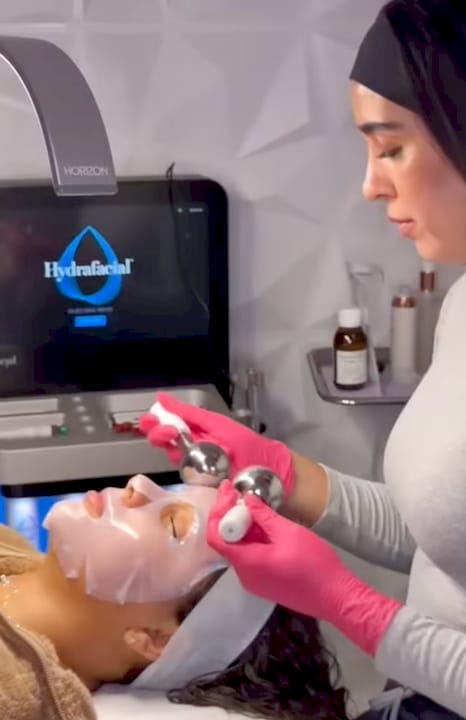
At The Injection Room, we specialize in personalized neurotoxin treatments tailored to your unique goals and lifestyle. Our expert team understands the importance of your preparation routine and provides thorough consultations to guide you through each step. Explore our skincare services to enhance your skin’s condition before and after your Botox appointment for the best overall appearance. Don’t wait to invest in the care that maximizes your treatment success.
Take the first step toward natural, beautiful results and book a consultation today at The Injection Room. Your journey to refreshed and radiant skin starts with preparation and the right experts by your side.
Frequently Asked Questions
How can I prepare my skin for Botox treatments?
To prepare your skin for Botox, focus on gentle cleansing and hydration. Use a mild cleanser to wash your face, and drink plenty of water daily for optimal skin health, aiming for at least 8-10 glasses.
What medications should I avoid before my Botox appointment?
Avoid blood thinners and NSAIDs such as ibuprofen and aspirin at least 24 hours before your Botox appointment. This helps reduce the risk of bruising, ensuring a smoother treatment experience.
How long before my appointment should I stop using retinol products?
Discontinue any retinol or Retin-A products two days before your Botox appointment. These ingredients can sensitize your skin and may affect the results of the treatment.
What should I do if I have a history of cold sores?
If you have a history of cold sores, consult your provider about getting antiviral medication ahead of your Botox treatment. This proactive step can help prevent complications and ensure a smoother procedure.
Is there anything specific I should eat or drink before my Botox appointment?
Focus on hydrating foods and plenty of water leading up to your Botox appointment. Eating foods like watermelon and cucumbers can help your skin stay hydrated, while avoiding alcohol and caffeine can prevent dehydration and swelling.
How can I confirm I’m ready for Botox treatment?
Confirm your readiness for Botox by contacting your provider 24 hours before your appointment. Share any changes in your medication, health status, or skin conditions to ensure a safe and effective treatment.


%20Pictures%20are%204%20weeks%20apart..jpg)