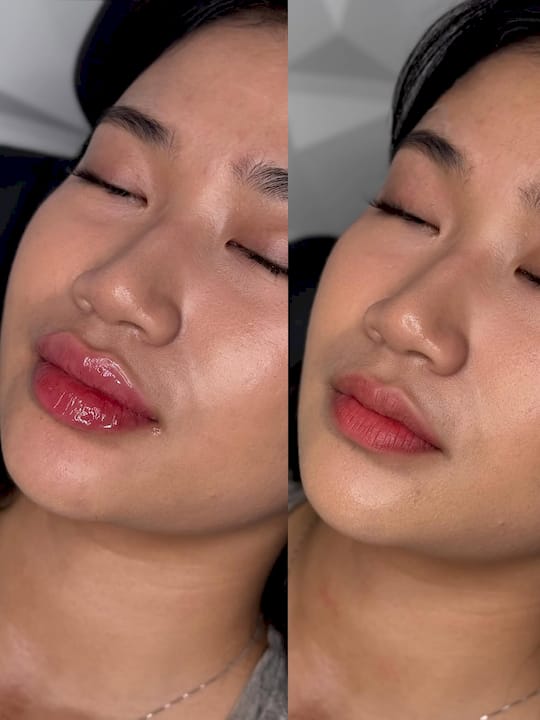
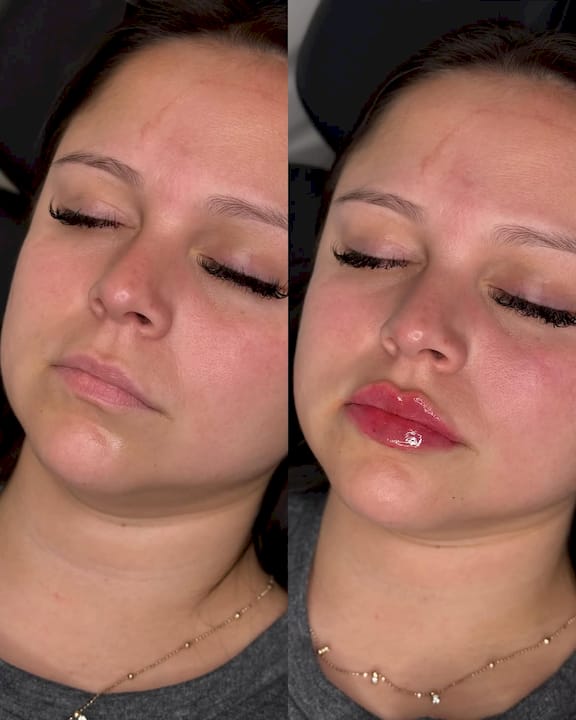
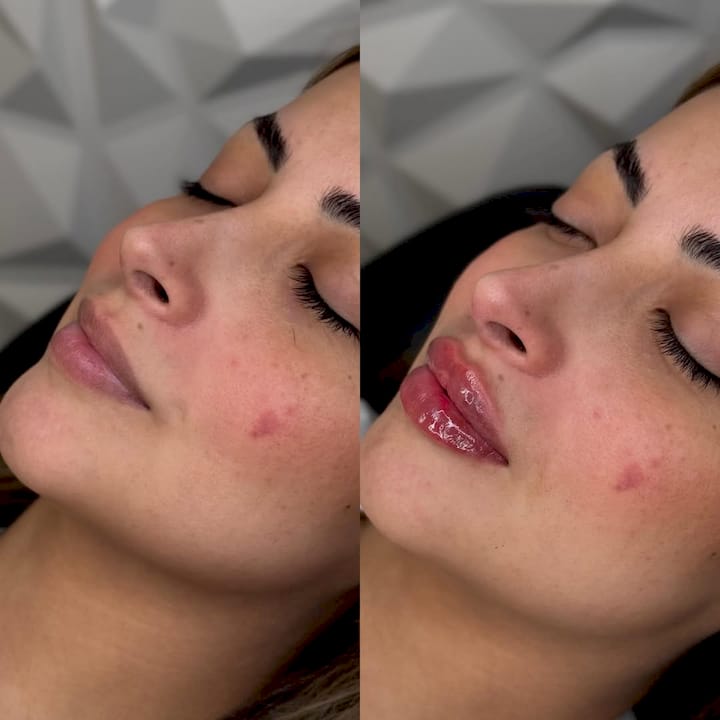
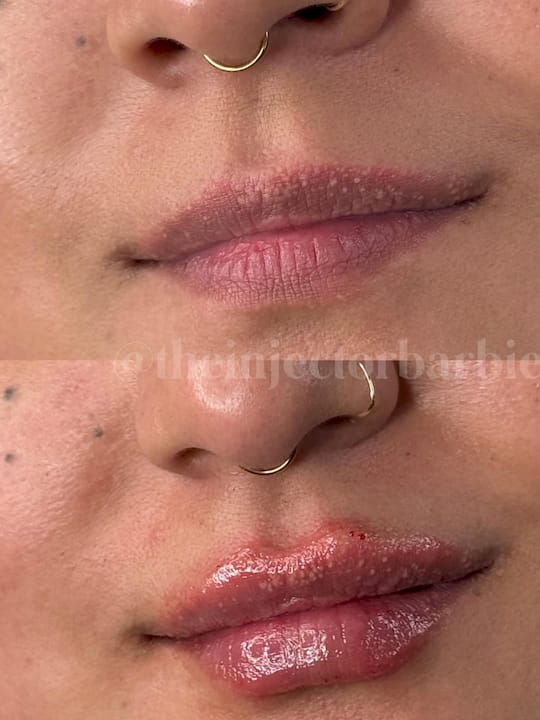
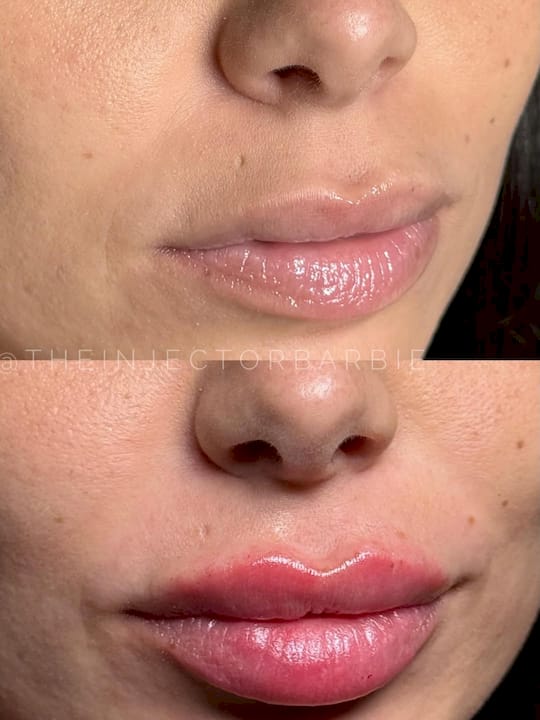
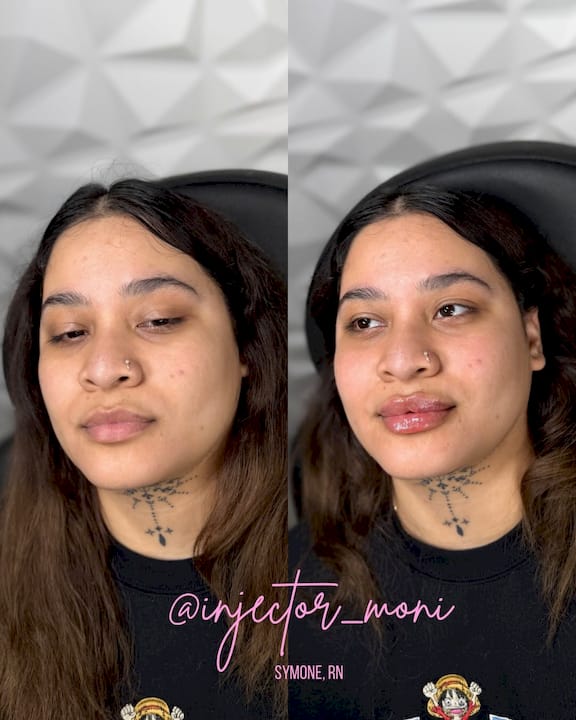
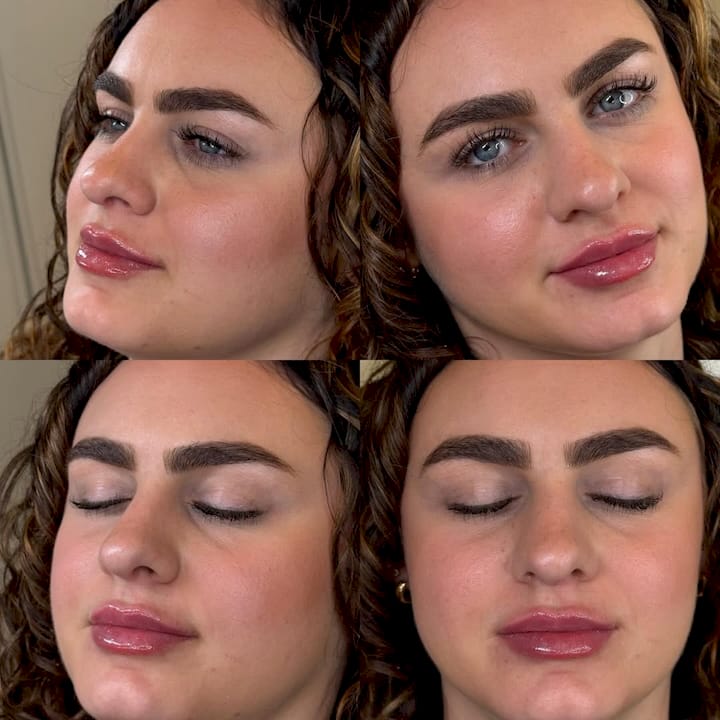
Looking in the mirror and noticing subtle changes in your skin can spark the search for gentle, effective ways to maintain a youthful, radiant appearance. For women in San Antonio and Austin, anti-aging injectable treatments have become a modern solution for enhancing facial features and smoothing away wrinkles without the need for surgery. By focusing on aesthetic injectables that combine convenience with visible results, this guide will help you understand the options available and how they support both rejuvenation and preventive care.
Table of Contents
Key Takeaways
| Point | Details |
| Injectable Therapy Overview | Injectable therapy offers a minimally invasive option for aesthetic enhancement, addressing volume loss and skin quality with minimal downtime. |
| Types of Injectables | Common types include Dermal Fillers, Skin Boosters, Neurotoxins, and Micro-injections, each targeting specific skin concerns and enhancing facial aesthetics. |
| Provider Qualifications | Safety in injectable treatments relies on choosing a board-certified professional with specialized training in aesthetic injectables. |
| Risks and Costs | Be aware of potential risks such as swelling and uneven results, and understand the cost variations based on product type and provider expertise. |
What Is Injectable Therapy For Aesthetics
Injectable therapy represents a cutting-edge approach to aesthetic enhancement, offering minimally invasive solutions for individuals seeking to refresh and rejuvenate their appearance. Injectable treatments provide a sophisticated method to address volume loss, contour changes, and skin quality without extensive surgical procedures.
These innovative treatments encompass a range of techniques designed to improve facial aesthetics, including:
-
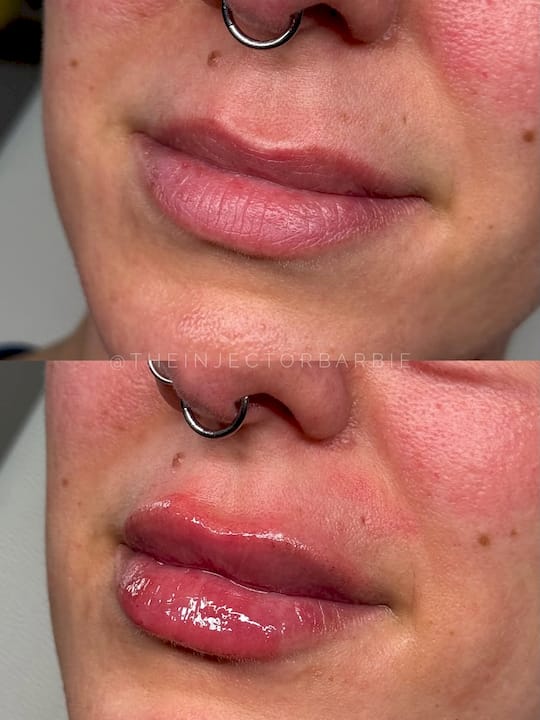
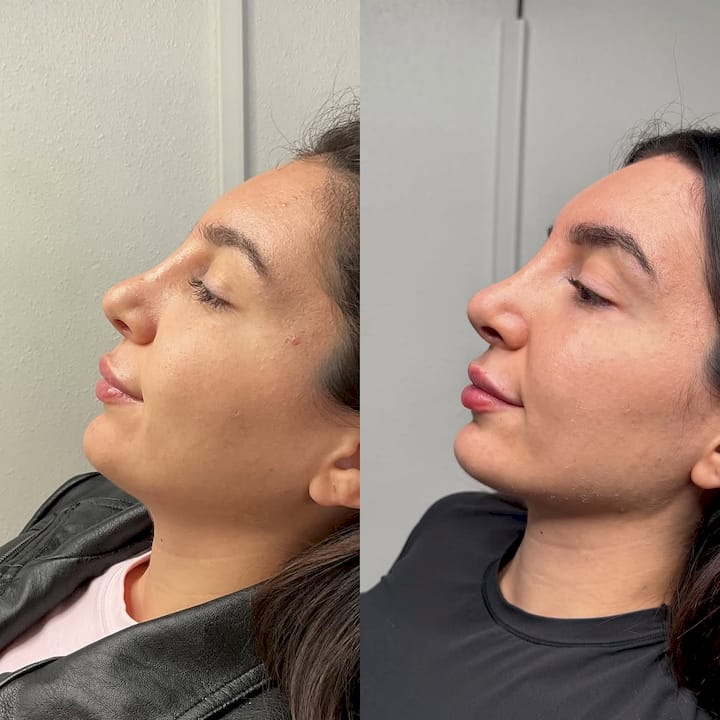
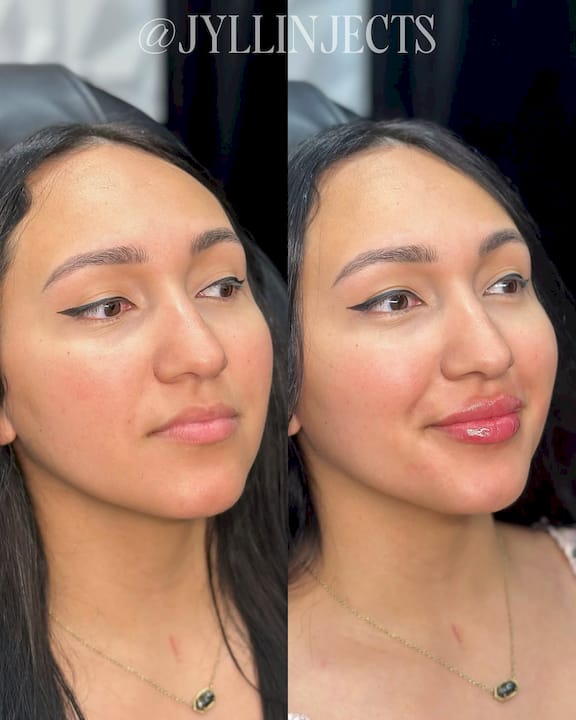
Dermal fillers that restore lost volume
-
Skin boosters that enhance hydration and luminosity
-
Neurotoxin injections to reduce fine lines and wrinkles
-
Micro-injections targeting specific skin concerns
Aesthetic injectables work by strategically introducing specialized substances just beneath the skin’s surface. Unlike traditional cosmetic surgeries, these treatments offer subtle yet significant improvements with minimal downtime. Injectable moisturizers represent a particularly innovative subset, focusing on improving skin quality through deep hydration rather than volume enhancement.
Injectable therapies provide a nuanced approach to aesthetic enhancement, allowing individuals to achieve natural-looking results with precision and minimal intervention.
The technology behind injectable therapies continues to evolve, with treatments now capable of addressing a wide range of aesthetic goals. Patients can target specific concerns like:
To help you compare different injectable treatment types, review this overview:
| Treatment Category | Main Effect | Duration | Common Use Cases |
| Dermal Fillers | Restore lost volume | 6-18 months | Cheeks, lips, folds |
| Skin Boosters | Improve hydration and glow | 4-6 months | Dull skin, fine lines |
| Neurotoxins | Relax facial muscles | 3-6 months | Forehead, crow’s feet |
| Micro-injections | Target specific issues | Varies by product | Acne scars, texture |
-
Reducing facial wrinkles
-
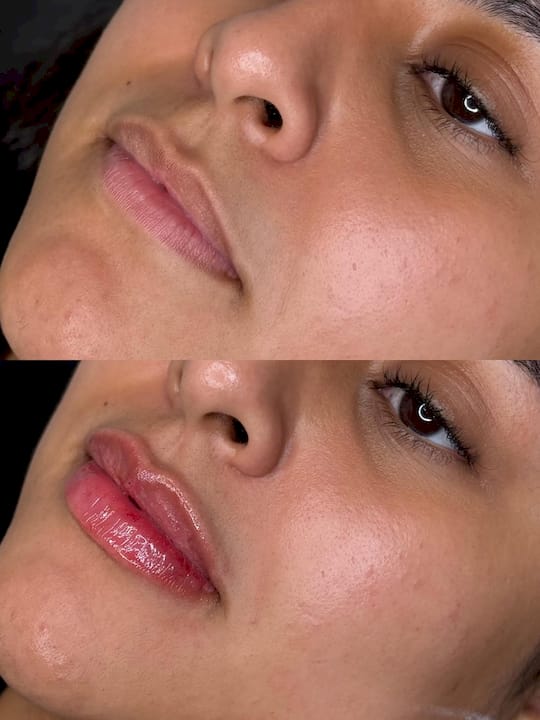
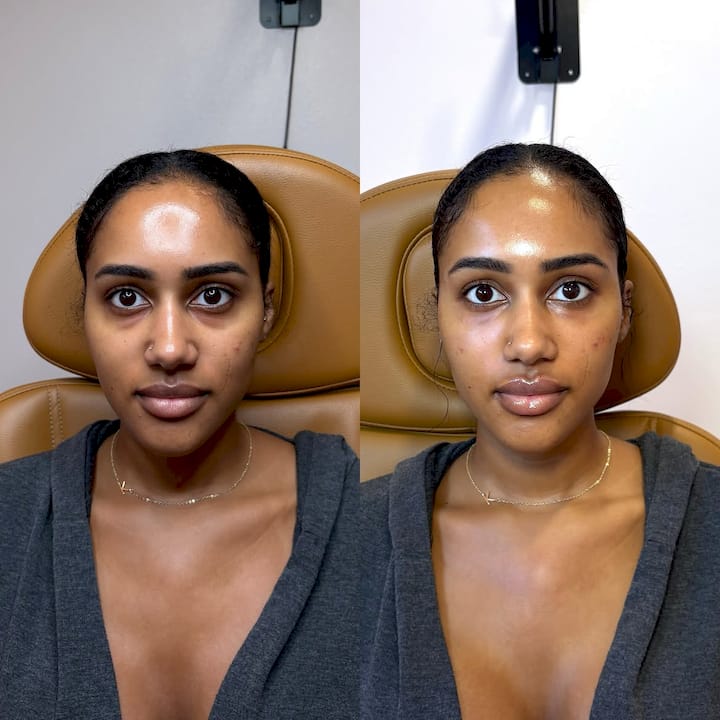
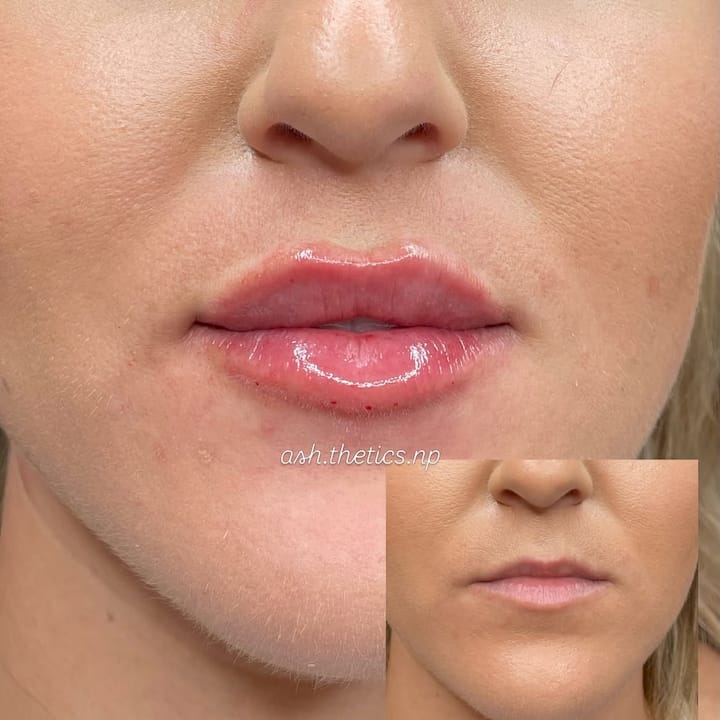
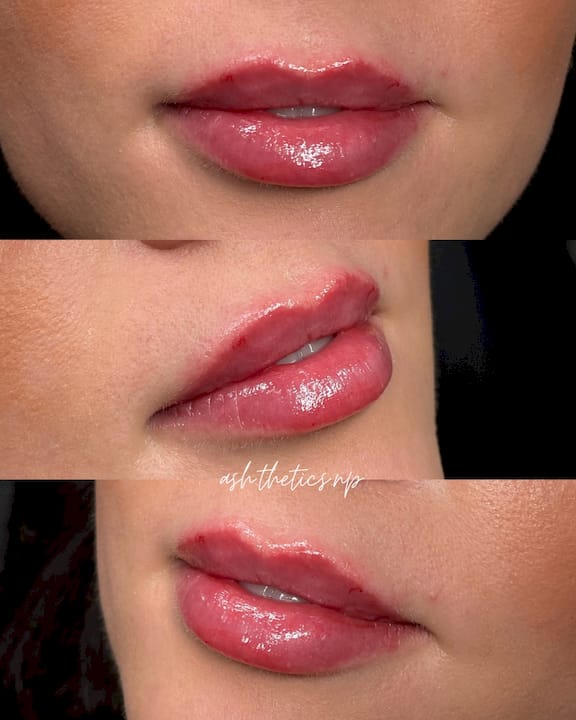
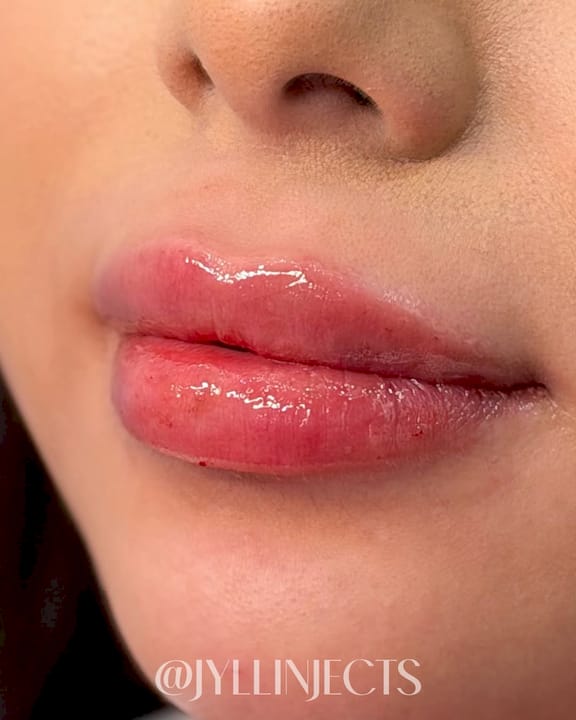
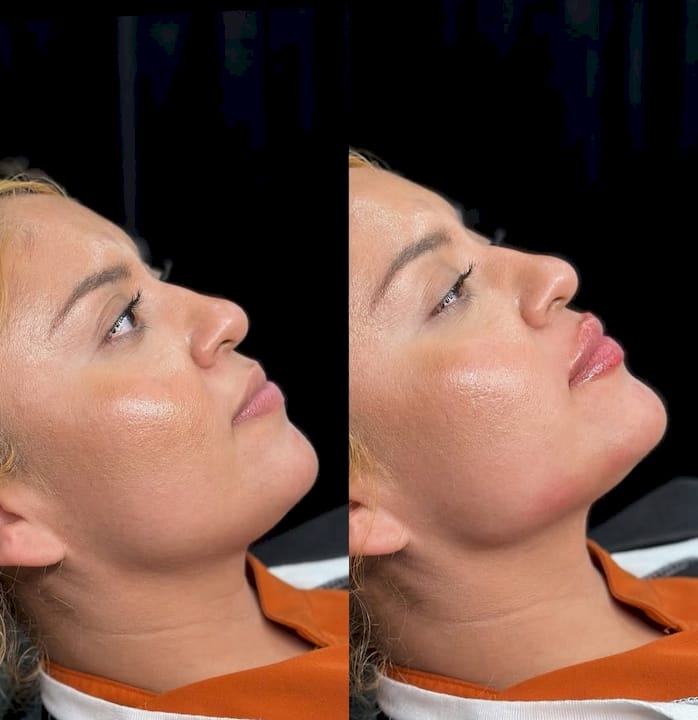
Enhancing lip volume
-
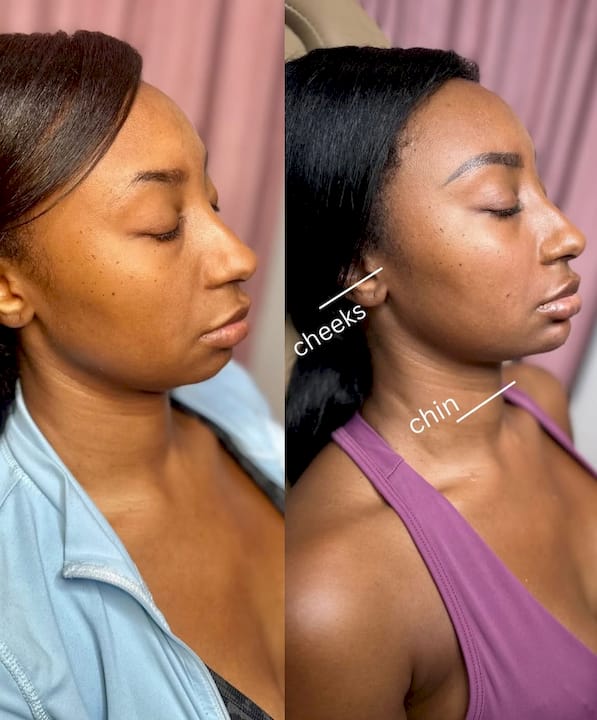
Restoring cheek contours
-
Improving overall skin texture
-
Minimizing signs of aging
Pro Tip: Consult with a certified aesthetic professional to determine the most appropriate injectable treatment for your unique skin characteristics and aesthetic goals.
Main Types Of Injectable Aesthetic Treatments
Aesthetic injectable treatments offer a versatile approach to facial rejuvenation, with multiple specialized options designed to address different skin concerns. Dermal fillers and neuromodulators represent the primary categories of injectable aesthetic treatments, each serving unique cosmetic purposes.
Dermal Fillers are injectable substances used to restore volume, smooth wrinkles, and enhance facial contours. These treatments utilize various materials to achieve specific aesthetic goals:
-
Hyaluronic acid fillers for temporary volume enhancement
-
Calcium hydroxylapatite for deeper wrinkle correction
-
Poly-L-lactic acid for gradual collagen stimulation
-
Autologous fat transfers for natural volume replacement
Neuromodulators like Botox work differently by temporarily relaxing facial muscles to reduce dynamic wrinkles. Botulinum toxin injections specifically target muscle movement to smooth fine lines and prevent further wrinkle development.
Injectable aesthetic treatments provide personalized solutions, allowing precise targeting of individual skin aging concerns and facial enhancement goals.
The most common injectable treatment areas include:
-
Forehead lines and wrinkles
-
Crow’s feet around the eyes
-
Nasolabial folds
-
Lip volume and shape enhancement
-
Cheek contour and volume restoration
Pro Tip: Research and select a board-certified aesthetic professional who specializes in multiple injectable techniques to ensure personalized, safe, and effective treatment.
How Injectable Therapy Works And Key Features
Injectable therapy represents a sophisticated approach to aesthetic enhancement, utilizing advanced biocompatible materials to transform facial appearance. Injectable substances interact dynamically with skin tissue through carefully engineered molecular properties that restore volume, smooth wrinkles, and improve overall facial contours.
Physiochemical Characteristics play a crucial role in determining treatment effectiveness. These key features include:
-
Viscosity that controls material flow and spreading
-
Elasticity determining skin integration
-
Degradation rate influencing treatment longevity
-
Hydration capacity for skin rejuvenation
Hydrogel Technologies form the foundation of most injectable treatments. Material science principles enable precise formulations that create specific aesthetic outcomes, ranging from immediate volume correction to gradual collagen stimulation.
Advanced injectable therapies represent a sophisticated intersection of biomaterials, aesthetic science, and personalized treatment strategies.
The injectable therapy process typically involves:
-
Comprehensive skin assessment
-
Material selection based on specific aesthetic goals
-
Precise injection techniques
-
Immediate and progressive tissue transformation
-
Monitoring and potential follow-up treatments
Pro Tip: Consult with a board-certified professional who understands the nuanced biomechanical interactions between injectable materials and your unique skin characteristics.

Safety Standards And Provider Qualifications
Ensuring patient safety is paramount in injectable aesthetic treatments, with rigorous standards designed to protect individuals seeking cosmetic enhancements. Injectable therapy safety guidelines emphasize the critical importance of receiving treatments only from licensed and professionally trained medical experts.
Provider Qualifications are fundamental to safe injectable treatments. Essential criteria include:
-
Board certification in plastic surgery or dermatology
-
Specialized training in clinical aesthetic injectables
-
Comprehensive understanding of facial anatomy
-
Proven expertise in injection techniques
-
Current knowledge of FDA-approved products
Professional Credentials represent more than just academic achievements. Specialized clinical training programs provide healthcare professionals with comprehensive education in:
-
Advanced injection methodologies
-
Risk assessment and management
-
Complication prevention strategies
-
Patient consultation techniques
-
Ethical treatment protocols
Patient safety demands expertise, precision, and an unwavering commitment to professional standards in aesthetic medicine.
Patients should actively verify a provider’s qualifications by:
-
Checking board certification status
-
Reviewing professional training credentials
-
Confirming experience with specific injectable treatments
-
Requesting before-and-after treatment portfolios
-
Verifying state medical license
Pro Tip: Always schedule a comprehensive consultation to assess your provider’s expertise, discuss potential risks, and ensure they use FDA-approved products.
Risks, Costs, And Choosing The Right Treatment
Navigating the landscape of injectable aesthetic treatments requires a comprehensive understanding of potential risks, financial investments, and personalized treatment selection. Injectable therapy involves complex considerations that extend far beyond simple cosmetic enhancement.
Potential Risks associated with injectable treatments include:
-
Temporary swelling and bruising
-
Potential allergic reactions
-
Uneven aesthetic results
-
Rare vascular complications
-
Potential skin texture changes
Cost Factors vary significantly based on multiple variables:
-
Type of injectable product
-
Provider’s professional expertise
-
Geographic location
-
Treatment complexity
-
Number of treatment sessions required
Comprehensive safety guidelines recommend thorough consultations to assess individual risk tolerance and aesthetic objectives. Treatment costs typically range from $300 to $1,500 per session, depending on the specific injectable and treatment area.
Choosing the right injectable treatment requires balancing aesthetic goals, potential risks, and personal budget considerations.
Patients should prioritize:
Explore key factors that can influence your injectable treatment experience:
| Consideration | Why It Matters | What to Ask Your Provider |
| Provider’s Certification | Ensures expertise and safety | Confirm board certification |
| Product Type | Affects results and cost | Ask for FDA-approved brands |
| Recovery Time | Impacts daily routine | Clarify expected downtime |
| Personalized Plan | Maximizes satisfaction | Request tailored recommendations |
-
Verifying provider credentials
-
Understanding potential side effects
-
Reviewing FDA-approved product selections
-
Discussing comprehensive treatment plans
-
Evaluating long-term aesthetic objectives
Pro Tip: Request a detailed consultation that includes a comprehensive risk assessment, transparent pricing breakdown, and personalized treatment recommendation tailored to your specific aesthetic goals.
Enhance Your Natural Beauty with Expert Injectable Therapy
The article highlights common aesthetic challenges such as wrinkle reduction, volume restoration, and skin texture improvement through precise injectable therapies. If you are seeking safe and effective solutions for concerns like fine lines, loss of facial volume, or enhancing your facial contours, understanding the importance of certified expertise and personalized treatment is essential. At The Injection Room, we specialize in a wide range of advanced aesthetic treatments including neurotoxin injections, dermal fillers, and more to address these exact needs.
Discover the power of rejuvenation tailored just for you by exploring our skincare treatments to combat signs of aging and improve skin quality. Our team ensures every treatment aligns with your unique goals using FDA-approved products and the latest techniques. Take the first step toward a refreshed and confident appearance today by visiting The Injection Room. Book a consultation now and experience trusted care designed for real results.
Frequently Asked Questions
What are the main types of injectable therapies available for facial enhancement?
The primary types of injectable therapies include dermal fillers, skin boosters, and neuromodulators. Dermal fillers restore lost volume, skin boosters enhance hydration, and neuromodulators, like Botox, relax facial muscles to reduce wrinkles.
How do dermal fillers differ from neuromodulators?
Dermal fillers are designed to add volume and contour the face, treating areas like lips and cheeks. In contrast, neuromodulators target muscle movement to smooth dynamic wrinkles, which helps prevent further wrinkle formation.
What safety standards should I look for in a provider for injectable treatments?
Ensure your provider is board-certified in plastic surgery or dermatology, has specialized training in aesthetic injectables, and a thorough understanding of facial anatomy. Always check for verified credentials and experience.
What potential risks are associated with injectable therapies?
Common risks include temporary swelling and bruising, uneven results, allergic reactions, and in rare cases, vascular complications or skin texture changes. It’s important to have a comprehensive consultation with your provider to discuss these risks.
%20Pictures%20are%204%20weeks%20apart..jpg)