TL;DR:
Proper pre- and post-care routines significantly reduce swelling after lip filler treatment.
Cold therapy, hydration, and avoiding triggers like alcohol and salty foods are key to faster recovery.
Monitoring symptoms and consulting your provider helps ensure safe healing and optimal results.
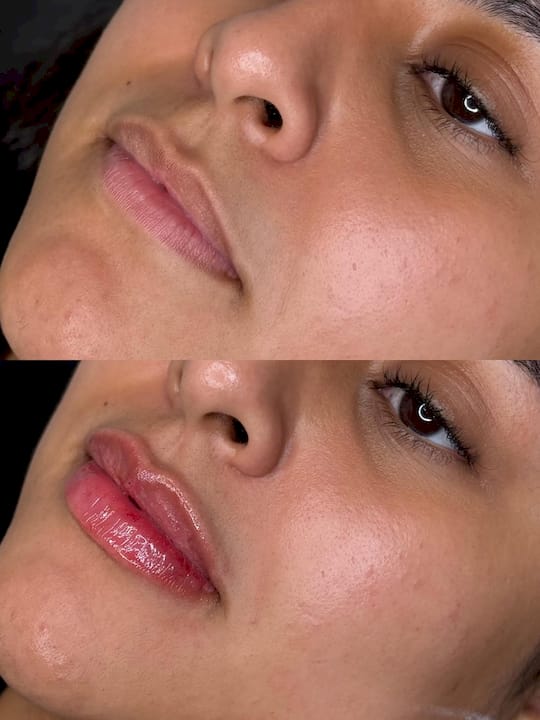
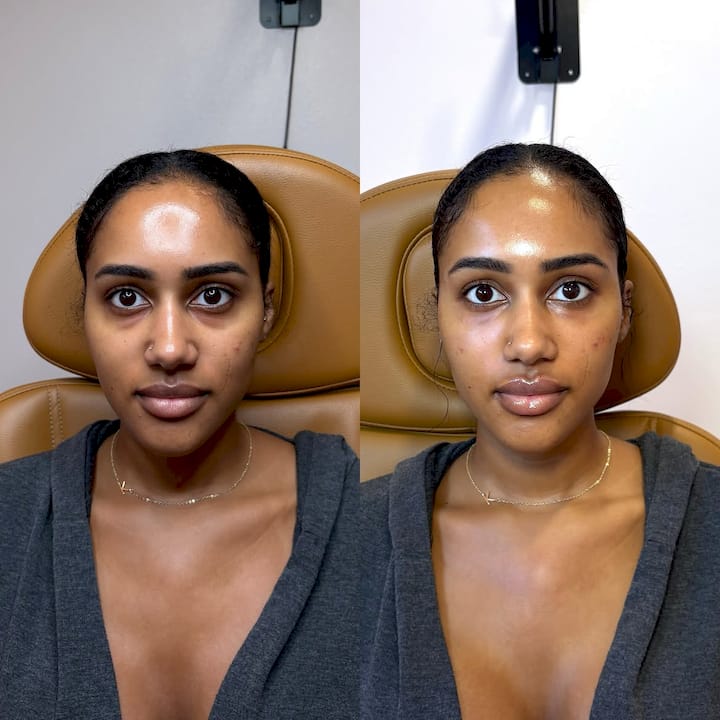
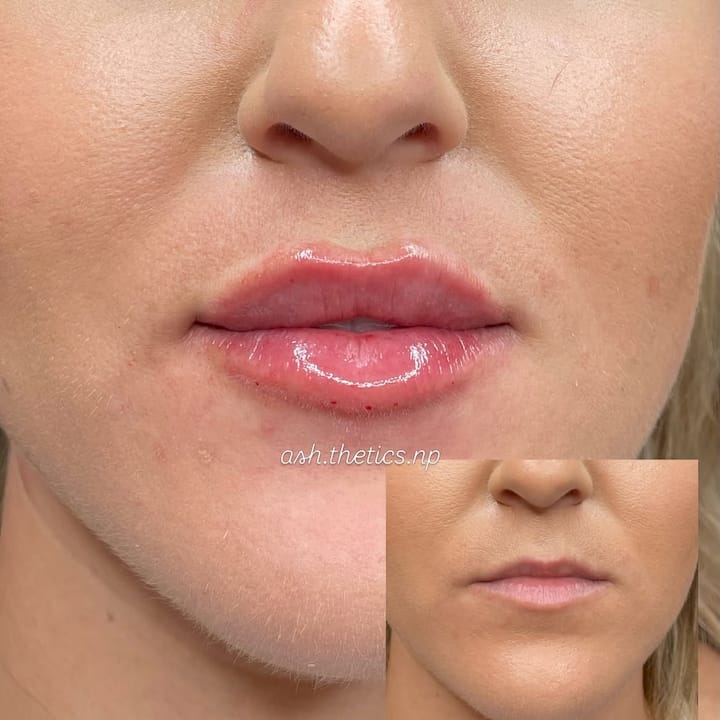
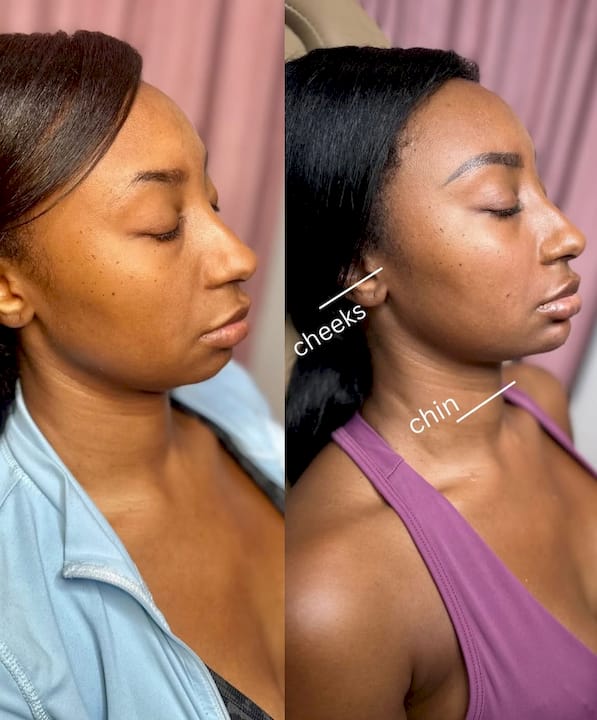
Getting lip filler is exciting, but waking up to noticeably puffy lips the next morning can feel alarming if you’re not prepared. Swelling is the most common side effect after lip filler treatment, and it catches many women off guard. The good news is that smart preparation and consistent aftercare can dramatically reduce how much you swell and for how long. Whether you’re heading to your first appointment or your fifth, the steps you take before and after your session in Austin or San Antonio will shape your final results more than most people realize.
Table of Contents
-
Step-by-step aftercare: Reducing swelling in the first 48 hours
-
What most women in Austin and San Antonio get wrong about post-filler swelling
Key Takeaways
| Point | Details |
|---|---|
| Prepare with the right tools | Having ice packs, water, and a lip-friendly diet ready before your appointment sets you up for faster healing. |
| Follow a strict aftercare routine | Using cold compresses and avoiding swelling triggers helps reduce discomfort and ensures beautiful results. |
| Know when to seek help | If swelling is severe, lasts more than a week, or comes with pain, call your provider right away. |
| Real results take patience | Temporary swelling is normal—stick to proven strategies and trust your process for the best outcome. |
What you need before your appointment
Once you commit to a lip filler session, smart preparation sets you up for less swelling. Most women focus entirely on the appointment itself and forget that recovery starts the day before you walk through the door. Building a small recovery kit ahead of time means you won’t be scrambling when you get home.
Here’s what to have ready before your procedure:
-
Cold gel mask or reusable ice pack (wrapped in a soft cloth to protect skin)
-
Arnica gel or tablets to help reduce bruising and inflammation
-
Extra pillows to elevate your head while sleeping
-
Mild lip balm without fragrance or active ingredients
-
Plenty of water and hydrating snacks like cucumber or watermelon
-
Loose, comfortable clothing so nothing presses on your face
Hydration is more important than most people think. Drinking at least 64 ounces of water in the 24 hours before your appointment helps your body manage inflammation more efficiently. Think of it like watering a plant before a hot day. Your skin and tissues are better equipped to handle the injection process when they’re already well-hydrated.
Pro Tip: Start gently massaging your lips with a clean finger two to three days before your appointment. This boosts circulation and can help your skin respond better to the filler.
When it comes to cold therapy tools, not all options are equal. Here’s a quick comparison:
| Tool | Pros | Cons |
|---|---|---|
| Ice pack (wrapped) | Affordable, easy to find | Can be too cold if not wrapped properly |
| Cold gel mask | Stays cool longer, conforms to face | Costs more, needs freezer space |
| Bag of frozen peas | Flexible, molds to lips | Melts quickly, single use |
| Cold spoon | Gentle, no prep needed | Warms up fast, limited coverage |
For lip filler after care, a cold gel mask is often the most comfortable option because it distributes cold evenly without the harsh bite of direct ice. Applying cold therapy for 10 to 15 minutes several times a day during the first 24 to 48 hours after treatment constricts blood vessels and reduces inflammation effectively.
Also cut back on alcohol, salty snacks, and processed foods starting two days before your appointment. Salt causes your body to retain water, which means more puffiness. Alcohol thins the blood and increases bruising risk. These small changes before your session pay off significantly during recovery.
Step-by-step aftercare: Reducing swelling in the first 48 hours
Having your supplies ready, you’ll now need to follow a specific routine after your appointment. The first 48 hours are the most critical window for managing swelling, and what you do in those hours shapes your results.
-
Right after your appointment: Stay upright. Don’t lie flat for at least four hours. Gravity helps keep swelling from pooling in your lips.
-
On the ride home: Avoid touching or pressing on your lips. Apply a cold gel mask gently for 10 minutes once you’re home.
-
First evening: Sleep with your head elevated on two pillows. This simple step alone can reduce morning puffiness noticeably.
-
Morning after: Apply cold compresses for 10 to 15 minutes several times throughout the day. Drink plenty of water.
-
Hours 24 to 48: Continue cold therapy, stay hydrated, and avoid any triggers that worsen swelling.
Here’s a quick reference for the first two days:
| Action | Timing | Expected effect |
|---|---|---|
| Cold compress | Every 2 to 3 hours | Reduces inflammation |
| Head elevation during sleep | Both nights | Less morning puffiness |
| Hydration (64+ oz water) | Ongoing | Supports tissue recovery |
| Avoiding exercise and heat | Full 48 hours | Prevents blood flow increase |
| Avoiding alcohol and salt | Full 48 hours | Reduces fluid retention |
Pro Tip: Less is more with cold therapy. Applying ice for more than 15 minutes at a time can actually cause the opposite effect and increase irritation. Short, consistent sessions work better than long ones.
It’s normal for swelling to peak within the first 24 hours and then begin to ease. Most people see around 50 to 80 percent of their swelling resolve within two to three days. If you want to reduce swelling after fillers as quickly as possible, consistency with these steps matters far more than any single remedy. Avoid strenuous exercise, heat, alcohol, and spicy or salty foods for the full 24 to 48 hours, as each of these increases blood flow and worsens inflammation.
What to avoid for faster healing and less swelling
Beyond steps you should do, it’s equally important to watch out for common behaviors that could sabotage your recovery. Many women follow aftercare instructions closely but unknowingly undo their progress with everyday habits.
Here’s what to skip for at least 48 hours after your lip filler appointment:
-
Alcohol: It dilates blood vessels and promotes fluid retention, making swelling worse and lasting longer.
-
Salty foods: Sodium causes your body to hold onto water, directly increasing puffiness in treated areas.
-
Spicy foods: Spice increases circulation and can trigger additional inflammation around the injection sites.
-
Strenuous exercise: Elevated heart rate and increased blood flow send more fluid to the treated area.
-
Hot showers, saunas, or steam rooms: Heat causes blood vessels to expand, which worsens swelling.
-
Touching or massaging your lips: Unless instructed by your provider, this can shift the filler before it settles.
-
Sleeping face-down: This puts direct pressure on your lips and increases morning swelling.
Alcohol deserves extra attention here. Even one glass of wine the night after your appointment can noticeably increase bruising and puffiness. It also interferes with how your body processes the hyaluronic acid in the filler. Skipping alcohol for 48 hours is one of the easiest ways to protect your results.
“Avoid strenuous exercise, heat exposure, alcohol, and salty or spicy foods for 24 to 48 hours after filler to prevent worsening swelling and bruising.”
One of the most common mistakes we see is women hitting the gym the morning after their appointment because they feel fine. Feeling okay doesn’t mean your lips have finished reacting. The inflammatory process is still active, and exercise will amplify it. Give yourself a full two days before returning to your workout routine.
Another overlooked factor is lip filler migration. Touching, pressing, or applying too much pressure on your lips in the first few days can cause the product to shift. Learning how to avoid lip filler migration is just as important as managing swelling, since both affect your final look.

Monitoring, troubleshooting, and when to call your provider
If swelling does happen, monitoring your progress will help you catch anything out of the ordinary early. Most swelling after lip filler is completely normal and resolves on its own with proper care. But knowing the difference between typical and concerning swelling is important.
Normal swelling timeline:
-
Hours 1 to 6: Noticeable puffiness and possible tenderness
-
Hours 6 to 24: Swelling peaks, lips may look larger than intended
-
Days 2 to 3: Swelling begins to reduce significantly
-
Days 5 to 7: Most swelling resolved, results become visible
Troubleshooting steps if swelling seems worse than expected:
-
Review your last 24 hours. Did you eat salty food, drink alcohol, or exercise? Address the trigger first.
-
Increase cold compress sessions to every two hours for the next day.
-
Drink an extra 16 to 32 ounces of water to support fluid balance.
-
Elevate your head higher during sleep and avoid lying on your side.
-
If no improvement within 24 hours, contact your provider directly.
Symptoms that require immediate attention:
-
Swelling that gets worse after day three instead of better
-
Severe pain or throbbing that doesn’t ease with cold therapy
-
Skin that looks white, blue, or mottled around the injection site
-
Fever or warmth spreading beyond the lip area
-
Swelling accompanied by redness and discharge
“Delayed swelling from immune response, infection, or post-viral reactions is rare but should be monitored if it persists beyond one week or is accompanied by pain or redness.”
For more guidance on what to watch for, our lip filler after care resource covers the full healing timeline in detail. When in doubt, always reach out to your provider. A quick message or photo can give you peace of mind and catch anything that needs attention early.
What most women in Austin and San Antonio get wrong about post-filler swelling
Here’s something we see constantly: a client follows every aftercare step perfectly, then panics on day two because her lips look fuller than she expected. She assumes something went wrong. In reality, that’s peak swelling doing exactly what it’s supposed to do.
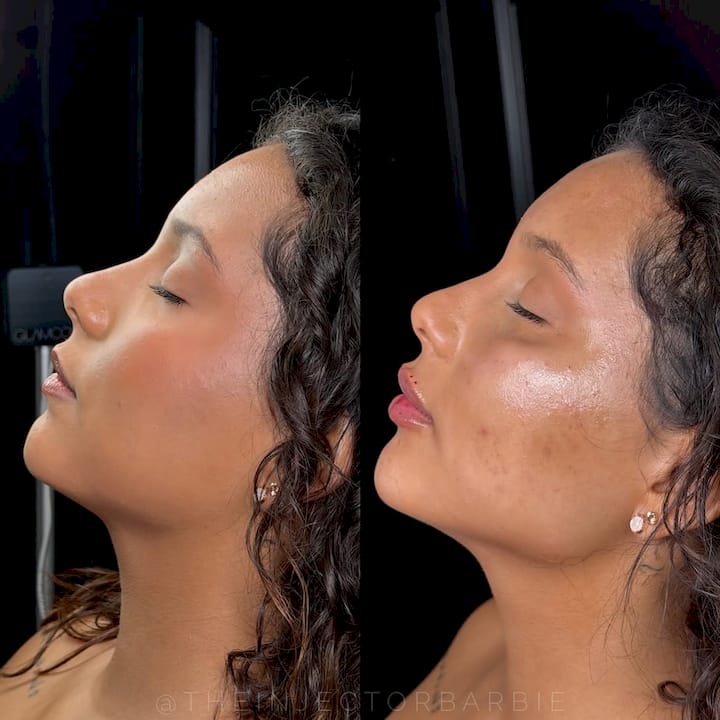
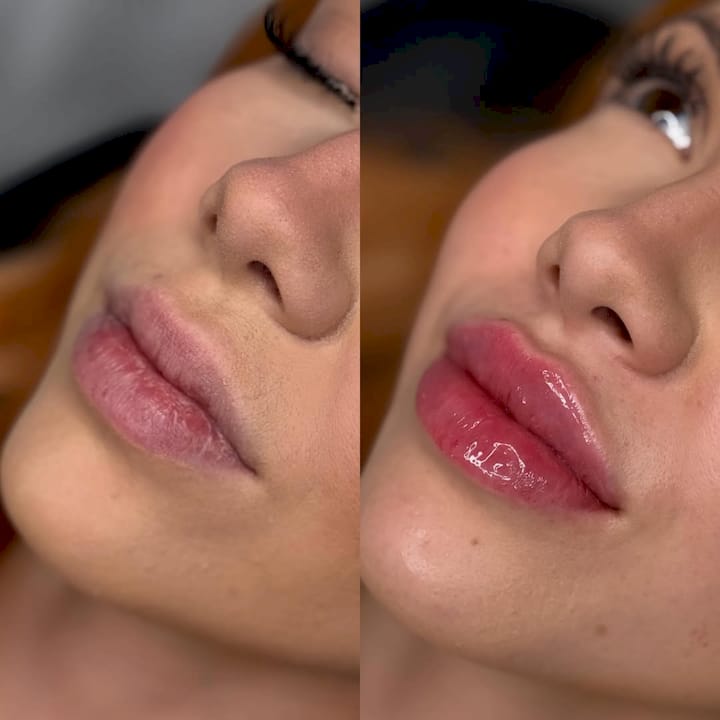
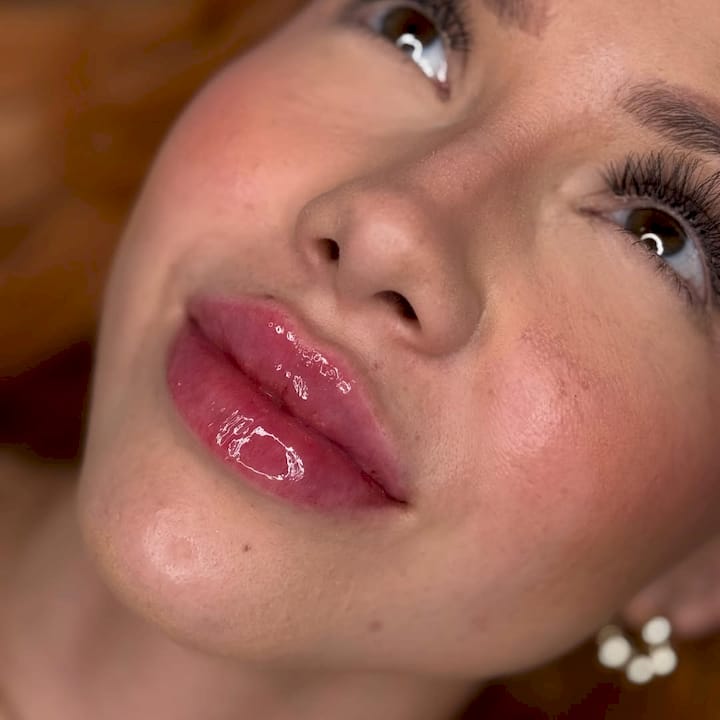
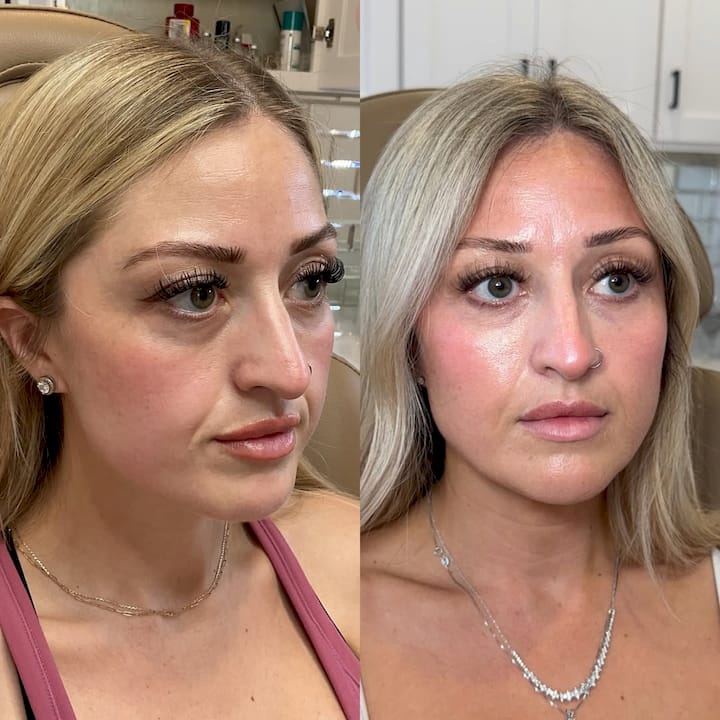
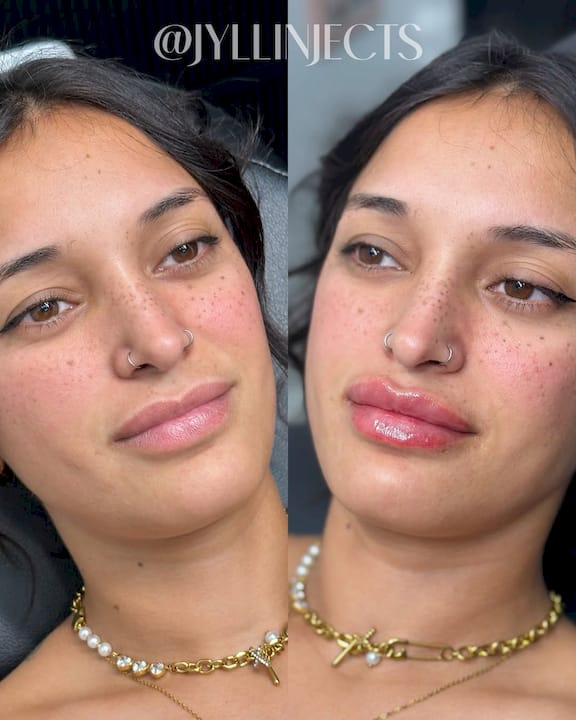
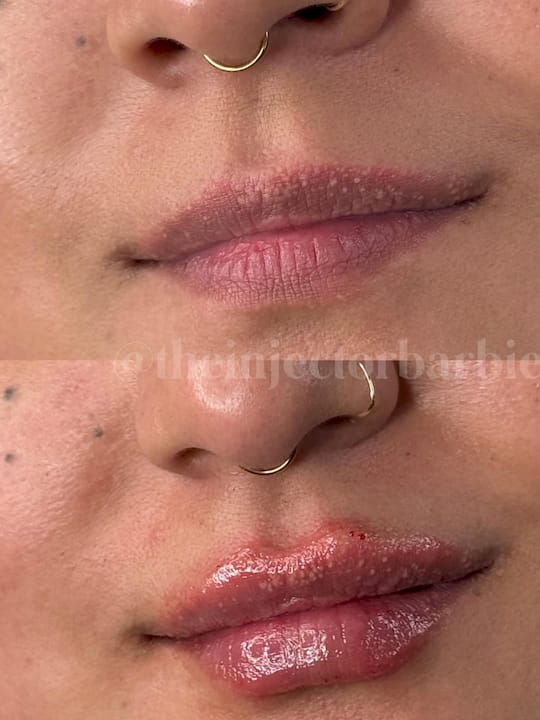
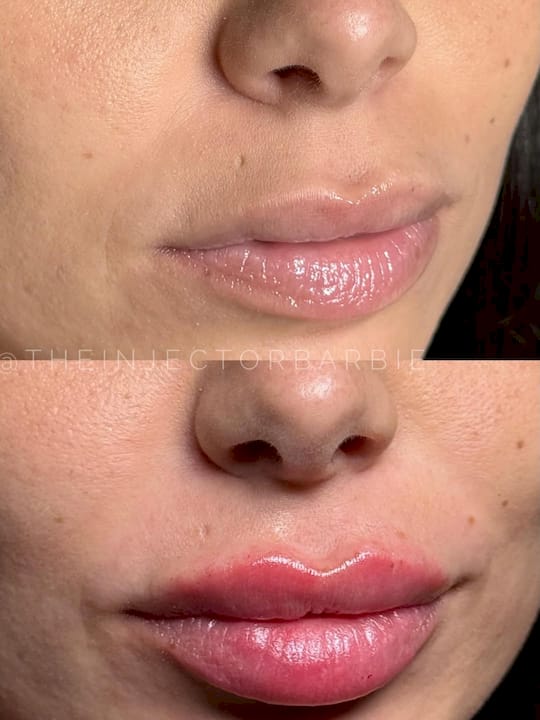
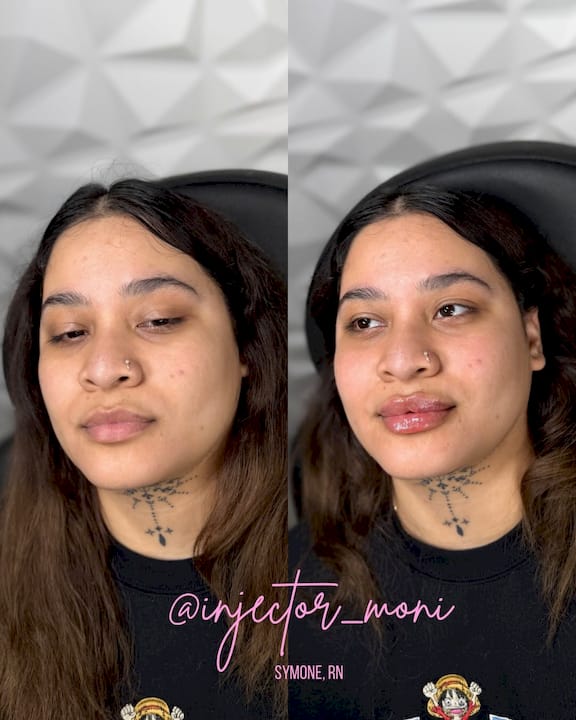
Social media has created an unrealistic expectation that lip filler results are instant and perfect. What you see in before-and-after photos is almost always taken after swelling has fully resolved. The puffy, uneven stage in between gets edited out.
Another local factor worth naming: Texas heat. In Austin and San Antonio, the heat is intense for most of the year. Stepping outside into 95-degree weather the day after your appointment is genuinely different from recovering in a cool climate. Sun exposure and heat accelerate inflammation, which is why we strongly encourage our clients to stay indoors or in air conditioning for the first 48 hours.
Unproven remedies like pineapple juice, antihistamines taken without provider guidance, or aggressive facial massage are tempting but can backfire. Stick to the proven steps and follow your lip filler after care plan. Trust the process and let your provider guide your expectations. The results are worth the patience.
Take your results further with expert guidance
A thoughtful approach to aftercare matters, but expert guidance makes all the difference. At The Injection Room, our team in Austin and San Antonio is here to support you from your first consultation through your full recovery. We don’t just inject and send you home. We walk you through exactly what to expect and how to care for your results so your lips look their best as soon as possible.
If you’re thinking about complementary treatments, Botox in San Antonio can address fine lines around the lips while your filler settles, and microneedling in San Antonio is a great option for overall skin texture and tone. Book a consultation with us and get a personalized aftercare plan built around your goals and lifestyle.
Frequently asked questions
How long does swelling last after lip filler?
Swelling typically peaks within the first 24 hours and resolves within 2 to 3 days for most people, though minor puffiness can linger up to a week.
Can I speed up healing after my lip filler appointment?
Yes. Using cold compresses, staying well-hydrated, and avoiding triggers like spicy foods or exercise are the most effective ways to support faster healing.
What if my swelling lasts more than a week or is painful?
Contact your provider right away, as extended or painful swelling could signal an infection or an immune reaction that needs professional attention.
Does drinking water really help reduce lip filler swelling?
Yes. Staying well-hydrated helps maintain fluid balance in the body and supports the tissue recovery process after filler treatment.
Is it safe to apply makeup right after lip filler?
It’s best to wait at least 24 hours before applying any makeup to the treated area to lower your risk of irritation or infection at the injection sites.


%20Pictures%20are%204%20weeks%20apart..jpg)