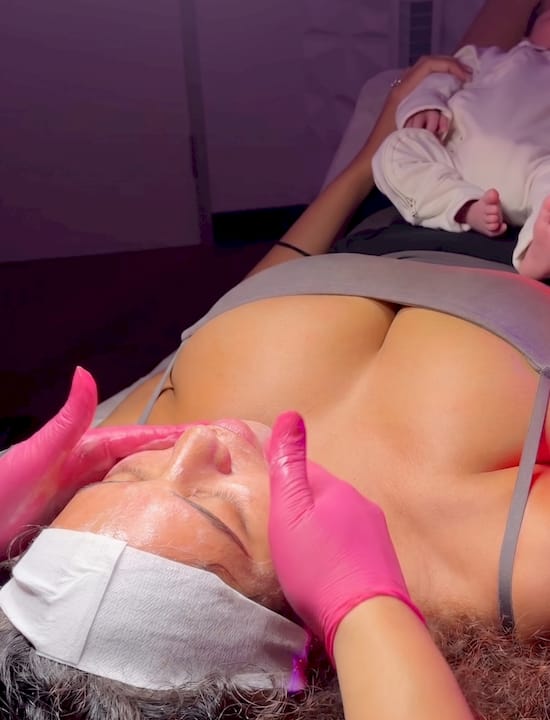
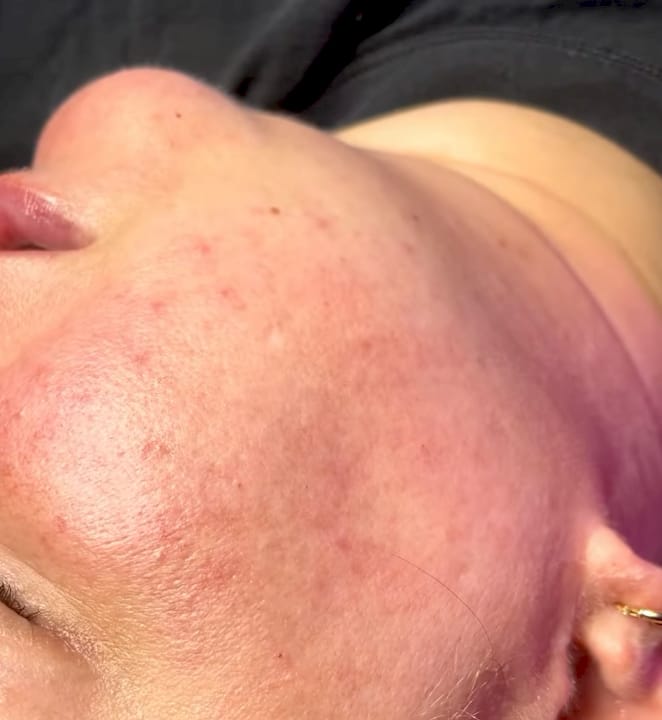
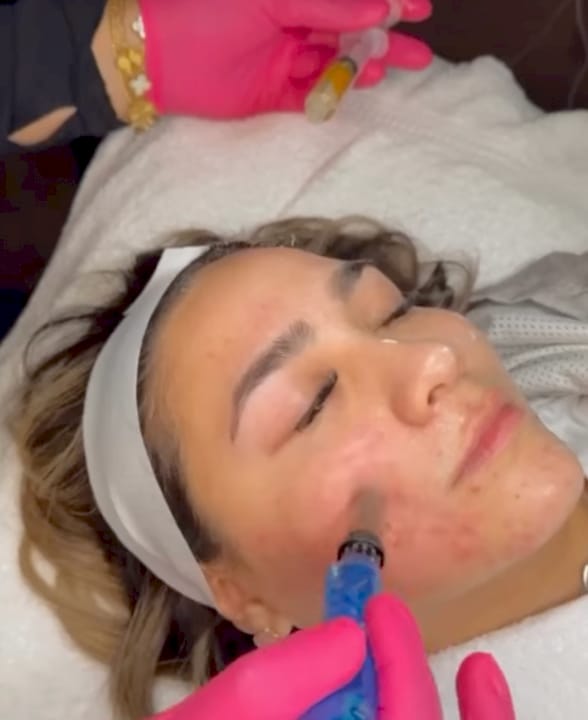
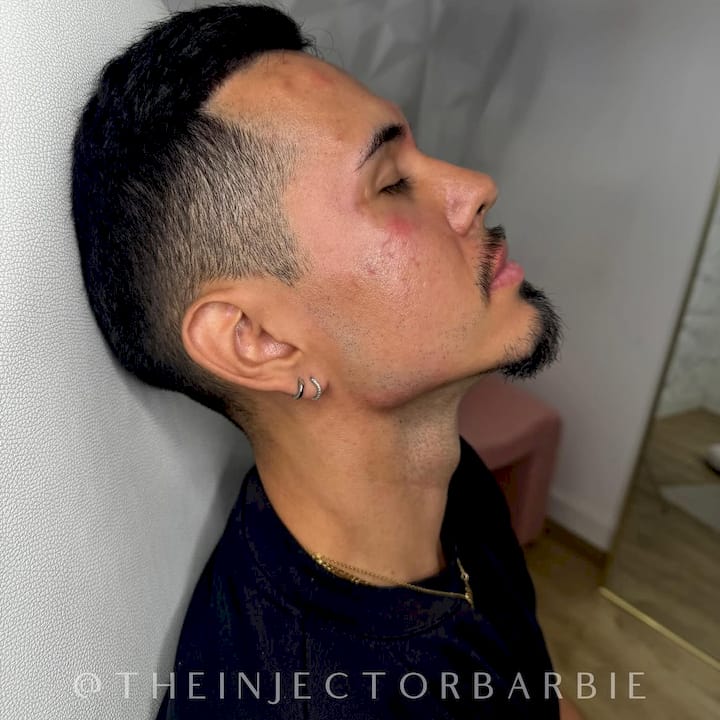
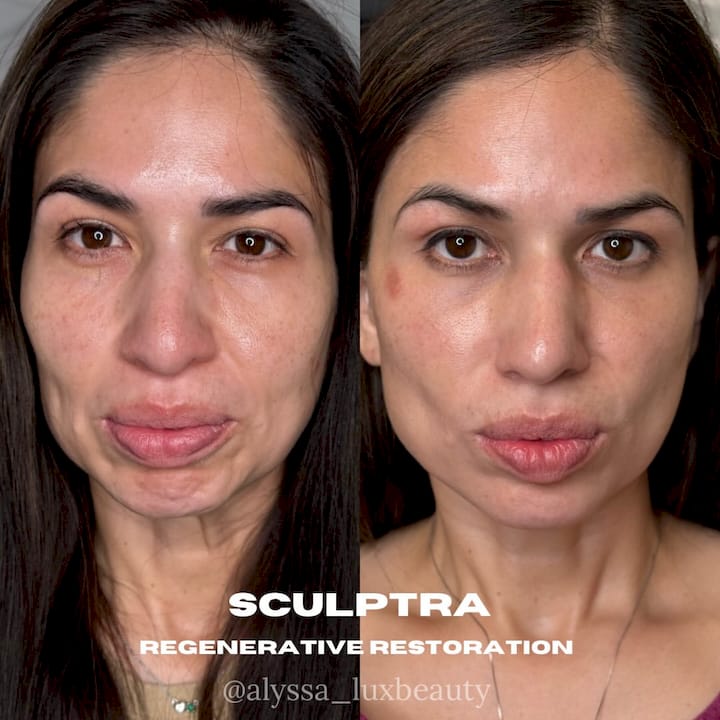
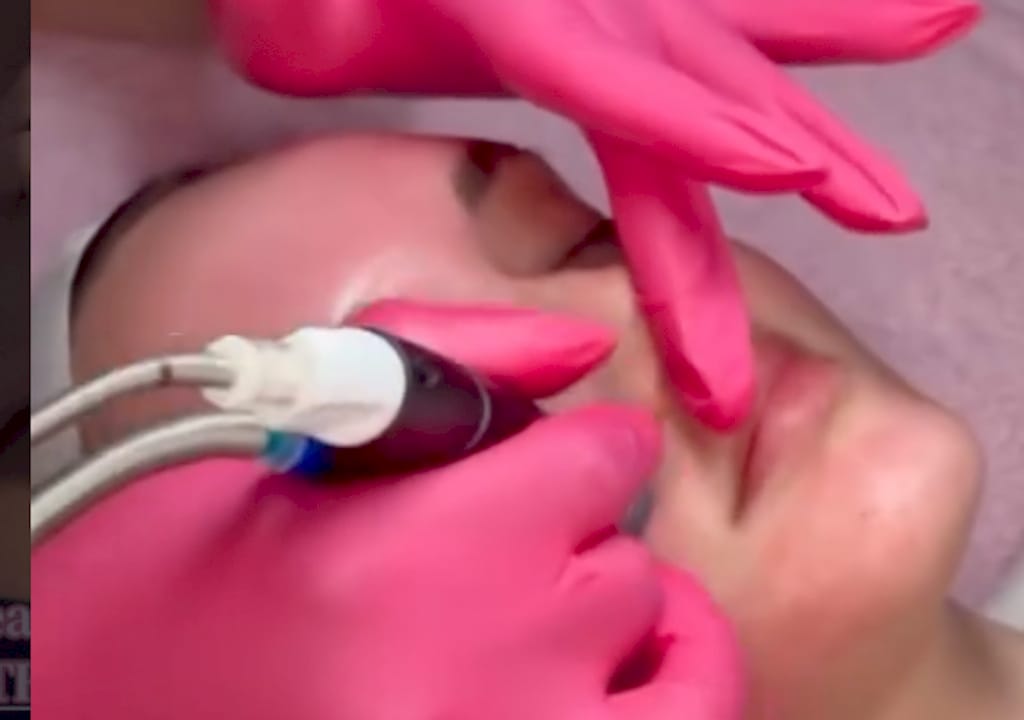
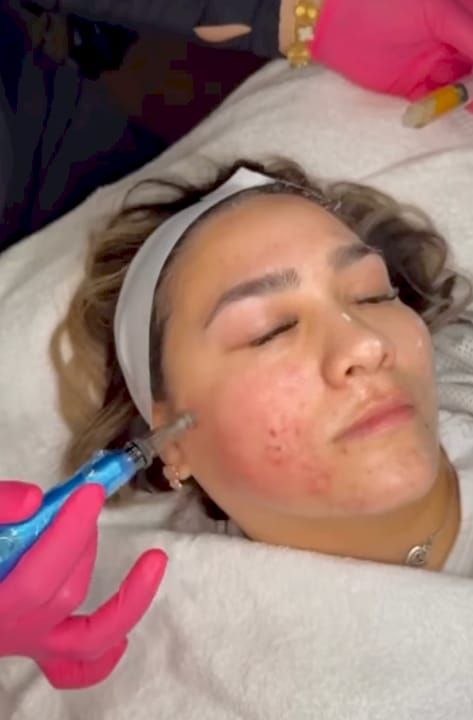
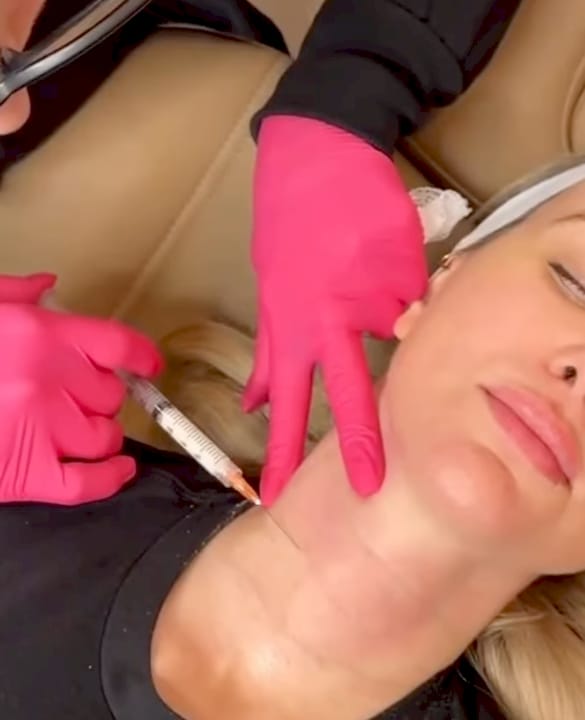
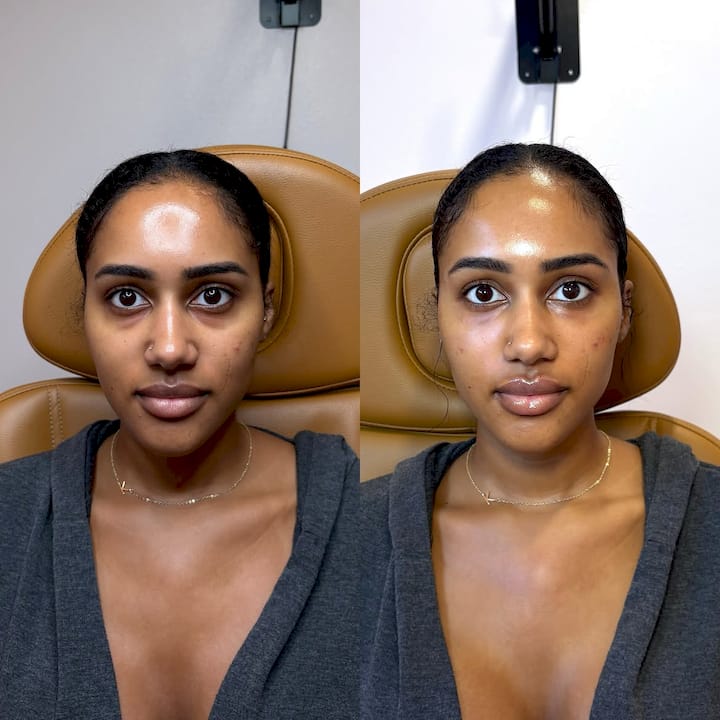
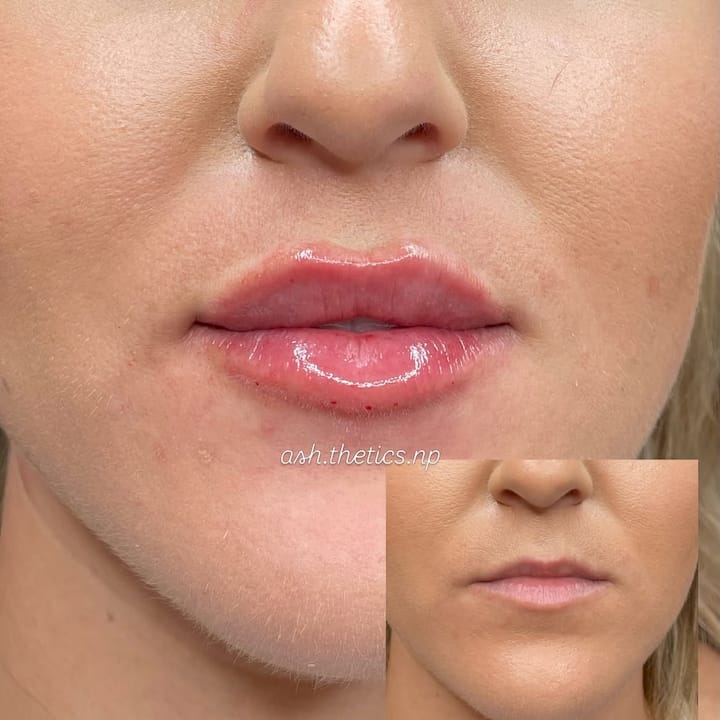
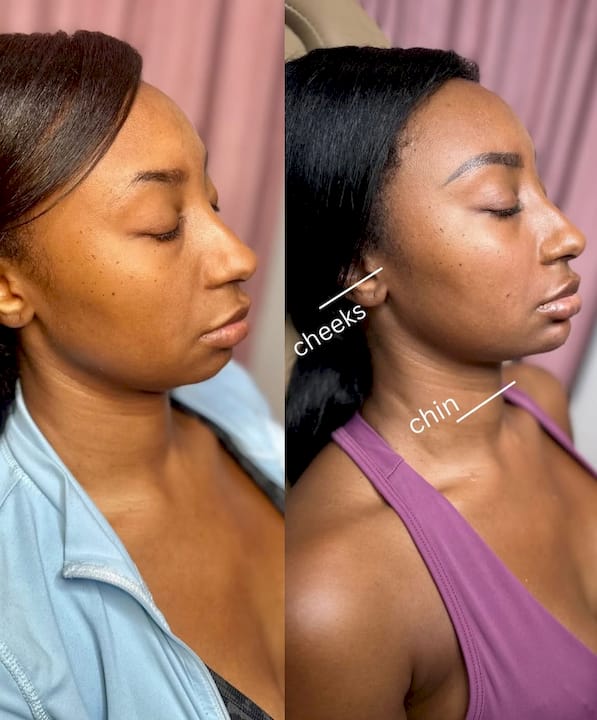
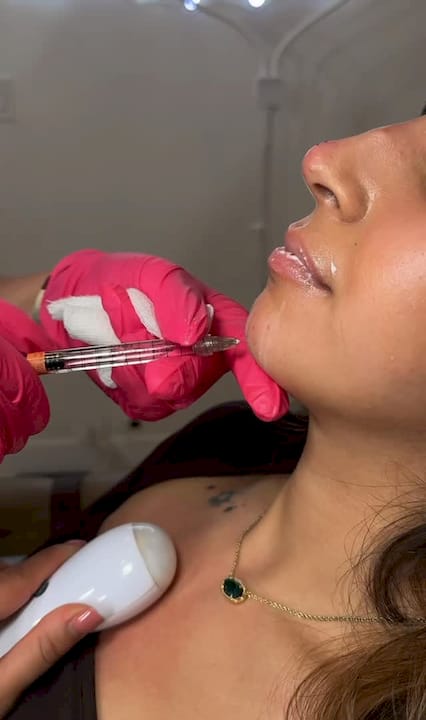
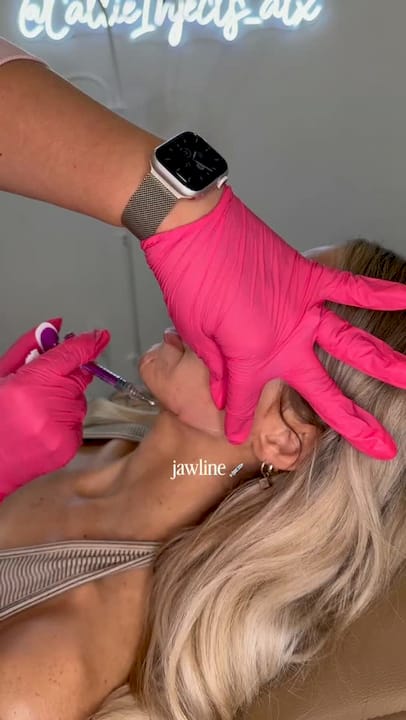
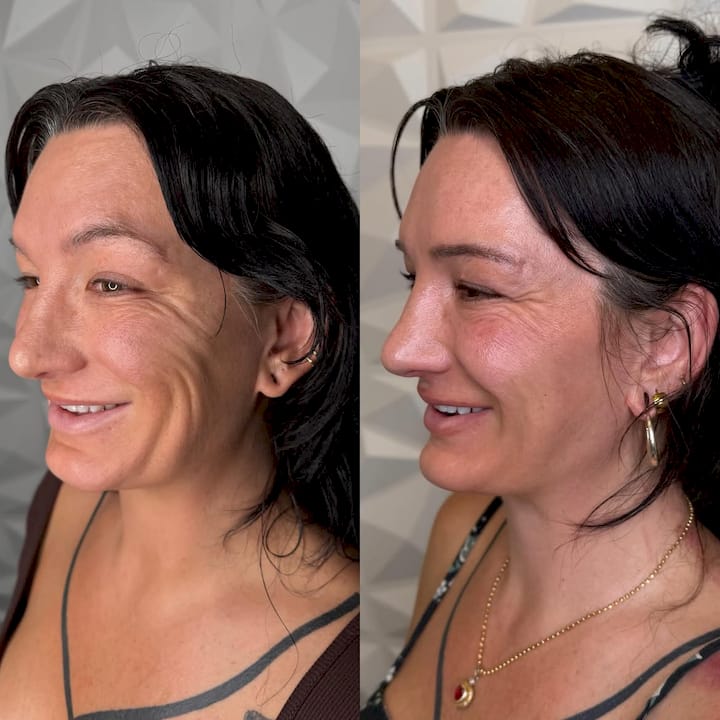
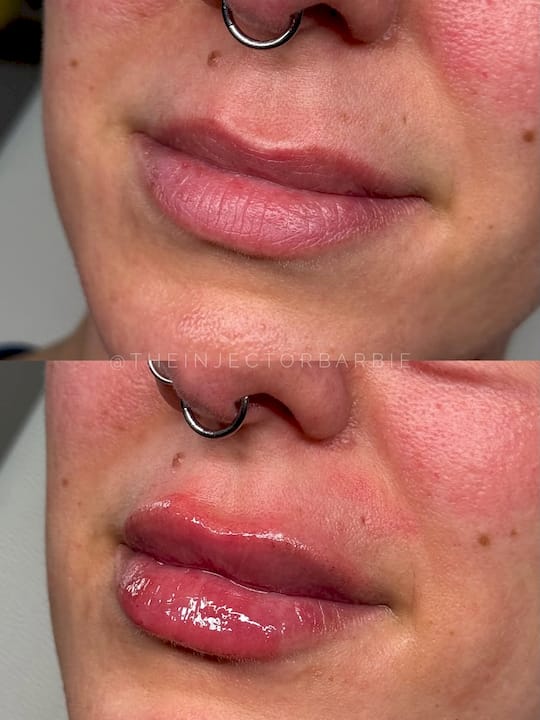
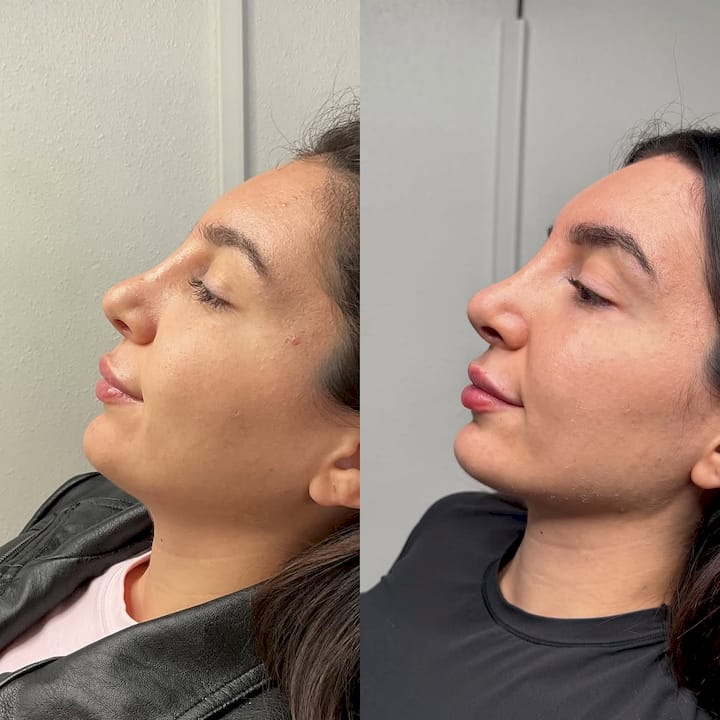
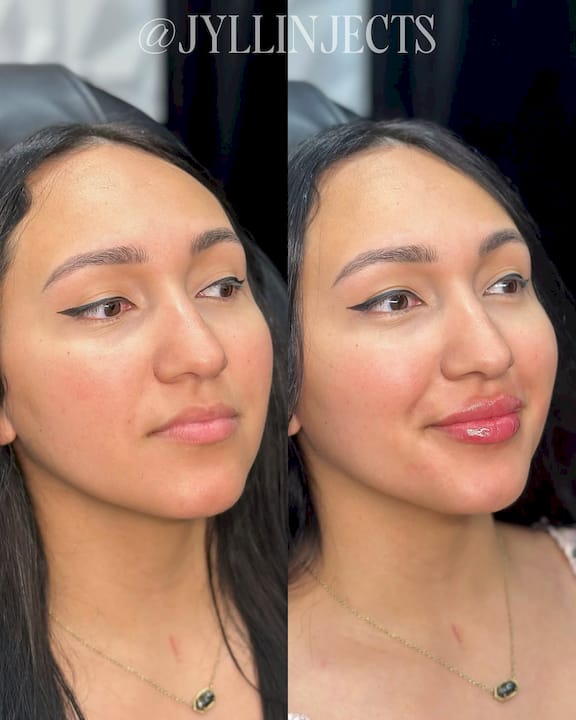
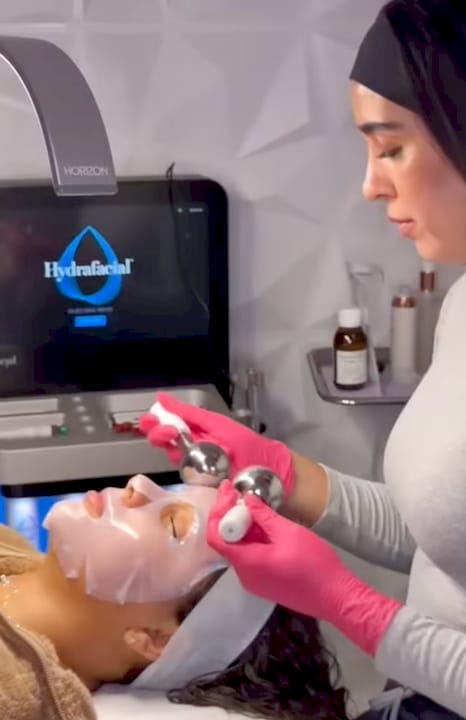
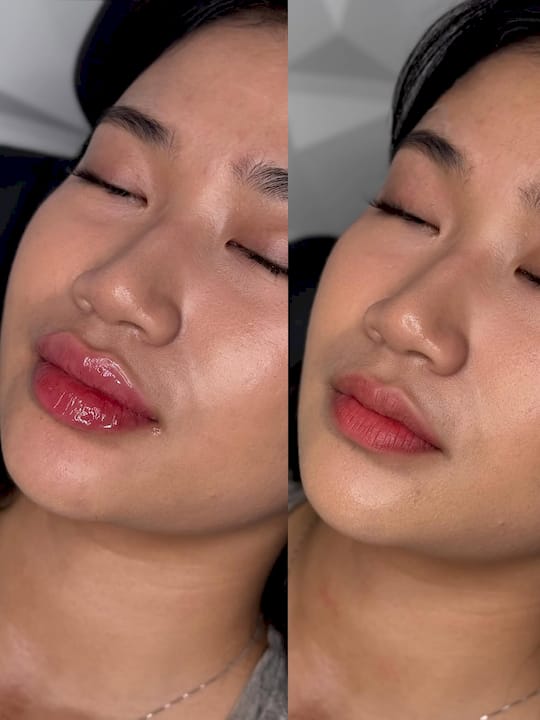
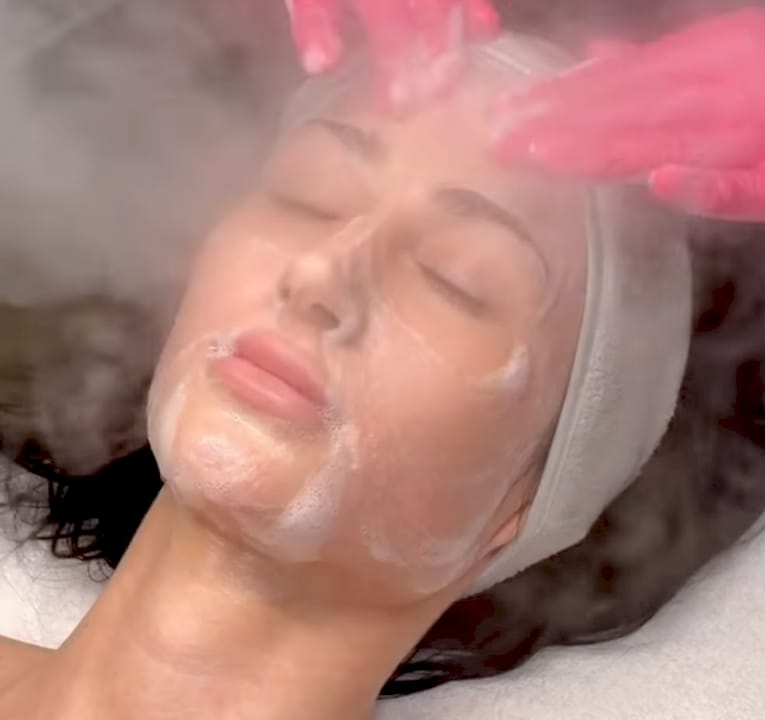
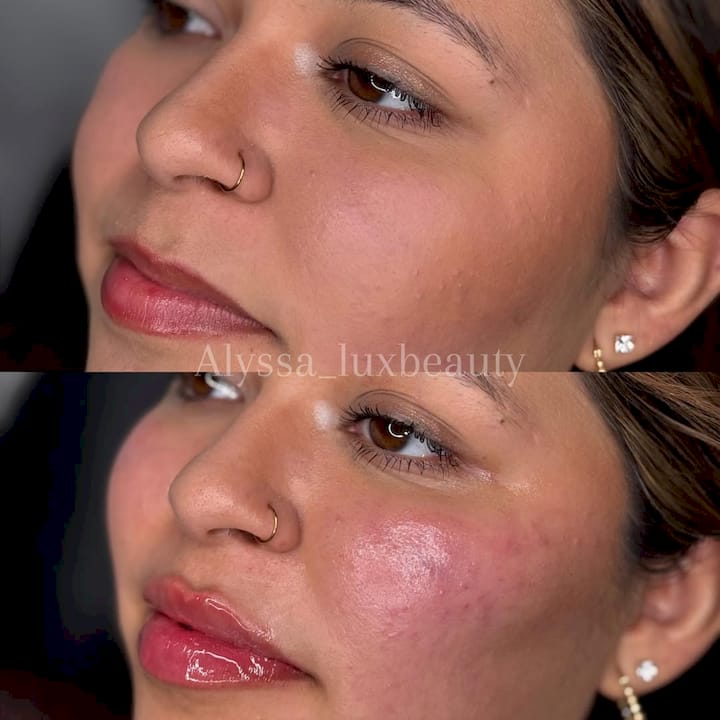
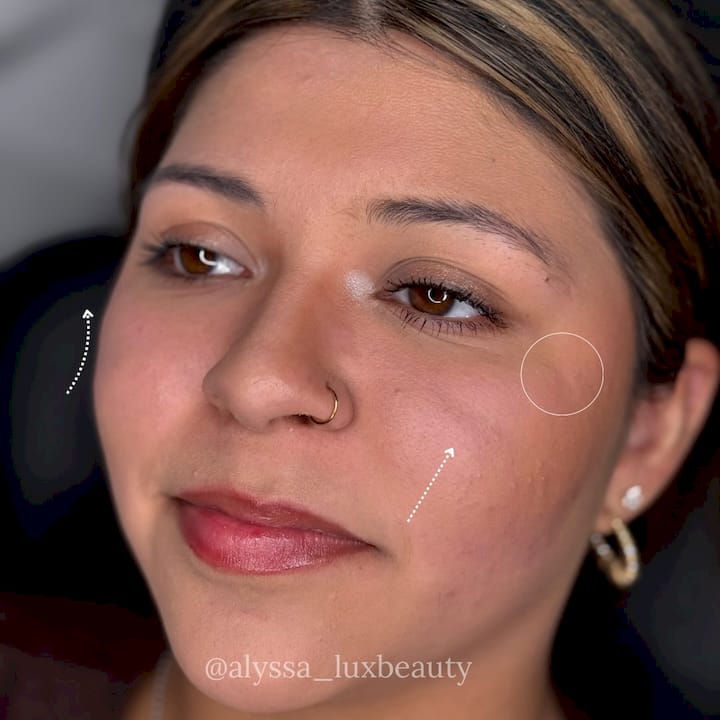
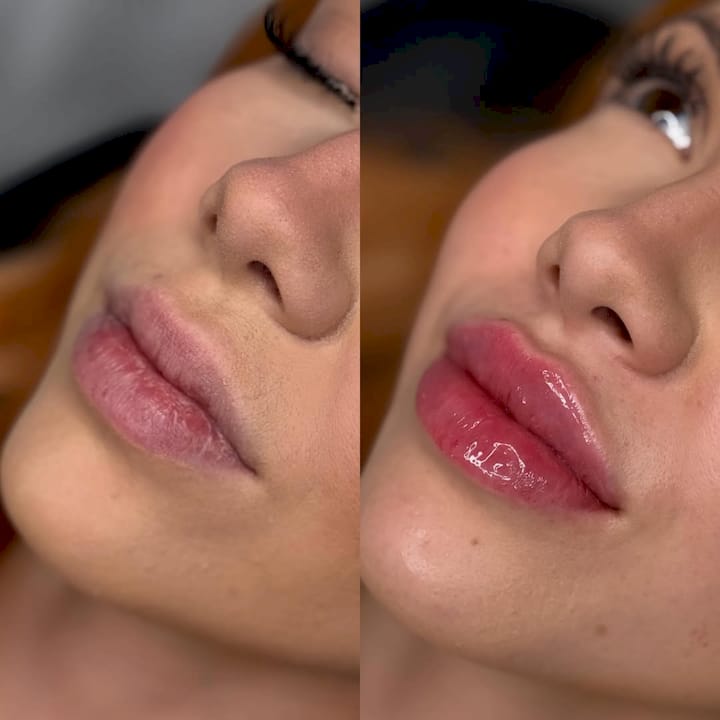
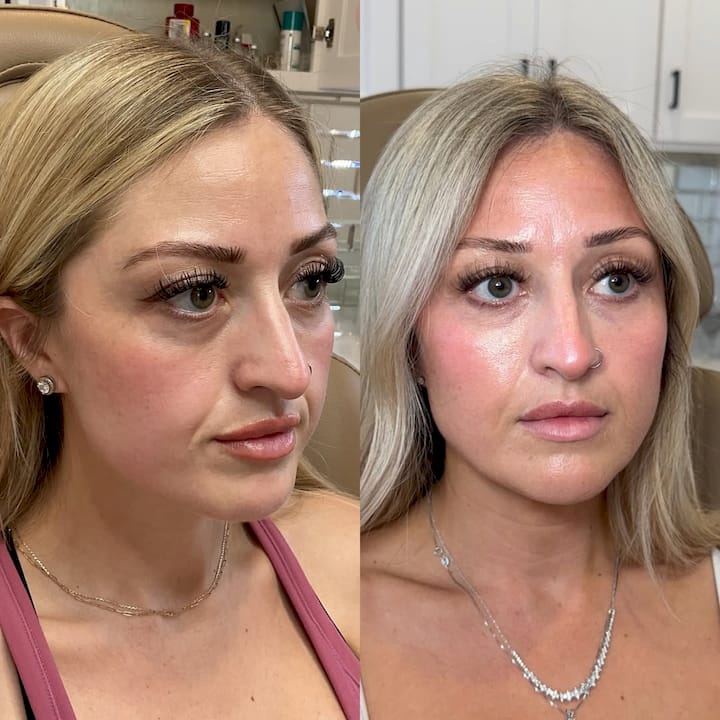
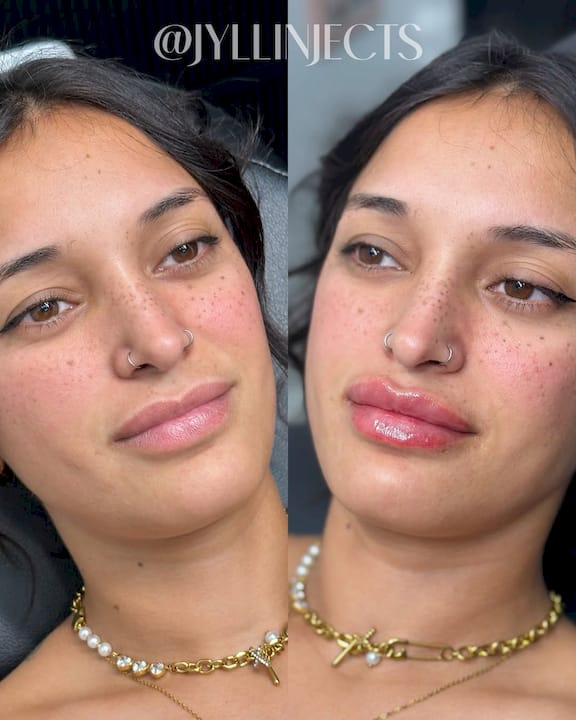
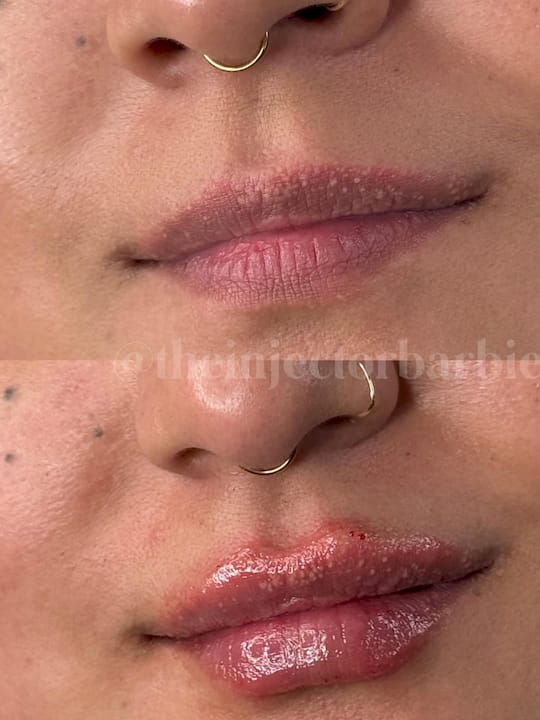
RF microneedling is defined as a skin rejuvenation procedure that combines fine needle micro-injuries with radiofrequency energy to stimulate collagen and elastin deep within the dermis. The rf microneedling benefits go well beyond what standard microneedling delivers. By adding thermal energy to mechanical stimulation, the treatment triggers immediate skin tightening and long-term remodeling that continues for up to six months. A 2026 systematic review of 20 studies involving 558 participants found that patient satisfaction exceeds 90%, making it one of the most consistently well-received non-surgical skin rejuvenation options available. Platforms like Virtue RF have helped bring this technology into mainstream med spa practice, and clinical data on aftercare agents like dexpanthenol-containing ointments confirms that recovery can be actively shortened with the right post-procedure routine.
How does RF microneedling work to rejuvenate skin?
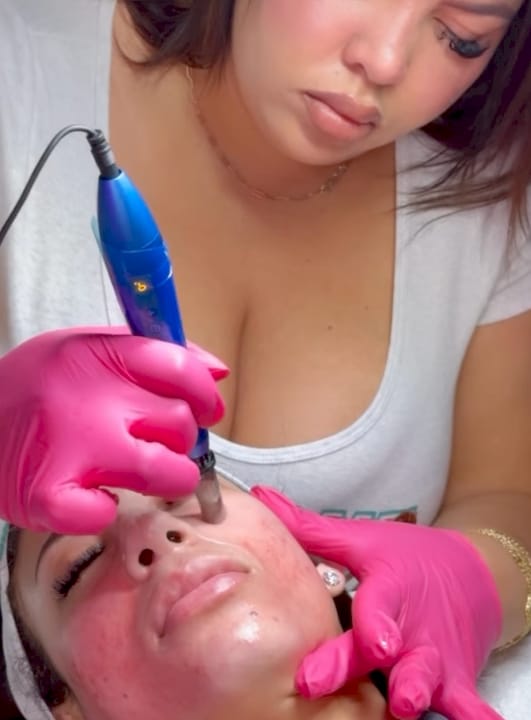
RF microneedling works by delivering two types of injury to the skin at the same time. Fine needles penetrate the dermis at controlled depths, creating micro-channels that trigger the body’s wound-healing response. Simultaneously, radiofrequency energy discharges at the needle tips, generating heat that denatures collagen fibers and causes them to contract immediately.
That thermal component is what separates RF microneedling from standard microneedling. RF energy activates heat shock proteins and triggers fibroblast proliferation, producing a stronger neocollagenesis and neoelastogenesis response than mechanical stimulation alone. Heat shock proteins are cellular stress proteins that accelerate tissue repair. Their activation means the skin rebuilds collagen faster and more densely than it would from needle punctures alone.
Needle technology plays a direct role in how energy is distributed:
-
Insulated needles deliver RF energy only at the tip, protecting the epidermis and targeting the dermis precisely.
-
Non-insulated needles heat the entire shaft, which increases surface warming and requires more careful control to avoid burns.
-
Depth range: RF energy is delivered between 0.5mm and 4mm, allowing clinicians to target superficial texture issues or deeper structural laxity depending on the concern.
The treatment timeline unfolds in two phases. The immediate tightening you see right after a session comes from temporary collagen fiber contraction caused by heat. True remodeling peaks at one month and continues for up to six months as new collagen and elastin fibers are synthesized. That delayed payoff is why patients who judge results at two weeks are often underestimating the final outcome.
Pro Tip: Ask your provider whether they use insulated or non-insulated needles before your session. Insulated needles generally carry a lower risk of surface burns and are the preferred choice for patients with darker skin tones.
What skin concerns does RF microneedling effectively address?
RF microneedling treats a wider range of skin concerns than most patients expect. The combination of mechanical and thermal stimulation makes it effective for both surface-level texture issues and deeper structural problems.
Fine lines and wrinkles
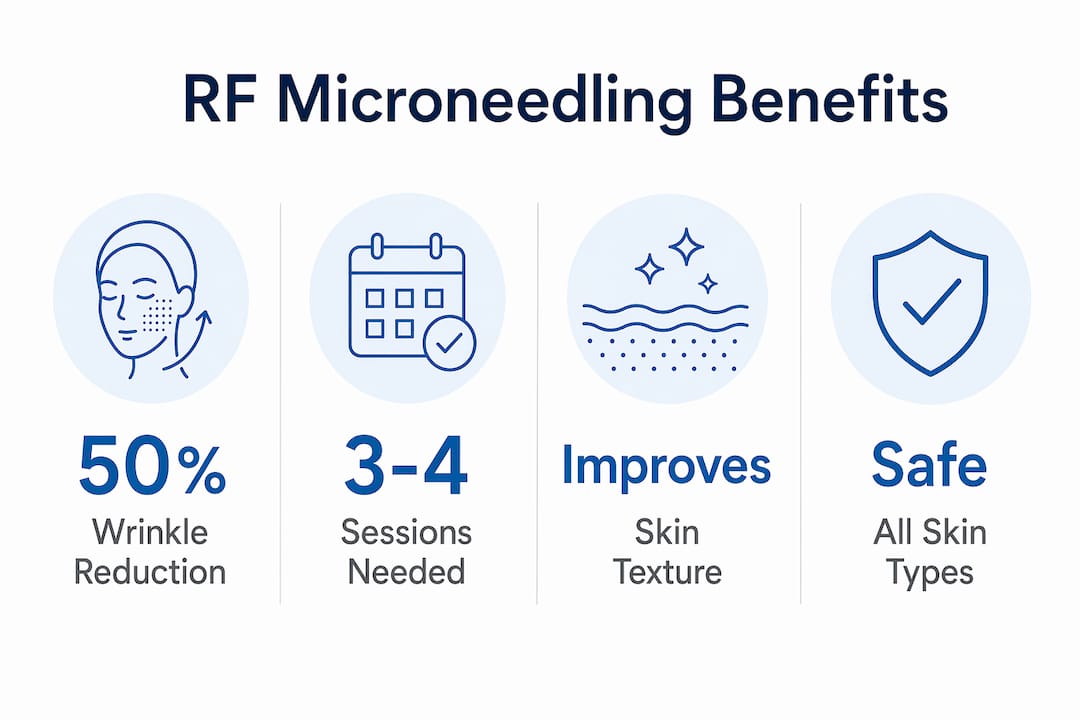
Clinical trials show that RF microneedling can reduce wrinkle scores by nearly 50% after just 2–3 sessions. That level of improvement rivals many ablative laser treatments, with significantly less downtime. The forehead, crow’s feet, and perioral lines respond particularly well.
Skin laxity and tightening
The thermal contraction effect makes RF microneedling one of the stronger non-surgical options for mild to moderate skin laxity. The face, neck, and décolleté all respond well. Patients in their 40s and 50s who want visible tightening without surgery consistently report meaningful improvement after a series of treatments. You can read more about how microneedling rejuvenates skin through collagen stimulation.
Acne scars and texture
Rolling, boxcar, and ice-pick scars all respond to RF microneedling because the thermal energy reaches the fibrous bands beneath the scar surface. Standard microneedling addresses the surface layer. RF microneedling breaks down deeper scar tissue and replaces it with new collagen, which is why the results are more pronounced for textural irregularities.
Here is how RF microneedling compares to traditional microneedling for common concerns:
| Skin concern | Traditional microneedling | RF microneedling |
|---|---|---|
| Fine lines | Moderate improvement | Strong improvement |
| Skin laxity | Minimal effect | Noticeable tightening |
| Acne scars | Surface-level remodeling | Deeper structural remodeling |
| Pore size | Moderate reduction | Moderate to strong reduction |
| Stretch marks | Limited results | Better results with deeper settings |
| Pigmentation risk | Low | Very low, safe for all skin types |
Stretch marks and pore size
Stretch marks respond to RF microneedling better than to standard microneedling because the thermal energy stimulates collagen in the deeper reticular dermis where stretch marks originate. Enlarged pores also shrink as the surrounding collagen tightens, which is a benefit patients often notice before they see wrinkle improvement.
What to expect during and after RF microneedling treatment?
Knowing what the procedure actually feels like helps patients show up prepared and get better results. Here is a realistic picture of the experience from start to finish.
-
Topical numbing is applied first. A numbing cream sits on the skin for 30–45 minutes before treatment begins. Most patients describe the sensation during the procedure as a warm pressure rather than sharp pain.
-
The device passes over treatment zones. The provider adjusts needle depth and RF intensity based on the area being treated. Delicate zones like under the eyes use shallower settings. The jawline and neck can tolerate deeper energy delivery.
-
Redness and swelling appear immediately. This is normal and expected. Visible redness and swelling typically resolve within a few days, which is far less downtime than ablative laser resurfacing, which can require weeks of recovery.
-
Post-procedure care begins the same day. Dexpanthenol-containing ointments significantly accelerate healing and reduce downtime by supporting the skin barrier and managing the thermal injury response. Applying one immediately after treatment is not optional. It is part of the protocol.
-
Avoid active skincare ingredients for 48–72 hours. Retinoids, acids, and vitamin C serums can irritate the compromised skin barrier. Stick to gentle cleansers, barrier-repair moisturizers, and SPF 30 or higher.
Pro Tip: Drink extra water in the 24 hours before your appointment. Well-hydrated skin responds better to RF energy and heals faster post-treatment. Dehydrated skin is more prone to prolonged redness.
The distinction between immediate and long-term results matters for managing expectations. The tightening you see the day after your session is mostly temporary collagen contraction. The real transformation builds over the following months as new collagen matures. Patients who complete a series of three sessions spaced four to six weeks apart consistently report the strongest outcomes.
How does RF microneedling compare to laser resurfacing?
RF microneedling and laser resurfacing both target collagen production, but they work through different mechanisms and carry different risk profiles. Understanding the distinction helps you choose the right treatment for your skin type and goals.
| Feature | RF microneedling | Ablative laser resurfacing |
|---|---|---|
| Mechanism | Mechanical + thermal (RF) | Thermal (light energy) |
| Downtime | A few days | 1–3 weeks |
| Skin type safety | Safe for all Fitzpatrick skin types | Risk of hyperpigmentation in darker tones |
| Depth of treatment | 0.5mm–4mm adjustable | Surface to mid-dermis |
| Collagen stimulation | Mechanical + heat shock proteins | Heat-induced only |
| Ideal for | Laxity, scars, texture, all skin tones | Severe sun damage, deep wrinkles |
| Sessions needed | 3–4 for best results | Often 1–2 |
The safety advantage for darker skin tones is significant. Laser treatments carry a real risk of post-inflammatory hyperpigmentation in patients with Fitzpatrick skin types IV through VI. RF microneedling bypasses that risk because the energy is delivered below the melanin-rich epidermis, not through it. Practitioner skill in adjusting RF energy remains critical, especially with non-insulated needles, but the baseline safety profile is stronger across diverse skin tones.
RF microneedling is not the right tool for every situation. Patients with severe skin laxity or deep photodamage may still benefit more from surgical options or aggressive laser resurfacing. The ideal candidate is someone with mild to moderate laxity, textural irregularities, acne scarring, or early signs of aging who wants meaningful results without extended recovery. You can learn more about what microneedling involves before deciding which approach fits your goals.
Key takeaways
RF microneedling delivers superior anti-aging results compared to standard microneedling by combining mechanical stimulation with radiofrequency energy that activates heat shock proteins, triggers immediate collagen contraction, and drives new collagen synthesis for up to six months.
| Point | Details |
|---|---|
| Dual mechanism advantage | RF energy adds thermal collagen contraction and heat shock protein activation beyond what needles alone achieve. |
| High patient satisfaction | A 2026 systematic review of 558 patients found satisfaction rates exceed 90% across studied populations. |
| Wrinkle reduction | Clinical trials show nearly 50% wrinkle score improvement after just 2–3 sessions. |
| Safe for all skin tones | RF microneedling is safe for all Fitzpatrick skin types, unlike ablative lasers that risk hyperpigmentation in darker skin. |
| Aftercare matters | Dexpanthenol-containing ointments applied post-treatment actively accelerate healing and reduce downtime. |
What I’ve learned from watching patients go through RF microneedling
The most common mistake I see is patients treating the immediate post-treatment tightening as the final result. They look in the mirror two days after their session, see some improvement, and decide one treatment is enough. Then they miss the real payoff that builds over the next three to four months.
The second thing I’ve noticed is that aftercare is wildly underestimated. Patients spend significant money on the procedure and then skip the dexpanthenol ointment or go back to their retinol the next morning. Targeted post-procedural aftercare is not a suggestion. It directly influences how well your skin remodels. Treat it as part of the treatment, not an optional add-on.
Clinician expertise also matters more than most people realize when researching treatments online. The energy settings, needle depth, and needle type all need to be adjusted for your specific skin tone, concern, and anatomy. A provider who uses the same settings on every patient is not doing the procedure correctly. Before booking, ask specifically whether they use insulated needles and how they adjust parameters for different skin types. That question alone tells you a lot about their level of training.
RF microneedling is genuinely one of the most effective non-surgical options available for adults in their 30s through 60s. The clinical data backs it up. But the outcome depends heavily on who performs it and how you care for your skin afterward.
— Marina
RF microneedling treatments at Theinjectionroom in Austin and San Antonio
Theinjectionroom offers professional microneedling treatments in Austin and San Antonio with a focus on collagen rejuvenation and skin tightening. The team tailors energy settings and needle depth to each patient’s skin type and goals, which is the standard the clinical data supports. Whether you are addressing early laxity, acne scarring, or uneven texture, a consultation at Theinjectionroom gives you a clear picture of what a personalized treatment plan looks like. Patients in the San Antonio area can also explore microneedling services in San Antonio to find the right appointment time and location. Booking a consultation is the most direct way to find out whether RF microneedling fits your skin and your timeline.
FAQ
What are the main RF microneedling benefits?
RF microneedling tightens skin, reduces wrinkles, improves texture, and remodels acne scars by combining mechanical micro-injuries with radiofrequency energy that stimulates collagen and elastin production. Patient satisfaction rates exceed 90% in clinical studies.
How many sessions does RF microneedling require?
Most patients need 3–4 sessions spaced four to six weeks apart for optimal results. Wrinkle scores can improve by nearly 50% after just 2–3 sessions in clinical trials.
Is RF microneedling safe for darker skin tones?
RF microneedling is safe for all Fitzpatrick skin types because the energy is delivered below the epidermis, avoiding the melanin-rich layer that makes laser treatments risky for darker skin tones.
How long does recovery take after RF microneedling?
Redness and swelling typically resolve within a few days. Using dexpanthenol-containing ointments immediately after treatment accelerates healing and reduces visible downtime compared to skipping post-procedure care.
When do RF microneedling results appear?
Immediate tightening appears within days but is mostly temporary collagen contraction. True remodeling peaks at one month and continues building for up to six months as new collagen and elastin mature.

%20Pictures%20are%204%20weeks%20apart..jpg)