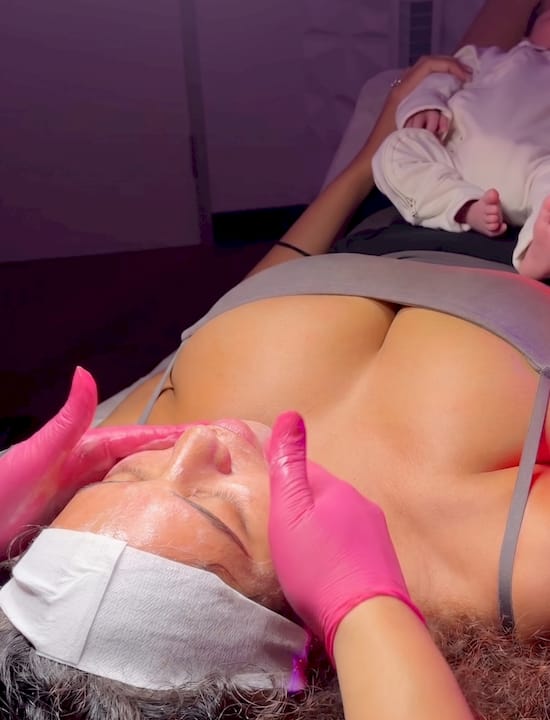
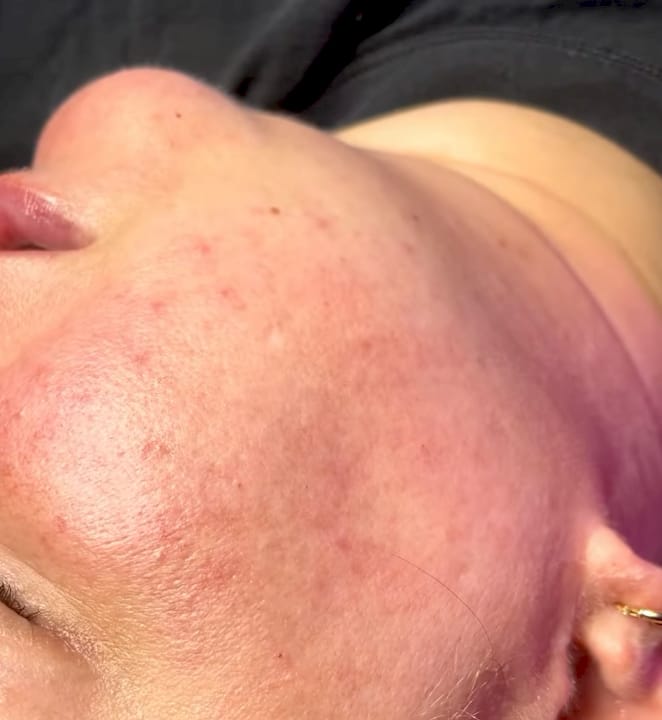
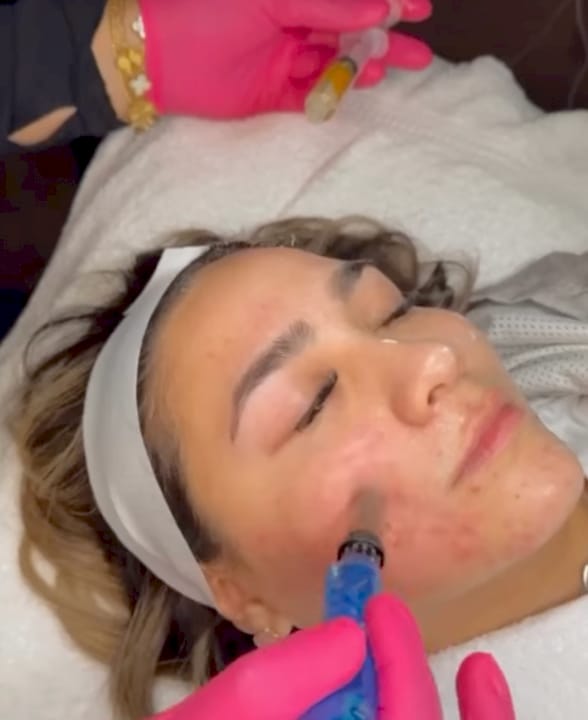
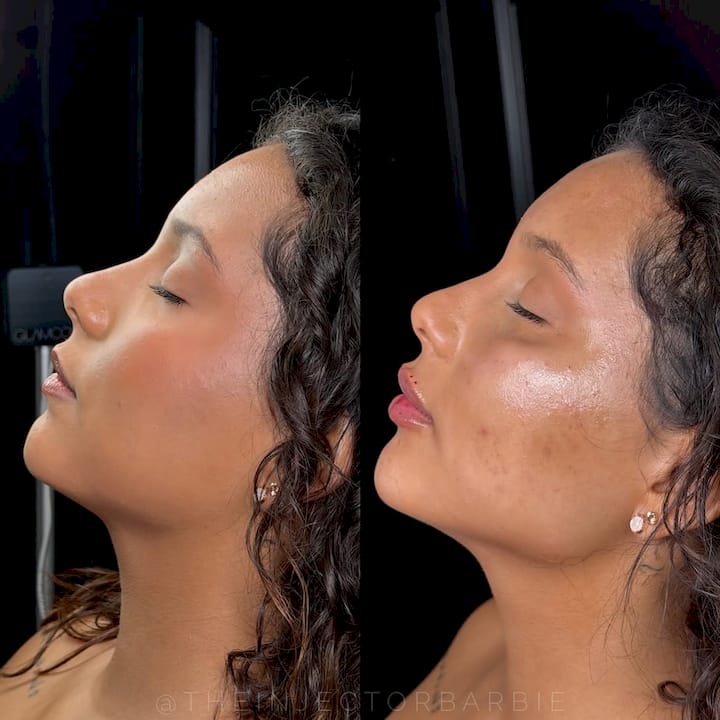
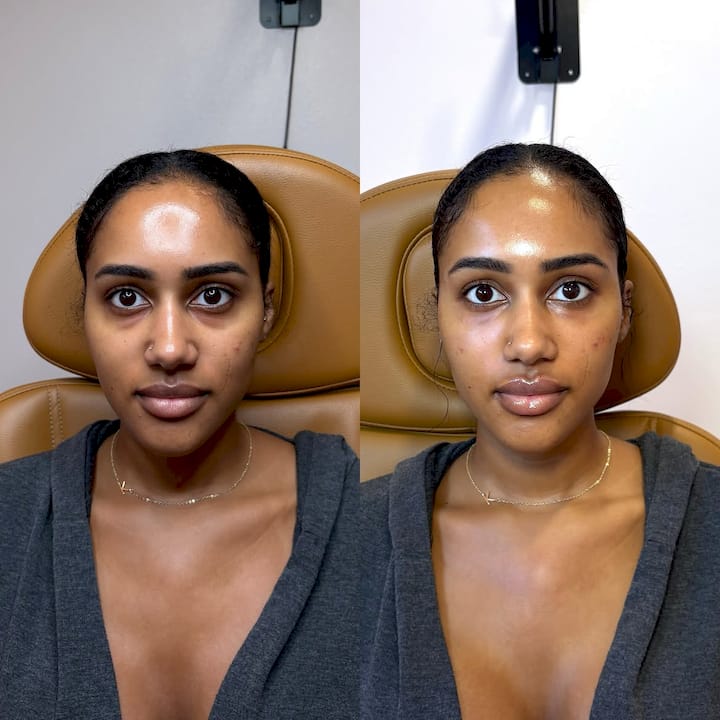
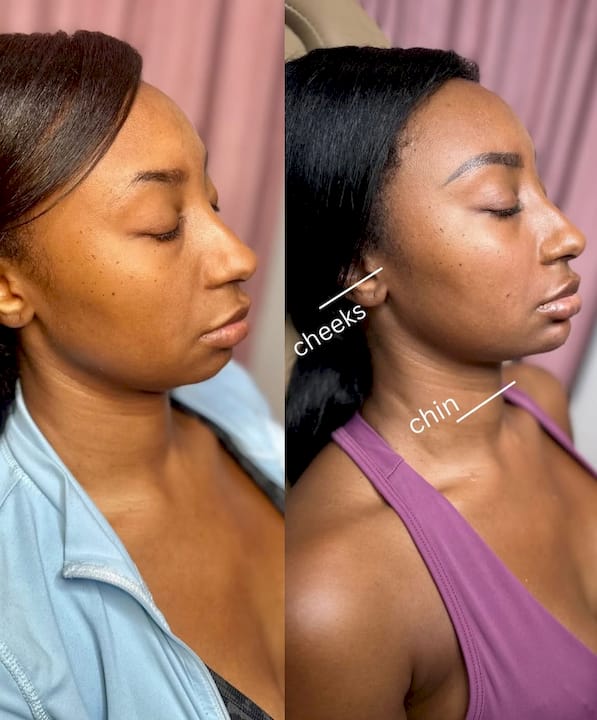
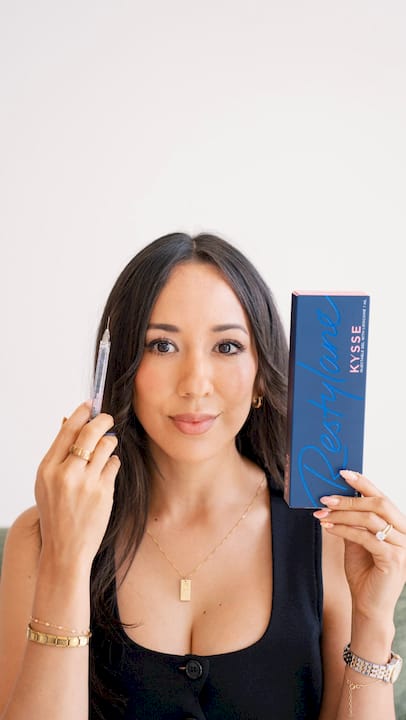
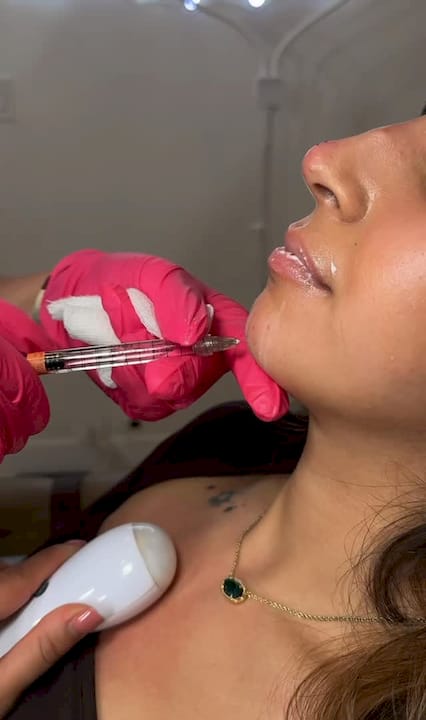
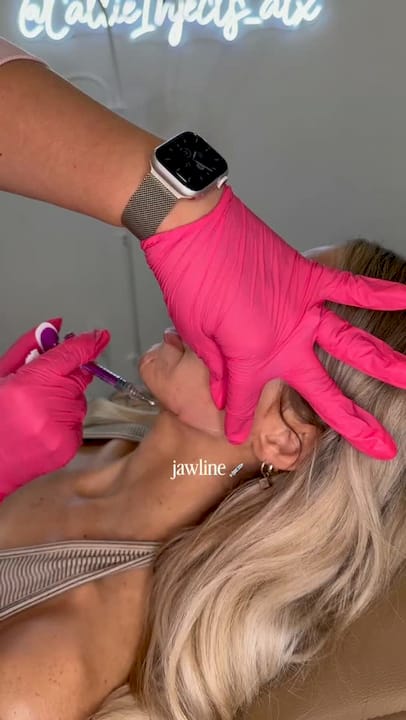
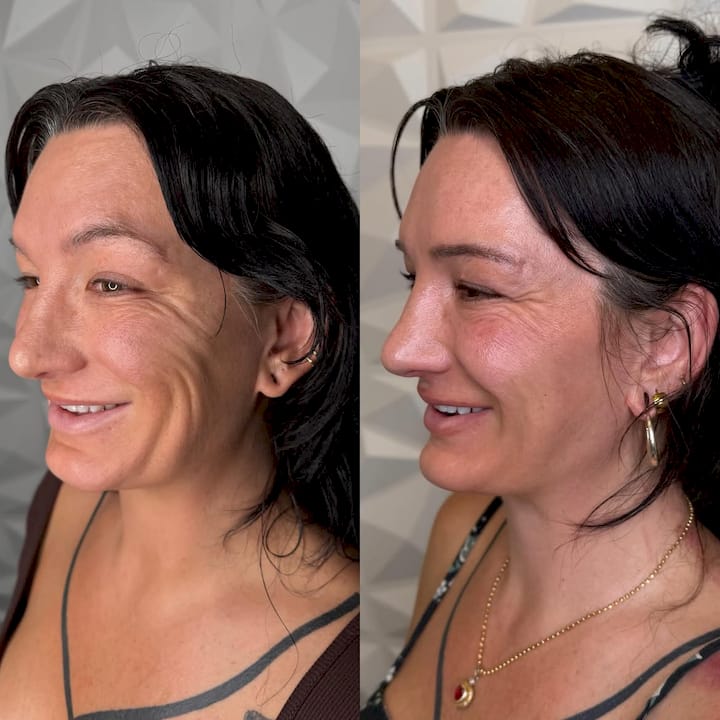
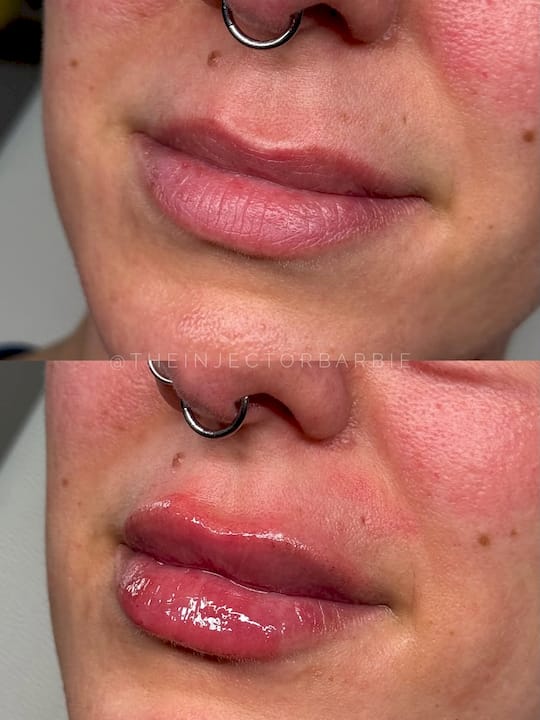
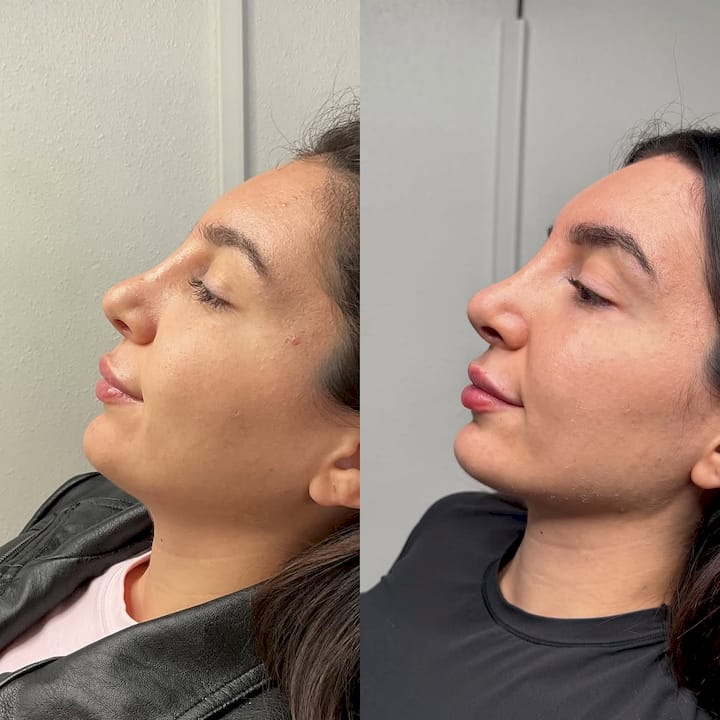
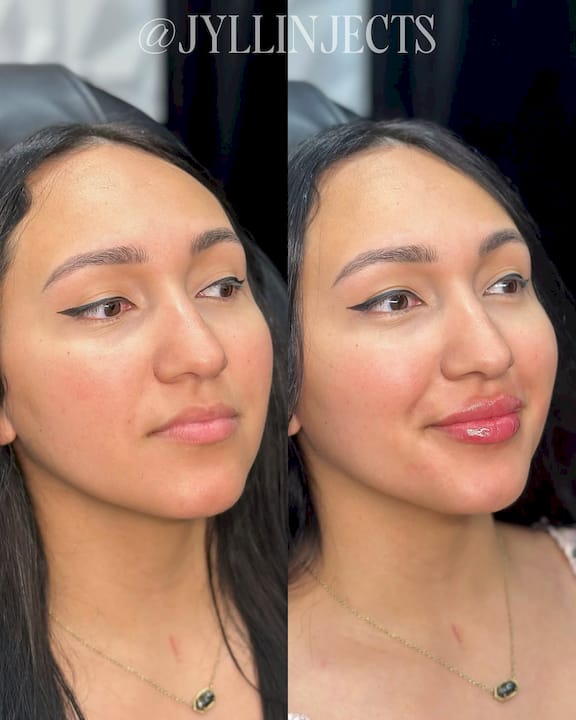
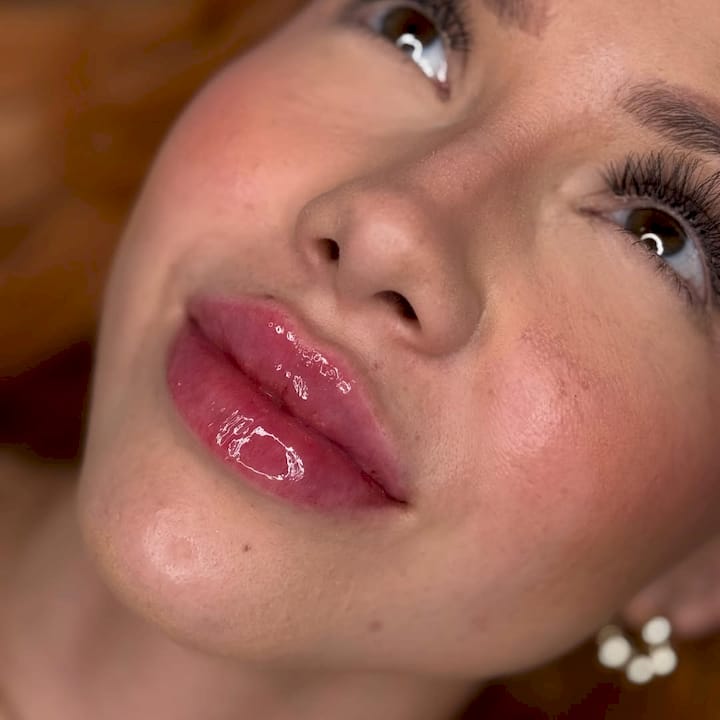
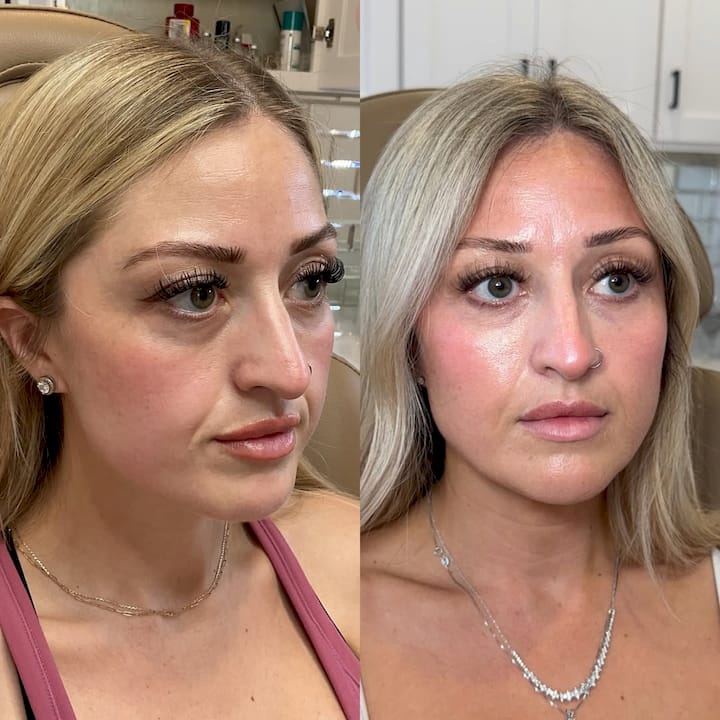
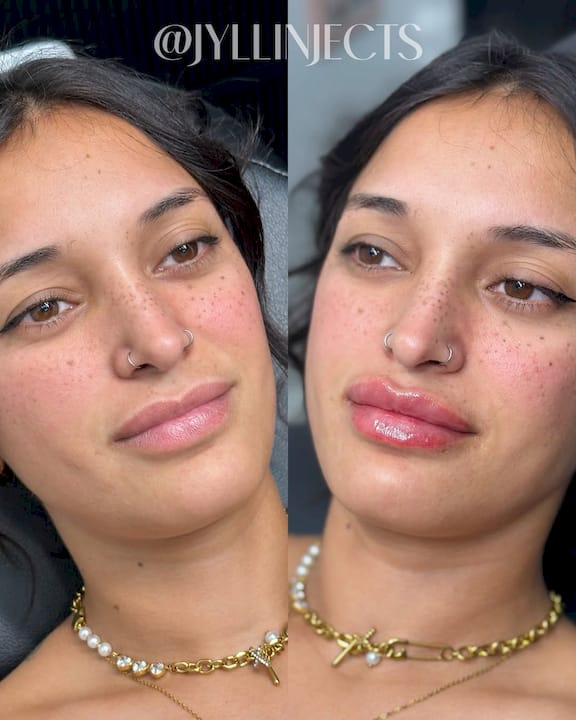
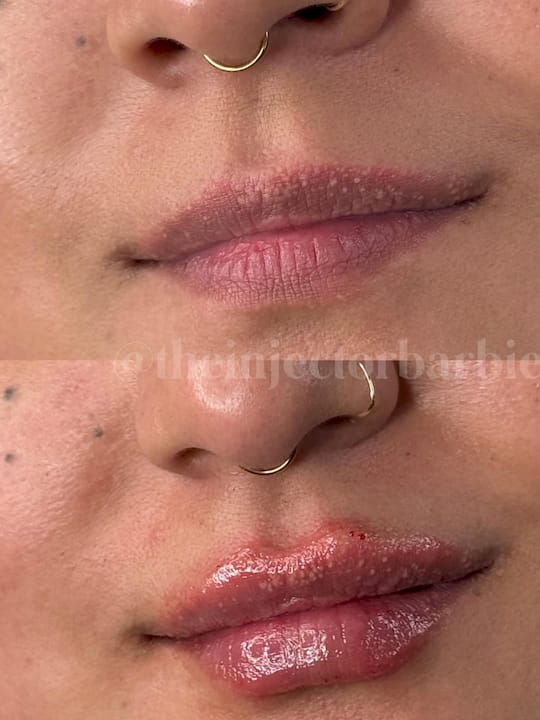
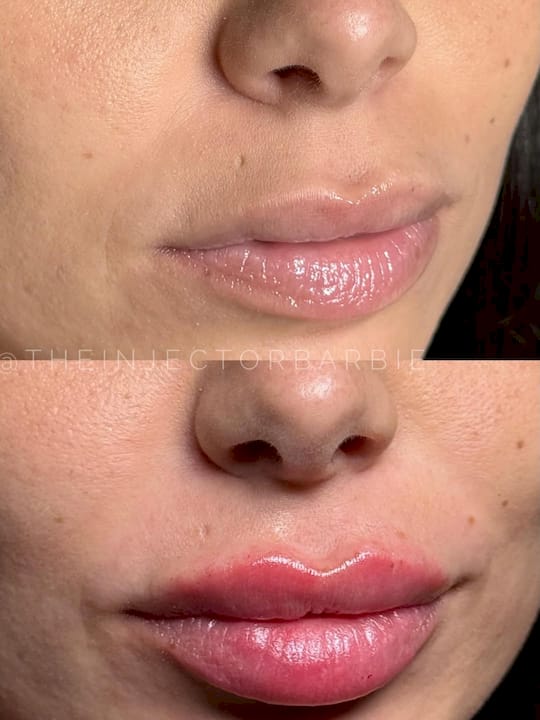
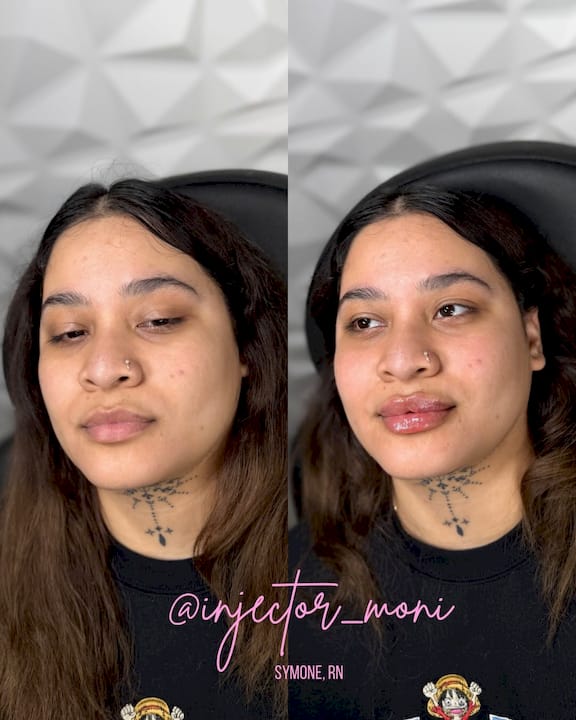
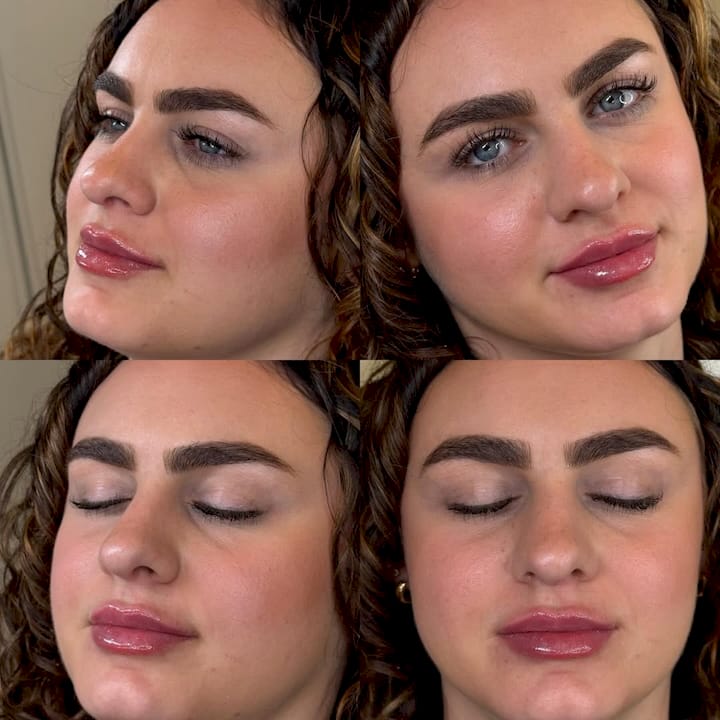
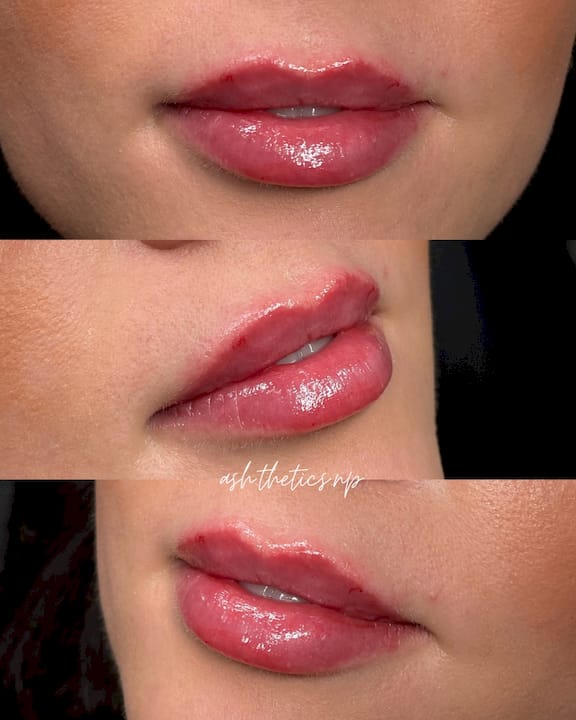
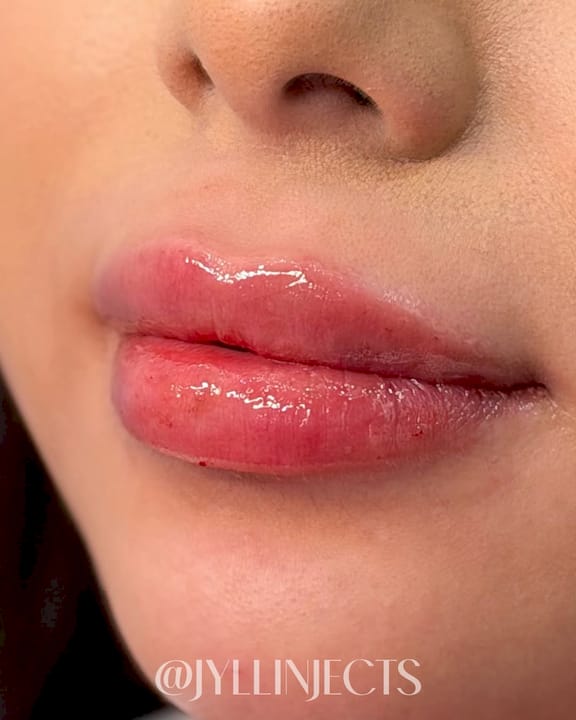
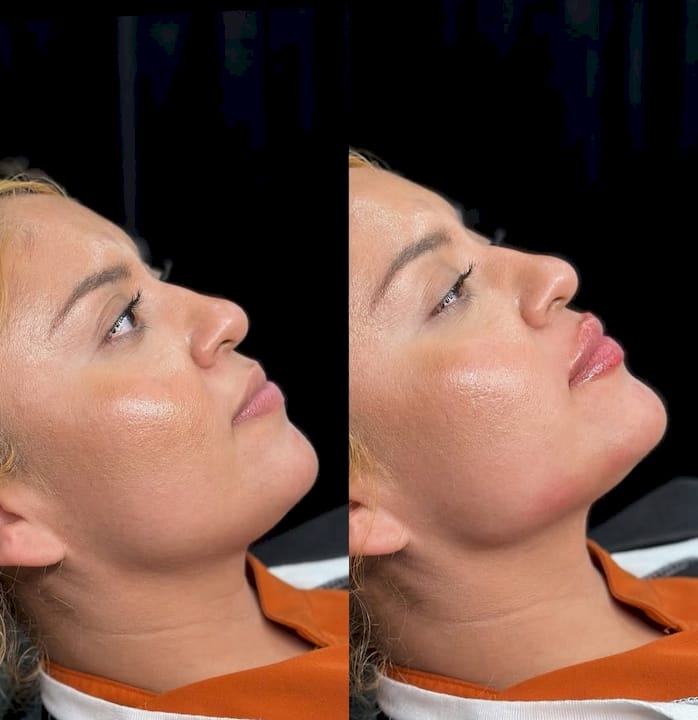
RHA fillers are resilient hyaluronic acid (HA) dermal fillers designed to stretch and move with your facial expressions, making them the only FDA-approved HA fillers indicated for dynamic wrinkles and folds. Developed by Teoxane and distributed in the United States by Revance Therapeutics, the RHA collection includes four formulations built to correct wrinkles that appear during movement, not just at rest. Traditional fillers were engineered for static correction. RHA fillers were engineered for faces that actually move. If you want volume and wrinkle correction that holds up through smiling, talking, and laughing, this technology was built for exactly that.
What are RHA fillers and how do they differ from traditional HA fillers?
RHA fillers use a manufacturing process called Preserved Network technology that keeps hyaluronic acid chains longer and closer to their natural form. Traditional HA fillers use heavier crosslinking to create a stiffer gel. That stiffness works well for static areas but creates resistance and unnatural bulging in high-motion zones like the mouth and cheeks.
The practical difference is significant. RHA gels can stretch up to 32% and recover their original shape after movement. Clinical trial data shows statistical superiority over comparator HA fillers through 64 weeks. No other FDA-approved HA filler carries a specific indication for dynamic facial wrinkles and folds.
The result is a filler that preserves natural appearance during expression, especially in high-motion areas. Patients report that RHA fillers feel less stiff and more like their own tissue compared to traditional options. That feedback aligns with the underlying science.
Key differences at a glance:
-
Crosslinking: RHA uses light crosslinking; traditional fillers use heavier crosslinking for more rigidity
-
Flexibility: RHA stretches and recovers; traditional fillers resist deformation
-
FDA indication: RHA is approved for dynamic wrinkles; most traditional HA fillers are approved for static correction only
-
Feel: RHA gels feel softer and more natural in high-movement areas
-
Best use cases: RHA excels around the mouth, nasolabial folds, and cheeks during expression
Pro Tip: If your primary concern is wrinkles that appear when you smile or talk, ask your injector specifically about RHA formulations. A filler approved for static lines may not perform as well in dynamic zones.
What are the different RHA formulations and their uses?
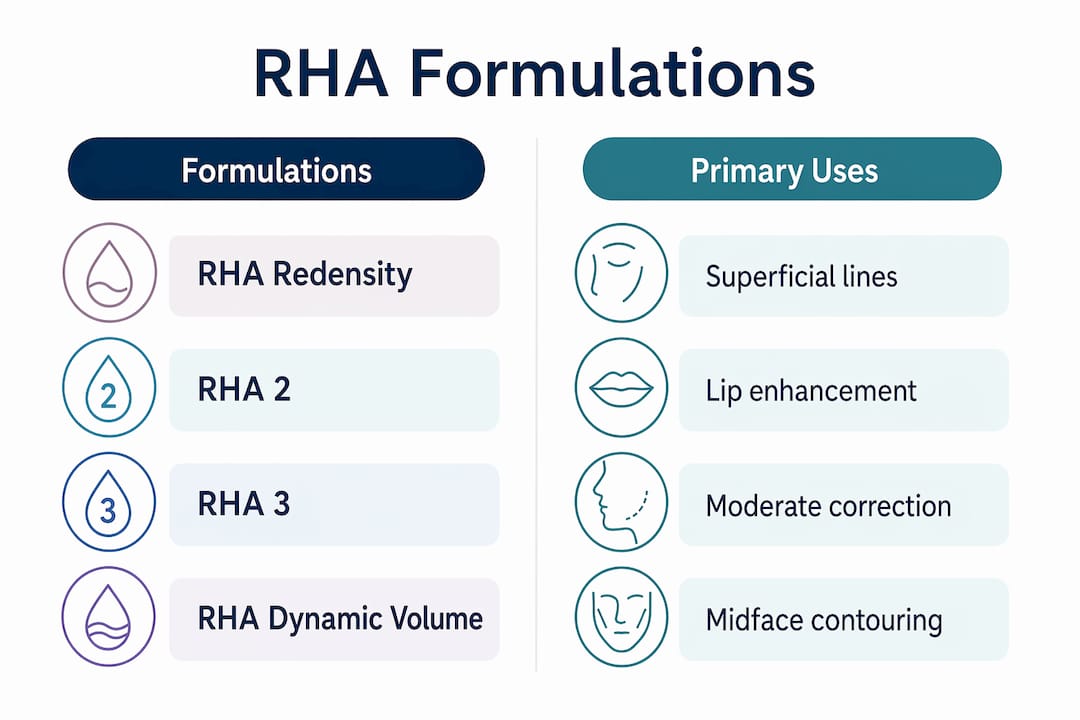
The RHA collection includes four formulations. Each targets a different tissue depth and aesthetic goal. Understanding the individual formulation differences is what separates a good outcome from a great one.
RHA Redensity is the lightest formulation. It targets superficial lines and overall skin quality, working just under the skin’s surface to smooth fine texture and early signs of aging. It works well for periorbital lines and delicate areas where heavier fillers would look unnatural.
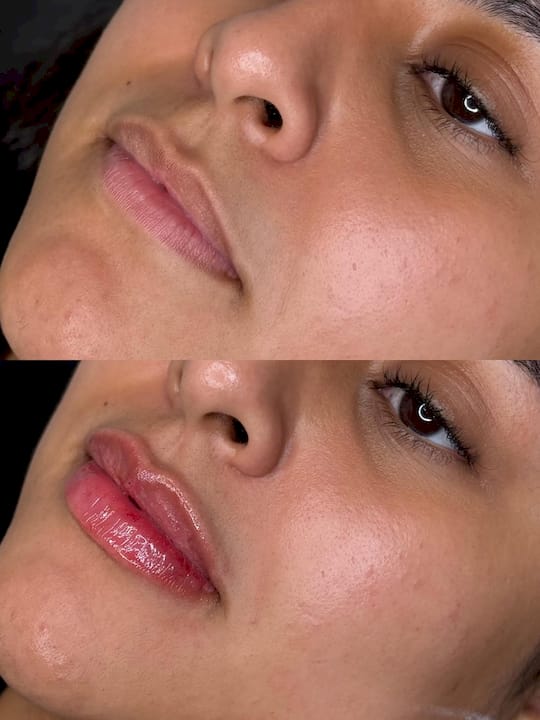
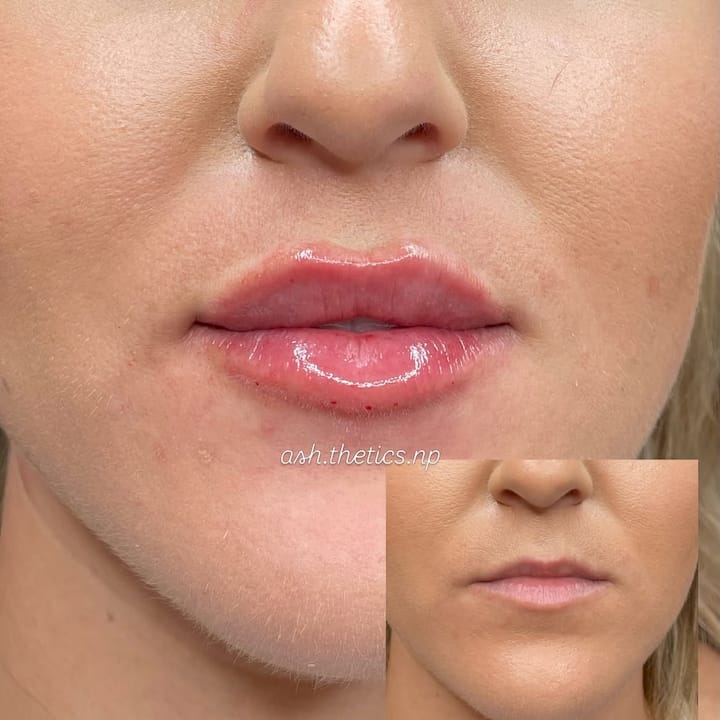
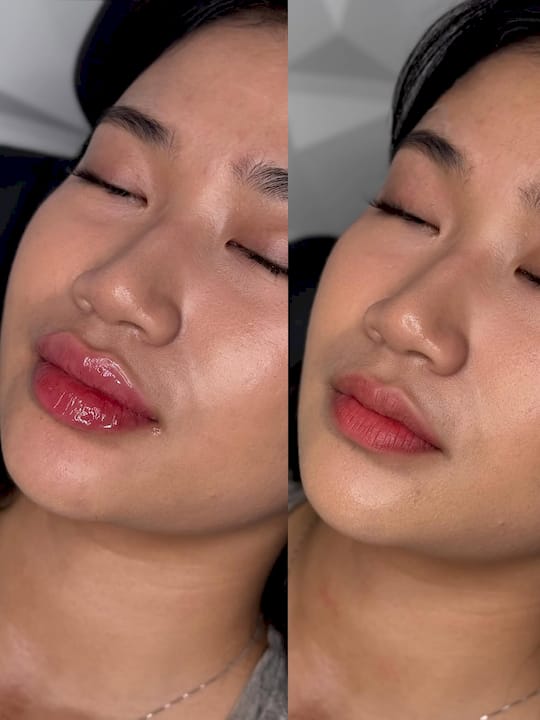
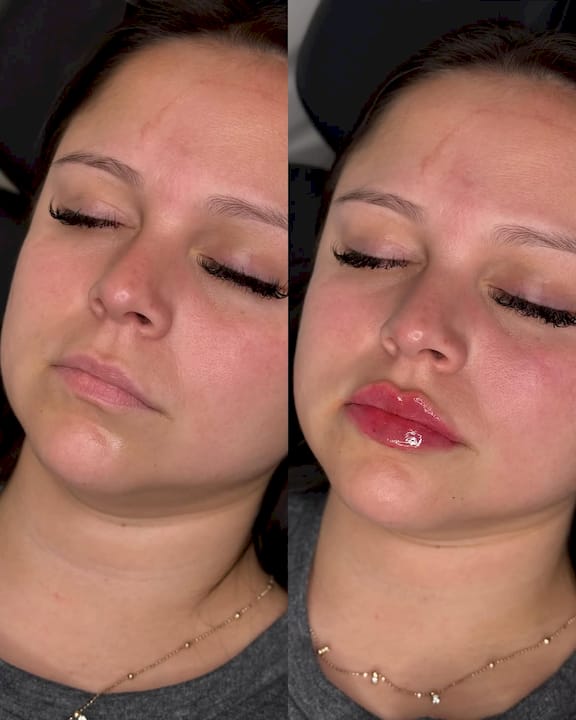
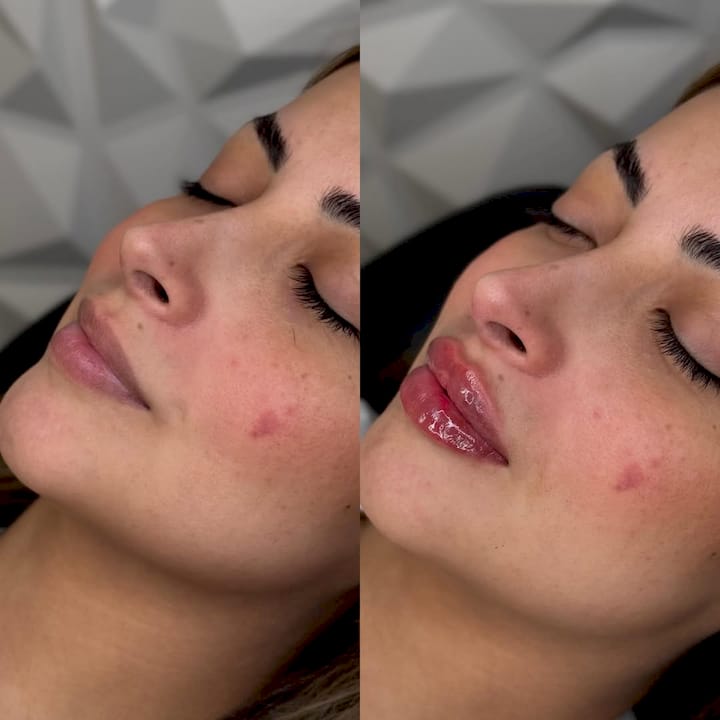
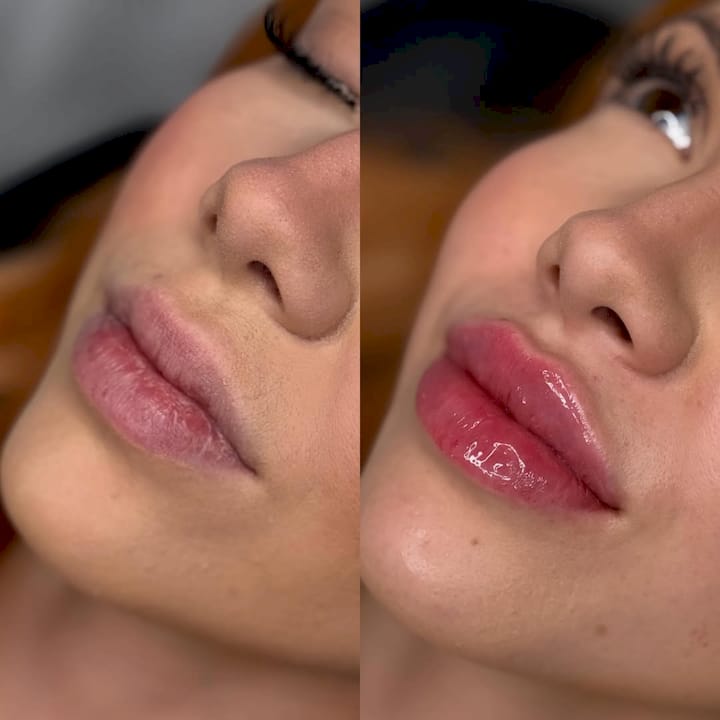
RHA 2 sits in the middle range of viscosity. It suits thin-to-moderate volume needs, making it a strong choice for lips and areas requiring subtle definition without bulk. Patients seeking a natural lip enhancement without the overfilled look often respond well to RHA 2.
RHA 3 carries more viscosity and handles moderate-to-deep correction. Nasolabial folds, perioral lines, and mild cheek volume loss are its primary targets. It provides enough structure for visible correction while still adapting to movement.
RHA Dynamic Volume (formerly RHA 4) is the thickest formulation. It received FDA approval for midface contouring and addresses deeper wrinkles and structural volume loss. This is the formulation used for facial contouring work in the cheeks and midface.
| Formulation | Viscosity | Primary Target Areas | Best For |
|---|---|---|---|
| RHA Redensity | Lightest | Periorbital lines, skin surface | Fine lines, skin smoothing |
| RHA 2 | Light-moderate | Lips, delicate areas | Subtle volume, lip definition |
| RHA 3 | Moderate | Nasolabial folds, cheeks, perioral | Moderate wrinkles, mild volume |
| RHA Dynamic Volume | Thickest | Midface, deep folds | Contouring, structural volume |
Results from the RHA collection last approximately 15 months depending on the formulation and treatment area. Injectors frequently combine two or more formulations in a single session to address both fine lines and volume loss simultaneously, which is one of the most effective ways to use this technology.
What does the RHA treatment process look like?
RHA treatments are minimally invasive in-office procedures with no general anesthesia and no significant downtime. Most sessions take 30 to 60 minutes depending on the number of areas treated. Lidocaine is included in the formulation to keep patients comfortable during injection.
Injectors use both needles and cannulas depending on the target area and tissue depth. Advanced providers apply the Teoxane MLT Multilayering Technique, which places filler at multiple tissue depths including subcutaneous and supraperiosteal layers. This approach creates more natural volume distribution and better facial proportion than single-depth injection.
Patients typically see immediate visible improvement after treatment. However, initial swelling can temporarily mask the final natural look for several days post-treatment. The true result becomes visible once swelling resolves, usually within one to two weeks.
Common side effects include:
-
Redness and mild swelling at injection sites
-
Tenderness or bruising, typically resolving within a few days
-
Temporary firmness in treated areas as the filler settles
-
Rare instances of asymmetry, which an experienced injector can address at a follow-up
Pro Tip: Choose an injector with specific experience in RHA formulations. The multilayering technique requires training beyond standard filler injection. The right provider makes a measurable difference in both safety and outcome.
How long do RHA fillers last compared to other popular fillers?
RHA fillers maintain aesthetic results for approximately 15 months, which places them among the longer-lasting HA filler options on the market. That longevity is consistent across the collection, though individual results vary based on formulation, treatment area, and patient metabolism.
The most direct clinical comparison involves RHA Dynamic Volume and Juvederm Voluma. A 52-week phase III trial showed comparable effectiveness between the two, with RHA Dynamic Volume requiring potentially fewer treatment sessions and touch-ups. That is a meaningful advantage for patients who want to minimize the frequency of clinic visits. You can read more about how fillers compare across popular brands to put these numbers in context.
| Filler | Typical Duration | FDA Indication | Dynamic Movement |
|---|---|---|---|
| RHA Dynamic Volume | ~15 months | Midface contour, dynamic wrinkles | Yes |
| Juvederm Voluma | ~24 months (cheeks) | Midface volume | Limited |
| RHA 2 / RHA 3 | ~15 months | Dynamic wrinkles and folds | Yes |
| Traditional HA fillers | 6–18 months (varies) | Static correction | Limited |
Several factors influence how long any filler lasts. High-movement areas like the lips metabolize filler faster than lower-movement areas like the cheeks. Patient age, skin quality, and lifestyle factors like sun exposure and exercise also play a role. For a deeper look at filler longevity across options, the differences between formulations matter more than brand name alone.
What are the benefits and limitations of RHA fillers?
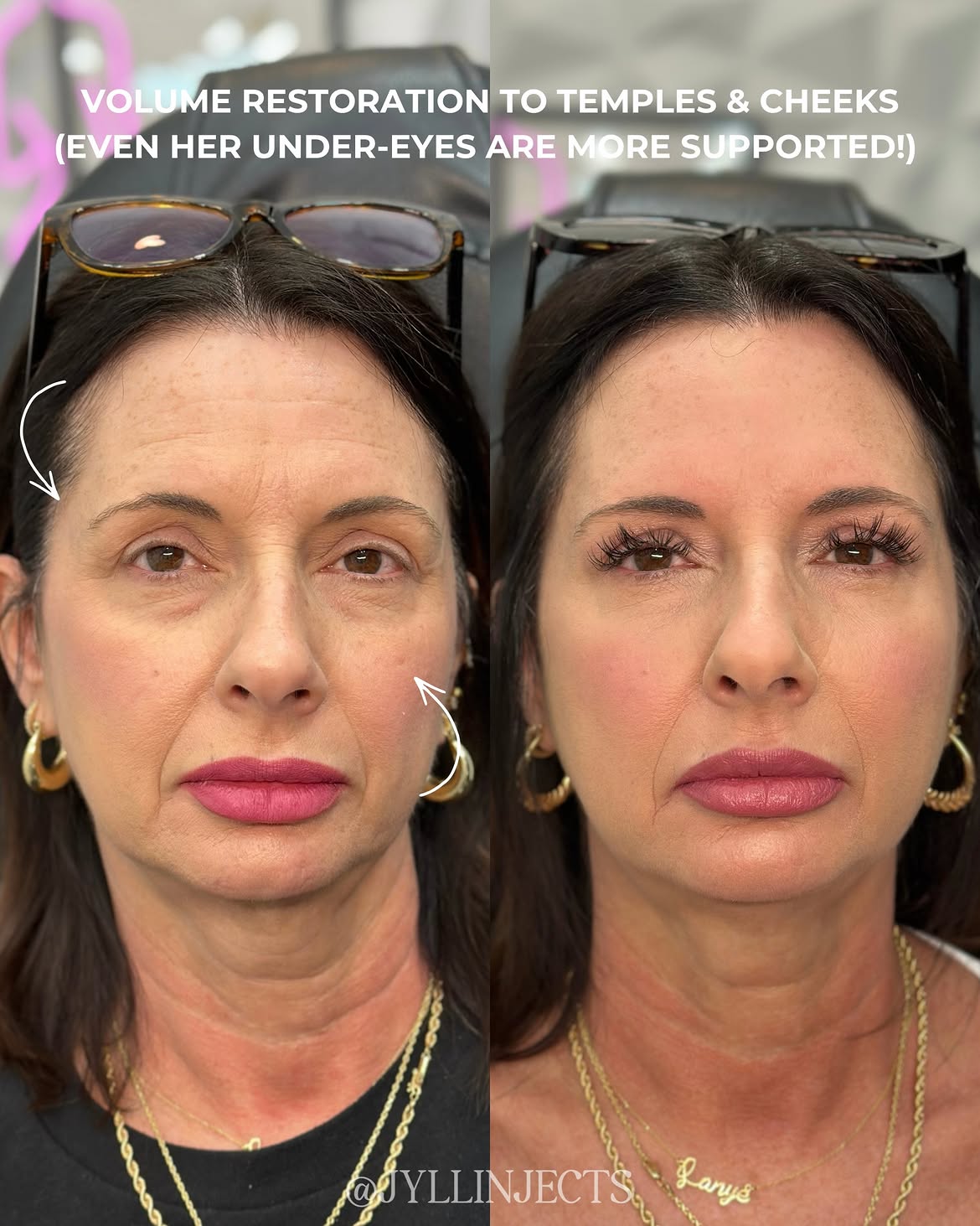
The primary benefit of RHA fillers is their ability to maintain authentic facial expressions during dynamic movement. Patients who have tried traditional fillers and found them stiff or unnatural in motion consistently report a better experience with RHA. That is not a marketing claim. It is the direct result of a different manufacturing process.
Other clear advantages include:
-
FDA-approved for dynamic wrinkles: No other HA filler carries this specific indication
-
Minimal downtime: Most patients return to normal activity within 24 to 48 hours
-
Flexible treatment planning: Four formulations allow precise matching to tissue depth and aesthetic goal
-
Clinical safety profile: Tolerability and minimal downtime make RHA a strong option for patients with busy schedules
-
Combination-friendly: RHA formulations work well alongside neurotoxins like Botox for comprehensive facial rejuvenation
Limitations exist and are worth knowing. RHA fillers are not available at every med spa. The technique demands injector experience, and the cost is comparable to or slightly higher than standard HA fillers. RHA is also not the right choice for every concern. Severe volume loss or deep structural correction may require a filler with more lift capacity, such as Sculptra or a calcium hydroxylapatite product.
Pro Tip: Go into your consultation with specific concerns about movement. Tell your injector which expressions bother you most. That information directly guides which formulation and technique will serve you best.
Key Takeaways
RHA fillers are the only FDA-approved hyaluronic acid fillers for dynamic wrinkles, built to stretch with facial movement and deliver natural-looking results lasting approximately 15 months.
| Point | Details |
|---|---|
| FDA-approved for dynamic wrinkles | No other HA filler carries this specific indication for movement-related wrinkles and folds. |
| Four formulations available | Redensity, RHA 2, RHA 3, and RHA Dynamic Volume each target different depths and areas. |
| Results last ~15 months | Clinical data supports longevity comparable to Juvederm Voluma with potentially fewer touch-ups. |
| Minimal downtime | Most patients resume normal activity within 24–48 hours after treatment. |
| Injector experience matters | The Teoxane MLT multilayering technique requires specific training for optimal outcomes. |
Why RHA fillers changed how I think about facial rejuvenation
I have seen a lot of filler technology come and go over the years. Most of it follows the same formula: add volume, smooth lines, repeat. RHA fillers genuinely broke that pattern for me.
The thing that stands out most is not the longevity or even the FDA indication. It is the patient feedback after the swelling settles. People stop noticing their filler. They just notice that they look like themselves again, only fresher. That is harder to achieve than it sounds. Traditional fillers in high-motion areas often create a subtle stiffness that patients feel even when no one else can see it. RHA removes that problem at the source.
What I tell patients considering this technology is to focus on the consultation as much as the treatment itself. The right combination of formulations matters enormously. A provider who uses only one formulation for every patient is not using this collection correctly. RHA works best when it is tailored to your specific anatomy and the expressions that bother you most. That requires a skilled injector who asks the right questions before picking up a syringe.
If you are in the 35 to 55 age range and your concern is wrinkles that appear when you move your face, RHA is the most clinically supported option available right now. That is not enthusiasm. That is what the data says.
— Marina
RHA filler treatments at Theinjectionroom in Austin and San Antonio
Theinjectionroom offers dermal filler treatments in Austin and San Antonio with providers experienced in advanced injection techniques. The team takes a personalized approach to formulation selection, matching RHA products to your facial anatomy and specific aesthetic goals rather than applying a one-size approach. Whether you are addressing nasolabial folds, lip volume, or midface contouring, the consultation process is designed to give you a clear picture of what to expect. Theinjectionroom also offers complementary treatments including neurotoxin services that pair well with RHA fillers for full facial rejuvenation. Schedule a consultation to discuss which RHA formulation fits your goals.
FAQ
What does RHA stand for in RHA fillers?
RHA stands for Resilient Hyaluronic Acid. The name refers to the filler’s ability to stretch and recover with facial movement, unlike traditional HA fillers.
Are RHA fillers safe?
RHA fillers have a well-documented clinical safety profile. Common side effects include temporary redness, swelling, and tenderness at injection sites, which typically resolve within a few days.
How are RHA fillers different from Juvederm?
RHA fillers use lighter crosslinking and Preserved Network technology to move with facial expressions. Juvederm uses heavier crosslinking suited for static correction. A 52-week clinical trial showed RHA Dynamic Volume performed comparably to Juvederm Voluma with potentially fewer touch-ups needed.
Can RHA fillers be used for lips?
Yes. RHA 2 is specifically suited for lip enhancement, providing natural-looking volume and definition while adapting to the constant movement of the lip area.
Who is a good candidate for RHA fillers?
Adults with dynamic wrinkles, nasolabial folds, or volume loss in the midface and lips are strong candidates. A consultation with a qualified injector determines the right formulation and treatment plan for your anatomy.

%20Pictures%20are%204%20weeks%20apart..jpg)