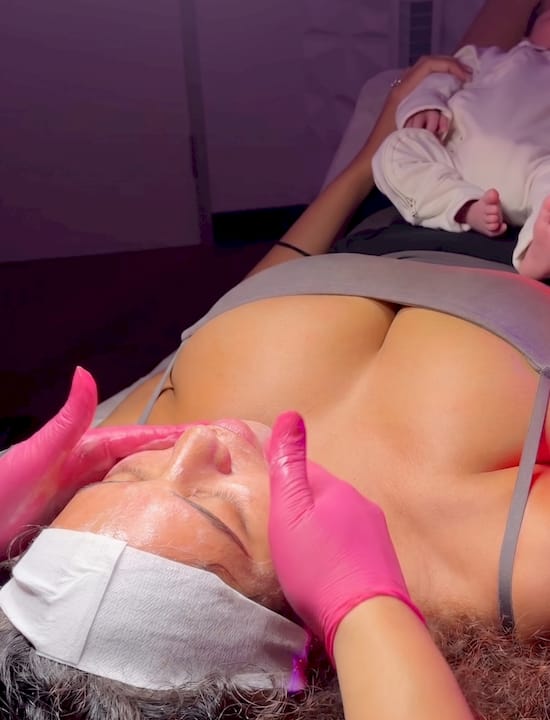
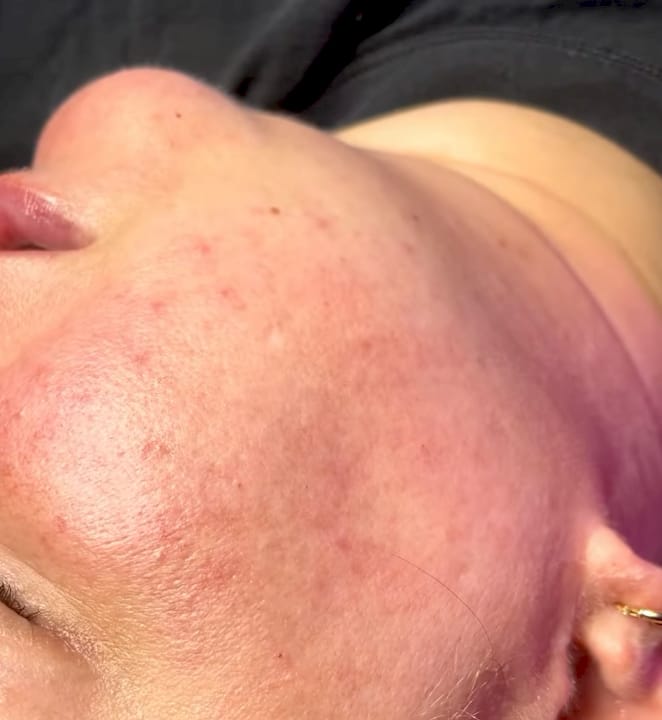
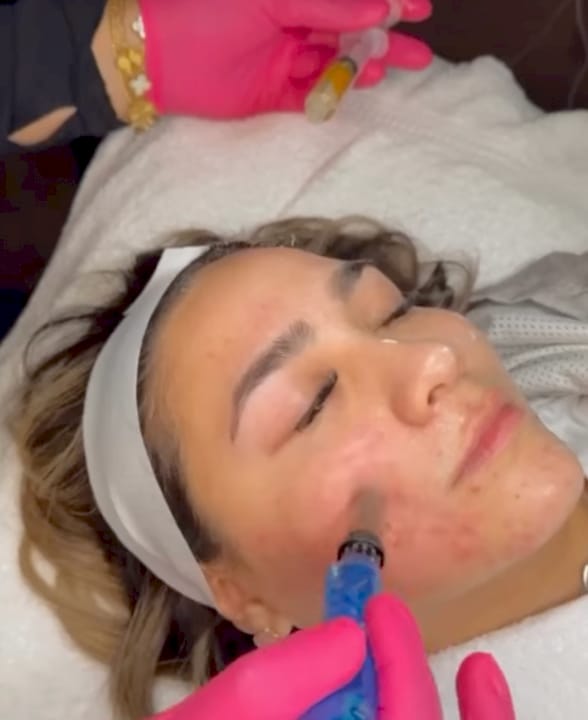
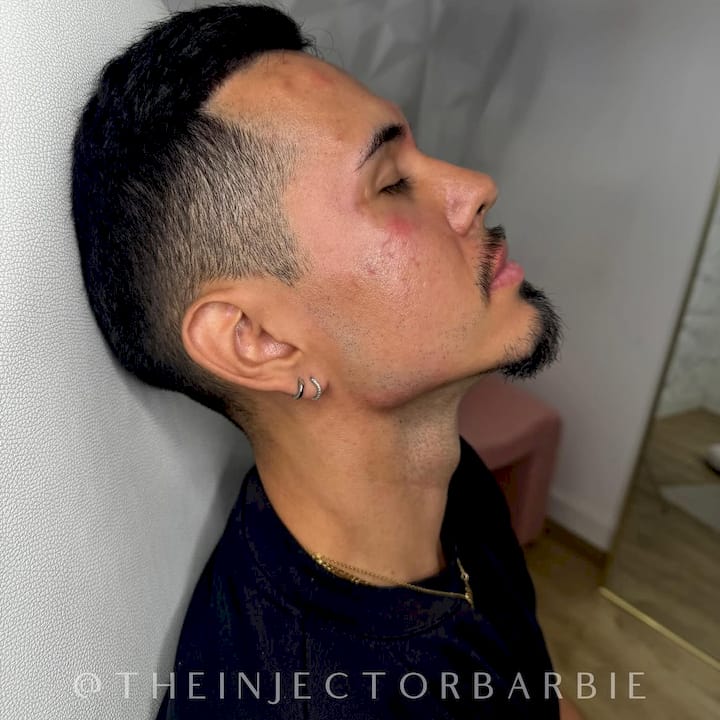
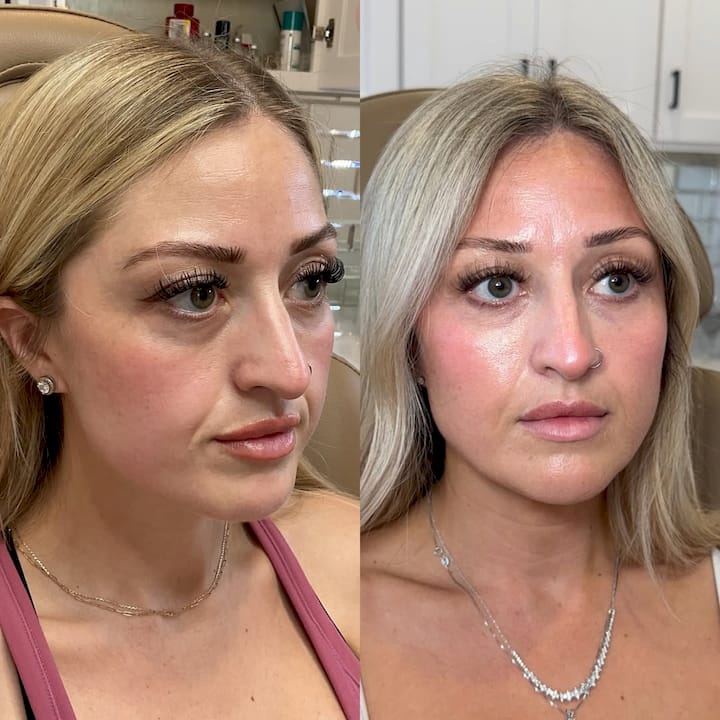
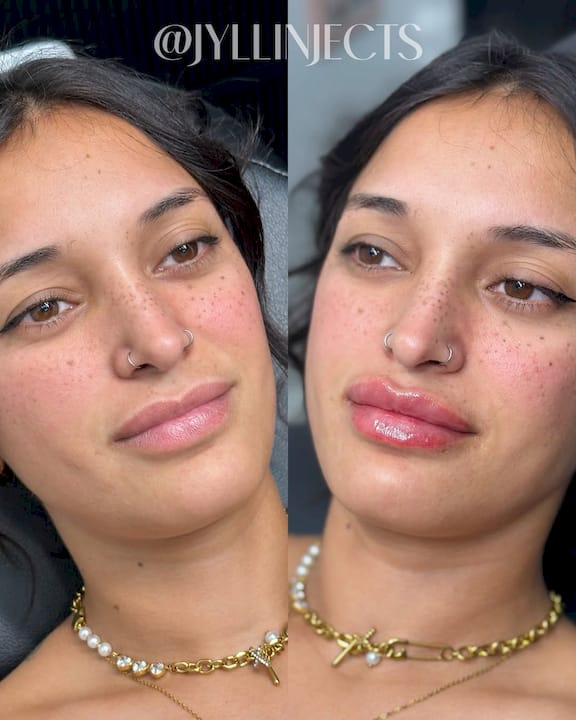
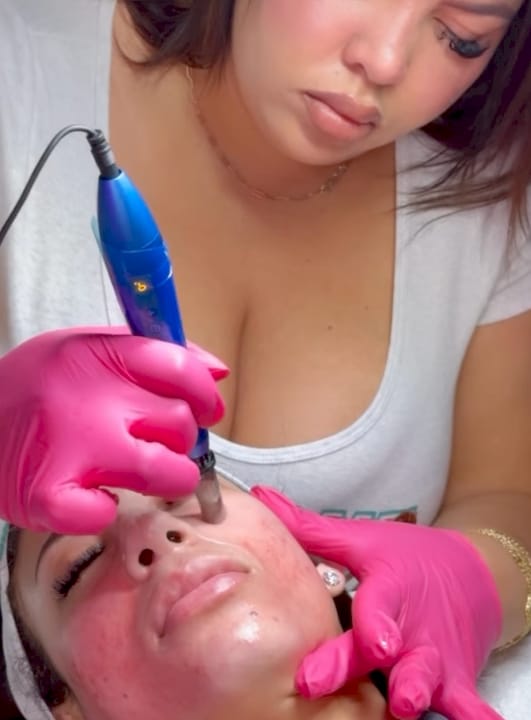
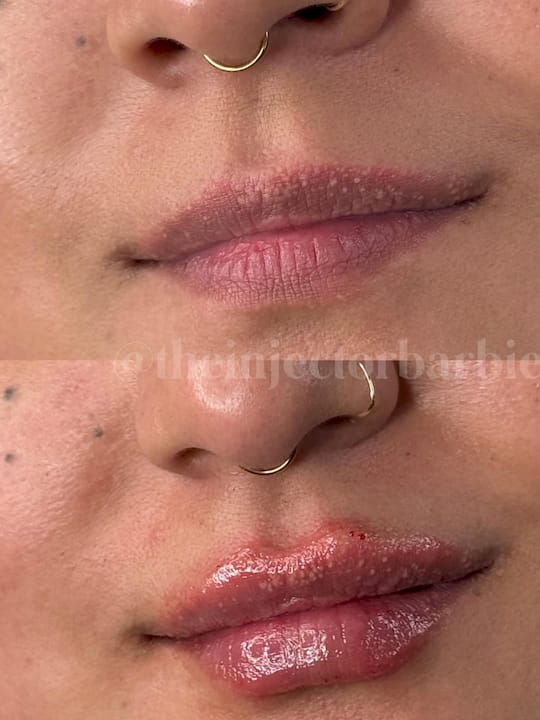
SkinPen microneedling is a medical-grade, FDA-cleared procedure that improves acne scars, fine lines, and uneven skin texture by triggering the body’s own collagen production. The industry term is collagen induction therapy, and SkinPen is the first FDA-cleared device in its class. Unlike topical creams or heat-based treatments, it works from the inside out by creating controlled micro-injuries that force the skin to rebuild itself. For anyone between 25 and 55 researching skin rejuvenation microneedling, the skin pen microneedling benefits are grounded in biology, not marketing.
How does SkinPen microneedling work to improve skin?
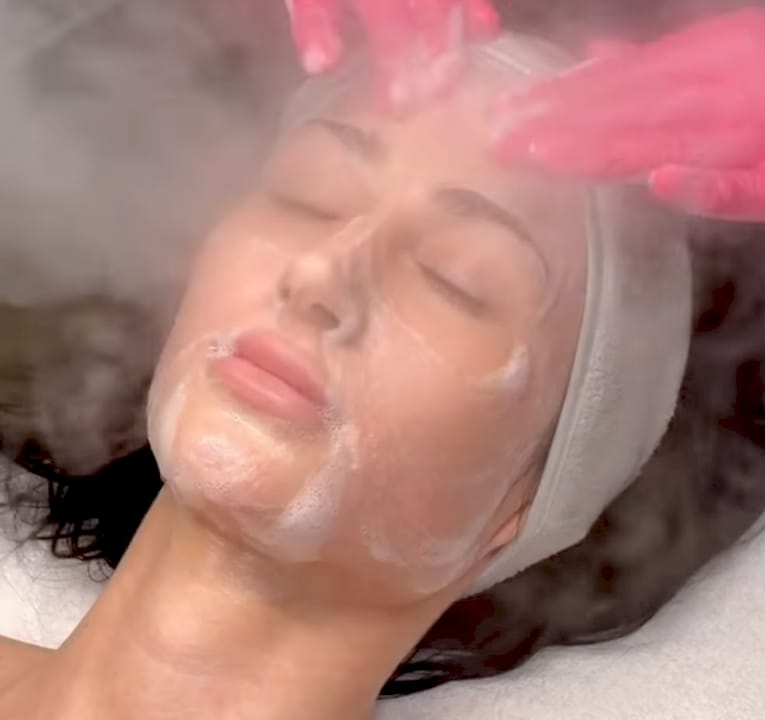
SkinPen creates thousands of microscopic channels in the skin using a sterile, single-use cartridge of fine needles. Each pass triggers what dermatologists call the wound healing cascade. The skin reads these tiny injuries as damage and responds with a full repair sequence.
The biological process unfolds in three stages:
-
Inflammation: The body rushes blood flow and immune cells to the treated area within hours of the session.
-
Proliferation: Fibroblast cells activate and begin producing new collagen and elastin fibers over the following days.
-
Remodeling: New collagen matures and reorganizes over weeks and months, producing firmer, smoother skin.
What makes this process clinically significant is the growth factor release. Microneedling triggers PDGF, VEGF, and EGF, three key signaling proteins that direct fibroblasts to rebuild the dermal scaffold. These are the same growth factors active in natural wound healing, which is why the results feel organic rather than artificial.
The critical distinction from laser or radiofrequency treatments is the absence of heat. SkinPen uses a purely mechanical approach. No thermal energy enters the skin. That matters because heat can trigger post-inflammatory hyperpigmentation, especially in patients with darker skin tones. Controlled micro-injury signaling aligns with biological repair rather than damage, producing longer-lasting collagen remodeling without the inflammatory risk.
Pro Tip: Ask your provider about needle depth settings. Shallower depths (0.25–0.5 mm) target surface texture and tone, while deeper settings (1.0–2.5 mm) address acne scars and deeper wrinkles. The right depth depends on your specific skin concern.
The full remodeling cycle takes time. Visible improvements evolve gradually over 3–6 months post-treatment as new collagen matures. Patients who expect overnight results will be disappointed. Patients who understand the biology will be impressed.
What are the proven benefits of SkinPen microneedling?
The clinical outcomes from SkinPen treatments are well documented across multiple skin concerns. The strongest evidence covers acne scars, fine lines, and overall skin texture.

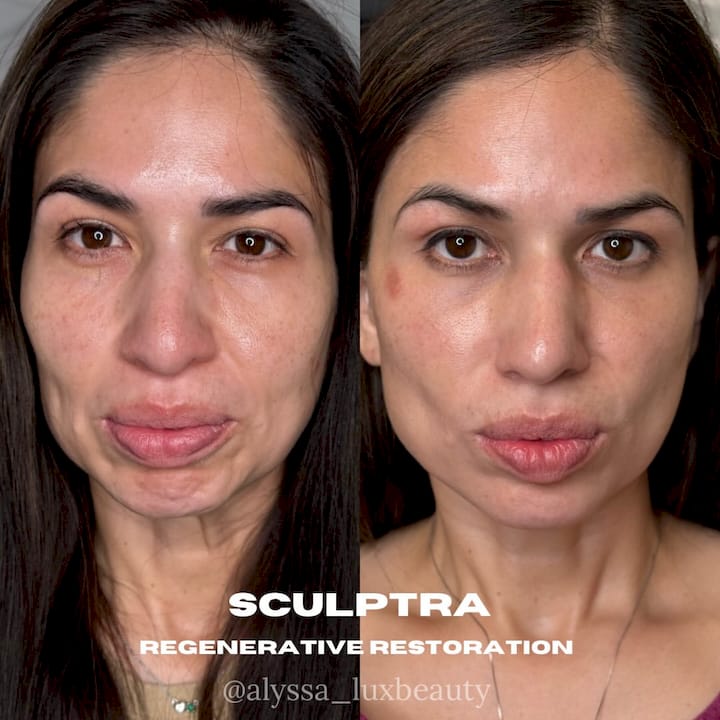
Patients report a 50%–70% improvement in acne scar appearance after completing a full series of treatments. That is a meaningful reduction for a condition that resists most topical therapies. Microneedling for acne scars works because it physically breaks up the fibrous scar tissue beneath the surface while simultaneously stimulating new, organized collagen to replace it.
| Skin Concern | Typical Outcome | Sessions Needed |
|---|---|---|
| Acne scars | 50%–70% improvement | 3–6 sessions |
| Fine lines and wrinkles | Visible reduction in depth | 3+ sessions |
| Skin texture and pore size | Smoother surface, refined pores | 3–4 sessions |
| Skin tone and radiance | More even, brighter complexion | 2–4 sessions |
| Abdominal scars | FDA-cleared improvement | 3+ sessions |
Beyond acne scars, the benefits of skin pen therapy extend to fine lines around the eyes and mouth, enlarged pores, rough texture, and dull skin tone. The FDA clearance covers facial acne scars, wrinkles, and abdominal scars in adults aged 22 and older. That regulatory approval is not cosmetic branding. It reflects clinical trial data demonstrating both safety and efficacy.
“Patients should view microneedling as a long-term therapy. Improvements unfold gradually and require a series of treatments to surpass the tissue remodeling threshold for visible change.” — Clinical perspective on SkinPen results
One underappreciated benefit is suitability across skin types. Patients with sensitive or melanin-rich skin can safely undergo SkinPen treatments because the controlled depth and non-thermal action avoid the pigmentation risks associated with lasers. This makes it one of the few skin rejuvenation options that works equally well on Fitzpatrick skin types I through VI.
How does SkinPen compare to other skin rejuvenation treatments?
SkinPen sits in a specific category: non-thermal, mechanical microneedling. Understanding where it fits relative to other treatments helps patients make a realistic choice.
SkinPen vs. RF microneedling
Radiofrequency microneedling devices like Morpheus8 combine needle penetration with heat energy delivered through the needle tips. The heat adds a skin-tightening effect by contracting existing collagen. However, SkinPen’s mechanical-only method reduces inflammatory flares compared to RF microneedling, according to dermatologist Dr. Rishi Chopra. For patients with active acne, rosacea, or darker skin tones, the absence of heat is a clinical advantage, not a limitation.
SkinPen vs. laser resurfacing
Fractional lasers like Fraxel deliver impressive results for deep wrinkles and sun damage, but they come with 5–10 days of downtime, significant redness, and a higher risk of hyperpigmentation in darker skin. Microneedling involves less downtime than laser treatments and costs considerably less per session. For patients who cannot take a week off work, SkinPen is the practical choice.
| Treatment | Heat Used | Downtime | Safe for Dark Skin | Cost Range |
|---|---|---|---|---|
| SkinPen microneedling | No | 24–48 hours | Yes | Lower |
| RF microneedling | Yes | 2–5 days | Limited | Higher |
| Fractional laser | Yes | 5–10 days | Risky | Highest |
| Chemical peel | No | 3–7 days | Depends on depth | Moderate |
Ideal candidates and limitations
SkinPen works best for adults with acne scars, mild to moderate wrinkles, uneven texture, or enlarged pores. It is not appropriate for patients with active skin infections, open wounds, or certain blood clotting conditions. Pregnant patients should wait. Results also depend on skin health going in. Patients who protect their skin from UV exposure and maintain a consistent skincare routine see better outcomes from each session.
Pro Tip: Combining SkinPen with a PRF (platelet-rich fibrin) serum applied during treatment can amplify growth factor delivery directly into the micro-channels. Ask your provider if PRF EZ Gel is an option at your appointment.
What should patients expect during and after treatment?
Knowing what happens before, during, and after a session removes the anxiety that keeps many people from booking. The process is straightforward.
-
Consultation: Your provider assesses your skin concerns, reviews your medical history, and sets realistic expectations for your specific goals.
-
Numbing: A topical anesthetic is applied 20–30 minutes before the session to minimize discomfort.
-
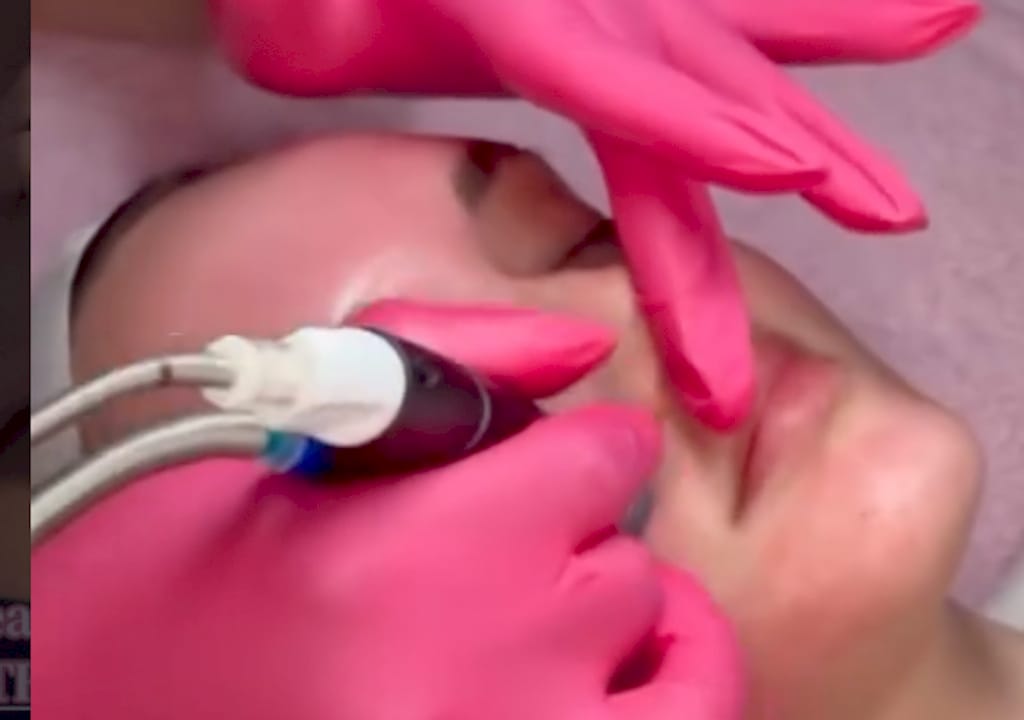
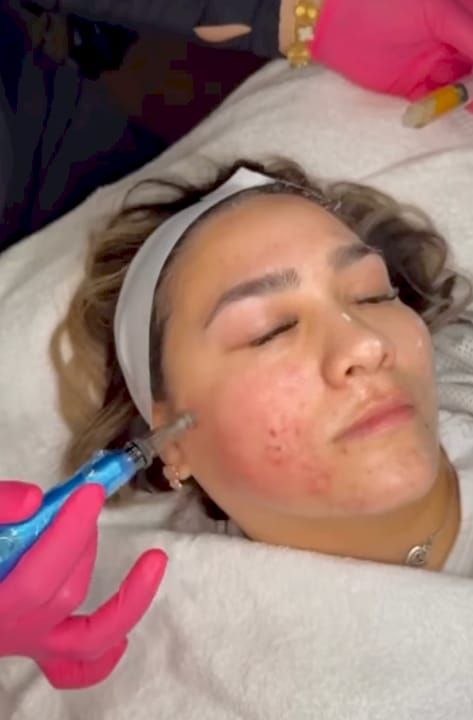
Treatment: Sessions take 30–45 minutes, depending on the treatment area. The SkinPen device is passed over the skin in a controlled pattern.
-
Immediate aftercare: Skin appears red and feels warm, similar to a mild sunburn. This is normal and expected.
-
Recovery window: Downtime is 24–48 hours. Most patients return to normal activities the next day.
-
Post-treatment care: Avoid direct sun exposure, heavy exercise, and active skincare ingredients like retinol or acids for at least 48 hours. Use a gentle cleanser, a fragrance-free moisturizer, and SPF 30 or higher daily.
-
Series completion: At least 3 sessions are recommended for optimal results, spaced 4–6 weeks apart. Deeper scars may require more.
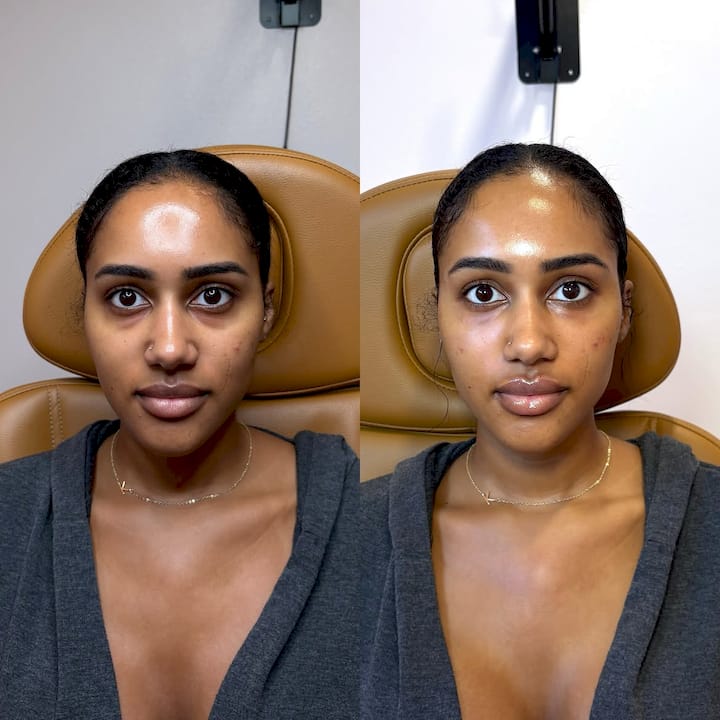
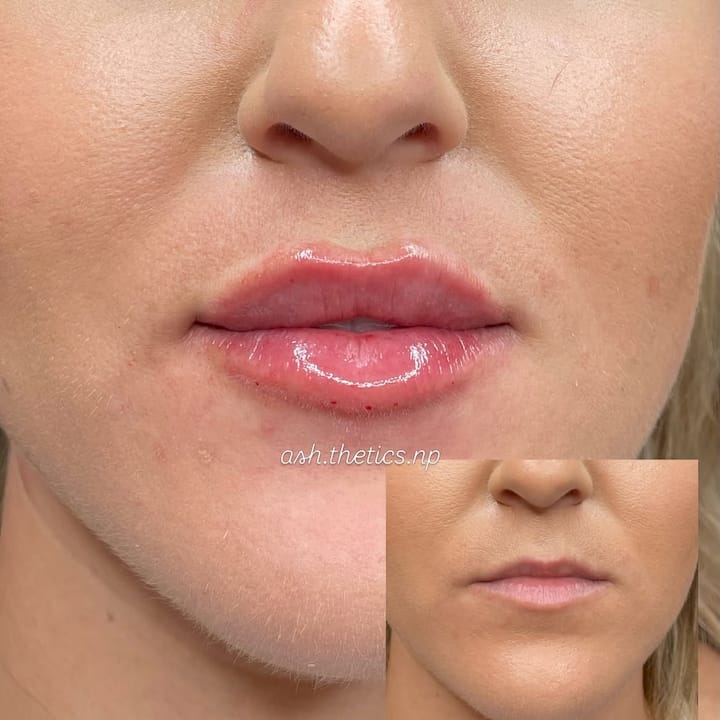
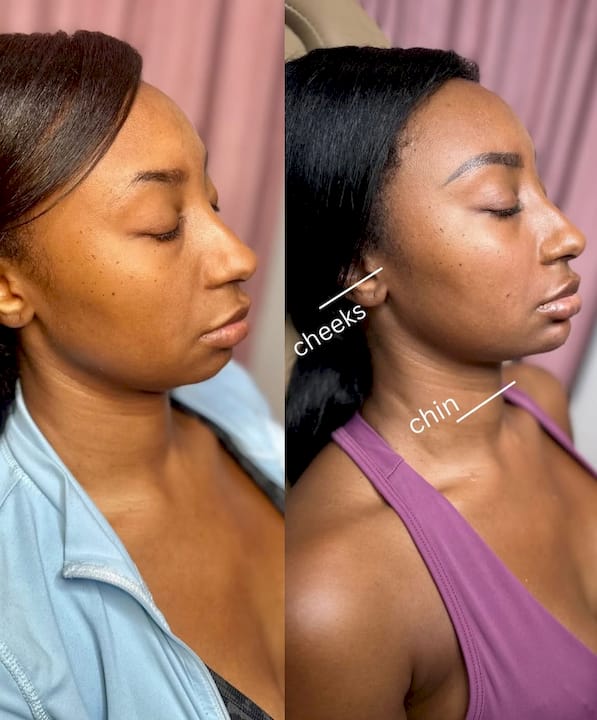
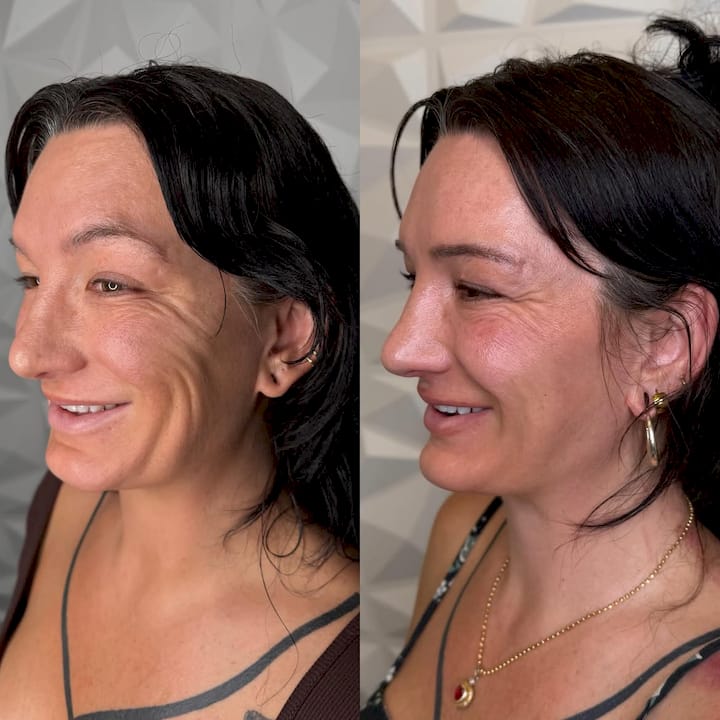
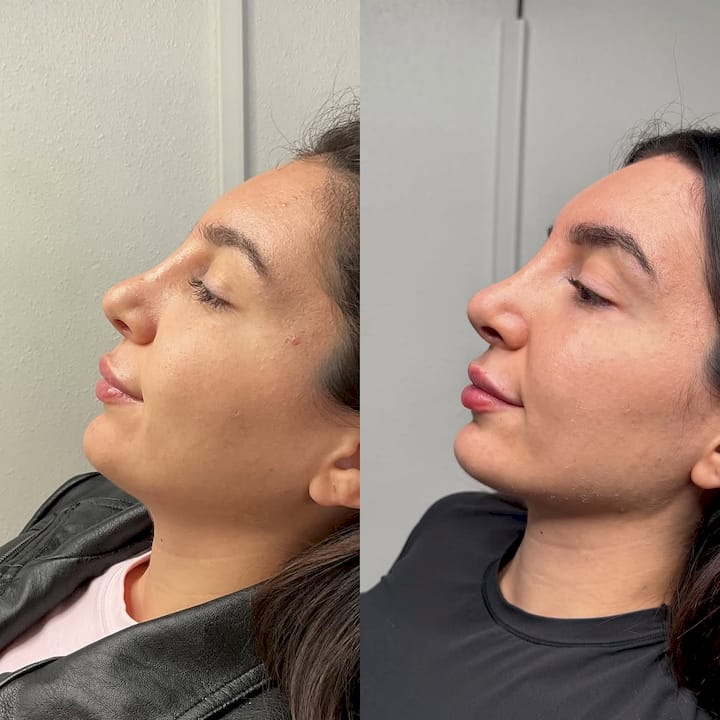
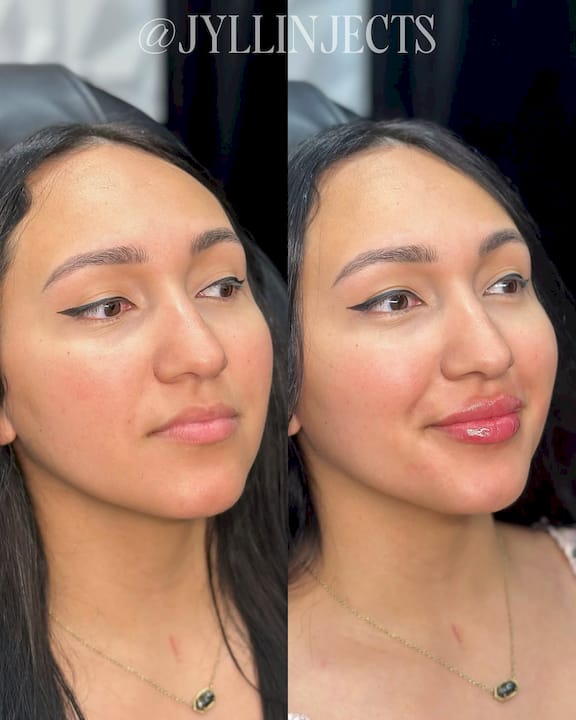
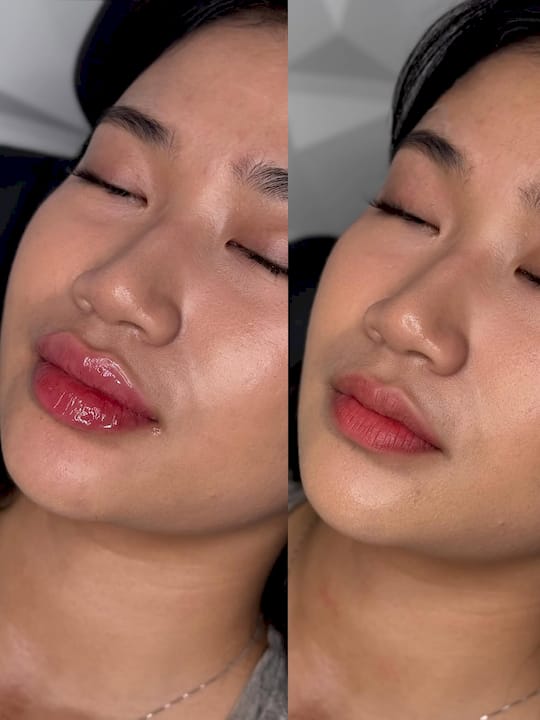
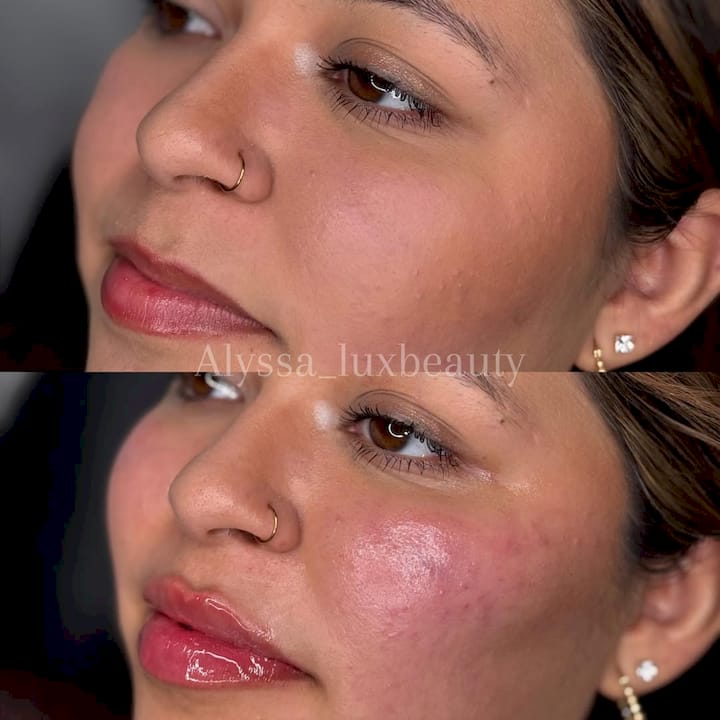
The microneedling results before and after timeline surprises most first-time patients. Skin looks slightly worse for the first 48 hours, then noticeably better by day 5 or 6 as initial inflammation resolves. The real transformation, however, unfolds over the following months as collagen maturation continues for up to 6 months after each session. Patients who photograph their skin monthly are often the most satisfied because they can see the gradual, cumulative change.
Key takeaways
SkinPen microneedling delivers clinically proven skin rejuvenation by triggering the body’s natural collagen cascade through controlled micro-injuries, with results building progressively over 3–6 months.
| Point | Details |
|---|---|
| FDA-cleared collagen induction | SkinPen is FDA-cleared for acne scars, wrinkles, and abdominal scars in adults aged 22 and older. |
| Proven scar improvement | Clinical data shows 50%–70% improvement in acne scar appearance after a full treatment series. |
| Non-thermal safety advantage | No heat means lower risk of hyperpigmentation, making SkinPen safe for all skin tones including melanin-rich skin. |
| Minimal recovery time | Most patients experience only 24–48 hours of redness and return to normal activities the next day. |
| Results require patience | Collagen remodeling continues for up to 6 months post-treatment, so final results take time to fully appear. |
What I’ve learned watching patients go through SkinPen treatments
The biggest mistake I see is patients expecting laser-level drama from a single session. SkinPen is not a one-and-done treatment. It is a biological process, and biology does not rush. The patients who get the best microneedling results before and after are the ones who commit to the full series, protect their skin from the sun between sessions, and resist the urge to pile on active ingredients during recovery.
The second mistake is skipping aftercare. I have seen patients undo a great session by using a retinol serum two days later because their skin “felt fine.” The micro-channels close quickly, but the inflammatory cascade is still active beneath the surface. Disrupting that process with harsh actives delays healing and reduces results.
What genuinely surprises people is how well SkinPen works on skin that has been told it is “too sensitive” for other treatments. Patients with rosacea-prone or sensitive skin who have been turned away from lasers often respond beautifully to SkinPen because there is no heat involved. The mechanical approach respects the skin’s own repair intelligence rather than overriding it.
My honest advice: treat your series like a course of physical therapy, not a single procedure. The cumulative effect of multiple sessions surpasses what any single treatment can achieve. Give it time, protect your investment with SPF, and the skin will show up for you.
— Marina
SkinPen microneedling at Theinjectionroom
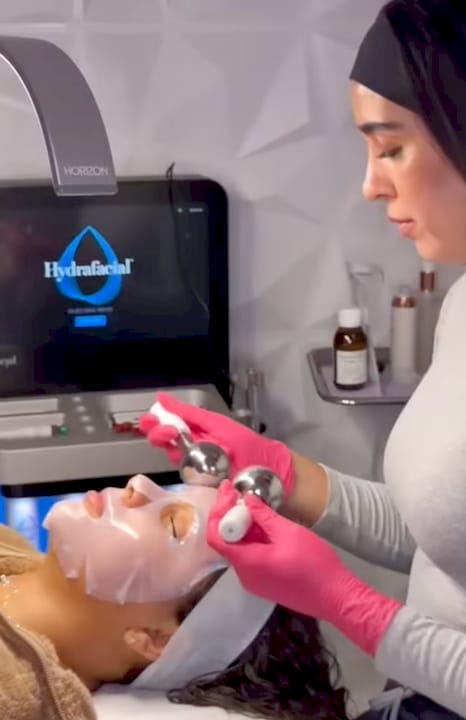
Theinjectionroom offers professional SkinPen microneedling in Austin and San Antonio with certified providers who customize needle depth and treatment protocols to your specific skin concerns. Whether you are targeting acne scars, fine lines, or overall texture, each session is tailored to your skin type and goals. Theinjectionroom also offers complementary treatments like PRF EZ Gel, HydraFacial, and neurotoxins that pair well with a microneedling series for patients seeking broader skin renewal. If you are ready to see what a structured treatment plan can do for your skin, book your microneedling consultation in San Antonio or Austin today.
FAQ
What does SkinPen microneedling actually do for skin?
SkinPen creates controlled micro-injuries that trigger the body’s natural collagen and elastin production, improving acne scars, fine lines, skin texture, and tone over time.
How many SkinPen sessions do you need to see results?
Most patients need at least 3 sessions for optimal results, spaced 4–6 weeks apart, with visible improvements continuing to develop for up to 6 months after treatment.
Is SkinPen microneedling safe for darker skin tones?
Yes. SkinPen’s non-thermal, mechanical approach eliminates the hyperpigmentation risk associated with heat-based treatments, making it safe for all skin tones including melanin-rich complexions.
How long is the recovery after a SkinPen treatment?
Downtime is typically 24–48 hours. Skin appears red and feels warm immediately after, similar to a mild sunburn, and most patients resume normal activities the following day.
Can SkinPen microneedling help with acne scars?
Clinical studies confirm that patients see a 50%–70% improvement in acne scar appearance after completing a full series of SkinPen treatments, making it one of the most effective non-surgical options for scarring.

%20Pictures%20are%204%20weeks%20apart..jpg)