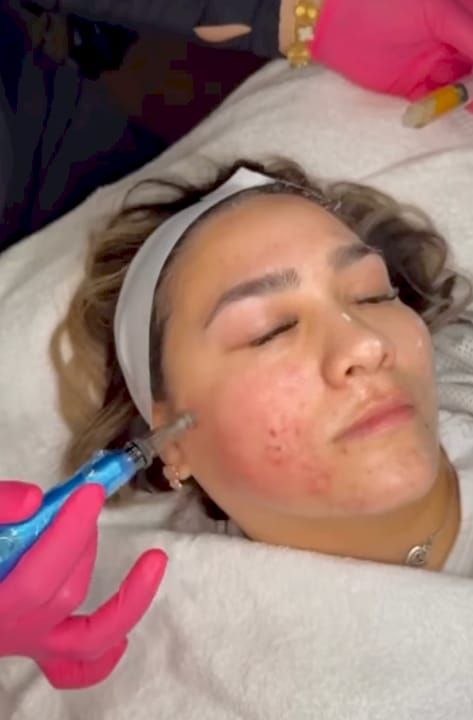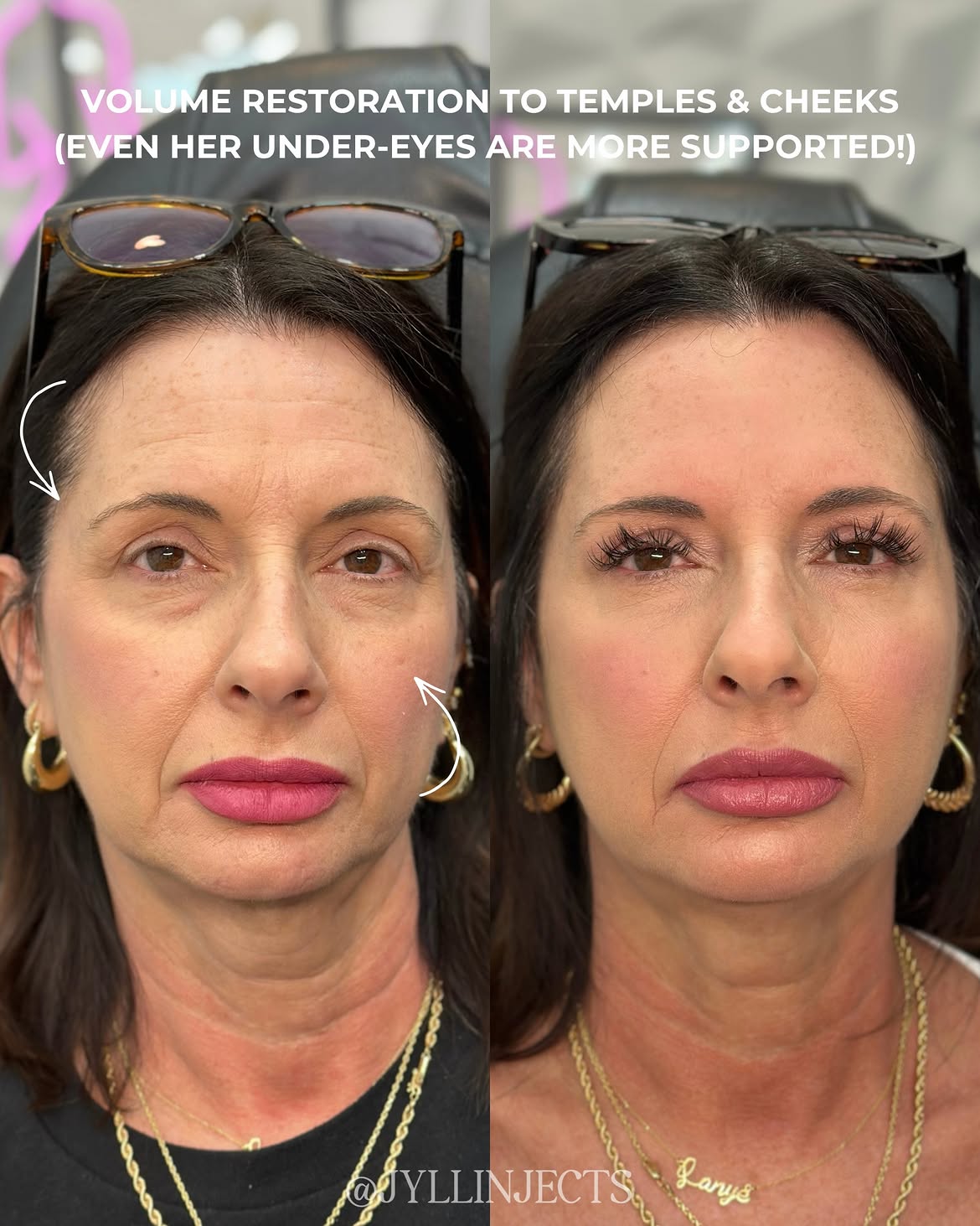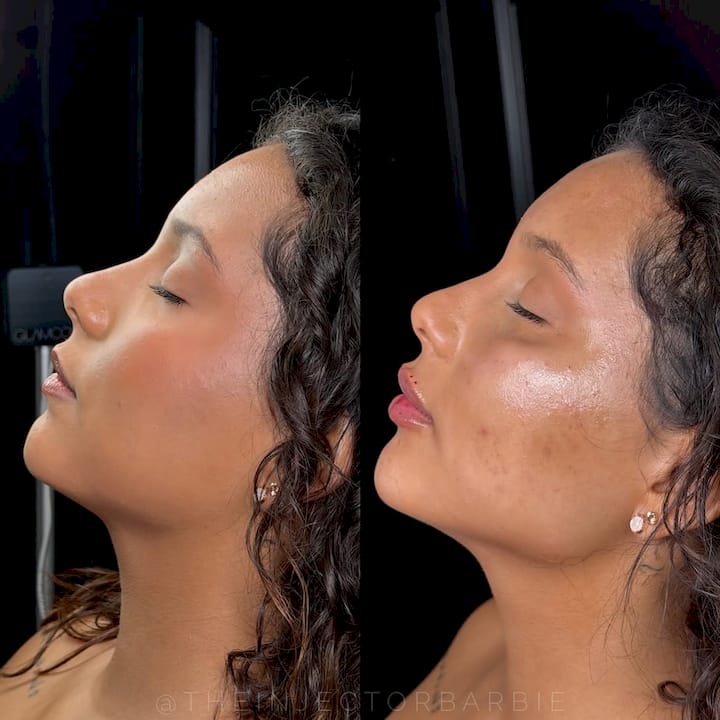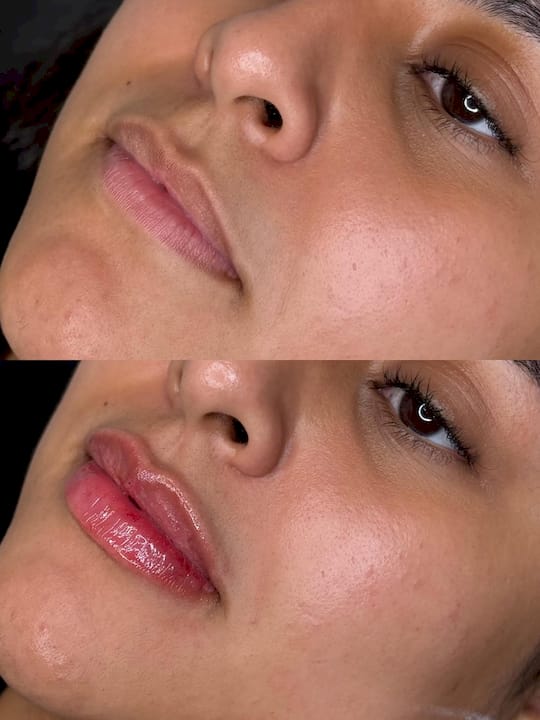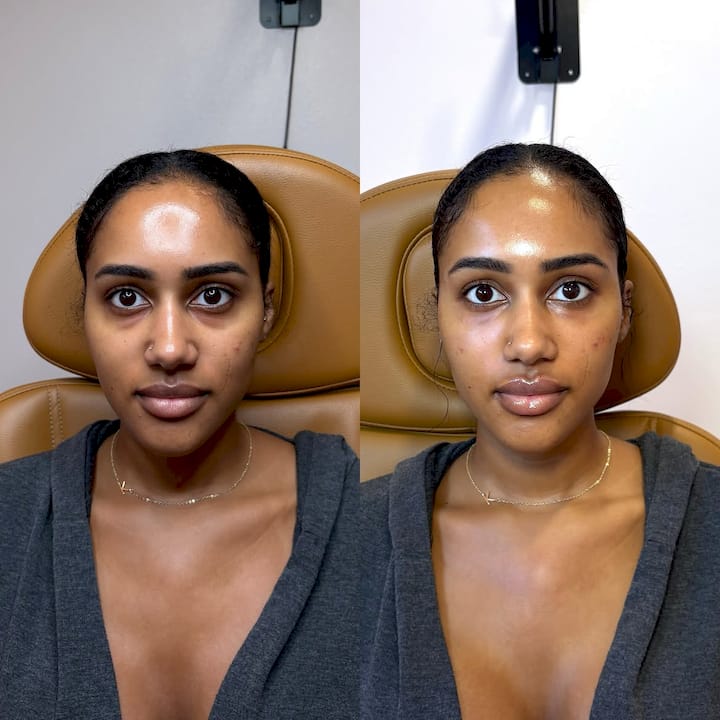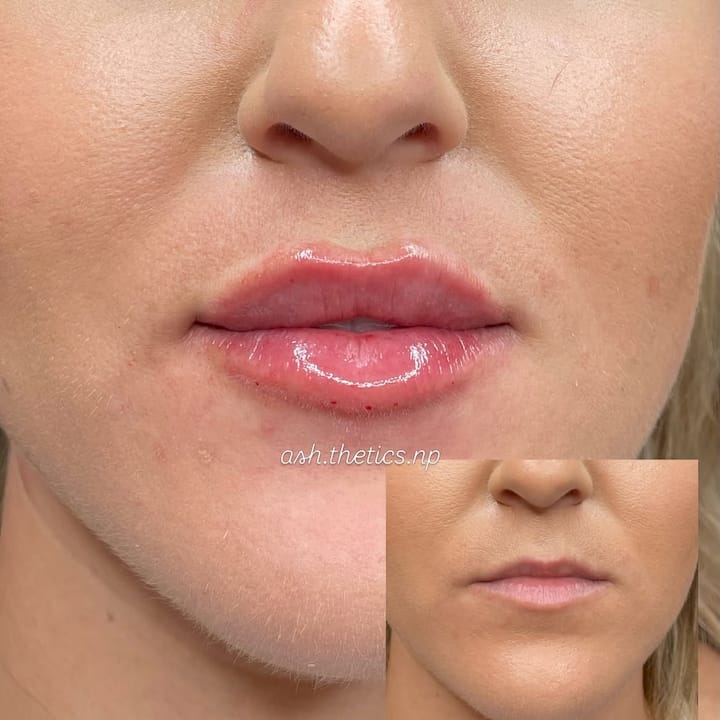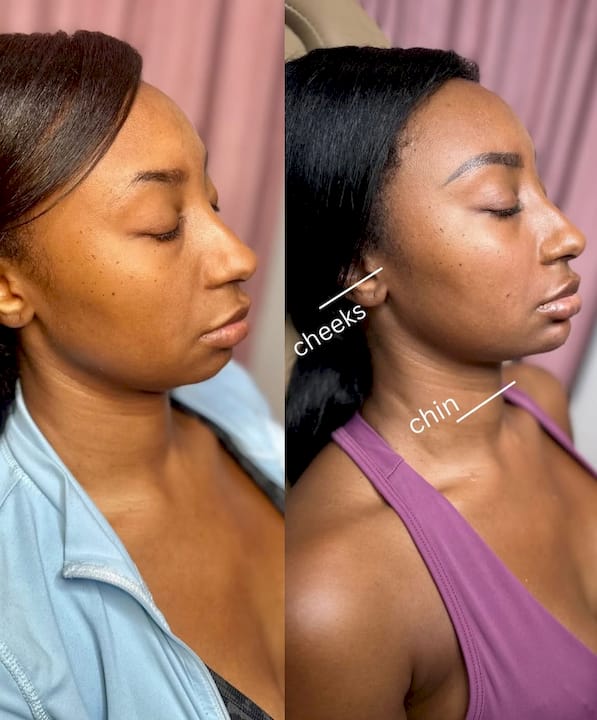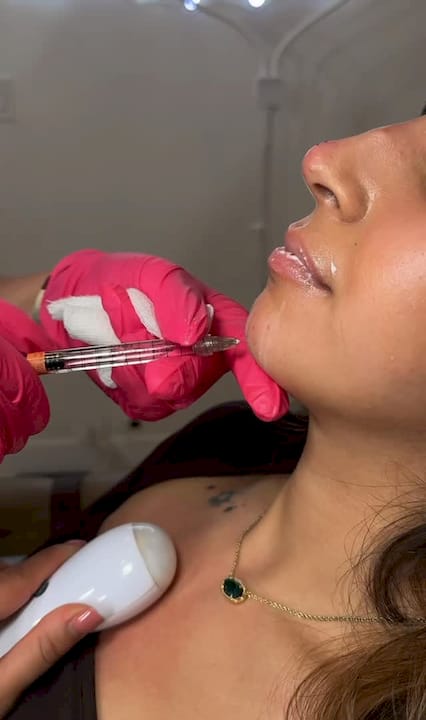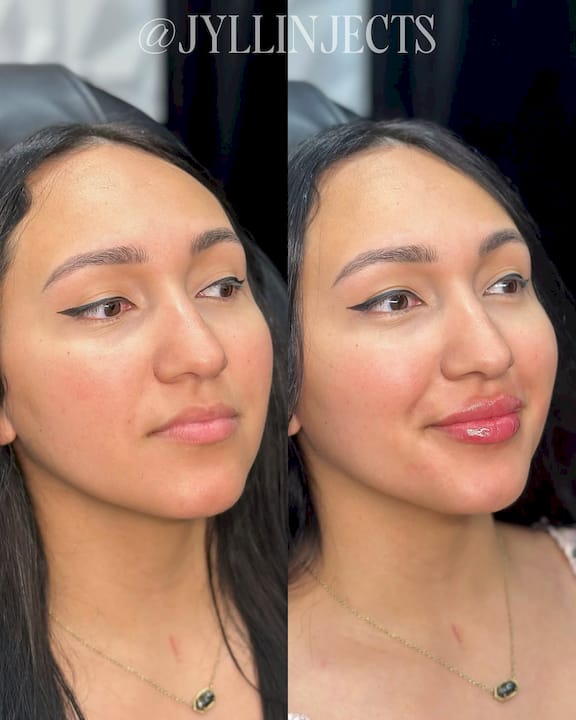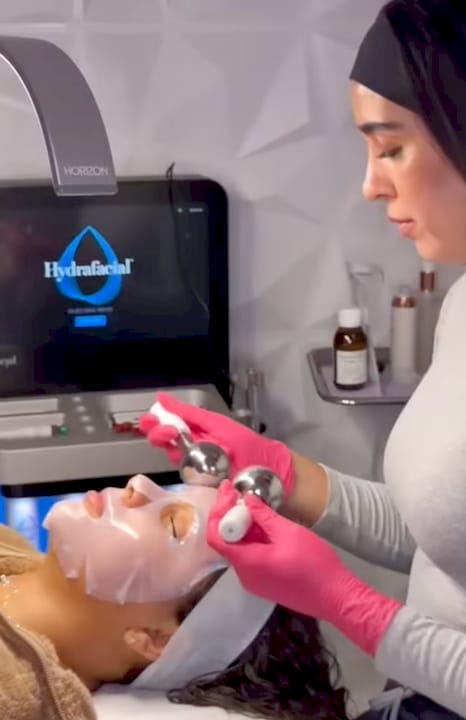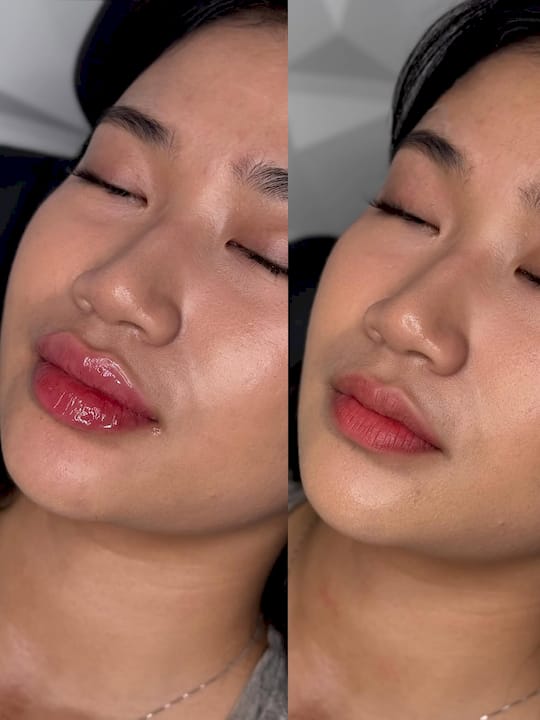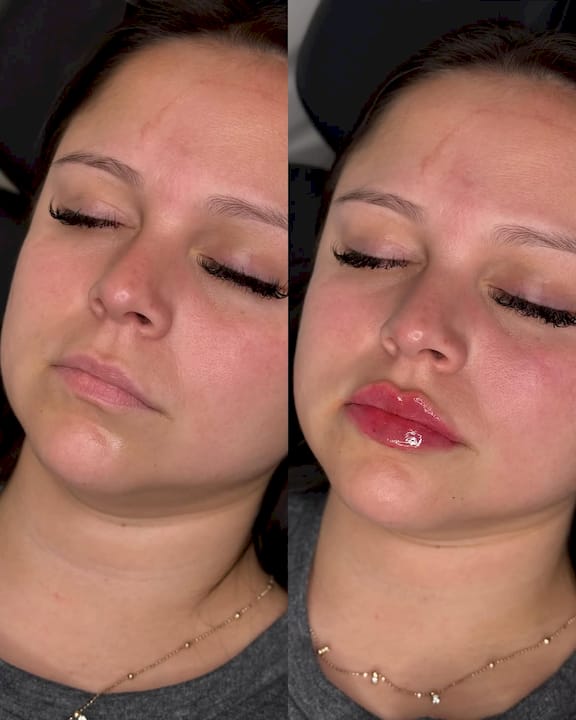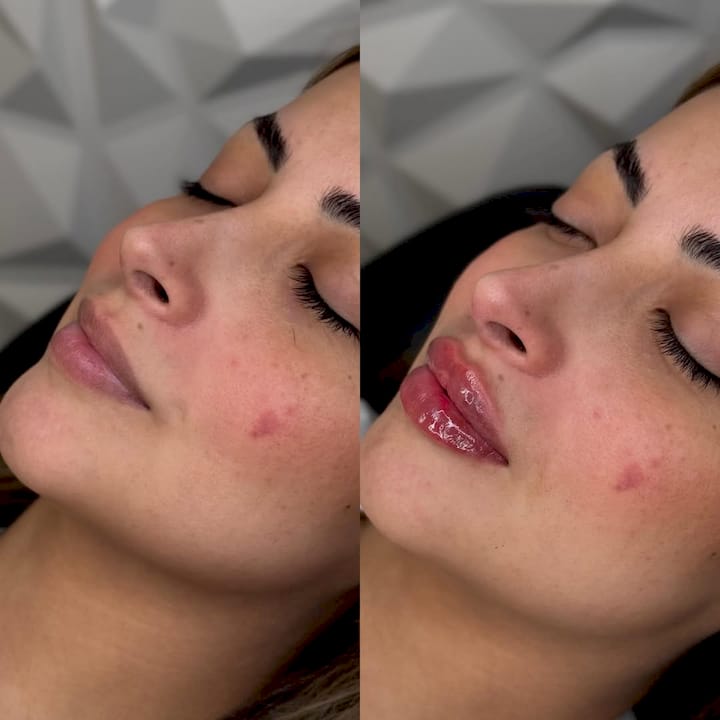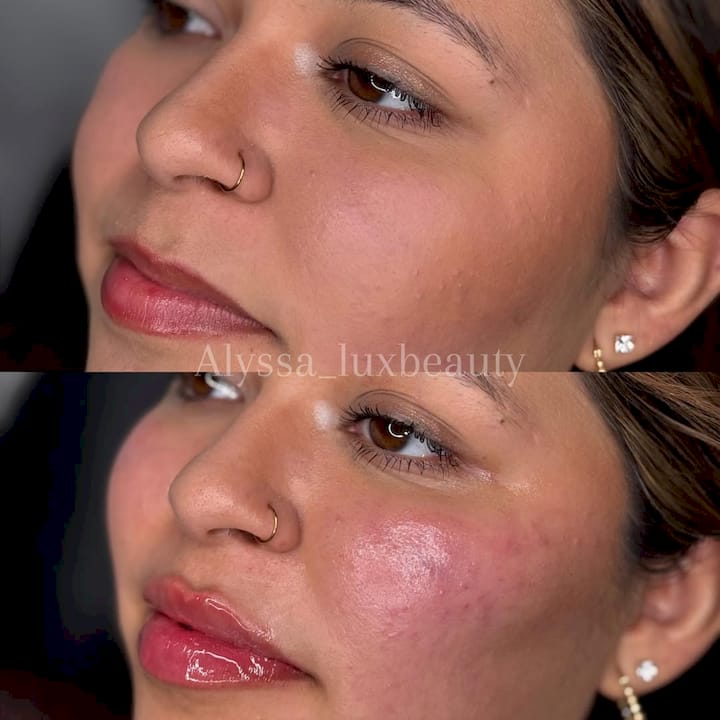
Walk into any med spa conversation in Texas and you will quickly hear the same myth repeated with confidence: injectables are simple, fast, and basically foolproof. The reality is far more nuanced. Getting natural-looking, long-lasting results from neurotoxins and dermal fillers depends on science, skill, and a provider who treats your face as unique. This guide cuts through the noise and gives you what you actually need to know, from choosing the right product and provider to understanding how your body processes these treatments over time.
Table of Contents
-
Understanding injectables: Types, uses, and what sets Texas apart
-
An expert perspective: What most guides leave out about injectables
Key Takeaways
| Point | Details |
|---|---|
| Choose FDA-approved products | Always select injectables that are FDA-approved and administered by board-certified providers. |
| Individualize your treatment | Results and safety improve when injections are tailored to your unique facial needs and goals. |
| Safety protocols matter | Prevention and rapid response to complications keep risks very low. |
| Recovery is manageable | Most side effects fade in a week; following aftercare ensures the best outcome. |
Understanding injectables: Types, uses, and what sets Texas apart
Before you book anything, it helps to understand what these products actually do and why they are not interchangeable.
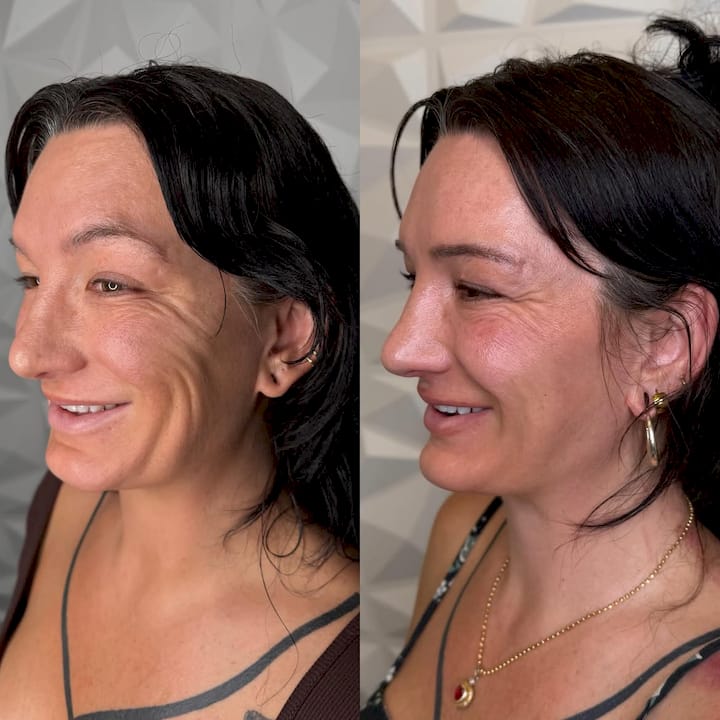
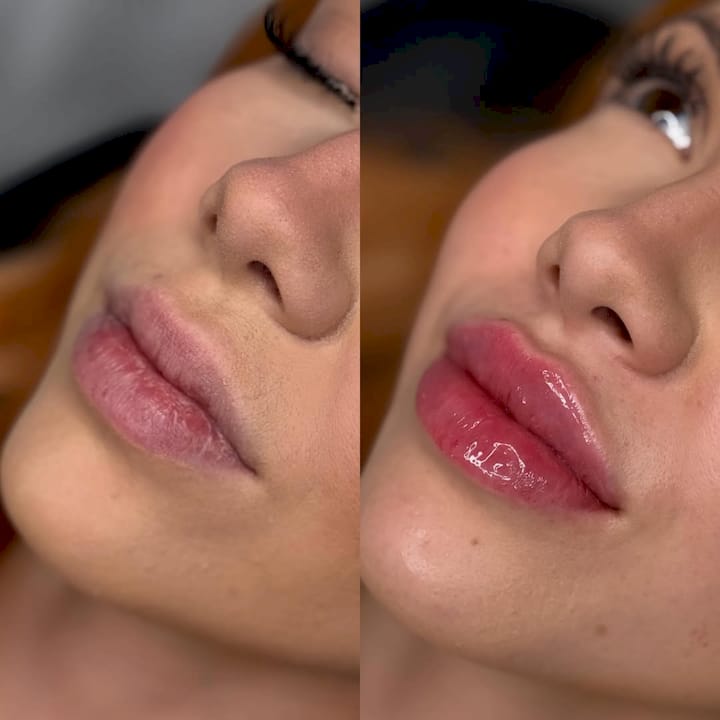
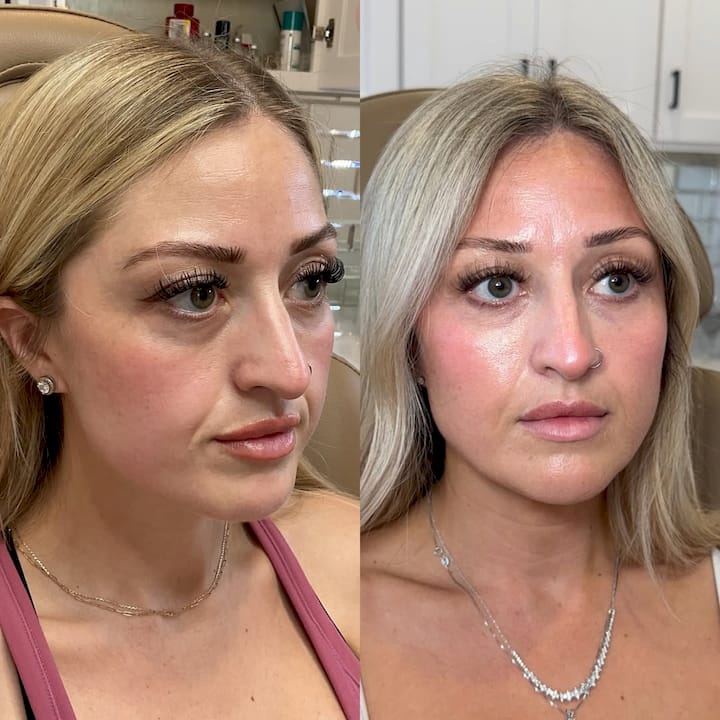
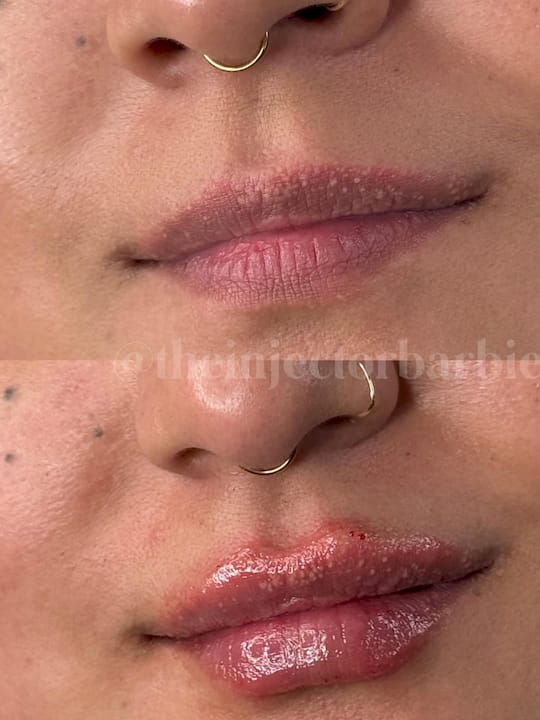
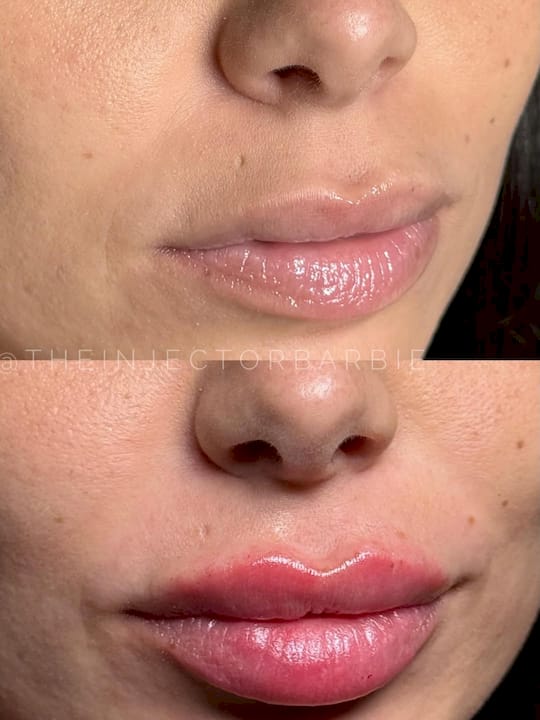
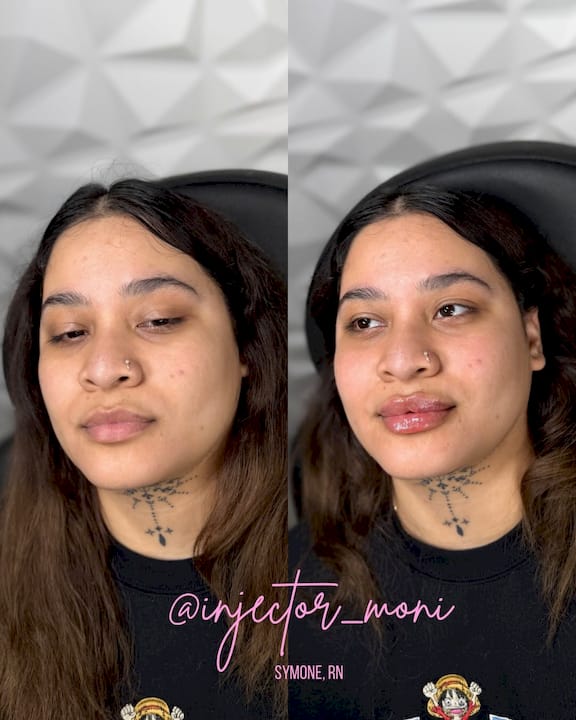
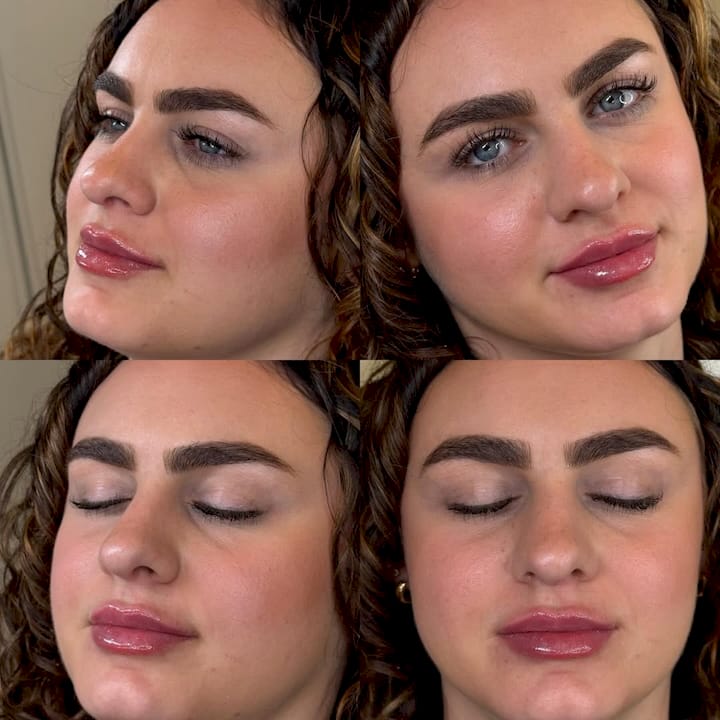
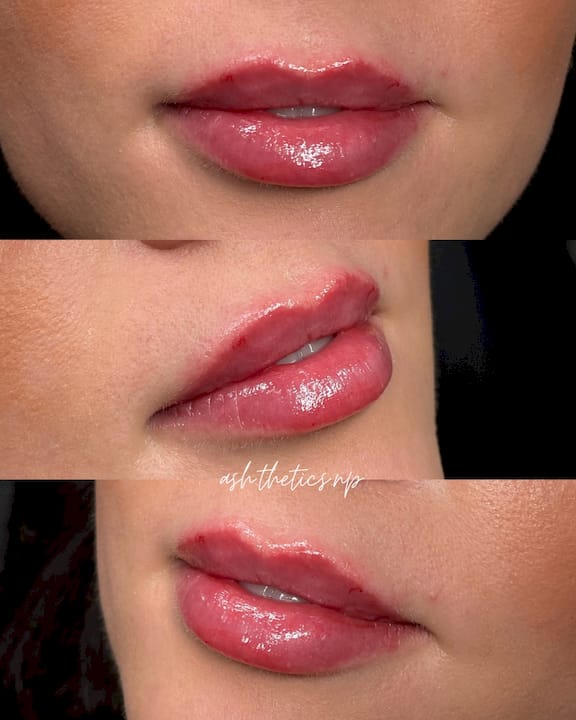
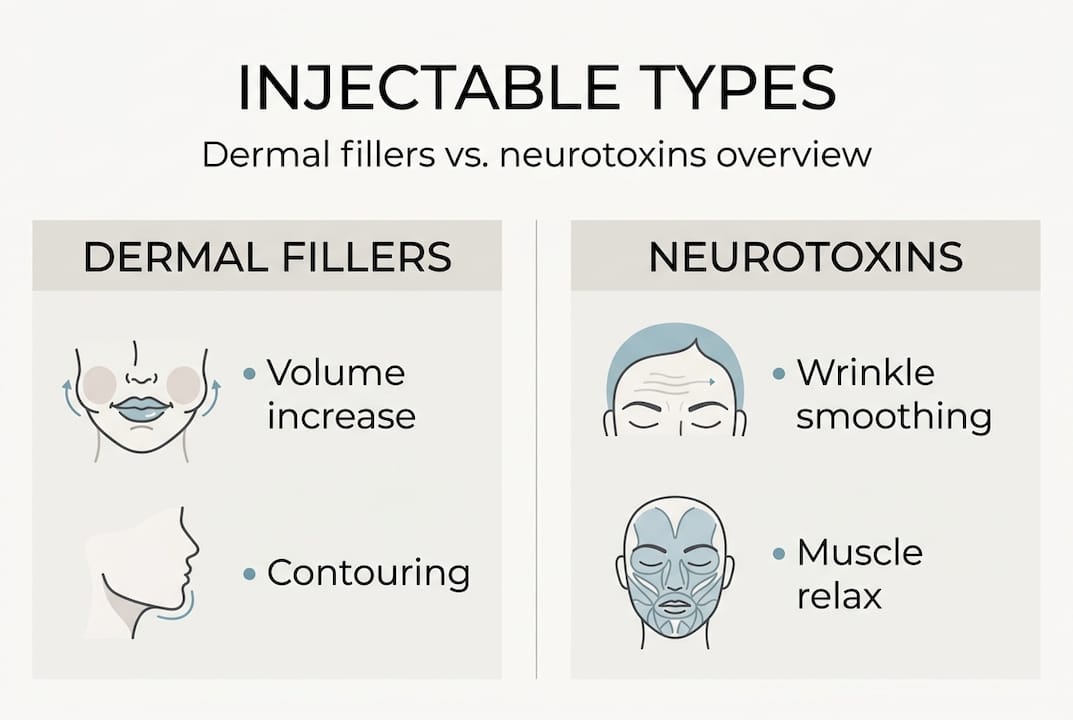
Dermal fillers and neurotoxins are the two main categories of injectables, and they work in completely different ways. Dermal fillers, most commonly made from hyaluronic acid (HA), physically add volume beneath the skin. They are ideal for restoring lost fullness in areas like the cheeks, lips, chin, and the folds that run from the nose to the corners of the mouth (called nasolabial folds). Think of them as architectural support for areas of the face that have deflated over time.
Neurotoxins like Botox work differently. They temporarily block the nerve signals that tell specific muscles to contract. That is why they work so well on dynamic wrinkles, the lines that form when you squint, frown, or raise your eyebrows. Crow’s feet, forehead lines, and the “elevens” between your brows are classic targets. You can learn more about how these two categories compare on a practical level in this Botox vs fillers benefits breakdown.
For women between 35 and 65, the combination of volume loss and dynamic wrinkling usually calls for both. HA fillers address the structural changes that come with age, while neurotoxins relax the muscle activity that etches lines into the skin. The American Board of Cosmetic Surgery confirms that HA fillers for volume loss in the cheeks and nasolabial area and neurotoxins for dynamic wrinkles are the standard-of-care approach for this age group. One reassuring note for Texans: the state follows national FDA guidelines, with no conflicting or more restrictive state-level regulations.
| Injectable type | Primary use | Typical duration |
|---|---|---|
| Hyaluronic acid filler | Volume restoration, contouring | 6 to 18 months |
| Neurotoxin (Botox, Dysport) | Dynamic wrinkle relaxation | 3 to 4 months |
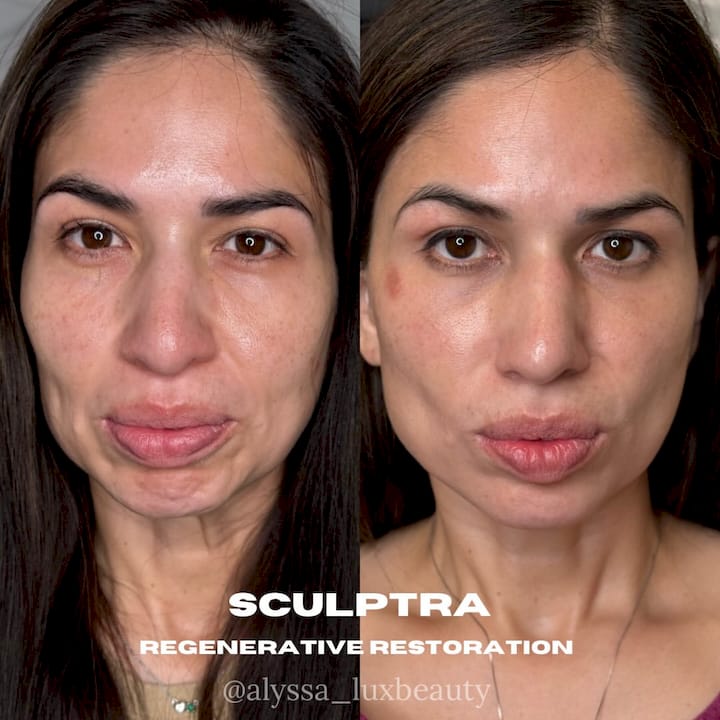
| Sculptra (PLLA) | Collagen stimulation, gradual volume | Up to 2 years |
| Radiesse (CaHA) | Structural lift, collagen support | 12 to 18 months |
For a deeper look at your options, the facial filler types guide walks through seven categories with clear explanations of when each one is appropriate.
Choosing safe injectables and expert providers
Product quality and provider credentials are not areas where you want to cut corners. Both directly affect how safe you will be and how good your results will look.
FDA approval is non-negotiable. The FDA evaluates injectables for safety, efficacy, and manufacturing standards. Using non-FDA-approved products, which sometimes enter the market through online gray markets or unregulated clinics, carries serious risks including permanent disfigurement. The American Board of Cosmetic Surgery is clear that FDA-approved HA fillers like Juvéderm, Restylane, Radiesse, Sculptra, and Bellafill should only be administered by board-certified providers with solid facial anatomy knowledge.
When evaluating a provider, look beyond the letters after their name. Board certification matters, but so does specific training in facial anatomy and injectable techniques. The face is not a flat canvas. It has layered structures including nerves, blood vessels, fat compartments, and muscle groups that all interact. An injector without this knowledge may produce results that look unnatural or, worse, cause injury.
Questions to ask during your consultation:
-
Are you board-certified, and in what specialty?
-
How many injectable procedures do you perform per month?
-
What brands do you carry, and why do you choose them?
-
Do you use cannulas or sharp needles, and when do you prefer each?
-
What is your protocol if a complication occurs?
The choice between cannulas and sharp needles is worth understanding. Cannulas are blunt-tipped tools that thread through tissue more gently, which does reduce trauma and the chance of hitting a blood vessel directly. However, research published in Aesthetic Plastic Surgery notes that cannulas reduce vascular risk but do not eliminate it. Ultrasound guidance improves both safety and the precision of dissolving filler if needed. In high-risk zones like the nose and glabella (the area between your eyebrows), experts recommend choosing less structurally rigid fillers, such as Restylane, because they respond more predictably to hyaluronidase (the enzyme used to dissolve HA filler in an emergency).
| Filler brand | Best use area | Key characteristic |
|---|---|---|
| Juvéderm Voluma | Cheeks, midface | High lift capacity |
| Juvéderm Ultra | Lips | Soft, natural feel |
| Restylane Lyft | Cheeks, hands | Firm, structured lift |
| Restylane Kysse | Lips | Flexible movement |
| Sculptra | Full face, temples | Gradual, collagen-stimulating |
Pro Tip: When having work done in a sensitive area like the nose or between the brows, specifically ask your provider which filler they plan to use and why. A knowledgeable injector will welcome this question and explain their reasoning clearly. You can also explore more about choosing dermal fillers and what hyaluronic acid fillers actually contain.
Mastering the process: Techniques, safety, and longevity
Understanding what happens during a good injection session helps you recognize quality care and ask better questions.
A well-structured appointment follows these steps:
-
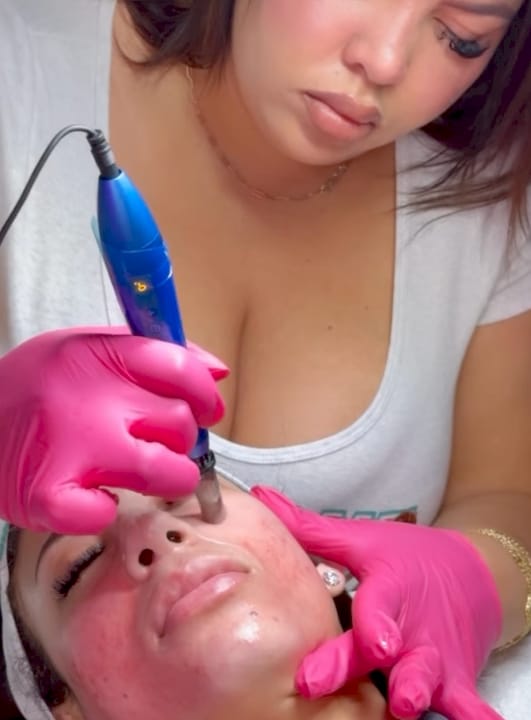
Full facial assessment: Your provider evaluates bone structure, skin quality, fat pad position, and muscle movement before touching a syringe.
-
Goal setting: You discuss what bothers you and what outcome feels realistic, based on your anatomy.
-
Mapping: The provider marks injection sites on your skin to guide precise placement.
-
Cleaning and numbing: The area is disinfected, and topical numbing cream or local anesthetic is applied.
-
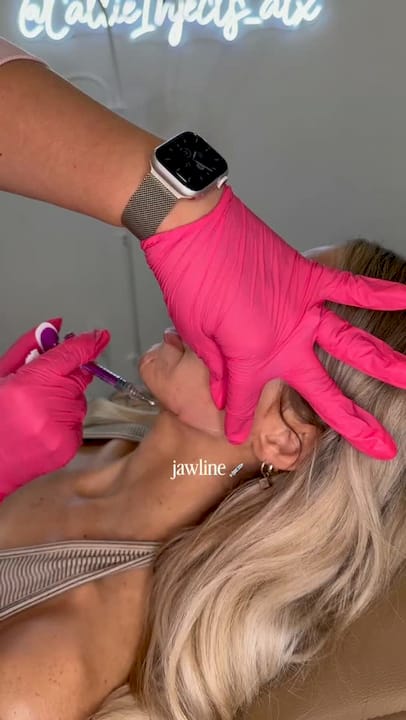
Injection: Product is delivered at the correct depth and volume for each zone.
-
Evaluation and adjustment: Your provider steps back, assesses symmetry, and makes any refinements in the same session.
The depth and location of each injection point matter enormously. Plastic and Reconstructive Surgery guidelines specify that neurotoxin injections targeting muscles like the temporalis should be placed at least 45mm from the zygomatic arch to avoid unintended muscle weakness, with doses individualized per patient. A provider who uses a one-size-fits-all approach is a red flag.
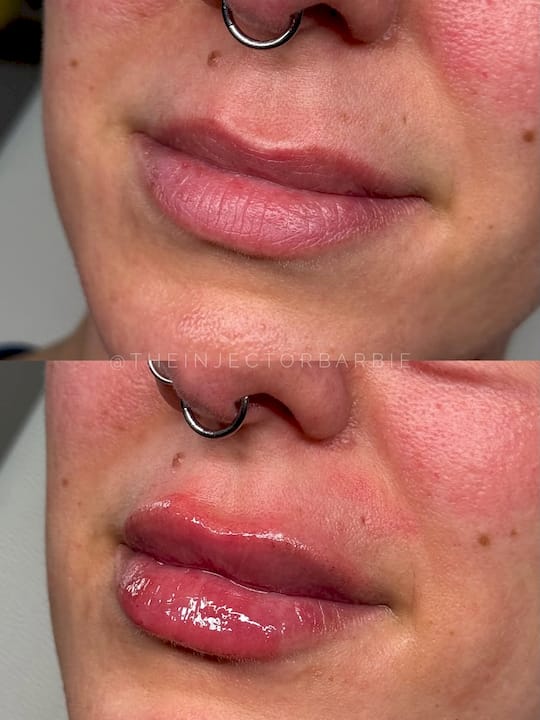
Regarding longevity, HA fillers last 6 to 18 months, with lip filler on the shorter end of that range because of how much movement occurs in that area. Neurotoxins typically last 3 to 4 months before muscle activity gradually returns. Your metabolism, sun exposure, exercise habits, and the specific product used all influence how long your results hold.
One critical safety benchmark every patient should know: if a vascular occlusion (a blocked blood vessel caused by filler entering or compressing a vessel) occurs, early hyaluronidase within 4 to 6 hours reverses approximately 80% of cases. This is why it matters so much that your provider carries hyaluronidase on-site and knows exactly when and how to use it. Review the injectable safety steps your provider should follow before committing to treatment, and familiarize yourself with what a step-by-step injection process should look like in practice.
Pro Tip: Ask your provider directly: “Do you have hyaluronidase available in this office?” If the answer is no or if they seem unsure, find another provider. Competent injectors always keep it on hand.
Managing risks and maximizing recovery
Injectables have an excellent overall safety record, but being an informed patient means knowing what is normal, what needs monitoring, and what requires immediate action.
Common side effects (usually resolve within 1 to 2 weeks):
-
Swelling and redness at injection sites
-
Bruising (affects up to 68% of patients at some point)
-
Mild tenderness or itching
-
Temporary asymmetry as swelling settles
Rare but serious complications:
-
Vascular occlusion (rate of approximately 0.35%)
-
Vision changes or blindness (rate of approximately 0.09%)
-
Skin necrosis, or tissue death (rate of approximately 0.08%)
Research on filler complication rates confirms that serious complication rates stay below 1% when FDA-approved products are used by qualified providers. That is reassuring, but it is not a reason to be complacent.
What to do if you suspect vascular occlusion:
The key symptom is blanching (a sudden white patch on the skin) or sharp, unusual pain during or just after injection. If this happens, your provider should stop immediately, apply high-dose hyaluronidase at 150 to 750 units per mL of filler placed, administered in pulses every 15 to 60 minutes, along with massage, a warm compress, and aspirin. If there is any change in vision, an emergency ophthalmology referral is required immediately.
The specific amount of hyaluronidase needed varies by product. Highly cross-linked fillers, which are denser and more resistant, require higher and often repeated doses. According to research on hyaluronidase dosing, 5 to 30 units per 0.1mL of HA filler is the working range, with dense fillers requiring more. This is exactly why knowing which filler was used in which zone is not just nice to have, but clinically essential.
Post-treatment recovery tips:
-
Apply ice wrapped in a cloth for the first 24 hours to reduce swelling
-
Avoid intense exercise for 24 to 48 hours
-
Skip alcohol and blood thinners for at least 24 hours before and after
-
Sleep with your head slightly elevated the first night
-
Avoid direct heat (saunas, hot yoga) for 48 hours
For specific lip filler recovery tips, the aftercare protocol has a few extra nuances because of the sensitivity and movement in that area.
Pro Tip: Book a follow-up appointment two weeks after your treatment. This gives swelling time to resolve so your provider can assess the true result and address any subtle asymmetry before it becomes noticeable to you.
An expert perspective: What most guides leave out about injectables
Here is what years of working with actual faces in clinical settings teaches you that no product brochure will tell you: the brand of filler matters far less than the person holding the syringe, and the plan they made with you before they started.
Patients who chase every new product launch or technique trend often end up more disappointed than those who find one excellent provider and build a relationship over time. The reason is simple. Injectables are cumulative. Each treatment builds on the last, and a provider who has seen your face change over six or twelve months makes better decisions than one who meets you for the first time and immediately picks up a syringe. The complete guide to injectables makes the case for this kind of continuity of care clearly.
There is also a conversation happening in the aesthetic world that does not get enough airtime: no product and no provider can eliminate all risk. Any honest expert will tell you this. What separates a good experience from a bad one is not perfection; it is partnership. The most satisfied patients we see are not the ones chasing the newest trend. They are the ones who asked hard questions, listened to honest answers, and committed to a personalized plan built around their actual anatomy and lifestyle. They treat the relationship with their injector the way you would treat a relationship with a good doctor: with continuity, trust, and open communication. That dynamic is the single biggest predictor of beautiful, natural-looking results over the long term.
Ready for expert injectables? Your next step in Texas
If this guide has clarified what great injectable care looks like, the next step is finding providers who actually deliver it. At The Injection Room, we work exclusively with FDA-approved products and only treat patients through individualized plans built around their anatomy and goals. Whether you are exploring Botox in San Antonio for the first time or curious about a non-surgical nose job using precise filler placement, our team brings both the clinical expertise and the patient-first approach that this guide describes. We believe informed patients get better results, which is why we prioritize education at every consultation. Book your personalized consultation at one of our Austin or San Antonio locations and experience the difference that genuine expertise makes.
Frequently asked questions
How soon will I see results from fillers and neurotoxins?
Fillers typically show immediate visible results, while neurotoxin effects become visible within 3 to 7 days as the muscle activity gradually quiets down.
Are there unique risks with injectables for mature skin?
Risks are similar across age groups, but experienced injectors adjust their technique for reduced skin elasticity and the different volume loss patterns seen in patients between 35 and 65.
How long do swelling or bruising usually last after injectables?
Swelling and bruising are the most common side effects and generally resolve within one week, though bruising affects up to 68% of patients at some point in their injectable experience.
What should I do if I notice blanching or pain during a filler treatment?
Alert your provider immediately and stop the treatment, as these are warning signs of possible vascular occlusion that requires fast, protocol-driven intervention.
%20Pictures%20are%204%20weeks%20apart..jpg)