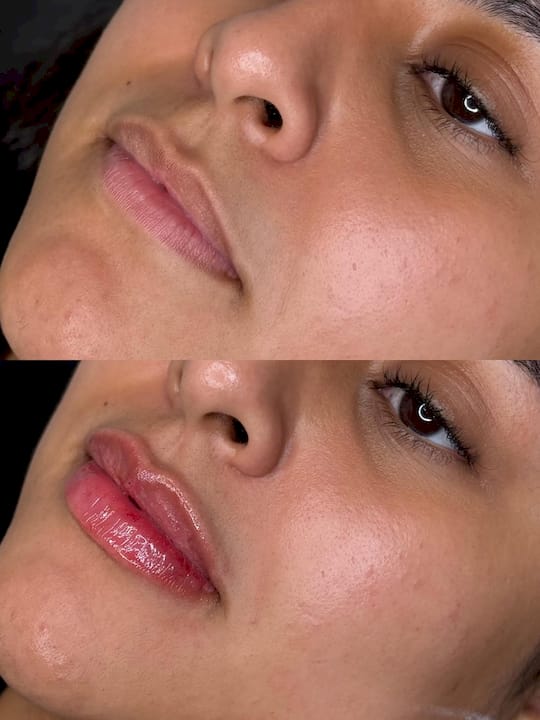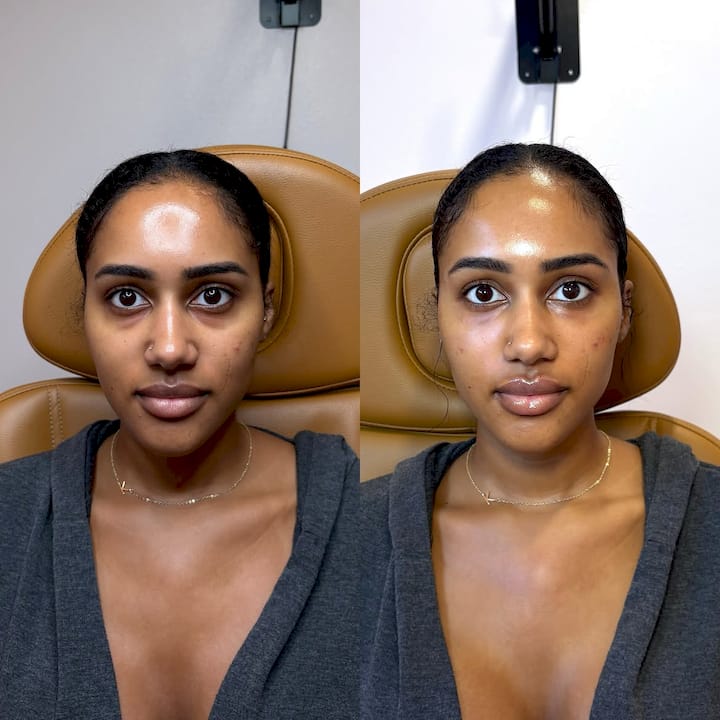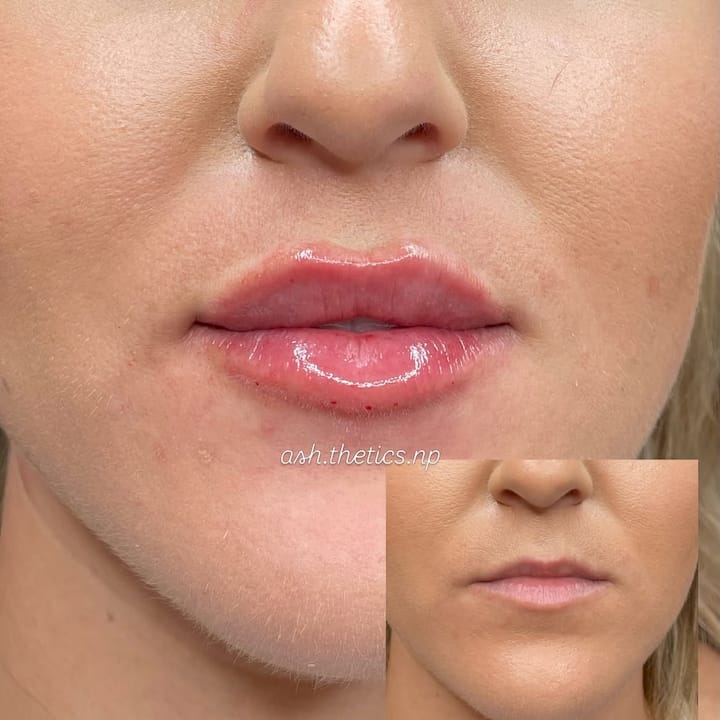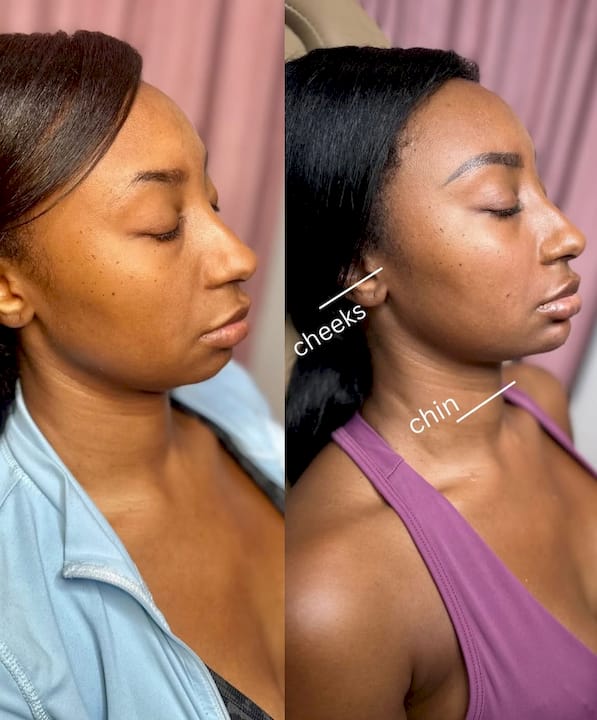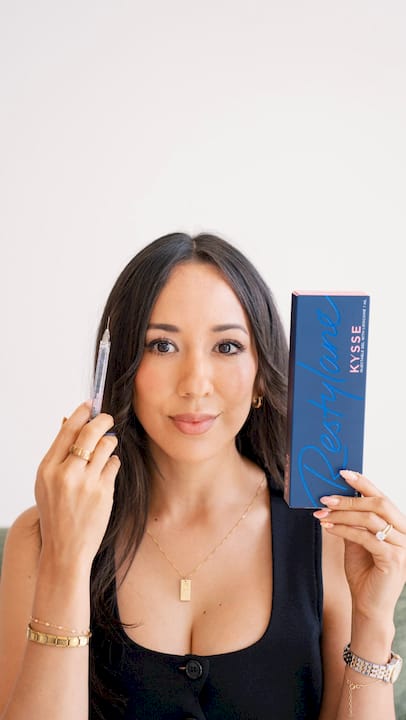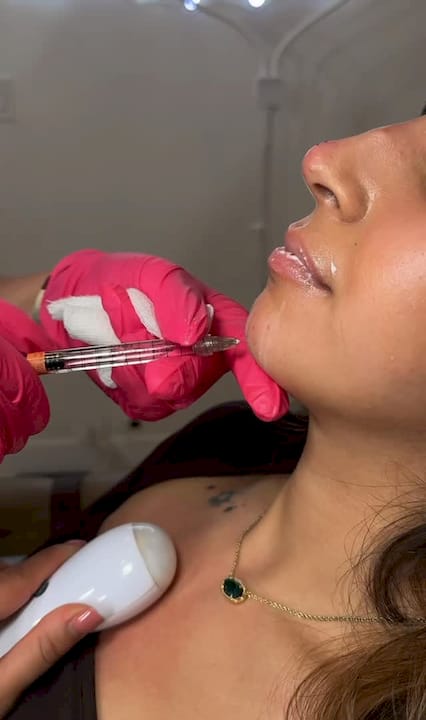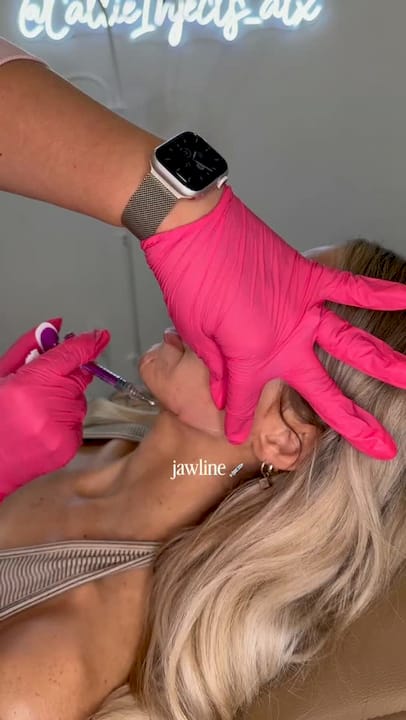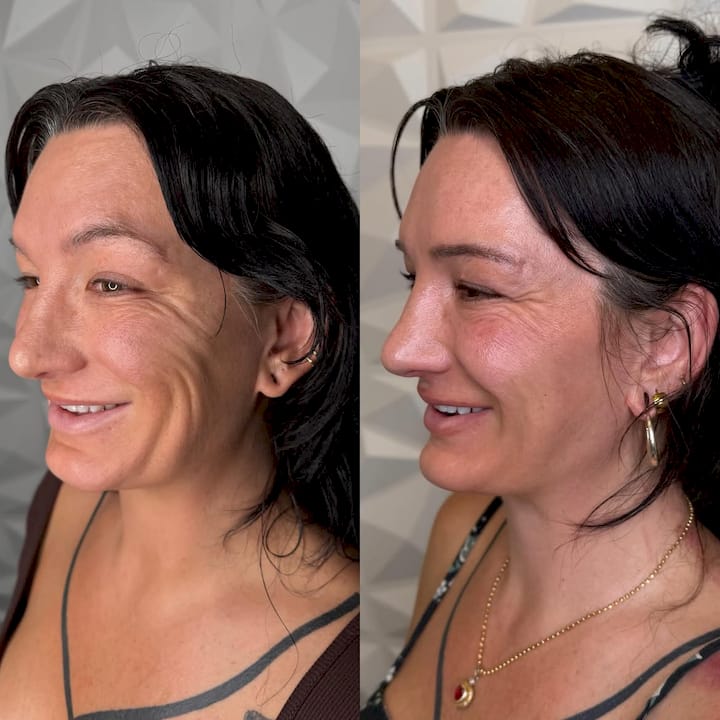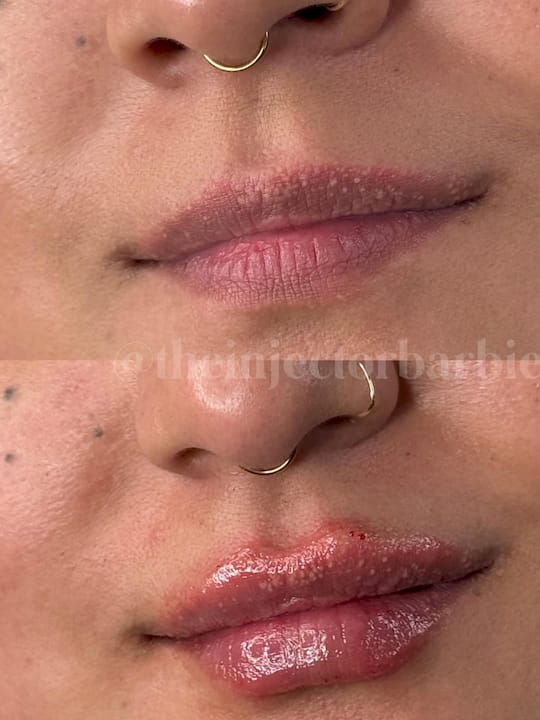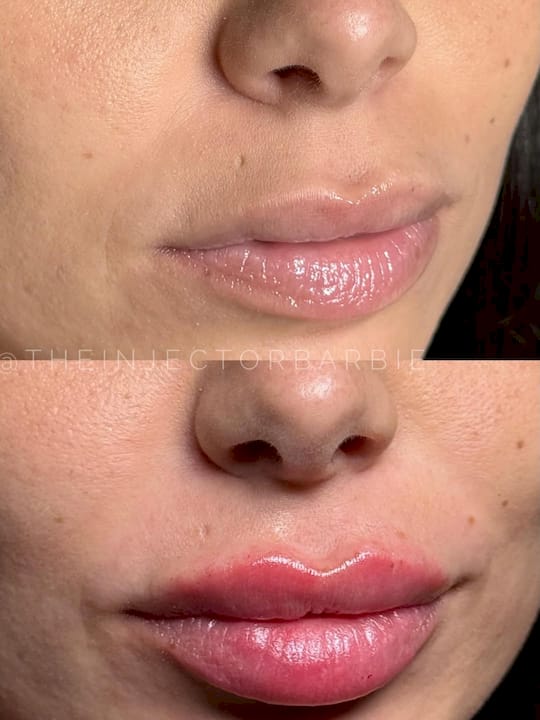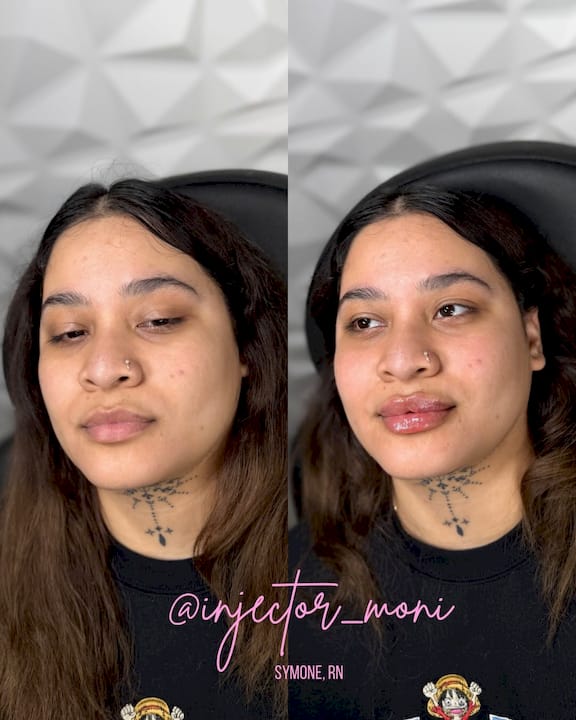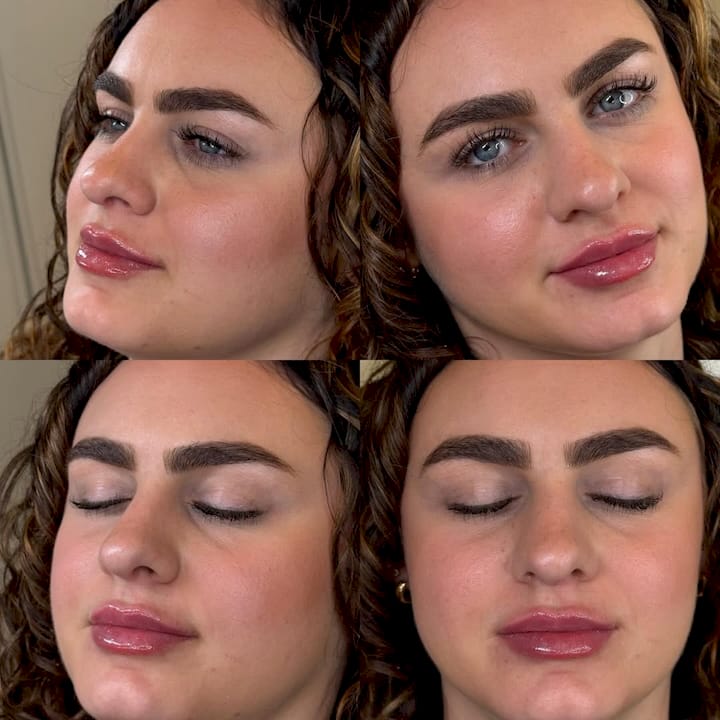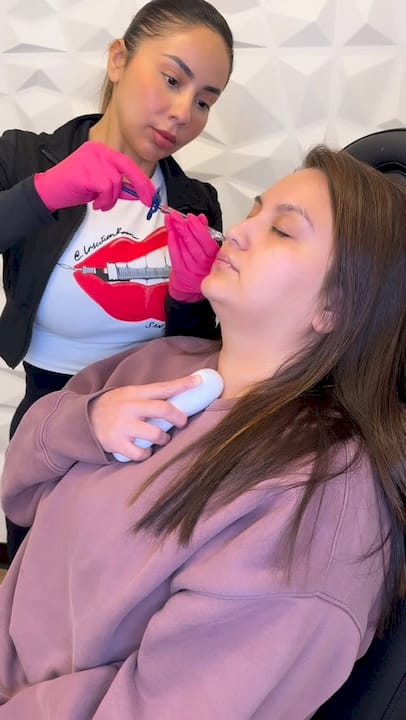
Many people assume cheek fillers are purely cosmetic indulgences or risky procedures reserved for dramatic transformations. In reality, these injectable treatments offer a versatile, scientifically grounded approach to restoring facial volume lost with age and enhancing natural midface contours. This guide clarifies what cheek fillers truly are, how they work beneath your skin, their proven benefits and safety profile, the types available, and practical steps to prepare for and maintain results. Whether you’re exploring preventive care or seeking to reverse visible aging, understanding cheek fillers empowers you to make confident, informed decisions about your aesthetic journey.
Table of Contents
Key Takeaways
| Point | Details |
|---|---|
| Volume restoration and contour | Cheek fillers rebuild facial volume lost with age and enhance midface contours. |
| HA filler benefits | HA based fillers provide immediate lift and hydration with effects lasting 12 to 24 months. |
| Technique matters | Quality results and lower risk depend on skilled injectors using proven techniques. |
| Board certified safety | Choosing a board certified professional helps ensure safety and optimal outcomes. |
Understanding what cheek filler is and how it works
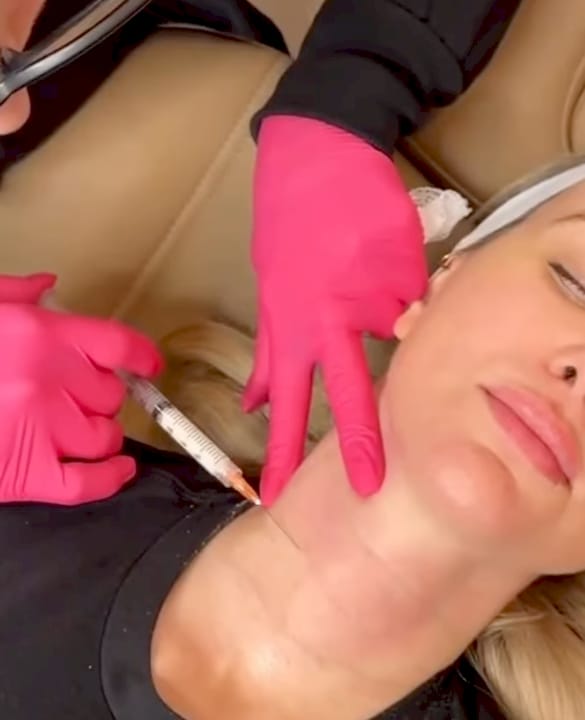
Cheek fillers are injectable dermal fillers, primarily hyaluronic acid based gels, used to restore volume, enhance contours, and address age-related midface deflation in cheeks. Hyaluronic acid is a naturally occurring substance in your body that maintains skin hydration and plumpness. As you age, natural HA production declines, leading to hollowing and sagging in the cheek area. Injectable HA fillers replenish this lost volume by introducing a biocompatible gel that integrates seamlessly with your facial tissue.
The mechanism behind cheek fillers is straightforward yet scientifically sophisticated. HA fillers provide immediate physical volume by occupying space, bind water for hydration, and integrate into tissue layers. When injected into the cheeks, the gel physically lifts and supports the overlying skin, creating a smoother, more contoured appearance. The HA molecules attract and bind water molecules, further enhancing volume and hydration at the injection site. This dual action delivers both immediate structural support and long-term skin quality improvement.
Injectors place fillers strategically across different facial tissue layers depending on the desired outcome:
-
Superficial dermis for fine lines and subtle contouring
-
Mid-dermis for moderate volume restoration
-
Deep dermis and subcutaneous layers for significant structural support
-
Periosteal layer (directly on bone) for maximum lift and foundational contouring
The longevity of cheek fillers varies based on the specific product formulation, injection depth, and your individual metabolism. Most HA based cheek fillers last between 12 and 24 months. Cross-linked HA formulations offer enhanced stability, meaning the gel maintains its structure longer and resists breakdown by natural enzymes. This cross-linking also makes the filler reversible with hyaluronidase, an enzyme that dissolves HA if you want to adjust or remove the filler.
Pro Tip: Choose fillers with cross-linked HA for better stability and the safety net of reversibility with hyaluronidase if needed. This flexibility allows you to trial cheek enhancement without permanent commitment, making it an ideal option for first-time users or those seeking gradual, customizable results. Understanding these fundamentals helps you approach consultations with informed questions and realistic expectations about what types of cheek filler for enhanced facial contours can achieve for your unique facial structure.
Benefits and safety considerations for cheek filler treatments
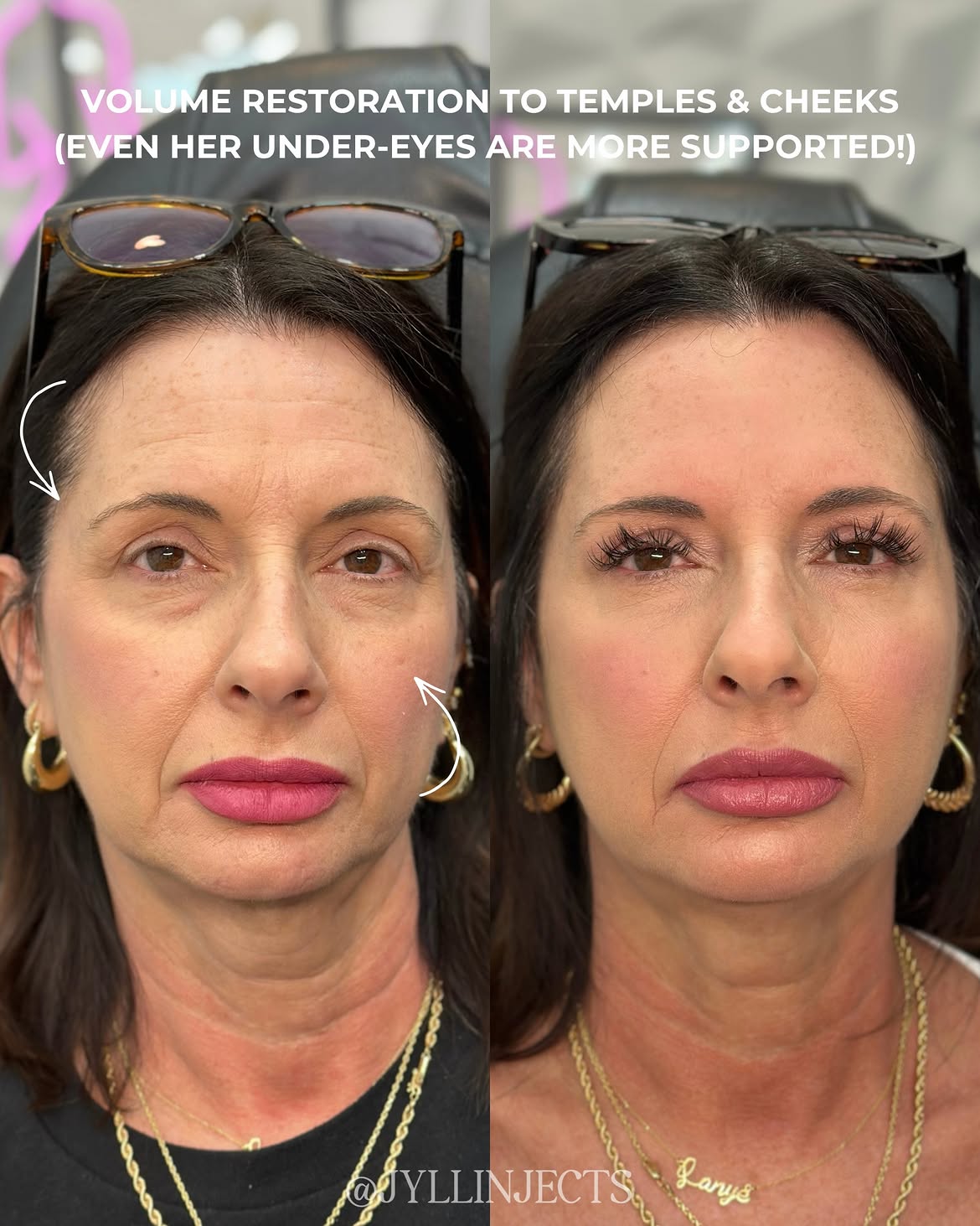
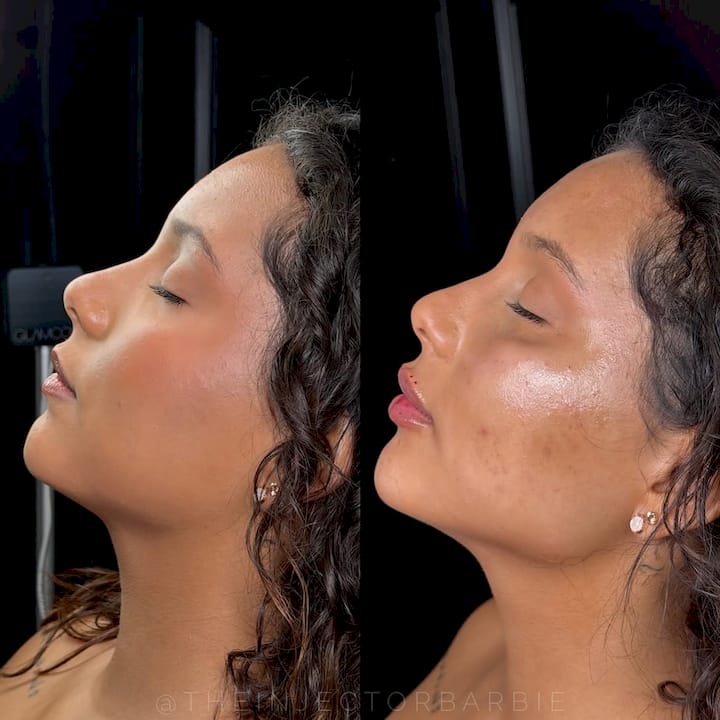
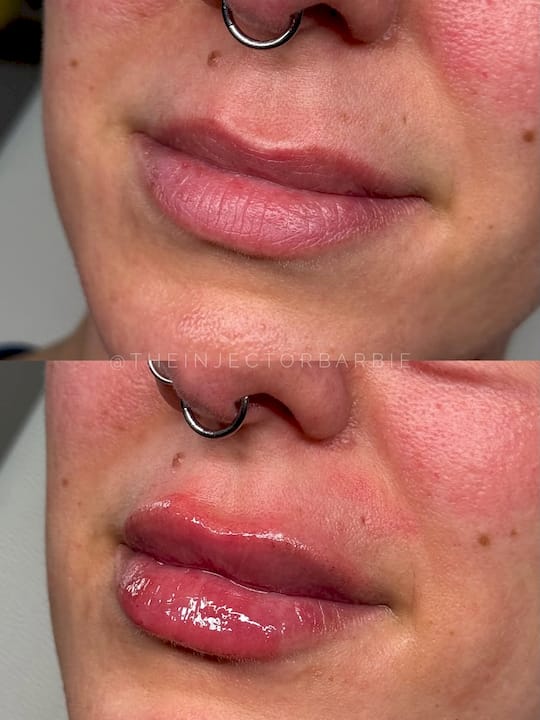
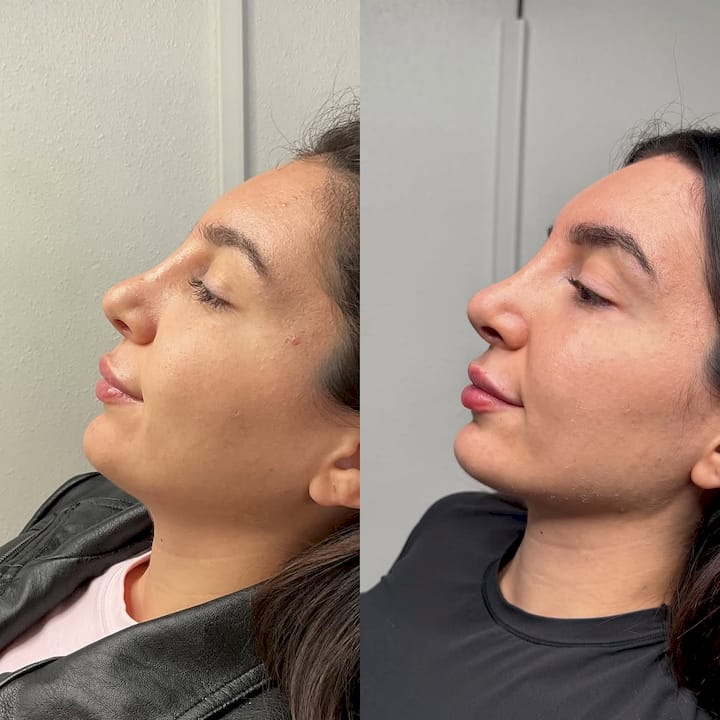
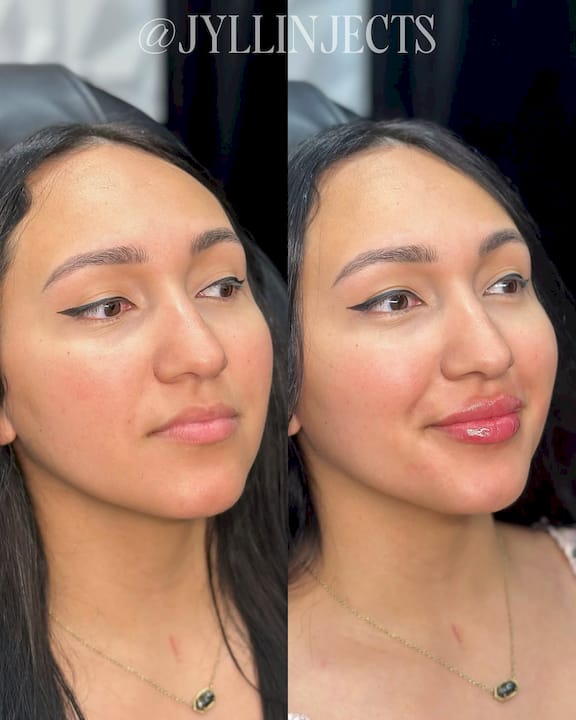
Cheek fillers deliver multiple anti-aging benefits that go beyond simple volume replacement. They restore youthful fullness to hollowed cheeks, lift the midface to reduce nasolabial folds and marionette lines, enhance cheekbone definition for sculpted contours, and improve overall facial balance and symmetry. These combined effects create a refreshed, naturally youthful appearance without the downtime or permanence of surgical options. 60% of US women over 35 note cheek volume loss; 95 to 98% report GAIS improvement with fillers, demonstrating both the widespread need and high satisfaction rates among your demographic.
The safety profile of cheek fillers is well established when administered by qualified professionals. Common, temporary side effects include:
-
Mild swelling at injection sites lasting 24 to 72 hours
-
Minor bruising that resolves within a week
-
Tenderness or slight asymmetry immediately post-treatment
-
Rare allergic reactions to filler ingredients
Serious complications like vascular occlusion, where filler blocks a blood vessel, occur in only 0.02% of cases. Expert injectors minimize this already rare risk through thorough knowledge of facial vascular anatomy, proper injection techniques, and immediate recognition and treatment protocols if complications arise. Choosing a board-certified professional experienced in midface anatomy dramatically reduces your risk profile.
Malar edema, a specific type of swelling in the cheek area, can occur when fillers are placed too superficially over the malar septum or when excessive product is used. Avoid superficial injection over malar septum to prevent malar edema; risks are higher in infraorbital and midface areas. Overfilling causes pillow face, migration, and nodules. Experienced injectors avoid these outcomes by using conservative volumes, placing product in appropriate tissue planes, and building results gradually over multiple sessions if needed.
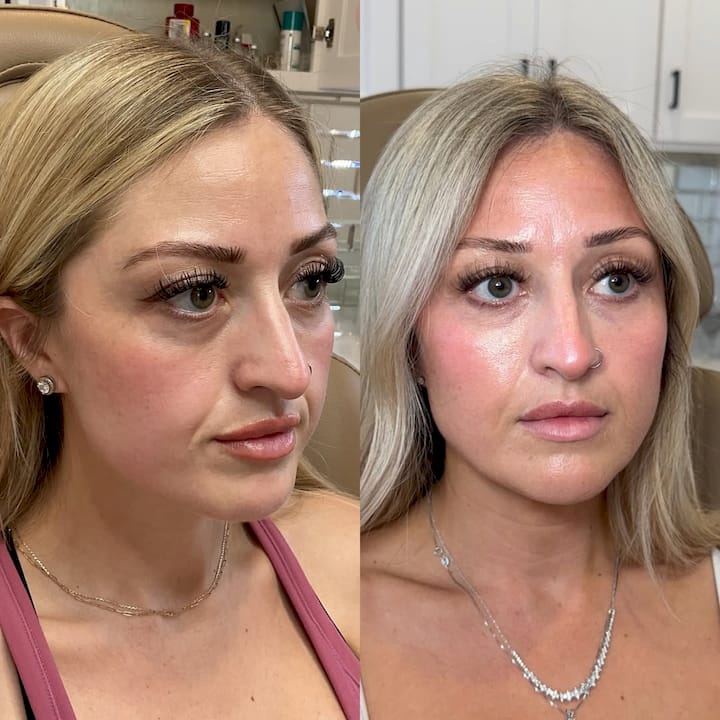
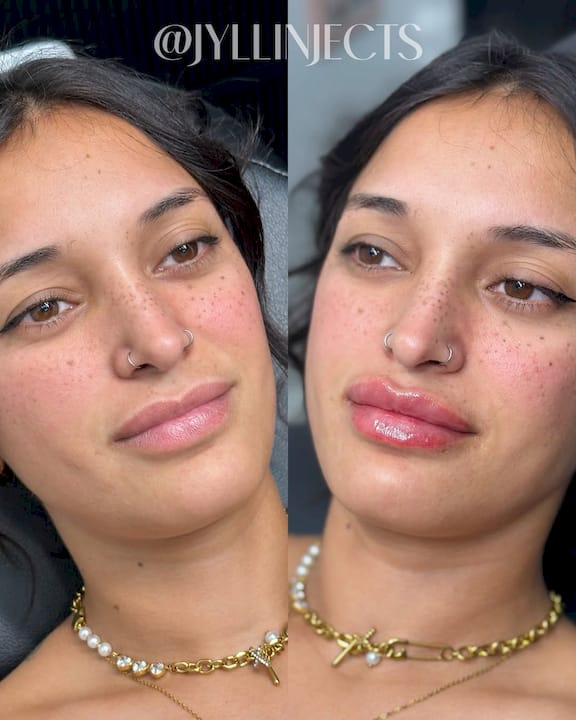
Pro Tip: Always select a board-certified injector experienced in midface anatomy to ensure both safety and aesthetic outcomes that enhance rather than distort your natural features. Ask about their specific training in cheek filler placement and request to see before and after photos of patients with similar facial structures to yours.
Personalized treatment plans account for individual factors like skin quality, sun damage common in Texas demographics, existing facial volume, and your aesthetic goals. Women in Texas often present with additional sun-related skin concerns alongside volume loss, making combination approaches particularly effective. Integrating cheek fillers with skin rejuvenation treatments addresses both structural and surface-level aging for comprehensive results. This tailored approach ensures your treatment aligns with your lifestyle, budget, and desired level of enhancement, whether you seek subtle refreshment or more dramatic contouring. Understanding the best filler for cheeks 2026 expert guide helps you navigate options with confidence.
“The key to natural-looking cheek enhancement lies in respecting facial anatomy, using appropriate product volumes, and placing fillers in the correct tissue planes for structural support rather than superficial fullness.”
Comparing cheek filler types and alternatives
Several filler substances are available for cheek augmentation, each with distinct properties, mechanisms, and ideal use cases. Hyaluronic acid fillers remain the most popular choice due to their immediate results, natural feel, and reversibility. However, understanding alternatives helps you make the best choice for your specific goals and timeline.
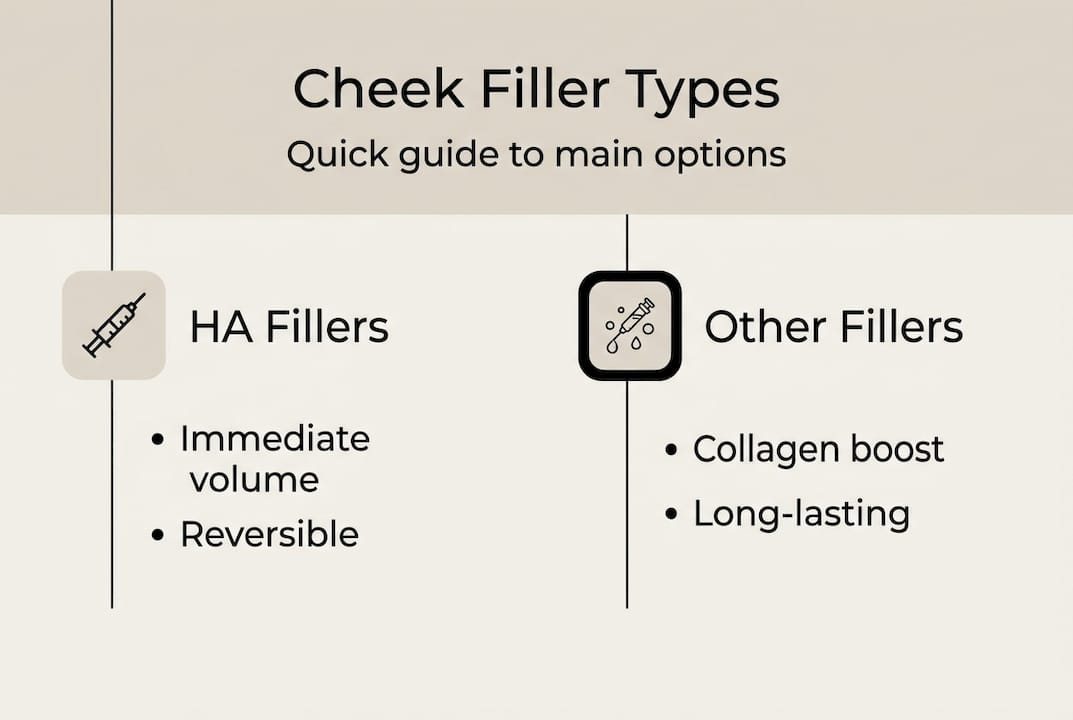
HA fillers provide immediate volume and are reversible; calcium hydroxylapatite and poly-L-lactic acid stimulate collagen gradually with longer-lasting effects. Calcium hydroxylapatite (CaHA) fillers like Radiesse work by providing immediate volume while also stimulating your body’s natural collagen production over several months. This dual action means results improve over time and can last 18 to 24 months or longer. CaHA fillers feel slightly firmer than HA products and work best for deeper structural support.
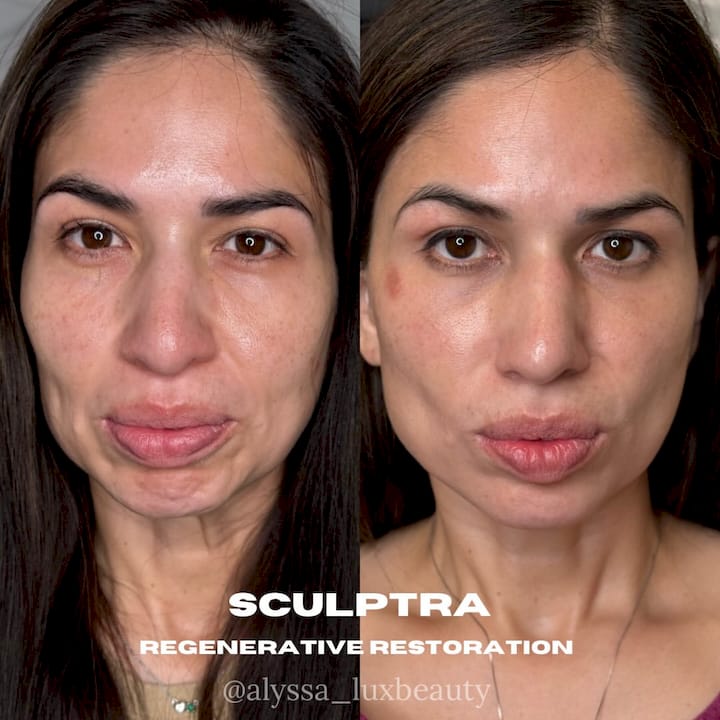
Poly-L-lactic acid (PLLA) fillers such as Sculptra operate differently from both HA and CaHA options. Rather than providing immediate volume, PLLA acts as a collagen stimulator, gradually rebuilding your skin’s structural foundation over several months. Results develop slowly across multiple treatment sessions spaced weeks apart, but can last two years or more. This approach suits patients seeking gradual, natural-looking improvement and willing to commit to a series of appointments.
| Filler Type | Onset | Duration | Mechanism | Best For | Reversible |
|---|---|---|---|---|---|
| Hyaluronic Acid | Immediate | 12-24 months | Physical volume + hydration | First-timers, customizable results | Yes |
| Calcium Hydroxylapatite | Immediate with improvement | 18-24+ months | Volume + collagen stimulation | Structural support, deeper placement | No |
| Poly-L-lactic Acid | Gradual over months | 24+ months | Collagen stimulation only | Gradual natural results, patient commitment | No |
| Cheek Implants | Immediate | Permanent | Surgical solid structure | Dramatic, permanent change | Surgical removal |
Non-filler alternatives include cheek implants and surgical fat transfer. Fillers offer a non-permanent trial unlike implants or surgery, which are more invasive and permanent. Cheek implants involve surgical placement of solid silicone structures over the cheekbones, requiring anesthesia, incisions, and recovery time. While results are permanent and can provide dramatic enhancement, they lack the flexibility and low-risk profile of injectable fillers.
The reversibility and customizability of HA fillers make them ideal for:
-
First-time patients exploring cheek enhancement
-
Those wanting to preview results before committing to longer-lasting options
-
Patients preferring gradual, adjustable improvements
-
Anyone seeking minimal downtime and lower risk profiles
Understanding these differences empowers you to discuss options intelligently with your injector and select the approach that aligns with your aesthetic goals, risk tolerance, and lifestyle. Many patients start with HA fillers to establish their desired look, then transition to longer-lasting options once they’ve confirmed their preferences. Exploring the best fillers for cheeks expert tips provides additional guidance on selecting the right product for your unique needs.
How to prepare for and maintain cheek filler results
Proper preparation maximizes both safety and results from your cheek filler treatment. Following a structured approach before, during, and after your appointment ensures optimal outcomes and minimizes potential complications.
-
Schedule a thorough consultation with a board-certified injector to discuss your goals, medical history, current medications, and any allergies or previous reactions to fillers or anesthetics.
-
Disclose all supplements and medications, particularly blood thinners like aspirin, ibuprofen, vitamin E, fish oil, and certain herbal supplements that increase bruising risk. Your injector may recommend temporarily discontinuing these before treatment.
-
Avoid alcohol for 24 to 48 hours before your appointment, as it thins blood and increases bruising likelihood.
-
Arrive with clean skin free of makeup, allowing your injector to properly assess and mark injection sites without interference.
-
Discuss numbing options if you have concerns about discomfort. Most modern fillers contain lidocaine, and additional topical numbing cream can be applied before injection.
-
Plan for minimal downtime by scheduling your appointment when you can avoid major social or professional events for 48 to 72 hours post-treatment, allowing any swelling or bruising to subside.
Choosing a qualified injector is the single most important factor in achieving safe, beautiful results. Look for board certification in dermatology, plastic surgery, or a related medical specialty. Ask about specific training and experience with midface anatomy and cheek filler placement. Request to see a portfolio of before and after photos demonstrating natural-looking results on patients with similar facial structures and aesthetic goals to yours.
Maintaining your results requires both timely touch-ups and complementary skin care. Filler results typically last 12 to 24 months; maintenance treatments and skin care prolong effects. Schedule follow-up appointments before your filler completely metabolizes to maintain consistent volume and avoid the disappointment of returning to your pre-treatment appearance. Many patients find that maintenance treatments require less product than initial sessions, as some structural improvement persists.
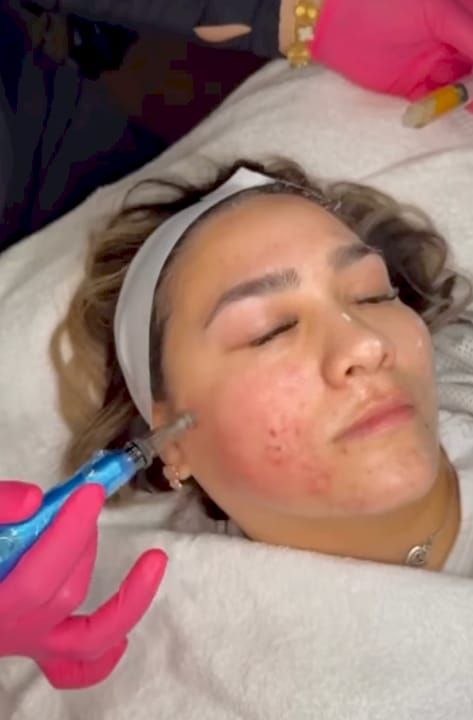
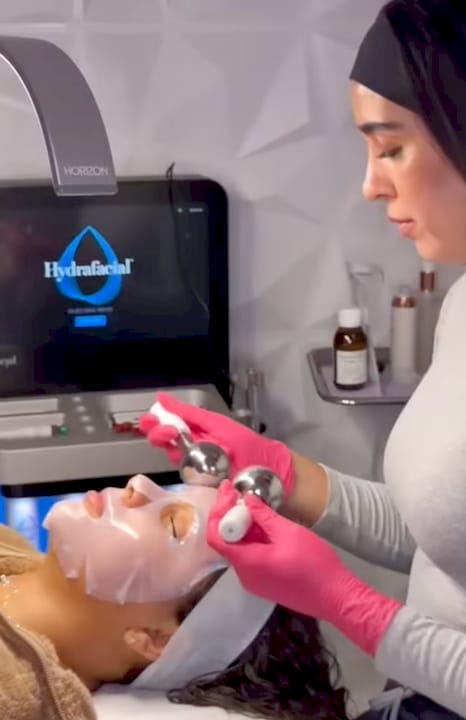
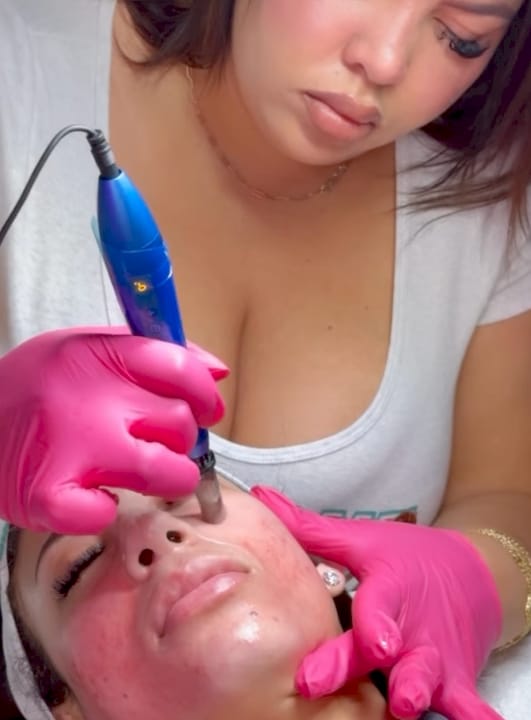
Pro Tip: Combine cheek fillers with microneedling or other skin rejuvenation treatments to combat sun damage and enhance overall results. Deep periosteal placement tailored to anatomy offers best structural results; combined skin treatments benefit sun-damaged skin. This integrated approach addresses both volume loss and skin quality, creating more comprehensive anti-aging outcomes.
Post-treatment care includes:
-
Avoiding strenuous exercise, saunas, and excessive heat for 24 to 48 hours
-
Sleeping with your head elevated for the first night to minimize swelling
-
Applying cold compresses gently if swelling occurs
-
Avoiding facial massage or pressure on treated areas for at least two weeks
-
Protecting your skin from sun exposure with broad-spectrum SPF daily
Following these guidelines and working closely with your injector through the entire process ensures you achieve and maintain the youthful, natural-looking cheek contours you desire. For detailed preparation strategies, explore resources on how to prep skin for treatments naturally and review step-by-step protocols at dermal fillers step by step flawless results.
Enhance your natural beauty safely with expert injections
Achieving youthful, naturally contoured cheeks requires more than just quality products. It demands the expertise, precision, and artistic eye that come from working with experienced aesthetic professionals who understand facial anatomy and personalized treatment approaches.
Our professional dermal filler services restore volume and enhance contours in cheeks and other facial areas, delivering results that look like you, only refreshed. We offer comprehensive aesthetic treatments including best botox in San Antonio for wrinkle reduction, complementary microneedling in San Antonio to improve skin texture and tone, and a full range of lip and dermal fillers for complete facial rejuvenation.
Every treatment begins with a thorough consultation where we assess your unique facial structure, discuss your aesthetic goals, and create a personalized plan that aligns with your vision and lifestyle. Our focus on safety, natural results, and patient education ensures you feel confident and informed throughout your aesthetic journey. Whether you’re exploring preventive treatments or seeking to reverse visible signs of aging, our team provides the expertise and care you deserve. Contact us today to schedule your consultation and discover how expert cheek filler treatments can help you maintain and enhance your natural beauty safely and effectively.
Frequently asked questions
Is cheek filler safe for all skin types and ages?
Cheek fillers are safe for most adults, but require professional assessment to rule out allergies, active infections, or vascular issues that could complicate treatment. Board-certified injectors personalize treatments for your specific skin type, age, and facial anatomy to ensure both safety and optimal aesthetic outcomes. Certain medical conditions or medications may require special precautions or temporary treatment delays.
How long do cheek filler results typically last?
Results last 12 to 24 months for HA fillers depending on the specific product formulation, injection depth, and your individual metabolism. Regular touch-up treatments extend natural-looking volume and contour, often requiring less product than initial sessions as some structural improvement persists between appointments.
Can cheek fillers be reversed if I don’t like the results?
HA filler results can be reversed quickly using hyaluronidase enzyme, which dissolves the filler within hours to days. This reversibility provides a safe option for first-timers and cautious patients, allowing you to trial cheek enhancement without permanent commitment and adjust results if needed.
What should I expect during a cheek filler appointment?
Your appointment includes a consultation, skin assessment, and injection of fillers using numbing techniques to minimize discomfort. Most sessions take 30 to 45 minutes with minimal downtime and immediate visible improvement in contour, though final results appear once any minor swelling subsides within a few days.
Are there any risks or side effects with cheek fillers?
Possible mild swelling, bruising, or temporary edema is normal and resolves within days to a week. Serious risks like vascular occlusion occur in only 0.02% of cases and are minimized by expert injectors with thorough anatomical knowledge and proper injection techniques.
%20Pictures%20are%204%20weeks%20apart..jpg)