You’ve done the research, read the Instagram captions, and maybe even overheard someone at your gym mention “Kysse” or “Lyft.” But when you actually sit down and try to figure out which Restylane filler does what, the options blur together fast. That confusion is real, and it’s incredibly common among women in Austin and San Antonio who are ready to do something but don’t want to walk into a consultation completely in the dark. This guide breaks down the main Restylane types, what makes each one distinct, and how to figure out which one actually fits your face and your goals.
Table of Contents
Key Takeaways
| Point | Details |
|---|---|
| Tailored options | Restylane offers various fillers designed for specific facial concerns including lips, cheeks, and fine lines. |
| Low complication rates | Restylane fillers have minor side effects in 5% or fewer cases, making them among the safest options. |
| Provider expertise matters | Choosing a skilled injector impacts your results more than the specific Restylane type selected. |
| Compare before deciding | Understanding differences between Restylane types and other brands leads to better, longer-lasting satisfaction. |
How to evaluate Restylane fillers
Before you fall in love with a product name, it helps to understand what you’re actually comparing. Not all fillers solve the same problems, and choosing based on what worked for a friend might lead you in the wrong direction entirely.
Here’s a smarter framework for evaluating your options:
-
Define your primary goal. Are you trying to smooth out deep lines around the mouth? Add volume to sunken cheeks? Define your lips without making them look overdone? Your goal determines which filler consistency and injection depth will work best.
-
Consider longevity vs. flexibility. Some Restylane formulas are firmer and last longer, while others are softer and allow more natural movement. High-movement areas like lips need a different product than static areas like under the eyes.
-
Ask about comfort and anesthesia. Many Restylane products contain lidocaine, a local anesthetic, built directly into the formula. This matters more than people realize when it comes to the overall injection experience.
-
Look at realistic complication rates. A large multi-practice review of Restylane injections found average physician-rated patient satisfaction of 8.1 out of 10, with problematic complications like bruising, swelling, bumpiness, and redness each occurring in 5% or less of cases. Those are reassuring numbers, but they still represent real possibilities you should discuss.
-
Factor in reversibility. Restylane is a hyaluronic acid filler, which means it can be dissolved with hyaluronidase if you’re not happy with your results. That safety net matters when you’re making a decision.
Understanding the criteria behind choosing dermal fillers makes the entire consultation process smoother and helps you ask better questions.
Pro Tip: Before your appointment, ask your provider how many patients they treat per month with each specific Restylane formula. Experience with one type does not automatically mean equal comfort with another.
The main types of Restylane fillers explained
With your evaluation criteria in place, here’s what you need to know about each major product in the Restylane family and where it genuinely shines.
-
Restylane-L is the original formula, updated with lidocaine for comfort. It works well for moderate to severe facial wrinkles and folds, including smile lines, and is also used for lip enhancement. Think of it as the reliable all-rounder in the lineup.
-
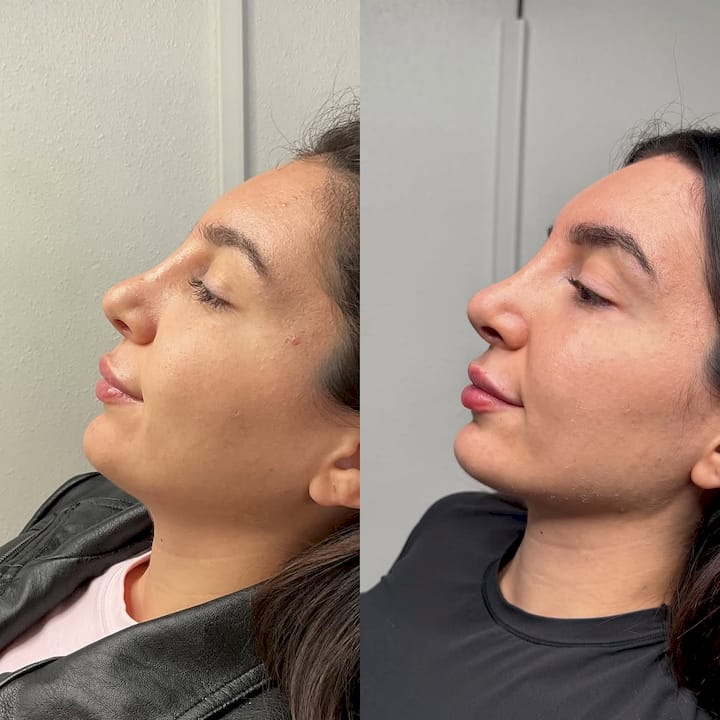
Restylane Silk is specifically designed for subtle lip enhancement and smoothing fine lines around the mouth. It uses smaller, smoother particles than the original formula, making it ideal for a natural look in delicate areas.
-
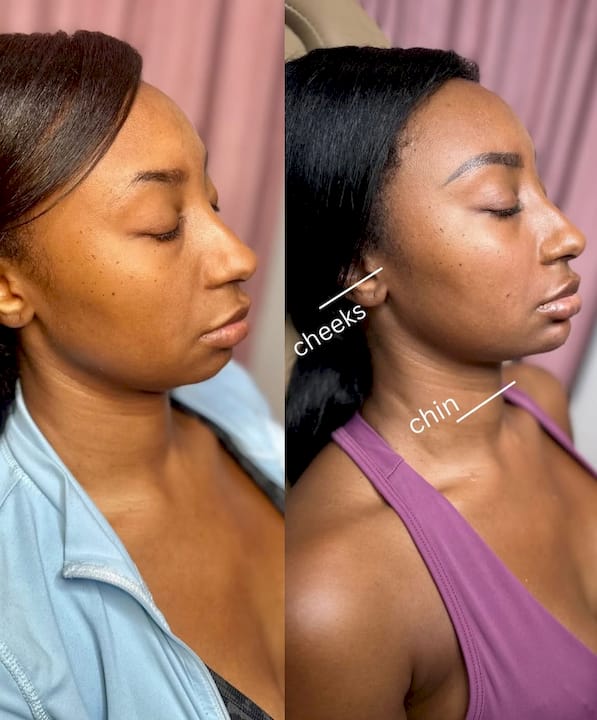
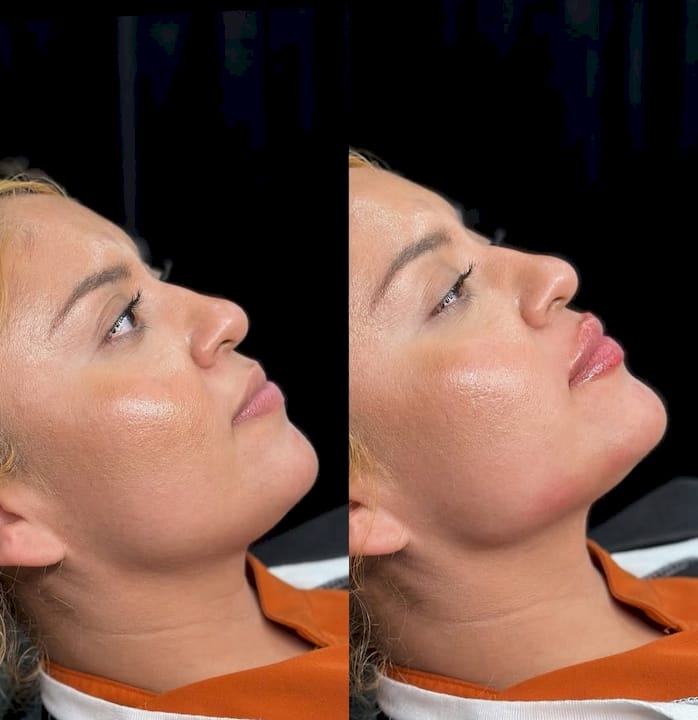
Restylane Lyft (formerly Perlane-L) uses larger gel particles, making it suitable for deeper injection into the cheeks and the back of the hands. It’s a go-to for restoring midface volume that age tends to steal first.
-
Restylane Defyne is built for deep laugh lines and smile lines in areas that move a lot. It uses cross-linking technology that keeps the filler flexible rather than stiff, so your expressions look natural.
-
Restylane Refyne is the softer sibling to Defyne and works better for moderate lines and folds. It bends and flexes with your face beautifully.
-
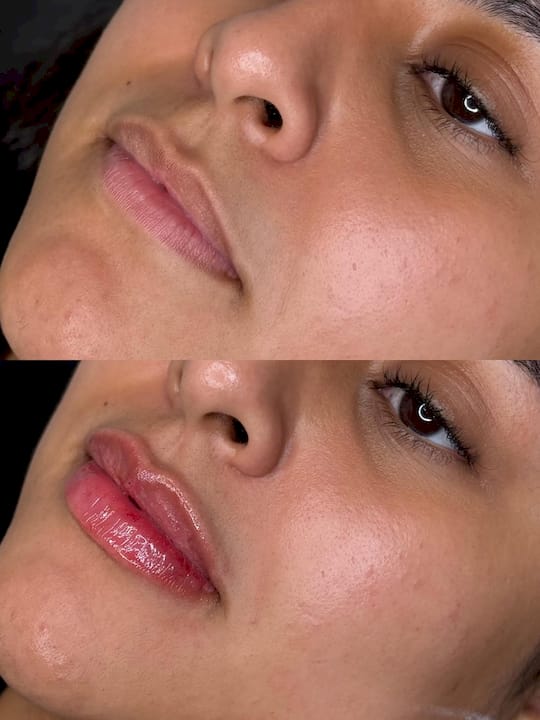
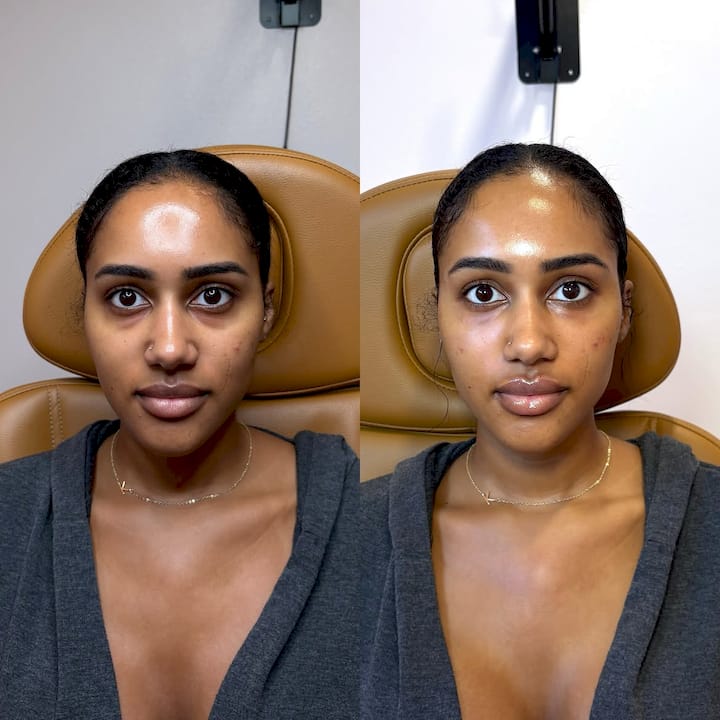
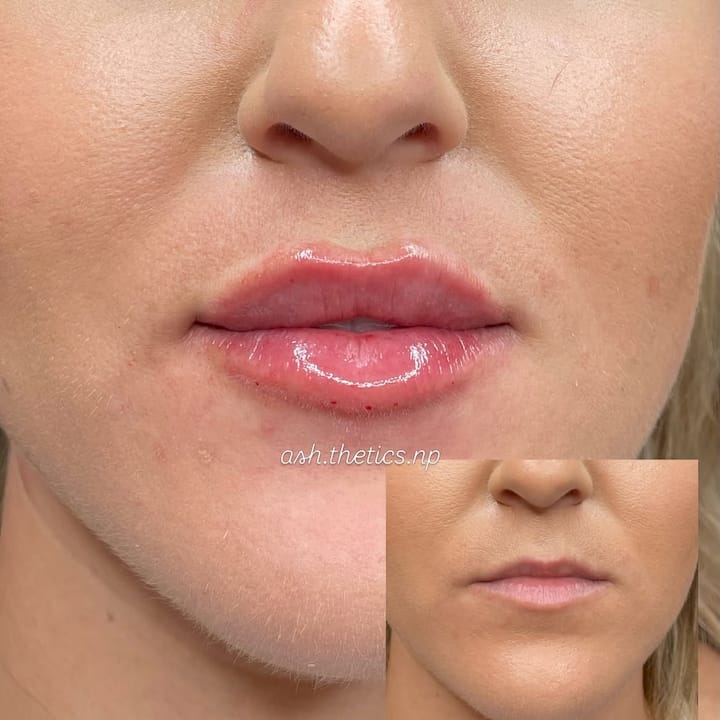
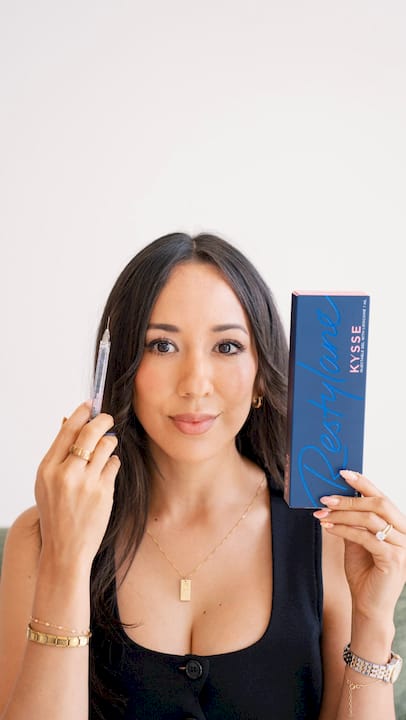
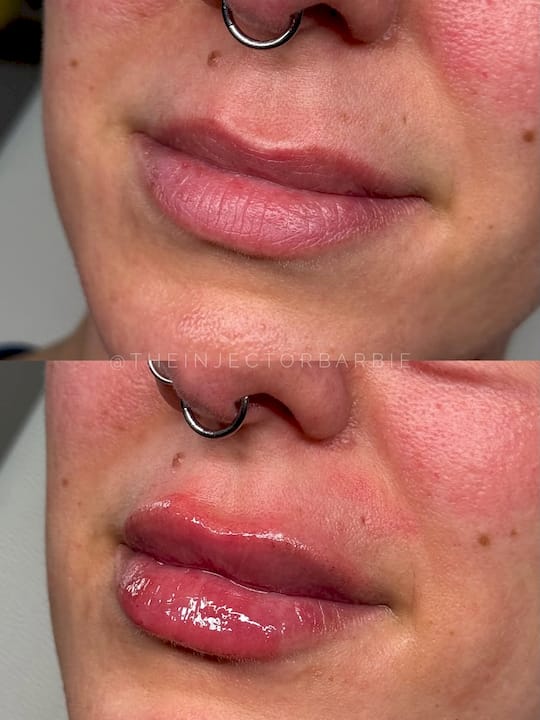
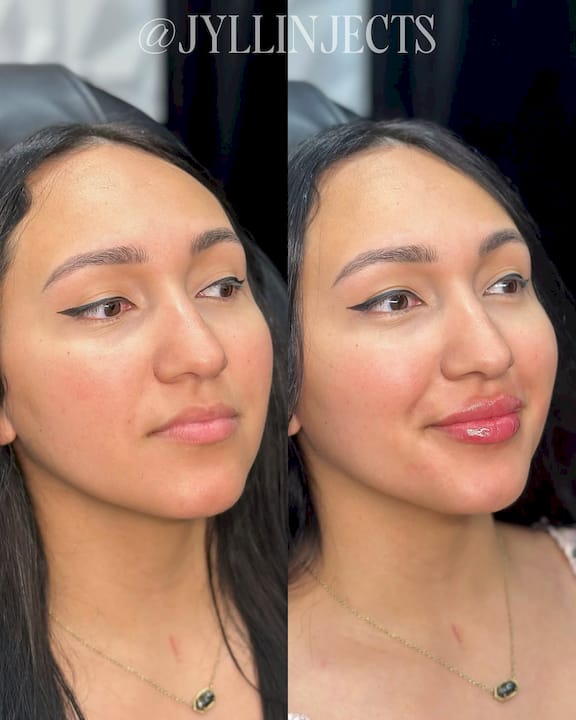
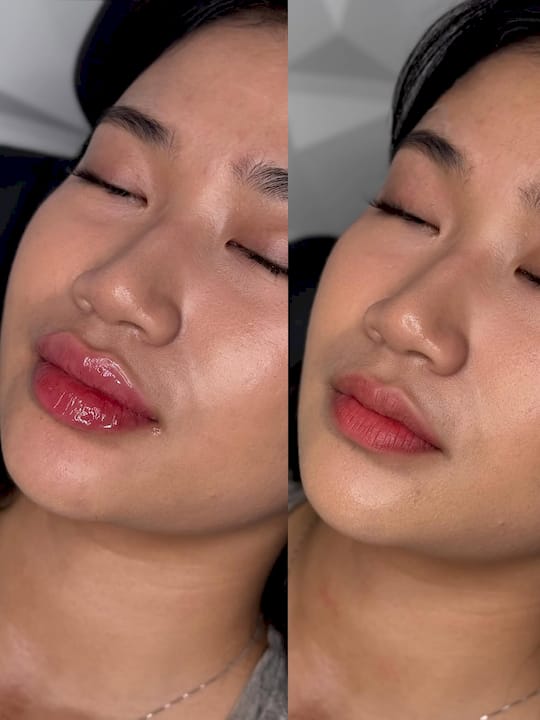
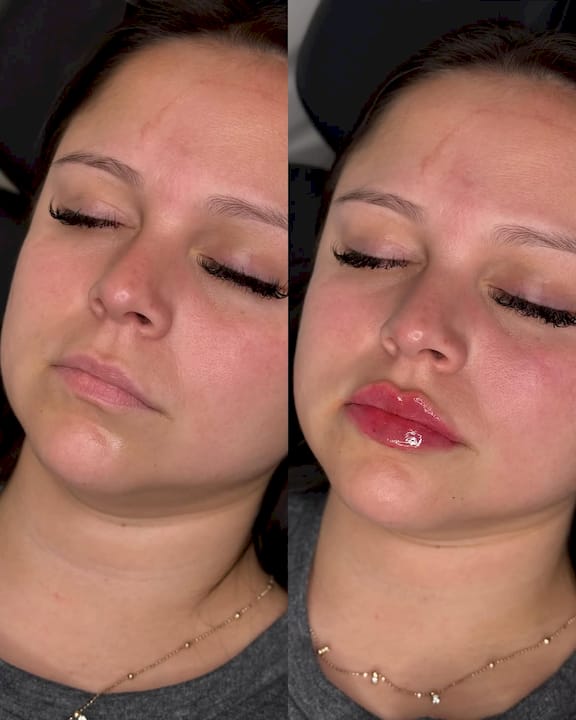
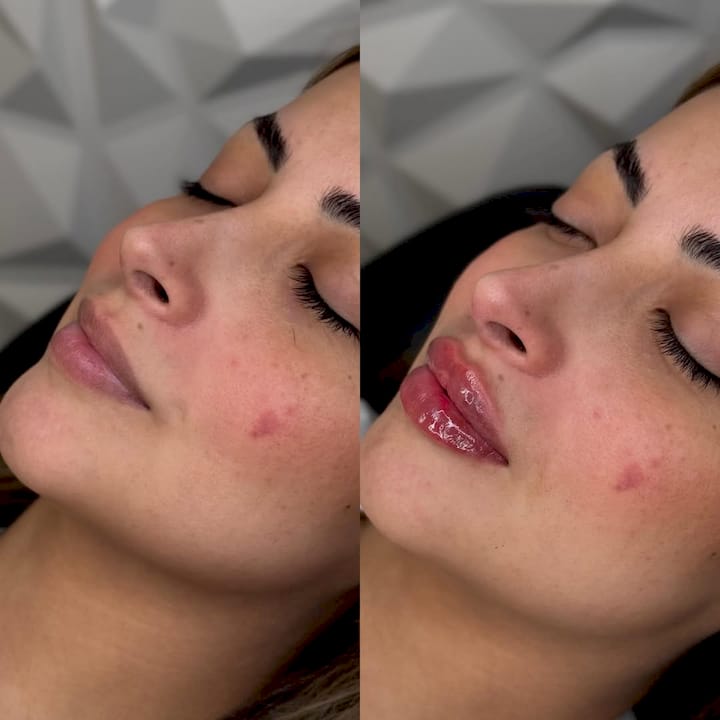
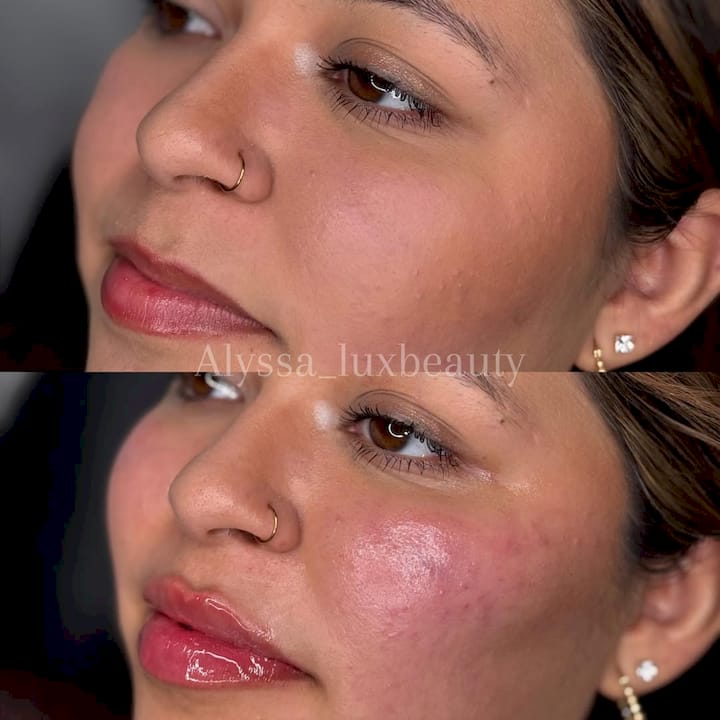
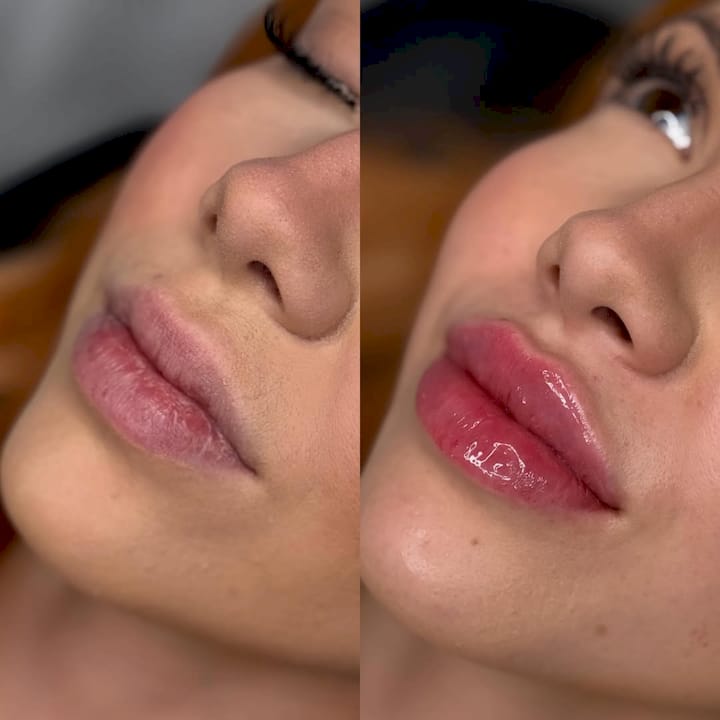
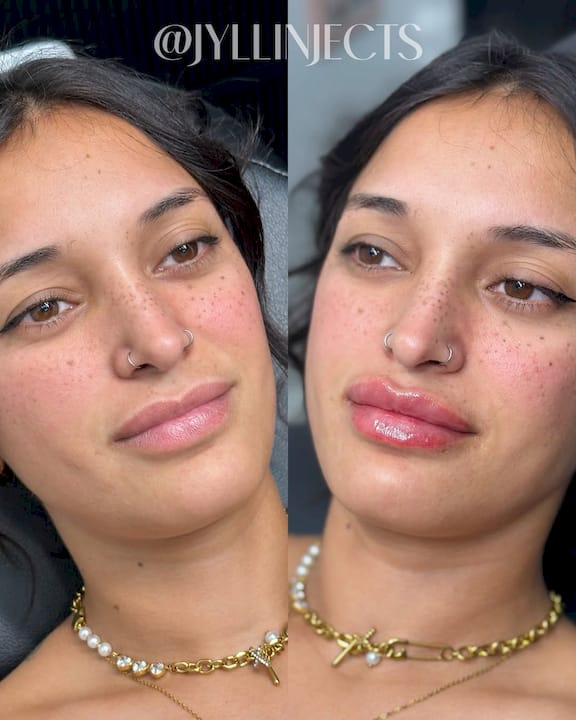
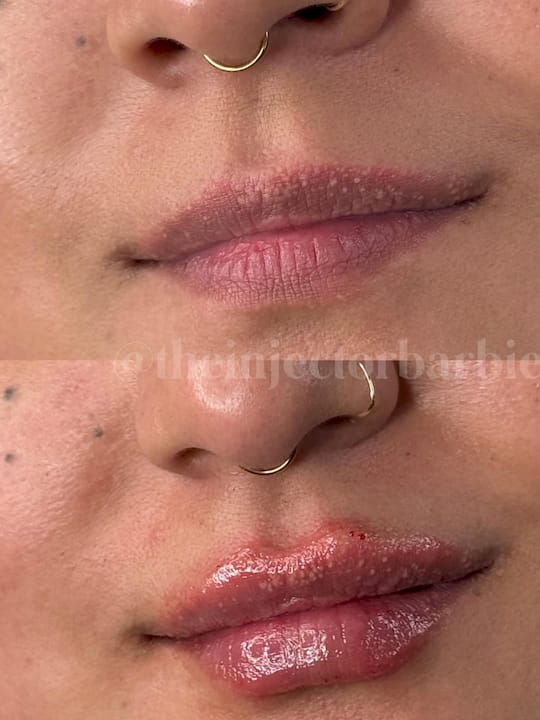
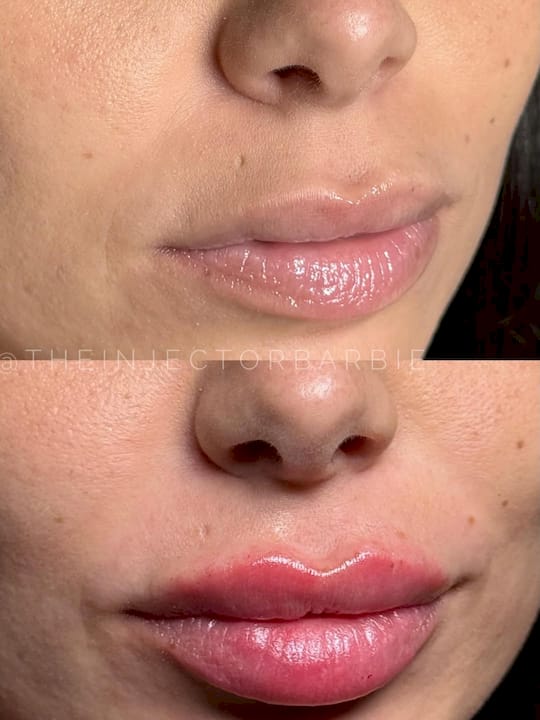
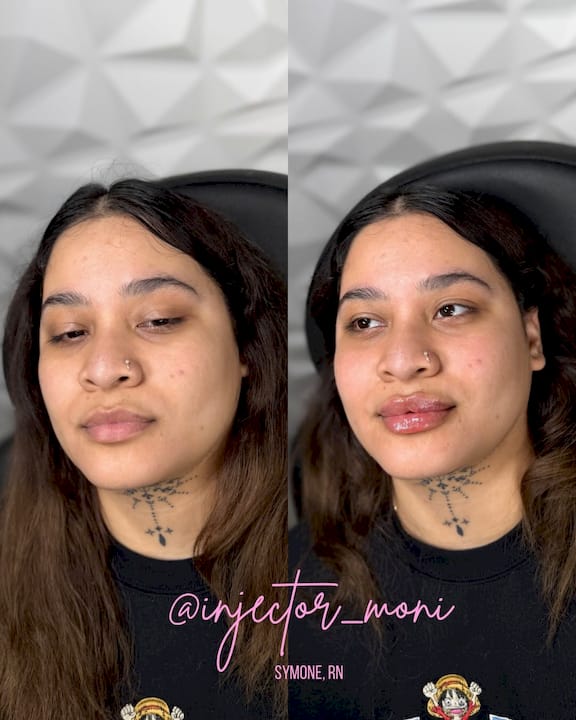
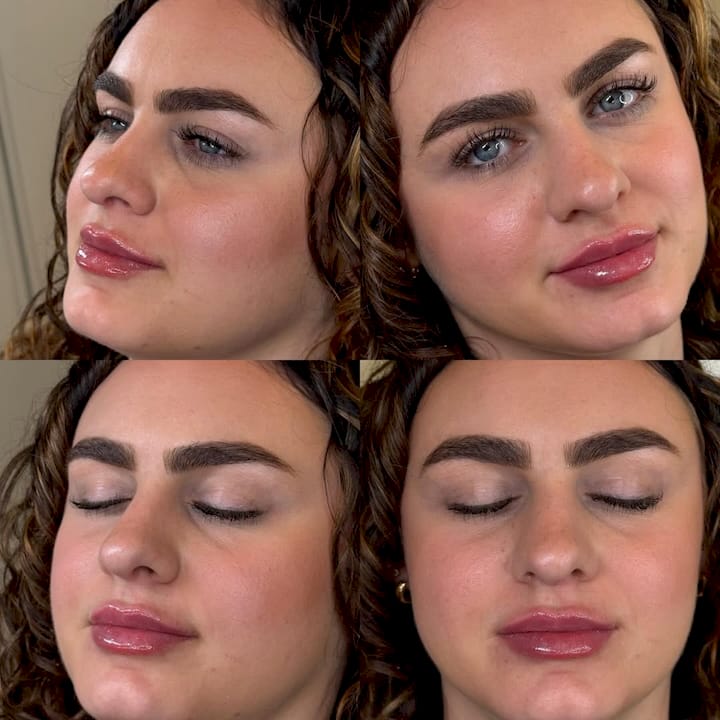
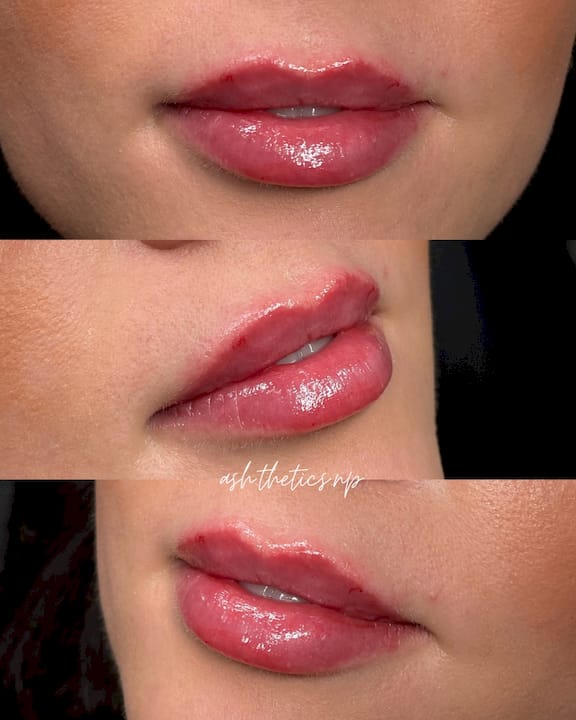
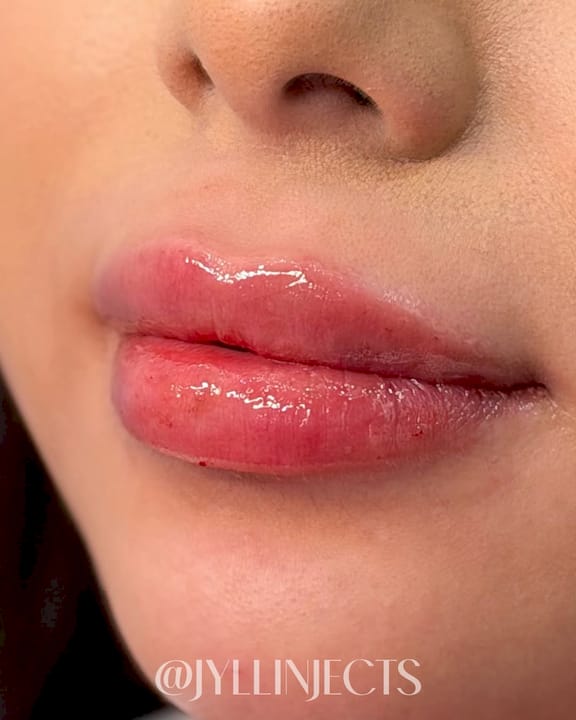
Restylane Kysse was formulated specifically for the lips, using a technology that allows a wide range of lip movement while maintaining volume and color enhancement. It’s currently one of the most popular options for lip treatment.
Here’s a side-by-side comparison to make the differences clearer:
| Filler | Best area | Viscosity | Estimated duration | Comfort level |
|---|---|---|---|---|
| Restylane-L | Lines, lips | Medium | 6 to 12 months | High (contains lidocaine) |
| Restylane Silk | Lips, fine lines | Low | 6 months | High |
| Restylane Lyft | Cheeks, hands | High | 12 to 18 months | High |
| Restylane Defyne | Nasolabial folds | Medium-high | 12 months | High |
| Restylane Refyne | Moderate folds | Medium | 12 months | High |
| Restylane Kysse | Lips | Low-medium | 6 to 9 months | High |
For a deeper look at how these products work individually, the breakdown of types of Restylane fillers goes into excellent detail. You can also compare across the broader world of facial filler types to understand how Restylane fits the bigger picture.
Pro Tip: If you’re over 45, you may benefit more from a volumizing filler like Lyft in the midface before addressing surface lines. Treating volume loss first often reduces the appearance of wrinkles without additional product.
How Restylane compares to other fillers
Understanding Restylane is one thing. Knowing how it stacks up against similar products helps you have a truly informed conversation with your provider instead of just nodding along.
Research on hyaluronic acid vs. collagen showed that Restylane required less injection volume than bovine collagen to achieve an optimal cosmetic result for nasolabial folds, and investigators and patients both judged it more effective at six months. Local injection-site reactions were similar between the two. That’s meaningful, because it tells you Restylane does more with less.
Here’s how it compares to today’s most common alternatives:
| Filler type | Base material | Volume capacity | Duration | Reversible? |
|---|---|---|---|---|
| Restylane (all types) | Hyaluronic acid | Moderate to high | 6 to 18 months | Yes |
| Juvederm (all types) | Hyaluronic acid | Moderate to high | 6 to 24 months | Yes |
| Belotero | Hyaluronic acid | Low to moderate | 6 to 12 months | Yes |
| Sculptra | Poly-L-lactic acid | High (gradual) | Up to 2 years | No |
| Bovine collagen | Animal collagen | Low | 3 to 4 months | No |
A few things stand out from this comparison:
-
Both Restylane and Juvederm are hyaluronic acid fillers, but Restylane has a more granular gel structure while Juvederm tends to be smoother. This affects which areas they suit best.
-
Belotero integrates very deeply into skin tissue, making it good for extremely superficial lines but less suitable for significant volume replacement.
-
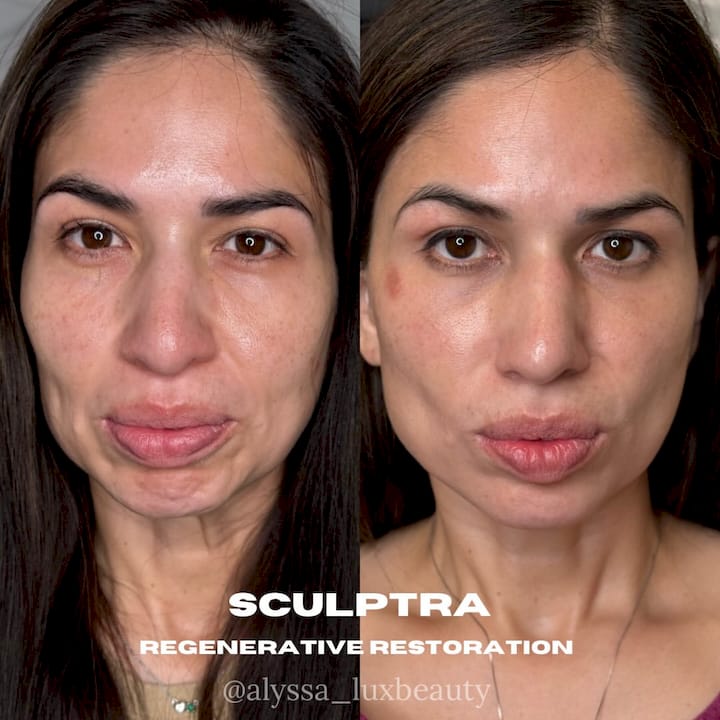
Sculptra works over time by stimulating your own collagen production, which is a completely different mechanism and requires multiple sessions before you see full results.
“The reversibility of hyaluronic acid fillers is one of their most underrated advantages. Knowing that results can be adjusted or dissolved gives patients genuine peace of mind and encourages more natural, conservative treatment plans.”
For a closer look at what makes hyaluronic acid products stand out, the explanation of hyaluronic filler benefits is worth reading before your consultation.
Which Restylane type is right for you?
Now it gets personal. Here’s a practical process for narrowing down your best match.
-
Start with your primary concern. Lip volume, cheek hollowness, and deep smile lines each call for different products. Trying to treat everything with one filler is rarely the best approach.
-
Map your comfort with the process. Most Restylane formulas contain lidocaine, but injection technique still matters. One multi-practice experience found that injectable lidocaine reduced discomfort ratings compared with topical anesthesia alone, and most self-limited issues remained at or below 5% per complication type. Discussing anesthesia preferences with your provider before treatment sets realistic expectations.
-
Think about how long you want results to last. A shorter-duration filler gives you flexibility to adjust if your preferences change. Longer-lasting options mean fewer appointments but more commitment.
-
Ask about reversibility as part of your safety plan. Since all Restylane products are hyaluronic acid based, they can be dissolved if needed. This is a real advantage over non-reversible options.
-
Budget for touch-ups. No filler is permanent. Factor the cost of maintenance treatments into your decision, not just the upfront price.
If volume in the midface is your priority, reading about cheek filler types gives helpful context for that specific area. Women who want targeted advice based on their age group often find that resources about cheek filler for women 35+ address concerns that more general guides overlook.
Pro Tip: Write down three to five questions before your consultation. Something like “What filler would you recommend for my goals, and why that one over the others?” leads to a much richer conversation than just asking what’s popular right now.
The real secret to getting the best results with Restylane
Here’s something most filler roundups won’t tell you: the product matters far less than you think.
That’s not a dismissal of product differences. Those differences are real and they do affect outcomes. But after watching how many patients walk away disappointed, one pattern shows up over and over again. The disappointment rarely came from picking Defyne instead of Refyne. It came from mismatched expectations, rushed consultations, or providers who injected based on habit rather than anatomy.
Your face is not the same as your friend’s face. The planes, the bone structure, the way fat sits under your skin at 42 is completely different from what it was at 30, and completely different from the woman sitting next to you at your salon. A skilled injector reads those differences and adjusts accordingly. A less experienced one follows a template.
This is where many women get tripped up. They spend hours researching products and almost no time researching providers. They ask “Is Kysse better than Silk?” when the more important question is “How does this specific provider evaluate lip structure and design a treatment plan?”
Good outcomes also depend heavily on honest communication going both ways. If you’re nervous about looking overdone, say so directly. If you’ve had filler somewhere else and didn’t love it, bring that up before a single unit is injected. Providers who encourage that kind of conversation are the ones you want in your corner.
The best dermal fillers results consistently come from the combination of the right product AND a provider who listens carefully, assesses your anatomy honestly, and prioritizes natural enhancement over impressive volume numbers.
Women who consult thoroughly, ask direct questions, and take their time choosing a provider almost always have better stories to tell than women who rushed into treatment because a deal was expiring. That’s not a coincidence.
Explore your Restylane options with expert guidance
At The Injection Room in Austin and San Antonio, our team works with the full Restylane family alongside complementary treatments that can make your results even more striking. Whether you’re new to fillers or ready to refine a previous treatment, we build individualized plans based on your anatomy and what you actually want to see in the mirror. Pairing Restylane with Botox in Austin or Botox in San Antonio can address both dynamic wrinkles and volume loss in a single visit. We also offer microneedling services that improve skin texture so your filler results look even more refined. Come in for a consultation and let’s figure out exactly what your face needs.
Frequently asked questions
How long do Restylane fillers last?
Restylane results typically last from 6 to 18 months depending on the specific filler, the area treated, and individual factors like metabolism and lifestyle.
Are Restylane fillers safe for all skin types?
Restylane is considered safe for most skin types and tones, with minor side effects like swelling or redness occurring in less than 5% of cases.
What is the difference between Restylane and Juvederm?
Restylane and Juvederm are both hyaluronic acid fillers, but Restylane uses a more granular gel structure while Juvederm is smoother, which influences how each one performs in different facial areas.
Which Restylane filler is best for lips?
Restylane Kysse and Restylane Silk are both popular choices for enhancing lip volume and definition, with Kysse offering more flexibility for natural movement and Silk delivering a softer, more subtle result.

%20Pictures%20are%204%20weeks%20apart..jpg)