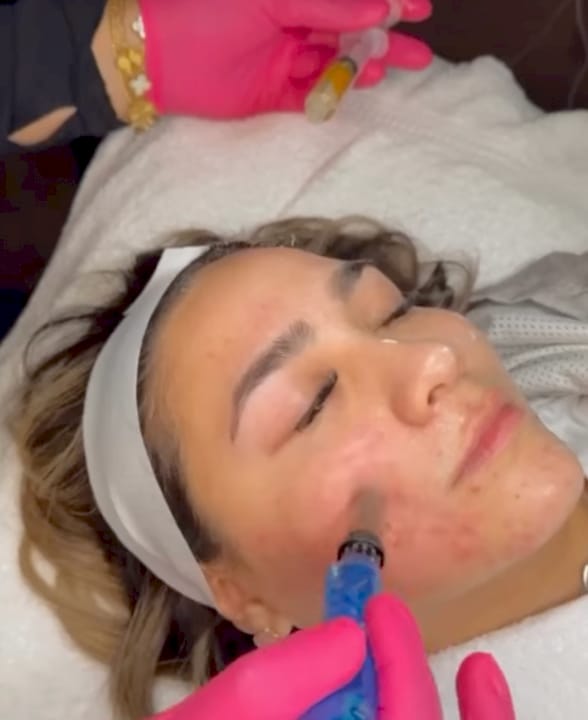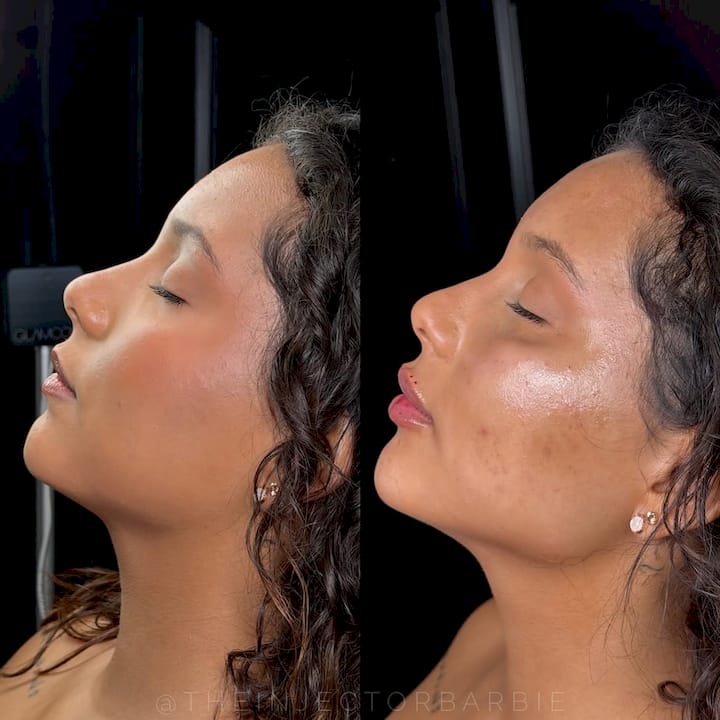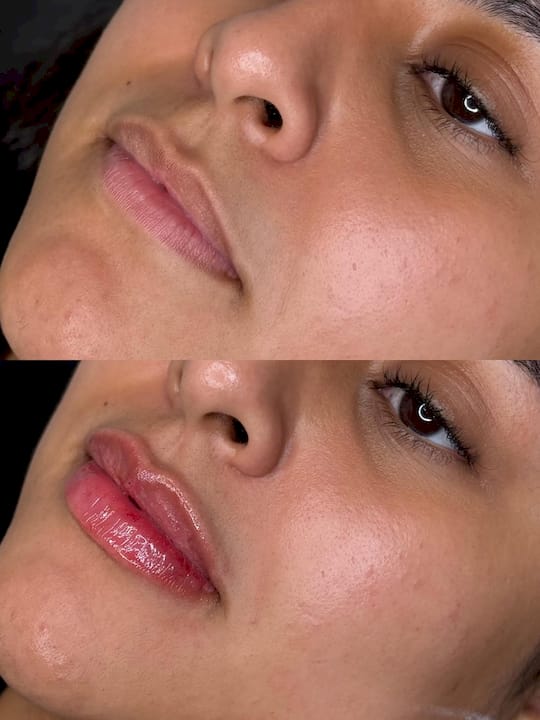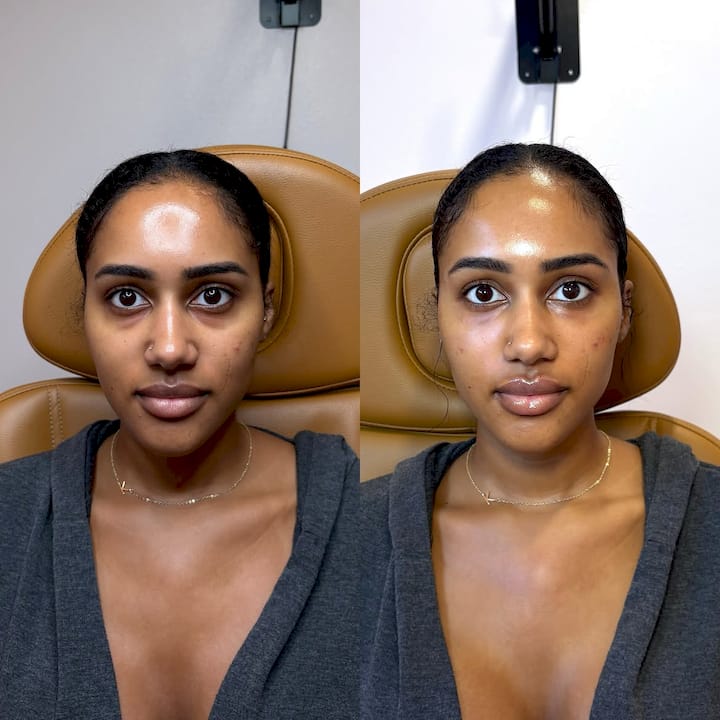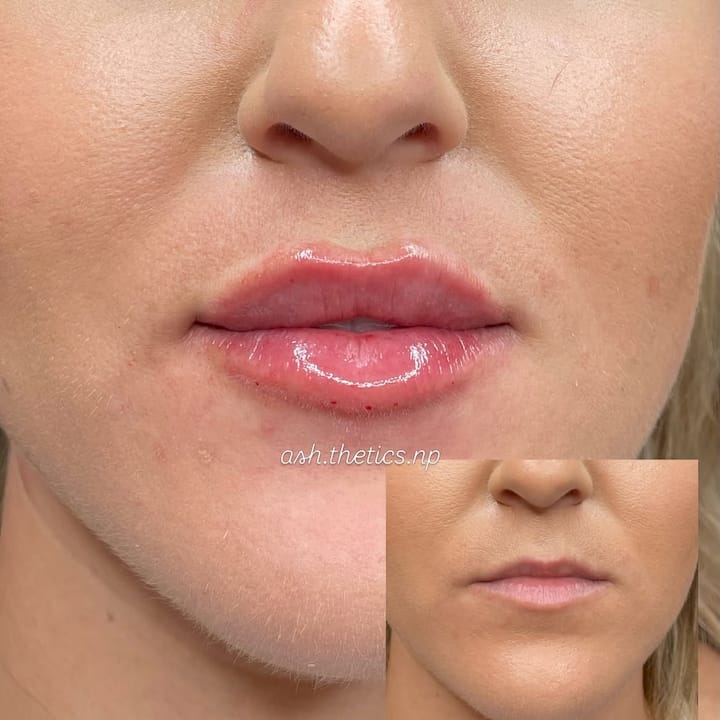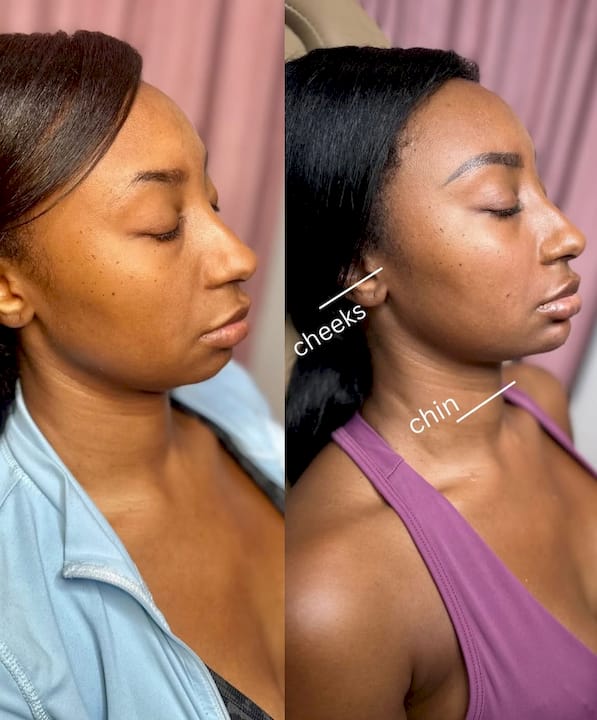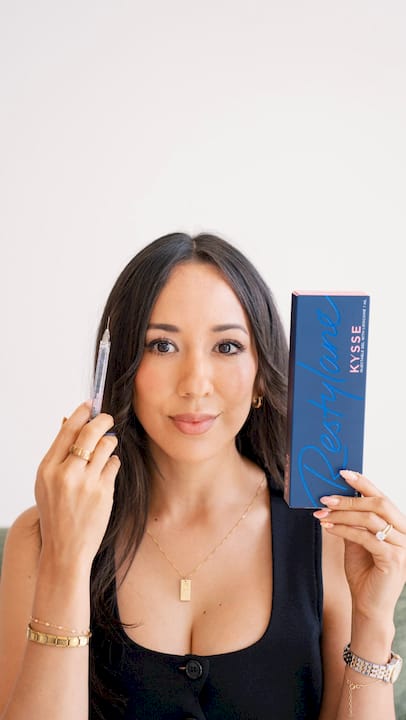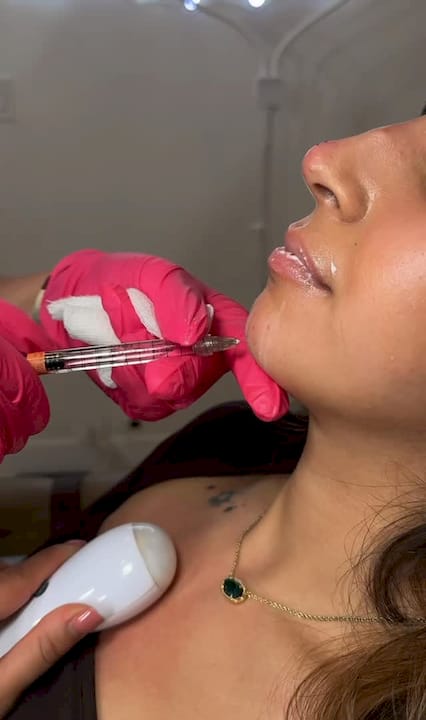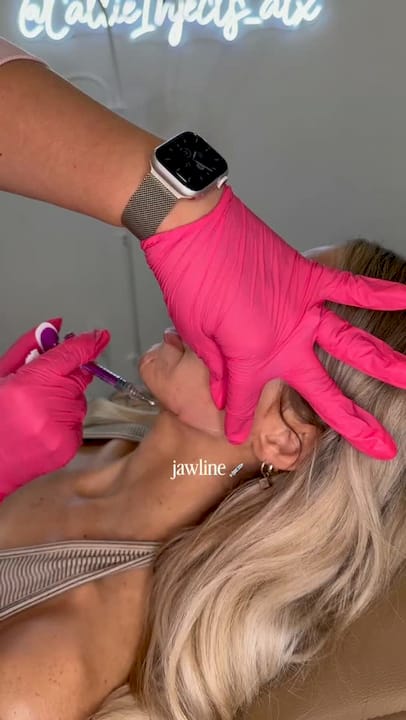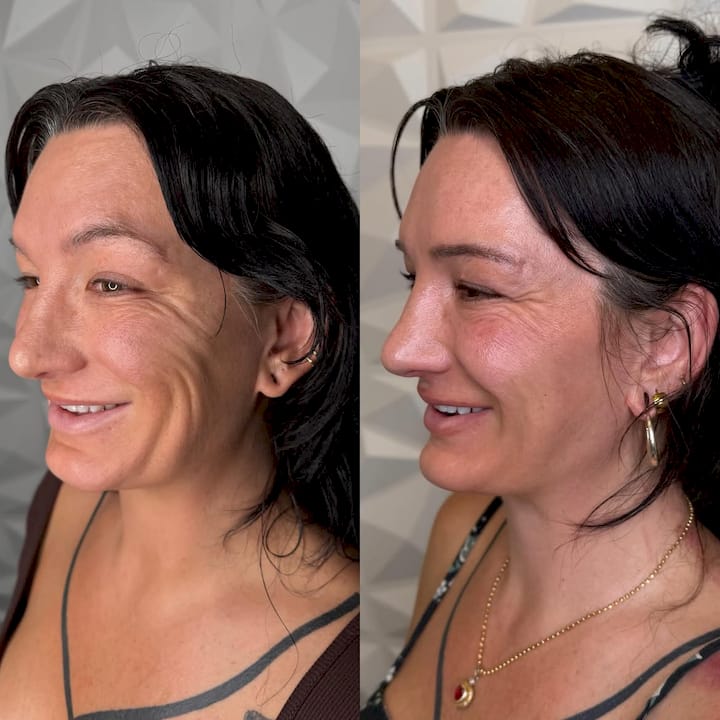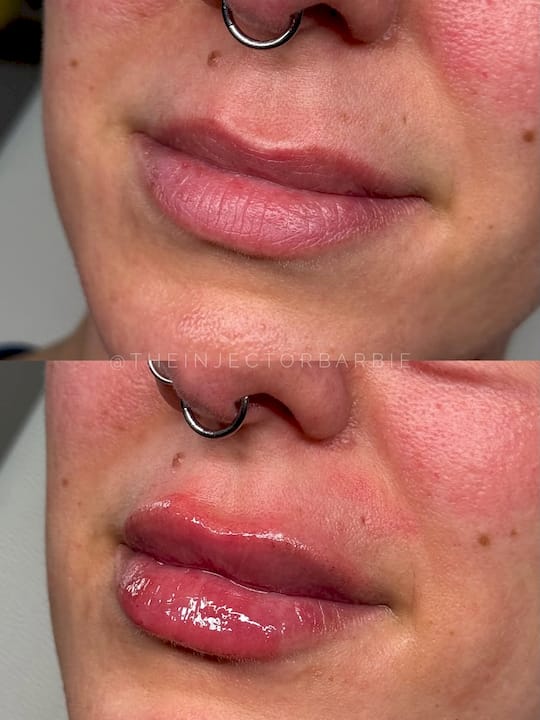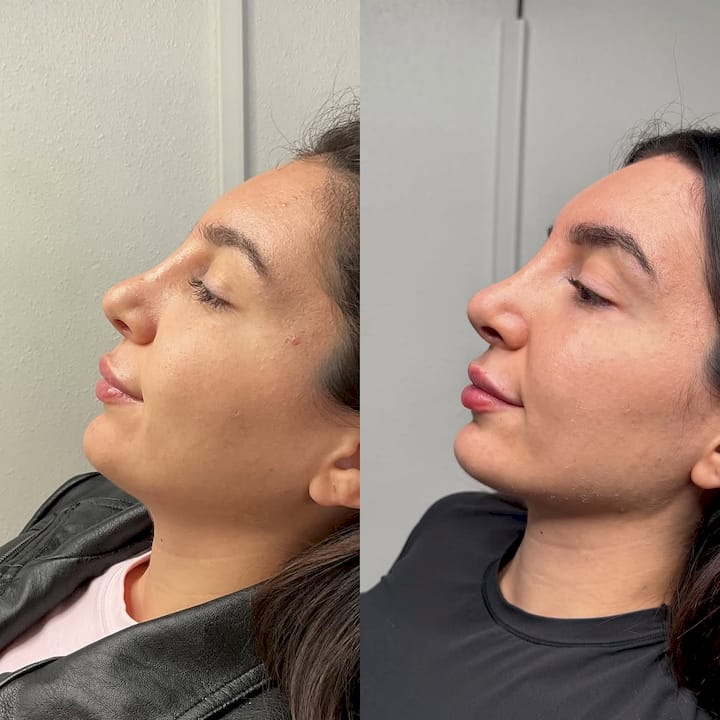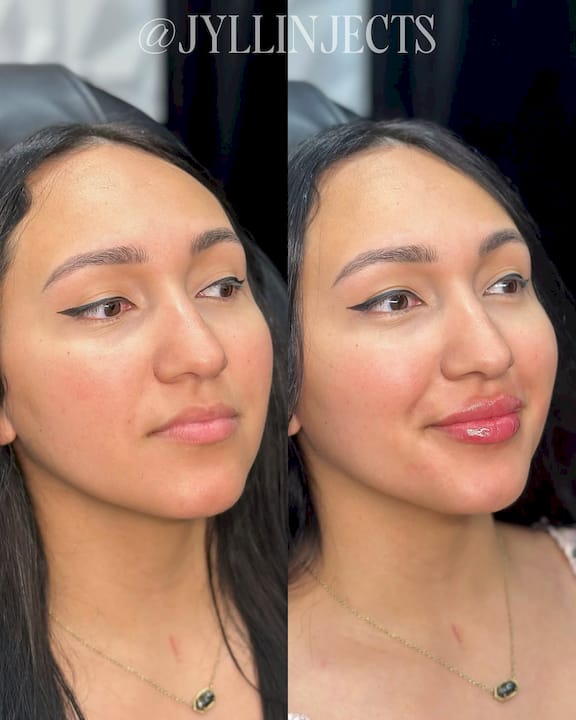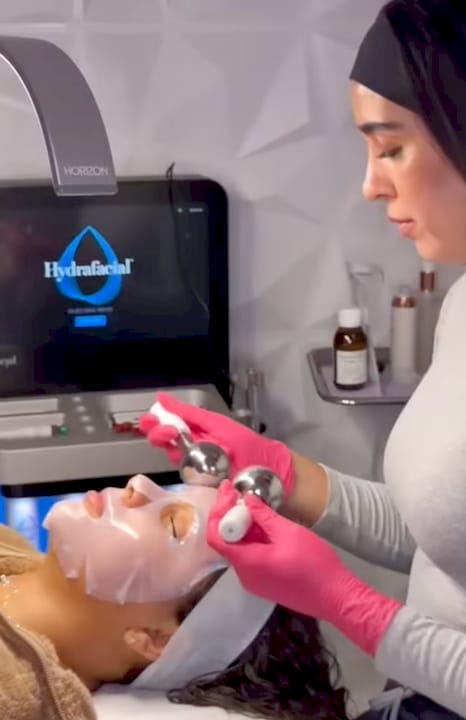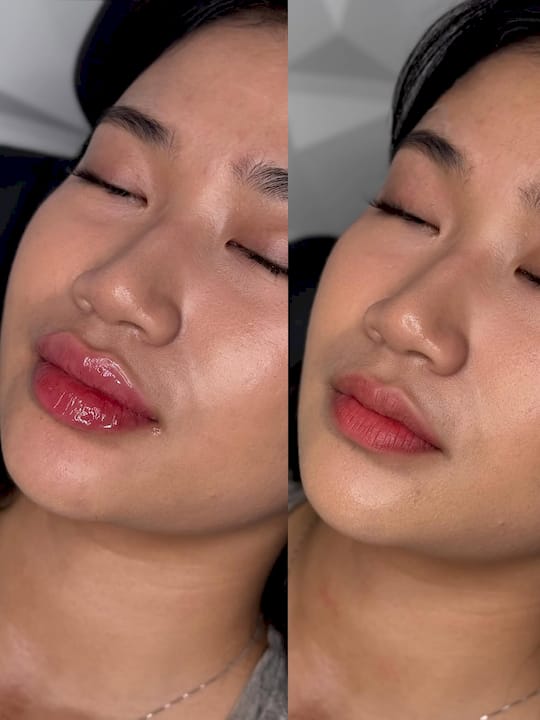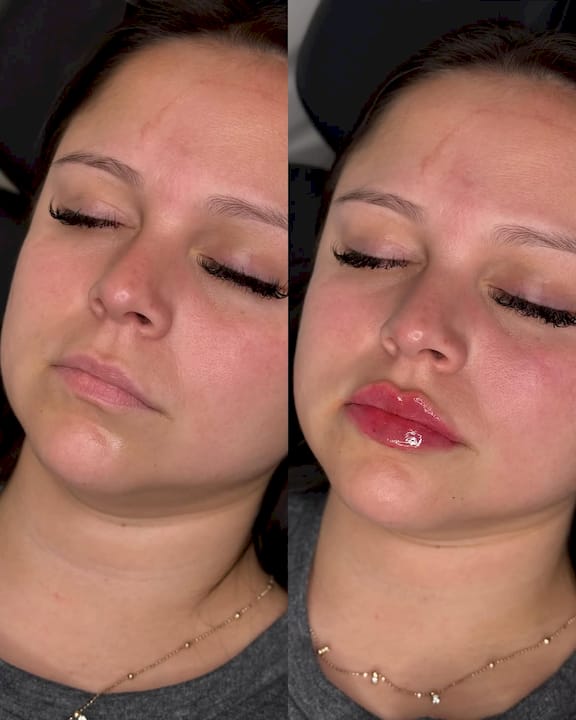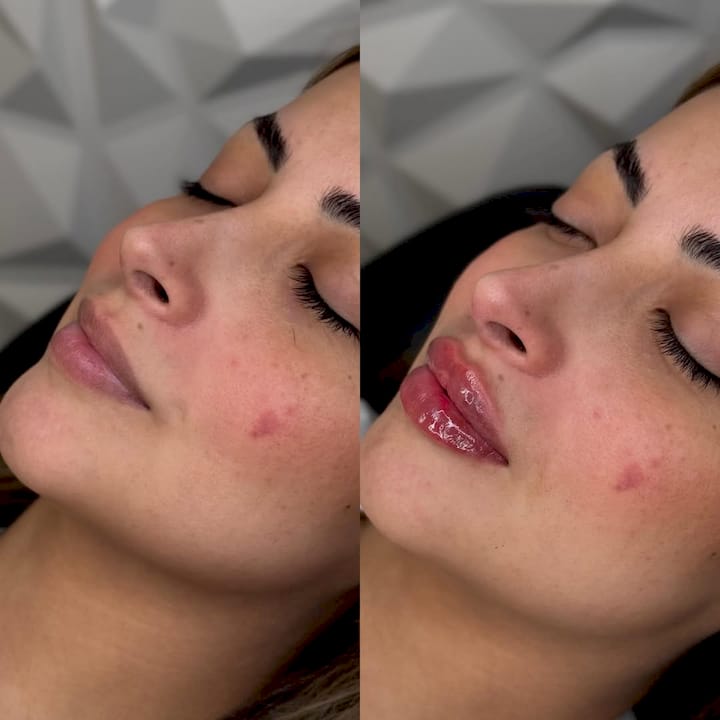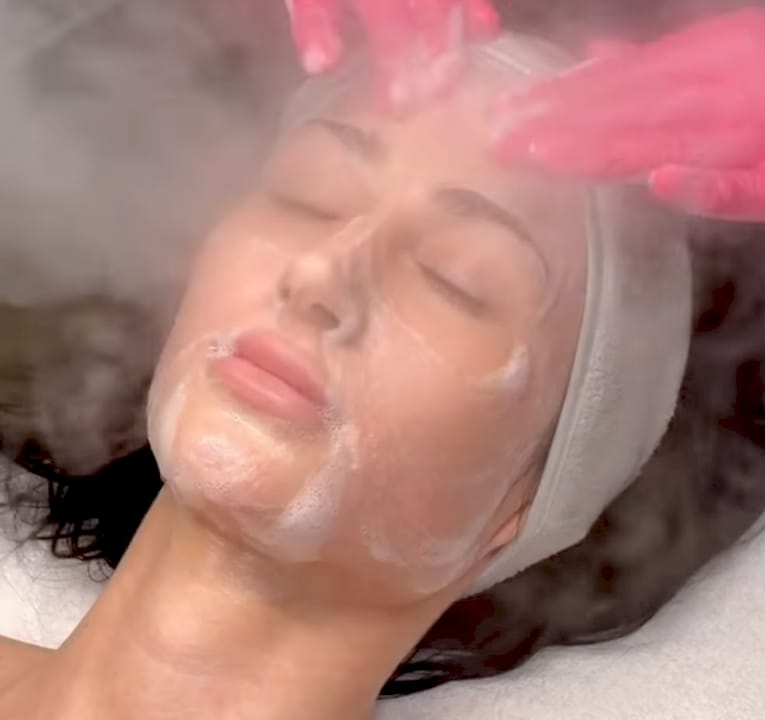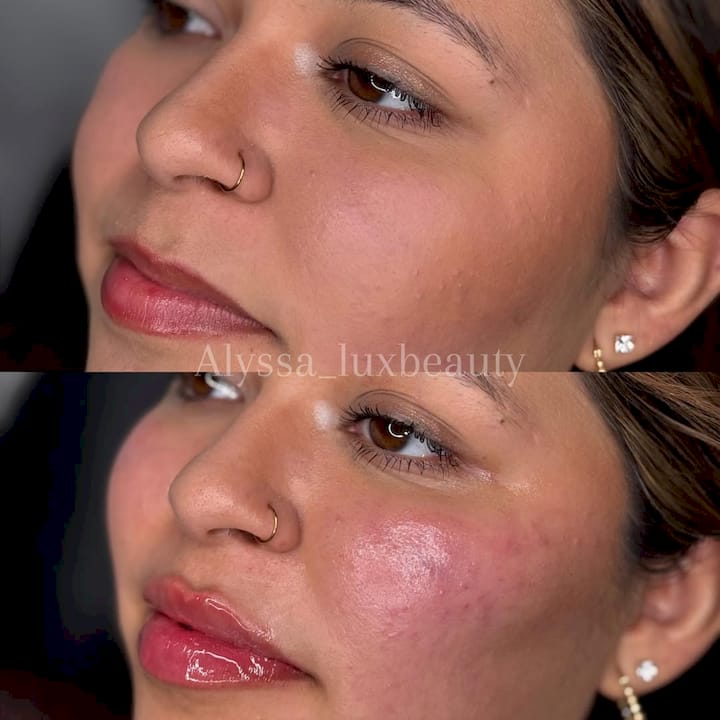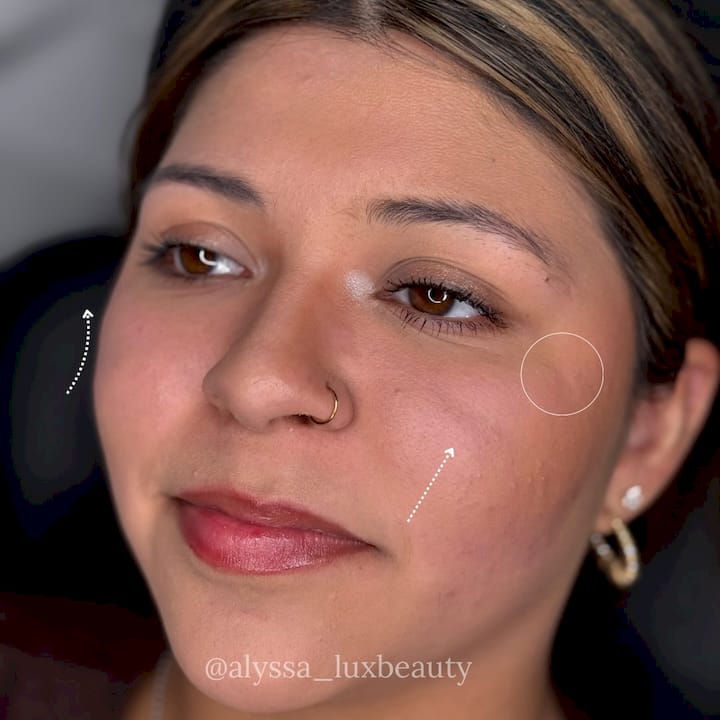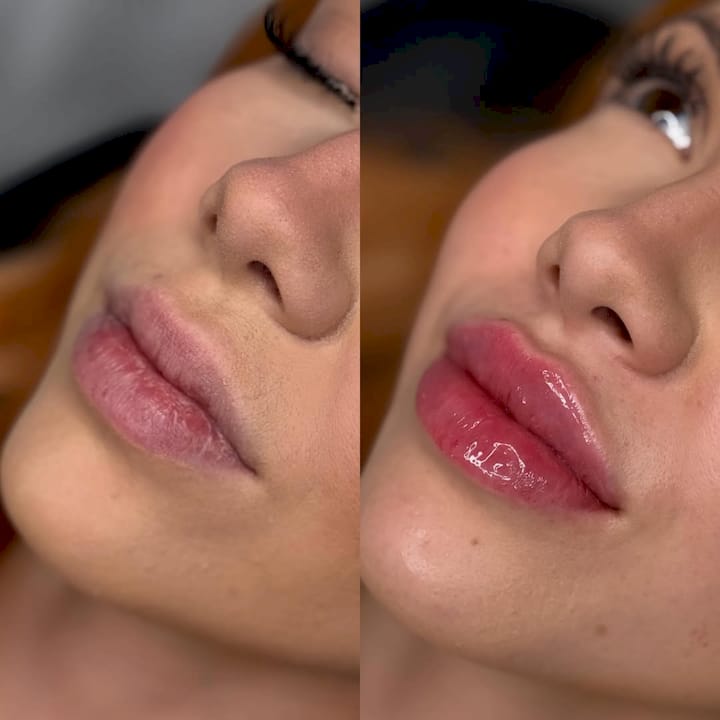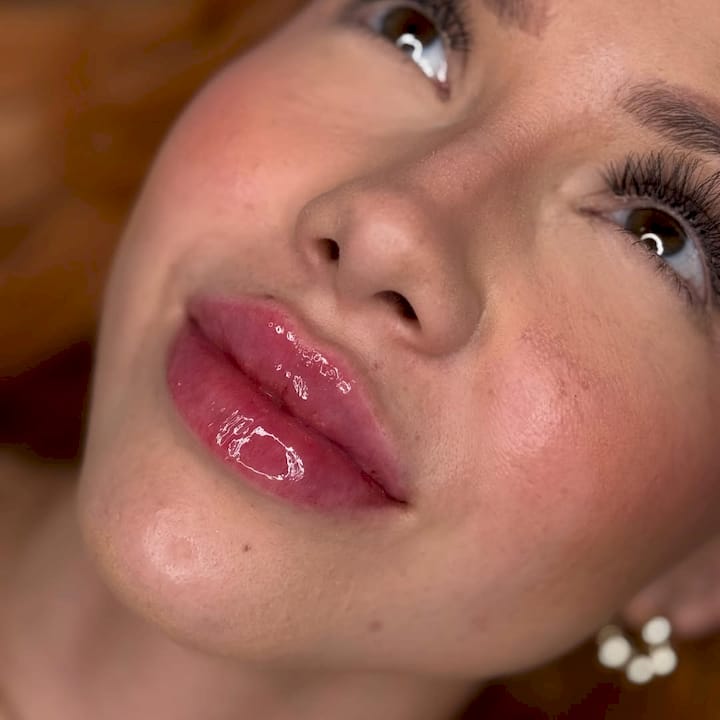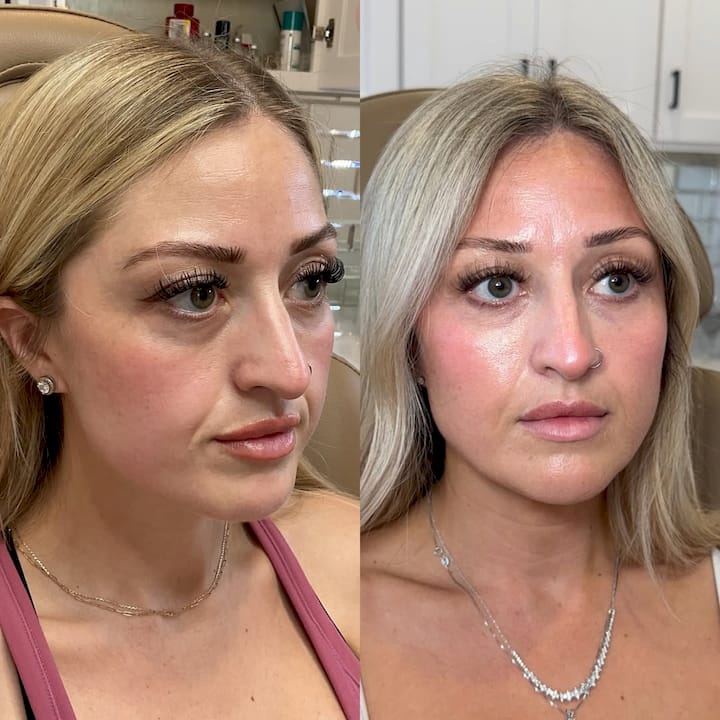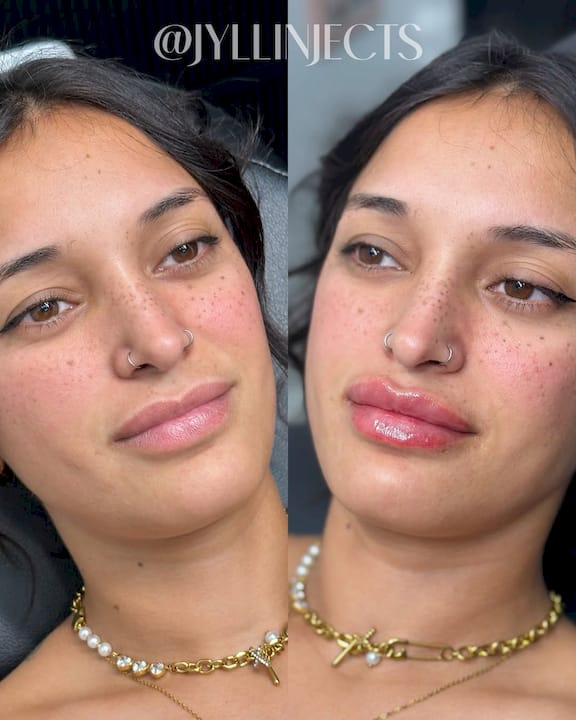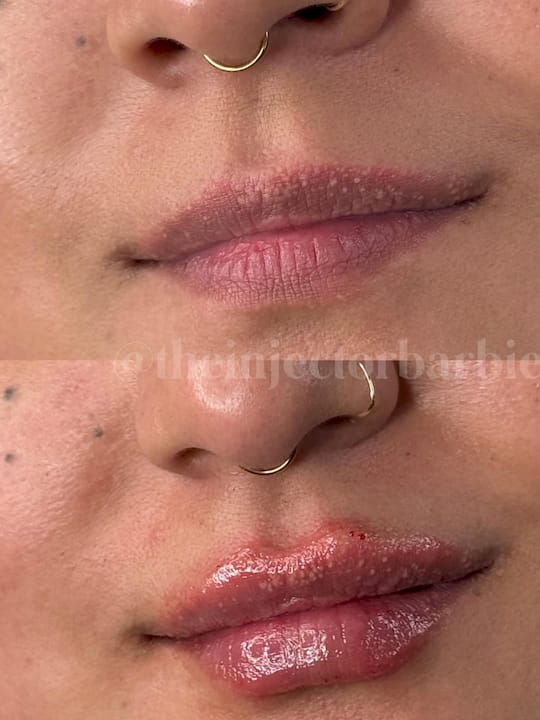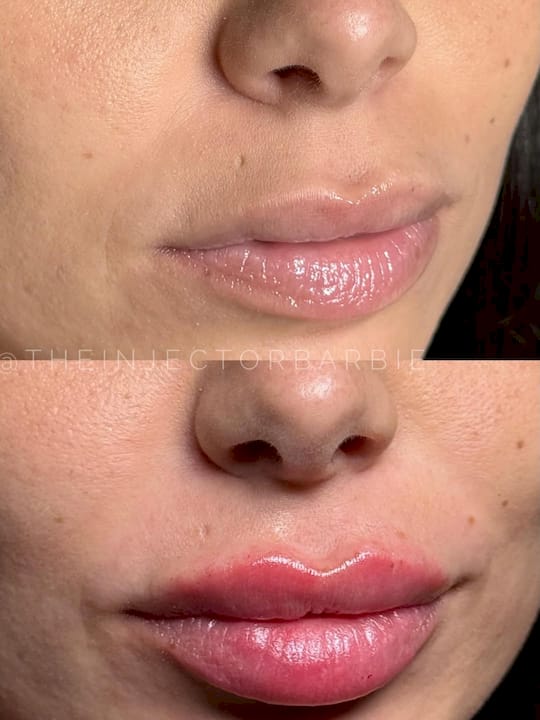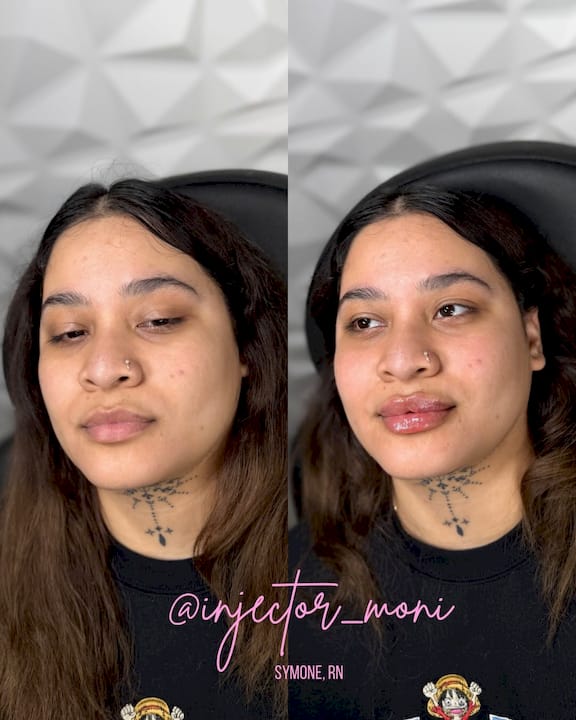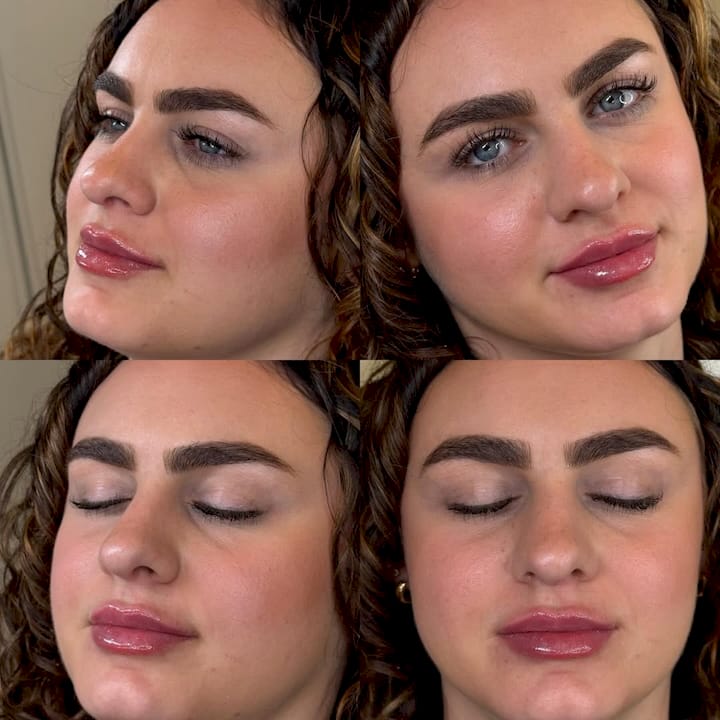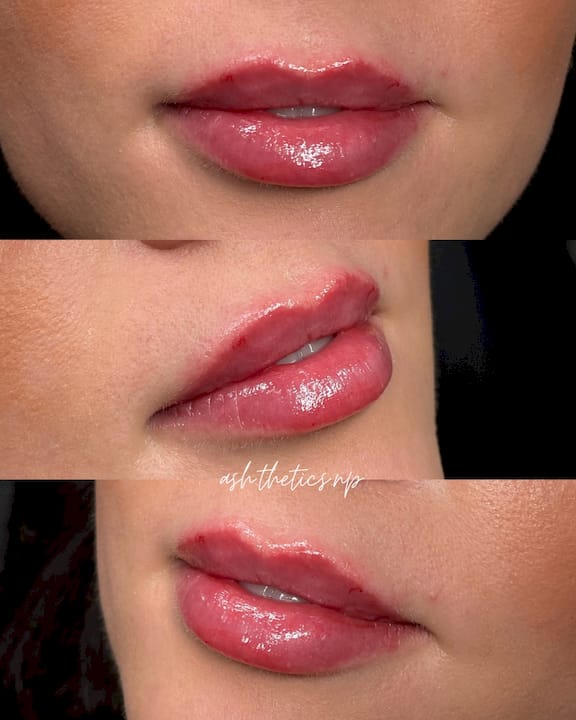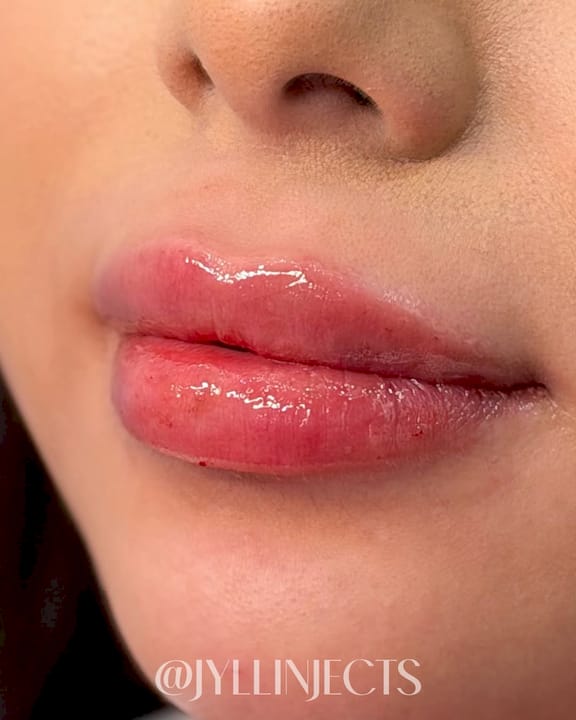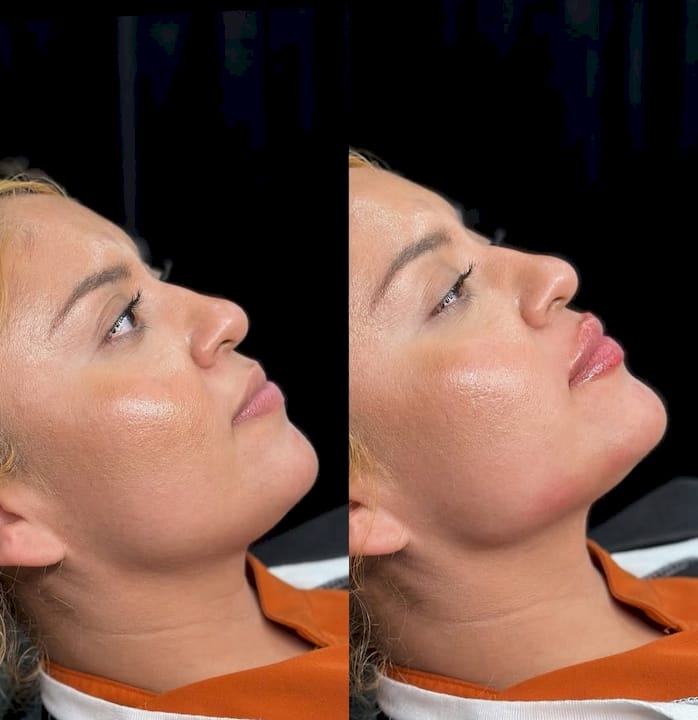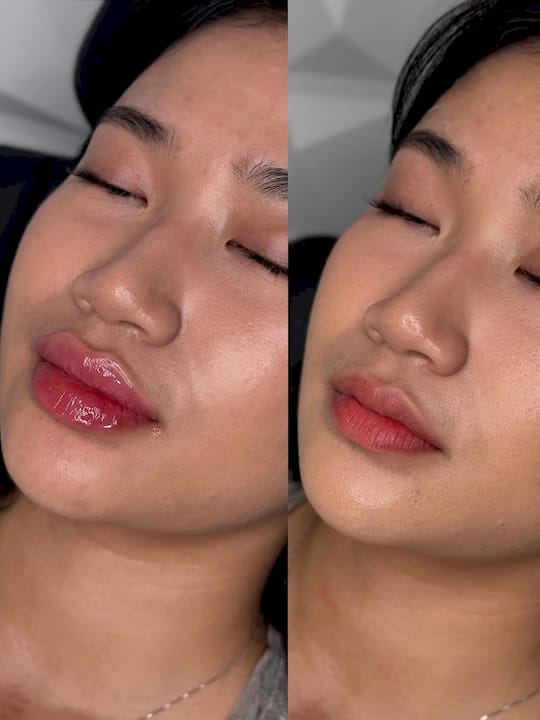
RHA filler is defined as a resilient hyaluronic acid (HA) injectable engineered to flex with your facial expressions rather than resist them. Manufactured by Teoxane, a Swiss dermal science company, the RHA collection holds FDA approval for dynamic wrinkles and folds, making it the first and only filler line cleared for that specific indication. Preserved Network Technology (PNT) keeps the HA molecular structure closer to what your skin produces naturally. The result is a filler that moves when you smile, squint, or speak, without creating the stiff or overfilled look that older formulas can produce. Theinjectionroom offers RHA treatments in Austin and San Antonio for patients who want correction that looks like themselves.
What is RHA filler and how does it differ from standard HA fillers?
Standard hyaluronic acid fillers work well for static areas, but they struggle in zones that move constantly. The cheeks, the area around the mouth, and the corners of the eyes flex dozens of times per minute. A filler that cannot flex with them tends to crease, bunch, or feel rigid under the skin.
RHA fillers solve this with Preserved Network Technology, which retains more of the HA’s native molecular structure during manufacturing. Most traditional fillers use heavy chemical cross-linking to create durability. That process stiffens the gel. PNT uses a gentler process that keeps the HA chains longer and more interconnected, producing a gel that is both durable and elastic.
The practical difference shows up in movement. Think of a silicone straw versus a plastic straw. RHA stretches up to 32% and returns to its original shape. A traditional filler behaves more like the plastic straw: it holds its form until pressure forces it to crease, and it does not fully recover. That elasticity is what makes RHA suited for dynamic facial areas where expression is constant.
Teoxane has been on the global market for over 10 years and entered the U.S. market more than 5 years ago. That track record matters when evaluating a newer filler technology.
What are the different types of RHA fillers?
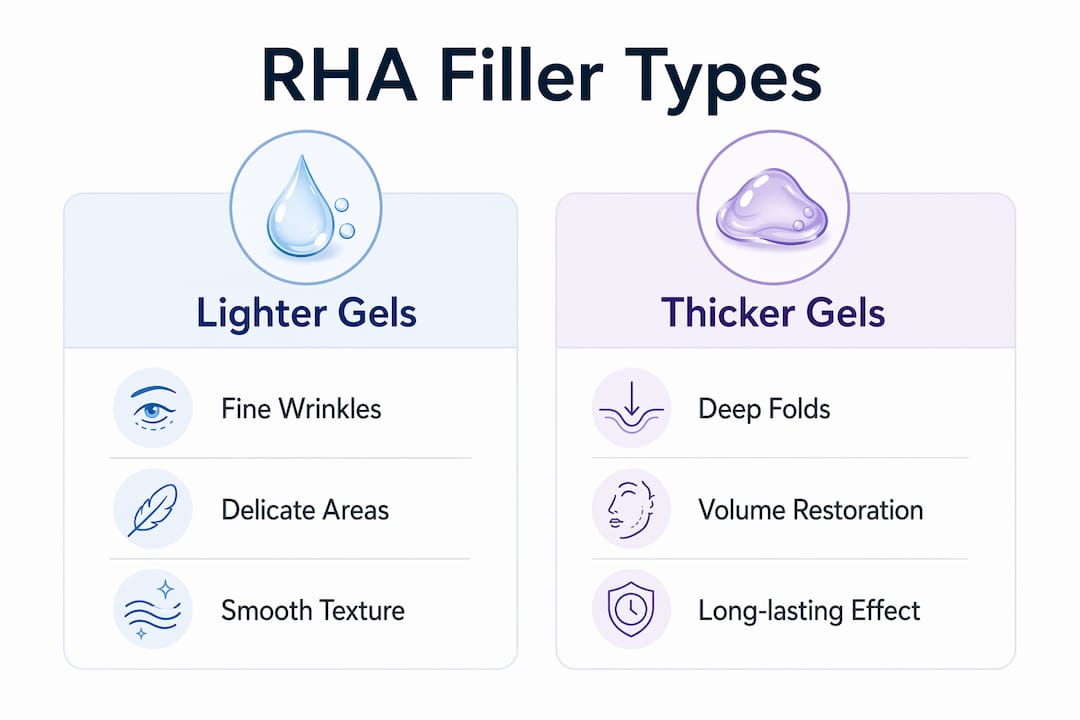
The RHA collection includes four formulations: Redensity, RHA 2, RHA 3, and RHA 4. Each targets a different level of wrinkle severity and facial zone. Viscosity increases from Redensity to RHA 4, which means the thicker products go deeper and provide more structural support.
Here is how each formulation maps to treatment areas:
-
RHA Redensity: The lightest gel in the line. Best for fine lines around the mouth and delicate skin texture issues. Injected superficially into the upper layers of the skin.
-
RHA 2: A mid-weight gel suited for moderate dynamic wrinkles. Common uses include perioral lines and early nasolabial folds.
-
RHA 3: A thicker gel designed for deeper folds and lip augmentation. Providers use it for pronounced nasolabial folds and lip volume.
-
RHA 4: The densest formulation in the collection. Targets deep folds, cheek volume, and structural support in areas like the jawline.
Lighter gels suit fine wrinkles and delicate areas; thicker gels address deep folds and volume restoration. Selecting the wrong viscosity for a treatment zone is one of the most common errors in filler practice.
Many experienced injectors use multiple RHA formulations within a single session. A patient might receive RHA 2 along the upper lip border and RHA 3 for volume in the body of the lip. That layered approach produces results that look natural from every angle and in every expression.
Pro Tip: Ask your provider which specific RHA formulation they plan to use and why. A confident, specific answer tells you they understand the product line. A vague answer is a signal to ask more questions.
What are the main benefits and limitations of RHA fillers?
RHA fillers offer a set of advantages that traditional HA fillers cannot fully replicate, particularly for patients who want results that hold up during real facial movement.
Key benefits
-
Longevity in dynamic zones: RHA fillers last up to 15 months in dynamic wrinkles and folds, and up to 12 months in the cheeks, lips, and lipstick lines. That is a strong duration for areas that move constantly.
-
Natural appearance: Dermatology experts note that RHA adapts to facial movement, preventing the stiff or frozen look associated with older filler formulas.
-
Minimal downtime: Mild swelling or bruising typically resolves quickly, and most patients return to daily activities the same day or the next.
-
Refreshed, not overfilled: RHA sits in a useful middle ground. It adds volume and smooths lines without creating the puffy or artificial appearance that concerns many patients considering fillers for the first time.
-
Suited for ages 25–55: Medical professionals endorse RHA for patients in this age range who want subtle correction and early prevention of volume loss.
Realistic limitations
RHA is not a permanent solution. Maintenance appointments are part of the commitment. The results also depend heavily on injector skill and correct formula selection. A skilled provider using the right formulation produces very different results than an inexperienced one using the wrong product for the area.
“Proper injector technique and selecting the correct formulation is crucial to achieving natural-looking outcomes with RHA fillers due to their versatility. Providers often combine formulas strategically for nuanced aesthetic results.” Creative Facial Aesthetics
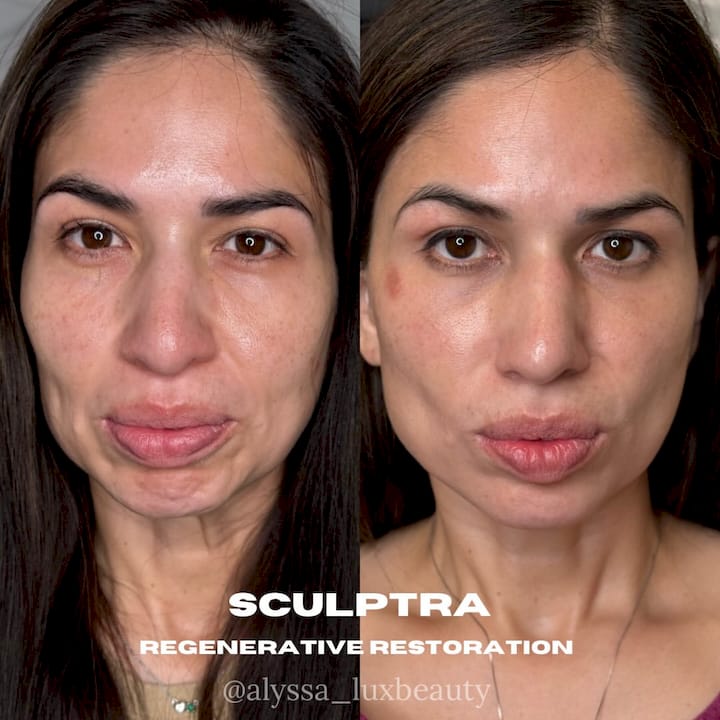
RHA also does not address all facial concerns. Significant volume loss or structural changes may require additional treatments such as Sculptra or PDO Threads alongside filler. A thorough consultation determines what combination serves each patient best.
Who is an ideal candidate for RHA fillers?
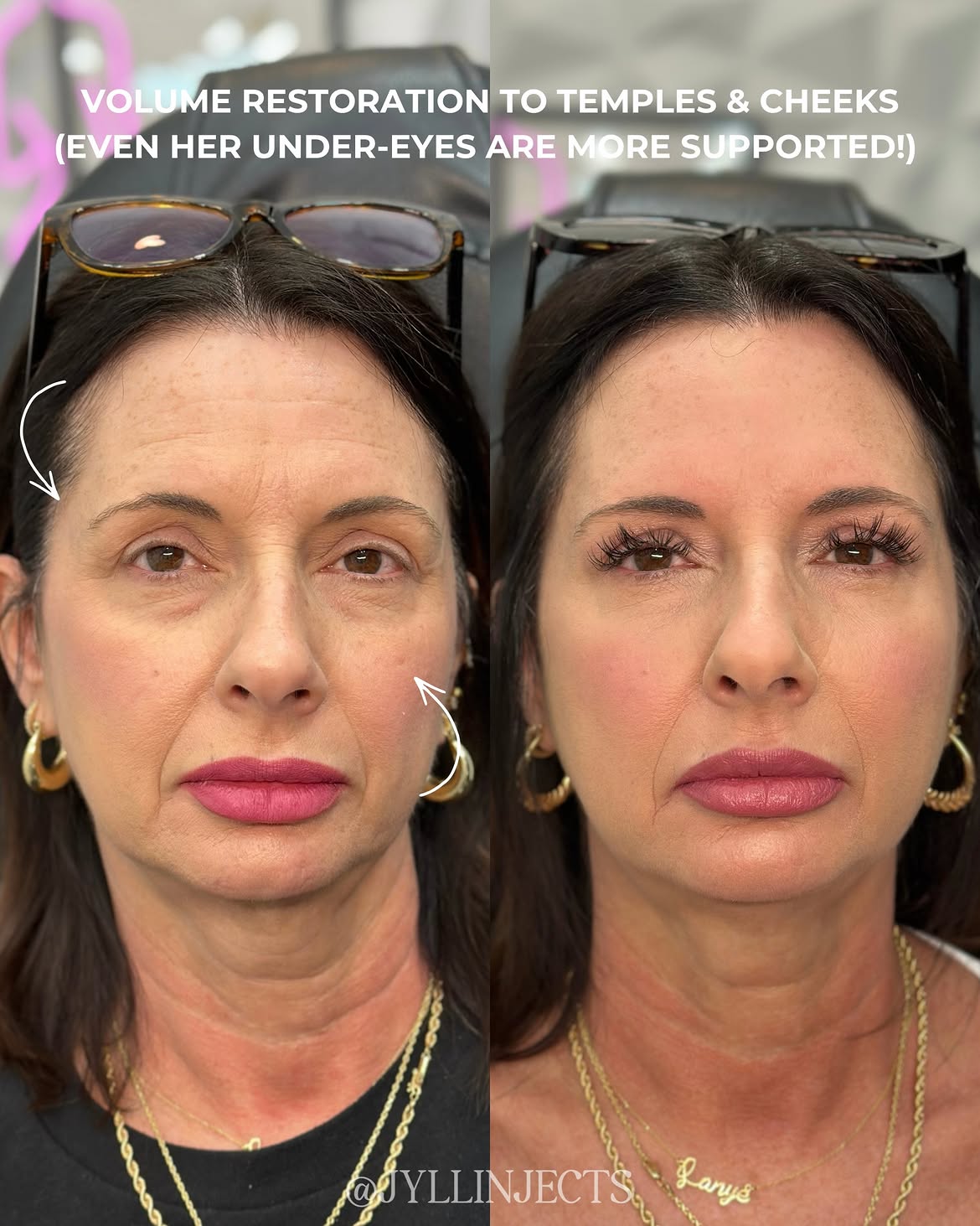
RHA fillers work best for patients who have dynamic wrinkles, meaning lines that appear or deepen during facial movement, and who want to preserve their natural expressiveness. They also suit patients experiencing early volume loss in the cheeks or lips who are not ready for more intensive procedures.
The ideal candidate profile includes:
-
Adults aged 25–55 with moderate to significant dynamic wrinkles around the mouth, cheeks, or eyes.
-
Patients who have tried traditional fillers and found the results too stiff or unnatural looking.
-
People seeking prevention rather than correction, using lighter formulations early to slow the progression of deeper lines.
-
Individuals with active lifestyles who want results that hold up during exercise, conversation, and full facial expression.
-
Patients who can commit to maintenance appointments every 12–15 months to sustain results.
What to expect during treatment
A typical RHA filler session takes 30–60 minutes depending on the number of areas treated. The provider applies a topical numbing cream beforehand. Most RHA formulations also contain lidocaine, which reduces discomfort during injection. For patients concerned about pain management during filler treatments, discussing options with your provider ahead of time makes the experience more comfortable.
After treatment, mild swelling and occasional bruising are normal. Avoiding intense exercise, alcohol, and direct sun exposure for 24–48 hours helps reduce these effects. Results appear immediately and continue to settle over 1–2 weeks as any swelling resolves.
Pro Tip: Schedule your RHA appointment at least two weeks before any major event. The final result looks best after the initial swelling fully clears.
A professional skin assessment before treatment helps determine which formulation fits your anatomy. Skipping that step is the most common reason patients end up with results they did not expect.
Key Takeaways
RHA filler is the only FDA-approved dermal filler for dynamic wrinkles, using Preserved Network Technology to flex with facial expressions and last up to 15 months.
| Point | Details |
|---|---|
| FDA-approved for dynamic wrinkles | RHA is the only filler line cleared specifically for wrinkles caused by facial movement. |
| Four formulations for different needs | Redensity through RHA 4 address everything from fine lines to deep volume loss. |
| Lasts up to 15 months | Results in dynamic zones hold longer than most traditional HA fillers. |
| Injector skill is critical | Correct formula selection and technique determine whether results look natural or stiff. |
| Minimal recovery time | Most patients resume normal activities the same day or the next after treatment. |
Why RHA changed how I think about filler results
I have watched the filler category evolve significantly over the past decade. For a long time, the standard approach was to fill a line and hope the patient did not move their face too much. That sounds like an exaggeration, but it is not far from the clinical reality. Traditional fillers were designed for static correction, and dynamic areas were always a compromise.
RHA changed that calculation. The first time I saw a patient smile after an RHA treatment and the filler moved with her face instead of against it, the difference was obvious. She looked like herself, just rested. That is the goal every patient describes in a consultation, and it is the goal that older formulas could not reliably deliver.
What I find most underappreciated about RHA is the formulation strategy. Patients often ask which RHA product is “the best.” The honest answer is that the best one depends entirely on the area, the depth of the wrinkle, and the patient’s anatomy. I have seen beautiful results from combining RHA 2 and RHA 3 in the same session, and I have seen poor outcomes from using a single product where two were needed. The natural-looking results that patients want come from that level of specificity, not from the product alone.
RHA also meets patients where they are emotionally. Many people in their late 20s and 30s are not ready for dramatic change. They want to look like they slept well and took care of themselves. RHA delivers that without requiring them to commit to a significant transformation. That is a meaningful shift in what filler can offer.
— Marina
RHA filler treatments at Theinjectionroom
Theinjectionroom offers RHA filler treatments at its Austin and San Antonio locations, with providers trained in the full four-formulation collection. Each treatment begins with a personalized assessment to match the right product to your facial anatomy and aesthetic goals. Whether you are addressing nasolabial folds, lip volume, or early cheek hollowing, the approach is built around your specific structure, not a one-size approach.
For patients curious about combining RHA with other treatments, Theinjectionroom also offers options like a non-surgical nose job using filler for facial balance without surgery. Scheduling a consultation is the first step toward understanding which formulation and treatment plan fits your goals.
FAQ
What does RHA stand for in RHA filler?
RHA stands for Resilient Hyaluronic Acid. The name reflects the filler’s core technology: a preserved HA network that stretches and recovers with facial movement.
How long does RHA filler last?
RHA fillers last up to 15 months in dynamic wrinkle areas and up to 12 months in the cheeks, lips, and lipstick lines, making them among the longer-lasting HA fillers available.
Is RHA filler safe?
RHA fillers are FDA-approved and manufactured by Teoxane, a company with over 10 years of global market experience. Side effects are typically mild, including temporary swelling or bruising that resolves quickly.
How is RHA filler different from traditional HA fillers?
RHA uses Preserved Network Technology to retain more of the HA’s native molecular structure, allowing it to stretch up to 32% and return to shape. Traditional fillers use heavier cross-linking, which produces a stiffer gel that can crease in dynamic facial areas.
Which RHA formulation is right for me?
The right formulation depends on the area being treated and the severity of the concern. A licensed provider will assess your skin and facial structure to recommend the correct product, and may use more than one formulation in a single session for the best outcome.

%20Pictures%20are%204%20weeks%20apart..jpg)