TL;DR:
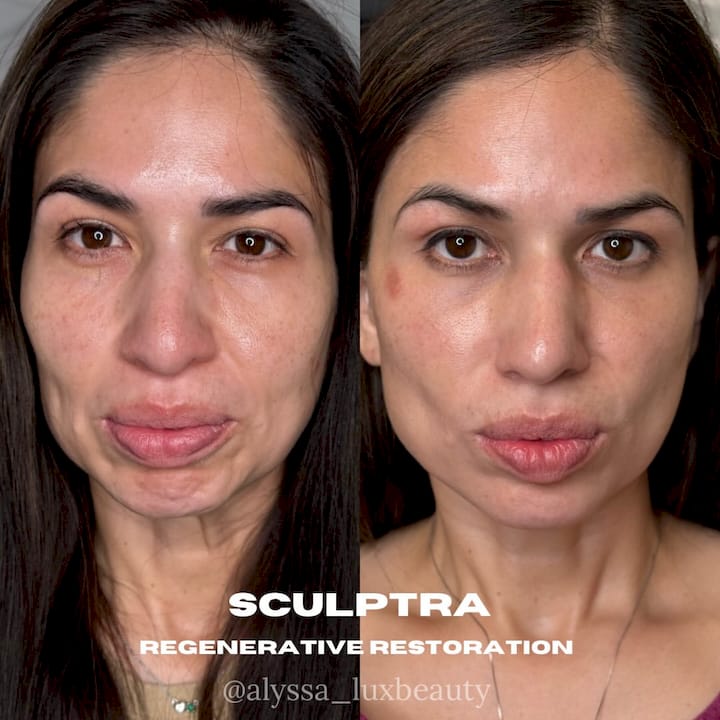
Sculptra stimulates your body’s collagen production for natural, gradual facial volume restoration.
It is best suited for diffuse volume loss in areas like cheeks, temples, and jawline.
Results last over two years with proper technique and multiple sessions, but patience is required.
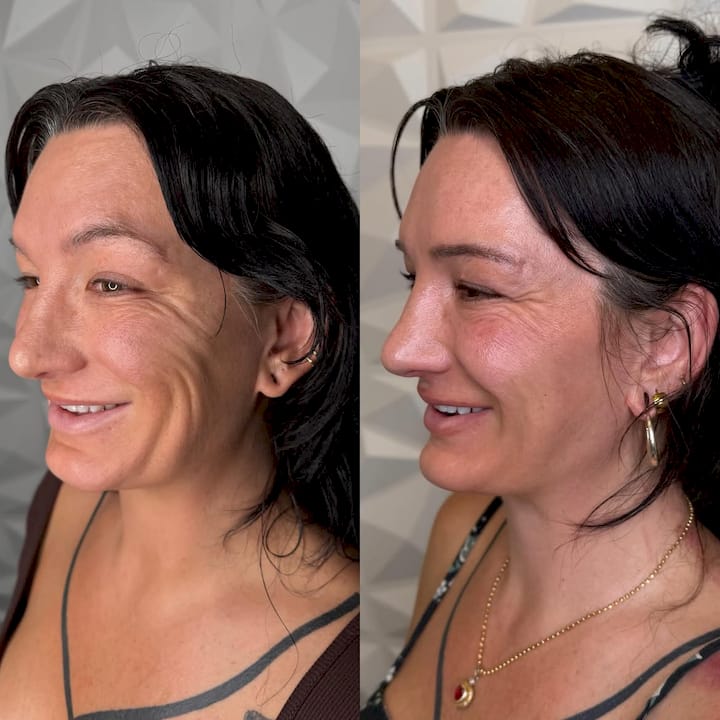
Not all fillers work the same way, and if you’ve been searching for a solution to the gradual hollowing and sagging that comes with aging, that distinction matters. Most people assume injectable treatments deliver instant, obvious results. Sculptra operates on an entirely different principle: it triggers your own body to rebuild collagen from within. Clinical studies show significant volume increase maintained to 12 months, with over 90% patient satisfaction for midface volume. For women in San Antonio and Austin looking for natural, lasting facial rejuvenation, this guide breaks down exactly what Sculptra does, where it works best, and what you can realistically expect.
Table of Contents
Key Takeaways
| Point | Details |
|---|---|
| Collagen stimulation | Sculptra gradually rebuilds your collagen for lasting and natural-looking results. |
| Ideal treatment areas | It’s best suited for adding volume to the cheeks, temples, jawline, and chin. |
| Safety with expertise | Proper technique and patient selection minimize risks and boost satisfaction. |
| Longevity advantage | Results last up to two years, often longer than traditional fillers. |
What is Sculptra and how does it work?
Sculptra is not your typical dermal filler. It contains poly-L-lactic acid (PLLA), a biodegradable synthetic material that has been used in medicine for decades. When injected into the deep dermis and subcutaneous tissue, PLLA microparticles act as a bio-stimulator. They trigger a mild inflammatory response that signals your fibroblasts (the cells responsible for collagen production) to get to work. The result is a gradual, measurable increase in your own collagen. You can learn more about how Sculptra restores facial volume and why that process is so different from anything else on the market.
Unlike hyaluronic acid (HA) fillers, which add volume immediately by physically occupying space, Sculptra produces no instant visual change. Histology shows increased dermal thickness and collagen density without any immediate volume effect. This is not a bug. It is actually the feature that makes results look so natural.
Here’s a quick side-by-side comparison:
| Feature | Sculptra (PLLA) | Hyaluronic acid filler |
|---|---|---|
| Mechanism | Collagen stimulation | Volume replacement |
| Onset | 6-12 weeks | Immediate |
| Duration | Up to 2+ years | 6-18 months |
| Reversibility | Not reversible | Reversible with hyaluronidase |
| Best for | Diffuse volume loss | Precise, targeted areas |
Key things to know before your first appointment:
-
Sculptra is injected deep, into the subdermal or supraperiosteal plane
-
Results build session by session, not all at once
-
Post-injection massage (the 5-5-5 rule: 5 minutes, 5 times a day, for 5 days) is essential
-
Most patients need 2-3 sessions for optimal outcomes
Pro Tip: Sculptra demands a provider who understands facial anatomy at a deep level. Improper injection depth or skipping the massage protocol can lead to nodules under the skin. Always ask about your provider’s specific Sculptra mechanism of action training and reconstitution protocol before committing.
Main uses for Sculptra: Where and why is it chosen?
Sculptra is not the right tool for every aesthetic goal, but for diffuse facial volume loss it is often the best option available. Women between 35 and 65 typically experience a gradual loss of subcutaneous fat, bone resorption, and reduced collagen production, all of which contribute to a deflated, aged appearance. Sculptra addresses this at the structural level rather than just filling in lines.
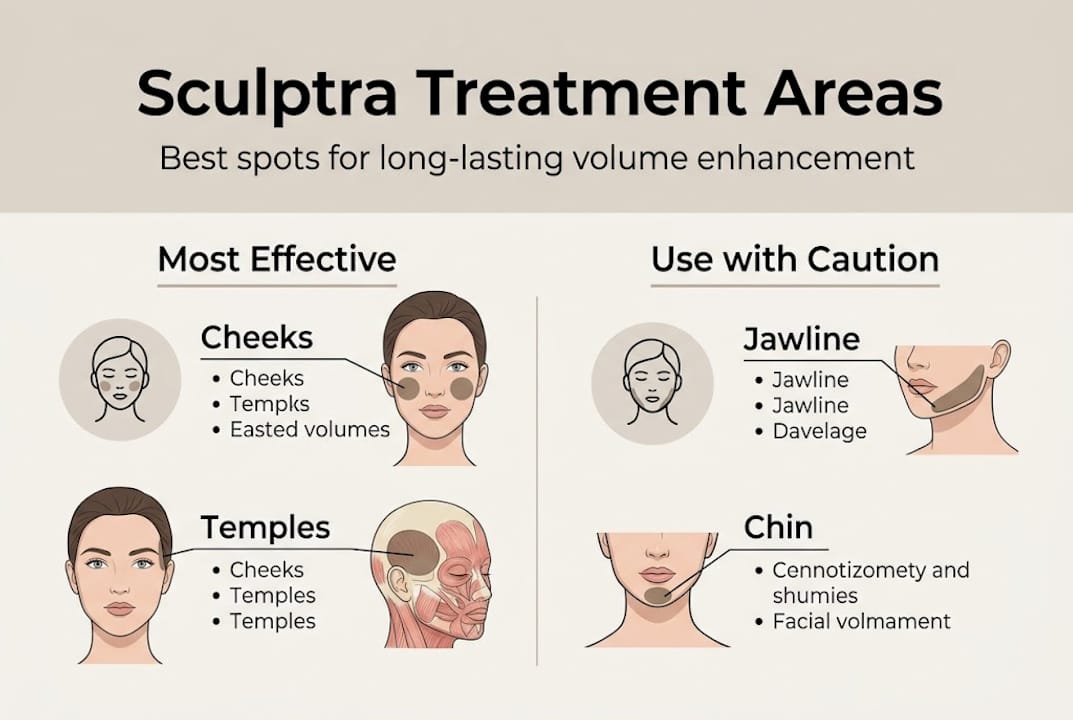
Common treatment areas:
-
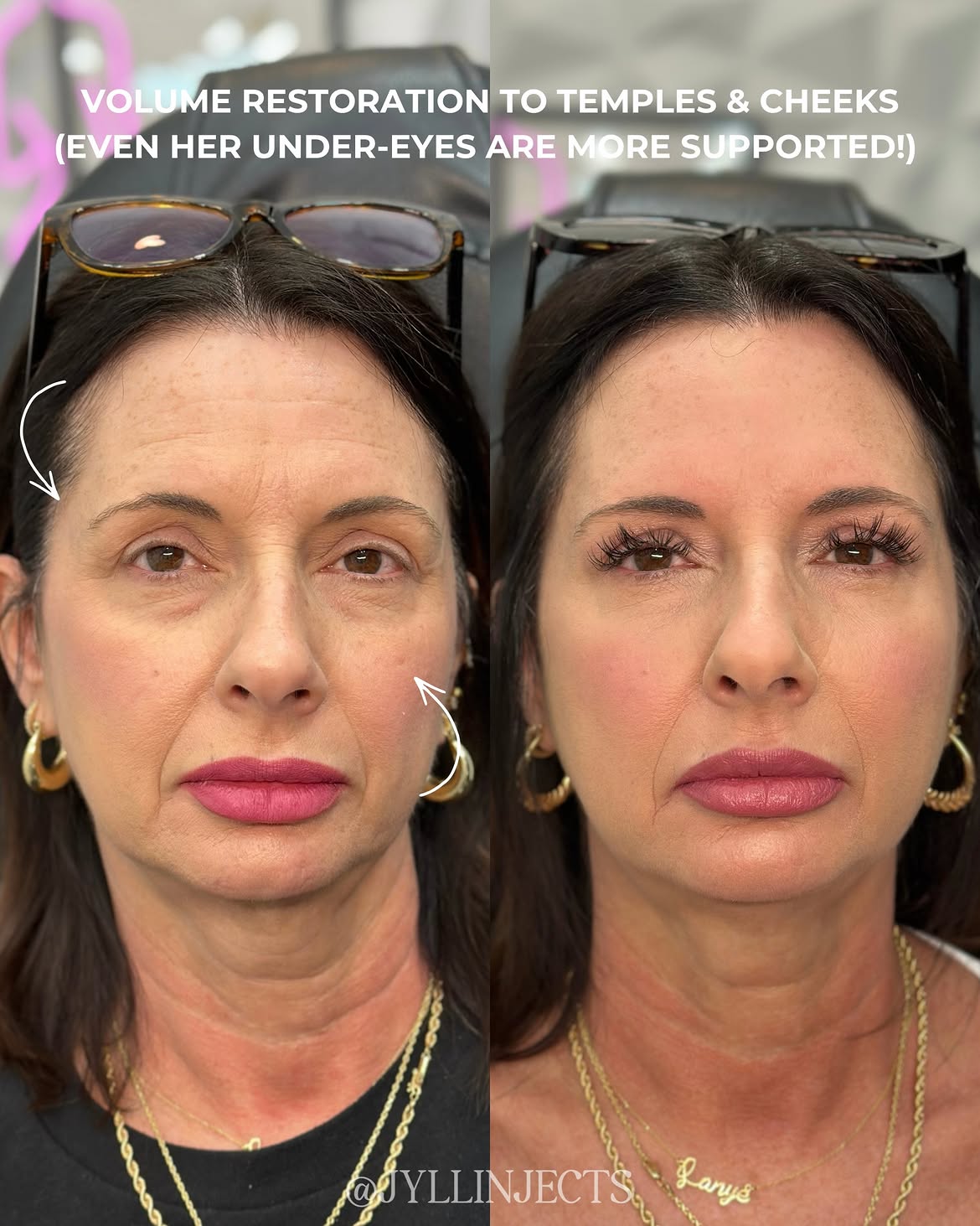
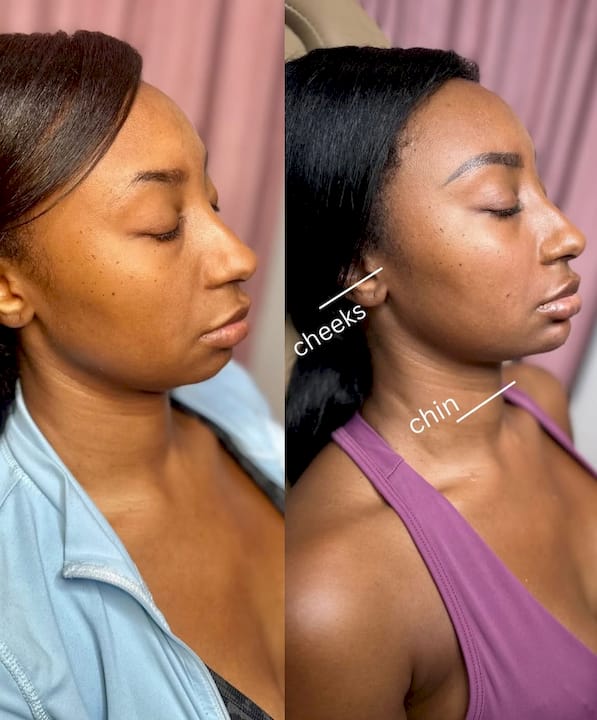
Midface and cheeks: The most requested area. Sculptra restores the lifted, rounded contour that disappears as fat pads descend with age.
-
Temples: Hollowing here creates a gaunt, tired appearance. Sculptra can fill this area gradually and subtly.
-
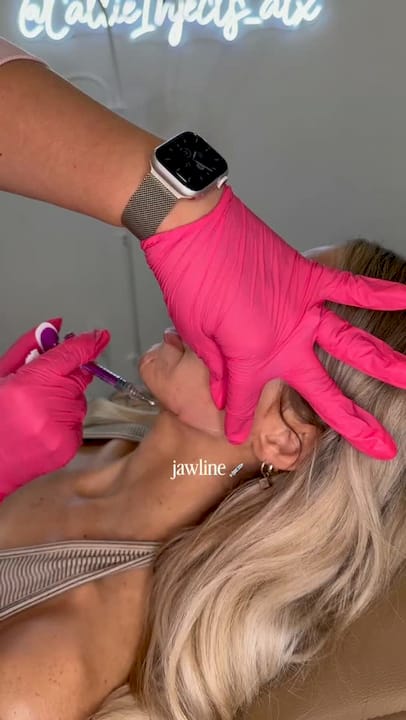
Jawline: Adding definition and reducing the appearance of jowling.
-
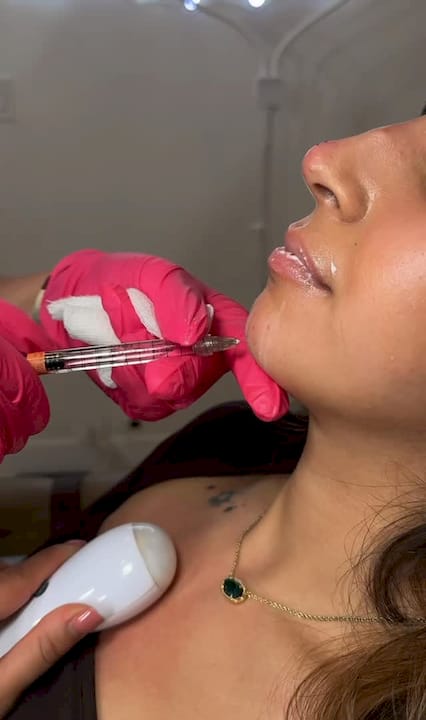
Chin: Improving projection and facial balance.
-
Hands: Off-label but increasingly popular for volume and skin quality improvement.
Clinical trials show statistically significant volume increase and facial volume loss score (FVLS) improvement maintained to 12 months with just 2-3 sessions. That kind of sustained improvement is rare in aesthetics. You can explore more about Sculptra’s long-term benefits to understand why it stands apart from a simple filler touch-up.
Typical treatment schedule:
-
Session 1: Initial injections, full massage protocol begins
-
Wait 6-8 weeks for collagen response to develop
-
Session 2: Assess progress and layer additional PLLA
-
Wait another 6-8 weeks
-
Session 3 (if needed): Final volumization and contouring refinement
When Sculptra may not be the right choice:
| Situation | Better alternative |
|---|---|
| Lip augmentation | HA filler |
| Fine perioral lines | Neurotoxin or HA |
| Immediate event coming up | HA filler |
| Active skin infection at site | Wait until resolved |
| History of keloid scarring | Caution, discuss with provider |
For personalized guidance, connecting with Sculptra specialists in San Antonio can help you determine whether this treatment aligns with your specific anatomy and goals.
Who is (and isn’t) a good candidate for Sculptra?
Sculptra works beautifully for the right patient, but candidacy is not one-size-fits-all. The ideal candidate is a healthy adult, generally in their late 30s through 60s, experiencing mild to moderate facial volume loss. You are looking for gradual, natural-looking improvement rather than a dramatic overnight transformation. You are also someone who can commit to the massage protocol and the multi-session treatment plan.
You are likely a strong candidate if:
-
You have lost facial volume in the cheeks, temples, or jawline
-
You want results that look like you, just refreshed
-
You are in good overall health with no active skin infections
-
You have realistic expectations about gradual results
-
You are comfortable with a treatment plan that spans several months
You should pause or avoid Sculptra if:
-
You have an active infection or autoimmune condition that affects tissue healing
-
You have a documented history of keloid formation
-
You have known allergies to PLLA or any component of the formula
-
You are pregnant or breastfeeding
-
You are looking for an immediate, reversible result
Understanding who benefits from Sculptra most comes down to your personal anatomy, skin quality, and what you want to achieve. A detailed consultation is essential. This is not a treatment where a quick assessment is sufficient.
One area that requires extra caution is the under-eye zone. Volume loss there can look dramatic, but the tissue is delicate. Review the specifics around Sculptra under eyes safety before discussing this area with your provider.
Pro Tip: The single biggest factor in reducing nodule risk is not just technique. It is also the reconstitution process. Sculptra should be mixed with sterile water and refrigerated for at least 72 hours before use. Providers who skip this step or use a rushed protocol are cutting corners that matter.
What to expect: Timeline, results, and side effects
Setting expectations before your first Sculptra session is one of the most important things your provider should do. Here is what the evidence-backed timeline actually looks like.
Your treatment progression:
-
Day 1: Injections complete, mild swelling makes it look like something happened
-
Days 2-7: Swelling fades, treatment area may look the same as before
-
Weeks 2-6: Collagen regeneration begins beneath the surface
-
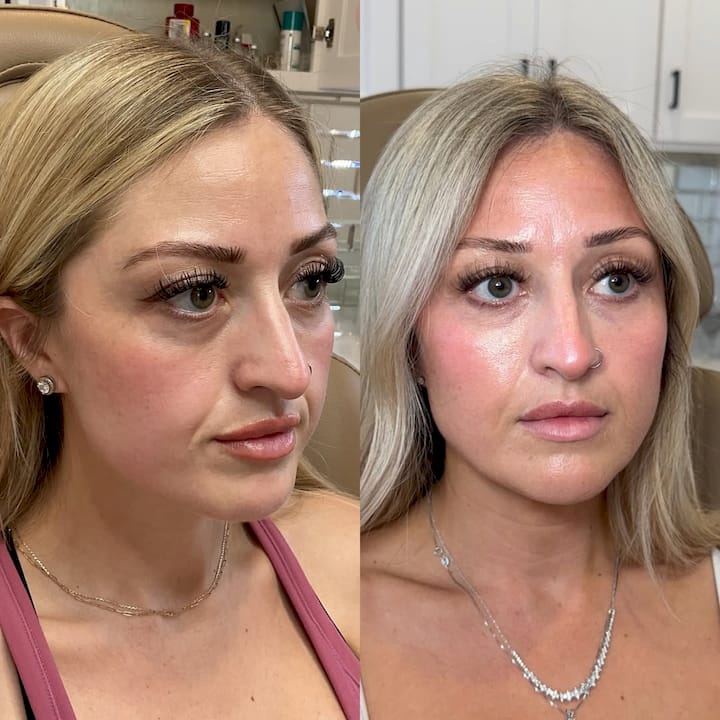
Weeks 6-12: First visible improvements in volume and skin quality appear
-
Month 3-6: Cumulative results from multiple sessions become clearly noticeable
-
Month 12: Peak results, volume increases of 3.17-3.19 cc documented in clinical trials at 12 months after 2-3 sessions with over 90% patient satisfaction
“The patience required for Sculptra is also what makes it believable. Nobody asks what you had done. They just think you look well-rested.”
Side effects are typically mild and resolve on their own. You may experience bruising, swelling, redness, or tenderness at injection sites. These usually clear within 1-2 weeks. The main concern patients ask about is nodules. With modern technique, nodule risk is less than 2% and further reduced by proper dilution, deep placement, and consistent post-injection massage.
Results from Sculptra can last two years or more, which is significantly longer than most HA fillers on the market. For a full breakdown of everything involved, the full Sculptra treatment guide covers dosing, aftercare, and what your follow-up appointments should look like.
A practitioner’s take: What many miss about Sculptra
Here is what we see time and again at The Injection Room: patients come in comparing Sculptra to their last filler appointment and expecting a similar experience. They are understandably puzzled when the immediate swelling fades and they do not see a dramatic change right away. That moment requires patient education, and providers who skip it do their clients a disservice.
Sculptra is genuinely different. The artistry is not in how much you inject. It is in where you place it, how deeply, and whether the patient actually follows through with the massage protocol at home. A well-reconstituted, properly placed, adequately massaged treatment almost never causes nodules. A rushed one often does.
We also want to be honest about patience. This is not a treatment for someone who has an event in three weeks. But for someone willing to invest in a 3-to-6-month process? The results are quietly remarkable. People will not be able to pinpoint what changed, and that is the point. For more on what a best-practice protocol looks like, see our notes on expert Sculptra protocol tips.
Considering Sculptra? Next steps in San Antonio and Austin
If this guide has you thinking Sculptra might be worth exploring, the next step is a real conversation with an experienced injector who can assess your facial anatomy and volume loss pattern in person. At The Injection Room, our providers in both cities take the time to understand your goals, explain realistic timelines, and design a treatment plan that fits your face rather than a one-size formula. Whether you are just starting to research or ready to book, you can connect with our Sculptra in San Antonio team or our Sculptra in Austin location. Visit The Injection Room to learn more about our full range of services and schedule your consultation.
Frequently asked questions
How long does Sculptra last compared to other fillers?
Sculptra results typically last up to two years, with sustained efficacy beyond 2 years documented in trials, which is significantly longer than most hyaluronic acid fillers that last 6-18 months.
What areas are best treated with Sculptra?
Sculptra is best suited for cheeks, temples, jawline, and chin; it is not recommended for lips or fine perioral lines where precision and reversibility matter more.
What are the risks or side effects of Sculptra?
Common side effects include temporary swelling, tenderness, and bruising; nodule risk is under 2% when modern technique, proper dilution, and post-injection massage are used consistently.
How soon will I see results from Sculptra?
There is no immediate visual effect; visible changes appear by 6-12 weeks as collagen builds gradually, with peak results typically appearing around the 6-month mark after completing your sessions.


%20Pictures%20are%204%20weeks%20apart..jpg)