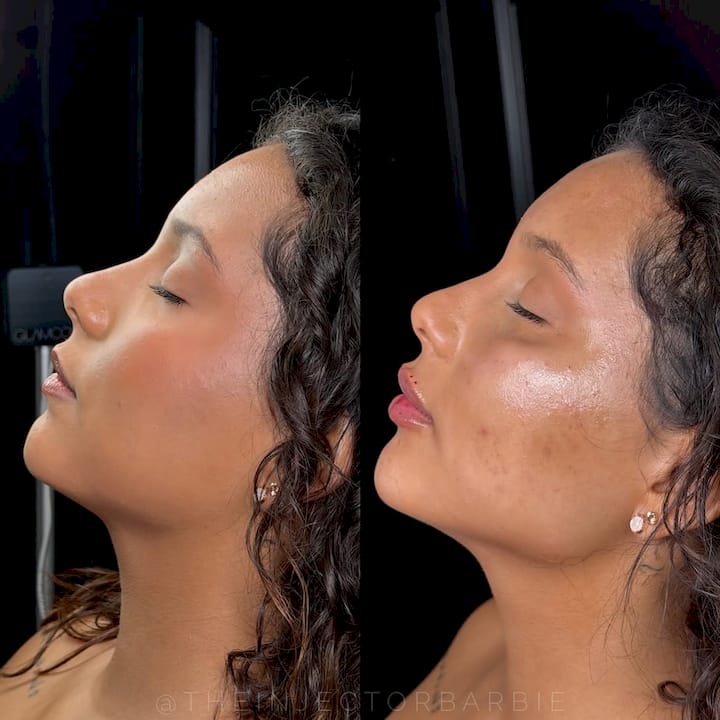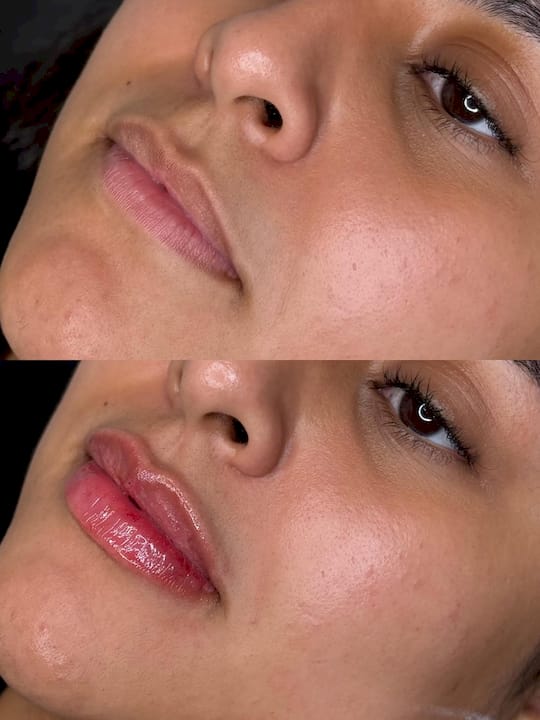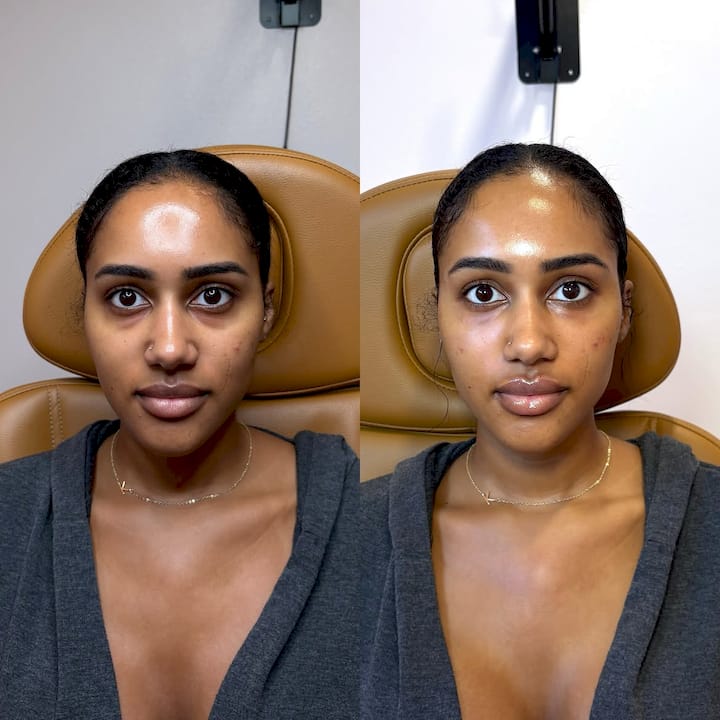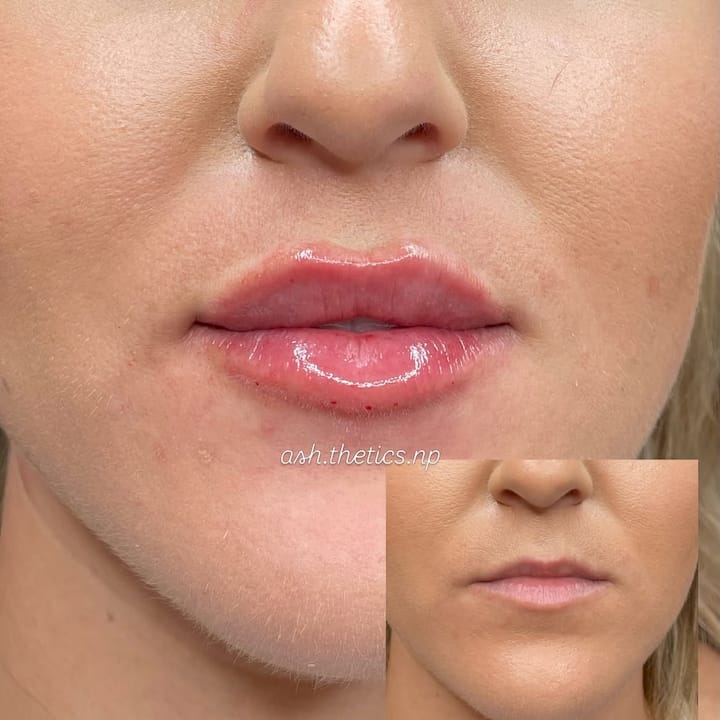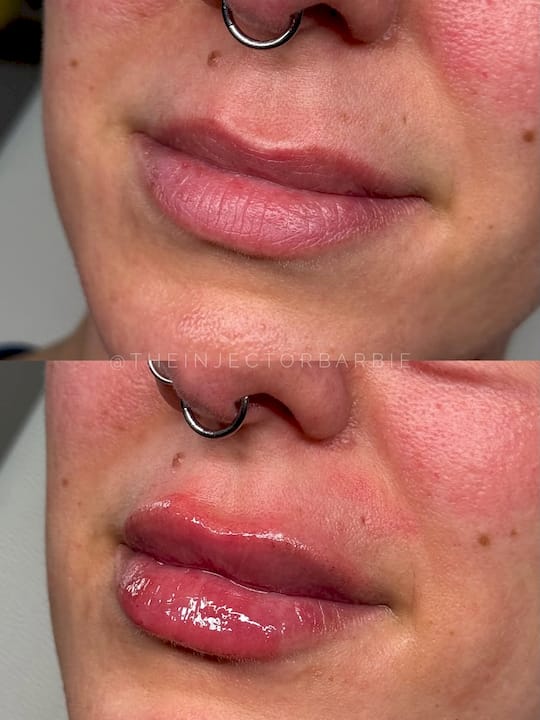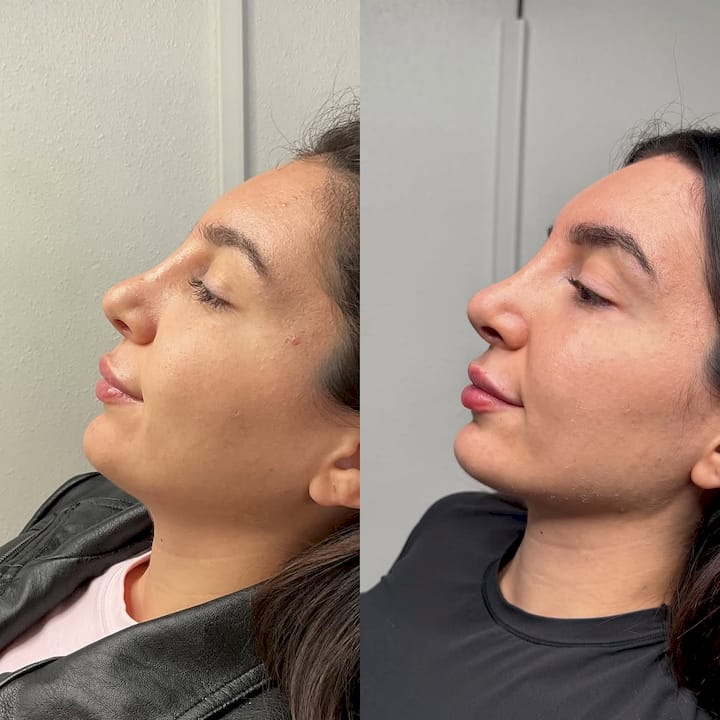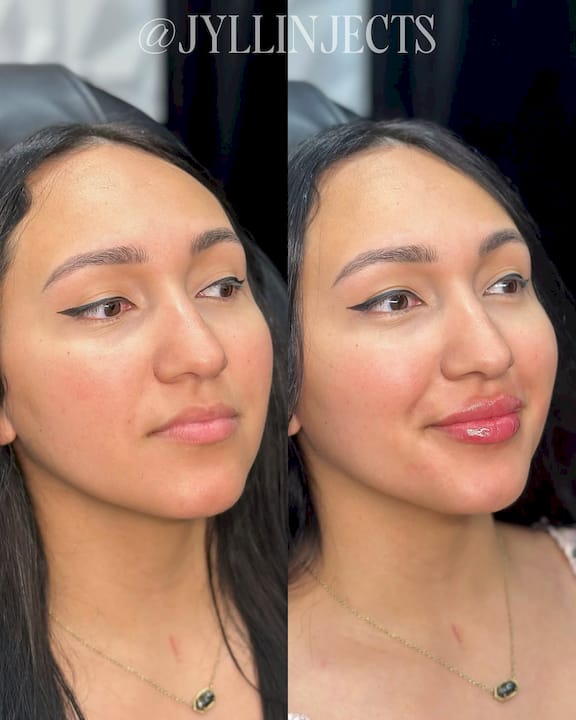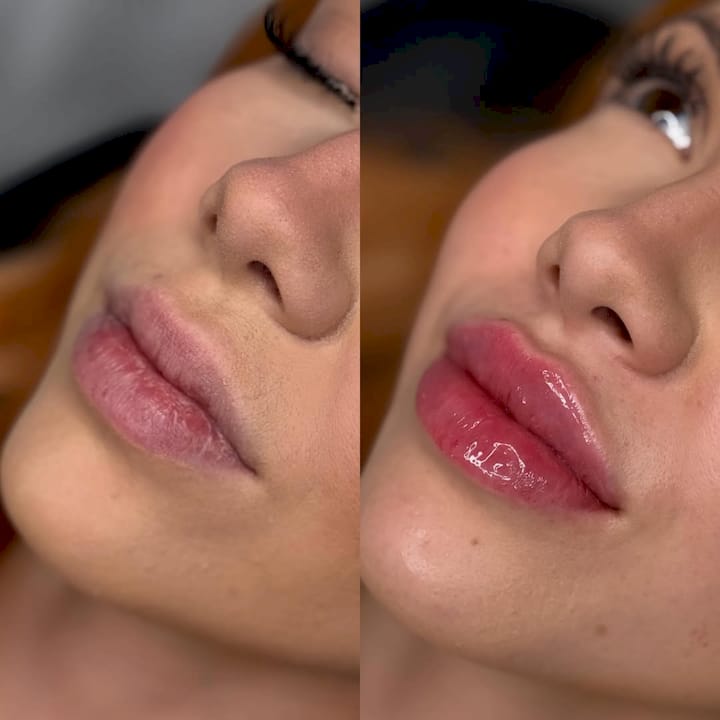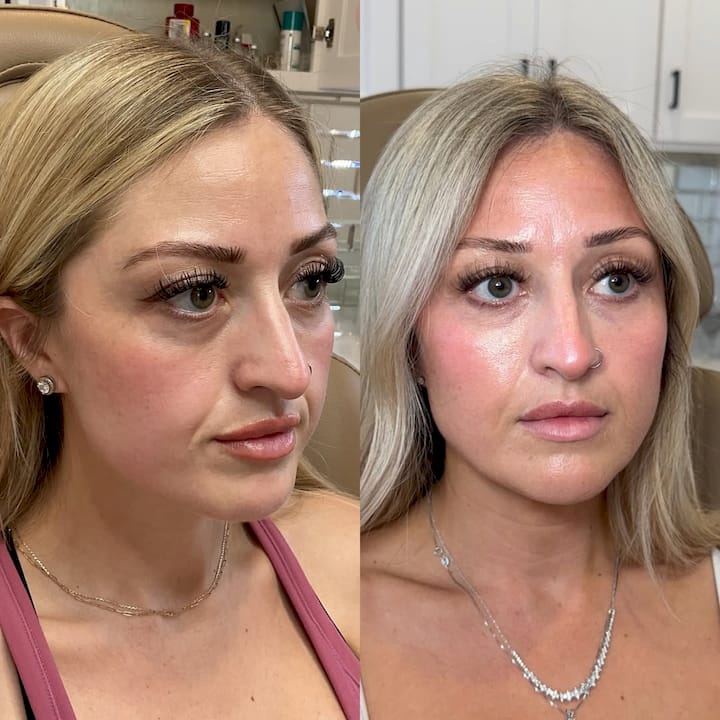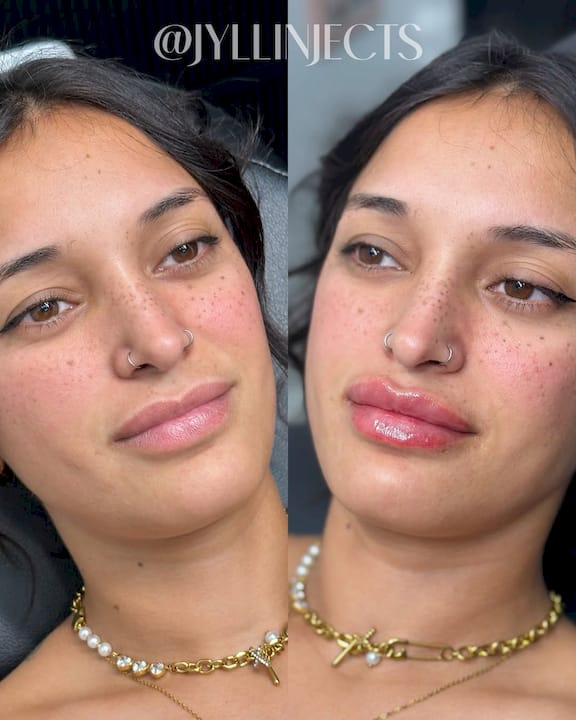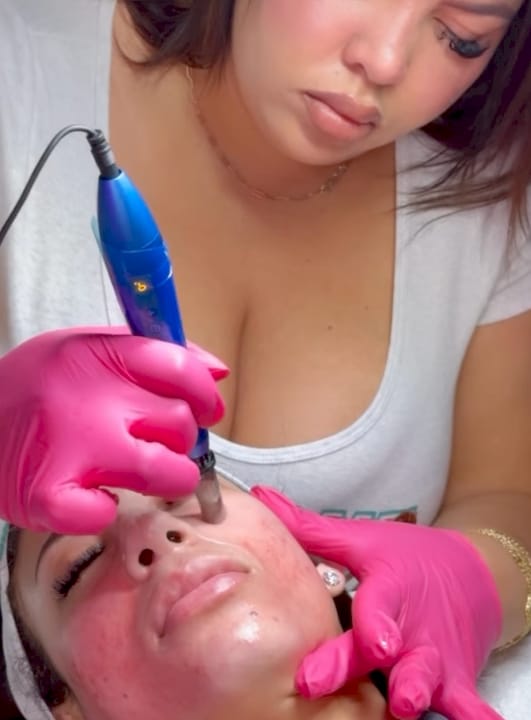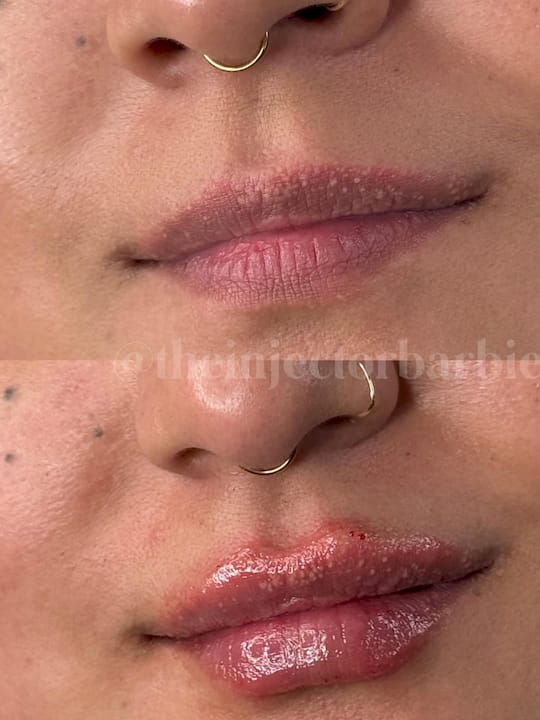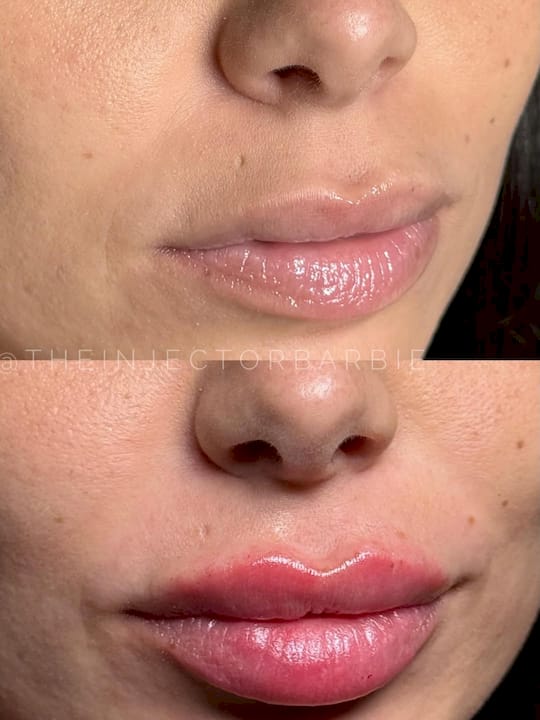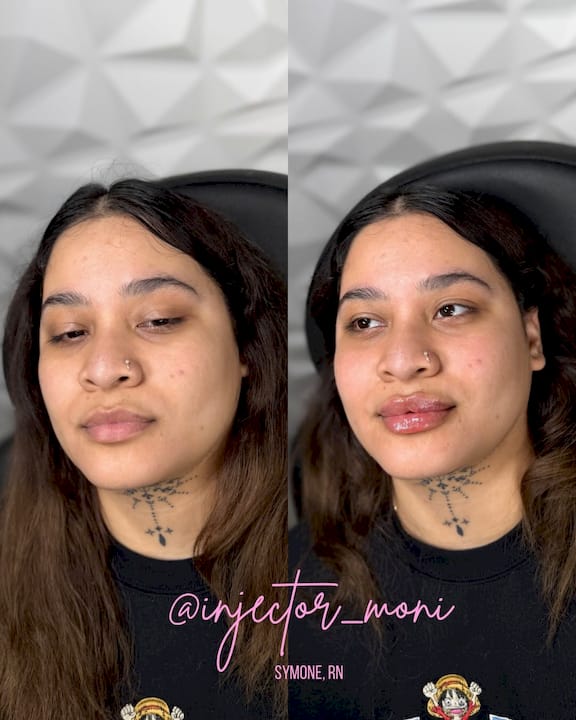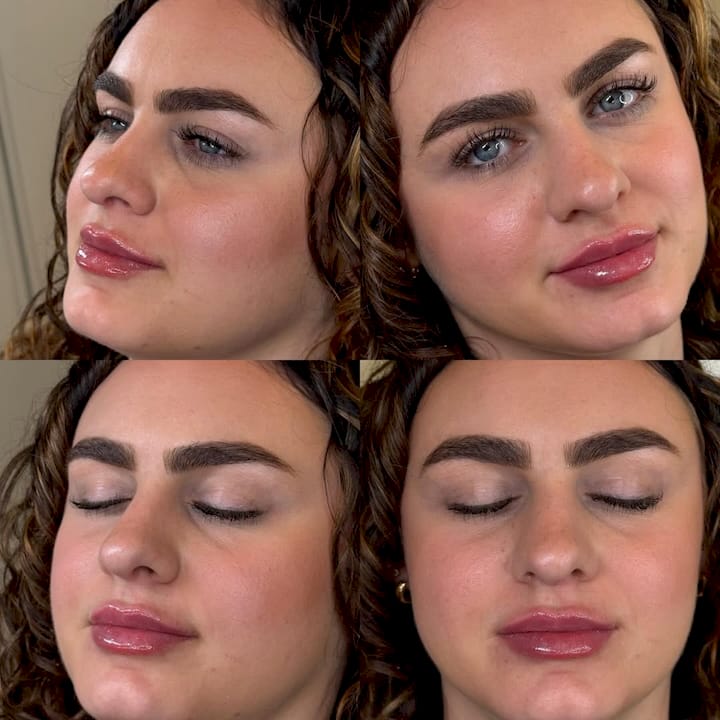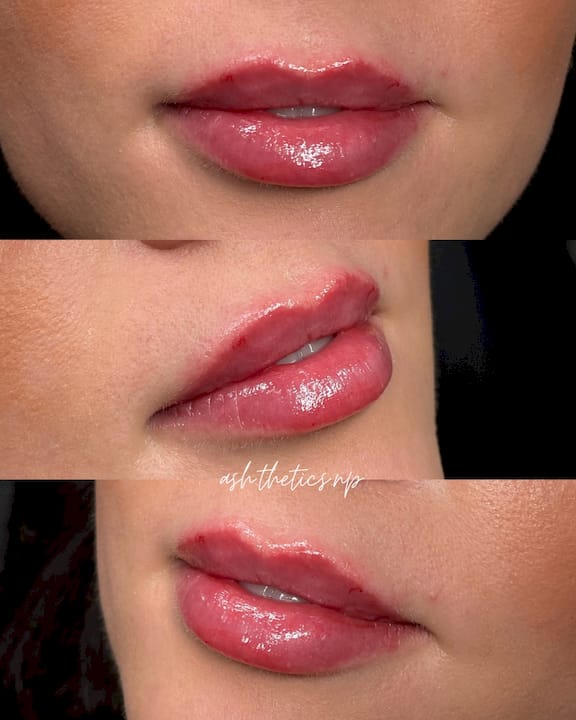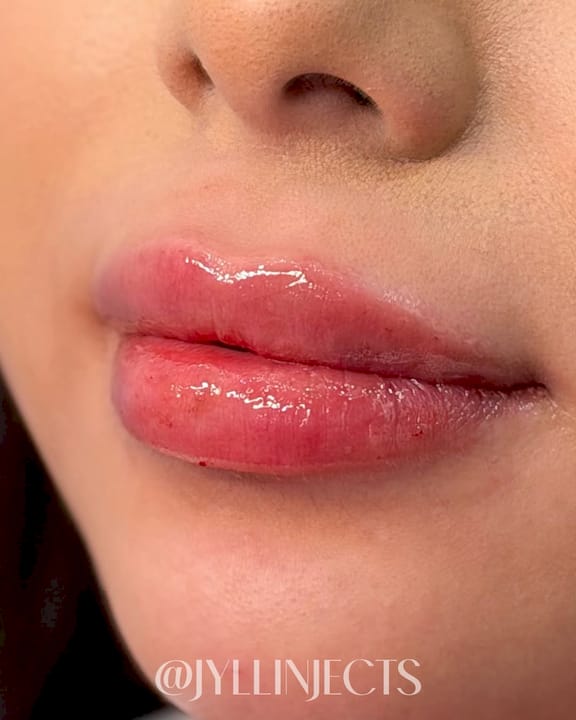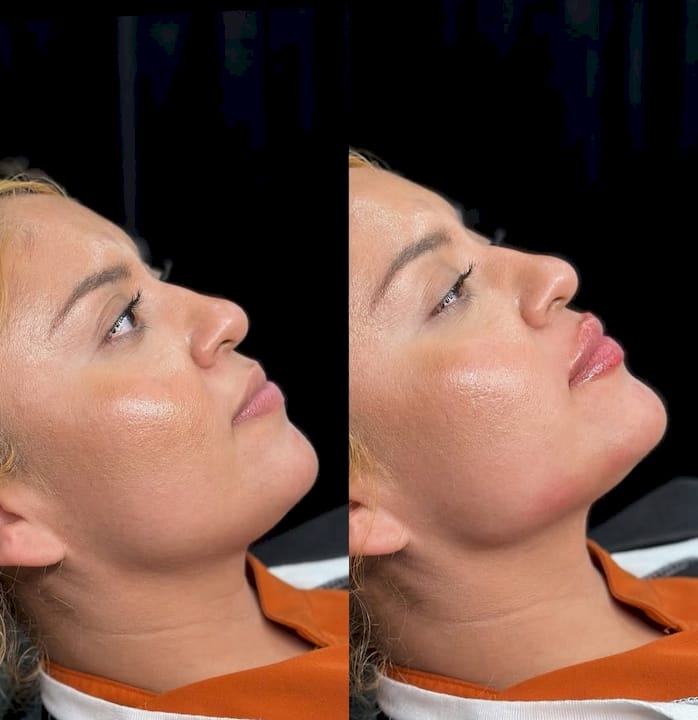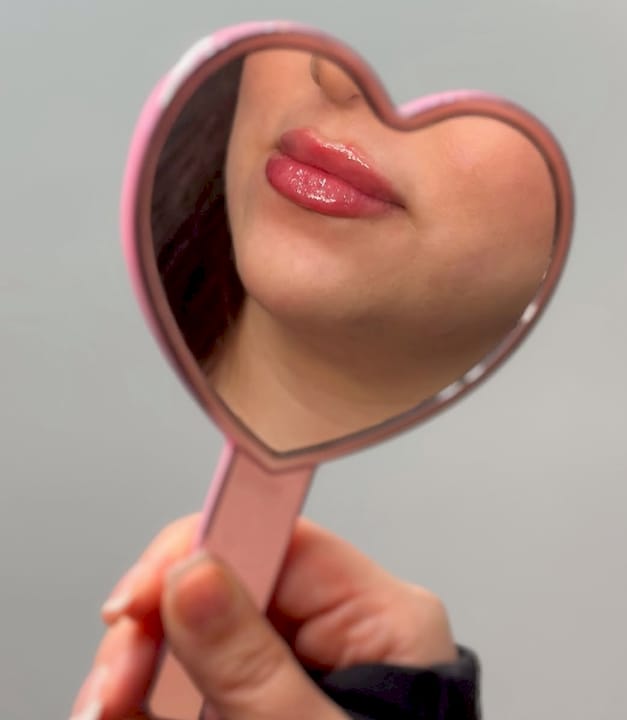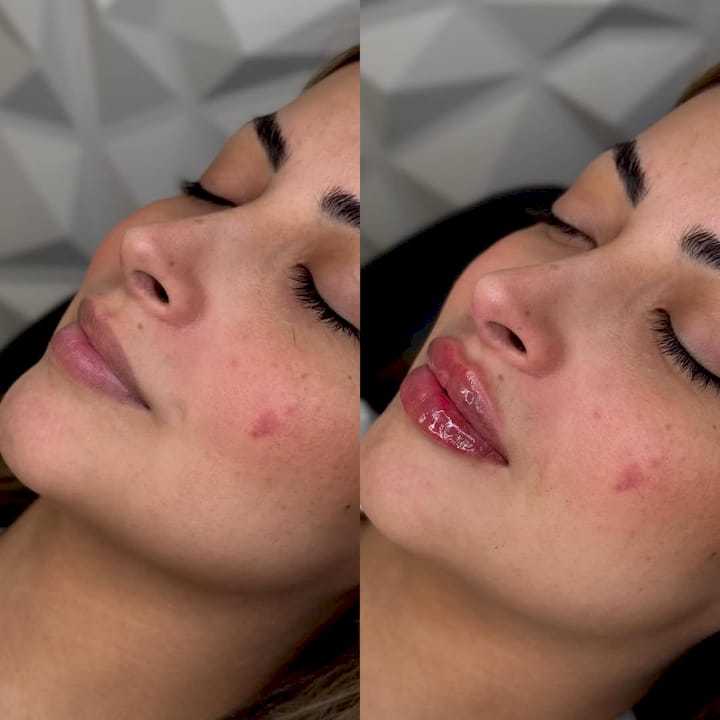
Dissolving lip fillers is the medical process of injecting hyaluronidase, an enzyme that enzymatically breaks down hyaluronic acid-based filler so your body can metabolize and clear it naturally. The lip filler dissolution process begins working almost immediately, with visible softening typically starting within 24 to 48 hours and full results appearing over one to two weeks. Critically, only HA-based fillers are reversible with hyaluronidase. Permanent fillers and non-hyaluronic acid materials cannot be dissolved this way and require entirely different management. If you are reconsidering your current lip filler or dealing with migration or asymmetry, understanding how this process works is the first step toward making a confident decision.
How does dissolving lip fillers work?
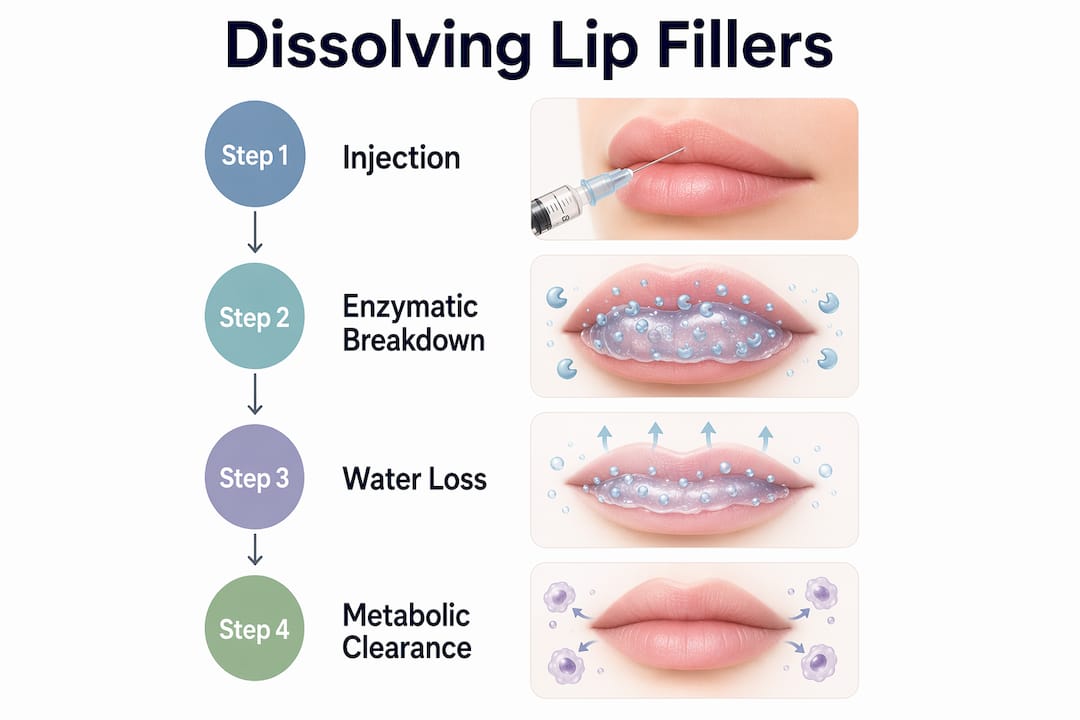
Hyaluronidase is a naturally occurring enzyme that breaks the molecular bonds holding hyaluronic acid filler together. When injected directly into filler deposits, it disrupts the crosslinks that give HA filler its gel-like structure and water-retaining capacity. Once those crosslinks are broken, the filler disperses and loses volume, and your body’s lymphatic and metabolic systems clear the fragments over the following days and weeks.
The injection technique matters as much as the enzyme itself. A skilled provider places hyaluronidase through targeted microinjections directly into the filler deposit, not broadly across the lip. This precision limits how much native hyaluronic acid in your surrounding tissue is affected. Hyaluronidase may temporarily affect native HA, but the body replenishes it over weeks, and precise dosing keeps this effect minimal.
The enzyme breaks filler crosslinks, causing dispersion and loss of water retention, which then enables full metabolic clearance. Think of it like cutting the structural supports in a building: the material does not vanish instantly, but it can no longer hold its shape and is gradually removed. Most patients see meaningful softening within the first two days, with the complete picture emerging after one to two weeks once swelling resolves and the body finishes clearing residual filler fragments.
Pro Tip: Ask your provider to confirm the brand of filler previously used before scheduling dissolution. If your original filler was not hyaluronic acid-based, hyaluronidase will not work, and you need a different treatment plan.
Why do people choose to dissolve their lip fillers?
The reasons patients seek lip filler removal are more varied than most people expect. Aesthetic dissatisfaction is the most common driver, but the specific concern shapes how the dissolution is approached. Here are the most frequent reasons providers see:
-
Overfilled or unnatural appearance. Lips that look disproportionately large relative to the rest of the face are the most cited reason for dissolution requests. Volume that looked appropriate immediately post-treatment can appear excessive once swelling resolves.
-
Filler migration. Filler can travel beyond the original injection site, creating blurring of the lip border, lumps above the vermilion, or uneven texture. You can learn more about what this looks like in practice by reviewing filler migration symptoms before your consultation.
-
Asymmetry or shape problems. Uneven volume distribution, a lip border that does not follow the natural anatomy, or a shape that does not match the patient’s original goal all warrant correction.
-
Adverse reactions or discomfort. Persistent tenderness, firmness, or visible nodules that do not resolve on their own are medical reasons to dissolve rather than wait.
-
Preparing for a fresh treatment. Dissolving unwanted volume before refilling produces better, more balanced aesthetic results than layering new filler over a compromised foundation.
One misconception worth addressing directly: many patients believe adding more filler will fix unevenness or migration. It rarely does. Adding more filler without dissolving migrated areas often worsens the appearance. Partial dissolution cleans the foundation so the next treatment starts from a neutral baseline. This staged approach consistently produces better outcomes than attempting to correct problems by adding volume.
What role does ultrasound guidance play in the dissolution process?
Ultrasound guidance is the gold standard for mapping filler location before dissolution, and its use separates a precise treatment from a blind one. The lips are one of the most dynamic structures on the face. They move constantly during speech, eating, and expression, which means filler disperses beyond original injection sites more readily here than in areas like the cheeks or chin. The lip’s dynamic anatomy causes more filler migration compared to other facial areas, making thorough imaging before dissolving a clinical priority rather than an optional upgrade.
Ultrasound imaging reveals the exact location, depth, and extent of filler deposits, including any that have migrated. It also maps the vascular anatomy of the lip, which is highly vascularized and carries real risk if injections are placed blindly. Targeted injection guided by anatomy and imaging reduces vascular risks in this area significantly.
The practical benefits of ultrasound guidance include:
-
Accurate identification of filler that has migrated beyond the visible lip border
-
Confirmation of filler depth so enzyme is placed at the right tissue level
-
Avoidance of unnecessary enzyme diffusion into healthy surrounding tissue
-
Real-time visualization during injection to confirm placement
-
Post-treatment imaging to assess how much filler remains and whether a second session is needed
“Ultrasound imaging is the gold standard for mapping filler before dissolution, preventing blind injections and minimizing complications.” Source
Ultrasound guidance significantly improves precision and outcomes by mapping current filler location and vascular anatomy before any enzyme is placed. If your provider does not use imaging, ask why. The answer will tell you a great deal about the level of care you are receiving.
What to expect during and after lip filler dissolution
Understanding the step-by-step experience helps you prepare and avoid the anxiety that comes from unexpected side effects. Here is what the process typically looks like:
-
Topical numbing is applied. Most providers apply a numbing cream to the lips 20 to 30 minutes before the procedure to minimize discomfort from the injections.
-
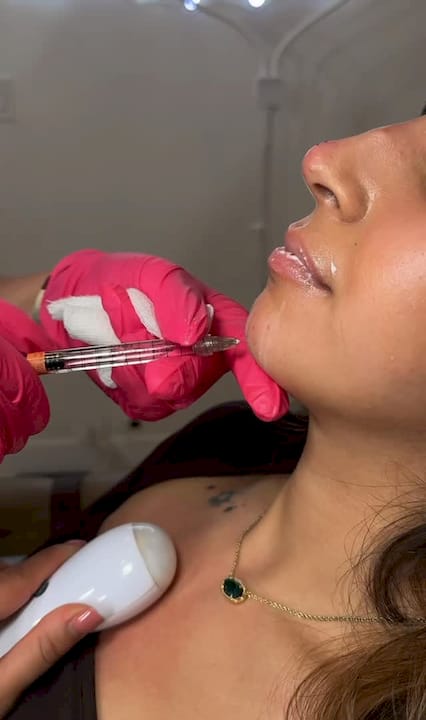
Hyaluronidase is injected into filler deposits. Using a fine needle, the provider places the enzyme directly into the areas where filler is located. The number of injection points depends on how much filler is present and where it sits.
-
Immediate softening begins. You may feel or notice the lip texture changing within minutes as the enzyme starts breaking down filler crosslinks.
-
Swelling develops over the next 24 to 48 hours. This is normal and expected. Post-dissolution swelling peaks at 24 to 48 hours and resolves within days. Your lips may look uneven or irregular during this window, which can be alarming but is part of the process.
-
Full results appear over one to two weeks. Full clinical result is seen in 1 to 2 weeks as filler fragments clear metabolically. Judging the outcome before this point leads to premature decisions.
-
A follow-up assessment determines next steps. Some patients achieve their goal in one session. Multiple dissolution sessions may be needed for dense, longstanding, or highly migrated filler deposits.
For aftercare, avoid intense heat, exercise, and pressure on the lips for the first 48 hours. Gentle care during this window supports faster resolution of swelling and bruising. Detailed guidance on post-treatment lip care helps you protect results and recover comfortably.
Pro Tip: Wait a full two weeks before scheduling your next filler appointment. Treating too soon means you are injecting into tissue that has not fully settled, which compromises both safety and the accuracy of the new placement.
Patients need education on the staged nature of the process and the importance of waiting to see full effects before making any further treatment decisions. Patience is not passive. It is part of the treatment.
Key takeaways
Dissolving lip fillers works through precise enzymatic action: hyaluronidase breaks down HA filler crosslinks, the body clears the fragments, and full results appear within one to two weeks when guided by imaging and proper technique.
| Point | Details |
|---|---|
| Hyaluronidase is the only option | It dissolves only HA-based fillers; permanent or non-HA fillers require different management. |
| Results take one to two weeks | Visible softening starts in 24 to 48 hours, but full clearance takes up to two weeks. |
| Ultrasound guidance improves safety | Imaging maps filler location and vascular anatomy, reducing risks and improving precision. |
| Multiple sessions may be needed | Dense or migrated filler often requires more than one treatment to fully dissolve. |
| Dissolve before refilling | Adding filler over migrated or overfilled areas worsens results; a clean baseline produces better outcomes. |
Why precision matters more than most patients realize
From my experience working with patients at Theinjectionroom, the most common mistake I see is not in the dissolution itself. It is in the decision-making that surrounds it. Patients often come in expecting one quick injection to fix everything, and they underestimate how much the quality of the outcome depends on what happens before the enzyme is placed.
Accurate diagnosis is everything. Without imaging, a provider is guessing where the filler actually sits. Lips that have had multiple rounds of filler over several years can have deposits in unexpected locations, sometimes well above the vermilion border or deeper than the original injection plane. Treating those areas blindly risks dissolving the wrong tissue, missing the actual problem, or placing enzyme near vascular structures that should never be touched without visualization.
I also think the aesthetic medicine field has been slow to normalize the conversation about partial dissolution. Partial dissolving is often the better aesthetic approach rather than blind overfilling or excessive dissolution. Not every patient needs a full reset. Sometimes removing 30% of the volume and reshaping the border is all that is needed. That nuance requires a provider who is willing to have an honest conversation about what you actually need versus what you think you need.
The patients who are happiest with their results are the ones who came in with realistic expectations, waited the full two weeks before evaluating, and trusted the process. Dissolution is not a failure. It is a tool, and when used precisely, it opens the door to a much better outcome than continuing to layer filler on a compromised foundation.
— Marina
Lip filler services at Theinjectionroom
Theinjectionroom offers lip filler treatments and dissolution services across its Austin and San Antonio locations, with providers trained in precise injection technique and patient-centered care. Whether you are considering your first lip filler appointment, dealing with results you are not happy with, or ready to start fresh with a clean foundation, the team at Theinjectionroom builds a personalized plan around your anatomy and goals. Consultations cover your filler history, current concerns, and the most appropriate next step, whether that is dissolution, refinement, or a new treatment entirely. Explore professional filler treatments and related injectable services to see the full range of what is available. You can also review common lip filler misconceptions to walk into your consultation better informed.
FAQ
Can all lip fillers be dissolved?
No. Hyaluronidase dissolves only hyaluronic acid-based fillers. Permanent fillers and non-HA materials cannot be reversed with this enzyme and require different clinical management.
How long does it take to see results after dissolving?
Visible softening typically begins within 24 to 48 hours, but the full result develops over one to two weeks as the body metabolically clears the dissolved filler fragments.
Does dissolving lip filler hurt?
Most providers apply topical numbing cream before the procedure, making the injections manageable for most patients. Some tenderness and swelling are normal in the 24 to 48 hours following treatment.
How many sessions does it take to fully dissolve lip filler?
One to two sessions suffice for most patients. Dense, longstanding, or highly migrated filler deposits may require additional treatments, which is why a follow-up assessment after two weeks is standard practice.
When can I get new lip filler after dissolving?
Most providers recommend waiting a full two weeks after dissolution before re-injecting. This allows swelling to resolve completely and gives both you and your provider an accurate view of the baseline to work from.
%20Pictures%20are%204%20weeks%20apart..jpg)