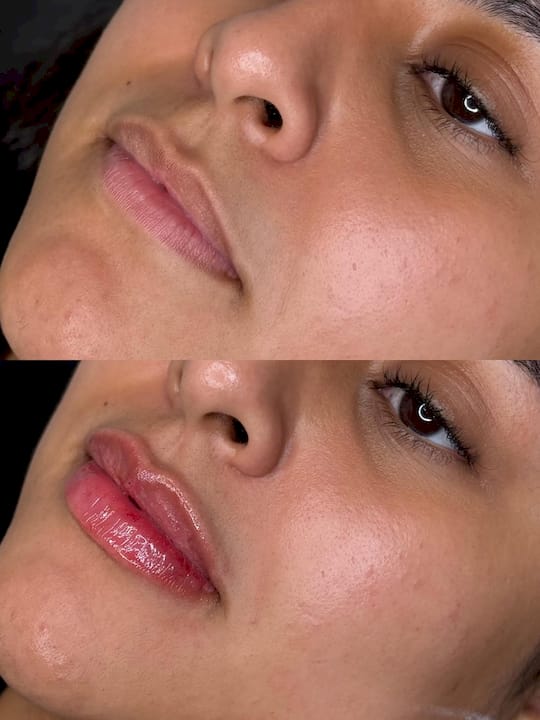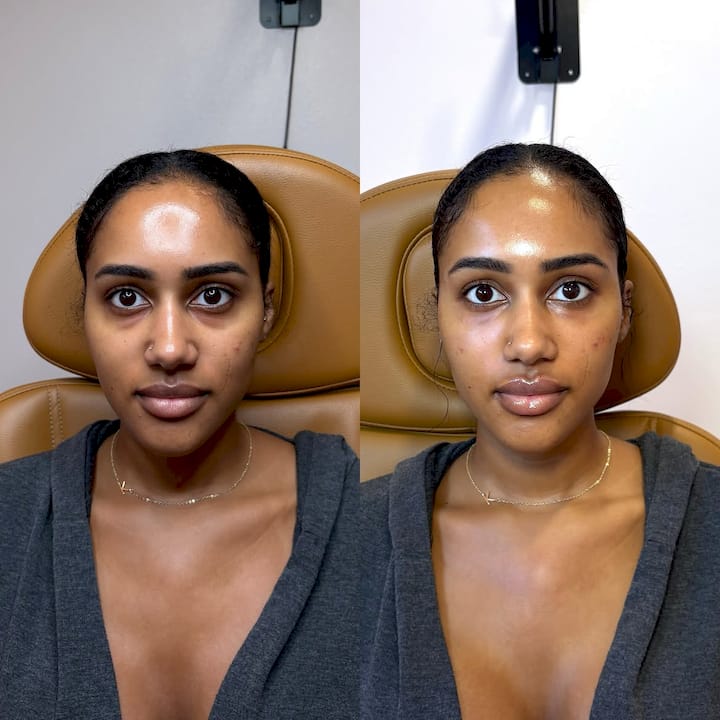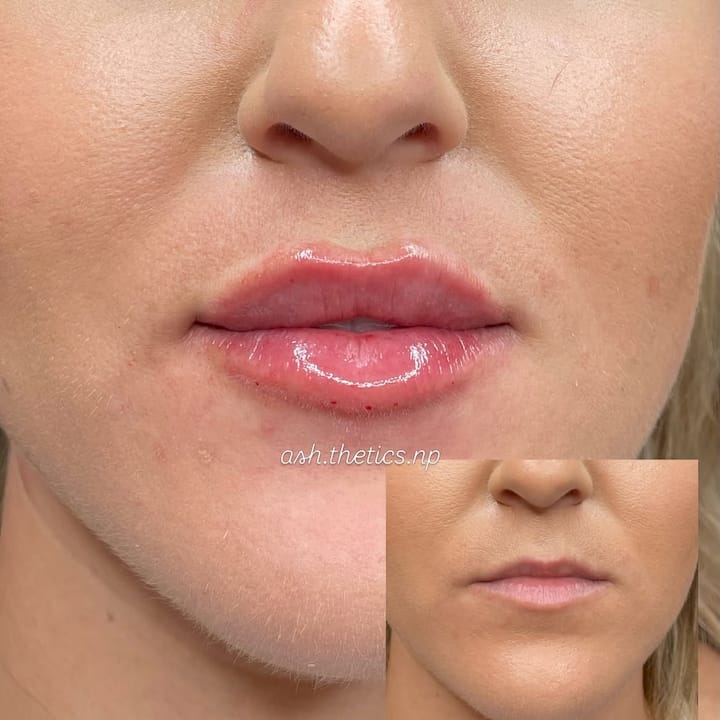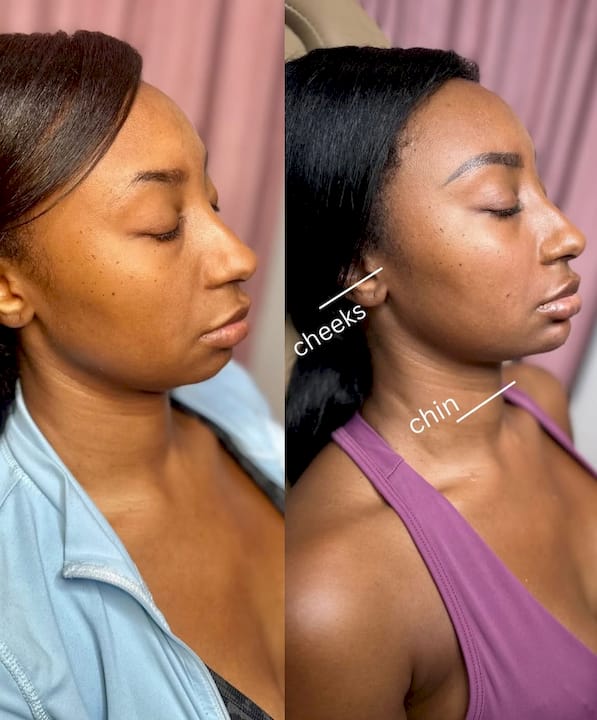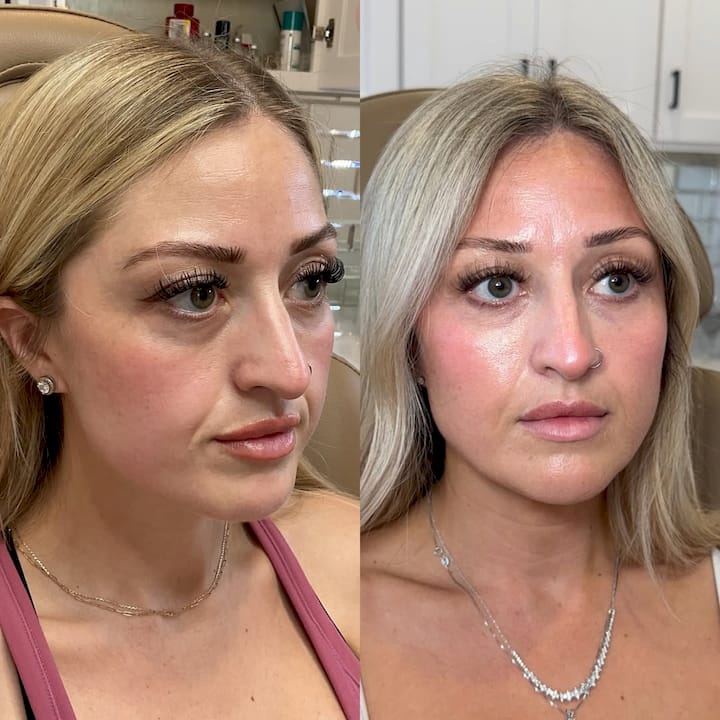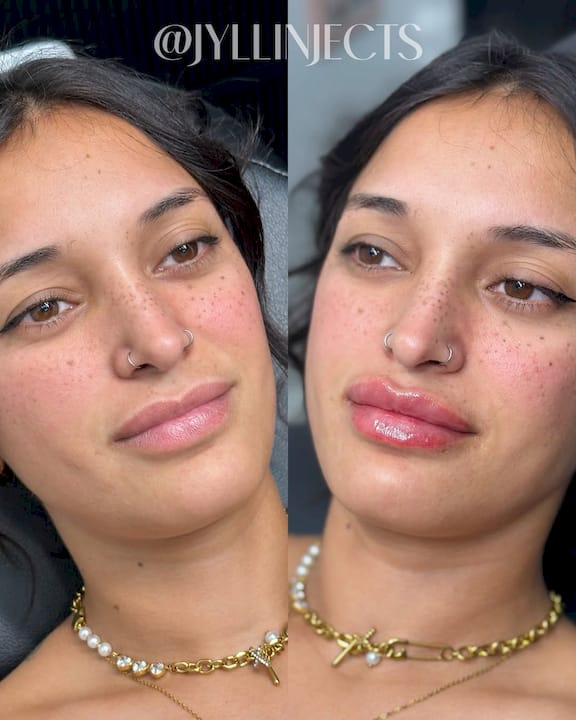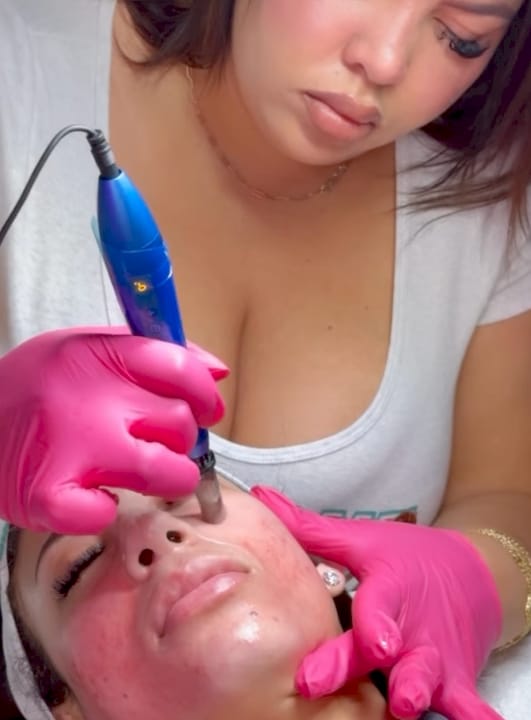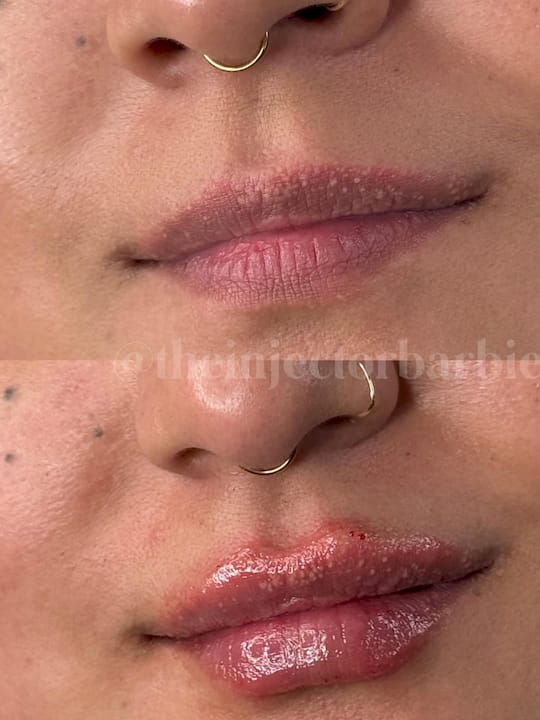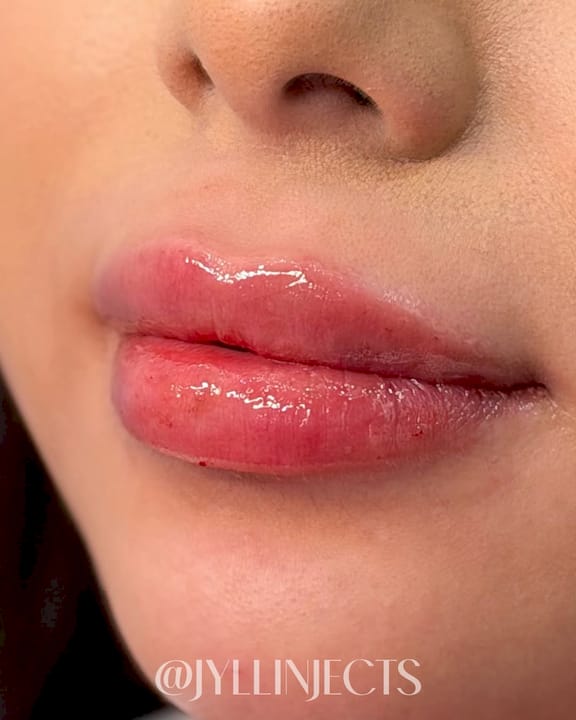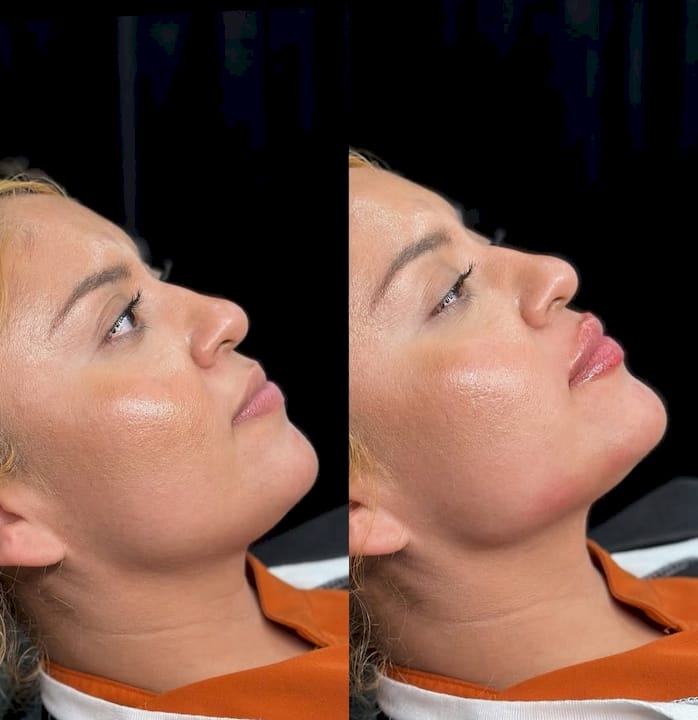
Those two lines running from the corners of your mouth down toward your chin can make you look sad, tired, or older than you actually feel. If you’ve been studying them in the mirror lately, you’re not alone. Marionette lines are one of the most common concerns we hear about at The Injection Room, especially from women in their late 30s through 60s. The good news is that today’s non-surgical treatments can soften, lift, and reshape that area beautifully, and you don’t need a scalpel or a lengthy recovery to see a real difference.
Table of Contents
-
Understanding marionette lines and your non-surgical options
-
Step 2: The procedure—what to expect during filler or neurotoxin treatment
-
What really matters for marionette line correction—insights from the expert’s chair
-
Next steps: explore trusted marionette line solutions in Austin & San Antonio
Key Takeaways
| Point | Details |
|---|---|
| Customized solutions work best | The most natural marionette line results come from personalized, layered treatment with expert technique. |
| Fillers give instant results | HA and CaHA fillers visibly soften lines right after injection, with little downtime for most people. |
| Maintenance is essential | Filler and neurotoxin effects are temporary, so plan for periodic touch-ups for lasting benefits. |
| Home care supports your results | Medical-grade skincare and RF devices can enhance texture and prolong results between treatments. |
Understanding marionette lines and your non-surgical options
Marionette lines get their name from the hinged jaw puppets you’ve probably seen in old theater performances. They run vertically from the corners of your mouth down to your jawline, and they deepen over time due to a combination of factors: gravity pulling facial tissues downward, the natural breakdown of collagen and elastin in your 30s and 40s, volume loss in the cheeks and midface, and genetics that determine how your skin ages structurally. Understanding the marionette lines causes is actually the first step in choosing the most effective treatment, because the right solution depends on whether you’re dealing with light surface lines, deeper folds, or both.
Non-surgical options fall into a few core categories:
-
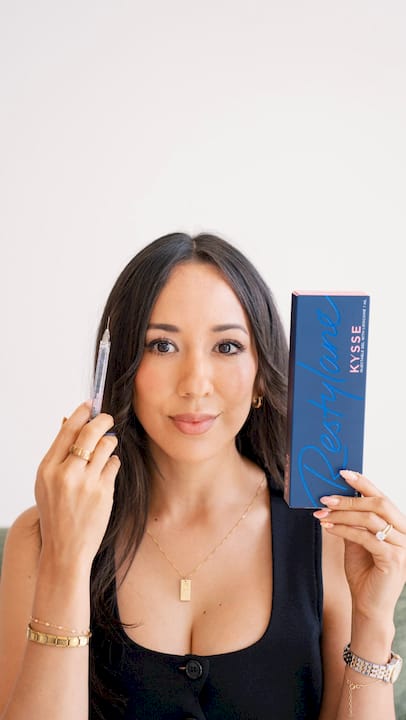
Hyaluronic acid (HA) fillers such as Juvederm or Restylane physically restore lost volume beneath the skin. Results are visible immediately, and the effects typically last 6 to 12 months before a touch-up is needed.
-
Calcium hydroxylapatite (CaHA) fillers like Radiesse go one step further. According to a clinical review of fillers, CaHA fillers treat moderate-to-severe marionette lines and can last up to 18 months, while HA fillers serve as a benchmark for immediate volume restoration.
-
Neurotoxins such as Botox or Xeomin work differently. Rather than adding volume, they relax the depressor anguli oris, the muscle that pulls the corners of your mouth downward. This gives a subtle but meaningful lift.
-
At-home adjuncts including prescription retinoids, vitamin C serums, and consumer-grade radiofrequency devices support overall skin texture, though they won’t address deep structural folds on their own.
| Treatment | Time to see results | Expected duration | Pros | Cons |
|---|---|---|---|---|
| HA filler | Immediate | 6 to 12 months | Reversible, natural feel | Requires maintenance |
| CaHA filler (Radiesse) | Immediate | Up to 18 months | Stimulates collagen | Not reversible |
| Neurotoxin (Botox/Xeomin) | 3 to 7 days | 3 to 4 months | Lifts corners of mouth | Subtle alone |
| Radiofrequency (at-home) | Weeks to months | Ongoing with use | Convenient, low risk | Limited depth of effect |
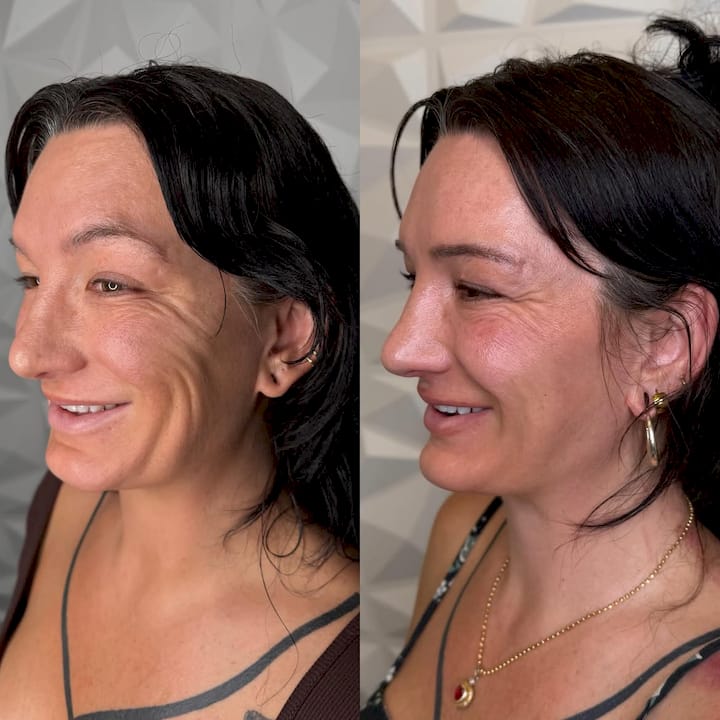
For most women with moderate marionette lines, a combination approach works best. Filler addresses the volume deficit and softens the crease directly, while a small amount of neurotoxin relaxes the downward-pulling muscle. The result looks more natural than filler alone.
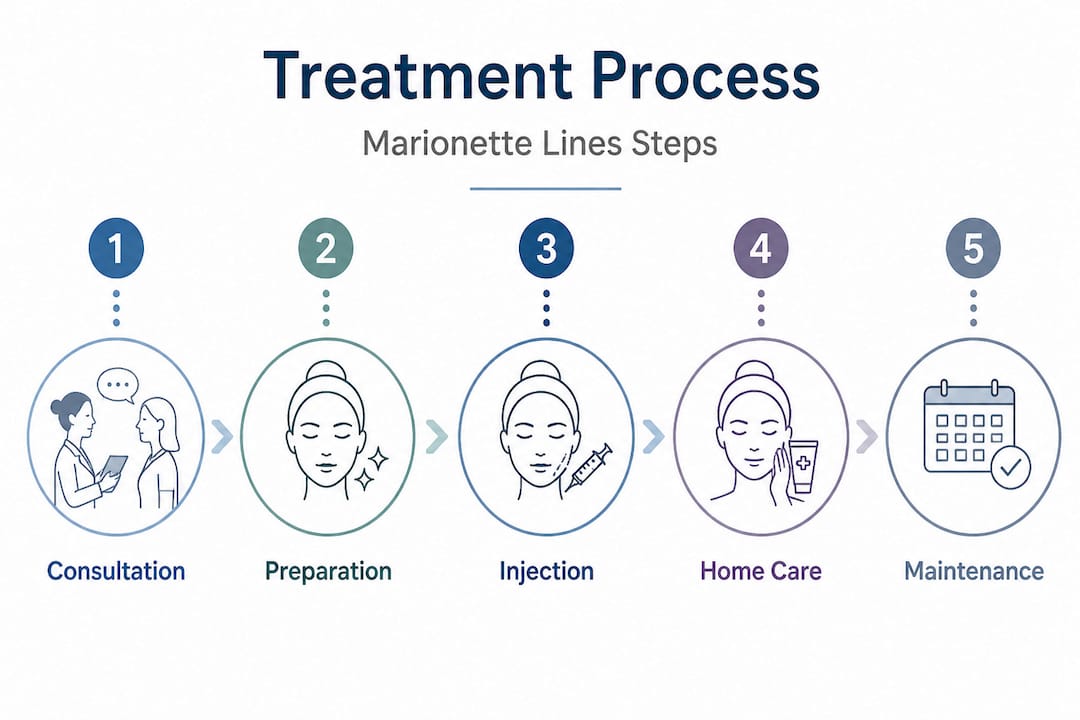
Step 1: Preparing for your marionette line treatment
Once you understand your options, a little preparation goes a long way in getting the best outcome. Not every woman is an identical candidate for the same treatment. Skin thickness, how much volume has already been lost in the cheek and midface region, and your bone structure all influence the approach your injector will take. Someone with significant volume loss higher up in the face, for example, may actually get a better correction by also treating the cheeks rather than piling filler only into the marionette fold itself.
Choosing the right provider is non-negotiable. Research consistently shows that injection depth and facial anatomy knowledge are the two biggest factors influencing both your results and your safety. An injector who thoroughly understands facial tissue layers and vessel locations can give you a natural, safe outcome. One who doesn’t can cause asymmetry, lumpiness, or, in rare cases, vascular complications. Board-certified nurse practitioners, physician assistants, or physicians with specialized aesthetic training are your safest bet.
Your consultation is where the work really begins. A good injector will assess your full face, not just the marionette lines in isolation, because facial aging is three-dimensional. They’ll consider your cheeks, jawline, chin, and the overall balance of your lower face. This is why learning about the benefits of marionette line filler before your appointment helps you ask smarter questions and understand the treatment plan being recommended.
What to do (and avoid) before your appointment:
-
Stop blood thinners like aspirin, ibuprofen, fish oil, and vitamin E at least one week before your appointment, unless a physician has directed you to continue them.
-
Avoid alcohol for 24 to 48 hours beforehand to reduce bruising risk.
-
Come to your appointment with clean, bare skin. Skip heavy makeup.
-
Reschedule if you have an active cold sore, skin infection, or illness.
-
Have a full meal beforehand. Showing up hungry can make you feel lightheaded after a procedure.
Pro Tip: Bring reference photos of your face from 5 to 10 years ago. This gives your injector a blueprint of what your natural volume and contour looked like before age-related changes began. It’s far more useful than pointing to a celebrity’s face and saying “I want that.”
Step 2: The procedure—what to expect during filler or neurotoxin treatment
All prepped? Here’s how treatment day usually unfolds. The experience is typically much calmer and more comfortable than first-timers expect, especially at a practice that takes its time with the process.
-
Intake and review. Your injector reviews your intake paperwork, confirms your goals, and does a final assessment of the treatment area in different lighting.
-
Topical numbing. A topical anesthetic cream is applied to the marionette area and left on for 15 to 20 minutes. Most HA fillers also contain lidocaine, which further reduces any discomfort during injection.
-
Marking the treatment zones. Your injector may mark the injection points on your face. This is a good sign. It shows they’re being precise and methodical.
-
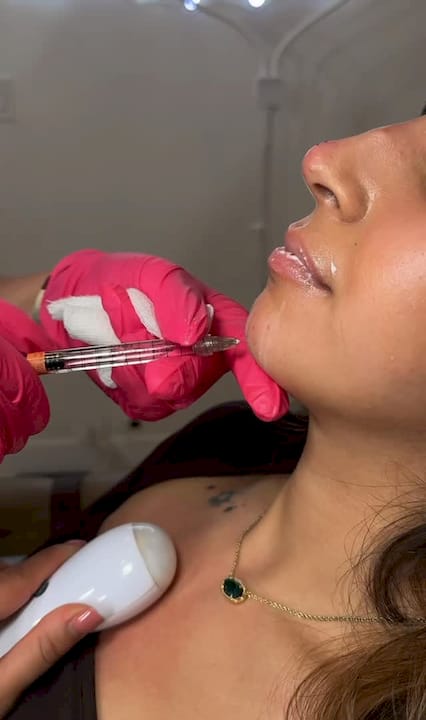
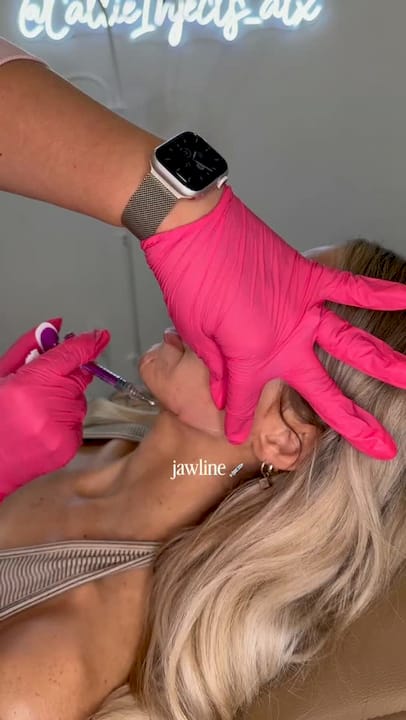
Injections. Filler is placed in the fold itself and often in supporting structures like the prejowl area. Neurotoxin, if included, goes into the depressor anguli oris muscle, a small amount in each corner. The whole process usually takes 20 to 40 minutes.
-
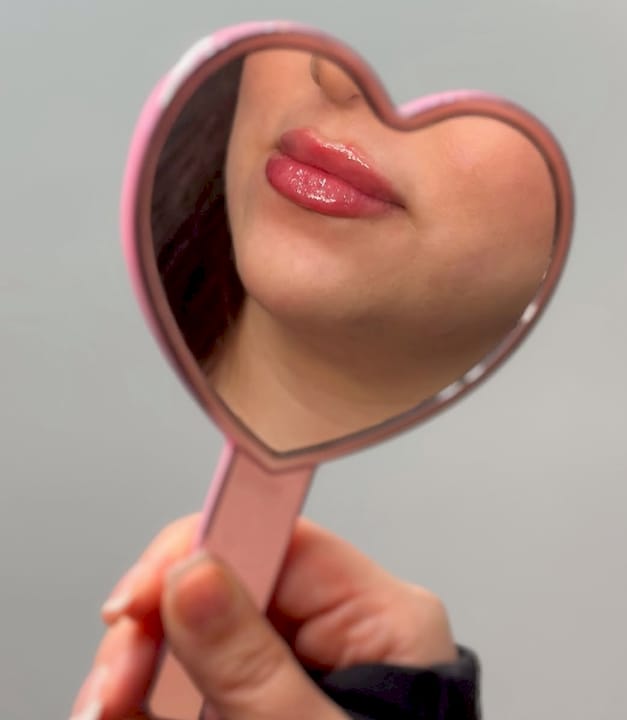
Immediate review. You’ll get a mirror to look at the results. Your injector will assess symmetry and make small adjustments if needed.
-
Aftercare instructions. You’ll receive specific guidance before you leave. Follow it carefully.
Understanding which product is being used and why matters. Exploring your options for best fillers for marionette lines before your appointment gives you a clear frame of reference for the discussion.
| Feature | Filler (HA or CaHA) | Neurotoxin (Botox/Xeomin) |
|---|---|---|
| Mechanism | Volume replacement, structural support | Muscle relaxation |
| Onset | Immediate | 3 to 7 days |
| Duration | 6 to 18 months | 3 to 4 months |
| Touch-up frequency | Once or twice per year | 3 to 4 times per year |
| Best for | Deep folds, volume loss | Downturned corners, mild lines |
Safety note: The marionette area sits near several important facial vessels. Injections in this zone should only be performed by someone with detailed knowledge of facial vascular anatomy. Always ask your provider about their training, their approach to minimizing vascular risk, and whether they have hyaluronidase on hand to dissolve HA filler in an emergency.
According to the same clinical applications review, fillers provide immediate volume restoration while neurotoxins deliver muscle-relaxation effects over days. Planning your maintenance schedule based on the specific product and your individual response leads to the most consistent results over time.
What’s normal immediately after treatment:
Mild swelling at the injection sites is completely expected and usually peaks within 24 to 48 hours. Some bruising is possible, especially in women who bruise easily. You may notice small bumps or firmness at injection points for the first few days. Cold packs applied gently (not pressed hard) can help with comfort. Significant pain, skin color changes, or vision changes are not normal and warrant an immediate call to your provider.
Step 3: Supporting and maintaining your results at home
With immediate results (and some improvements growing over the next week), now it’s all about extending those benefits. The longevity of your filler isn’t entirely in your provider’s hands. What you do at home plays a real role.
Follow-up timing matters. Most injectors recommend a two-week check-in for first-time filler patients. This gives swelling time to fully resolve and lets both of you evaluate the result clearly. If a small amount of additional product is needed for refinement, this is when it happens.
Skincare that actually supports your investment:
-
Broad-spectrum SPF 30 or higher, every single day. UV exposure breaks down collagen faster and degrades filler more quickly. This is the single highest-return habit you can build.
-
Prescription-strength retinoids (tretinoin) or over-the-counter retinol used consistently stimulate collagen production and improve skin texture around the fold over time.
-
Vitamin C serum applied in the morning protects against free radical damage and supports collagen synthesis. Look for a stabilized form like L-ascorbic acid at 10 to 20 percent concentration.
-
Staying hydrated supports HA filler specifically, since hyaluronic acid binds water molecules in the tissue.
According to an expert guide on jowls and sagging, retinoids, vitamin C, and radiofrequency devices are well-established at-home adjuncts for skin quality, though they work best as supportive tools rather than standalone fold treatments. Pairing them with professional treatment is where you get the most well-rounded result. Exploring different facial fillers for skin support can also help you understand how various products work together with your daily skincare.
Pro Tip: Hold off on introducing any new active skincare ingredients for at least seven days after your procedure. Your skin barrier needs time to settle. Jumping back into strong acids or retinoids too soon can cause irritation, redness, or uneven texture that’s harder to manage.
What really matters for marionette line correction—insights from the expert’s chair
Here’s something that rarely gets said clearly in a standard consultation: more filler is not always better. In fact, the most common mistake we see in women who’ve had previous treatments elsewhere is overfilling the marionette area in an attempt to chase a deep fold completely flat. The result? A heavy, pillow-like lower face that looks unnatural and actually draws more attention to the area rather than less.
The better approach is layered and customized. Sometimes correcting marionette lines means first restoring volume to the cheeks and midface, which lifts the tissue and reduces the depth of the fold before a single unit of product touches the crease itself. Other times, a small amount of neurotoxin to relax the depressor muscle changes everything, and filler only needs to do minor refinement work. Understanding filler safety and choice is part of this picture, because product selection matters as much as placement.
Maintenance isn’t one-size-fits-all either. Some women metabolize filler quickly and need touch-ups every eight months. Others are still looking great at 14 months. Your body’s response, your lifestyle, your stress levels, and even your exercise habits can all affect how long your results hold. The right provider tracks this with you and adjusts your plan accordingly, rather than running on a fixed schedule regardless of how you look.
Finally, treat this as art with a scientific foundation. The injection depth and anatomy knowledge an experienced injector brings to every session is what separates a natural, balanced result from something that looks “done.” Your face is three-dimensional, asymmetrical in small ways, and uniquely yours. The best outcomes happen when your provider respects that rather than applying a formula.
Next steps: explore trusted marionette line solutions in Austin & San Antonio
Ready to act on these insights? Choosing the right provider makes all the difference. At The Injection Room, our team brings both the clinical expertise and the artistic eye that marionette line correction requires. We offer personalized consultations where we assess your full facial structure, recommend the right combination of fillers and neurotoxins, and map out a realistic maintenance plan built around your goals and your budget. Whether you’re in Austin or San Antonio, you have access to experienced injectors who understand that natural-looking results come from precision, not volume. If neurotoxin treatment is part of your plan, explore Botox in Austin or Botox in San Antonio to take the first step toward a refreshed, lifted lower face.
Frequently asked questions
What is the safest treatment for marionette lines?
HA fillers are widely considered a benchmark for immediate volume restoration with an excellent safety profile, especially because they can be dissolved with hyaluronidase if needed. Safety always depends heavily on the injector’s training and technique.
How soon will I see results from marionette line fillers?
You’ll see immediate visible improvement with fillers right after the appointment, with any swelling resolving within a few days to reveal your final result. Neurotoxin effects take three to seven days to appear.
How long do results last for non-surgical marionette line treatments?
HA fillers typically last 6 to 12 months, CaHA fillers can last up to 18 months, and neurotoxins require maintenance every 3 to 4 months since filler effects are temporary and neurotoxins are repeated periodically.
Can I combine fillers with at-home skincare?
Yes, retinoids, vitamin C, and radiofrequency devices are well-supported adjuncts that improve overall skin quality when added to a professional treatment plan. Just avoid new active ingredients for the first week after your procedure.
%20Pictures%20are%204%20weeks%20apart..jpg)