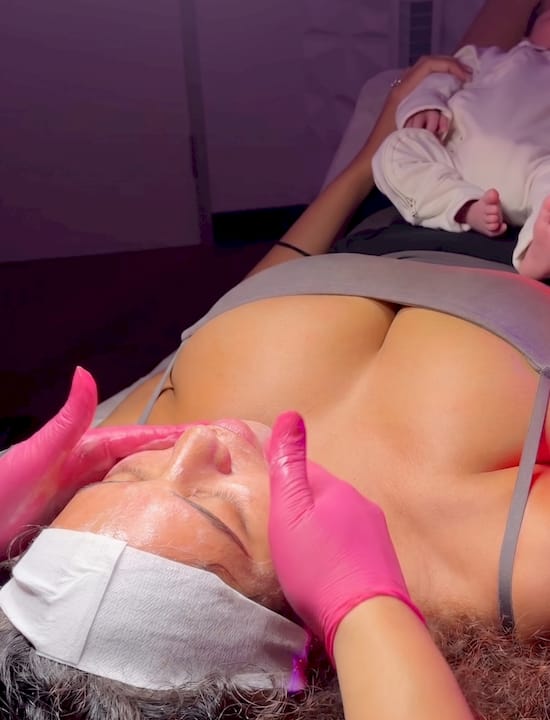
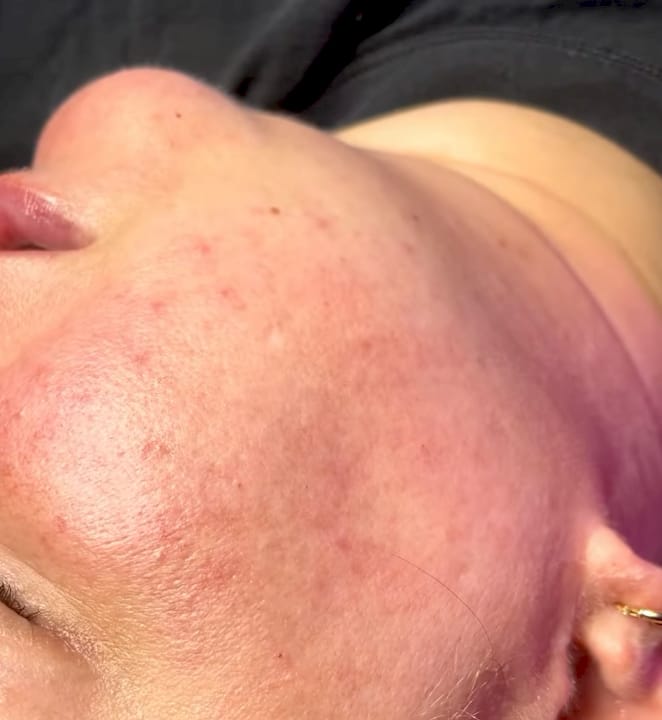
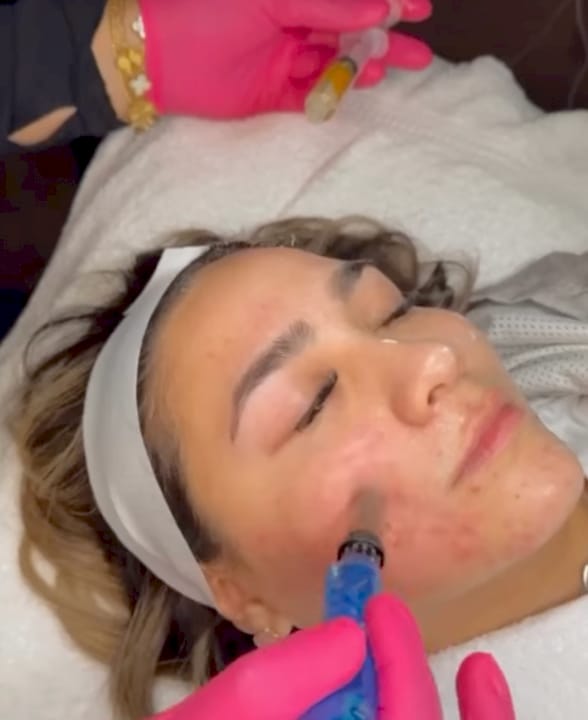
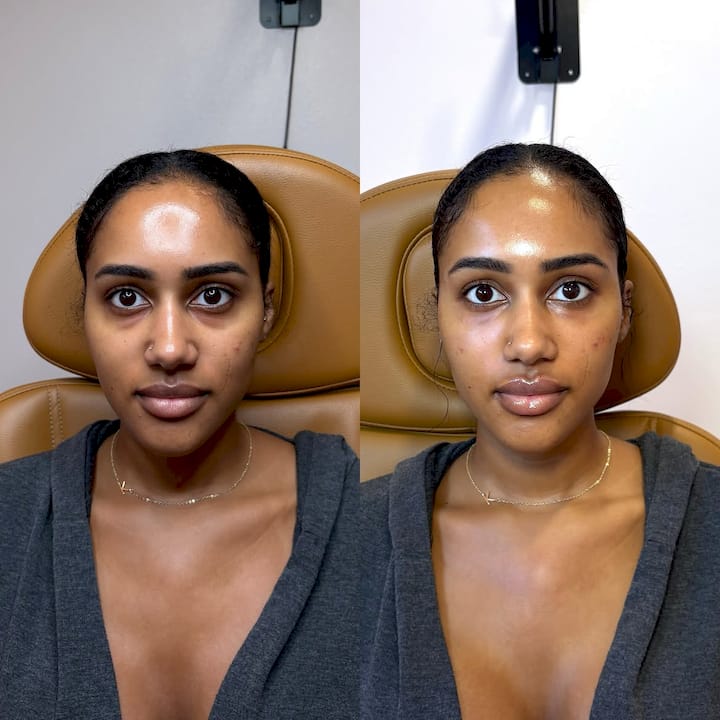
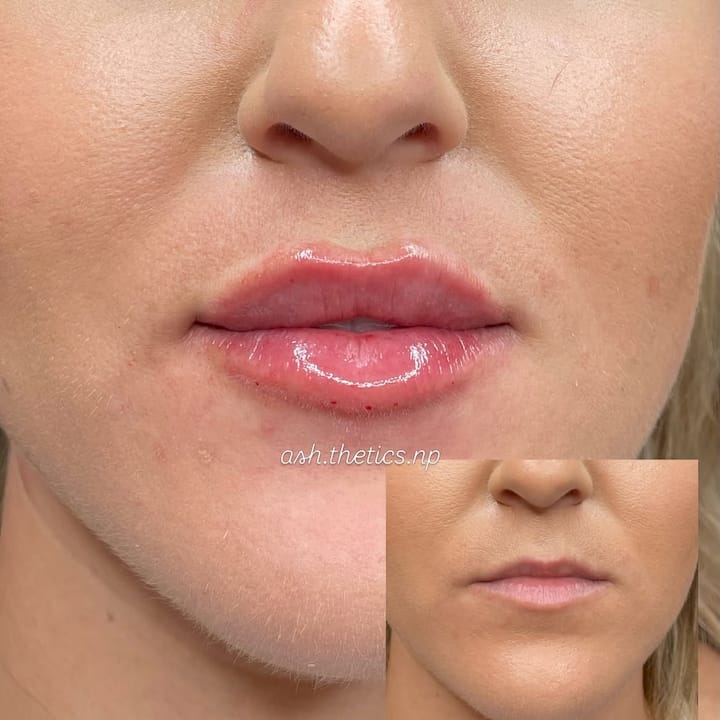
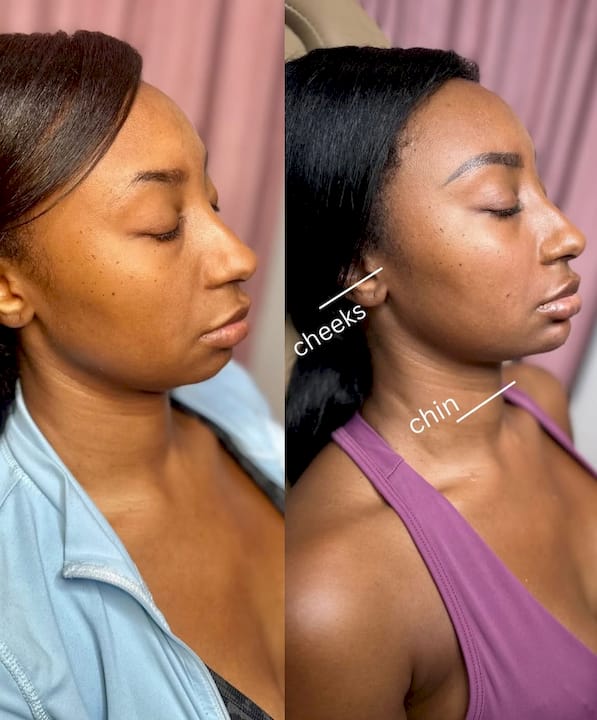
Under eye fillers are injectable treatments that use hyaluronic acid gel to restore lost volume beneath the lower eyelid, softening the hollow shadows that make you look tired or older than you feel. Clinically called tear trough filler, this procedure targets the infraorbital hollow, the groove between the lower eyelid and cheek. If you have been wondering how do under eye fillers work, the short answer is this: a small amount of gel is placed deep beneath the skin to fill the space where fat and tissue have thinned with age, reducing shadows without surgery.
How do under eye fillers work step by step?
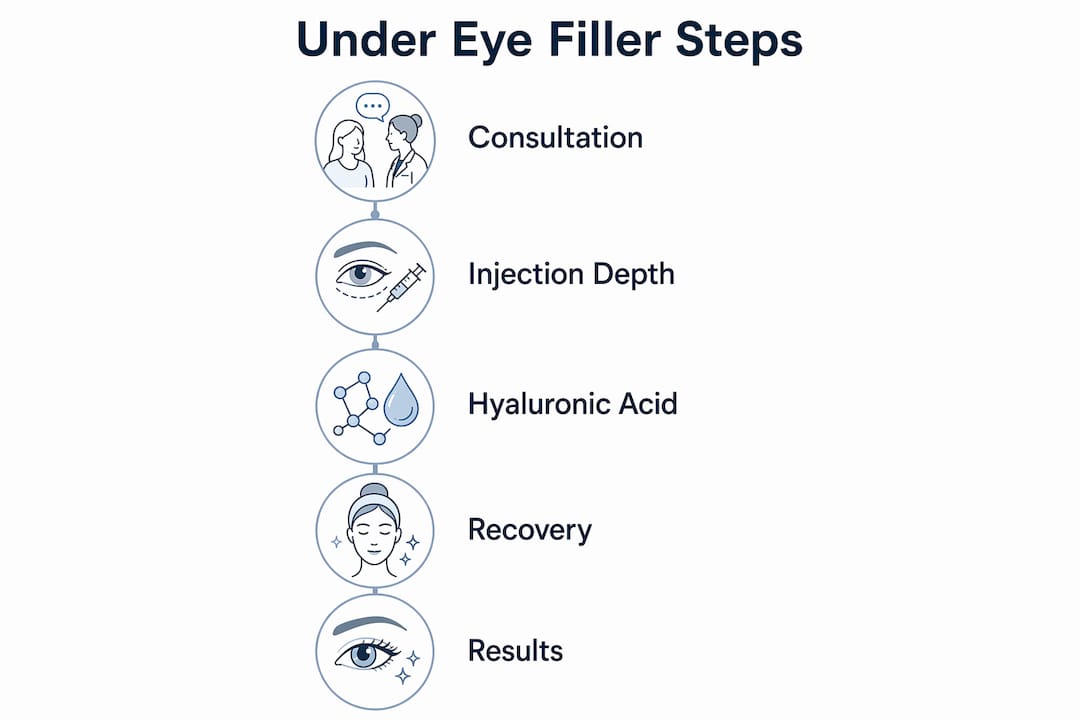
The under eye filler procedure follows a precise sequence. Skipping any step increases the risk of uneven results or complications.
-
Anatomical assessment. Before any injection, your provider maps the tear trough area, noting the depth of the hollow, skin thickness, and the position of underlying blood vessels. This step determines whether you are a good candidate and how much product is needed.
-
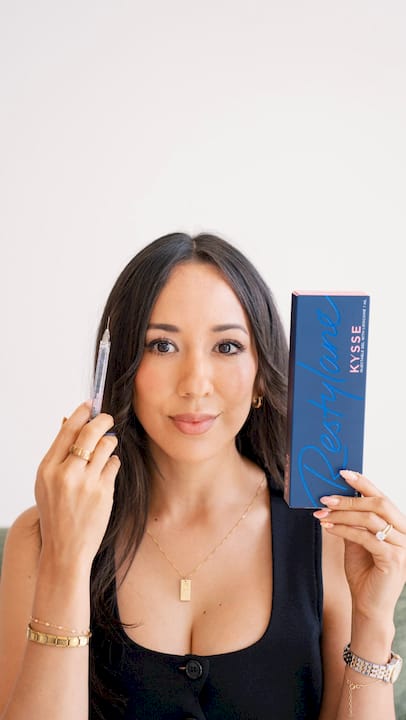
Product selection. Most providers choose a soft, low-viscosity hyaluronic acid filler. Brands like Restylane or Juvederm Volbella are common choices because their gel consistency integrates well with thin under eye tissue.
-
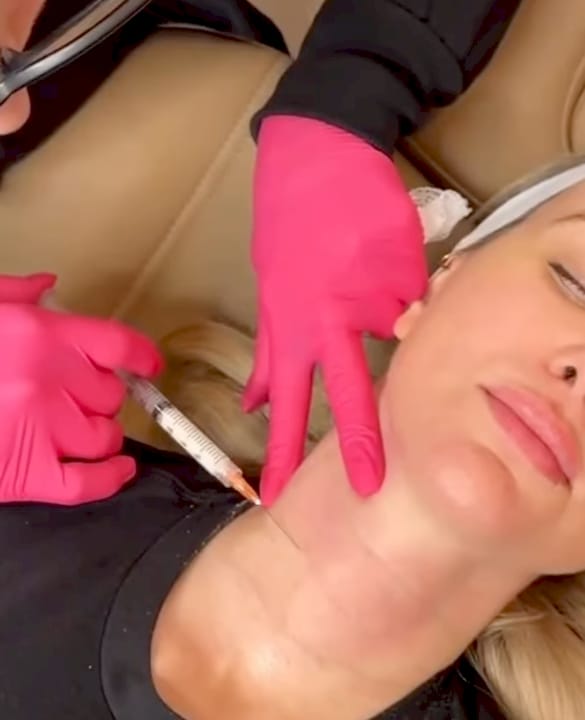
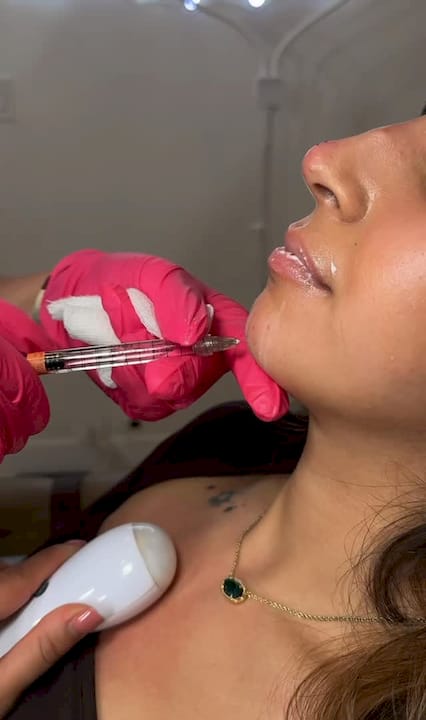
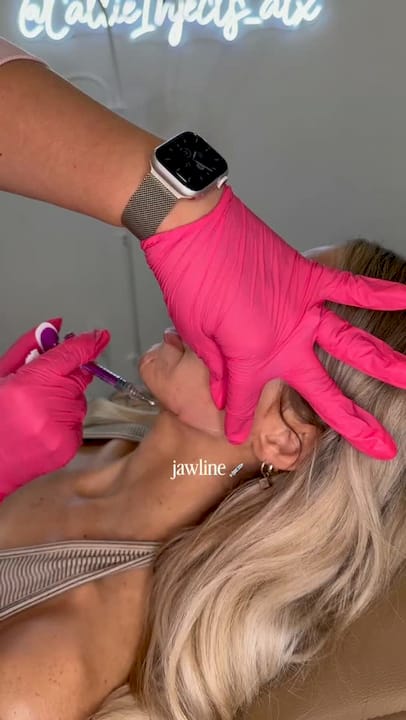
Injection method. Providers choose between a sharp needle and a blunt-tip cannula. Experienced injectors prefer the cannula because it slides through tissue rather than piercing it, reducing bruising and the risk of hitting a blood vessel.
-
Placement depth. Safe filler placement sits at a depth of 5–7 mm, directly on or just above the bone. This is called supraperiosteal or preperiosteal placement. Injecting too shallow causes visible lumps and a bluish tint called the Tyndall effect.
-
Volume control. Treatment volume is conservative, typically 0.3–0.5 mL per side, rarely exceeding 0.8 mL. Less product placed correctly outperforms more product placed carelessly.
-
Post-injection molding. After injecting, the provider gently massages the area to distribute the gel evenly. Icing reduces immediate swelling and helps the filler settle into a natural contour.
Pro Tip: Ask your provider whether they use a cannula or needle and why. A provider who can explain their technique choice with anatomical reasoning is demonstrating the level of skill this area demands.
Why does anatomy matter for tear trough filler?
The tear trough is one of the most anatomically complex areas on the face. The skin here is the thinnest on the body, averaging less than 0.5 mm in some individuals. Beneath it sit delicate blood vessels, the orbicularis oculi muscle, and the infraorbital nerve. Age causes the fat pads that once cushioned this area to thin and descend, creating a hollow that casts a shadow and makes the under eye look dark.
Hyaluronic acid attracts and holds water, which is what gives it volume-restoring power. When injected at the correct depth, it physically fills the hollow and blends the transition between the lower eyelid and the cheek. The result is a smoother surface that reflects light more evenly, which is what reduces the appearance of darkness.
Placement depth is not optional. Filler placed too close to the skin surface scatters light differently because of the thin tissue above it, producing the Tyndall effect bluish discoloration. Deep placement, confirmed by the tactile sensation of the needle or cannula contacting the periosteum (the bone’s outer layer), avoids this entirely.
Here is a quick reference for how depth affects outcome:
| Injection Depth | Result | Risk Level |
|---|---|---|
| Superficial (under skin) | Visible lumps, Tyndall effect | High |
| Mid-tissue (muscle layer) | Uneven distribution, migration | Moderate |
| Deep (supraperiosteal, 5–7 mm) | Natural volume, smooth contour | Low |
The anatomy also explains why filler must match the cause of your under eye concern. Volume loss responds well to filler. Excess fat pockets, loose skin, or pigmentation from sun damage do not. Treating the wrong cause produces no improvement and wastes your investment.
What are the benefits, risks, and realistic limits?
Benefits you can expect
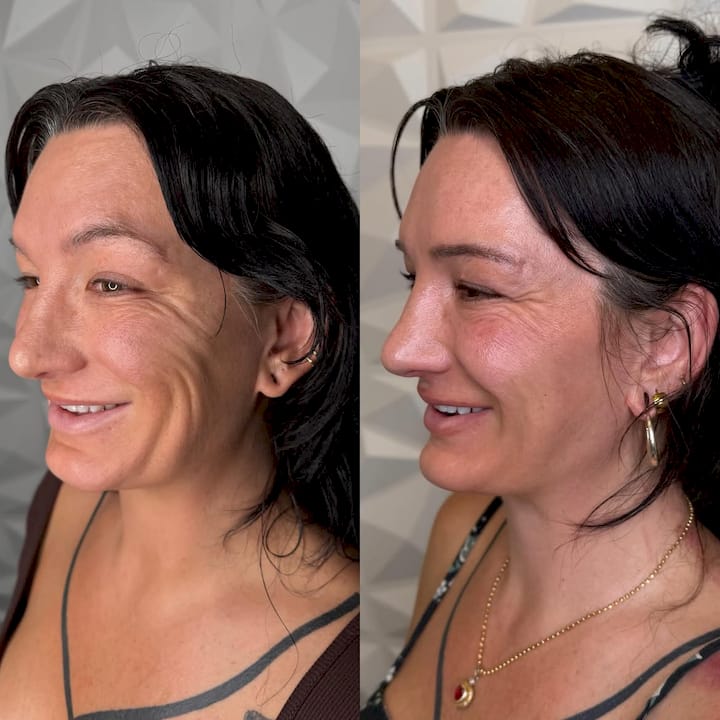
The most consistent outcome from tear trough filler is a reduction in hollow shadows. A 2026 clinical trial using VYC-15L hyaluronic acid filler reported a 94.6% responder rate at 3 months, with improvements maintained through 12 months. That is a strong evidence base for a procedure that takes under 30 minutes. Most patients look more rested without looking “done.” The effects are subtle by design.
Results typically last 12–18 months, sometimes longer. The thin, relatively immobile skin in this area means the filler breaks down more slowly than in high-movement zones like the lips. That longevity is a genuine advantage for anyone weighing the cost-per-month value. You can also read more about filler longevity factors if you want a deeper comparison across treatment areas.
Risks worth understanding
The under eye area is high-risk because of its vascular anatomy. The most serious complication is vascular occlusion, where filler accidentally enters a blood vessel and blocks circulation. This is rare but constitutes a medical emergency. Vascular crash kits with hyaluronidase must be on hand during every injection session. Hyaluronidase dissolves hyaluronic acid filler quickly, making it the primary rescue tool.
More common side effects include bruising, swelling, and temporary asymmetry. These resolve within 1–2 weeks in most cases. The Tyndall effect, if it occurs, can be corrected with targeted hyaluronidase guided by ultrasound, which dissolves only the superficial filler while leaving correctly placed deeper product intact.
“Under eye filler is one of the highest-reward, highest-skill procedures in aesthetic medicine. The margin for error is measured in millimeters.”
What filler cannot fix
Filler does not remove fat bags. It does not tighten loose skin. It does not treat pigmentation caused by sun damage or genetics. If your dark circles come from any of these causes rather than volume loss, filler will not deliver the result you want. A thorough consultation at a qualified med spa will identify which category you fall into before any product is used.
Are you a good candidate for under eye filler?
The ideal candidate is an adult with visible hollowing or shadowing beneath the lower eyelid that stems from volume loss rather than excess fat or skin laxity. Good skin quality and no active infections in the treatment area are also required. Age range tends to be 25–55, though some younger adults develop tear trough hollows due to genetics rather than aging.
Before your appointment, consider the following:
-
Avoid blood thinners for at least one week before treatment. This includes aspirin, ibuprofen, fish oil, and alcohol. Reducing these lowers bruising risk significantly.
-
Arrive with clean skin. No makeup, sunscreen, or skincare products on the treatment area.
-
Disclose all medications and supplements. Some interact with hyaluronic acid fillers or affect healing.
-
Set realistic expectations. Filler softens hollows. It does not eliminate all darkness or transform the eye area entirely.
If you are not a candidate for filler, non-invasive under eye alternatives like PRF treatments, microneedling, or topical retinoids may address your concerns without injectables. A skilled provider will tell you honestly which path fits your anatomy. You can also review guidance on assessing your skin for fillers to understand what providers look for during consultation.
Pro Tip: Bring a photo of yourself from 5–10 years ago to your consultation. It helps your provider see exactly how much volume you have lost and where, which makes the treatment plan far more precise.
For daily maintenance between treatments, learning how to apply under eye cream correctly can extend the visual benefits of your filler and keep the skin hydrated.
Key takeaways
Under eye fillers work by placing hyaluronic acid gel at a precise depth of 5–7 mm to restore volume, reduce shadows, and create a natural transition between the lower eyelid and cheek.
| Point | Details |
|---|---|
| Mechanism of action | Hyaluronic acid fills the infraorbital hollow to reduce shadows caused by volume loss. |
| Depth is critical | Placement at 5–7 mm prevents the Tyndall effect and produces natural-looking results. |
| Volume is conservative | Most treatments use 0.3–0.5 mL per side; overfilling is harder to correct than underfilling. |
| Results last 12–18 months | Thin, low-movement skin breaks down filler more slowly than other facial areas. |
| Not for every dark circle | Filler corrects volume loss only; fat bags, loose skin, and pigmentation require different treatments. |
What 15 years of watching this procedure evolve has taught me
The single biggest mistake I see in under eye filler outcomes is not the wrong product. It is the wrong depth. Providers who inject too superficially because they are nervous about going deep are the ones producing the puffy, bluish results that give this treatment a bad reputation. Deep placement, confirmed by periosteum contact sensation, is not optional. It is the whole procedure.
The second thing I have learned is that underfilling on the first session is almost always the right call. Injectors who reassess after swelling resolves and add conservatively at a follow-up appointment consistently produce better final results than those who try to achieve everything in one visit. Swelling distorts the anatomy. What looks like a perfect correction on the table can look overfilled two weeks later.
My honest advice: choose your provider based on their understanding of anatomy, not their Instagram feed. Ask them what they do if a complication occurs. Ask whether they have hyaluronidase on site. A provider who answers those questions with confidence and specificity is the one worth trusting with the most delicate area of your face.
— Marina
Under eye fillers and related treatments at Theinjectionroom
Theinjectionroom offers hyaluronic acid filler treatments at its Austin and San Antonio med spa locations, with a focus on conservative technique and personalized anatomical assessment. Every consultation includes a detailed review of your under eye anatomy to confirm filler is the right tool for your specific concern. For patients who want a complete facial rejuvenation approach, Theinjectionroom also provides Botox in Austin to address dynamic wrinkles around the eyes, and microneedling treatments to improve skin texture and collagen production. Combining these services with tear trough filler produces results that address volume, movement, and skin quality together, which is how you get a genuinely refreshed look rather than a single-note fix.
FAQ
What is under eye filler made of?
Under eye filler is made of hyaluronic acid, a substance naturally found in the body that attracts and holds water. Most providers use soft, low-viscosity formulas like Restylane or Juvederm Volbella for this area.
How long do under eye fillers last?
Under eye fillers typically last 12–18 months, sometimes longer. The thin, relatively immobile skin in the tear trough area slows the breakdown of hyaluronic acid compared to higher-movement zones.
Does the under eye filler procedure hurt?
Most patients report mild discomfort rather than pain. Providers apply topical numbing cream beforehand, and many hyaluronic acid fillers contain lidocaine, a local anesthetic, within the formula itself.
What is the tyndall effect and can it be fixed?
The Tyndall effect is a bluish discoloration caused by filler placed too close to the skin surface. It can be corrected with hyaluronidase injections, sometimes guided by ultrasound to dissolve only the superficial filler while leaving deeper product intact.
Are under eye fillers safe?
Under eye fillers are safe when performed by a trained provider using correct technique and depth. The most serious risk is vascular occlusion, which is rare but requires immediate treatment with hyaluronidase. Reputable providers keep vascular emergency kits on site at all times.
%20Pictures%20are%204%20weeks%20apart..jpg)