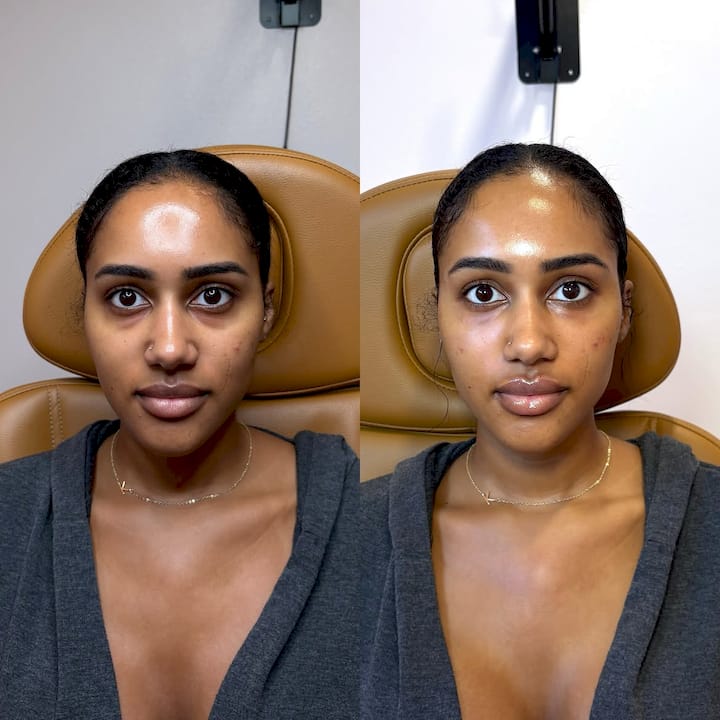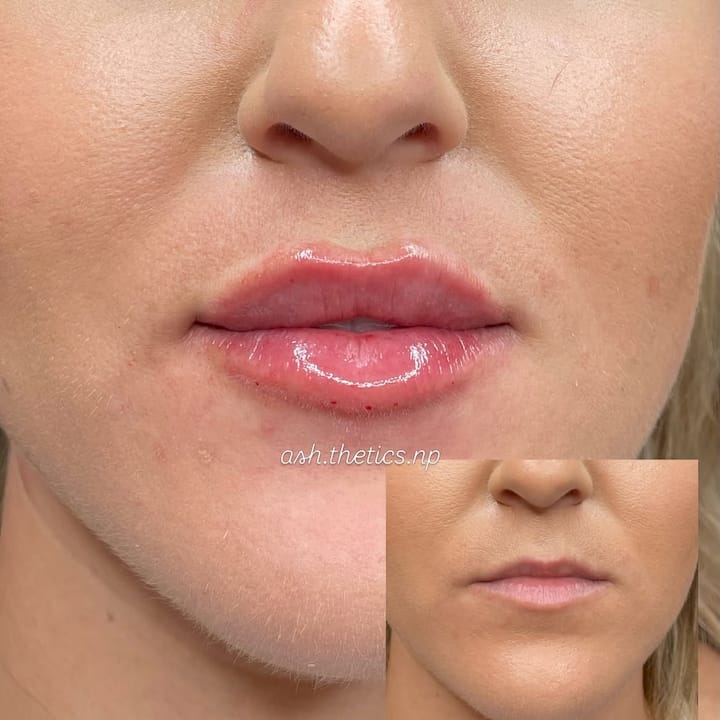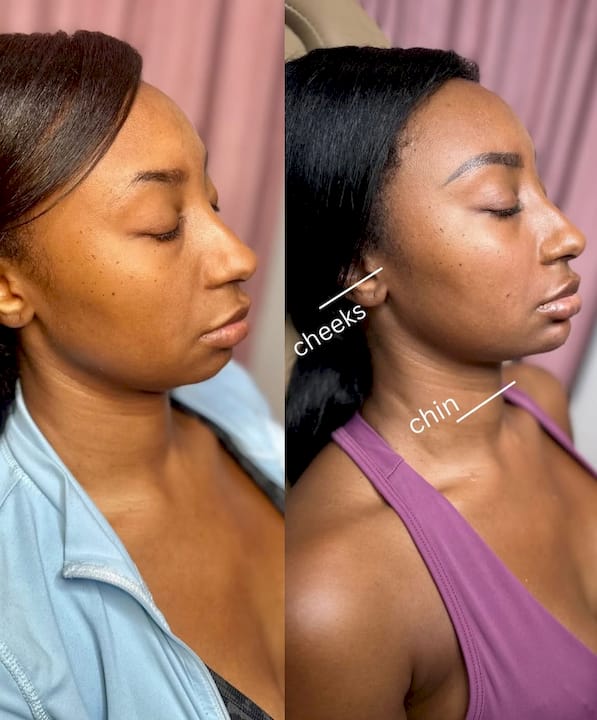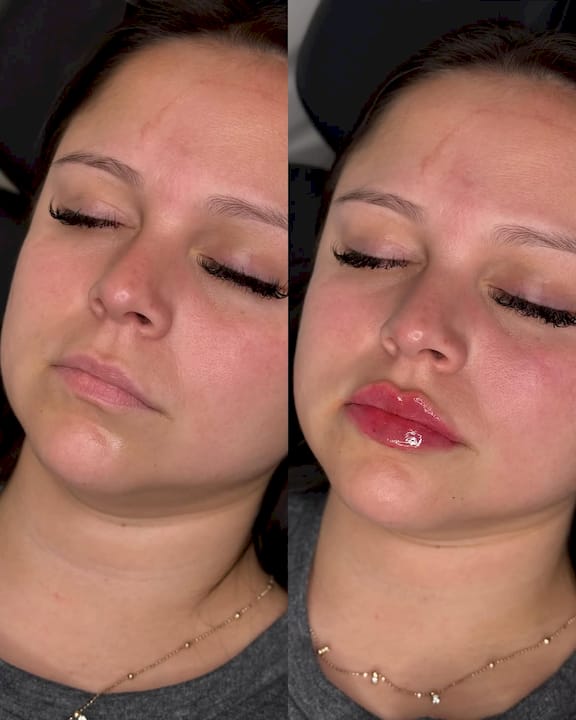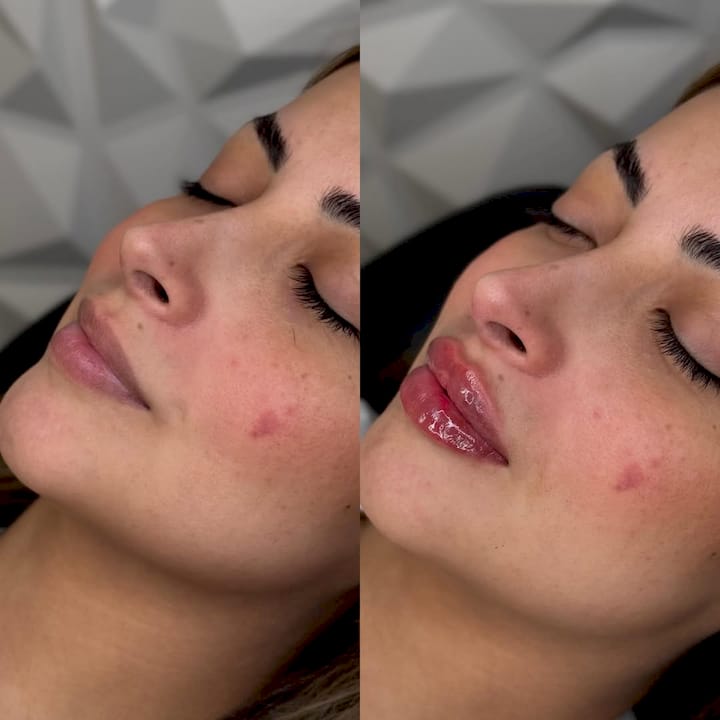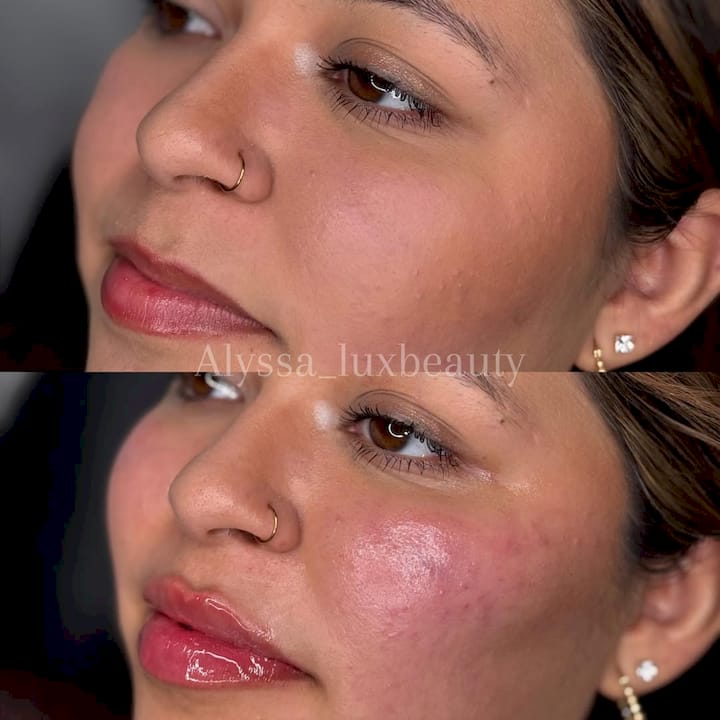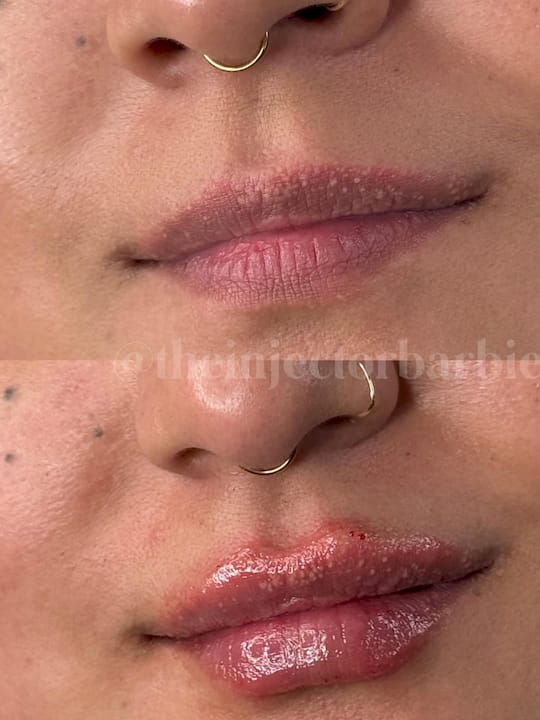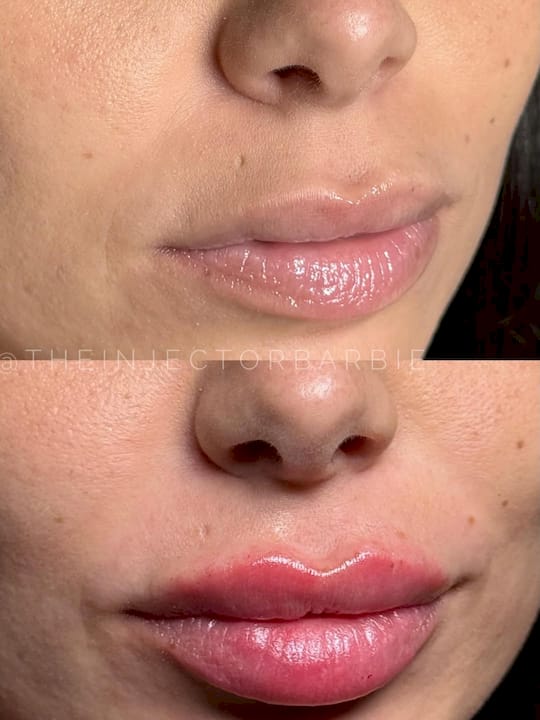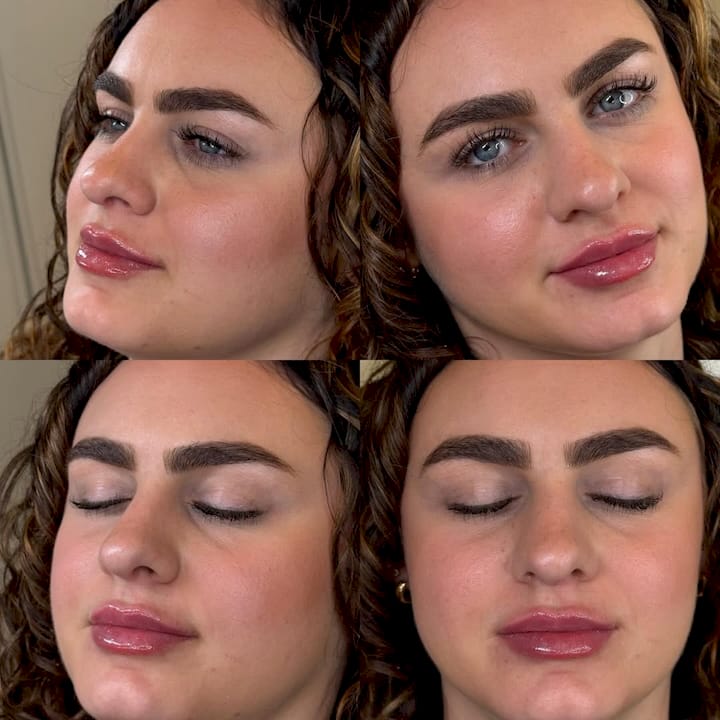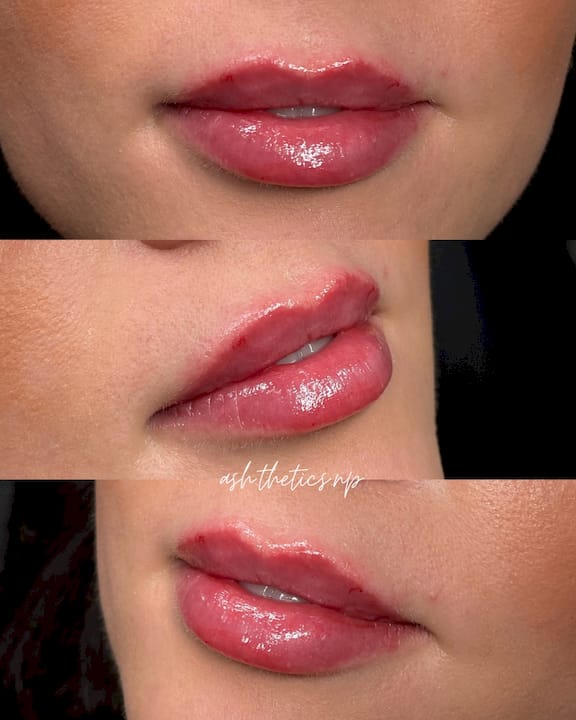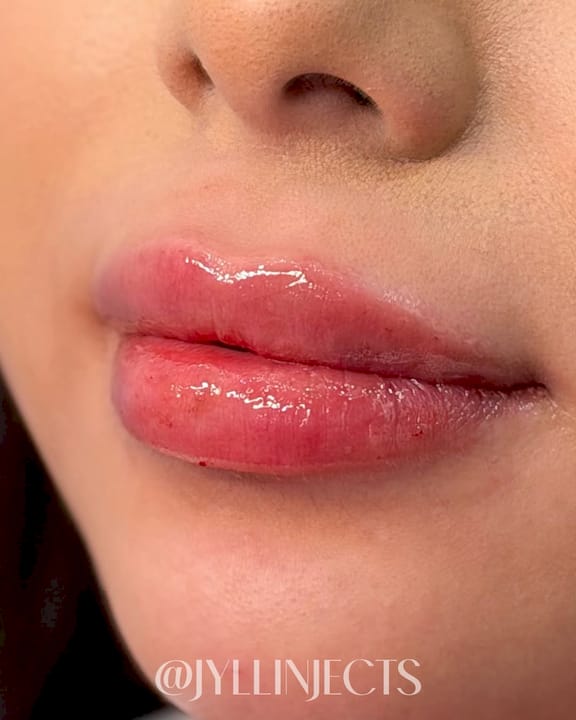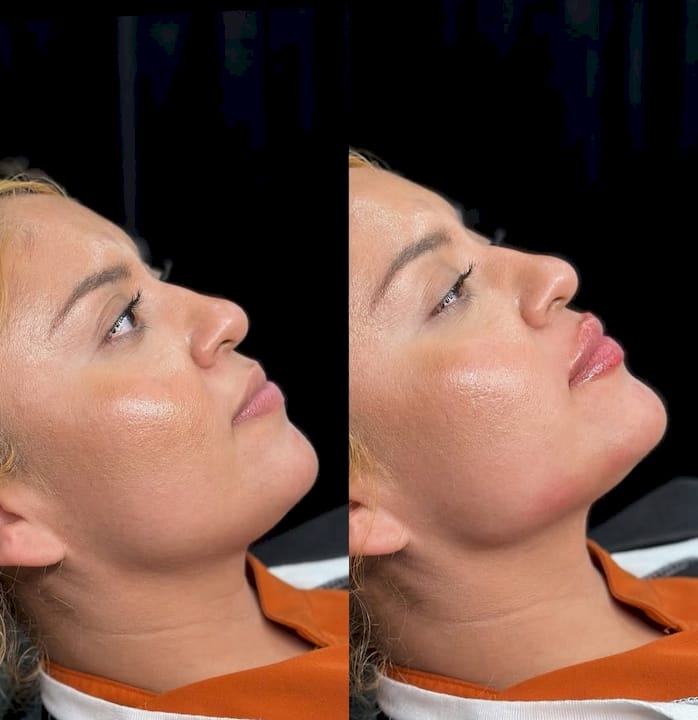
Walking into a med spa to ask about lip fillers sounds simple until someone hands you a menu of options and you realize you have no idea what separates one from another. The formula inside the syringe shapes everything: how natural your lips look, how long the results last, whether you can reverse the treatment if something feels off, and how safely the product was approved for use on lips specifically. Choosing the wrong type is not just a cosmetic inconvenience. It can cost you time, money, and peace of mind. This guide gives you a clear, honest breakdown of every major lip filler type so you can walk into your next consultation knowing exactly what to ask for.
Table of Contents
-
The overlooked truth about lip fillers: Why product choice really matters
-
Ready for fuller lips? Next steps with a lip filler specialist
Key Takeaways
| Point | Details |
|---|---|
| HA fillers dominate | Hyaluronic acid fillers are the safest, most popular, and reversible choice for lip enhancement. |
| Reversibility matters | You can dissolve HA fillers if you want to change your look, adding peace of mind for first-timers. |
| Labeling impacts safety | Always confirm your filler is FDA-approved for lips to ensure optimal safety and results. |
| Non-HA fillers are rare | Older, permanent, or non-HA filler types are used less often due to higher risks and fewer FDA indications. |
How to evaluate lip fillers: What matters most
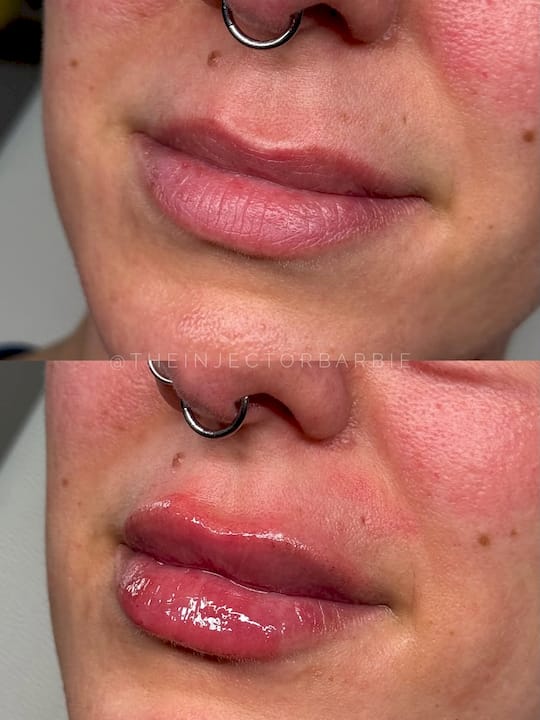
Before you fall in love with a before-and-after photo on social media, it helps to build a personal checklist. Every patient has a different starting point and a different goal, and those differences should drive the choice of filler rather than trends or price alone.
Start with the look you want. Are you after a barely-there boost that keeps things looking natural? Or do you want a noticeable, fuller pout? Some fillers add soft diffuse volume while others sculpt precise definition in areas like the cupid’s bow or lip border. Knowing this upfront saves you from asking a dramatic filler to do a subtle job, and vice versa.
Think about how long you want results to last. Some fillers metabolize (break down naturally in the body) within six to nine months. Others can last a year or more. Longevity sounds appealing, but longer-lasting fillers also mean you are committed to the result for a longer period if something is not quite right.
Reversibility is a big deal, especially for first-timers. Not every filler type can be dissolved if you change your mind. This is one of the most overlooked factors when women are choosing their filler for the first time. When natural lip filler choices matter most to you, reversibility should be near the top of your checklist.
FDA indications tell you a lot. Not every filler on the market is specifically approved for the lips. FDA-labeled lip fillers primarily fall into the hyaluronic acid (HA) category for adults aged 21 and over, depending on the specific product and its labeling. Using a filler for lips when it carries a different indication introduces extra uncertainty.
Here is a quick evaluation checklist to bring to your consultation:
-
What look am I aiming for: subtle or dramatic?
-
How long do I want results to last?
-
Do I want the option to reverse or adjust the filler?
-
Is this specific product FDA-labeled for lip augmentation?
-
Does my provider have experience with this exact filler?
Pro Tip: For first-time lip filler patients, prioritize products with a lip-specific FDA indication and a clear reversibility option. It gives you real control over your outcome and serious peace of mind.
Hyaluronic acid (HA) fillers: The gold standard for lips
Now that you know what to look for, let’s examine the top filler category you’ll hear about in most cosmetic offices across San Antonio, Austin, and beyond. Hyaluronic acid fillers dominate the lip augmentation space for good reason, and understanding why helps you feel confident about choosing one.
HA is a substance your body already produces naturally. It sits in your skin and connective tissue, drawing in moisture and providing structure. When used as a lip filler, it integrates smoothly, which is a big part of why FDA-approved HA fillers are the leading option for lip augmentation in adults aged 21 and over in the United States. Because your body already recognizes HA, allergic reactions are genuinely rare compared to older filler materials.
Results feel natural. HA fillers are soft and pliable once injected, meaning your lips move naturally when you talk, smile, and laugh. Dense or stiff fillers can create an unnatural appearance, but modern HA formulas are specifically engineered for the flexible, dynamic tissue of the lips.
Precise shaping is possible. Different HA products have different thicknesses, which injectors call viscosity. Thinner formulas work well for fine lines around the lip border. Denser ones add central volume. An experienced provider mixes and matches these to sculpt a result tailored specifically to your face.
Reversibility is the feature that truly sets HA apart. If you want to adjust your results or simply change your mind, HA fillers can be reversed safely and quickly using an enzyme called hyaluronidase. No other major filler category offers this level of control. It is one of the primary reasons HA remains the recommended choice when patients want confidence in managing their outcome over time.
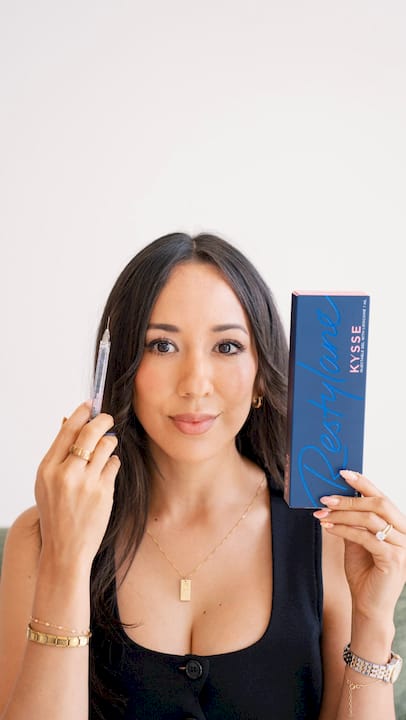
Well-known HA brands you might encounter include Juvederm Volbella, Juvederm Ultra XC, and Restylane Kysse, each with slightly different textures and intended results. Your provider should explain which product fits your specific goal and anatomy rather than defaulting to whatever happens to be in stock.
“Think of HA fillers as a commitment you can walk back if needed. That flexibility changes the risk-benefit calculation entirely, particularly for anyone trying lip enhancement for the first time.”
If you want to go deeper on the selection process, finding your ideal HA filler starts with understanding how each product behaves in the specific tissue of your lips.
Other lip filler types: What you need to know
With HA fillers leading as the gold standard, you might wonder about the alternatives still available and why they are less commonly used today. Here is a straightforward look at each option and where it fits, or does not fit, in modern lip enhancement practice.
Collagen fillers were the original cosmetic injectable and were popular for decades. They came from bovine (cow-derived) or human collagen sources and required allergy testing before use. Today, they have been almost entirely replaced by HA fillers because HA is safer, more predictable, and does not require pre-treatment testing.
Fat grafting involves taking fat from another area of your body, usually through a minor liposuction procedure, and injecting it into your lips. Results can last longer than HA fillers. However, fat grafting is a surgical procedure, costs significantly more, requires recovery time, and is not reversible in the same way HA fillers are. It also carries variable survival rates, meaning the amount of fat that stays in place can be unpredictable.
PMMA (polymethylmethacrylate) is a permanent synthetic filler. It is rarely used in lips specifically because of the high risk of lumps, migration, and complications in tissue that moves constantly. Permanent fillers sound appealing until something goes wrong and there is no easy fix. The FDA labeling for lip augmentation clearly positions HA fillers as the category with lip-specific approvals, while PMMA carries different labeled indications and higher risk for lip use.
Poly-L-lactic acid (PLLA) stimulates your own collagen production over time rather than filling immediately. It works beautifully in areas like the cheeks and temples. In the lips, however, it tends to produce irregularities and lumpiness, which is why most experienced injectors keep it away from lip tissue entirely.
Key takeaways from this section:
-
Collagen fillers are outdated and no longer recommended
-
Fat grafting is surgical, costly, and not easily reversible
-
PMMA carries high complication risk in lips specifically
-
PLLA is not appropriate for lip tissue
-
HA remains the safest and most versatile option for most patients
If you’re curious about other ways to enhance your appearance without injections, you can explore information on permanent lip enhancements and how they compare.
Head-to-head: Comparing main lip filler options
Now, compare at a glance the key characteristics of the main filler approaches you’ll hear about, so you can make the most informed choice.
| Filler type | FDA-labeled for lips | Reversible | Longevity | Risk level | Invasiveness |
|---|---|---|---|---|---|
| Hyaluronic acid (HA) | Yes (21+ depending on brand) | Yes, with hyaluronidase | 6 to 18 months | Low | Minimal |
| Collagen | No longer in use | No | 3 to 6 months | Moderate | Minimal |
| Fat grafting | Not categorized | No | 1 to 3 years | Moderate | Surgical |
| PMMA | Not for lips | No | Permanent | High | Minimal injection, permanent result |
| Poly-L-lactic acid | Not for lips | No | Up to 2 years | Moderate to high for lips | Minimal |
As the table shows, HA fillers hold the clearest lip-specific approvals among all filler categories for adults aged 21 and over, and they are the only option that offers straightforward reversibility. Every other category trades safety features or flexibility for some form of extended longevity or different mechanism of action.
For an even more detailed breakdown, the best lip filler comparison covers individual product brands and what makes each one perform differently in clinical settings.
Pro Tip: No matter which filler you are considering, always ask your provider two questions before you commit: “Is this product FDA-labeled specifically for lips?” and “Can it be reversed if I want to adjust the results?” Those two answers tell you almost everything you need to know about your safety and flexibility.
Situational recommendations: Choosing what’s right for you
Understanding the differences, see which filler approach matches your goals and risk level.
-
You’re a first-timer and feeling cautious. Start with an FDA-approved HA filler in a softer formulation. The reversibility with hyaluronidase means you have a genuine safety net if you want to make changes afterward. Go conservative on volume for the first treatment.
-
You want subtle, natural-looking enhancement. Ask your injector about thinner HA fillers like Juvederm Volbella or Restylane Kysse, both of which are designed for softer, more diffuse results in lip tissue. Less is often more for a polished, understated look.
-
You want dramatic volume and are comfortable with the process. Denser HA formulations can deliver significant volume. Some patients also explore fat grafting for longer-lasting fullness, knowing that the trade-off is surgical involvement and no easy reversal option.
-
Reversibility is your top priority. HA is your only real choice. No other filler category allows for quick, safe correction if something is off or if your goals change.
-
You’ve had fillers before and want longer results. An experienced injector can discuss layering HA treatments over time or using denser formulas. Fat grafting is a surgical option for patients who have already tested their response to lip enhancement and want extended duration.
-
You are nervous about pain or recovery. HA injections for lips take about 15 to 30 minutes, involve minimal downtime, and use topical anesthetic for comfort. Most patients return to normal activities the same day.
Understanding the basics of what goes into the syringe helps enormously. The detailed overview at lip filler basics walks through the full treatment process so you know what to expect from start to finish.
The overlooked truth about lip fillers: Why product choice really matters
Having seen the objective data and clinical recommendations, here is something few experts explain clearly to patients during their lip filler journey: the product itself matters as much as the skill of the injector.
Most patients walk into a consultation focused entirely on the result they want. They show a photo, describe the fullness they are after, and trust that the rest is up to the professional. And while injector skill is absolutely critical, the filler formula chosen is an equally important variable that rarely gets discussed openly.
Think about it this way. Two injectors with identical technique but different filler choices can produce dramatically different outcomes in the same patient. One HA product may integrate beautifully and feel soft within days. Another may feel firmer longer, show more swelling, or behave differently under movement. The FDA indication on each product reflects very specific testing for specific tissue types. A product labeled for cheeks behaves differently in the lips because lip tissue moves constantly and has different structural demands.
Here is what we see again and again: patients who research reversibility before their appointment are far more relaxed about the process and far more satisfied with their outcomes. Knowing you can dissolve the filler if needed removes most of the psychological pressure. That calm actually contributes to a better experience and more realistic expectations throughout the healing process.
The same logic applies to avoiding lip filler migration, which is when filler spreads outside the intended area. Migration is more common with heavier fillers placed too superficially in mobile tissue, and it is far less of a concern when your provider selects a product specifically engineered for lips with the correct injection depth.
Do not rush this decision. If a provider cannot name the specific filler brand they plan to use, explain its FDA labeling, and describe how they would handle a correction, that is a signal to ask more questions or seek a second opinion. Education is your most practical tool against an outcome you will regret.
Ready for fuller lips? Next steps with a lip filler specialist
At The Injection Room, we work with women in Austin and San Antonio who want real results from providers who actually explain what they’re doing and why. Our team specializes in Botox and filler services in San Antonio, including carefully selected HA lip fillers tailored to your specific anatomy and goals. Whether you are interested in a subtle refresh or a more noticeable enhancement, we offer a full range of comprehensive enhancement services to support your aesthetic goals. Some patients also combine lip work with a non-surgical nose job to balance overall facial proportions without going under the knife. Book a consultation with us and let’s find the right approach for your lips, your face, and your confidence.
Frequently asked questions
Are hyaluronic acid fillers reversible if I don’t like my results?
Yes, HA fillers can be dissolved quickly and safely using an enzyme called hyaluronidase, giving you a reliable correction option if you want to adjust or remove the results.
Who is eligible for lip augmentation with FDA-approved fillers?
Adults aged 21 and over are eligible for FDA-labeled HA lip fillers in the US, with some specific brand products starting eligibility at age 22 depending on their exact labeling.
Which lip fillers are FDA approved specifically for lips?
Only certain hyaluronic acid fillers carry FDA approval specifically for lip enhancement, so always ask your provider to confirm the exact labeling of the product they plan to use.
What are the risks of permanent lip fillers?
Permanent fillers in the lips carry significantly higher risks including lumps, migration, and long-term complications, which is why modern clinics rarely recommend them over HA fillers for this specific treatment area.
%20Pictures%20are%204%20weeks%20apart..jpg)