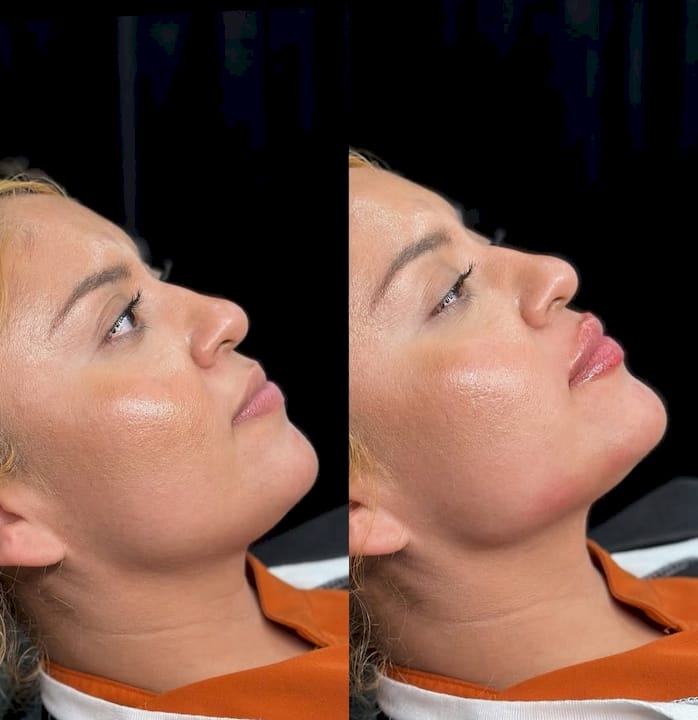
Choosing the right injection for facial rejuvenation is not as simple as picking a name from a menu. The wrong product, the wrong provider, or the wrong timing can mean wasted money, unsatisfying results, or in serious cases, a genuine health risk. Aesthetic injection types for anti-aging fall into two broad categories: neurotoxins that relax specific facial muscles and dermal fillers that restore or add soft-tissue volume. Understanding how they differ, when to use each, and how to make a safe, confident decision is exactly what this guide is built to deliver.
Table of Contents
-
How to evaluate injection types: Safety and effectiveness criteria
-
Special situations: Off-label uses, permanent fillers, and fat grafting
-
A fresh perspective: What most guides miss about injection choices
-
Explore trusted injection services in San Antonio and Austin
Key Takeaways
| Point | Details |
|---|---|
| Prioritize safety first | Choose licensed providers and FDA-approved products for any injection procedure. |
| Reversible options for newcomers | Start with reversible injections like hyaluronic acid fillers for predictability and minimal risk. |
| Neurotoxins target dynamic wrinkles | Botox and similar neurotoxins relax facial muscles and provide 3–6 months of wrinkle reduction. |
| Fillers vary in material and longevity | Fillers range from short-term (HA, CaHA) to permanent, so choose based on duration and reversibility needs. |
| Personal goals matter | Decision-making depends on your age, desired effect, risk tolerance, and guidance from a qualified injector. |
How to evaluate injection types: Safety and effectiveness criteria
Before you sit down for a consultation, you need a personal framework for evaluating any injectable treatment. The goal is not just to look refreshed; it’s to make sure every decision you make now won’t limit your options or health later.
Why licensing and product sourcing are non-negotiable
The provider performing your treatment matters as much as the product being used. The FDA has warned repeatedly that unauthorized or illegally marketed botulinum toxin products pose serious health risks, and this applies to both providers and consumers who seek cheaper alternatives through unregulated channels. Similarly, CDC reporting has documented severe illnesses linked to cosmetic botulinum toxin that was self-injected or sourced improperly. Licensed professionals using FDA-approved products are not a luxury, they are the baseline standard.
Following injectable safety best practices means verifying that your provider holds an active state license, works in a clinical or medical spa setting, and can clearly name the brand and FDA approval status of every product used on you. Reputable safe injectable enhancements always start with full disclosure.
Your decision checklist before any injection
Use this list to evaluate every treatment option before agreeing to it:
-
Is the product FDA-approved for this specific use or application?
-
Is the provider a licensed professional (nurse practitioner, PA, physician, or registered nurse)?
-
Is the treatment reversible if you dislike the result or experience a complication?
-
What is the realistic duration of results, and does it align with your lifestyle?
-
Does the provider have documented experience with this specific injection type?
-
Is a consultation included before the procedure, not just on the day of treatment?
Pro Tip: When you call to book, ask specifically which brand will be used and how it is sourced. A reputable provider will answer without hesitation. If you encounter vague responses, that is a red flag worth acting on.
For those exploring professional injectable options for the first time, starting with reversible treatments is a smart way to test how your face responds before committing to longer-lasting procedures.
Neurotoxin injections: How they work and popular brands
Neurotoxins, also called neuromodulators, work by temporarily blocking the nerve signals that tell specific facial muscles to contract. The result is a softening of the lines those muscles create when you squint, frown, or raise your eyebrows. The effect is subtle when done well, and it is temporary, which makes neurotoxins an excellent starting point for many patients.
Common cosmetic targets and how long results last
Neurotoxin injections address specific areas: glabellar frown lines (the “11s” between your brows), horizontal forehead lines, crow’s feet at the outer corners of the eyes, and platysma bands along the neck. Results typically last three to six months, after which the muscle activity gradually returns and the lines begin to reappear. Consistent treatment over time can train the muscles to contract less forcefully, which means you may need slightly less product as the years go on.
The neurotoxin benefits extend beyond wrinkle smoothing. Many patients use neurotoxins preventively in their late twenties and thirties to slow the formation of static lines, which are the permanent creases that develop when dynamic wrinkle lines are repeatedly folded into the skin.
Popular neurotoxin brands and what sets them apart
| Brand | Manufacturer | Onset time | Typical duration |
|---|---|---|---|
| Botox | Allergan | 3–7 days | 3–6 months |
| Dysport | Galderma | 2–5 days | 3–5 months |
| Xeomin | Merz | 3–7 days | 3–6 months |
| Jeuveau | Evolus | 2–5 days | 3–4 months |
Each brand uses a slightly different formulation of botulinum toxin type A, and some patients find one brand works better for them than another. Dysport, for example, tends to diffuse slightly more broadly, which some injectors prefer for larger areas like the forehead. Xeomin contains no accessory proteins, which may appeal to patients who have developed resistance to other brands over time. Your neurotoxin guide at a qualified provider will help you figure out which brand matches your anatomy and goals.
According to ASPS 2024 statistics, neuromodulators and hyaluronic acid fillers remain the most popular minimally invasive aesthetic treatments in the United States, with millions of procedures performed annually. That volume reflects both how safe these treatments are in the right hands and how widely accepted they have become across age groups.
Pro Tip: Schedule your neurotoxin appointments consistently every three to four months rather than waiting until the effect has fully worn off. Maintaining some baseline level of muscle relaxation between appointments tends to produce smoother, more even results over time. Check out guidance on choosing neurotoxins to find the best fit for your skin.
Dermal fillers: Types, mechanism, and longevity
Where neurotoxins address muscle movement, dermal fillers address volume. As we age, we lose fat, collagen, and bone density in the face, which causes hollowing under the eyes, flattening of the cheeks, and loss of jaw definition. Fillers restore that architecture by physically adding volume beneath the skin or stimulating the body’s own collagen production.
The main filler categories
Understanding types of facial fillers starts with knowing the base material, because that determines how long it lasts, whether it can be reversed, and how many sessions you will need.
-
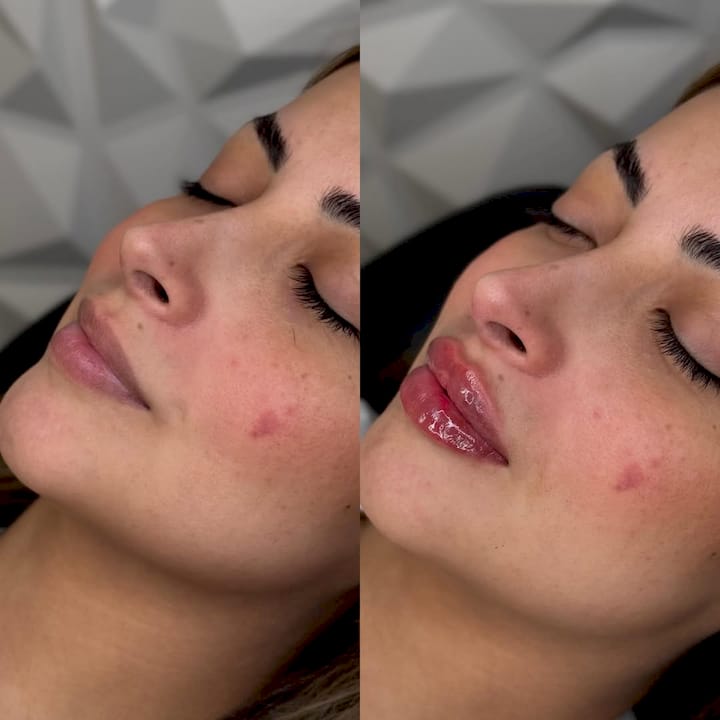
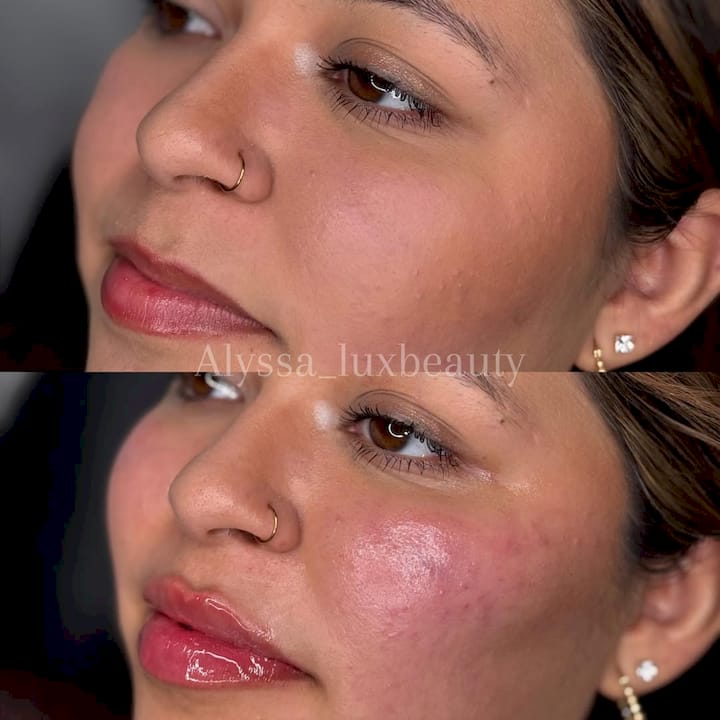
Hyaluronic acid (HA): The most widely used category. HA is a sugar molecule the body naturally produces. HA fillers like Juvederm and Restylane are reversible with an enzyme called hyaluronidase and last six to twelve months depending on the area treated.
-
Calcium hydroxylapatite (CaHA): Found in Radiesse, this biostimulatory filler adds immediate volume and then stimulates collagen production. It lasts up to one year and is not reversible.
-
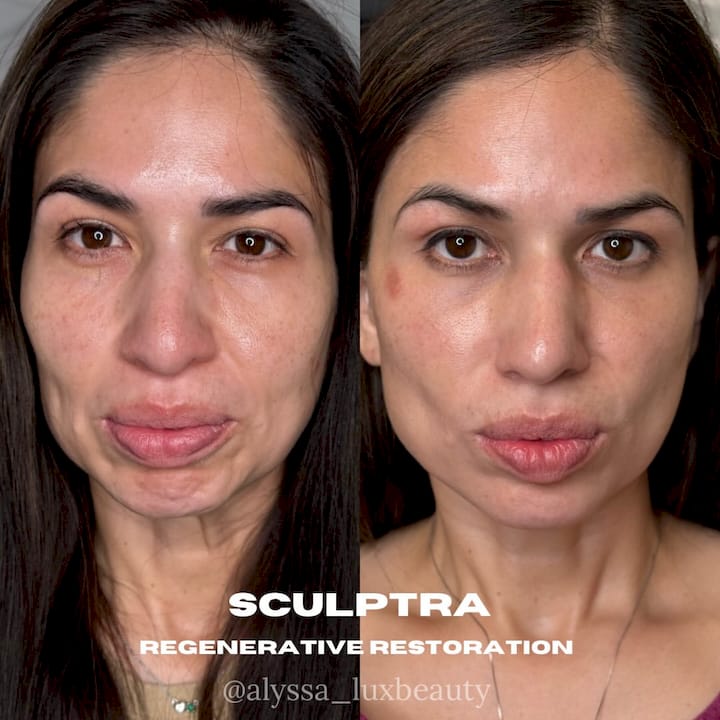
Poly-L-lactic acid (PLLA): Sculptra is the main brand in this category. It is not an immediate filler but a collagen stimulator that requires multiple sessions, spaced weeks apart, with results that build gradually and last up to two years.
-
Permanent fillers: Products like Bellafill use polymethylmethacrylate (PMMA) microspheres. They do not absorb and are not reversible.
-
Fat grafting: Using your own fat, harvested through a small liposuction procedure, to restore facial volume. Results can last one to two years.
FDA-approved facial fillers span all of these categories, and each serves a different purpose depending on where volume needs to be added and how permanent the patient wants the outcome to be. A helpful resource on Sculptra filler insights explains exactly how collagen-stimulating fillers work differently from traditional volume replacers.
Degradable vs. non-degradable fillers at a glance
| Feature | Degradable (HA, PLLA, CaHA) | Non-degradable (PMMA, silicone) |
|---|---|---|
| Reversibility | Yes (HA) or partially | No |
| Duration | 6 months to 2 years | Permanent |
| First-time suitability | High | Low |
| Correction options | Dissolve or wait | Surgical removal only |
| Sessions needed | 1 (HA, CaHA) or multiple (PLLA) | Usually 1–2 |
A 2025 clinical review confirms that the degradable versus non-degradable distinction is central to risk planning, particularly when it comes to reversal options and long-term outcomes. Explore the basic injectable types to get a fuller picture of where each filler category fits into an anti-aging plan.
“The best filler for a first-time patient is almost always the one that can be undone. Starting reversible gives you the freedom to refine your results without regret.”
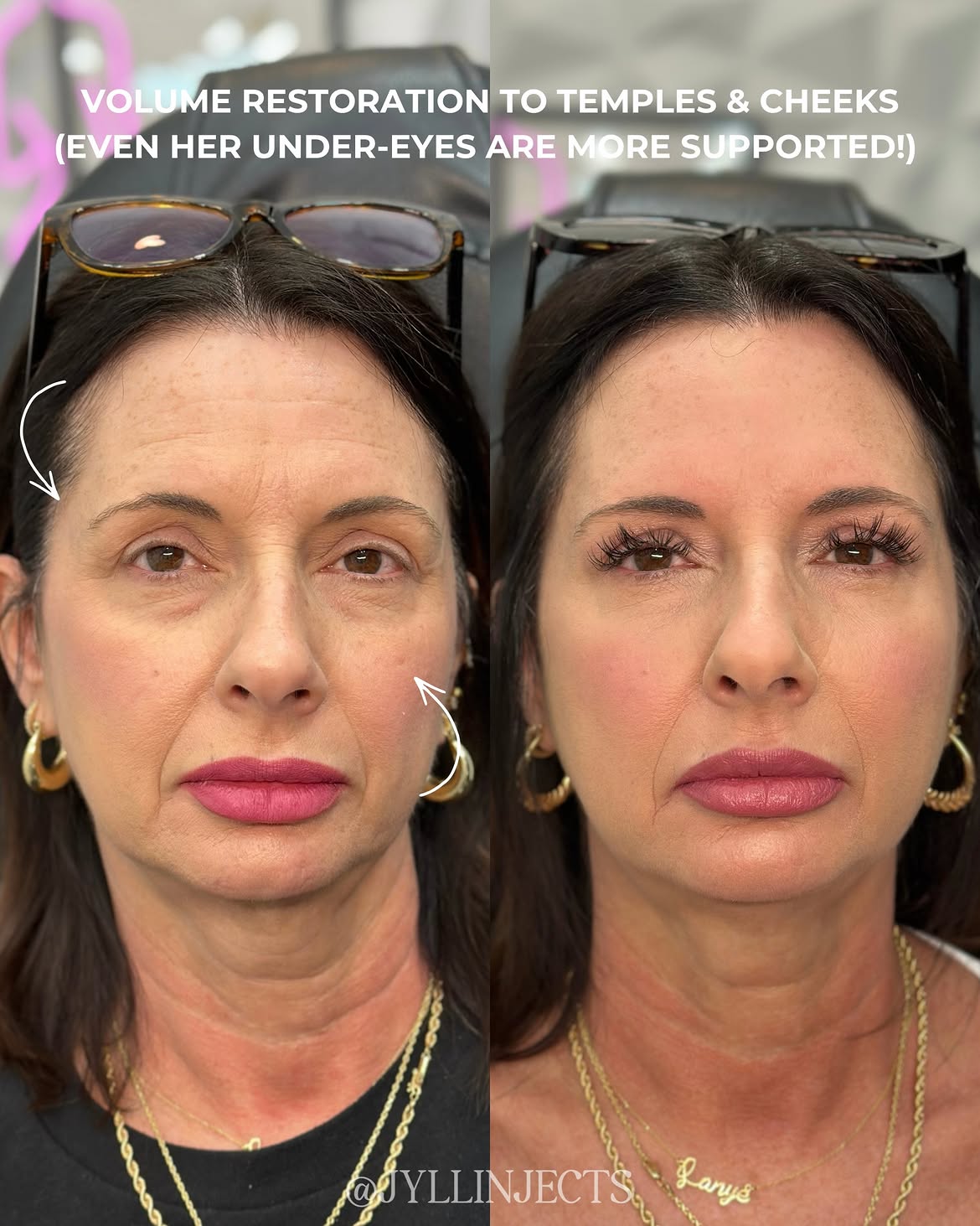
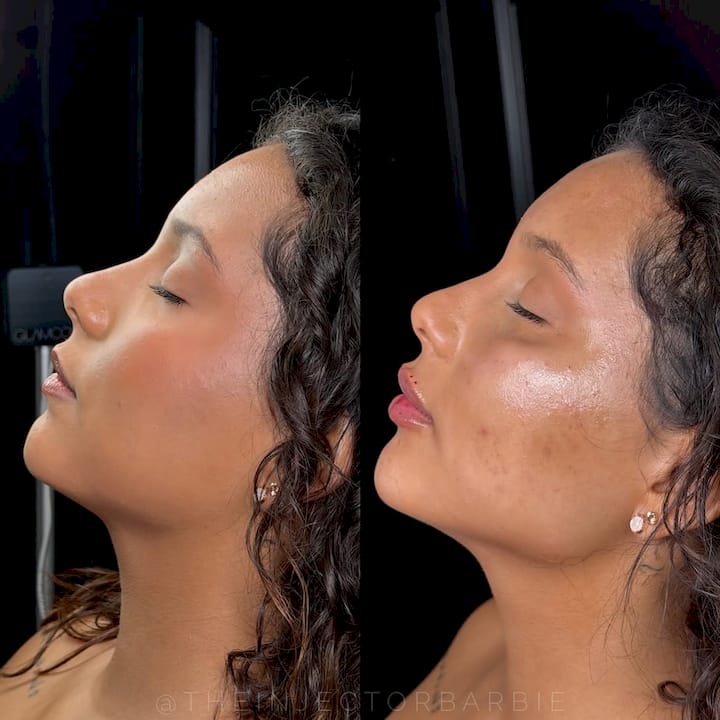
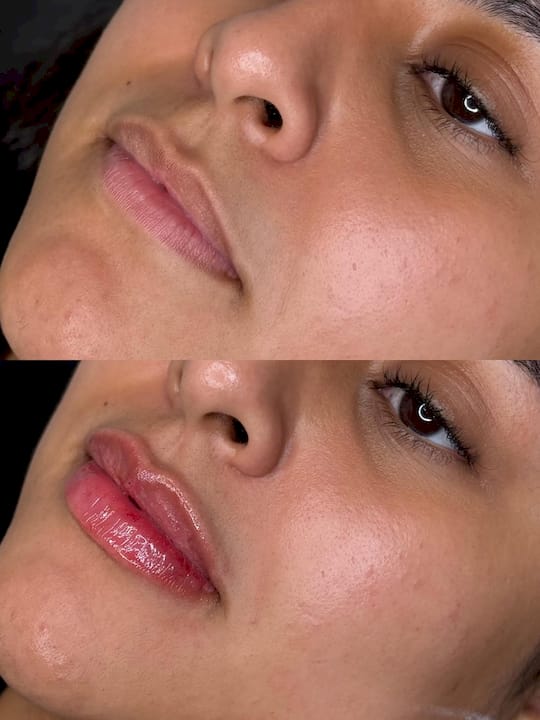
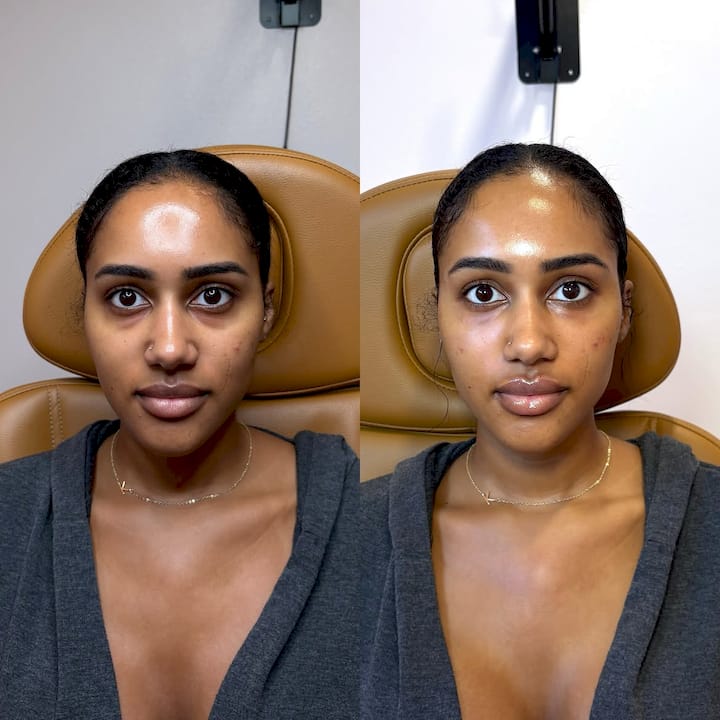
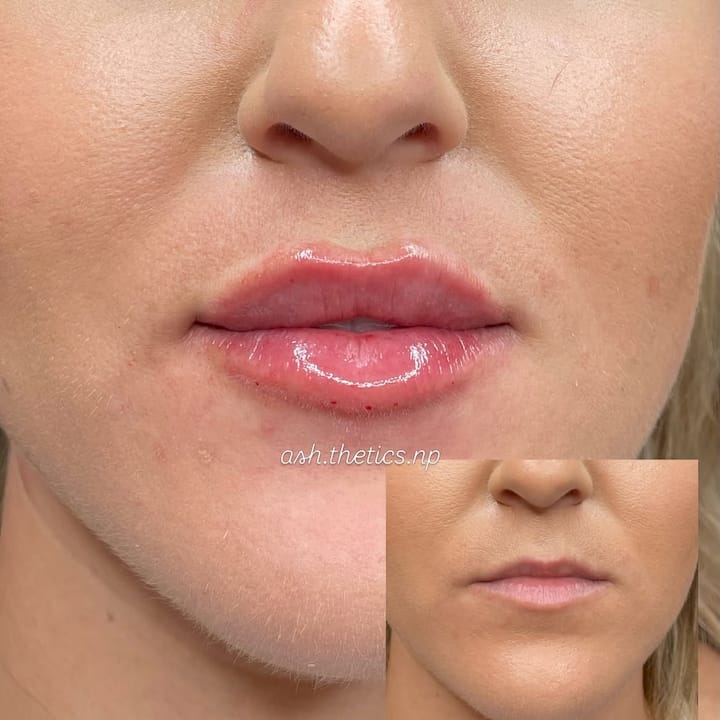
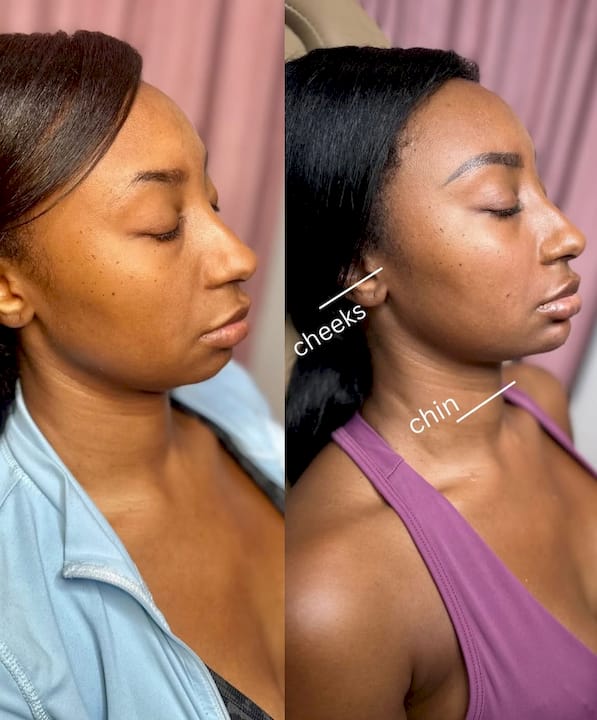
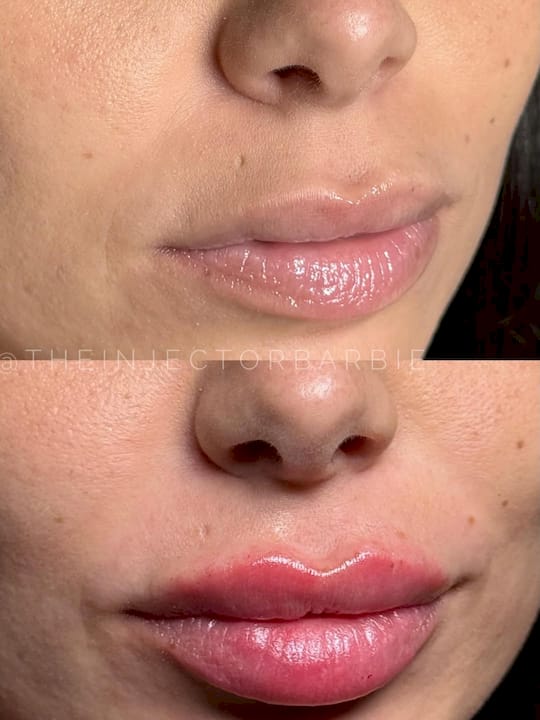
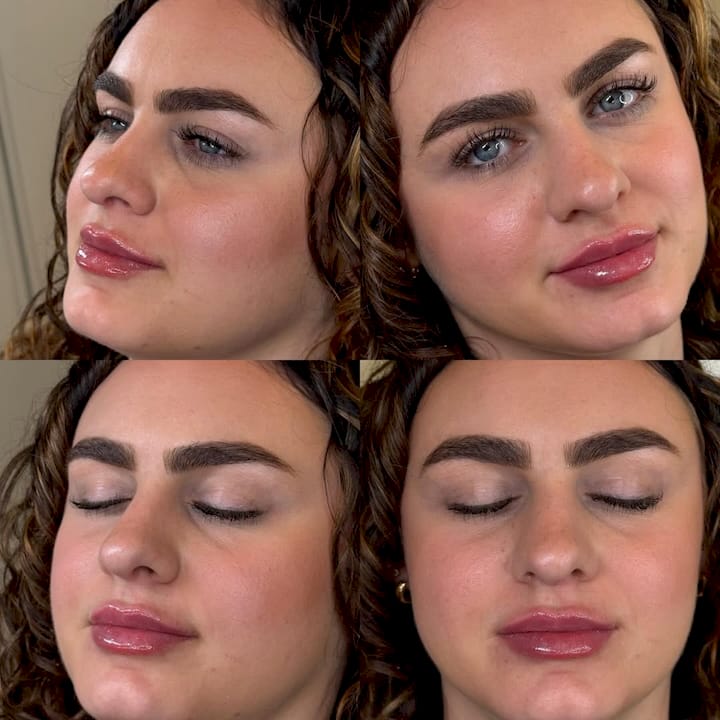
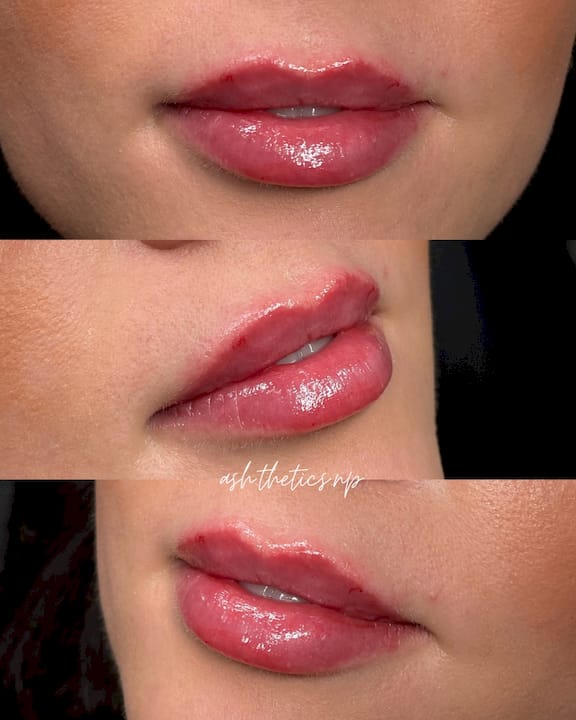
Pro Tip: Before your first filler appointment, ask your provider to show you a before-and-after gallery specific to the area you want treated. Lips, cheeks, and under-eye hollows each require very different techniques and product consistencies.
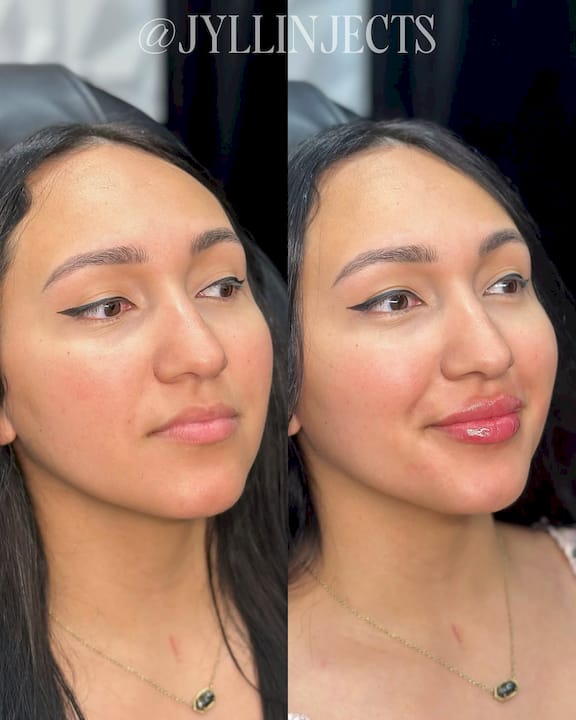
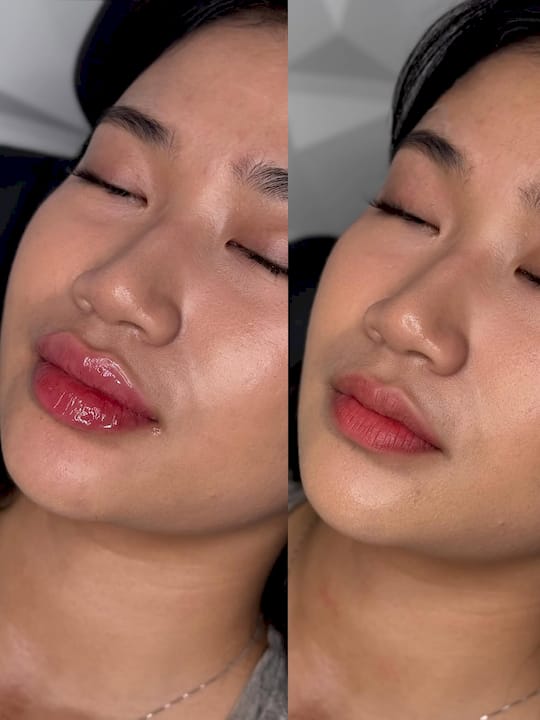
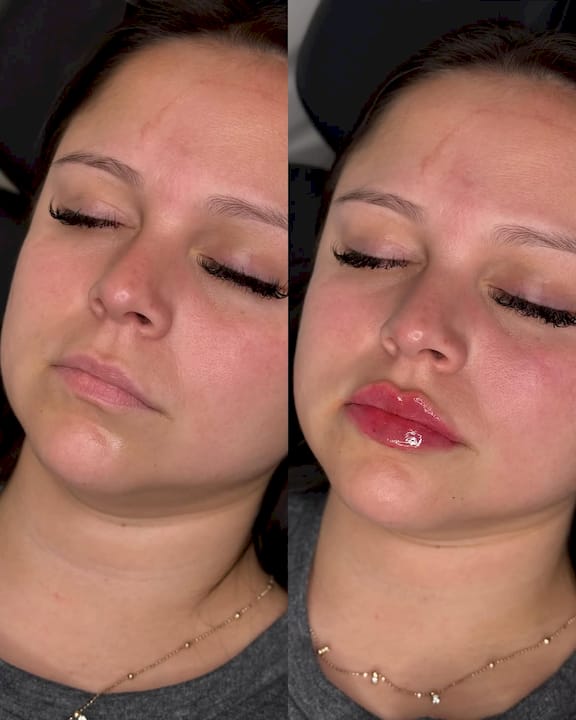
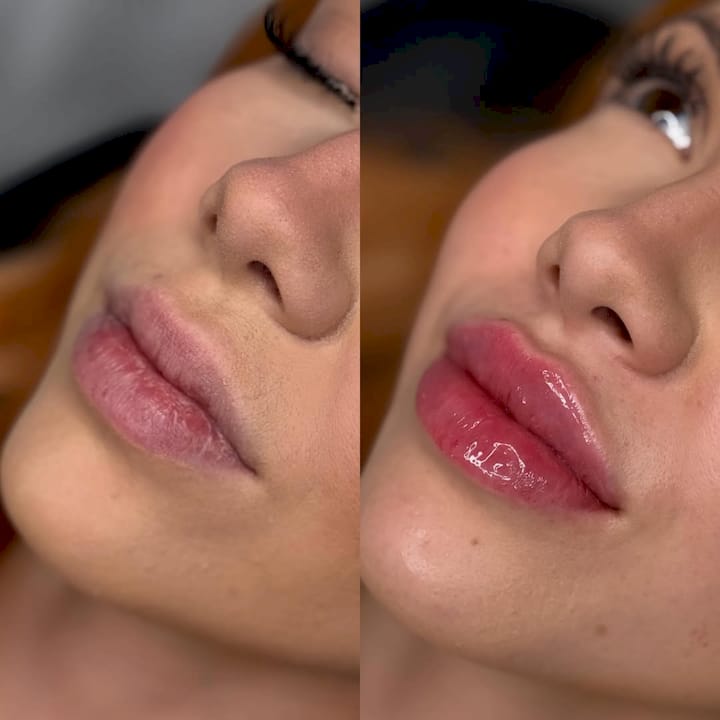
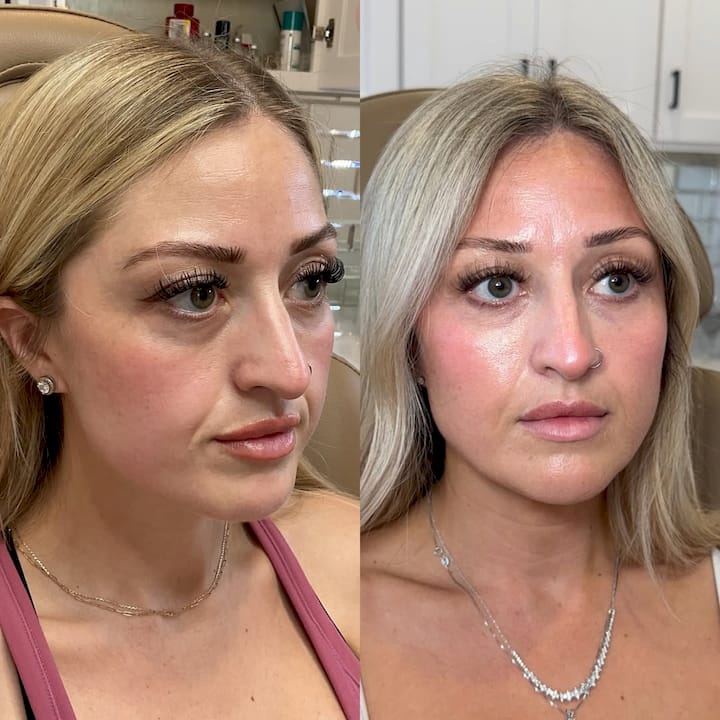
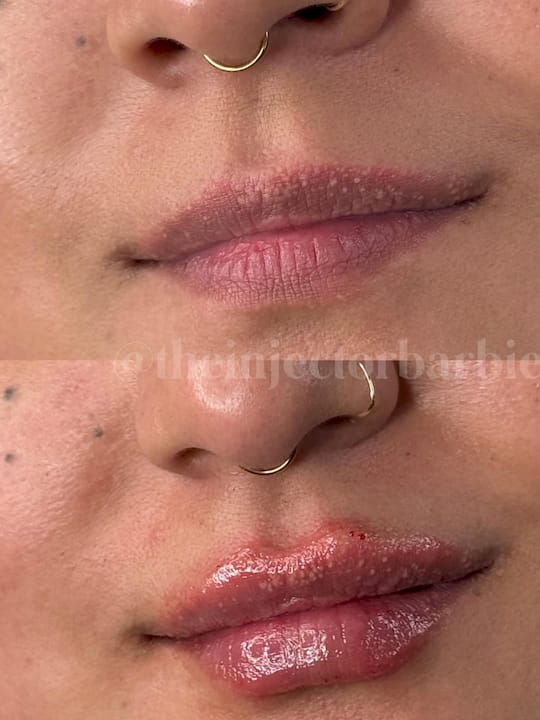
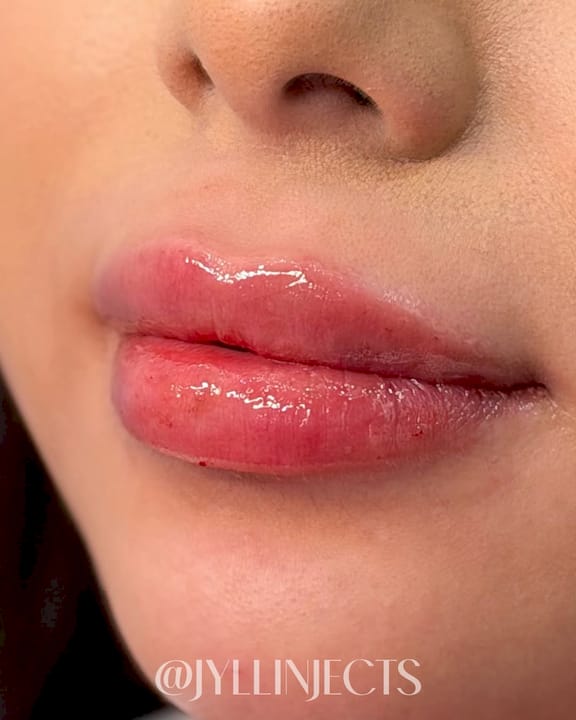
You can also browse a filler procedure gallery to get a realistic sense of what well-executed results look like across different treatment areas.
Special situations: Off-label uses, permanent fillers, and fat grafting
Not every patient fits neatly into the standard menu of treatments. Some situations call for longer-lasting options, more complex procedures, or specialized planning. Understanding these edge cases protects you from being oversold or making a decision that is hard to walk back.
Permanent fillers and why caution matters
Bellafill and similar permanent fillers are appropriate for a narrow group of patients: those who have already had years of experience with shorter-term treatments, know exactly how their face responds to filler, and have stable, well-defined goals. For everyone else, the inability to dissolve or easily remove the product is a serious drawback. If your face changes with age (and it will), permanent filler that looked perfect at 40 may look misplaced at 55.
PLLA and multi-session treatment planning
Anti-wrinkle injection types that require multiple sessions, like Sculptra, demand patience and planning. Results build gradually over three to six months as the body responds to the collagen-stimulating material. This means you need to plan treatments well ahead of any events or milestones. The payoff is a more natural-looking, longer-lasting result that does not look “done.” Per the 2025 clinical review, longer-duration products are less appropriate for first-time experimentation precisely because the timeline for correction is extended.
Fat grafting: When it makes sense
Fat grafting uses your own tissue, which eliminates allergic reaction risk and produces long-lasting results. The trade-off is that the procedure is more involved than a standard filler appointment, requires a recovery period, and the survival rate of transferred fat is not entirely predictable. For patients who want a more involved, longer-term solution and are already comfortable with minor procedures, it can be a strong choice. It is rarely the right starting point. Check out injectable contouring tips to understand how fat grafting and fillers can complement each other.
“Experienced clinicians generally recommend building a track record with reversible treatments first. Not because the alternatives are unsafe in all cases, but because knowing how your anatomy responds gives both you and your injector a better foundation for more complex decisions.”
Explore lip augmentation options for a detailed look at how different injection types translate to specific facial areas.
Comparison summary: Choosing your injection type
Here is the side-by-side view you need to make a final, confident decision.
| Injection type | Best for | Reversible | Duration | Sessions |
|---|---|---|---|---|
| Neurotoxin (Botox etc.) | Dynamic lines, prevention | Yes (wears off) | 3–6 months | 1, then maintenance |
| HA filler | Volume, contouring, lips | Yes (enzyme) | 6–12 months | 1 |
| CaHA (Radiesse) | Deep folds, collagen boost | No | Up to 1 year | 1 |
| PLLA (Sculptra) | Gradual volume, collagen | No | Up to 2 years | Multiple |
| Permanent filler | Long-term established goals | No | Permanent | 1–2 |
| Fat grafting | Significant volume loss | Partially | 1–2 years | 1 (surgical) |
Your pre-treatment decision checklist
-
Start with reversible, predictable options like HA fillers and neurotoxins if you are new to injectables
-
Use neurotoxins for prevention before static lines have fully set in
-
Reserve longer-duration or permanent options for after you understand your own aesthetic preferences
-
Always ask your provider about rare but serious risks, including vascular complications
-
Build in time for follow-up appointments and do not treat results as static
Review the injectable types summary to keep all of these categories clear in your mind as you go into your consultation. An additional resource on skin rejuvenation can help you see how injectables fit alongside other non-surgical options.
A fresh perspective: What most guides miss about injection choices
Most articles treat the injection type decision as purely technical: pick the product that matches your concern. But the more important variable is your relationship with your injector. The best neurotoxin or filler in the hands of someone who does not understand your facial anatomy, aesthetic preferences, or long-term goals will still produce an average result.
This is why starting with reversible options is not just about managing risk in the clinical sense. It is about buying yourself time to find a provider you genuinely trust and to learn your own face. When you try a reversible HA filler and your provider can point to exactly what changed, why, and what the next step could look like, you are building a collaboration. That collaboration becomes your biggest asset as your face continues to change over time.
Permanent or semi-permanent choices made early, without that foundation, lock you into a result and a relationship with a product your face may not suit in five years. The patients who are most satisfied long-term are not those who went boldest first. They are the ones who moved incrementally, gathered data about their own responses, and worked with a provider who adjusted the plan as their anatomy evolved.
Following Texas injectables safety standards is not just a regulatory requirement. It is the structural foundation that makes any long-term aesthetic relationship trustworthy. Your face is not a single appointment. It is a lifelong project, and the decisions you make in year one set the tone for everything that follows.
Explore trusted injection services in San Antonio and Austin
If you are ready to move from research to action, The Injection Room offers expert neurotoxin and filler services in both San Antonio and Austin, Texas. Whether you are exploring Botox in San Antonio for the first time or looking to refine an existing treatment plan with Botox in Austin, our licensed providers guide every appointment with personalized care and FDA-approved products. We also offer specialty procedures like nose filler services for non-surgical nose reshaping. Book a consultation and get expert guidance matched to your goals, your timeline, and your budget.
Frequently asked questions
What is the safest type of injection for first-time anti-aging treatments?
Hyaluronic acid (HA) fillers are recommended for new patients because they are reversible, predictable, and carry minimal long-term risk when administered by a licensed professional, making them the ideal entry point into anti-aging injectables.
How long do the effects of neurotoxin injections last?
Neurotoxin injections like Botox, Dysport, and Xeomin typically last three to six months before repeat treatment is needed to maintain results.
Are permanent fillers safe for everyone?
Permanent fillers like Bellafill are not usually recommended for first-time patients due to non-reversibility; permanent or longer-duration fillers best suit experienced patients with clear, stable goals.
What are the risks of self-injecting aesthetic products?
Self-injection or use of unapproved products can result in severe illness including botulism; cosmetic botulinum toxin should always be administered by a licensed provider using FDA-approved products.
Is fat grafting better than traditional fillers?
Fat grafting offers longer-lasting results but is more involved and less predictable than filler injections; duration for different filler types varies, and the best choice depends on your individual goals and your provider’s recommendation.

%20Pictures%20are%204%20weeks%20apart..jpg)