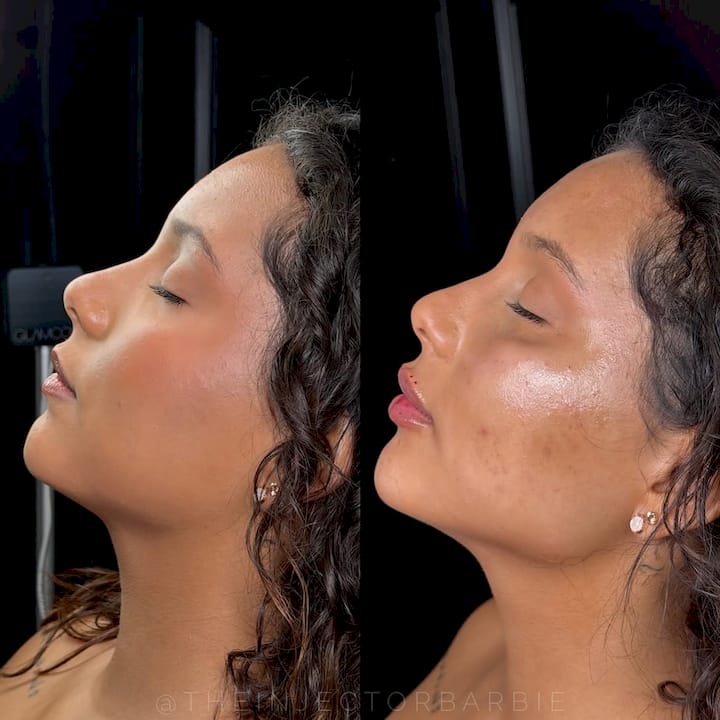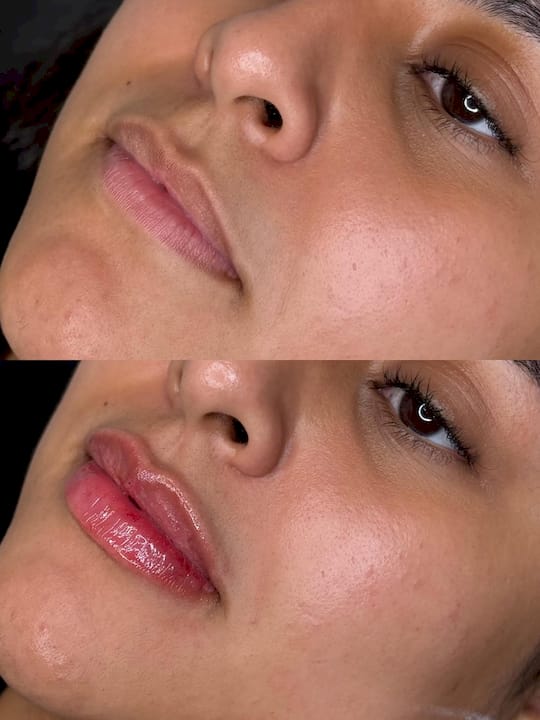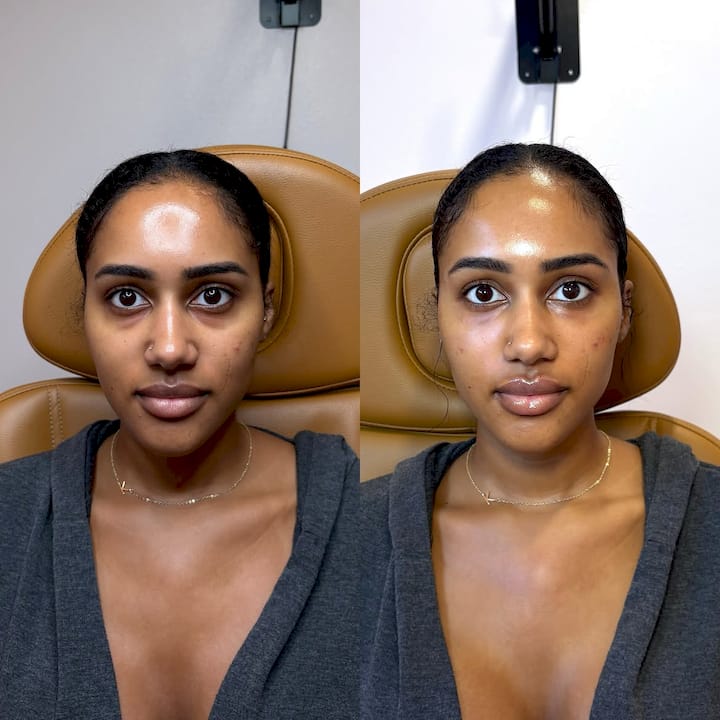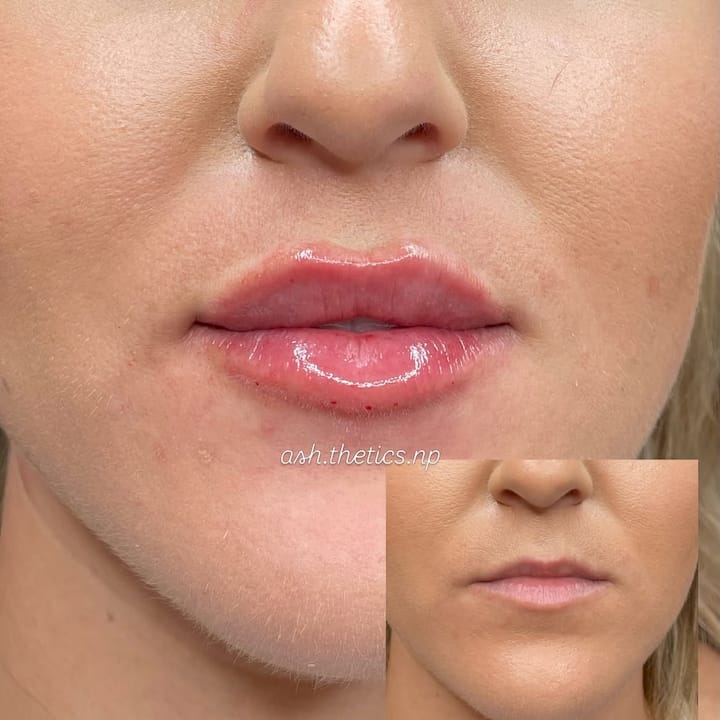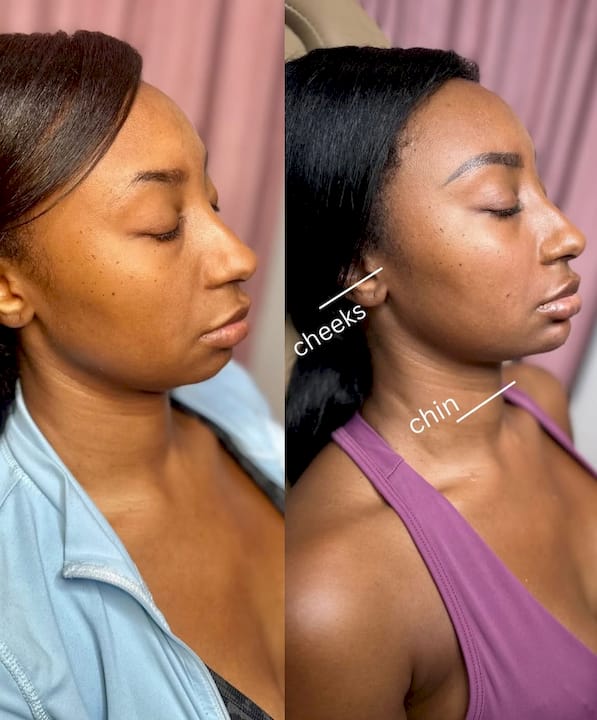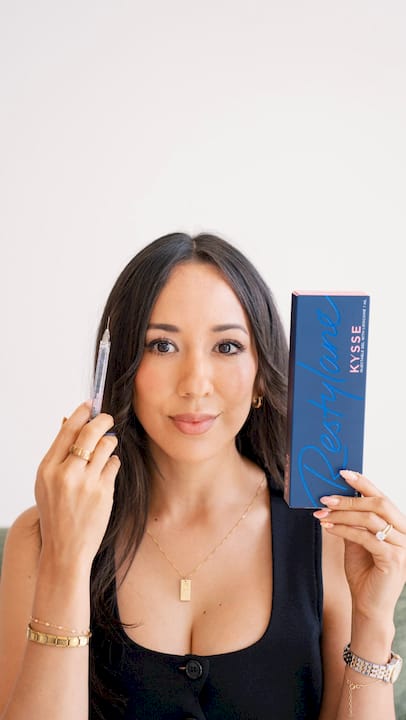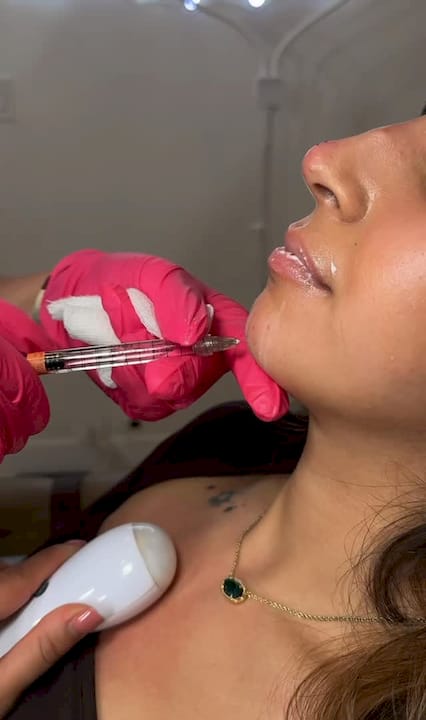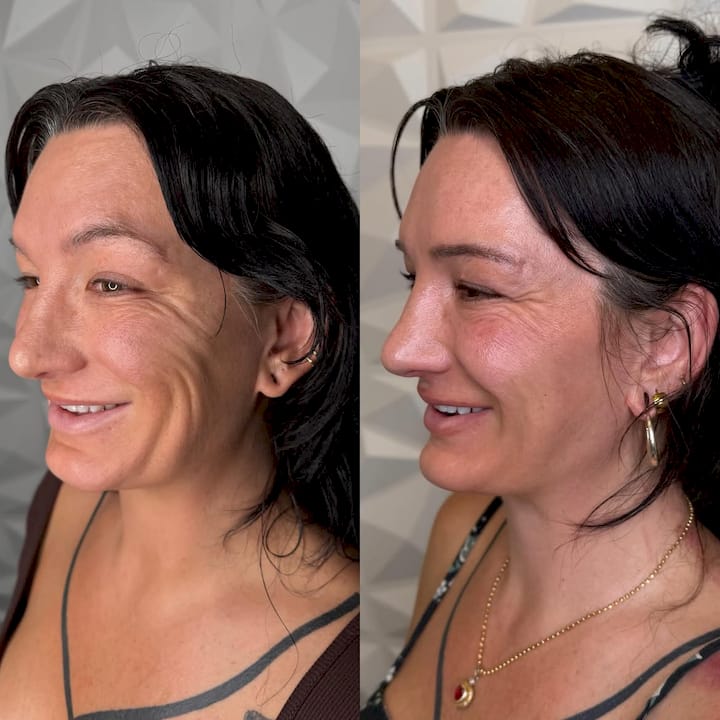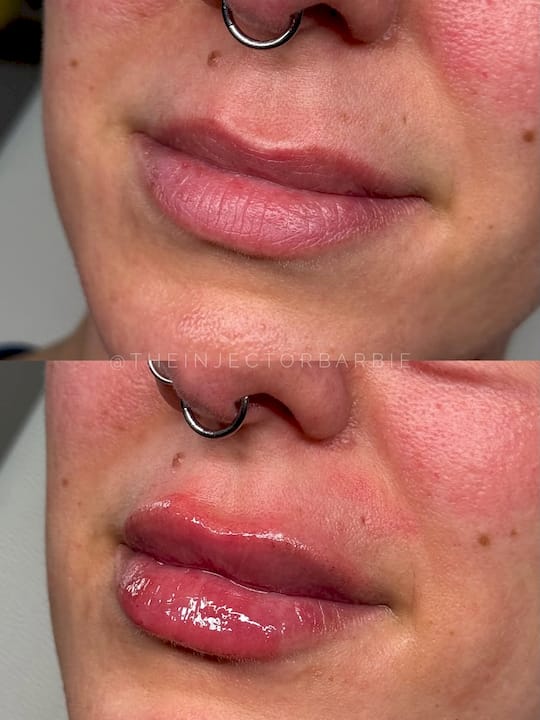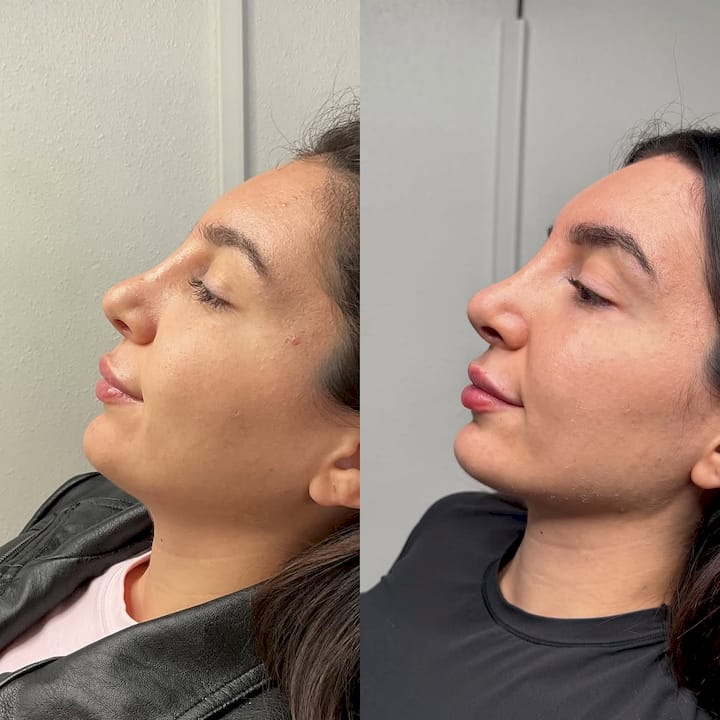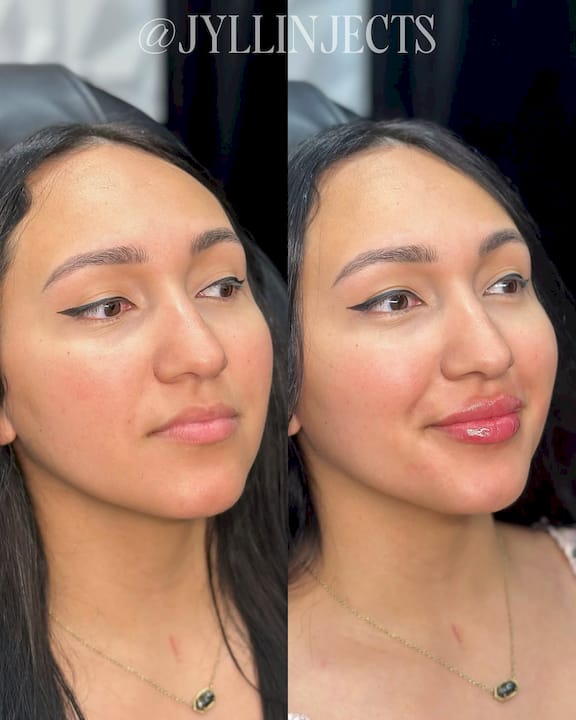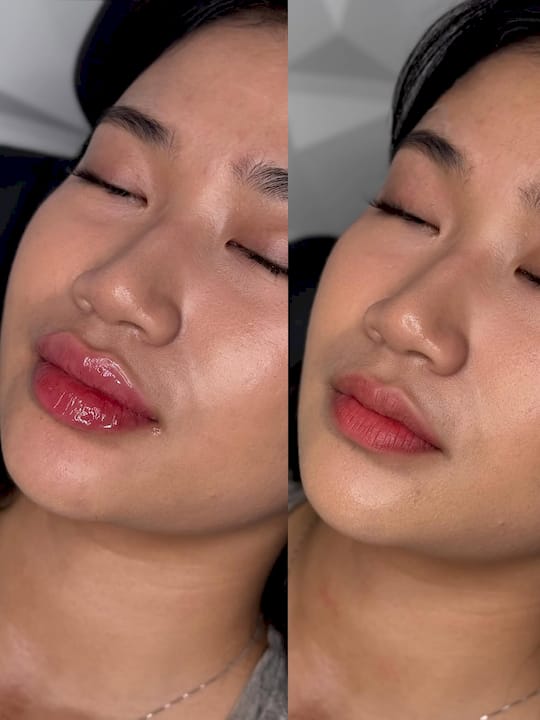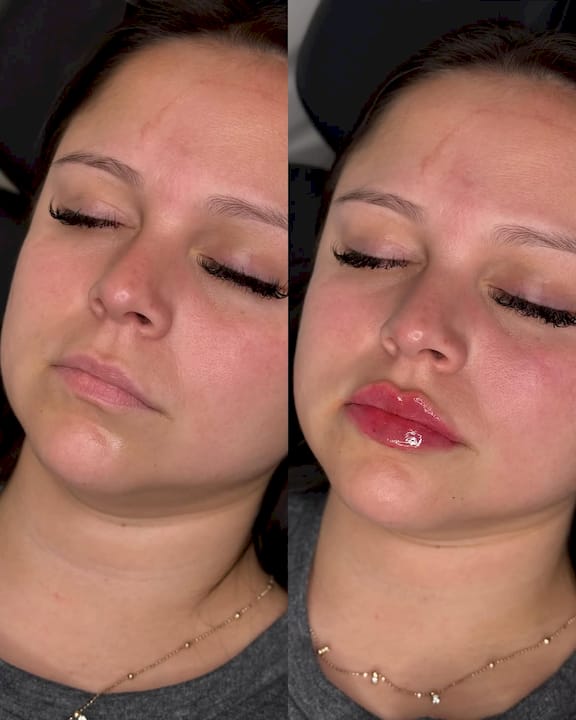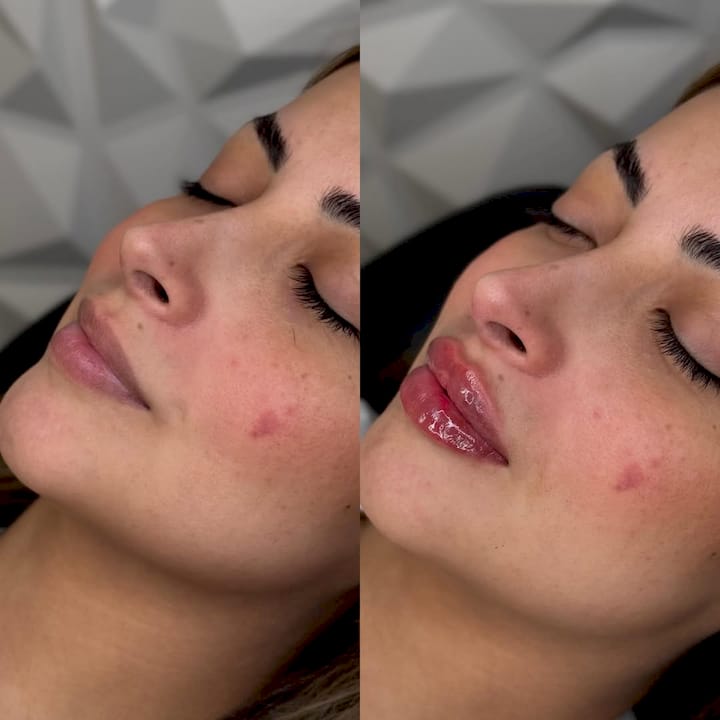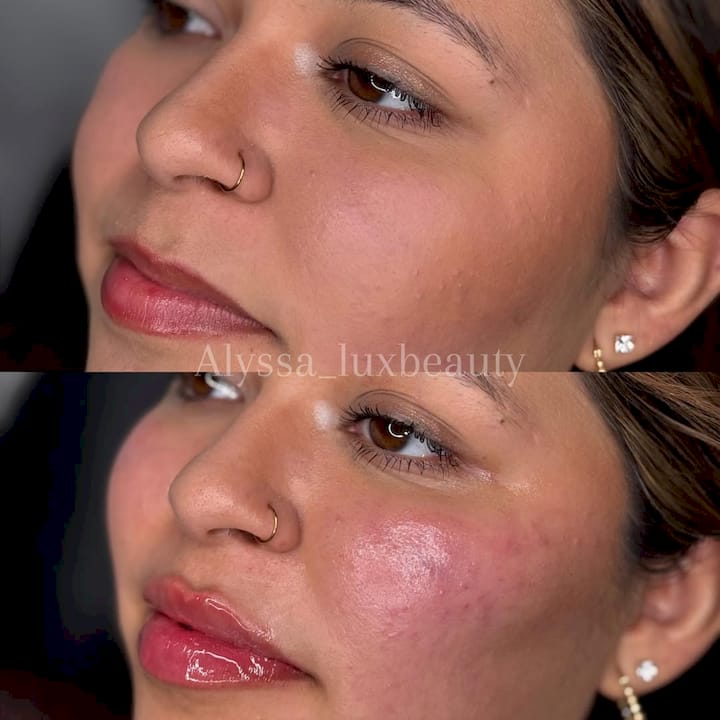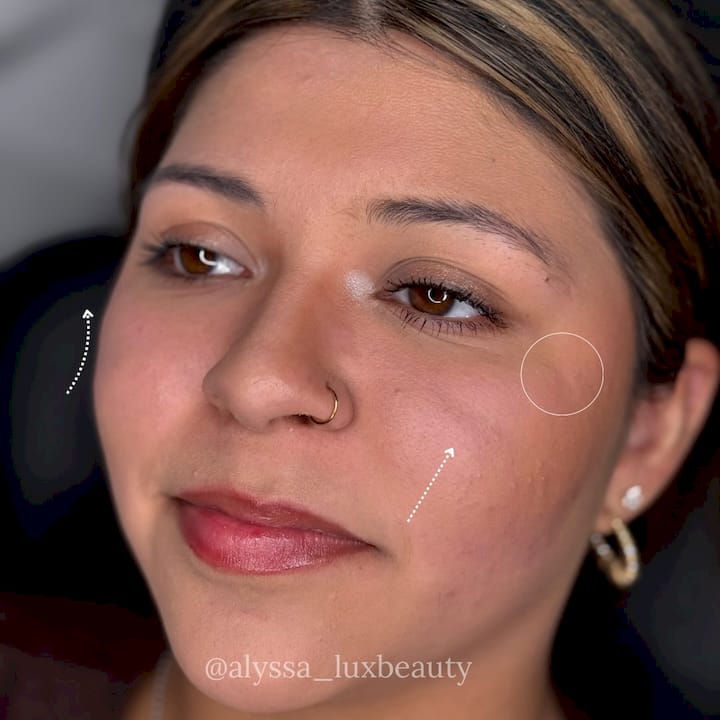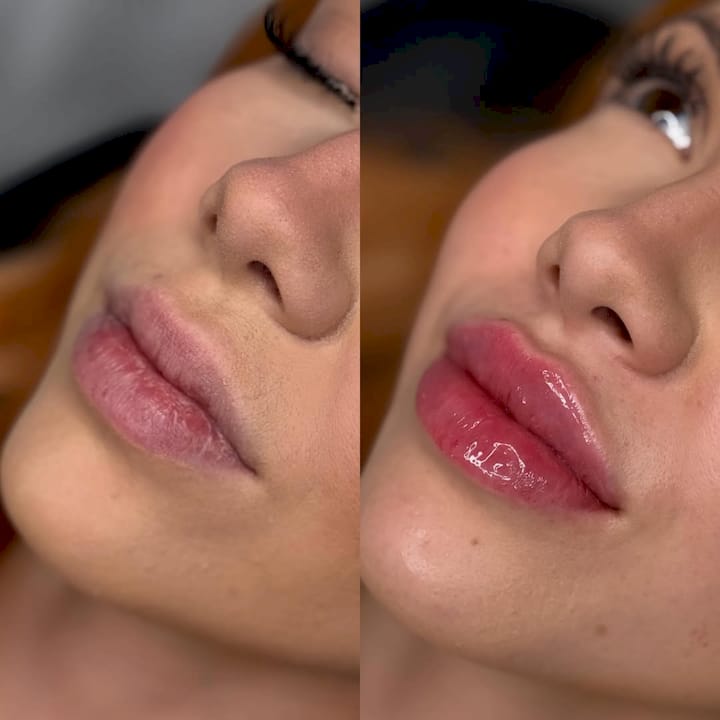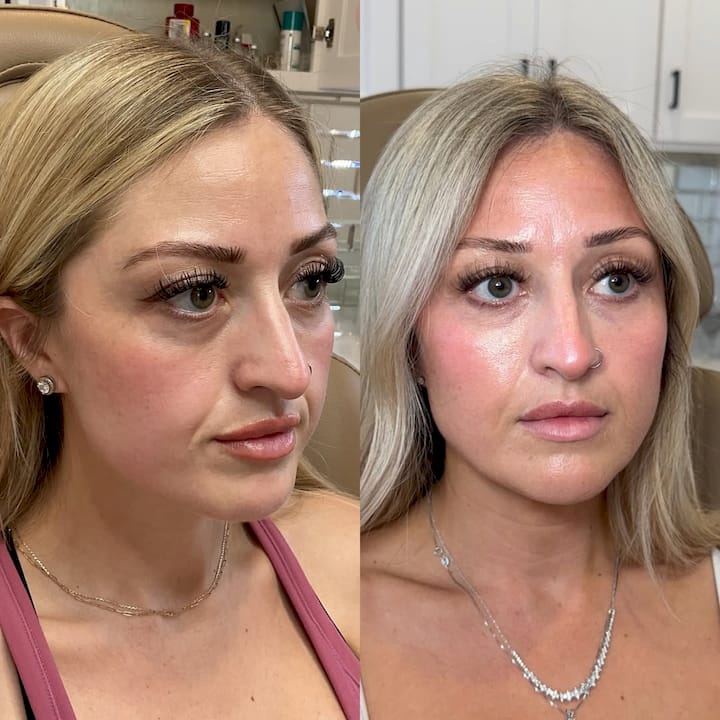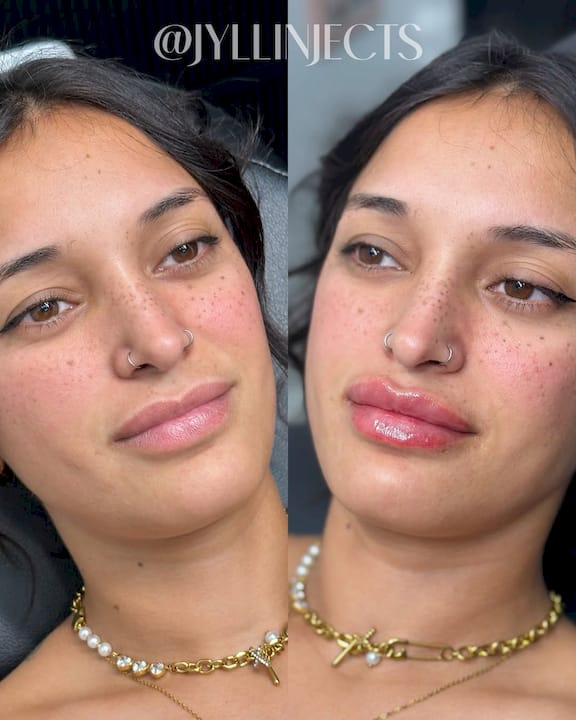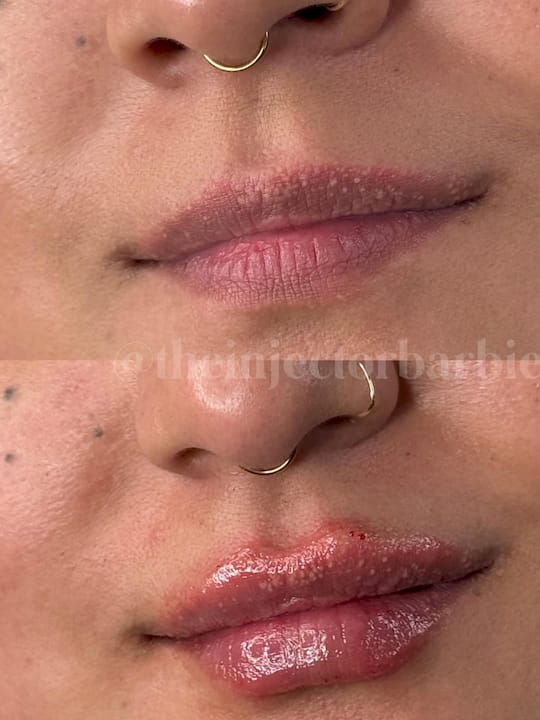
Most American women want smoother skin and natural volume without surgery, yet over 2.7 million nonsurgical filler treatments are performed each year. In vibrant cities like San Antonio and Austin, women aged 35 to 50 are looking for anti-aging fillers that fit their lifestyle, provide lasting results, and look beautifully subtle. This guide takes the confusion out of cosmetic options so you can confidently choose fillers that help you look as refreshed as you feel.
Table of Contents
Key Takeaways
| Point | Details |
| Understanding Dermal Fillers | Dermal fillers are injectable substances that restore facial volume and smooth wrinkles, primarily using materials like hyaluronic acid. |
| Types of Fillers Available | Common filler types include Hyaluronic Acid, Calcium Hydroxylapatite, and Poly-L-lactic Acid, each with varying durations of effectiveness. |
| Factors Influencing Duration | Filler longevity can be affected by individual metabolism, treatment area, and lifestyle choices, necessitating personalized consultations. |
| Risks and Side Effects | While generally safe, potential side effects include bruising and infection; choosing a board-certified professional is crucial for safety. |
What Are Dermal Fillers and How They Work
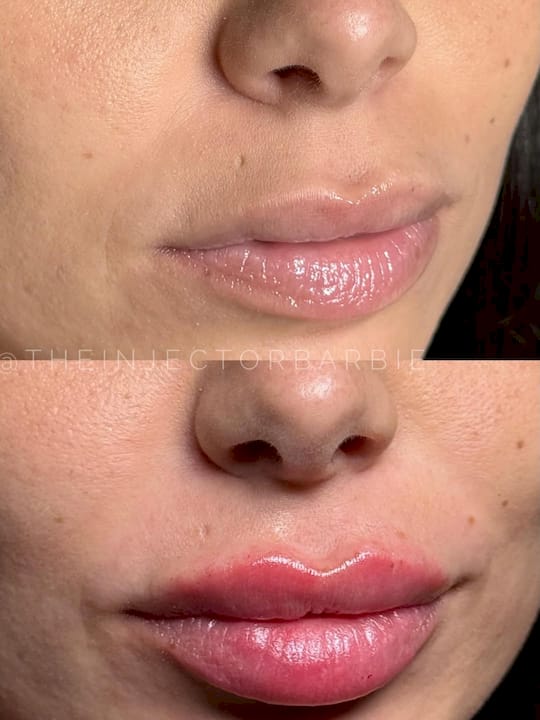
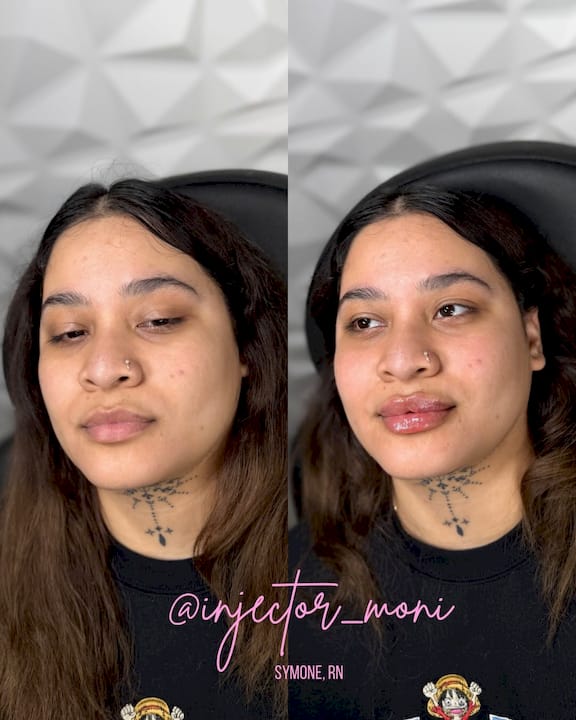
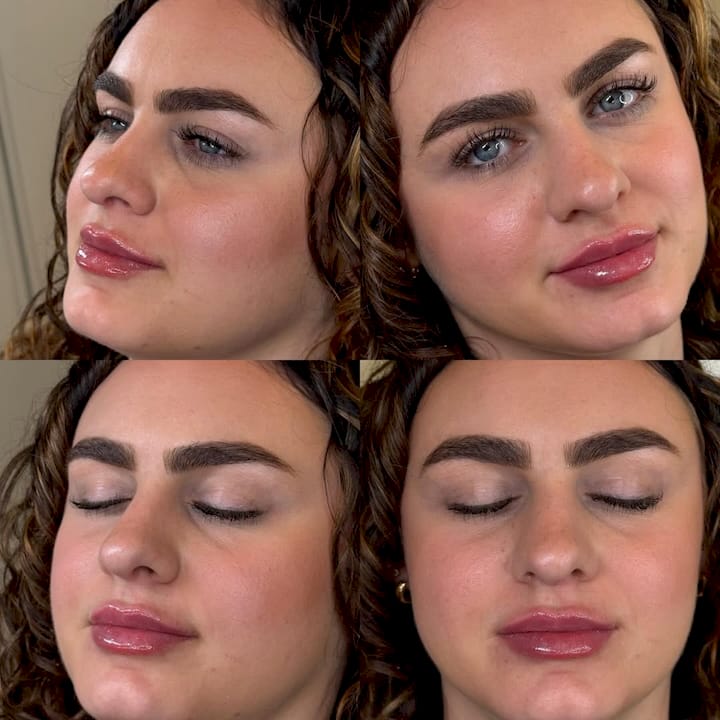
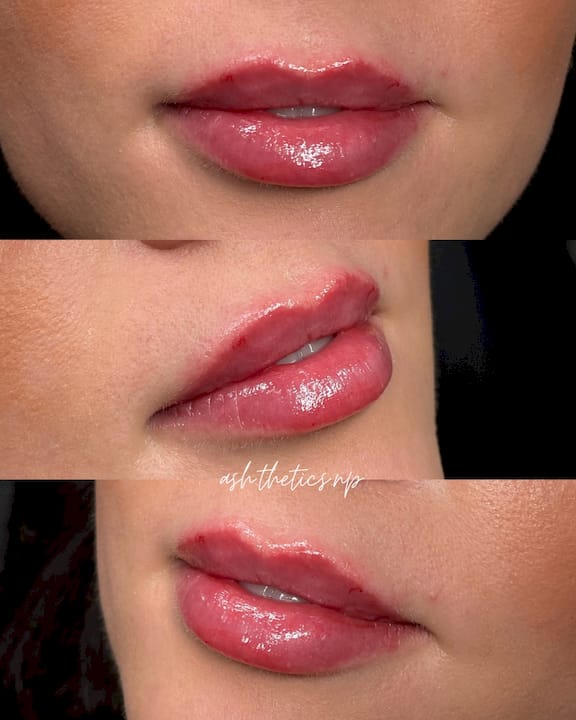
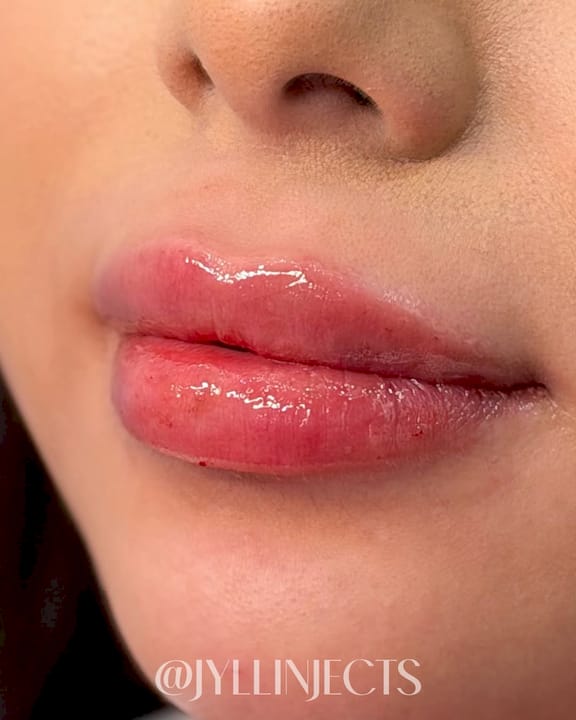
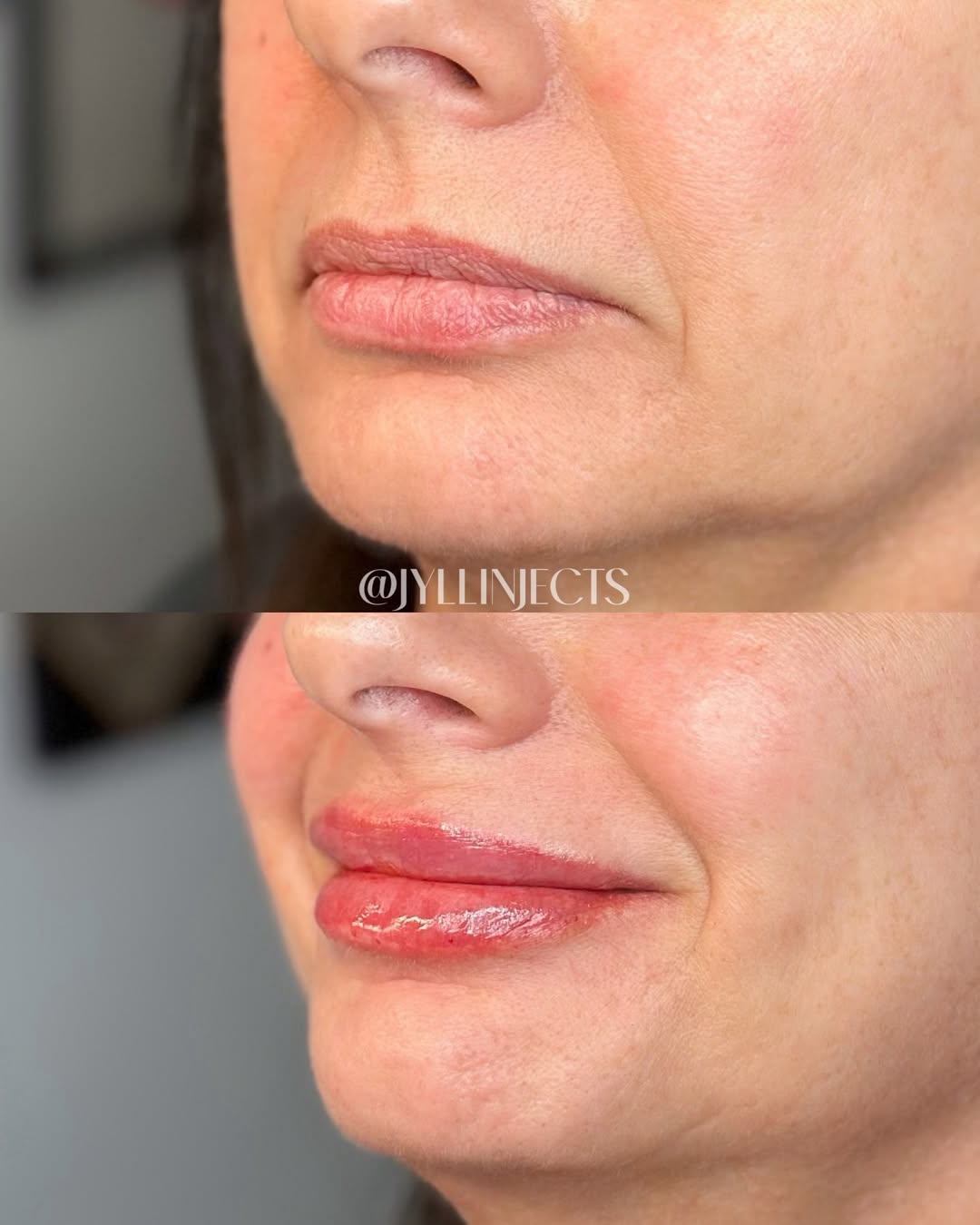
Dermal fillers are sophisticated cosmetic treatments designed to restore volume, smooth wrinkles, and enhance facial contours for women seeking natural-looking rejuvenation. These injectable gel-like substances provide a minimally invasive solution for addressing signs of aging by replenishing lost facial volume and softening fine lines.
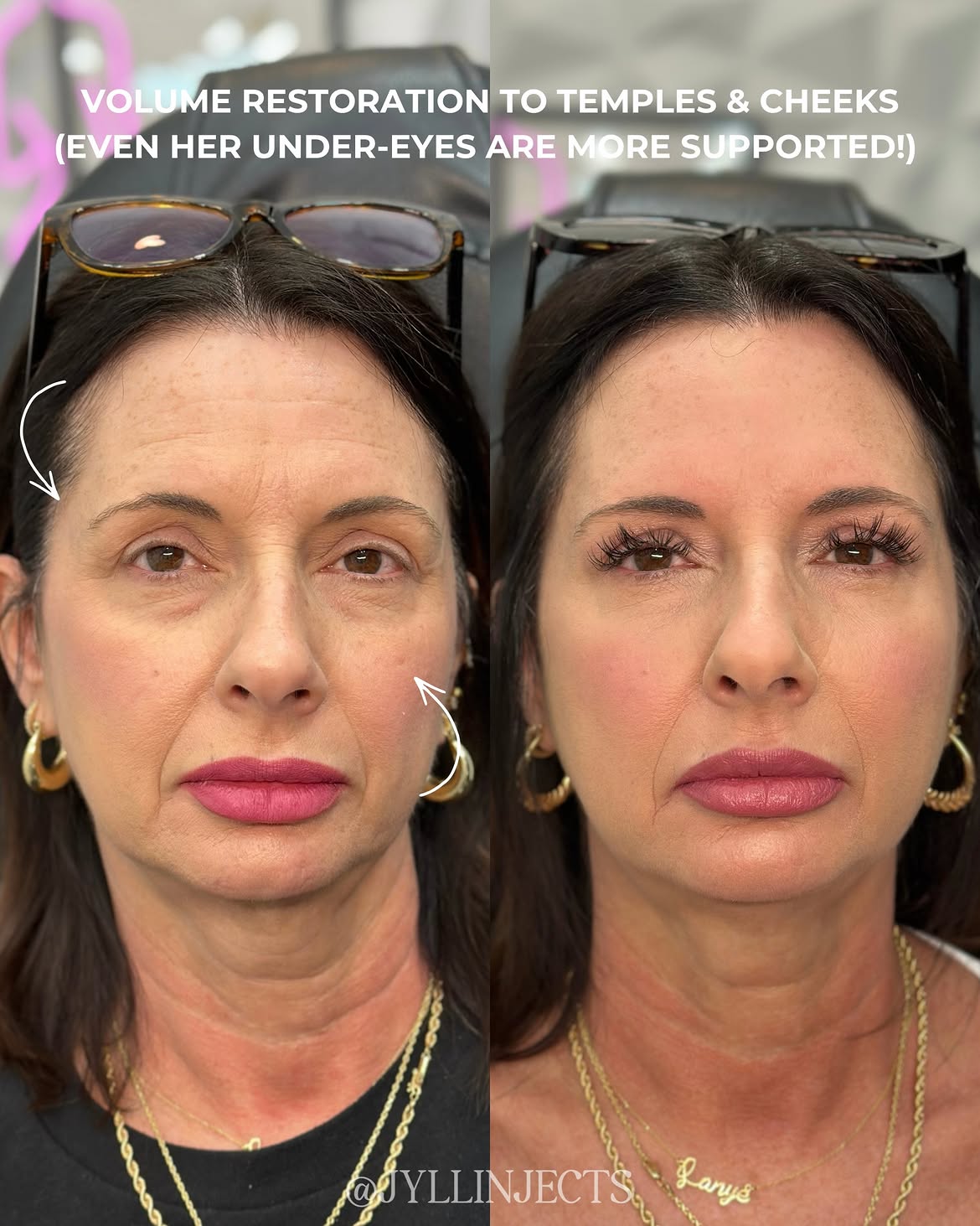
At their core, dermal fillers work by introducing specialized materials directly beneath the skin’s surface. These materials can be naturally occurring compounds like hyaluronic acid or synthetic substances engineered to mimic the body’s own structural proteins. When strategically injected, they help plump specific areas, reduce the appearance of wrinkles, and create a more youthful, refreshed aesthetic. Common treatment areas include cheeks, lips, nasolabial folds, and under-eye hollows where volume loss is most pronounced.
The process is precise and tailored to individual needs. Skilled practitioners carefully select filler types based on the patient’s unique facial structure, skin condition, and aesthetic goals. Different fillers have varying consistencies and properties that make them suitable for specific regions of the face. Some are better for deep volume restoration, while others excel at fine line smoothing or lip enhancement.
-
Hyaluronic acid fillers: Most common, naturally occurring, provide hydration and volume
-
Calcium hydroxylapatite fillers: Stimulate collagen production, ideal for deeper wrinkles
-
Poly-L-lactic acid fillers: Gradually rebuild natural collagen, offering longer-term results
Pro tip: Always consult a board-certified professional who can assess your specific facial anatomy and recommend the most appropriate filler type for your aesthetic objectives.
Types of Fillers and Average Longevity
Women over 35 seeking facial rejuvenation have multiple dermal filler options, each with unique characteristics and varying duration of effectiveness. Understanding these differences allows for more personalized aesthetic treatments tailored to individual aging concerns and beauty goals.
Hyaluronic acid (HA) fillers represent the most popular category, offering temporary but versatile results. Brands like Juvederm and Restylane typically last between 6 to 18 months, making them ideal for patients wanting flexibility. Calcium hydroxylapatite fillers provide slightly longer-lasting results, often maintaining volume for approximately one year while simultaneously stimulating natural collagen production. Poly-L-lactic acid fillers take a more gradual approach, rebuilding collagen over time and potentially delivering results that can extend up to two years.
The longevity of fillers depends on multiple factors beyond the material itself. Individual metabolism, treatment area, injection technique, and lifestyle habits all significantly influence how long results remain visible. Facial regions with more movement like the lips tend to metabolize fillers faster, while areas with less muscle activity can retain volume for extended periods.
Here’s how major dermal filler types differ in composition, common uses, and longevity:
| Filler Type | Main Ingredient | Best For | Typical Duration |
| Hyaluronic Acid (HA) | Hyaluronic acid | Lips, fine lines | 6-18 months |
| Calcium Hydroxylapatite | Mineral compound | Deep wrinkles | Approximately 12 months |
| Poly-L-lactic Acid | Synthetic polymer | Collagen stimulation | Up to 2 years |
| PMMA | Microspheres in gel | Deep folds, scars | Semi-permanent |
| Fat Grafting | Patient’s own fat | Volume restoration | Multiple years possible |
-
Hyaluronic Acid Fillers: 6-18 months duration
-
Calcium Hydroxylapatite: Approximately 12 months
-
Poly-L-Lactic Acid: Up to 2 years
-
PMMA Fillers: Semi-permanent results
-
Fat Grafting: Multiple years possible
Pro tip: Discuss your specific aesthetic goals, lifestyle, and budget with a professional to select the most appropriate filler type and understand realistic expectations for your individual treatment.
Factors That Influence Filler Duration
Understanding the complex variables that impact dermal filler longevity is crucial for women seeking predictable aesthetic outcomes. Multiple physiological and lifestyle factors can significantly affect how quickly fillers break down, making each treatment a personalized experience.
Individual metabolism plays a critical role in filler duration. Patients with faster metabolic rates tend to process and absorb fillers more quickly, reducing the treatment’s overall effectiveness. The specific injection area also dramatically influences longevity. High-movement regions like lips and around the mouth experience faster filler breakdown compared to more static areas such as cheeks or temples. Lifestyle choices such as sun exposure, smoking, and overall skincare routine can accelerate or decelerate filler degradation.
Genetic factors and age contribute additional complexity to filler performance. Younger patients with more robust collagen production and skin elasticity might experience slightly longer-lasting results. Conversely, those with more pronounced signs of aging or decreased skin hydration could see faster filler absorption. Environmental conditions, including humidity, temperature variations, and personal stress levels, can also subtly impact how quickly the body metabolizes injectable treatments.
To better understand what influences your filler results, see this summary of key factors:
| Factor | Effect on Longevity | Tip to Maximize Results |
| Metabolism | Faster breakdown | Schedule regular touch-ups |
| Treatment Area | High-motion areas fade sooner | Choose appropriate product |
| Lifestyle | Sun, smoking speed breakdown | Maintain sun protection, avoid smoking |
| Age & Genetics | Varies by individual | Consult for personalized advice |
-
Metabolic Rate: Faster metabolism reduces filler longevity
-
Injection Location: High-movement areas degrade faster
-
Lifestyle Factors: Sun exposure and smoking accelerate breakdown
-
Age: Skin condition and collagen production affect results
-
Genetics: Individual physiological differences matter
Pro tip: Maintain consistent skincare, protect your skin from sun damage, and schedule regular consultations to optimize and extend your filler results.
Risks, Side Effects, and What to Avoid
Dermal fillers offer transformative aesthetic potential, but understanding potential risks is crucial for women seeking safe and successful treatments. Severe complications are uncommon, though patients must remain vigilant about potential side effects, making informed decision-making paramount.
Common side effects include temporary bruising, swelling, and minor discomfort at injection sites. More serious risks involve potential allergic reactions, infection, asymmetrical results, and rare but significant complications like tissue damage or vascular occlusion. The FDA strongly recommends obtaining treatments only from licensed professionals trained in facial anatomy and injectable techniques, emphasizing the critical importance of choosing a qualified practitioner.
Certain medical conditions and lifestyle factors can increase treatment risks. Individuals with autoimmune disorders, active skin infections, or bleeding disorders may be poor candidates for dermal fillers. Smoking, excessive alcohol consumption, and compromised immune systems can also heighten potential complications. Patients should disclose complete medical histories, current medications, and any previous cosmetic procedures to ensure comprehensive risk assessment.
-
Temporary Side Effects: Bruising, swelling, tenderness
-
Serious Risks: Vascular occlusion, tissue necrosis
-
Allergic Reactions: Potential inflammatory responses
-
Infection: Risk of bacterial complications
-
Asymmetry: Uneven filler distribution
Pro tip: Always schedule a comprehensive consultation with a board-certified professional who can thoroughly evaluate your individual health profile and aesthetic goals before proceeding with any injectable treatment.
Costs, Alternatives, and Maintenance Tips
Navigating the financial landscape of dermal fillers requires careful consideration and strategic planning for women seeking aesthetic rejuvenation. Hyaluronic acid fillers typically range from $700 to $900 per syringe, with total treatment costs varying based on individual needs and treatment complexity.

For those seeking budget-friendly or longer-lasting alternatives, several options exist beyond traditional injectable fillers. The American Board of Cosmetic Surgery recommends exploring fat grafting, surgical lifts, or combination treatments that can provide more comprehensive and enduring results. These alternatives might offer more cost-effective solutions for women looking to address multiple signs of aging simultaneously.
Maintaining filler results requires a comprehensive approach that extends beyond the initial treatment. Patients should invest in high-quality skincare, protect their skin from sun damage, maintain a consistent hydration routine, and follow their provider’s specific aftercare instructions. Regular touch-up appointments, typically every 6-18 months depending on filler type, help preserve and optimize aesthetic outcomes. Additionally, lifestyle factors like diet, stress management, and overall health significantly impact the longevity and effectiveness of cosmetic treatments.
-
Hyaluronic Acid Fillers: $700-$900 per syringe
-
Alternative Options: Fat grafting, surgical lifts
-
Maintenance Frequency: 6-18 month touch-ups
-
Cost Factors: Provider expertise, treatment area, geographic location
-
Insurance Coverage: Typically not covered
Pro tip: Schedule a comprehensive consultation to develop a personalized treatment plan that balances your aesthetic goals with your budget and long-term maintenance strategy.
Unlock Lasting Youthful Radiance with Expert Dermal Filler Care
Struggling to understand how long your dermal fillers will last or which type best suits your unique aging concerns is common. Women 35 and older often face the challenge of balancing natural-looking enhancement with lasting results amid factors like metabolism and lifestyle that affect filler longevity. At The Injection Room, we specialize in delivering personalized treatments that address those key issues. Whether you want to smooth wrinkles, restore volume, or enhance facial contours our experienced team carefully selects the ideal filler techniques tailored for your facial structure and goals.
Explore our range of skincare treatments designed to complement filler results and protect your youthful glow. Ready to experience expert care that matches your aesthetic needs with safe, effective procedures Visit The Injection Room today to schedule your personalized consultation. Take the first step toward confidence with treatments crafted just for you.
Frequently Asked Questions
How long do dermal fillers typically last?
Dermal fillers generally last between 6 to 24 months, depending on the type of filler used and individual factors such as metabolic rate and injection area.
What factors influence how long fillers last?
Several factors affect filler longevity, including individual metabolism, the specific treatment area, lifestyle choices (like sun exposure and smoking), and age-related skin conditions.
Are there different types of fillers with varying durations?
Yes, hyaluronic acid fillers usually last 6-18 months, calcium hydroxylapatite fillers around 12 months, and poly-L-lactic acid fillers can provide results for up to 2 years.
How can I maximize the longevity of my filler results?
To extend the duration of your filler results, maintain a consistent skincare routine, protect your skin from sun exposure, stay hydrated, and schedule regular follow-up appointments with your provider.


%20Pictures%20are%204%20weeks%20apart..jpg)