Botox is more than just a beauty trend for the american public. Over 7 million Botox procedures are performed each year in the United States, making it one of the most sought-after treatments for both cosmetic and medical uses. Yet confusion and myths surround this popular neurotoxin, creating hesitation and misinformation. Learning what Botox truly does, how it works, and why professional guidance matters can help you make confident choices about your personal health and appearance.
Table of Contents
Key Takeaways
| Point | Details |
| Understanding Botox | Botox is a neurotoxin used for both cosmetic and medical purposes, providing temporary muscle relaxation to reduce wrinkles and treat various conditions. |
| Misconceptions | Common myths include the belief that Botox freezes facial expressions; however, skilled administration ensures natural results. |
| Treatment Variations | Multiple neurotoxin brands exist, such as Dysport and Xeomin, each with unique properties suited for specific treatments. |
| Combination Treatments | Using Botox alongside dermal fillers can offer comprehensive facial rejuvenation by addressing both muscle-induced wrinkles and volume loss. |
Defining Botox and Common Misconceptions
Botox is a purified neurotoxin derived from Clostridium botulinum bacteria that temporarily prevents muscle movement, most famously used in cosmetic treatments to reduce facial wrinkles. Neurotoxins operate through a precise mechanism of blocking acetylcholine release, which leads to controlled muscle paralysis.
Contrary to popular belief, Botox is not just a cosmetic treatment. The FDA-approved toxin has multiple medical applications beyond smoothing wrinkles. Patients often misunderstand Botox as a permanent solution, when in reality, it provides temporary muscle relaxation typically lasting three to six months. Understanding the nuances between Botox and dermal fillers can help individuals make more informed aesthetic decisions.
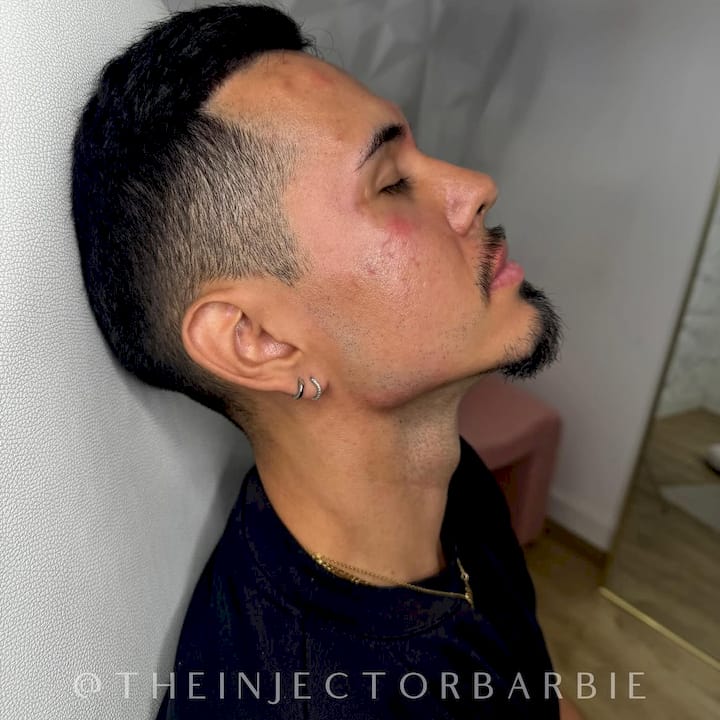
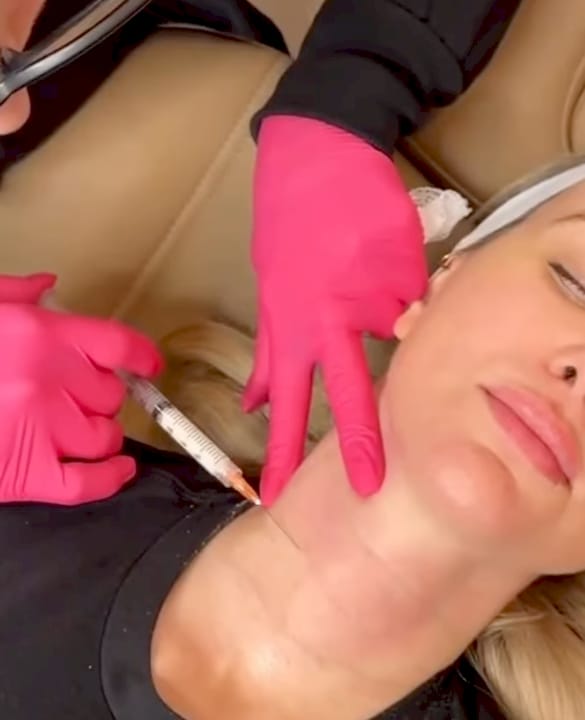
Key misconceptions about Botox include assumptions that it will completely freeze facial expressions or create an unnatural appearance. Professional administration by trained practitioners ensures subtle, natural-looking results. Some individuals worry about potential toxin spread, but when performed correctly, Botox remains a safe and controlled treatment. Specialized techniques like masseter Botox demonstrate the precision and versatility of this remarkable neurotoxin.
The science behind Botox is fascinating. By strategically targeting specific muscle groups, practitioners can smooth wrinkles, alleviate medical conditions like chronic migraines, and even help manage muscle spasms. The key is understanding that Botox is not a one-size-fits-all solution, but a customizable treatment tailored to individual aesthetic and medical needs.
How Botox Works for Anti-Aging
Botox delivers remarkable anti-aging benefits by temporarily interrupting muscle movements that contribute to wrinkle formation. When injected strategically into specific facial muscles, the neurotoxin blocks acetylcholine release, causing controlled muscle paralysis that smooths existing wrinkles and prevents new lines from developing. This precise mechanism allows practitioners to target problem areas like crow’s feet, forehead lines, and frown lines with exceptional accuracy.

The scientific process behind Botox’s anti-aging effects is fascinating. Neurotoxin treatments work by interrupting nerve signals that cause muscle contractions, resulting in a temporary relaxation of facial muscles. Typically, results appear within 24 hours to two weeks and can last three to six months, providing a predictable and manageable approach to reducing visible signs of aging. The dose-dependent nature of the treatment allows for customized results that maintain natural facial expressions.
Beyond surface-level wrinkle reduction, Botox offers comprehensive anti-aging benefits. By preventing repeated muscle movements that cause skin creasing, the treatment helps slow down the formation of deeper, more permanent wrinkles. Many patients appreciate that the treatment not only addresses existing lines but also serves as a preventative measure against future aging signs. Injectable treatments represent just one of several anti-aging approaches, but Botox stands out for its precision and proven effectiveness in facial rejuvenation.
Understanding the nuanced application of Botox is key to achieving optimal anti-aging results. Skilled practitioners can strategically target specific muscle groups to create a refreshed, natural appearance that doesn’t look artificially frozen or overly treated. The goal is subtle enhancement that makes you look rested and youthful, not dramatically different. When administered by experienced professionals, Botox can be an incredibly effective tool in maintaining a vibrant, age-defying aesthetic.
Different Botox Brands and Neurotoxins
Botulinum toxin encompasses multiple brands and formulations, with key variations across different neurotoxin types. While Botox remains the most recognizable name, several alternative neurotoxin brands offer similar muscle-relaxing properties. Of the seven known botulinum toxin types, only types A and B are clinically approved for medical and cosmetic applications, providing practitioners with targeted treatment options for various aesthetic concerns.
The primary neurotoxin brands in the aesthetic market include Botox, Dysport, Xeomin, and Jeuveau. Each brand has unique characteristics that make them suitable for different treatment goals. Neurotoxin treatments in Texas demonstrate how practitioners carefully select specific formulations based on individual patient needs, muscle dynamics, and desired aesthetic outcomes. Subtle differences in molecular structure, diffusion rates, and onset times distinguish these brands, allowing for personalized approaches to wrinkle reduction and facial rejuvenation.
Understanding the nuanced differences between neurotoxin brands is crucial for achieving optimal results. Botox, the original FDA-approved neurotoxin, contains additional proteins alongside botulinum toxin type A. In contrast, Xeomin is a “naked” neurotoxin with no accessory proteins, potentially reducing the risk of developing resistance. Dysport spreads more quickly, making it ideal for treating larger areas, while Jeuveau offers a more budget-friendly alternative with similar efficacy. Each brand requires precise application techniques and dosing strategies to maximize effectiveness and minimize potential side effects.
Patients considering neurotoxin treatments should consult with experienced practitioners who can recommend the most appropriate brand based on individual facial anatomy, skin condition, and aesthetic goals. The right neurotoxin can provide natural-looking results that subtly enhance facial appearance, reducing the visibility of fine lines and preventing the formation of deeper wrinkles. The key is finding a skilled professional who understands the nuanced differences between these treatments and can customize the approach to each unique patient.
Typical Treatment Areas and Expected Results
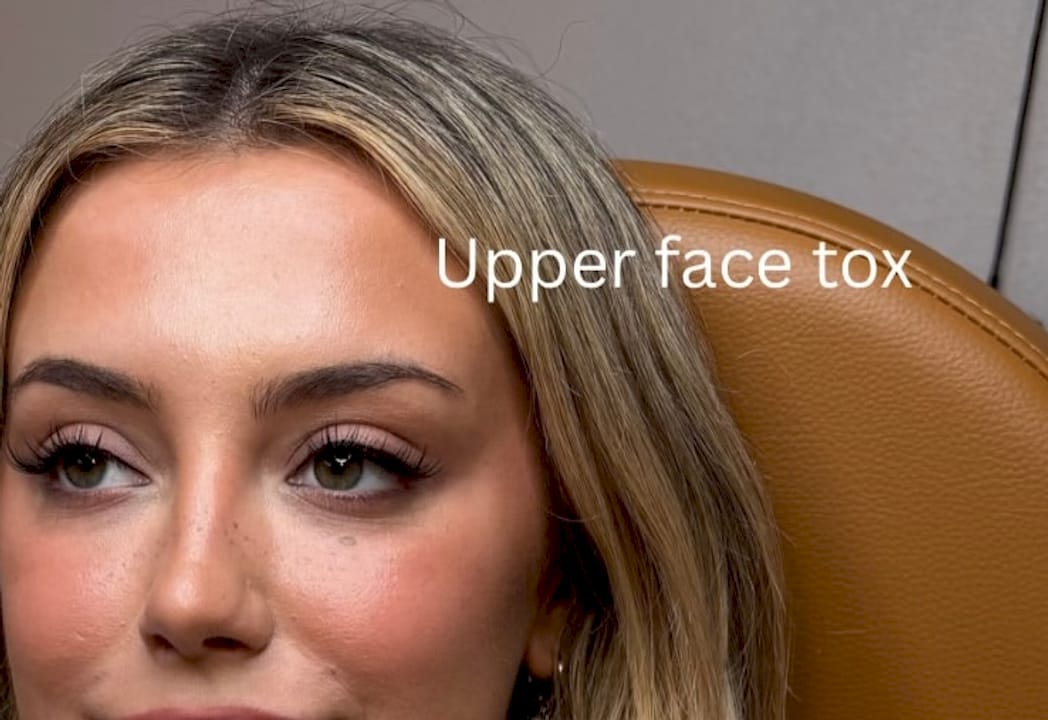
Facial wrinkle reduction represents the most common application of neurotoxin treatments, with specific injection techniques targeting multiple problem areas. Practitioners strategically address dynamic wrinkles that form from repetitive muscle movements, focusing on regions like the forehead, around the eyes, and between the eyebrows. The most frequent treatment zones include crow’s feet, glabellar lines (frown lines), horizontal forehead lines, and perioral lines around the mouth.
Botox offers versatile treatment options beyond cosmetic applications. Medical neurotoxin treatments extend to managing conditions like chronic migraines, excessive sweating, muscle spasms, and even bladder disorders. Patients can expect nuanced results depending on the specific treatment area. Typically, forehead treatments reduce horizontal lines, while treatments around the eyes soften crow’s feet and provide a subtle lifting effect. The dose-dependent nature of the treatment allows for customized approaches that maintain natural facial expressions.
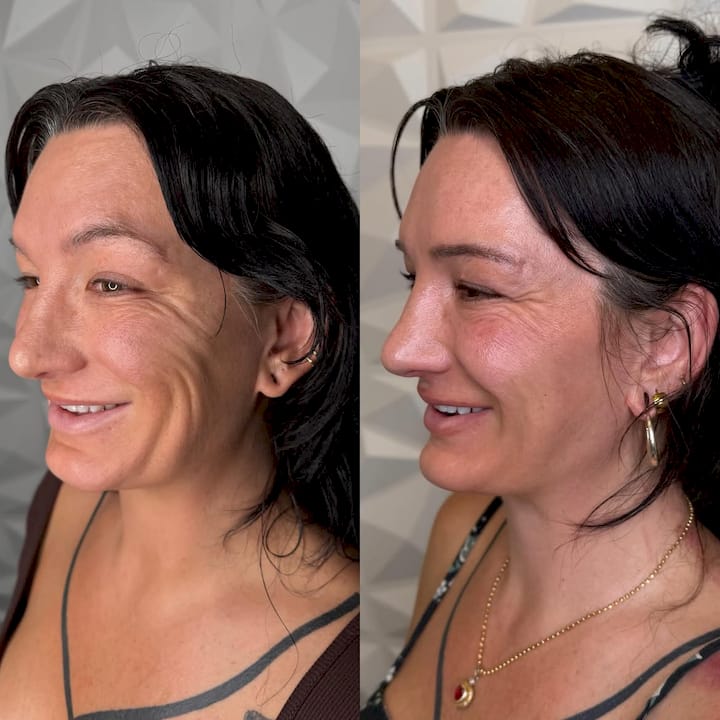
The expected results from neurotoxin treatments are both predictable and transformative. Most patients observe initial changes within 3-7 days, with full effects manifesting around two weeks post-treatment. Results typically last three to six months, during which muscle movement remains reduced and wrinkles appear significantly softened. Precise application techniques determine the treatment’s success, with skilled practitioners able to create subtle enhancements that look natural rather than dramatically altered. Factors like skin quality, age, and muscle strength can influence the longevity and effectiveness of the treatment.
Patients should have realistic expectations about neurotoxin treatments. While the results can be dramatic, they are not permanent and require consistent maintenance. The goal is creating a refreshed, more youthful appearance that looks effortless and understated. Consulting with an experienced practitioner who understands facial anatomy and can personalize the treatment approach is crucial for achieving optimal, natural-looking results that enhance your individual features.
Potential Risks, Safety Guidelines, and Side Effects
Neurotoxin treatments require careful consideration of potential risks and side effects, with comprehensive safety protocols guiding their administration. Patients should be aware that while most side effects are mild and temporary, serious complications can occur. Rare but significant medical risks include potential respiratory, swallowing, and speaking difficulties that can emerge hours or weeks after the injection.
Common side effects are typically mild and short-lived. Patients might experience temporary bruising, swelling, or slight asymmetry at the injection site. Some individuals may notice temporary heaviness in the treated areas or slight eyebrow drooping. More serious but extremely rare complications can include vascular issues that potentially lead to vision problems. The risk of severe side effects is significantly reduced when treatment is performed by a highly trained and experienced medical professional who understands precise injection techniques and individual patient anatomy.
Safety guidelines are critical for minimizing potential risks. Patients should disclose their complete medical history, including any neurological conditions, muscle disorders, or medications that might interact with neurotoxin treatments. Certain groups should avoid treatment, such as pregnant or breastfeeding women, individuals with active skin infections, or those with specific neurological disorders. Practitioners recommend avoiding blood thinners, alcohol, and intense physical activity immediately before and after the procedure to reduce bruising and optimize treatment effectiveness.
Choosing a qualified and experienced practitioner is the most important safety measure. Patients should seek providers who are board-certified, have extensive experience with neurotoxin treatments, and conduct thorough consultations before proceeding. A reputable provider will carefully assess individual risk factors, discuss potential side effects transparently, and create a personalized treatment plan that prioritizes patient safety and desired aesthetic outcomes. Understanding the potential risks and maintaining open communication with your healthcare provider ensures a safe and satisfactory neurotoxin treatment experience.
Comparing Botox to Fillers and Alternatives
While Botox and dermal fillers are both popular anti-aging treatments, they function through distinctly different mechanisms. Facial injectable options provide unique approaches to addressing signs of aging. Botox operates as a muscle relaxant, temporarily preventing muscle contractions that cause dynamic wrinkles, whereas fillers physically add volume and smooth static lines by replacing lost facial volume. The early application of Botox can potentially reduce muscle hyperactivity, which may delay the formation of deeper, more permanent wrinkles.
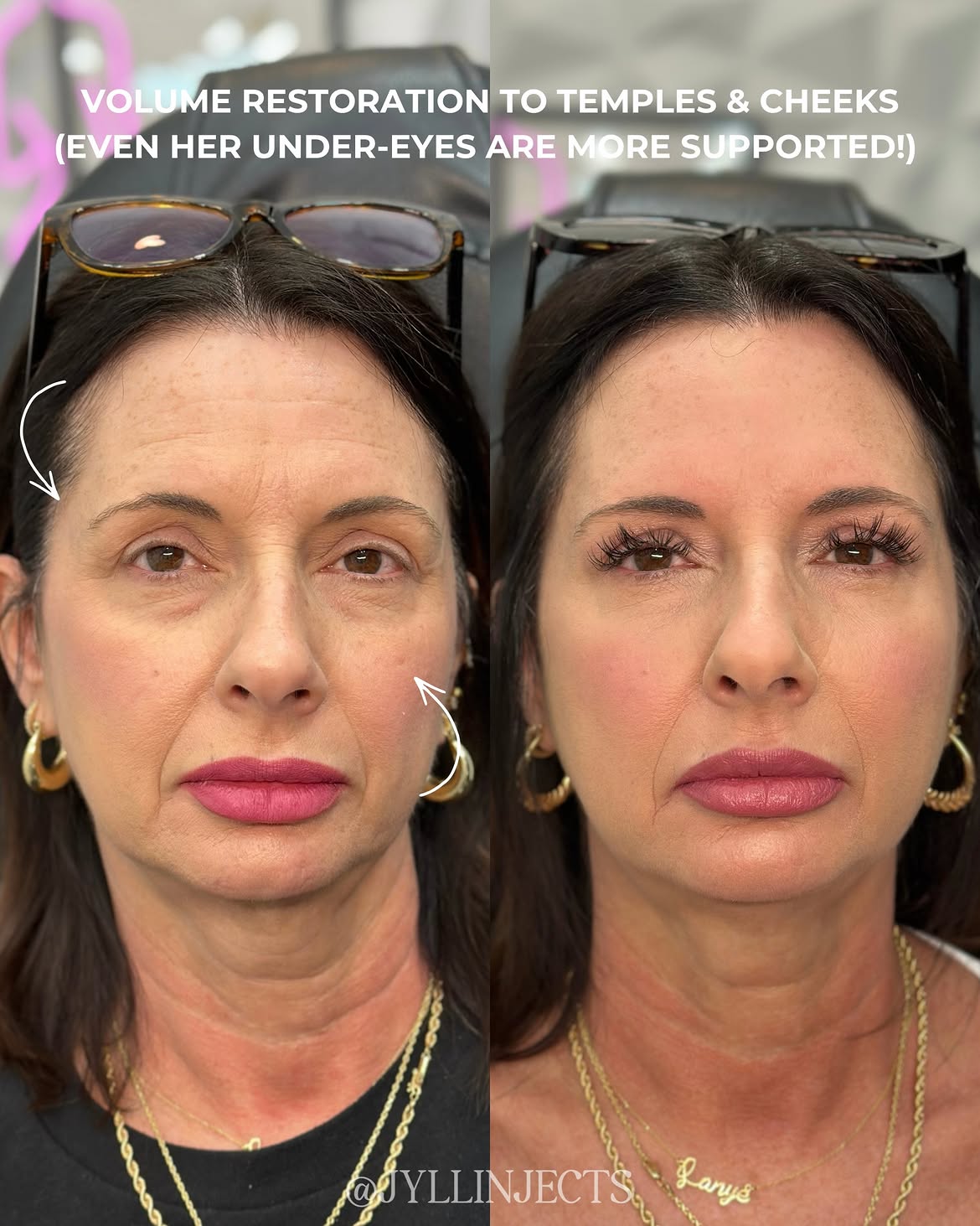
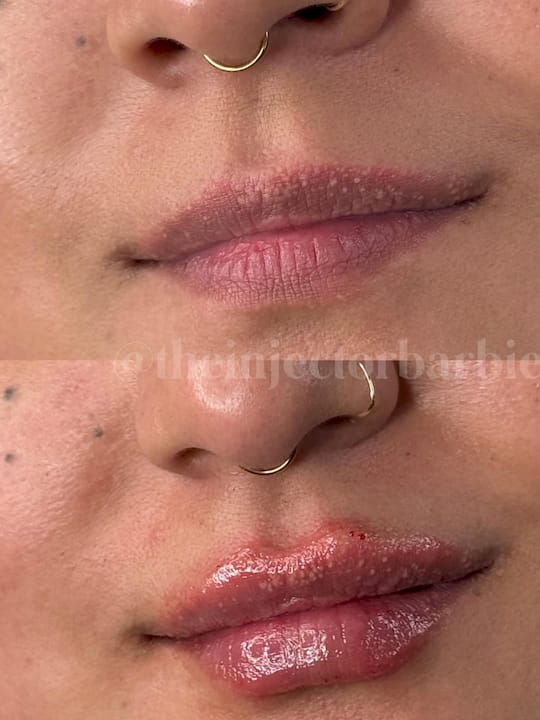
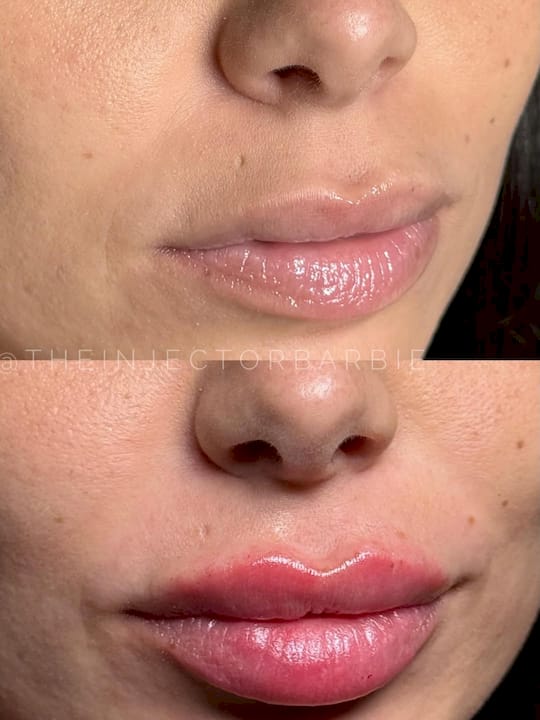
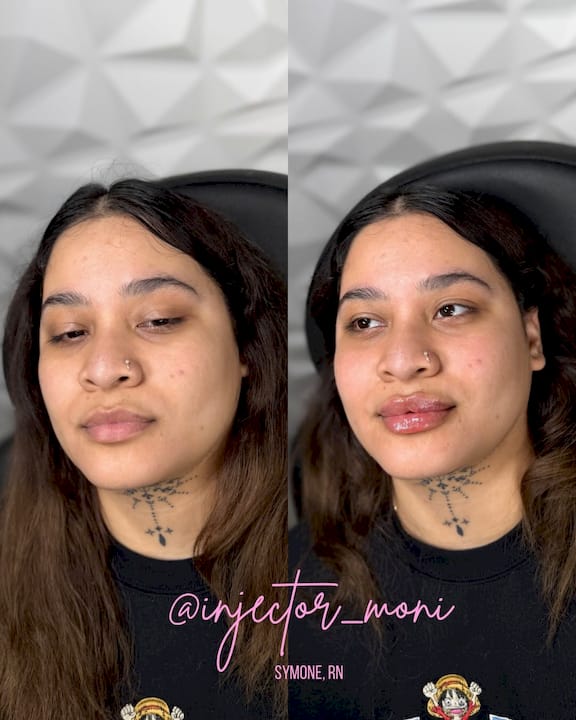
Understanding the key differences is crucial for selecting the most appropriate treatment. Facial filler varieties like hyaluronic acid work by directly filling in lines and restoring facial volume, making them ideal for areas with volume loss such as cheeks and lips. Botox, in contrast, targets muscle movement in areas prone to dynamic wrinkles like the forehead, between eyebrows, and around the eyes. Some patients benefit from combining both treatments to achieve comprehensive facial rejuvenation, addressing both muscle-induced wrinkles and volume loss.
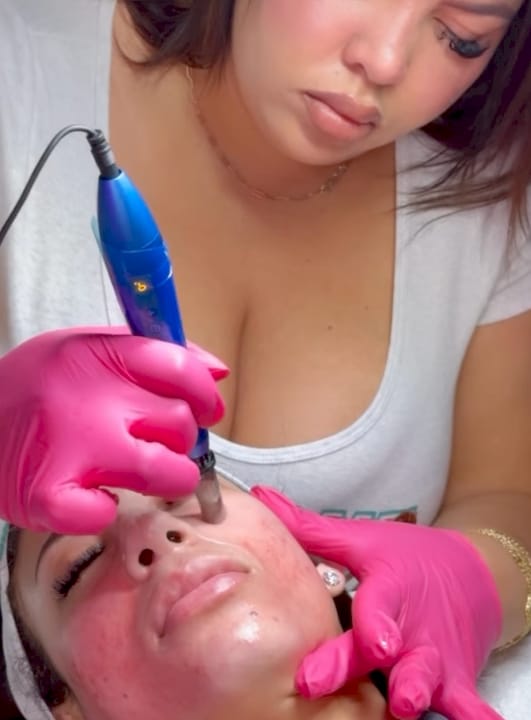
Alternative anti-aging approaches include chemical peels, microneedling, and laser treatments. These methods differ from injectables by working on skin texture and collagen production rather than directly addressing muscle movement or volume. Botox stands out for its precision in targeting specific muscle groups and its potential to not just mask but potentially slow the progression of wrinkle formation. Histological studies suggest that consistent Botox treatments might have long-term benefits in collagen remodeling, potentially offering more than just temporary aesthetic improvements.
Patients should consult with experienced practitioners to determine the most suitable treatment strategy. The ideal approach often involves a personalized combination of techniques tailored to individual skin characteristics, aging patterns, and aesthetic goals. While Botox and fillers provide remarkable solutions for age-related concerns, they are most effective when integrated into a comprehensive skincare and wellness strategy that includes proper nutrition, sun protection, and overall health maintenance.
Discover Natural-Looking Anti-Aging Solutions with Botox at The Injection Room
If you have read the complete guide to Botox and want to effectively address wrinkles and signs of aging without looking frozen or unnatural you are not alone. Many people struggle with fine lines, crow’s feet, and forehead wrinkles yet worry about choosing the right neurotoxin or achieving subtle, rejuvenated results. At The Injection Room, we understand the importance of personalized treatment plans that target your specific muscle groups and aesthetic goals using expert techniques.
Experience the precision of our neurotoxin treatments at The Injection Room where we specialize in Botox and other advanced injectables that smooth wrinkles and prevent future lines. Whether you want to soften frown lines with safe neurotoxin injections or explore options alongside dermal fillers for a complete facial refresh, our skilled practitioners guide you every step of the way. Take control of your appearance and book a consultation today to enjoy youthful, natural results that enhance your confidence.
Frequently Asked Questions
What is Botox and how does it work?
Botox is a purified neurotoxin derived from Clostridium botulinum bacteria that temporarily prevents muscle movement. It works by blocking the release of acetylcholine, leading to controlled muscle paralysis, which helps reduce the appearance of facial wrinkles.
How long do the effects of Botox last?
The effects of Botox typically last three to six months. Patients may experience visible improvements within 3-7 days, with full results appearing around two weeks post-treatment.
Is Botox only for cosmetic purposes?
No, Botox is not just a cosmetic treatment. It is FDA-approved for various medical applications, including managing chronic migraines, excessive sweating, and muscle spasms.
What are the common side effects of Botox?
Common side effects of Botox include temporary bruising, swelling, or slight asymmetry at the injection site. Serious complications are rare, but may include respiratory or swallowing difficulties. It’s important to seek treatment from an experienced practitioner to minimize risks.


%20Pictures%20are%204%20weeks%20apart..jpg)