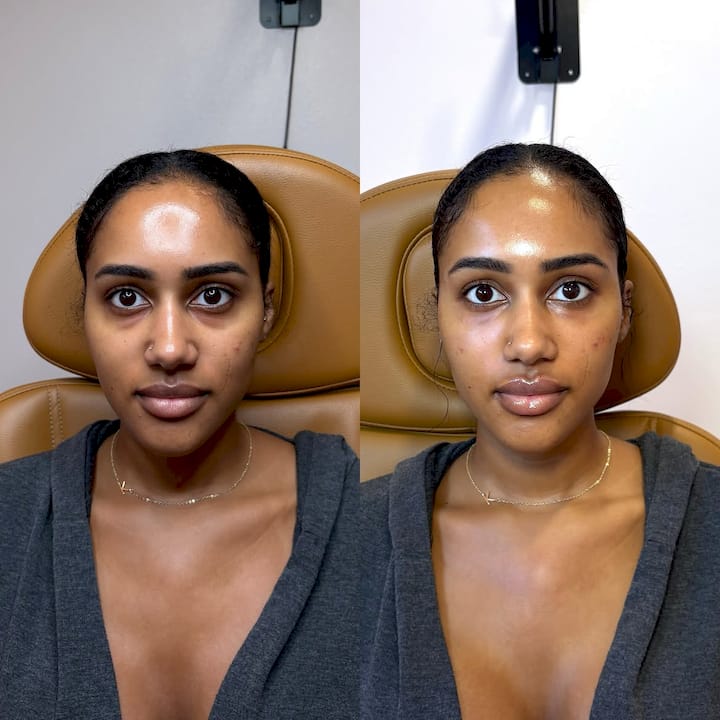
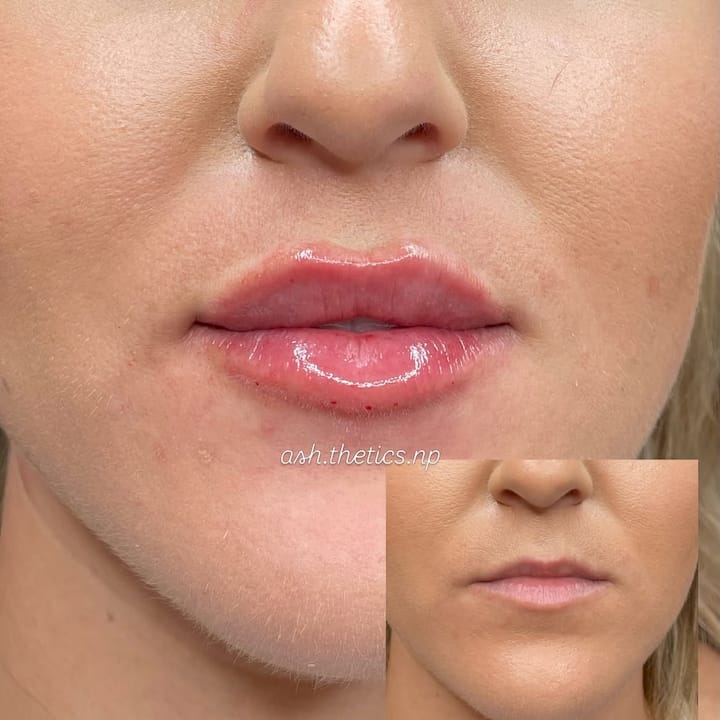
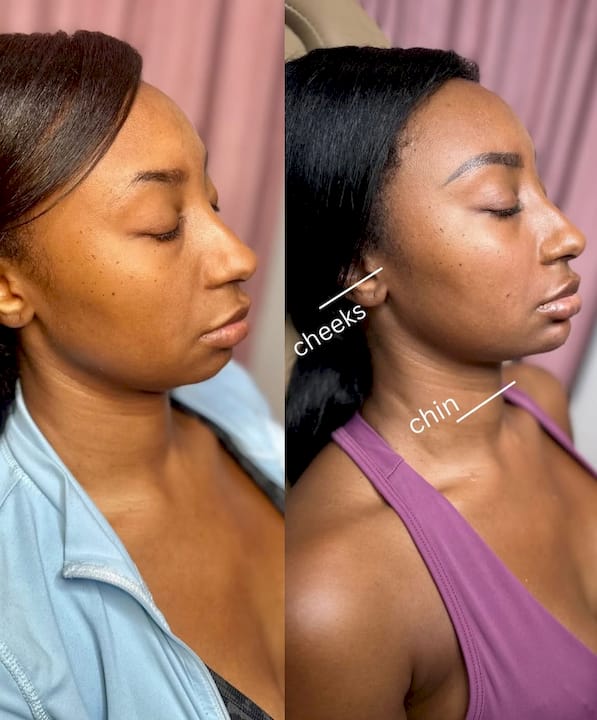
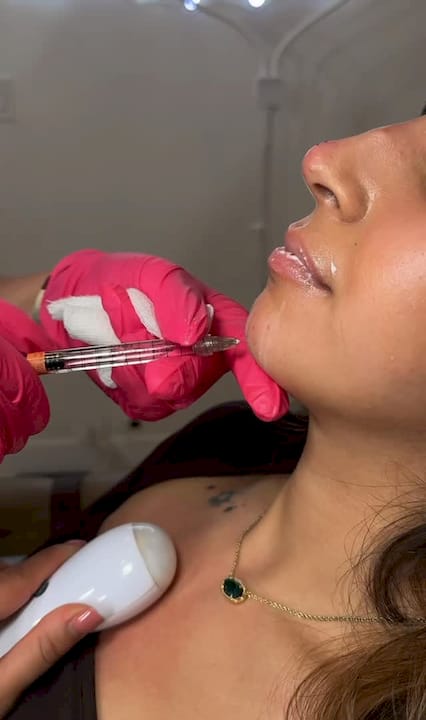
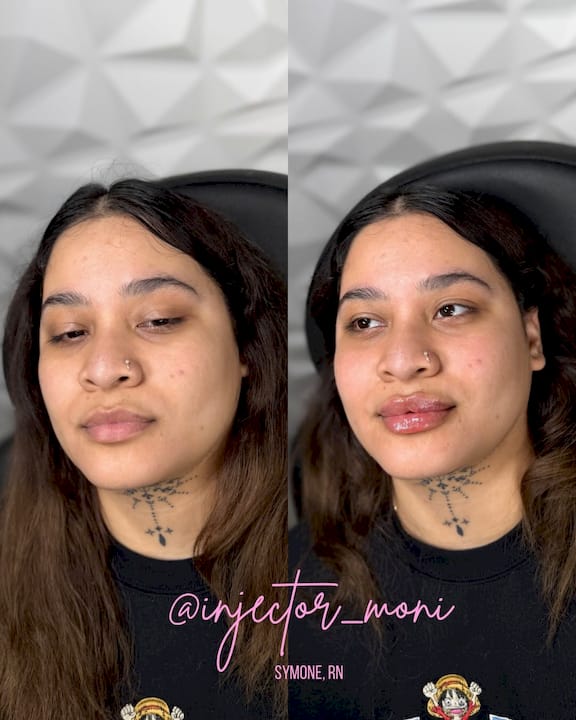
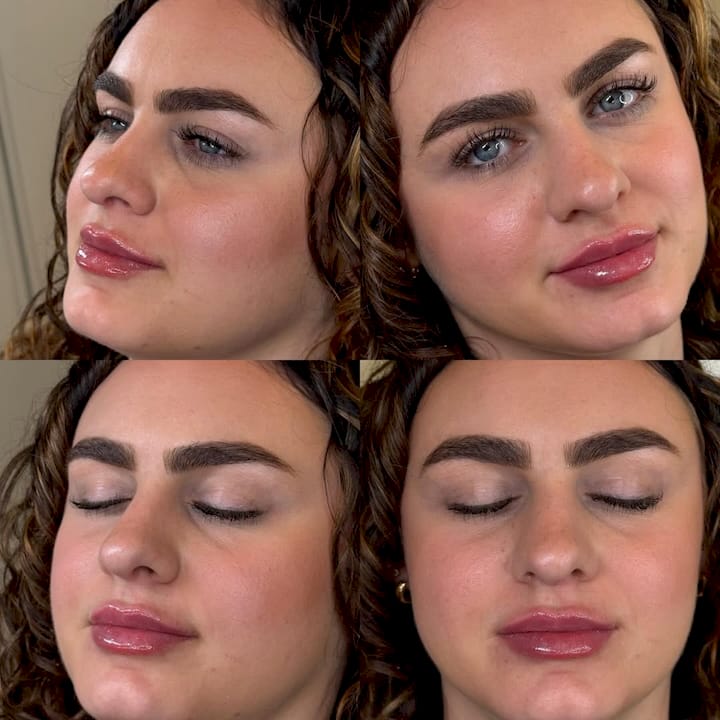
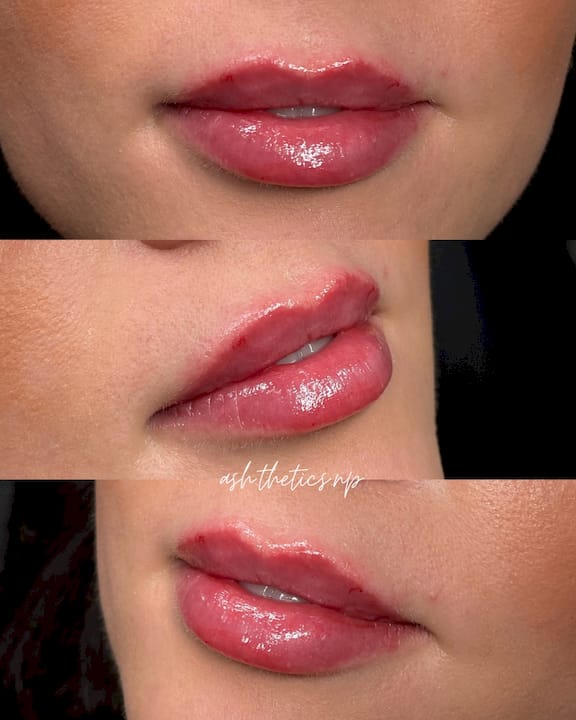
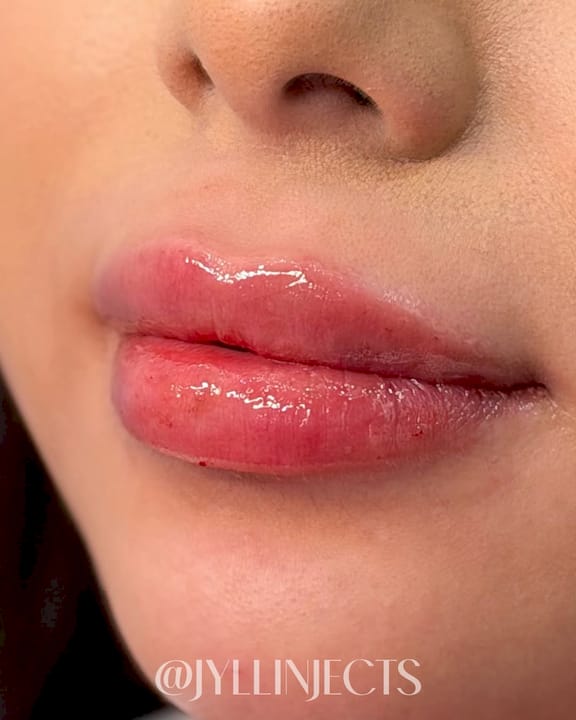
Almost 90 percent of american cosmetic patients want natural-looking enhancements that require little downtime. As the demand for facial rejuvenation rises, more people are turning to face fillers for subtle improvements without surgery. Understanding how face fillers work, what they do, and how they compare to other treatments can help you make informed choices about achieving the youthful appearance you want with confidence.
Table of Contents
Key Takeaways
| Point | Details |
| Understanding Face Fillers | Face fillers are injectable treatments that restore volume, smooth wrinkles, and rejuvenate the facial appearance with results lasting 6-18 months. |
| Types of Fillers | The most common fillers include Hyaluronic Acid, Calcium Hydroxylapatite, and Poly-L-lactic Acid, each offering distinct benefits tailored to individual needs. |
| Injection Procedure | The minimally invasive injection process involves an assessment, precise mapping, and strategic application to achieve immediate, natural results. |
| Safety Measures | It’s crucial to work with licensed professionals and discuss health history to mitigate risks associated with filler treatments. |
What Are Face Fillers And How Do They Work
Face fillers are advanced injectable treatments designed to restore volume, smooth wrinkles, and rejuvenate facial appearance. According to Mayo Clinic, these are gel-like substances strategically injected into or under the skin to minimize wrinkles and create a more youthful aesthetic.
Dermal fillers work through a precise mechanism of adding volume and stimulating natural collagen production. Johns Hopkins Medicine explains they are primarily used to reduce aging signs, minimize skin depressions, and address fine lines and deep facial wrinkles. The injectable substances essentially act like a cushion beneath the skin, plumping areas that have lost natural elasticity and fullness with age.
Key Features of Face Fillers:
-
Biodegradable and naturally absorbed by the body
-
Temporary solution lasting 6-18 months
-
Customizable to individual facial structures
-
Minimal invasive procedure with quick recovery
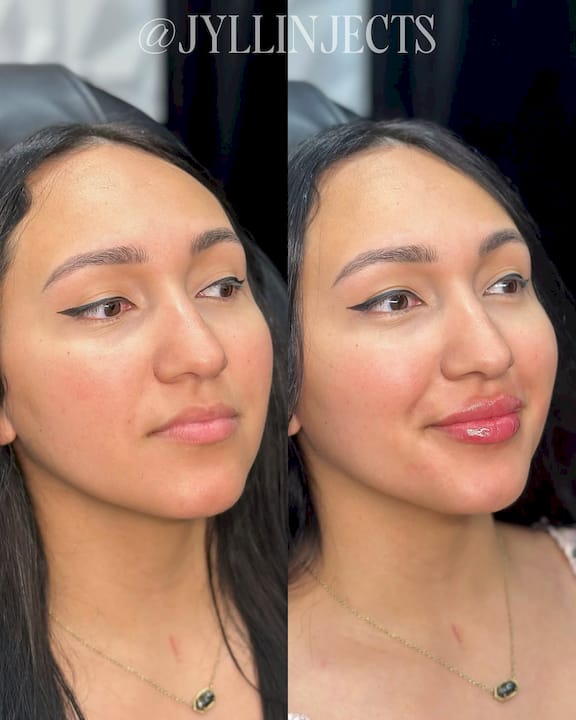
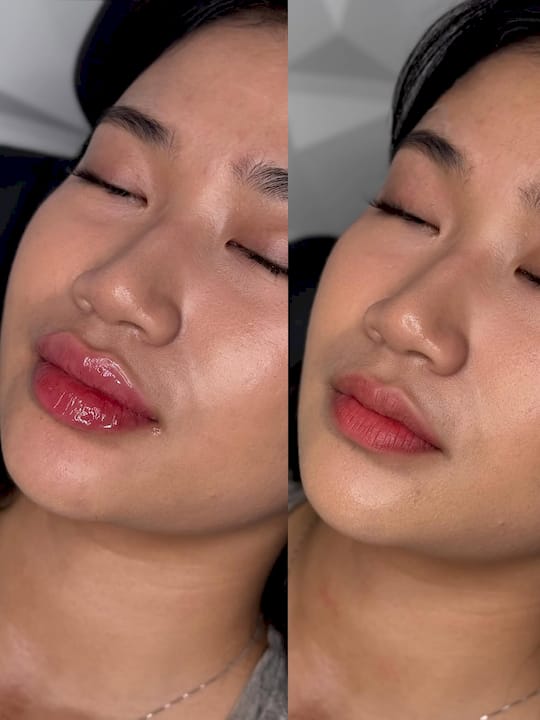
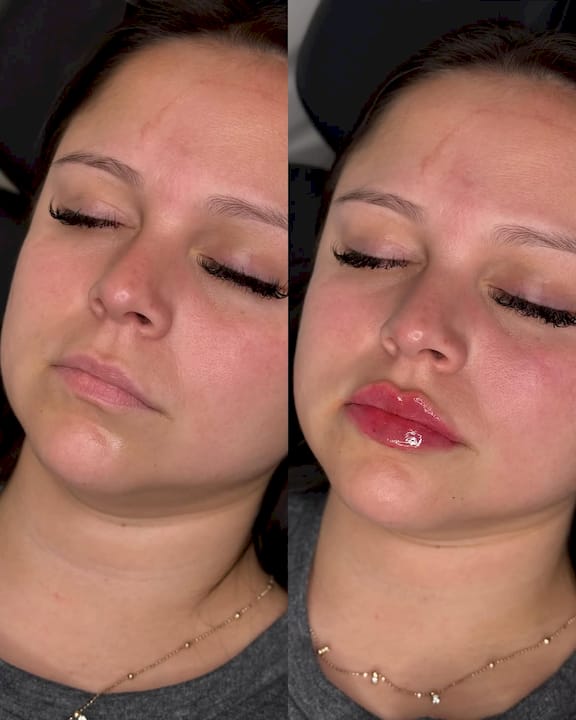
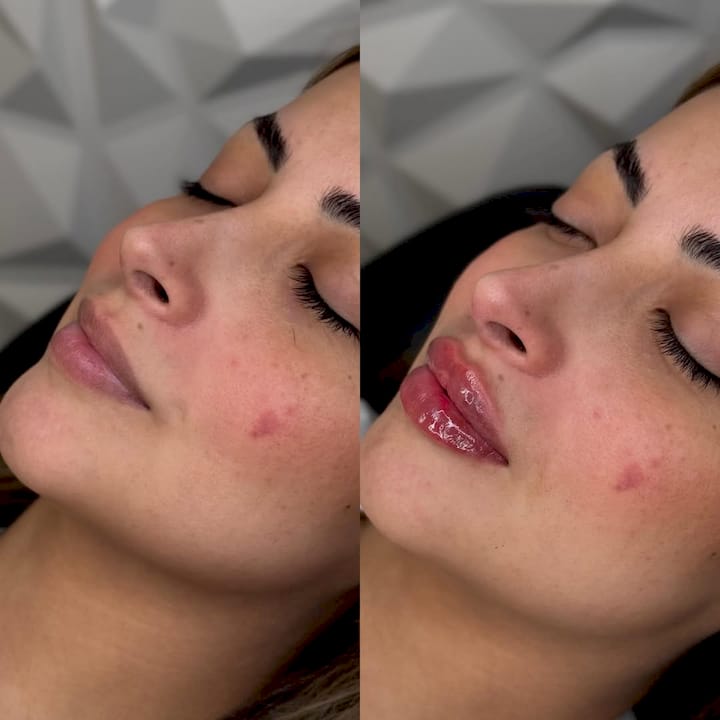
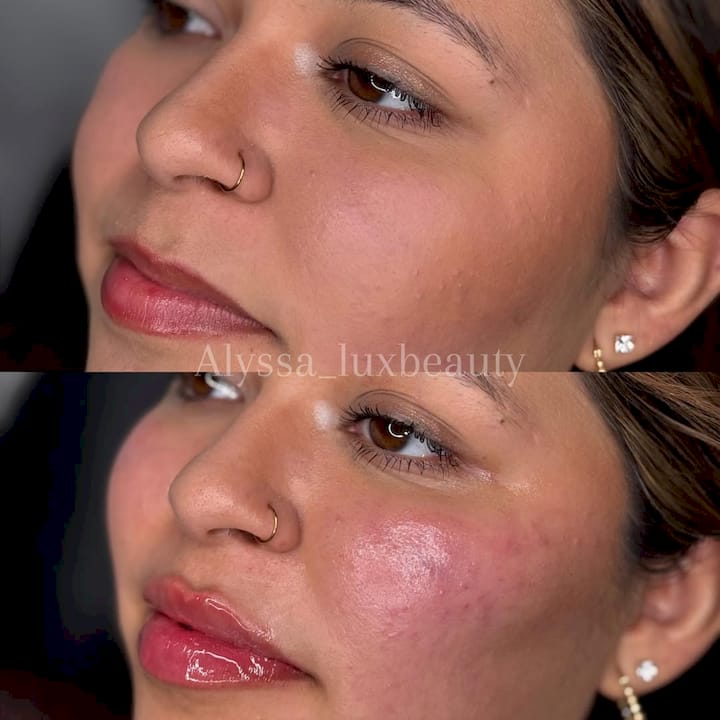
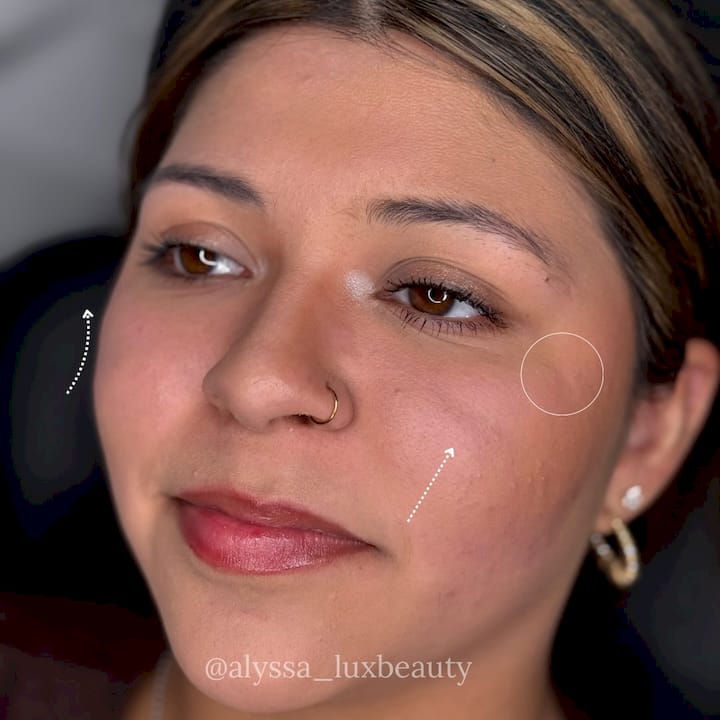
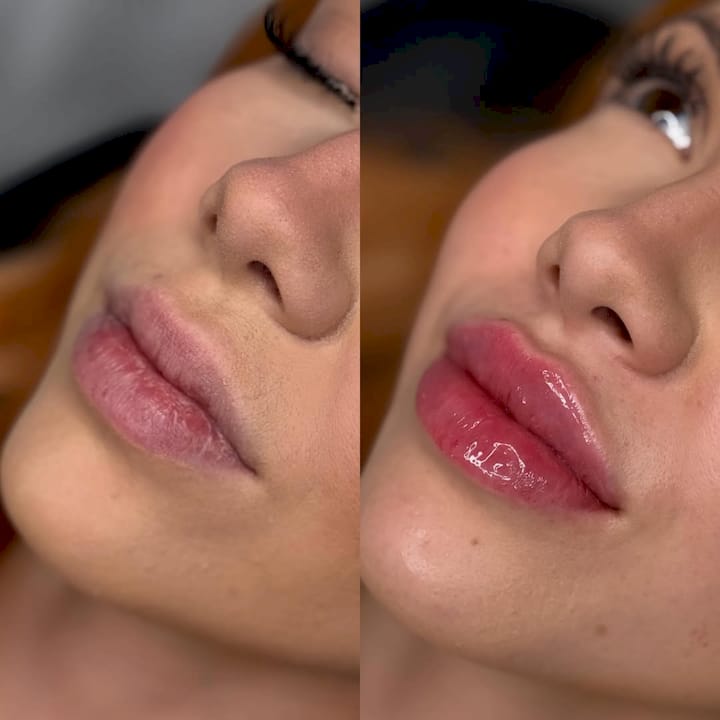
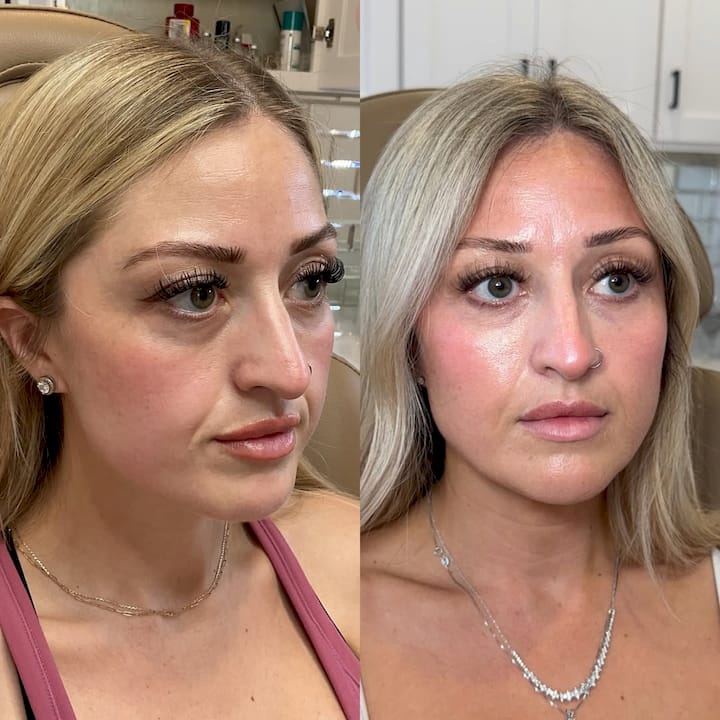
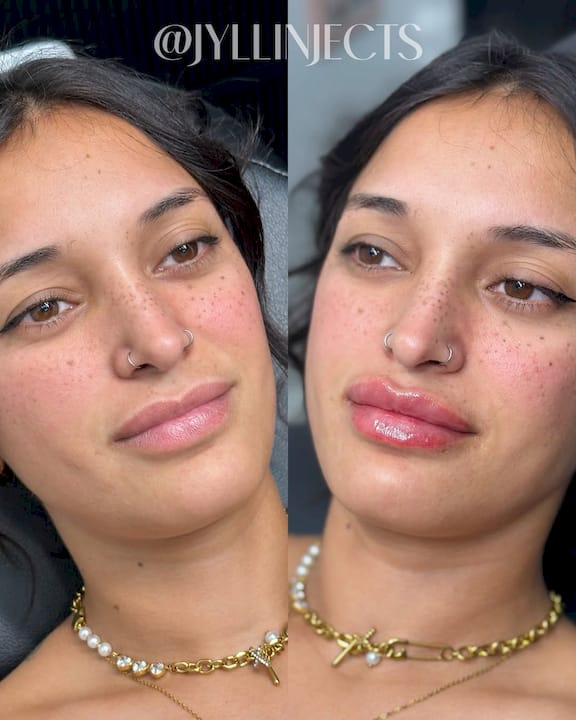
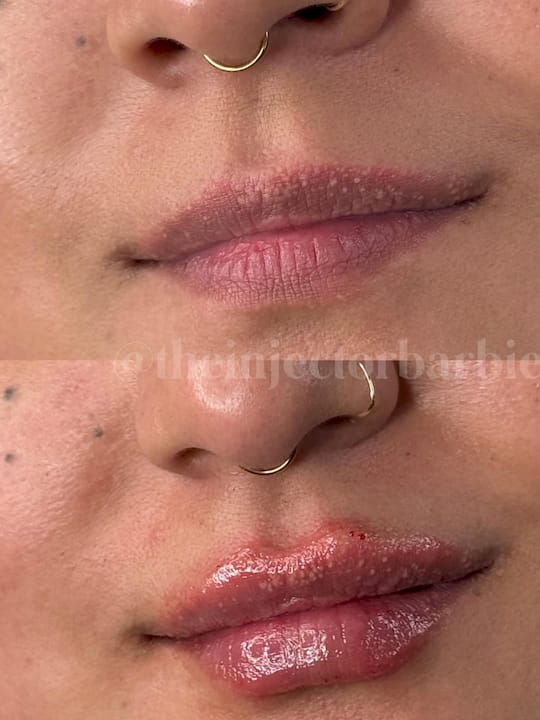
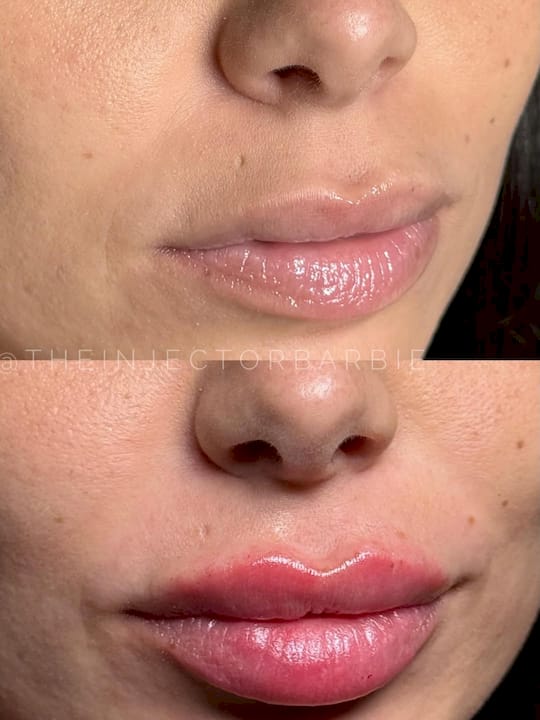
The most common areas for face filler application include cheeks, lips, nasolabial folds, and under-eye regions. Learn more about facial filler options in our comprehensive guide on 7 Types of Facial Fillers to understand which might work best for your specific aesthetic goals.
Unlike surgical interventions, face fillers offer a subtle, natural-looking enhancement that can be precisely tailored. Skilled practitioners can strategically inject small amounts to restore lost volume, soften wrinkles, and create a refreshed appearance without dramatic changes.
Types Of Dermal Fillers Used Today
Dermal fillers are diverse injectable substances designed to address different aesthetic concerns and aging signs. FDA research indicates several approved types of fillers, each with unique properties and applications in cosmetic enhancement.
According to Plastic Surgery Organization, the primary types of dermal fillers include:
-
Hyaluronic Acid (HA) Fillers: Most popular, providing immediate volume and hydration
-
Calcium Hydroxylapatite (CaHA) Fillers: Stimulate natural collagen production
-
Poly-L-lactic Acid Fillers: Gradually rebuild skin structure
-
Polymethylmethacrylate (PMMA) Microspheres: Provide permanent structural support
Each filler type offers distinct benefits and duration. Learn more about selecting the right dermal filler in our comprehensive guide, which breaks down the nuanced differences and helps you understand which option might best suit your aesthetic goals.
The selection of a specific dermal filler depends on multiple factors including skin type, desired outcome, treatment area, and individual aging patterns. Experienced practitioners carefully assess these elements to recommend the most suitable filler, ensuring natural-looking and personalized results that enhance your unique facial structure.
Injection Procedure And Expected Results
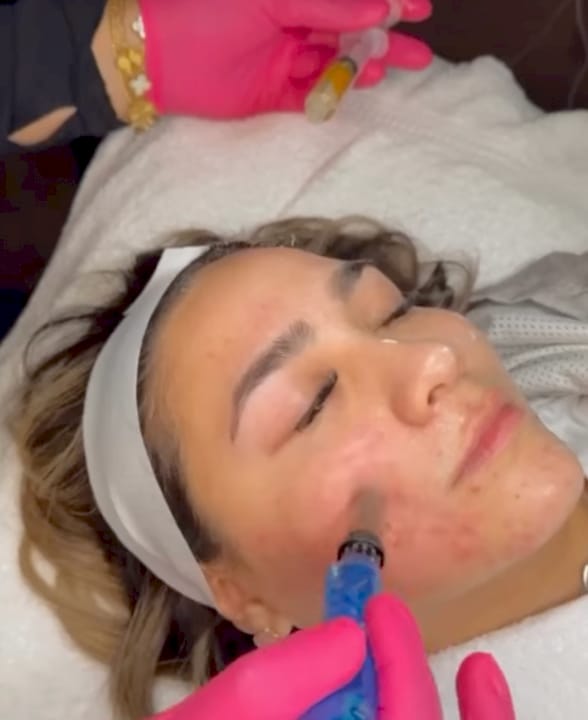
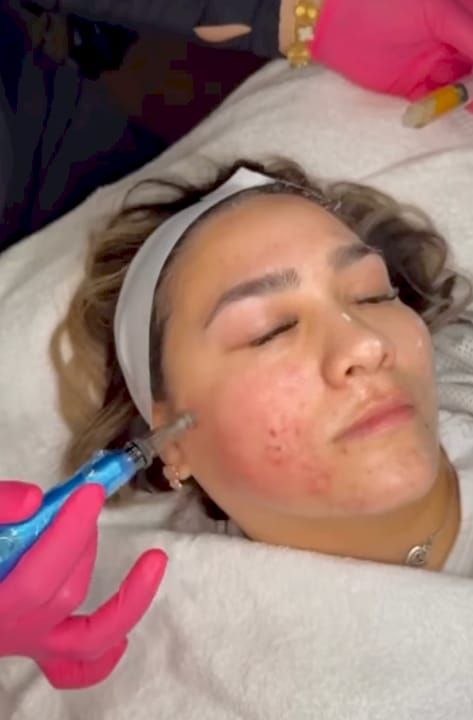
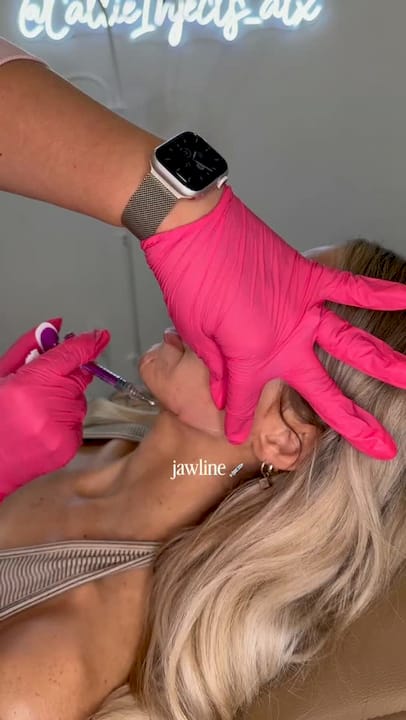
Dermal filler injections are a precise cosmetic procedure designed to restore facial volume and reduce signs of aging. Cleveland Clinic explains that the treatment involves strategically injecting fillers using fine needles into specific facial points, often with topical or local anesthesia to minimize discomfort.
Procedure Steps:
-
Initial consultation to assess facial structure and aesthetic goals
-
Facial mapping and identification of injection sites
-
Cleansing and preparing the treatment area
-
Applying local anesthetic (if needed)
-
Precise filler injection using specialized techniques
-
Gentle massage to distribute filler evenly
Hopkins Medicine notes that these treatments are minimally invasive and typically performed in a clinical setting. Patients can expect immediate visual improvements, though results are not permanent and may require periodic touch-up procedures.
Expected Results and Duration:
-
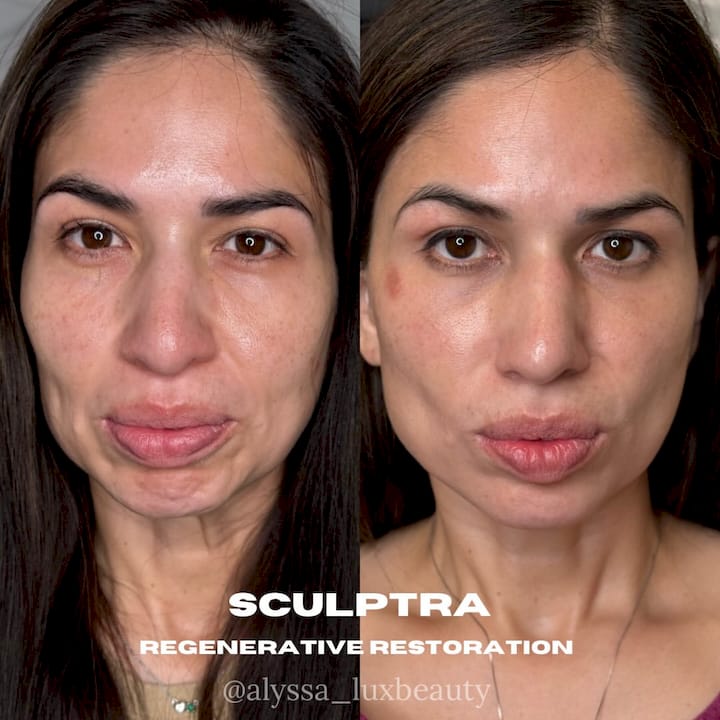
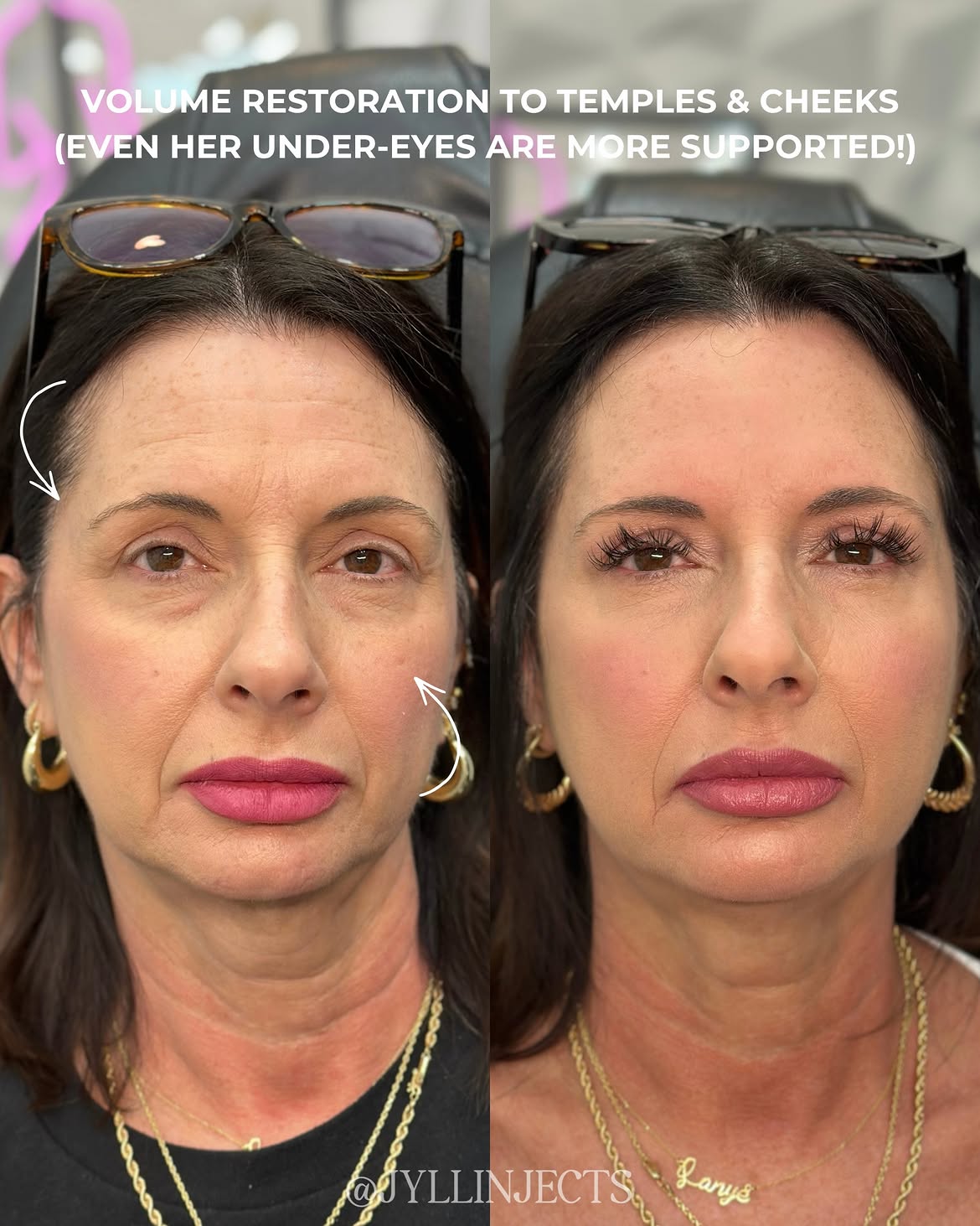
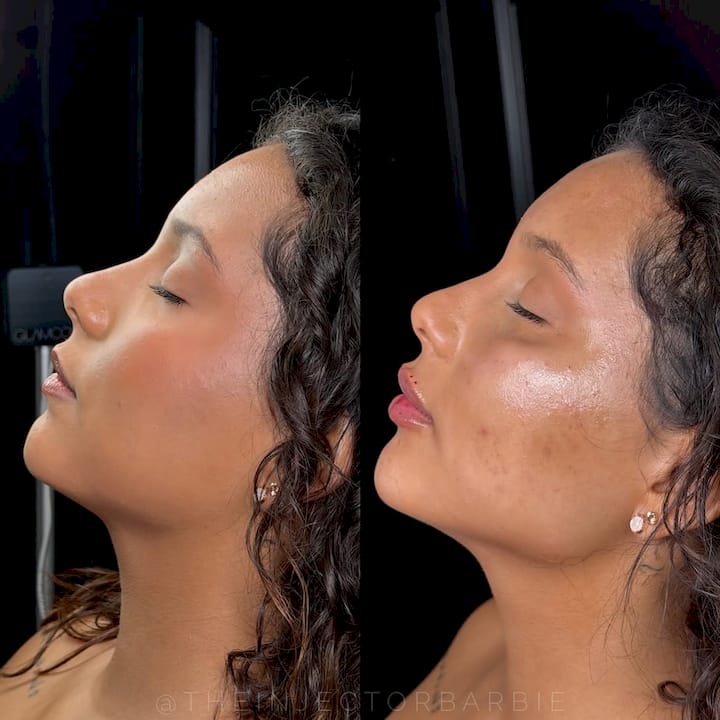
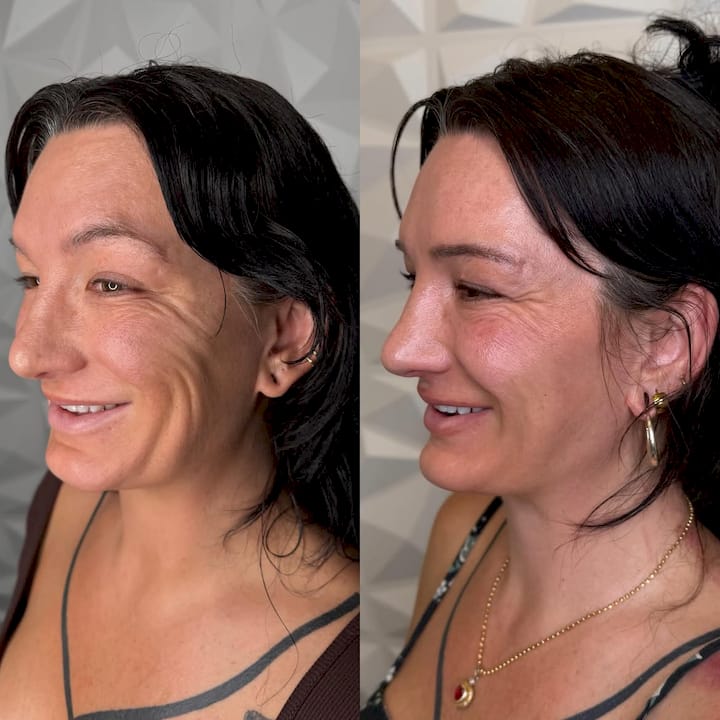
Immediate volume restoration
-
Reduced appearance of wrinkles and fine lines
-
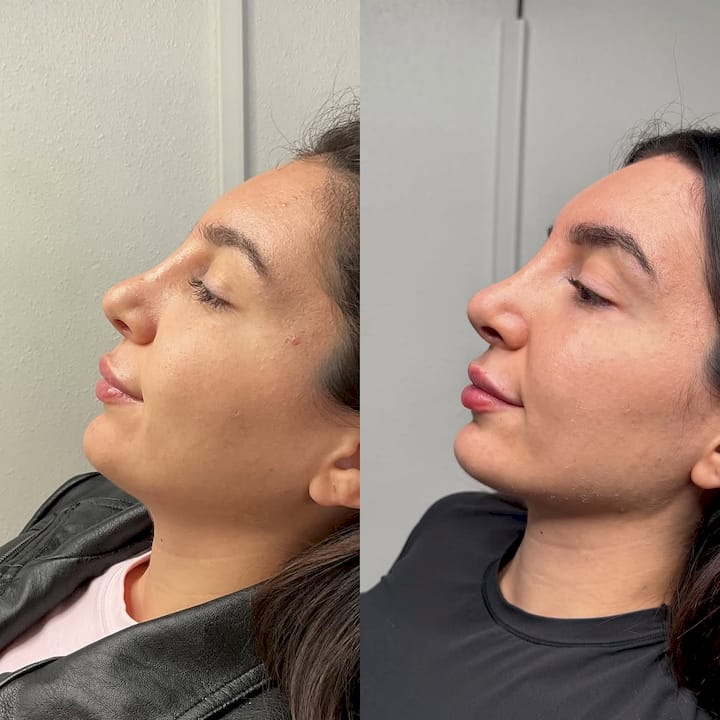
Enhanced facial contours
-
Results lasting 6-18 months depending on filler type
Learn more about our specialized filler techniques in our comprehensive guide, which provides detailed insights into achieving your desired aesthetic outcomes. Each treatment is customized to individual facial structures, ensuring natural-looking and personalized enhancements that highlight your unique beauty.
Risks, Side Effects, And Safety Measures
Dermal filler procedures, while generally safe, require careful consideration of potential risks and individual health factors. FDA strongly advises working exclusively with licensed healthcare providers experienced in administering dermal fillers, as each medical treatment involves inherent benefits and potential complications.
Common Side Effects:
-
Temporary bruising and swelling
-
Mild discomfort at injection sites
-
Potential skin redness
-
Temporary numbness
-
Rare risk of infection
Mayo Clinic highlights that facial fillers may not be recommended for individuals with specific health conditions, including:
-
Bleeding disorders
-
Compromised immune systems
-
Active skin infections
-
Certain autoimmune disorders
Safety Precautions:
-
Comprehensive medical history review
-
Thorough consultation with a qualified professional
-
Discussing potential allergies and contraindications
-
Understanding realistic treatment expectations
-
Following post-procedure care instructions carefully
Learn more about our safety protocols in our comprehensive patient guide, which provides detailed insights into minimizing risks and ensuring optimal treatment outcomes. Our priority is delivering safe, personalized aesthetic enhancements that prioritize your health and aesthetic goals.
Comparing Fillers To Other Enhancement Options
Facial enhancement offers multiple approaches to combating aging and improving aesthetic appearance. American Academy of Dermatology highlights that dermal fillers provide a unique solution with immediate results and minimal downtime, distinguishing them from more invasive surgical alternatives.
Comparison of Enhancement Options:
-
Dermal Fillers: Non-surgical, quick recovery, temporary results
-
Surgical Facelift: Invasive, longer recovery, more permanent changes
-
Botox: Targets muscle movement, reduces dynamic wrinkles
-
Laser Treatments: Addresses skin texture, requires multiple sessions
Plastic Surgery Organization explains that injectable fillers offer versatile benefits including:
-
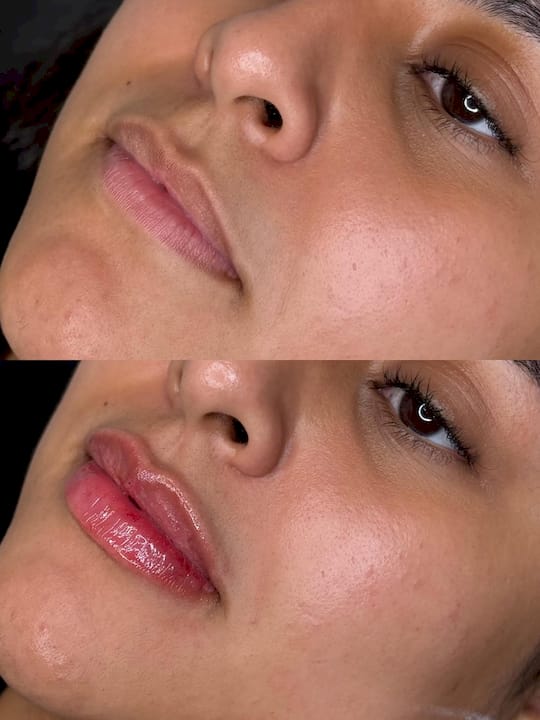
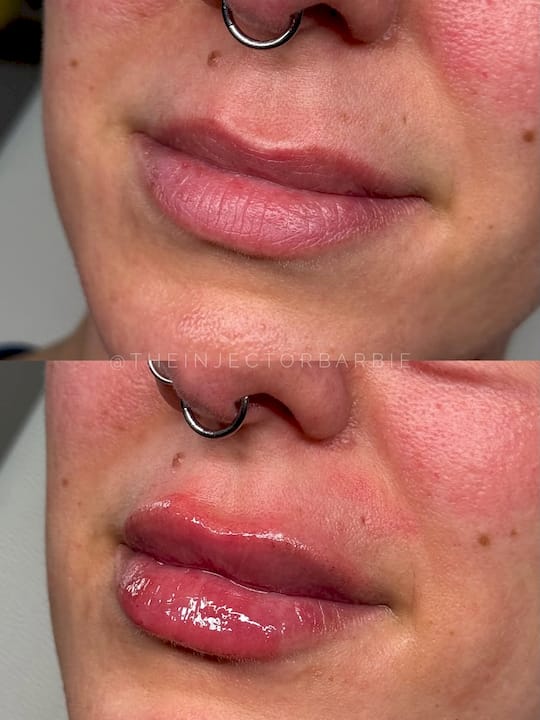
Lip enhancement
-
Facial contour improvement
-
Wrinkle reduction
-
Scar correction
-
Volume restoration
Learn how to choose between Botox and fillers with our comprehensive comparison guide, which helps you understand the nuanced differences and select the most appropriate treatment for your specific aesthetic goals. Each enhancement method offers unique advantages, and the right approach depends on individual skin characteristics, desired outcomes, and personal preferences.
Restore Your Youthful Glow with Expert Face Filler Treatments
If you are noticing volume loss, fine lines, or wrinkles and want a gentle yet effective solution you will appreciate how face fillers offer subtle enhancements that refresh your appearance naturally. At The Injection Room, we understand your desire for personalized treatments designed to restore youthful contours and smooth away visible aging signs.
Explore our skincare category to discover dermal fillers and complementary aesthetic services that can elevate your results. Whether you want fuller lips, lifted cheeks, or softened nasolabial folds our experienced professionals tailor each session to your unique facial structure and goals. Don’t wait to experience the confidence boost from a refreshed look visit The Injection Room today and take the first step toward natural beauty reclaimed.
Frequently Asked Questions
What are face fillers and how do they work?
Face fillers are injectable treatments designed to restore volume and smooth wrinkles in the face. They are gel-like substances injected into or under the skin to reduce signs of aging, stimulate collagen production, and enhance facial aesthetics.
How long do the results of dermal fillers last?
The results of dermal fillers typically last between 6 to 18 months, depending on the type of filler used, the treatment area, and individual factors such as skin type and aging patterns.
What are the common types of dermal fillers?
The most common types of dermal fillers include Hyaluronic Acid (HA) fillers, Calcium Hydroxylapatite (CaHA) fillers, Poly-L-lactic Acid fillers, and Polymethylmethacrylate (PMMA) microspheres, each offering different benefits and durations.
Are there any risks or side effects associated with face fillers?
Yes, common side effects of face fillers can include temporary bruising, swelling, mild discomfort, and potential redness at injection sites. More serious complications can occur, though they are rare, which is why it’s important to have the procedure done by a qualified professional.


%20Pictures%20are%204%20weeks%20apart..jpg)