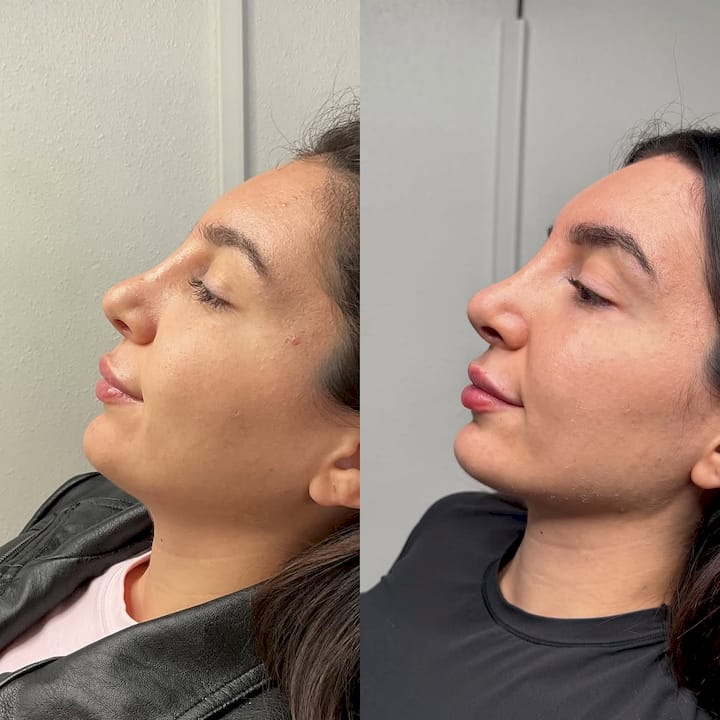
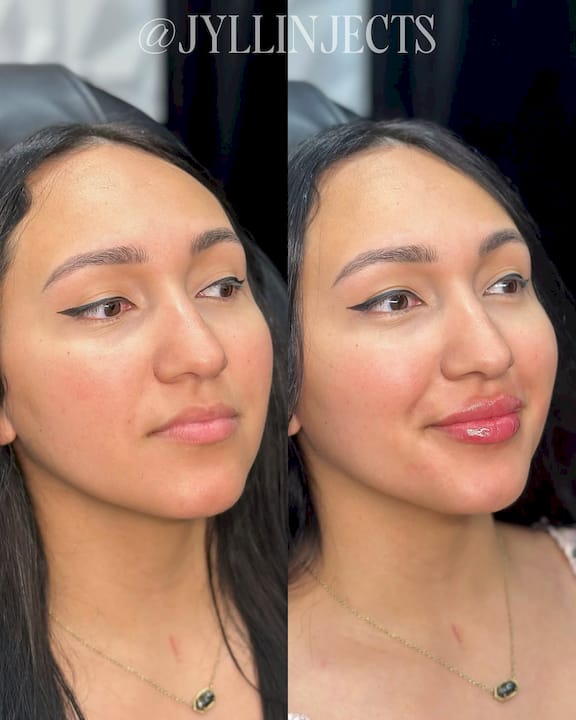
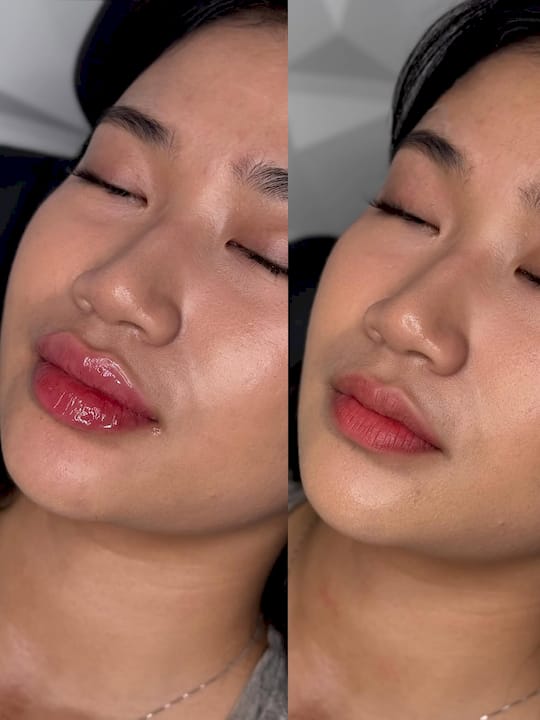
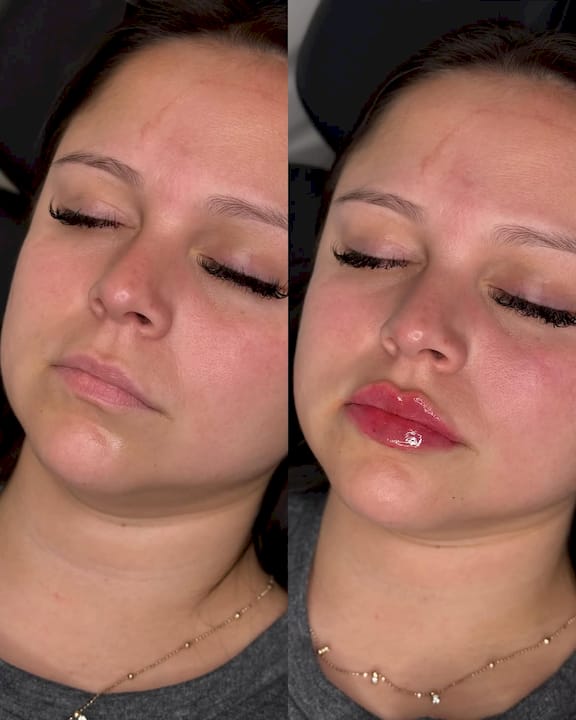
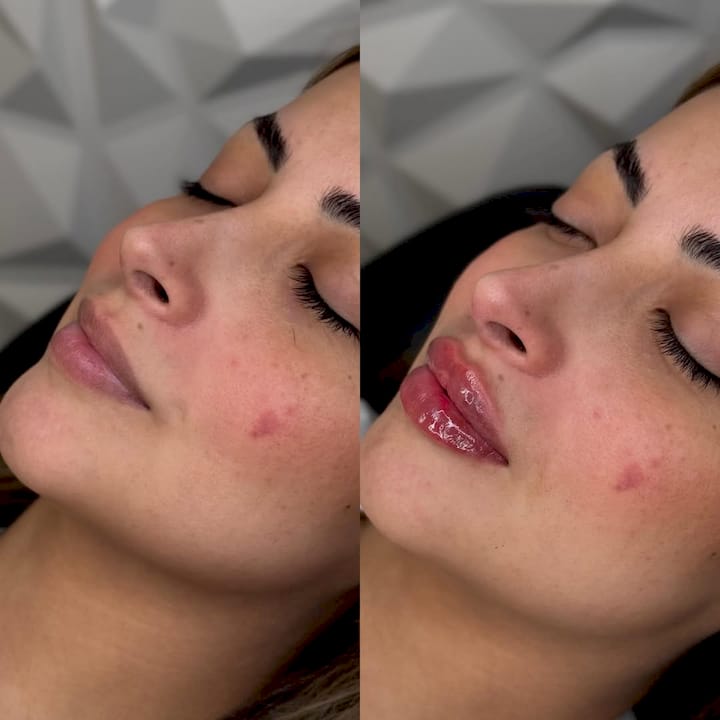
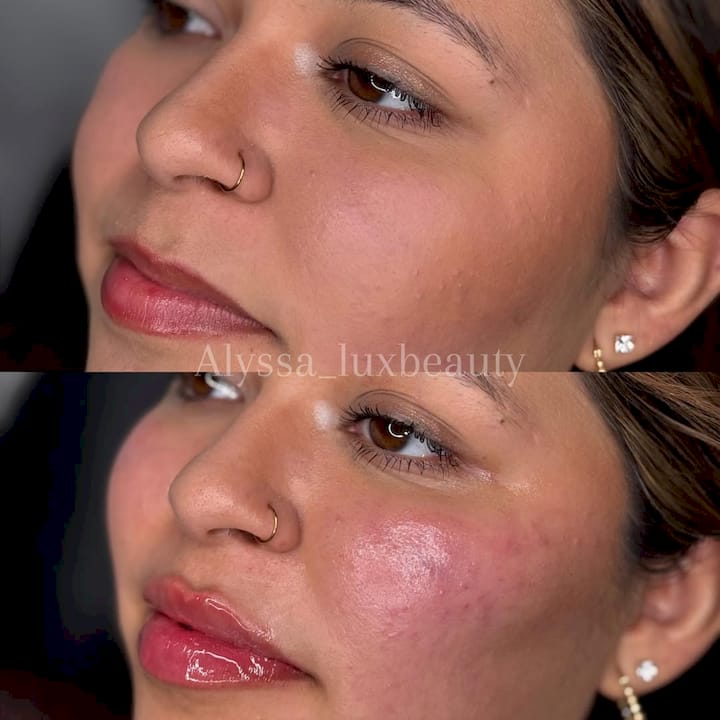
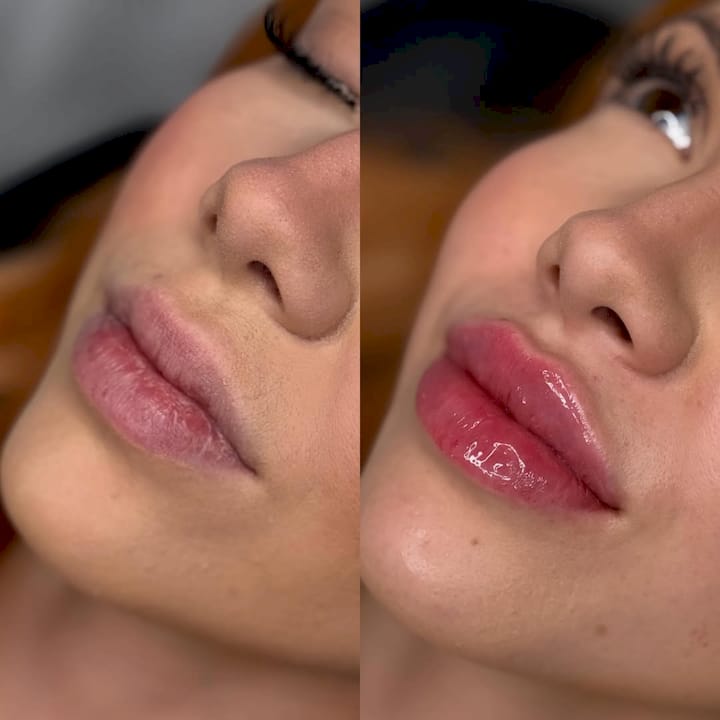
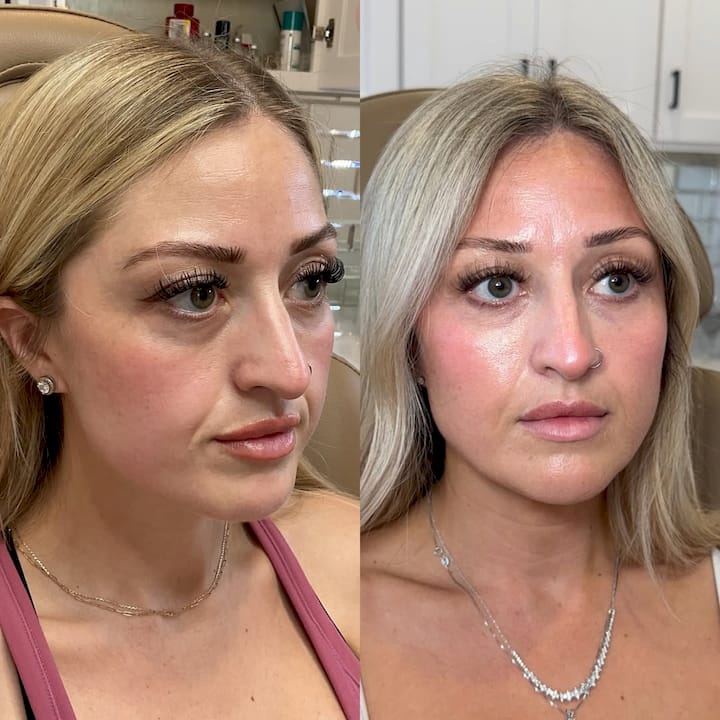
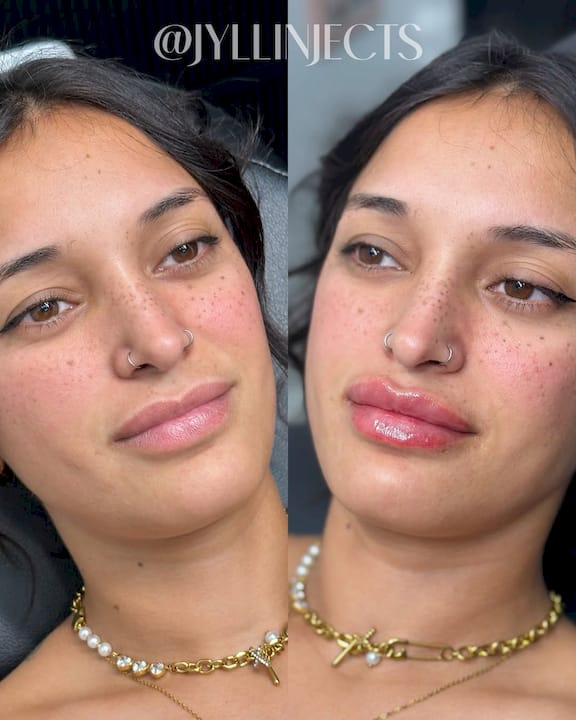
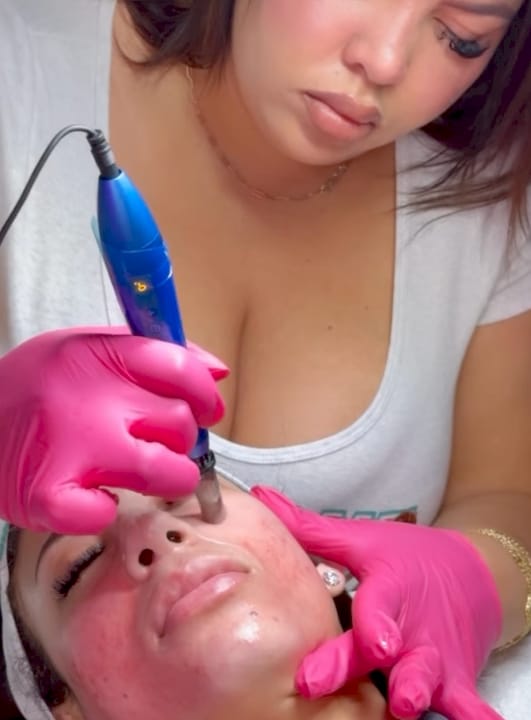
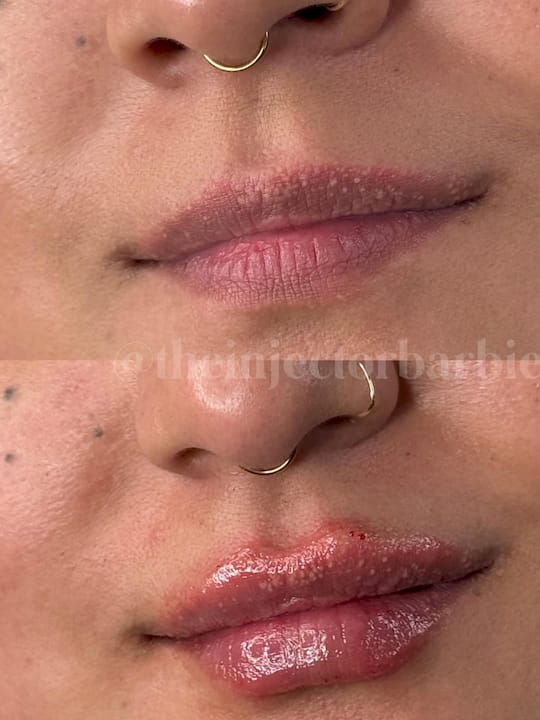
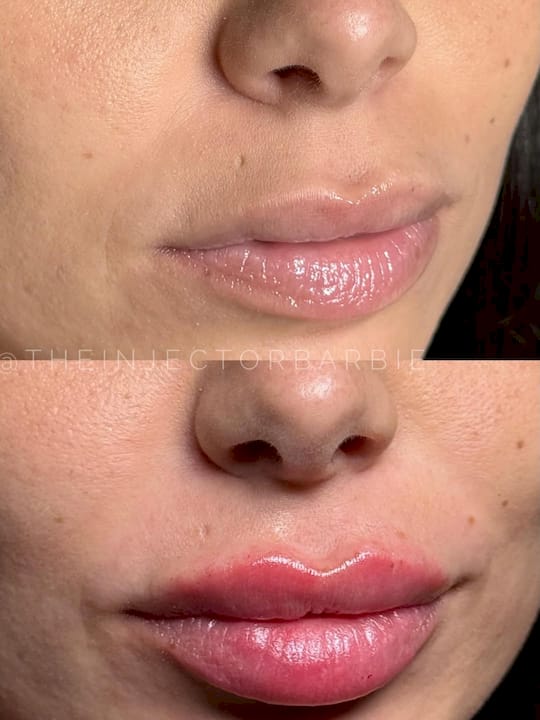
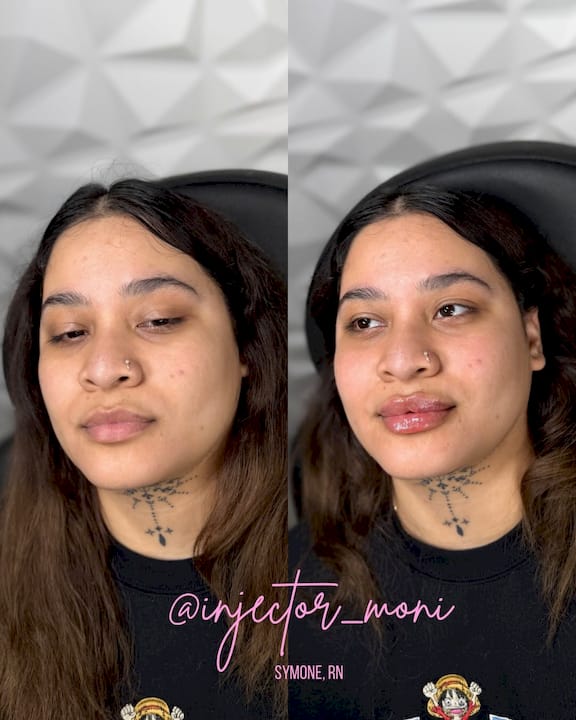
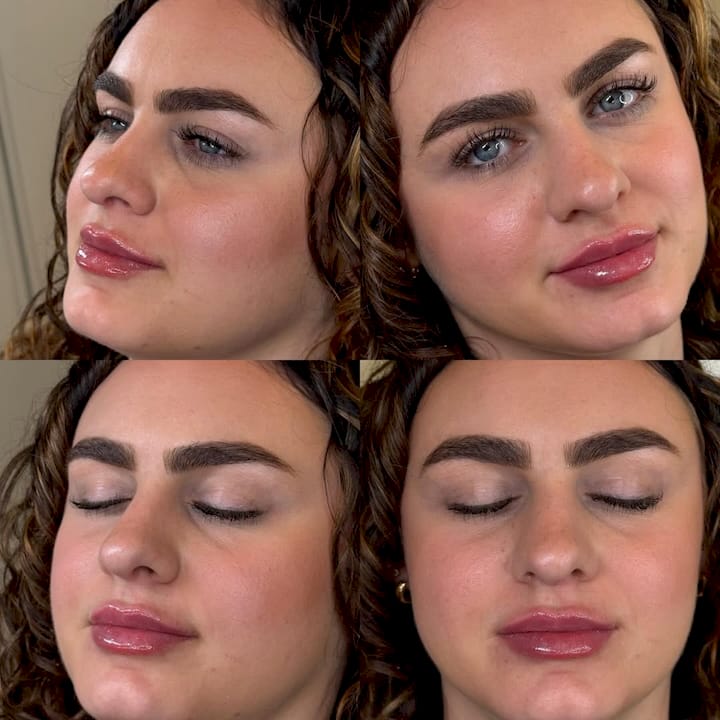
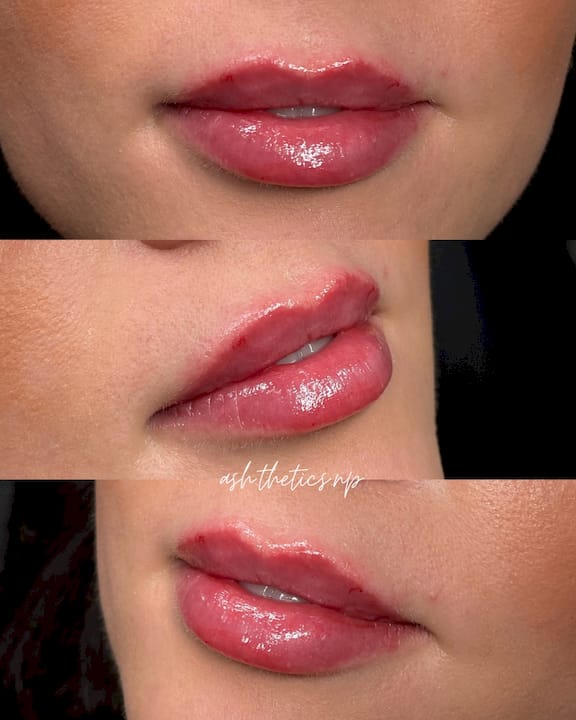
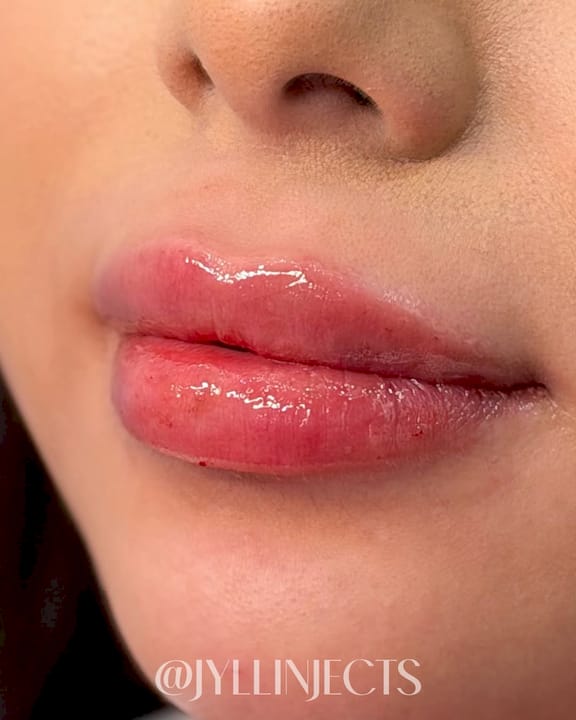
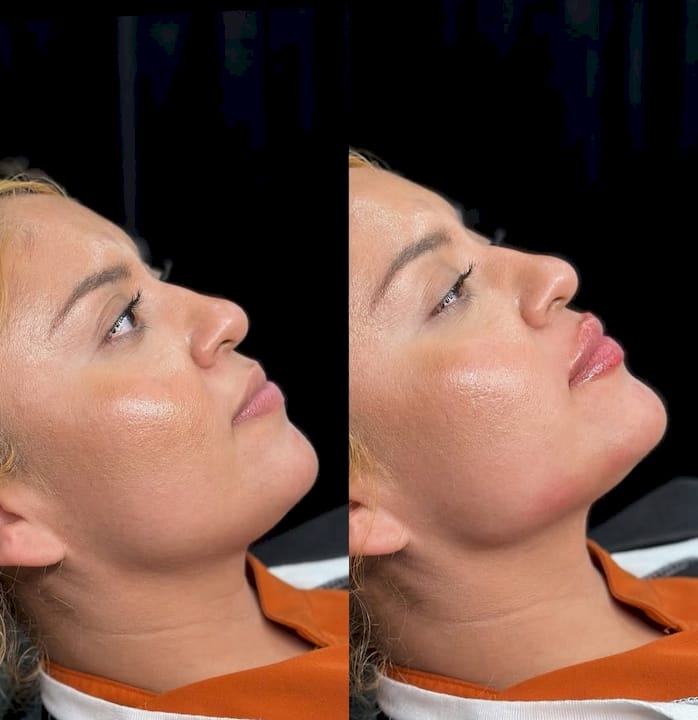
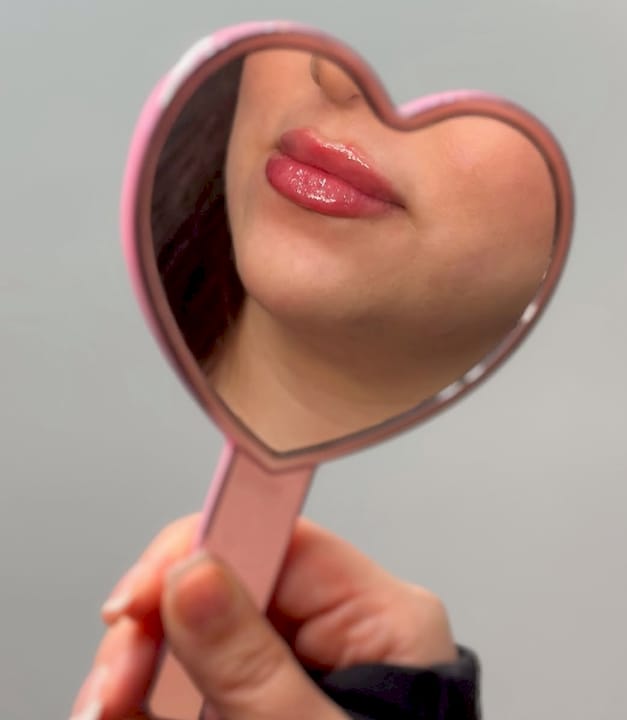
Lip filler is a medical aesthetic procedure that is considered safe when performed by a qualified injector using FDA-approved products. The standard material used today is hyaluronic acid (HA), a substance naturally found in the body, which makes it both well-tolerated and reversible. Understanding how safe lip filler actually is requires looking at the full picture: what the filler is made of, what the procedure involves, how often side effects occur, and what separates a safe outcome from a risky one. This article gives you that picture, grounded in 2026 clinical data.
What is lip filler made of and what types are used?
Hyaluronic acid is the dominant material in lip filler today, and for good reason. It is biocompatible, meaning the body recognizes it as a natural substance, and it can be dissolved with an enzyme called hyaluronidase if something goes wrong. That reversibility is a genuine safety advantage that no other filler category offers. HA fillers generally last 6 to 18 months in the lips, fading faster than in other areas due to constant movement from talking and eating.
The main filler categories compared
Not all dermal fillers are the same. The different types of filler used in aesthetics each carry distinct risk profiles, and only some are appropriate for lips.
| Filler type | Main material | Reversible? | Suitable for lips? |
|---|---|---|---|
| Hyaluronic acid fillers | Juvederm, Restylane | Yes, with hyaluronidase | Yes, preferred choice |
| Calcium hydroxylapatite | Radiesse | No | Not recommended for lips |
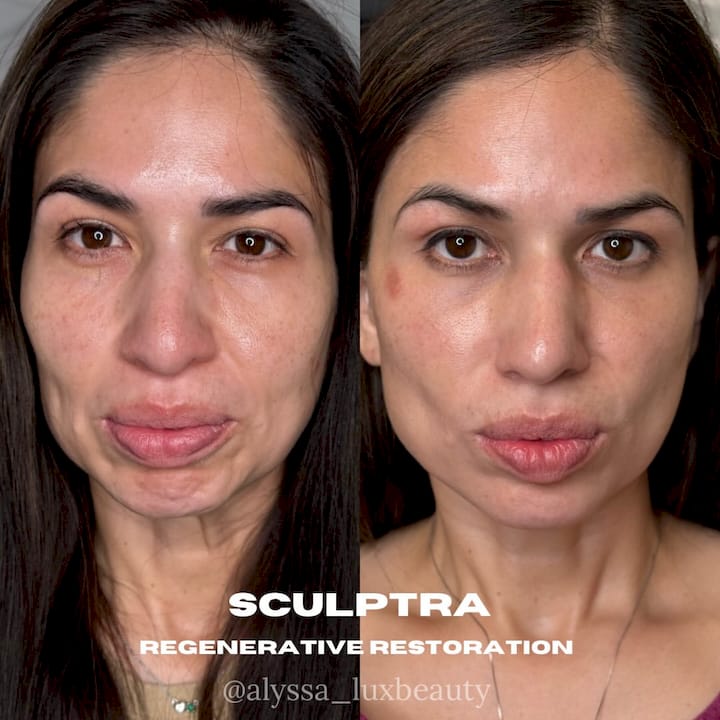
| Poly-L-lactic acid | Sculptra | No | Not recommended for lips |
| Permanent fillers | Silicone, PMMA | No | High risk, avoid |
Calcium hydroxylapatite products like Radiesse and poly-L-lactic acid products like Sculptra are biostimulators. They work by triggering collagen production and are not reversible, which makes them a poor fit for the lips where precision and correctability matter most. Permanent fillers carry the highest long-term risk because any complication becomes a permanent problem. The best lip filler for most patients is an HA product with a consistency matched to the lip tissue.
What filler consistency means for safety
HA fillers are not all identical. They vary in what is called G-prime, a measure of stiffness. High G-prime fillers hold their shape well and suit structural areas like the chin or cheeks. Low to medium G-prime fillers are softer and integrate more naturally into lip tissue. Using a filler that is too stiff in the lips creates a hard, unnatural feel and raises the risk of visible lumps. Choosing the right product for the right area is a clinical decision, not a cosmetic preference.
Pro Tip: Ask your injector which specific HA product they plan to use and why. A practitioner who can explain their product choice in plain terms is one who understands the material they are working with.
How safe is lip filler: common side effects and rare complications
The safety profile of lip filler is well-documented. A 2026 systematic review found that 68% of patients reported satisfaction with HA lip fillers, while around 50% experienced common adverse events. That statistic sounds alarming until you see what those events actually are.

What to expect as normal reactions
The most frequently reported side effects are swelling (78% of cases) and bruising (34% of cases), according to the same review. Both are expected physiological responses to any injection and resolve on their own within days. Tenderness and firmness at the injection site are also normal in the first week.
| Side effect | Frequency | Typical duration |
|---|---|---|
| Swelling | ~78% | 2 to 5 days |
| Bruising | ~34% | 3 to 7 days |
| Tenderness | Common | 3 to 5 days |
| Firmness | Common | Up to 2 weeks |
| Serious complications | 1.1% | Variable |
Serious adverse events occurred in only 1.1% of cases across the reviewed studies. That figure covers infections, delayed inflammatory nodules, and vascular occlusion. The rarity of serious outcomes reflects how well HA fillers perform when used correctly.
The complications that require immediate attention
Vascular occlusion is the most serious risk in lip filler. It occurs when filler is accidentally injected into or compresses a blood vessel, cutting off circulation to surrounding tissue. The superior and inferior labial arteries run through the lip area, and their precise location varies between patients. Symptoms include sudden, severe pain, skin turning white or blue, and a mottled appearance. These signs demand immediate treatment. Vascular complications occur in well under 1% of treatments when administered by qualified professionals, but the window for intervention is short.
Delayed inflammatory nodules can appear weeks or months after treatment, often triggered by illness or dental procedures. They are treatable but require a clinician who recognizes them. Infections are rare and typically linked to poor sterile technique.
Pro Tip: If you experience sudden, severe pain or notice skin discoloration immediately after your lip filler treatment, contact your injector right away. Do not wait to see if it resolves on its own.
What factors impact lip filler safety most
The injector’s medical training and anatomical expertise is the single most important safety factor in any lip filler procedure. A skilled clinician knows where the labial arteries typically run, how to adjust for anatomical variation, and what to do if something goes wrong. Injector expertise includes readiness to manage rare emergencies with clear protocols, including having hyaluronidase on hand to dissolve filler if needed. A practitioner who cannot reverse a complication should not be performing the procedure.
Patient assessment before treatment
A thorough pre-treatment consultation is not optional. It is the foundation of a safe outcome. Your injector should review:
-
Active cold sores or a history of herpes simplex, since injections can trigger an outbreak
-
Autoimmune conditions that affect healing or increase infection risk
-
Current medications, particularly blood thinners like aspirin or ibuprofen, which increase bruising
-
Skin infections or active inflammation near the treatment area
-
Realistic expectations and any history of previous filler treatments
Medical history review including cold sores, autoimmune disorders, and infections is clinically established as a prerequisite for minimizing complications. Skipping this step is a red flag.
Technique choices and their safety implications
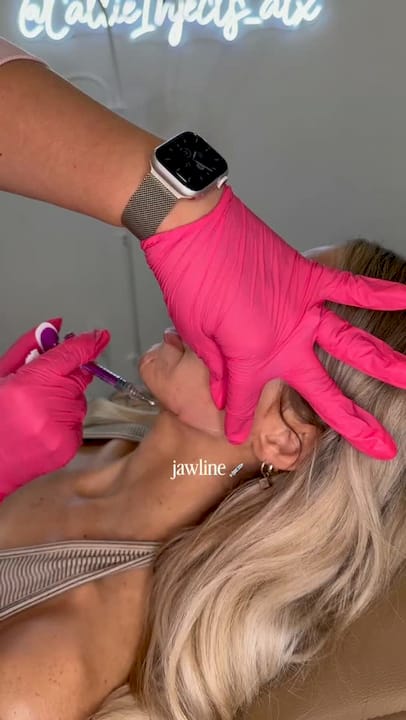
How filler is injected matters as much as what is injected. Gradual injection with smaller amounts and the use of fine needles or blunt cannulas reduces the risk of bruising, swelling, and vascular injury. Cannulas are particularly useful near high-risk vascular zones because they push vessels aside rather than piercing them.
Trendy techniques like the Russian lip and Paris lip methods have gained popularity on social media, but they carry higher risks. Russian and Paris lip techniques increase the risk of filler migration and an unnatural appearance due to tissue stretching from repeated vertical injections. The appeal of a dramatic result does not outweigh the structural risks these methods introduce. Understanding how to avoid lip filler migration starts with choosing a conservative technique from the outset.
Large volume injections in smaller lips heighten swelling and complication risk. Matching volume to the patient’s anatomy, rather than chasing a specific look, is what separates a skilled clinician from one who simply follows a trend.
What to expect before, during, and after treatment
A safe lip filler experience follows a predictable structure. Here is what that looks like in practice:
-
Consultation. Your injector reviews your medical history, examines your lip anatomy, discusses your goals, and sets realistic expectations. This is where suitability is confirmed.
-
Preparation. The treatment area is cleaned and a topical numbing cream is applied. Most HA fillers also contain lidocaine, which numbs the area during injection.
-
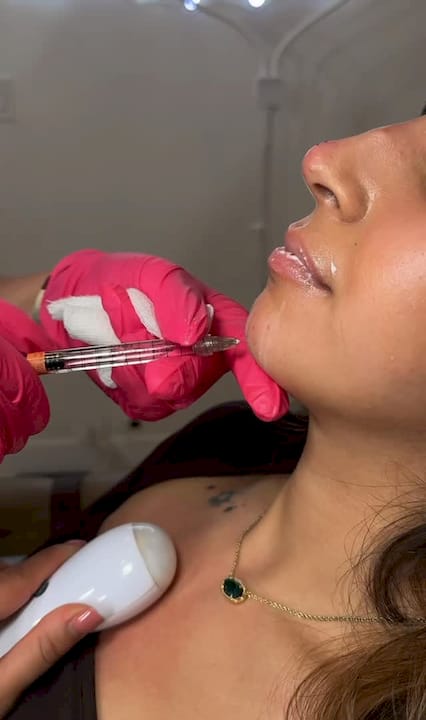
Injection. The procedure typically takes 15 to 30 minutes. A skilled injector works incrementally, assessing results as they go rather than depositing all product at once.
-
Immediate aftercare. You will likely leave with some swelling. Avoid touching the area, applying makeup, or exercising for 24 hours.
-
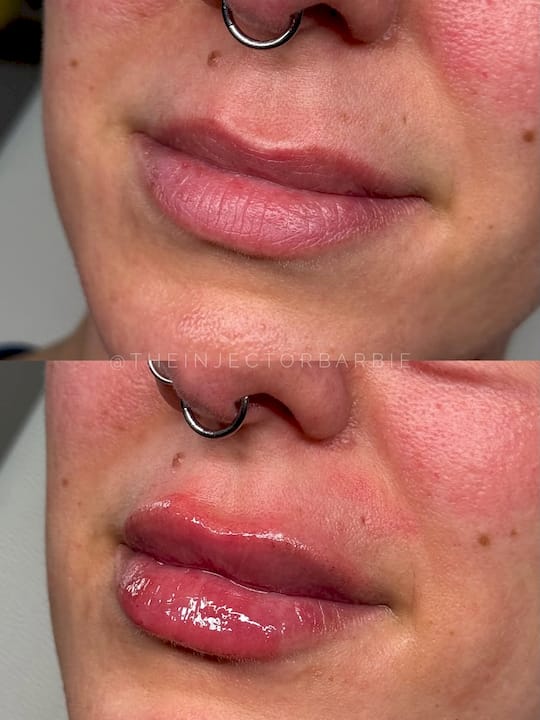
Recovery window. Typical recovery involves 2 to 5 days of swelling and 3 to 7 days of bruising. Final results are visible after about two weeks.
Pro Tip: Avoid alcohol, aspirin, and ibuprofen for at least 48 hours before your appointment. These thin the blood and significantly increase bruising.
For a detailed breakdown of what to do after your appointment, the lip filler aftercare guide at Theinjectionroom covers every step of the recovery process. Watch for warning signs post-treatment: severe pain, skin discoloration, vision changes, or fever all require immediate medical attention.
Key takeaways
Lip filler is safe for most patients when performed by a qualified injector using FDA-approved hyaluronic acid products, with serious complications occurring in fewer than 1.1% of cases.
| Point | Details |
|---|---|
| HA is the safest filler for lips | Hyaluronic acid is reversible, biocompatible, and the clinical standard for lip augmentation. |
| Serious complications are rare | Studies show serious adverse events in only 1.1% of cases; swelling and bruising are the norm. |
| Injector expertise is the top safety factor | Medical training, anatomical knowledge, and emergency readiness define a safe practitioner. |
| Technique choice affects outcomes | Conservative, incremental injections with cannulas or fine needles reduce vascular and migration risks. |
| Patient assessment is non-negotiable | Cold sore history, medications, and autoimmune conditions must be reviewed before any treatment. |
What I’ve learned from watching trends override clinical judgment
I have seen the same pattern repeat itself in aesthetic medicine. A technique goes viral, patients request it by name, and practitioners who want to keep clients happy start offering it without fully weighing the anatomical risks. The Russian lip technique is the clearest recent example. It produces a striking, heart-shaped result in photos, but it requires repeated deep injections that stretch tissue and increase migration risk over time. The patients who come in asking for it rarely know that part of the story.
Conservative treatment consistently yields better safety and more natural outcomes than chasing dramatic volume increases. That is not a cautious opinion. It is what the clinical data shows. The lips are a structurally complex area with significant vascular anatomy, and the difference between a beautiful result and a serious complication often comes down to a millimeter of depth or a fraction of a milliliter of product.
What I tell anyone considering lip filler is this: the goal of the consultation is not to confirm that you are getting the treatment. It is to determine whether the treatment is right for you, at what volume, and with what technique. A practitioner who agrees to everything you ask without pushback is not serving your safety. They are serving your expectations, and those are not always the same thing.
The benefits and risks of lip fillers are real on both sides. The outcome you get depends almost entirely on who performs the procedure and how honestly they communicate with you before the needle touches your skin.
— Marina
Safe lip filler treatments at Theinjectionroom
Theinjectionroom offers medically supervised lip filler treatments at locations in Austin and San Antonio, Texas. Every treatment begins with a thorough consultation led by trained practitioners who review your medical history, assess your anatomy, and recommend the right HA product and volume for your goals. The clinic uses FDA-approved hyaluronic acid fillers and maintains emergency protocols including hyaluronidase availability. If you are ready to take the next step with a team that prioritizes your safety over dramatic results, explore aesthetic injectable treatments at Theinjectionroom and book a consultation today.
FAQ
How safe is lip filler for first-time patients?
Lip filler is considered safe for most first-time patients when performed by a qualified medical professional using FDA-approved hyaluronic acid products. Serious complications occur in fewer than 1.1% of cases, and common reactions like swelling and bruising resolve within days.
What filler is used for lips most commonly?
Hyaluronic acid fillers, including brands like Juvederm and Restylane, are the most widely used products for lip augmentation. They are preferred because they are biocompatible, produce natural results, and can be dissolved with hyaluronidase if needed.
Can lip filler be reversed if something goes wrong?
Yes. Hyaluronic acid fillers can be dissolved using an enzyme called hyaluronidase, which breaks down the filler quickly. This reversibility is one of the primary reasons HA is the clinical standard for lip treatments.
How long does lip filler last?
HA lip fillers typically last 6 to 18 months, with lips on the shorter end of that range due to constant movement. Results vary based on the specific product used, the volume injected, and individual metabolism.
What are the warning signs after lip filler that need urgent attention?
Sudden severe pain, skin turning white or blue, mottled skin texture, vision changes, or fever after lip filler treatment all require immediate medical attention. These can indicate vascular occlusion or infection, both of which need prompt clinical intervention.
%20Pictures%20are%204%20weeks%20apart..jpg)